Push Cars
Push cars are a delightful way to introduce your little ones to the joy of movement and exploration. Perfect for toddlers who are eager to explore their surroundings, these fun vehicles combine playtime with developmental benefits. Designed with safety and style in mind, push cars offer an engaging experience that encourages physical activity while sparking imagination. Whether indoors or outdoors, they provide endless entertainment and help build motor skills as children push, steer, and navigate their way through new adventures. Explore a range of vibrant colors and innovative designs that cater to every child's unique personality and growing curiosity
Sort

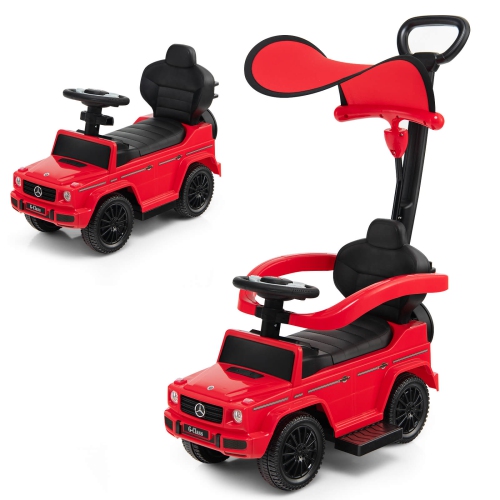
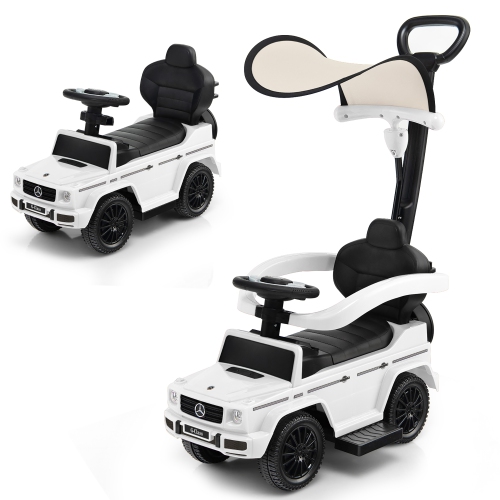
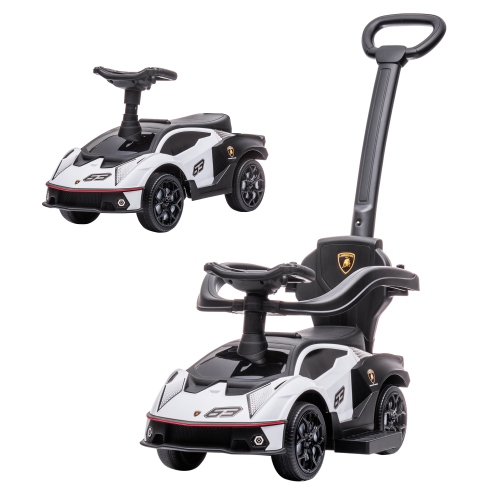
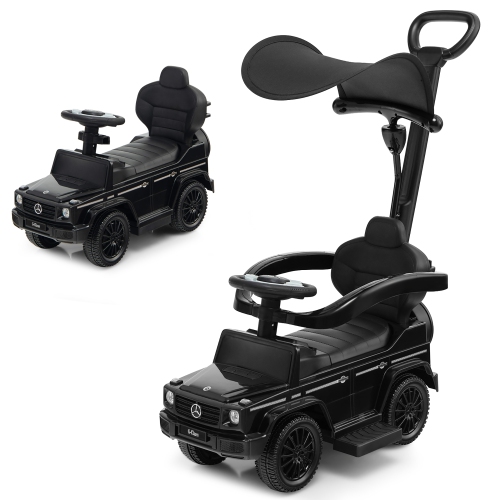
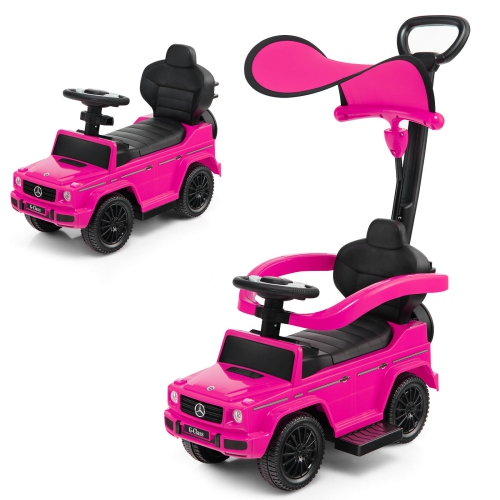
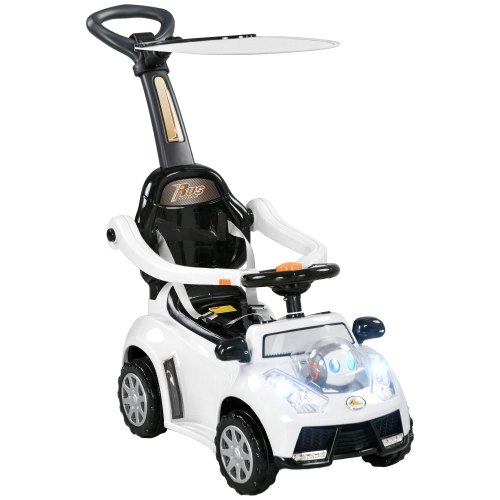
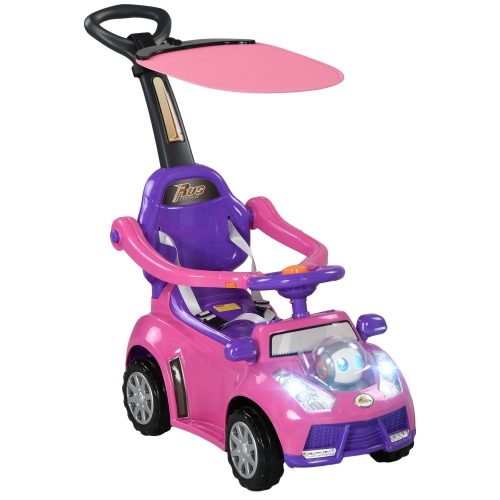
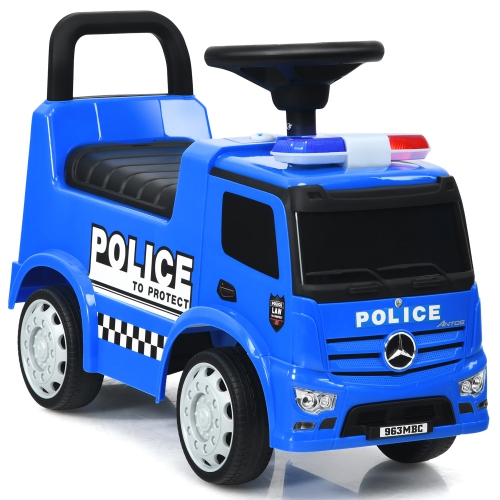
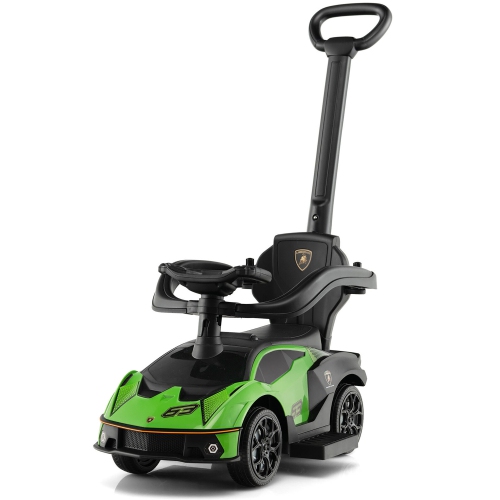
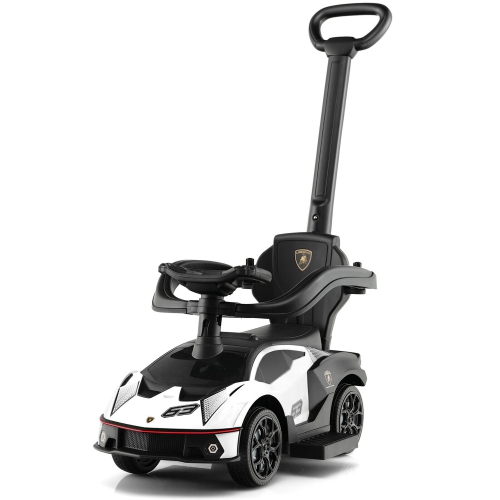
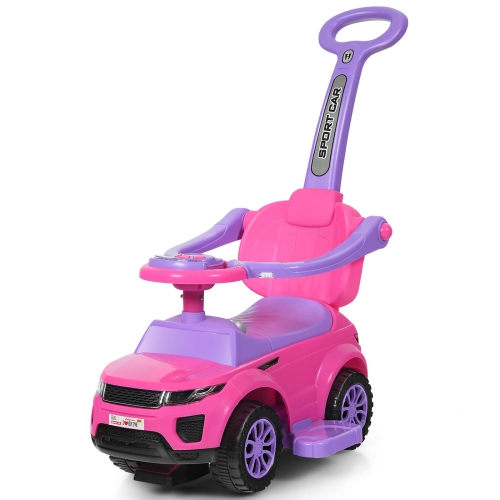
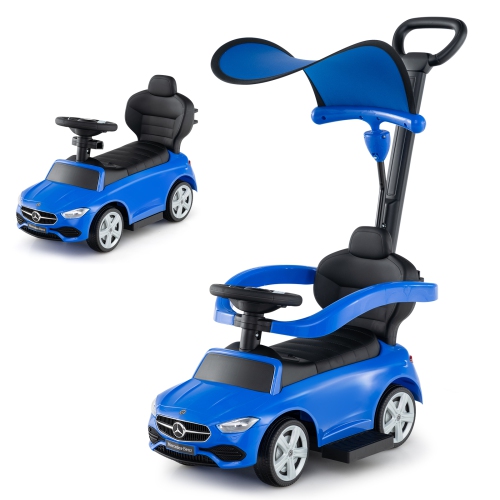
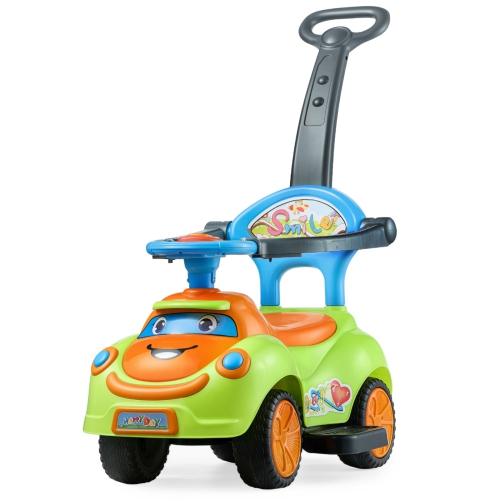
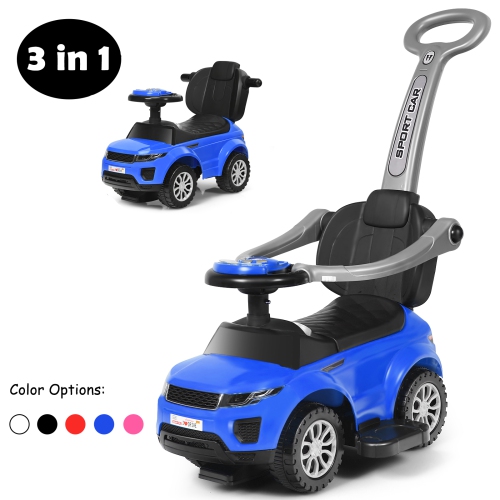
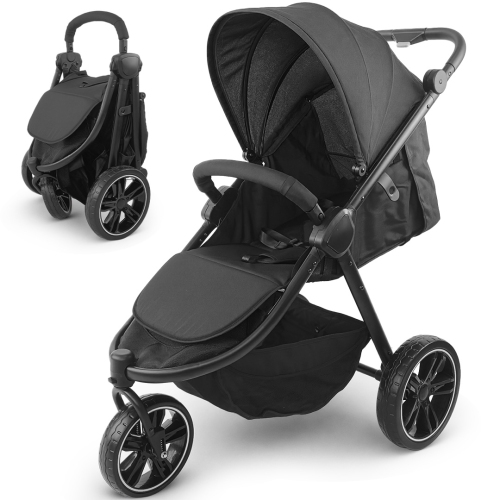
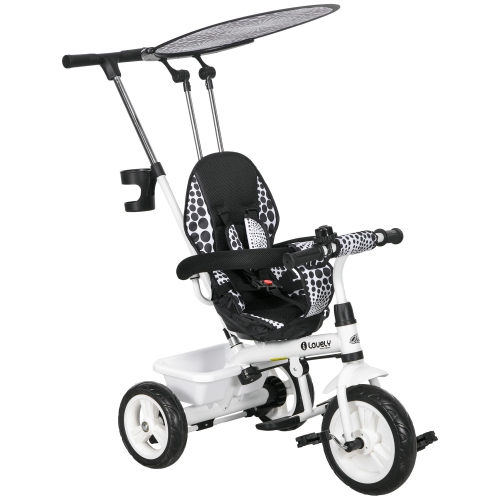
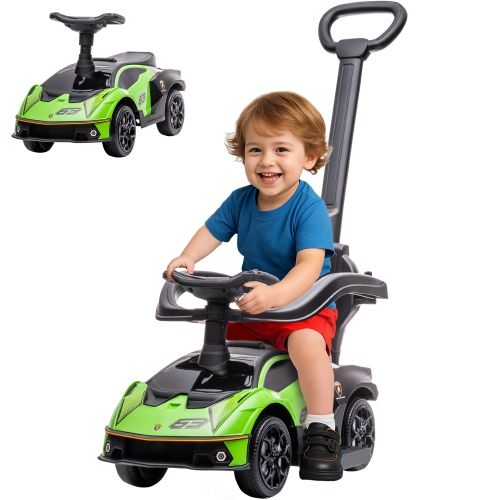
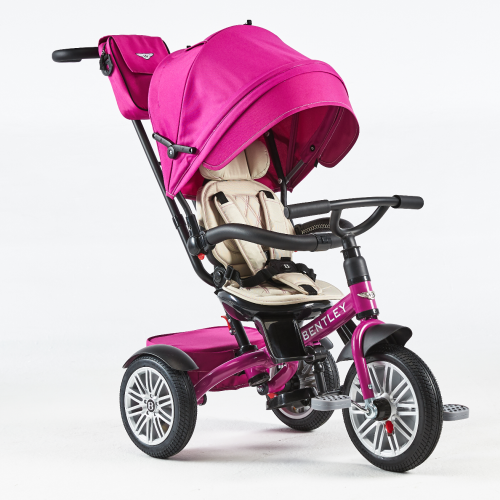
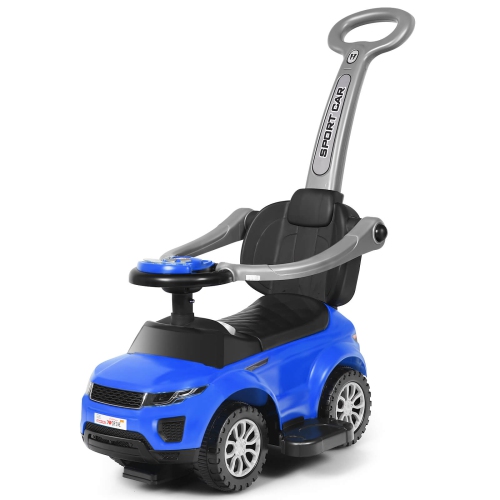
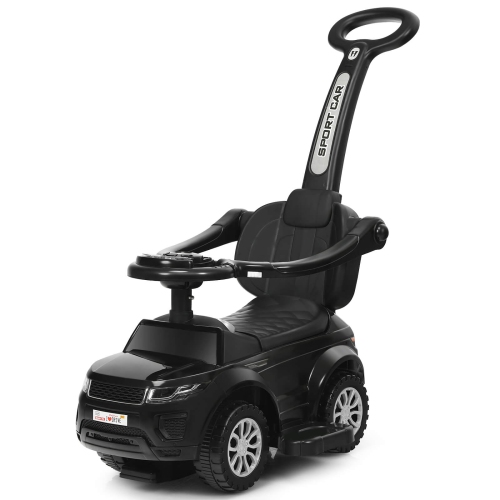
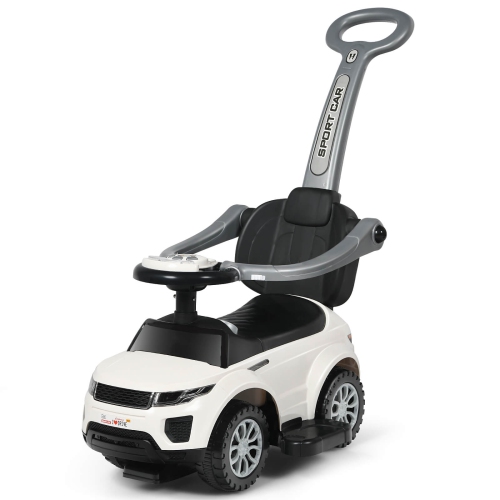
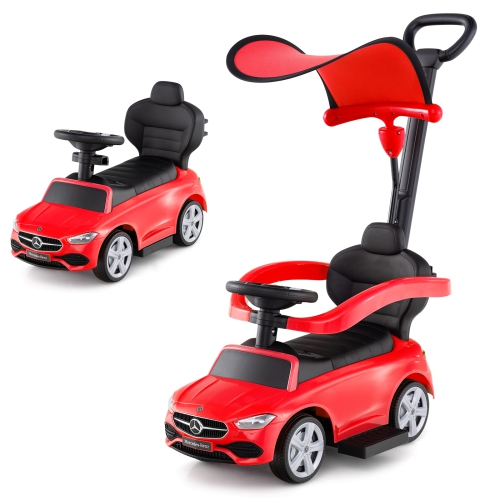
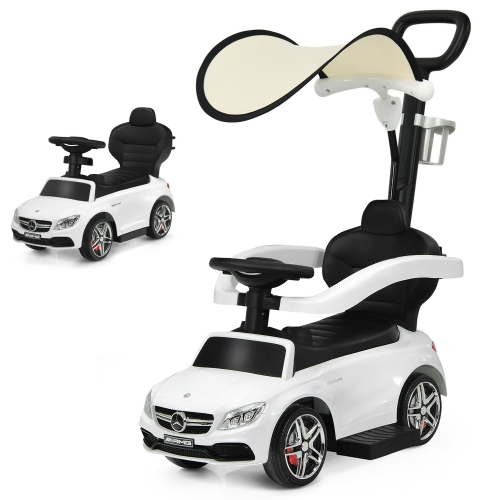
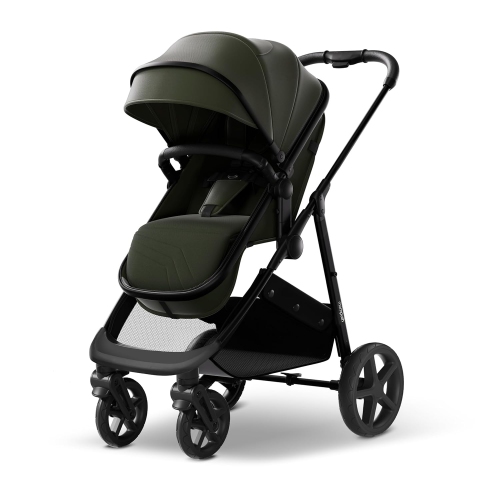
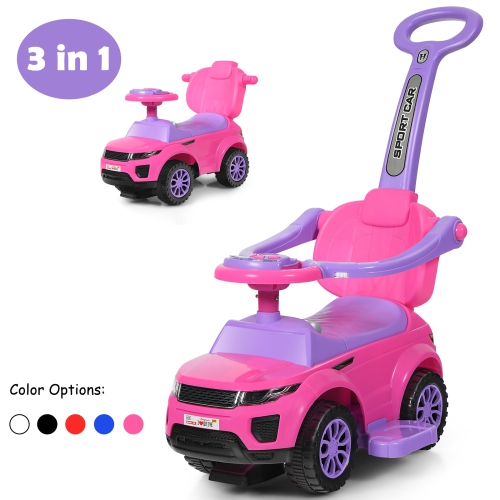
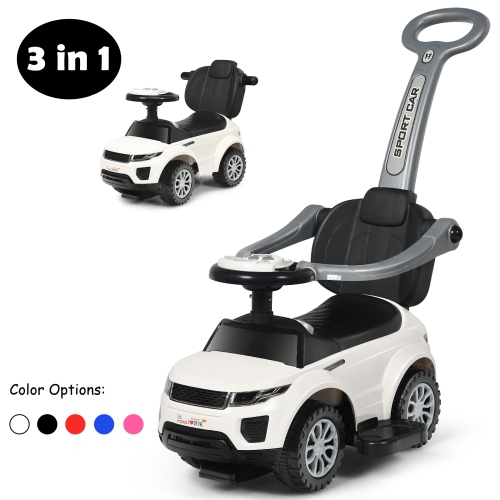
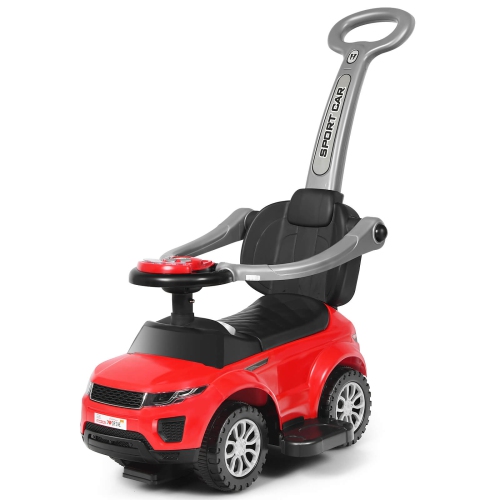
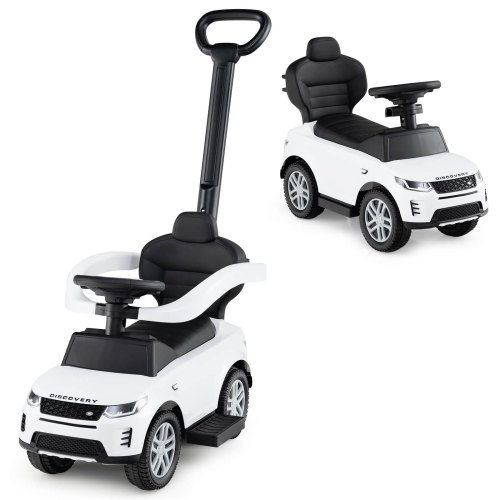
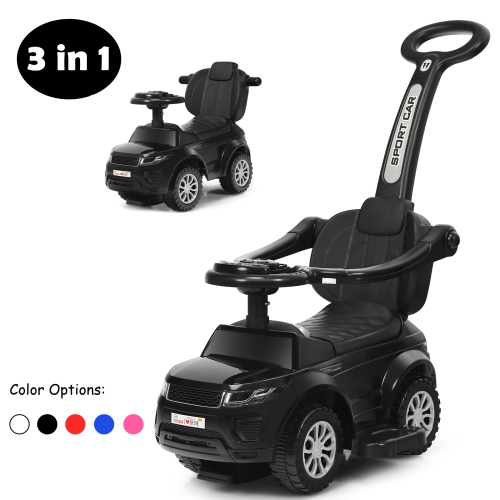
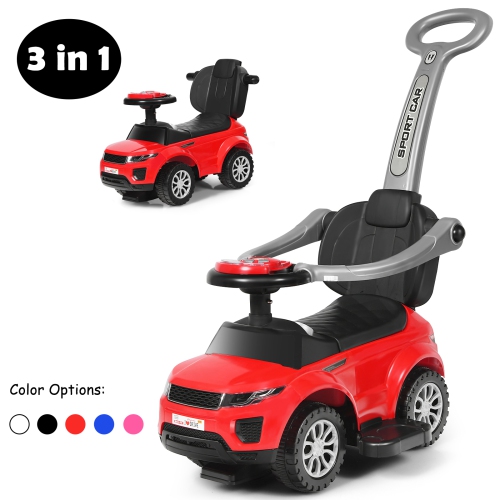
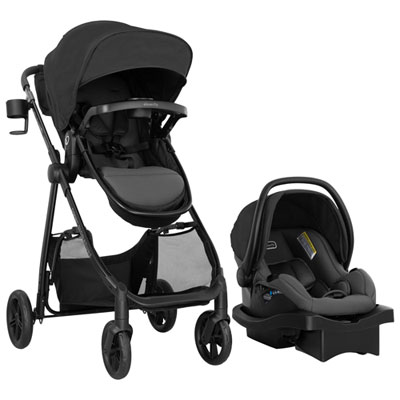
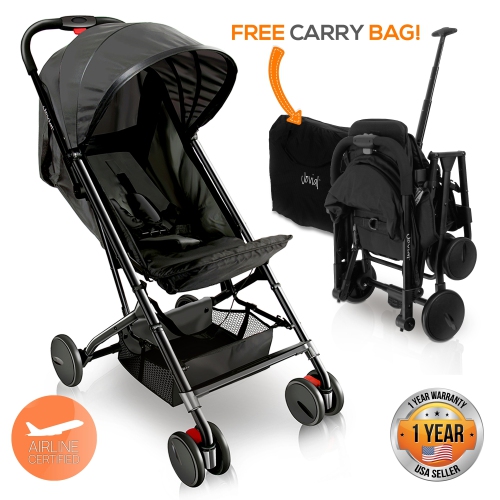
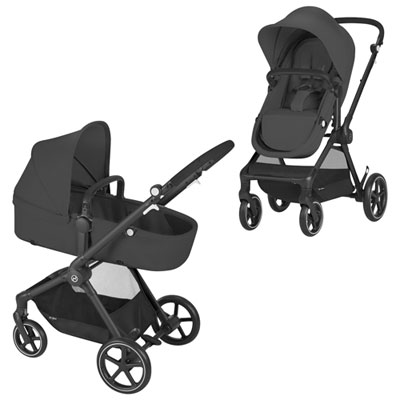
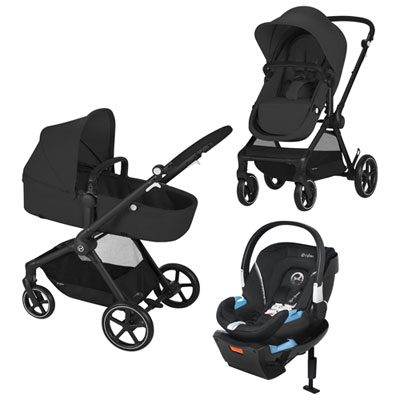

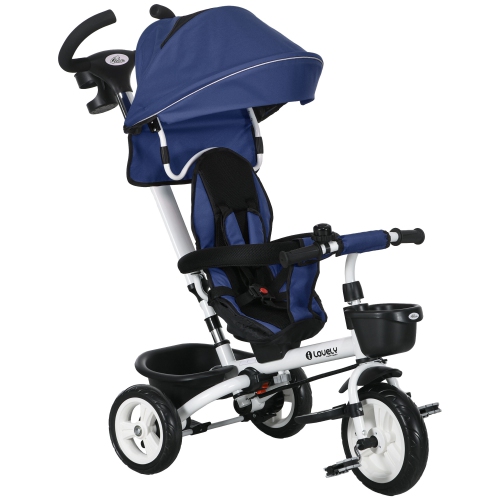
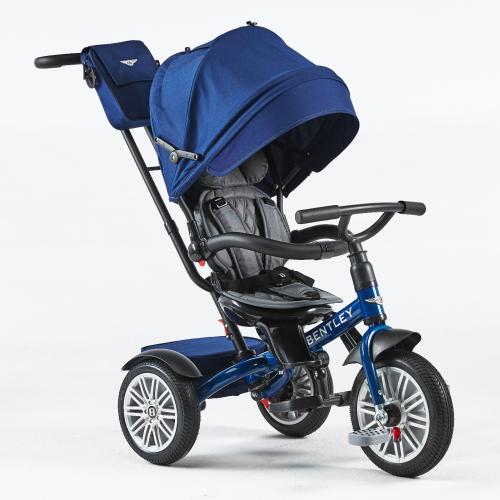
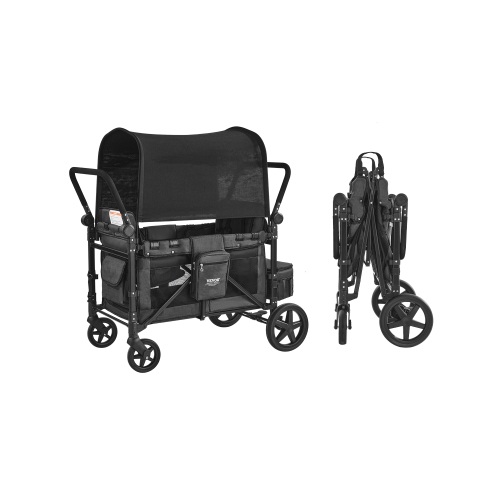
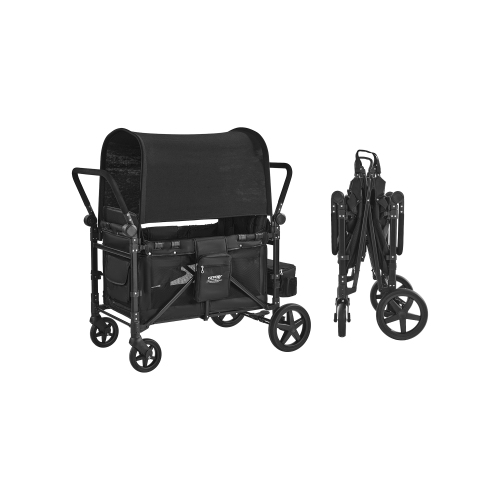
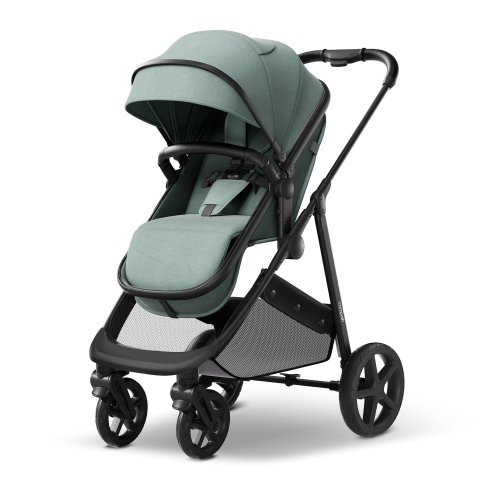
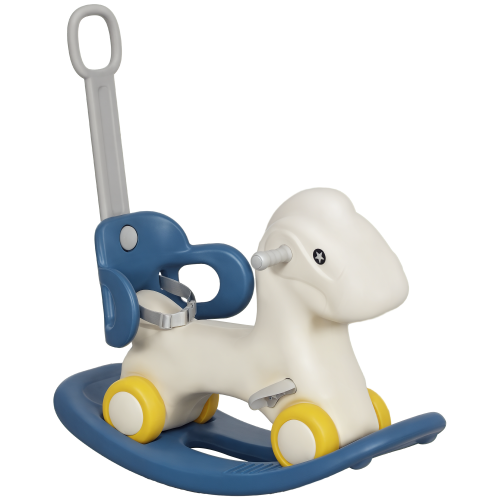
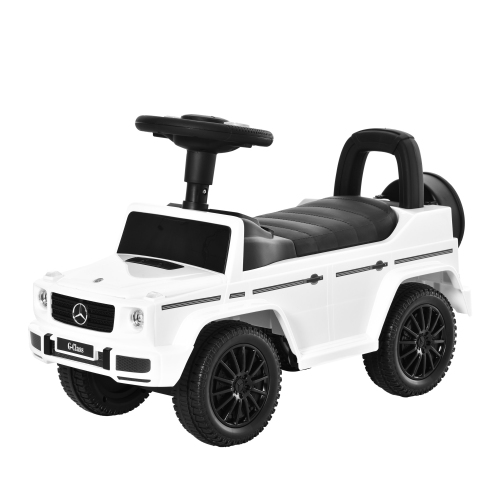
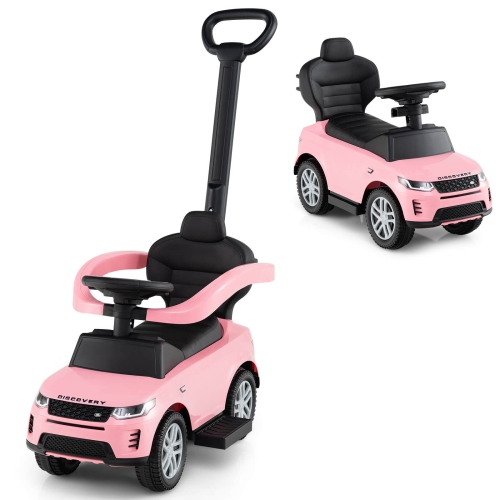
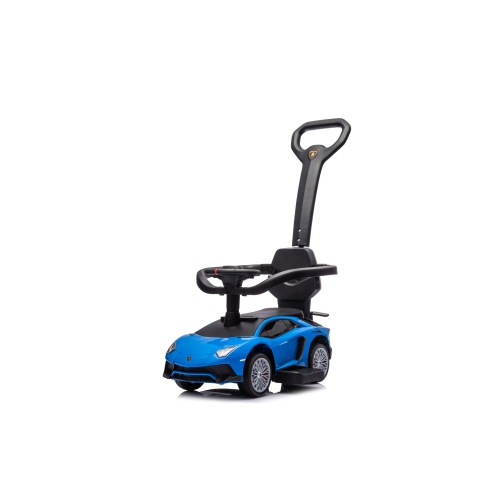
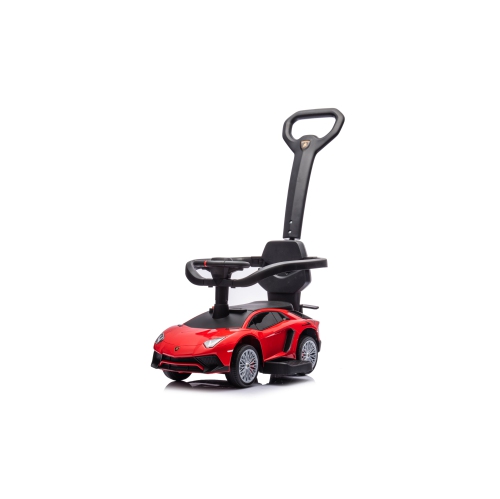
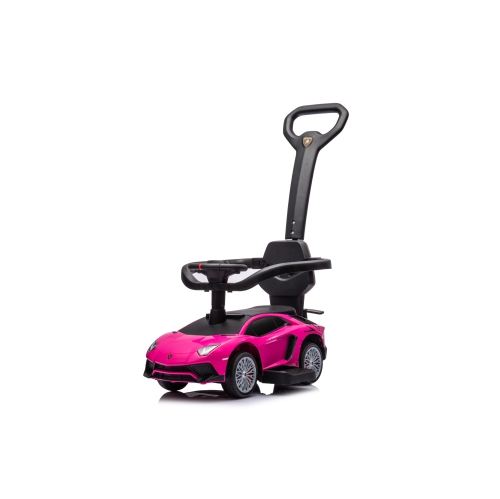
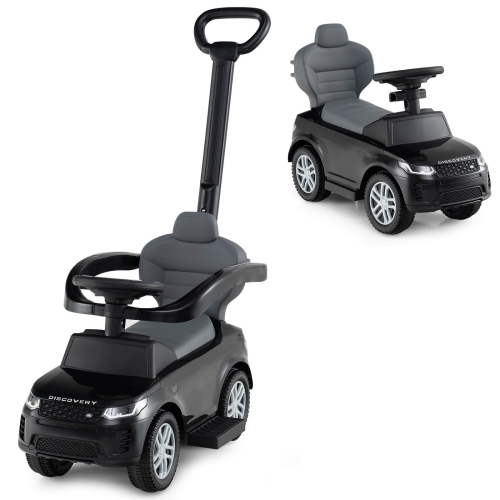
Support growing independence through guided and imaginative rides
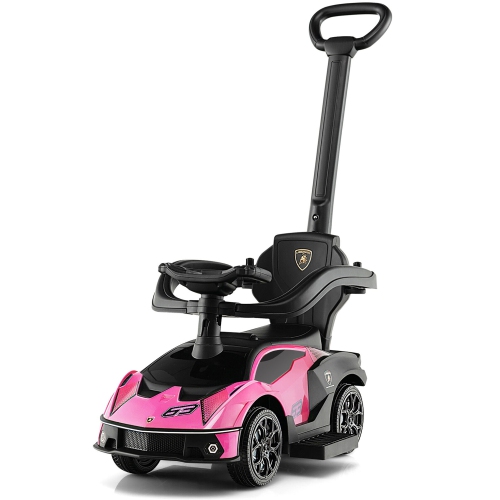
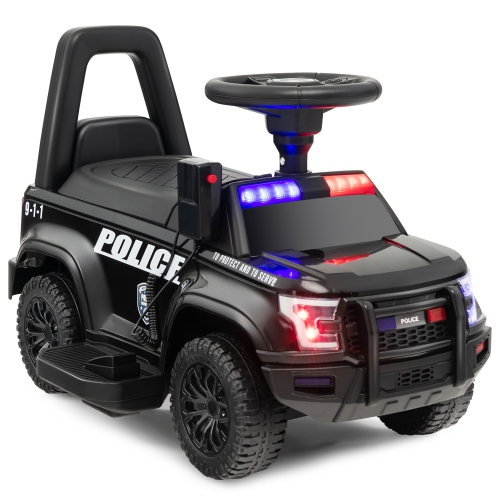
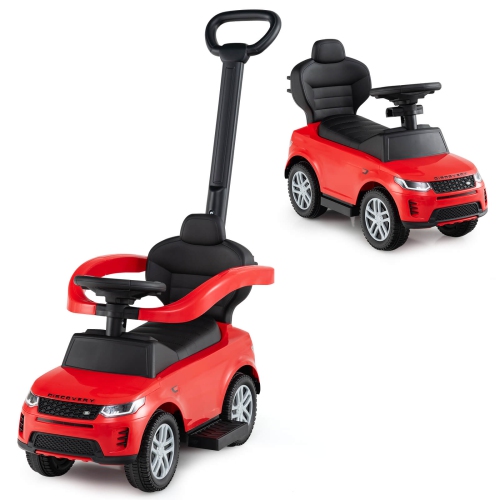
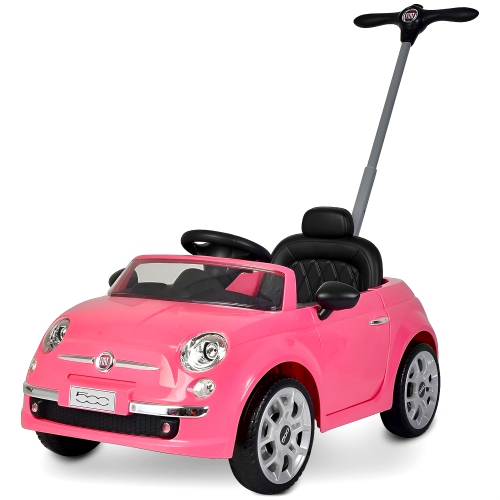
Push cars are foot-to-floor ride-on toys designed for toddlers and young children who are learning to move independently. They typically have a low seat, a sturdy body, a steering wheel, and an open bottom that lets a child propel the car by walking their feet along the floor. Many models can also be pushed by an adult using an integrated handle, making them useful for short walks, visits to family, or relaxed outdoor play. Depending on the design, a push car may suit children from about 1 to 5 years old, although the recommended age, weight limit, and stage of use can vary. Younger toddlers may benefit from a model with a high back, removable footrest, safety guardrails, and a parent steering handle, while older toddlers may prefer a simpler foot-to-floor car that gives them more control. Some push cars are made to grow with a child through several modes, converting from a stroller-style ride-on to a walking aid and eventually to a self-propelled sliding car. This flexibility can make one toy useful across changing stages, from supervised rides with an adult to independent indoor play. As children gain confidence, they can practise steering around furniture, stopping with their feet, and coordinating hand and eye movements while enjoying imaginative trips around the home. Push cars can also become a memorable gift for a first birthday, a toddler’s birthday, or a family celebration, particularly when the recipient is ready to sit securely and engage with an interactive toy. Their familiar vehicle shape often invites pretend play: a child may “drive” to the kitchen, carry a favourite toy in the storage compartment, or announce a delivery from one room to another. For families with limited outdoor space, a compact push car can provide active play indoors, while models with durable wheels and a parent handle may be convenient for supervised use on smooth patios, driveways, sidewalks, or other suitable surfaces.
The features found on push cars are designed to support different kinds of play and different levels of adult involvement. Parent handles allow an adult to guide the car and control the direction during a walk, while interactive steering wheels can add working horns, lights, music, or other sounds to make pretend driving more engaging. A removable handle can be especially practical for families who want assisted rides at first and independent foot-to-floor play later. Safety guardrails or side supports may help keep a younger child positioned in the seat, and a backrest can provide added support during longer rides. Look for a design that matches the child’s size, with enough room for comfortable leg movement without making the seat feel too deep or difficult to climb into. A broad, stable base and smoothly rolling wheels can help the car feel steady on appropriate surfaces, while a turning radius that is manageable in the available play area can make steering less frustrating. If the push car will be used outside, consider wheel construction, handle height, and whether the materials are easy to wipe clean after contact with outdoor dust or damp ground. Storage is another useful detail; a compartment beneath the seat can hold small toys, a snack, or a water bottle, although loose items should not interfere with the wheels or steering. Canopies or sunshades can provide coverage during bright conditions, but they should not block the driver’s view or replace attentive supervision. Electronic features may need batteries, so check how they are powered and whether controls are easy for an adult to operate. Before placing an order, review the manufacturer’s age and weight recommendations, assembled dimensions, seat height, wheel clearance, and required assembly. Measure doorways, hallways, and storage areas if the car will be kept indoors, and consider the child’s footwear and clothing when assessing available legroom. Push cars are intended for supervised play, and children should use them on surfaces appropriate for the design, away from stairs, traffic, pools, steep slopes, and other hazards. An adult-controlled handle can improve convenience, but it is not a substitute for close supervision, especially with a newly mobile toddler. Families comparing ride-on toys may also browse Miniature Cars for additional small-scale vehicle play options.
Push cars can fit naturally into everyday routines because they combine movement, make-believe, and the simple appeal of having a vehicle of their own. During the warmer part of the year, a child might take a guided ride along a flat walkway before settling into outdoor play, while during the cooler months the same car can become part of an indoor route marked out between the living room and play area. A foot-to-floor model is often a good choice for children who enjoy doing things themselves and have the balance and coordination to push with both feet. A parent-push model may be better for younger children, longer outings, or households that want an alternative to carrying a tired toddler. Multi-stage designs can be useful for caregivers who prefer a toy that changes as the child becomes more confident, whereas a straightforward model may appeal to families looking for uncomplicated play with fewer components. The best choice depends on the child’s age, height, weight, motor skills, play space, and the adults who will use the handle. It is also worth considering how the push car will be stored between play sessions, whether sound and light features suit the household, and how much assembly time is practical. Prices commonly range from about $50 to $230 CAD, with differences often connected to parent-steering systems, canopies, guardrails, electronic features, storage, convertible modes, and overall construction. A gift giver may want to confirm the family’s available space and the child’s current size before choosing, since a push car that is too large can be difficult to steer and one that is too small may be outgrown quickly. With a suitable fit and attentive adult supervision, a push car can support active exploration while giving toddlers a chance to practise movement, make choices, and turn ordinary corners of the home or neighbourhood into imaginative destinations.
The features found on push cars are designed to support different kinds of play and different levels of adult involvement. Parent handles allow an adult to guide the car and control the direction during a walk, while interactive steering wheels can add working horns, lights, music, or other sounds to make pretend driving more engaging. A removable handle can be especially practical for families who want assisted rides at first and independent foot-to-floor play later. Safety guardrails or side supports may help keep a younger child positioned in the seat, and a backrest can provide added support during longer rides. Look for a design that matches the child’s size, with enough room for comfortable leg movement without making the seat feel too deep or difficult to climb into. A broad, stable base and smoothly rolling wheels can help the car feel steady on appropriate surfaces, while a turning radius that is manageable in the available play area can make steering less frustrating. If the push car will be used outside, consider wheel construction, handle height, and whether the materials are easy to wipe clean after contact with outdoor dust or damp ground. Storage is another useful detail; a compartment beneath the seat can hold small toys, a snack, or a water bottle, although loose items should not interfere with the wheels or steering. Canopies or sunshades can provide coverage during bright conditions, but they should not block the driver’s view or replace attentive supervision. Electronic features may need batteries, so check how they are powered and whether controls are easy for an adult to operate. Before placing an order, review the manufacturer’s age and weight recommendations, assembled dimensions, seat height, wheel clearance, and required assembly. Measure doorways, hallways, and storage areas if the car will be kept indoors, and consider the child’s footwear and clothing when assessing available legroom. Push cars are intended for supervised play, and children should use them on surfaces appropriate for the design, away from stairs, traffic, pools, steep slopes, and other hazards. An adult-controlled handle can improve convenience, but it is not a substitute for close supervision, especially with a newly mobile toddler. Families comparing ride-on toys may also browse Miniature Cars for additional small-scale vehicle play options.
Push cars can fit naturally into everyday routines because they combine movement, make-believe, and the simple appeal of having a vehicle of their own. During the warmer part of the year, a child might take a guided ride along a flat walkway before settling into outdoor play, while during the cooler months the same car can become part of an indoor route marked out between the living room and play area. A foot-to-floor model is often a good choice for children who enjoy doing things themselves and have the balance and coordination to push with both feet. A parent-push model may be better for younger children, longer outings, or households that want an alternative to carrying a tired toddler. Multi-stage designs can be useful for caregivers who prefer a toy that changes as the child becomes more confident, whereas a straightforward model may appeal to families looking for uncomplicated play with fewer components. The best choice depends on the child’s age, height, weight, motor skills, play space, and the adults who will use the handle. It is also worth considering how the push car will be stored between play sessions, whether sound and light features suit the household, and how much assembly time is practical. Prices commonly range from about $50 to $230 CAD, with differences often connected to parent-steering systems, canopies, guardrails, electronic features, storage, convertible modes, and overall construction. A gift giver may want to confirm the family’s available space and the child’s current size before choosing, since a push car that is too large can be difficult to steer and one that is too small may be outgrown quickly. With a suitable fit and attentive adult supervision, a push car can support active exploration while giving toddlers a chance to practise movement, make choices, and turn ordinary corners of the home or neighbourhood into imaginative destinations.
Top selling and popular products
-
 Your price for this item is $160.99
 -
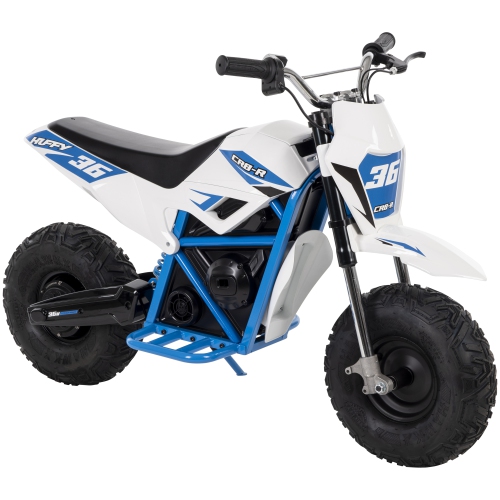 Your price for this item is $799.99
 -
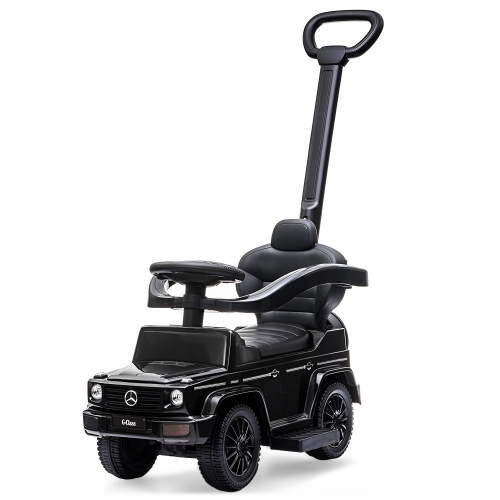 Your price for this item is $128.99
 -
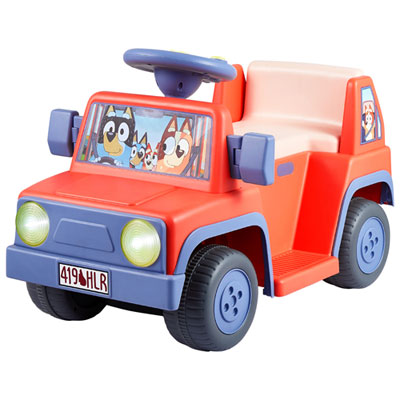 Your price for this item is $199.99
 -
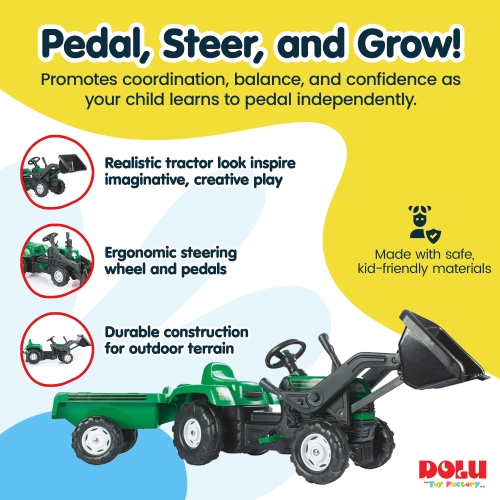 Your price for this item is $206.99
 -
 Your price for this item is $99.99
 -
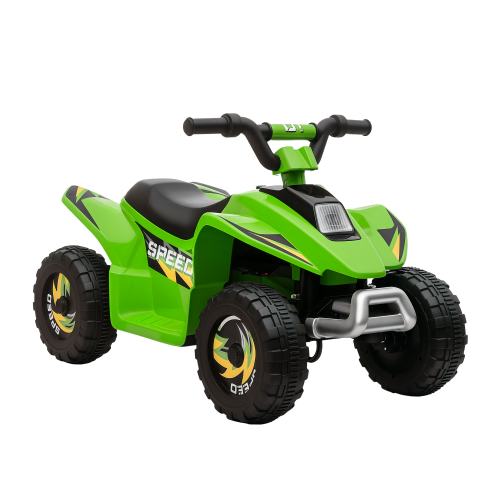 Your price for this item is $89.99
 -
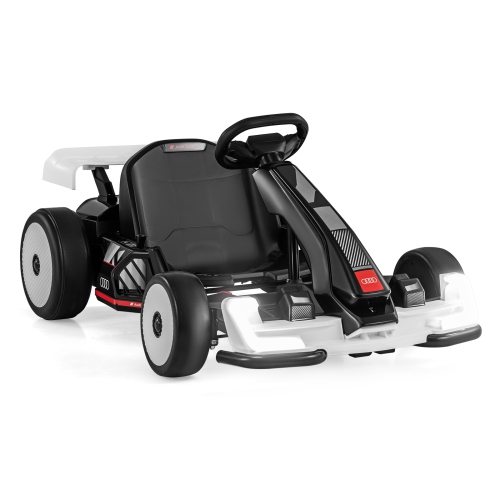 Your price for this item is $449.99
Discover more categories related to Push Cars
Top Collections:
Pokemon Centers, Kindle Devices, Best Budget Office Chairs, Apple iPhones 16, Best Laptops for Writers, iPhone 15 Apple, Canon G7X Cameras, Refurbished Apple Laptops, Alarm Clock, Motorola Razr Phones
Some products may be subject to Environmental Handling Fees
(EHF) depending on your province.
Learn more about EHFs.