Ride On Push Cars
Looking for an exciting way to keep your little one entertained while also helping them develop their motor skills? Look no further than our selection of ride on push cars! These fun and interactive toys are perfect for toddlers who are eager to explore and experience the thrill of being in the driver's seat. With a wide range of styles and designs to choose from, you can find the perfect ride on push car that suits your child's personality and interests.
Sort
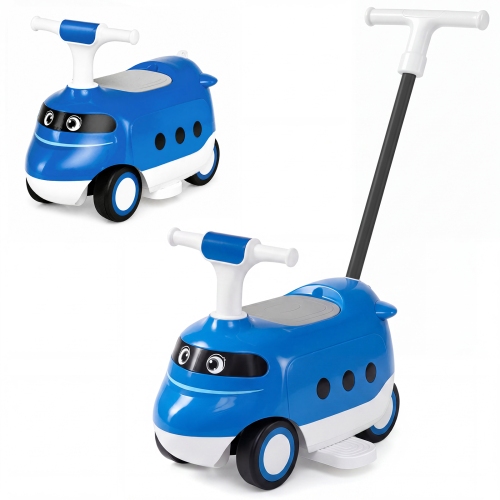
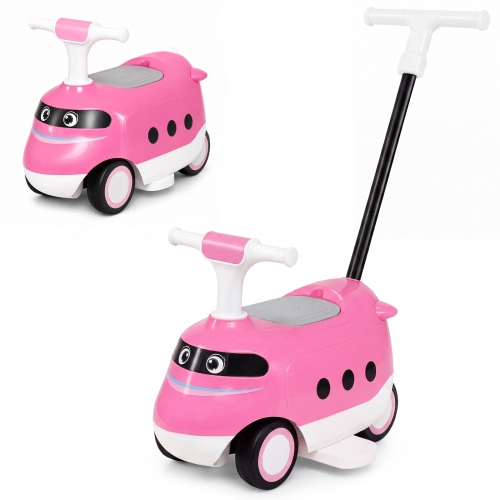
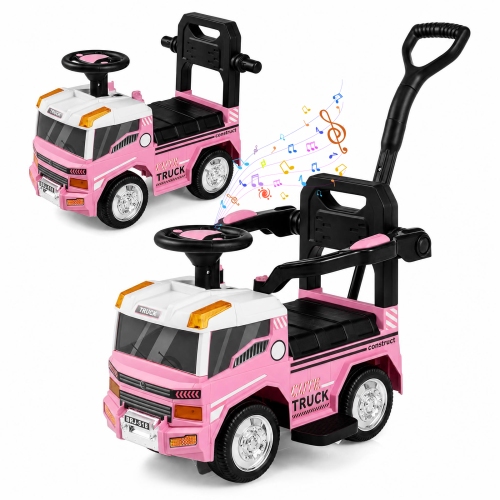
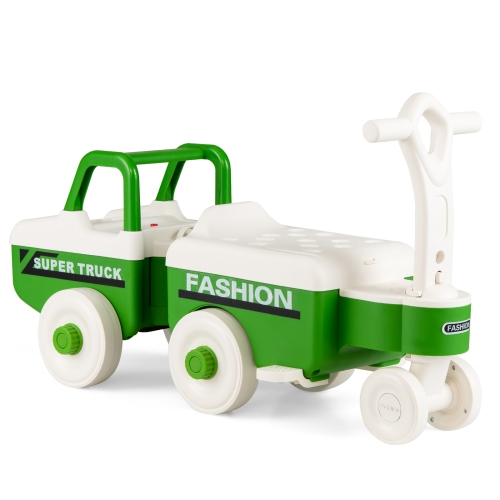
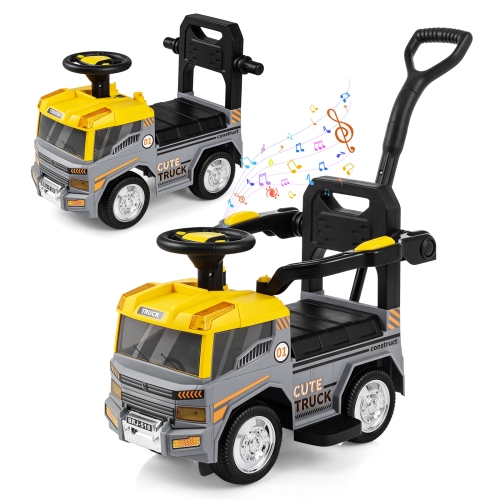
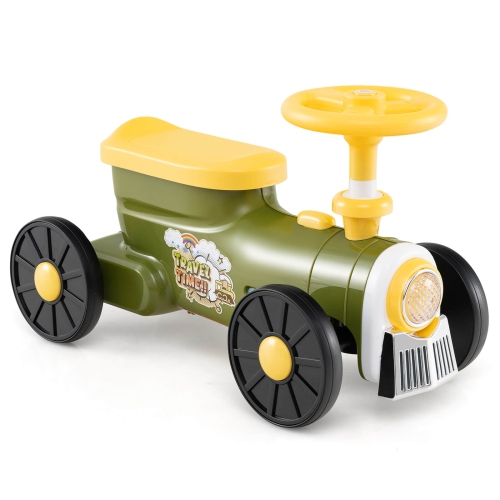
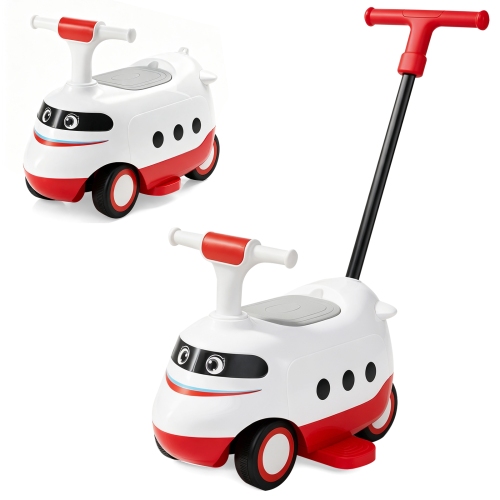
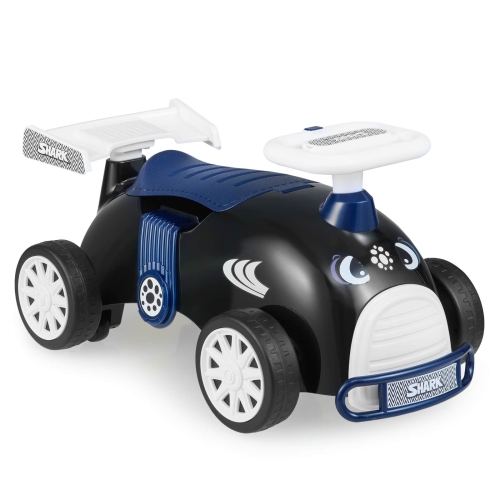
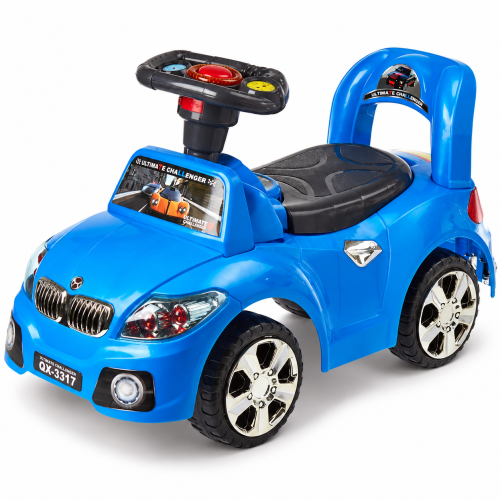
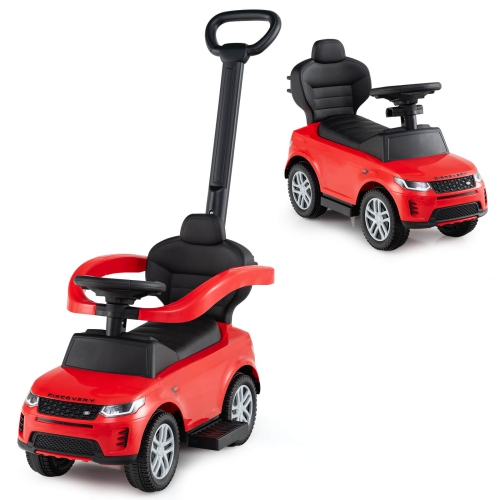
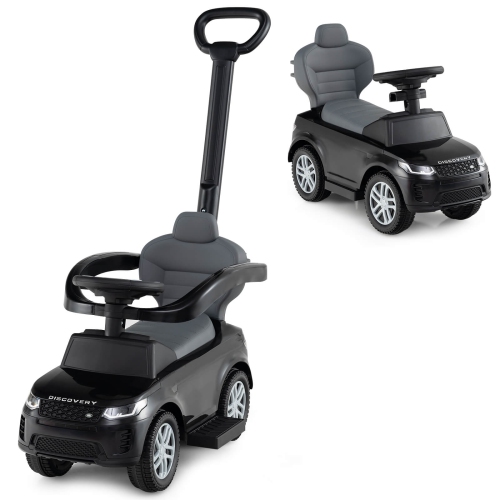
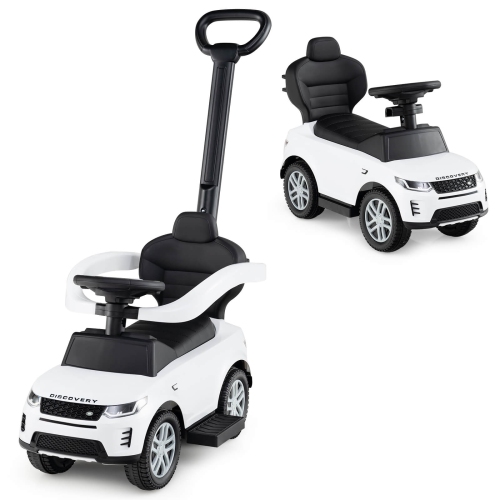
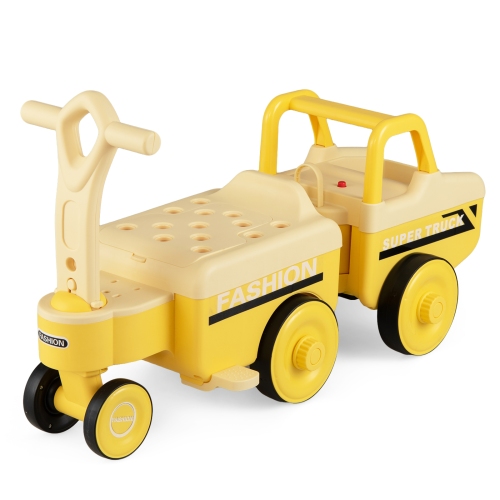
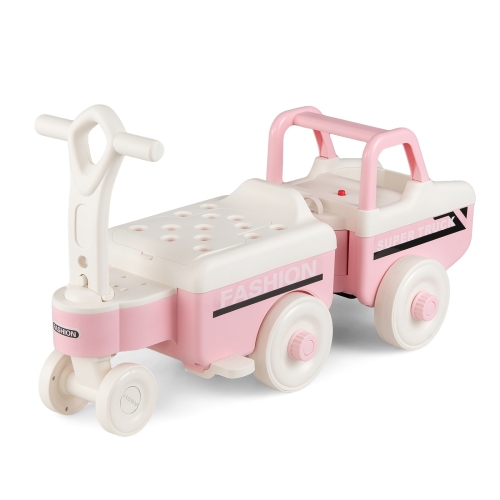
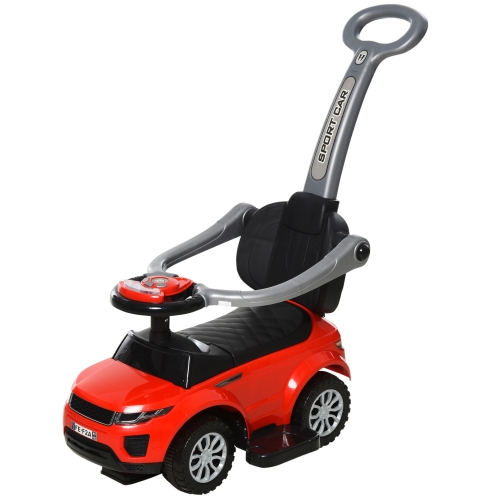
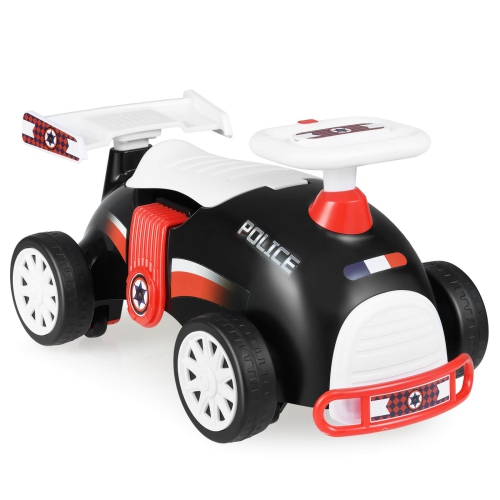
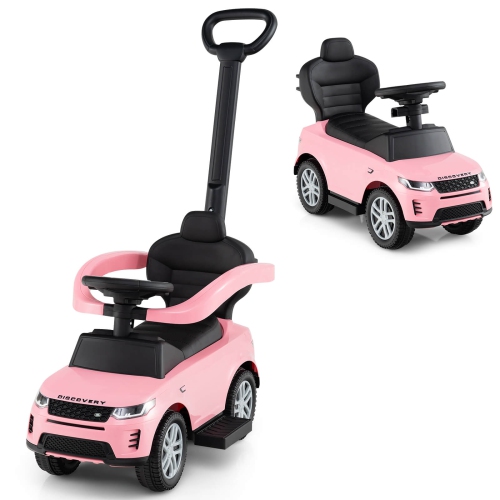
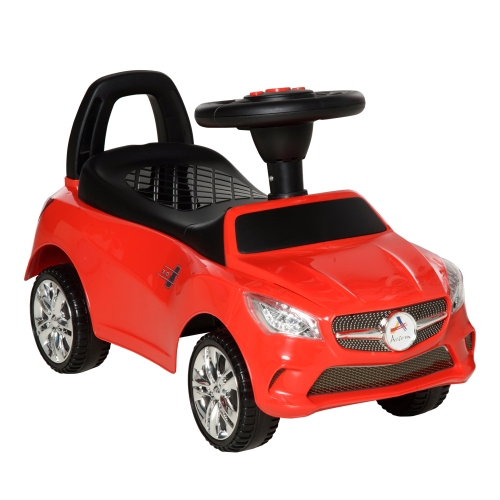
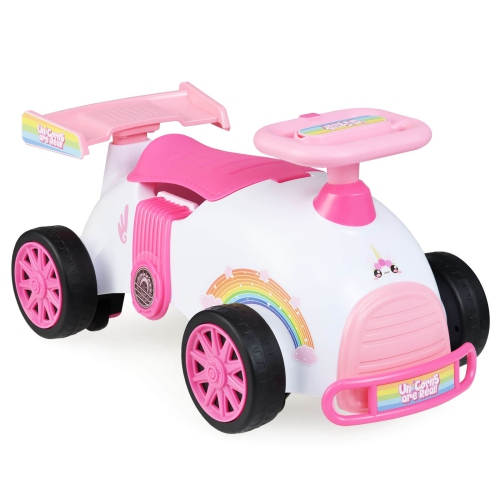

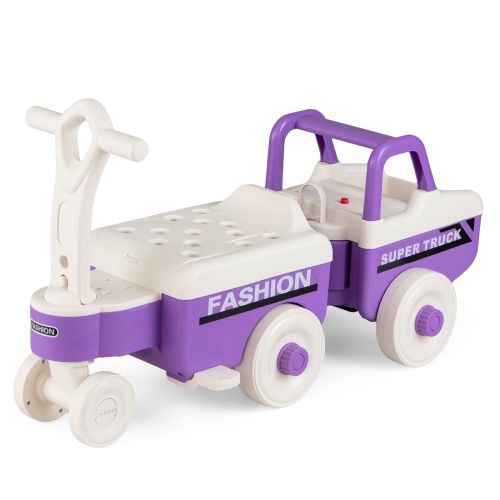
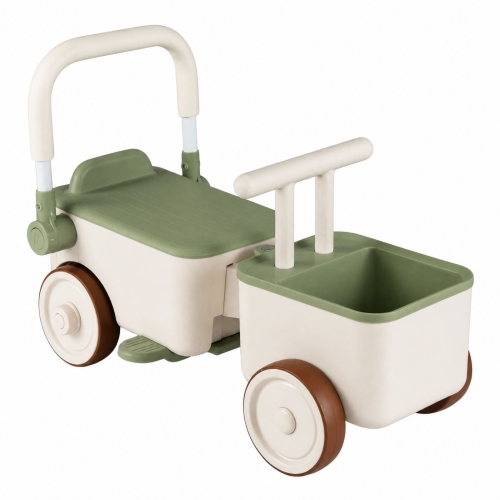
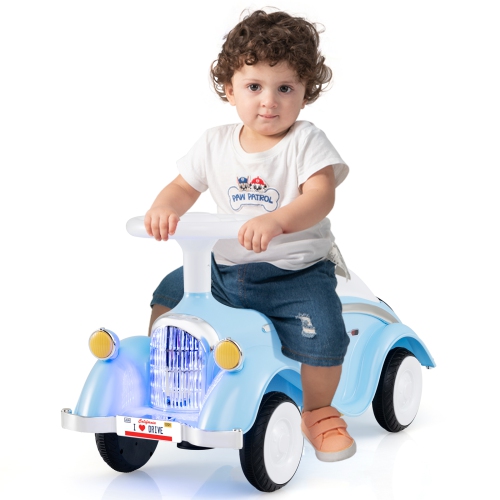
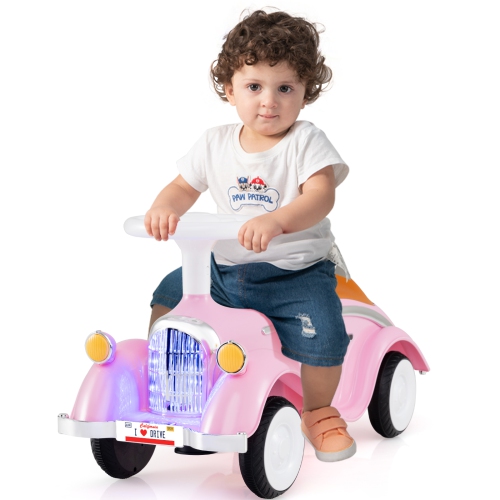
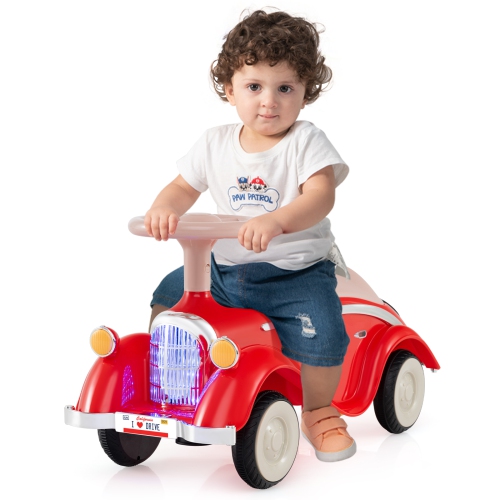
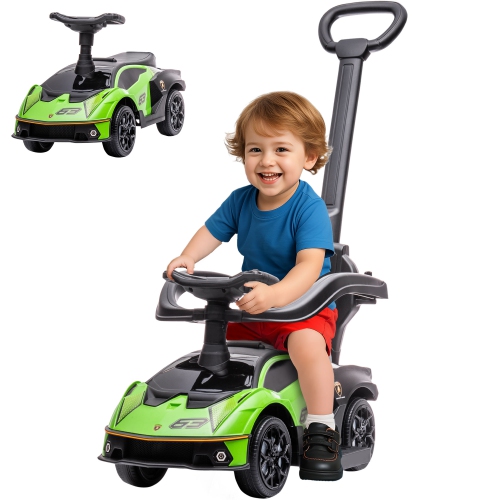
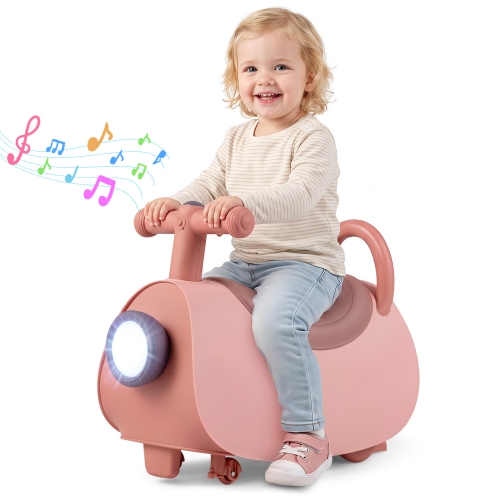
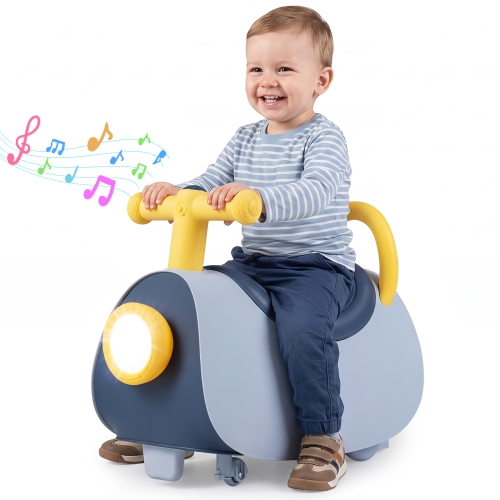
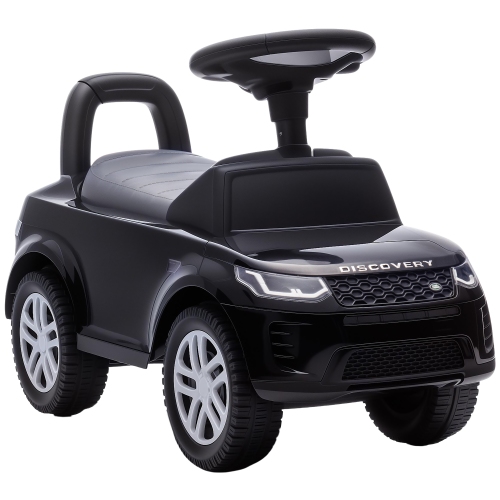
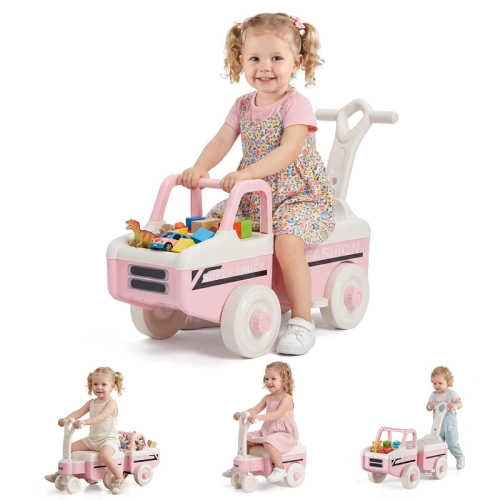
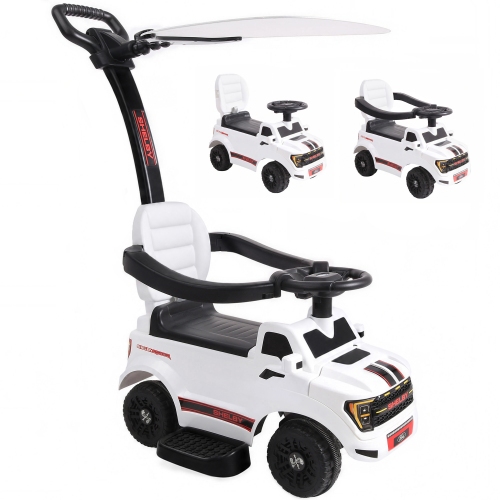
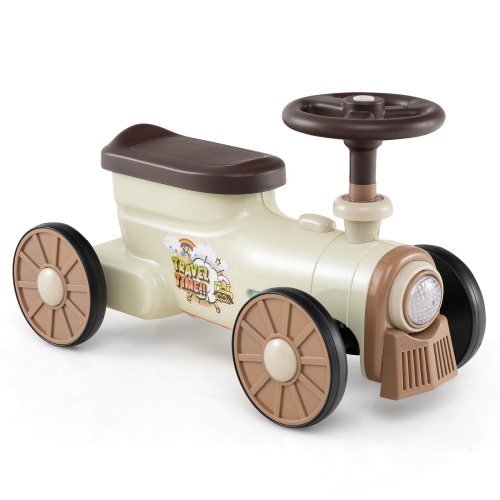
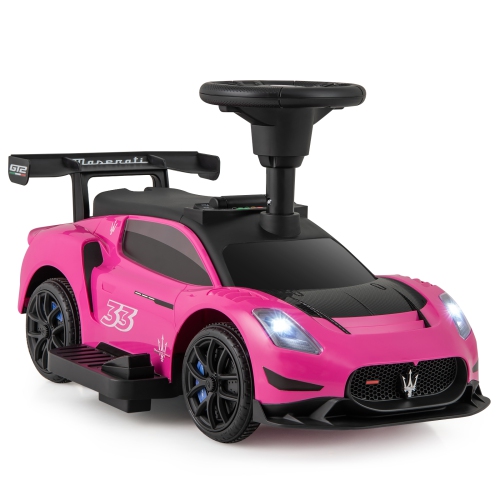
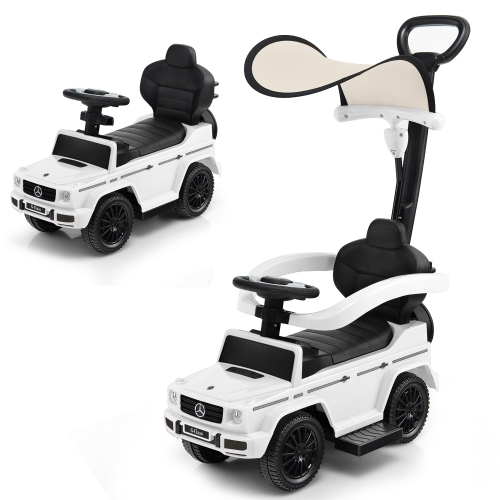
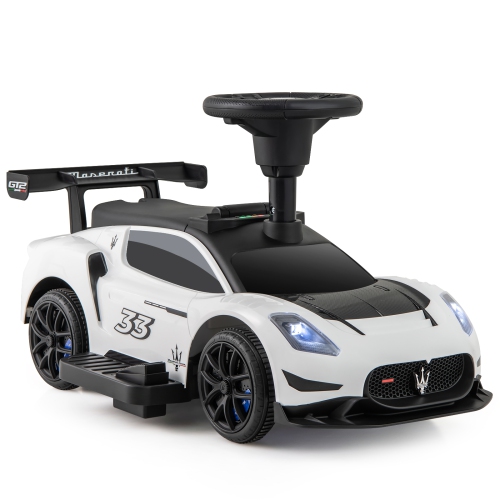
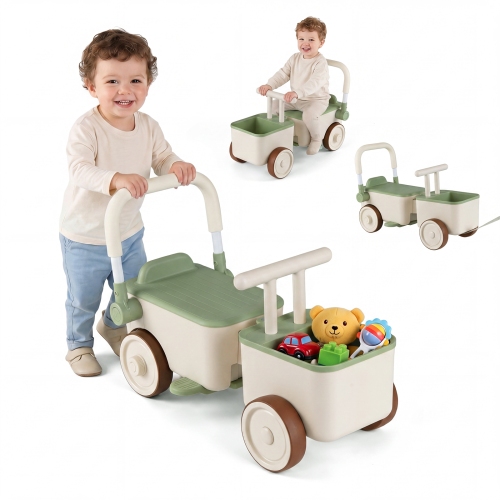
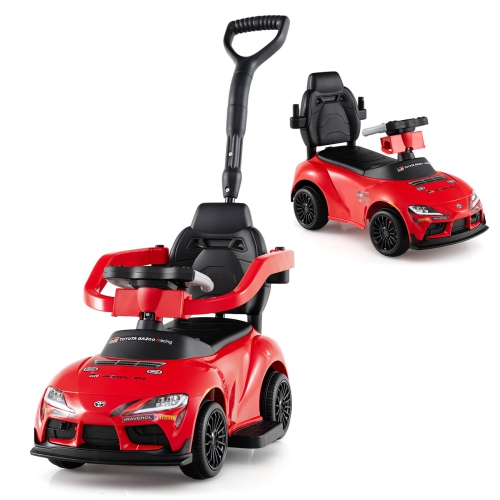
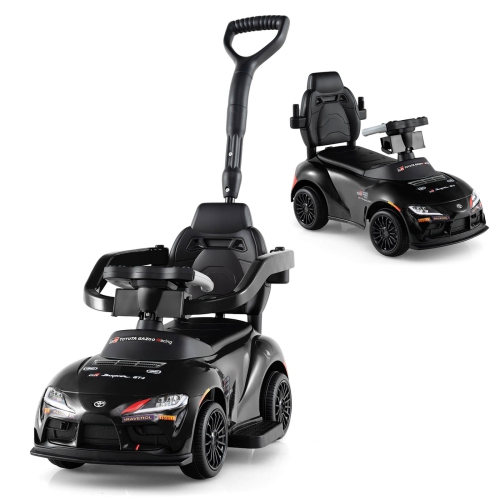

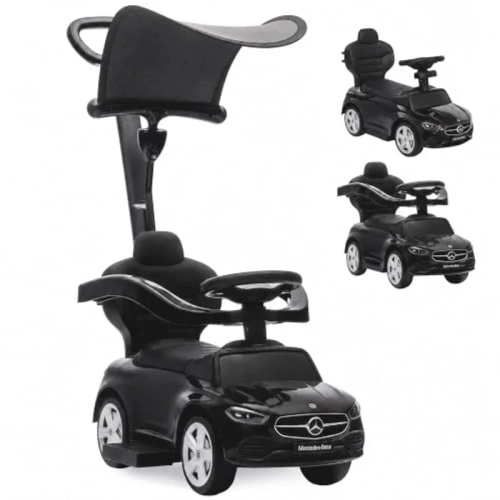
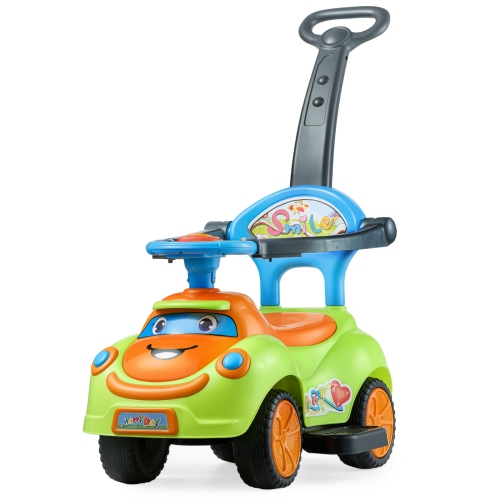
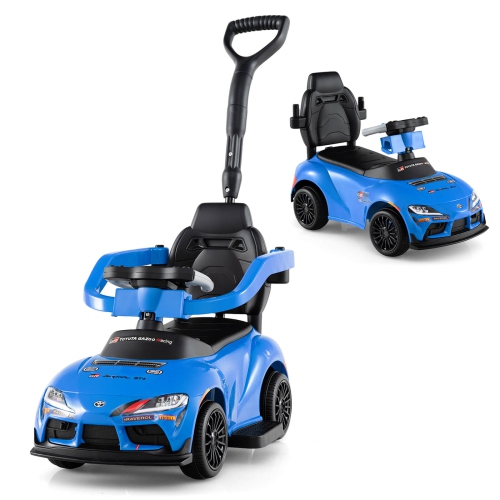
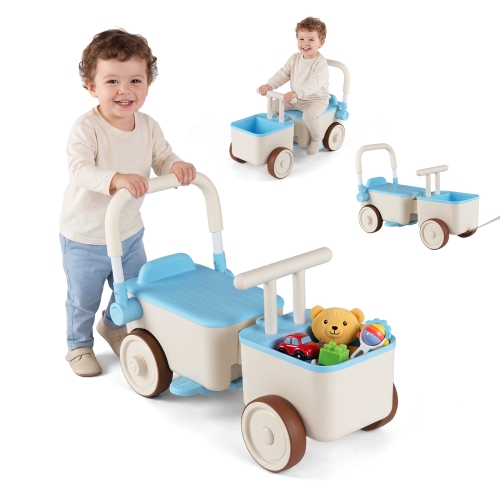
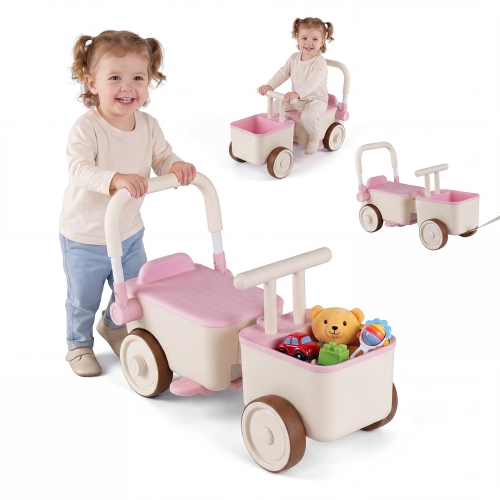
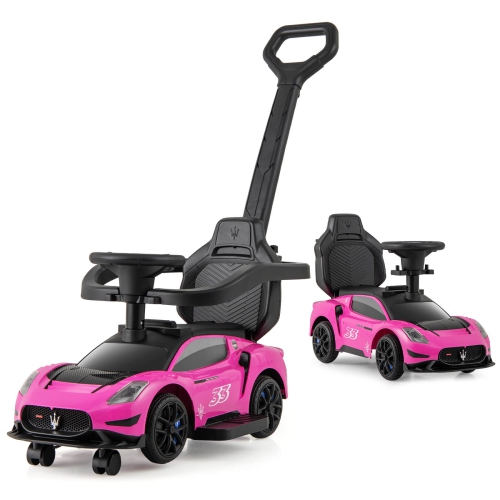
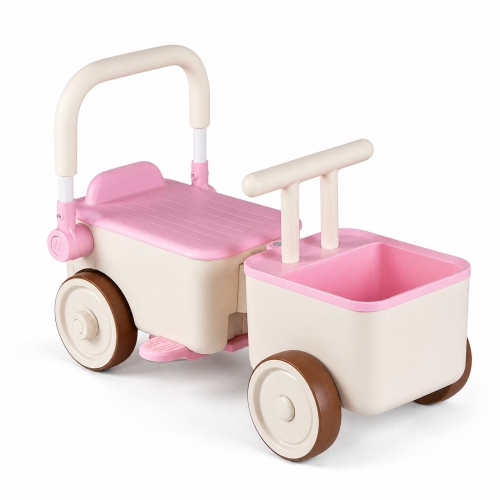
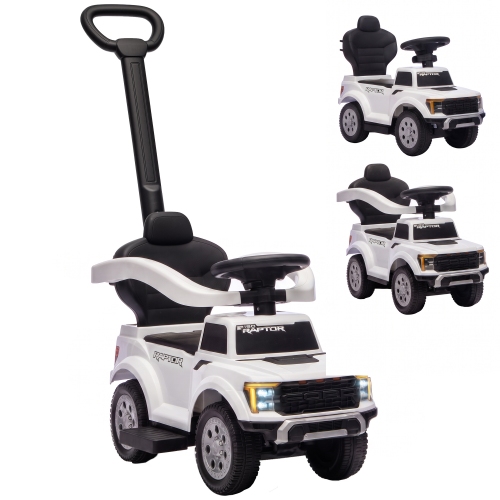
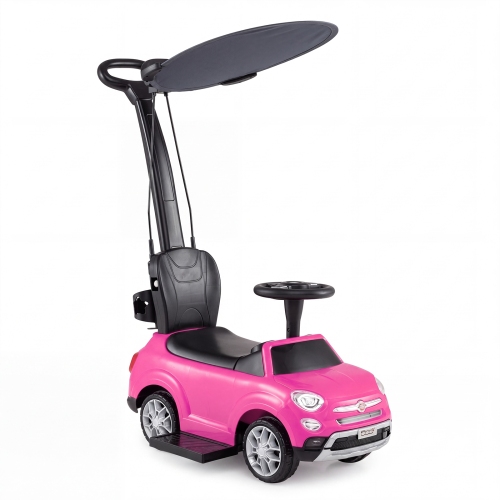
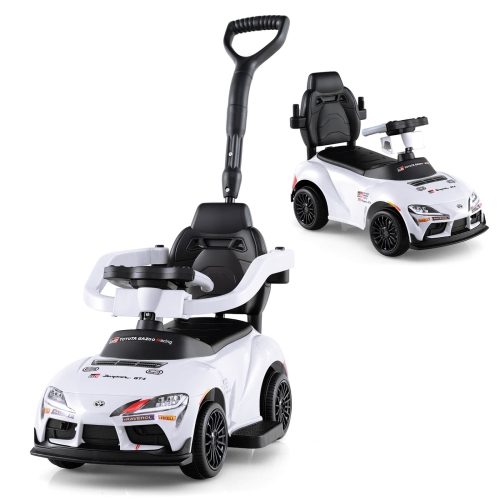
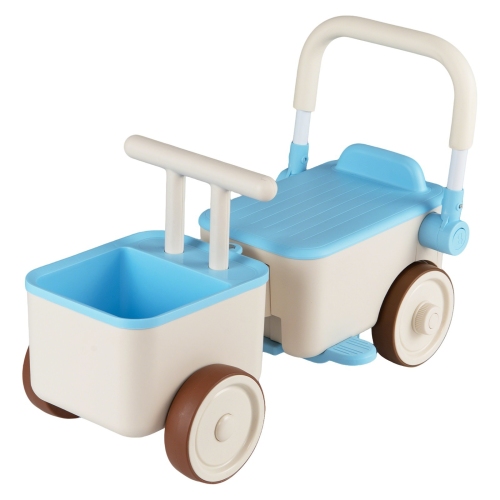
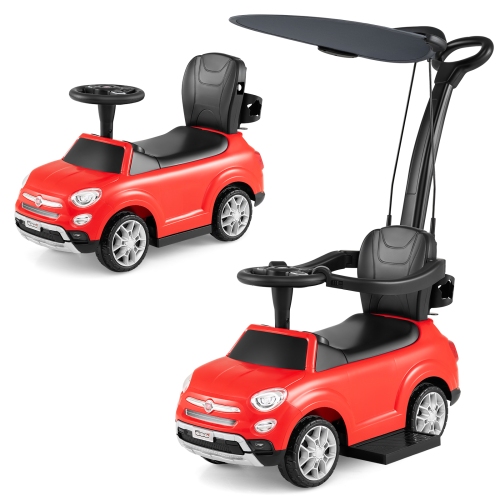
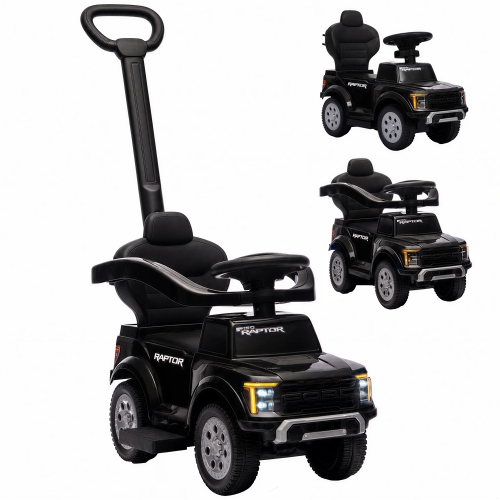
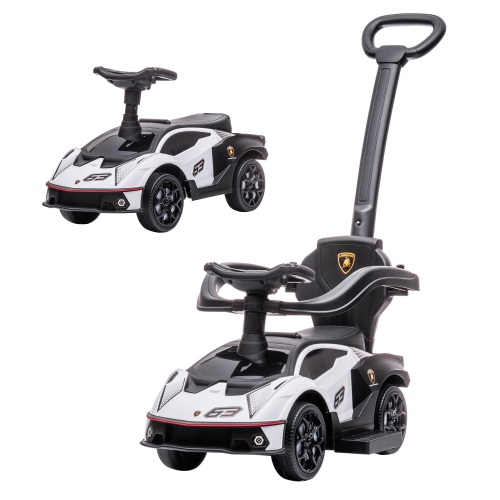
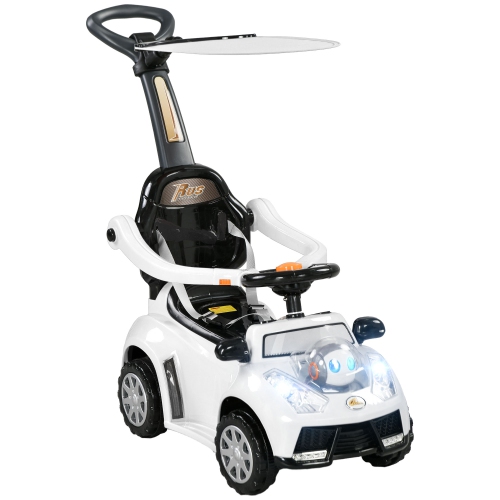
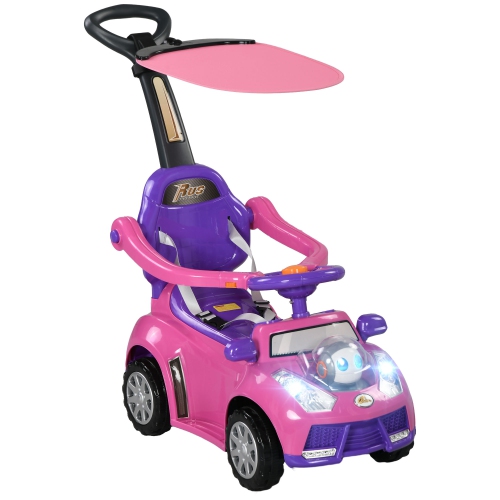
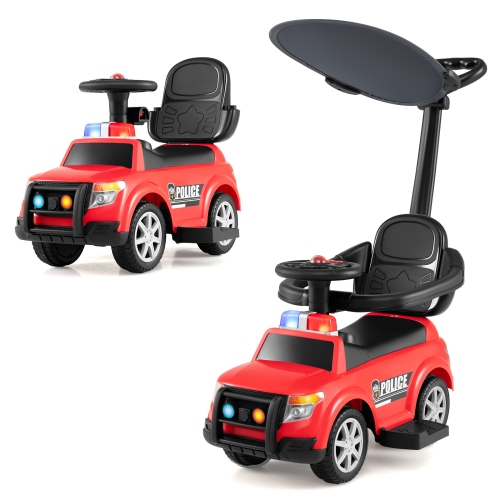
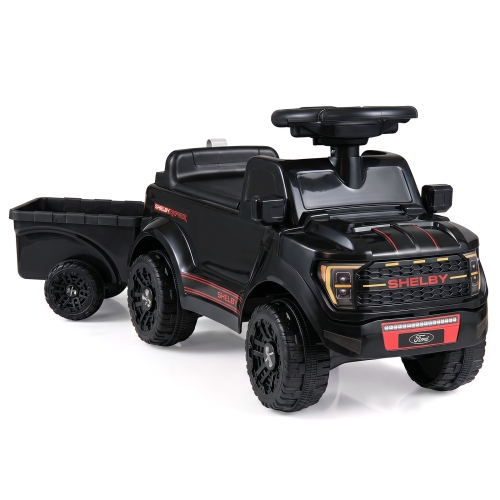
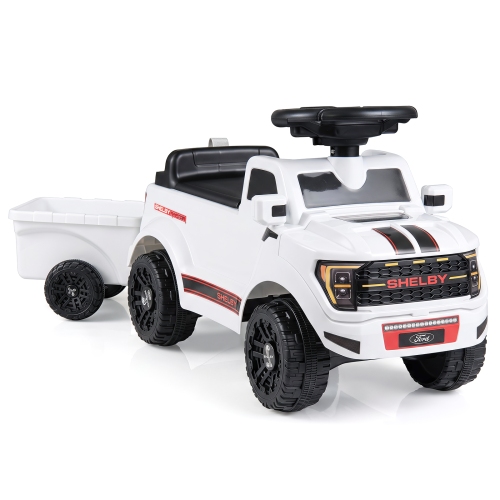

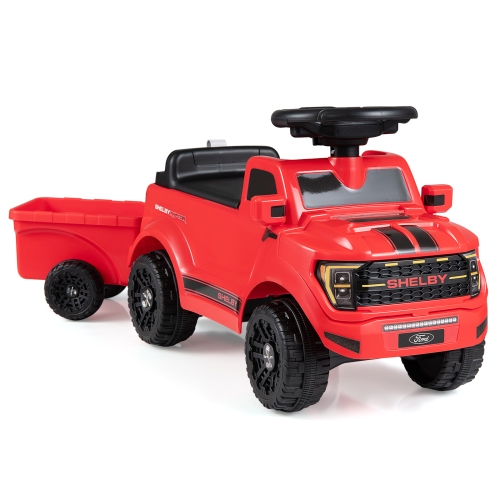
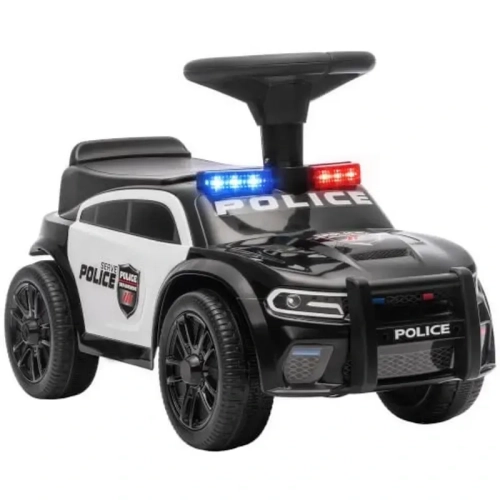
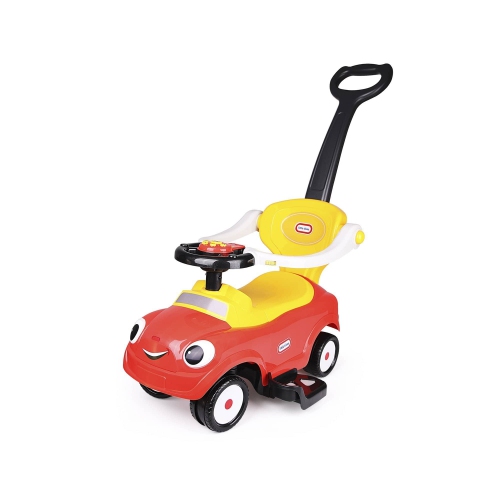
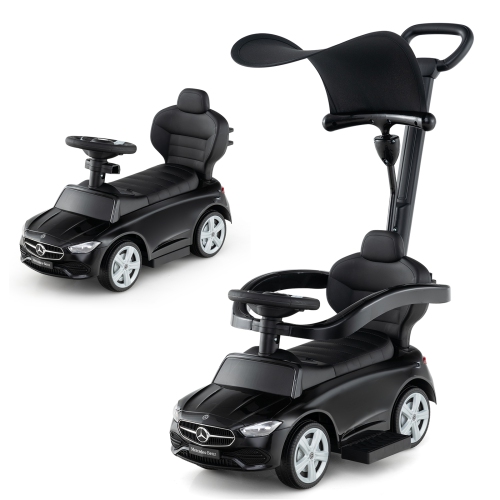
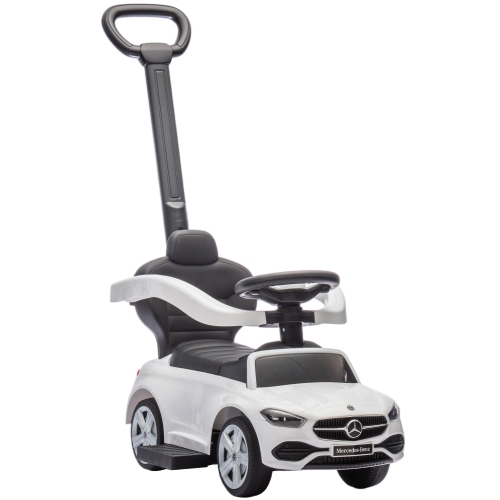
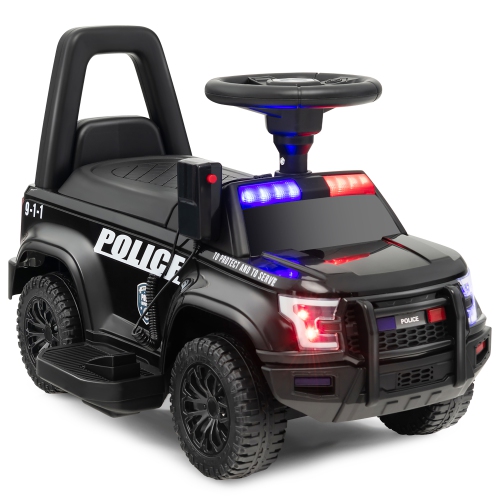
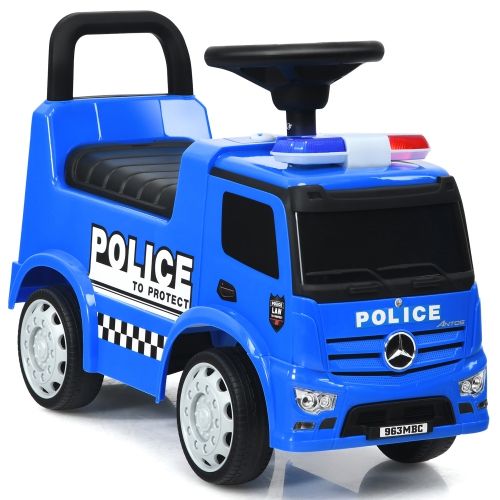
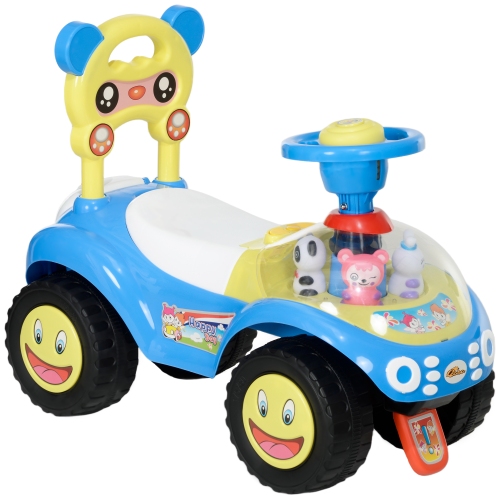
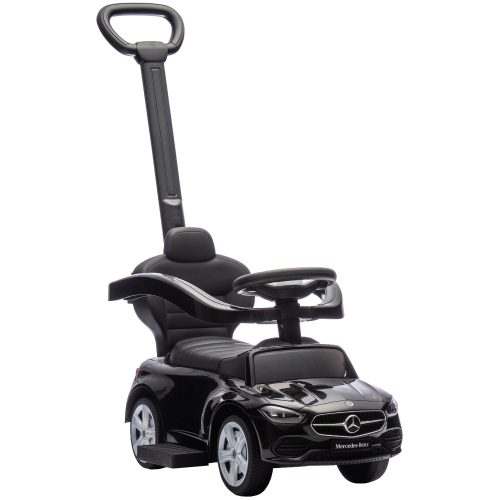
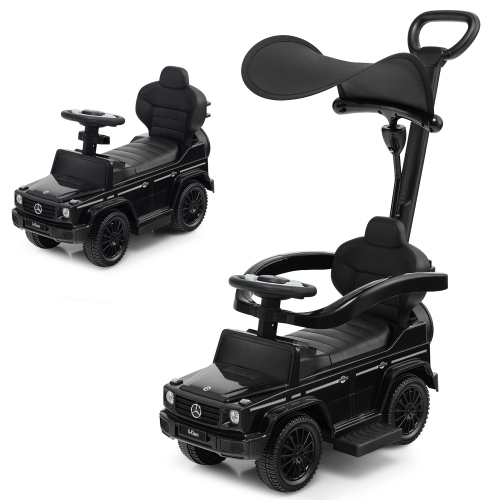
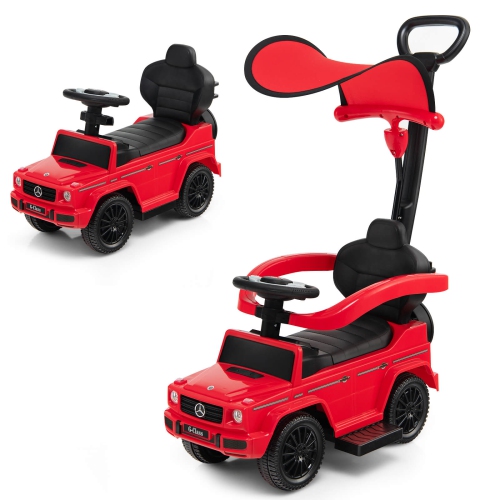
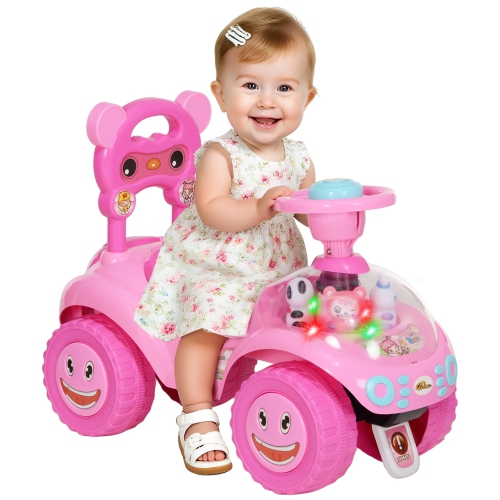
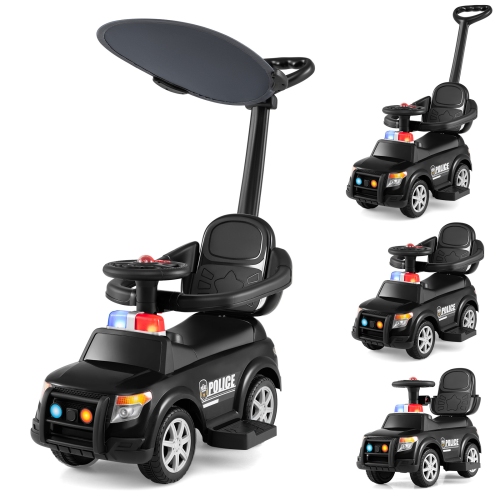
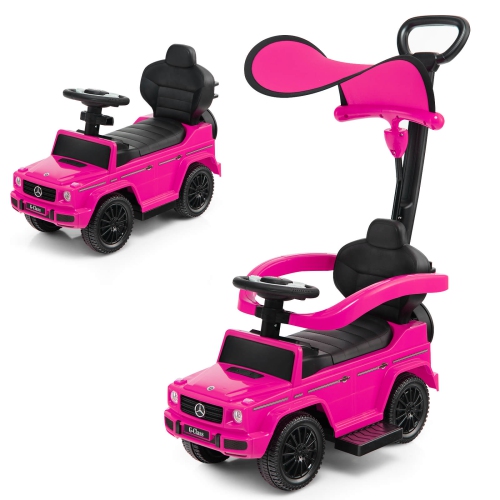
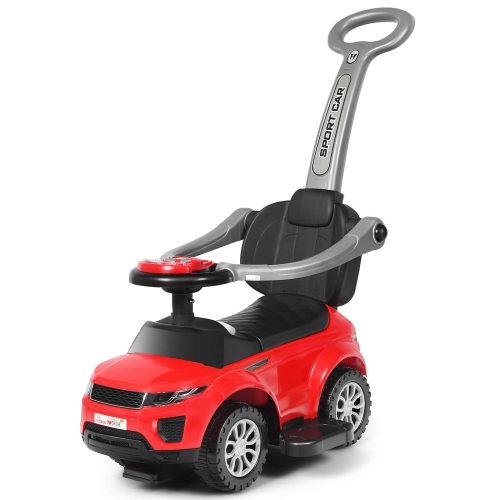
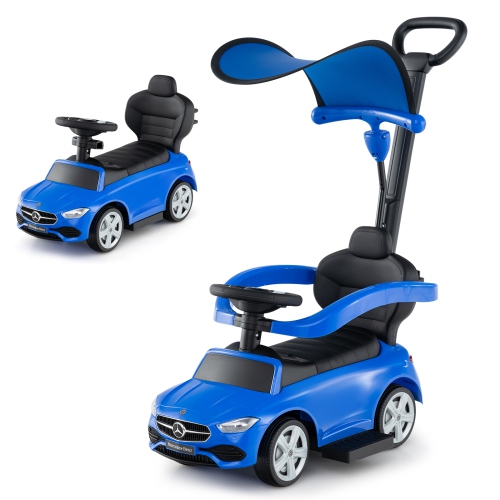
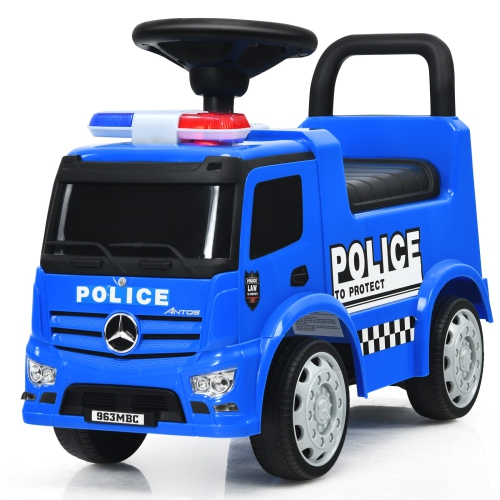
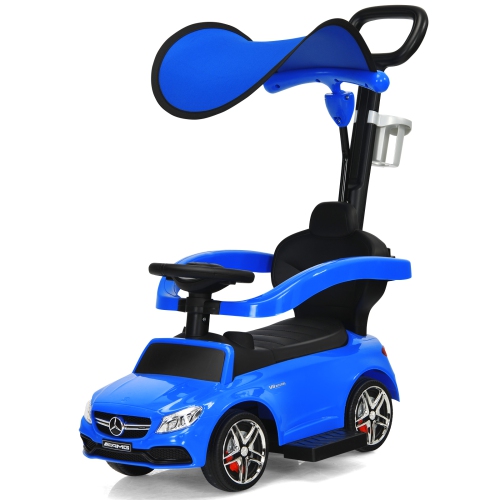
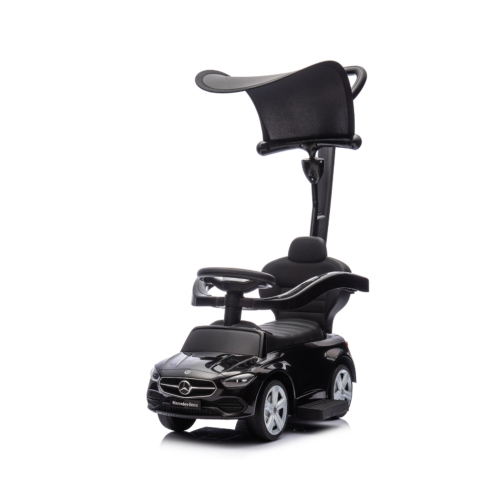
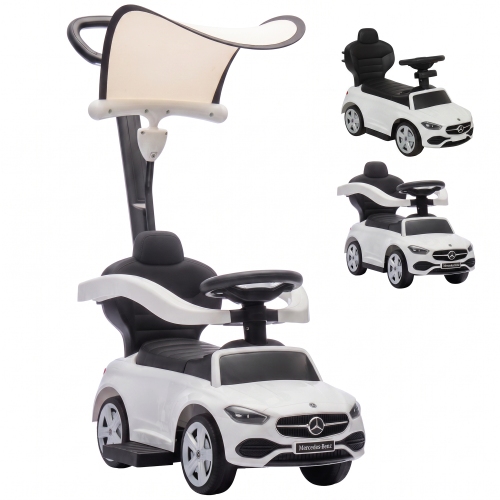
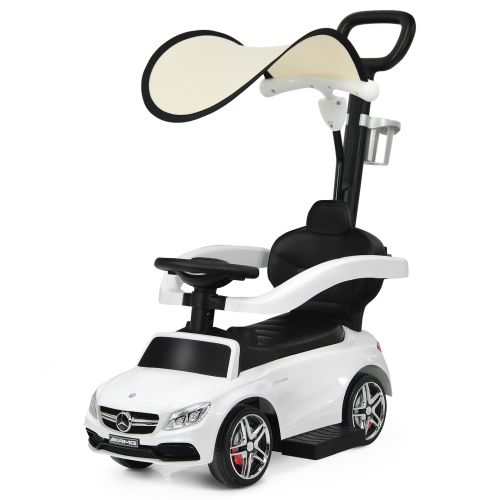
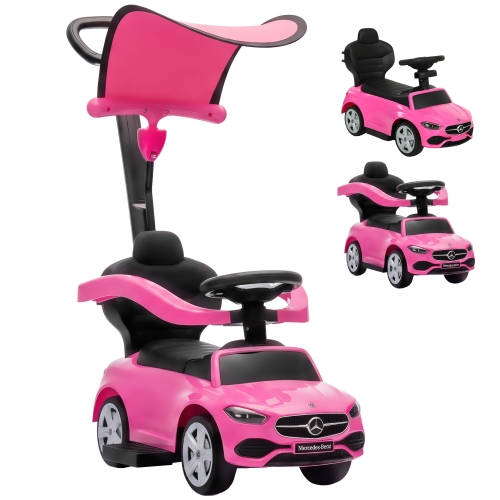
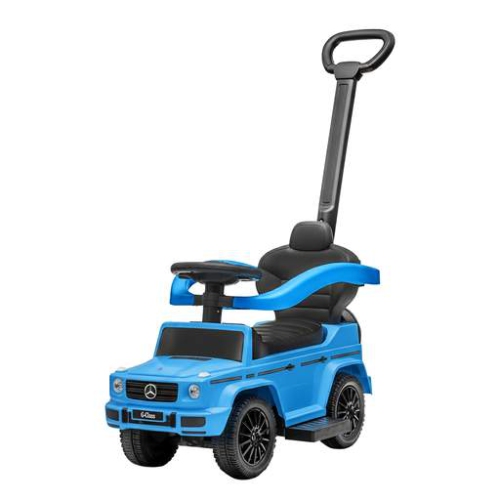
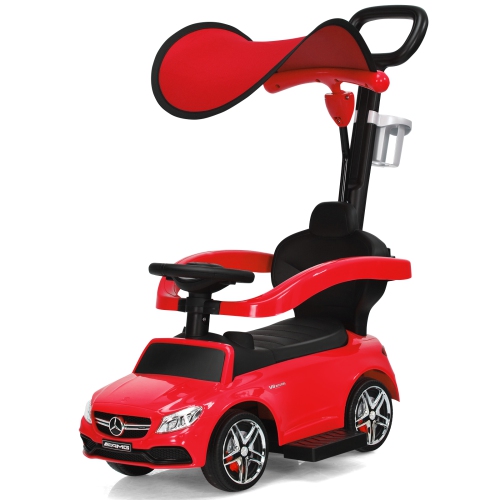
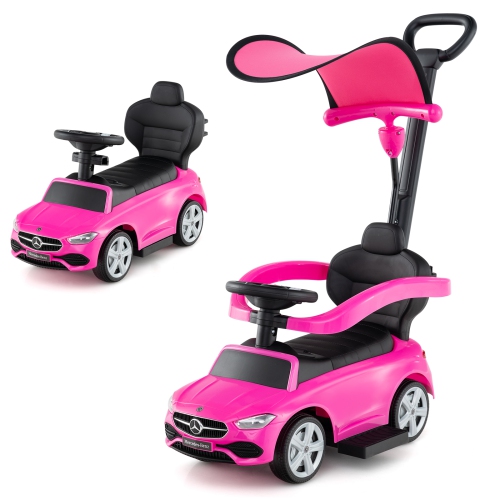
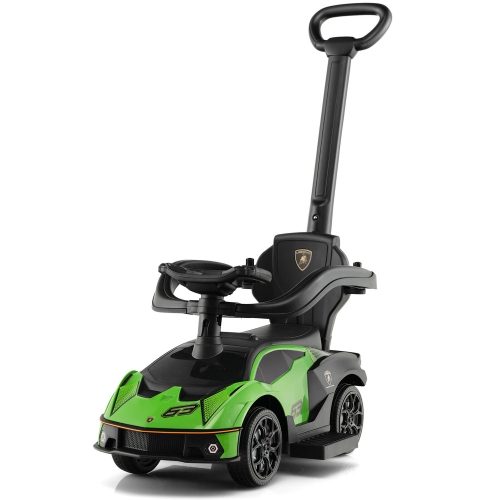
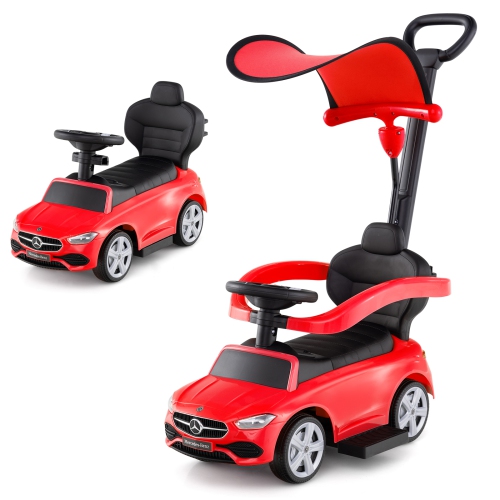
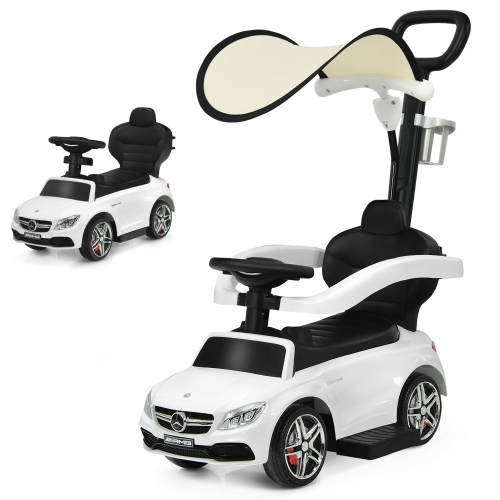
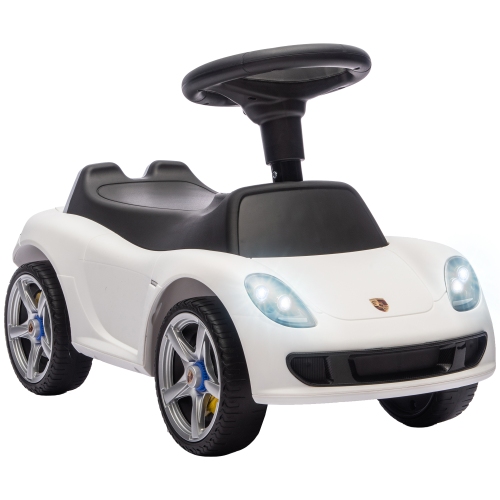
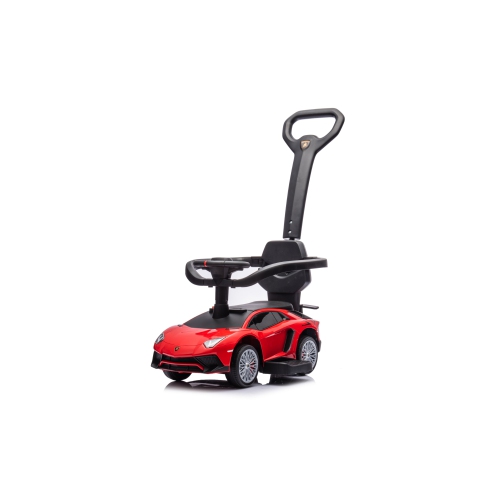
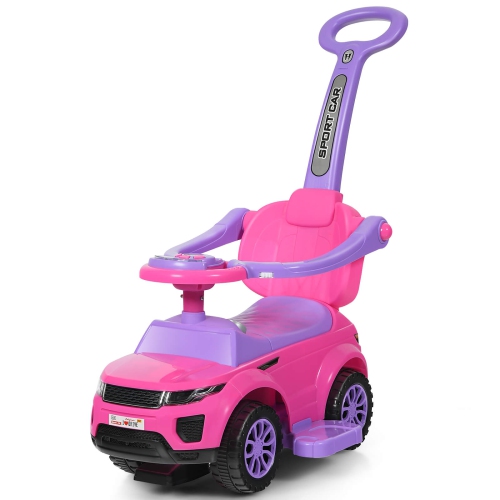
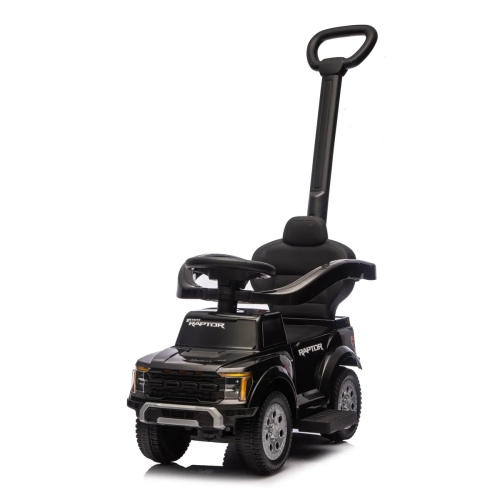

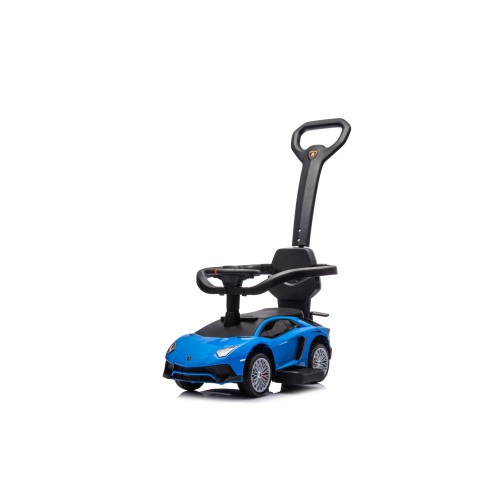
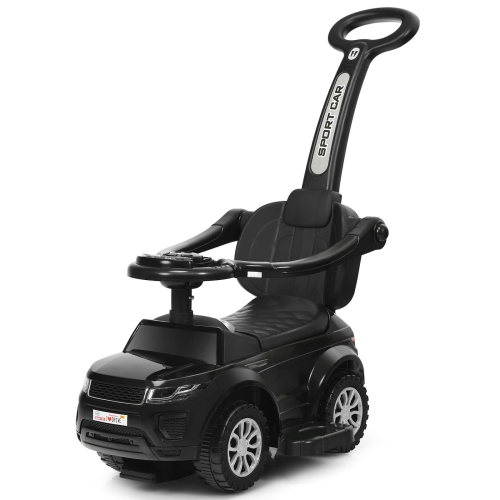
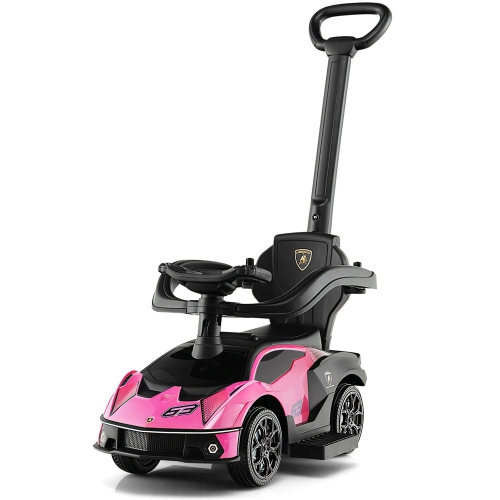
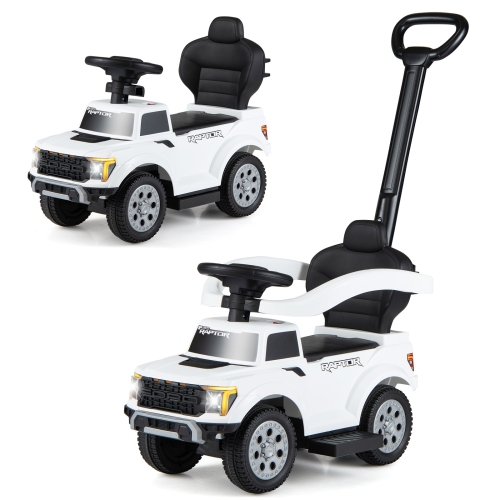
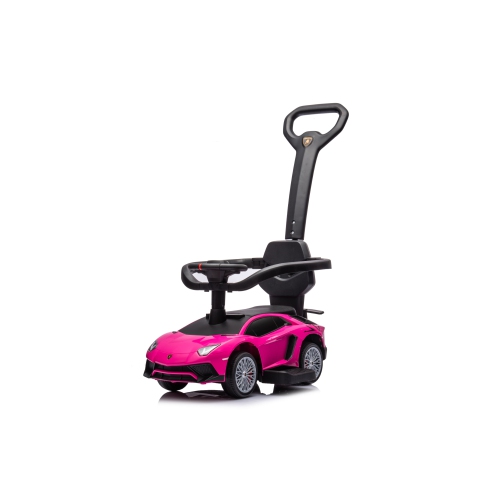
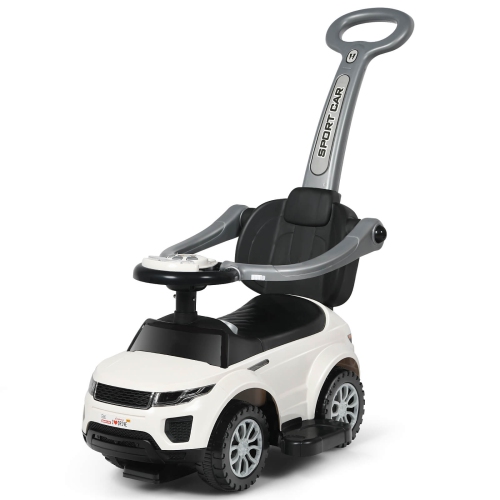
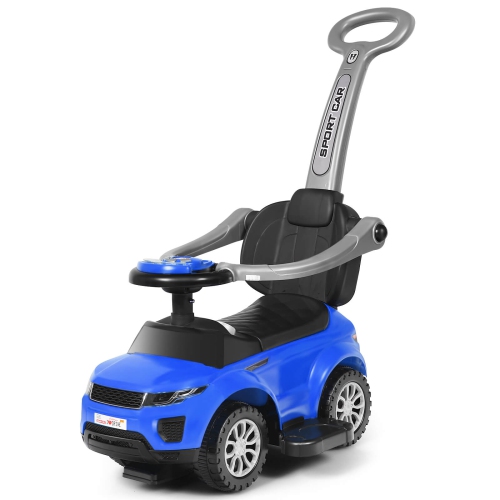
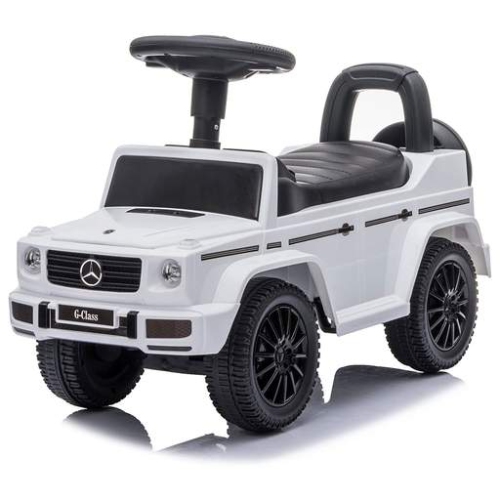
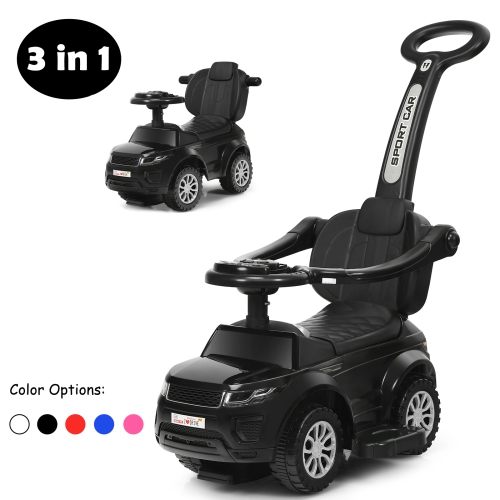
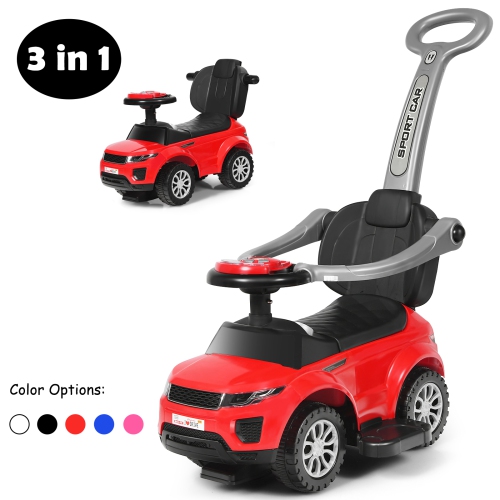
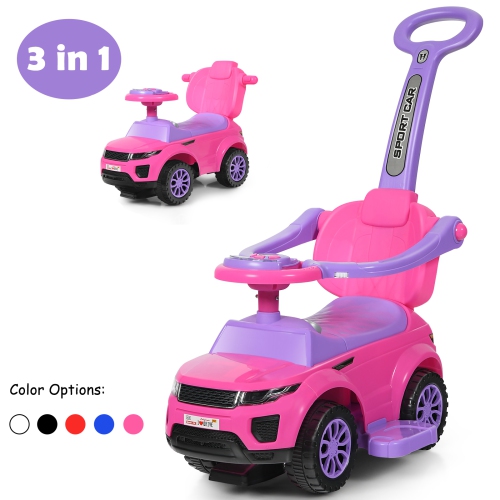
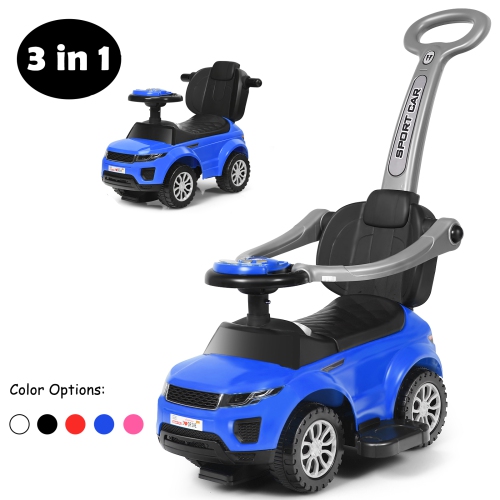
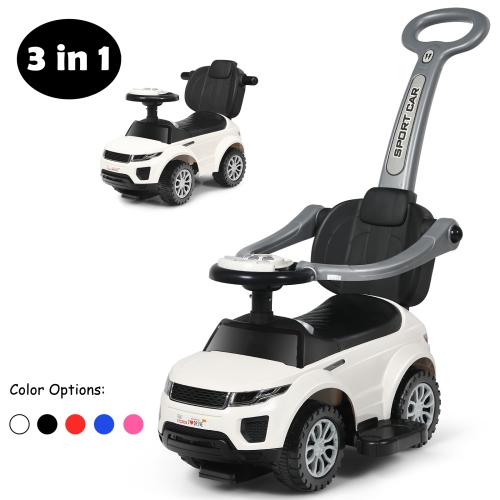
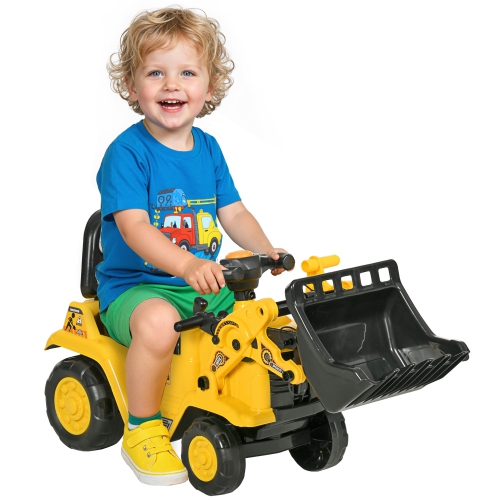
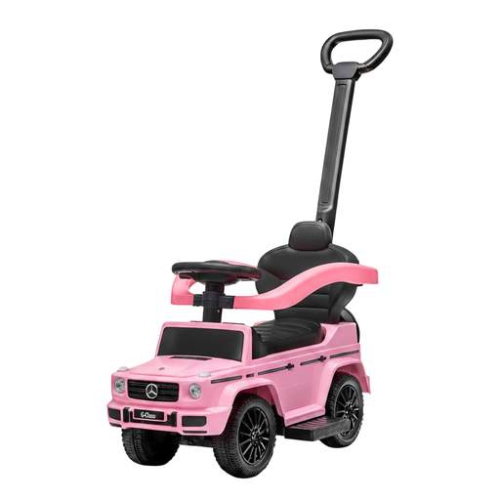
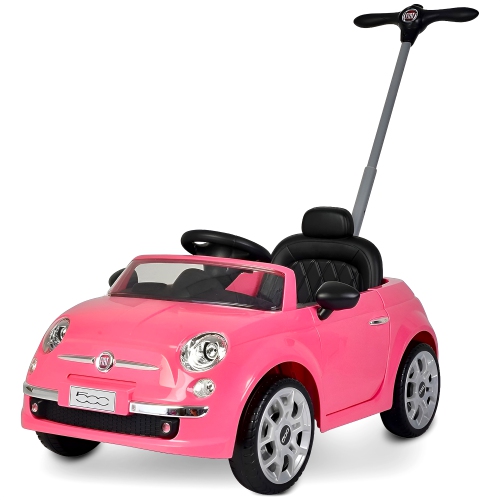
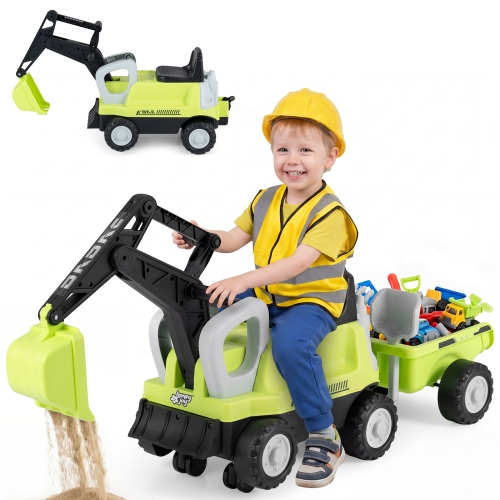
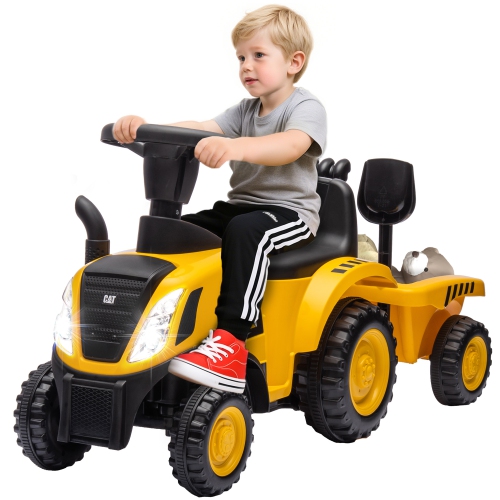
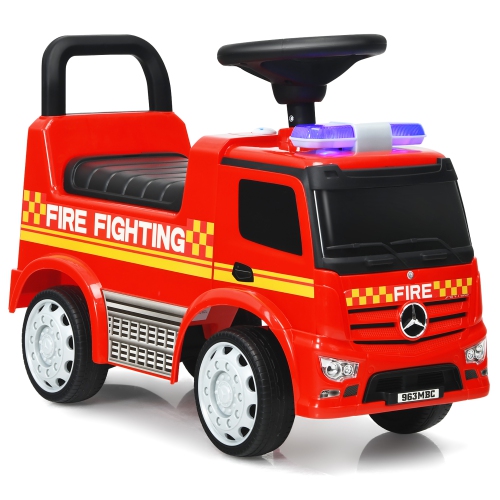
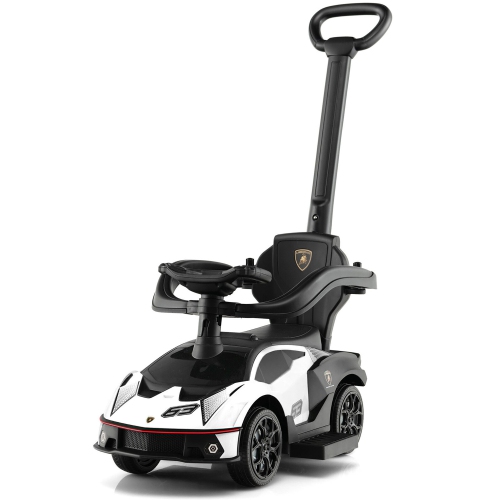
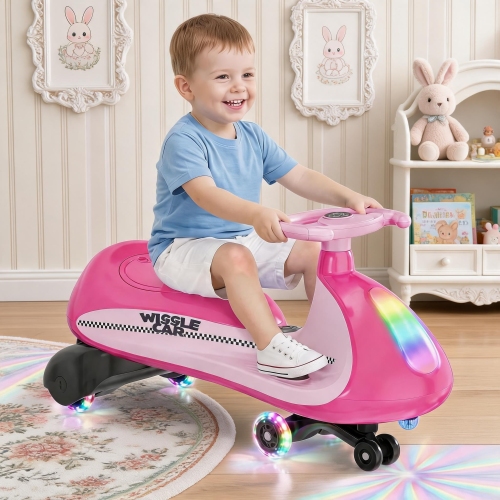
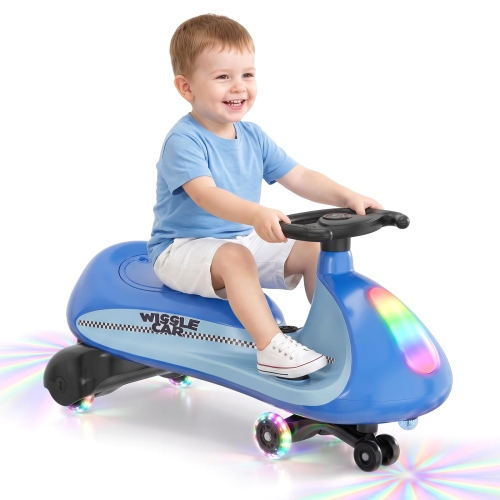
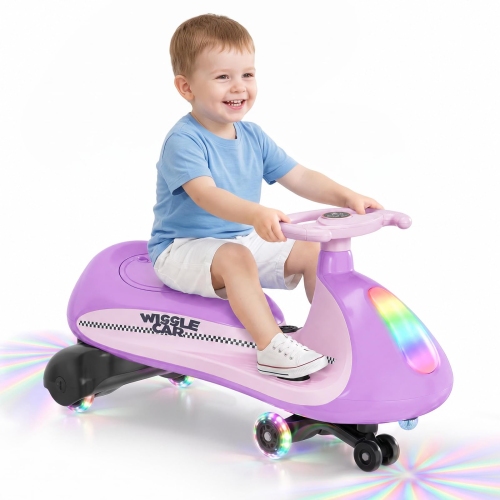
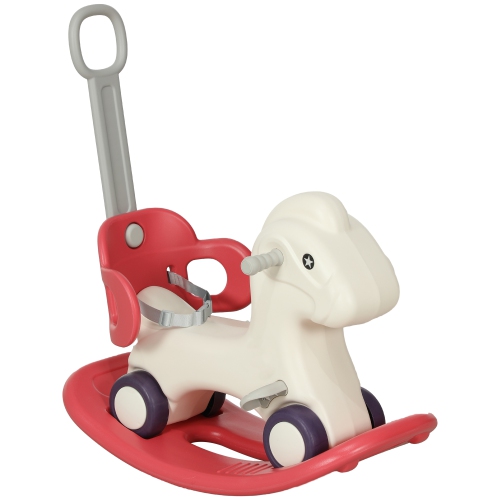
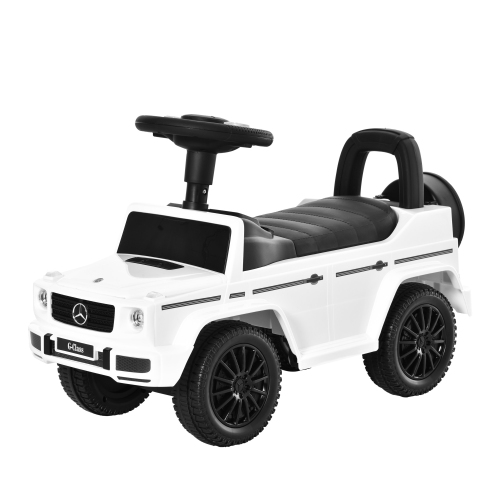
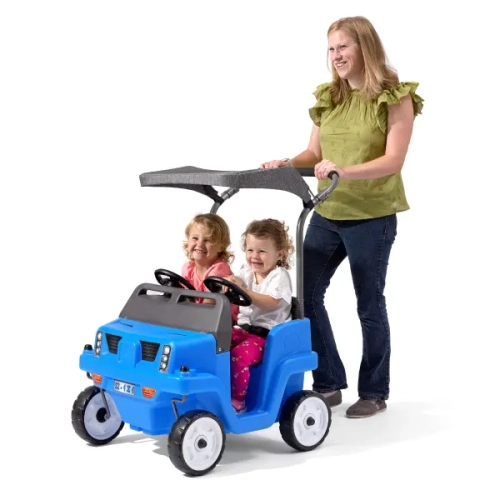
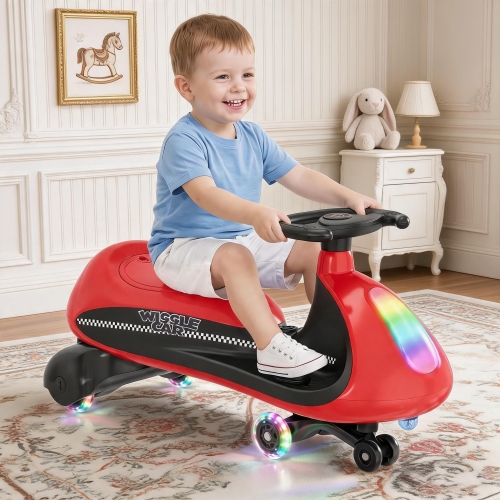
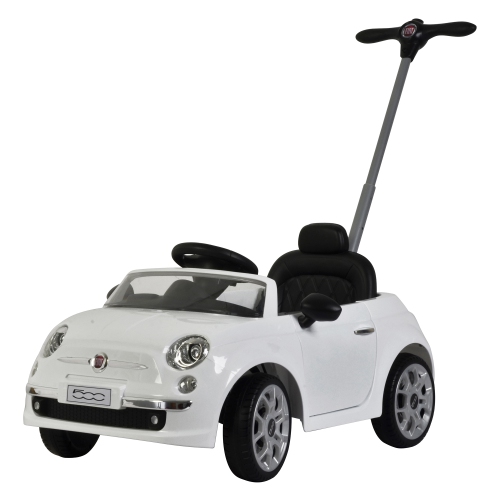
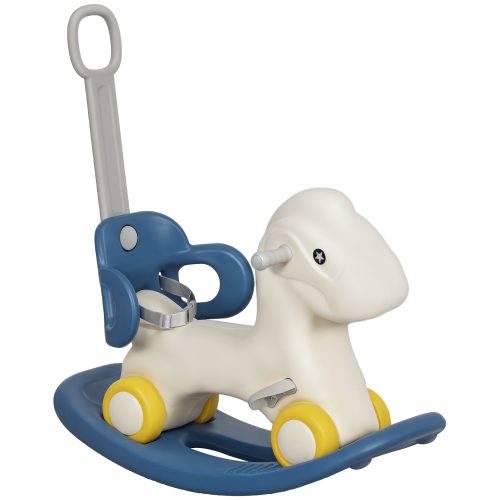
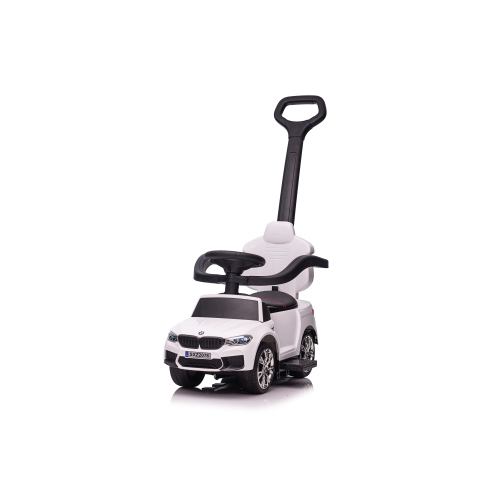

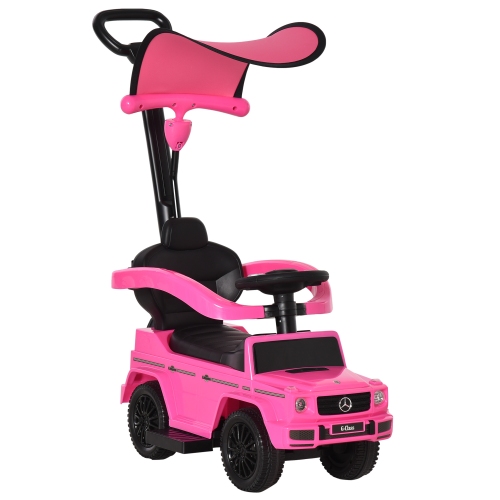

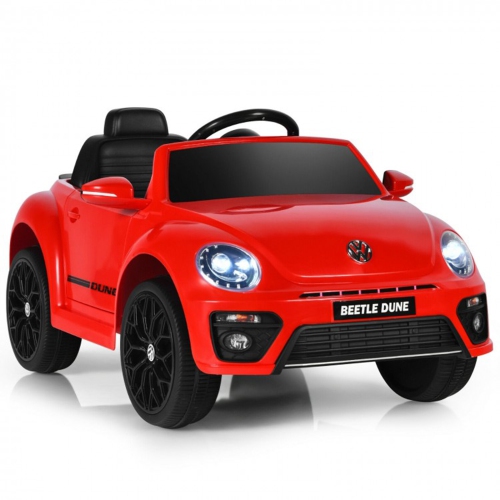
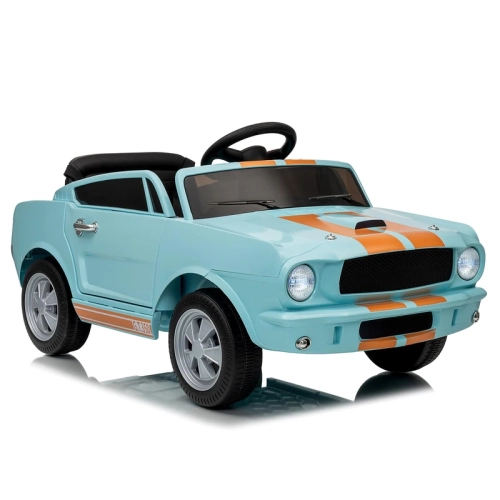
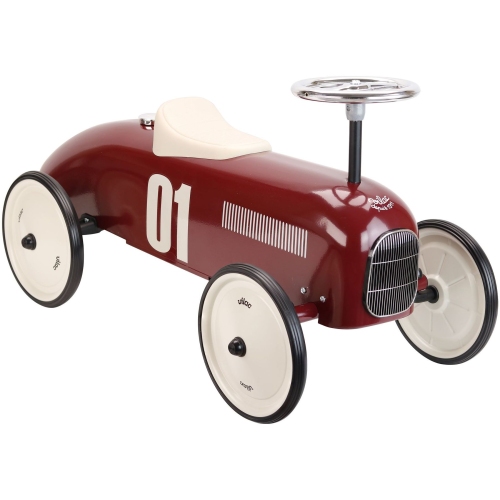
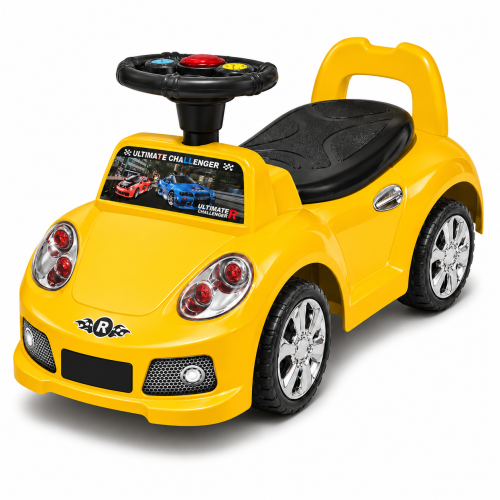
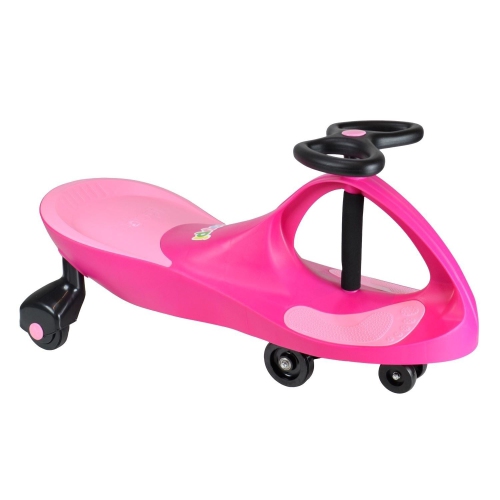
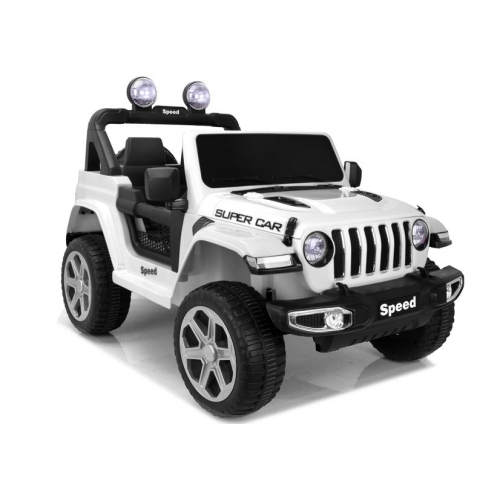
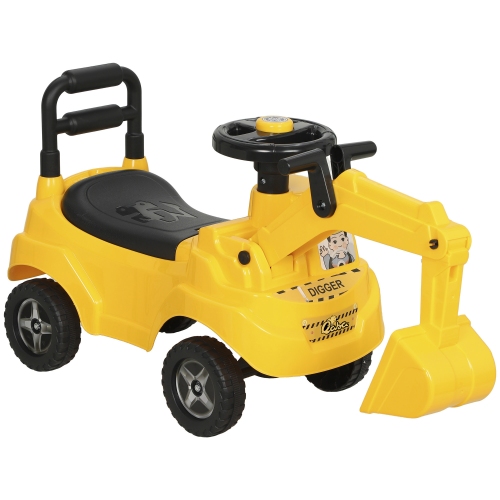
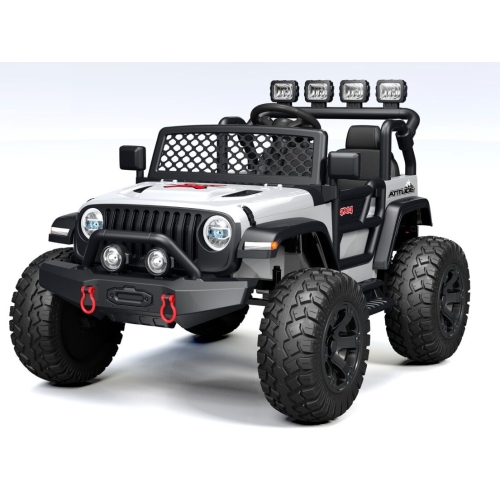
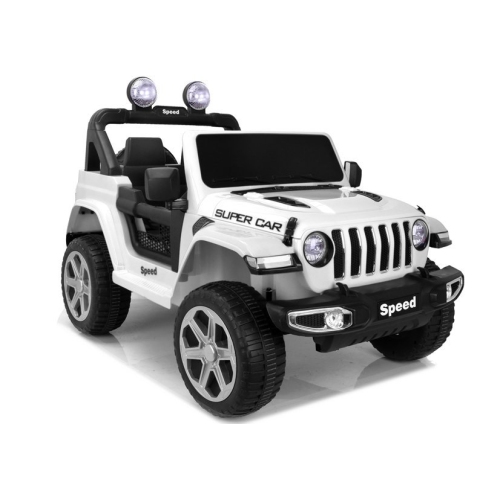
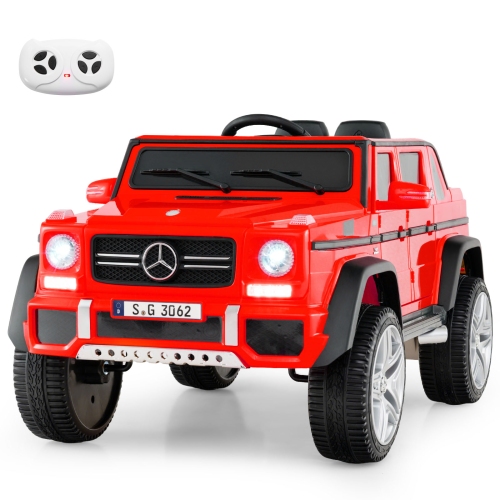
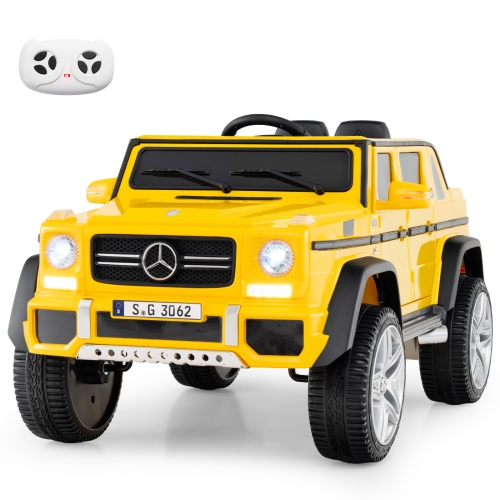
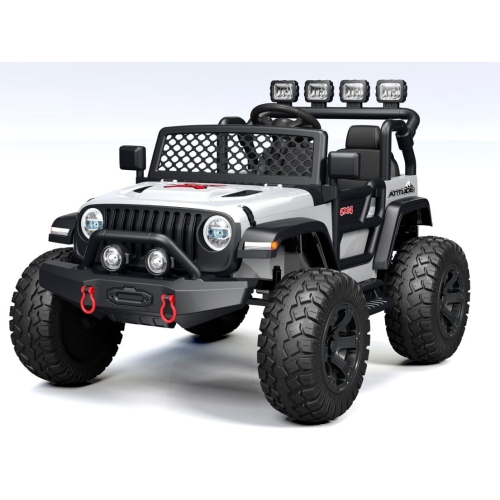

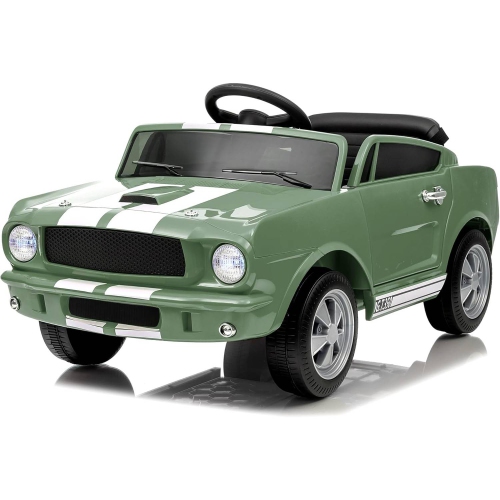
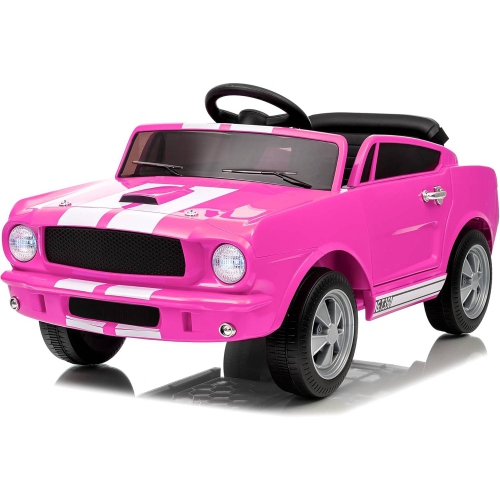
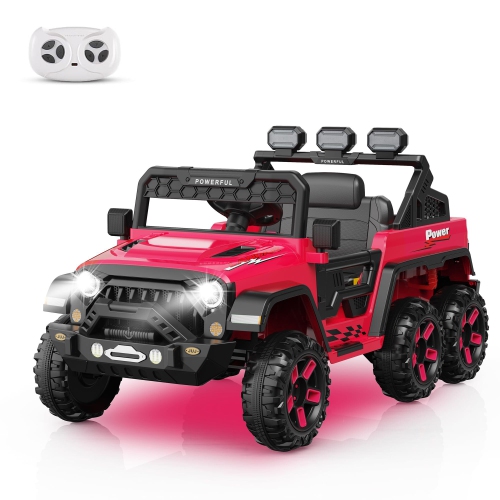
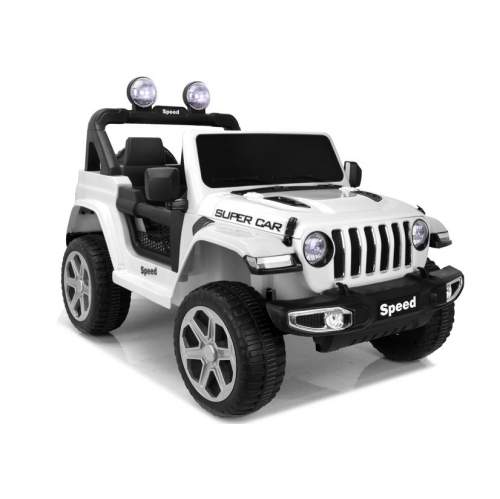
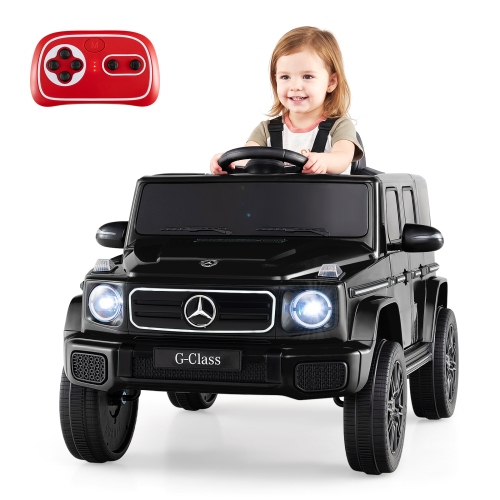
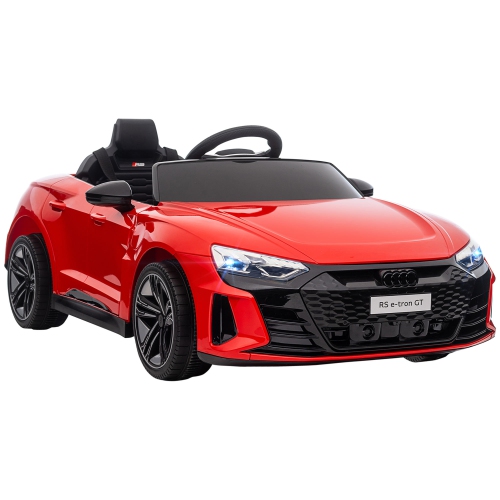
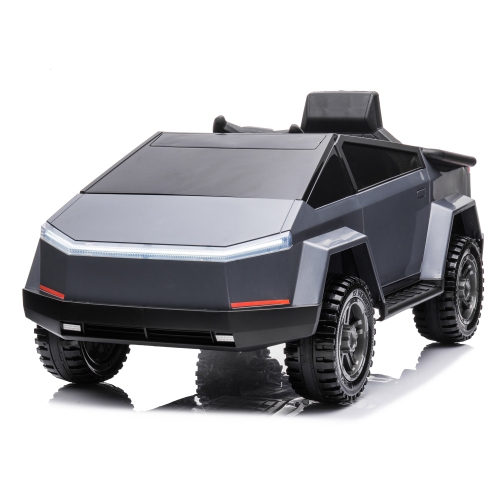
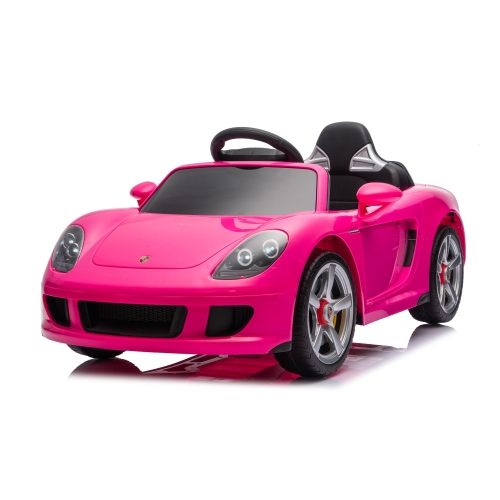
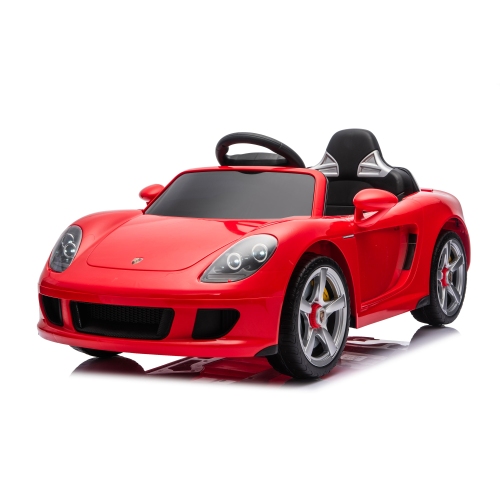
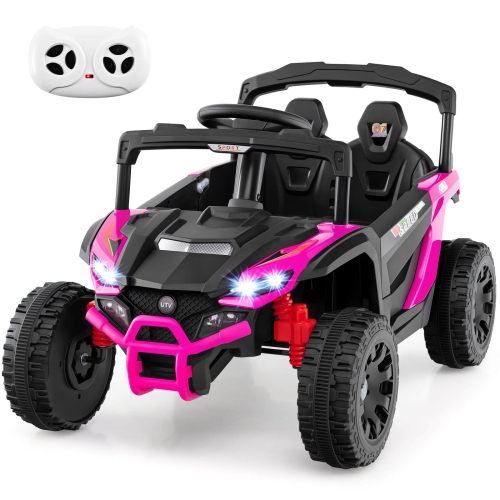
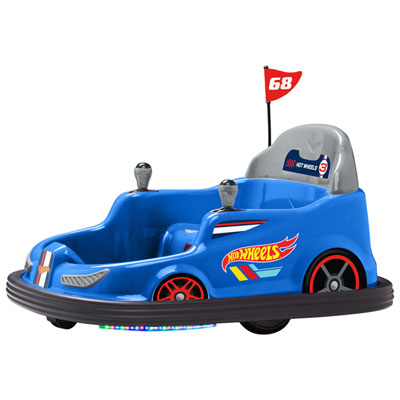
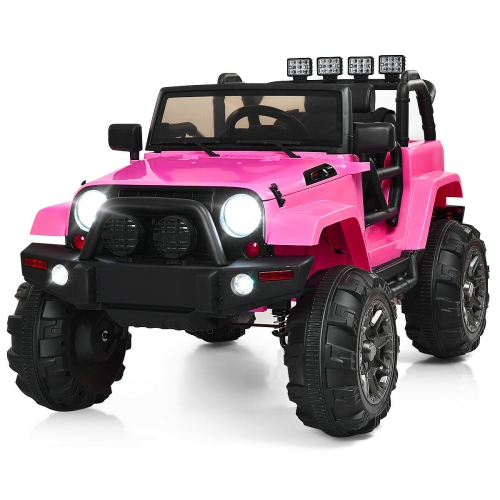
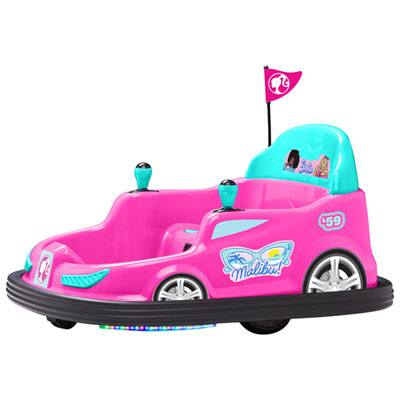
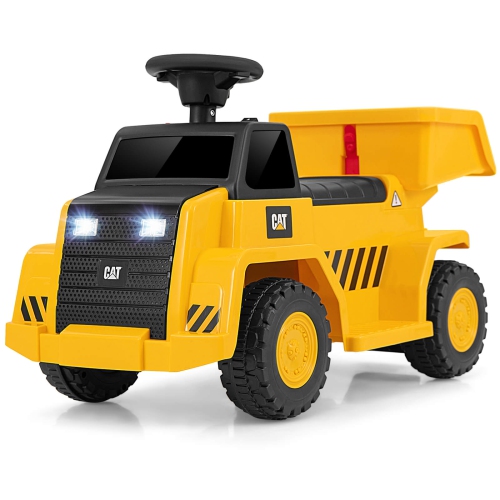
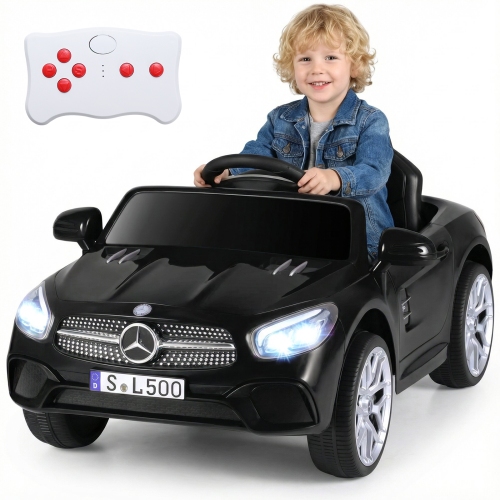
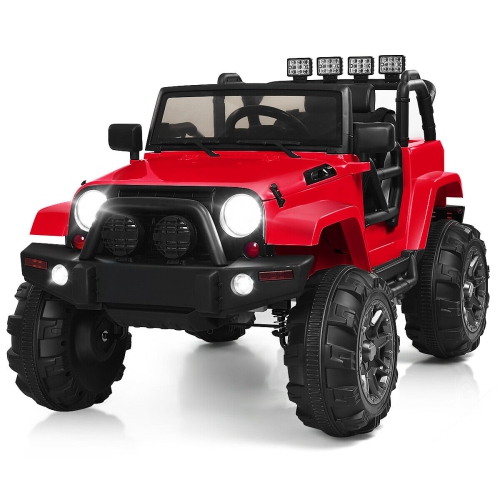
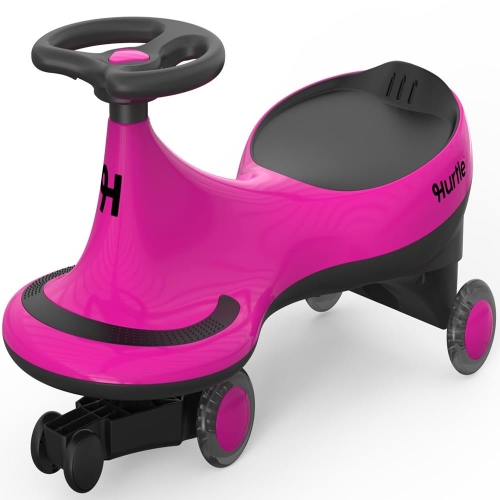
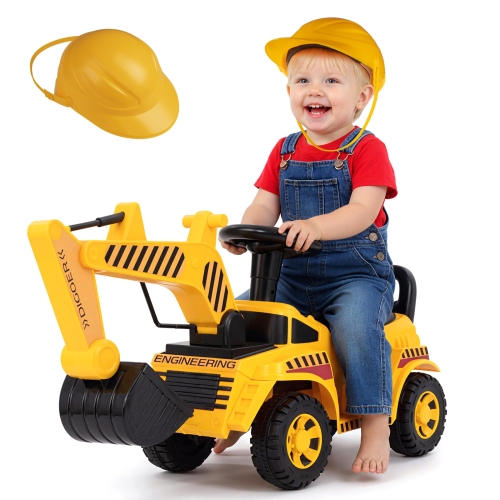


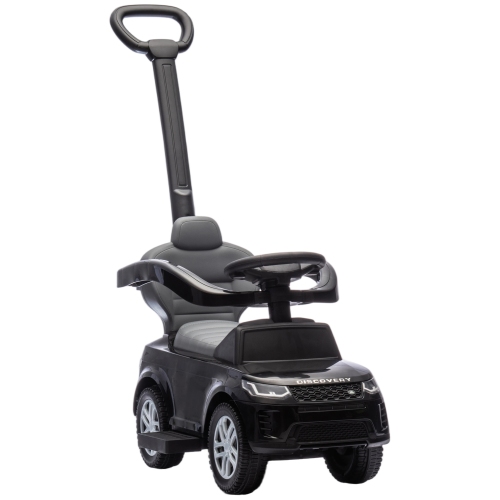
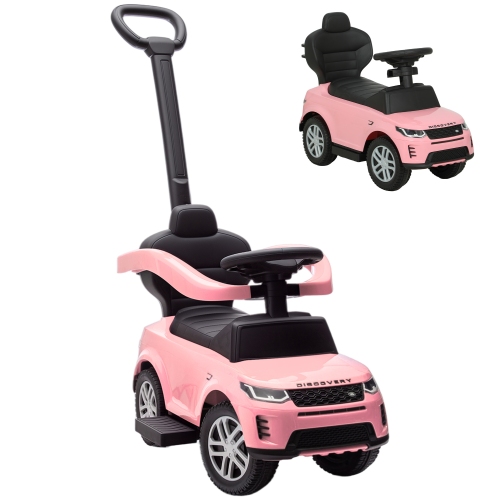
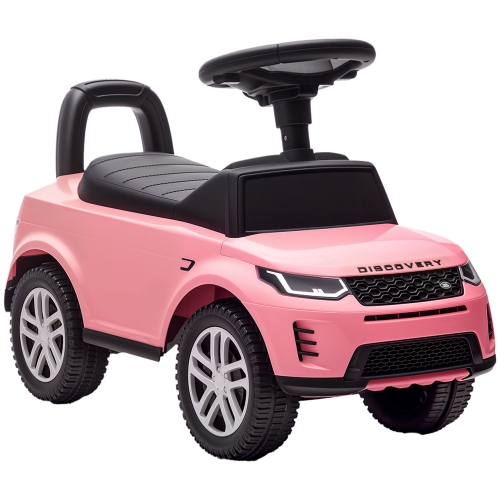
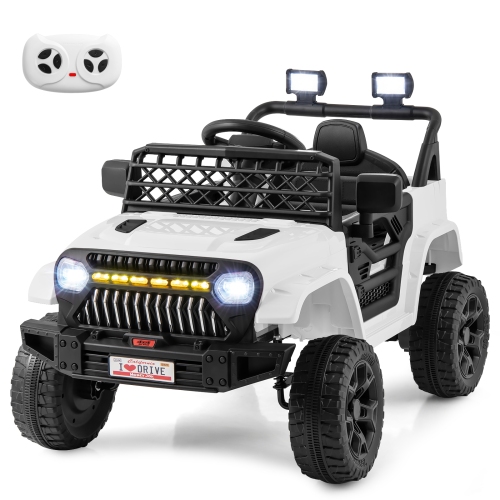
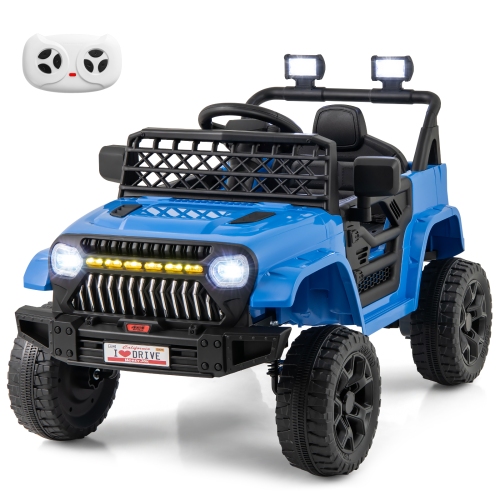
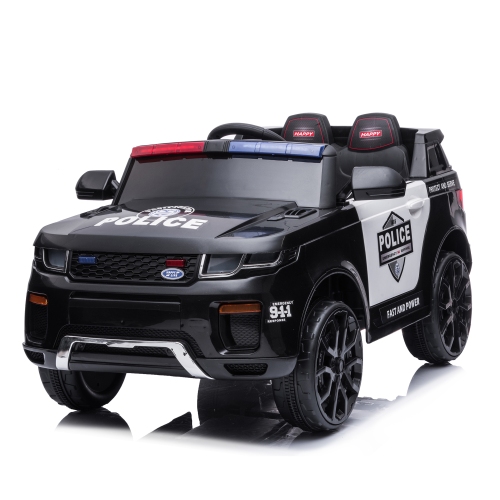
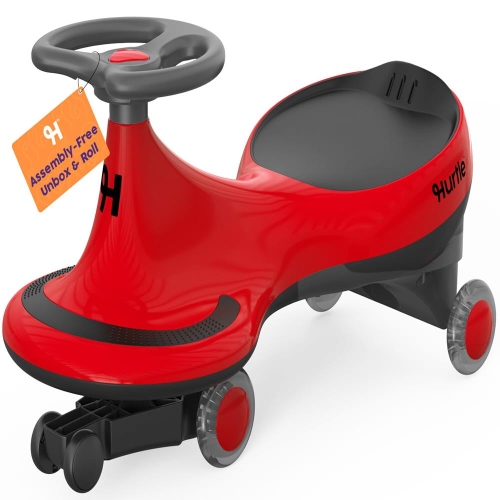
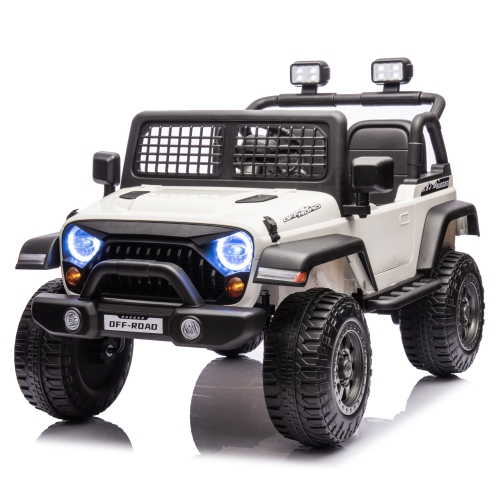
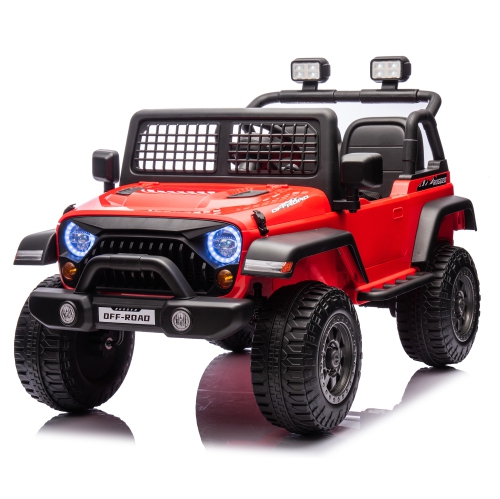
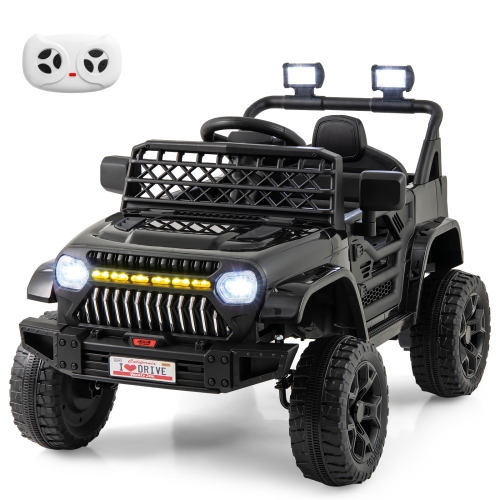
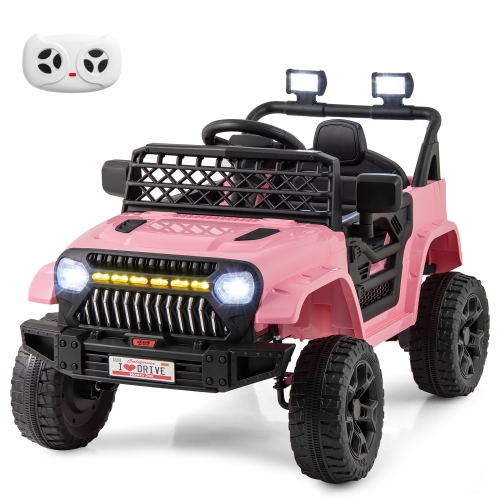
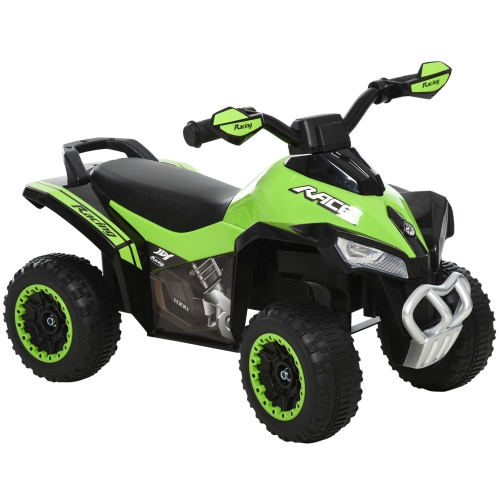
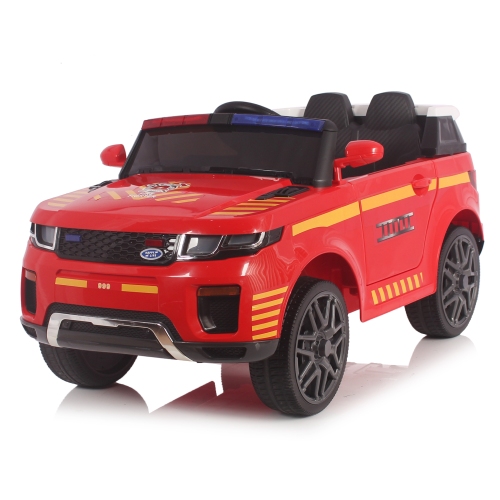
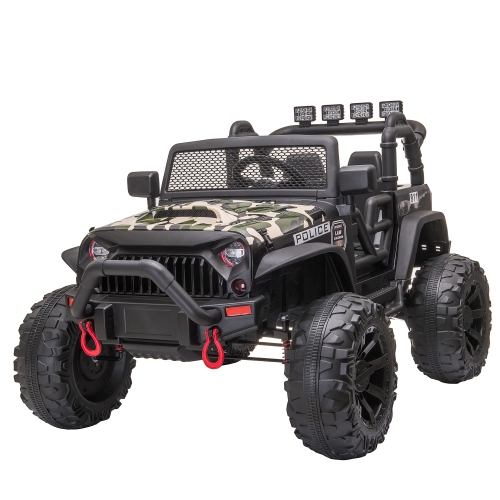
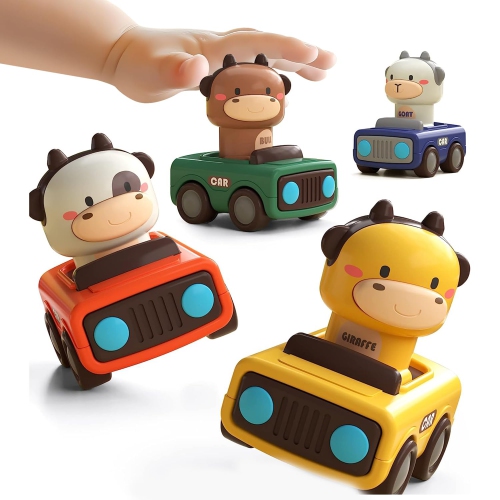
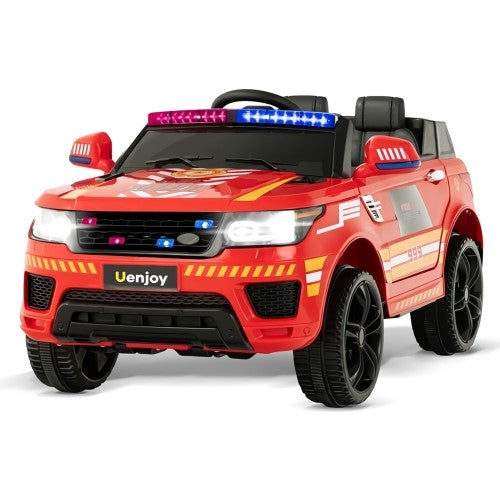
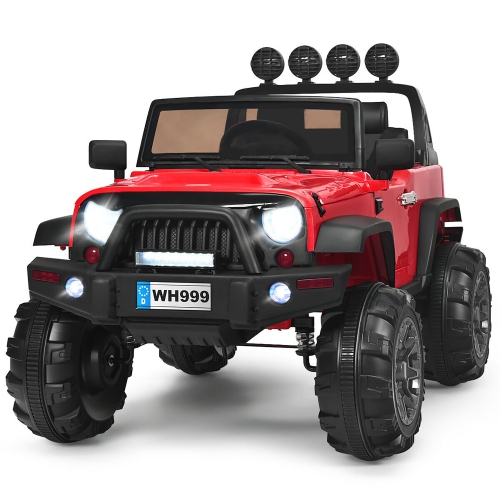
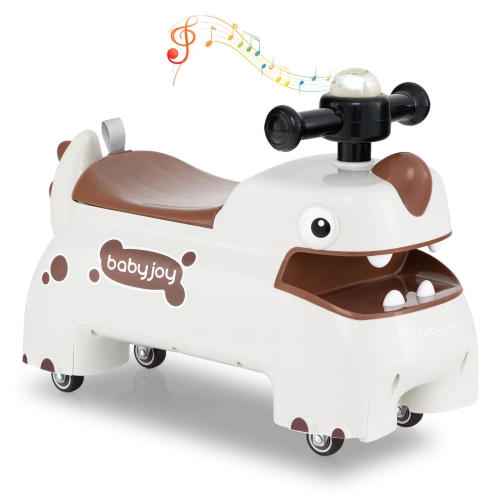
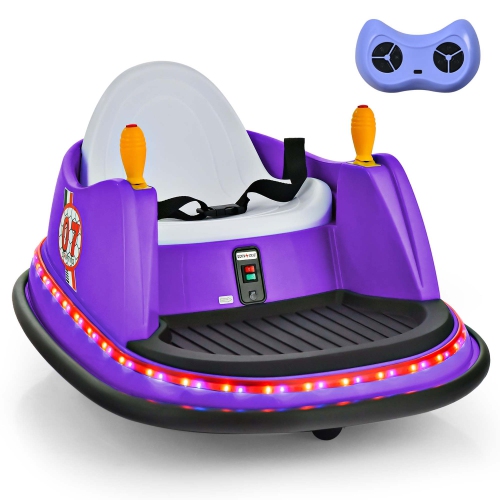
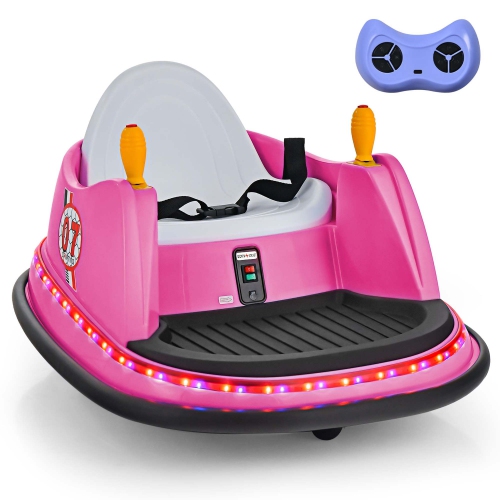

Little feet or helping hands power the ride
Ride-on push cars are child-sized wheeled toys that let young children sit behind a steering wheel while moving with foot power, help from an adult, or a combination of both. Unlike battery-powered ride-on vehicles, these cars rely on physical pushing rather than a motor. Foot-to-floor designs have a low seat and space for children to plant their feet on the ground, then push themselves along at their own pace. Adult-push designs usually add a rear handle so a caregiver can guide the car while the child sits with their feet supported. Some convertible designs accommodate both arrangements through removable handles, footrests, or surrounding support pieces, provided each configuration is used as directed by the manufacturer. These differences matter more than the styling alone: a child practising short, independent movements has different needs from one who enjoys being pushed along an approved path. A steering wheel, pretend dashboard, or horn can add imaginative play, turning a short trip across a playroom into a visit to a make-believe garage or grocery shop. Steering wheels do not always control the front wheels, however, so their function is worth checking rather than assuming. Some models are designed for indoor play, some permit outdoor use on suitable surfaces, and others accommodate both. Smooth, level routes generally suit these toys better than loose gravel, deep grass, or uneven paving, though the instructions for each design determine appropriate use. For families comparing options intended for younger children, Infant Push Cars offers a related category to explore, with suitability still dependent on the stated age range and developmental requirements of each design. A push car should match what a child can comfortably manage, whether that means sitting securely during an adult-guided ride or coordinating their feet to move and stop a foot-to-floor toy. It is a play vehicle rather than a mobility aid, and a stroller-like appearance does not make it a substitute for an approved stroller.
Fit shapes the experience of ride-on push cars, from how comfortably a child sits to how easily an adult can guide the toy. On a foot-to-floor design, the seat height should allow the child to reach the ground as intended without stretching or sitting awkwardly. There should also be enough room around the steering wheel and seat for comfortable movement within the manufacturer’s fit requirements. For an adult-push configuration, a properly positioned footrest helps keep feet away from moving wheels, while the push handle needs to feel manageable for the caregiver. An adjustable handle can be useful when adults of different heights share pushing duties, although not every design includes one. Age guidance, maximum rider weight, seating requirements, and the approved number of riders all need to be considered together; a weight limit alone does not establish whether a car is suitable. Where a restraint is supplied, it should be secured according to the instructions, without treating it as a replacement for close supervision. Wide wheel spacing and a low seating position can influence how a car feels in use, but no toy should be assumed to resist tipping under every condition. Clear play space matters, particularly near furniture corners, door thresholds, stairs, and changes in floor level. Ride-on play belongs away from traffic, driveways, pools, and other hazards, with an attentive adult nearby. Indoors, the car’s overall width and turning space affect whether it can travel comfortably between a sofa and a coffee table or pass through a doorway without repeated lifting. Wheel material also makes a practical difference: hard plastic and softer wheel surfaces may produce different levels of rolling noise and behave differently across flooring types. Compatibility with a particular floor should be confirmed rather than inferred from appearance. For adult-push use, features such as a small storage compartment or cup holder may add convenience, but any load must remain within the stated limits and must not interfere with steering, balance, or the child’s seating area.
Materials and construction help determine how well a push car handles everyday play. Moulded plastic bodies are common because they allow rounded shapes and wipeable surfaces, while some designs incorporate metal parts in their handles, axles, or supporting structure. The useful details are often the less decorative ones: firmly attached wheels, secure handle connections, smooth accessible edges, and components that remain properly fastened through repeated use. Removable pieces can make a convertible car more adaptable, but they also need to be fitted correctly and kept together when not in use. Assembly requirements vary, and fasteners should be checked at the intervals specified in the instructions, especially around moving or load-bearing parts. Ordinary care usually centres on removing crumbs and grit, wiping suitable surfaces with a soft cloth, and cleaning removable fabric pieces only as their care labels permit. Electronic horns or sound panels, when included, require particular care around water, and battery compartments should remain securely closed. Harsh cleaners, soaking, or unapproved lubricants can damage materials or mechanisms, so the manufacturer’s cleaning directions take priority. A quick inspection before play can reveal a loose wheel, a cracked panel, or a handle that has not locked fully into place. Damaged components should be addressed before the car is used again, rather than covered over or altered with improvised repairs. Storage is another everyday consideration, especially in a shared playroom or a home with limited cupboard space. A removable handle may reduce the storage footprint where the design permits, while built-in storage can keep a small play accessory close at hand without leaving it loose underfoot. Ride-on push cars can make thoughtful birthday gifts for young children who enjoy vehicle play, provided the recipient’s age, abilities, available play space, and caregiver preferences are known. A bold colour or playful dashboard may catch a child’s attention first, but comfortable fit, manageable dimensions, straightforward care, and an appropriate riding setup are what help the toy become part of a familiar play routine.
Top selling and popular products
-
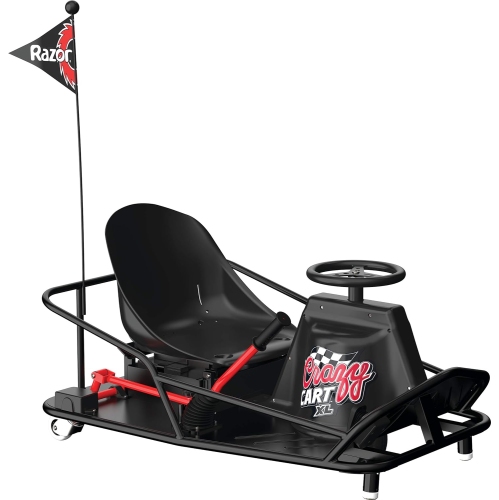 Your price for this item is $1829.99
-
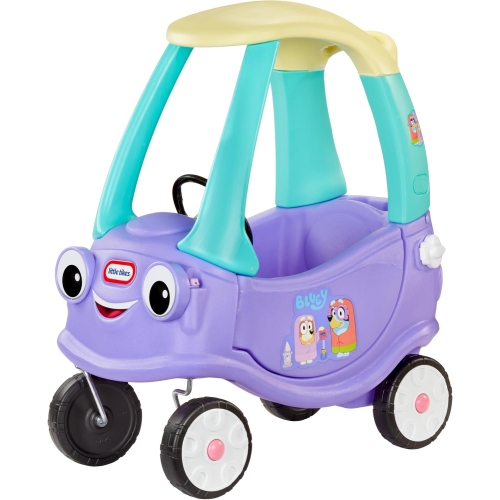 Your price for this item is $207.99
-
 Your price for this item is $191.99
-
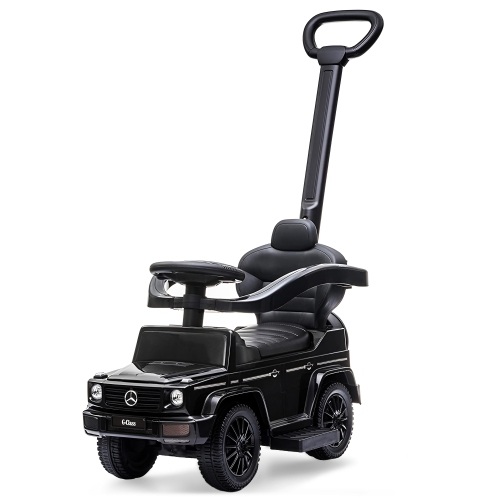 Your price for this item is $176.99
-
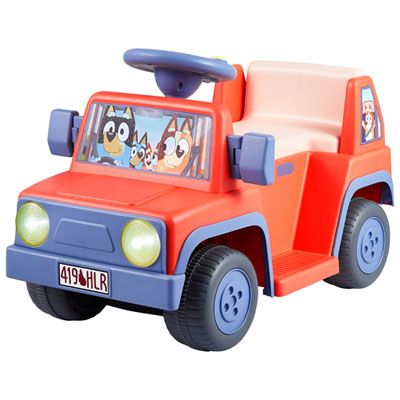 Your price for this item is $199.99
-
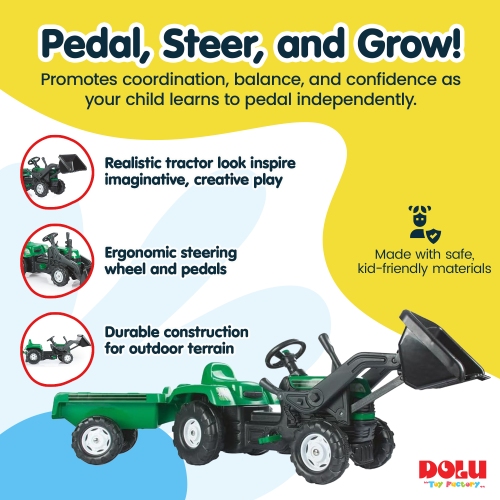 Your price for this item is $279.99
-
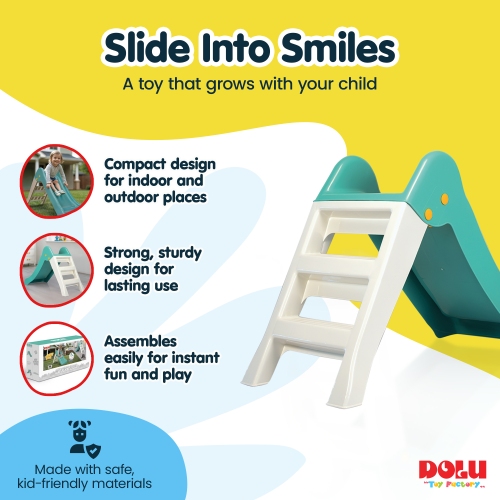 Your price for this item is $177.99
-
 Your price for this item is $99.99
Discover more categories related to Ride On Push Cars
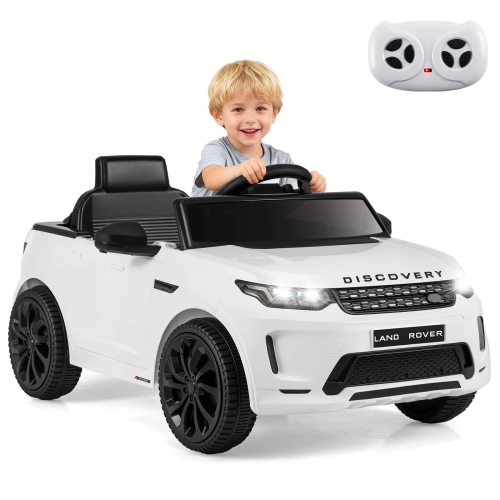

Top Collections:
Best Black Friday Deals This Year, Best Black Friday Deals On Electronics, Kindle Devices, Dyson Airwrap, Best Cameras for Sports Photography, Best Budget Office Chairs, Canon G7X Cameras, PS5 Pro Consoles, Best Black Friday Deals On Apple Products, XBOX One S Consoles
Some products may be subject to Environmental Handling Fees
(EHF) depending on your province.
Learn more about EHFs.