RC Cars And Trucks
If you're looking to rev up your excitement with some high-speed fun, look no further than these RC cars and trucks! Whether you're a seasoned hobbyist or just starting out, our wide selection of remote-controlled vehicles is sure to satisfy your need for speed. From sleek and speedy sports cars to rugged and powerful off-road trucks, we have something for every adrenaline junkie. Get ready to experience the thrill of racing as you navigate tight corners, conquer challenging terrains, and leave your competition in the dust.
Sort






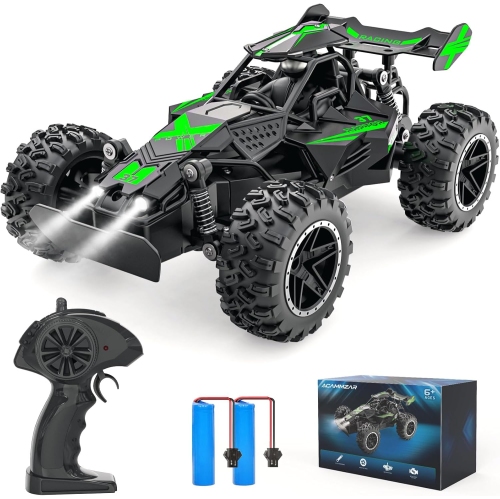


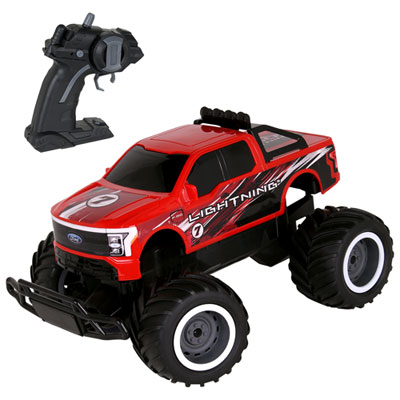


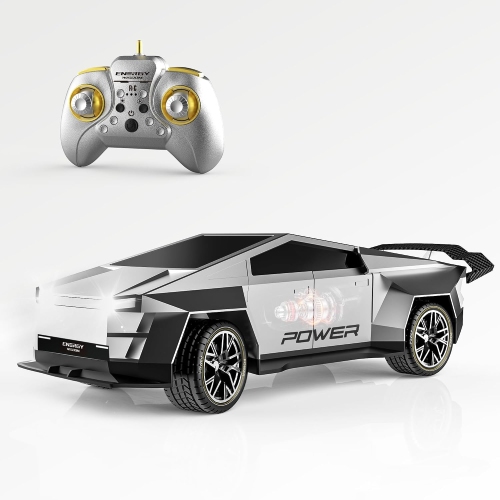


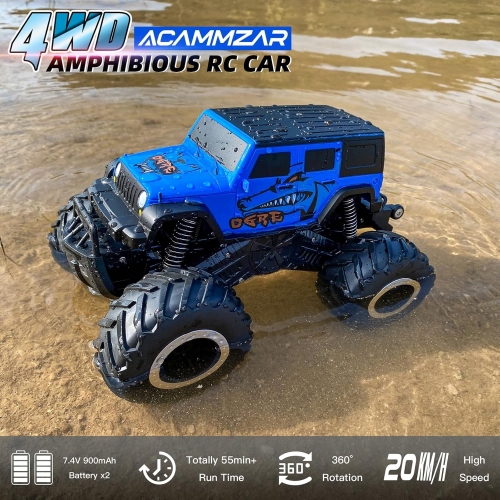




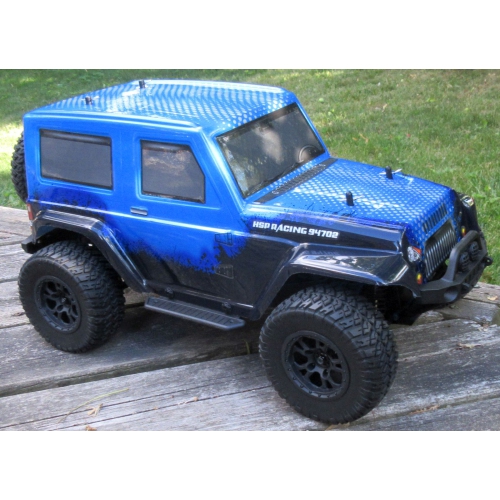

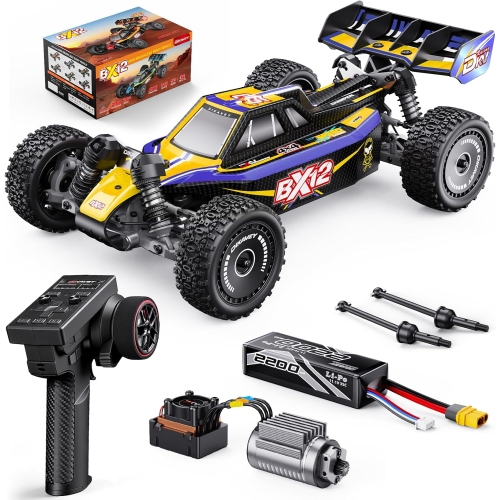
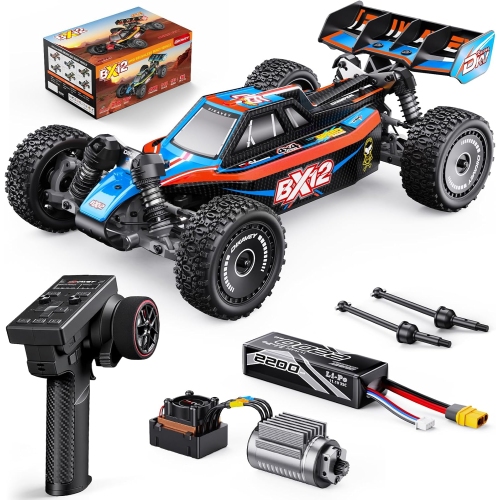
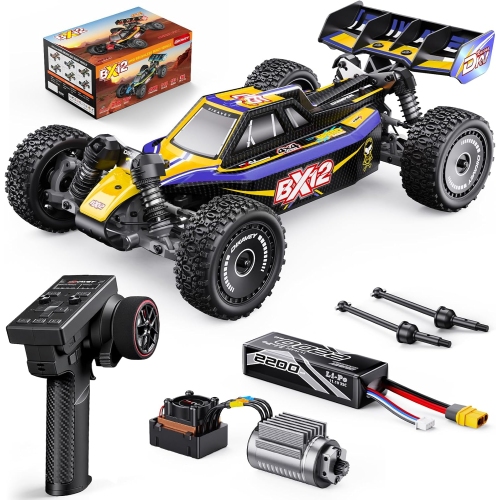






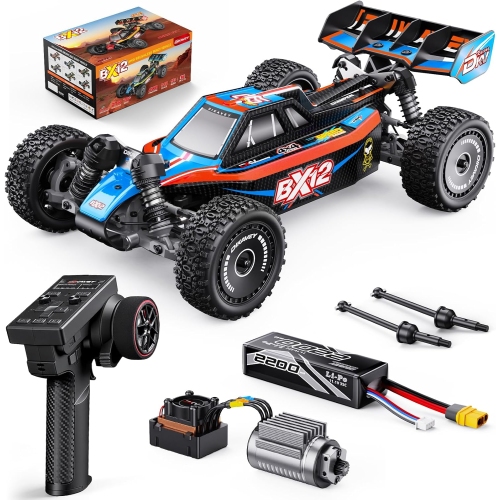
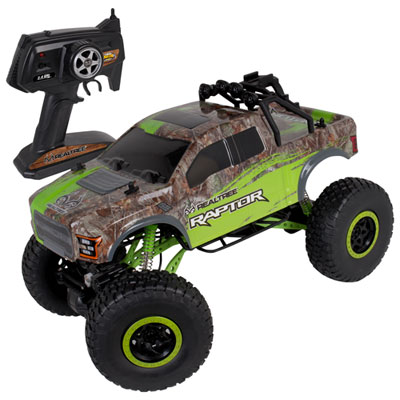

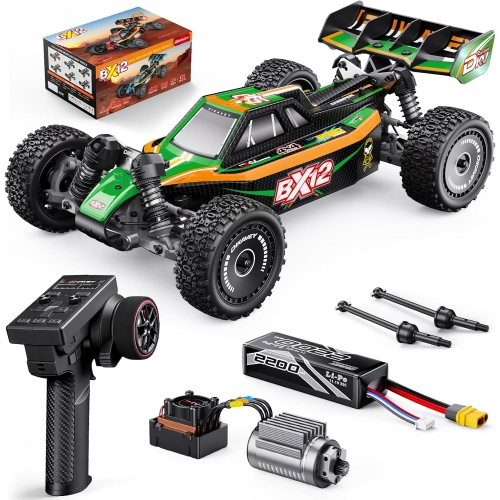
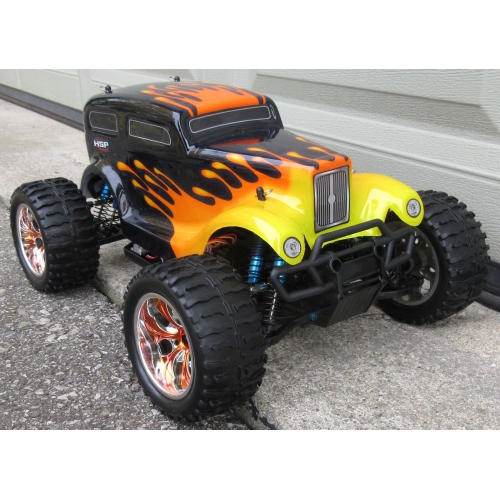


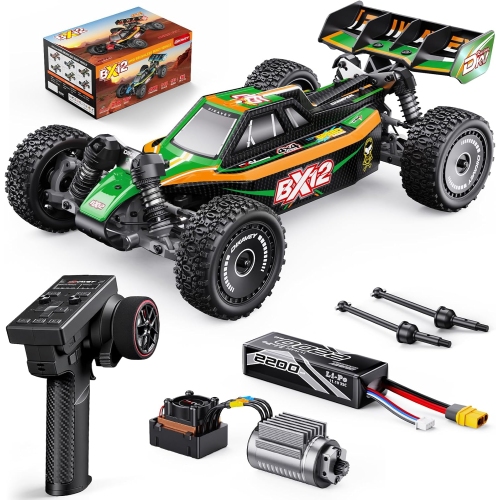


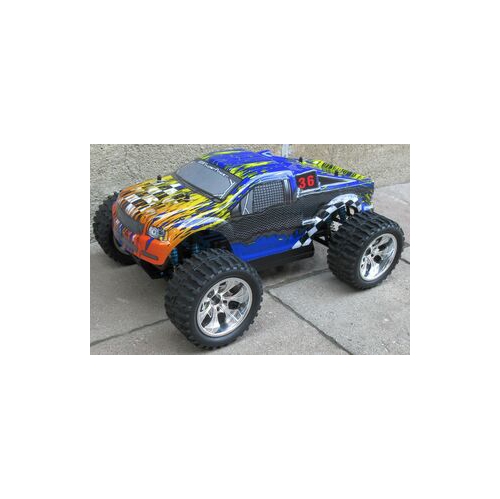




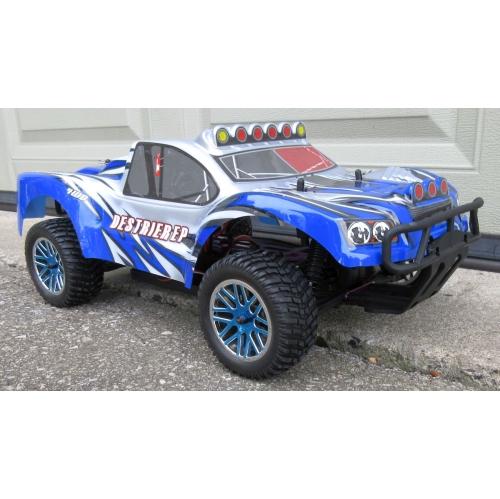


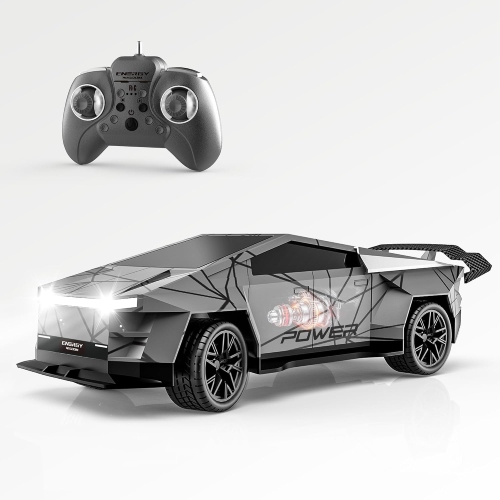

















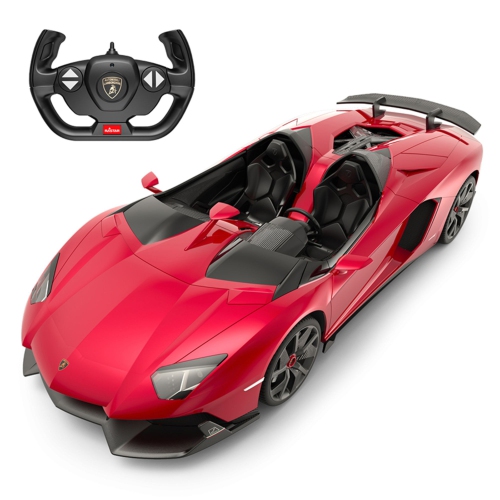
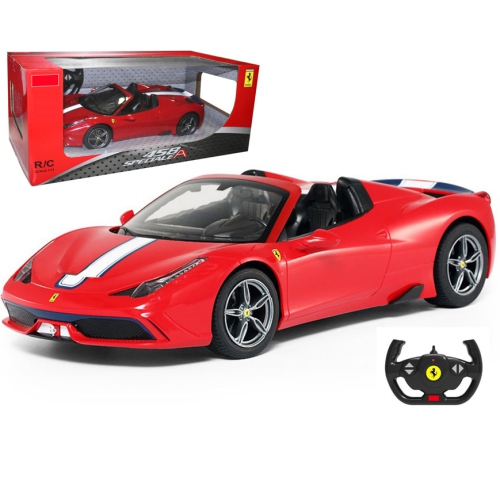

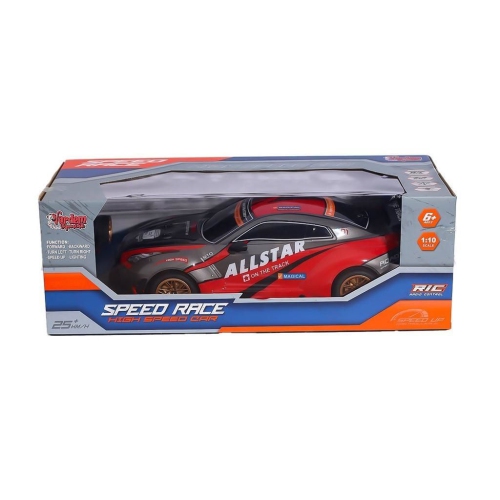
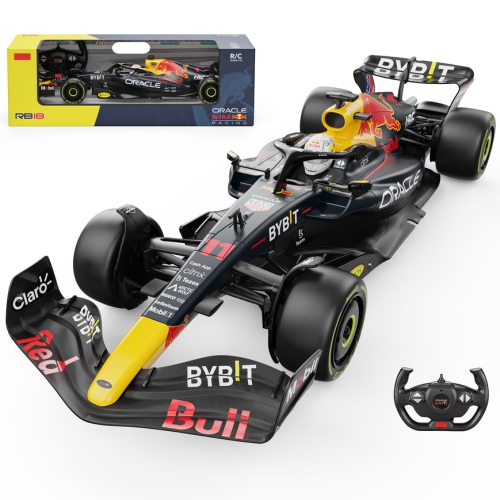



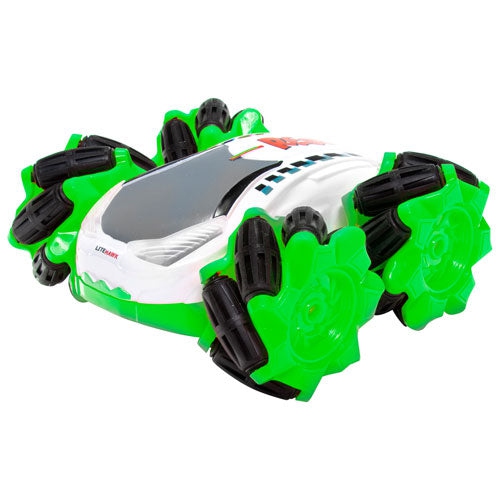
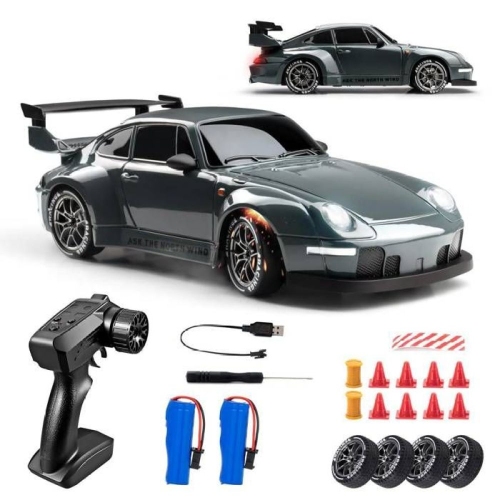


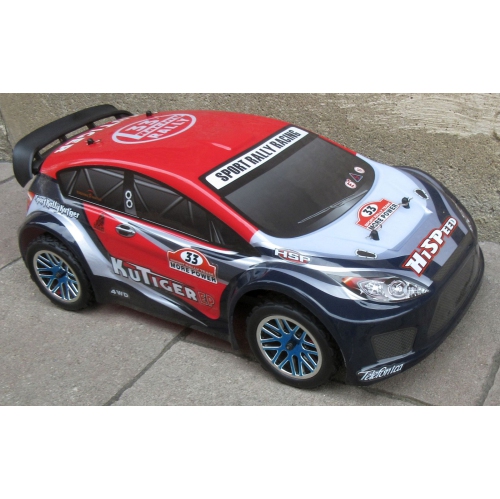
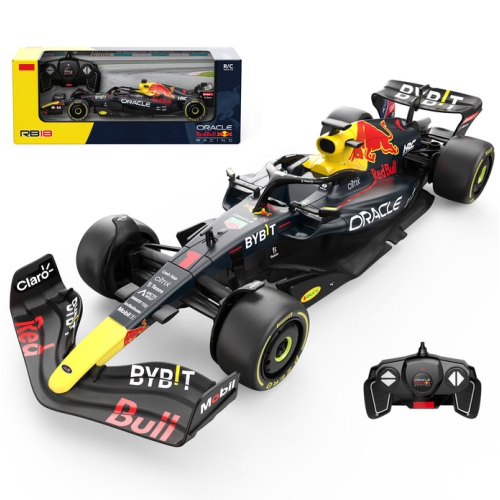
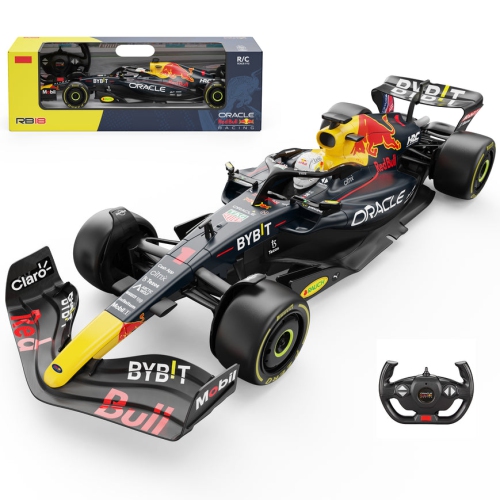
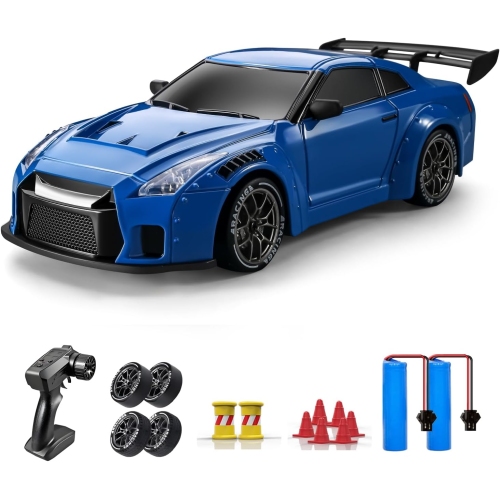
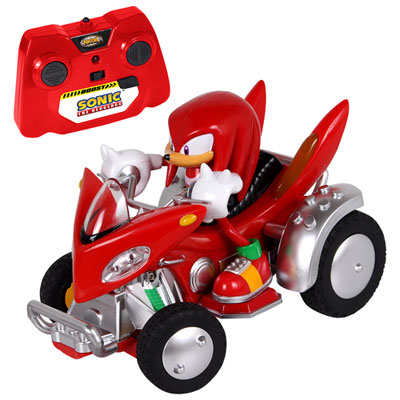
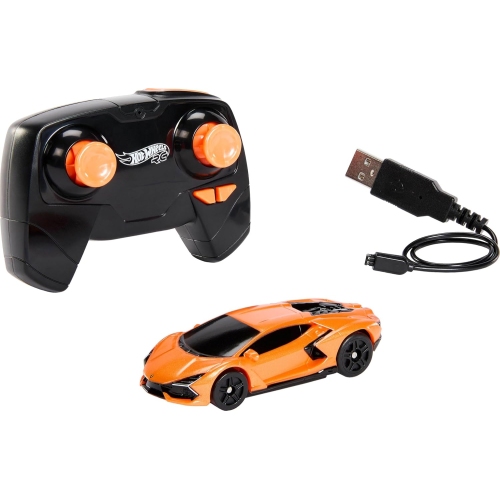














How terrain shapes the RC driving experience
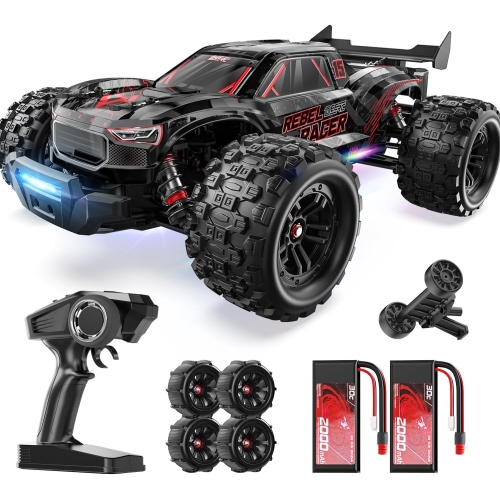
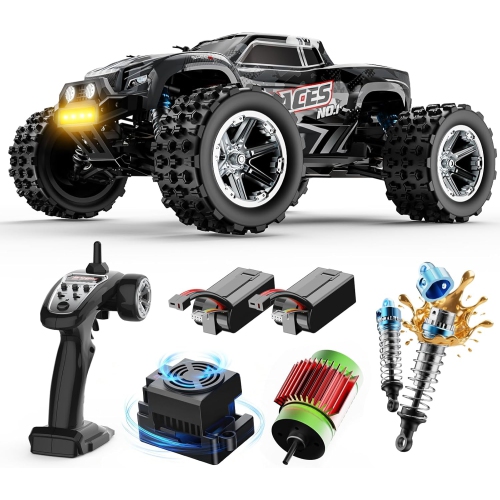
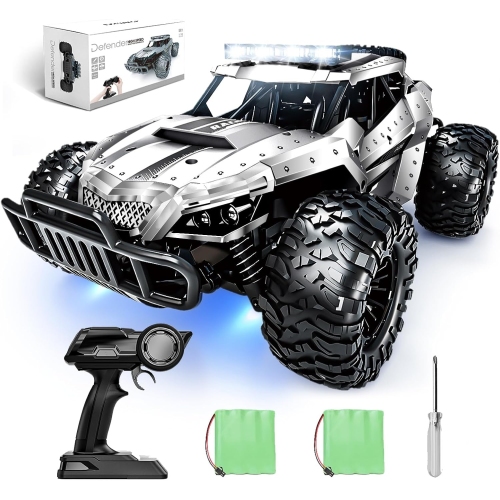
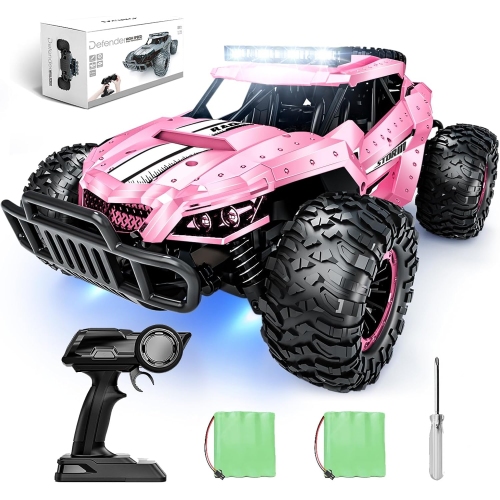
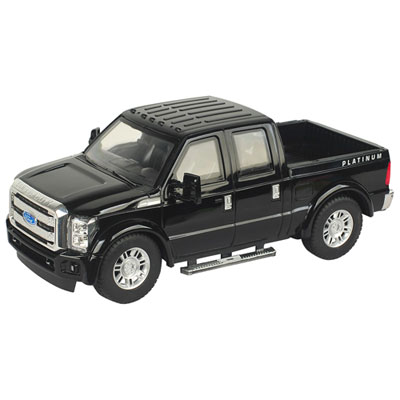
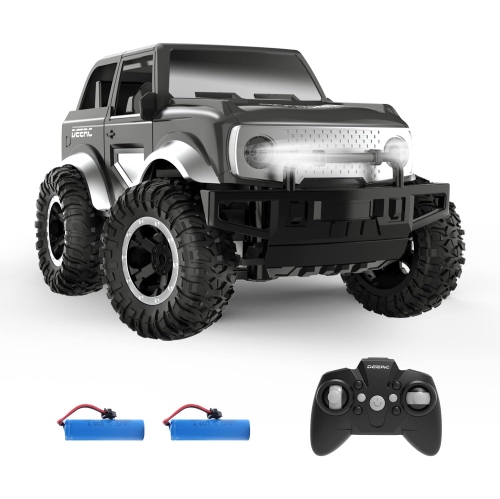
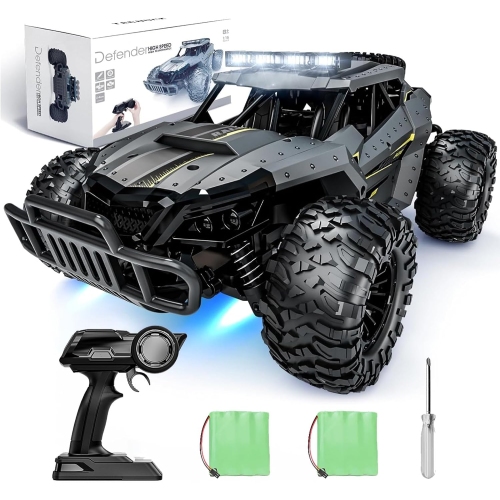
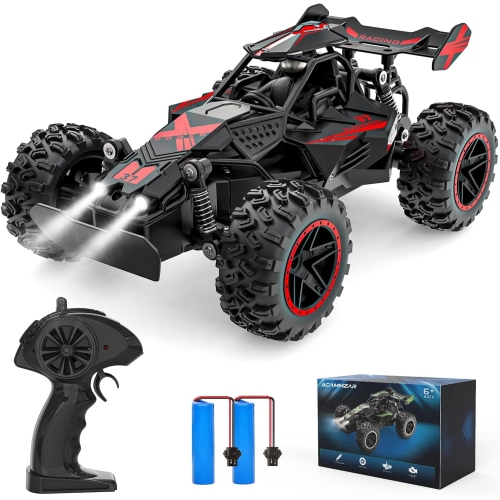
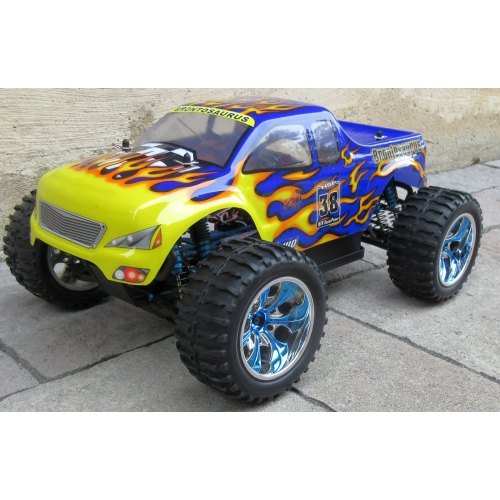
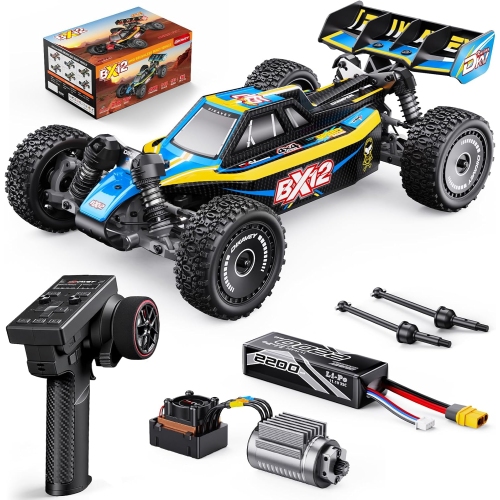
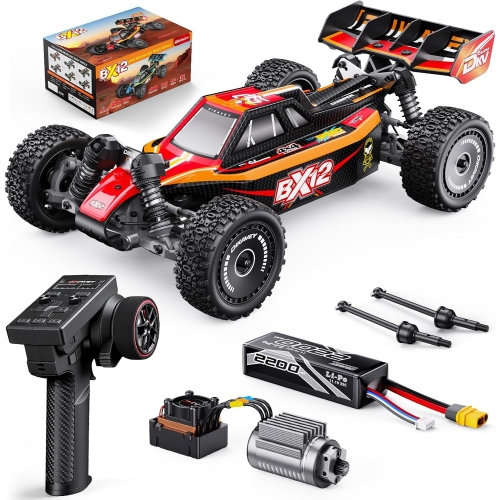
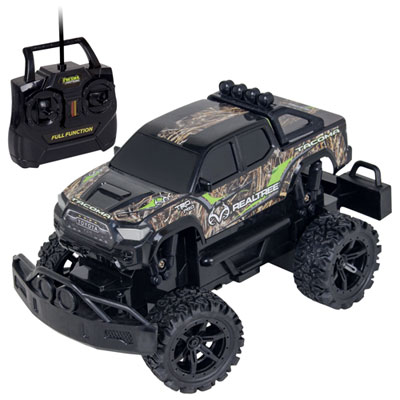
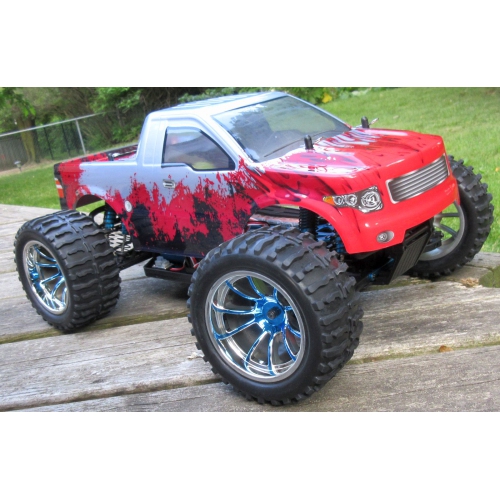
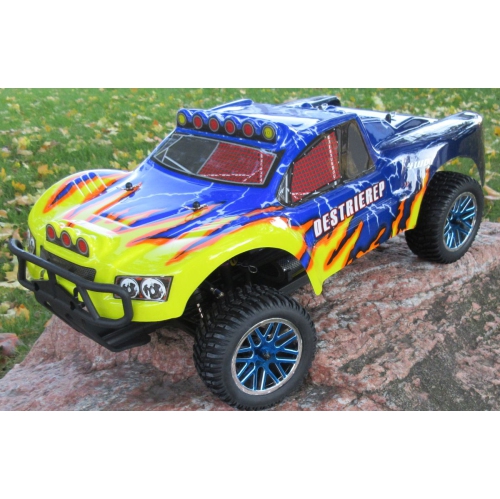
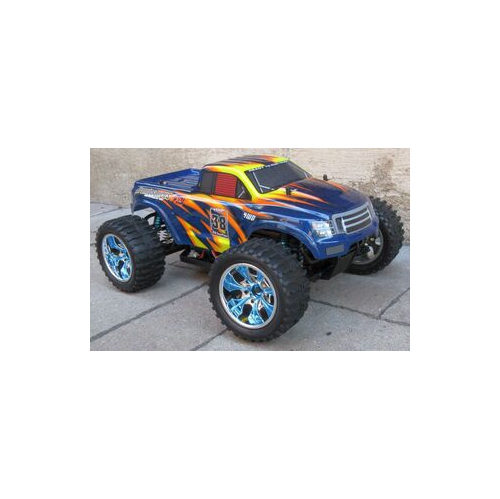
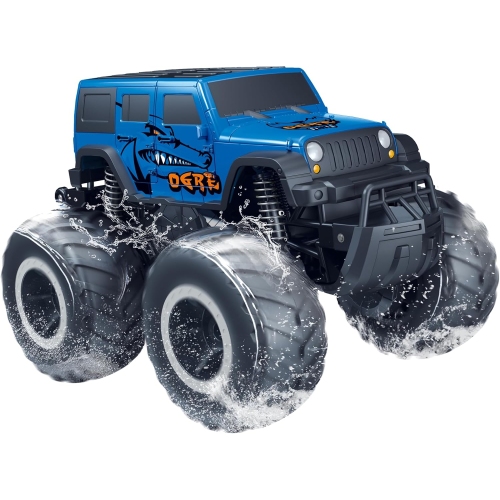
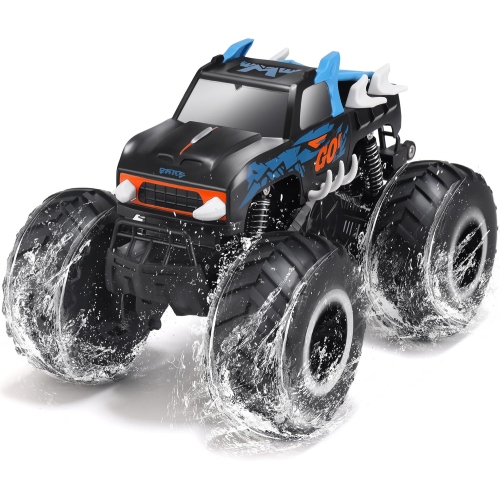
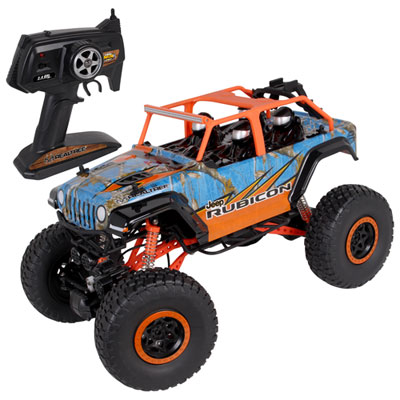
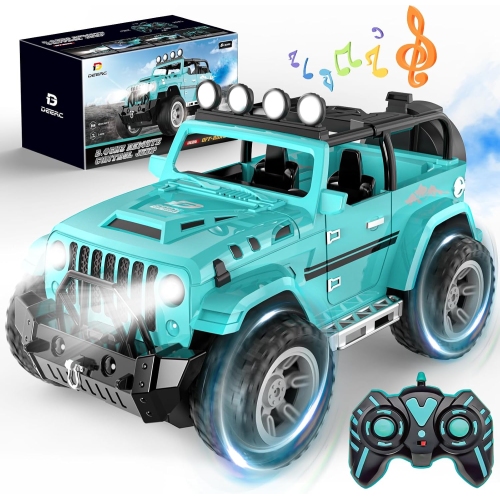
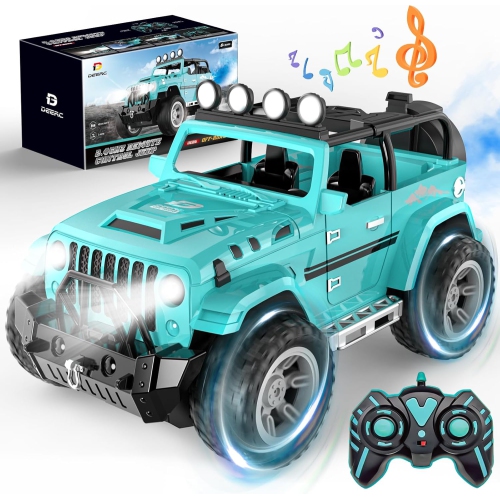
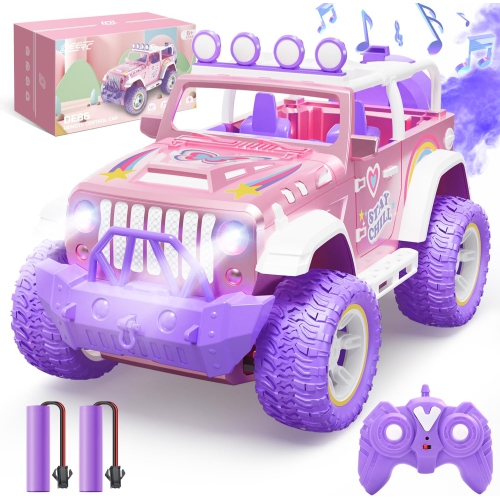
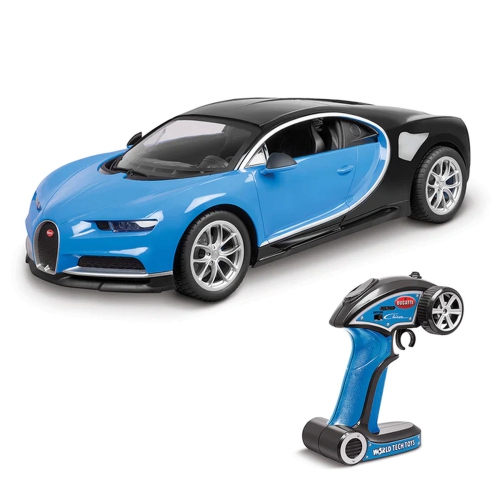
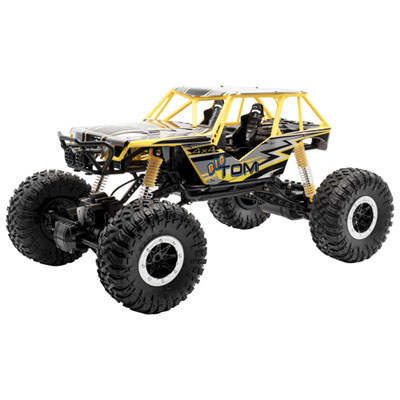
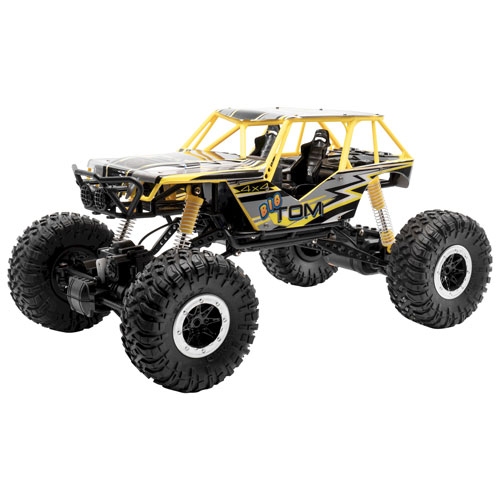
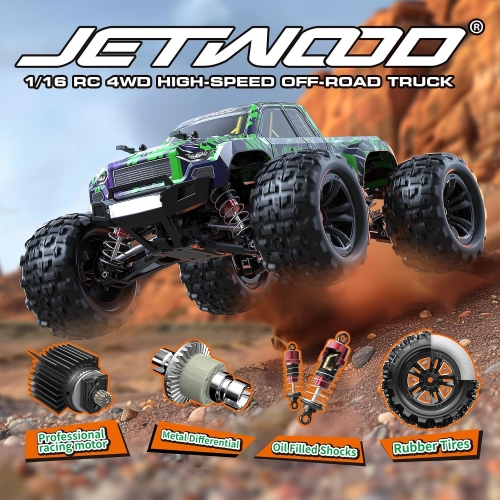
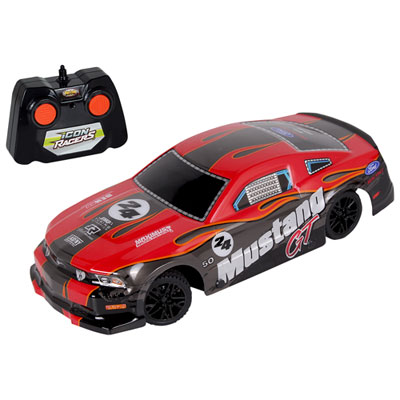
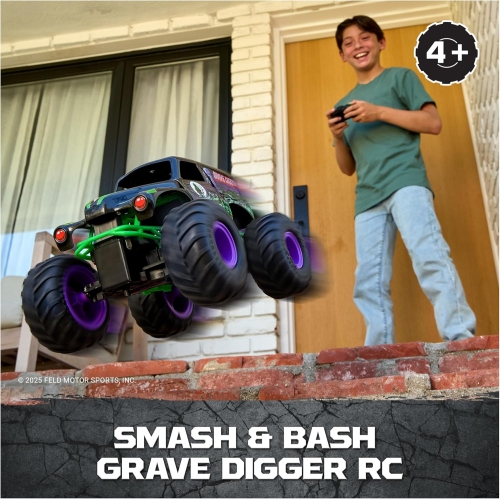
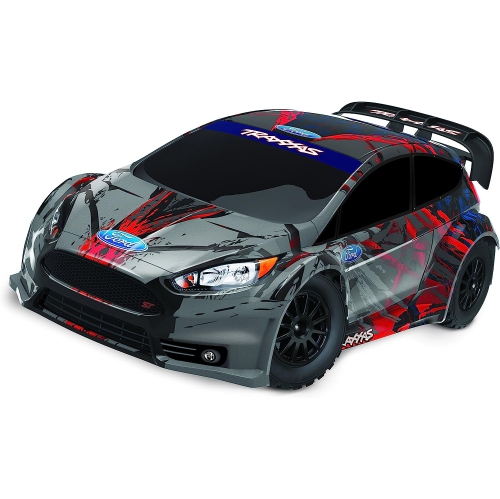
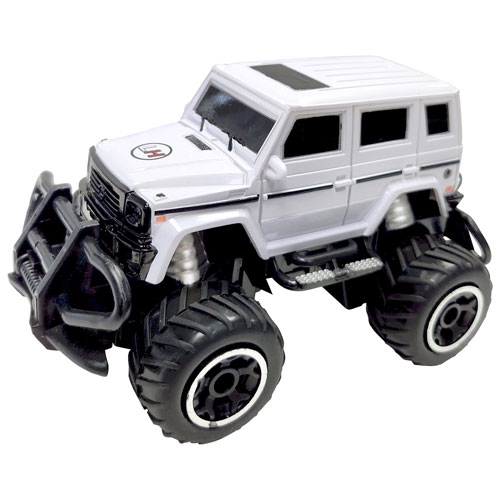
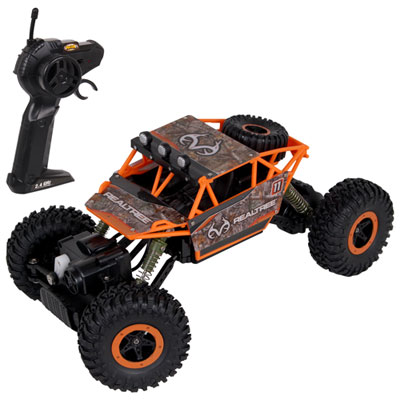
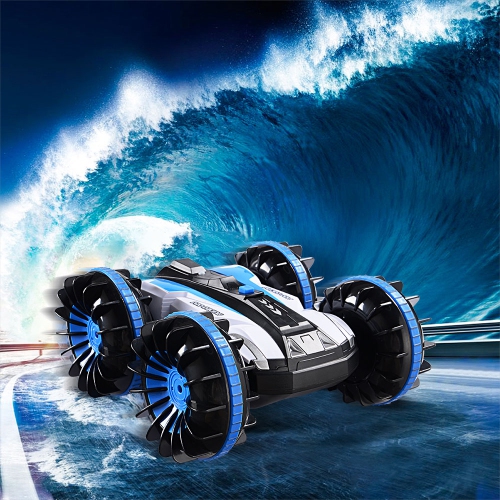
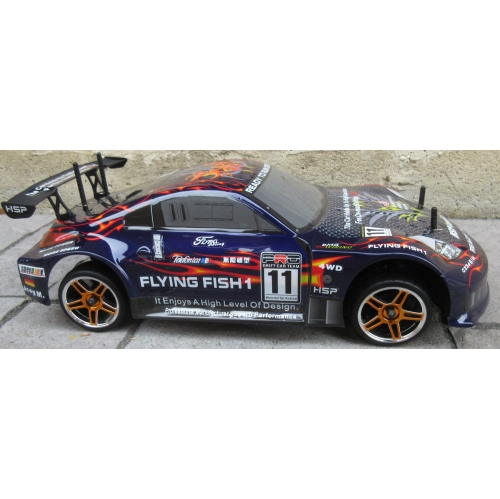
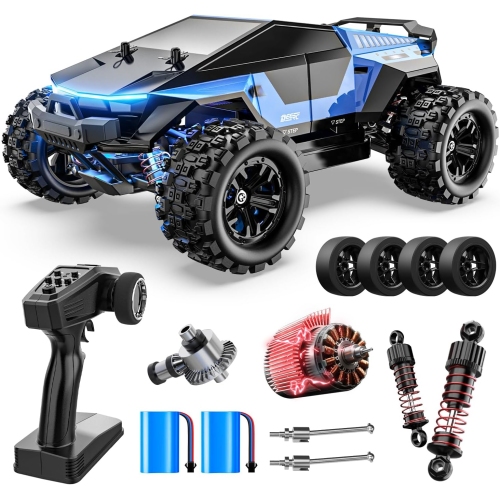
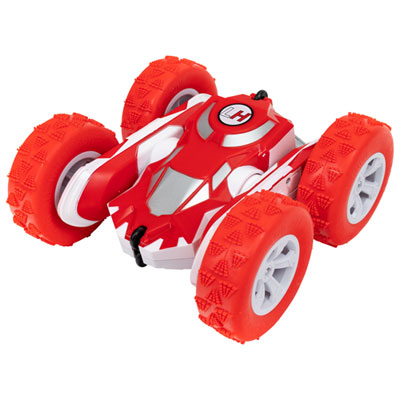
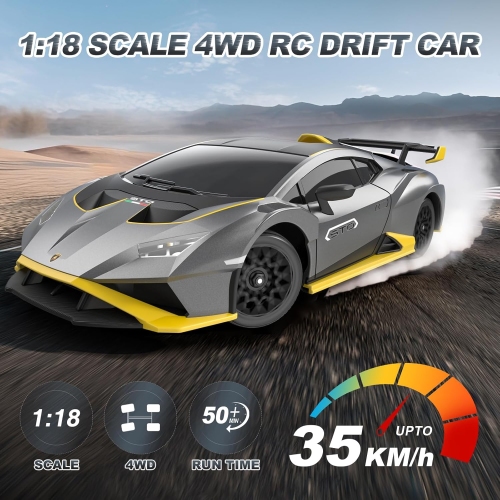
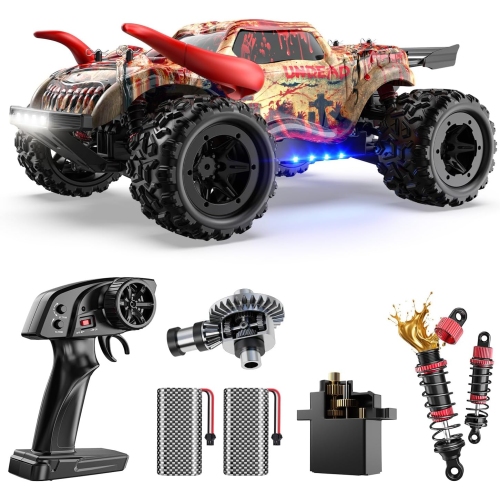
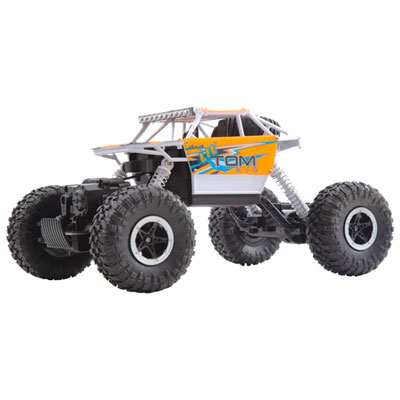
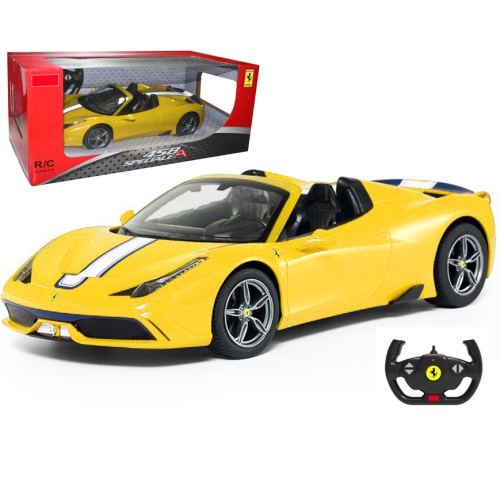
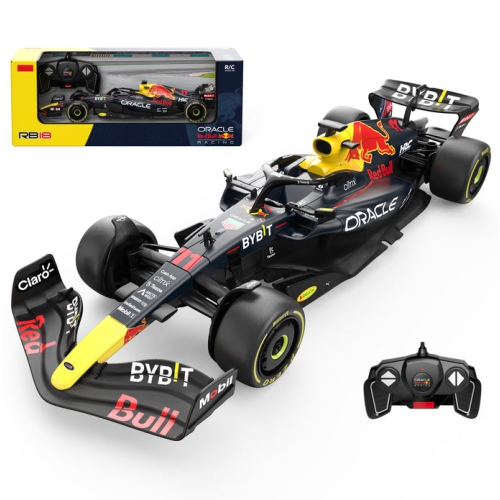
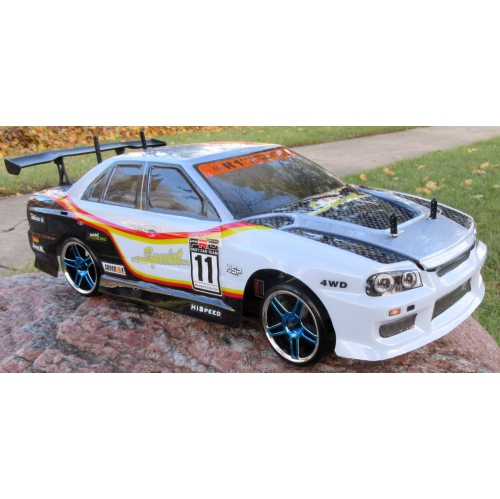
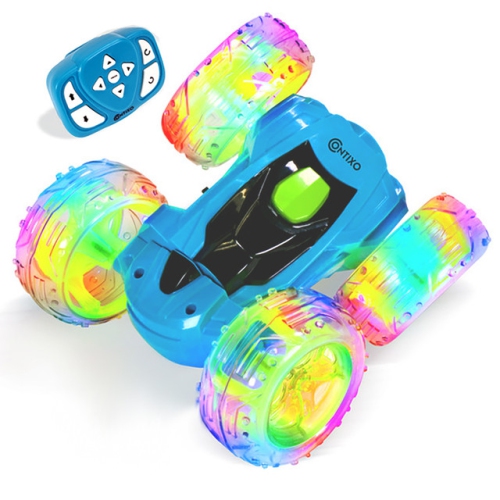
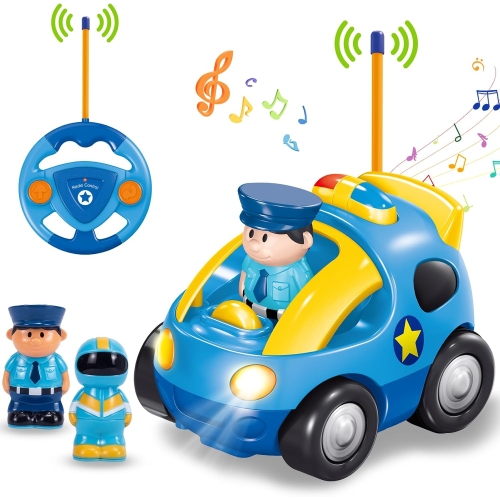
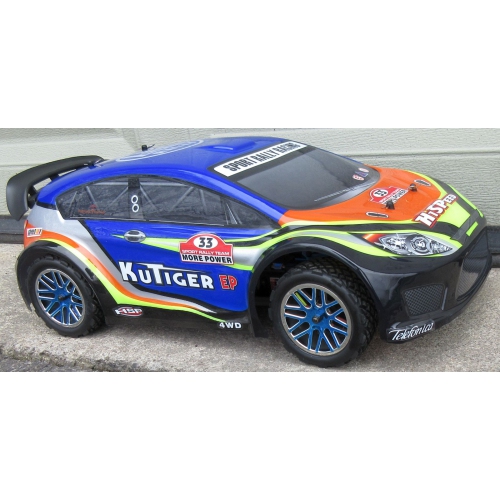
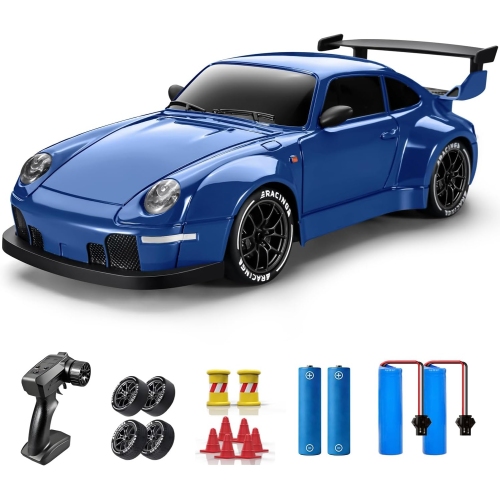
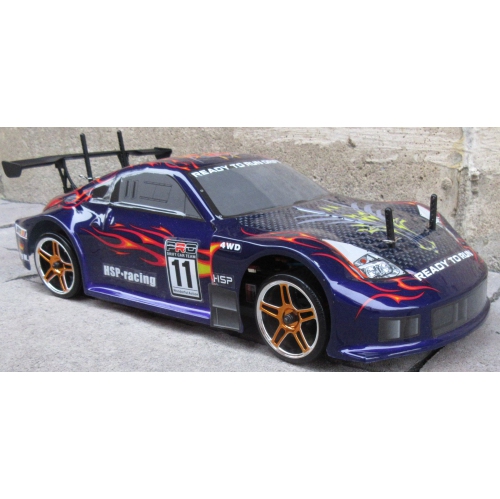
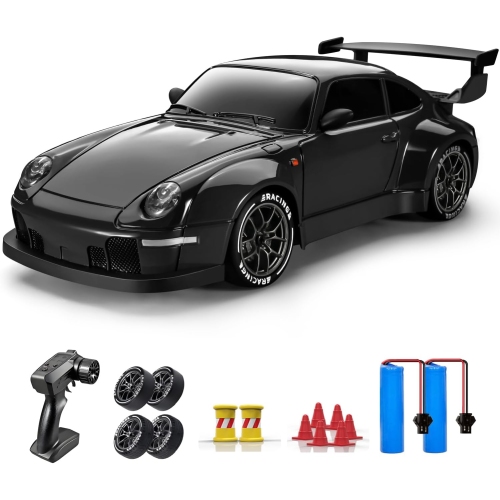
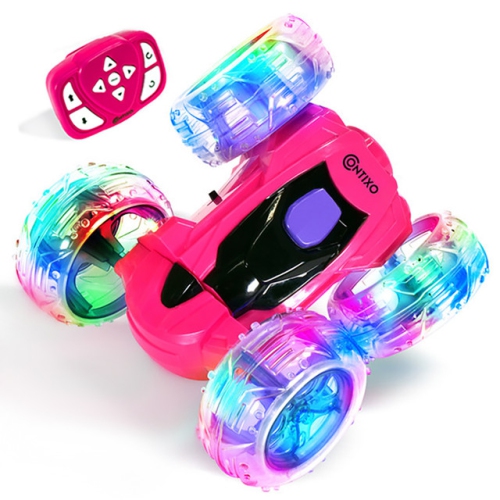
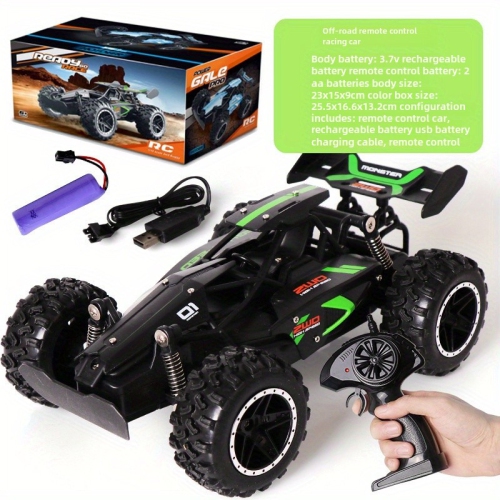
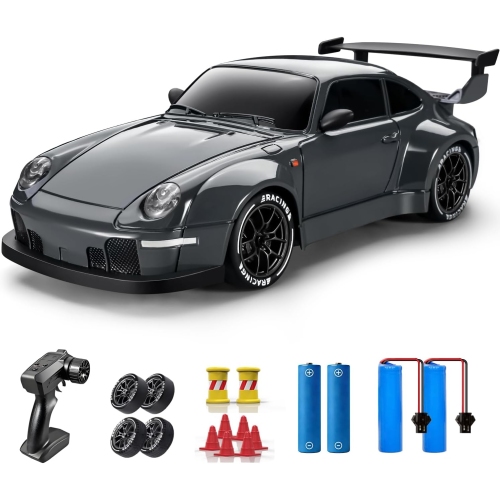
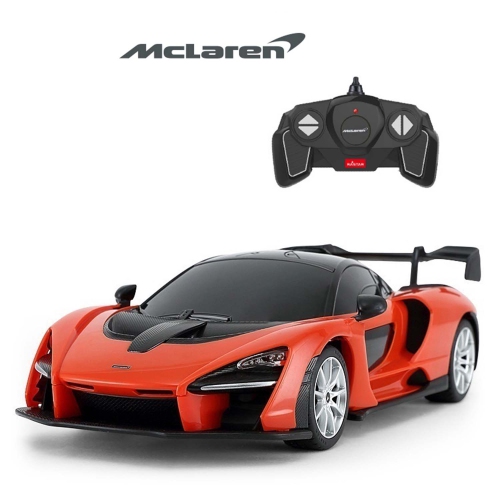
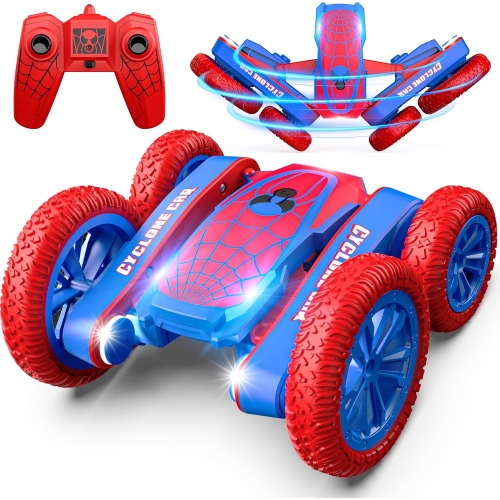
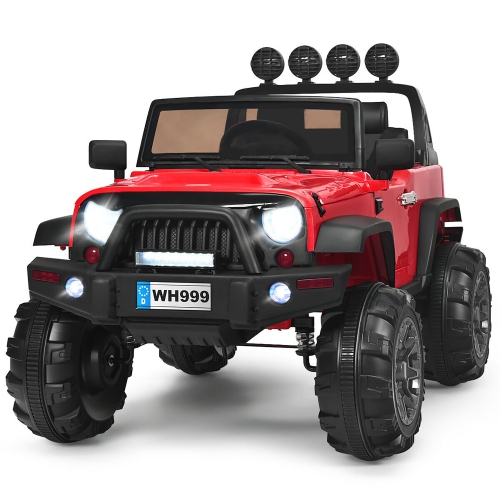
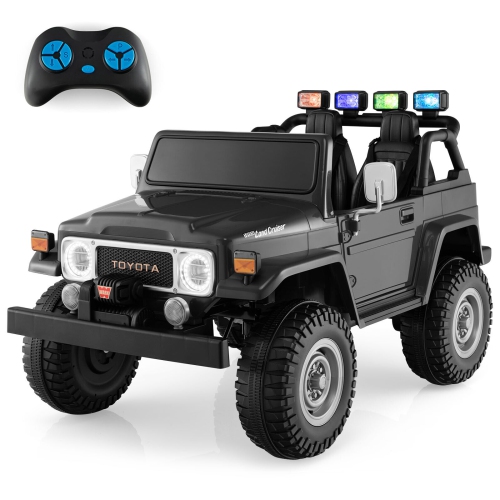
RC cars and trucks are miniature vehicles controlled remotely with a handheld transmitter, bringing together driving skill, mechanical detail, and hands-on play. The range spans simple remote-control toys for children, responsive road cars for smooth surfaces, and hobby-grade trucks built for more demanding terrain. Each style offers a different driving experience. Low-slung touring cars suit clean pavement or purpose-built tracks, where their modest ground clearance and road-focused tires help them turn with precision. Drift cars use specialized tires and suitable surfaces to slide through corners, putting the emphasis on controlled movement rather than straight-line speed. Monster trucks have oversized tires and raised chassis that help them cross uneven ground, while short-course and stadium trucks combine responsive handling with suspension designed for bumps and track driving. Rock crawlers take a slower approach: low gearing, flexible suspension, and grippy tires help them work over stones and carefully placed obstacles. For drivers drawn to dirt paths and uneven surfaces, Off Road Rc Trucks bring that terrain-focused style of driving into view. Vehicle size matters as much as body style. Scale describes a model’s approximate size relative to a full-size vehicle, so a 1:10 model is generally larger than a 1:24 model, although actual dimensions vary by design. Smaller vehicles can make a living room obstacle course feel expansive, provided there is clear floor space and permission to use it. Larger vehicles usually need more room to turn, accelerate, and stop safely. A truck that looks substantial beside a toy car can still struggle in long grass if its tires and ground clearance are too small. The best match between vehicle and setting comes from considering the actual driving surface, available space, and desired pace together. Smooth laps around cones, careful climbs over low obstacles, and energetic runs around a designated dirt track each call for different strengths.
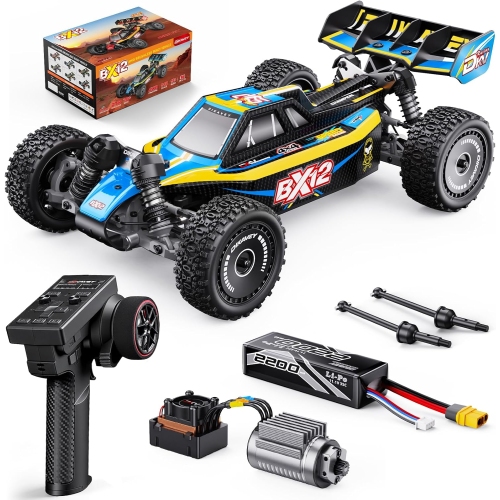
Power systems, controls, and assembly formats shape how RC vehicles feel to drive and how much preparation they need. Electric RC cars and trucks use a rechargeable battery to power a motor, with an electronic speed control managing acceleration on many hobby-grade designs. Brushed motors offer a straightforward setup and can deliver smooth low-speed response, making them a practical fit for casual driving and many crawlers. Brushless systems often provide greater efficiency and higher performance potential, but speed and handling still depend on the motor, gearing, battery, tires, and vehicle design. A crawler with a brushless motor can be built for precise movement rather than outright speed. Two-wheel-drive vehicles have a simpler drivetrain and a distinctive handling feel, while four-wheel drive sends power to both axles for added traction when the surface allows it. Neither layout replaces the need for appropriate tires and controlled throttle input. Proportional steering and throttle let the driver make gradual adjustments instead of switching only between full movement and a stop. That difference becomes clear when easing around a chair leg or lining up a narrow approach between two rocks. Some transmitters also include adjustable speed limits, which can help a newer driver practise before using the vehicle’s full output. Ready-to-run, often shortened to RTR, generally means the vehicle arrives assembled with its radio system and drive electronics installed, but the driving battery, charger, and transmitter batteries may still be separate requirements. Kits involve assembly and may need additional components, while rolling chassis typically leave some or all electronics to the owner. Battery fit includes physical dimensions, connector type, chemistry, and the voltage supported by the vehicle’s electronics. A larger-capacity battery may extend driving time, but only when it is compatible and fits securely. Runtime varies with driving style, terrain, gearing, and battery condition, so continuous full-throttle driving and repeated climbs can use a charge differently from gentle laps on a smooth surface.
Materials and construction affect both durability and the character of an RC car or truck. Many hobby-grade bodies use lightweight polycarbonate shells that can flex under minor impacts, while rigid moulded bodies can offer more detailed styling for scale-focused driving. Plastic chassis and suspension components can balance weight and flexibility; metal components may add strength in particular areas, but additional weight also changes how a vehicle accelerates, lands, and handles. No material makes a vehicle immune to damage. A low-speed tumble from a small obstacle is very different from a fast collision with a curb. Suspension travel, chassis clearance, bumper design, and secure body mounts all contribute to how a vehicle copes with its intended use. Tire choice is equally important: knobbly tread can find purchase on loose ground, while road-focused tread suits smoother surfaces. Oil-filled dampers, where fitted, help control suspension movement rather than simply letting the chassis bounce on its springs. After driving, removing loose grit with a soft brush and checking for debris around the axles helps keep moving parts clear. Hair and threads can wrap around small wheel shafts indoors, and gravel can lodge around steering or suspension parts outside. Loose fasteners, cracked components, and damaged tire edges are worth addressing before another run. Charging requires the correct charger and the battery maker’s specified procedure, with adult supervision where appropriate; damaged batteries should not be used. For hobby-grade vehicles, replaceable wear parts and clear maintenance documentation support ongoing use and repairs. Age ratings, vehicle speed, small parts, and the driver’s ability to control the model all matter when choosing a gift. A younger beginner may enjoy a straightforward vehicle with a comfortable controller, while a patient hobbyist may appreciate assembly, tuning, and detailed scale features. Shared driving sessions can be as simple as taking turns through a cone course or practising careful stops at a marked line. Clear space away from traffic, pedestrians, and pets leaves room to concentrate on steering, timing, and the satisfaction of completing a clean run.
Top selling and popular products
-
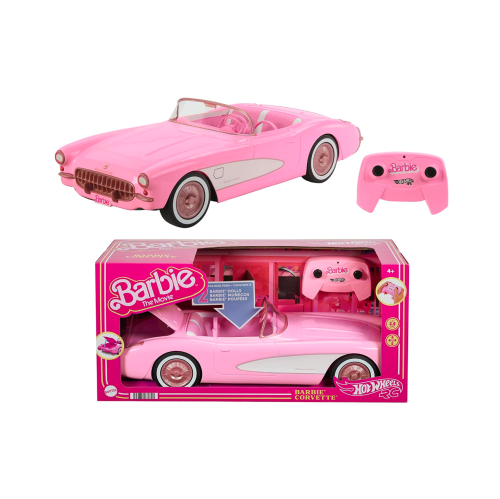 Your price for this item is $219.99
-
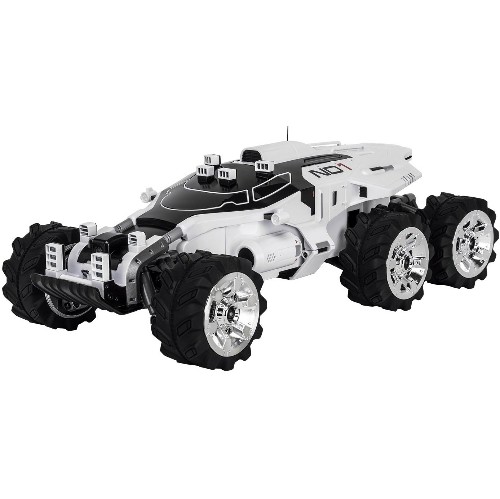 Your price for this item is $315.68
-
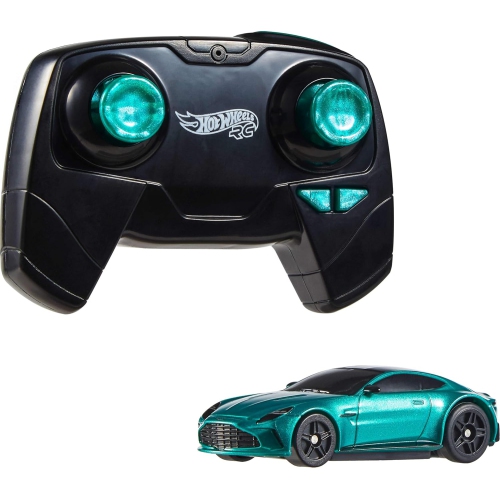 Your price for this item is $51.74
-
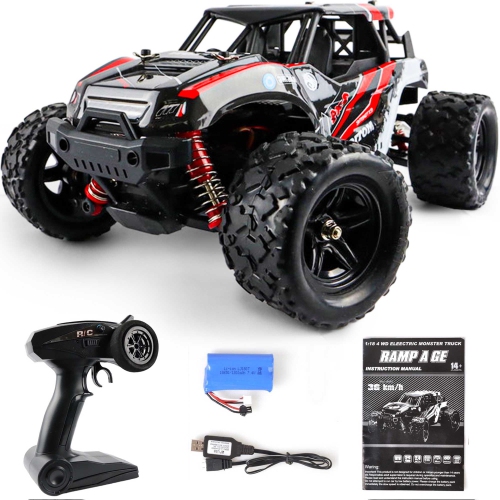 Your price for this item is $149.99
-
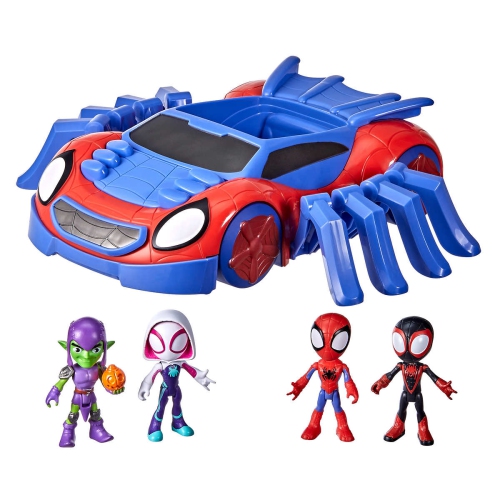 Your price for this item is $58
-
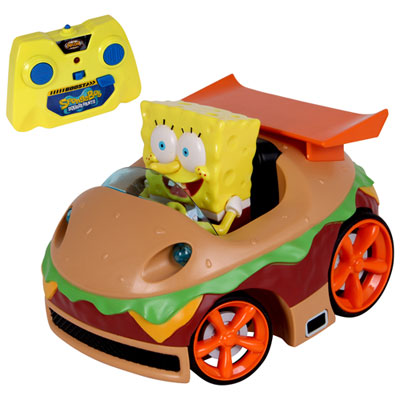 Your price for this item is $39.99
-
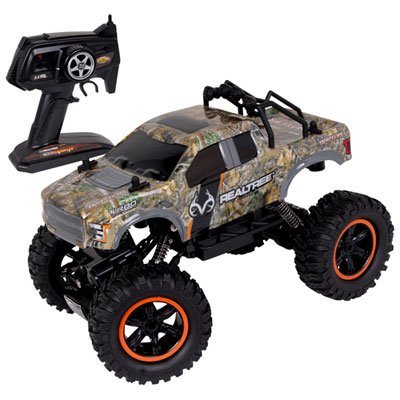 Your price for this item is $69.99
-
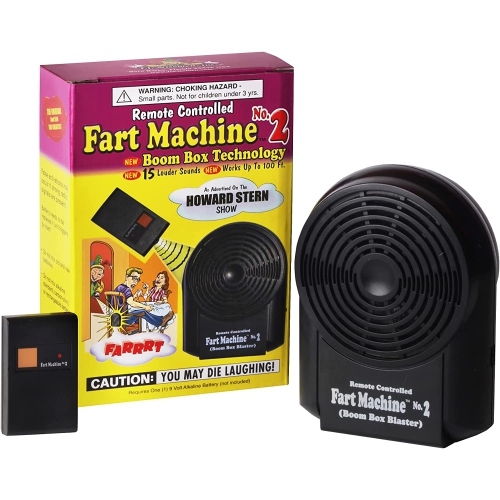 Your price for this item is $24.99
Discover more categories related to RC Cars And Trucks
Top Collections:
Pokemon Centers, Kindle Devices, Best Budget Office Chairs, Canon G7X Cameras, Apple iPhones 16, Samsung Galaxy Phones, Refurbished Apple Laptops, Laptops for Students, iPhone 15 Apple, Budget Smartphones
Some products may be subject to Environmental Handling Fees
(EHF) depending on your province.
Learn more about EHFs.