RC Racing Cars
Get ready to rev up your excitement with our collection of RC racing cars. Whether you're a seasoned hobbyist or just starting out, these high-performance vehicles are sure to bring the thrill of the race right into your living room or outdoor track. From lightning-fast speeds to precise handling, our selection of RC racing cars offers something for everyone. With cutting-edge technology and sleek designs, these cars are built to deliver adrenaline-pumping action and endless hours of fun. So, buckle up and explore our range of RC racing cars that will take your racing experience to new heights.
Sort

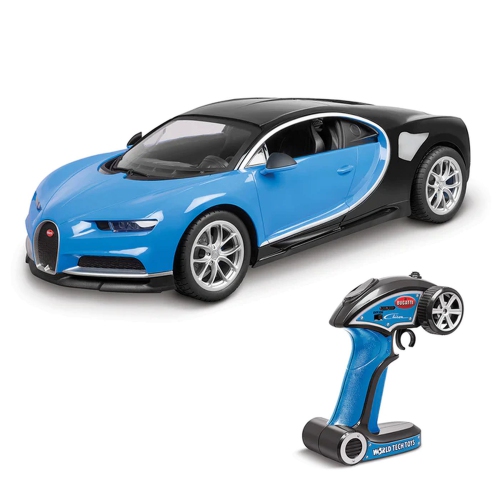
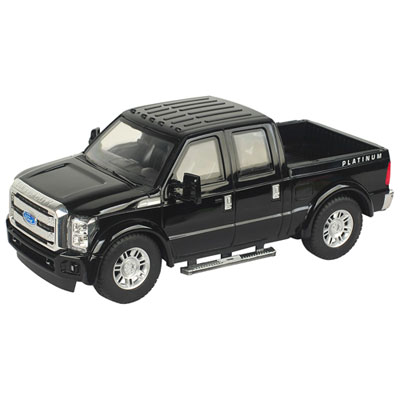

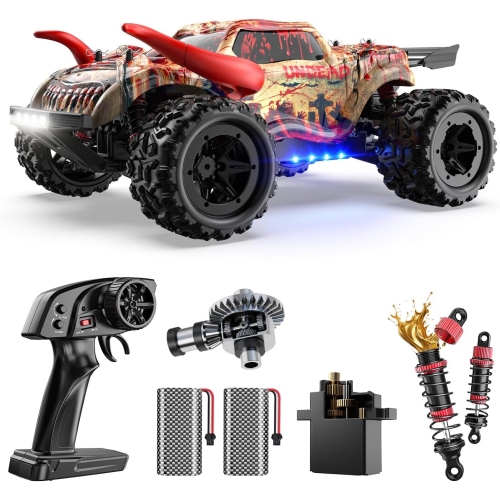
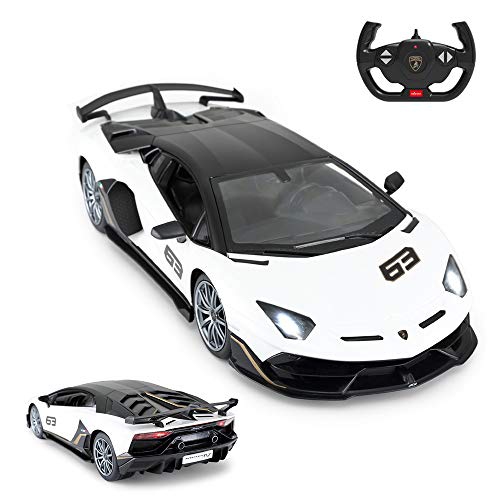
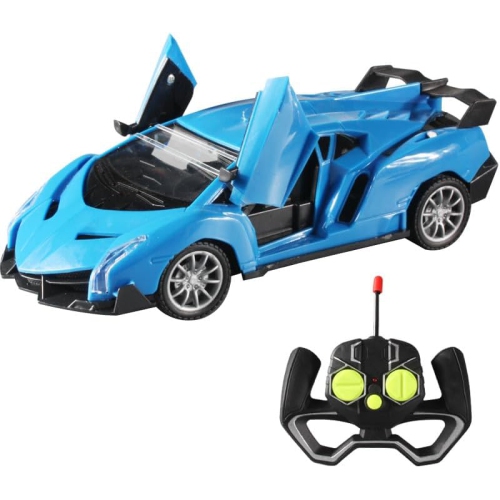
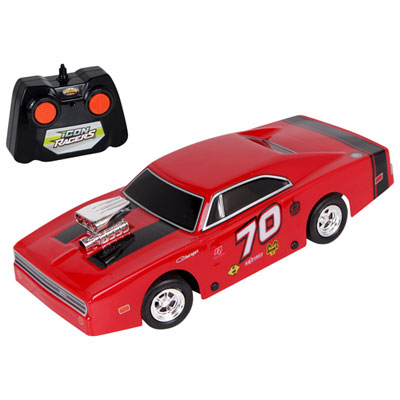
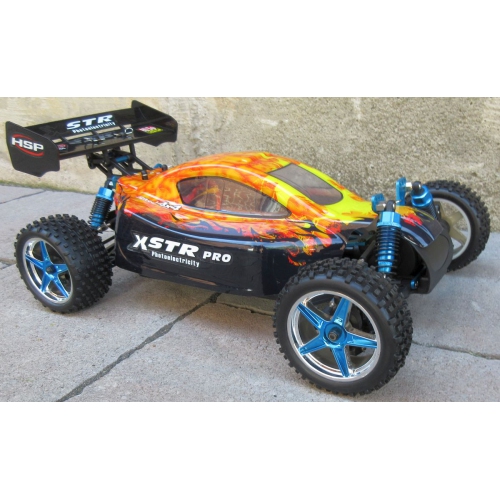
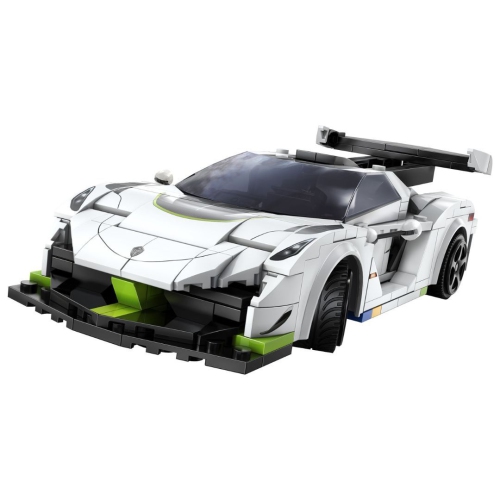
![GREEN SCENIC Wireless Remote Control Car Sports Car Electric Rc Car Wireless Remote Control Children 2.4Ghz Kids Car Toy (Blue [Rechargeable])](https://multimedia.bbycastatic.ca/multimedia/products/500x500/193/19307/19307502.jpeg)
![PLAY IT Rally Racers - Code In Box [Nintendo Switch] The kids love it](https://multimedia.bbycastatic.ca/multimedia/products/500x500/193/19383/19383678.jpeg)
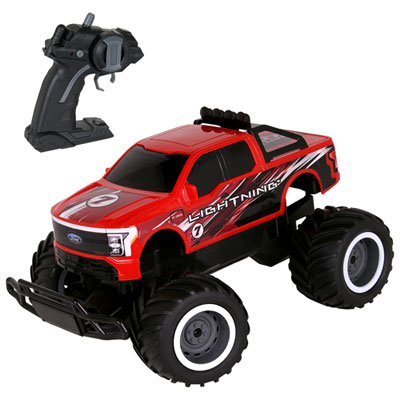
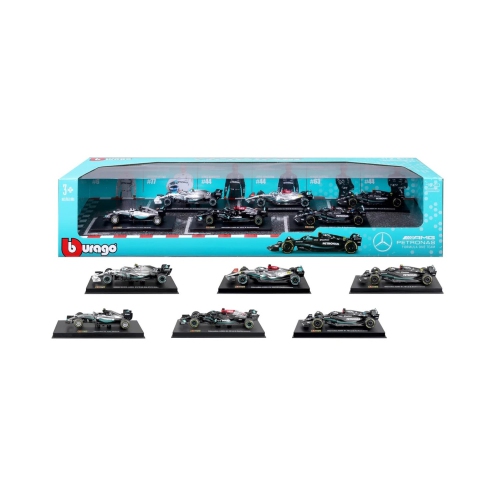
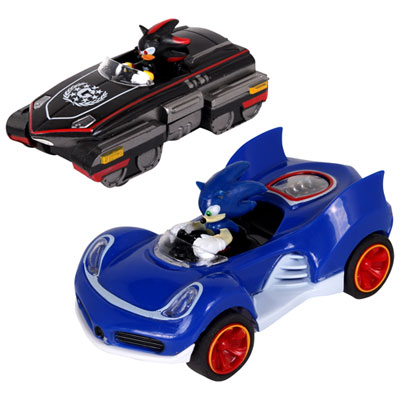
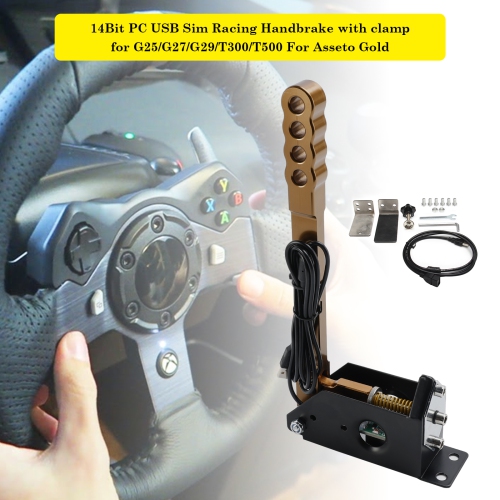
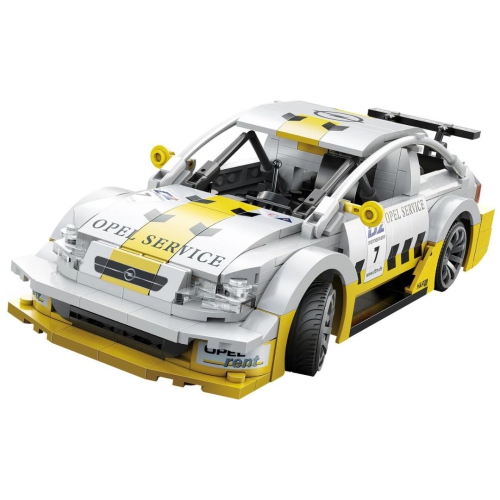
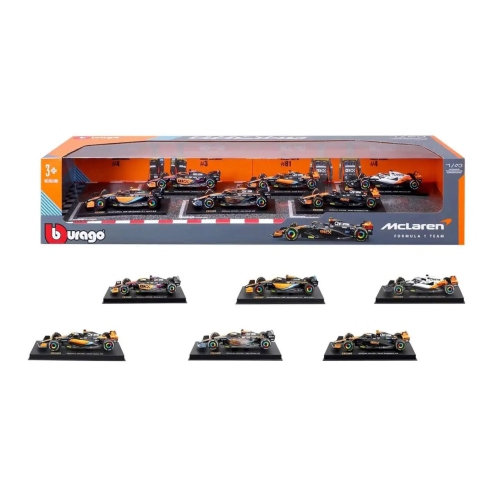
Small-scale racing is about more than straight-line speed
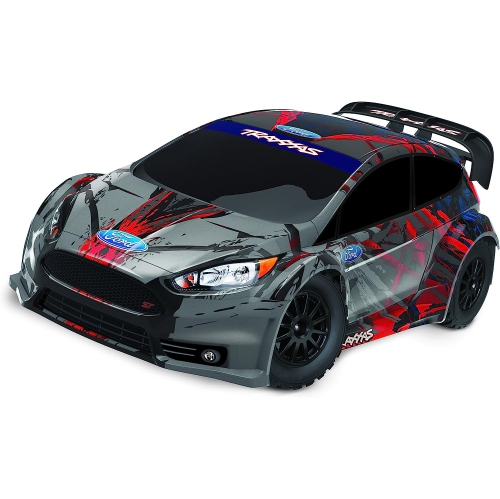
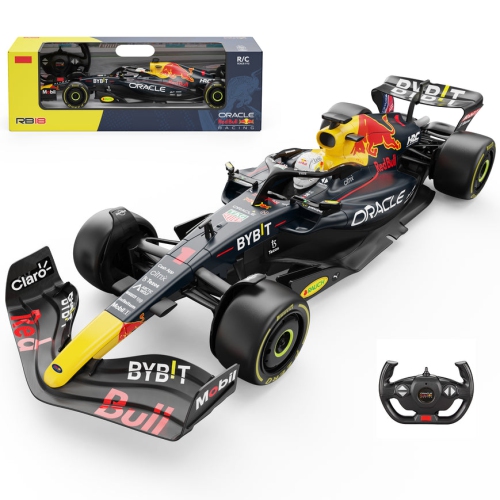
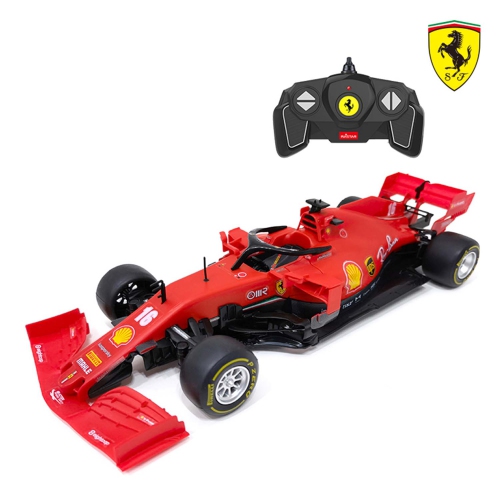
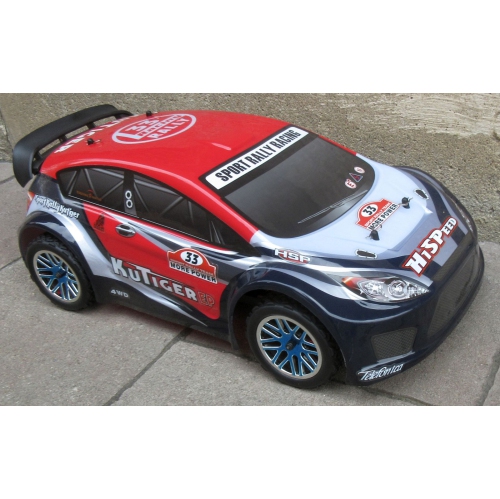
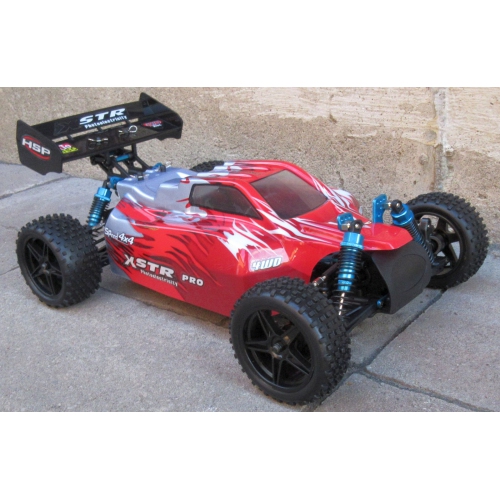
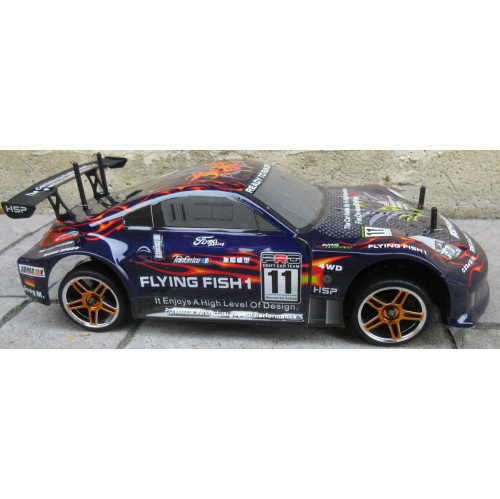
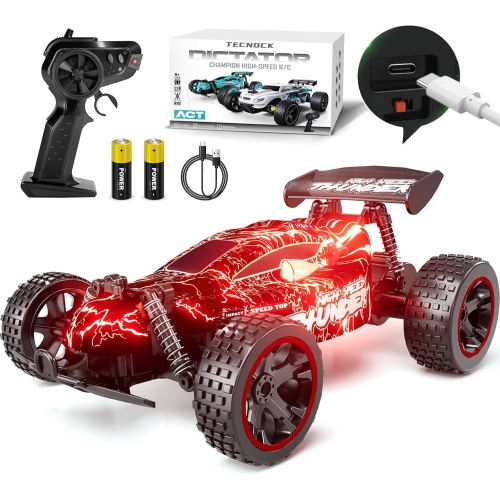
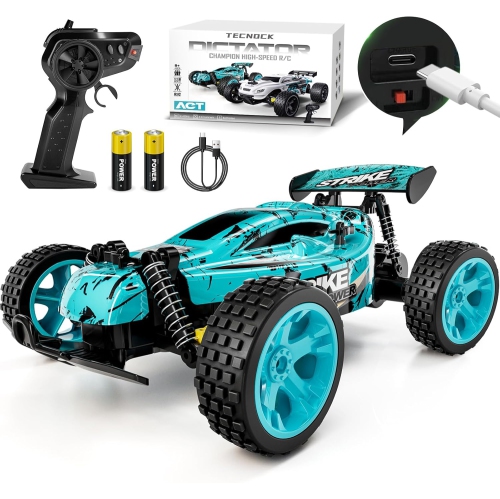
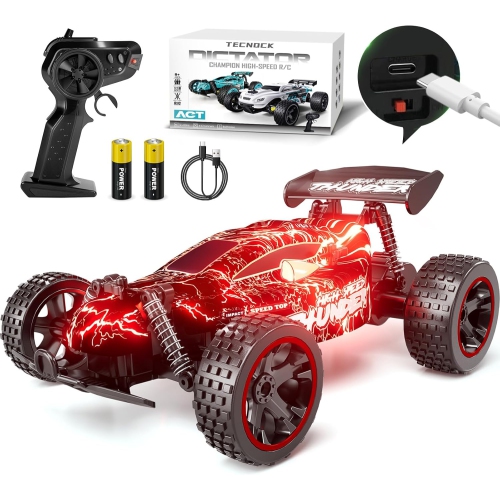
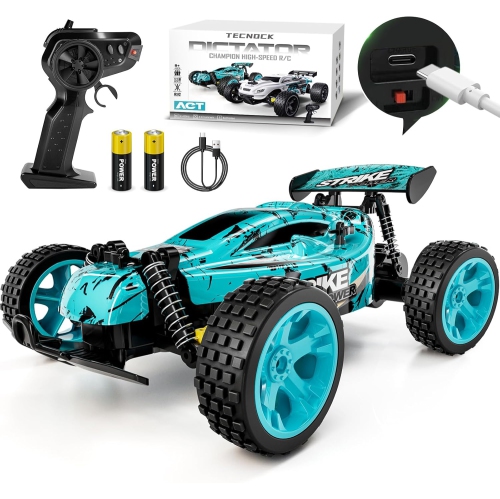
RC racing cars bring the pace and precision of motorsport to a smaller scale, combining responsive steering, quick acceleration, and the satisfaction of finding a clean line through a corner. These remote-control vehicles range from approachable recreational cars to hobby-grade machines built for timed laps and competitive track driving. Their defining feature is an emphasis on controlled speed: a well-matched chassis, tyres, suspension, and power system help the car accelerate, turn, and brake predictably on its intended surface. On-road touring and GT-style cars typically have low ground clearance and bodies shaped for smooth asphalt or prepared indoor tracks. Oval racing cars are designed around repeated turns on a particular track surface, while off-road racing buggies offer greater clearance and suspension travel for dirt, uneven ground, and purpose-built jumps. All-road designs can offer more flexibility across surfaces, although the tyres and clearance still determine where they perform best. The distinction matters in everyday use. A low-slung car can feel planted on clean pavement but struggle with gravel that a taller buggy crosses easily. Scale also influences the experience: a 1:10 car is generally larger than a 1:18 car, but actual dimensions vary with the vehicle design. Smaller cars can suit compact layouts, while larger cars usually need more space to reach speed and turn safely. Neither size nor an impressive top-speed claim tells the whole story. For many drivers, the memorable moment is not a flat-out run; it is easing off the throttle, clipping the inside of a bend, and accelerating onto the straight without spinning. RC racing cars appeal to people who enjoy that blend of dexterity, friendly competition, and mechanical curiosity. They can make a casual afternoon more engaging or become the centre of a hobby that includes club racing, chassis adjustments, and regular practice. A suitable driving area is part of that enjoyment, whether it is a permitted paved space away from traffic and pedestrians or a dedicated RC track with a clearly defined layout.
The best fit depends as much on the driver's experience and available space as on the car's performance specifications. Electric RC racing cars are a practical starting point for many households because they avoid the fuel handling and engine tuning associated with nitro-powered models. Brushed motors are common in accessible designs and can provide manageable performance for learning, while brushless systems often offer stronger acceleration, greater efficiency, and less motor maintenance. A brushless motor alone does not guarantee a faster or better-handling car; battery voltage, gearing, weight, tyres, and electronic settings all play a part. Proportional throttle and steering are especially valuable because they allow gradual inputs rather than simply switching between full power and no power, or full left and full right. Adjustable throttle limits, where available, can help a new driver develop control before using the car's full output. Two-wheel-drive and four-wheel-drive layouts also feel different on the track. Four-wheel drive can provide useful traction when accelerating, while two-wheel drive often rewards a gentler throttle hand, particularly on loose surfaces. Ready-to-run, or RTR, generally means the car is assembled with its main electronics and radio system installed, but the package may still require a compatible drive battery, charger, or transmitter batteries. Kits appeal to hobbyists who enjoy the build itself and want more choice over components, though they can require additional tools and electronics. Battery capacity affects potential running time, but actual duration changes with driving style, surface resistance, temperature, and the power system. Compatibility matters more than capacity alone: battery chemistry, voltage, connector type, and physical dimensions must match the vehicle and charger requirements. Charging time and access to suitable spare batteries can shape a session just as much as speed. During the cooler months, battery performance may change, and wet leaves or damp pavement can reduce grip. Water-resistant electronics do not make every part waterproof, so the manufacturer's stated operating limits remain important when choosing where to drive.
RC racing cars can be thoughtful gifts for older children, teens, and adults, provided the vehicle's age rating, speed, and maintenance needs suit the recipient. An approachable car with predictable controls may deliver more enjoyment to a beginner than a powerful model that needs a wide track and experienced hands. Younger drivers benefit from adult supervision and a clear space where an unexpected turn will not send the car towards people, pets, or traffic. For a family sharing the hobby, adjustable performance settings and comfortable controllers can be useful features, while enthusiasts may place greater value on serviceable parts and tuning options. There is a familiar rhythm to a shared driving session: setting out markers, taking turns around the same short course, and celebrating a tidy lap rather than simply the fastest burst of acceleration. Many 2.4 GHz radio systems support multiple cars operating together, although binding procedures and compatibility depend on the equipment. Anyone interested in organised racing will also want a car that matches the local club's permitted scale, chassis class, motor, battery, and tyre rules. Beyond the initial purchase, parts availability can make a meaningful difference to long-term ownership. Replaceable tyres, suspension arms, gears, and body mounts allow normal wear or a minor collision to become a repair rather than the end of the car's use. Routine care includes removing debris, checking wheel fasteners, inspecting drivetrain movement, and following the battery manufacturer's charging and storage directions. Tyres deserve particular attention because tread pattern and compound affect grip, cornering, and wear on different surfaces. Indoor driving during the cooler months calls for an appropriately sized car, permission to use the space, and enough clearance around furniture and fragile objects. For recipients more interested in flips, spins, and playful obstacle courses than lap times, RC Stunt Cars offer a different style of remote-control fun. Racing-focused cars remain especially rewarding for drivers who enjoy practising a skill, understanding how small adjustments change handling, and returning to the same course with a little more confidence each time.
The best fit depends as much on the driver's experience and available space as on the car's performance specifications. Electric RC racing cars are a practical starting point for many households because they avoid the fuel handling and engine tuning associated with nitro-powered models. Brushed motors are common in accessible designs and can provide manageable performance for learning, while brushless systems often offer stronger acceleration, greater efficiency, and less motor maintenance. A brushless motor alone does not guarantee a faster or better-handling car; battery voltage, gearing, weight, tyres, and electronic settings all play a part. Proportional throttle and steering are especially valuable because they allow gradual inputs rather than simply switching between full power and no power, or full left and full right. Adjustable throttle limits, where available, can help a new driver develop control before using the car's full output. Two-wheel-drive and four-wheel-drive layouts also feel different on the track. Four-wheel drive can provide useful traction when accelerating, while two-wheel drive often rewards a gentler throttle hand, particularly on loose surfaces. Ready-to-run, or RTR, generally means the car is assembled with its main electronics and radio system installed, but the package may still require a compatible drive battery, charger, or transmitter batteries. Kits appeal to hobbyists who enjoy the build itself and want more choice over components, though they can require additional tools and electronics. Battery capacity affects potential running time, but actual duration changes with driving style, surface resistance, temperature, and the power system. Compatibility matters more than capacity alone: battery chemistry, voltage, connector type, and physical dimensions must match the vehicle and charger requirements. Charging time and access to suitable spare batteries can shape a session just as much as speed. During the cooler months, battery performance may change, and wet leaves or damp pavement can reduce grip. Water-resistant electronics do not make every part waterproof, so the manufacturer's stated operating limits remain important when choosing where to drive.
RC racing cars can be thoughtful gifts for older children, teens, and adults, provided the vehicle's age rating, speed, and maintenance needs suit the recipient. An approachable car with predictable controls may deliver more enjoyment to a beginner than a powerful model that needs a wide track and experienced hands. Younger drivers benefit from adult supervision and a clear space where an unexpected turn will not send the car towards people, pets, or traffic. For a family sharing the hobby, adjustable performance settings and comfortable controllers can be useful features, while enthusiasts may place greater value on serviceable parts and tuning options. There is a familiar rhythm to a shared driving session: setting out markers, taking turns around the same short course, and celebrating a tidy lap rather than simply the fastest burst of acceleration. Many 2.4 GHz radio systems support multiple cars operating together, although binding procedures and compatibility depend on the equipment. Anyone interested in organised racing will also want a car that matches the local club's permitted scale, chassis class, motor, battery, and tyre rules. Beyond the initial purchase, parts availability can make a meaningful difference to long-term ownership. Replaceable tyres, suspension arms, gears, and body mounts allow normal wear or a minor collision to become a repair rather than the end of the car's use. Routine care includes removing debris, checking wheel fasteners, inspecting drivetrain movement, and following the battery manufacturer's charging and storage directions. Tyres deserve particular attention because tread pattern and compound affect grip, cornering, and wear on different surfaces. Indoor driving during the cooler months calls for an appropriately sized car, permission to use the space, and enough clearance around furniture and fragile objects. For recipients more interested in flips, spins, and playful obstacle courses than lap times, RC Stunt Cars offer a different style of remote-control fun. Racing-focused cars remain especially rewarding for drivers who enjoy practising a skill, understanding how small adjustments change handling, and returning to the same course with a little more confidence each time.
Top selling and popular products
-
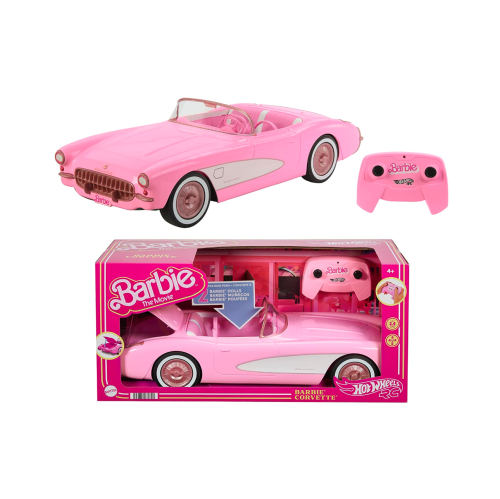 Your price for this item is $219.99
 -
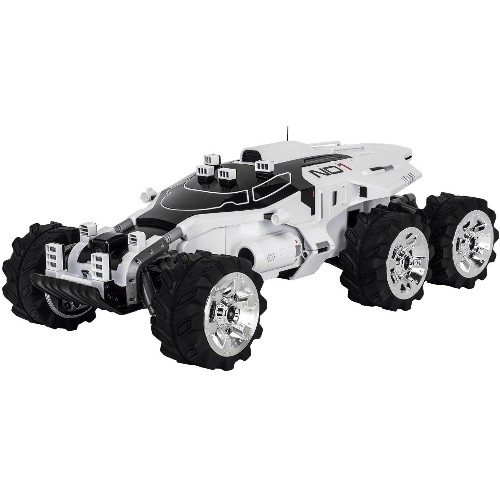 Your price for this item is $315.68
 -
 Your price for this item is $51.74
 -
 Your price for this item is $149.99
 -
 Your price for this item is $58
 -
 Your price for this item is $29.99
 -
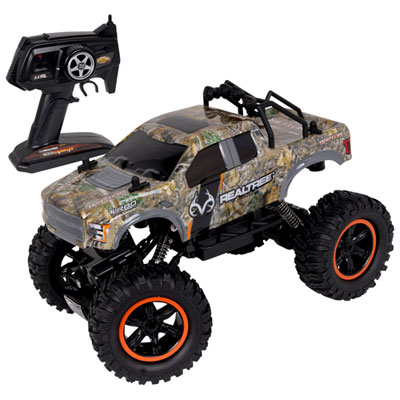 Your price for this item is $69.99
 -
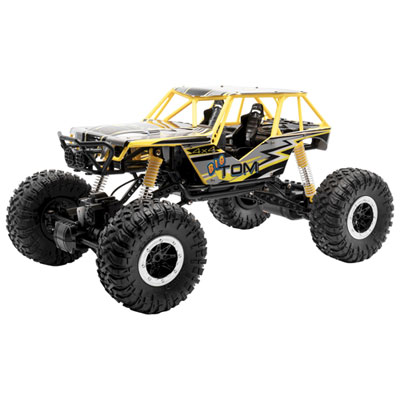 Your price for this item is $79.98
Discover more categories related to RC Racing Cars
Top Collections:
Pokemon Centers, Kindle Devices, Best Budget Office Chairs, Apple iPhones 16, Best Laptops for Writers, iPhone 15 Apple, Canon G7X Cameras, Refurbished Apple Laptops, Alarm Clock, Motorola Razr Phones
Some products may be subject to Environmental Handling Fees
(EHF) depending on your province.
Learn more about EHFs.