RC Construction Equipment
Looking to bring the excitement of a construction site to your own backyard? Look no further than our collection of RC construction equipment. These miniature marvels are perfect for hobbyists and enthusiasts alike, allowing you to experience the thrill of operating heavy machinery from the comfort of your own home. From bulldozers and excavators to cranes and dump trucks, we have a wide range of options to choose from. Whether you're looking to add to your existing collection or start a new hobby, our selection of RC construction equipment is sure to impress. Get ready to dig in and explore all the possibilities!
Sort


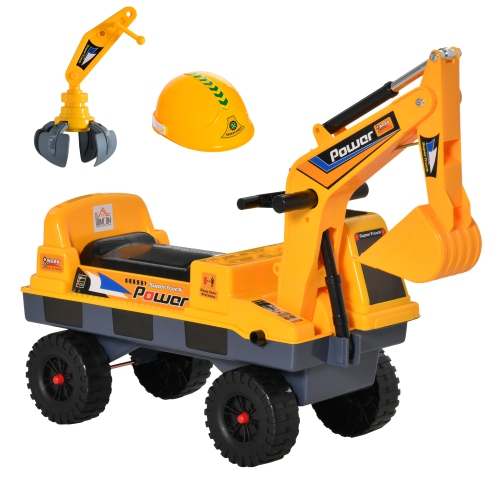


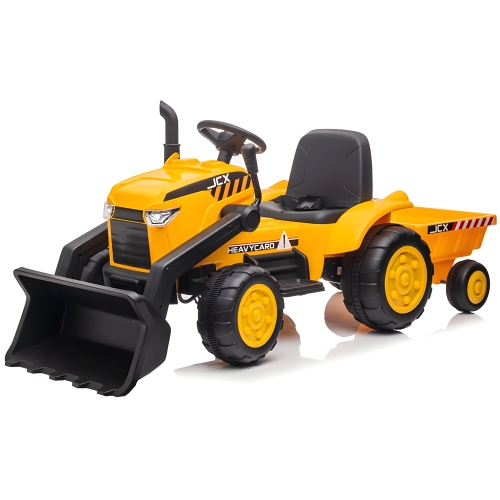


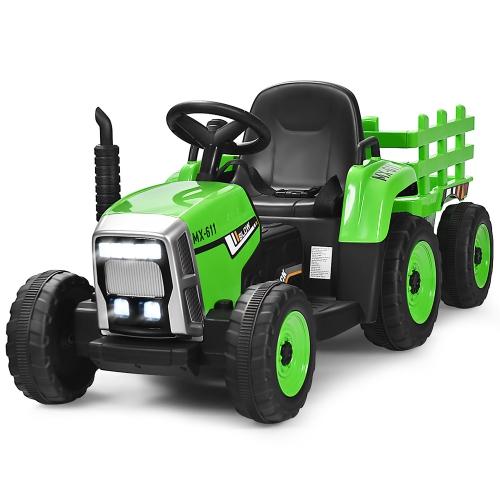
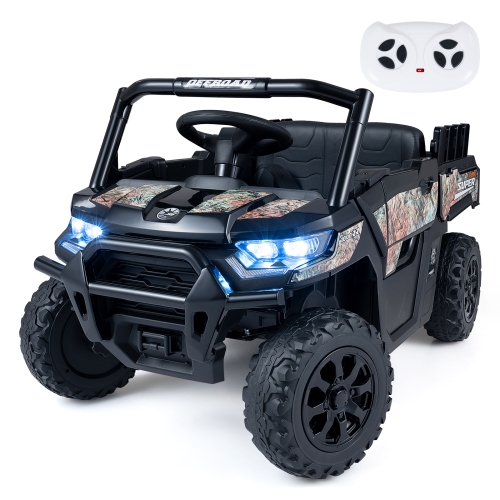

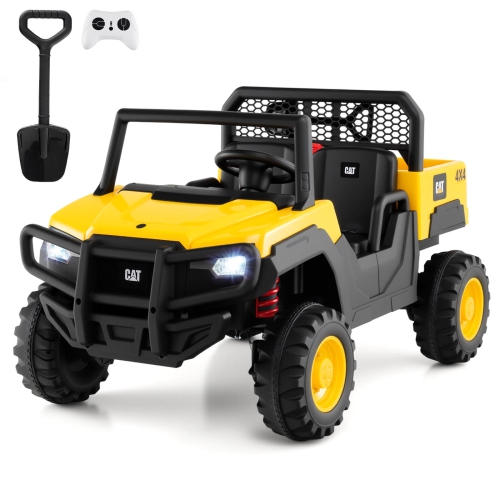

Miniature worksites where every move has a purpose
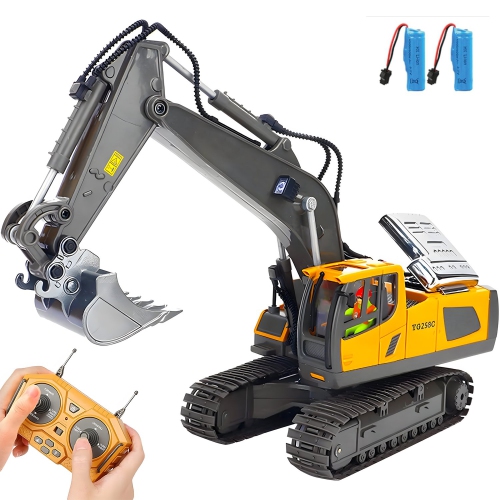
RC construction equipment brings the movement and working details of full-size jobsite machinery to a smaller scale through remote-controlled excavators, bulldozers, loaders, dump trucks, and other construction vehicles. These models combine driving with task-based play: an excavator positions its tracks, turns its upper body, and lowers a bucket; a loader gathers loose material; and a dump truck carries the load before tipping its bed. The appeal is as much about coordination as motion. Lining up a bucket over a truck takes a different touch from racing across a room, making this category a good fit for people who enjoy deliberate, hands-on activities. Toy-grade models generally focus on straightforward controls, lighter construction, and imaginative play, while hobby-grade equipment may offer more independently controlled movements, greater weight, and serviceable mechanical parts. Advanced models can use hydraulic systems to operate digging arms or other attachments, although hydraulic operation is not a feature of every metal model. An excavator’s digging ability depends on its drive system, weight, bucket design, and the material being moved, rather than realistic styling alone. Bulldozers suit pushing and levelling tasks, wheel loaders scoop and transfer material, and articulated haulers use a jointed chassis to help steer through turns. Together, these vehicle types can turn a modest play area into a miniature worksite with distinct jobs and a satisfying sequence of activity. A load moves from the digging area to the truck, travels to a drop-off point, and gets spread into a new shape. For layouts that extend beyond a construction site into farmyards or rural work scenes, RC Tractors offer a related theme with a different focus on working vehicles. The common thread is purposeful movement, with each machine contributing something different to the scene. Realistic cab shapes, safety rails, working lights, and sound effects can add character, but the most meaningful detail is often how closely the controls match the tasks someone wants to perform.
Materials and mechanical design help define how RC construction vehicles feel in use. Plastic-bodied equipment is often easier to carry and handle, which can suit supervised play and frequent moves between a shelf and a play area. Metal components can add weight, a substantial feel, and resistance to wear in particular parts, but a metal exterior does not automatically mean that gears, joints, or internal mechanisms are designed for heavy digging. Mixed-material construction is common, with different materials used for body panels, chassis parts, buckets, and tracks. Durability depends on those individual components, their assembly, and whether the machine is used within its intended limits. A bucket that moves loose, dry sand may struggle with packed soil, stones, or damp material, so the stated working surface matters more than appearance. Scale also needs a little context: it describes a model’s proportions relative to the full-size vehicle, not a standard footprint across every machine. Two vehicles at the same scale can differ considerably in length and height because their real-world counterparts do. For a shared layout, physical dimensions, truck-bed height, and an excavator’s reach determine whether loading and unloading will feel natural. Indoor use adds practical considerations such as turning space, floor protection, and room for an arm to swing without striking furniture. Controls shape the experience just as strongly. Simple buttons may be comfortable for beginners, while proportional controls, where fitted, allow finer adjustments to travel speed or attachment movement. The advertised number of channels or functions is useful only alongside a clear description of what moves independently. Remote-control range, battery requirements, charging arrangements, and operating time also affect how a session unfolds. Many models use 2.4 GHz radio control, but compatibility for running several vehicles together should be confirmed rather than assumed. A comfortable controller, clearly identified functions, and predictable low-speed movement can make careful manoeuvring more enjoyable than a long list of sound and lighting effects.
Intended use is especially important with miniature construction machinery because a child’s play vehicle, a detailed display model, and a working hobby machine can look similar in photographs. Age ratings, small-part warnings, and supervision requirements help establish whether a model suits its recipient. Younger users may enjoy easy-to-understand movements and sturdy, uncomplicated designs, while older children and adults may appreciate the patience involved in coordinating tracks, steering, and attachments. These vehicles can make thoughtful gifts for someone fascinated by heavy machinery, model layouts, or mechanical hobbies, provided the level of complexity matches their interests. A collector who enjoys accurate proportions may value detail differently from a hobbyist who wants repeated loading cycles in an outdoor layout. Shared play can give each participant a separate role, with one operating the excavator and another positioning the truck, although hands should stay clear of moving buckets, tracks, gears, and tipping beds. During the cooler months, a contained indoor setup can provide space for careful manoeuvres without relying on outdoor conditions. An empty truck bed, marked loading bays, and lightweight play materials approved for the model can create purposeful tasks without bringing garden soil indoors. Outdoor operation requires equipment expressly suited to the surface and conditions; rugged styling is not proof of water resistance. Moisture, fine dust, and trapped grit can affect motors, electronics, and moving joints, so care is usually centred on keeping the machine clean and dry in line with its instructions. After use, removing loose debris from tracks and wheels helps prevent material from building up around drive parts. Buckets and articulated sections should never be forced past their designed travel, and a stalled mechanism is a reason to stop rather than keep applying power. Rechargeable batteries need the specified charger and appropriate handling, while storage should follow the manufacturer’s directions for both the vehicle and its battery. For hobby-grade equipment, access to suitable replacement wear parts can matter over time. With an appropriate match between machine, user, and play space, RC construction equipment offers an engaging mix of mechanical detail, patient control, and imaginative worksite activity.
Top selling and popular products
-
 Your price for this item is $150.99
-
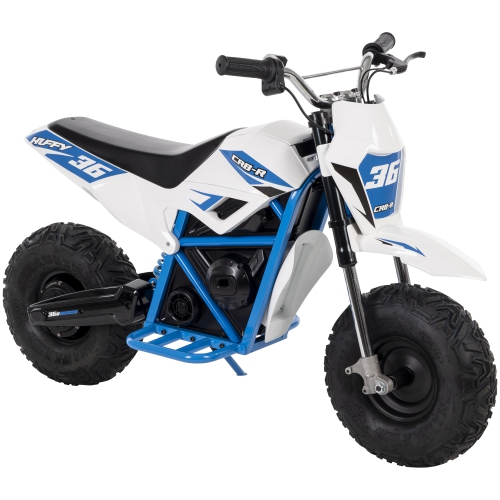 Your price for this item is $799.99
-
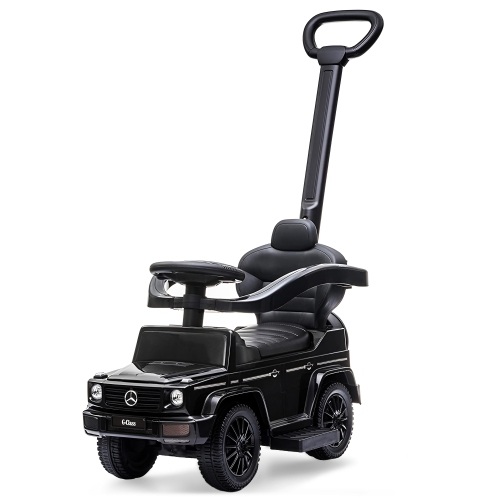 Your price for this item is $141.99
-
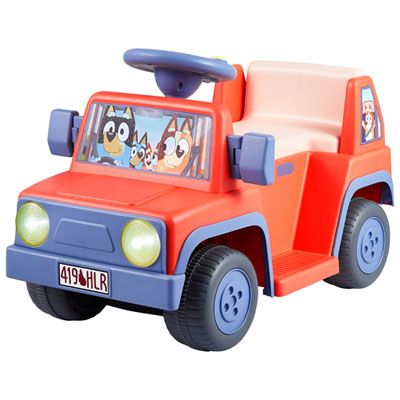 Your price for this item is $199.99
-
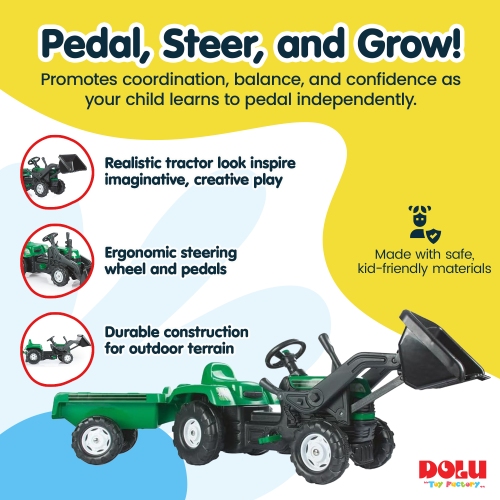 Your price for this item is $205.99
-
 Your price for this item is $199.99
-
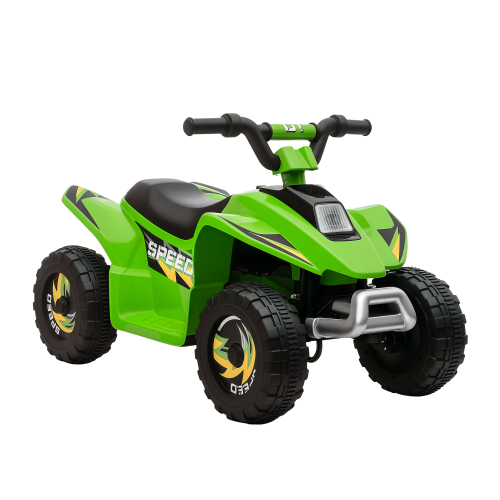 Your price for this item is $82.95
-
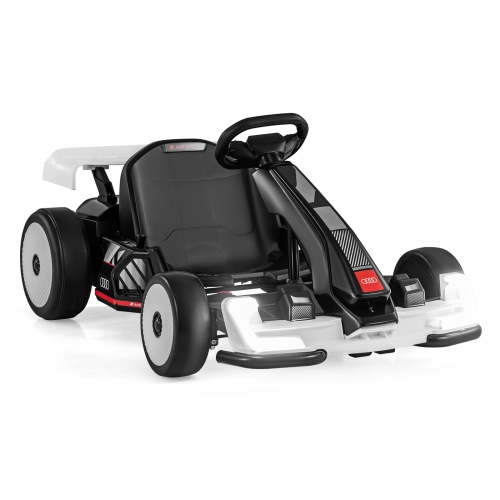 Your price for this item is $449.99
Discover more categories related to RC Construction Equipment

Top Collections:
Pokemon Centers, Kindle Devices, Best Budget Office Chairs, Canon G7X Cameras, Apple iPhones 16, Samsung Galaxy Phones, Refurbished Apple Laptops, Laptops for Students, iPhone 15 Apple, Budget Smartphones
Some products may be subject to Environmental Handling Fees
(EHF) depending on your province.
Learn more about EHFs.