RC Excavators
RC Excavator toys bring the excitement of construction sites right into your hands, offering hours of interactive play for enthusiasts of all ages. Whether you're looking to enhance your collection or searching for a unique gift, RC Excavator models provide realistic movement and engaging fun. Explore a variety of options designed to deliver an immersive experience, perfect for both beginners and seasoned hobbyists. Find the ideal RC Excavator to spark creativity and adventure in every play session.
Sort






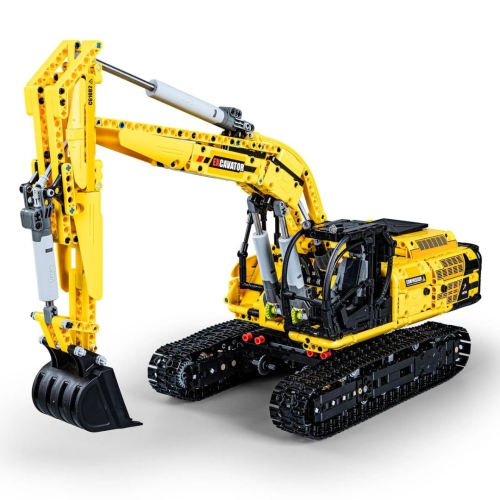

Realistic digging takes more than a metal bucket
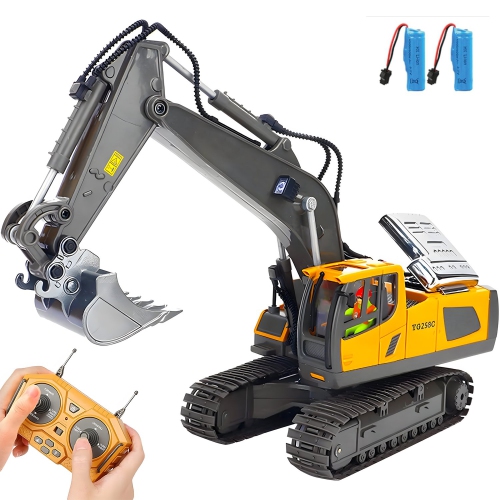
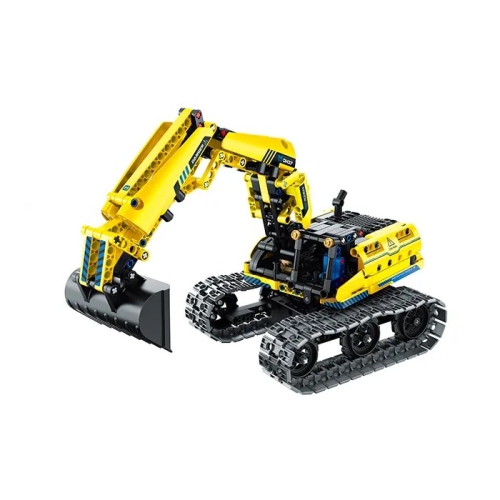
RC excavators are remote-controlled construction vehicles with a tracked base, rotating upper body, articulated digging arm, and bucket that recreate the movements of a full-size excavator. The category spans lightweight construction toys for imaginative play, more detailed electric models for hands-on hobby use, and advanced machines with working hydraulic systems. These differences matter more than appearance alone: two excavators with similar yellow bodies and metal buckets can have very different controls, digging abilities, and maintenance needs. Toy-focused designs often use moulded plastic to keep the vehicle manageable, sometimes adding metal parts at the bucket or other contact points. They suit activities such as moving suitable play materials, arranging a pretend construction site, or practising simple driving and scooping movements. More substantial hobby models may feature die-cast body sections, metal arms, geared electric actuators, and separately controlled joints. Their extra weight can help steady the base during operation, although metal construction does not automatically mean that every component can withstand forceful digging. Electric RC excavators use motors and mechanical drives to create movement, while hydraulic versions use a pump, fluid, hoses, and cylinders to move the arm and bucket. Hydraulic machines can offer smooth, powerful operation, but they also bring greater weight, complexity, and servicing requirements, making them better suited to experienced hobbyists than casual toy play. Scale describes the model’s size relative to the full-size machine it represents: a 1:14 excavator is generally larger than a 1:24 version of the same original vehicle. Actual dimensions remain important because different full-size excavators have different proportions. The arm’s extended reach, the upper body’s turning clearance, and the width of the tracks all affect how much room a model needs. A compact machine may fit a tabletop construction scene, while a larger excavator needs a broader work area and a secure place for storage. Detailed models can also appeal to collectors who value realistic bodywork and movement as much as digging performance.
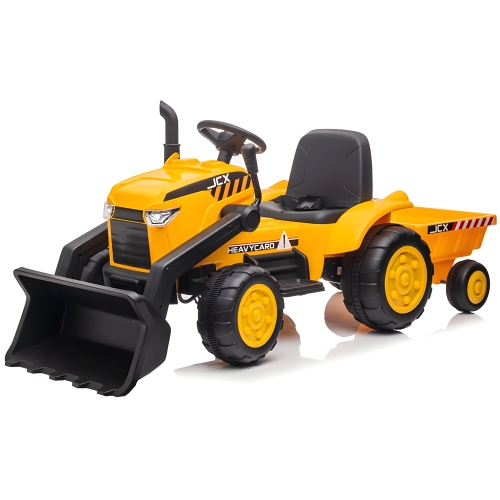
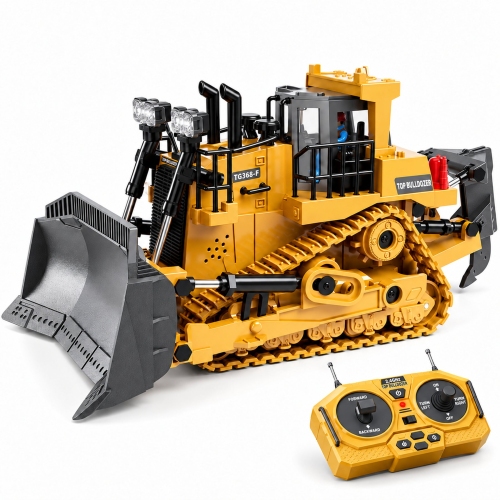
Much of the appeal of a remote-control excavator comes from coordinating several movements into one smooth working cycle. The tracks position the machine, the boom lifts and lowers the arm, the stick brings the bucket closer or farther away, and the bucket curls to gather or release material. Upper-body rotation allows the excavator to move a load from a digging area to a nearby pile without repositioning the tracks each time. Simpler toys may combine some of these actions, while more capable models allow individual control. A stated channel count can describe the number of available functions, but it does not by itself confirm independent joint movement, proportional speed control, or the ability to operate several functions together. Proportional controls let an operator make small, gradual adjustments rather than switching a movement fully on or off, which can make careful bucket placement more satisfying. Controller layout matters, too: clearly arranged sticks and buttons, a comfortable grip, and controls suited to the user’s hand size can make repeated digging cycles easier to manage. A typical play session might involve lining up beside a shallow tray, lowering the bucket into an approved loose material, and swinging the load towards a toy dump truck. The enjoyment is in timing and precision rather than speed, with small improvements in coordination making each load feel more deliberate. Children interested in construction vehicles may enjoy the pretend-play possibilities, while teens and adults may be drawn to realistic operation, mechanical detail, or a model construction layout. As a gift, an RC excavator is most suitable when its age rating, operating complexity, size, and care requirements match the recipient. Children who prefer to sit on a vehicle and operate its controls directly may enjoy Ride On Excavators, which offer a different play experience from handheld remote-controlled models. For shared RC play, compatible radio systems and reliable pairing are useful; a 2.4 GHz label alone should not be treated as a guarantee that any number of vehicles can operate together without interference.
The surface beneath an RC excavator affects both performance and wear. A smooth, level play area gives the tracks a predictable footing, while thick carpet can create drag or catch loose fibres around moving parts. Loose soil or sand may suit some machines, but digging should stay within the manufacturer’s stated uses; a metal bucket is not proof that the model can break compacted ground, pull out roots, or lift heavy stones. A shallow tray of approved material can help define the work area and contain spills, provided it offers enough space for the tracks and the full sweep of the arm. Stability is especially important when the bucket reaches far from the base, because even a heavy model can tip if a load is too large or the ground is uneven. Durability depends on the whole assembly, including track tension, joints, gears, wiring, and fasteners, rather than the body material alone. For hobby models intended for repeated use, access to compatible replacement tracks, gears, pins, and batteries can make ongoing ownership more practical. Routine care usually involves switching the machine off before handling it, removing loose debris with a soft brush, and checking that nothing is trapped around the tracks or arm joints. Water should not be used for cleaning unless the instructions specifically permit it, and hydraulic systems require the correct fluid and maintenance procedures rather than improvised adjustments. Battery arrangements vary: the vehicle may use a rechargeable pack, while the controller may need separate batteries. Runtime depends on the battery, load, surface, and frequency of arm movement, so a quoted maximum is not a promise of uninterrupted digging. Use only compatible batteries and charging equipment, follow the specified charging and storage directions, and keep packs away from metal objects that could bridge their terminals. Fingers, hair, clothing, and pets should remain clear of moving tracks and joints, particularly on heavier machines. Following the stated age rating and supervision requirements helps keep construction play focused on controlled movement, realistic tasks, and the satisfaction of placing each bucketful where it belongs.
Top selling and popular products
-
 Your price for this item is $150.99
-
 Your price for this item is $799.99
-
 Your price for this item is $141.99
-
 Your price for this item is $199.99
-
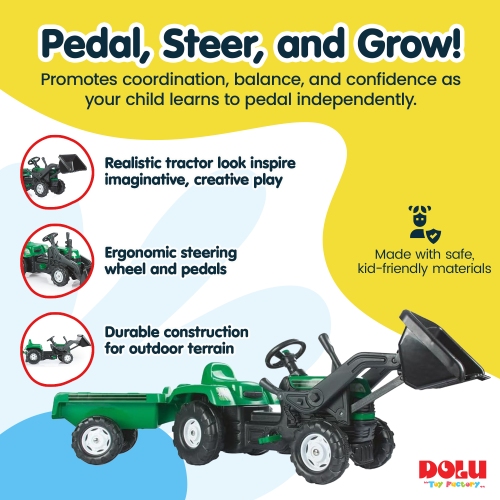 Your price for this item is $205.99
-
 Your price for this item is $199.99
-
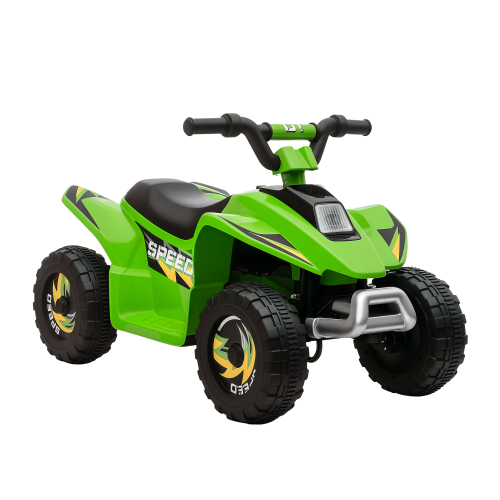 Your price for this item is $82.95
-
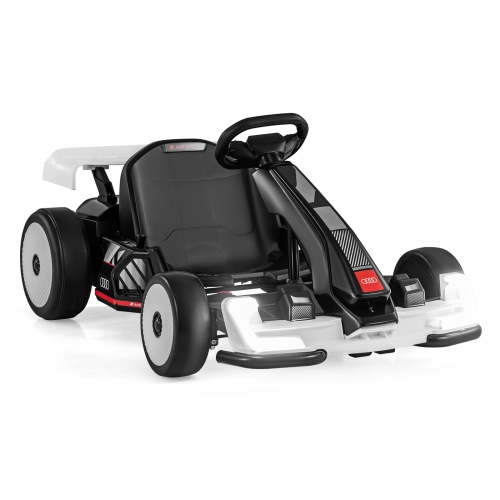 Your price for this item is $449.99
Discover more categories related to RC Excavators
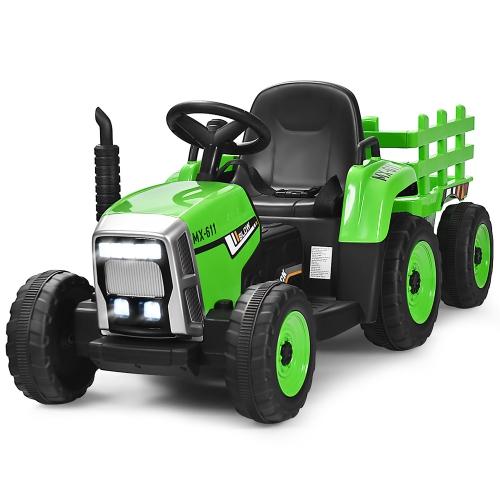
Top Collections:
Pokemon Centers, Kindle Devices, Best Budget Office Chairs, Canon G7X Cameras, Apple iPhones 16, Samsung Galaxy Phones, Refurbished Apple Laptops, Laptops for Students, iPhone 15 Apple, Budget Smartphones
Some products may be subject to Environmental Handling Fees
(EHF) depending on your province.
Learn more about EHFs.