RC Sports Cars
Accelerate your passion for speed and precision with our diverse selection of RC sports cars. Whether you're a seasoned hobbyist or just starting out, these miniature marvels offer thrilling performance and sleek designs that capture the essence of full-sized sports cars. With advanced controls and robust builds, each model promises hours of exhilarating fun on a variety of terrains. Dive into the world of remote control racing and discover the perfect blend of technology and excitement that will keep you on the edge of your seat.
Sort


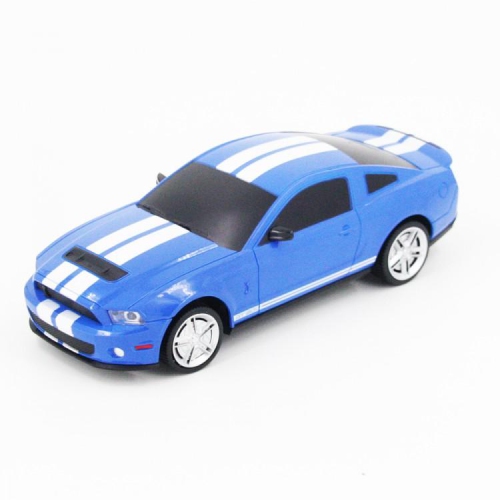
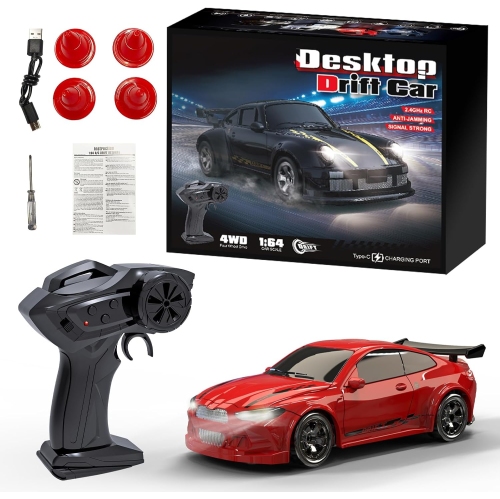
![GREEN SCENIC Wireless Remote Control Car Sports Car Electric Rc Car Wireless Remote Control Children 2.4Ghz Kids Car Toy (Blue [Rechargeable])](https://multimedia.bbycastatic.ca/multimedia/products/500x500/193/19307/19307502.jpeg)

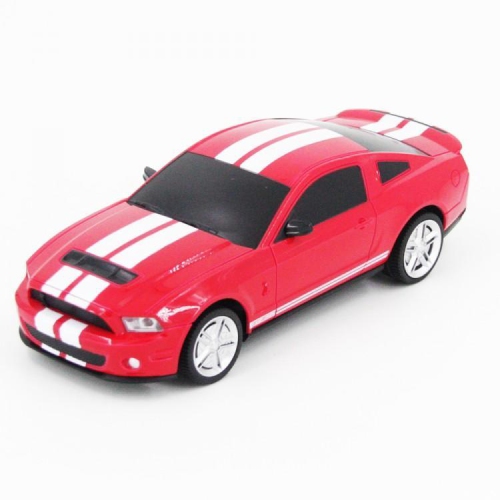
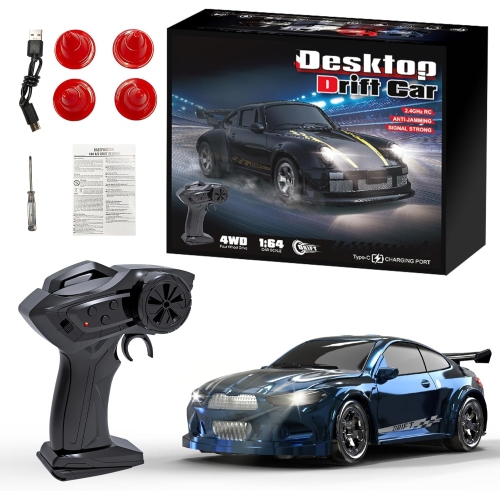
![GREEN SCENIC Wireless Remote Control Car Sports Car Electric Rc Car Wireless Remote Control Children 2.4Ghz Kids Car Toy (Red [Rechargeable])](https://multimedia.bbycastatic.ca/multimedia/products/500x500/193/19307/19307530.jpeg)
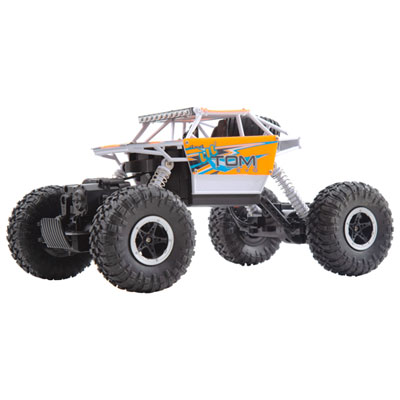
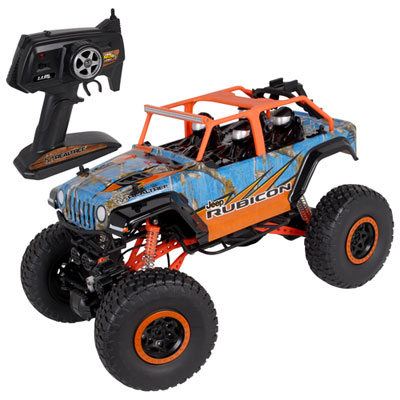
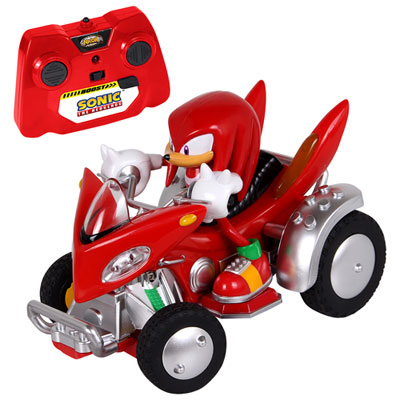
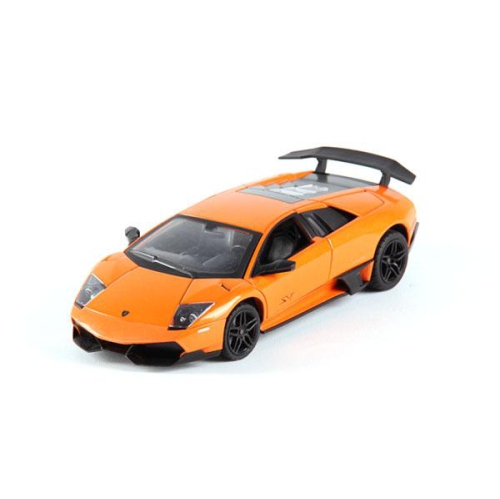
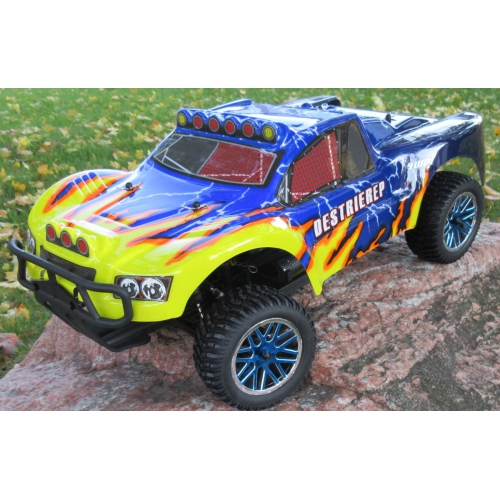
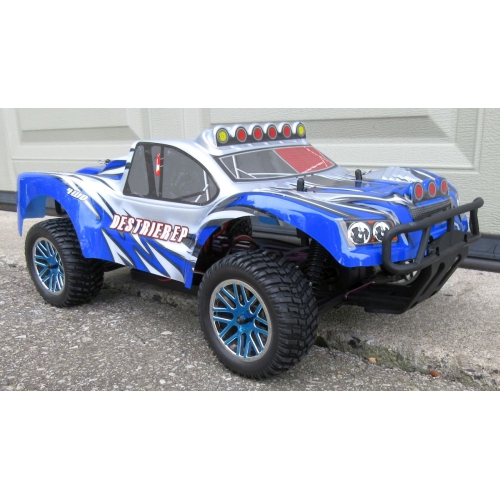
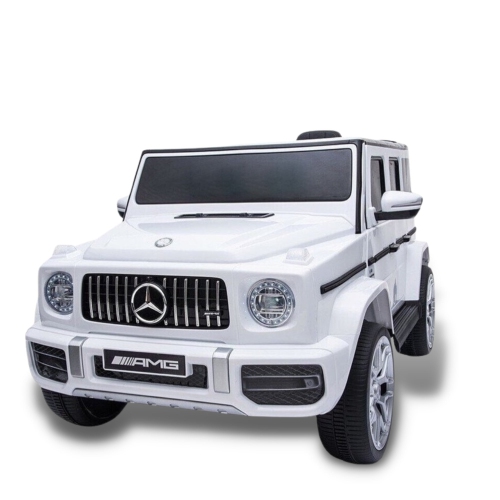
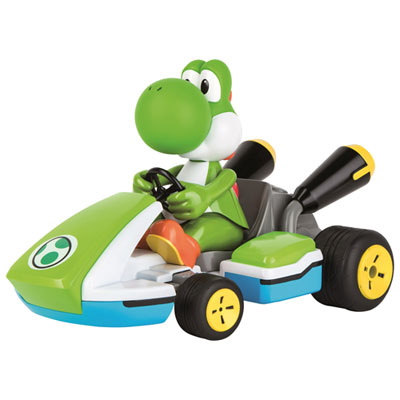
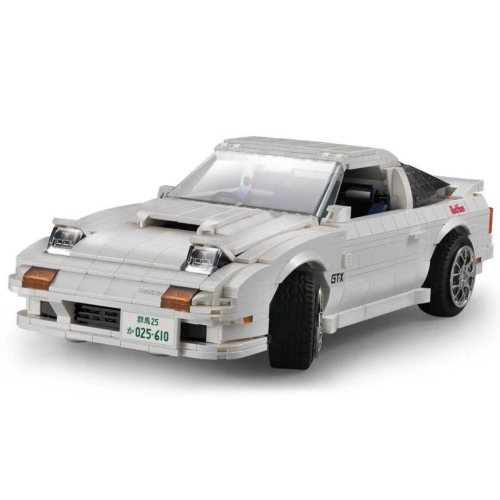
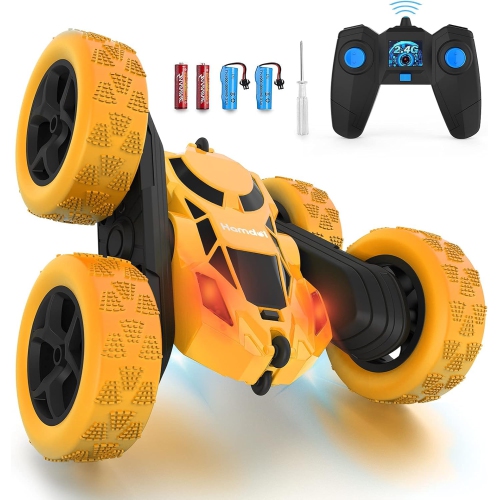
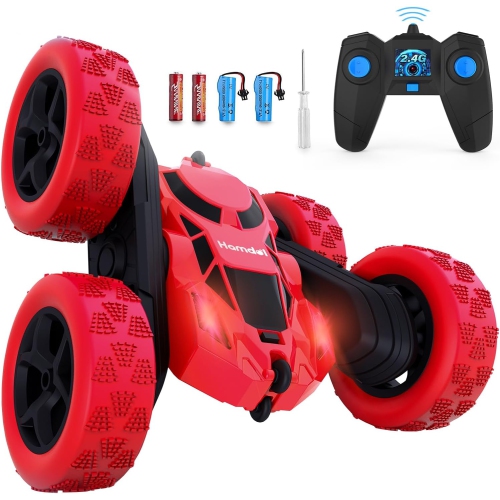
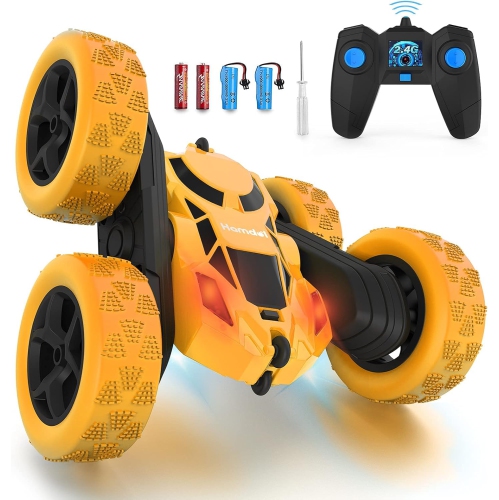
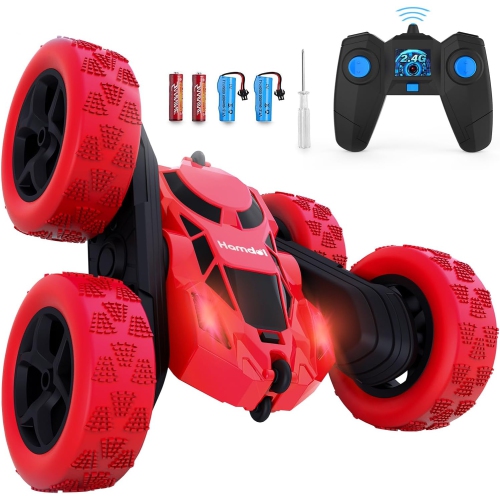
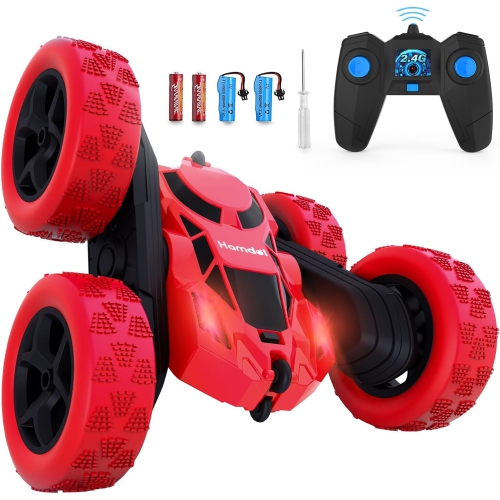
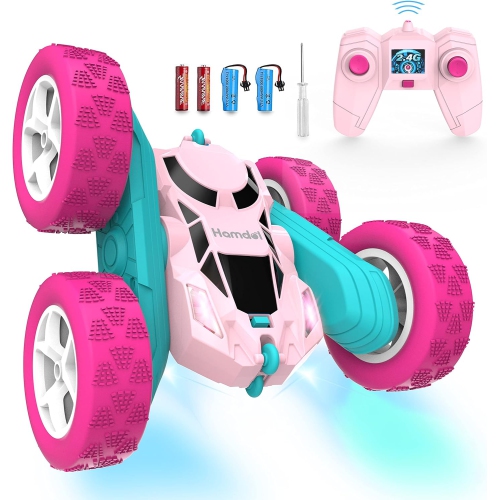
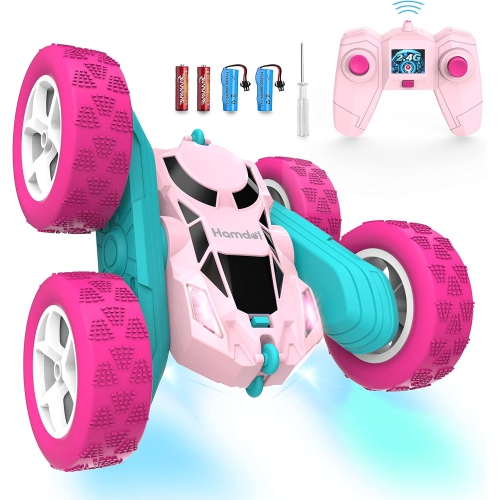
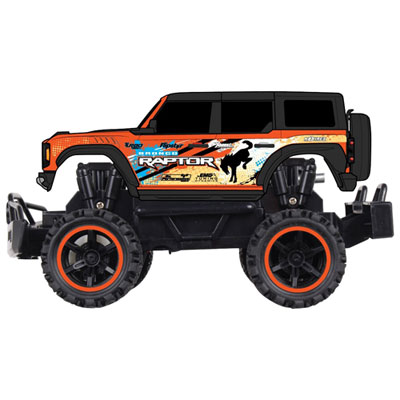
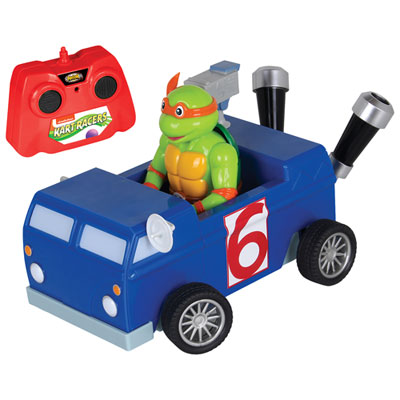
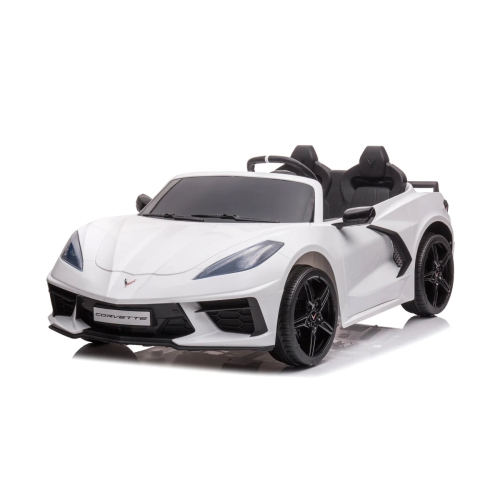
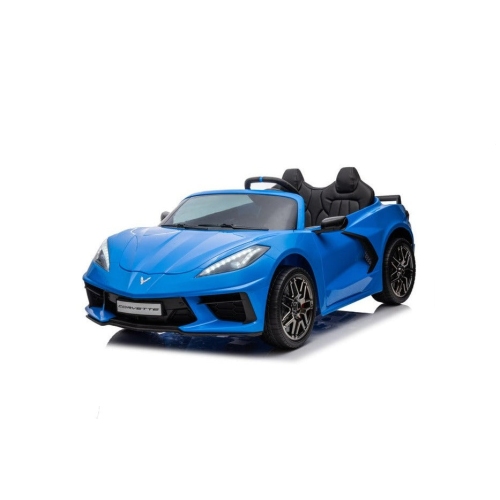
Miniature performance styling meets precise handling on smooth surfaces
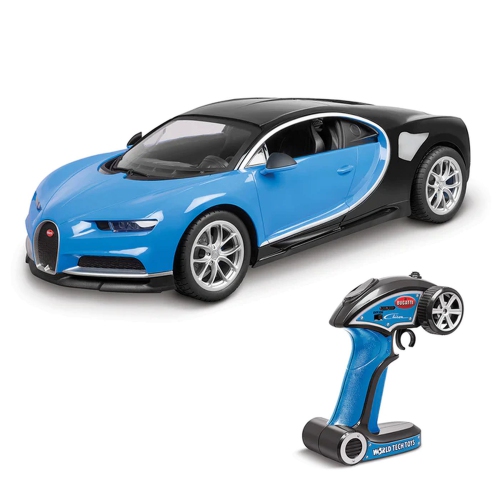
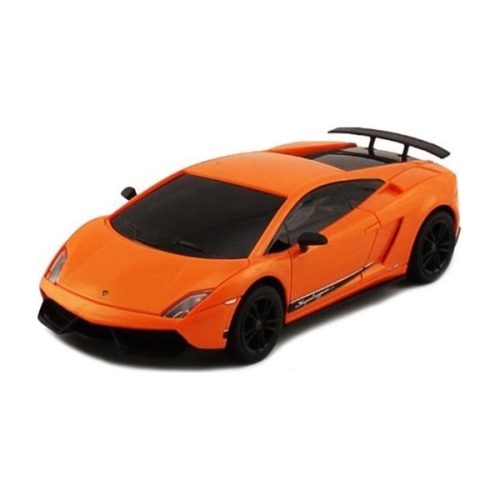
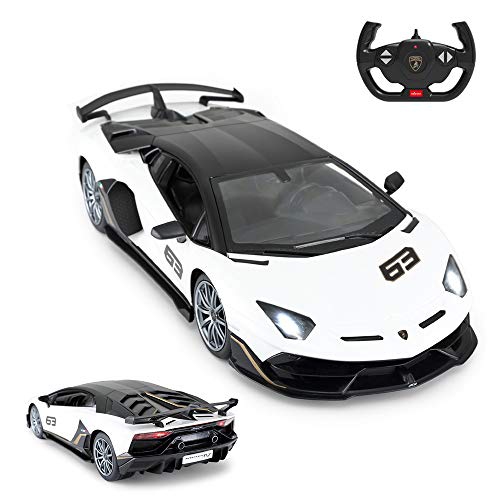
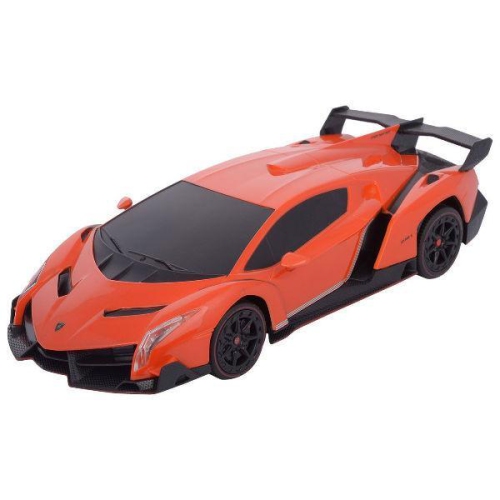
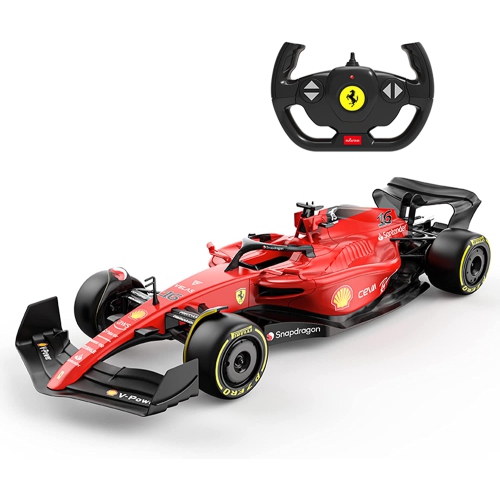
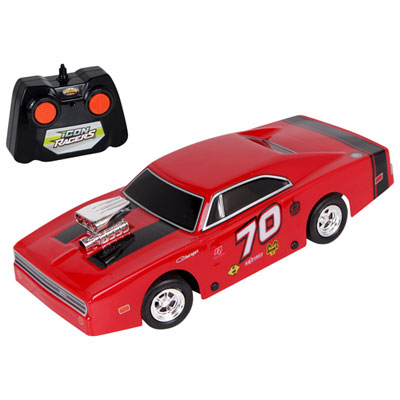
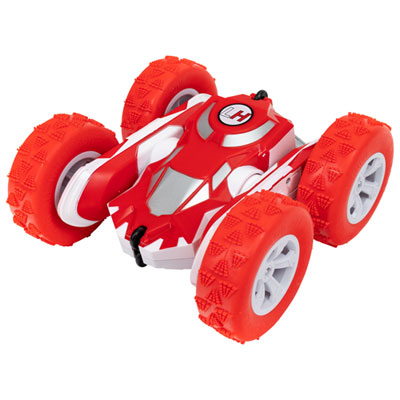
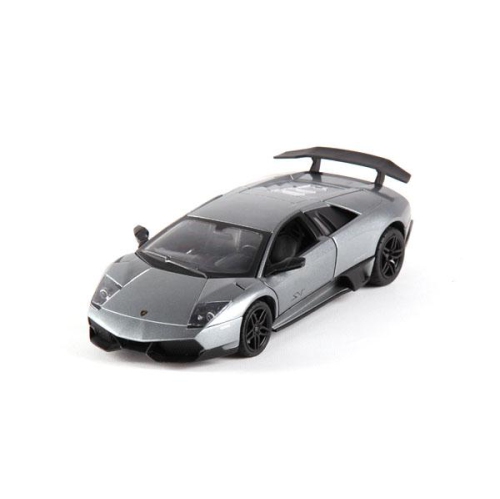
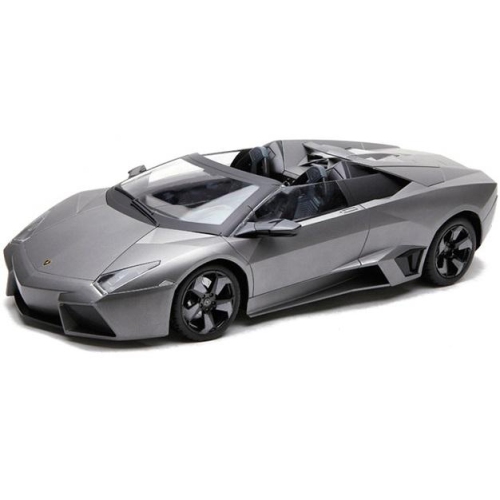
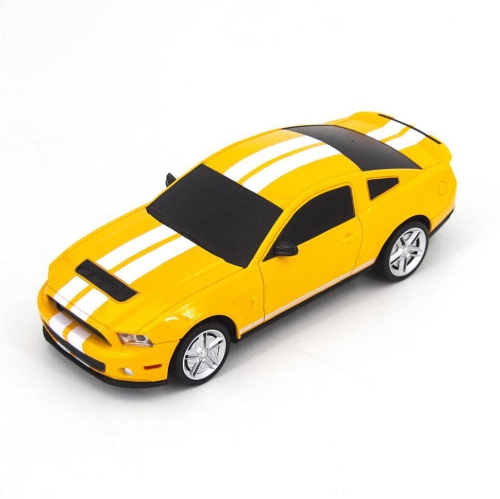
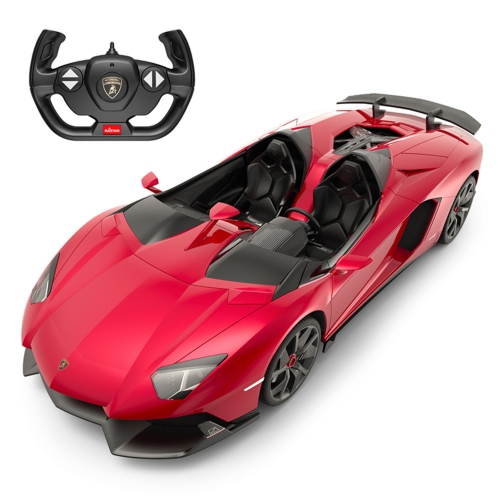
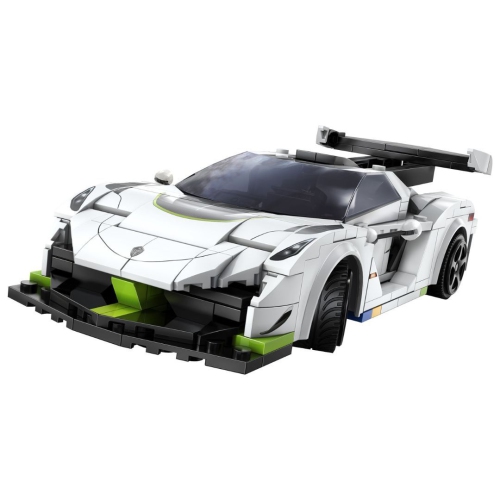
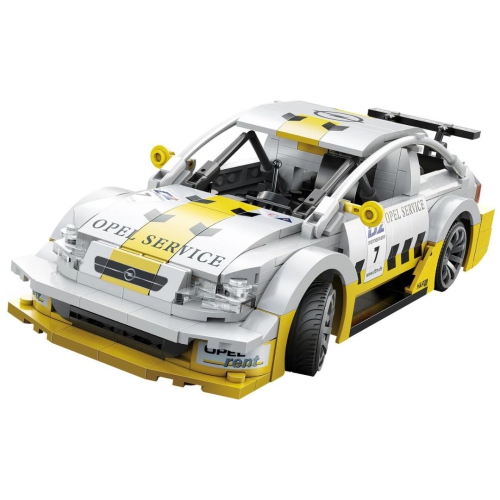
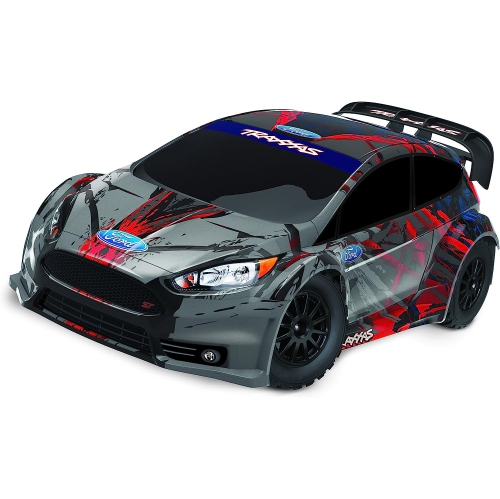
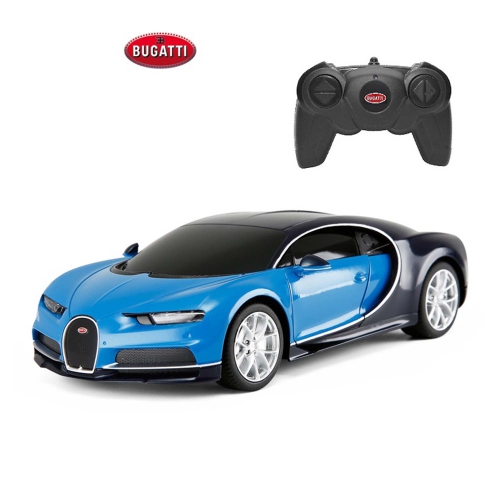
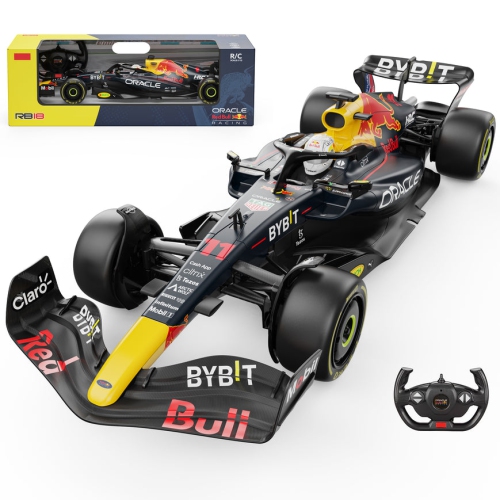
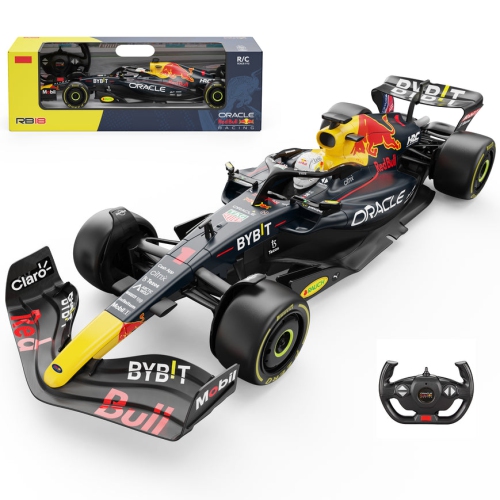
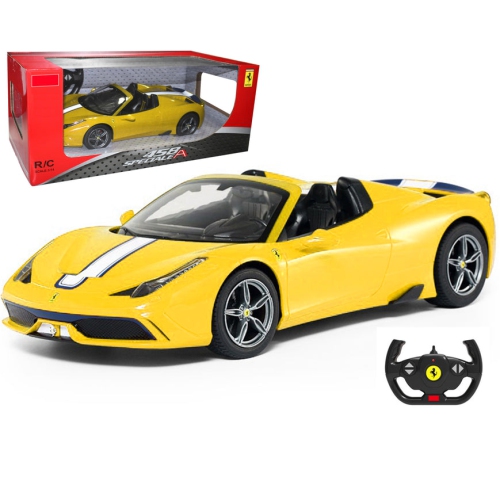
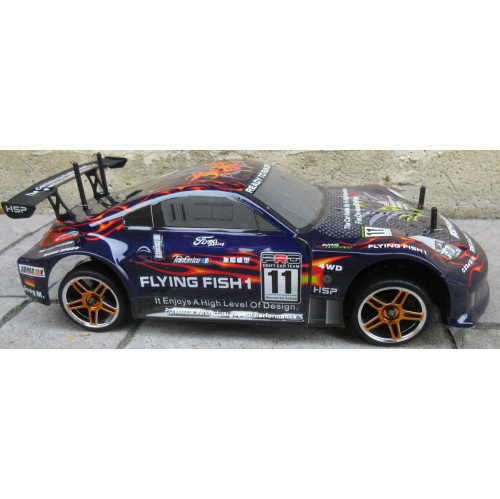
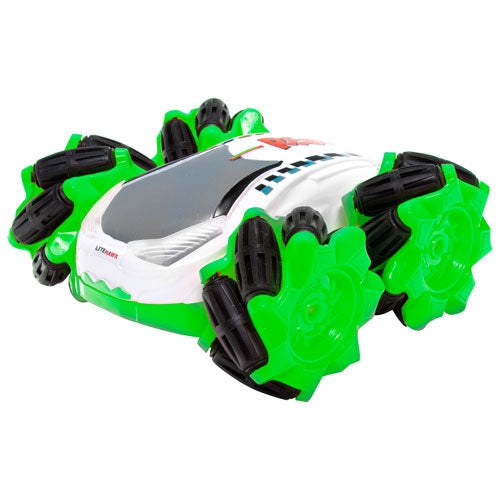
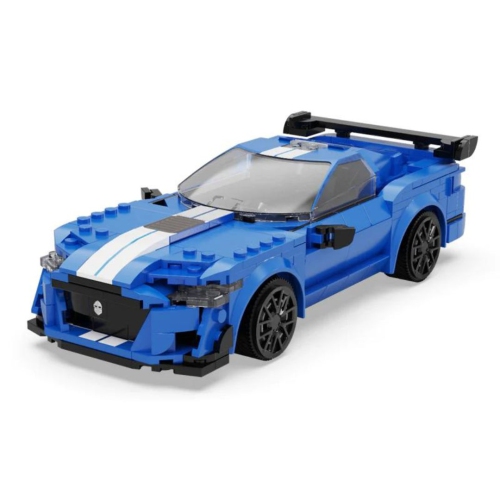
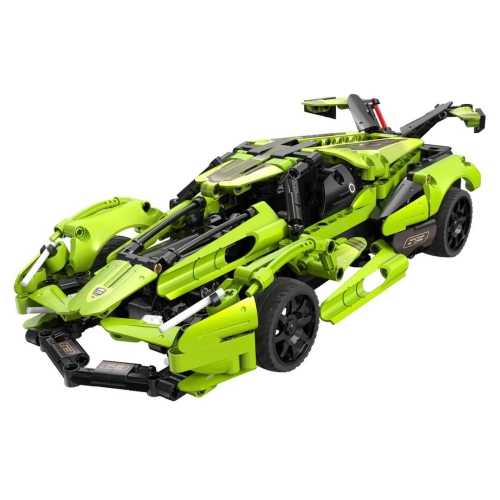
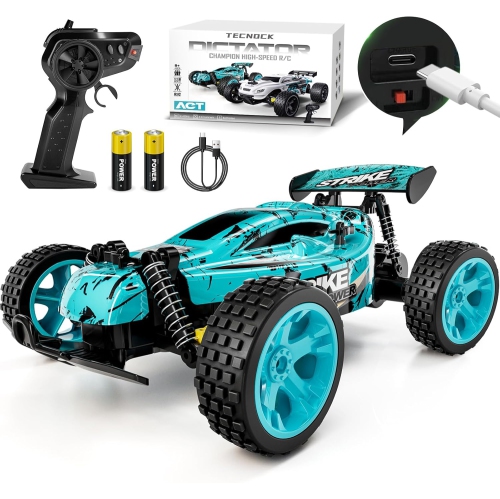
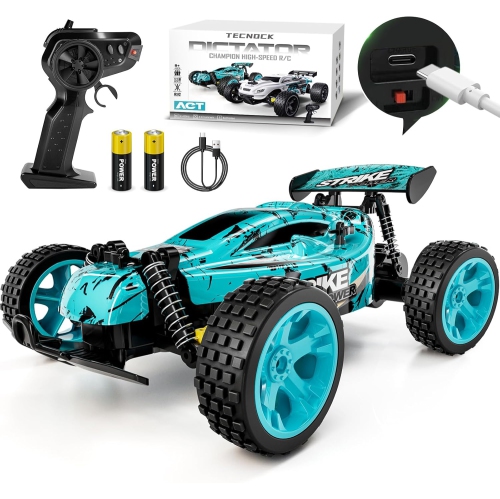
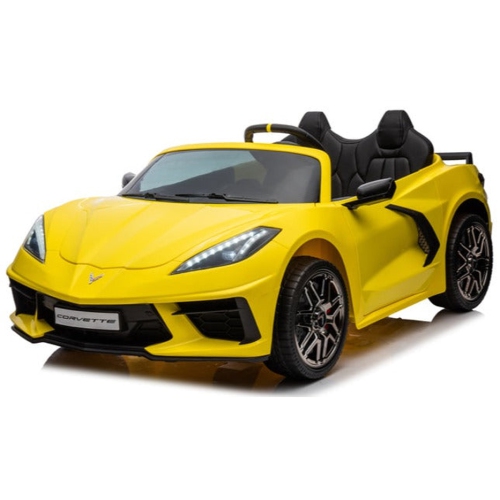
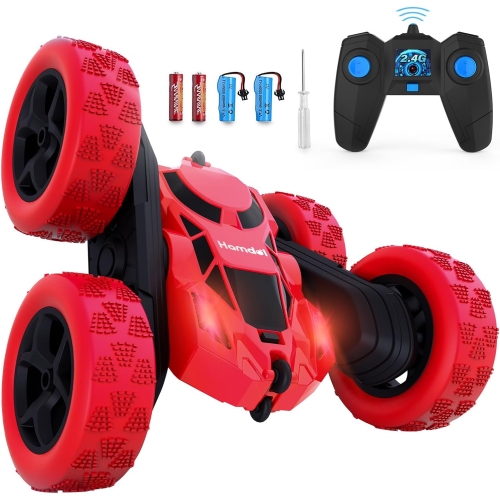
RC sports cars are radio-controlled vehicles shaped around the low bodies, wide stance, and sleek lines of full-size performance cars. They range from straightforward toys for casual driving to detailed replicas and hobby-grade machines built for more precise handling on smooth surfaces. The appeal can be as much about appearance as movement: a sculpted bonnet, contrasting wheel finishes, and working headlights can make a miniature car satisfying to display between drives. For younger drivers, simple forward, reverse, and steering controls turn an open stretch of floor into a place to practise coordination. Older children and adults may appreciate proportional controls, where the car responds gradually to trigger or steering input rather than switching straight to full power or full lock. That difference is noticeable when easing around a chair leg or holding a steady line through a wide corner. Scale describes a model’s size relative to the full-size vehicle it represents; a 1:10 scale replica is larger than a 1:24 scale replica of the same car. Actual dimensions still matter because different body designs can vary in length and width at the same scale. A smaller car may suit a clear indoor floor, while a larger model needs more turning room and storage space. Low ground clearance is central to the sports-car look, but it also shapes where these vehicles work well. Smooth concrete, clean pavement, and suitable hard flooring are generally a better match than grass, loose gravel, or thick carpet. Even a doorway threshold can stop a low front bumper. RC sports cars therefore suit drivers who enjoy controlled turns, straight-line acceleration, and the visual character of road-going performance vehicles. For someone who prefers flips, tumbles, and obstacle-based play, RC Stunt Cars offer a different style of driving. The distinction is useful for gifts, particularly when the recipient’s favourite part of remote-control play is either realistic motoring or energetic tricks.
Construction influences how an RC sports car looks, handles, and holds up to repeated use. Moulded plastic bodies can capture detailed shapes without adding much weight, while flexible polycarbonate shells are common on hobby-grade cars because they can bend during minor impacts. Some display-oriented replicas use metal body components for a more substantial feel, although extra weight does not automatically mean better driving performance or greater impact resistance. Under the body, the chassis supports the motor, steering assembly, battery, and drivetrain. A secure battery compartment, protected wiring, and firmly attached wheels are practical details for regular play. Rubber or rubber-like tyres provide grip, while harder drift tyres are intended to slide on suitable surfaces; those two setups create very different experiences even when the body styling is similar. Suspension can help the tyres maintain contact over small surface irregularities, but it does not turn a low road car into an off-road vehicle. Two-wheel-drive and four-wheel-drive layouts also influence handling, with the latter distributing power to all four wheels rather than one axle. Speed deserves context rather than being treated as the only measure of performance. A manageable car that steers predictably can be more enjoyable in a small space than a powerful model that needs a long braking distance. Brushed motors are common in simpler electric cars, while brushless systems often feature in performance-focused hobby models; actual speed depends on the motor, battery, gearing, and vehicle design together. Adjustable speed settings, when included, can make shared use easier as drivers build confidence. Controller fit matters too. Small hands need comfortable access to the steering wheel, sticks, or trigger without stretching, and the controls should return reliably to their neutral position. Many cars use 2.4 GHz radio systems, which can support multiple compatible vehicles operating nearby when each transmitter is correctly paired. Usable range varies with the equipment and surroundings, so driving within clear sight remains more useful than testing the farthest possible signal distance.
Ownership is often simplest when the car’s setup matches the time and attention its driver wants to spend on the hobby. Ready-to-run generally means the vehicle arrives assembled, but the contents can vary: a driving battery, charger, or transmitter batteries may still be needed. Rechargeable battery packs are common, while some smaller toy-grade cars use replaceable batteries. Runtime depends on battery capacity, driving style, surface resistance, and the power system, so repeated hard acceleration can shorten a session compared with gentle laps. Charging arrangements also differ, and a USB charging cable does not necessarily include a power adapter. The correct charger and battery specifications matter, especially with lithium-based packs, which require careful handling and storage according to their instructions. Batteries should charge under adult supervision, away from combustible materials, and a damaged or swollen pack should not be used. After driving, a soft brush and dry cloth can remove dust from the body and chassis; hair wrapped around axles and grit caught near the wheels deserve attention before the next session. Water resistance, if specified, has limits and should never be assumed from a sealed-looking body. Careful storage protects small mirrors, spoilers, and other projecting details that can be vulnerable to knocks. For hobby-grade ownership, replaceable tyres, body mounts, gears, and steering parts can help keep a car usable after wear or an accidental collision, provided the replacements match the model. Toy-grade designs may offer fewer repair options, making appropriate play space and sensible handling particularly important. A clear area away from traffic, pedestrians, pets, and stairs gives drivers room to concentrate without putting others at risk. Simple markers placed well apart can create a satisfying practice circuit without demanding high speeds. As a gift, an RC sports car can appeal to a child learning steering control, a car enthusiast drawn to realistic styling, or an adult who enjoys adjusting and maintaining miniature machinery. The strongest match balances the manufacturer’s age rating, the recipient’s experience, the space they can use, and their interest in either uncomplicated play or a more hands-on hobby.
Construction influences how an RC sports car looks, handles, and holds up to repeated use. Moulded plastic bodies can capture detailed shapes without adding much weight, while flexible polycarbonate shells are common on hobby-grade cars because they can bend during minor impacts. Some display-oriented replicas use metal body components for a more substantial feel, although extra weight does not automatically mean better driving performance or greater impact resistance. Under the body, the chassis supports the motor, steering assembly, battery, and drivetrain. A secure battery compartment, protected wiring, and firmly attached wheels are practical details for regular play. Rubber or rubber-like tyres provide grip, while harder drift tyres are intended to slide on suitable surfaces; those two setups create very different experiences even when the body styling is similar. Suspension can help the tyres maintain contact over small surface irregularities, but it does not turn a low road car into an off-road vehicle. Two-wheel-drive and four-wheel-drive layouts also influence handling, with the latter distributing power to all four wheels rather than one axle. Speed deserves context rather than being treated as the only measure of performance. A manageable car that steers predictably can be more enjoyable in a small space than a powerful model that needs a long braking distance. Brushed motors are common in simpler electric cars, while brushless systems often feature in performance-focused hobby models; actual speed depends on the motor, battery, gearing, and vehicle design together. Adjustable speed settings, when included, can make shared use easier as drivers build confidence. Controller fit matters too. Small hands need comfortable access to the steering wheel, sticks, or trigger without stretching, and the controls should return reliably to their neutral position. Many cars use 2.4 GHz radio systems, which can support multiple compatible vehicles operating nearby when each transmitter is correctly paired. Usable range varies with the equipment and surroundings, so driving within clear sight remains more useful than testing the farthest possible signal distance.
Ownership is often simplest when the car’s setup matches the time and attention its driver wants to spend on the hobby. Ready-to-run generally means the vehicle arrives assembled, but the contents can vary: a driving battery, charger, or transmitter batteries may still be needed. Rechargeable battery packs are common, while some smaller toy-grade cars use replaceable batteries. Runtime depends on battery capacity, driving style, surface resistance, and the power system, so repeated hard acceleration can shorten a session compared with gentle laps. Charging arrangements also differ, and a USB charging cable does not necessarily include a power adapter. The correct charger and battery specifications matter, especially with lithium-based packs, which require careful handling and storage according to their instructions. Batteries should charge under adult supervision, away from combustible materials, and a damaged or swollen pack should not be used. After driving, a soft brush and dry cloth can remove dust from the body and chassis; hair wrapped around axles and grit caught near the wheels deserve attention before the next session. Water resistance, if specified, has limits and should never be assumed from a sealed-looking body. Careful storage protects small mirrors, spoilers, and other projecting details that can be vulnerable to knocks. For hobby-grade ownership, replaceable tyres, body mounts, gears, and steering parts can help keep a car usable after wear or an accidental collision, provided the replacements match the model. Toy-grade designs may offer fewer repair options, making appropriate play space and sensible handling particularly important. A clear area away from traffic, pedestrians, pets, and stairs gives drivers room to concentrate without putting others at risk. Simple markers placed well apart can create a satisfying practice circuit without demanding high speeds. As a gift, an RC sports car can appeal to a child learning steering control, a car enthusiast drawn to realistic styling, or an adult who enjoys adjusting and maintaining miniature machinery. The strongest match balances the manufacturer’s age rating, the recipient’s experience, the space they can use, and their interest in either uncomplicated play or a more hands-on hobby.
Top selling and popular products
-
 Your price for this item is $219.99
 -
 Your price for this item is $315.68
 -
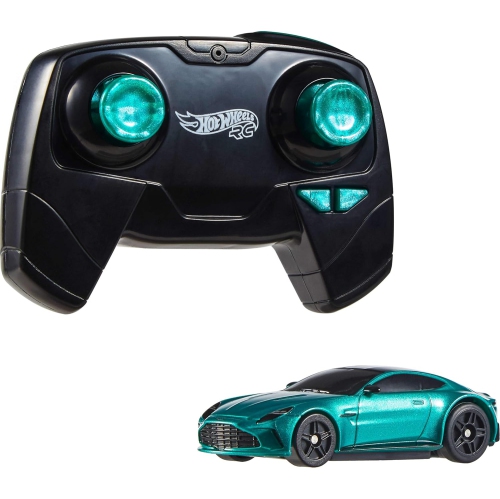 Your price for this item is $51.74
 -
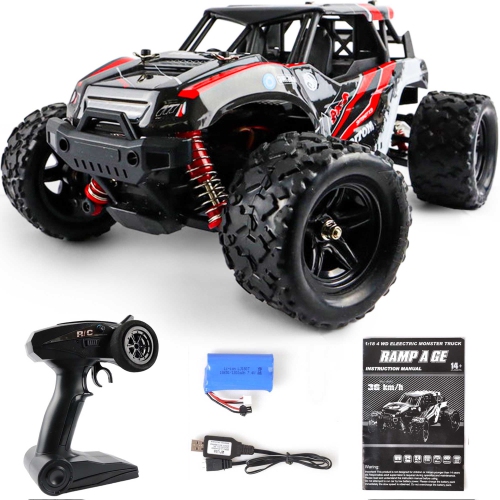 Your price for this item is $149.99
 -
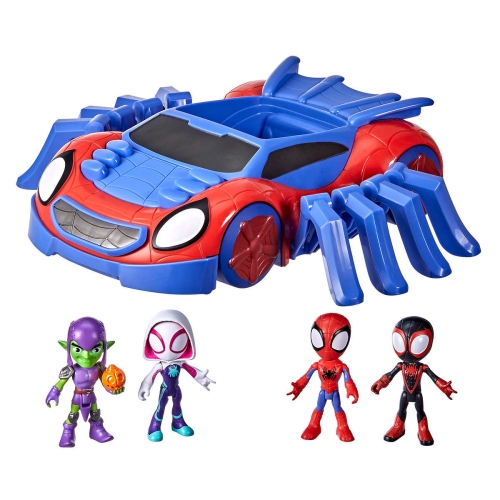 Your price for this item is $58
 -
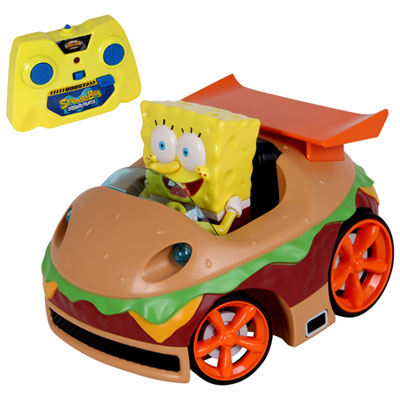 Your price for this item is $29.99
 -
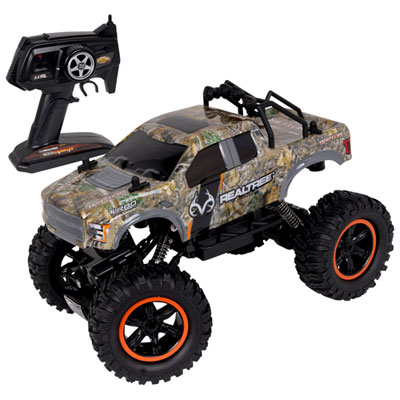 Your price for this item is $69.99
 -
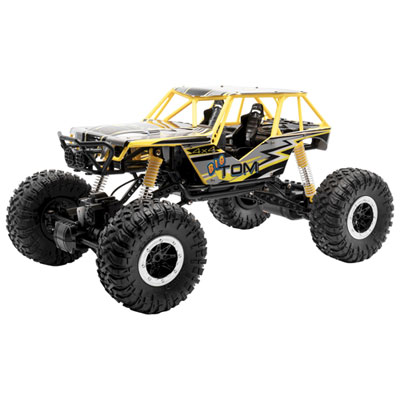 Your price for this item is $79.98
Discover more categories related to RC Sports Cars
Top Collections:
Pokemon Centers, Kindle Devices, Best Budget Office Chairs, Apple iPhones 16, Best Laptops for Writers, iPhone 15 Apple, Canon G7X Cameras, Refurbished Apple Laptops, Alarm Clock, Motorola Razr Phones
Some products may be subject to Environmental Handling Fees
(EHF) depending on your province.
Learn more about EHFs.