Ride On Toys for Toddlers
Explore our exciting collection of ride-on toys designed specifically for toddlers. These fun and colorful vehicles are perfect for little ones who are ready to embark on their first adventures. From sleek cars to adorable animals, our selection offers a variety of options to keep your child entertained while helping them develop important motor skills. With sturdy construction and safety features in mind, these ride-on toys provide a safe and enjoyable way for toddlers to explore their surroundings and engage in imaginative play. Let your little one's imagination run wild as they cruise around in style with our fantastic range of toddler ride-on toys.
Sort















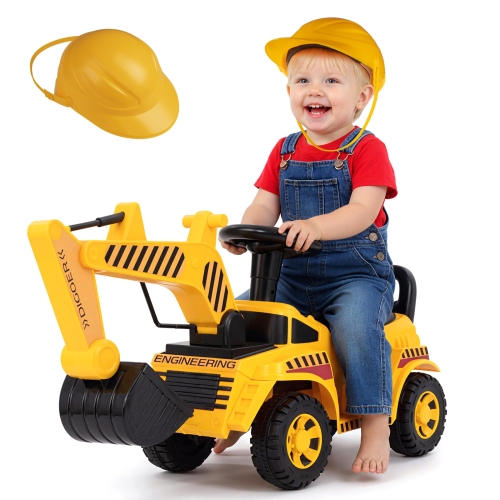
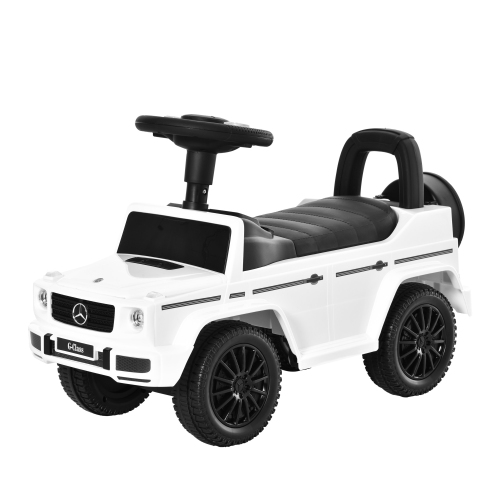

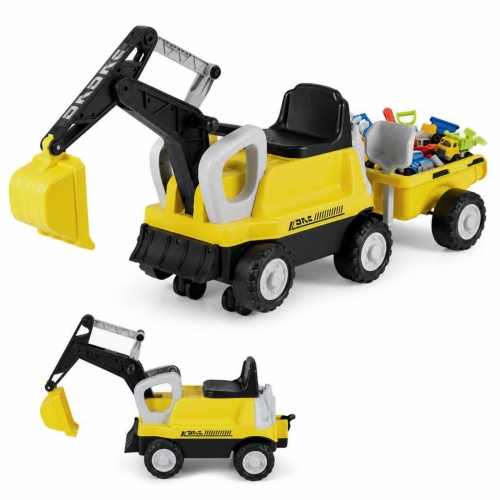
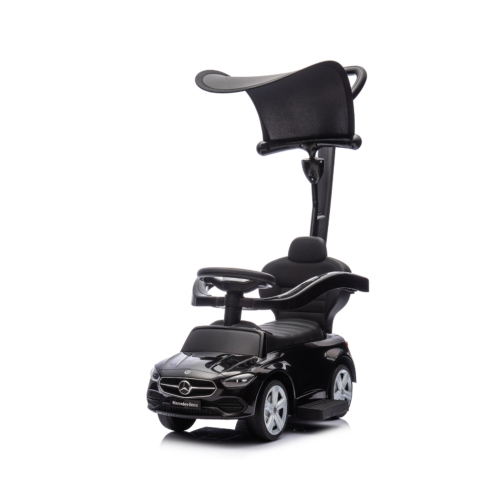









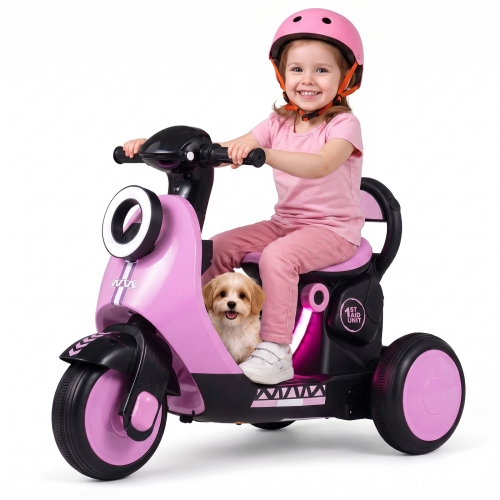

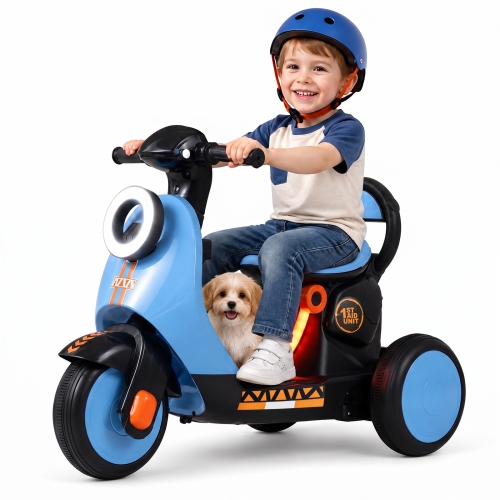
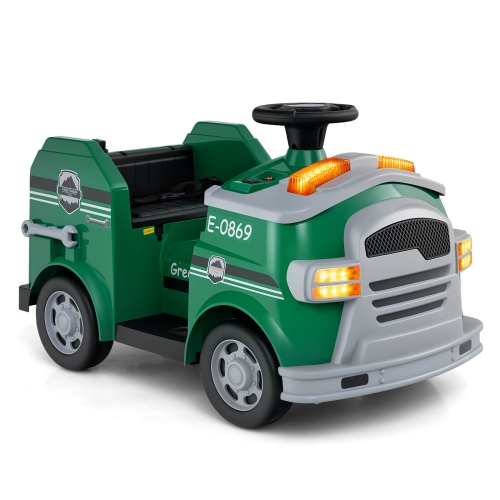
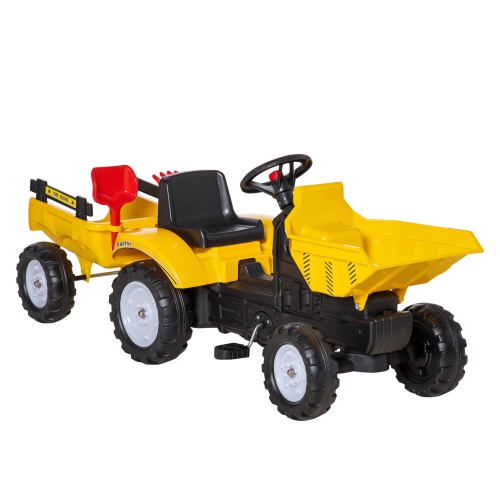



































Why a comfortable fit matters more than extra features
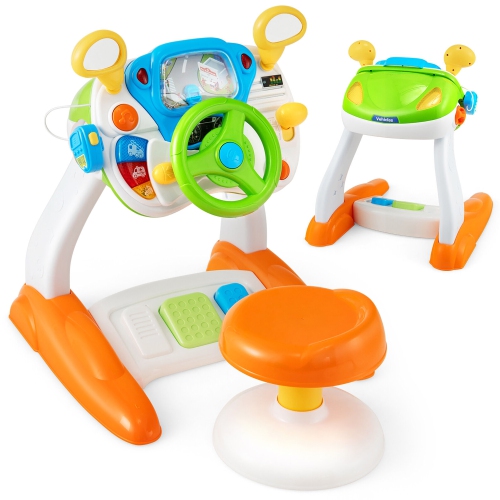
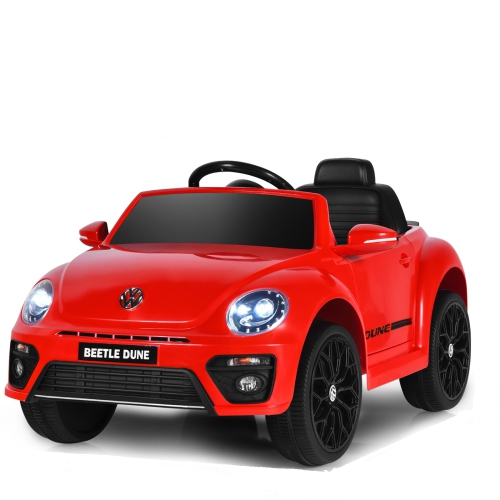
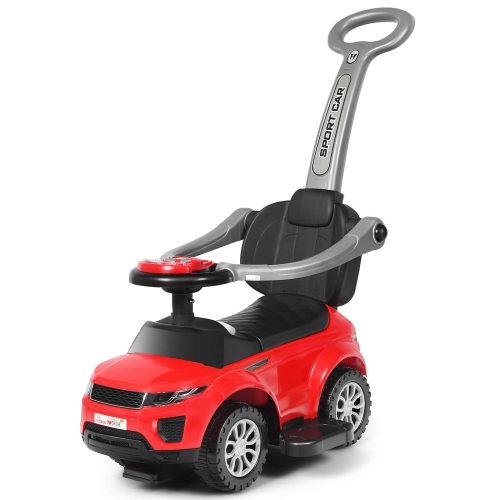
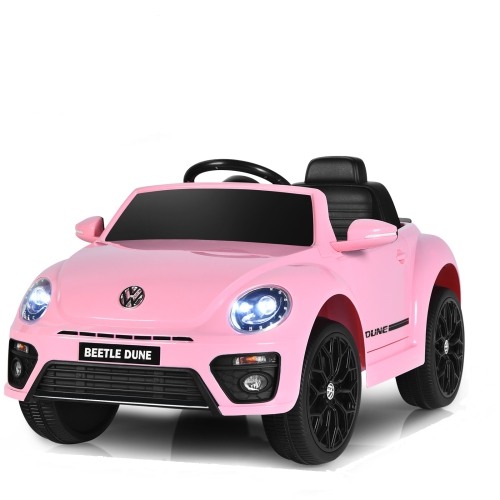
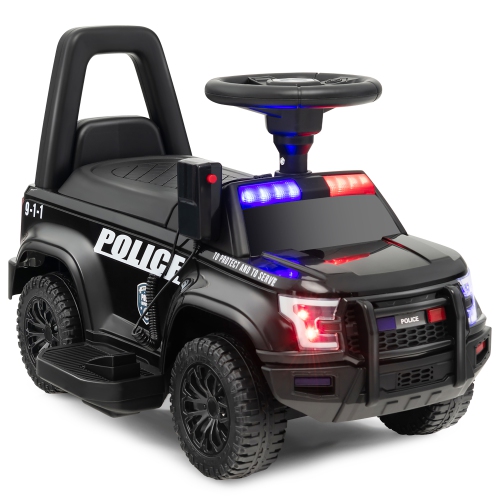
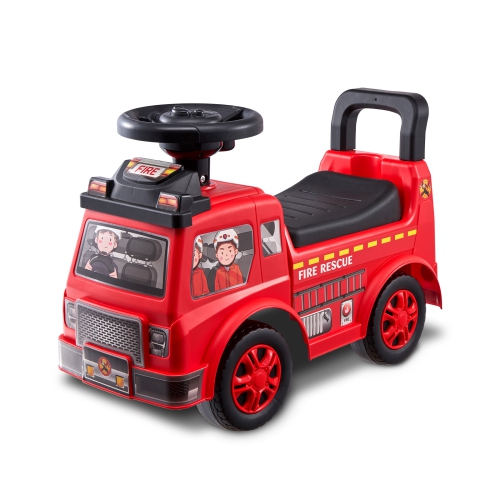
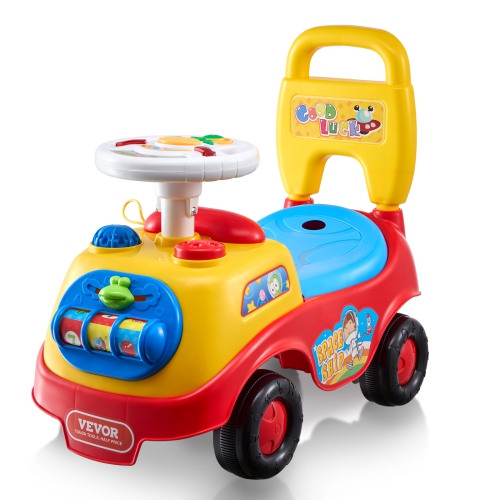
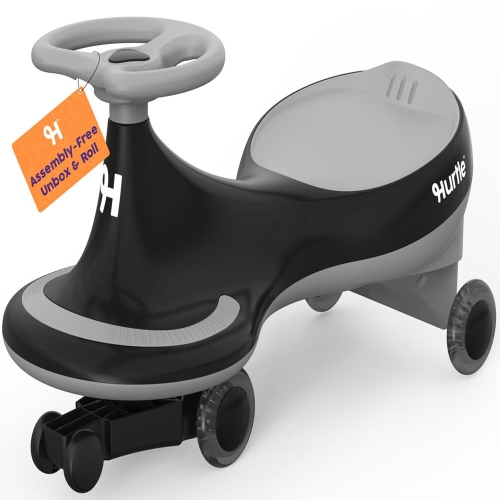
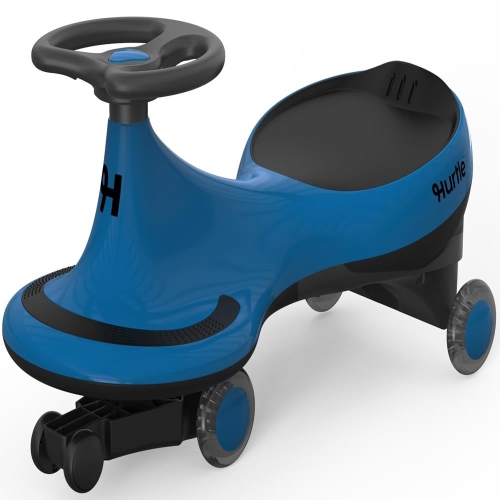
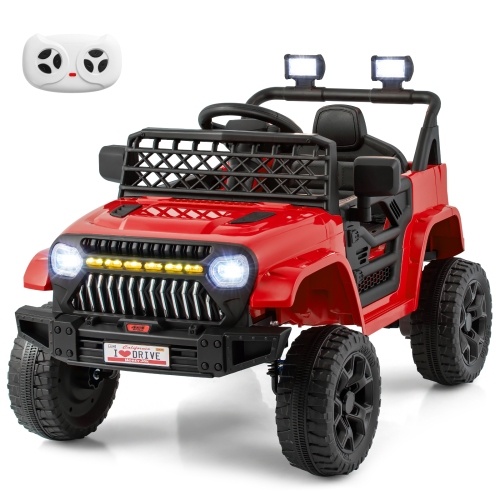
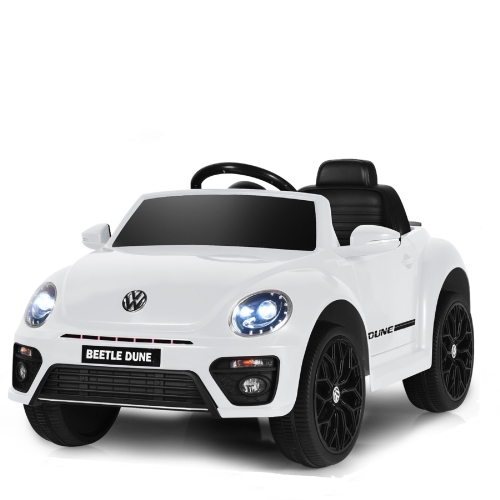
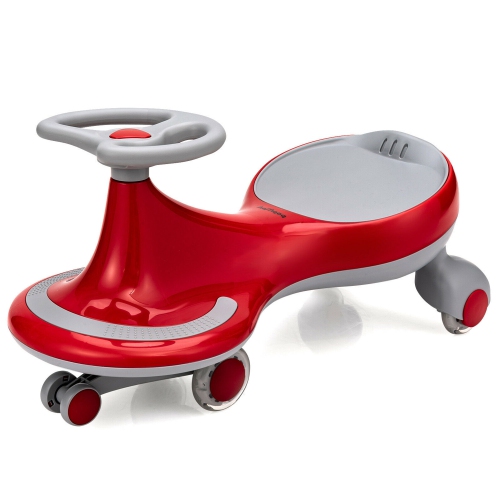
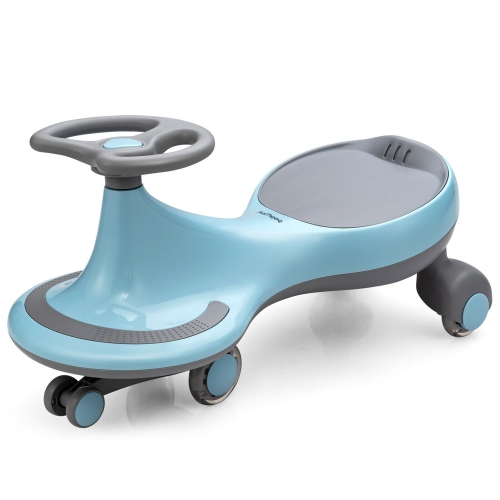
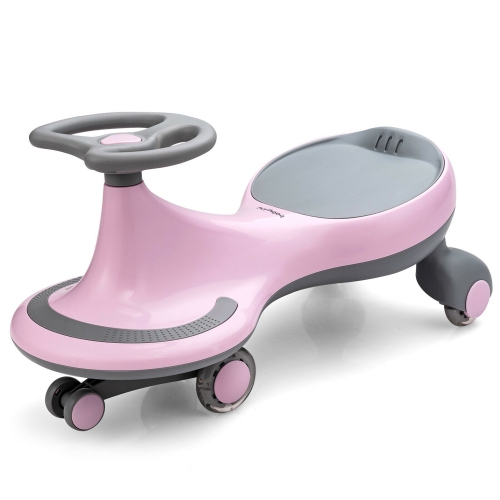
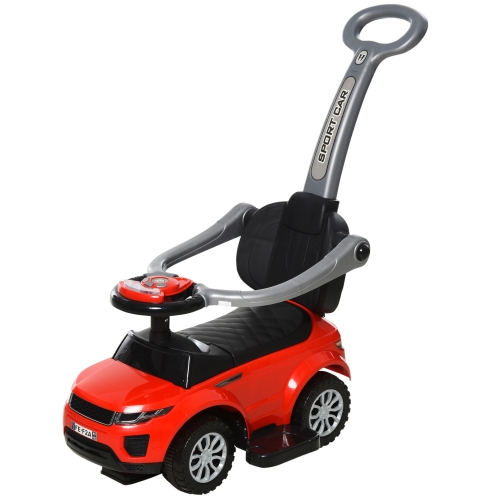
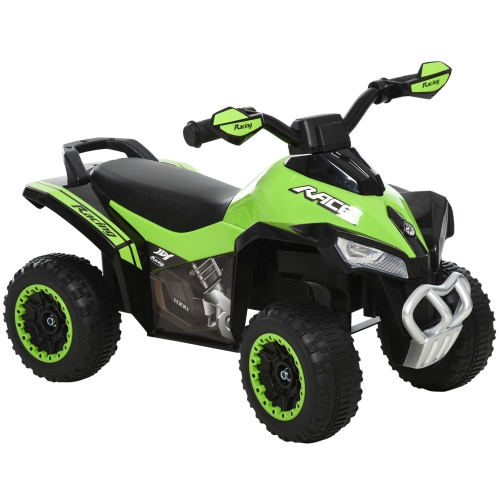
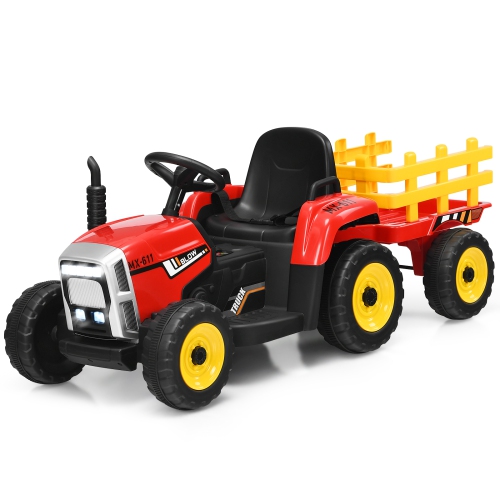
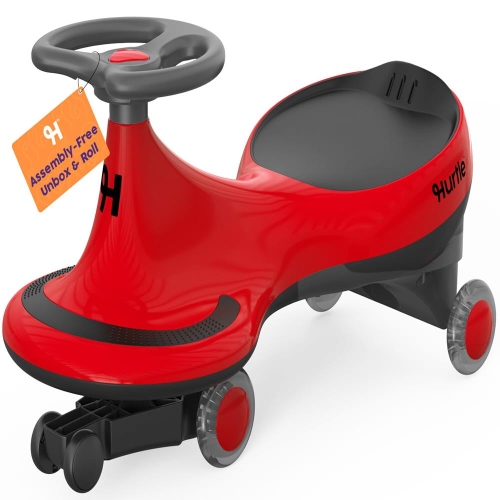
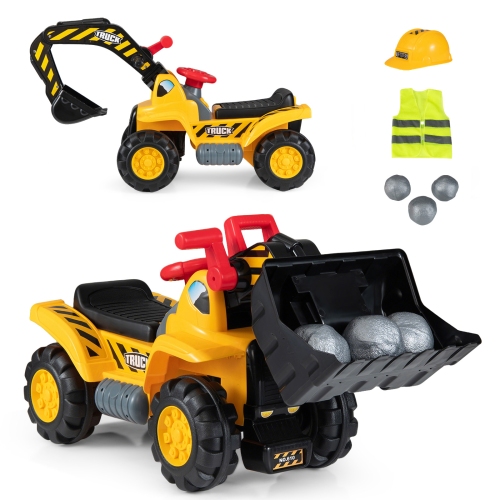
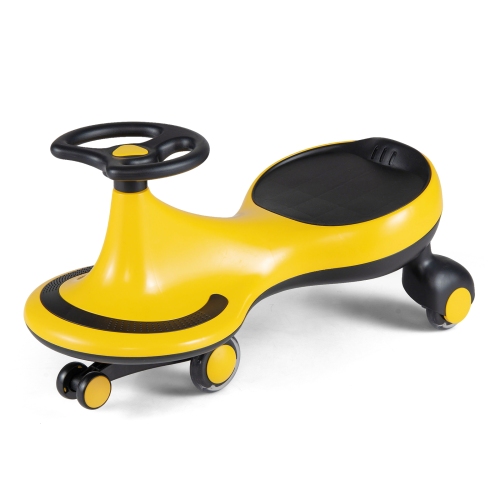
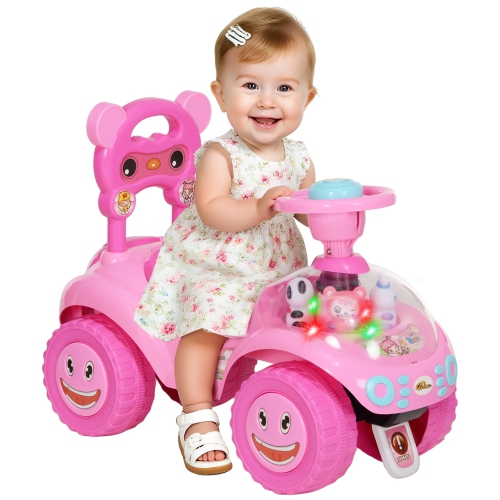
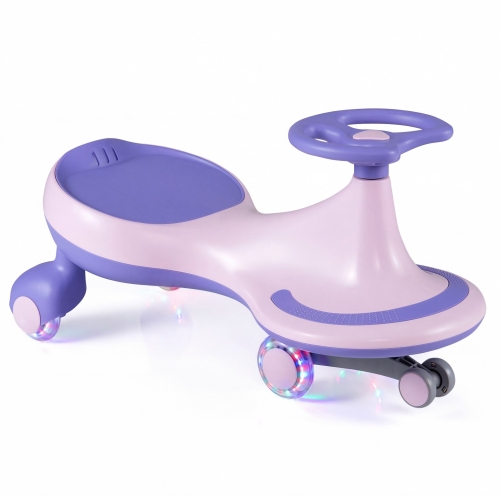
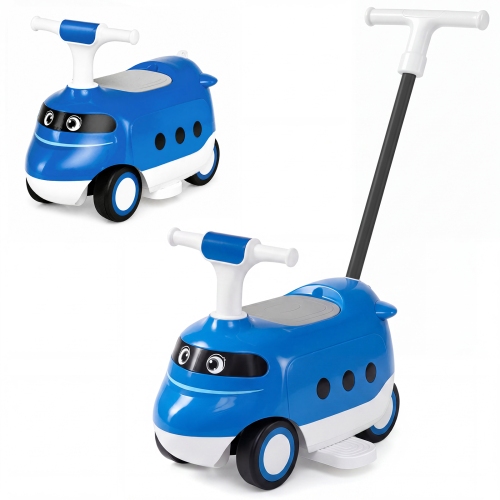
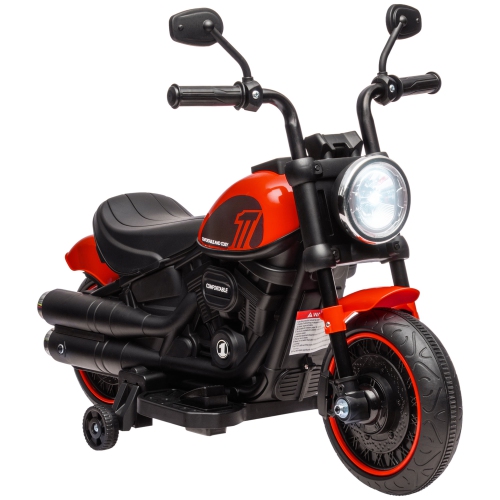
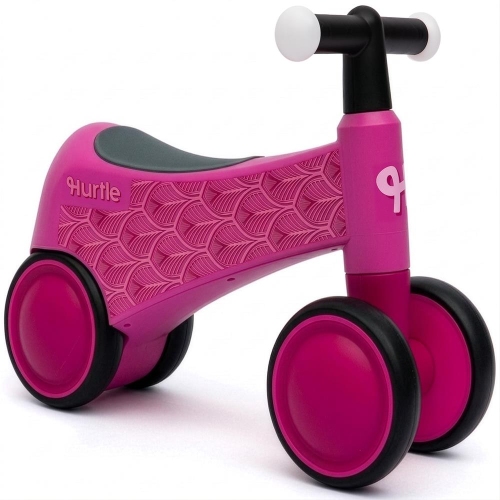
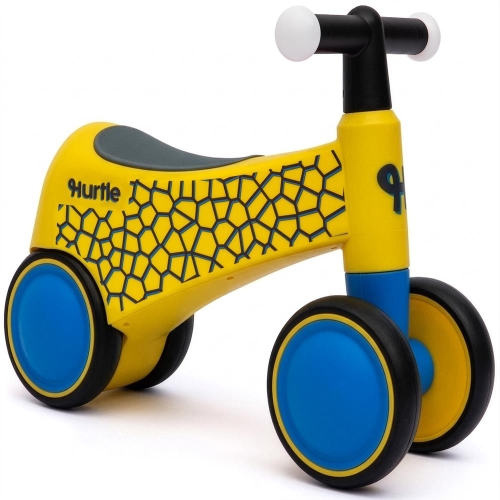
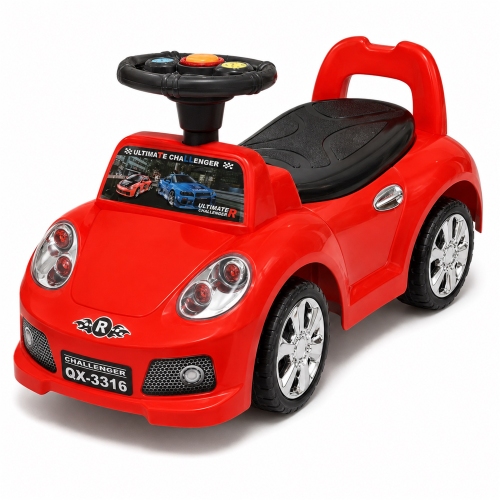
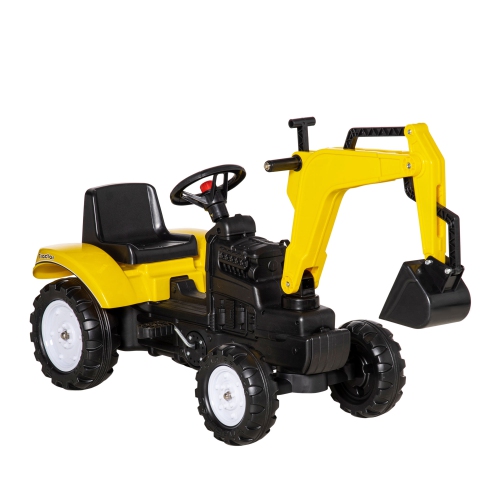
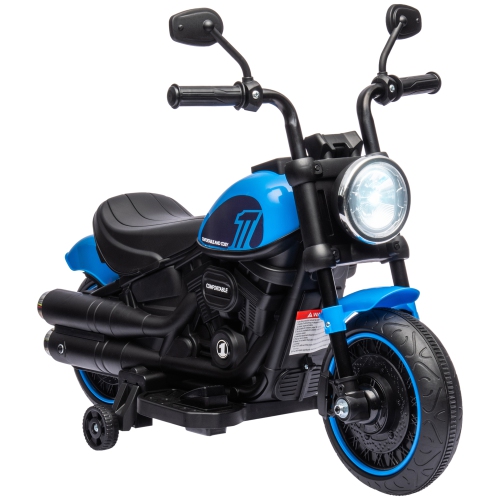
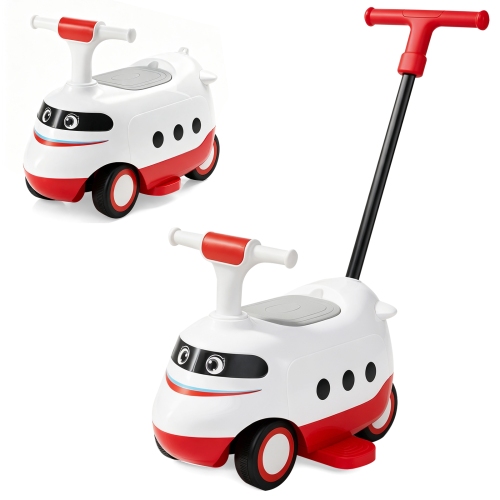
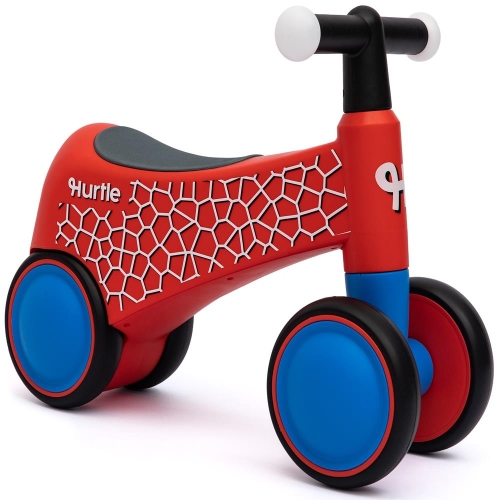
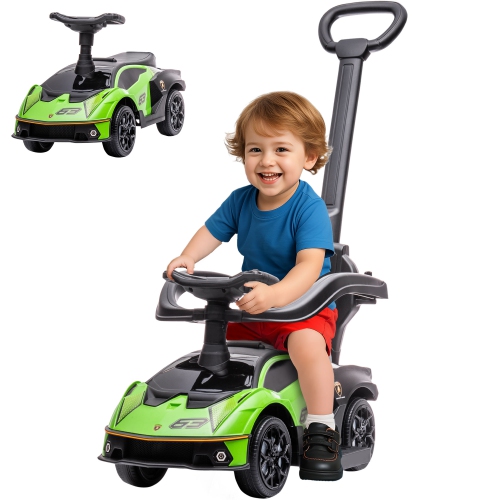
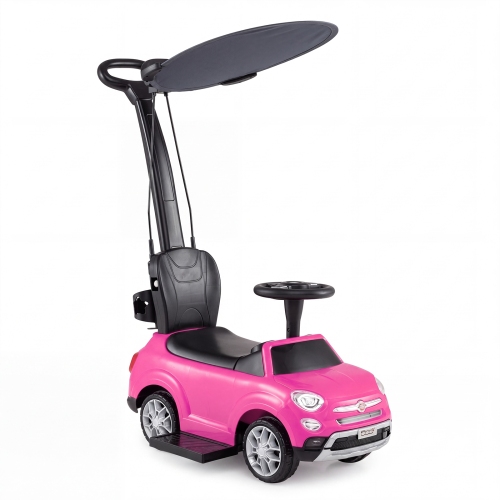
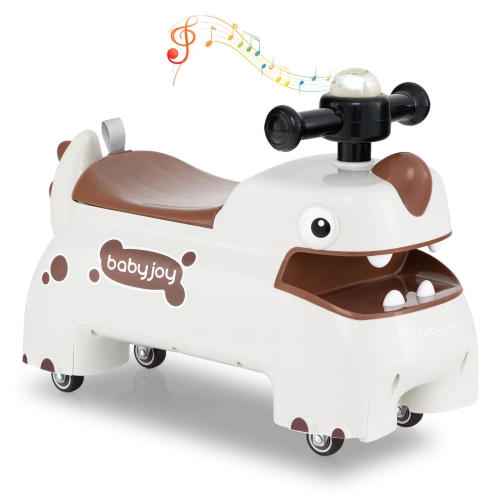
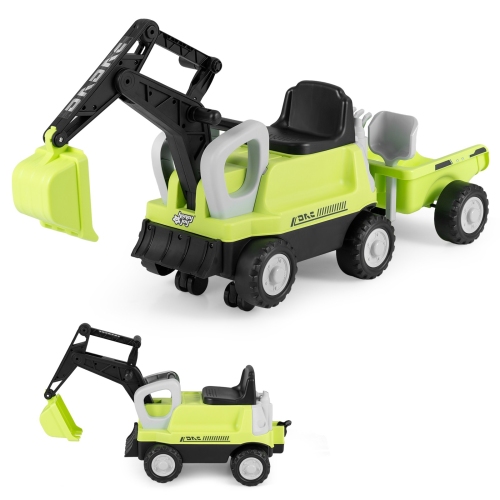
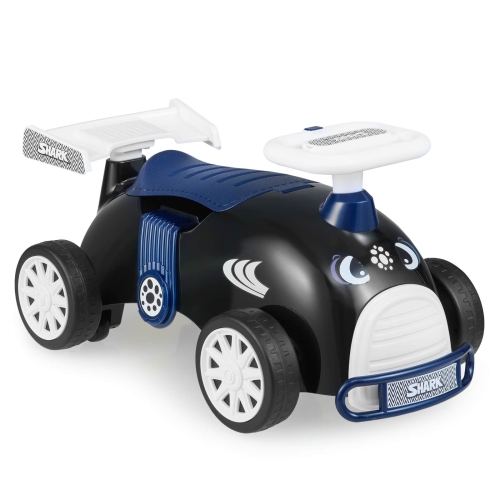
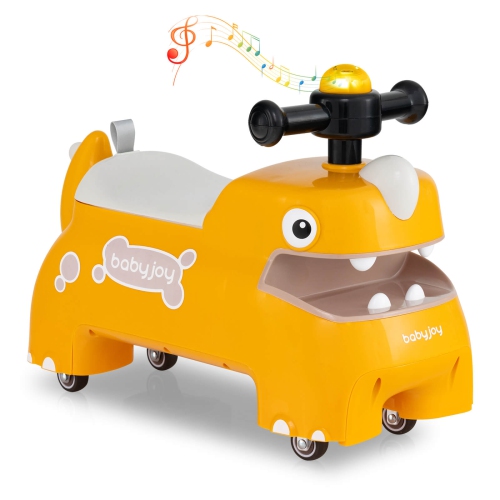
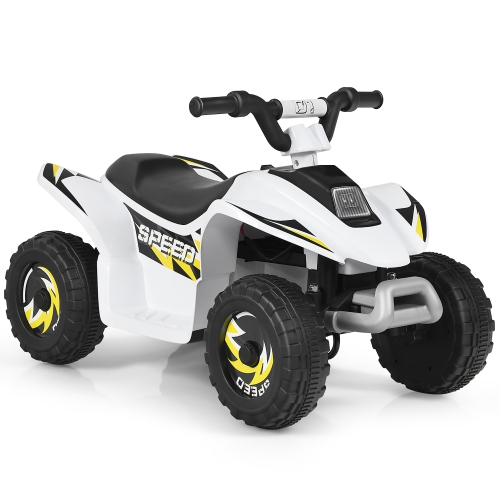
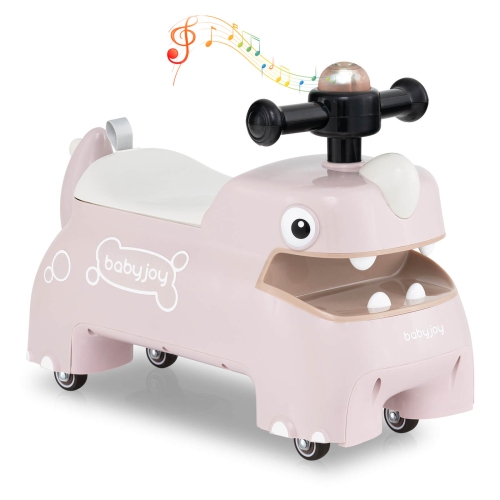
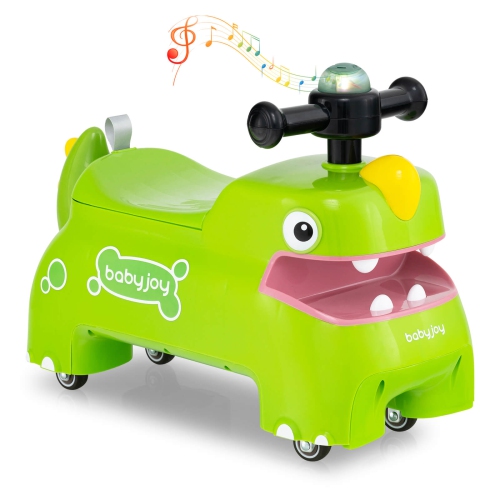
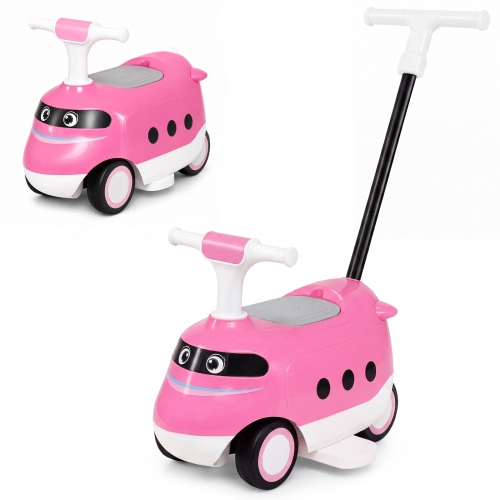
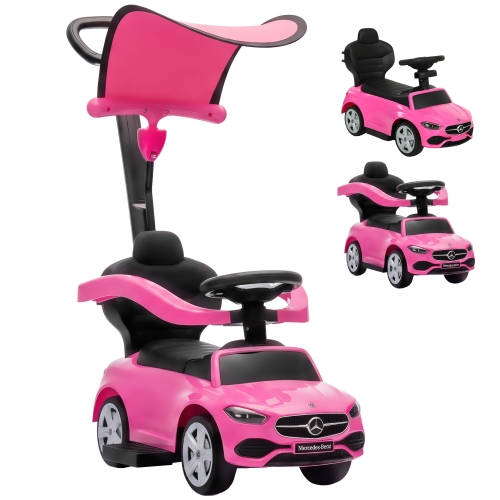
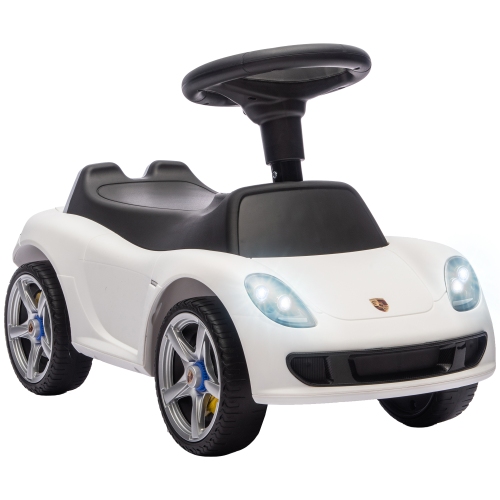
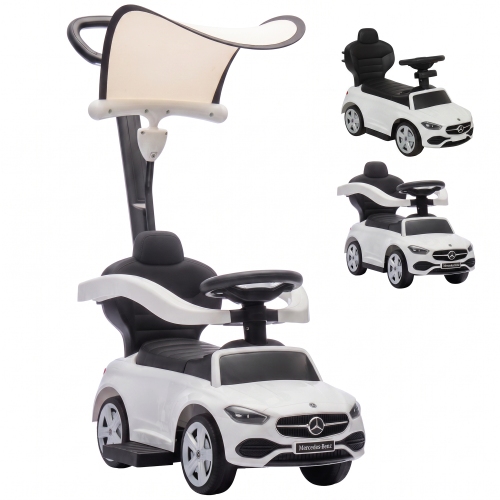
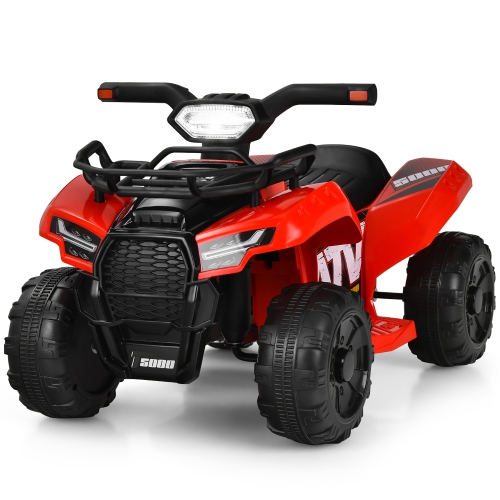
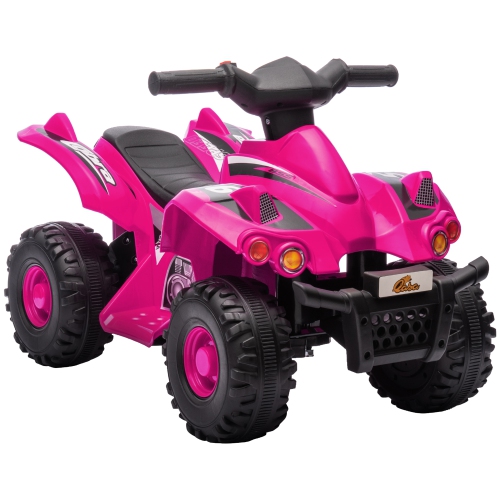
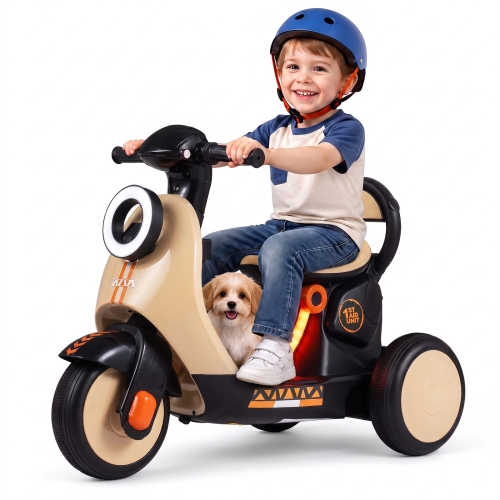
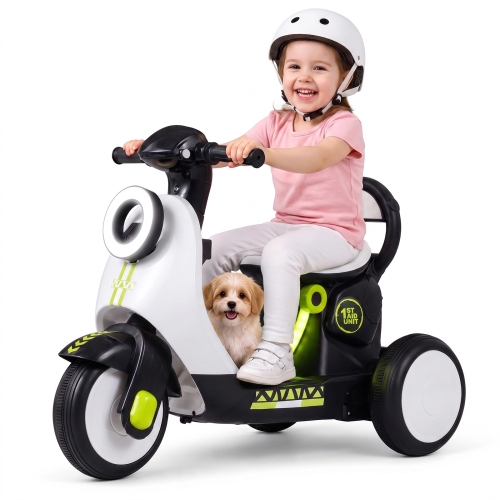
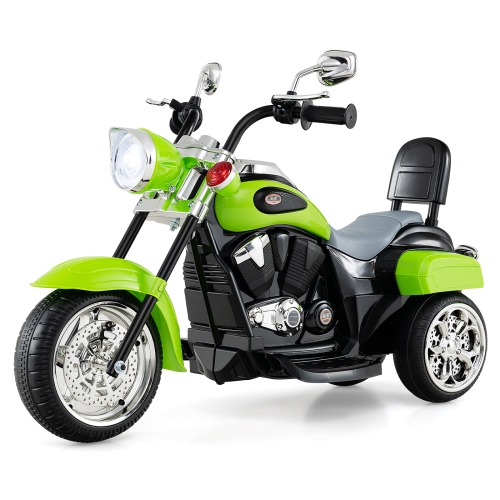
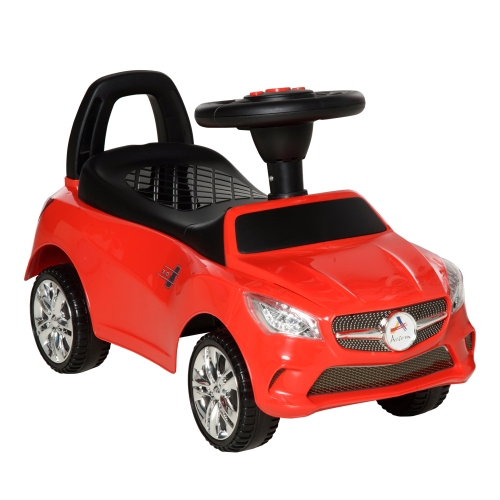
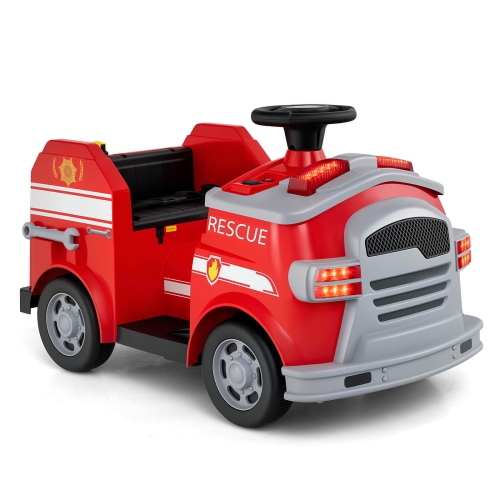
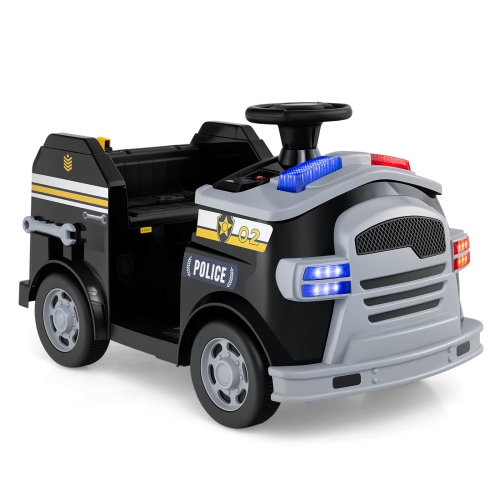
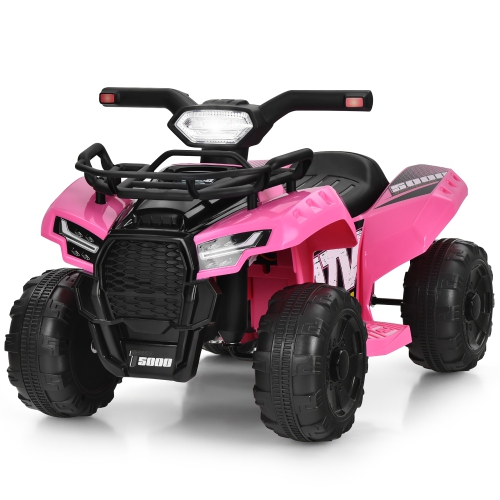
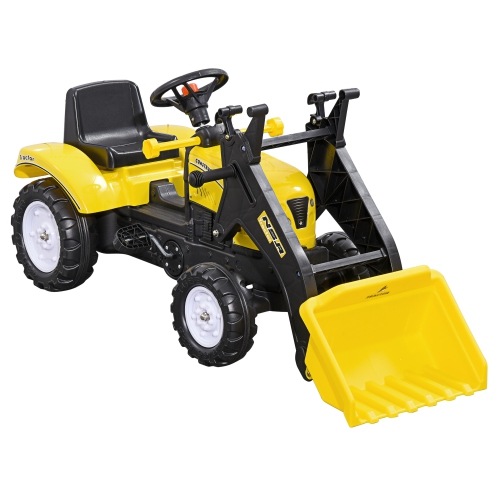
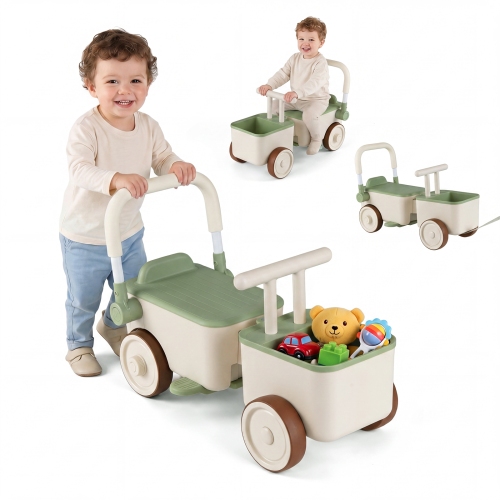
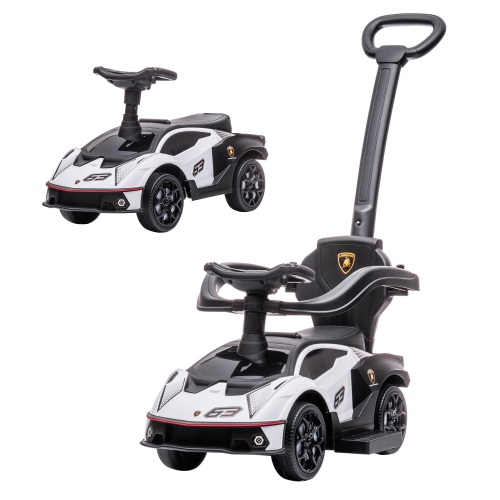
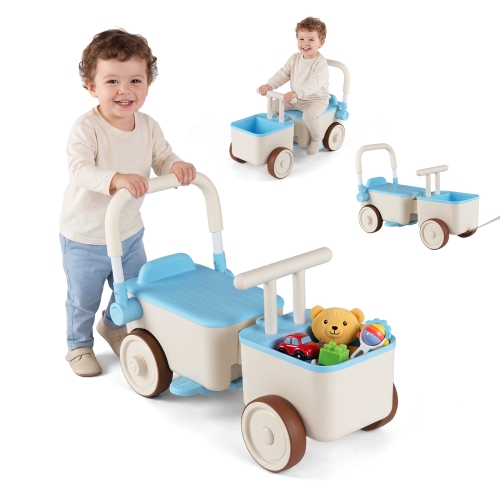
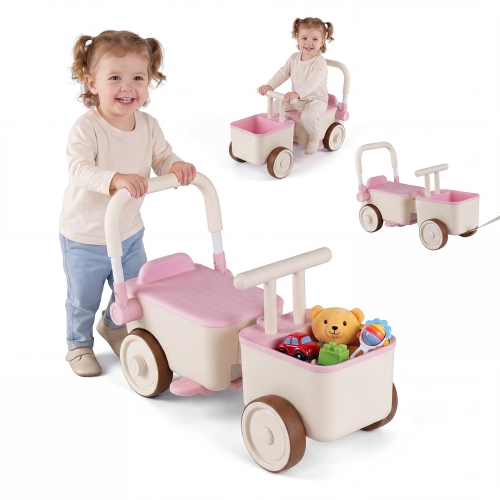
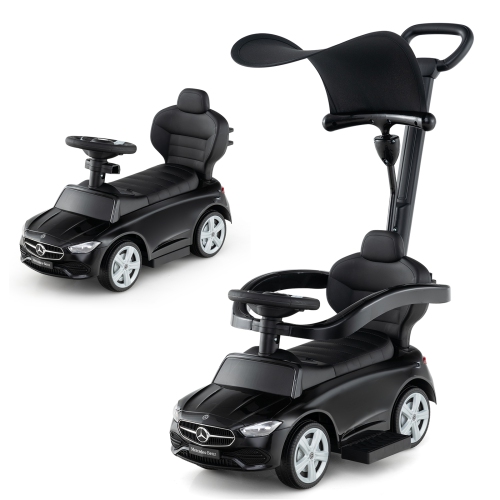
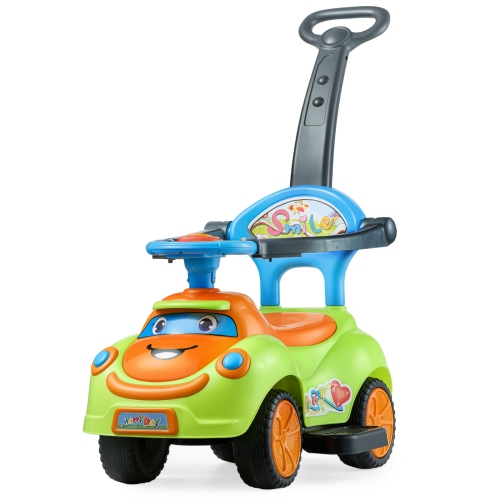
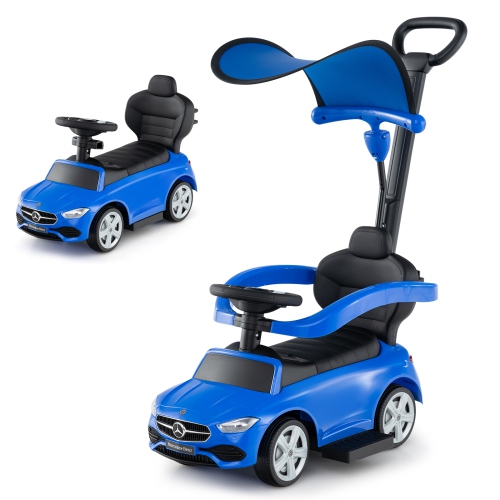
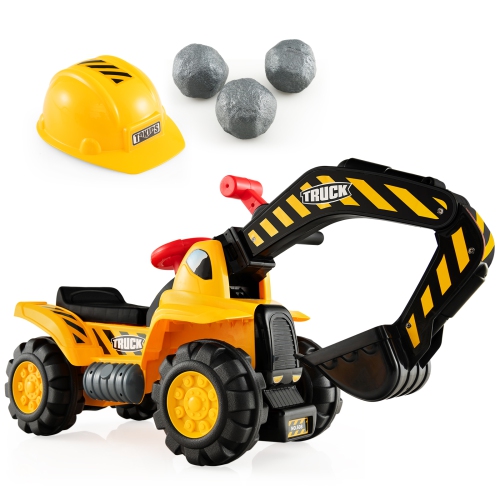
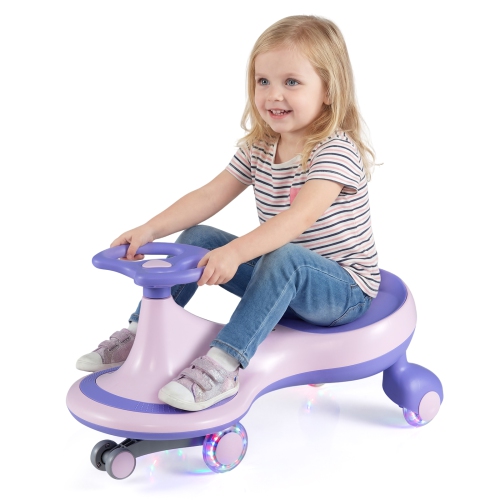
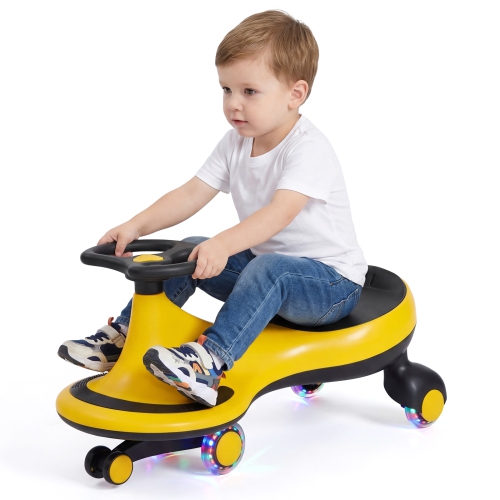
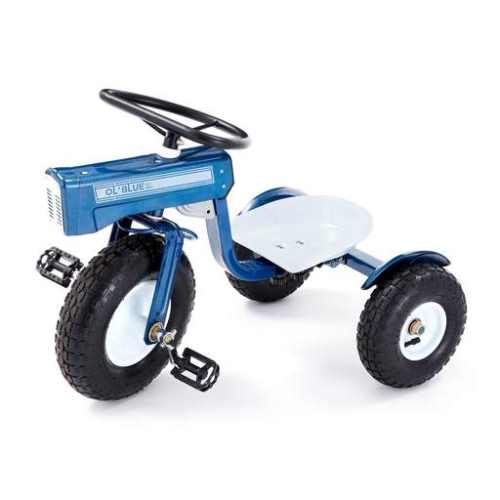
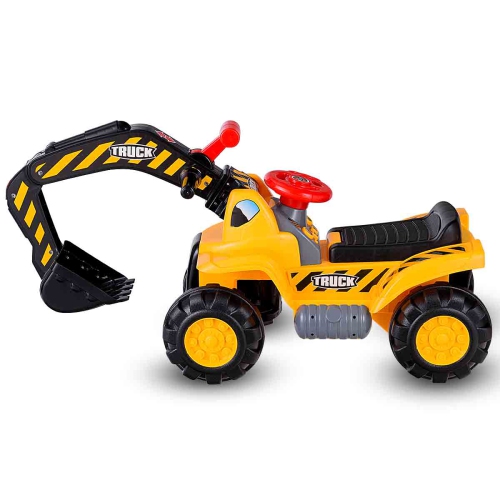
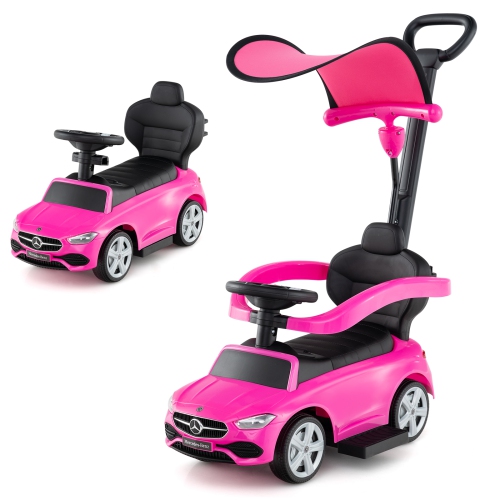
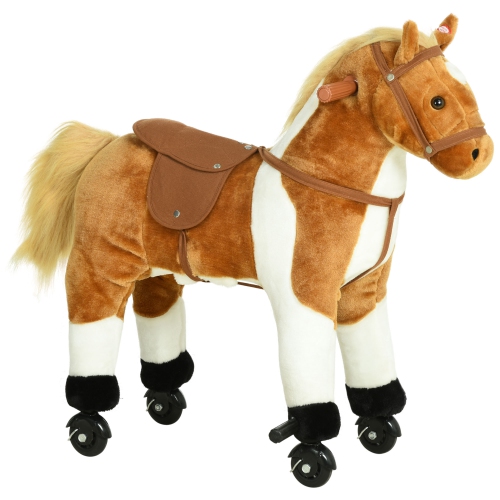
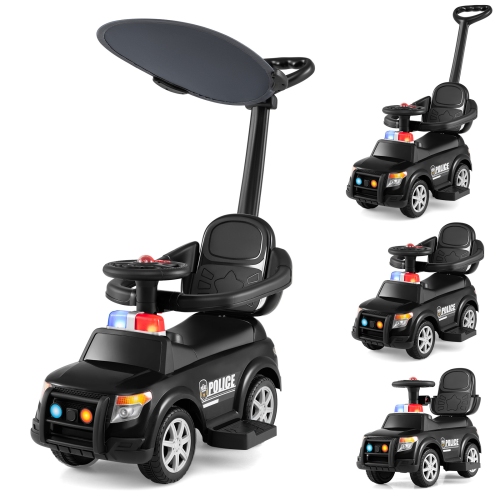
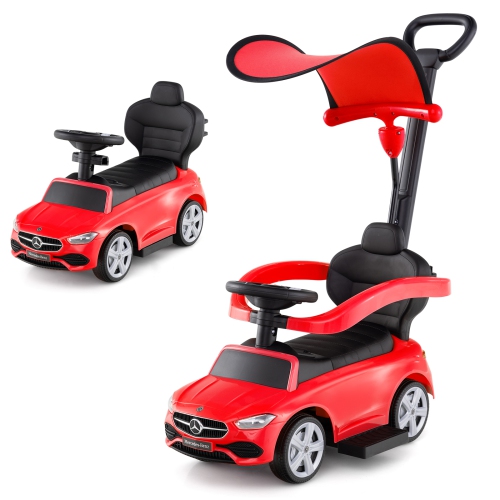
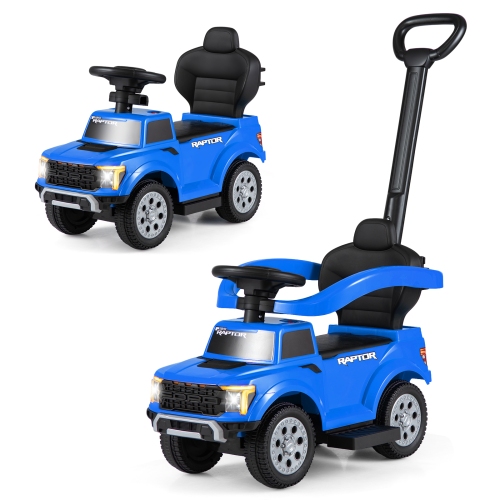
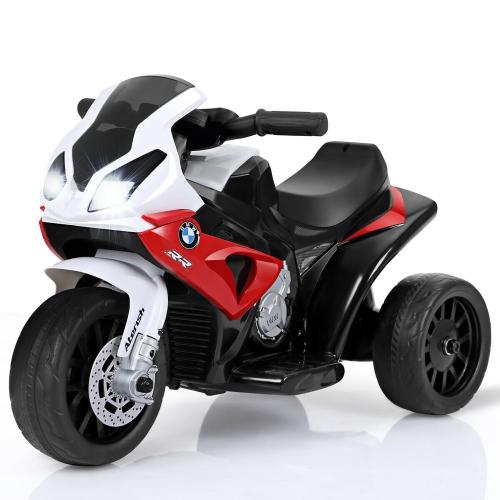
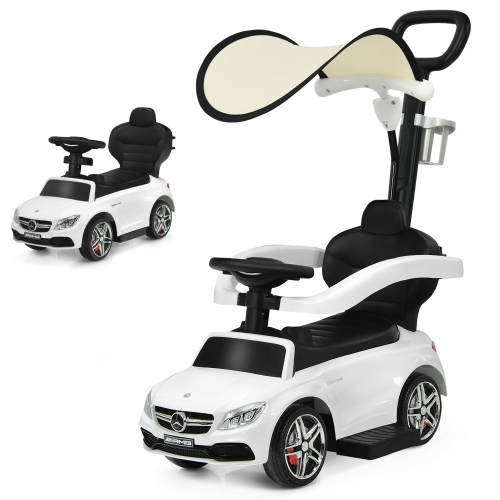
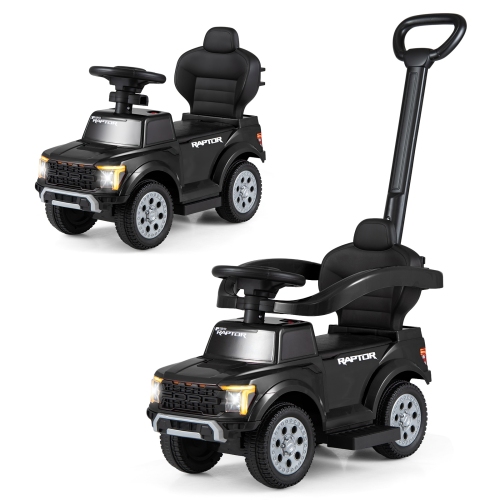
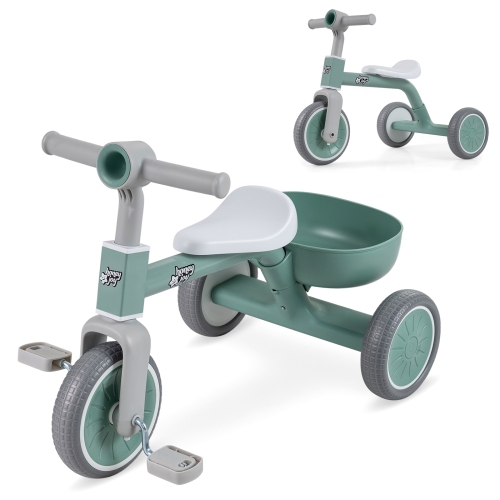
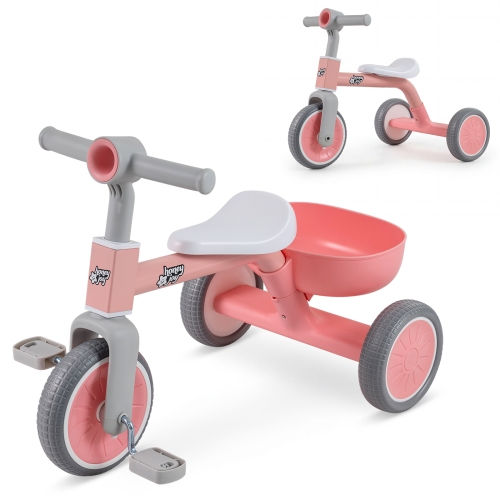
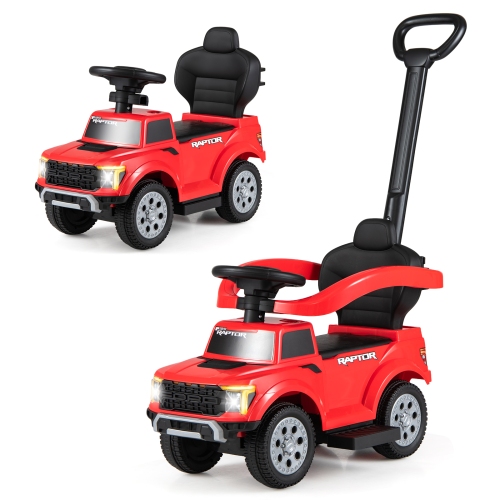
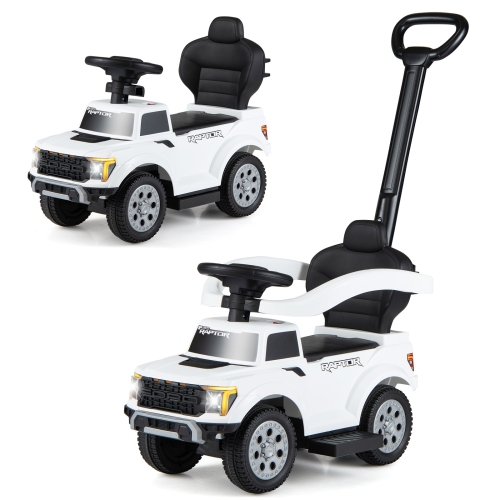
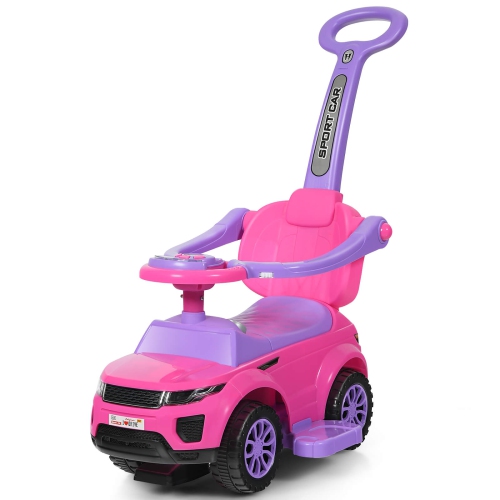
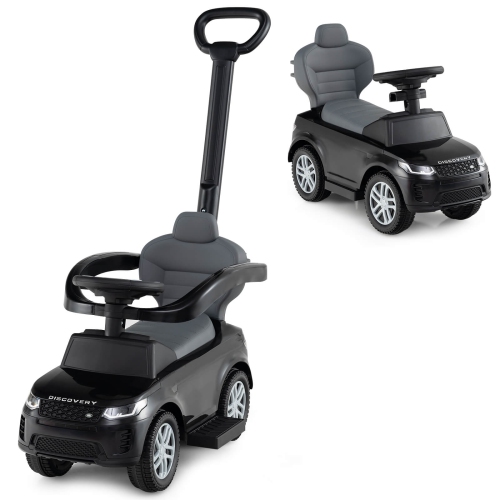
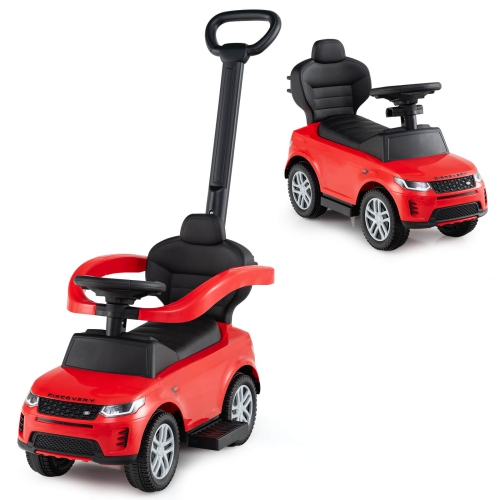
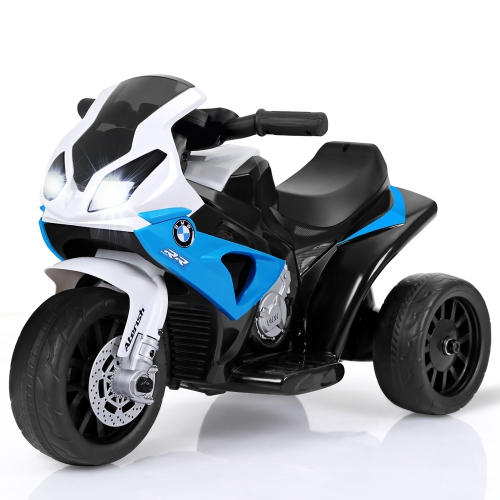
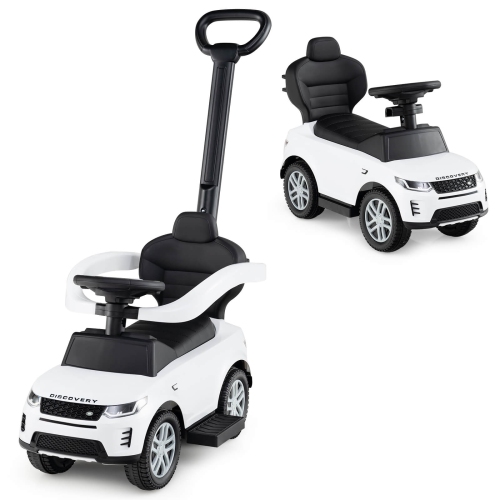
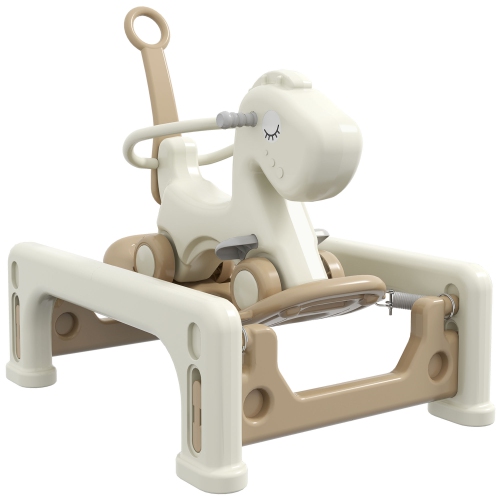
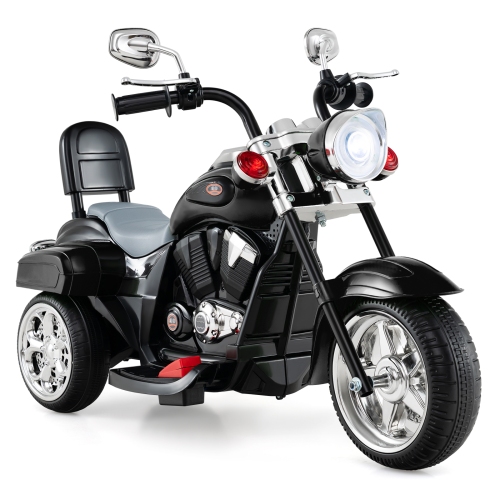
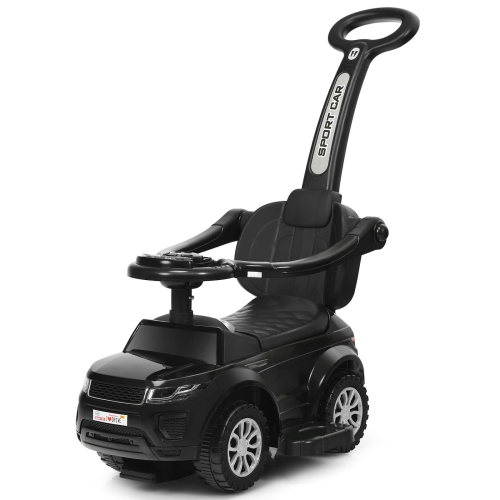
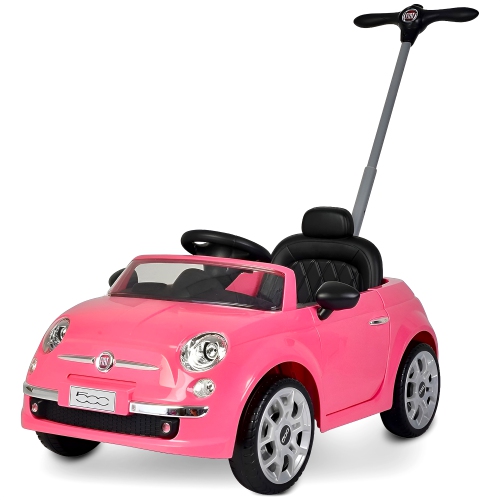
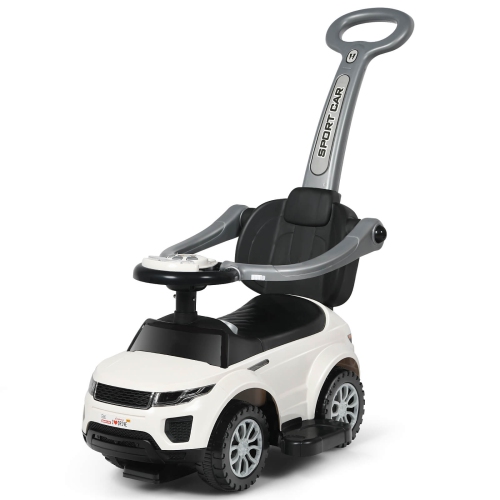
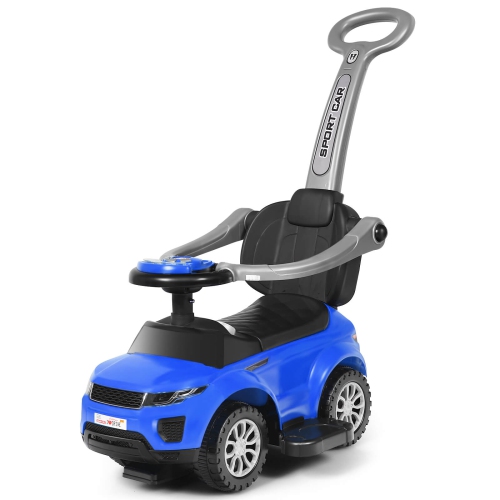
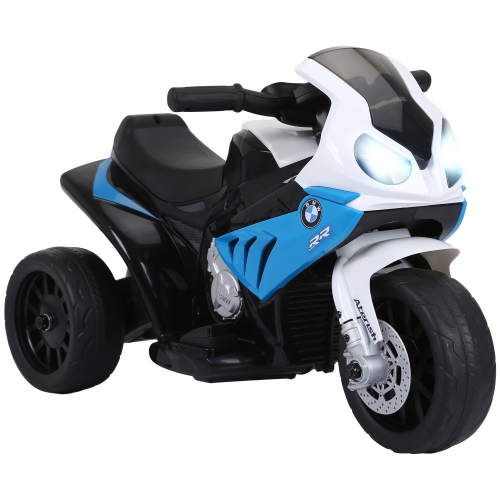
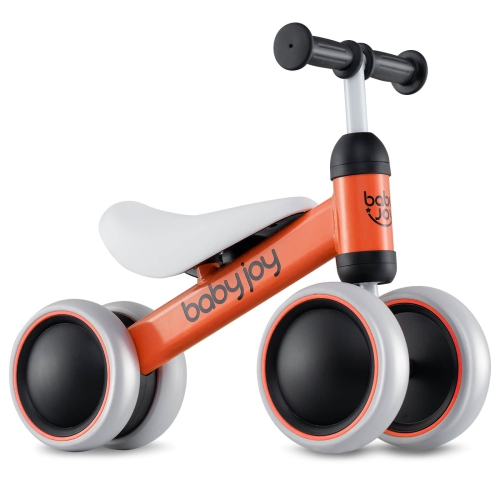
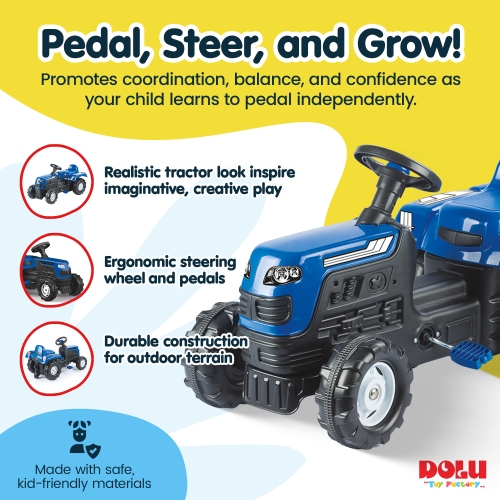
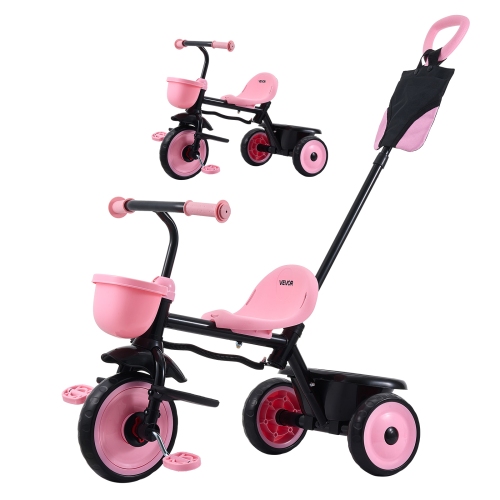
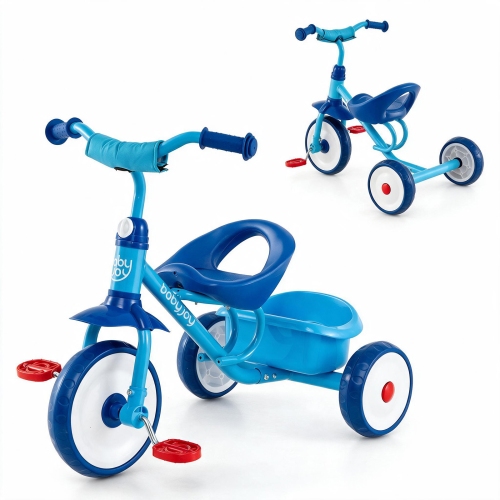
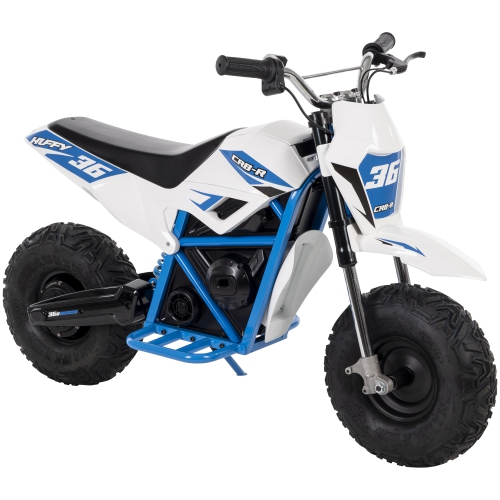
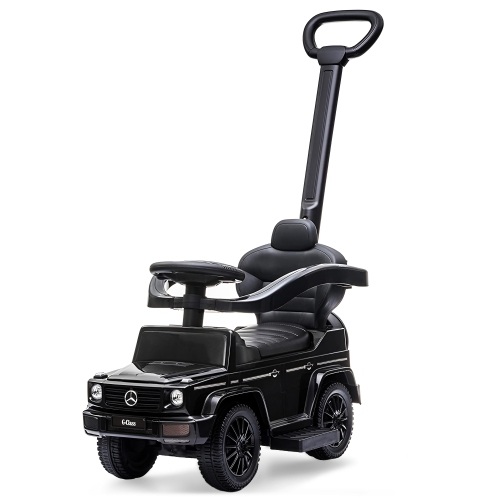
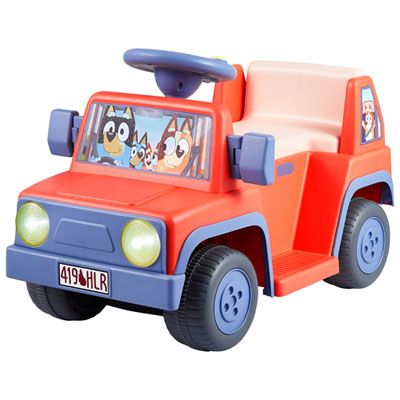
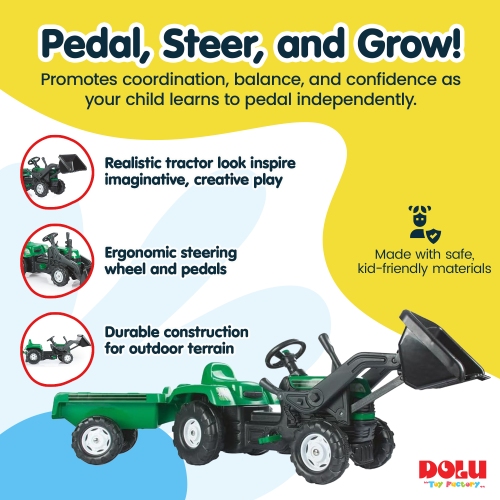
Ride-on toys for toddlers are child-sized wheeled toys designed for seated movement, pretend play, and short adventures with an adult nearby. Common types include foot-to-floor ride-ons, parent-push vehicles, convertible walker-to-ride designs, and battery-powered vehicles with age-appropriate controls. Foot-to-floor toys move when a child presses their feet against the ground, giving them a direct connection between each push and the distance travelled. They suit the familiar rhythm of toddler play: a few steps forward, a pause to turn the steering wheel, and another trip across the play area. Parent-push ride-ons let an adult provide the movement while the child sits in the seat, although steering arrangements and foot supports vary by design. Convertible styles offer more than one play mode, but each configuration has its own age, weight, and developmental requirements. A toy with a walker setting is not automatically suitable for every child learning to walk. Battery-powered ride-ons introduce powered movement and controls, making the stated minimum age, maximum speed, stopping method, and supervision requirements especially important. Not every powered vehicle is intended for toddlers, even if its appearance appeals to younger children. Across these types, the most useful distinction is how the toy fits a child’s present abilities rather than how many features it includes. A toddler who enjoys climbing onto a low seat and shuffling along may find plenty to explore in a simple foot-powered design. Another child may prefer pretend errands in a vehicle with a steering wheel and a small storage compartment for a favourite stuffed animal. Ride-on play can give children opportunities to practise coordinating their movements, judging space, and choosing a direction without turning playtime into a formal lesson. Simple actions such as backing away from a sofa or steering towards a caregiver make the experience engaging. Sound buttons, pretend dashboards, and opening compartments can add variety, but comfortable seating and manageable movement remain central to everyday enjoyment.
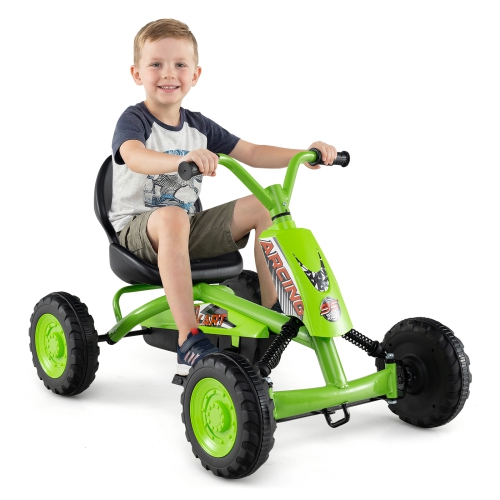
Fit matters more than a toy’s overall size or styling. On a foot-to-floor ride-on, a toddler should be able to sit comfortably and place their feet securely on the ground, with enough room to push without their knees crowding the steering wheel. A seat that is too high can leave a child stretching for contact, while one that is too cramped can make each push awkward. Easy-to-grasp handles, reachable controls, and a clear space for getting on and off help a child use the toy as intended. Age ranges are a starting point; the manufacturer’s height and weight limits, along with the child’s balance and coordination, provide a fuller picture. For parent-push designs, designated footrests or floorboards keep feet supported while an adult moves the toy. Any restraint should be used as directed, and an adult push handle should not be assumed to control the steering unless the design specifically provides that function. Materials also affect how a ride-on feels in daily use. Moulded plastic bodies are often relatively light and straightforward to wipe down, while wooden designs may have painted or sealed surfaces that need gentler cleaning. Metal frame components can provide structure, although overall durability depends on the quality of the joints, axles, wheels, and assembly as much as the main body material. Smooth edges, firmly attached parts, and accessible fasteners make a difference over repeated play sessions. Wheel construction deserves attention too: hard wheels and wheels with softer tread can differ in sound, grip, and how they travel over floor joints. For indoor use, non-marking wheels may help protect finished floors, but grit caught in the tread can still leave scratches. A broad wheel layout and low seat can contribute to stability, though neither prevents tipping during sharp turns or use on unsuitable surfaces. Storage compartments, doors, and movable accessories should work without creating obvious pinch points during normal play. Removable covers or pads, where included, are useful only if their care requirements fit the household routine.
The intended play space helps determine which ride-on features will be practical. A compact foot-to-floor toy may be easier to manoeuvre around a clear indoor play area, while a larger vehicle needs more room to turn and stop. Measure the storage space as well as the route to it; a toy that fits through a doorway may still be awkward to carry around a tight corner. Outdoor use should be limited to surfaces and locations permitted by the manufacturer, with close adult supervision and clear separation from traffic, driveways, stairs, slopes, pools, and other hazards. Children should not ride near an open stairway indoors, even when an adult is in the room. Appropriate protective equipment depends on the ride-on type and its instructions; where a helmet is called for, correct fit and fastening matter. Parent-operated controls on a powered ride-on are an added function, not a substitute for staying attentive and nearby. Charging should be handled by an adult using the specified charger and following the manufacturer’s directions. For all ride-on toys, routine care starts with checking wheels, steering parts, handles, and fasteners for looseness or damage. Remove hair or threads wrapped around axles, wipe away dirt with a cleaning method suitable for the material, and let cleaned surfaces dry before the next play session. Electronic sections should not be soaked, and battery compartments should remain securely closed. Store the toy according to its instructions rather than leaving it where it blocks a walkway. As a birthday gift or a present for another family occasion, a toddler ride-on is most thoughtful when it matches the child’s abilities and the caregiver’s space, assembly, and supervision needs. Choosing a larger model solely for future use can mean an uncomfortable or unsuitable fit today. When a child is ready for a different size or style, Ride On Toys for Preschoolers offers a related category to explore, with the same attention to individual fit, stated limits, and intended use.
Top selling and popular products
-
 Your price for this item is $150.99
-
 Your price for this item is $799.99
-
 Your price for this item is $141.99
-
 Your price for this item is $199.99
-
 Your price for this item is $205.99
-
 Your price for this item is $199.99
-
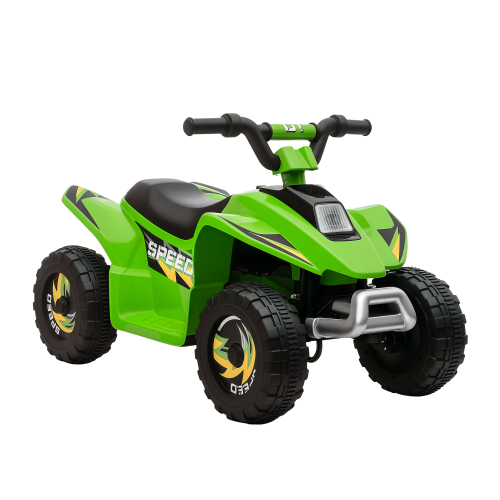 Your price for this item is $82.95
-
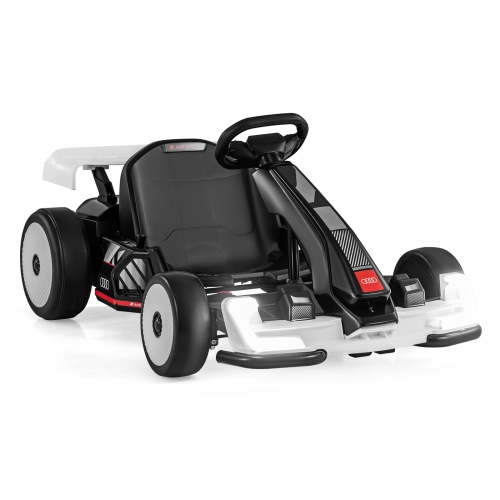 Your price for this item is $449.99
Discover more categories related to Ride On Toys for Toddlers
Top Collections:
Pokemon Centers, Kindle Devices, Best Budget Office Chairs, Canon G7X Cameras, Apple iPhones 16, Samsung Galaxy Phones, Refurbished Apple Laptops, Laptops for Students, iPhone 15 Apple, Budget Smartphones
Some products may be subject to Environmental Handling Fees
(EHF) depending on your province.
Learn more about EHFs.