Cool Ride On Toys
If you're looking for the coolest ride-on toys to keep your little ones entertained and active, look no further! From electric cars to scooters and everything in between, our collection has something for every age and interest. Whether they dream of cruising around the neighborhood or embarking on exciting adventures, these ride-on toys will provide endless hours of fun and excitement. Explore this selection today and find the perfect ride-on toy that will make your child's playtime unforgettable.
Sort
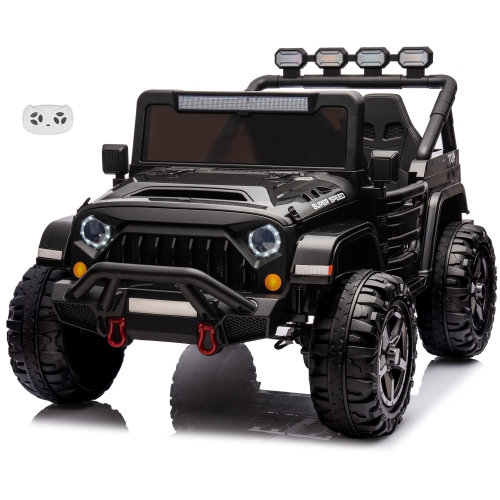
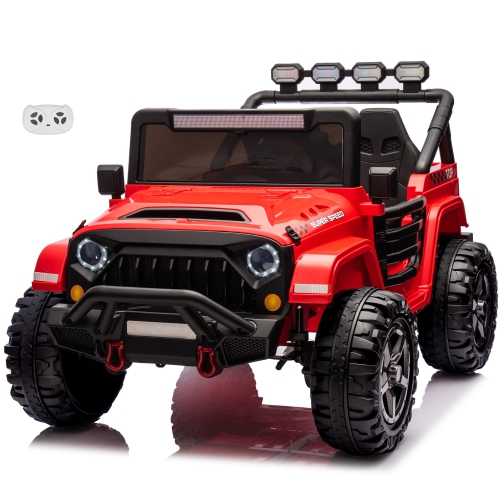
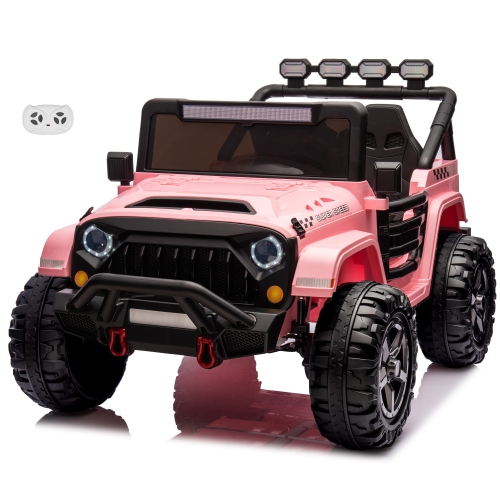


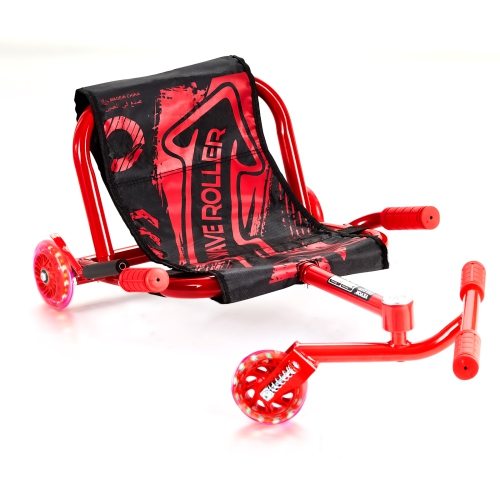
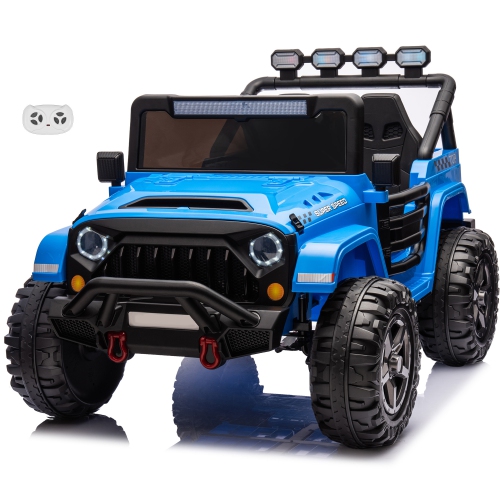
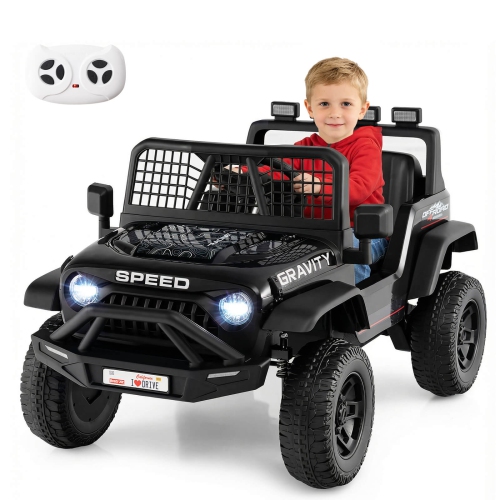
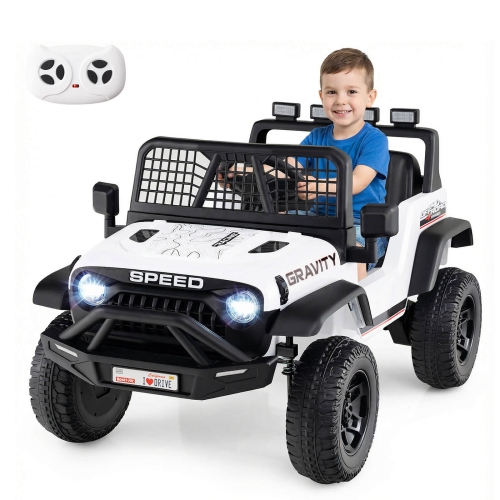

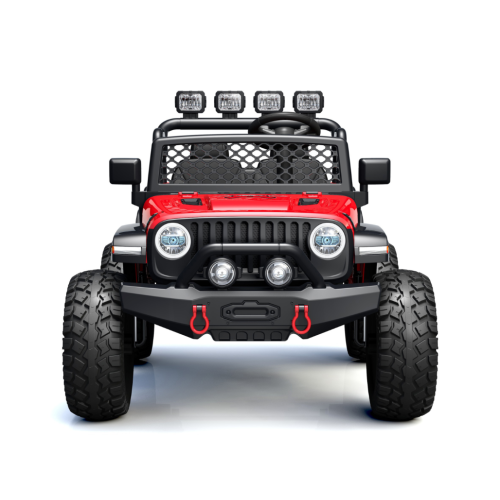
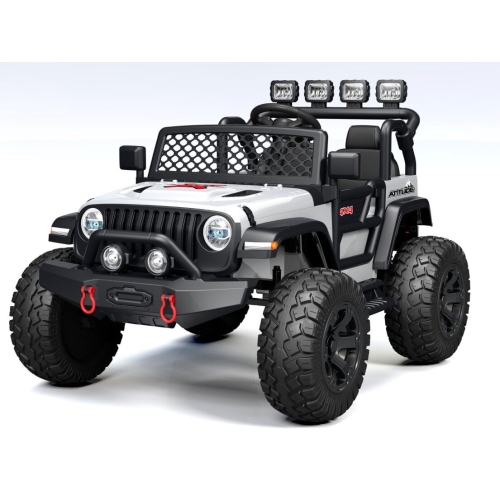
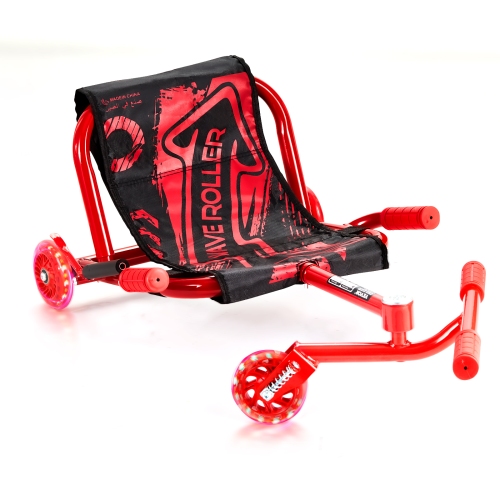
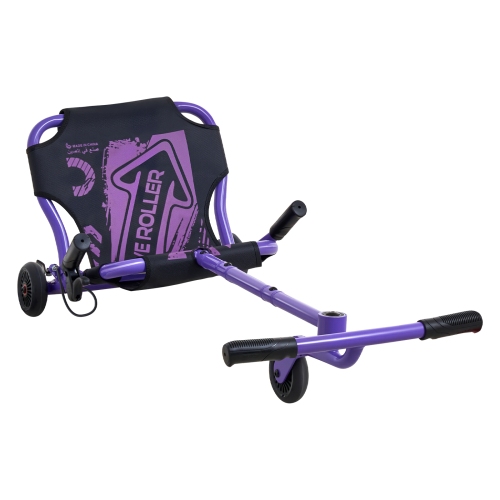
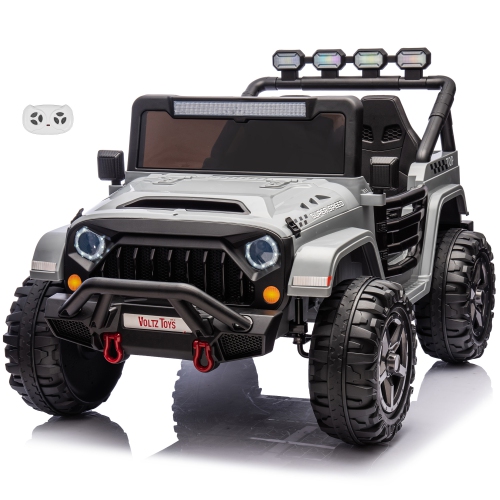
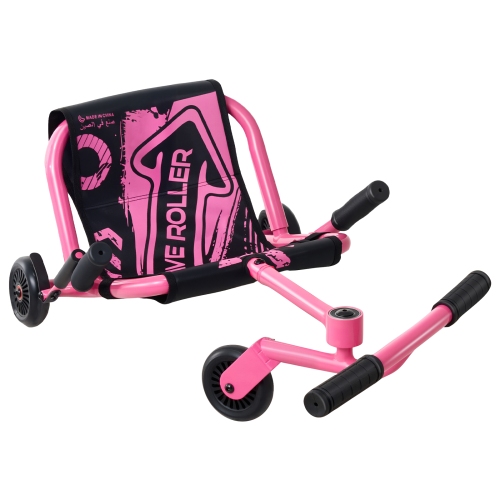


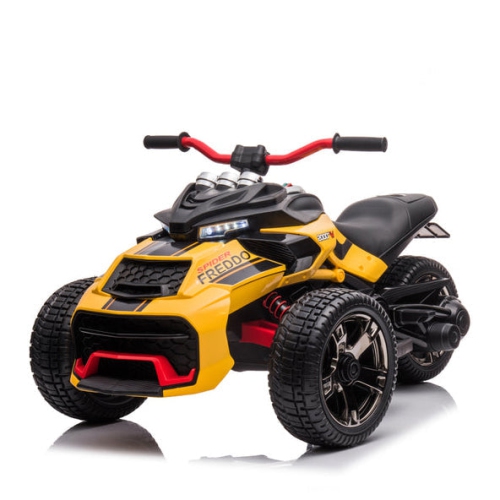

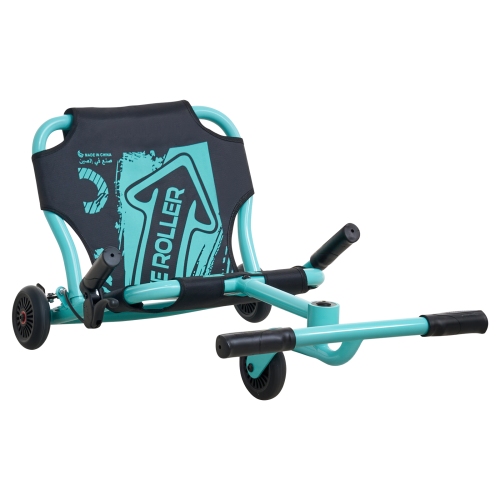
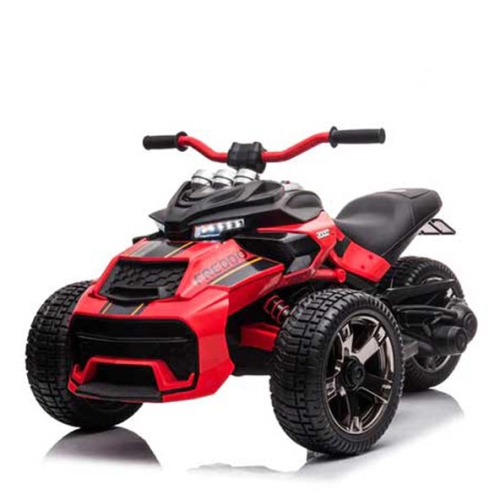
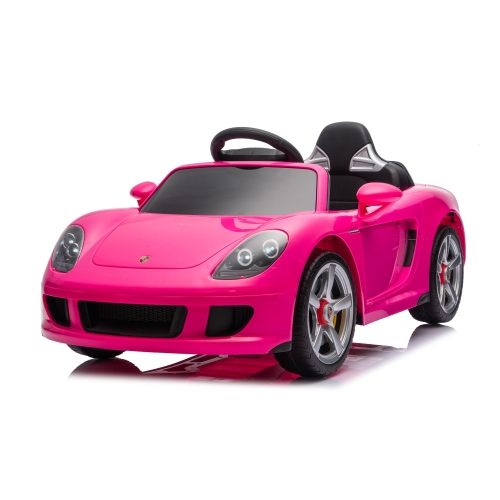
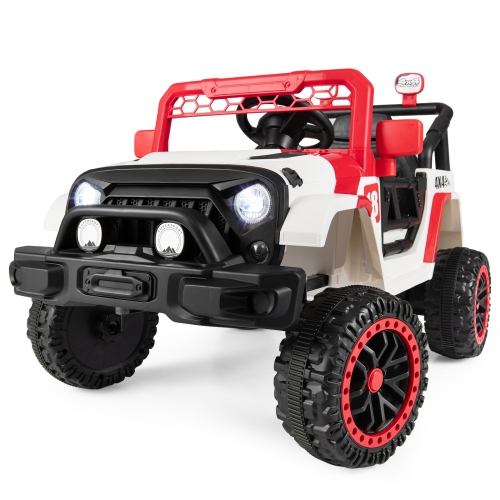
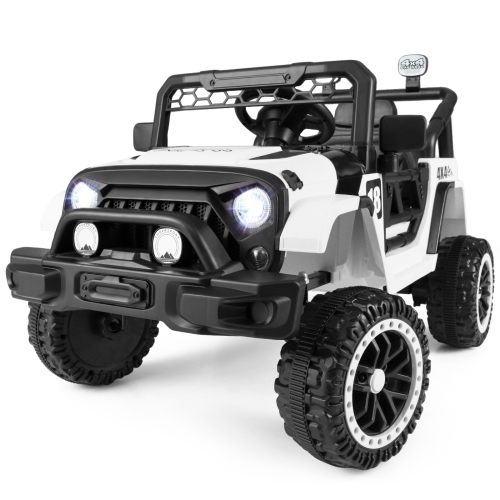
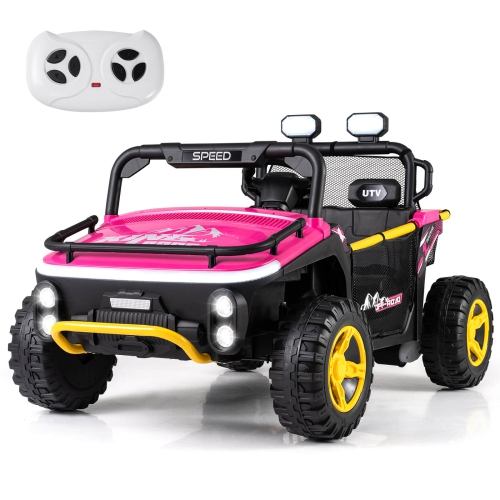
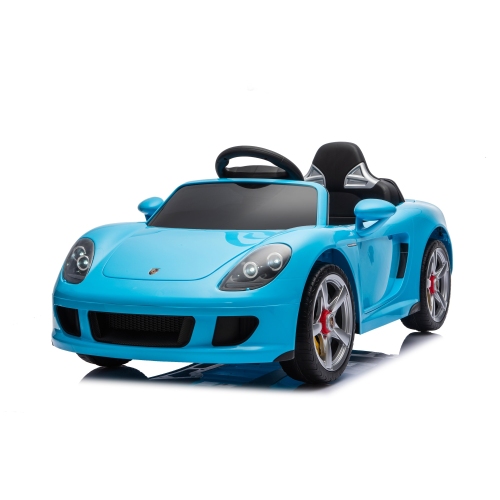
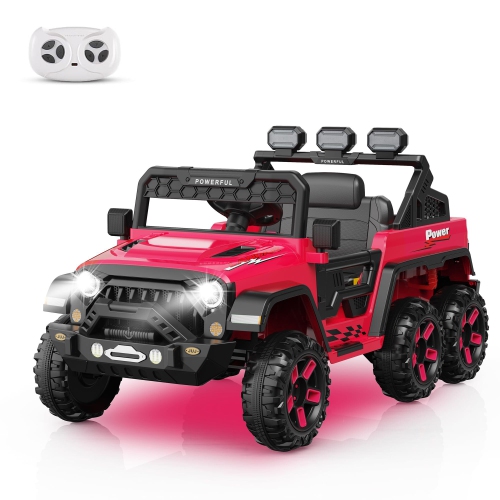


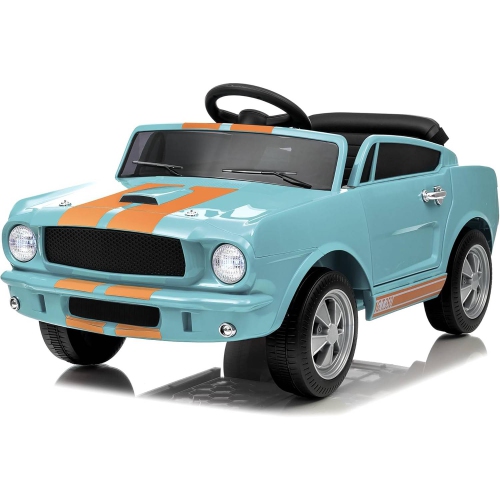
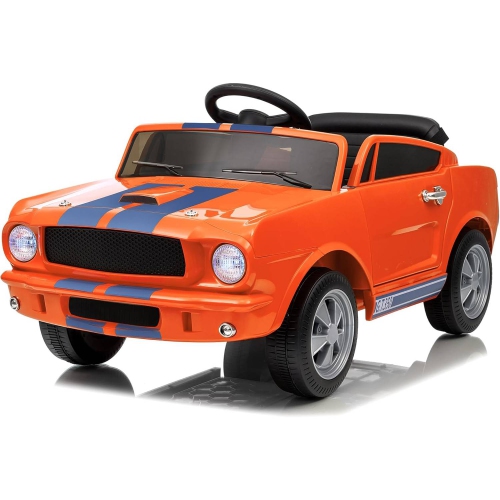

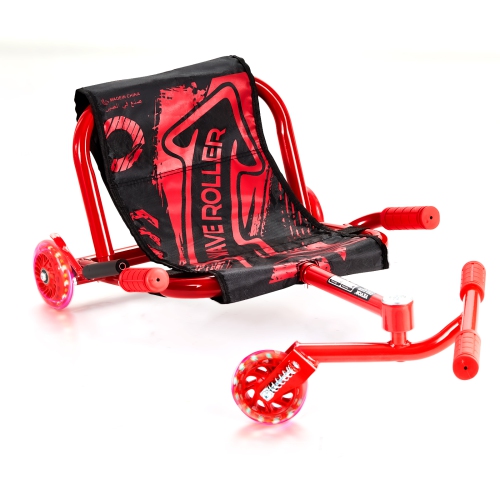
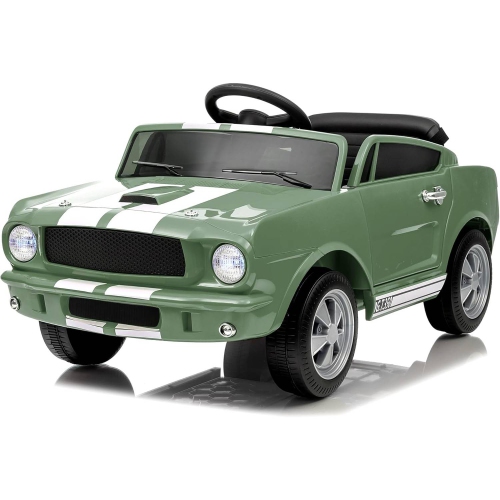
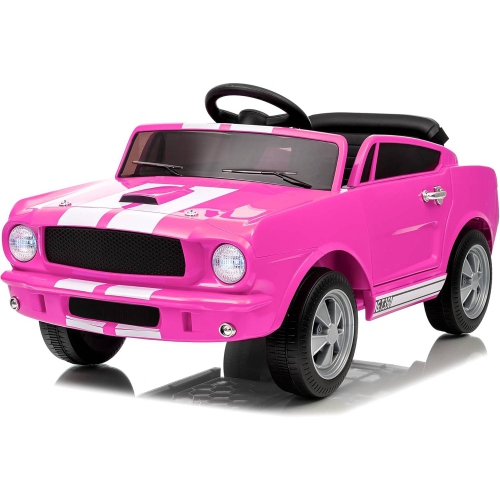


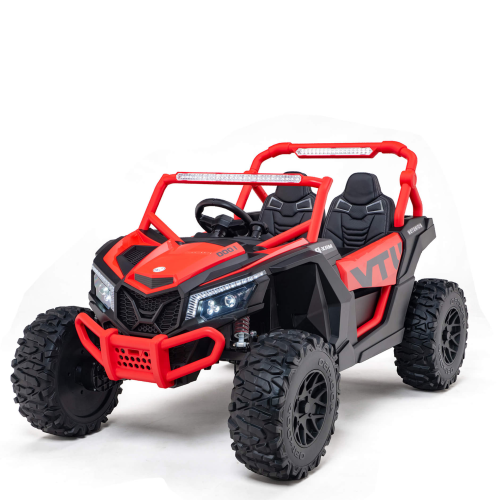
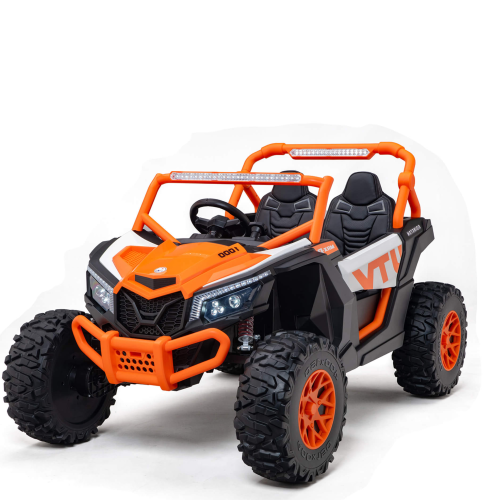
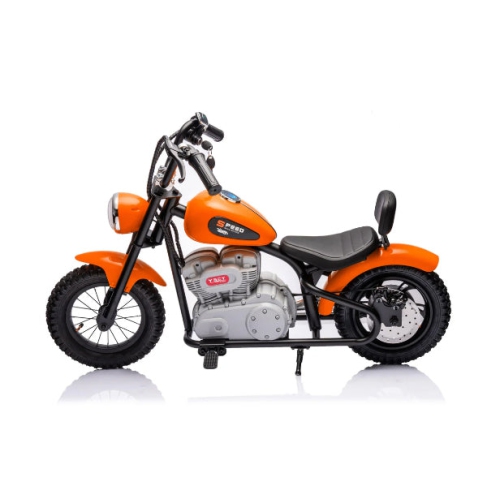
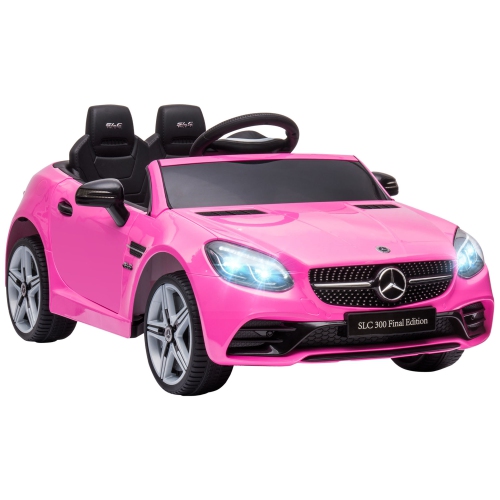
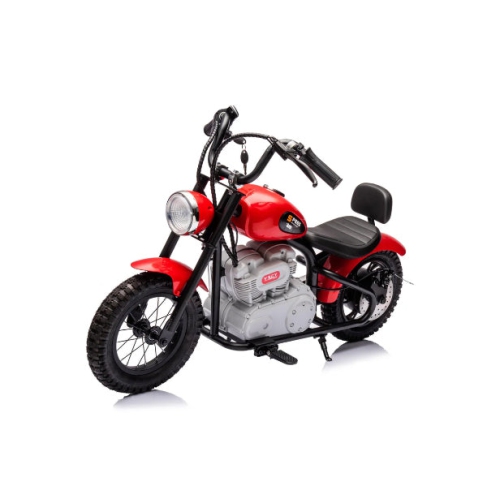
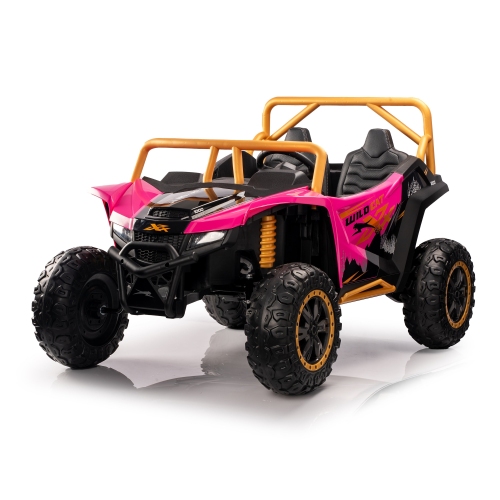

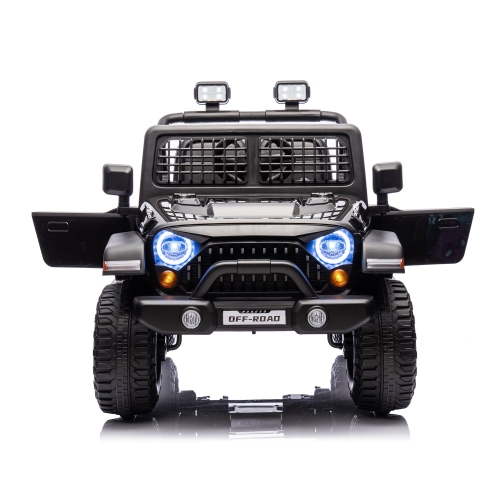
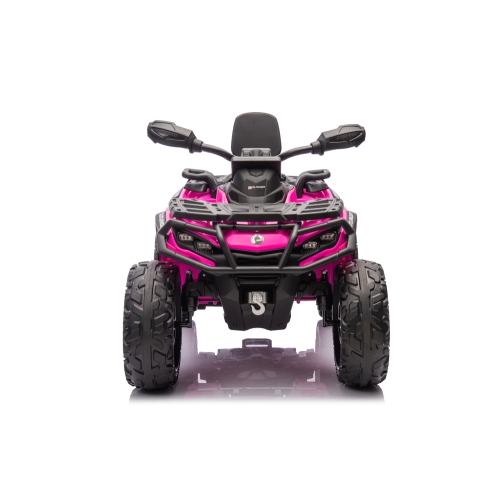
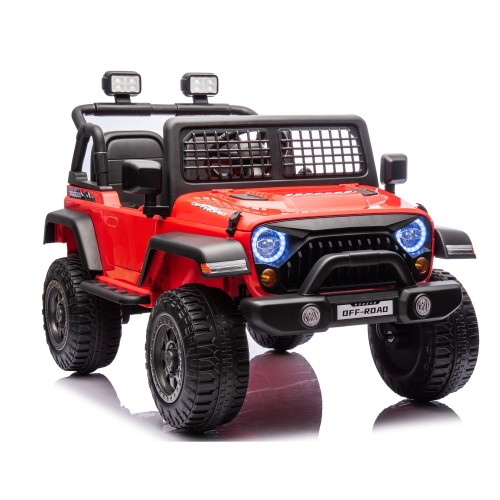


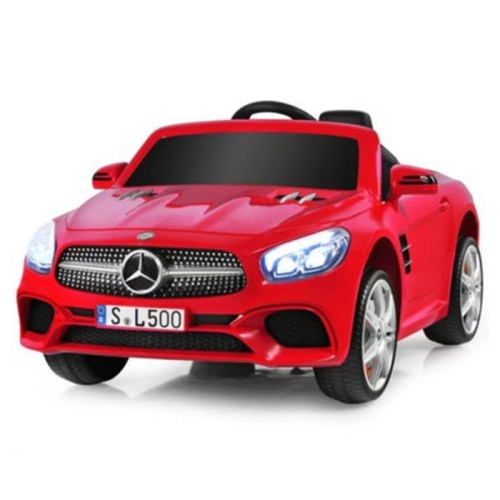
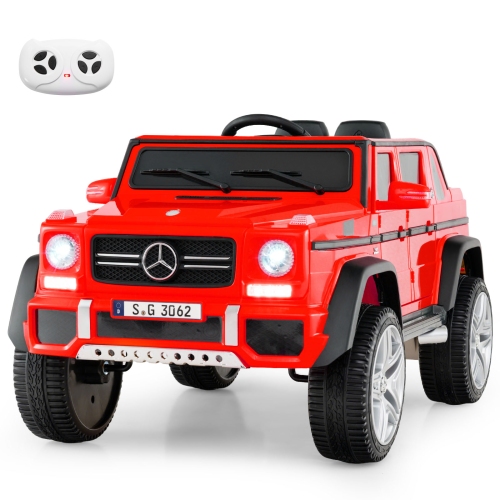


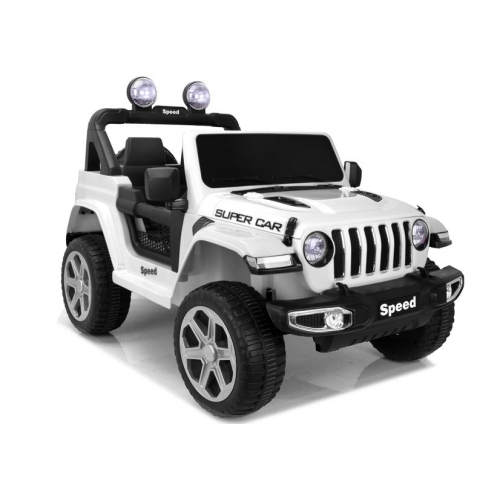
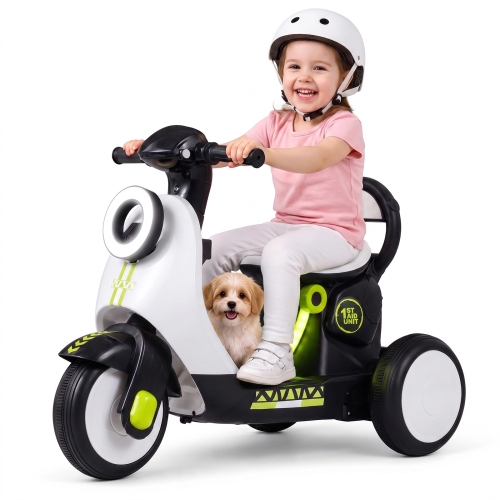
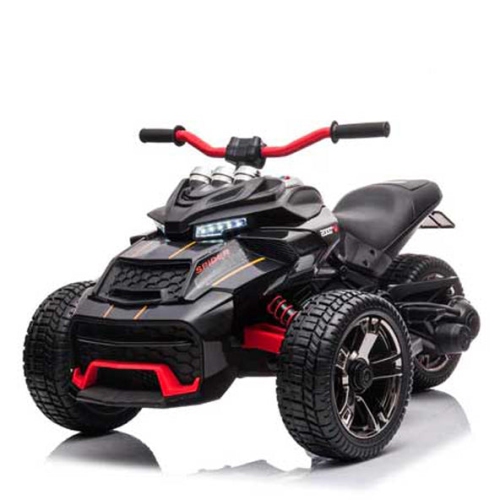
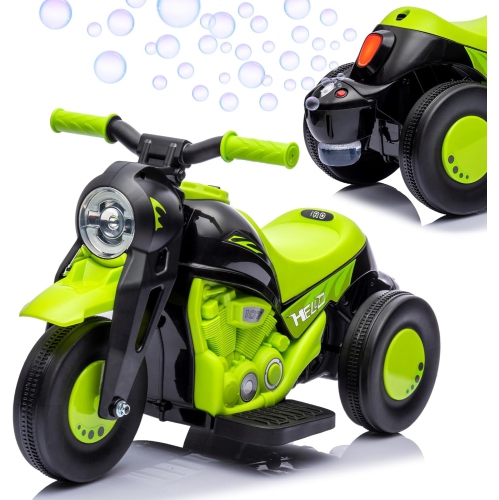
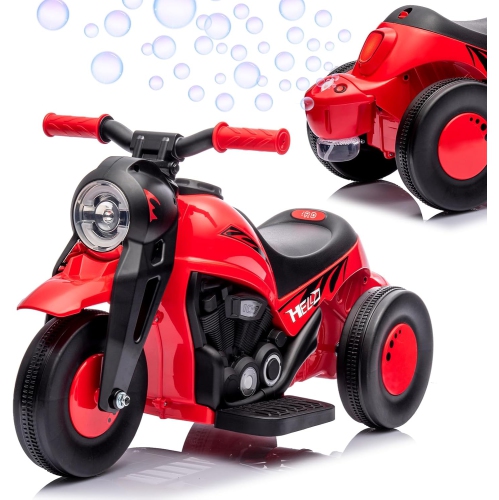

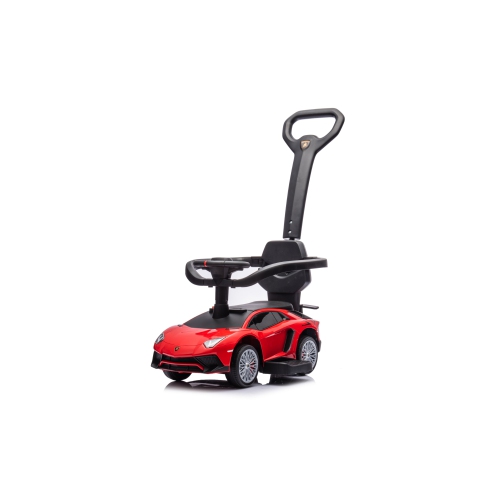


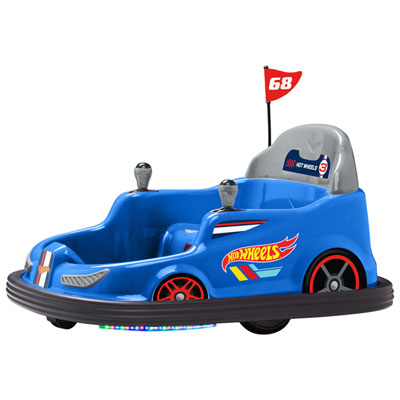

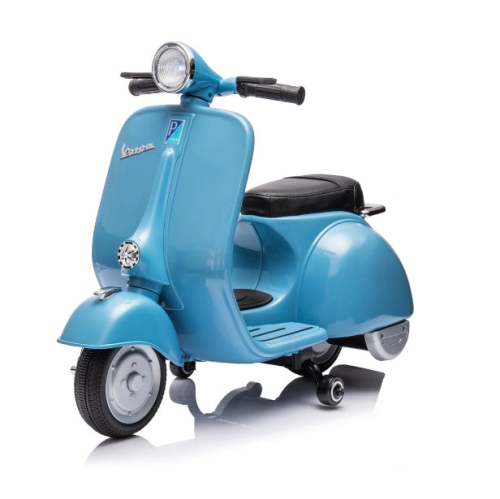
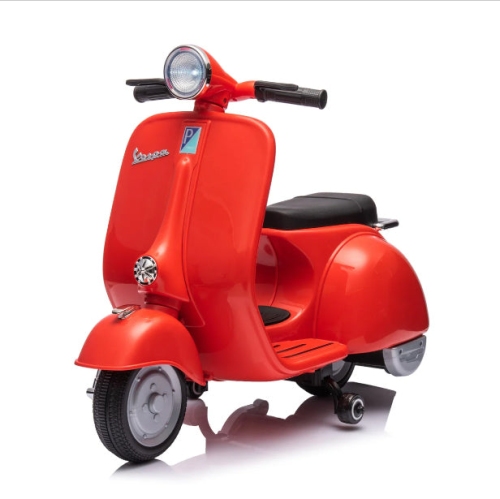
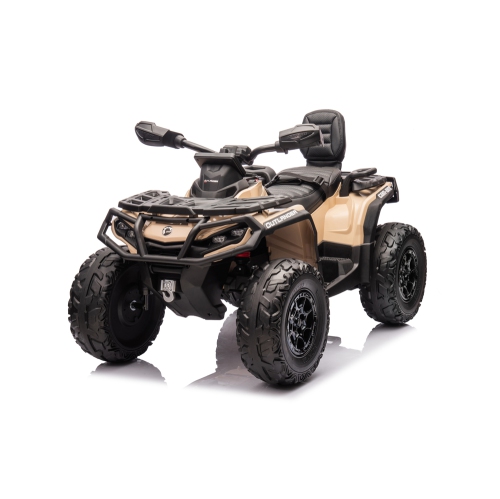

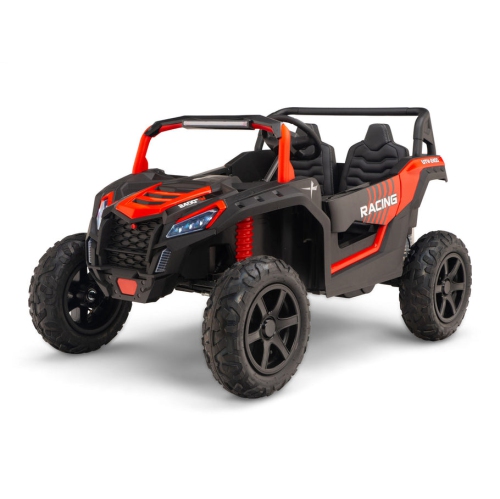
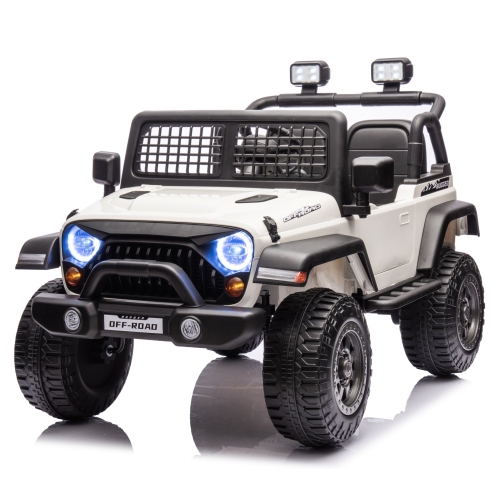

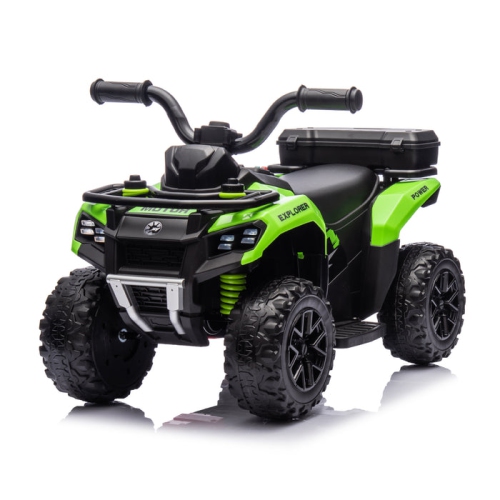
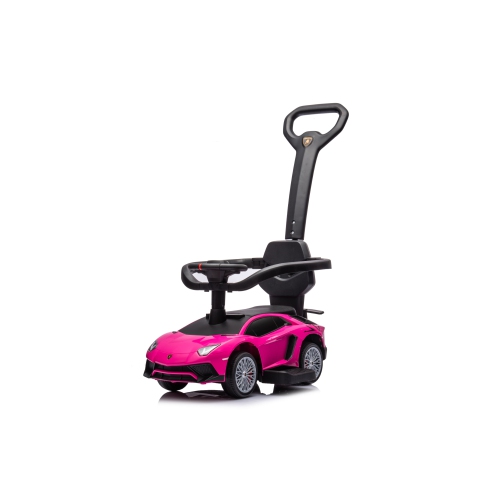
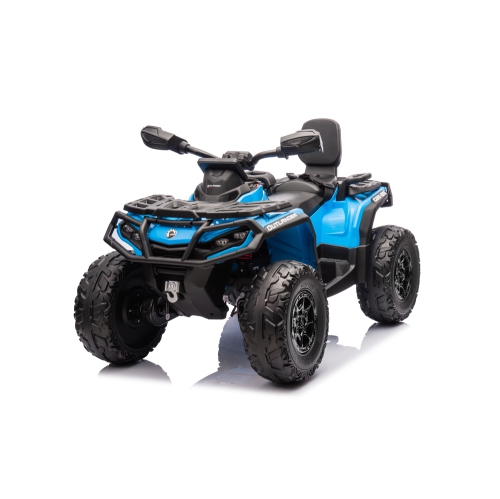
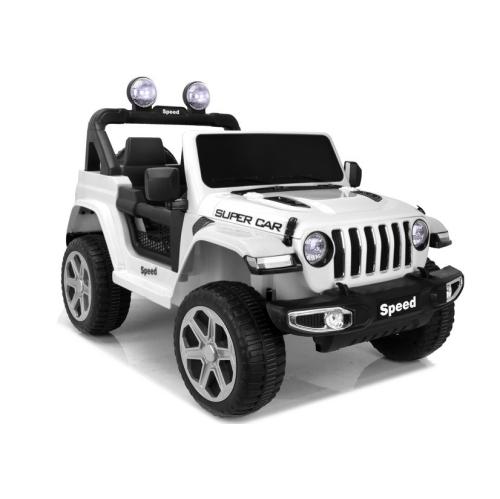

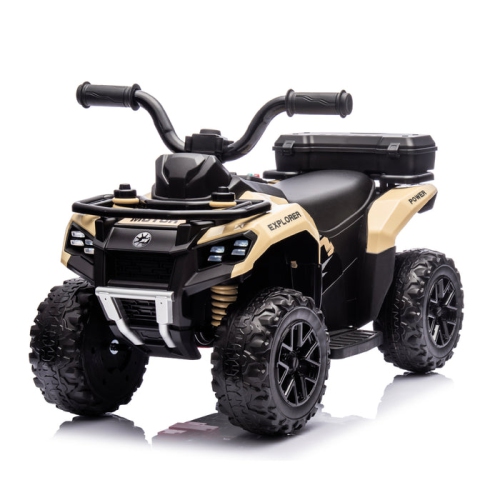

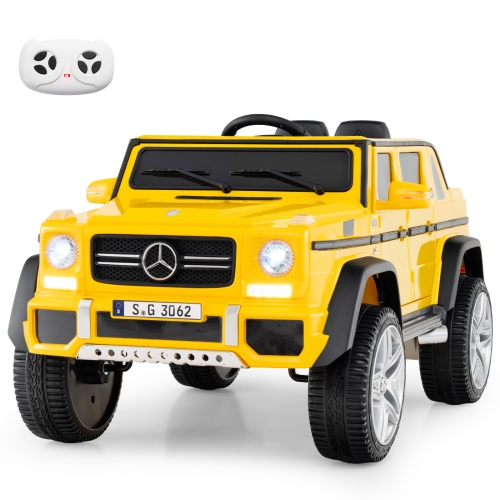
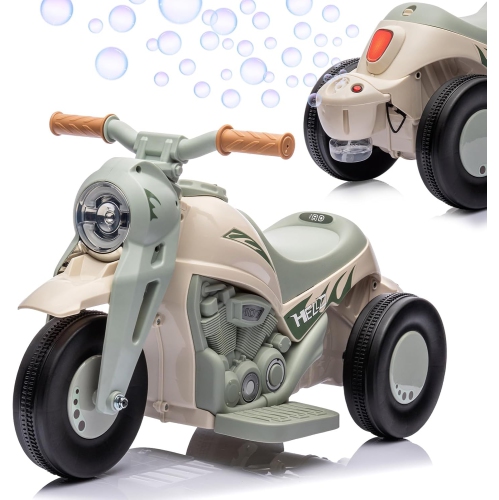
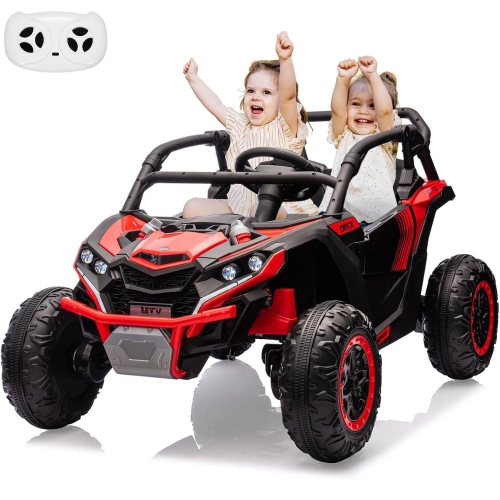


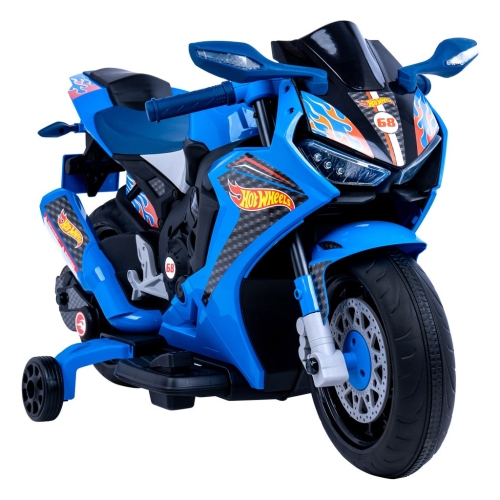
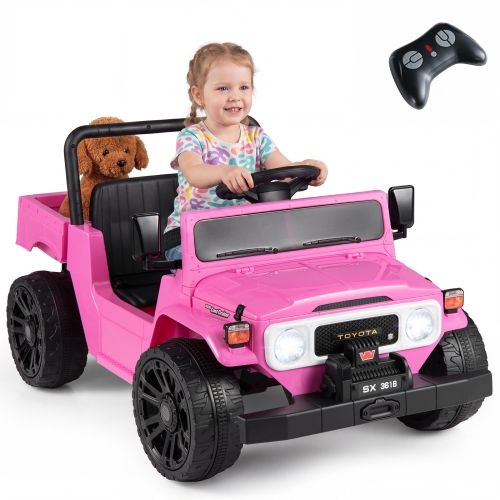


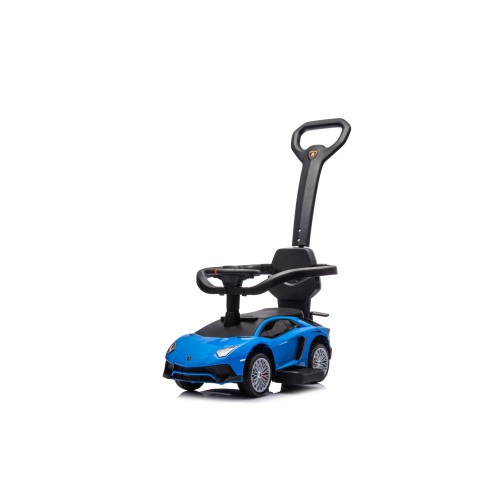
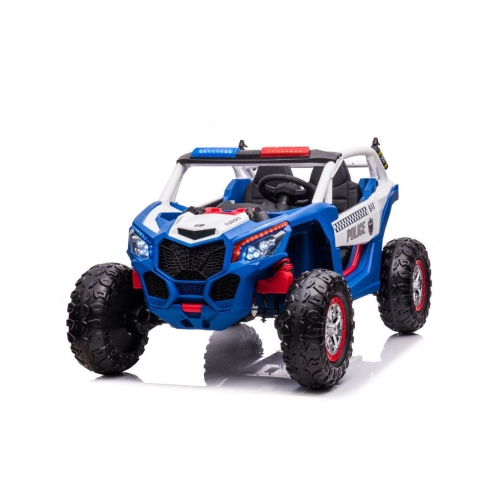
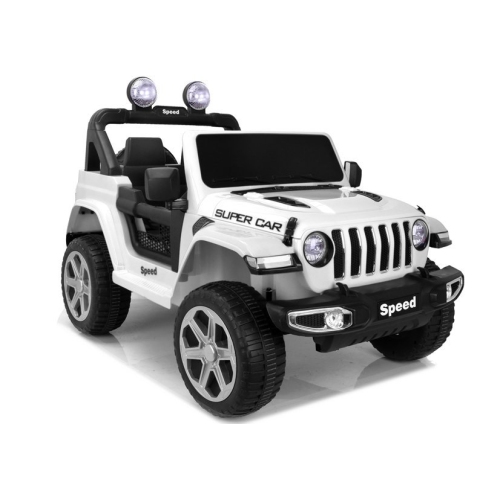
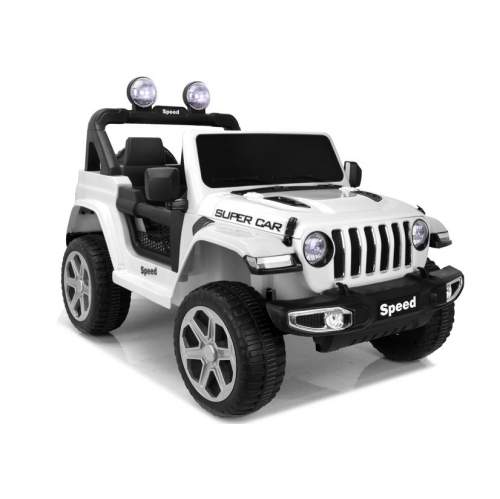
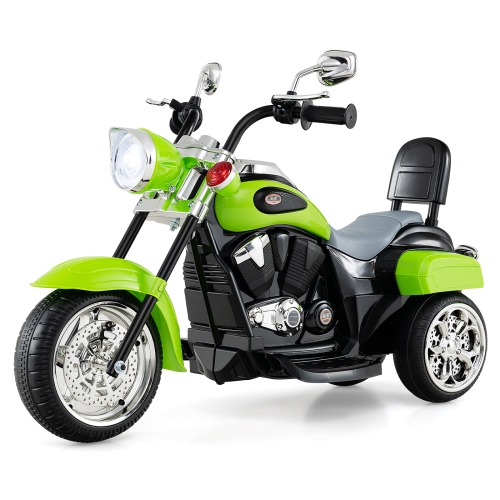
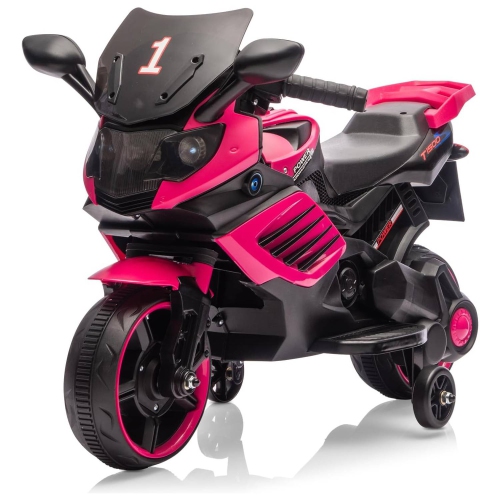

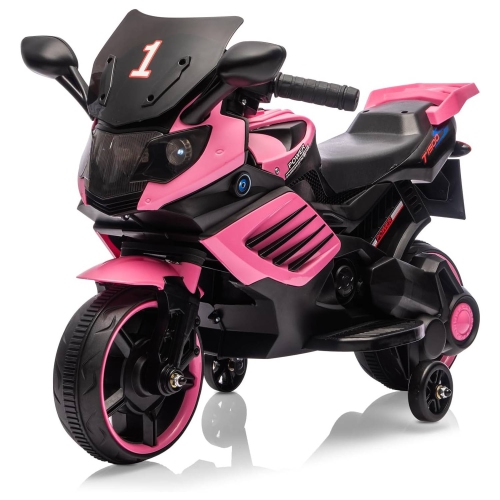


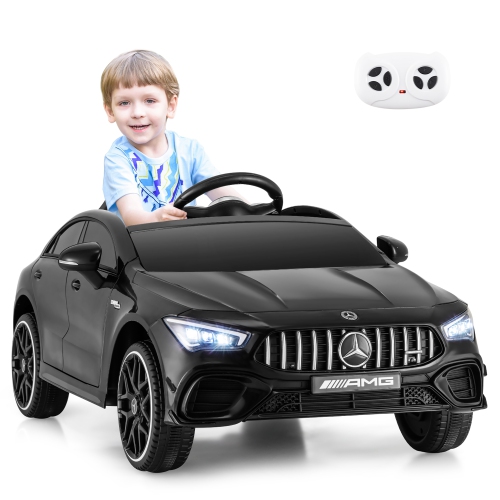


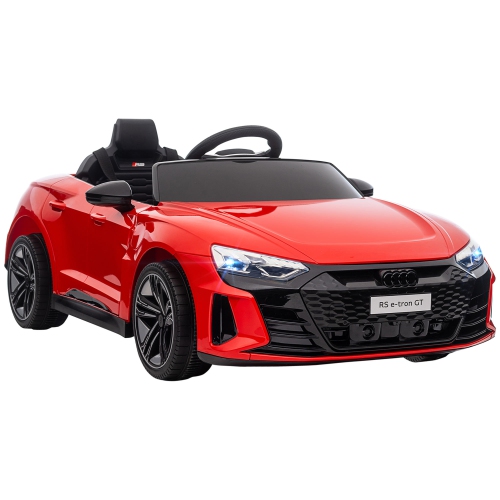
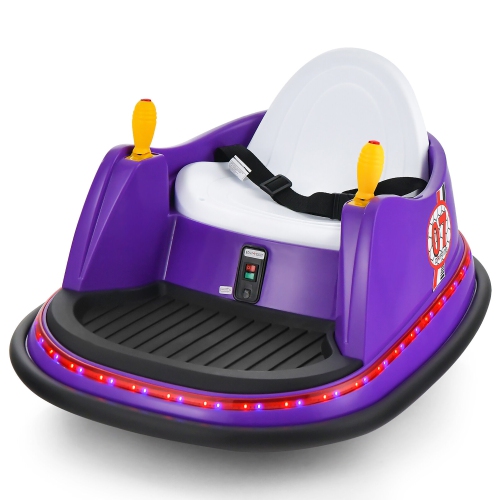
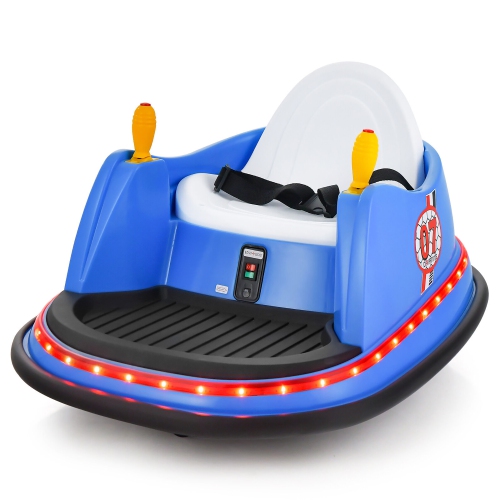


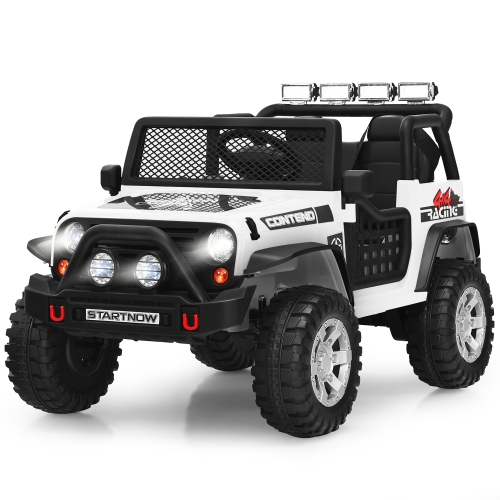

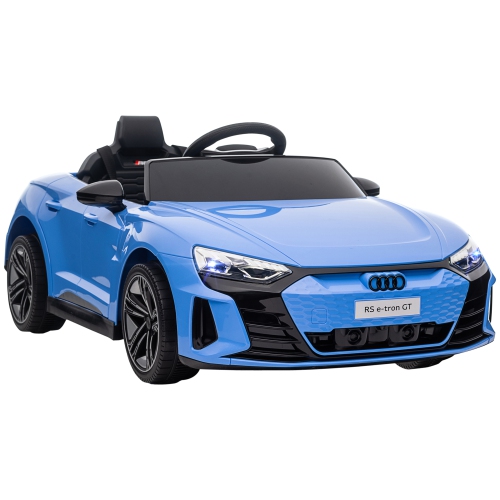
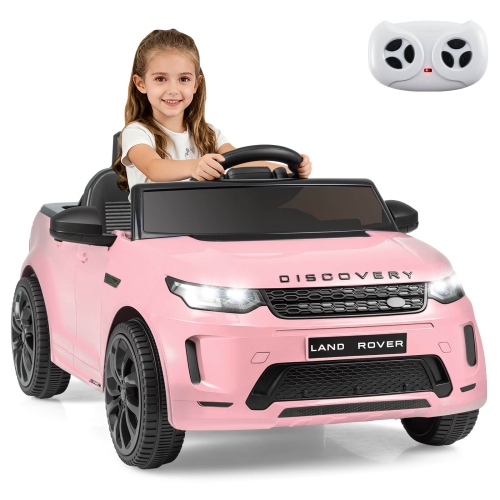


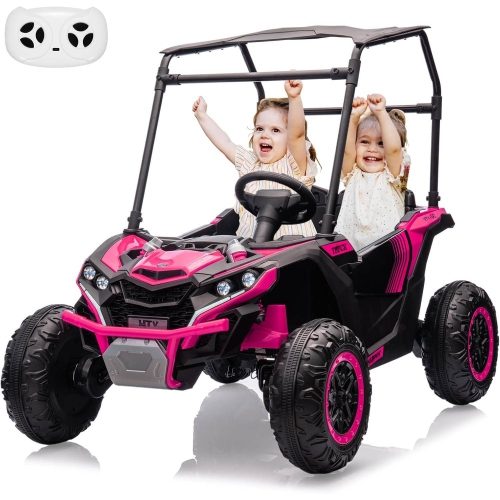
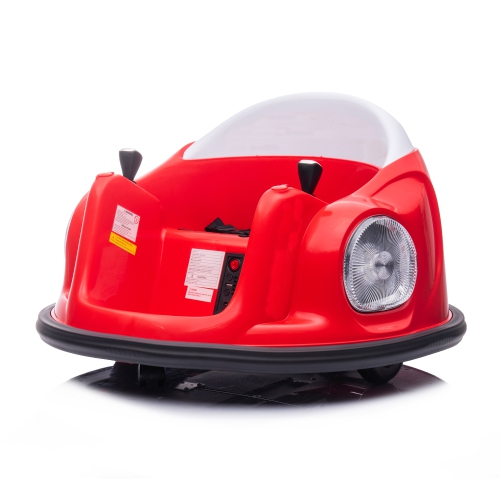


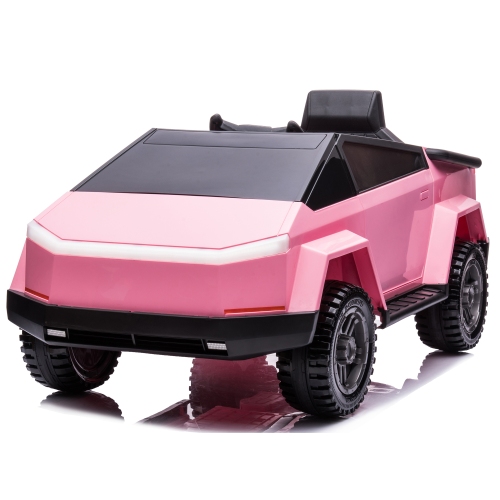

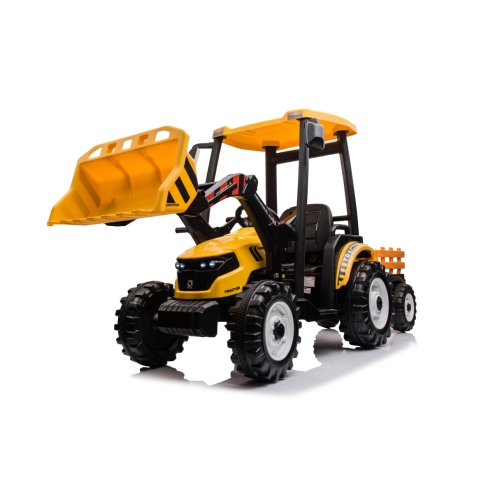
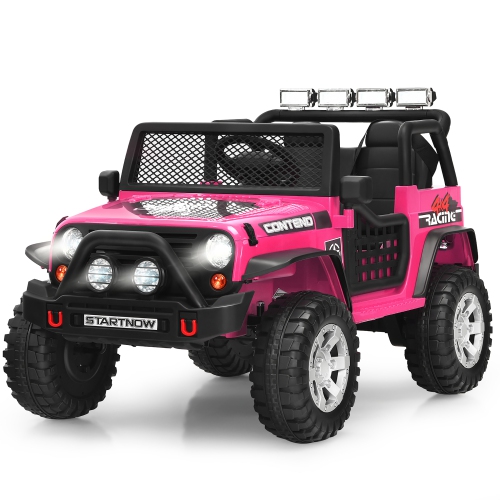
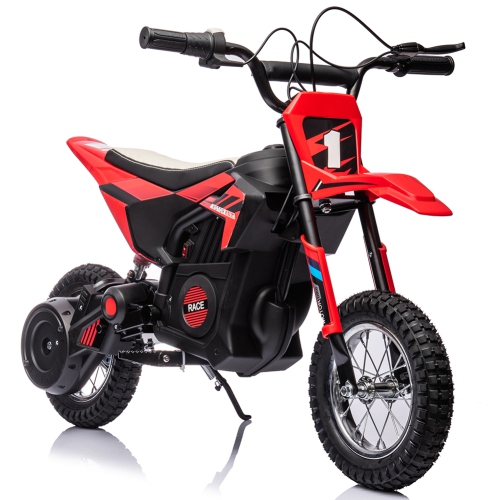
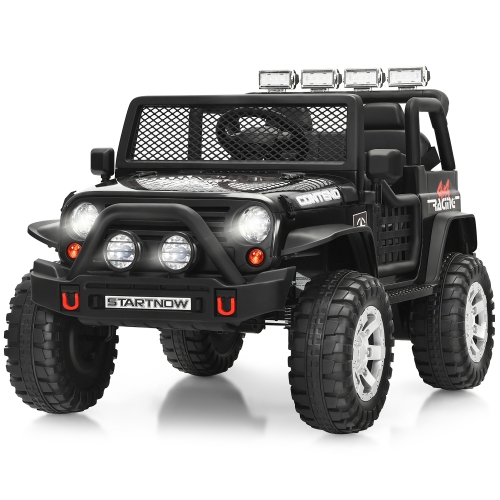

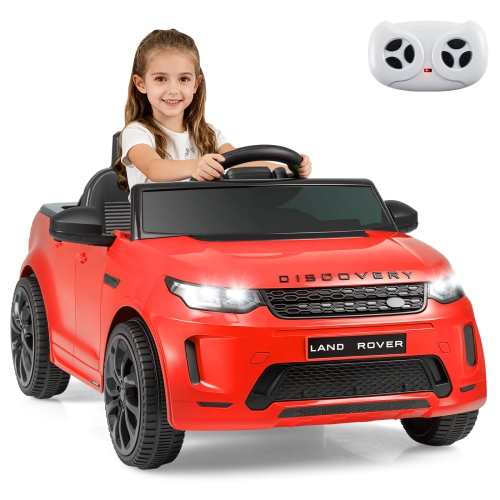
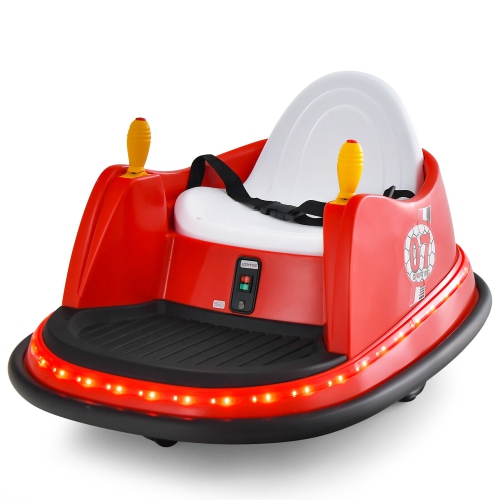
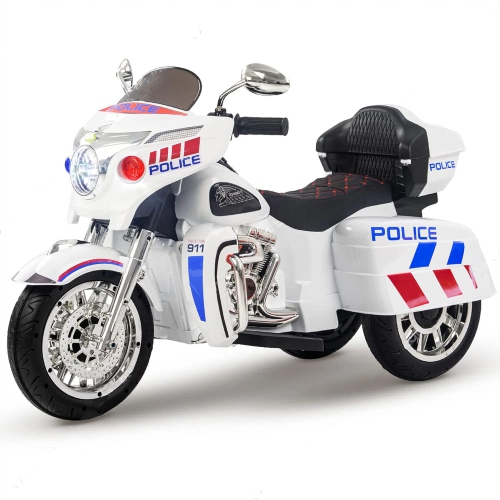
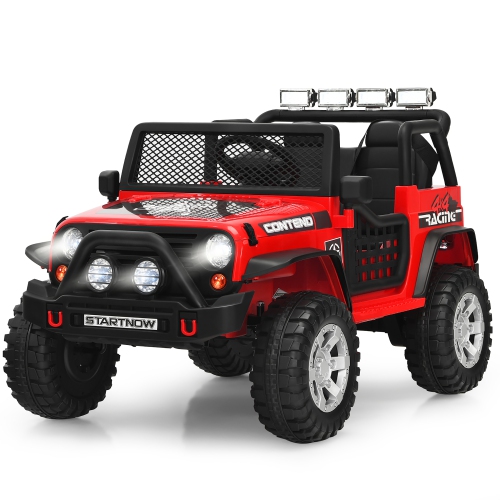
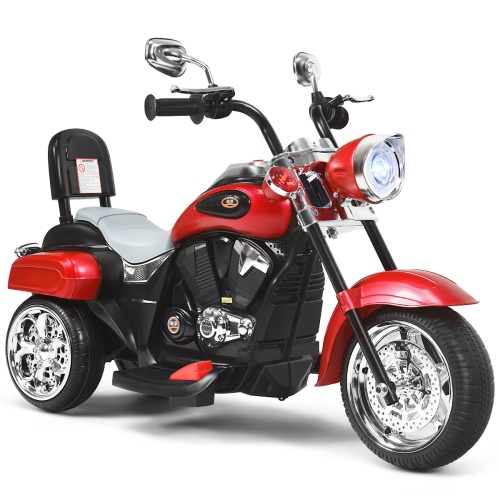
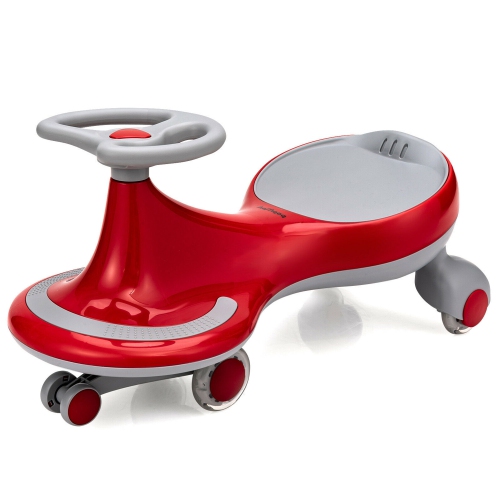
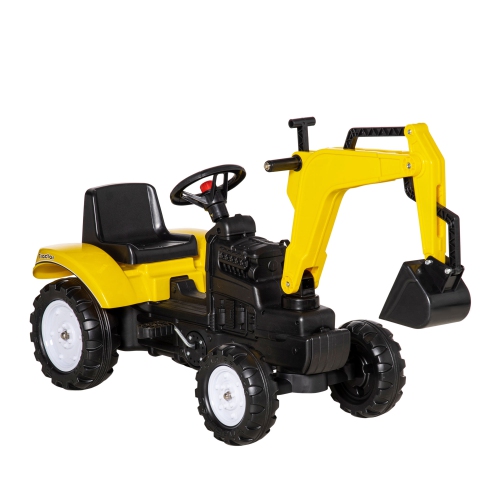
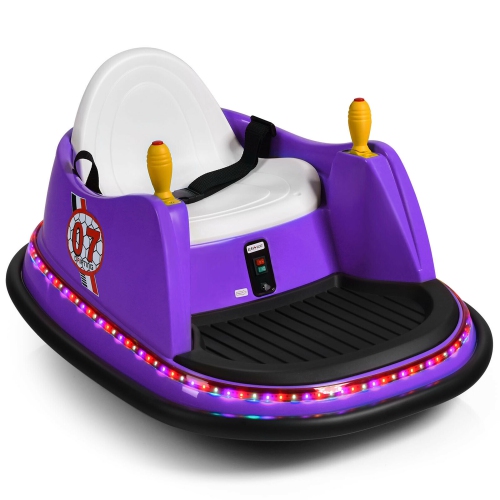
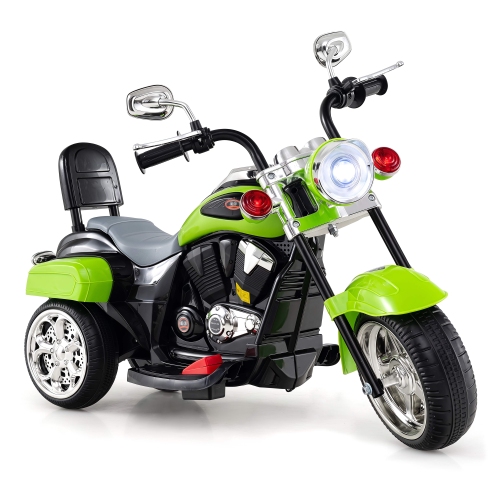
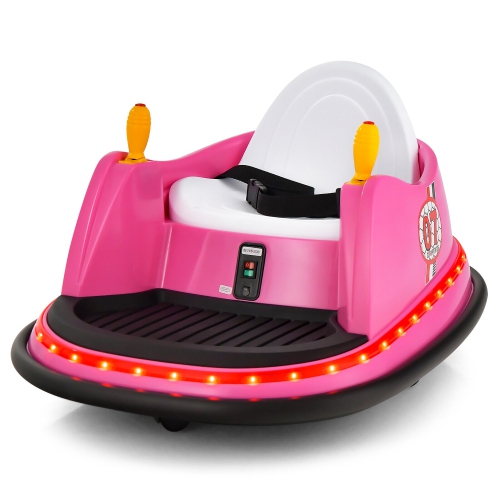
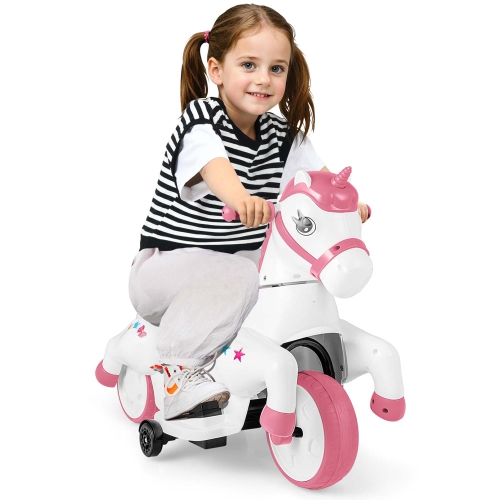
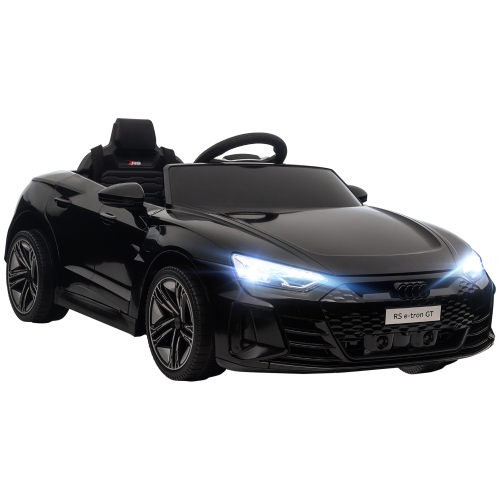
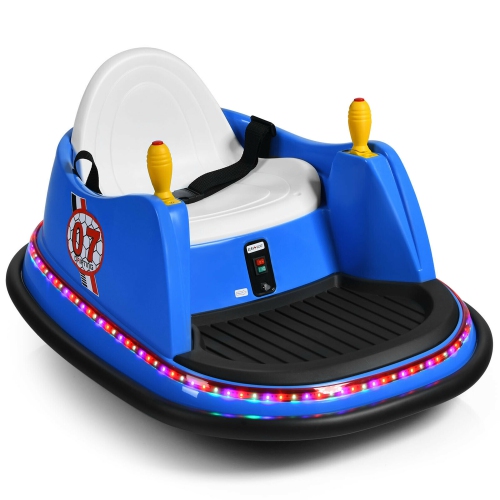
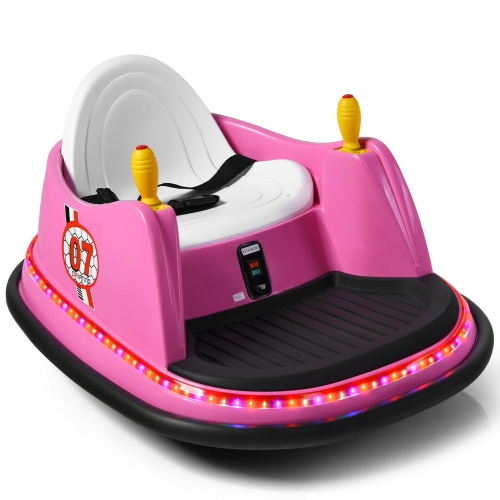
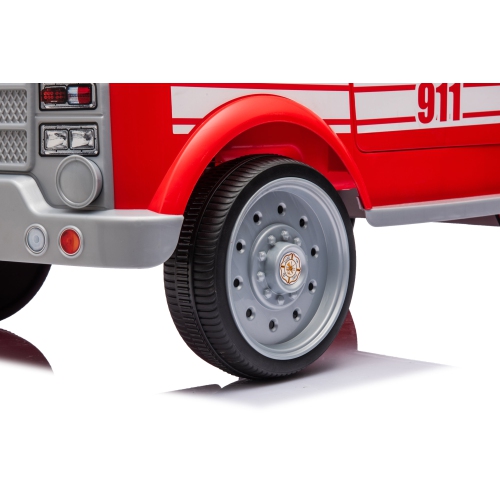

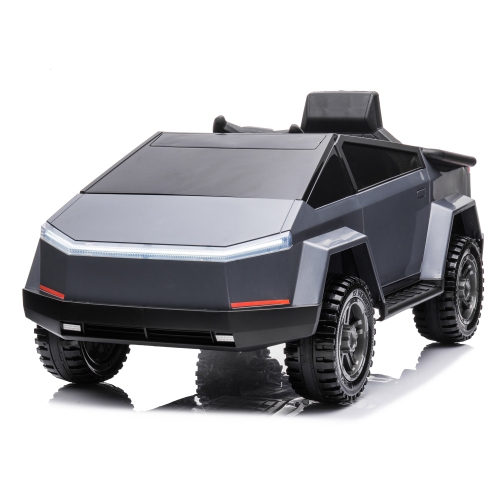
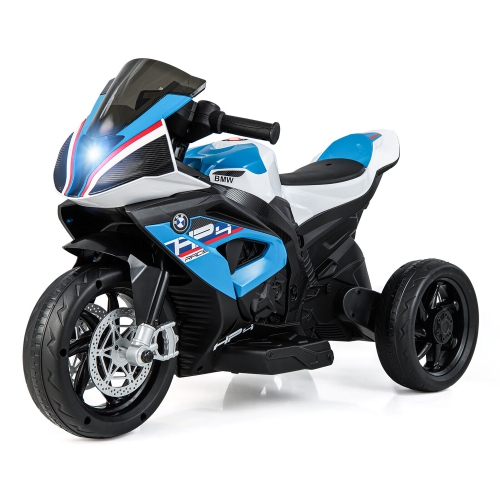
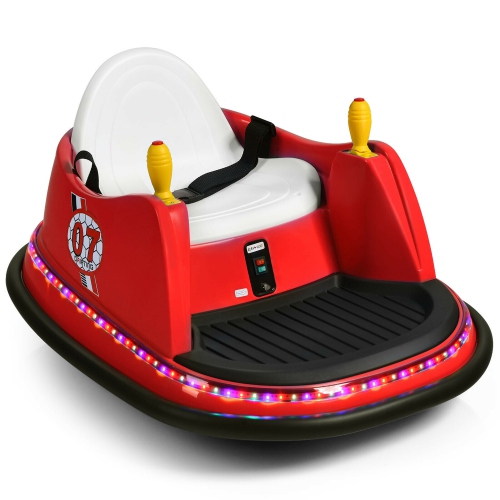
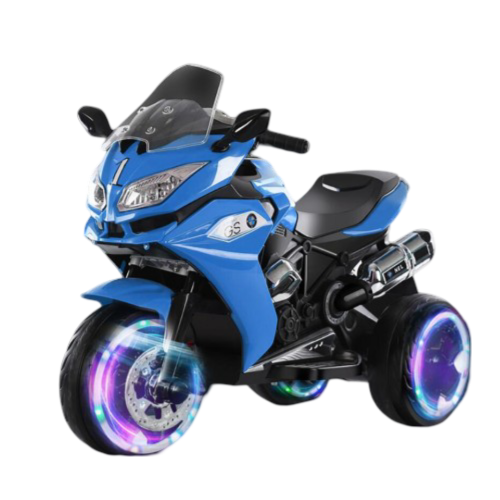
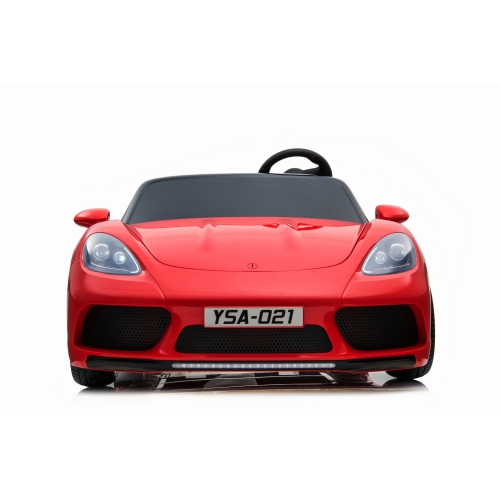
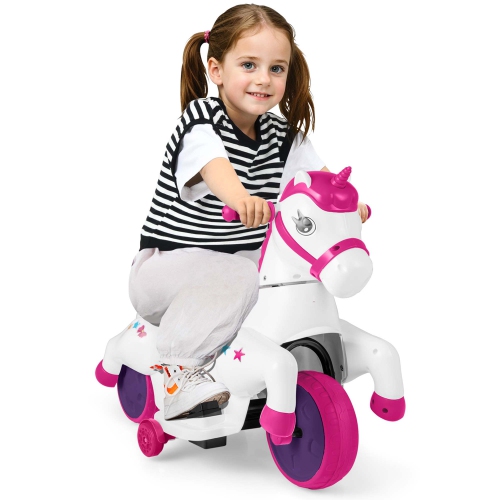
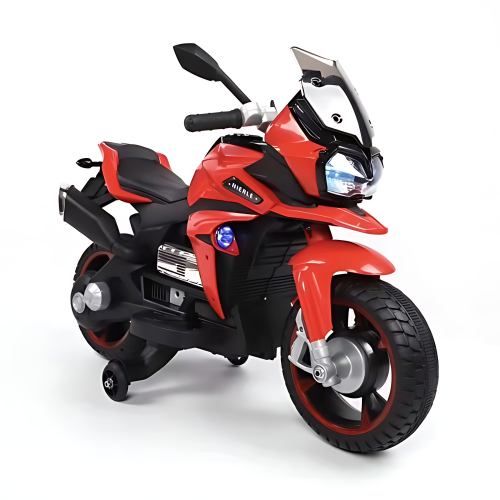
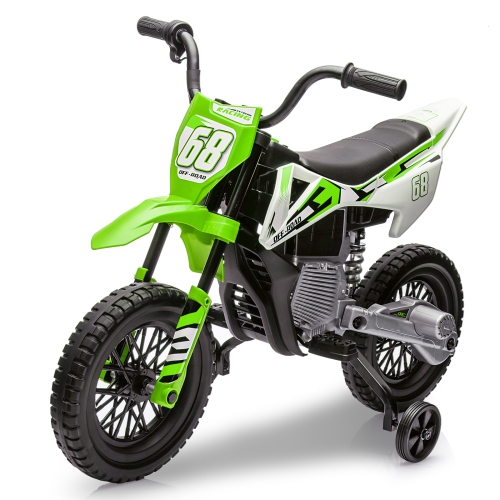
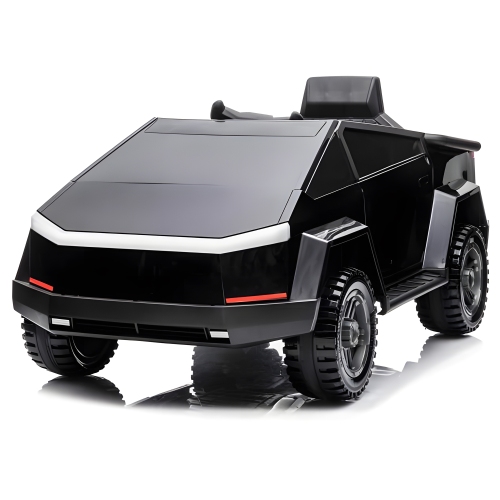
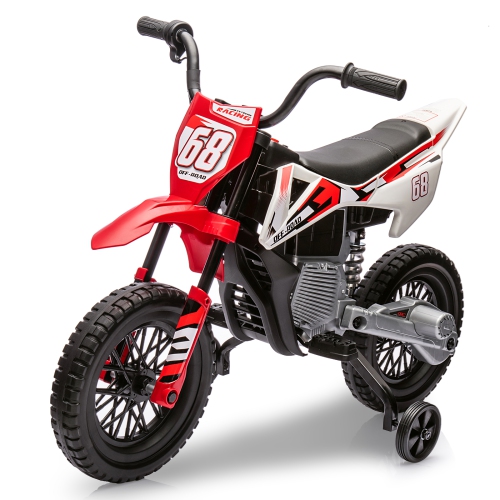
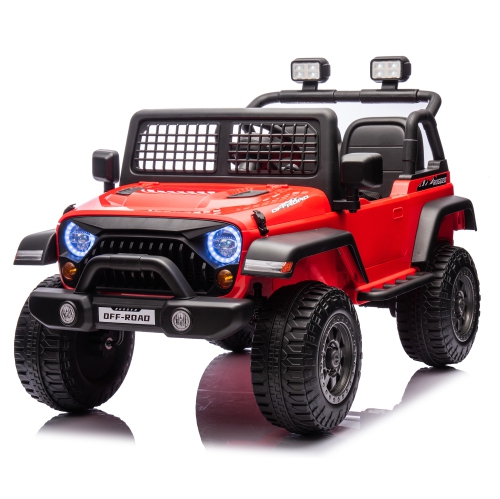
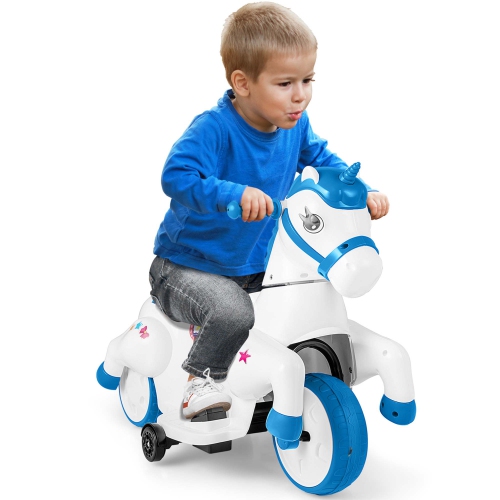


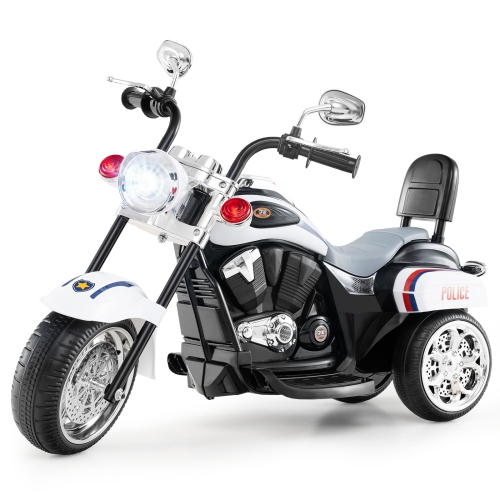
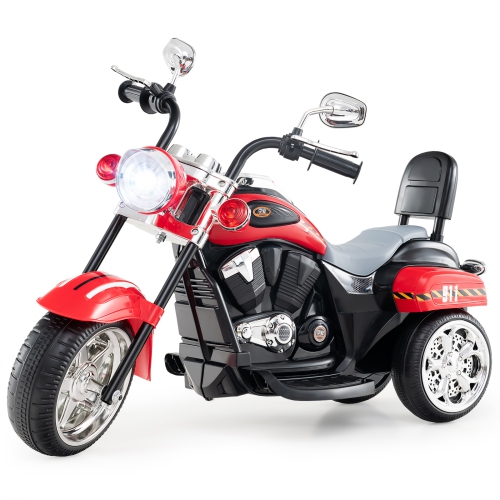


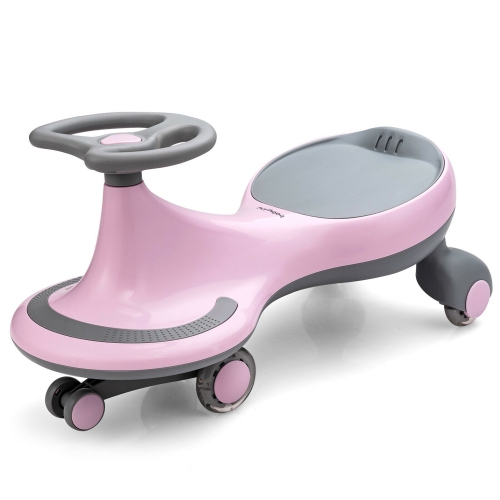

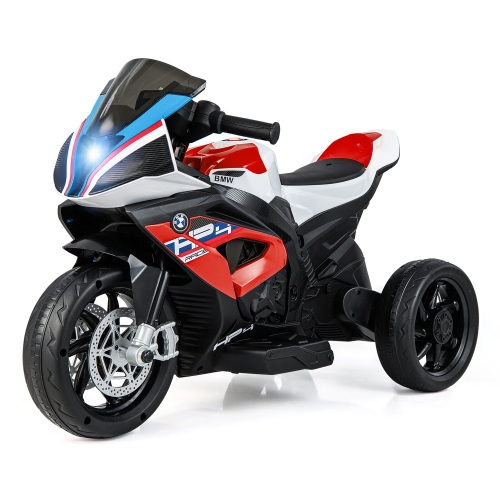
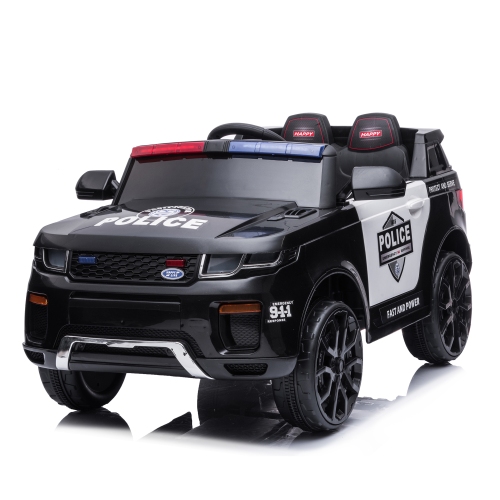
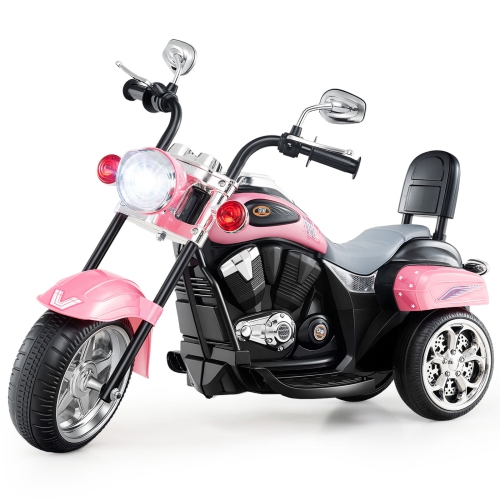
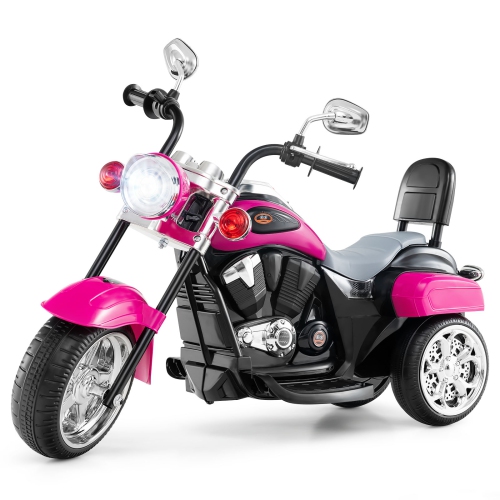
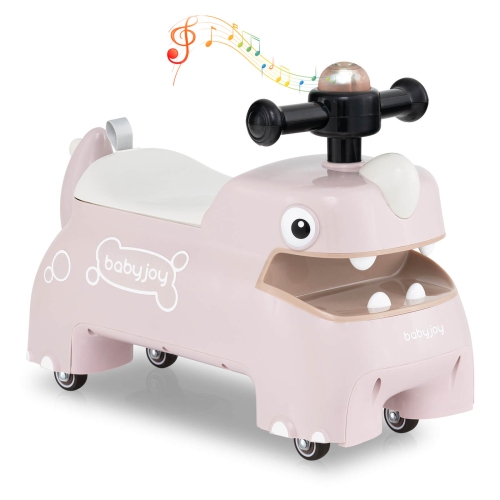

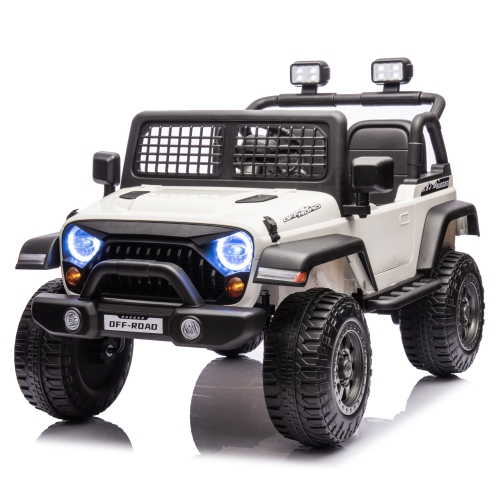
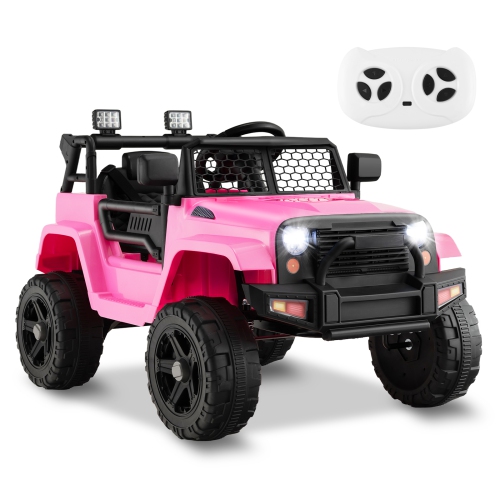


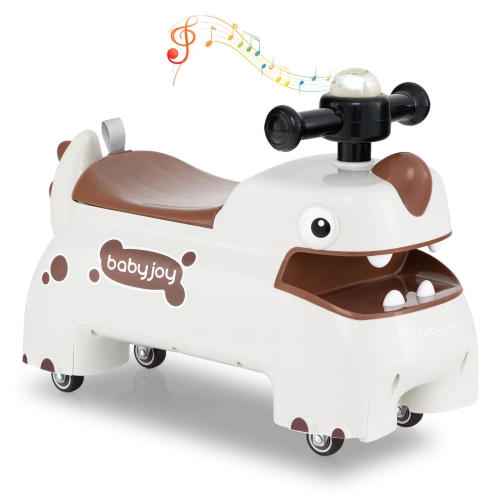
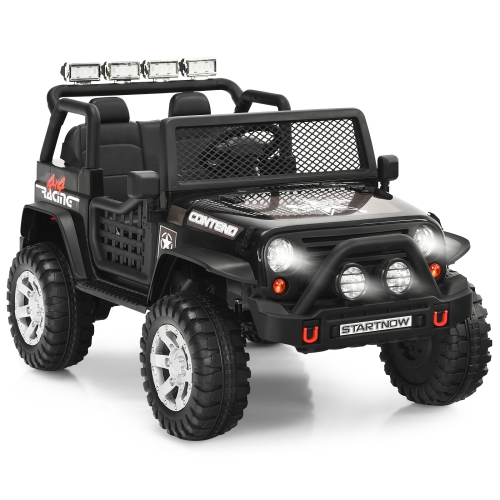

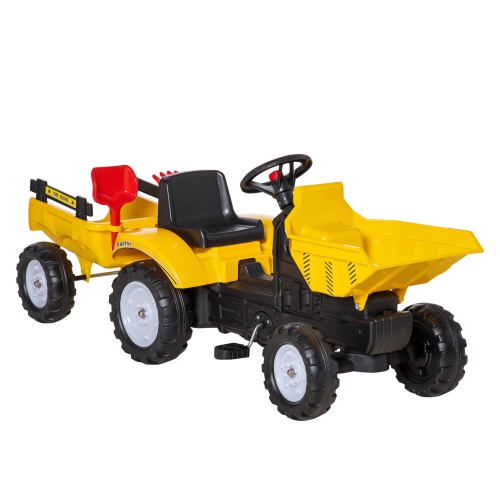
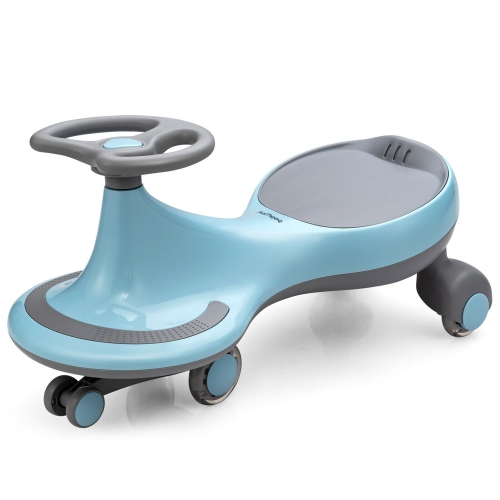

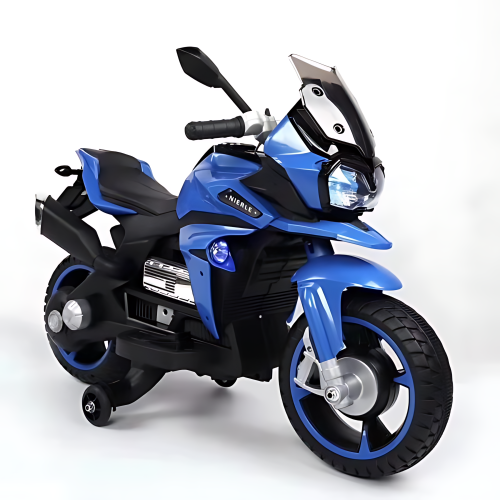
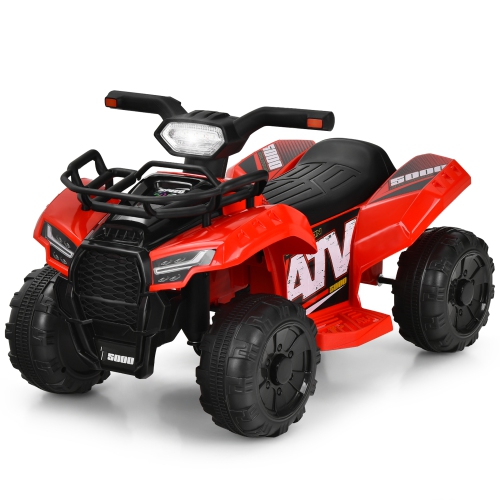


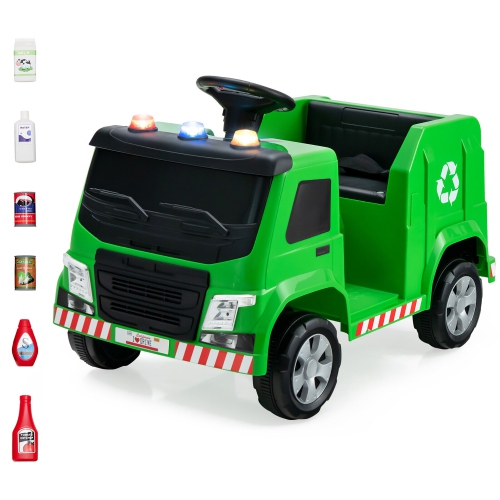
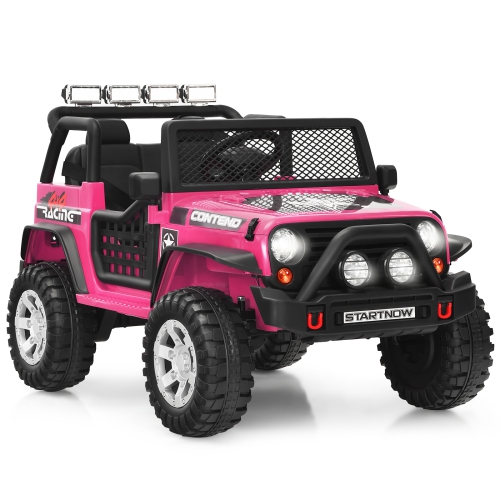


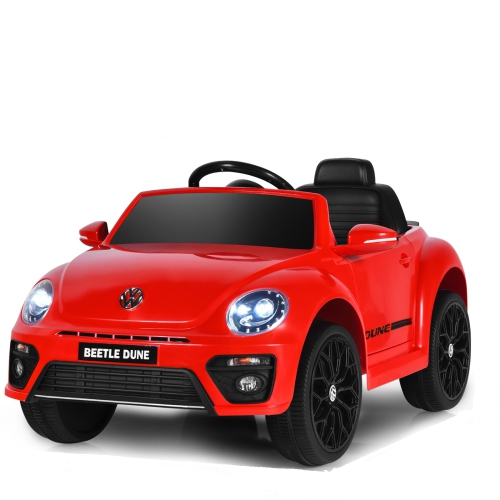

Big pretend adventures start with a comfortable fit
Cool ride-on toys are child-sized vehicles that turn everyday play into a chance to scoot, steer, pedal, or drive. The category includes foot-to-floor designs, adult-guided push vehicles, pedal-powered toys, and battery-powered models, with styles inspired by cars, trucks, tractors, and other familiar vehicles. Their appeal goes beyond a bright colour or a working horn: a comfortable seat, manageable controls, and enough room to turn can make a pretend trip across the playroom feel like a real adventure. For younger children, a simple ride-on may offer an introduction to steering and coordinated movement as they push against the floor with their feet. Pedal-powered designs add another layer of activity, while electric ride-ons introduce accelerator pedals, direction switches, and other controls suited to the manufacturer’s recommended age group. Age recommendations are a starting point rather than a substitute for checking fit and ability. A child should be able to sit securely, reach the controls without stretching, and get on and off in the way the design intends. On a foot-powered toy, comfortable contact with the floor matters; on a pedal model, the pedals need to be within easy reach throughout their movement. Maximum rider weight, seat dimensions, and any adjustable features help show whether a design suits the intended child. A broad wheel placement can support stability, but safe use still depends on the riding surface, the child’s actions, and adult supervision. These toys can suit independent pretend play or shared play with an adult nearby, whether the scene involves delivering imaginary parcels or parking beside a pretend shop. They can also make memorable birthday gifts, especially when the recipient’s interests, developmental stage, and available play space are considered together. A compact design may fit a family playroom more comfortably than a large vehicle, while a bigger ride-on needs adequate clearance around furniture, doorways, and turning areas.
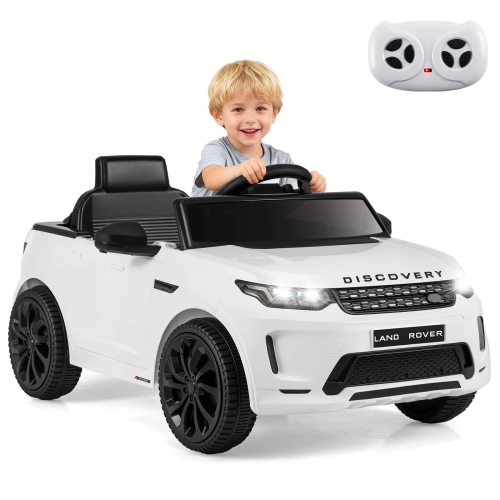
Battery-powered ride-on toys bring a different feel to vehicle play, with movement controlled by a motor rather than the rider’s feet or pedals. Battery ratings such as 6V, 12V, and 24V describe the electrical system; they do not, on their own, establish a toy’s speed, suitability for a particular age, or ability to handle a given surface. Motor design, gearing, rider weight, wheel construction, and the manufacturer’s specifications all affect performance. Published speed limits, riding-surface guidance, and weight capacity are therefore more useful than voltage alone when considering how a powered toy will be used. Some designs offer selectable speeds, gradual acceleration, or an adult-operated remote control. These features can help an adult manage the ride when used as directed, but a remote control does not replace close supervision, and its functions and operating range vary. A young rider practising a first turn needs a clear, level space with plenty of stopping room, not a narrow path between obstacles. Powered toys belong in designated play areas away from traffic, stairs, steep slopes, pools, and other hazards, with use limited to surfaces approved by the manufacturer. Car-inspired styling is a popular part of the category, and Ride On Car Toys can add familiar details to pretend journeys, from steering wheels and dashboards to opening doors and storage compartments. Features such as lights, sound effects, and music can make play more engaging, though straightforward controls and a comfortable driving position matter more than a long feature list. Seat belts or restraints, where fitted, should be used according to the instructions; they do not make a toy suitable for roads or protect against every riding hazard. Follow the manufacturer’s guidance on helmets and other protective equipment. Two-seat designs also need careful attention to the permitted number of riders and the combined weight limit. A wide bench alone does not mean a vehicle is approved to carry two children, and passengers should never ride on parts not intended as seats.
Materials and construction shape how a ride-on toy feels in use and how well it stands up to repeated play. Moulded plastic bodies are common because they allow rounded shapes, easy-to-clean surfaces, and playful styling. Some designs combine a plastic body with a metal frame or axles, while wheels may use hard plastic, rubber, or foam-based materials. Wheel material influences rolling noise, grip, and ride feel, but suitability for carpet, hard flooring, or outdoor paths depends on the complete design rather than the tyre description alone. Indoors, enough clearance for a full turn can be more important than a toy’s straight-line footprint, and floor compatibility is worth checking before repeated use. For outdoor riding, the approved surface and maximum slope matter more than rugged-looking bodywork. Seats may be moulded or padded, with different levels of support and cleaning needs. Smooth edges, secure handles, firmly attached wheels, and accessible controls all contribute to practical everyday use. Durability also depends on care: dirt around moving parts, loose fasteners, and worn wheels deserve attention before the next ride. Cleaning should follow the manufacturer’s directions, with particular care around motors, switches, speakers, and battery compartments. A damp cloth may be suitable for some body panels, but powered components should not be soaked or sprayed unless the instructions expressly allow it. Rechargeable designs need adult-managed charging with the specified charger, along with the recommended charging time and storage practices. Battery access, charging-port placement, and whether the toy can be moved easily when not in use can make a noticeable difference in a busy household. Foot-powered and pedal-powered toys avoid charging routines, although their wheels, steering connections, and pedals still need regular checks. For a gift, practical details such as assembly requirements, storage space, and whether an adult needs to help move the toy are worth considering alongside its appearance. The most rewarding match is a ride-on that suits the child’s size and abilities, fits the intended play area, and leaves room for imaginative journeys without making everyday handling unnecessarily complicated.
Top selling and popular products
-
 Your price for this item is $150.99
-
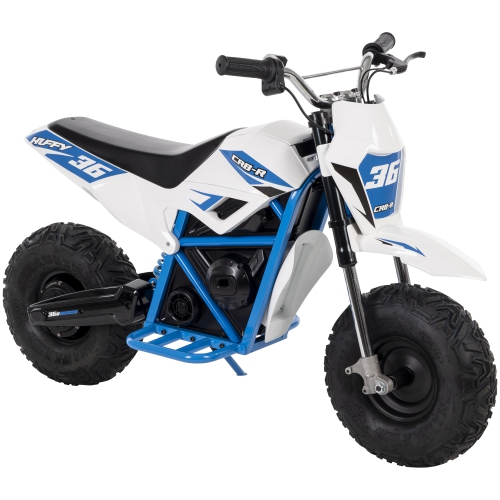 Your price for this item is $799.99
-
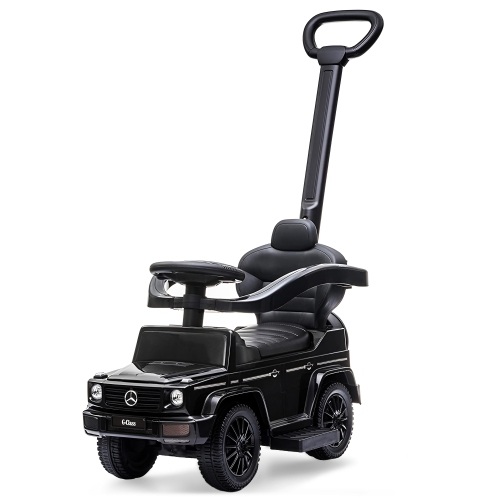 Your price for this item is $141.99
-
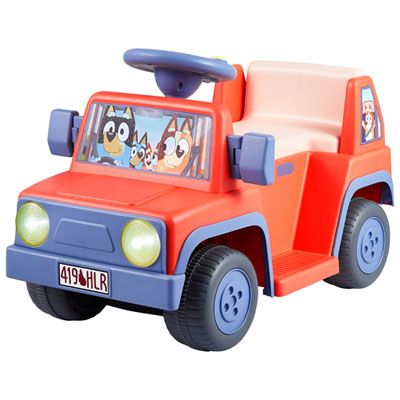 Your price for this item is $199.99
-
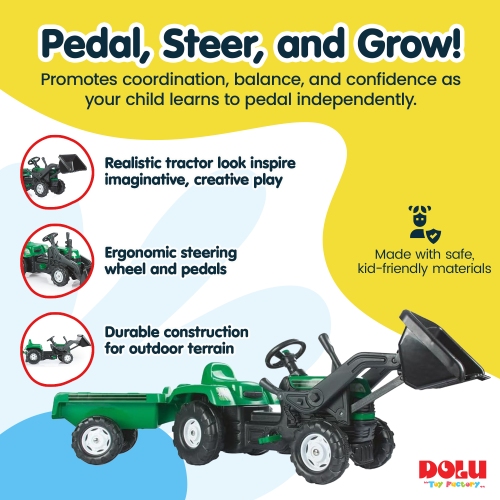 Your price for this item is $205.99
-
 Your price for this item is $199.99
-
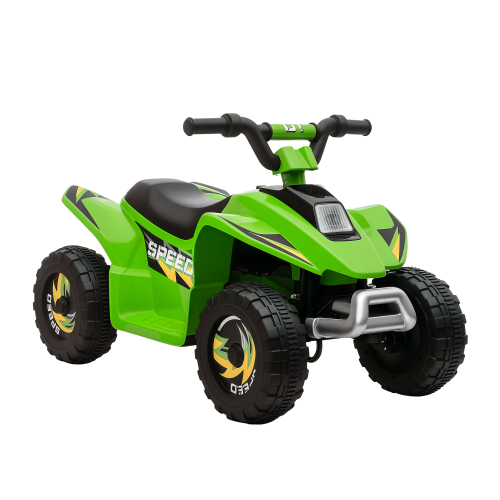 Your price for this item is $82.95
-
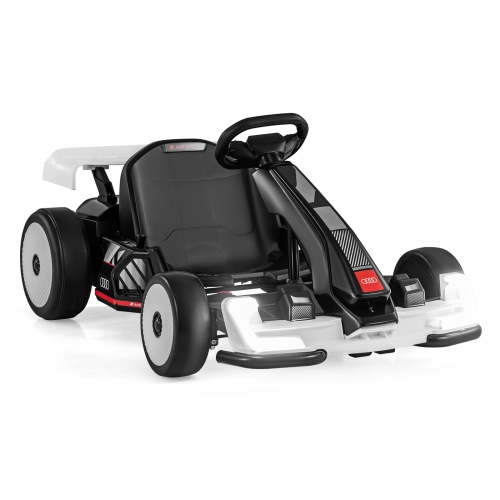 Your price for this item is $449.99
Discover more categories related to Cool Ride On Toys
Top Collections:
Pokemon Centers, Kindle Devices, Best Budget Office Chairs, Canon G7X Cameras, Apple iPhones 16, Samsung Galaxy Phones, Refurbished Apple Laptops, Laptops for Students, iPhone 15 Apple, Budget Smartphones
Some products may be subject to Environmental Handling Fees
(EHF) depending on your province.
Learn more about EHFs.