Role Play Dolls
Bring your child's imagination to life with our wide selection of role play dolls. Whether they dream of becoming a doctor, chef, firefighter, or princess, our collection of role play dolls has something for every aspiring little actor or actress. These dolls are designed to inspire creative play and help children develop important social and cognitive skills. From realistic details to interactive features, our role play dolls will provide endless hours of fun and entertainment. Let your child's imagination soar with our diverse range of role play dolls that are sure to spark their creativity and enhance their pretend play adventures.
Sort
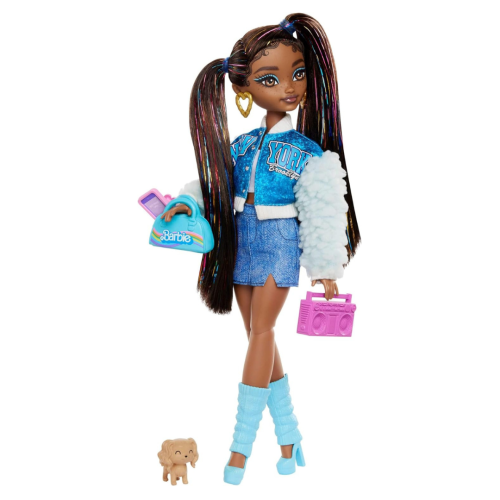
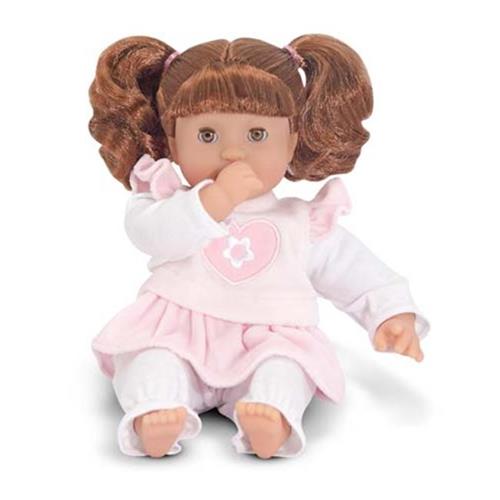
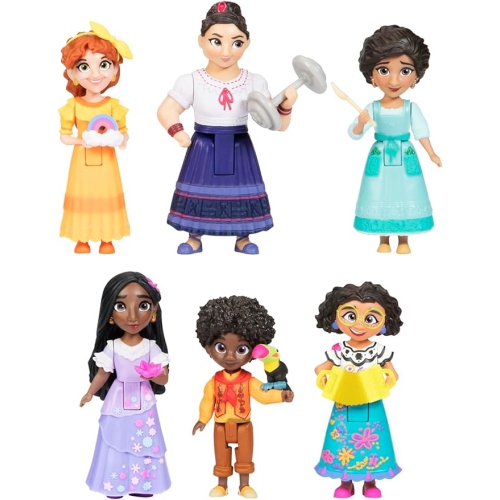
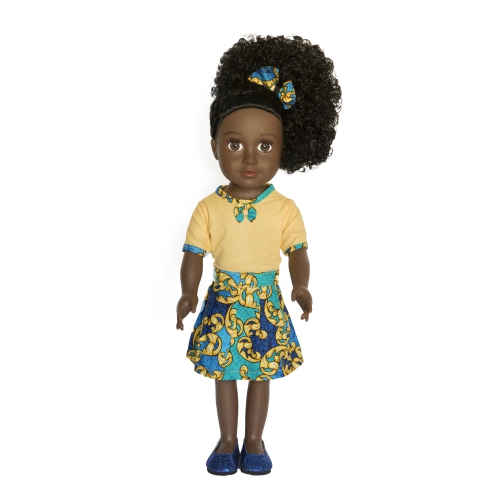
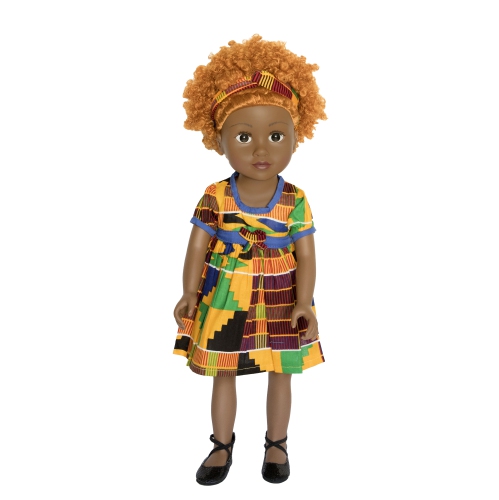
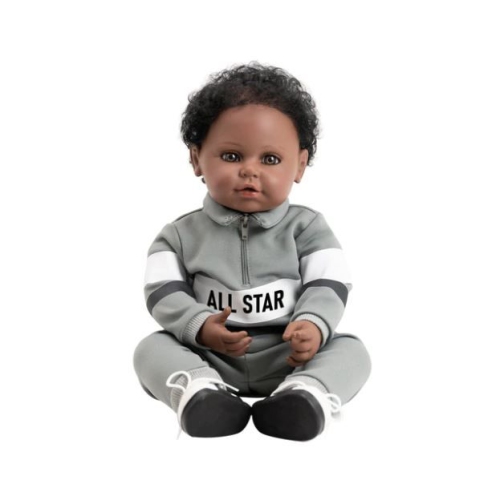
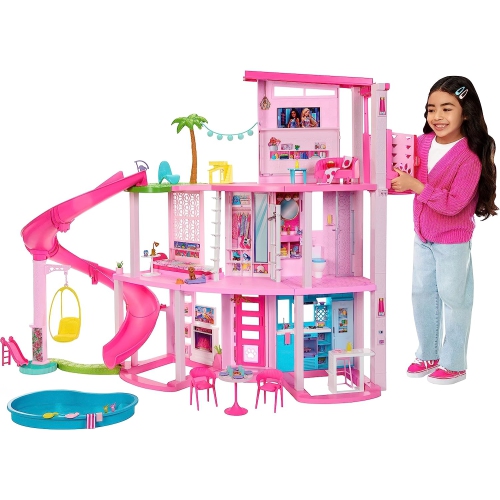
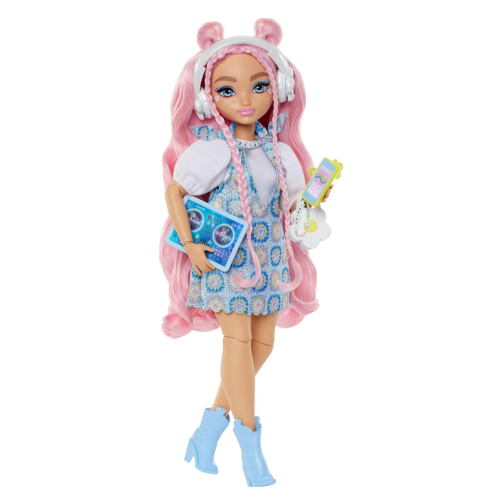
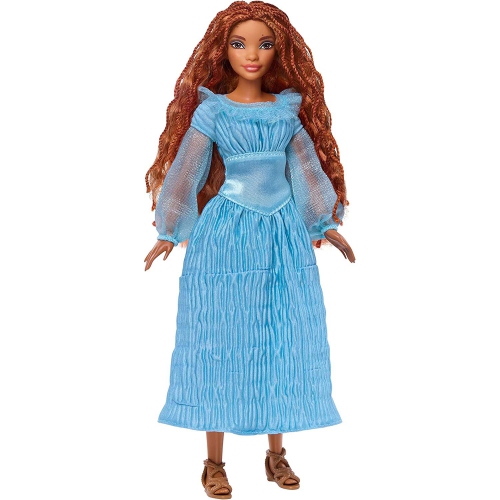
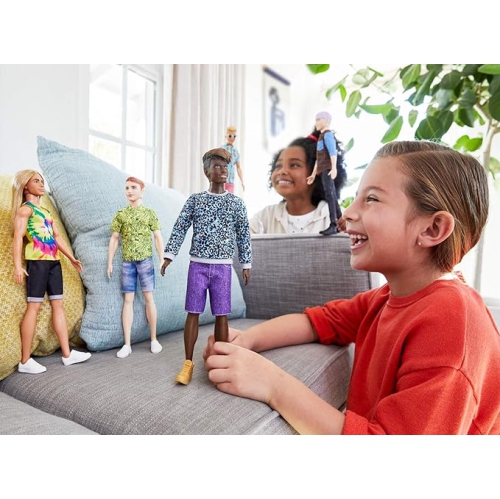
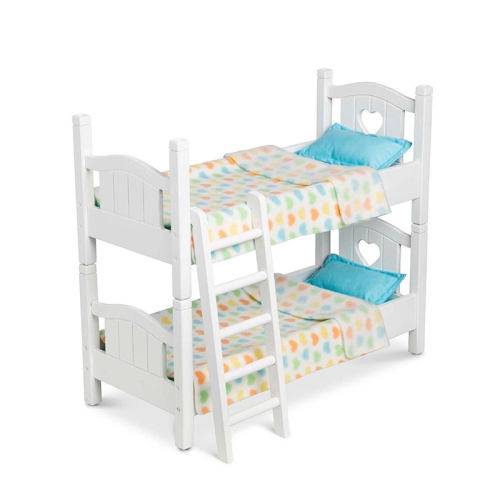

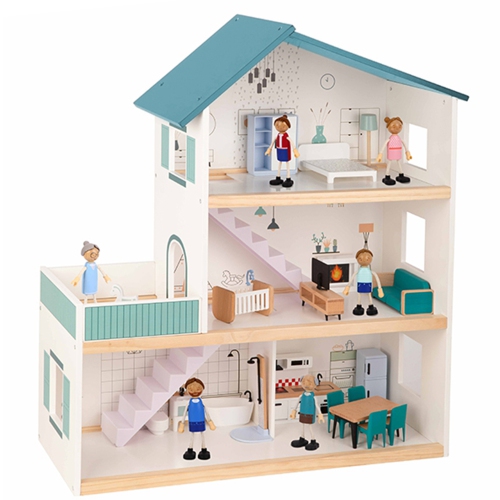
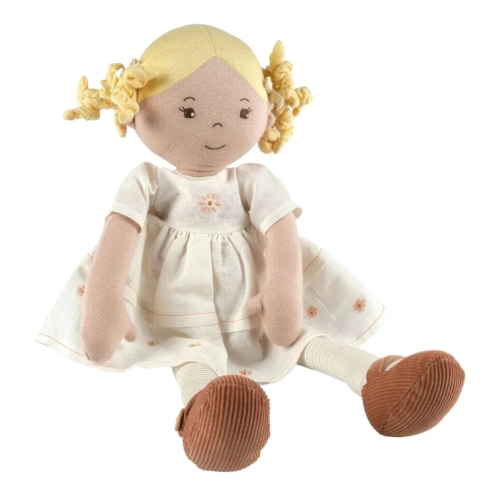
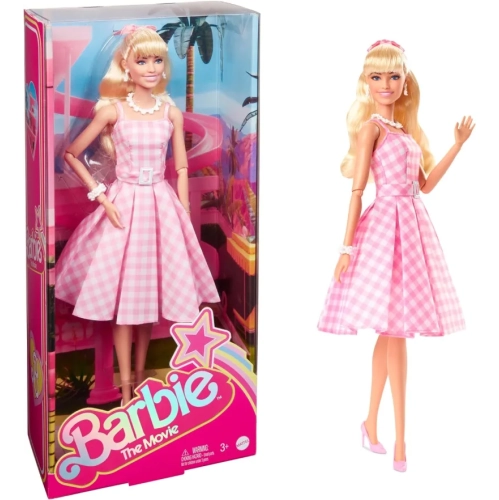
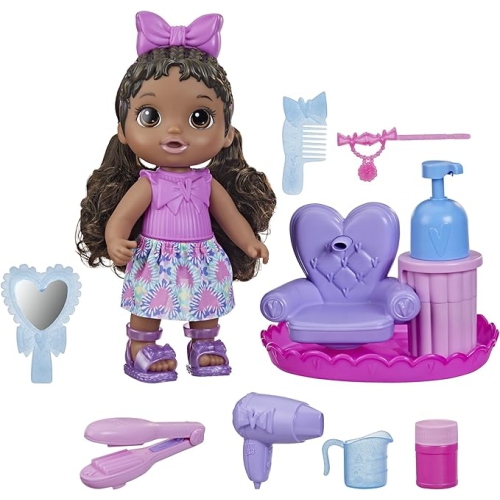
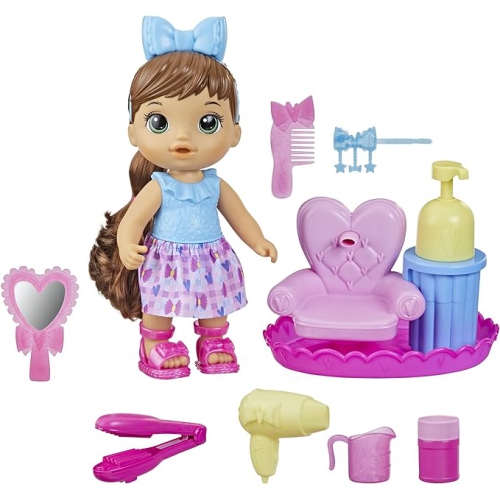
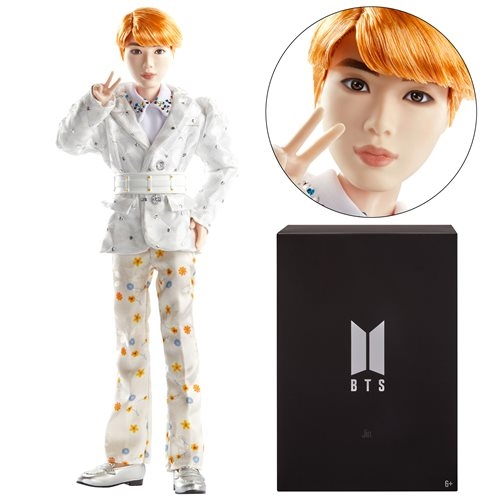
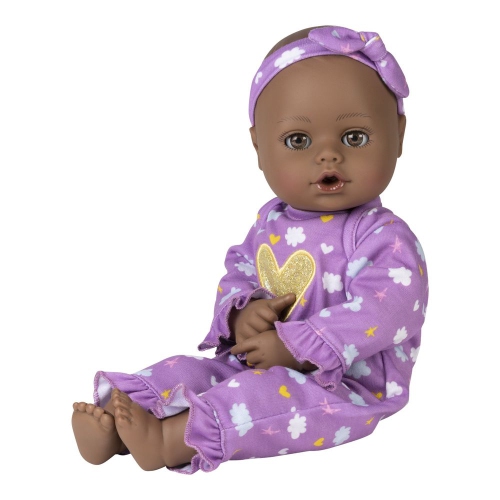
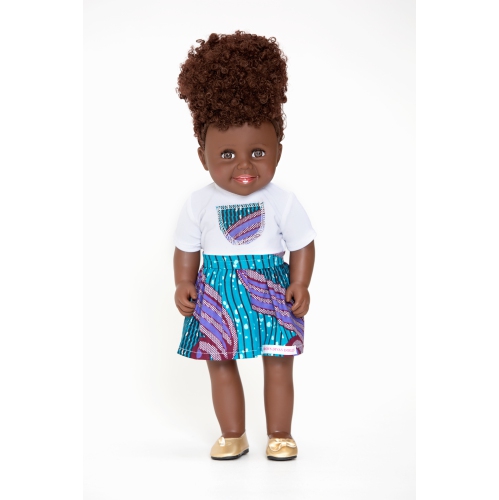
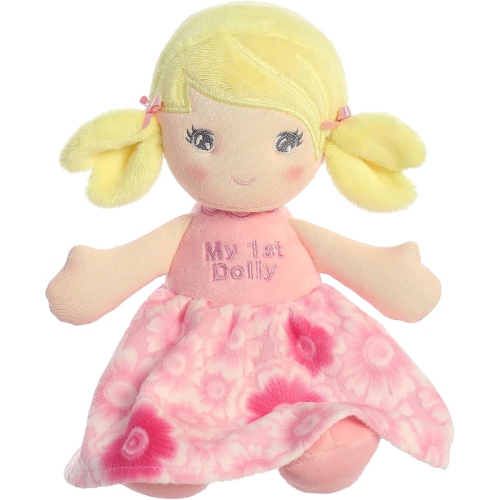
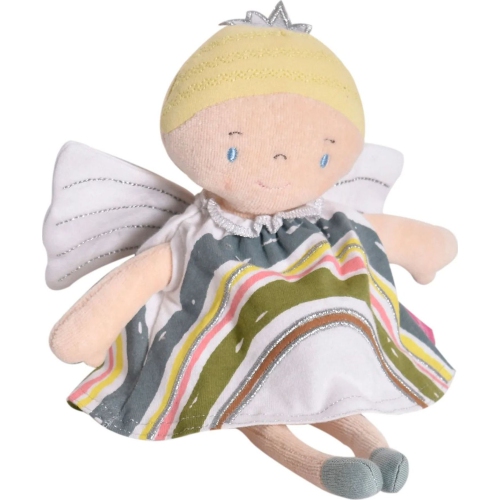
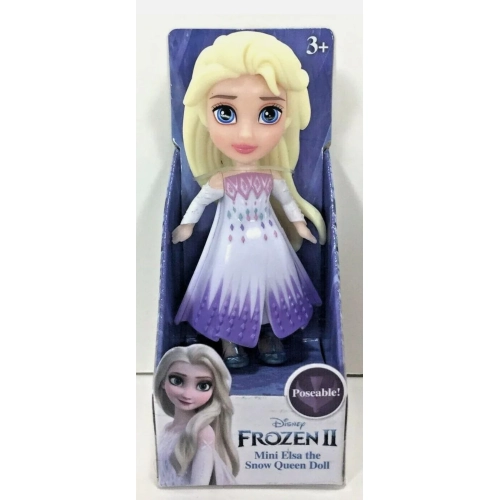
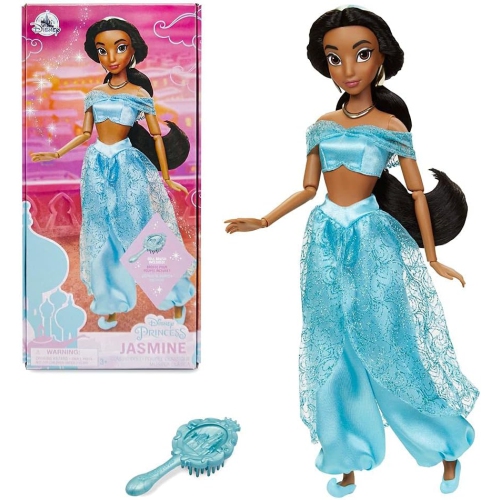
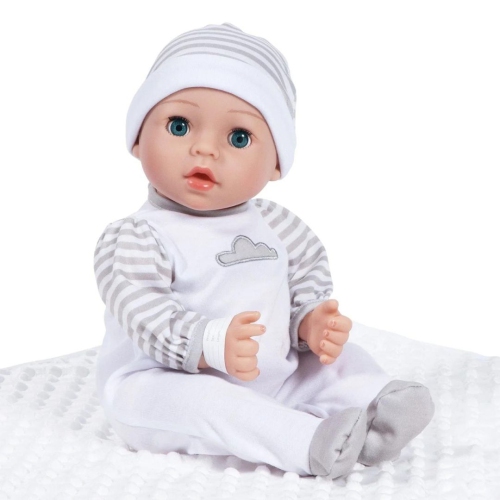
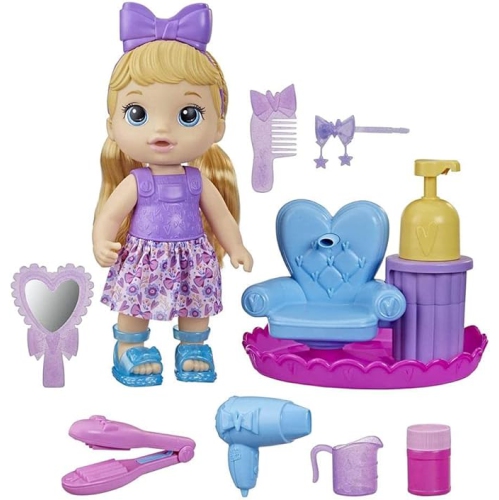
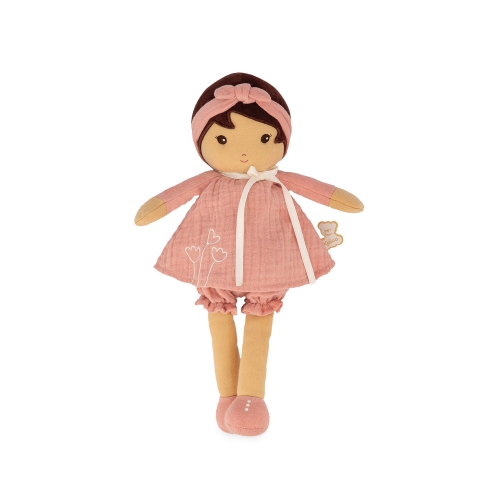
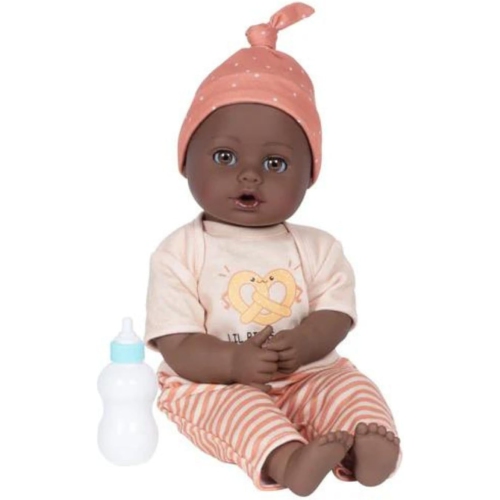
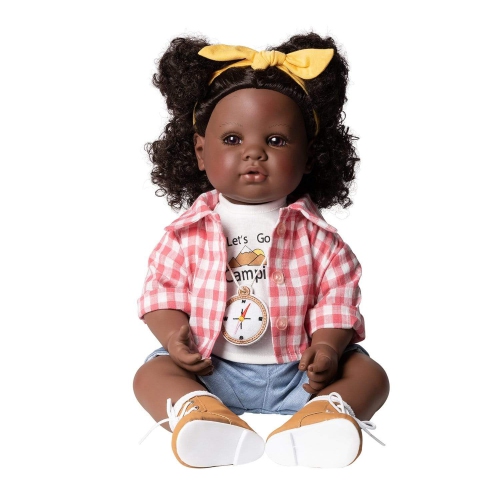
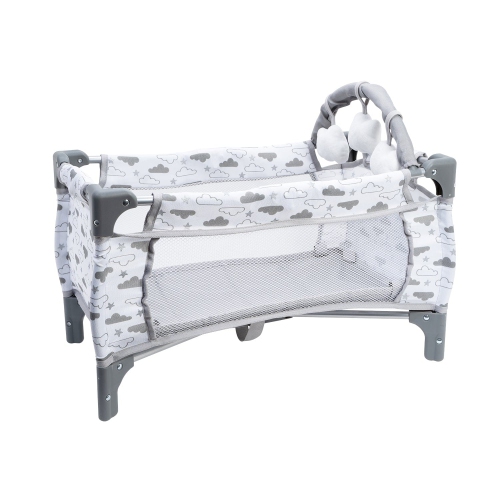
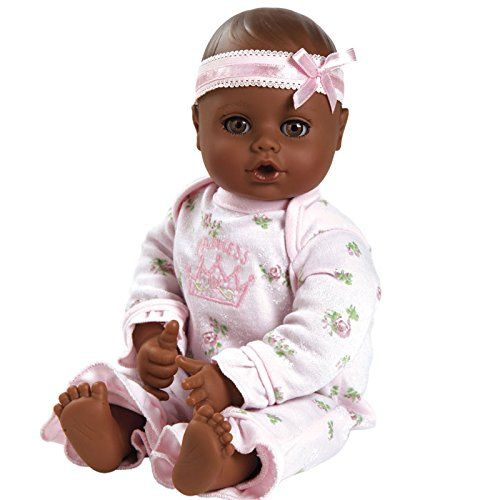
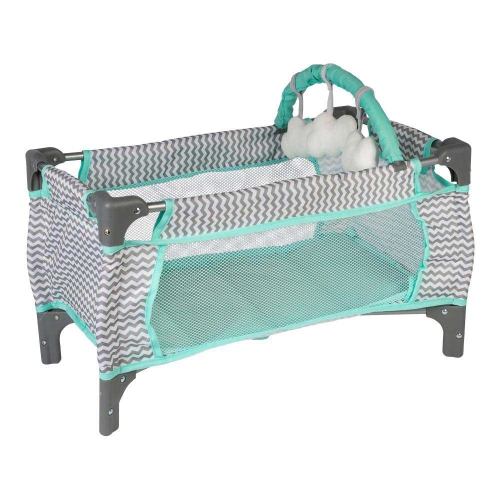
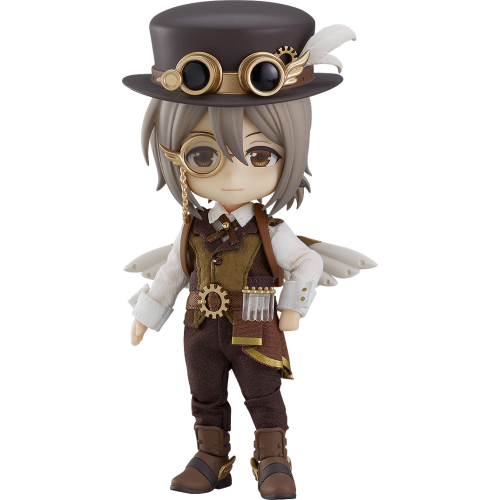
Everyday stories that support empathy, language and social play
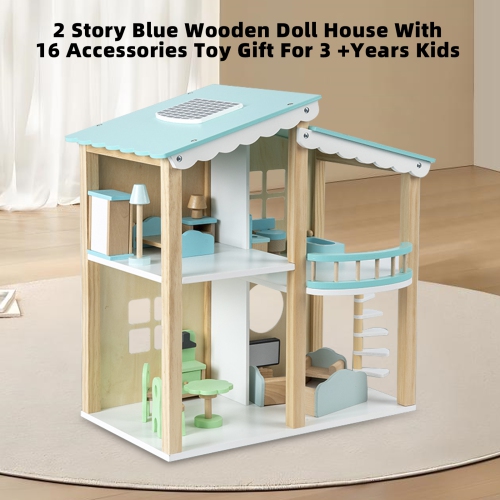
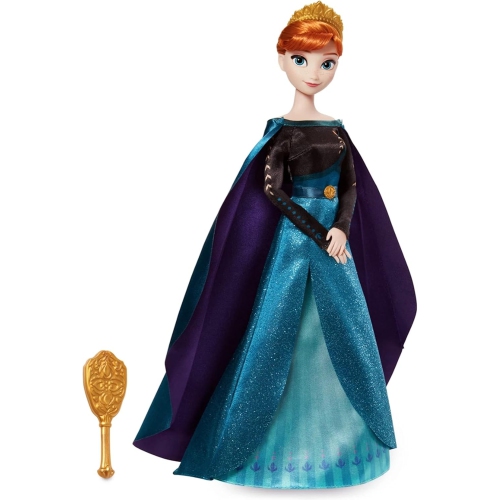
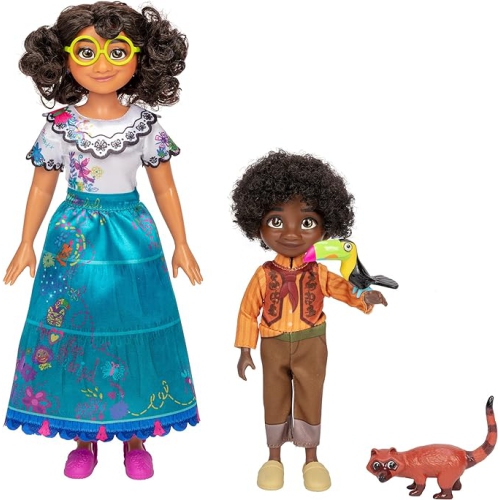
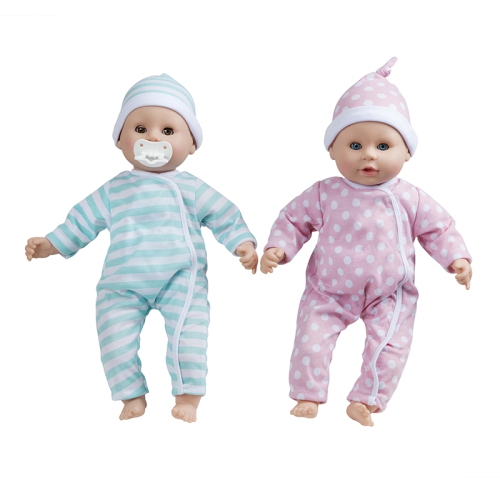
Role play dolls invite children to turn everyday experiences into imaginative stories, whether they are caring for a baby, welcoming a new family member, running a pretend clinic, preparing for a trip or imagining a future career. Through open-ended play, dolls can support social, emotional and language development by giving children characters to talk with, care for and guide through familiar routines. A child may tuck a doll under a blanket, offer pretend food, describe what is happening and practise phrases such as “Are you feeling better?” or “It is time for bed.” These simple scenes create natural opportunities to express feelings, build vocabulary and explore the give-and-take of conversation. Family and miniature doll sets can add several characters to a playroom, helping children create stories about siblings, grandparents, friends and neighbours. Larger sets are especially useful for collaborative play, as more than one child can take on a role and contribute to the same story. Other dolls are designed around careers, hobbies or imaginative adventures, giving children a chance to explore being a pilot, doctor, teacher, chef, performer or explorer. A role play doll can be a thoughtful gift for a child who enjoys storytelling, dressing up, arranging small accessories or recreating the routines they see at home. During the cooler months, these toys can bring engaging, screen-free activity to indoor play spaces, from a living-room “hospital” to a dollhouse kitchen filled with pretend conversations and carefully planned meals.
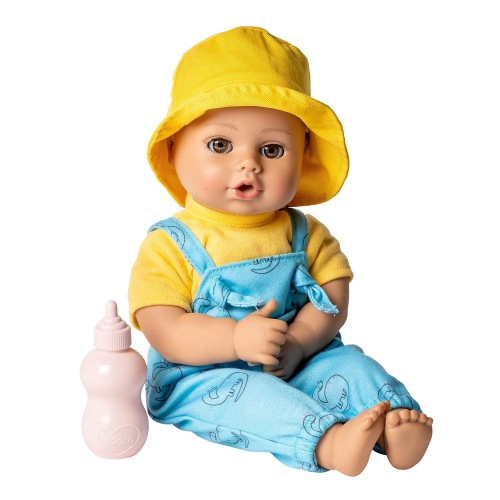
When choosing role play dolls, start with the child’s age, interests and preferred style of play. Younger children may do best with larger dolls that are easy to hold, simple to dress and made without small accessories that could present a choking hazard. Always review the manufacturer’s recommended age range and inspect the packaging for safety information before purchase. Older children may enjoy dolls with movable arms and legs, closing eyes, changeable clothing or themed accessories that add detail to longer stories. A soft-bodied doll can be comfortable for carrying, cuddling and bedtime routines, while a hard-bodied or wooden doll may be well suited to dollhouses, pretend classrooms and hands-on play involving furniture and miniature rooms. Consider how the doll will be used in the home: a lightweight character can be moved from room to room, while a more detailed set may be a better fit for a dedicated play table. Clothing and accessories also matter. Removable outfits encourage children to match clothing to the weather, occasion or character, while feeding items, blankets, bags and small furniture can help turn a single doll into an entire narrative. For play with younger children, choose accessories that are appropriately sized and easy to store. A basket, drawer or labelled container can keep pieces together between play sessions and make tidying part of the routine. If a child already has a dollhouse or collection of figures, look for compatible sizes and complementary characters so new additions can become part of familiar stories rather than sitting unused. For children drawn to nurturing play, explore Baby Doll Toys featuring care-based details such as bottles, blankets or sleep-friendly features. These dolls can encourage children to practise gentle handling and talk through everyday routines, while also giving them a safe way to process changes such as welcoming a new sibling or visiting a healthcare professional.
Role play is most rewarding when children have room to lead the story. An adult might provide a few simple prompts—“Where is the doll going today?” or “What does the patient need?”—then step back and let the child decide what happens next. This approach can reveal a vivid little world: a chair becomes an aeroplane seat, a blanket becomes a hospital curtain and a line of stuffed animals becomes a waiting room. Children can practise empathy by comforting a worried character, solving a disagreement between dolls or deciding how everyone can take part in a game. They can also work on emotional regulation by acting out moments involving frustration, excitement, separation or rest. Naming emotions during play helps children connect words with feelings, while repeating routines such as washing, feeding, dressing and settling down can make familiar experiences easier to understand. Role play dolls may also support cooperative play when children share characters, divide responsibilities and negotiate the direction of a story. To help a collection stay engaging, rotate a few clothing pieces or accessories and introduce new settings, such as a pretend campsite, classroom or family celebration. Look for durable construction, secure attachments and surfaces that can be cleaned according to the care instructions, particularly when a doll will be handled often or included in pretend meals. With the right combination of size, features and accessories, role play dolls can become lasting companions for storytelling, conversation and imaginative play across the seasons.
When choosing role play dolls, start with the child’s age, interests and preferred style of play. Younger children may do best with larger dolls that are easy to hold, simple to dress and made without small accessories that could present a choking hazard. Always review the manufacturer’s recommended age range and inspect the packaging for safety information before purchase. Older children may enjoy dolls with movable arms and legs, closing eyes, changeable clothing or themed accessories that add detail to longer stories. A soft-bodied doll can be comfortable for carrying, cuddling and bedtime routines, while a hard-bodied or wooden doll may be well suited to dollhouses, pretend classrooms and hands-on play involving furniture and miniature rooms. Consider how the doll will be used in the home: a lightweight character can be moved from room to room, while a more detailed set may be a better fit for a dedicated play table. Clothing and accessories also matter. Removable outfits encourage children to match clothing to the weather, occasion or character, while feeding items, blankets, bags and small furniture can help turn a single doll into an entire narrative. For play with younger children, choose accessories that are appropriately sized and easy to store. A basket, drawer or labelled container can keep pieces together between play sessions and make tidying part of the routine. If a child already has a dollhouse or collection of figures, look for compatible sizes and complementary characters so new additions can become part of familiar stories rather than sitting unused. For children drawn to nurturing play, explore Baby Doll Toys featuring care-based details such as bottles, blankets or sleep-friendly features. These dolls can encourage children to practise gentle handling and talk through everyday routines, while also giving them a safe way to process changes such as welcoming a new sibling or visiting a healthcare professional.
Role play is most rewarding when children have room to lead the story. An adult might provide a few simple prompts—“Where is the doll going today?” or “What does the patient need?”—then step back and let the child decide what happens next. This approach can reveal a vivid little world: a chair becomes an aeroplane seat, a blanket becomes a hospital curtain and a line of stuffed animals becomes a waiting room. Children can practise empathy by comforting a worried character, solving a disagreement between dolls or deciding how everyone can take part in a game. They can also work on emotional regulation by acting out moments involving frustration, excitement, separation or rest. Naming emotions during play helps children connect words with feelings, while repeating routines such as washing, feeding, dressing and settling down can make familiar experiences easier to understand. Role play dolls may also support cooperative play when children share characters, divide responsibilities and negotiate the direction of a story. To help a collection stay engaging, rotate a few clothing pieces or accessories and introduce new settings, such as a pretend campsite, classroom or family celebration. Look for durable construction, secure attachments and surfaces that can be cleaned according to the care instructions, particularly when a doll will be handled often or included in pretend meals. With the right combination of size, features and accessories, role play dolls can become lasting companions for storytelling, conversation and imaginative play across the seasons.
Top selling and popular products
-
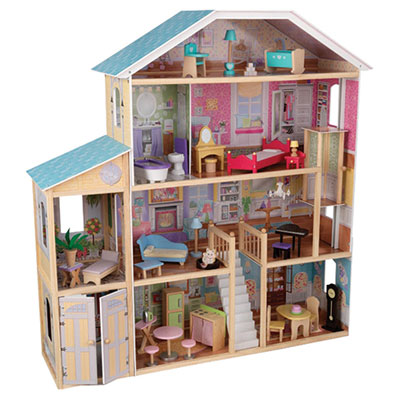 Your price for this item is $289.99
 -
 Your price for this item is $84.33
 -
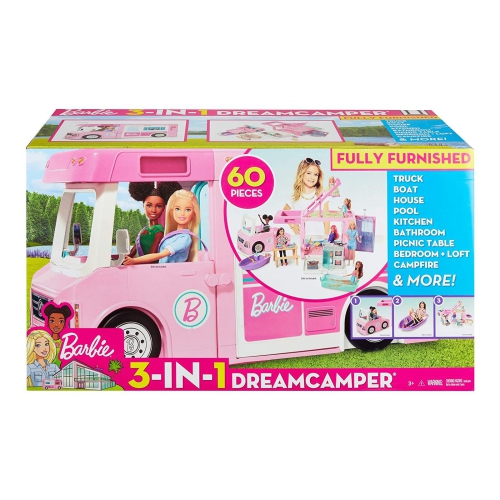 Your price for this item is $229
 -
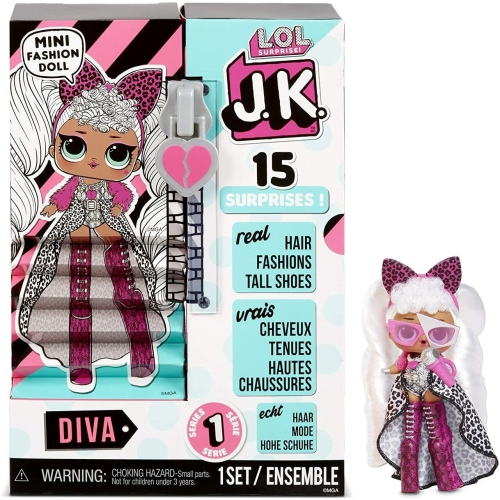 Your price for this item is $42.99
 -
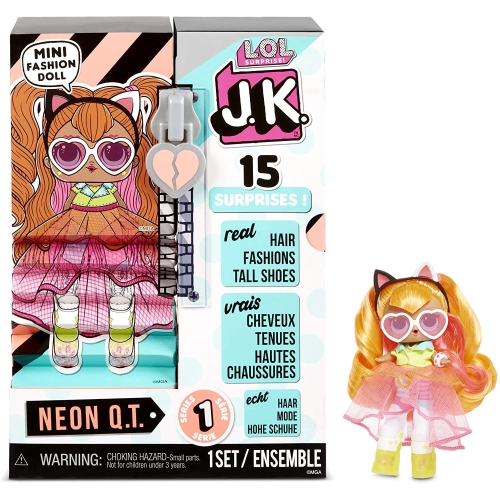 Your price for this item is $42.97
 -
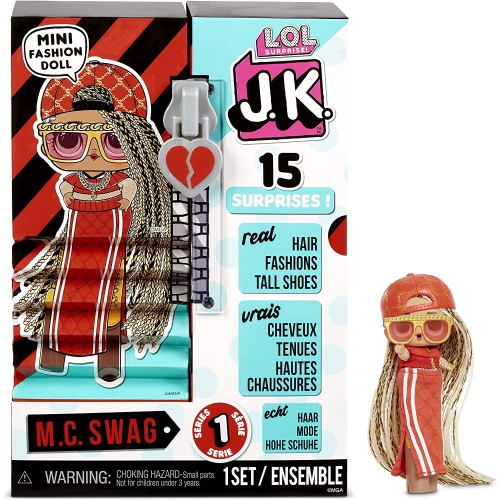 Your price for this item is $42.02
 -
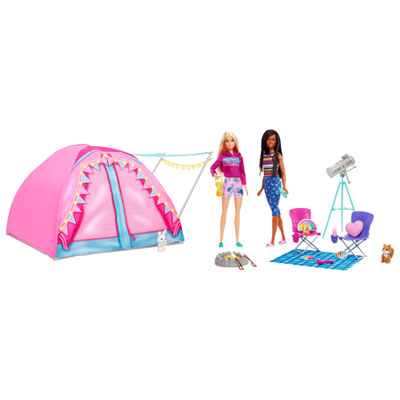 Your price for this item is $74.98
 -
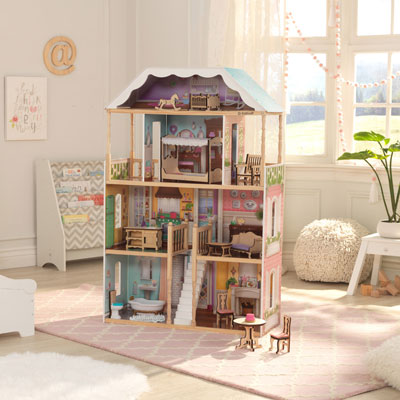 Your price for this item is $179.99
Discover more categories related to Role Play Dolls
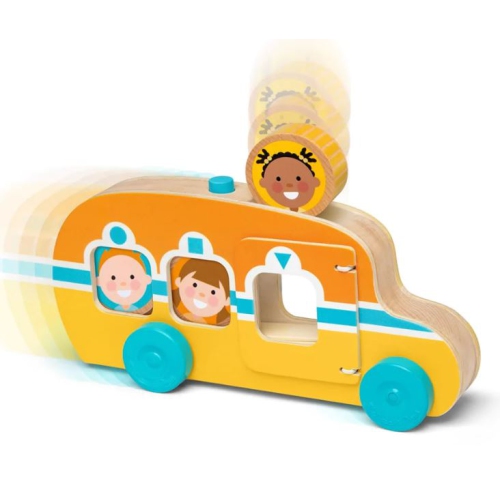
Top Collections:
Pokemon Centers, Budget 4K TVs, Best Budget Office Chairs, Kindle Devices, Canon G7X Cameras, Apple iPhones 16, iPhone 15 Apple, Laptops for Business Work, Xiaomi Phones, Flip Phones
Some products may be subject to Environmental Handling Fees
(EHF) depending on your province.
Learn more about EHFs.