Safari Animals
Embark on a wild adventure with our captivating collection of safari animals, designed to spark imagination and bring the thrill of the savannah right into your home. Whether you're looking to inspire a budding wildlife enthusiast or add a touch of exotic charm to your décor, these lifelike representations capture the majestic beauty and diverse spirit of the animal kingdom. From the towering elegance of giraffes to the stealthy grace of big cats, each piece offers a unique glimpse into the wonders of nature. Explore our selection and discover how these fascinating creatures can transform any space into an exciting safari experience.
Sort
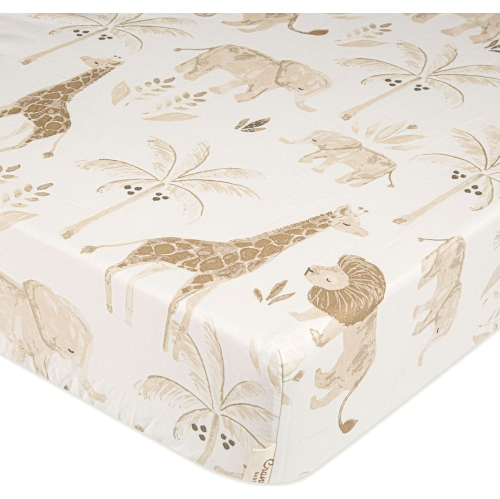
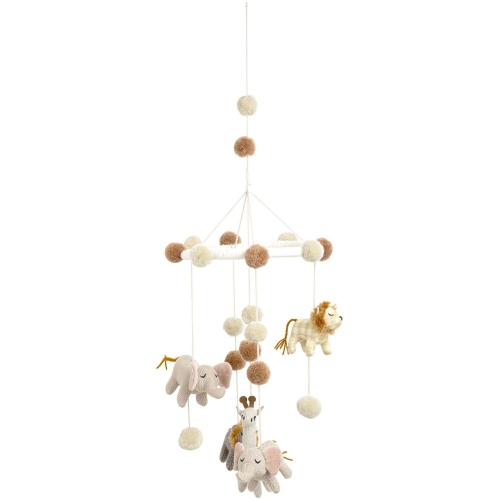
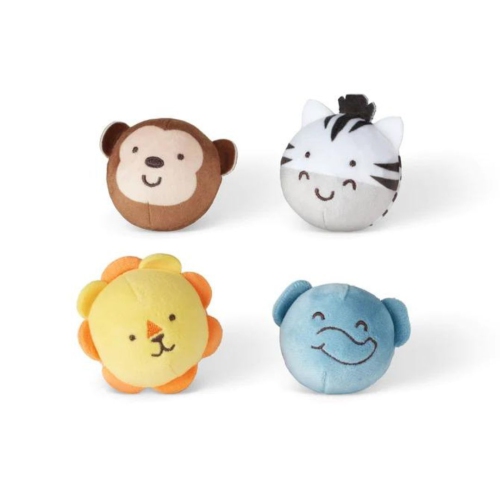
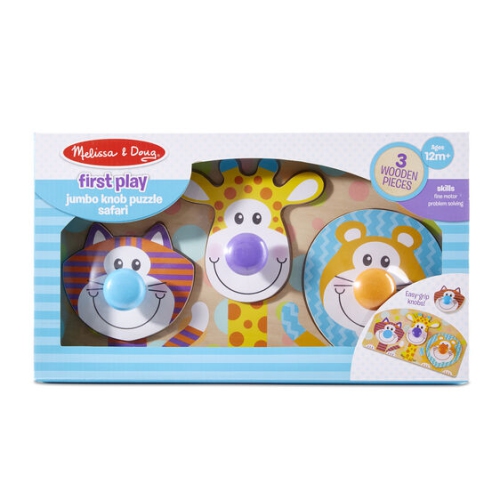
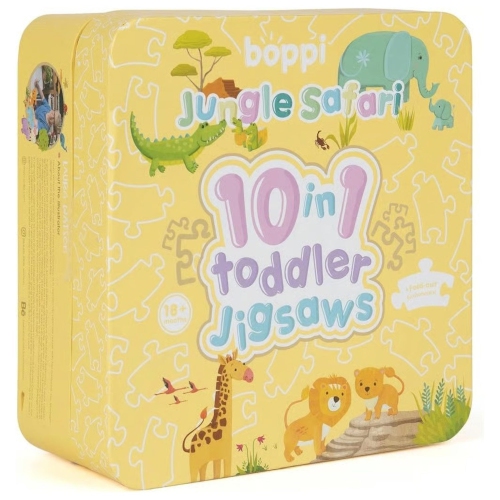
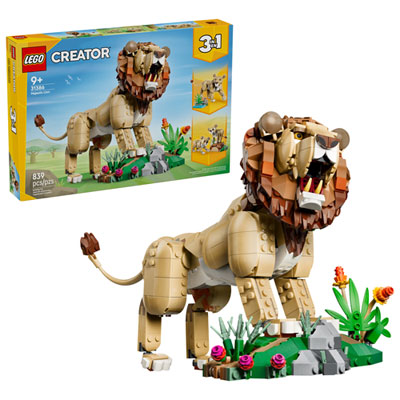


Wildlife details that turn playtime into a story
Safari animals bring the shapes, patterns, and personalities of African wildlife into imaginative play and everyday spaces. Animals commonly associated with an African safari include lions, elephants, leopards, rhinoceroses, African buffalo, giraffes, zebras, cheetahs, and hippopotamuses. The term “Big Five” refers specifically to the lion, African elephant, leopard, rhinoceros, and African buffalo; it does not mean the five largest animals. Each species has features that make it distinctive in animal-themed designs. African elephants are the largest living land animals, while giraffes are the tallest, with long necks that help them reach leaves high in trees. Zebras have individual stripe patterns, and cheetahs are known for their speed over short distances. Lions live in social groups called prides, while leopards are generally solitary and are skilled climbers. These differences give safari-themed play more substance than a matching collection of animal faces: a child can sort animals by markings, compare their shapes, or imagine how each one moves. Although safari imagery often brings to mind open grasslands and scattered acacia trees, these animals do not all occupy the same habitat. Hippopotamuses spend much of the day in water, and several familiar safari species also live in woodland or other landscapes. That variety translates naturally into playful scenes, from a zebra crossing an imaginary plain to a giraffe stretching towards a leafy branch. For families drawn to this theme, Safari Toys connect familiar wildlife with hands-on storytelling. Realistic proportions and markings can appeal to children who enjoy naming species, while rounded shapes and expressive faces suit a gentler, more whimsical style. Neither approach needs an elaborate setting to be engaging. A clear patch of floor, a story told aloud, and a few imagined animal sounds can turn an ordinary afternoon into a small adventure, with room for children to shape the story themselves.
Materials, construction, and age suitability make a meaningful difference to how safari animal products feel and hold up in daily use. Plush fabrics offer softness for cuddling, while shorter-pile surfaces may be easier to brush free of lint than longer, shaggy textures. Secure seams matter around trunks, tails, ears, and other parts that tend to be pulled or carried. Embroidered details can reduce the number of attached components, but appearance alone does not establish whether a design is suitable for a young child; the manufacturer’s age rating and safety information remain important. Firm moulded materials can show details such as a rhinoceros’s folds or a lion’s mane, while wooden designs often emphasize simpler outlines and a solid feel. Smooth edges, stable bases, and a comfortable size for the intended user help make handling easier. A tall, narrow animal shape may look striking on a shelf yet topple repeatedly during floor play, while very small pieces can be difficult for little hands to grasp and pose a choking hazard for children under three. For anything intended to be worn, fit depends on the stated measurements rather than an age label alone. Comfortable openings, manageable fastenings, and freedom to move are especially useful when children sit, crawl, or stretch during play. Printed textiles deserve similar attention to their stated dimensions and intended purpose, whether they are meant for everyday use or display. Care requirements vary across materials: some fabric products allow machine washing, while others need surface cleaning, and wood or painted finishes may not tolerate soaking. Following the care label helps protect colour, shape, and attached details. After cleaning, thoroughly drying washable materials before putting them away is particularly useful for pieces that are handled often. For baby spaces, animal-themed soft furnishings and playthings belong outside an infant’s sleep area; a crib should remain free of loose bedding, pillows, and toys. Thoughtful sizing and straightforward care help a favourite animal theme fit real family routines rather than becoming something too delicate to enjoy.
The appeal of safari animals can grow with a child’s interests, making the theme suitable for many kinds of play and gifting. A younger child may be captivated by the contrast of zebra stripes or the sweeping curve of an elephant’s trunk, while an older child might care about the difference between a leopard’s rosettes and a cheetah’s solid spots. Those visual details create easy openings for conversation without turning playtime into a lesson. Naming the animals, grouping plant-eaters together, or comparing long legs with short ones can support vocabulary, observation, and sorting practice. During shared play, one child might invent a watering hole while another decides which animals arrive first, giving both a part in the story. More accurate animal designs can also complement an existing interest in wildlife books, drawing, or school projects. For a gift, the recipient’s habits are often more useful than the theme alone: a child who carries a soft companion everywhere has different needs from one who likes arranging detailed scenes and leaving them intact. Age suitability, ease of cleaning, and the space needed for use all help determine whether a gift will settle comfortably into everyday life. In shared rooms, restrained earth tones and simple animal silhouettes can blend with existing colours, while bold stripes, spots, and warm golden shades make the theme more prominent. Scale affects the result as much as colour; a larger animal motif can become a focal point, whereas smaller patterns tend to feel less dominant. Storage is another practical consideration, particularly when pieces move between a bedroom, living room, and play area. Shapes that fit an existing basket or shelf are easier to put away without bending delicate parts or compressing soft fillings. During the cooler months, when more play happens indoors, a wildlife theme offers plenty of scope for changing stories within the same familiar space. From quiet solo play to a shared family storytelling session, safari animal designs combine a recognizable visual style with enough variety to keep different ages and interests engaged.
Top selling and popular products
-
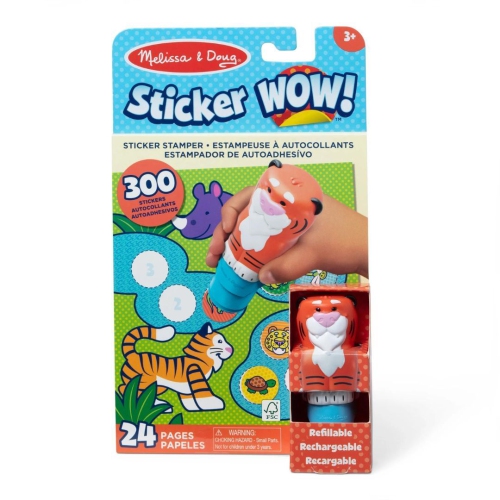 Your price for this item is $32.79
-
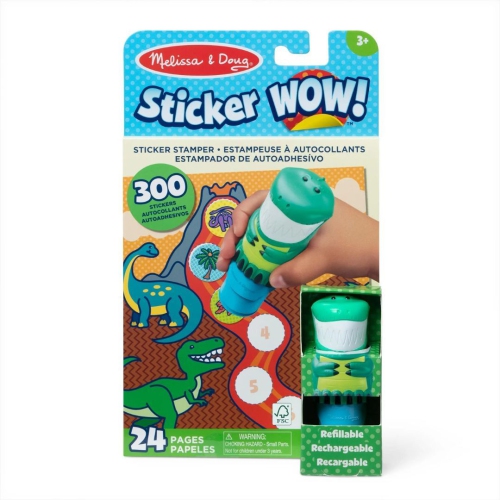 Your price for this item is $32.79
-
 Your price for this item is $22.99
-
 Your price for this item is $22.99
-
 Your price for this item is $25.59
-
 Your price for this item is $35.99
-
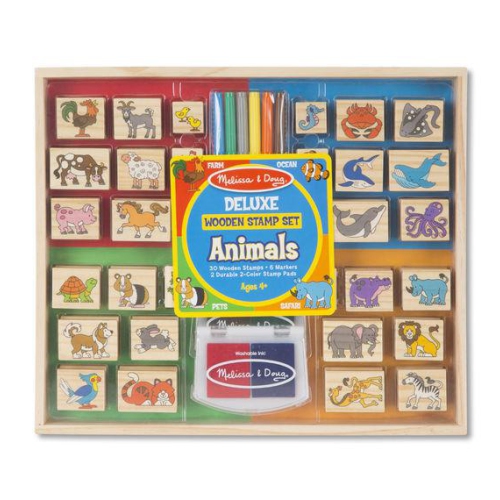 Your price for this item is $72.39
-
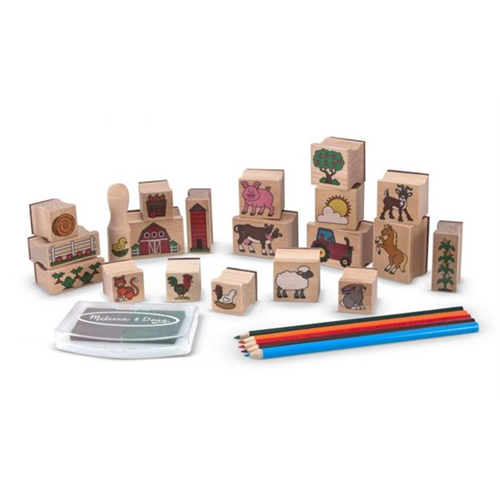 Your price for this item is $39.99
Discover more categories related to Safari Animals
Top Collections:
Pokemon Centers, Best Cameras for Sports Photography, Kindle Devices, Samsung Galaxy Phones, Canon G7X Cameras, Pokémon 30th Celebration Cards, Refurbished Apple Laptops, iPhone 15 Apple, Laptops for Students, Budget Smartphones
Some products may be subject to Environmental Handling Fees
(EHF) depending on your province.
Learn more about EHFs.