Sand Play
Dive into a world of creativity and exploration with our exciting range of sand play options. Perfect for sparking imagination and encouraging outdoor fun, these products are designed to engage children in hands-on activities that nurture their curiosity and motor skills. Whether it's building intricate sandcastles or simply enjoying the tactile experience, sand play offers endless possibilities for entertainment and learning. Discover a variety of tools and accessories that will transform any sandbox into a haven of adventure, making every moment spent outdoors a delightful experience for kids of all ages.
Sort


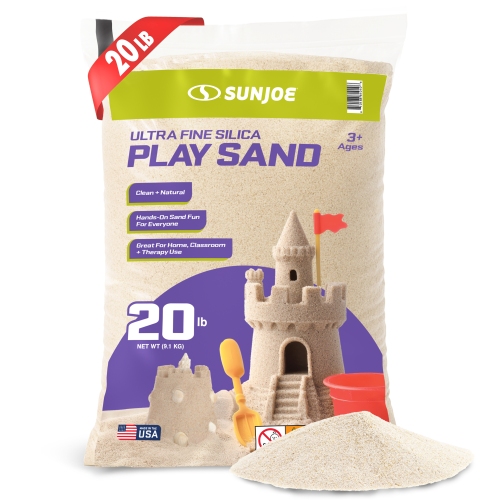
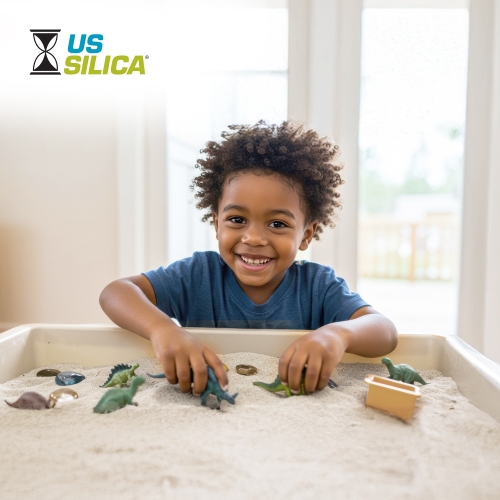


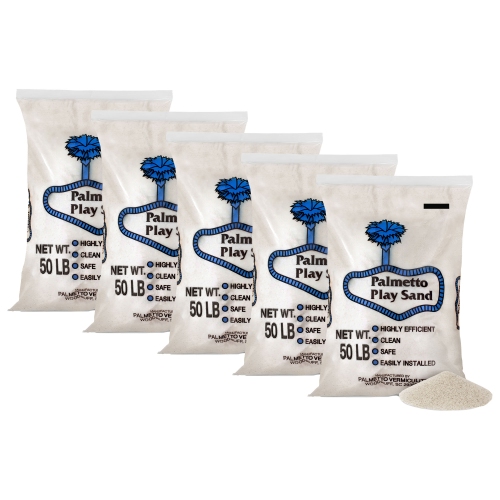
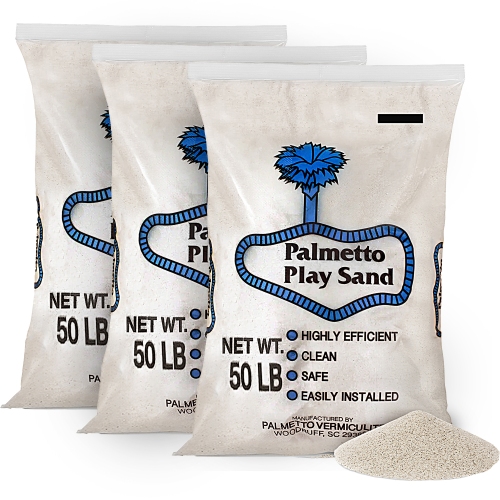




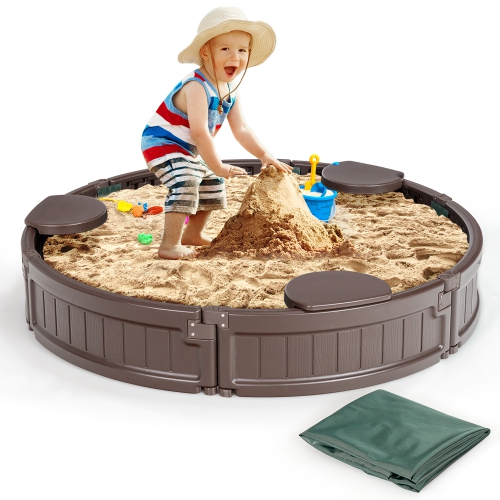
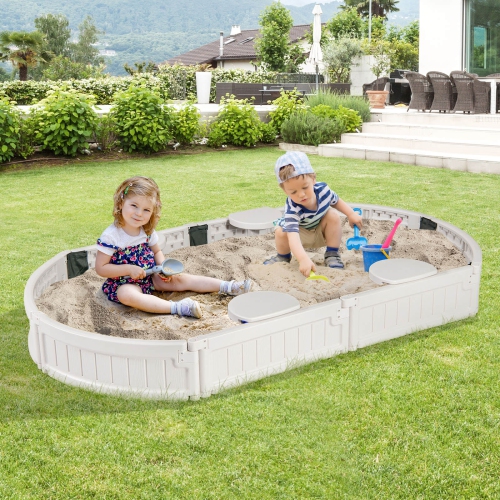
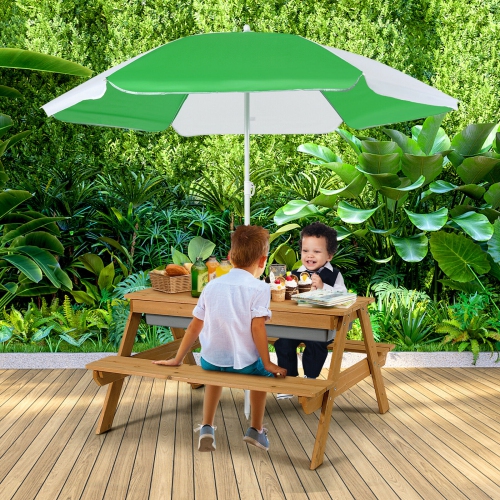
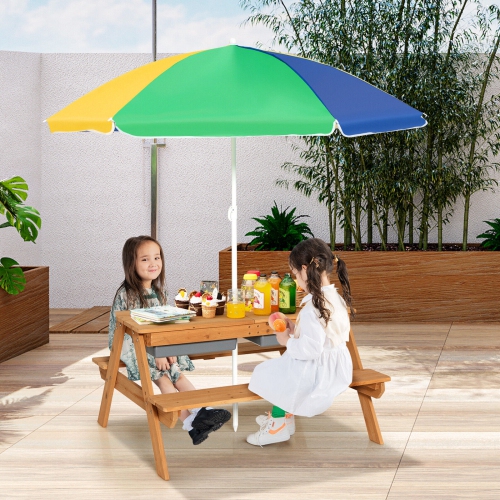
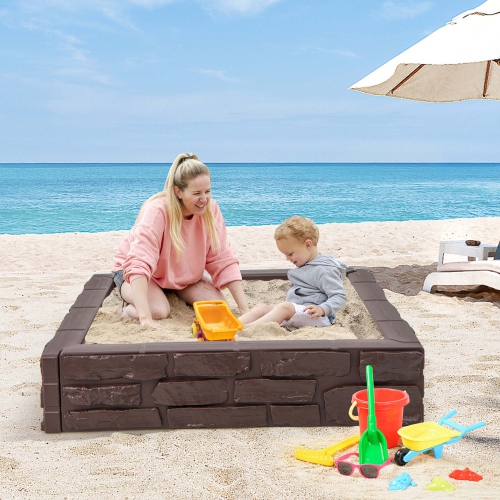
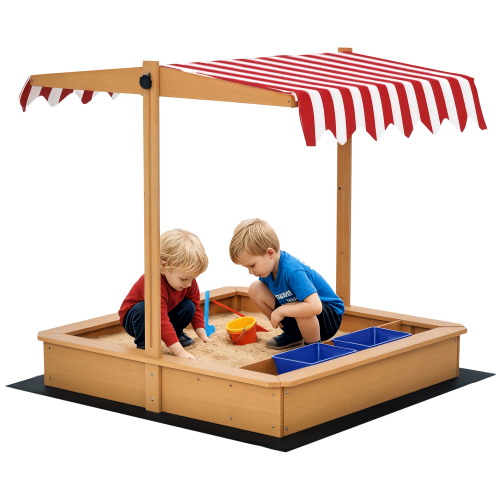
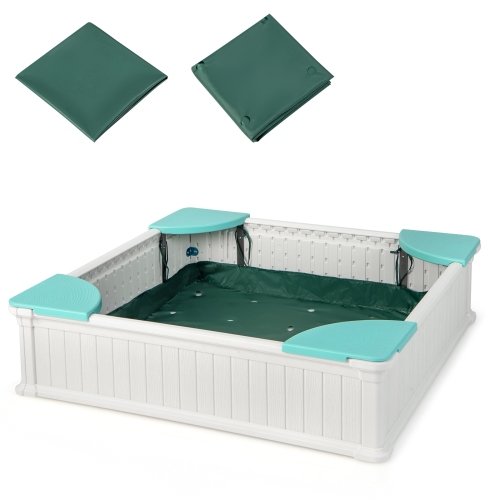
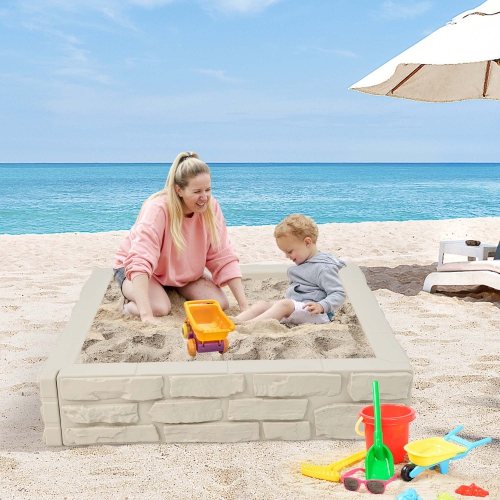

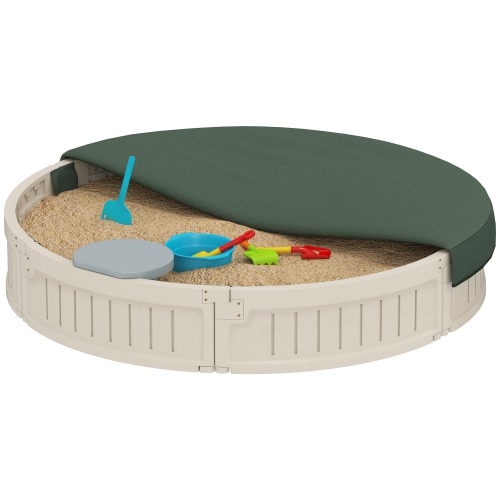
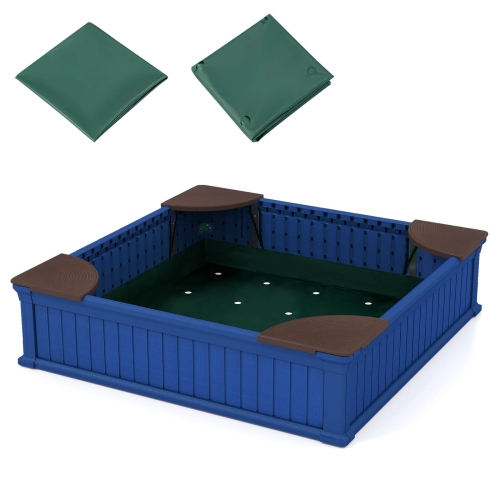
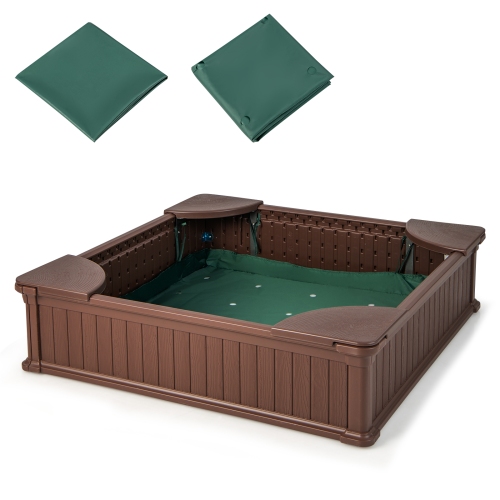
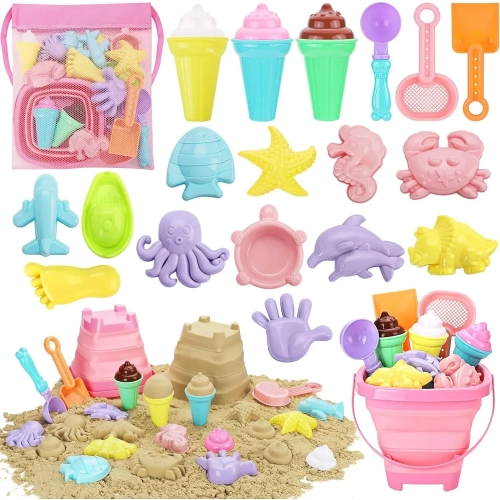
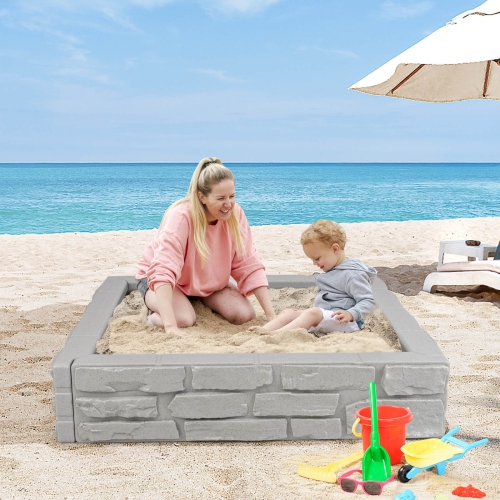


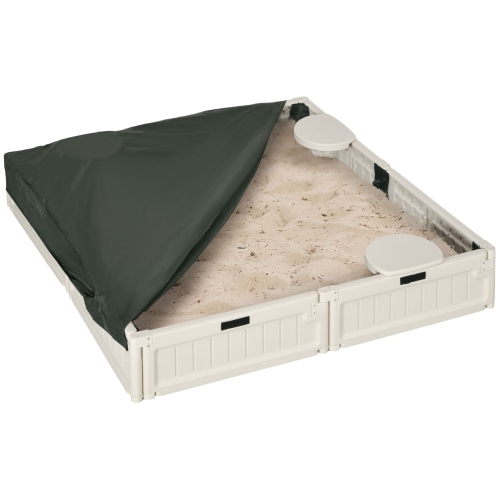

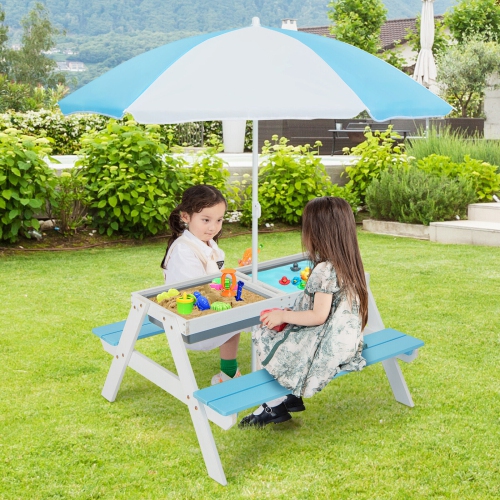
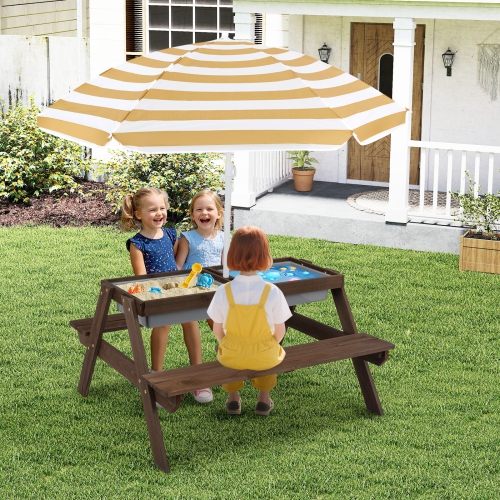
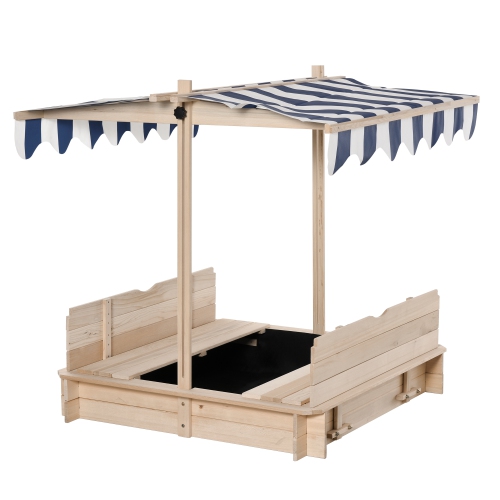
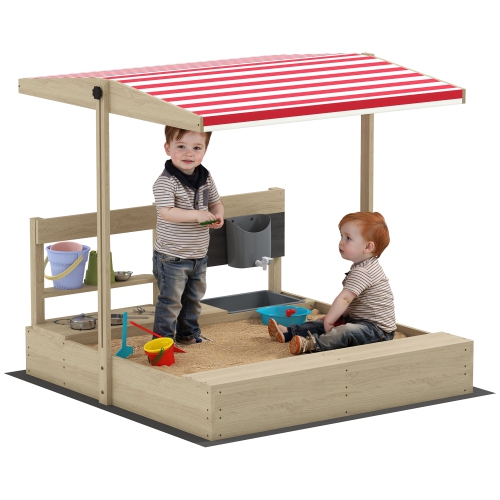
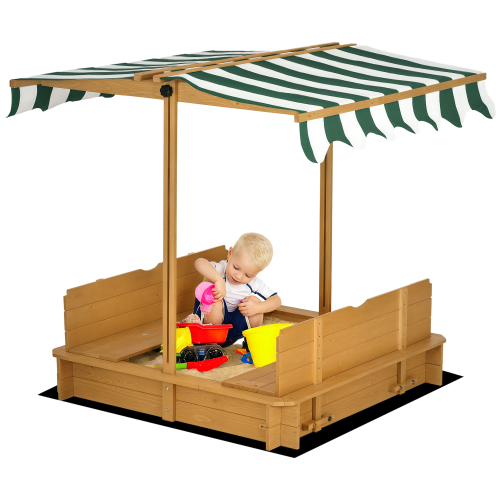


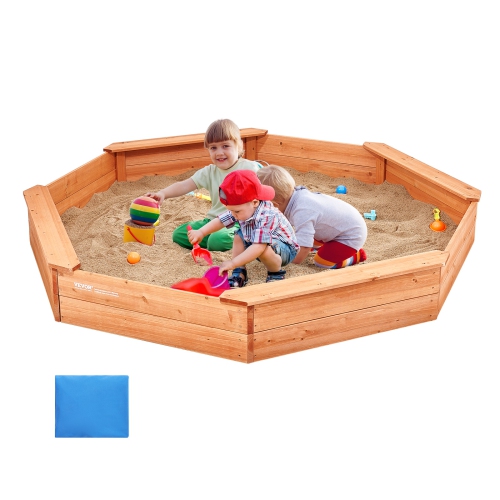
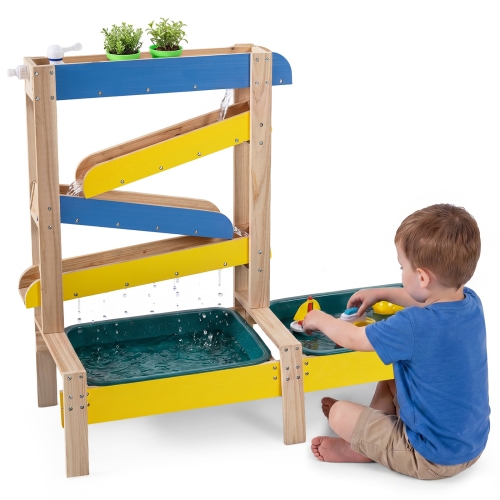

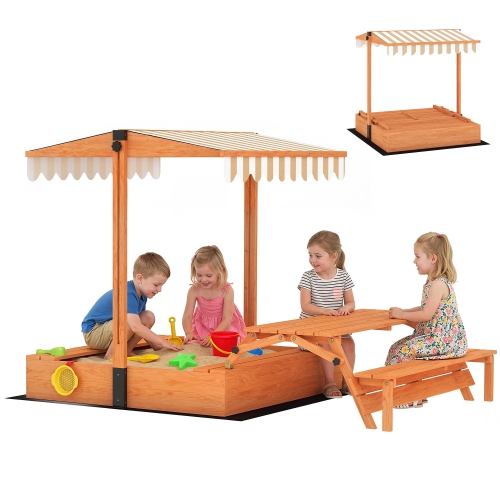

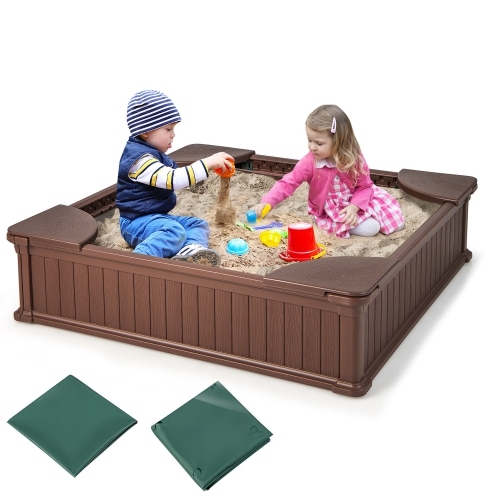
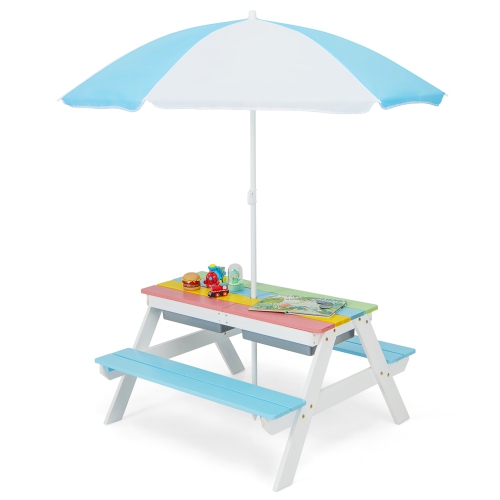
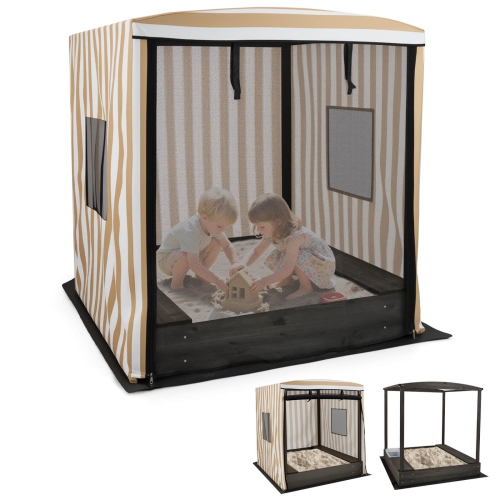
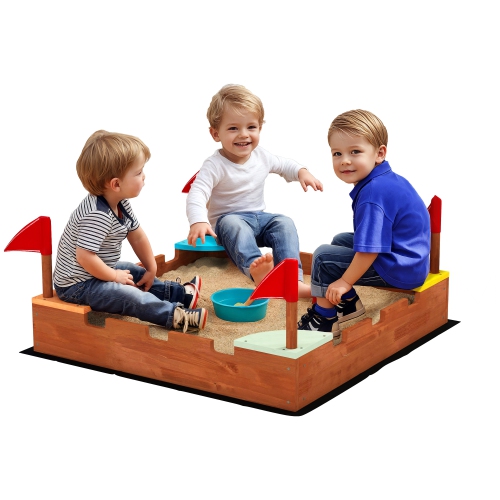
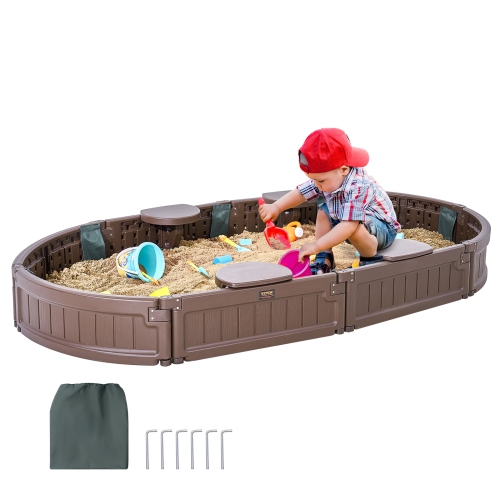

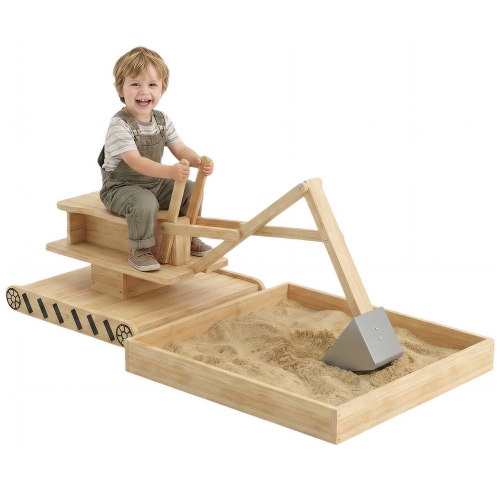


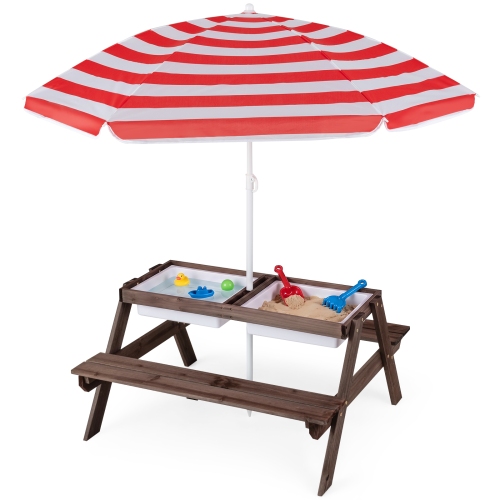
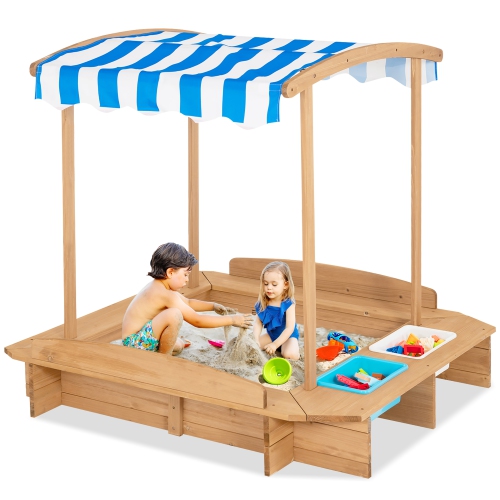
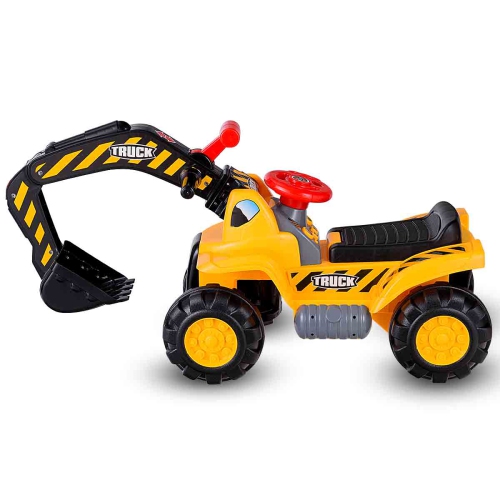
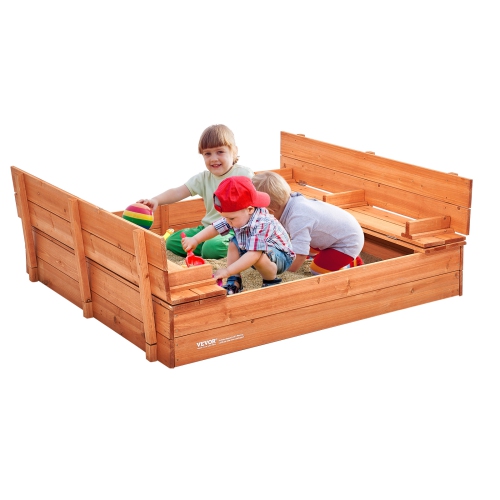
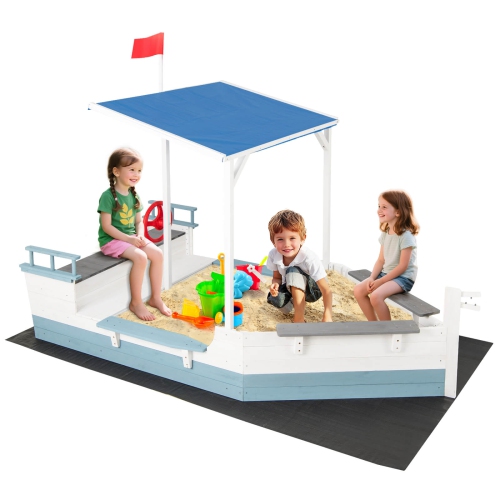

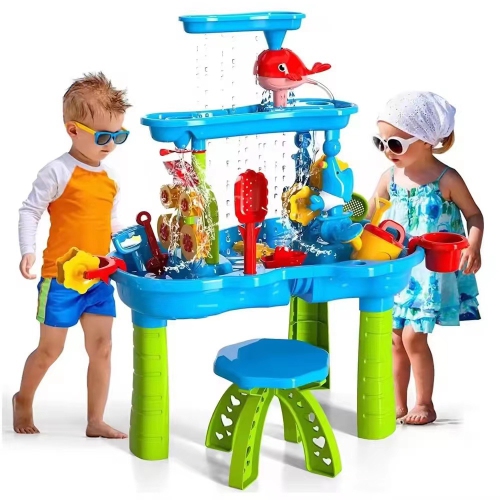
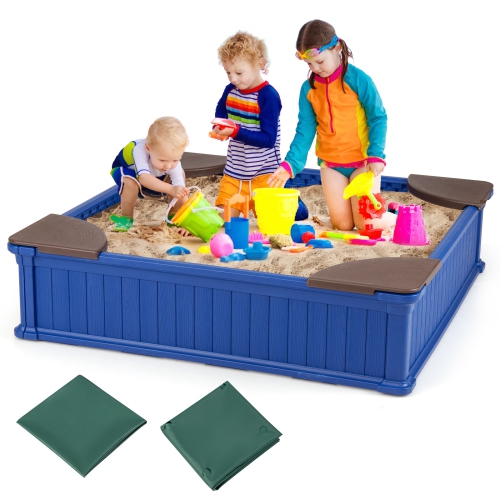
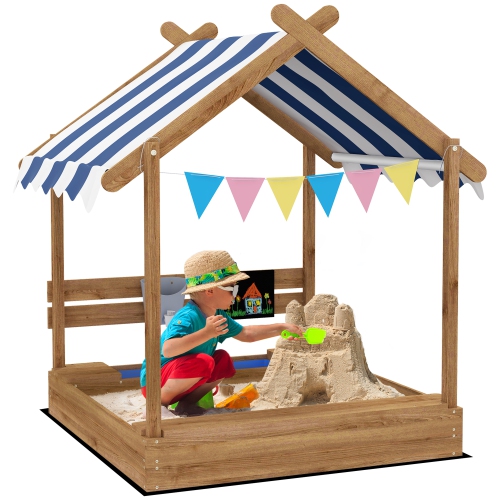



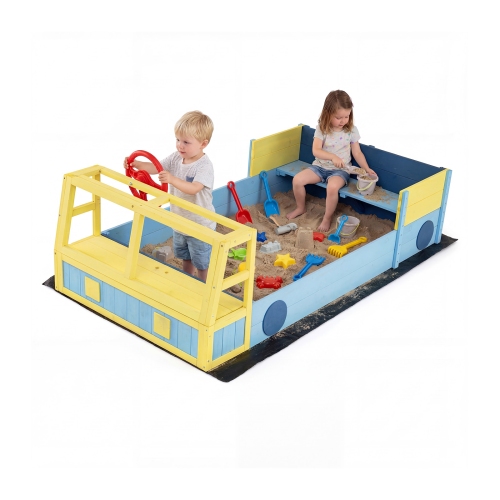
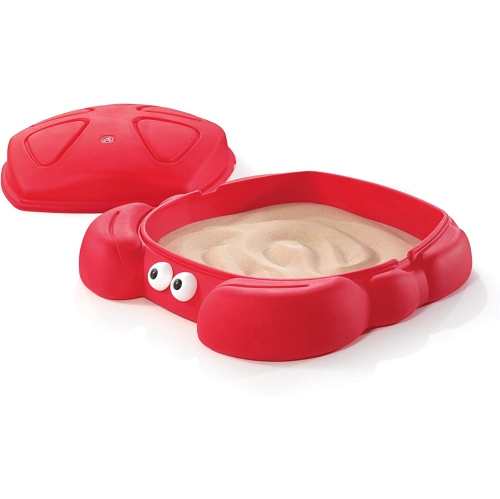

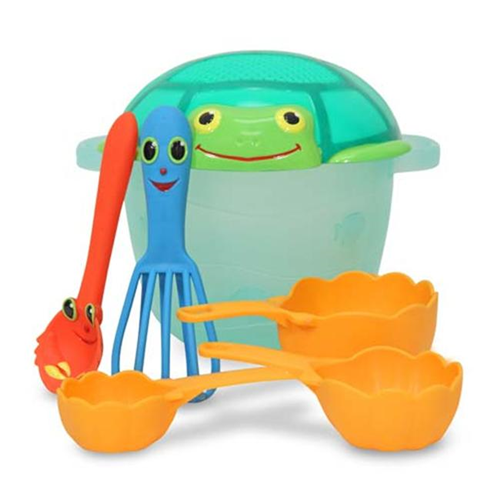
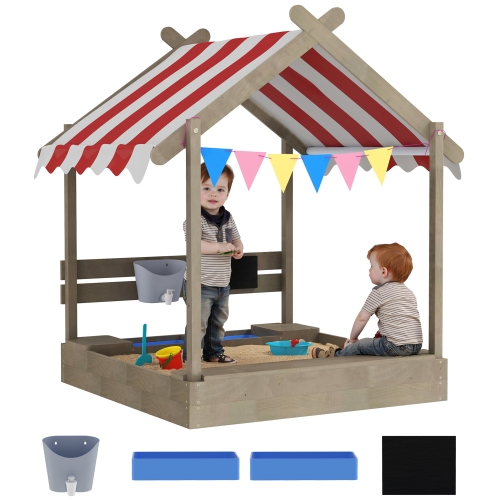


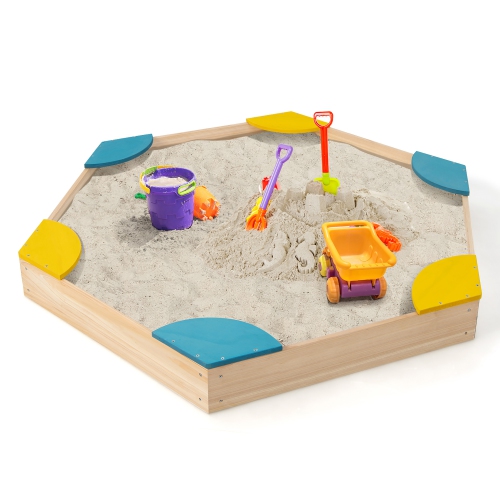
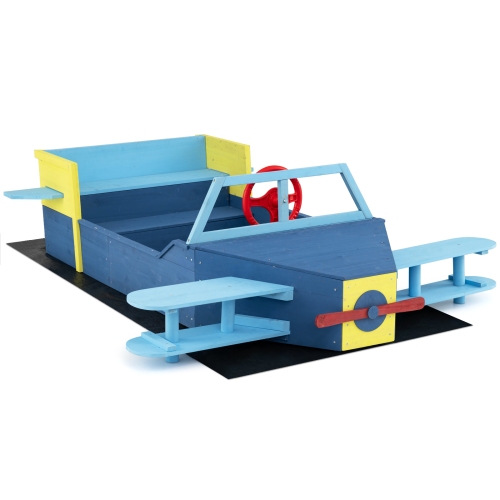

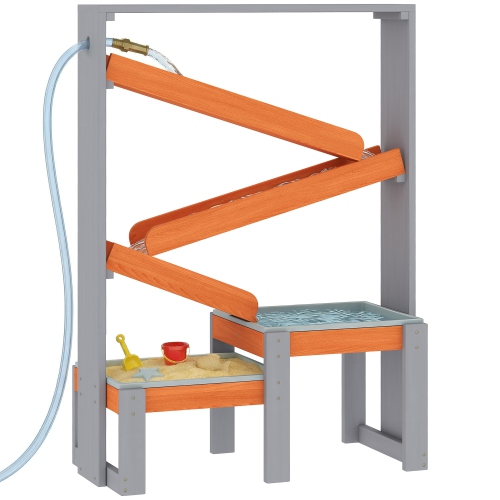


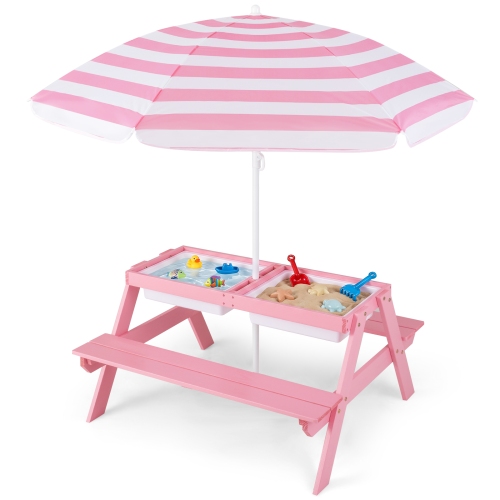
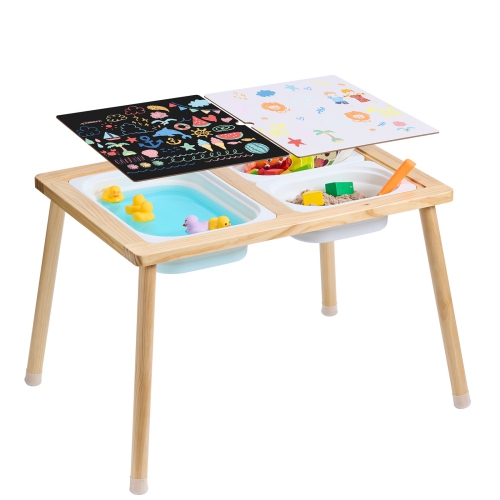
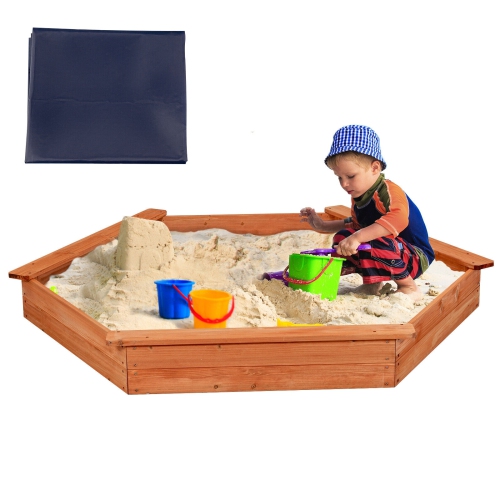
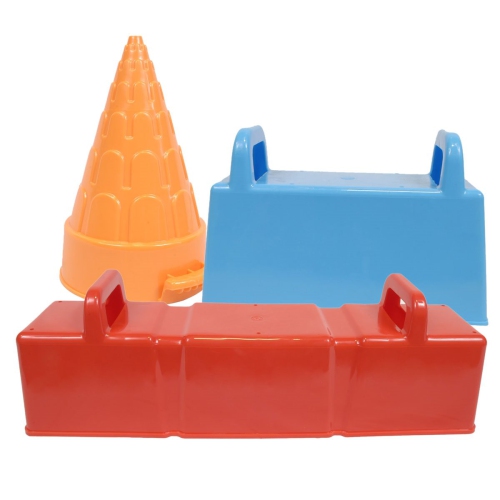
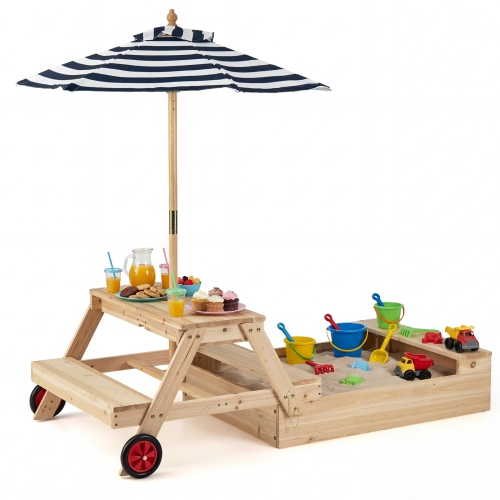
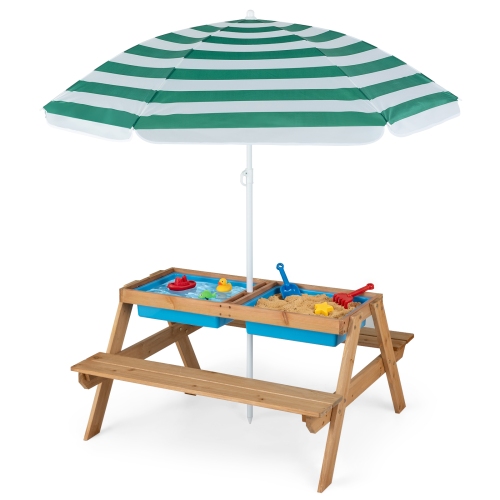
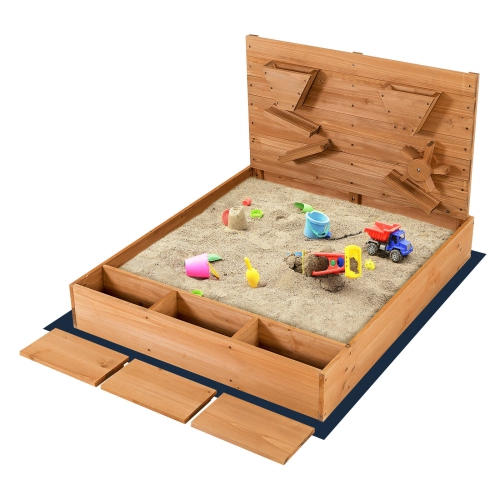
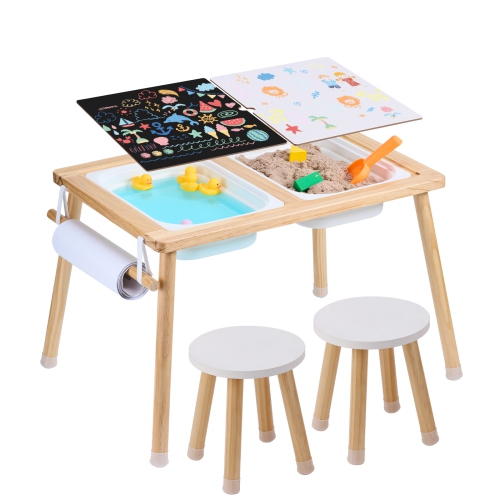





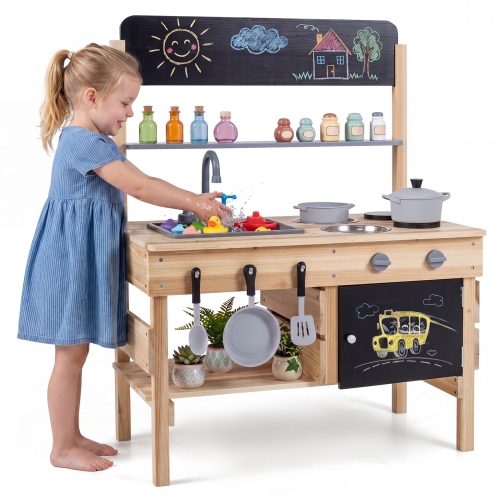
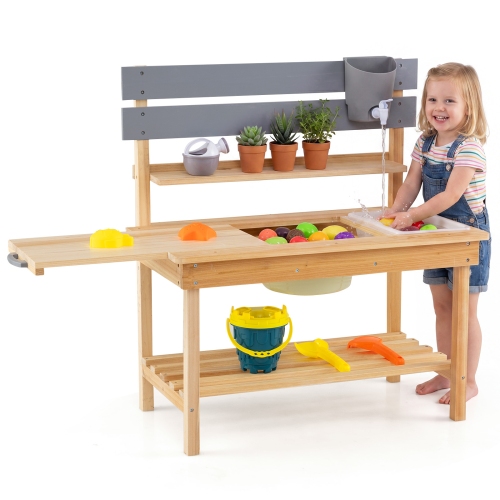
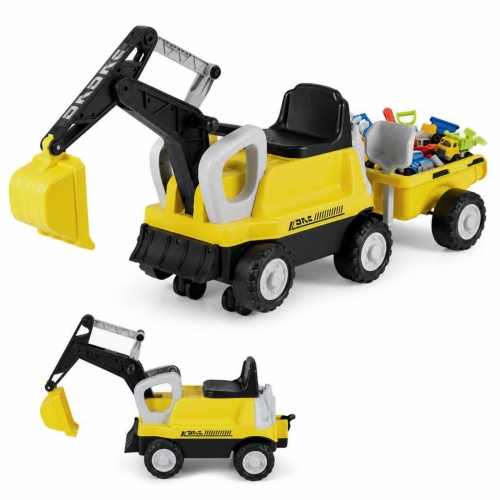

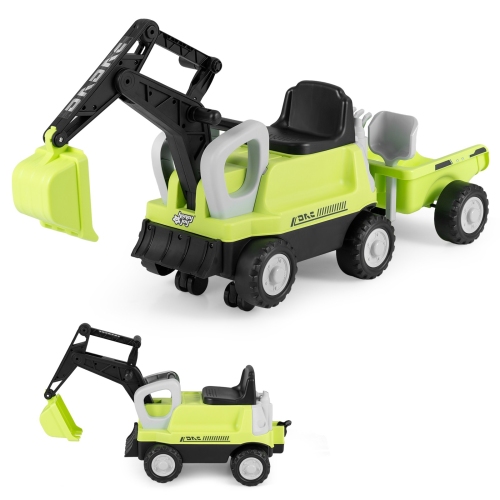
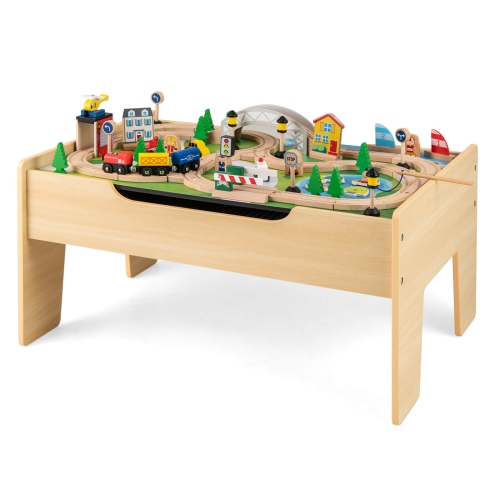
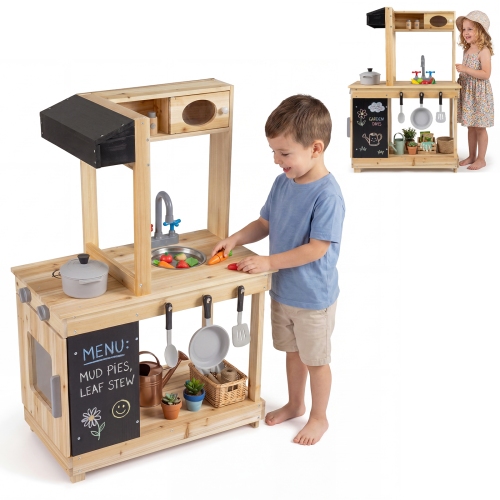
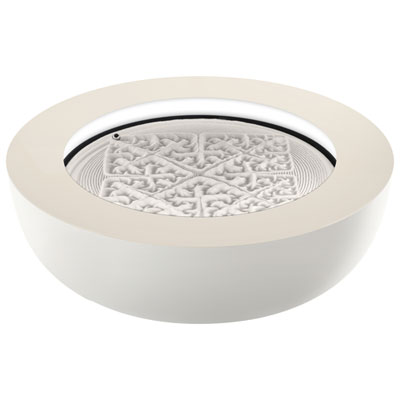

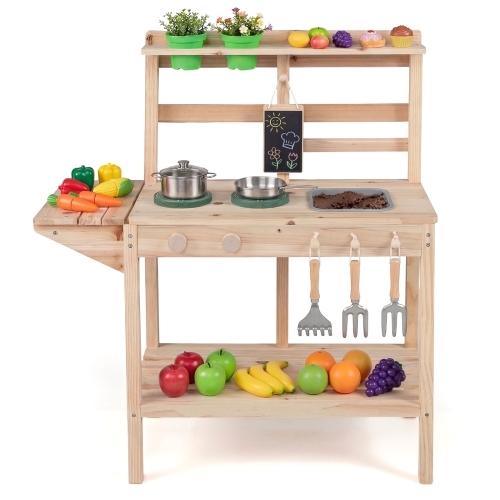
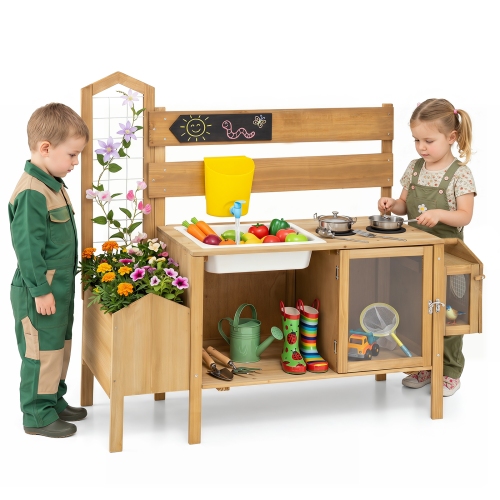
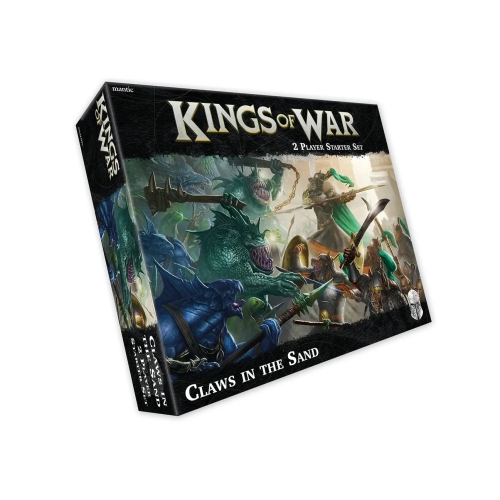

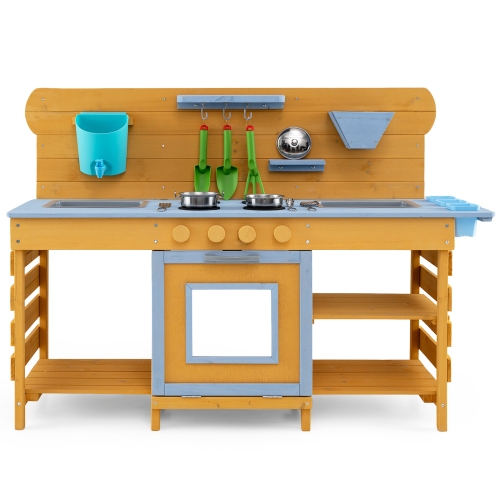
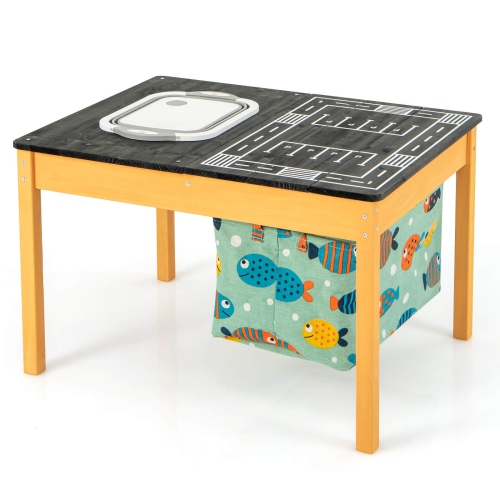

From a simple tray to a miniature town
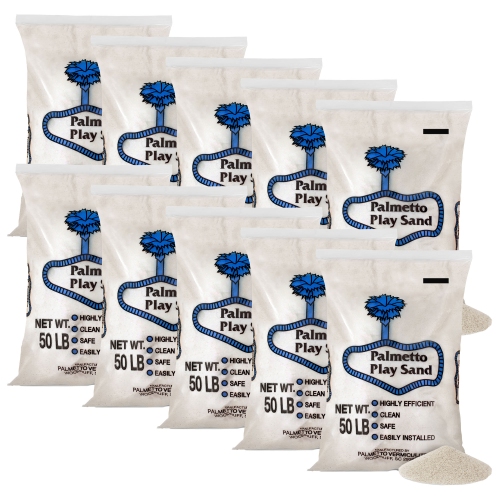
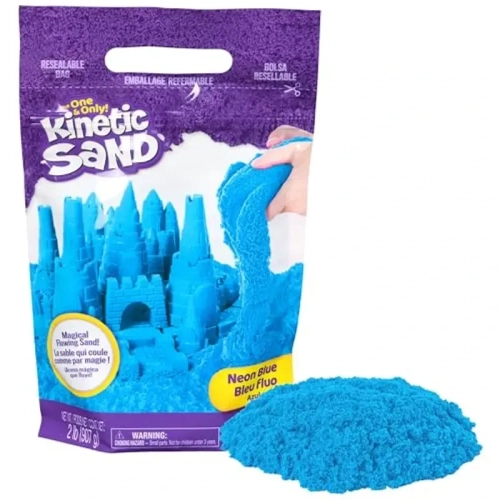
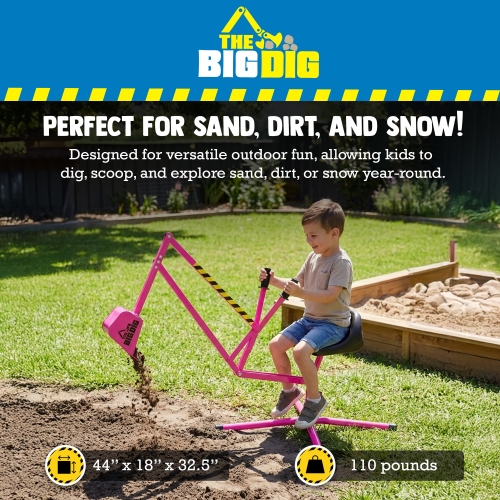
Sand play brings together play sand, sandboxes, sensory tables, and tools for scooping, pouring, digging, and shaping. It can be as simple as filling a small tray and pressing a mould into the surface, or as involved as building a miniature town with roads, tunnels, and towers. Play sand is sand prepared for recreational use, commonly washed and screened to reduce unwanted debris and provide a more consistent texture. Processing methods vary, so the packaging should identify the material as suitable for children’s play and describe its intended use. Construction sand, traction sand, and landscaping materials serve different purposes and should not be assumed suitable for a sandbox. Natural play sand and manufactured mouldable sand also behave differently. Loose sand flows through funnels and sieves, while slightly damp natural sand holds shapes more readily. Mouldable compounds may contain binders that help the grains cling together, creating a different feel for indoor sensory activities. Some are intended to stay dry, making the manufacturer’s care directions important before adding water or mixing materials. Descriptions such as washed and screened do not necessarily mean sterile or dust-free. Texture, ingredients, and handling instructions are more useful considerations than broad claims about cleanliness. Sand play offers children opportunities to practise hand control as they squeeze a handle, fill a container, or carefully turn out a shape. Comparing full and empty buckets introduces everyday ideas about volume, while shared building projects encourage conversation and cooperation. A child making a pretend bakery might pack sand into a mould and smooth the top; another might prefer moving loose sand between containers without building anything at all. Both approaches leave room for exploration without requiring a finished project. For families, caregivers, and early learning settings, the appeal lies in that flexibility: the same basic materials can support imaginative scenes, simple experiments with texture, and satisfying repetition.
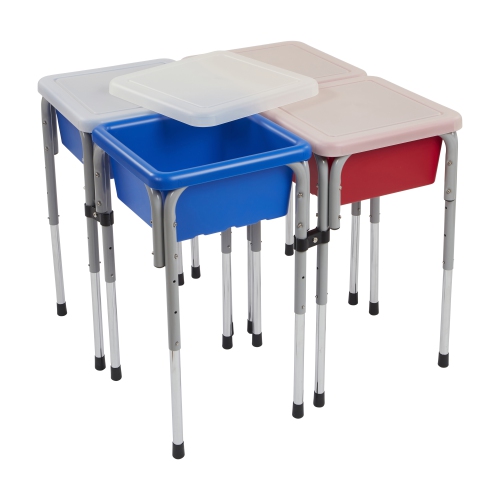
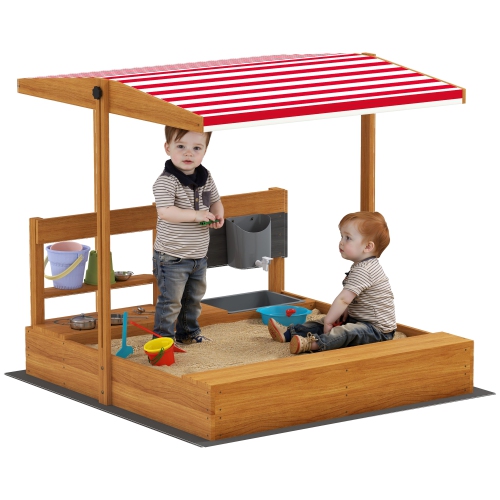
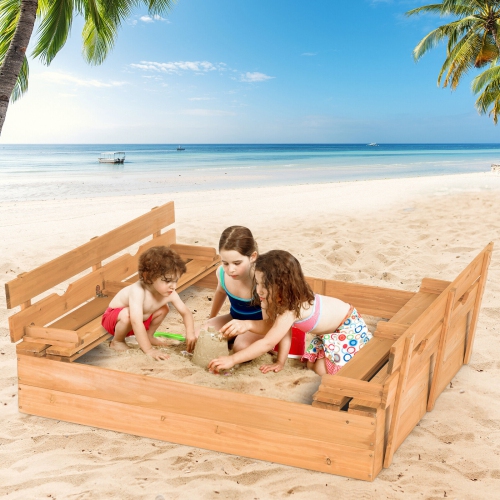
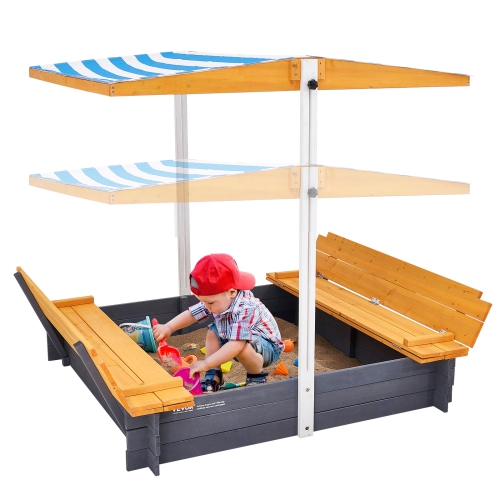
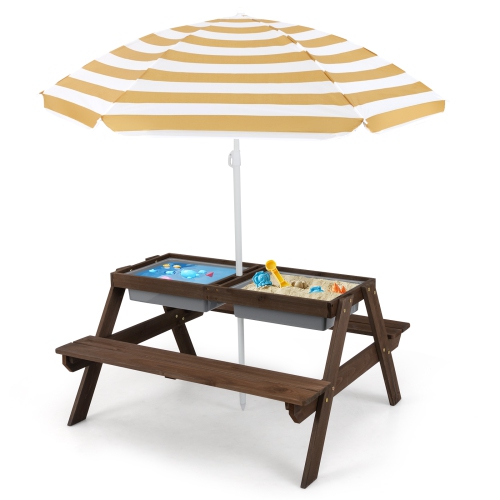
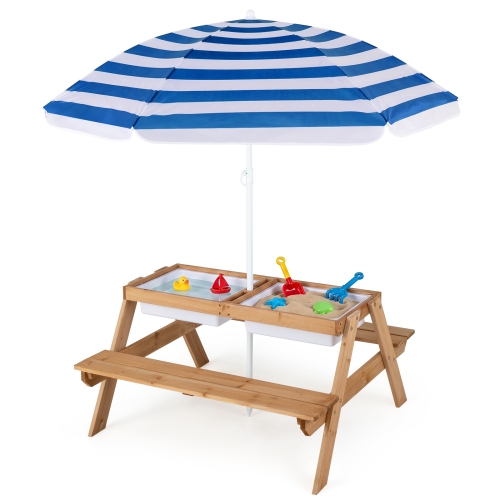
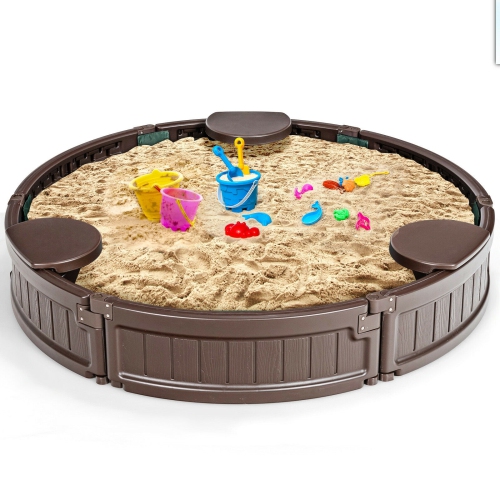
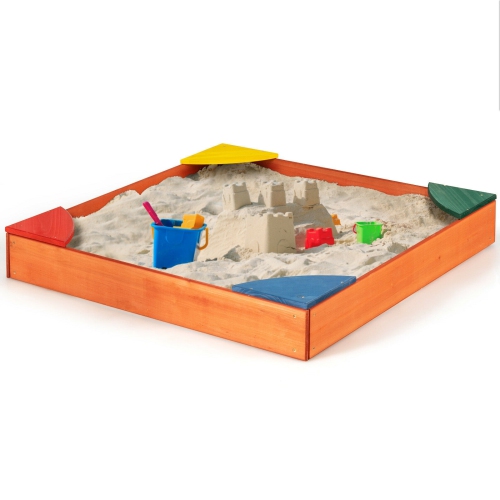
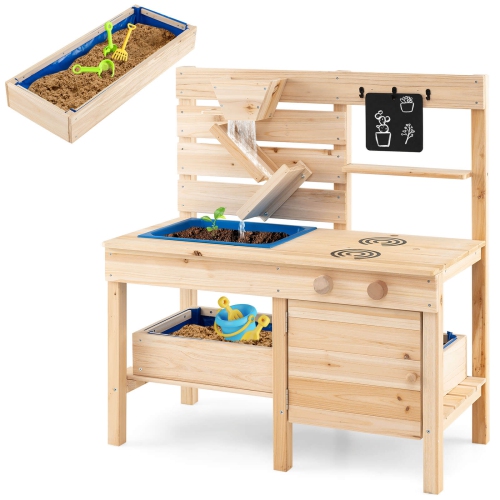
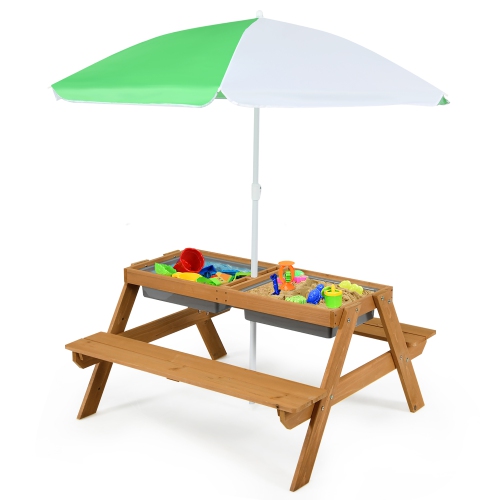
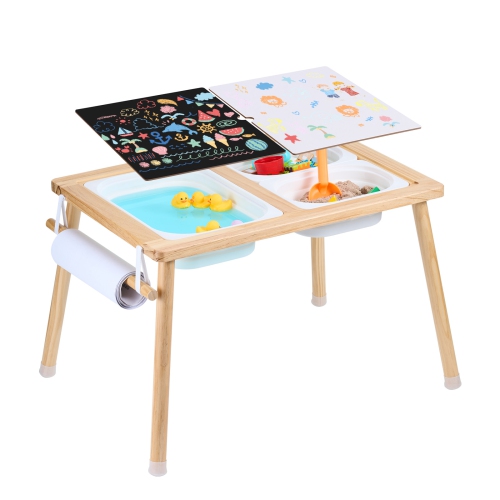
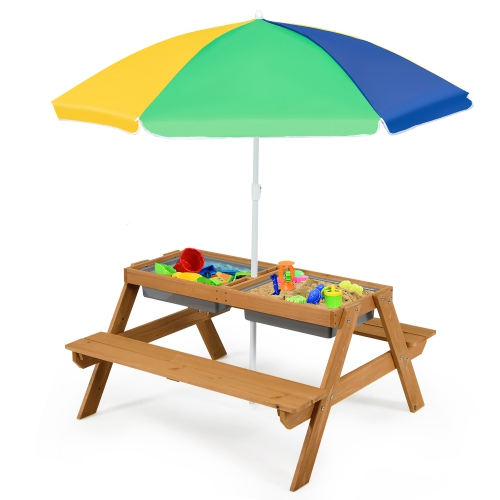
The space used for sand play influences the size, materials, and accessories that suit it. A tabletop tray keeps a modest amount of sand within reach for seated activities, while a freestanding sensory table provides a raised surface for children who prefer to stand. A larger sandbox gives digging and building more room, although its footprint needs to fit the available space with clear access around it. Dedicated play spaces, including Sand Boxes for Kids, help give loose sand a defined boundary and separate it from other activities. The container’s stated capacity matters as much as its overall dimensions: overfilling can make sand harder to contain and leave too little room for tools or moulds. Filling requirements vary with the interior dimensions and desired depth, so a manufacturer’s capacity or fill recommendation is more useful than a general estimate based on appearance. Smooth edges, a stable base, and accessible sides support comfortable use. Table height and reach are especially relevant when several children share the same surface or when a child plays from a seated position. Plastic containers are often straightforward to wipe clean, while wooden structures need attention to their finish, joints, and any developing rough spots. Neither material is automatically the better fit; construction quality and care requirements make a difference over repeated use. Tools benefit from sturdy handles, rounded working edges, and shapes that are easy for small hands to grip. A scoop that feels manageable when empty should still be comfortable when filled with sand. Larger moulds can be easier to fill and turn out, while smaller pieces allow more detailed patterns when appropriate for the child’s age. Sieves, funnels, and containers with different openings create varied ways to explore flow and texture. Storage also affects everyday use. A fitted lid, a washable mat beneath an indoor tray, and a separate container for clean tools can make the play area easier to maintain without crowding the working surface.
Age guidance, supervision, and care requirements are central to how sand play materials are used. Sand and small accessories are not appropriate for children who still put materials in their mouths, and tools should match the age recommendations on their packaging. An adult’s presence helps keep sand away from eyes and mouths and supports shared play when children are working close together. For children who prefer not to touch sand directly, a scoop or larger handled tool offers another way to participate without pressing their hands into the material. Manufactured sand compounds warrant a check of their ingredient and allergy information, particularly in households or group settings where sensitivities are a concern. Different compounds should remain separate unless their instructions permit mixing, and food preparation tools are best kept apart from play equipment. Routine care helps preserve the texture and condition of the materials. Natural sand should be checked for foreign objects, animal contamination, unusual odours, or other changes that indicate it needs replacing. Covers can help keep unwanted debris out of a sandbox, but they do not replace inspection or regular maintenance. Containers should not hold standing water, and any drainage features should remain clear. Mouldable sand may need its own closed storage container and should be cleaned or replaced according to its directions rather than washed like ordinary loose sand. Tools can usually be emptied, cleaned as directed, and dried before storage; sand should not be rinsed into household drains, where it can settle and cause blockages. Durable pieces with sound joints and easy-to-clean surfaces are useful for repeated play, whether the setting is a family playroom or a shared activity area. As a gift, sand play materials suit children who enjoy digging, pretend construction, tactile activities, or making patterns. A contained setup may be a more practical choice for a household with limited space, while larger digging activities need a suitable dedicated area. The strongest fit comes from matching the material, container, and tools to the child’s interests and the place where play will happen, leaving enough room for experimentation without making setup and cleanup unnecessarily complicated.
Top selling and popular products
-
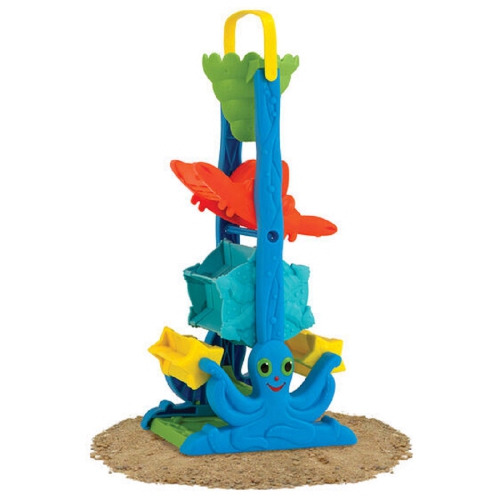 Your price for this item is $39.99
-
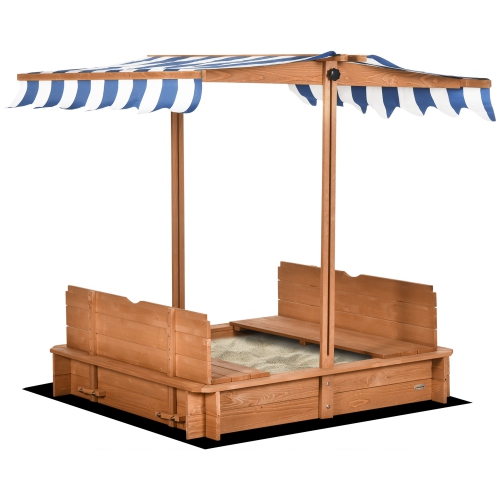 Your price for this item is $124.99
-
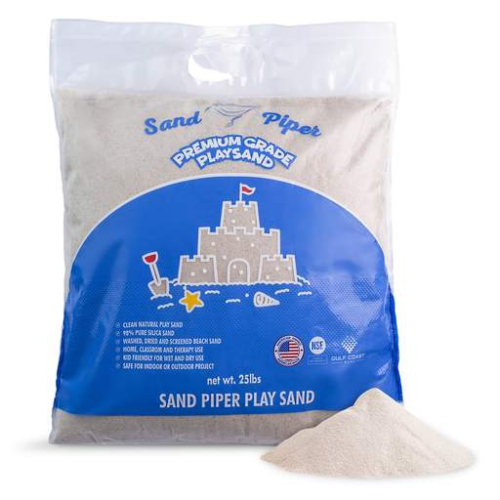 Your price for this item is $80.99
-
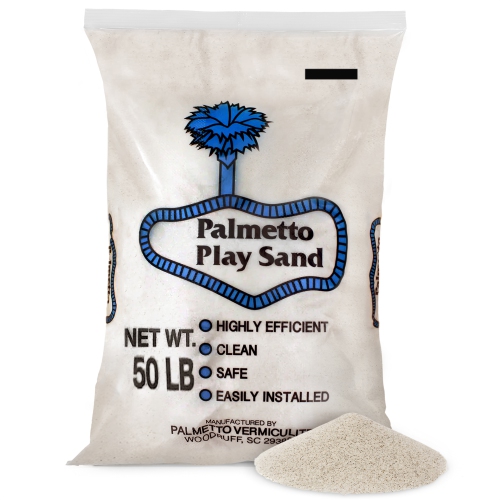 Your price for this item is $109.99
-
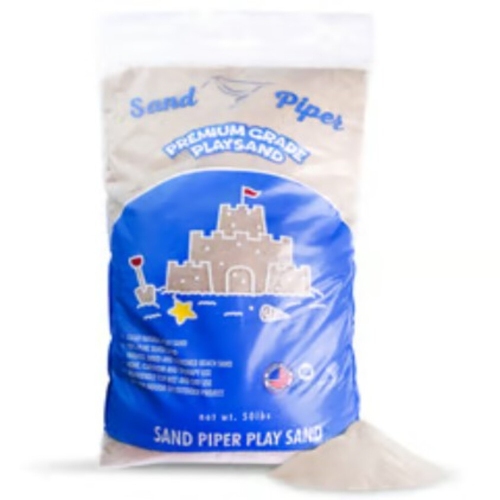 Your price for this item is $111.99
-
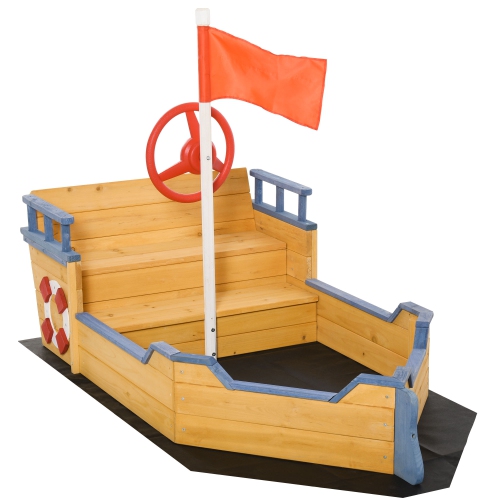 Your price for this item is $119.99
-
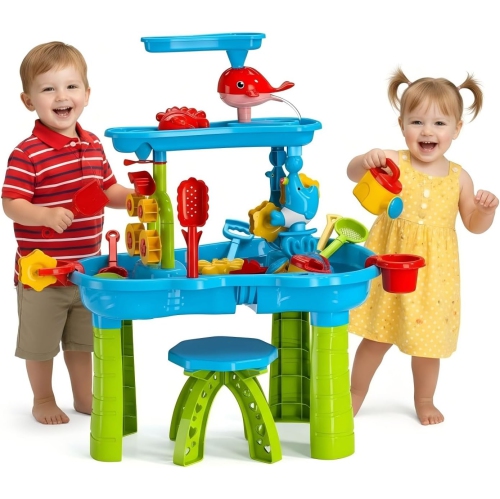 Your price for this item is $114.99
-
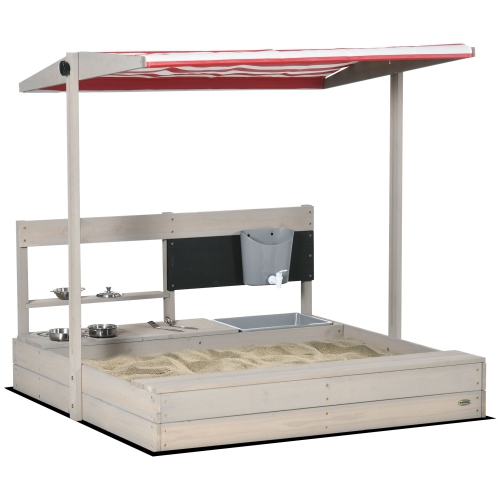 Your price for this item is $134.99
Discover more categories related to Sand Play
Top Collections:
Pokemon Centers, Kindle Devices, Best Budget Office Chairs, Canon G7X Cameras, Apple iPhones 16, Samsung Galaxy Phones, Refurbished Apple Laptops, Laptops for Students, iPhone 15 Apple, Budget Smartphones
Some products may be subject to Environmental Handling Fees
(EHF) depending on your province.
Learn more about EHFs.