Sand Boxes for Kids
Transform your backyard into a world of imagination, and play with a sandbox for kids. Perfect for sparking creativity and providing endless hours of fun, a sandbox is an ideal addition to any outdoor space. Whether they're building castles, digging for treasure, or simply enjoying the tactile experience of sand, children can explore and learn in an engaging environment. Crafted with safety and durability in mind, these sand boxes offer a secure place for children to play while you enjoy peace of mind. Discover the perfect blend of adventure and learning as you create cherished memories with your little ones right at home.
Sort



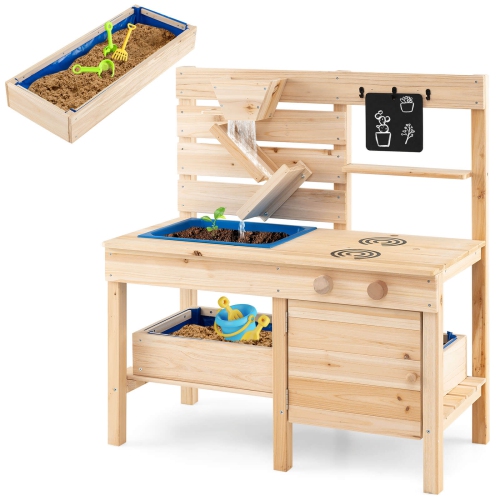
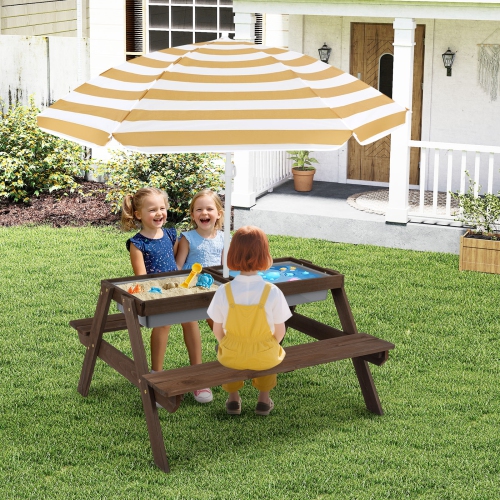
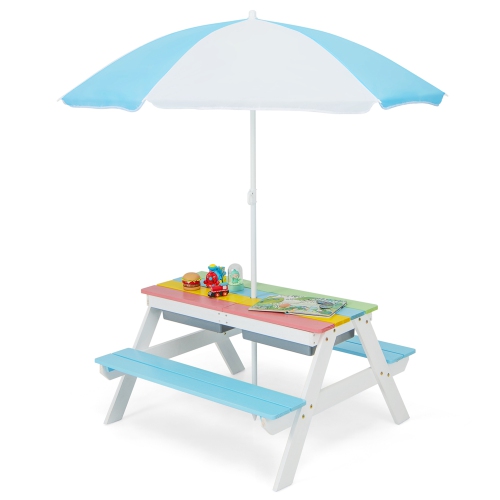
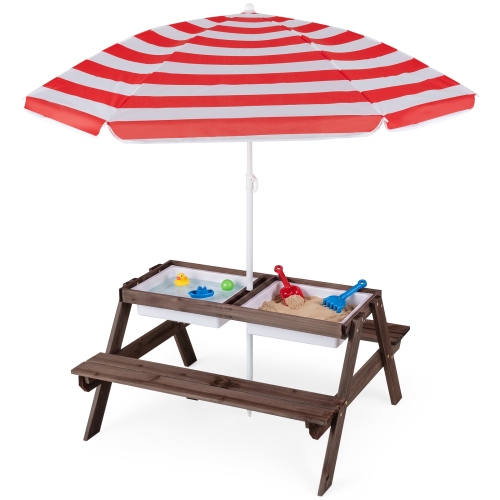




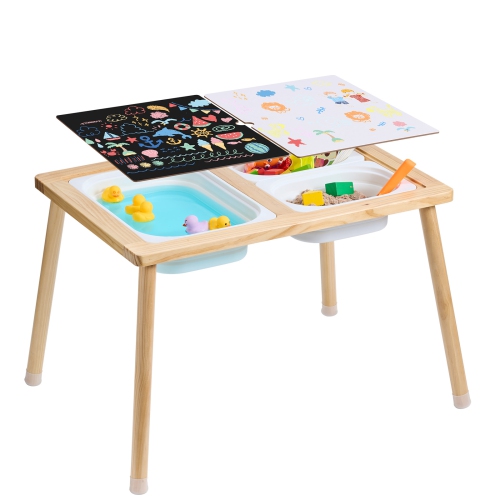
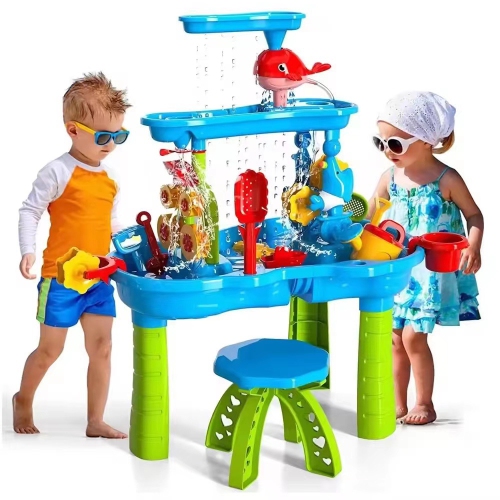
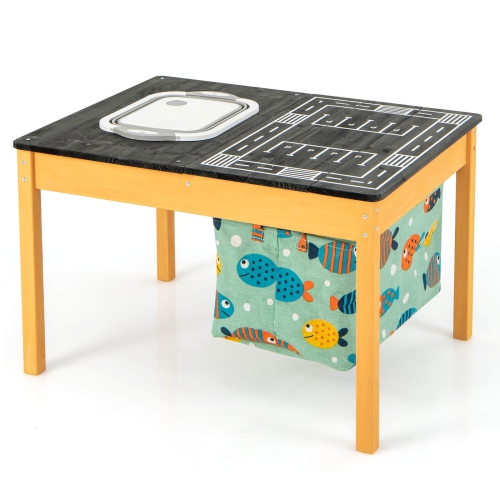

Imaginative outdoor play with practical setup and care
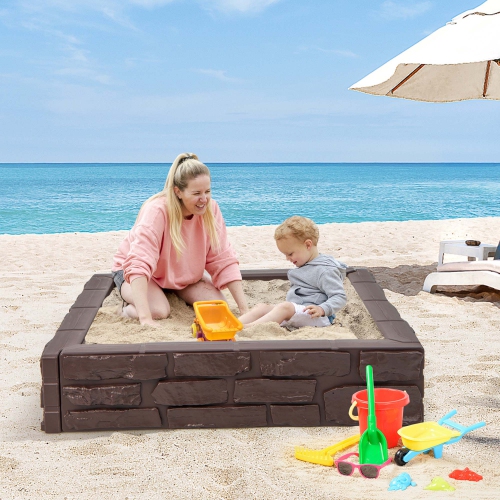
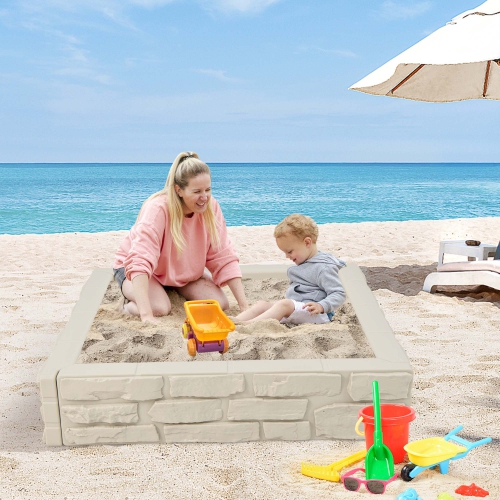
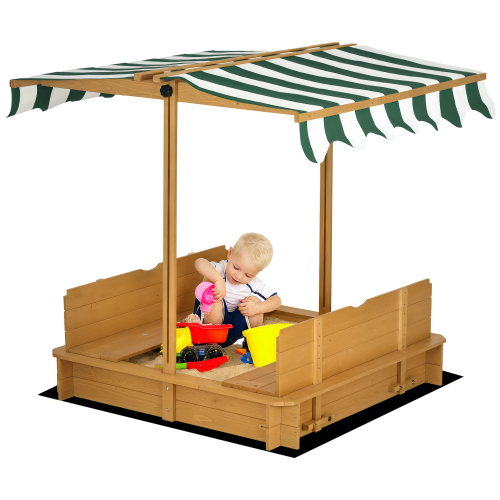
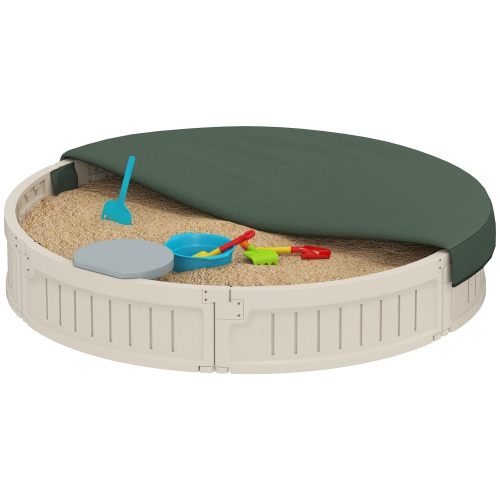
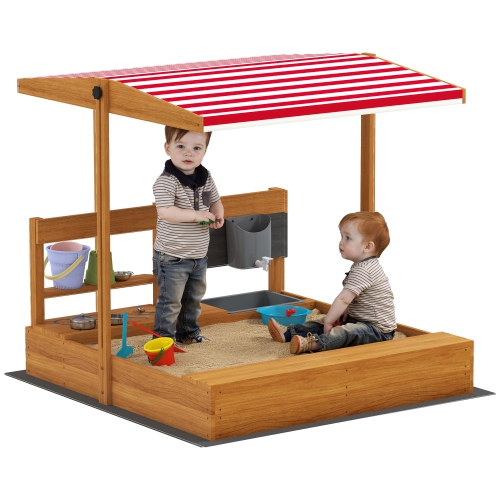
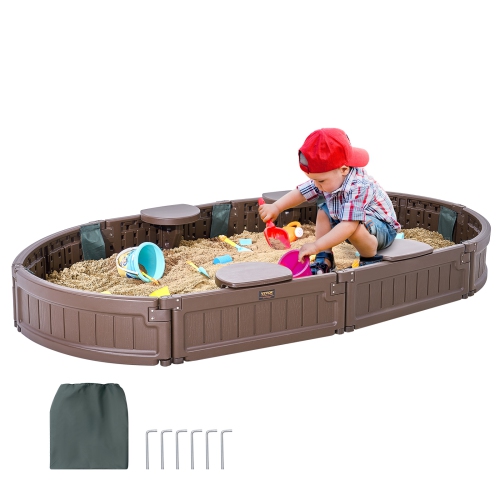
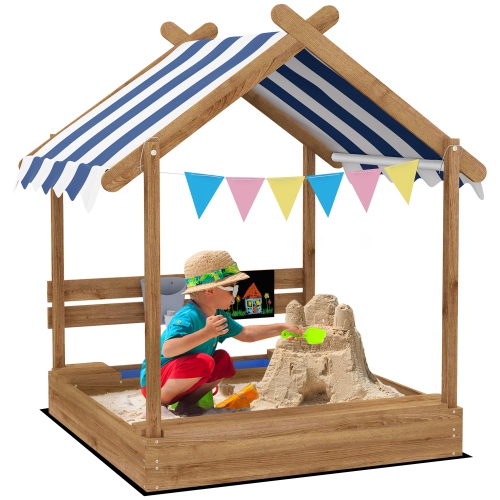
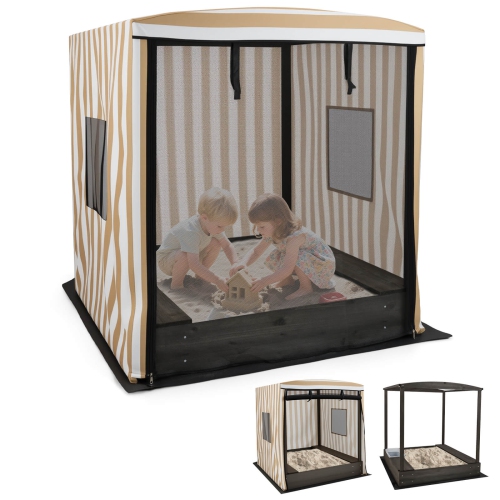
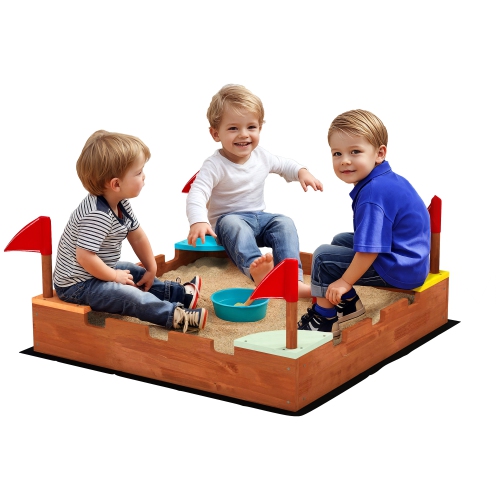
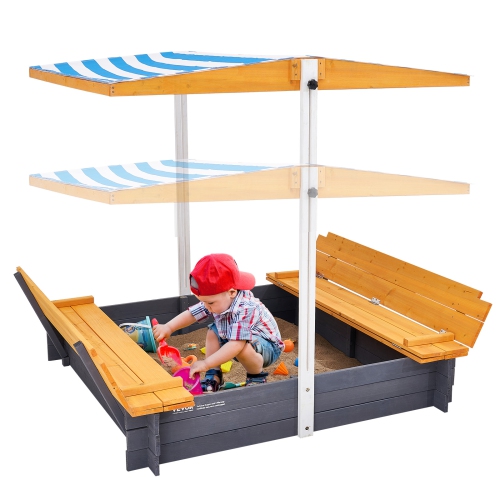
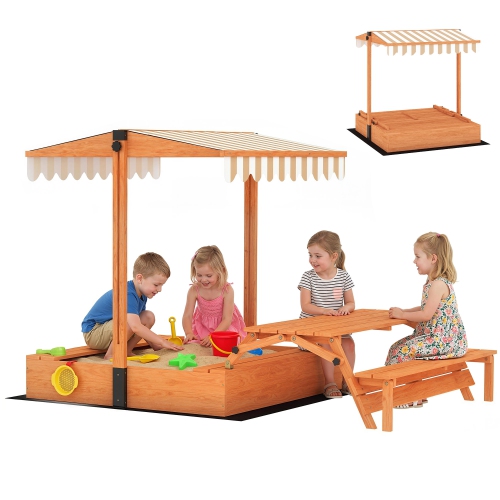
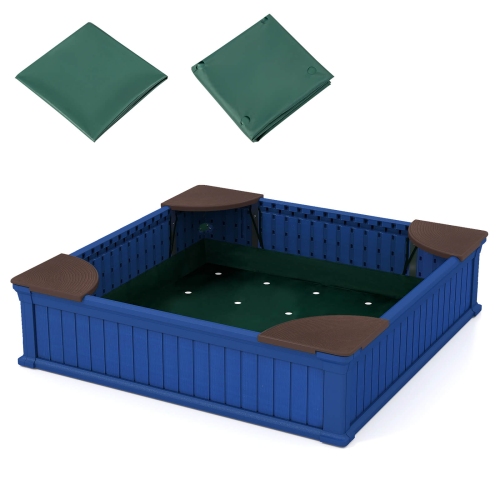
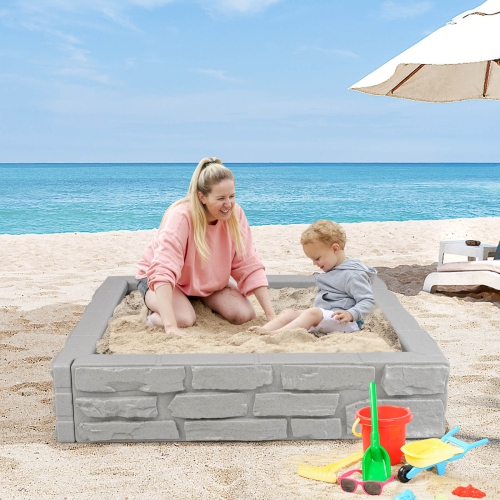
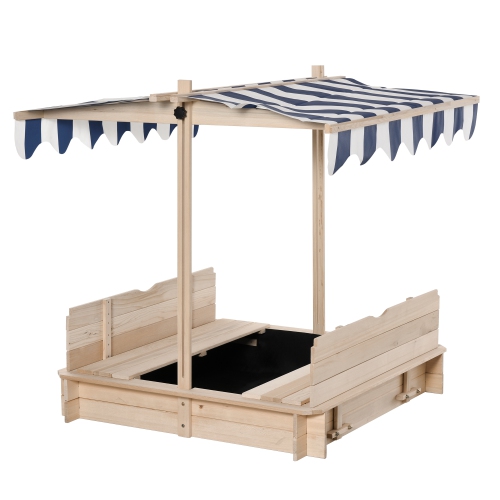
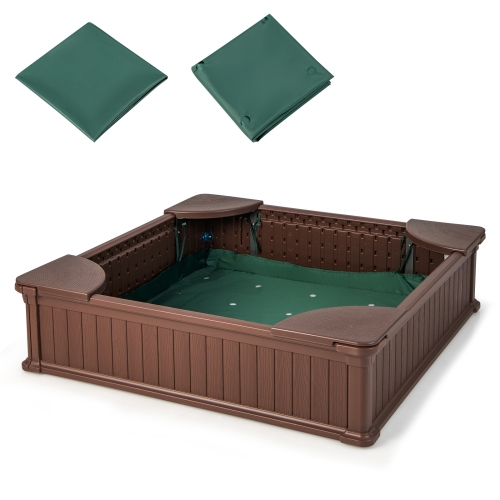
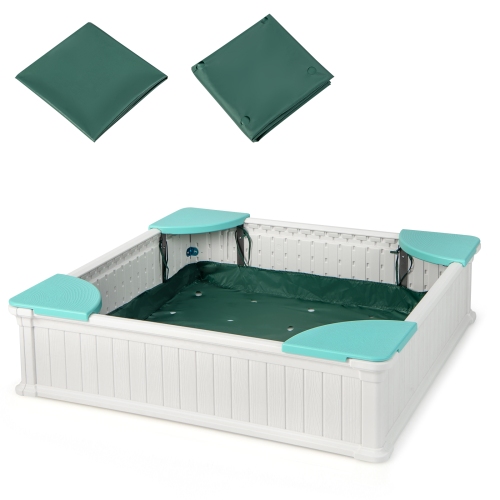
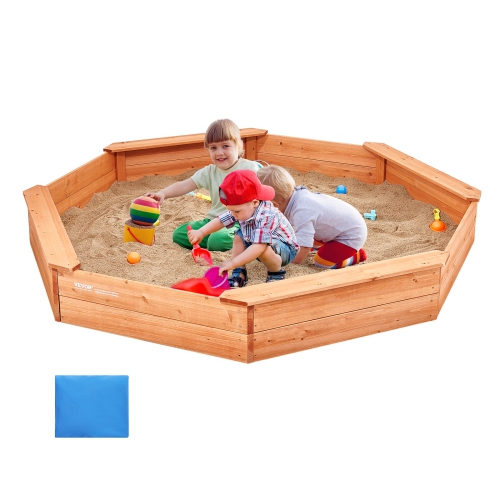
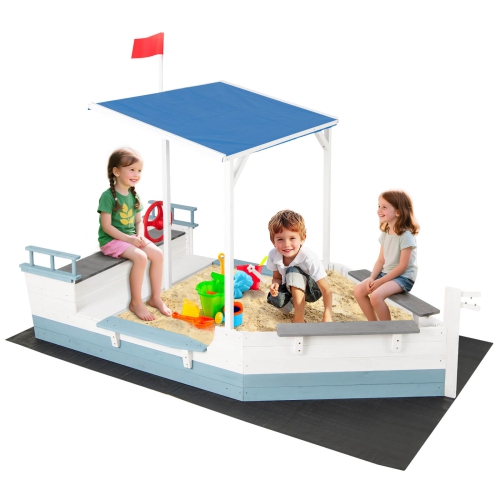
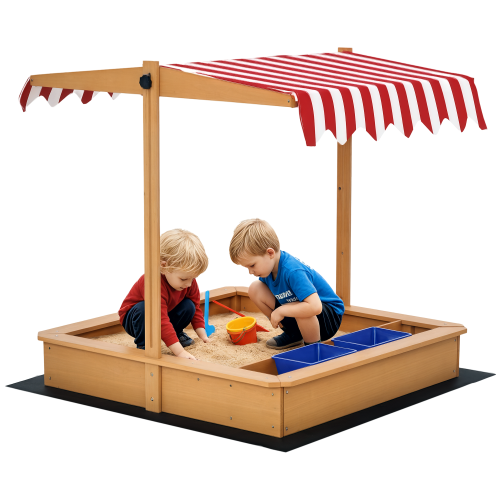
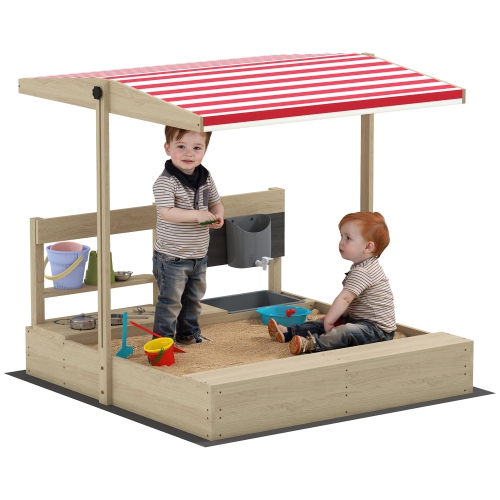
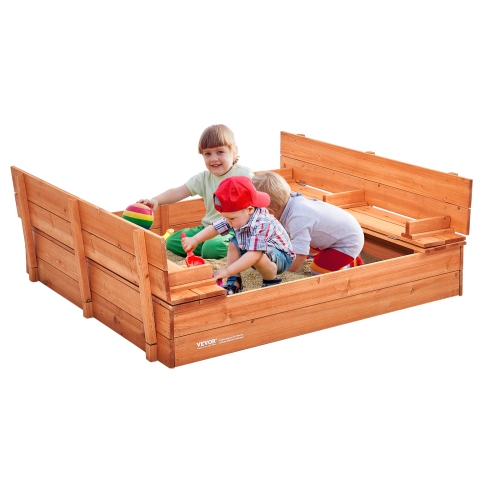
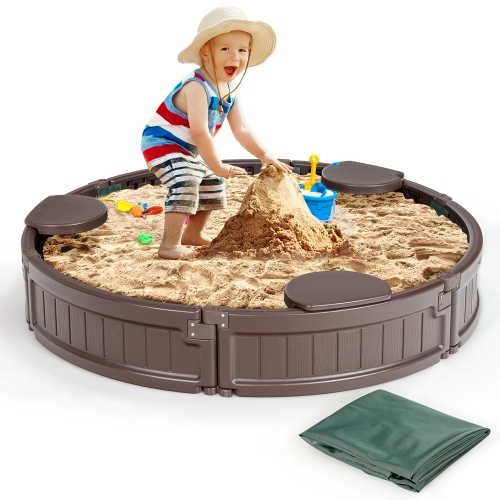
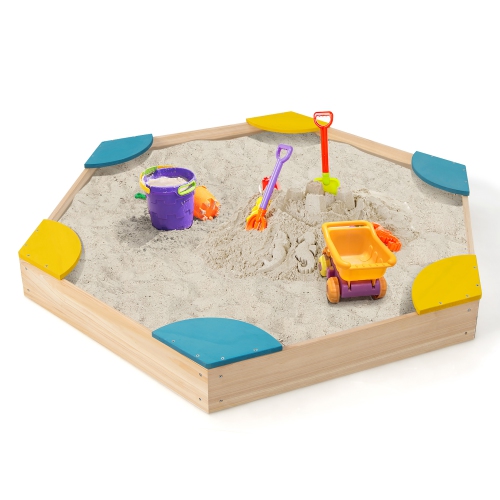
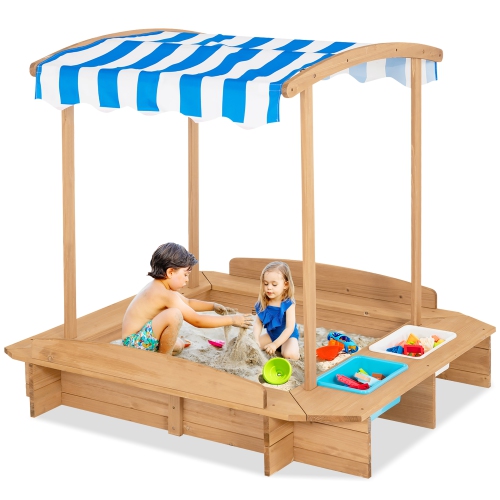
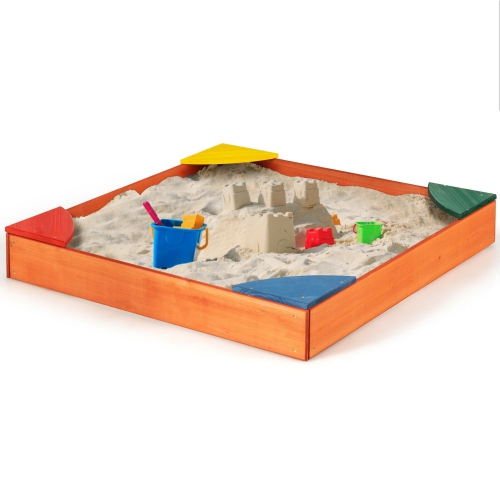
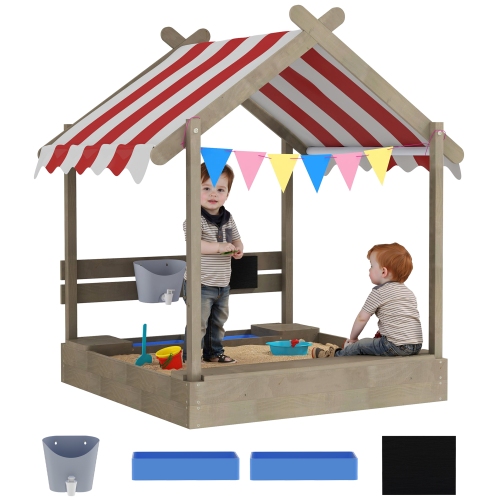
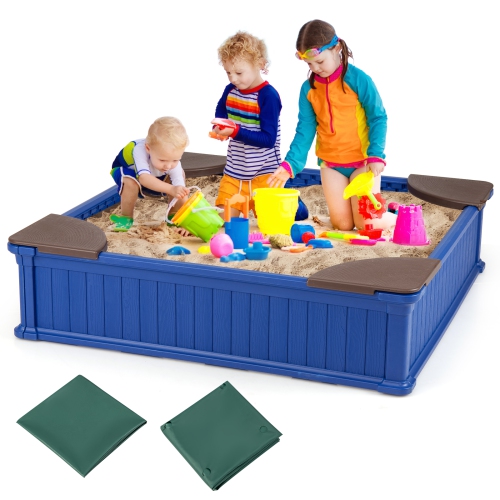
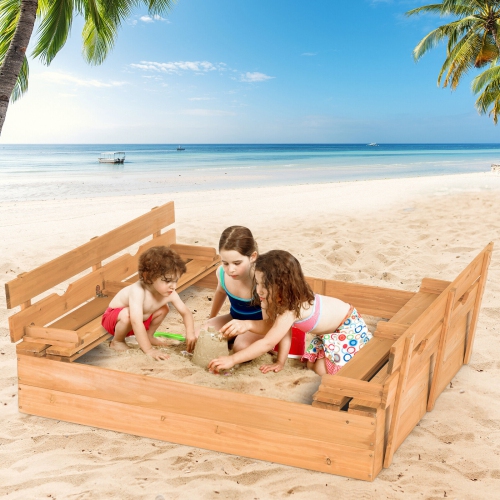
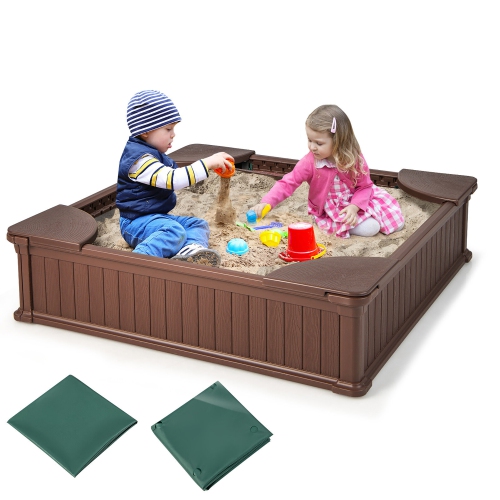
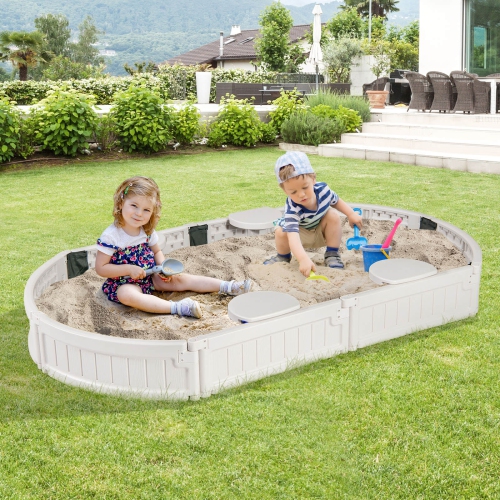
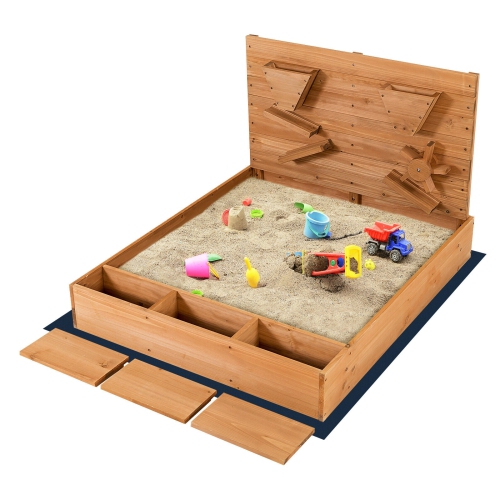
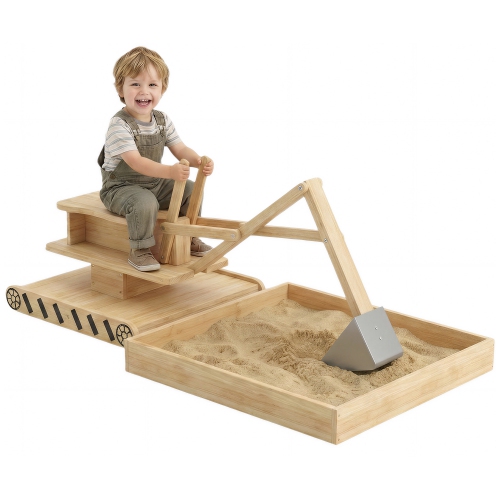
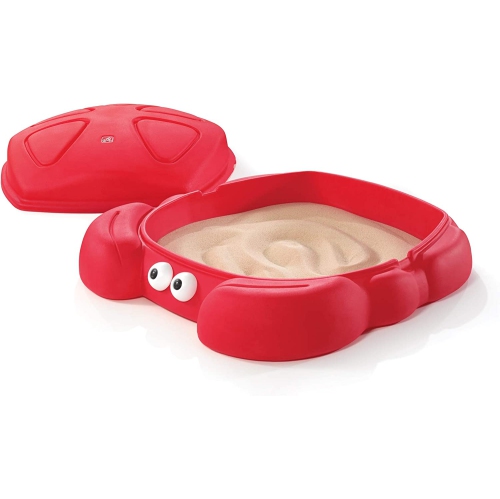
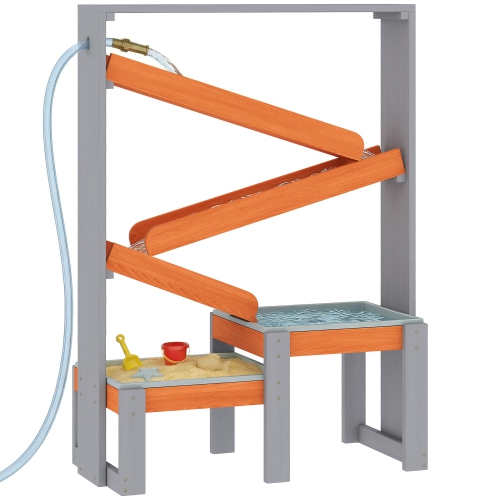
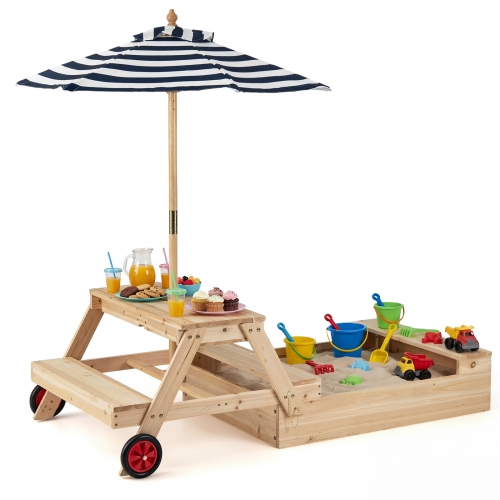
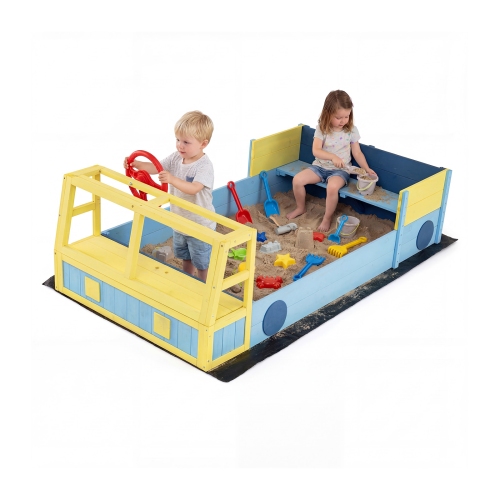
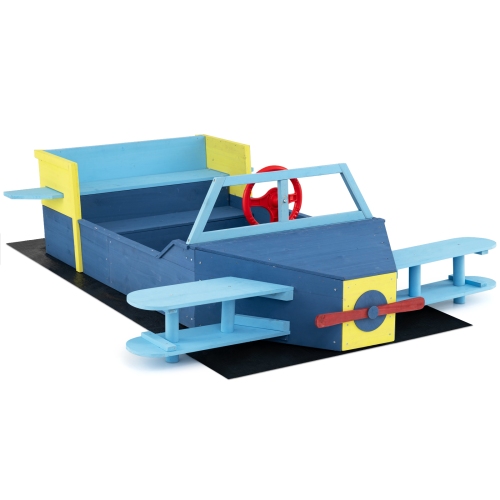
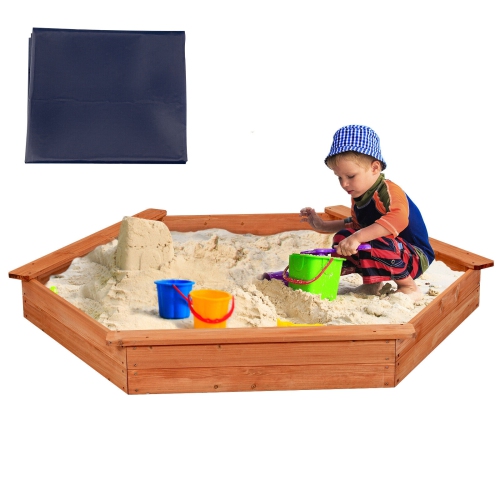
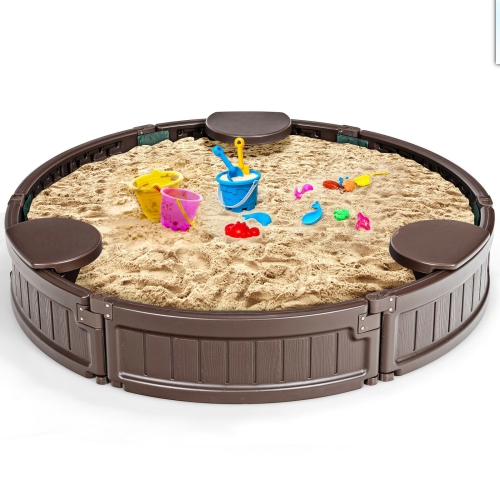
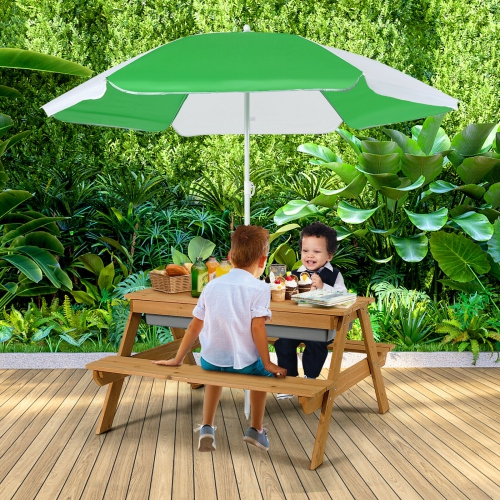
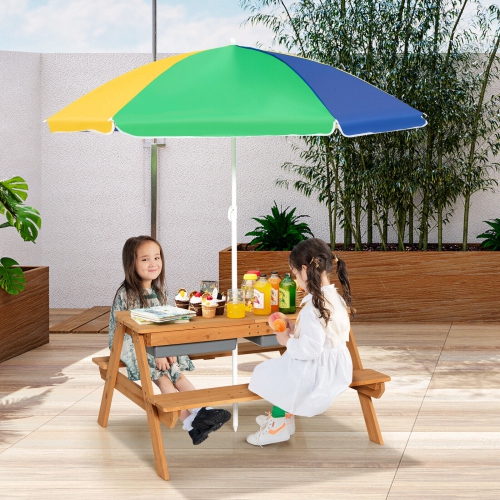
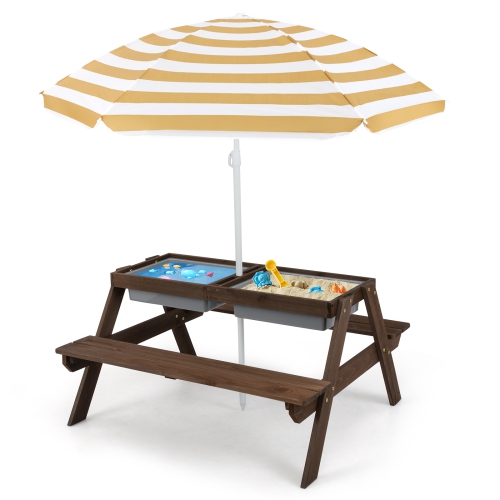
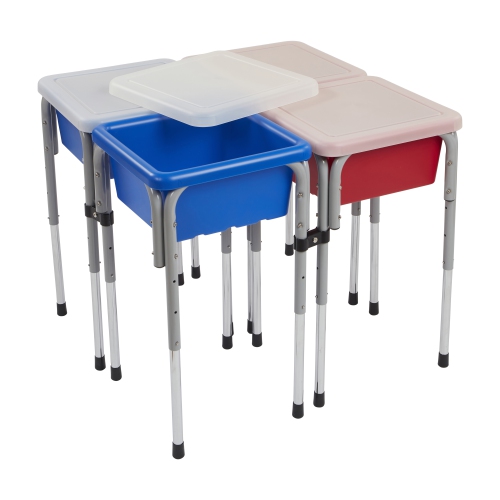
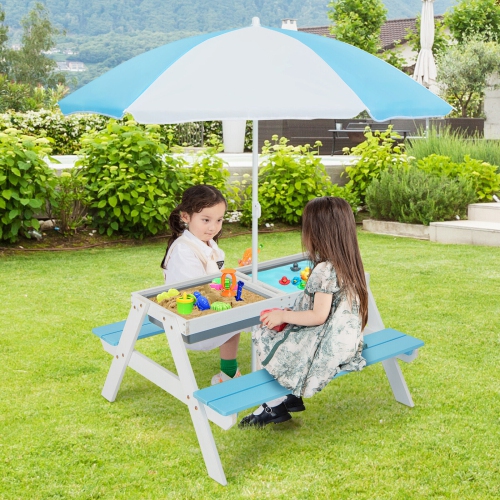
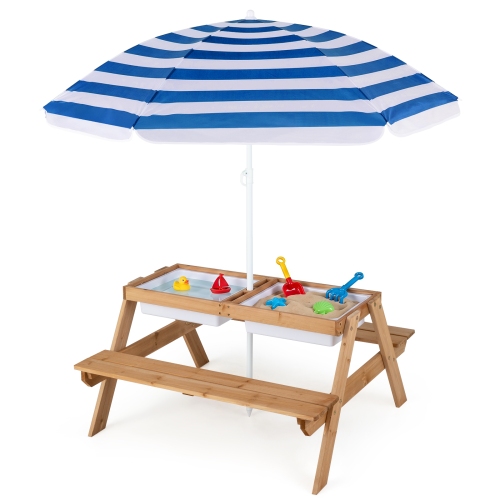
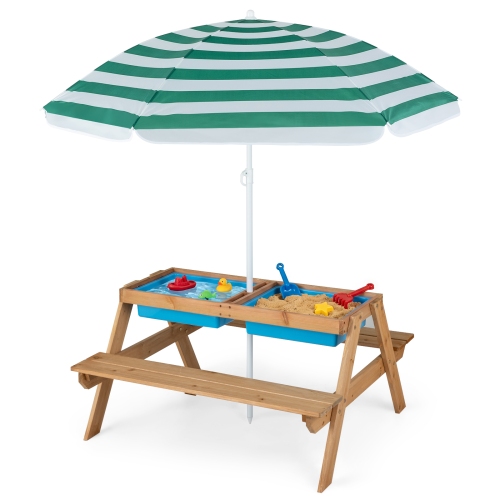
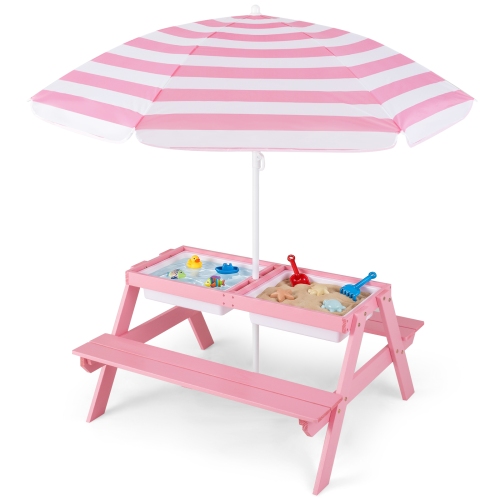
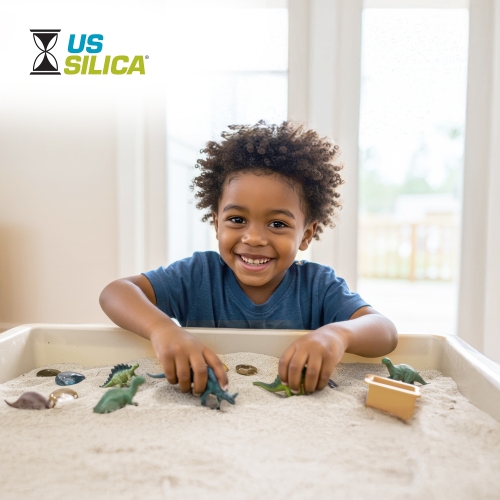
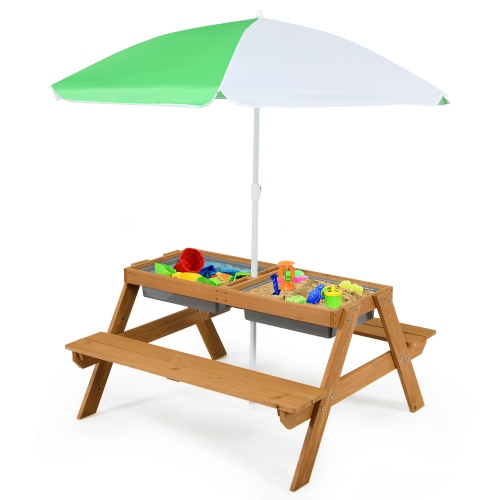
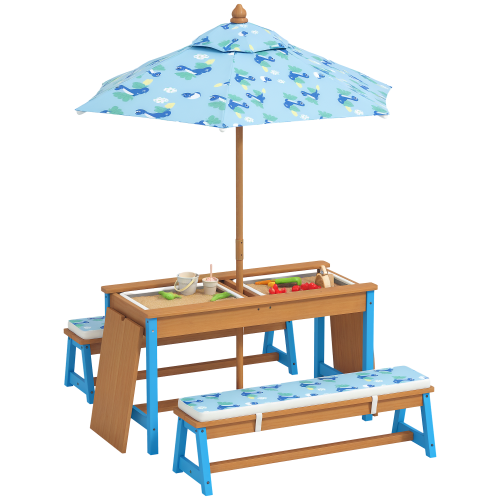
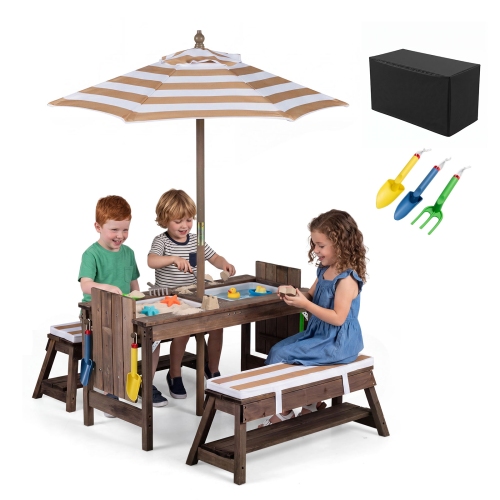
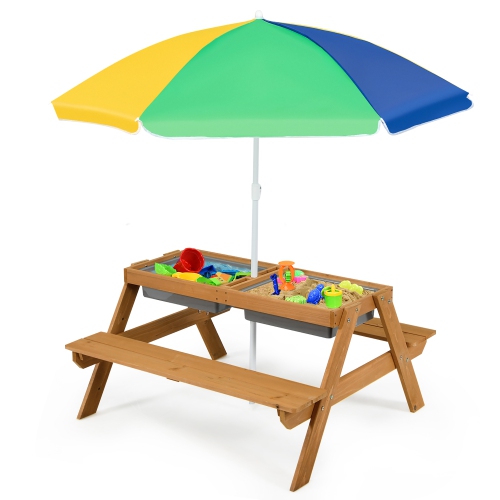
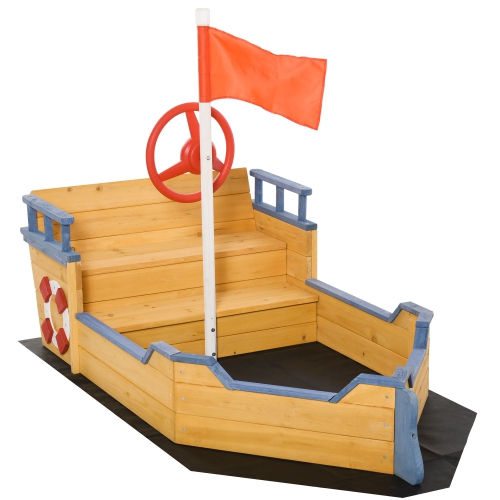
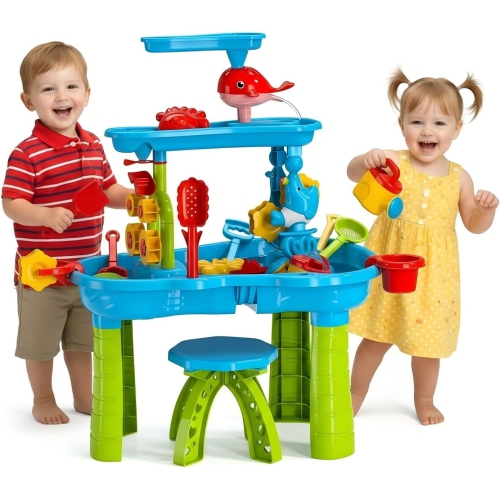
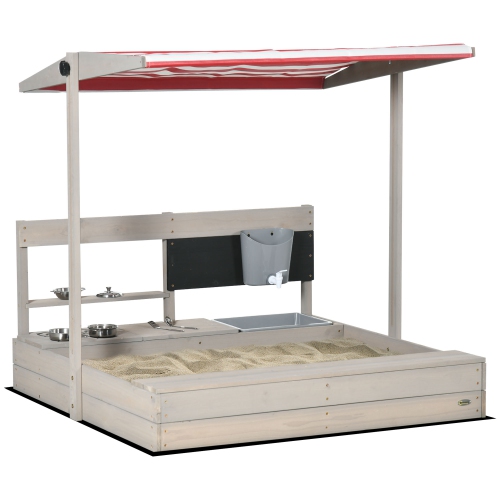
Sand boxes for kids create a dedicated space for sensory play, imaginative storytelling, and hands-on discovery in a backyard, patio area, or cottage setting. A child can spend an afternoon scooping, pouring, patting and digging, turning a small patch of sand into a construction site, animal habitat, garden, castle or treasure map. The open-ended nature of sand play makes these products suitable for a wide range of ages, with younger children practising hand-eye coordination as they fill cups and moulds, while older children build more elaborate scenes with shovels, buckets, rakes and toy vehicles. A sandbox can also be a thoughtful gift for a family with outdoor space, particularly for birthdays, visits to a new home, or occasions when you want to give children an activity they can return to throughout the warmer part of the year. When choosing among sand boxes for kids, consider the available footprint, the number of children likely to play at once, and how easily the unit can be reached by an adult. Compact molded plastic designs are often lightweight and straightforward to position, making them useful for smaller yards, decks or shared outdoor spaces. Wooden sandbox kits may offer a more spacious play area, with built-in corner seats or benches that give children somewhere to sit while they dig and give adults a convenient place to supervise. Some designs include a canopy, umbrella or adjustable shade panel to help reduce direct sun during longer play sessions and provide a little protection from light rain. Look closely at the overall construction, smoothness of the edges, stability of the base and the way any seats, covers or canopy components attach. A well-planned setup should leave enough room around the sandbox for children to move safely, and it should be placed where an adult can keep an eye on play without needing to remain directly beside it.
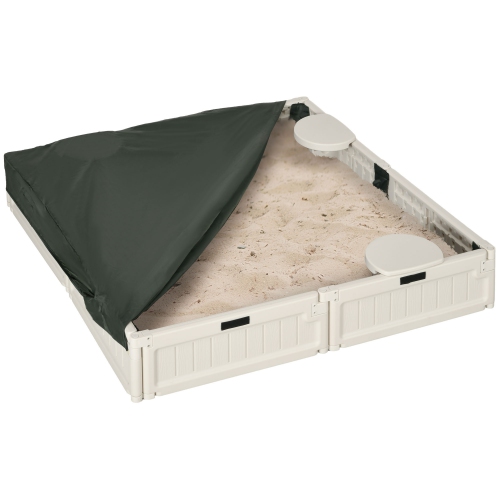
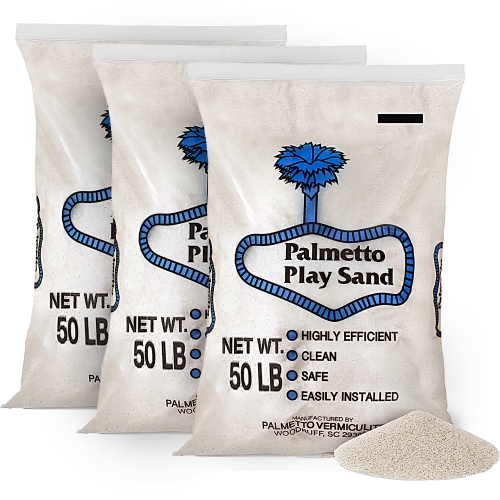
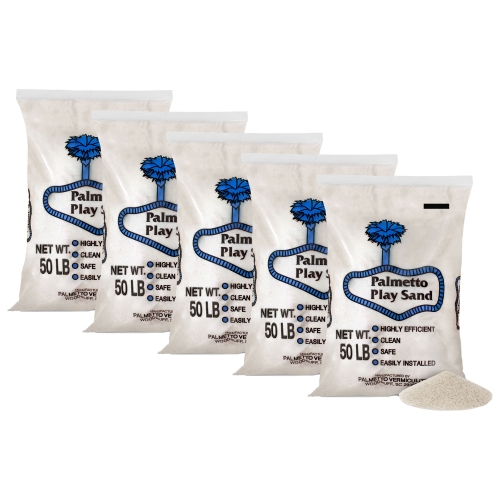
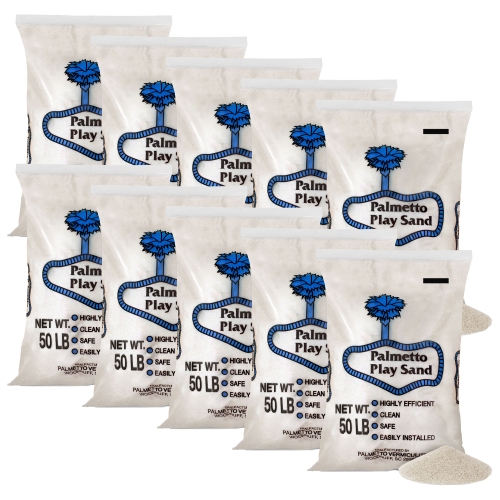
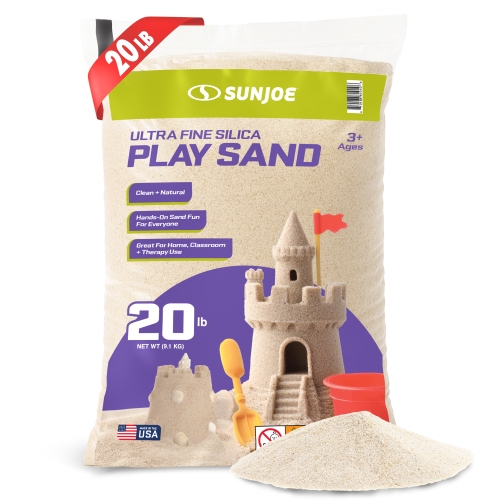
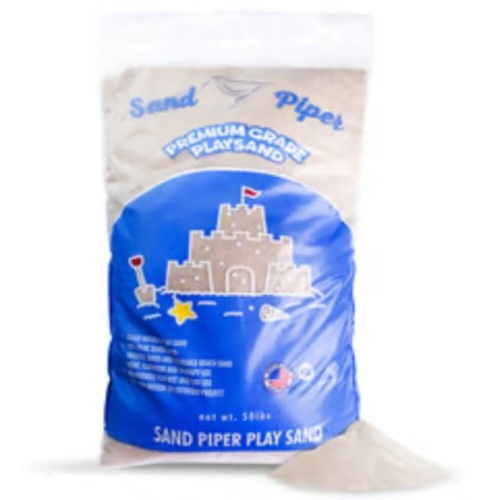
Keeping sand clean and dry is one of the most important parts of enjoying a sandbox. A fitted lid, tarp or fabric cover helps keep out leaves, rain, insects, and neighbourhood animals when the sandbox is not being used. For families comparing enclosed options, Sandboxes With Lid can make it easier to protect the play surface between visits and reduce the amount of clearing required before the next activity. A cover should fit securely without creating a sharp edge or loose section that could become a tripping hazard, and it is useful to check that the sand is fully dry before closing the unit for an extended period. A porous landscape or weed-control fabric liner beneath the sand can help prevent weeds and some insects from coming up through the base while allowing water to drain away. The sandbox should sit on a level surface with suitable drainage rather than in a low spot where rainwater collects. Fill it with washed, certified non-toxic commercial play sand intended for children; masonry sand, construction sand and sand gathered from a beach may contain unwanted debris or have a texture that is not suitable for this purpose. Follow the fill guidance for the specific sandbox, since too much sand can spill over the sides and make covering or cleaning more difficult. It is also helpful to keep a small set of dedicated play tools nearby, such as scoops, moulds and pails, while avoiding sharp household objects or containers with rough edges. Before each play session, scan the surface for stones, sticks, broken toys or other debris, and replace or refresh the sand when it becomes visibly soiled. Children should be supervised according to their age and abilities, especially when younger children are playing near deeper sand, accessories or other outdoor equipment. Encourage children not to throw sand, and wash hands after play, particularly before eating.
The right sandbox can become a familiar part of a child’s outdoor routine as the weather warms and can continue to provide imaginative play during cooler days when children are dressed comfortably for time outside. Consider how the sandbox will be stored or protected when outdoor use becomes less frequent, including whether the cover can remain in place, whether accessories can be kept in a nearby bin, and whether a lightweight unit can be moved to a sheltered location. Families with more than one child may appreciate a wider interior and built-in seating, while grandparents, caregivers and occasional visitors may prefer a compact option that is simple to set up and maintain. A canopy can be especially practical for children who enjoy longer play sessions, although it should be secured properly and checked after windy conditions. For a gift, pair the sandbox with age-appropriate digging accessories, a set of moulds or a washable outdoor play mat, while keeping the child’s available space and the caregiver’s storage needs in mind. Sand play often becomes a shared activity: one child may carefully fill a mould, another may build a road around it, and an adult can join in by helping create a pretend bakery, campsite or small town. That flexibility is part of the appeal. Rather than requiring a complicated game or screen, a sandbox gives children materials they can manipulate at their own pace and stories they can invent as they go. With a stable placement, suitable play sand, a breathable liner, regular checks and a dependable cover, sand boxes for kids can offer a comfortable, creative outdoor area that fits naturally into everyday family life from the brighter days of late summer through the cooler months.
Keeping sand clean and dry is one of the most important parts of enjoying a sandbox. A fitted lid, tarp or fabric cover helps keep out leaves, rain, insects, and neighbourhood animals when the sandbox is not being used. For families comparing enclosed options, Sandboxes With Lid can make it easier to protect the play surface between visits and reduce the amount of clearing required before the next activity. A cover should fit securely without creating a sharp edge or loose section that could become a tripping hazard, and it is useful to check that the sand is fully dry before closing the unit for an extended period. A porous landscape or weed-control fabric liner beneath the sand can help prevent weeds and some insects from coming up through the base while allowing water to drain away. The sandbox should sit on a level surface with suitable drainage rather than in a low spot where rainwater collects. Fill it with washed, certified non-toxic commercial play sand intended for children; masonry sand, construction sand and sand gathered from a beach may contain unwanted debris or have a texture that is not suitable for this purpose. Follow the fill guidance for the specific sandbox, since too much sand can spill over the sides and make covering or cleaning more difficult. It is also helpful to keep a small set of dedicated play tools nearby, such as scoops, moulds and pails, while avoiding sharp household objects or containers with rough edges. Before each play session, scan the surface for stones, sticks, broken toys or other debris, and replace or refresh the sand when it becomes visibly soiled. Children should be supervised according to their age and abilities, especially when younger children are playing near deeper sand, accessories or other outdoor equipment. Encourage children not to throw sand, and wash hands after play, particularly before eating.
The right sandbox can become a familiar part of a child’s outdoor routine as the weather warms and can continue to provide imaginative play during cooler days when children are dressed comfortably for time outside. Consider how the sandbox will be stored or protected when outdoor use becomes less frequent, including whether the cover can remain in place, whether accessories can be kept in a nearby bin, and whether a lightweight unit can be moved to a sheltered location. Families with more than one child may appreciate a wider interior and built-in seating, while grandparents, caregivers and occasional visitors may prefer a compact option that is simple to set up and maintain. A canopy can be especially practical for children who enjoy longer play sessions, although it should be secured properly and checked after windy conditions. For a gift, pair the sandbox with age-appropriate digging accessories, a set of moulds or a washable outdoor play mat, while keeping the child’s available space and the caregiver’s storage needs in mind. Sand play often becomes a shared activity: one child may carefully fill a mould, another may build a road around it, and an adult can join in by helping create a pretend bakery, campsite or small town. That flexibility is part of the appeal. Rather than requiring a complicated game or screen, a sandbox gives children materials they can manipulate at their own pace and stories they can invent as they go. With a stable placement, suitable play sand, a breathable liner, regular checks and a dependable cover, sand boxes for kids can offer a comfortable, creative outdoor area that fits naturally into everyday family life from the brighter days of late summer through the cooler months.
Top selling and popular products
-
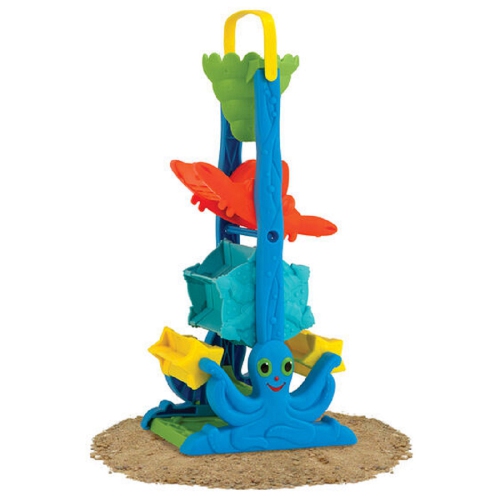 Your price for this item is $39.99
 -
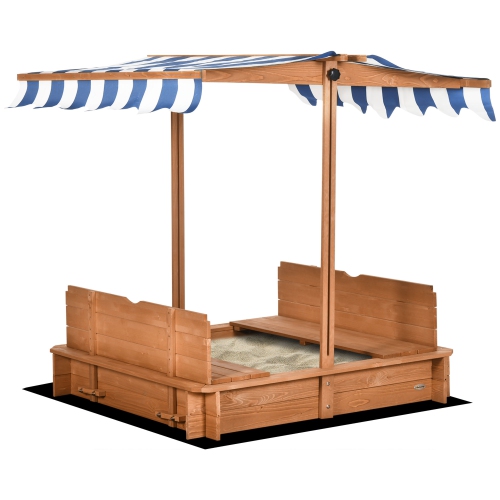 Your price for this item is $124.99
 -
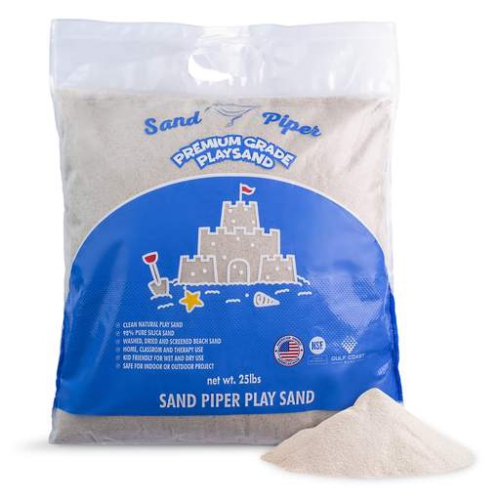 Your price for this item is $80.99
 -
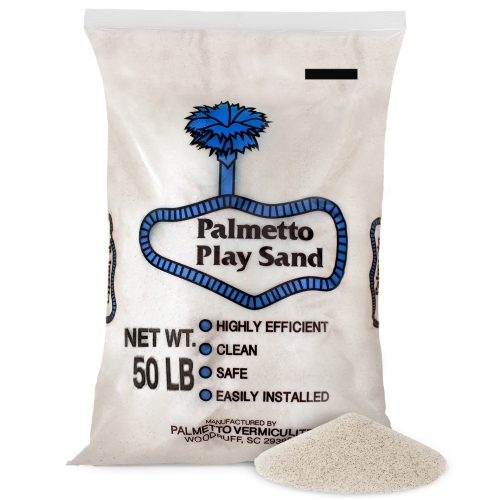 Your price for this item is $109.99
 -
 Your price for this item is $111.99
 -
 Your price for this item is $119.99
 -
 Your price for this item is $114.99
 -
 Your price for this item is $134.99
Discover more categories related to Sand Boxes for Kids

Top Collections:
Pokemon Centers, Kindle Devices, Best Budget Office Chairs, Canon G7X Cameras, Apple iPhones 16, Samsung Galaxy Phones, Refurbished Apple Laptops, Laptops for Students, iPhone 15 Apple, Budget Smartphones
Some products may be subject to Environmental Handling Fees
(EHF) depending on your province.
Learn more about EHFs.