Sensory Balls
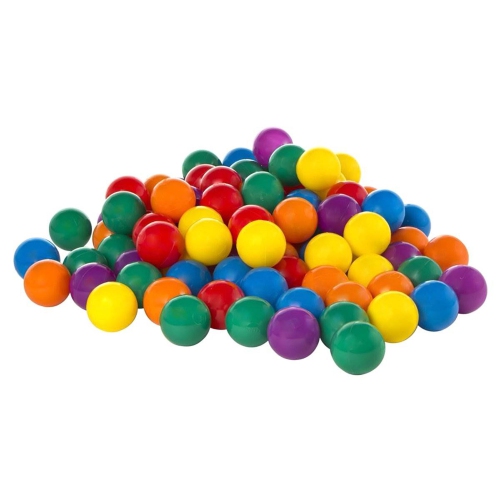
Sensory balls are a captivating addition to any playtime or therapeutic environment, offering a delightful mix of textures, colors, and sizes that engage the senses and spark curiosity. These versatile tools are perfect for enhancing tactile exploration and motor skills in children while providing soothing sensory input for individuals of all ages. Whether used in educational settings, at home, or as part of therapy sessions, sensory balls can transform any space into an interactive playground that encourages creativity and relaxation. With their ability to stimulate both the mind and body, they make an excellent choice for those seeking an engaging and enjoyable sensory experience.
Sort
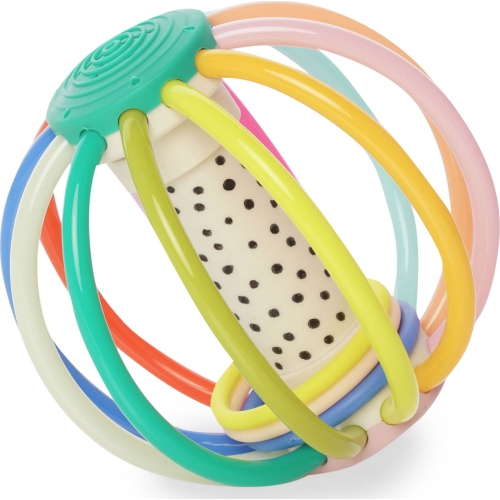
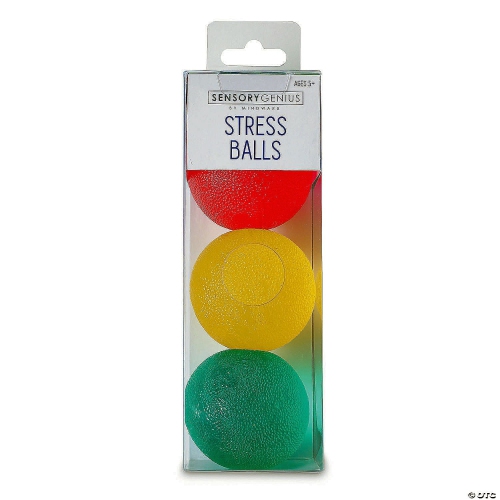
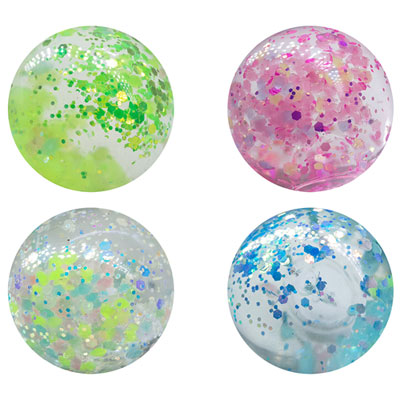
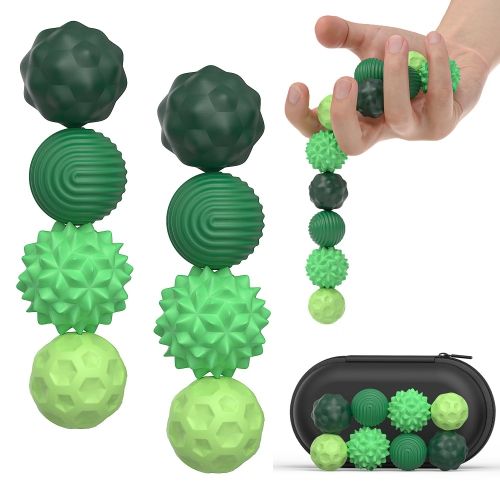
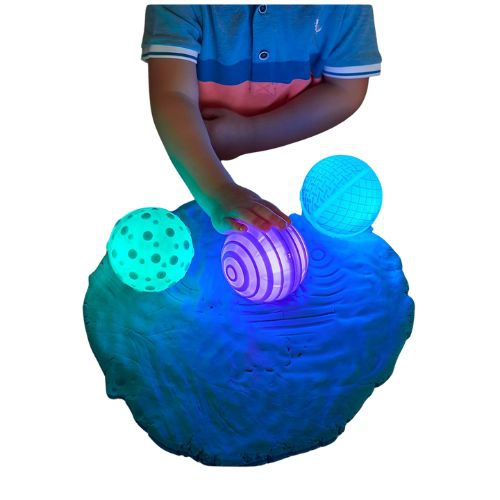
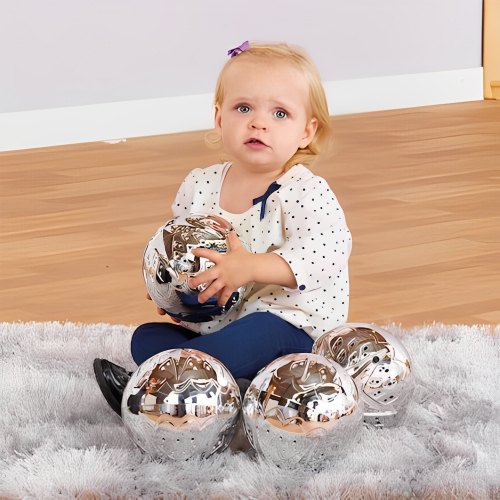
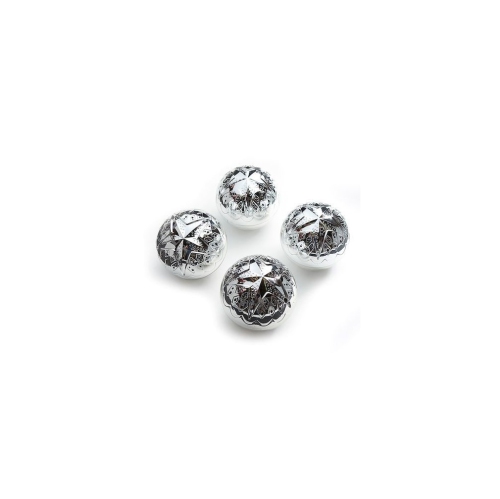
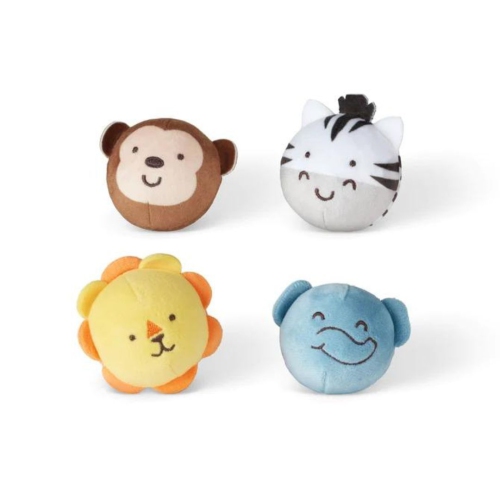
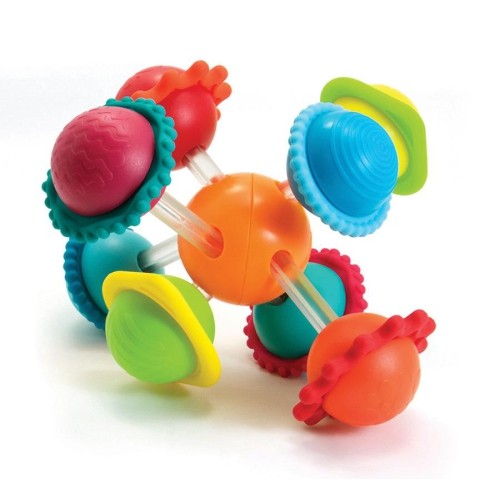
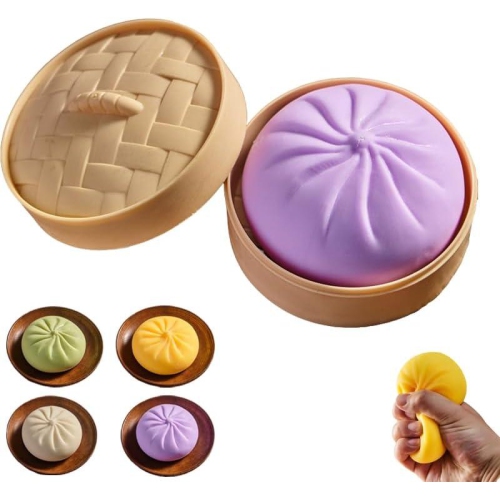
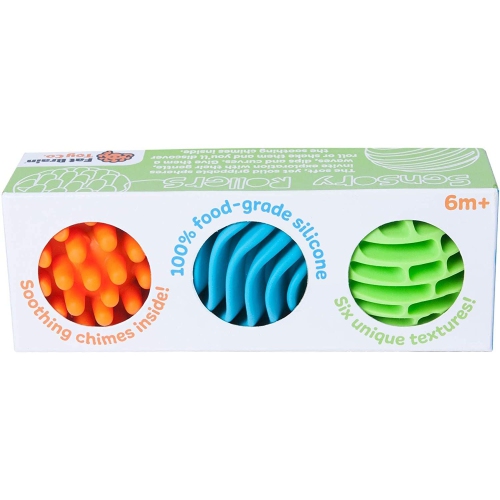
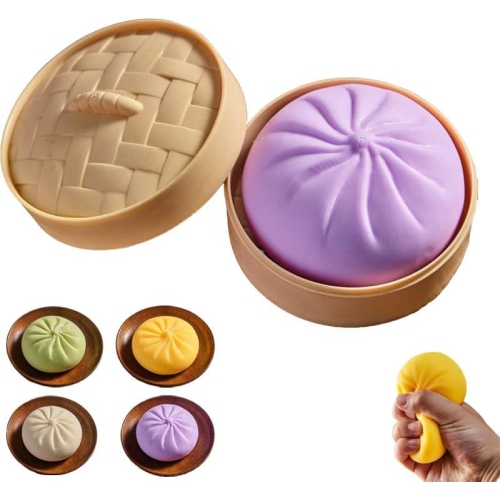
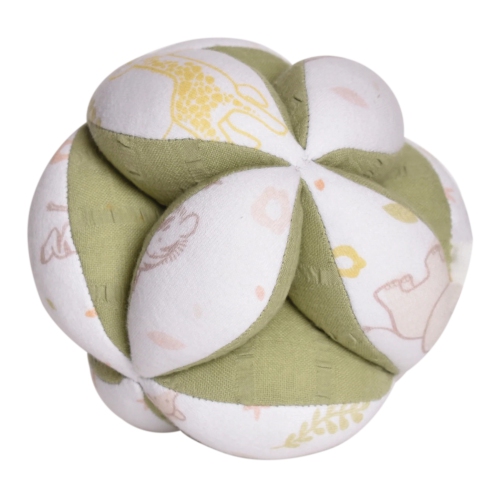
Tactile play that supports focus, movement, and development
Sensory balls have a unique way of captivating attention and encouraging exploration, making them a versatile addition to homes, classrooms, and therapy spaces alike. Their appeal spans a wide range of ages, from toddlers discovering the world through touch and movement, to older children and even adults seeking tools for relaxation or focus. The tactile experience provided by sensory balls—whether it’s the gentle resistance when squeezed, the bumpy textures under curious fingers, or the satisfying bounce as they roll across the floor—offers a simple yet effective way to engage the senses. For families with young children, sensory balls can become a staple in daily play, offering countless opportunities for little ones to develop fine motor skills, hand-eye coordination, and spatial awareness. As spring arrives and daylight lingers, these balls can easily transition from indoor playrooms to backyard adventures, inviting children to chase, toss, and roll them across soft grass or patios. In educational settings, teachers often incorporate sensory balls into group activities, encouraging cooperative play and helping students with different needs participate together. Therapists, too, value their adaptability—using them in sessions to support sensory integration, stress relief, or even gentle exercise routines.
When considering which sensory balls to bring home, it’s helpful to think about the specific needs and interests of the person who will use them. For infants and toddlers, look for options that are easy to grasp and made from soft, durable materials, ensuring safe play as they explore with both hands and mouths. Textured surfaces can add an extra layer of interest, stimulating tactile development and making each play session a new discovery. For children with sensory processing needs, balls that offer varying levels of resistance or unique tactile features can provide calming input or invigorating stimulation, depending on the moment. Older kids and adults might appreciate sensory balls that double as fidget tools—compact enough to fit in a backpack or desk drawer, yet engaging enough to offer a soothing distraction during busy days. Gifting sensory balls can be a thoughtful gesture for birthdays, holidays, or even as a “just because” treat, especially for teachers, therapists, or parents looking to enrich their toolkit of sensory-friendly resources. The best choices are those that invite open-ended play, adapt to different environments, and stand up to repeated use—whether they’re being rolled down the hallway on a rainy March afternoon or packed into a bag for an impromptu park outing.
As you explore the world of sensory balls, you may find yourself drawn to the wide variety of textures, sizes, and colours available. Some are designed to light up or make gentle sounds, adding another dimension to sensory play, while others focus on simplicity, letting the feel and movement of the ball take centre stage. It’s not uncommon to see children inventing their own games, lining up a row of sensory balls and sending them tumbling down ramps, or squeezing them tightly during moments of excitement or stress. Adults, too, can benefit—whether using a sensory ball as a gentle hand exerciser while reading a book, or as a calming presence during a busy workday. For those interested in expanding their collection, there are many related options to consider, such as Soft Balls, which offer a plush alternative for gentle tossing and catching games. No matter the setting, sensory balls have a way of inviting participation, sparking creativity, and providing comfort—making them a lasting favourite for people of all ages and abilities.
When considering which sensory balls to bring home, it’s helpful to think about the specific needs and interests of the person who will use them. For infants and toddlers, look for options that are easy to grasp and made from soft, durable materials, ensuring safe play as they explore with both hands and mouths. Textured surfaces can add an extra layer of interest, stimulating tactile development and making each play session a new discovery. For children with sensory processing needs, balls that offer varying levels of resistance or unique tactile features can provide calming input or invigorating stimulation, depending on the moment. Older kids and adults might appreciate sensory balls that double as fidget tools—compact enough to fit in a backpack or desk drawer, yet engaging enough to offer a soothing distraction during busy days. Gifting sensory balls can be a thoughtful gesture for birthdays, holidays, or even as a “just because” treat, especially for teachers, therapists, or parents looking to enrich their toolkit of sensory-friendly resources. The best choices are those that invite open-ended play, adapt to different environments, and stand up to repeated use—whether they’re being rolled down the hallway on a rainy March afternoon or packed into a bag for an impromptu park outing.
As you explore the world of sensory balls, you may find yourself drawn to the wide variety of textures, sizes, and colours available. Some are designed to light up or make gentle sounds, adding another dimension to sensory play, while others focus on simplicity, letting the feel and movement of the ball take centre stage. It’s not uncommon to see children inventing their own games, lining up a row of sensory balls and sending them tumbling down ramps, or squeezing them tightly during moments of excitement or stress. Adults, too, can benefit—whether using a sensory ball as a gentle hand exerciser while reading a book, or as a calming presence during a busy workday. For those interested in expanding their collection, there are many related options to consider, such as Soft Balls, which offer a plush alternative for gentle tossing and catching games. No matter the setting, sensory balls have a way of inviting participation, sparking creativity, and providing comfort—making them a lasting favourite for people of all ages and abilities.
Top selling and popular products
-
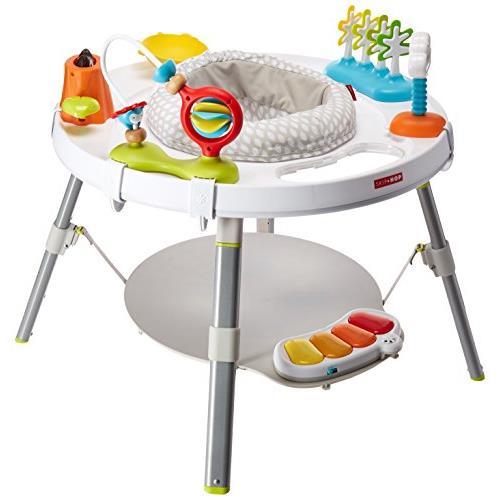 Your price for this item is $299.13
 -
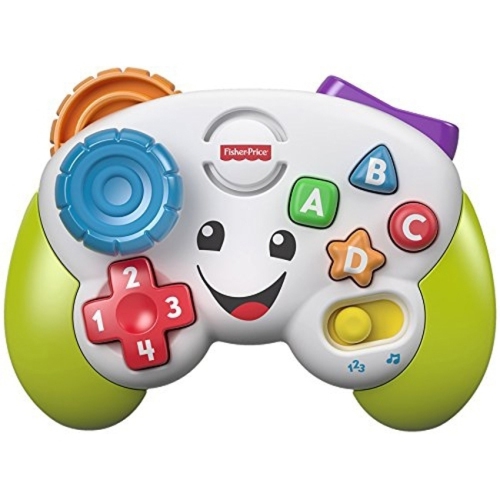 Your price for this item is $24.28
 -
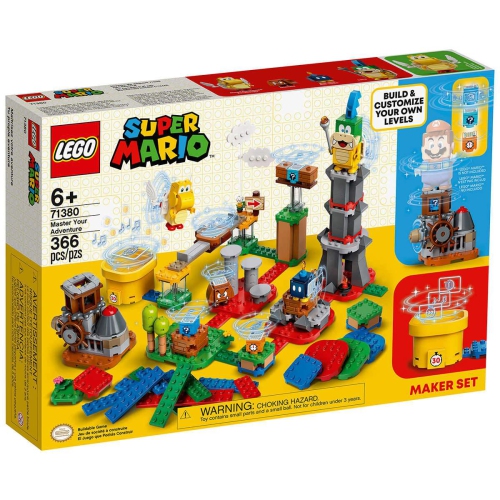 Your price for this item is $103.27
 -
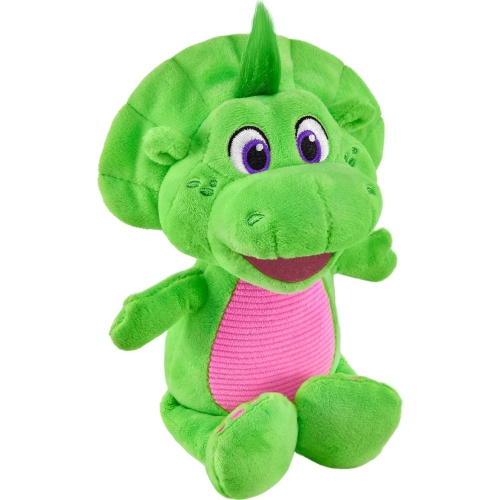 Your price for this item is $17.24
 -
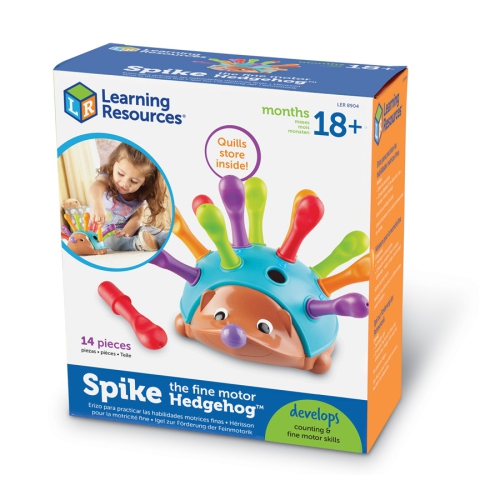 Your price for this item is $56.13
 -
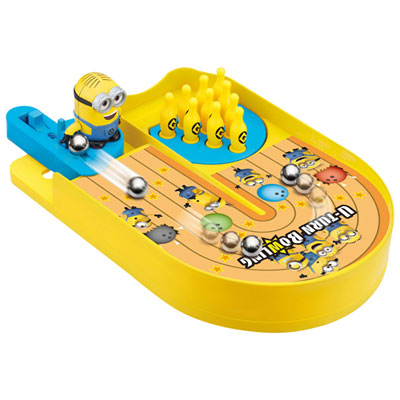 Your price for this item is $19.99
 -
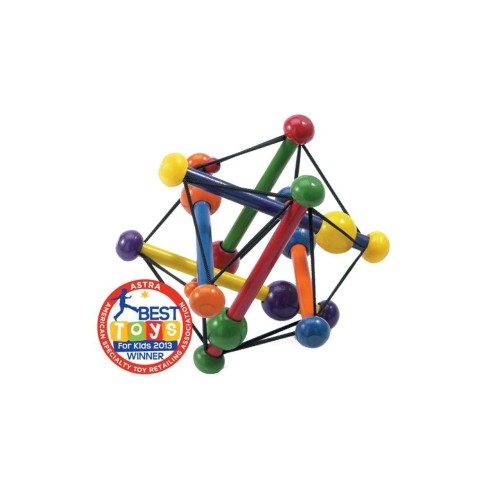 Your price for this item is $29.99
 -
 Your price for this item is $39.99
Discover more categories related to Sensory Balls
Top Collections:
Pokemon Centers, Kindle Devices, Best Budget Office Chairs, Apple iPhones 16, Canon G7X Cameras, iPhone 15 Apple, Alarm Clock, Refurbished Apple Laptops, Flip Phones, Best Laptops for Writers
Some products may be subject to Environmental Handling Fees
(EHF) depending on your province.
Learn more about EHFs.