Balance Balls
Enhance your core strength and stability with our selection of balance balls. Perfect for improving balance, posture, and overall fitness, these versatile exercise tools are a must-have for any home gym or fitness routine. Whether you're looking to enhance your yoga practice, rehab an injury, or simply add a fun challenge to your workouts, balance balls offer a low-impact way to engage your muscles and improve your balance. Explore our range of sizes and styles to find the perfect balance ball to suit your needs and take your fitness journey to the next level.
Sort
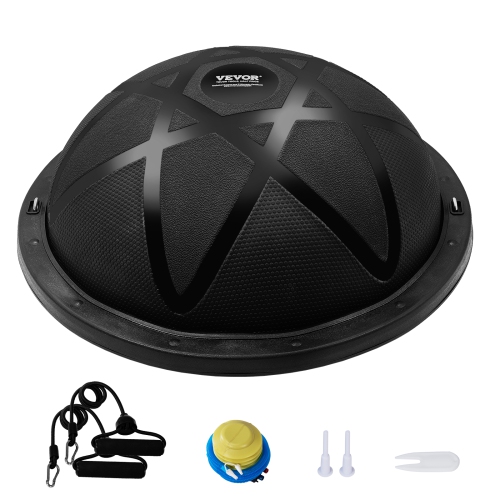
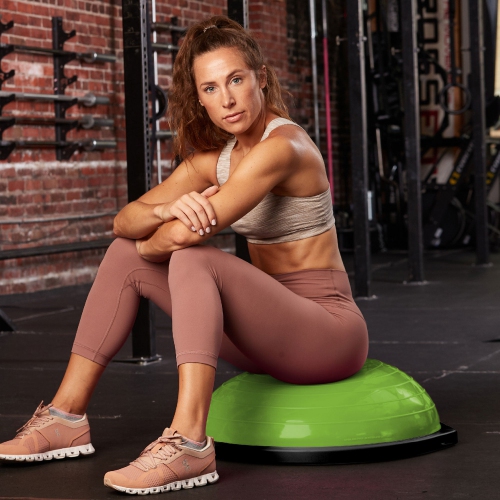
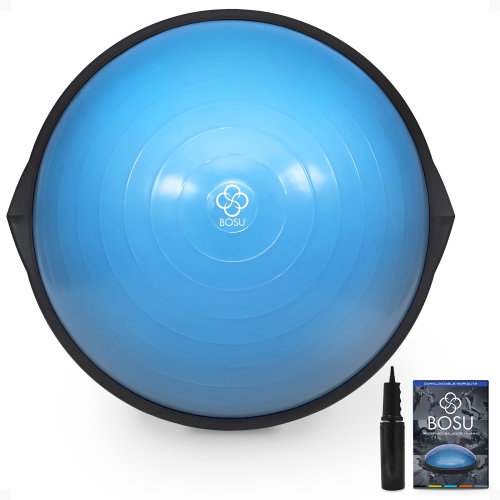
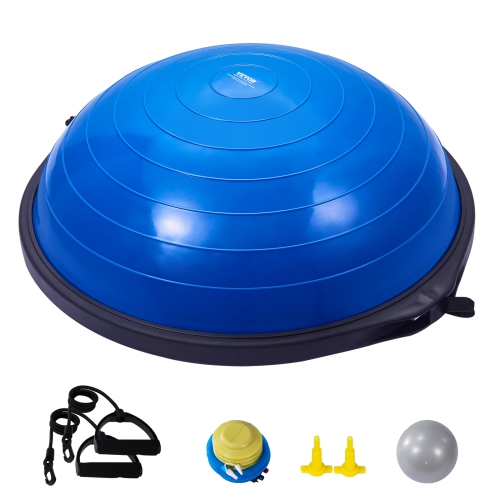
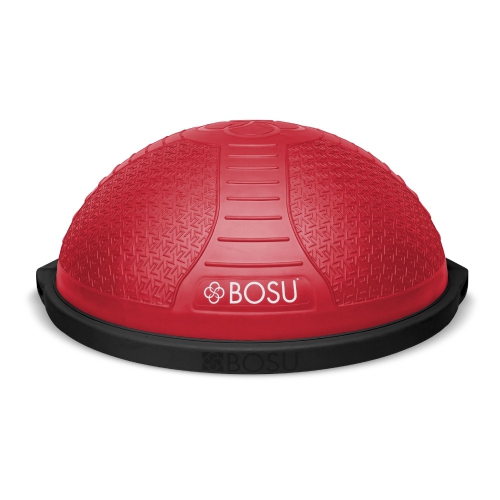
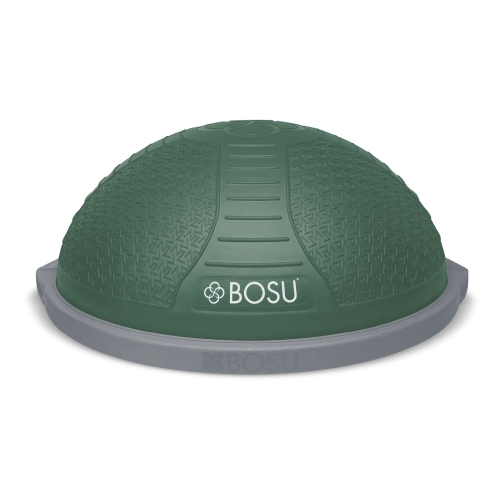
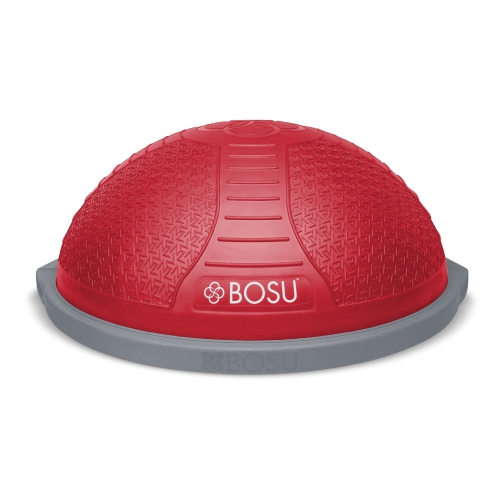
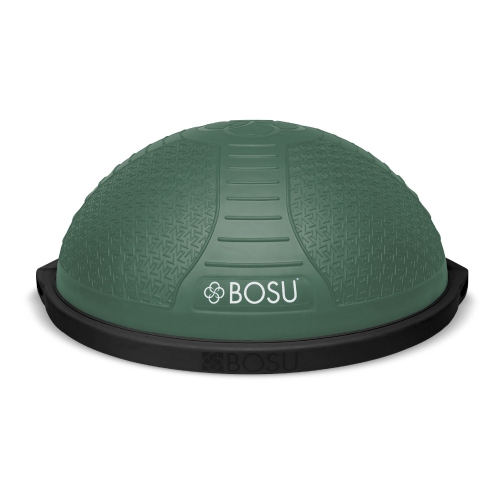
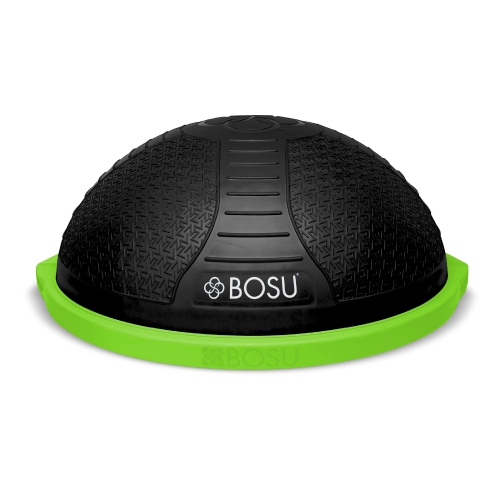
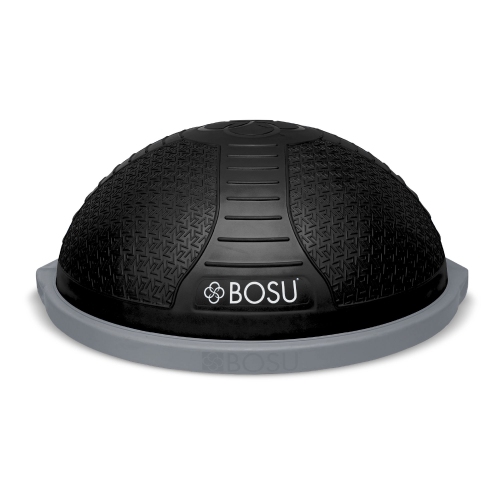
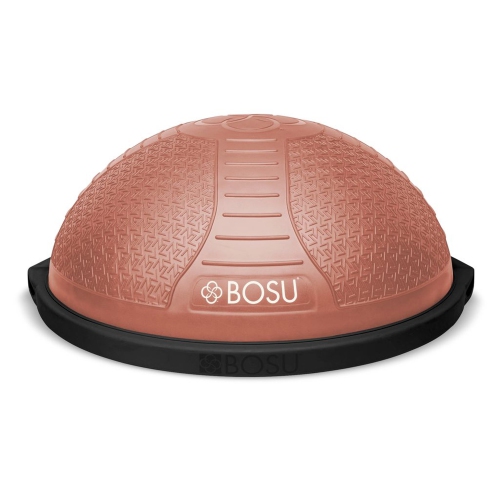
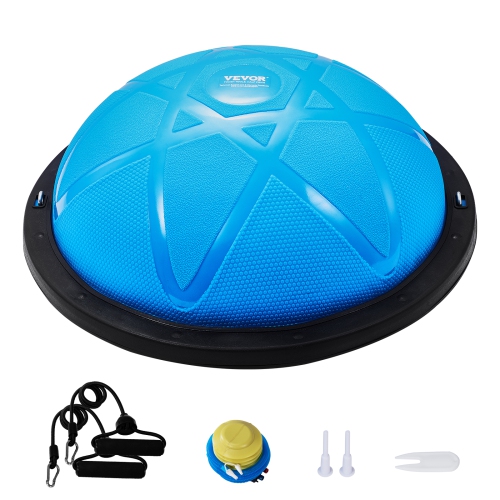
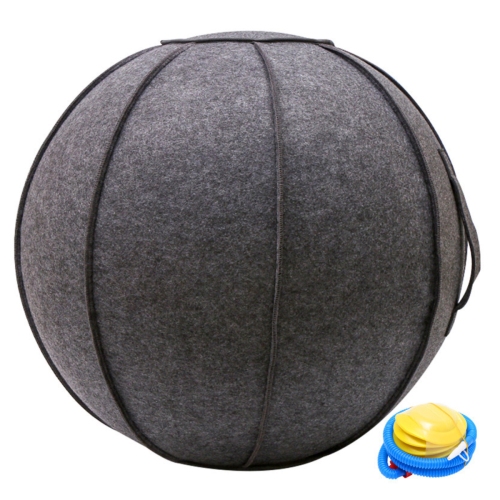
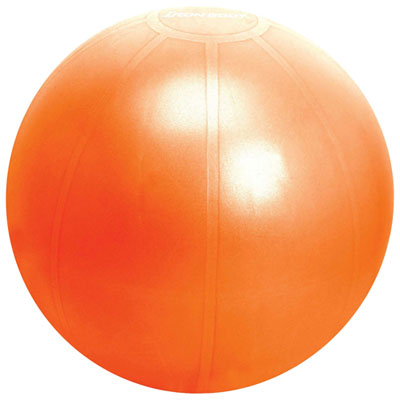
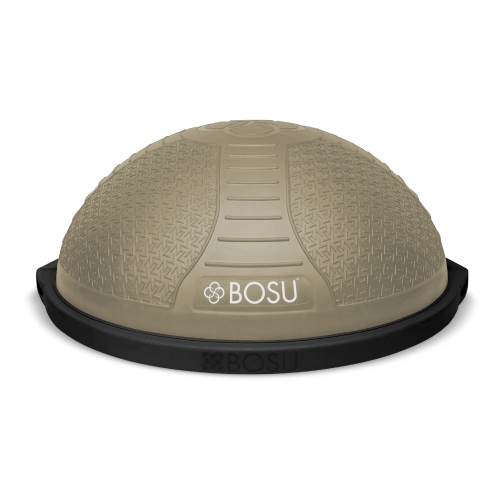



Controlled instability adds challenge to everyday movement
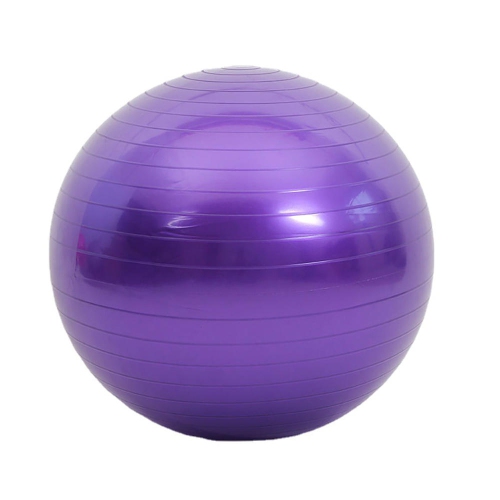
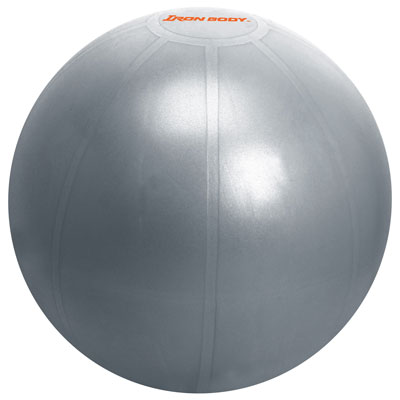
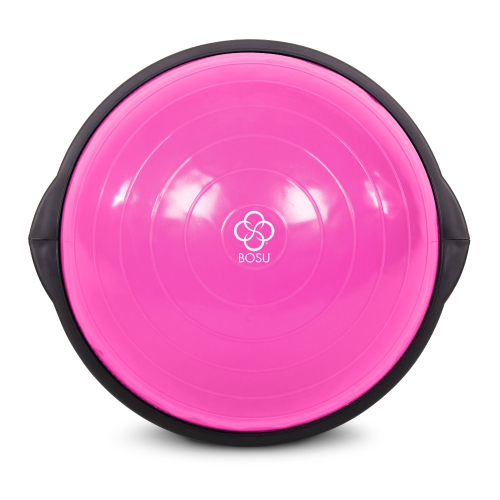
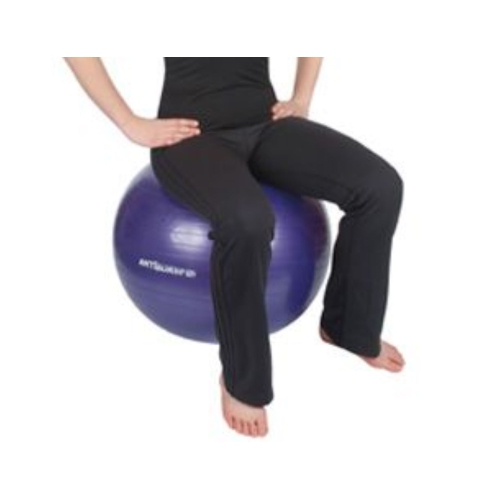
Balance balls, also known as stability balls, exercise balls, or yoga balls, are versatile fitness accessories designed to add controlled instability to everyday movement. Their rounded shape encourages your muscles to make constant, subtle adjustments, helping engage the core while supporting exercises for the legs, hips, back, shoulders, and arms. They can be used for familiar movements such as crunches, planks, wall sits, and glute bridges, or incorporated into stretching and mobility routines. A balance ball may also be useful for seated activities, although it should be selected and used with care when replacing a traditional chair. When sitting upright, your feet should rest flat on the floor and your knees should form an approximately 90-degree angle, with your hips level with or slightly higher than your knees. As a general sizing guide, a 55 cm ball is often suited to people between about 152 cm and 165 cm tall, a 65 cm ball may work well for heights from approximately 165 cm to 185 cm, and a 75 cm ball is generally intended for people over 185 cm. These ranges are helpful starting points rather than strict rules, since leg length, posture, inflation level, and the activity being performed can affect the best fit. A ball used for floor exercises may feel different from one intended for seated support, so it is worth checking the manufacturer’s recommended height range, diameter, weight capacity, and intended use before adding one to your home gym. Look for a textured or lightly ridged surface if you want a steadier grip during planks and bridges, while a smooth finish may be easier to wipe clean. A sturdy inflation valve, included pump, and clear care instructions can also make setup and maintenance more convenient.
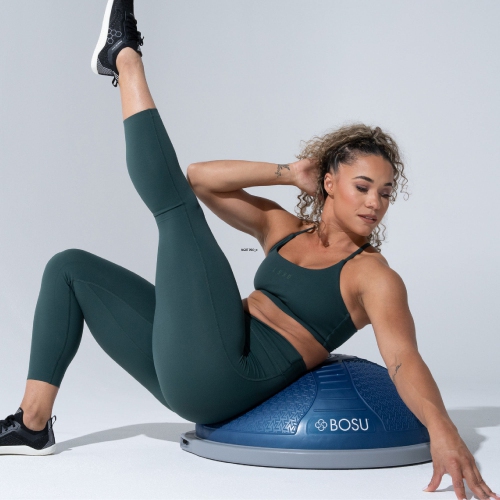
The right balance ball can turn a quiet corner of a home into a practical workout space without requiring a large collection of equipment. Place it on a clear, level, non-slip surface away from sharp edges, rough flooring, pets, and objects that could puncture the material. Before each session, check that the ball is inflated according to its instructions and that there are no visible cuts, cracks, or unusual soft spots. Beginners often benefit from starting with both feet firmly on the floor and performing slow, controlled movements before progressing to exercises that lift a foot, shift body weight, or place the forearms or heels on the ball. For crunches, position the lower back over the ball and keep the feet planted as you lift through the abdominal muscles. For a plank variation, rest the forearms on the ball and maintain a straight line from the shoulders through the hips, stopping if balance becomes difficult. A wall sit can be made more comfortable by placing the ball between the lower back and a wall, then lowering into a controlled squat while keeping the knees aligned with the feet. For glute bridges, rest the heels on the ball, lift the hips slowly, and avoid allowing the ball to roll away. Gentle seated movements, hip stretches, and supported back extensions may suit people who prefer lower-impact routines, while more challenging exercises can appeal to experienced fitness enthusiasts. Balance balls are popular with home exercisers, people building core strength, recreational athletes, and anyone looking to add variety to stretching or resistance-free workouts. They can also be a thoughtful gift for someone setting up a home fitness area, returning to regular movement, or looking for a compact accessory to use during the cooler months when indoor routines become more appealing. Anyone recovering from an injury, managing a health condition, pregnant, or unsure about safe exercise technique should seek appropriate professional guidance before using a balance ball.
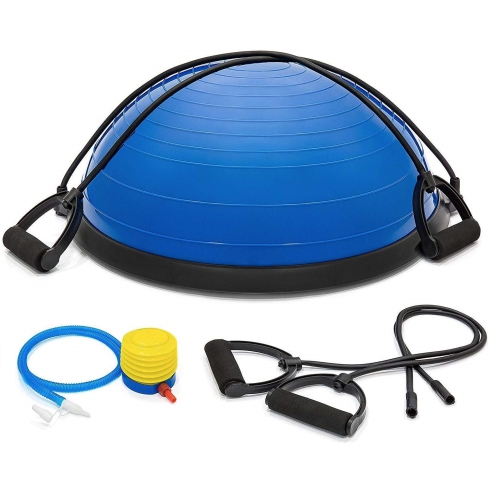
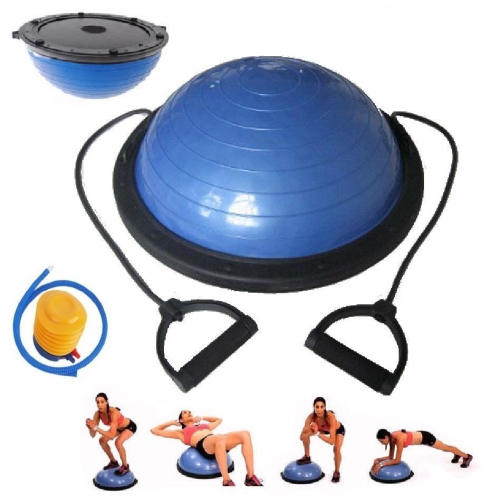
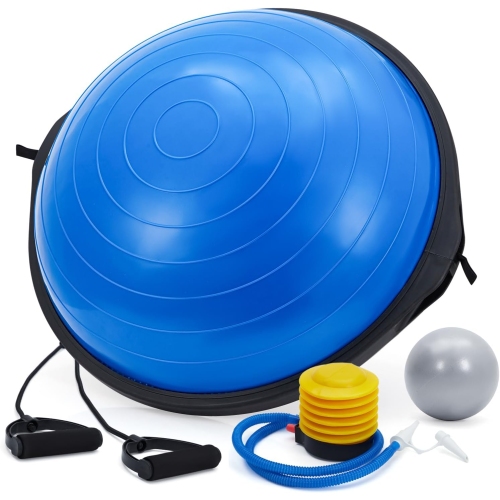
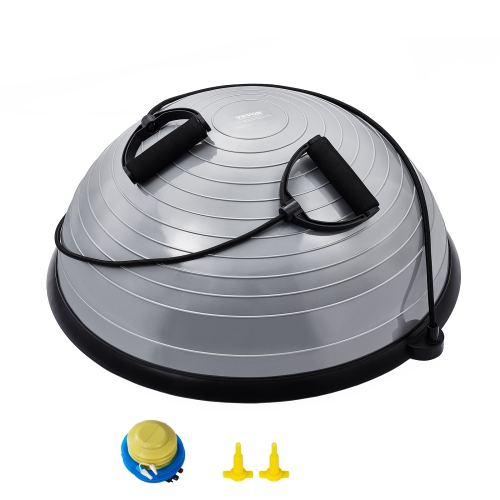
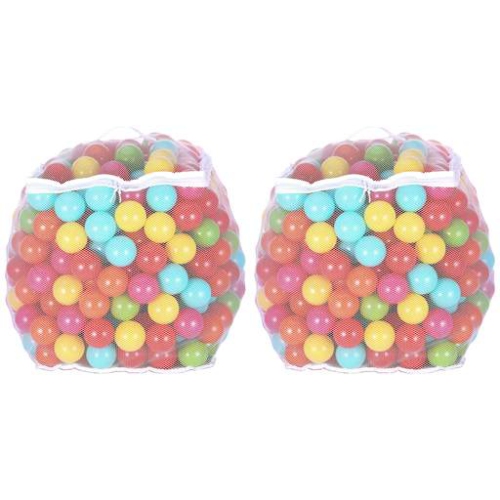
When comparing balance balls, consider how often the ball will be used, where it will be stored, and which exercises are most likely to become part of the routine. A model with a suitable diameter and dependable weight rating is more important than choosing the largest or most heavily accessorized option. Some sets include a hand pump, resistance bands, a foot ring, workout guide, or small accessories that can help keep the ball stable during certain movements. A foot ring may be useful for seated practice, while a compact pump makes it easier to adjust firmness as needed. The ball should feel supportive without being rock hard; excessive inflation can make balance work feel abrupt, while insufficient inflation may make some exercises unstable and reduce the intended range of motion. Store it in a cool, dry place and keep it away from direct heat, radiators, and prolonged sunlight. Wipe the surface with a soft cloth and follow the care directions provided, particularly if the ball is shared by multiple people. If you are shopping for children’s activities or general play equipment rather than fitness training, browse related options such as Plastic Balls to find products intended for that purpose. For fitness use, balance balls are best viewed as adaptable tools that support slow, mindful movement: they can make a familiar crunch more demanding, add a new challenge to a plank, or provide gentle support during a stretch. With the correct size, a suitable surface, and sensible technique, one can become a dependable addition to a home workout area, office movement break, or personal flexibility routine.
Top selling and popular products
-
 Your price for this item is $98.99
-
 Your price for this item is $532.99
-
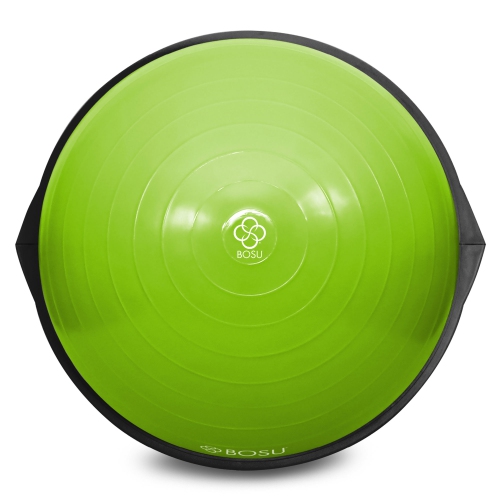 Your price for this item is $286.99
-
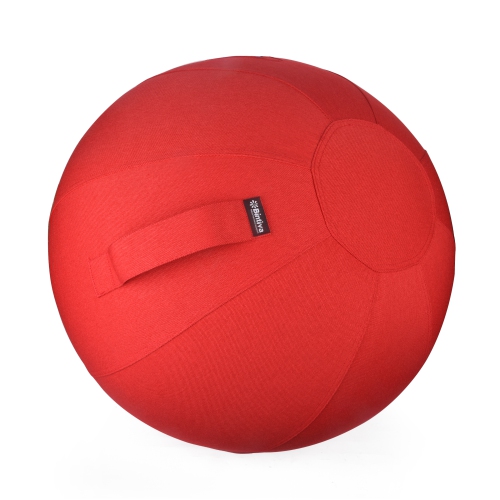 Your price for this item is $85.99
-
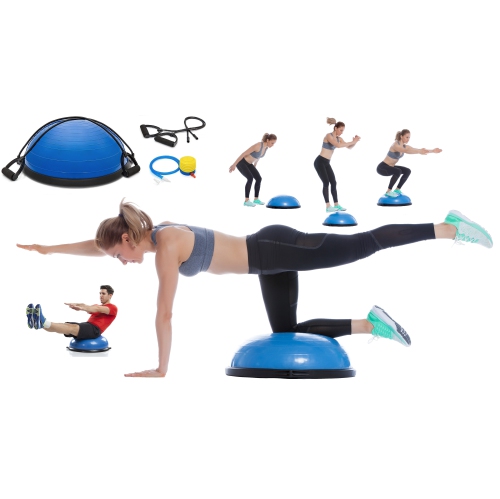 Your price for this item is $79
-
 Your price for this item is $396.99
-
 Your price for this item is $99.9
-
 Your price for this item is $38.98
Discover more categories related to Balance Balls
Top Collections:
Best Black Friday Deals This Year, Best Black Friday Deals On Electronics, Kindle Devices, Dyson Airwrap, Best Cameras for Sports Photography, Best Budget Office Chairs, Canon G7X Cameras, PS5 Pro Consoles, Best Black Friday Deals On Apple Products, XBOX One S Consoles
Some products may be subject to Environmental Handling Fees
(EHF) depending on your province.
Learn more about EHFs.