Shape Games
Dive into a world where learning meets fun with our exciting selection of shape games. Perfect for sparking curiosity and enhancing cognitive skills, these games are designed to engage players of all ages in a playful exploration of geometry and spatial awareness. Whether you're looking to introduce basic shapes to young learners or challenge older minds with complex puzzles, our diverse range offers something for everyone. Explore vibrant colors, interactive designs, and endless possibilities that make learning about shapes an adventure. Transform playtime into an educational journey and watch as creativity and critical thinking flourish.
Sort

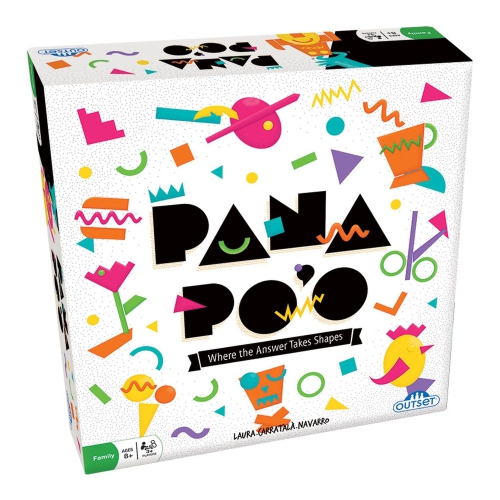

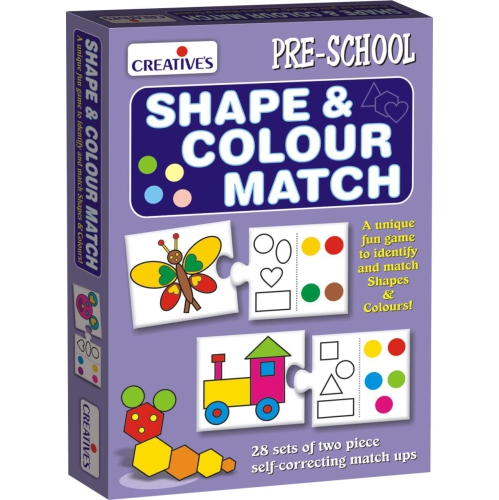
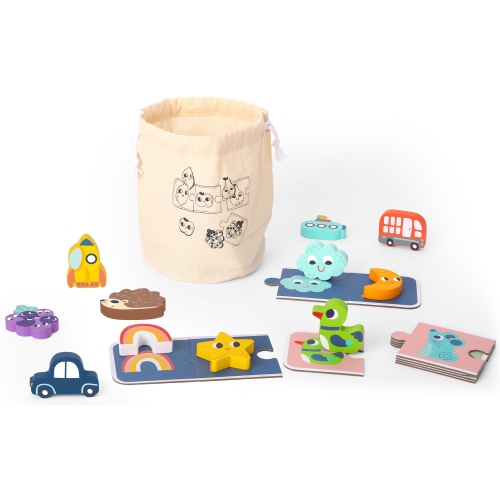
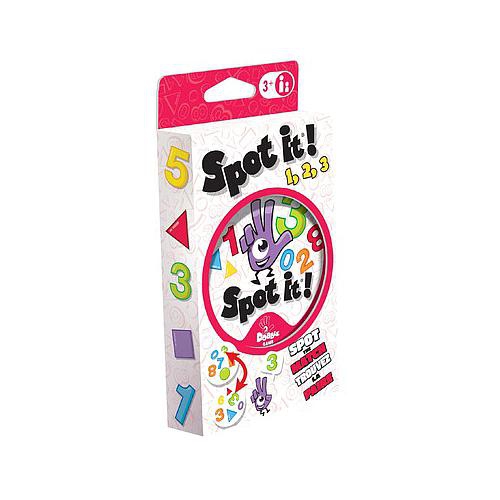


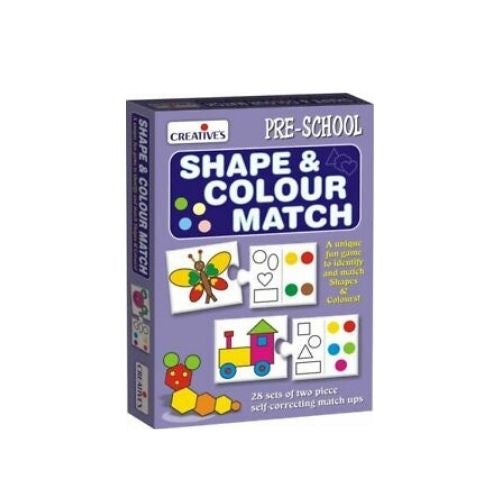
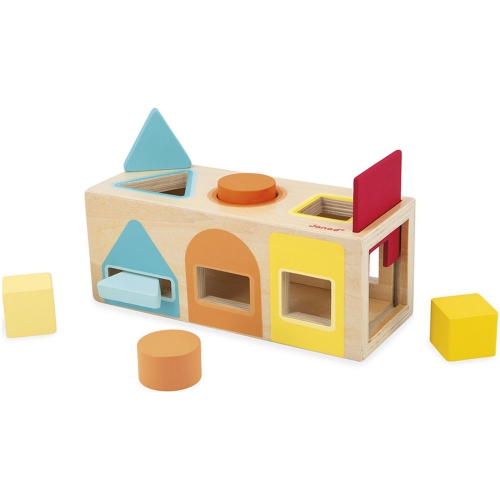

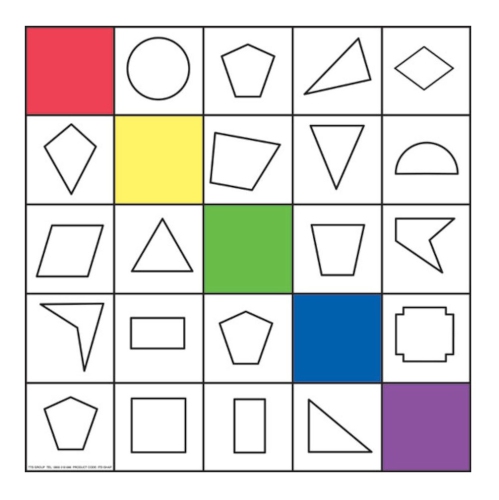
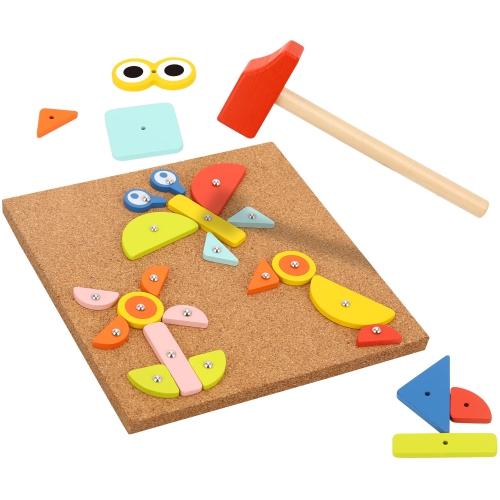
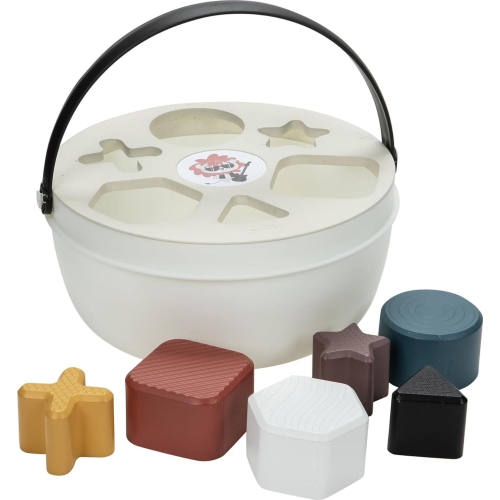
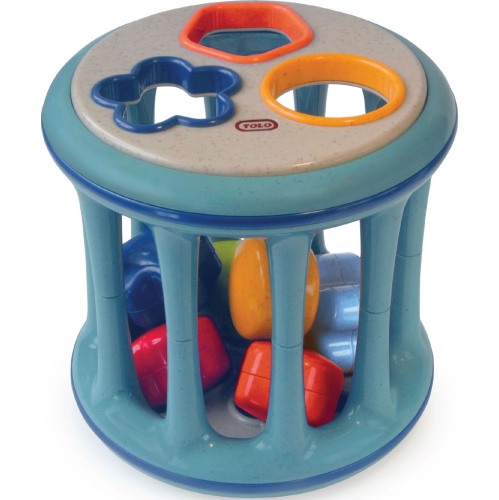

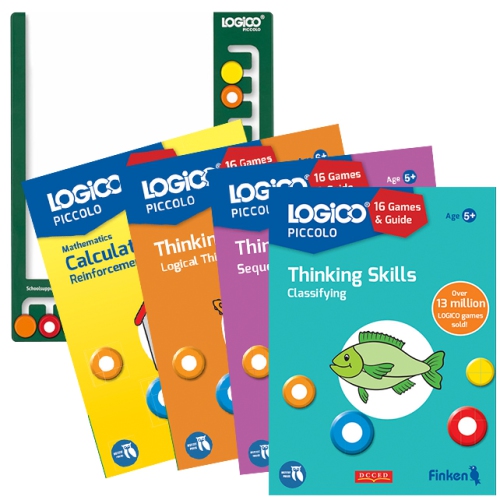
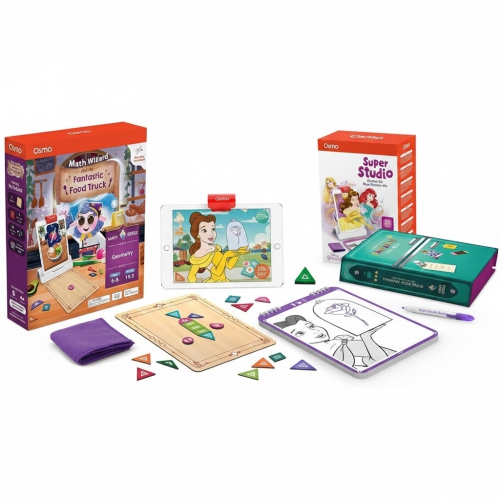
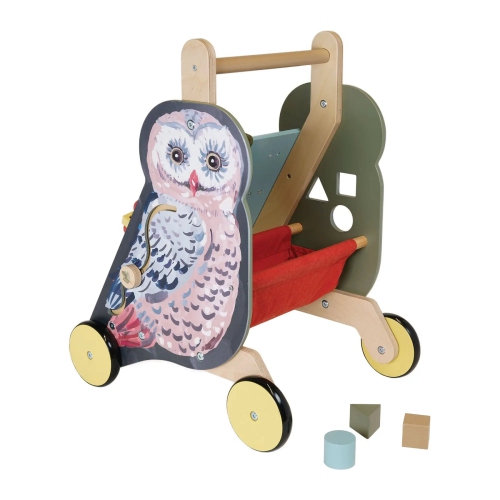

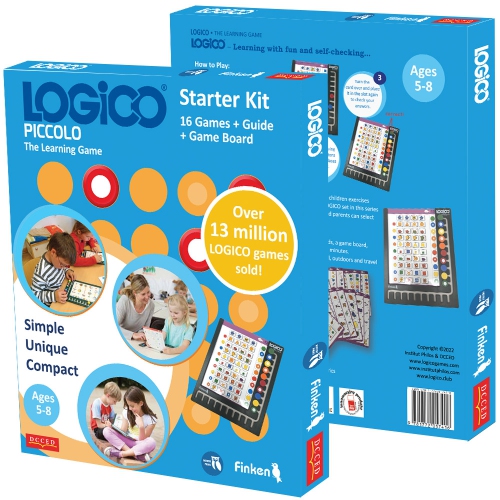
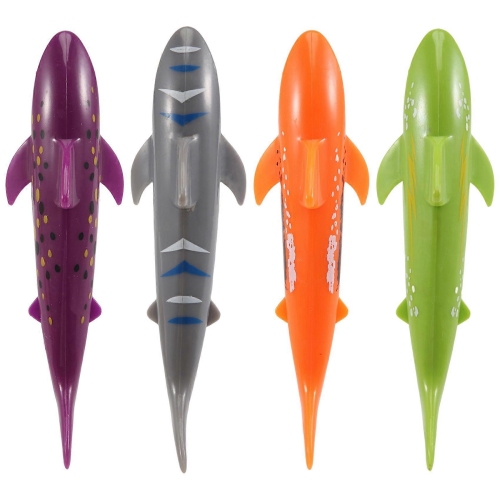

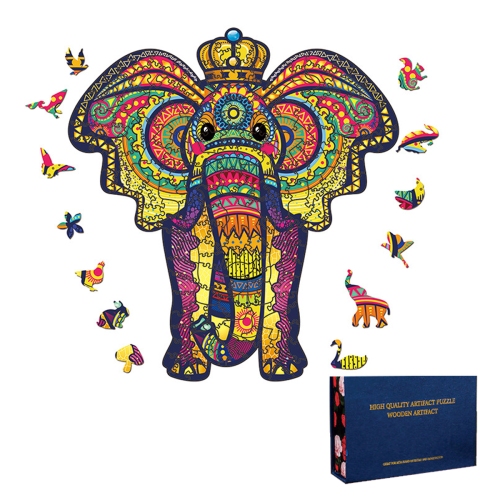
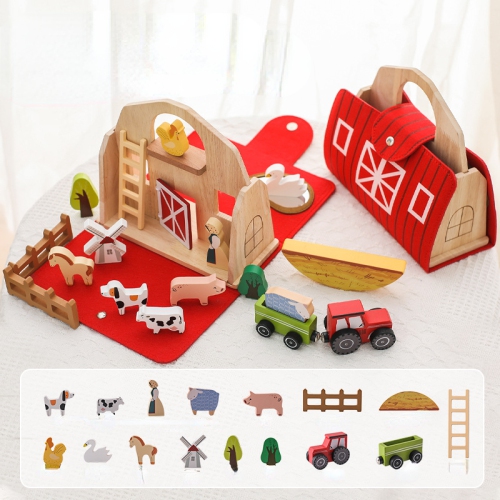

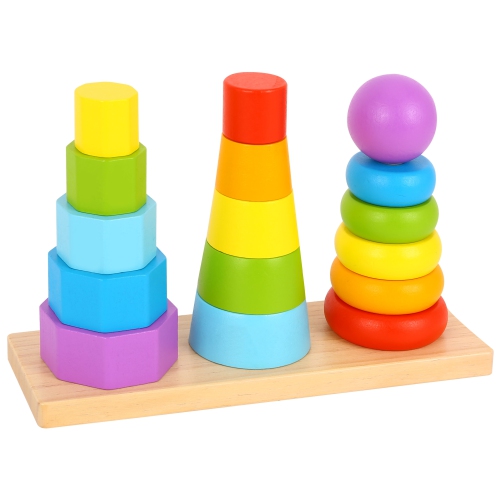
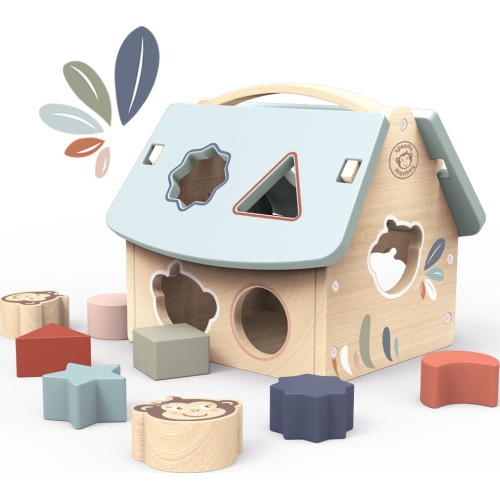

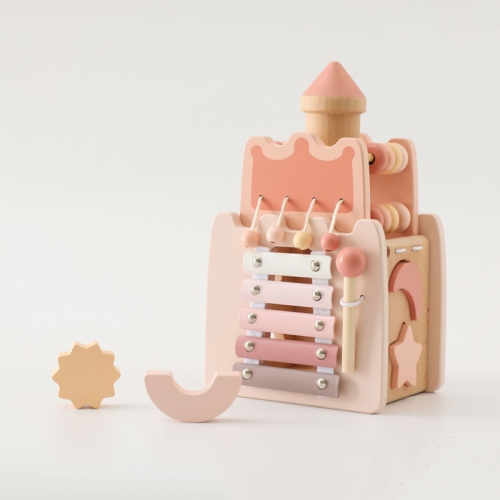
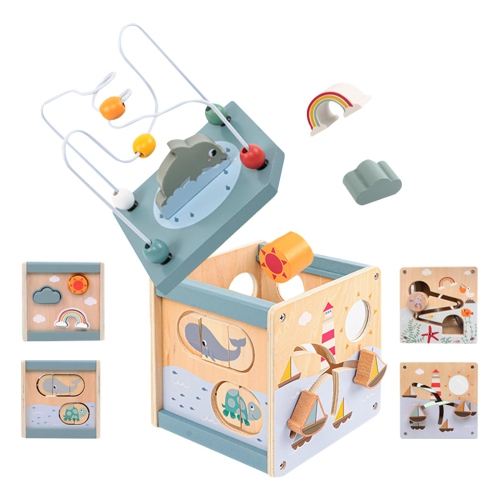
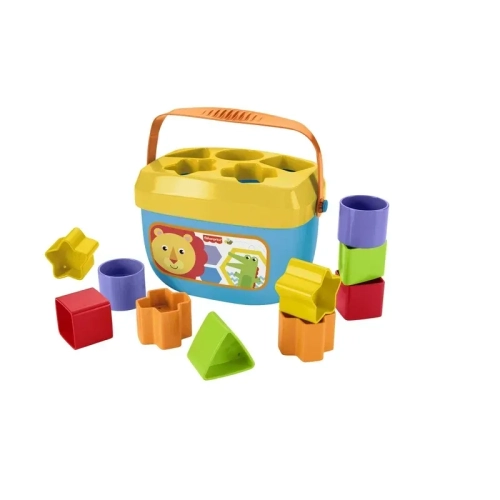
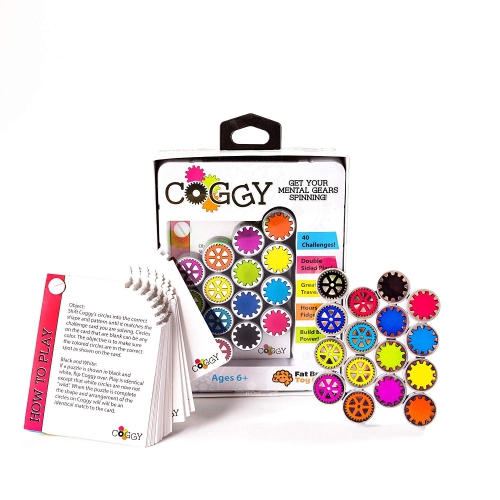
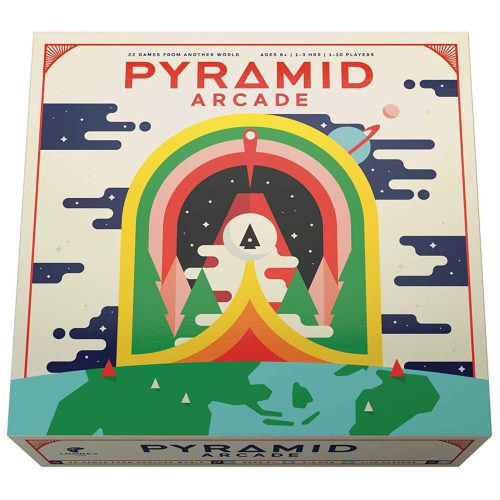
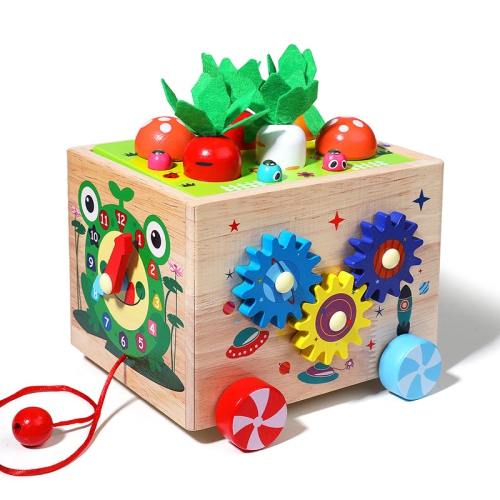

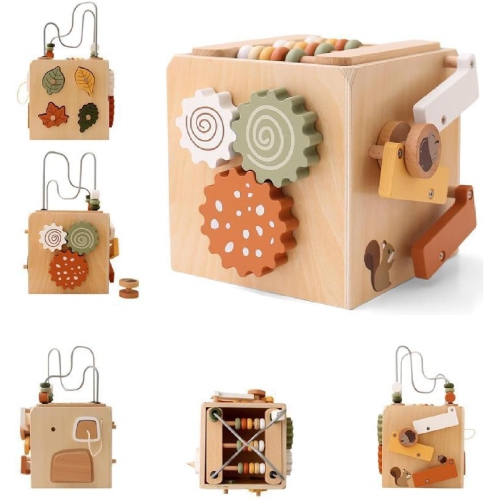


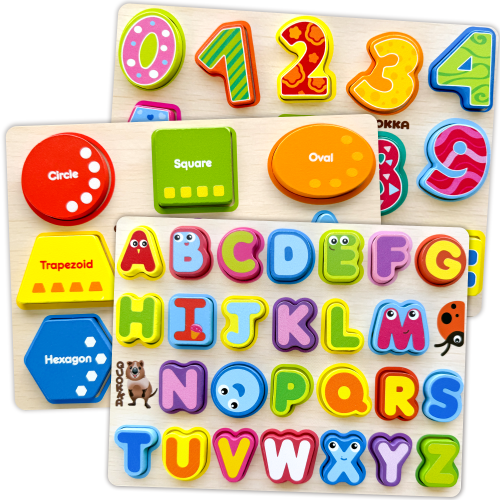
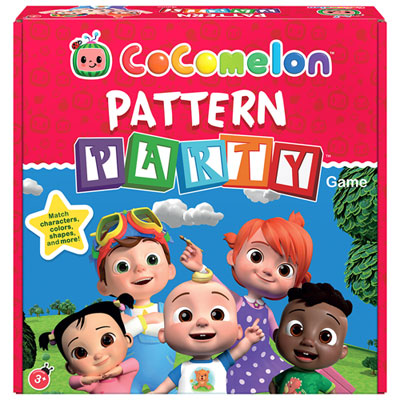
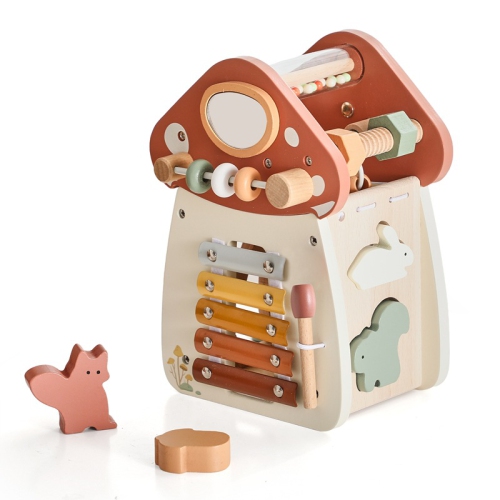
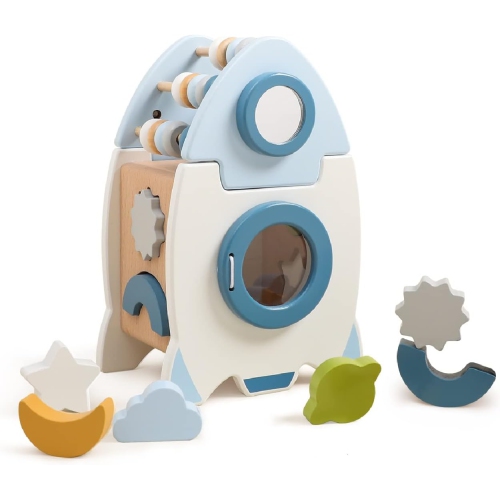
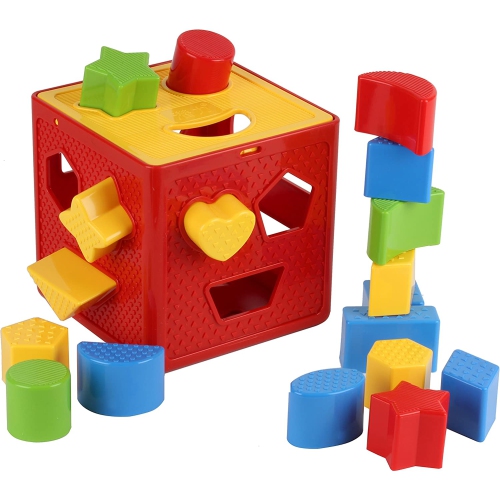

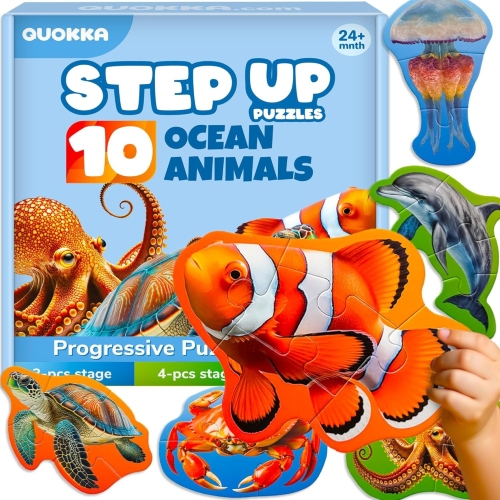
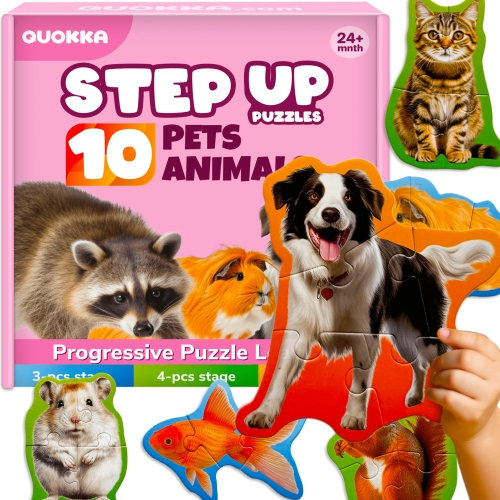
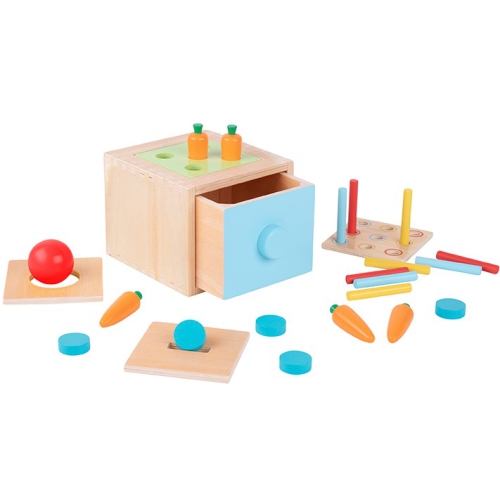
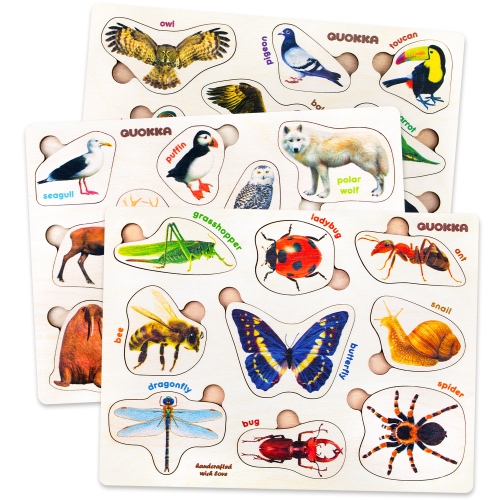
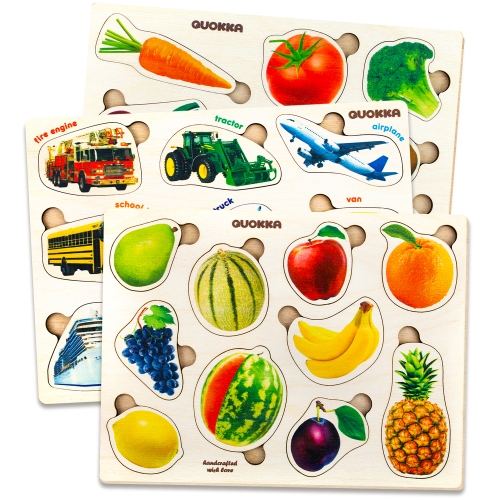
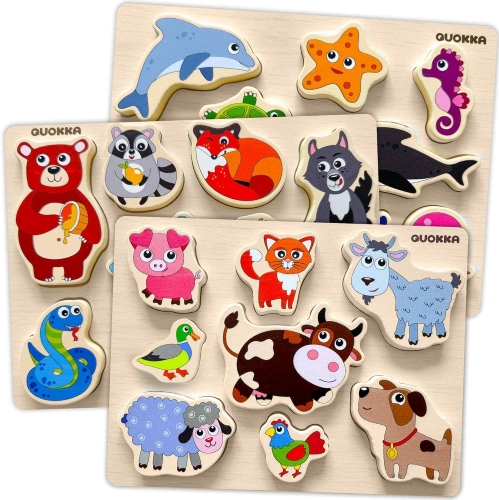
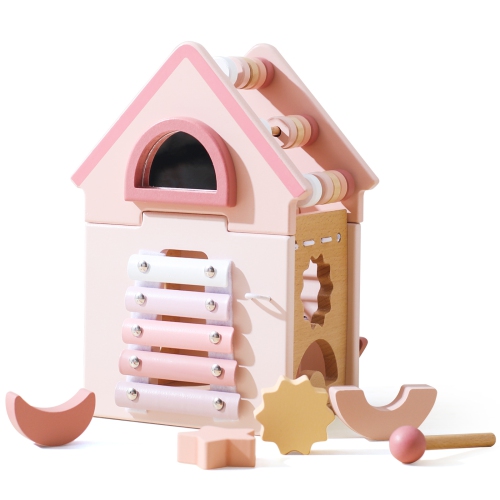
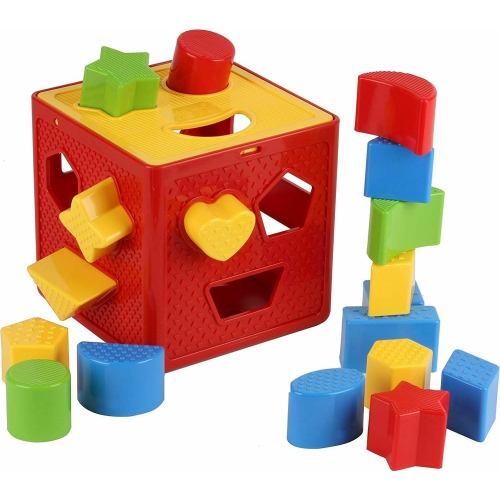


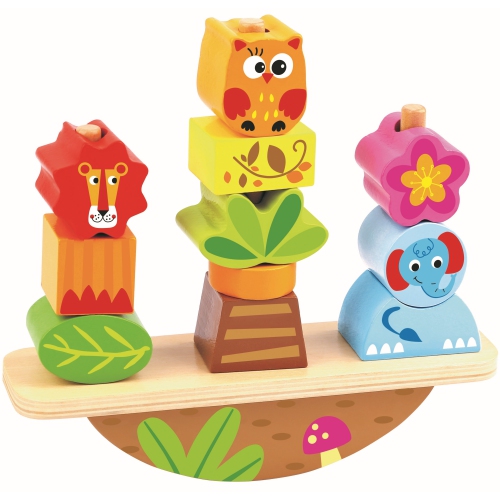
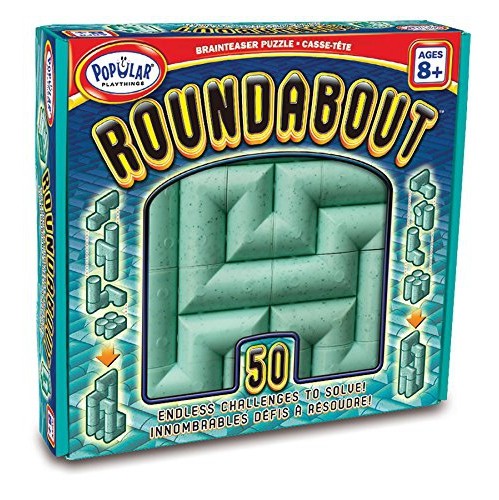
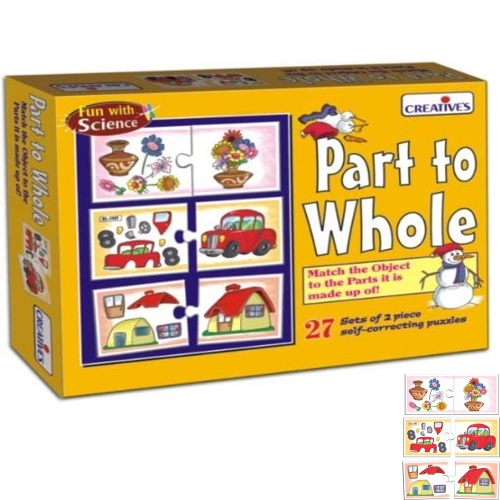
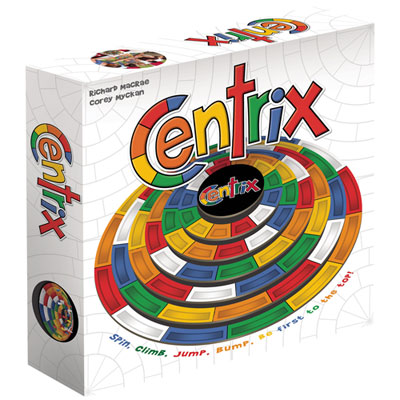
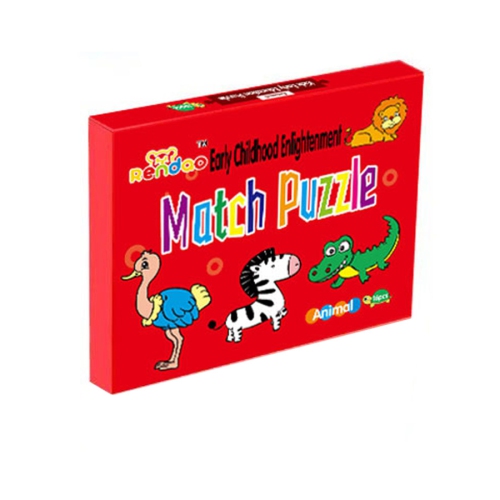
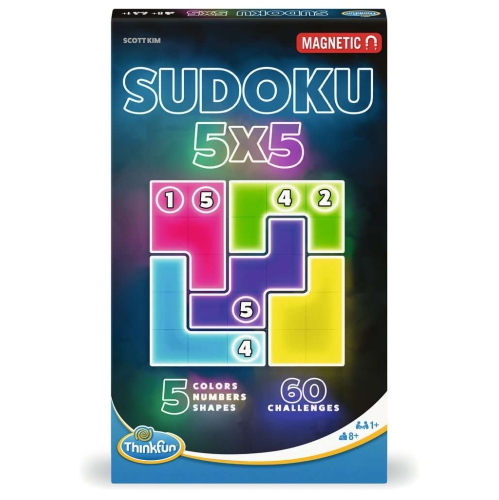

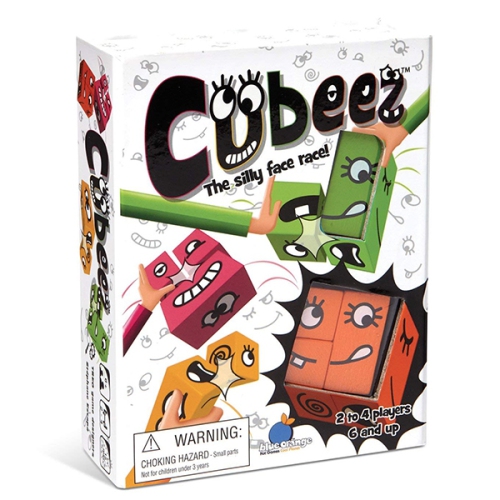

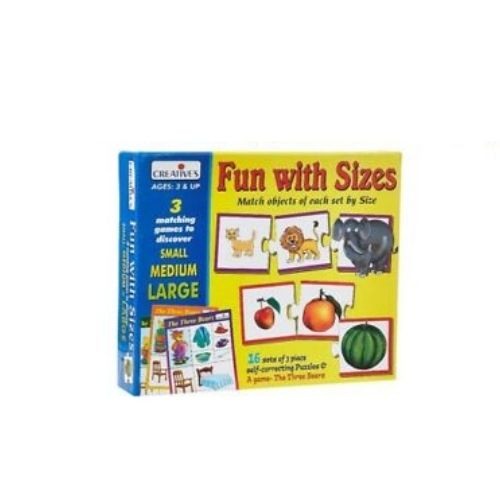
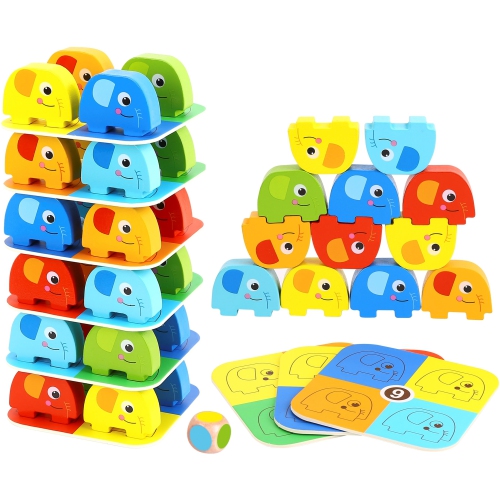
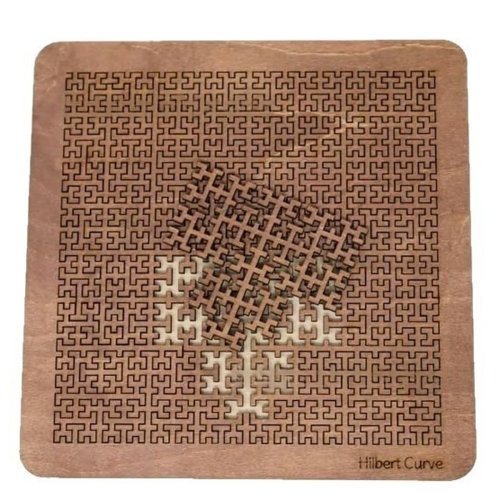
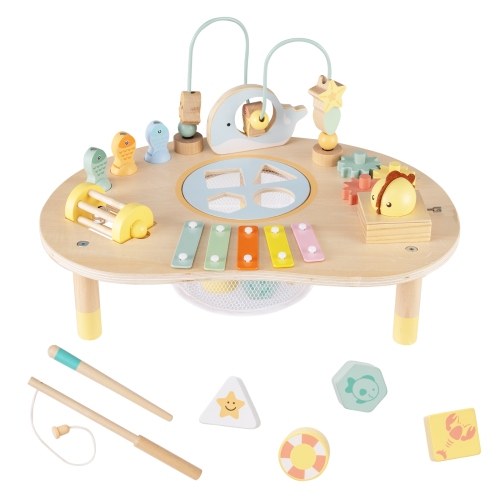
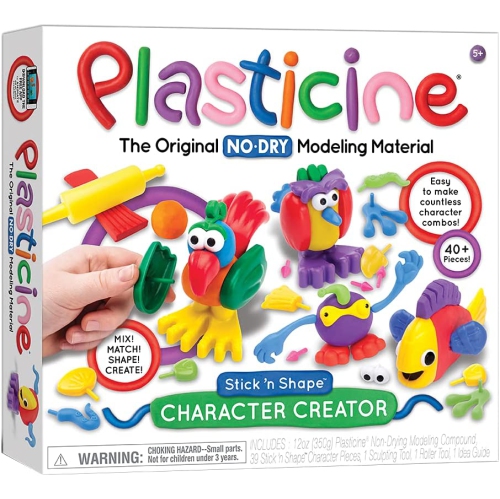
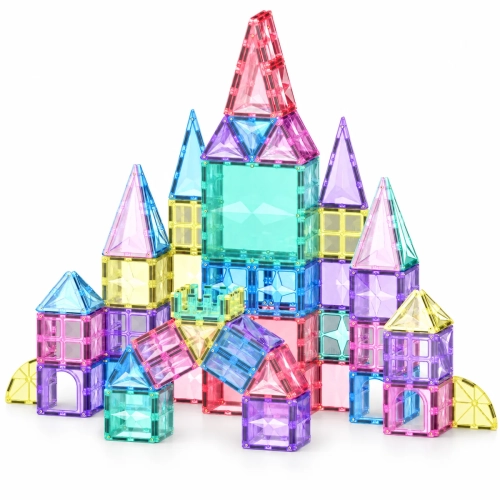
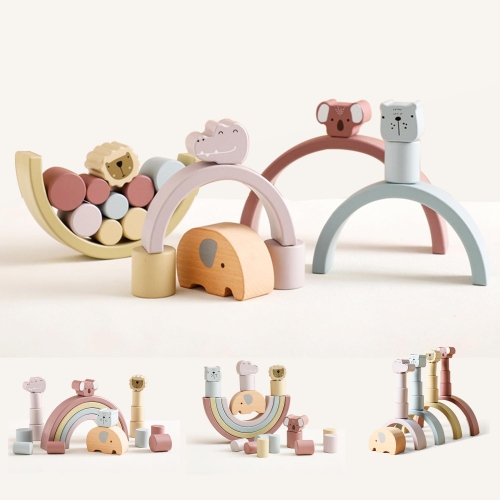


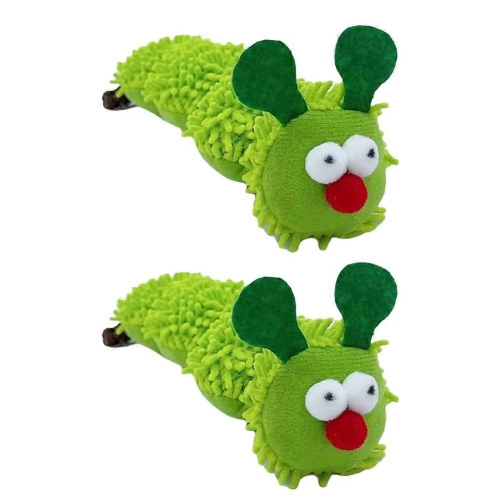

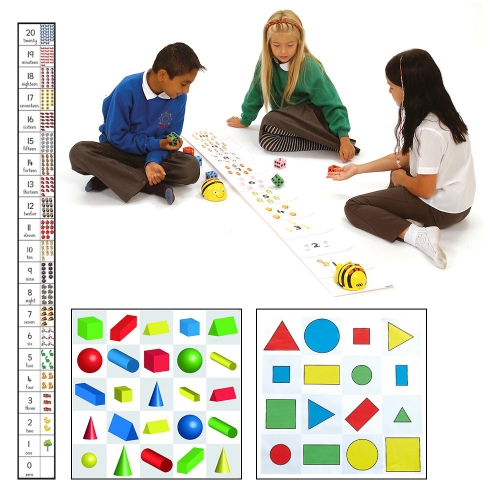
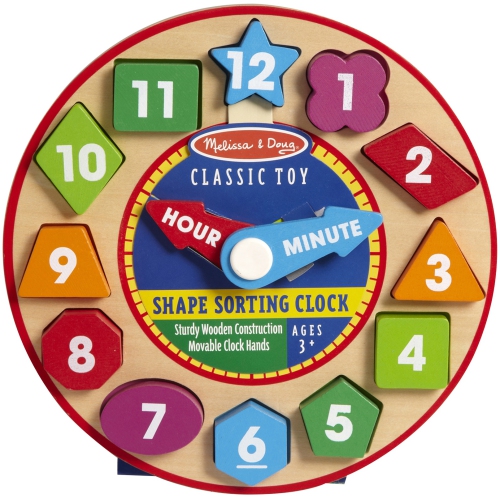
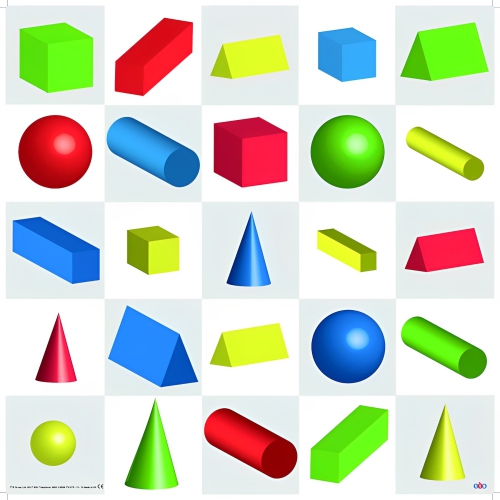

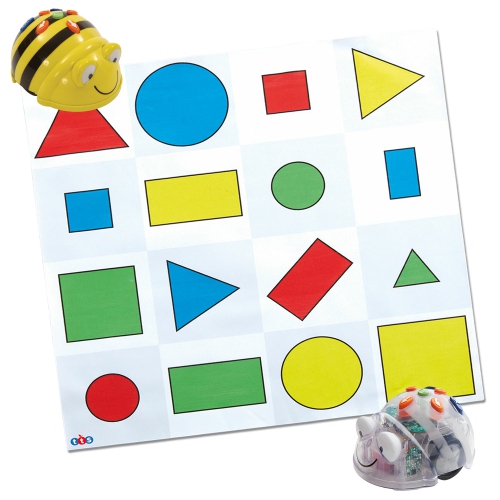
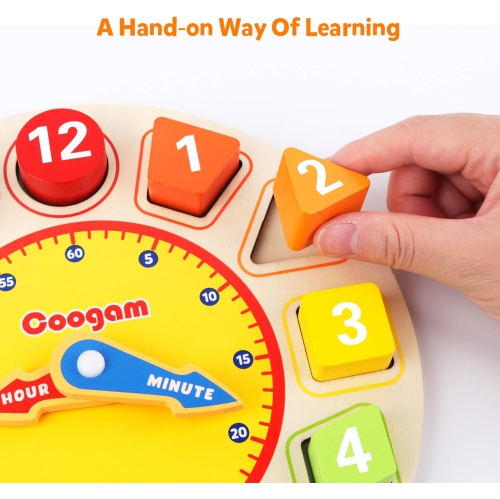
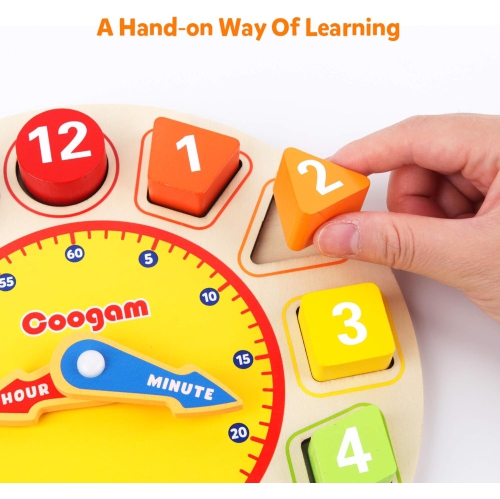
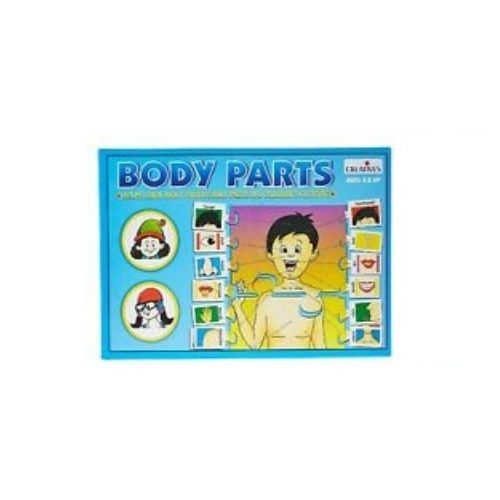
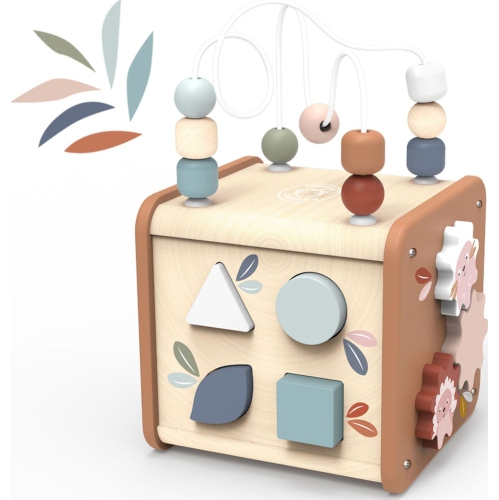
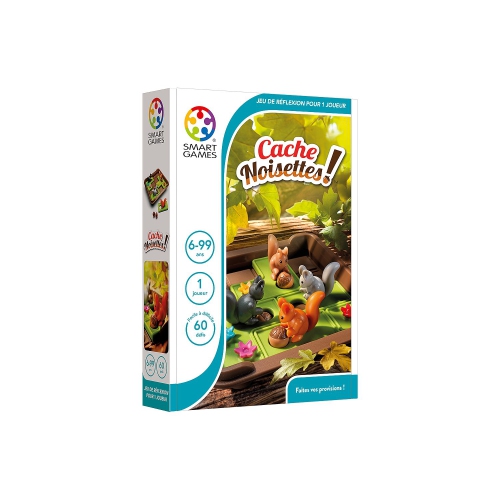

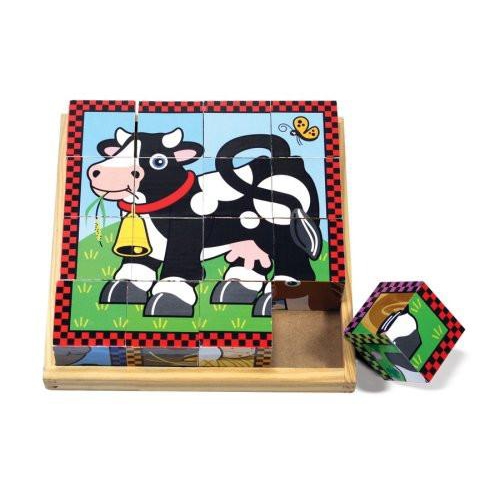
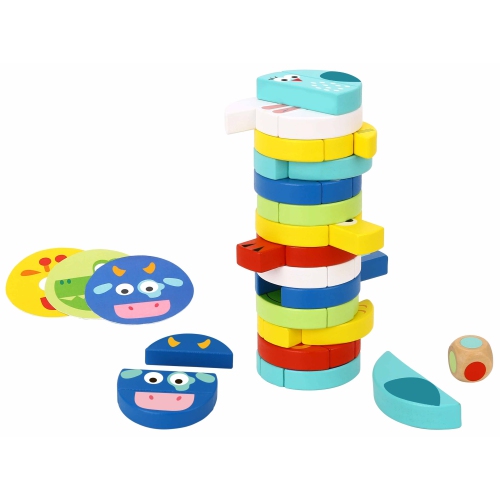
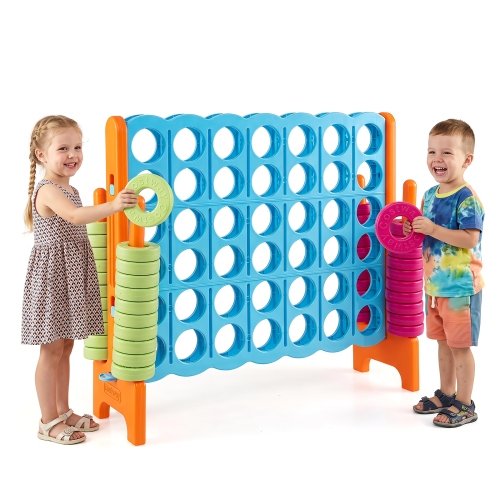


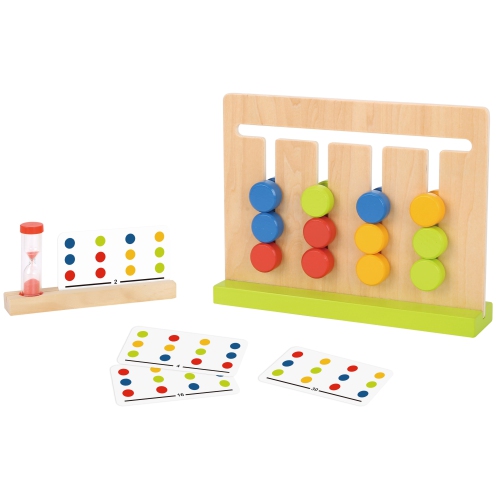



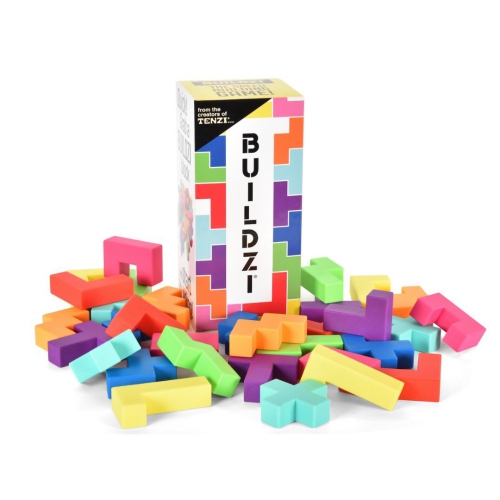

Simple pieces that turn spatial thinking into play
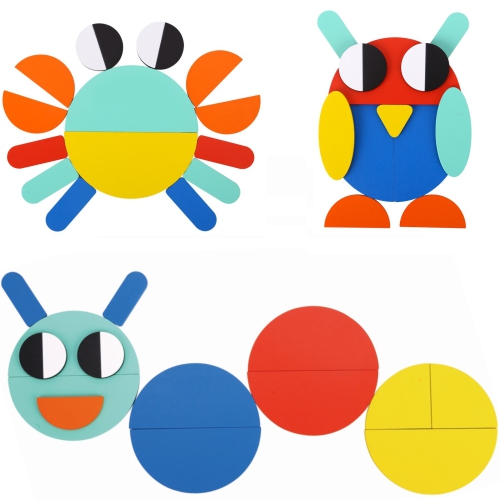
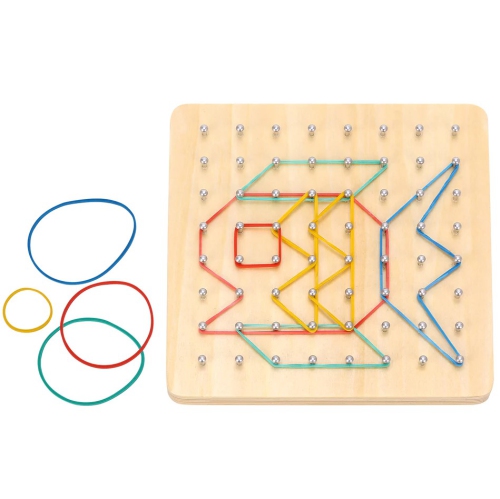
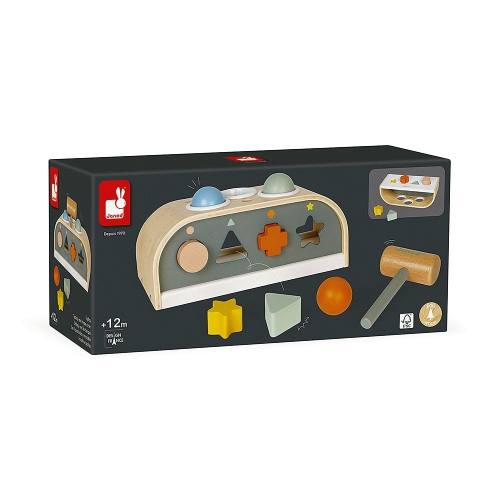
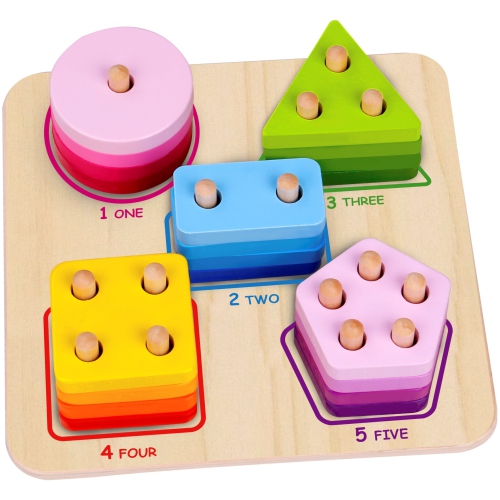
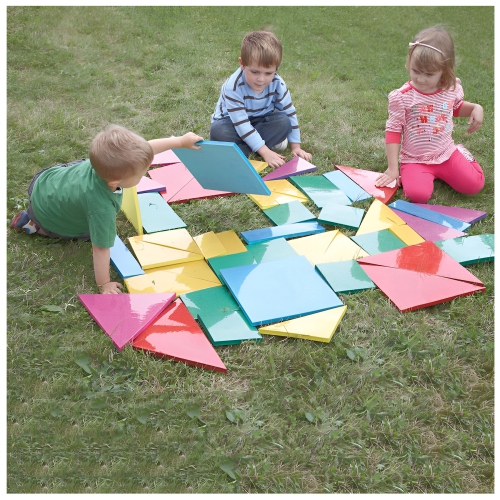
Shape games are hands-on puzzles, sorting activities, and tabletop games that use geometric pieces to make matching, building, and problem-solving part of play. They range from simple activities that pair a circle or square with its matching opening to more complex challenges involving patterns, silhouettes, and three-dimensional arrangements. The shared idea is easy to grasp: look closely at a shape, notice its features, and work out where it belongs. For young children, this can mean discovering that a triangle has three sides or that turning a piece changes how it fits without changing what it is. For older children and adults, the challenge may involve arranging several pieces within a boundary, filling a silhouette without gaps, or predicting how a structure will look from another angle. Shape recognition, spatial reasoning, and problem-solving are central to these activities, while handling pieces also gives children opportunities to practise hand-eye coordination and fine motor control. Different formats bring different experiences to the table. Shape-sorting games often offer a clear physical result when a piece fits, matching games encourage attention to outlines and attributes, and tangram-style puzzles turn a small group of geometric pieces into many possible pictures. Pattern games add another layer by asking players to notice what repeats or decide what comes next. Some activities suit quiet independent play, while others introduce turn-taking, shared decisions, or a friendly race to finish an arrangement. A child might spend several minutes rotating a rectangle before finding the right opening, while an older sibling works out how two triangles can form a square. Those small discoveries give shape games their lasting appeal: the pieces may be simple, but the thinking changes with the player. Physical shape games also make an abstract idea tangible, giving players something they can move, compare, and test rather than only view on a screen.
Age suitability depends on more than how many shapes a game contains. Piece size, the precision needed to place each part, the complexity of the rules, and the amount of reading involved all affect how comfortably someone can participate. Large, easy-to-grasp pieces and clearly defined spaces can make early matching activities more approachable, especially when children are still developing control of their fingers and wrists. Contrasting colours may help players distinguish pieces, but outlines, textures, and printed symbols can provide useful cues when colour alone is not enough. Games that begin with visible matching spaces offer a different challenge from puzzles that show only a finished image, leaving players to determine where each piece goes. Multiple challenge levels can give a game room to grow with its user, provided the starting activities feel achievable. A preschooler may enjoy matching a piece directly over an illustrated outline, while a more experienced player may prefer recreating the same arrangement beside the picture. Timed games introduce excitement, though an untimed format may be a better fit for someone who likes to study each move without pressure. For shared play, clear rules and short rounds can help players with different experience levels stay involved. Language matters, too: a game centred on pictures and physical arrangements may be easier to share across ages than one that relies on written clues. Shape games can suit home play areas, early learning settings, and family tables, with the manufacturer's age guidance and warnings remaining important for every setting. Small parts are a choking hazard for children under three, and any additional restrictions deserve careful attention. Households with younger siblings also need a way to keep small puzzle pieces out of reach between sessions. For a broader selection of related play formats, Shape Toys brings the focus to geometric forms and hands-on discovery. The best fit is an activity whose handling demands and level of challenge match the person using it, rather than one chosen only by the age printed on the box.
Materials, construction, and storage make a noticeable difference when shape games become part of everyday play. Wooden pieces can have a satisfying weight and a firm feel in the hand; smooth surfaces, neatly finished edges, and intact coatings are important details. Moulded plastic can support varied shapes and easy handling, while thick cardboard is common in puzzle boards, picture cards, and matching activities. Each material has its own care needs. Cardboard benefits from dry hands and a clean tabletop, and wooden components should not be soaked unless the manufacturer specifically permits it. Cleaning methods for plastic and other surfaces vary, so the supplied care instructions take priority over assumptions about washing or disinfecting. Durable construction also involves how the parts work together. A sorting piece should fit its intended space without needing force, a puzzle board should remain flat during play, and frequently handled cards should stand up to repeated use. Pieces that are too loose may make matching less precise, while an overly tight fit can frustrate a child who has already solved the shape problem. Raised edges, recessed spaces, or a stable base can help keep an arrangement in place when the table gets nudged. Storage is worth considering because a missing piece can change or prevent a challenge. Compartments, a fitted tray, or a secure container make it easier to see whether everything has been put away, and a compact format can suit visits with relatives or play away from home. Shape games can also make thoughtful birthday gifts for children who enjoy fitting things together, building pictures, or working through a puzzle at their own pace. More demanding spatial puzzles may appeal to teens and adults who enjoy a focused tabletop challenge. In a family setting, a cooperative format gives players a reason to describe what they see, compare possible moves, and celebrate a solution together. Whether the activity lasts a few minutes or holds attention through several attempts, well-matched shape games combine a clear purpose with enough variety to invite another try.
Top selling and popular products
-
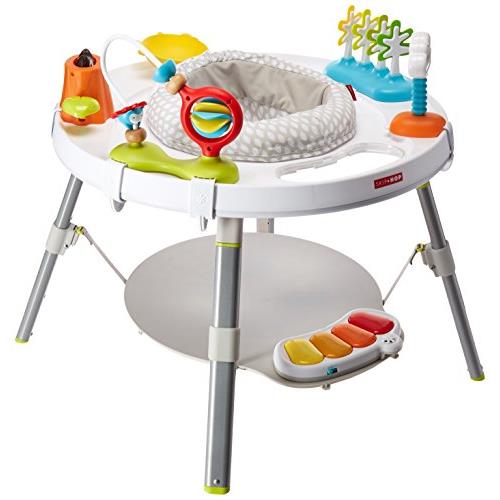 Your price for this item is $299.13
-
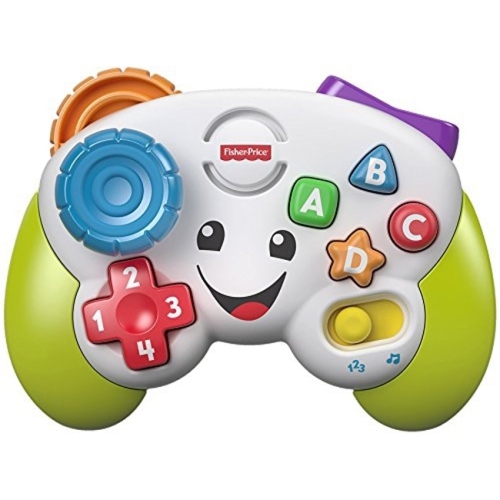 Your price for this item is $24.28
-
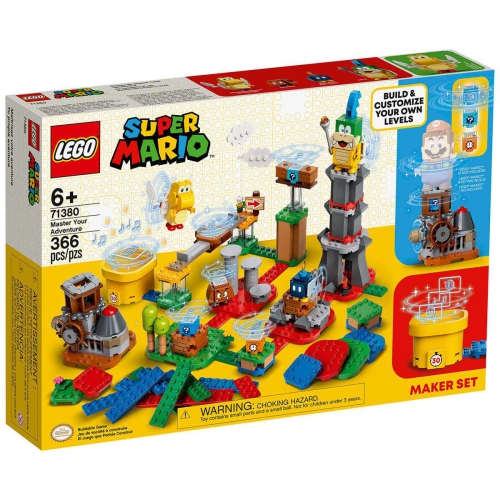 Your price for this item is $103.27
-
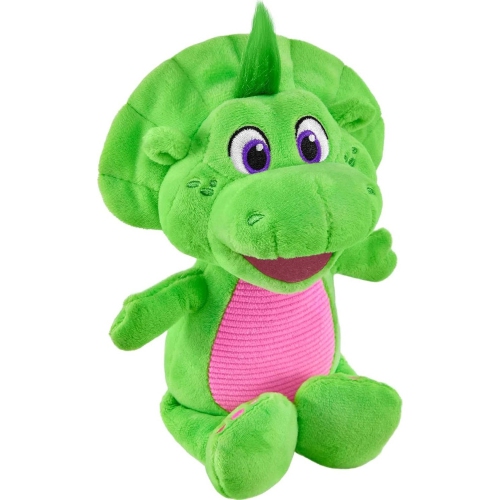 Your price for this item is $17.24
-
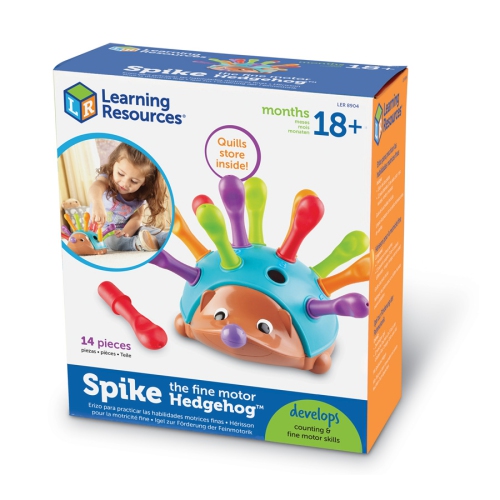 Your price for this item is $56.13
-
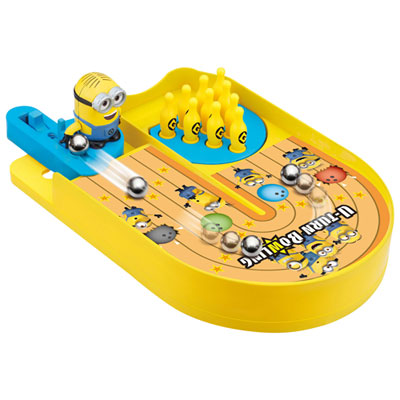 Your price for this item is $19.99
-
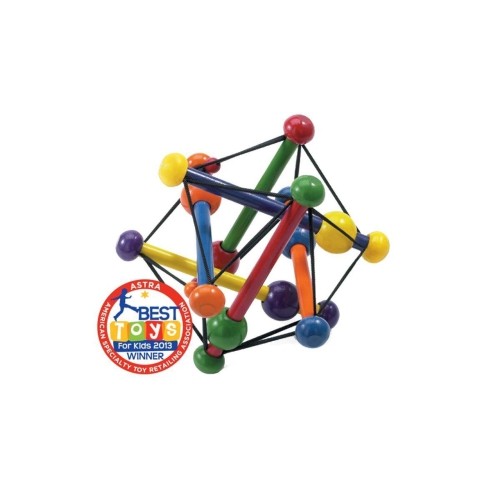 Your price for this item is $29.99
-
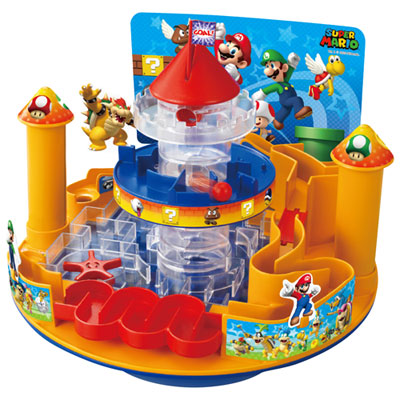 Your price for this item is $39.99
Discover more categories related to Shape Games

Top Collections:
Pokemon Centers, Best Cameras for Sports Photography, Kindle Devices, Samsung Galaxy Phones, Canon G7X Cameras, Pokémon 30th Celebration Cards, Refurbished Apple Laptops, iPhone 15 Apple, Laptops for Students, Budget Smartphones
Some products may be subject to Environmental Handling Fees
(EHF) depending on your province.
Learn more about EHFs.