Sports Card Mystery Packs
Sports Card Mystery Packs are the perfect choice for collectors and sports fans looking to add excitement to their card collection. Each pack offers a unique assortment of cards, making every unboxing a fun and engaging experience. Whether you’re searching for rare finds or hoping to expand your collection with new cards, Sports Card Mystery Packs provide endless possibilities for discovery. Explore the selection and see what surprises await inside each pack.
Sort
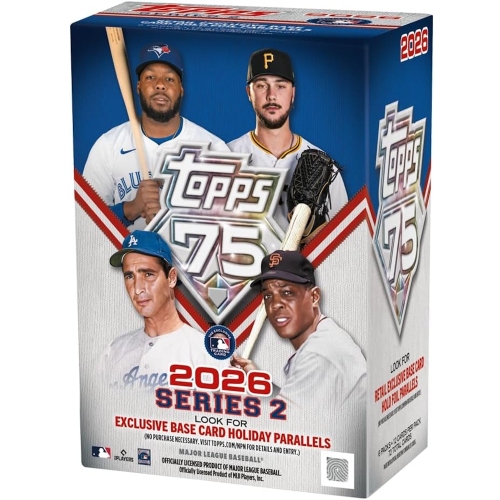


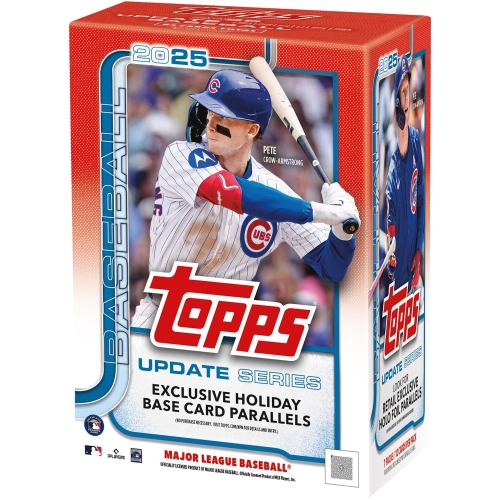
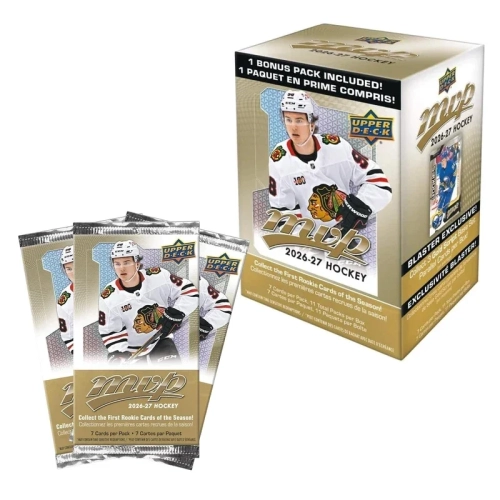

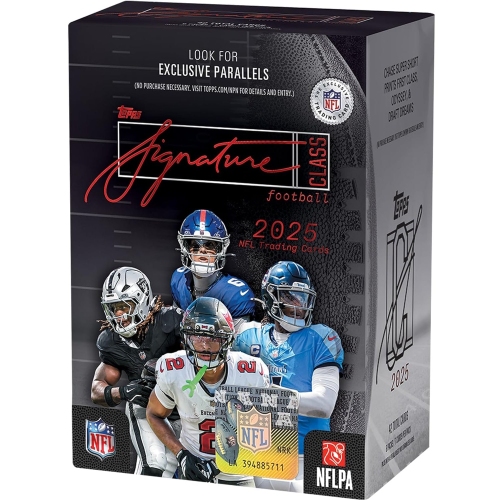






What a sealed wrapper really says about the cards
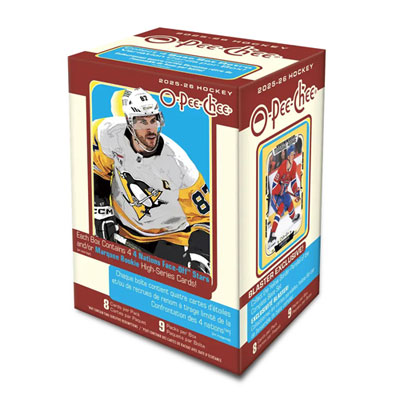
Sports card mystery packs are assortments of trading cards whose exact contents are not fully revealed before opening. Depending on the format, they may contain loose cards, unopened trading card packs, or a combination of both, with selections drawn from different players, teams, years, and sports. Some focus on hockey, basketball, baseball, or football, while multi-sport assortments bring several leagues together in a single opening experience. Their appeal lies in discovery: a familiar team crest, a rookie from a memorable draft class, or an older card design that brings back memories of collecting at the kitchen table. A key distinction is whether the assortment is factory packaged or assembled by a third-party seller. A repack is a selection put together after cards or packs have left their original manufacturer packaging; it is not the same as an untouched factory-sealed release. A sealed outer wrapper on a repack does not, by itself, mean that every card inside comes from an unopened manufacturer pack. Descriptions should establish what kind of assortment is offered, how many cards or packs it contains, and whether any particular card category is guaranteed. Possible inclusions can range from standard base cards to rookies, inserts, parallels, autographs, memorabilia cards, or professionally graded cards, but none should be assumed unless expressly stated. An insert typically belongs to a special subset, while a parallel is a variation of a card that may feature different colours, foil treatments, or numbering. A rookie card highlights a player early in their professional career, although rookie designations can differ across releases. These distinctions help explain why two mystery packs with similar card counts can offer very different collecting experiences. For a broader look at trading card formats, Card Packs provides a related starting point beyond mystery assortments. The mystery format is best suited to collectors who enjoy variety rather than those seeking one exact player or a precise missing card.
The most useful details in a sports card mystery pack description concern its scope and the meaning of any promised contents. A sport-specific assortment may still span numerous teams and eras, so a hockey fan looking for a favourite club should distinguish between a general hockey selection and a stated team-focused assortment. Likewise, a pack described as containing rookie cards does not necessarily promise recent rookies, and an assortment of older cards may include players unfamiliar to someone who follows only active rosters. Duplicate cards may occur unless the description rules them out, and separate mystery packs should not be assumed to contain entirely different selections. Collectors often use the word “hit” for a highlighted inclusion, such as an autograph or memorabilia card, but the term has no single definition across all sellers. A guaranteed hit should therefore be understood through the stated card category rather than the label alone. A pictured standout card may illustrate a possible pull without being included in every pack. Individually numbered cards identify a stated print run for that version, but numbering does not establish condition or guarantee a particular player. Memorabilia cards can contain a small piece of material, such as fabric, with wording on the card explaining its connection to a player or event. That wording matters: a material swatch should not automatically be treated as game-used. Autographs may be signed directly on the card or on an attached authentication sticker, with supporting details usually printed on the card itself. Professionally graded cards are generally enclosed in rigid holders with a label identifying the card and assigned grade; grading standards and label details vary by grading provider. An ungraded card is not necessarily damaged, just as a newly opened card is not necessarily flawless. For collectors building a themed binder, mystery packs can introduce unexpected additions and tradeable duplicates. For collectors completing a specific set, the random assortment makes them a less direct route than selecting known cards.
Materials, condition, and storage all shape how these cards hold up after opening. Most sports trading cards are made from printed paperboard or cardstock, sometimes finished with gloss, foil, textured coatings, or layered construction. Clear plastic designs and thicker memorabilia cards require different handling from standard cards, particularly when choosing sleeves and holders. Small imperfections can be easy to miss at first glance: a softened corner, a chip along a dark border, a fine surface scratch, or printing that sits off-centre. Inspecting a card under even light, without bending it or pressing on the surface, makes those details easier to see. Clean, dry hands and a clear tabletop help prevent fingerprints and accidental creases during sorting. Cards are best held gently by their edges, and wrappers should be opened without forcing sharp tools close to the contents. Soft sleeves provide a first layer of protection, while appropriately sized rigid holders offer additional support against bending. Fit is important: pushing a thick card into a tight holder can damage its edges, while an oversized holder may allow too much movement. Binder pockets should accommodate the sleeved card without pressure, and a full binder should close without bowing. Long-term storage works best away from direct sunlight, moisture, and large temperature changes; displayed cards also benefit from protection against fading and dust. Avoid tape directly on cards, household cleaning products, or attempts to flatten damaged corners. For gifting, a mystery pack can suit a sports fan who enjoys learning player histories, an established collector open to unfamiliar releases, or a family member returning to the hobby after several years. Matching the sport to the recipient’s interests is more meaningful than relying on an impressive-looking wrapper. Younger collectors may appreciate help organizing cards by team, position, or year, turning the opening into a shared activity followed by sorting and conversation. The lasting enjoyment comes from the cards themselves: discovering a new favourite design, comparing career statistics, and finding a place for each addition in a personal collection.
Top selling and popular products
-
 Your price for this item is $28.69
-
 Your price for this item is $39.99
-
 Your price for this item is $149.99
-
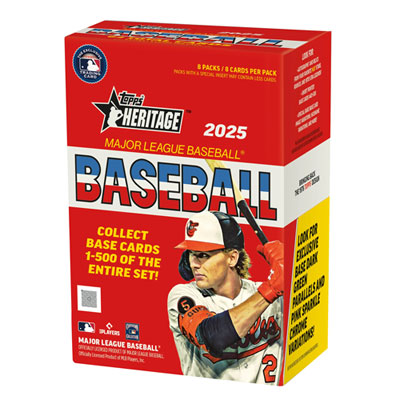 Your price for this item is $49.99
-
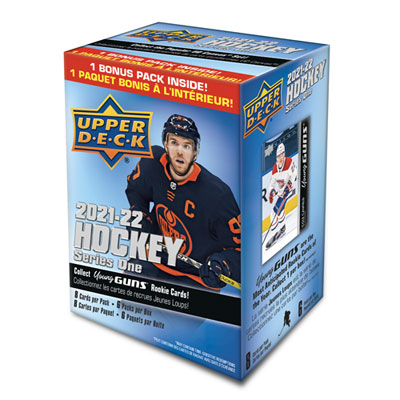 Your price for this item is $29.99
-
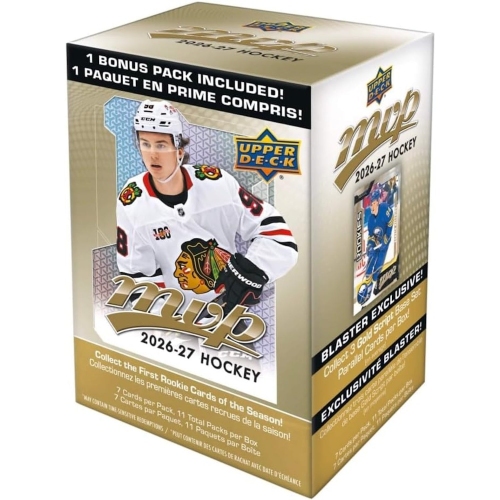 Your price for this item is $34.44
-
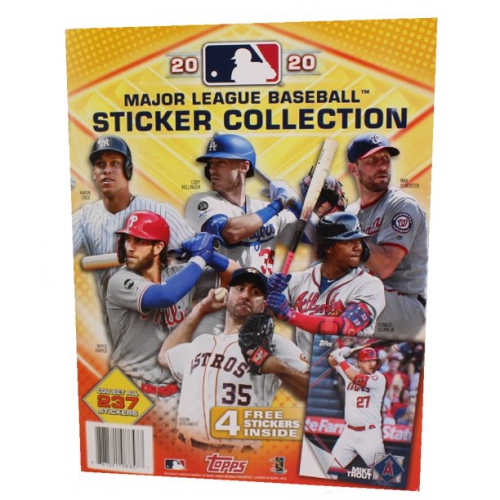 Your price for this item is $17.99
-
 Your price for this item is $63.19
Discover more categories related to Sports Card Mystery Packs


Top Collections:
Pokemon Centers, Kindle Devices, Best Cameras for Sports Photography, Pokémon 30th Celebration Cards, Apple iPhones 16, Canon G7X Cameras, iPhone 15 Apple, Flip Phones, Samsung Galaxy Phones, Alarm Clock
Some products may be subject to Environmental Handling Fees
(EHF) depending on your province.
Learn more about EHFs.