Stamp Pads
Stamp pads are a versatile essential for almost any office, school, or crafting station. With the ability to add a pop of color and personality to documents, cards, and art projects, stamp pads are a must-have for anyone looking to make a statement with their work. Whether you're a seasoned crafter or just starting out, these ink pads offer a mess-free way to bring your creativity to life. Explore this selection of stamp pads in an array of vibrant hues to find the perfect match for your next project.
Sort
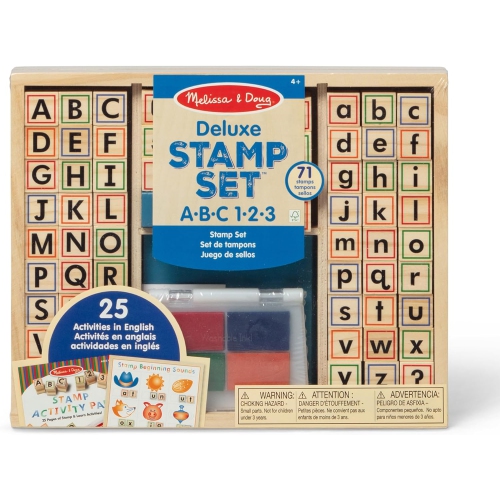
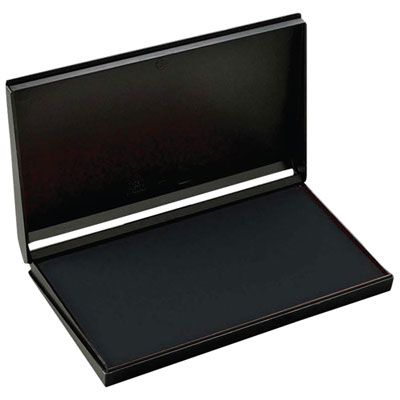
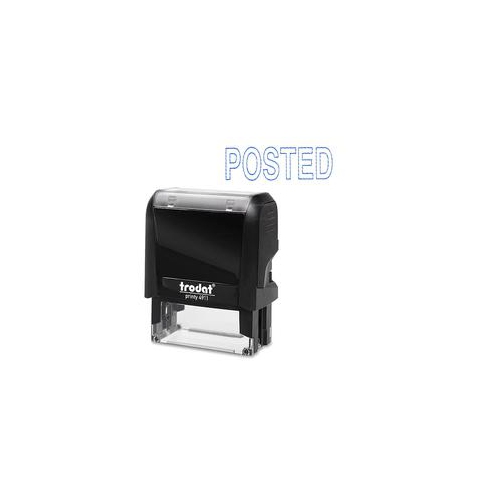
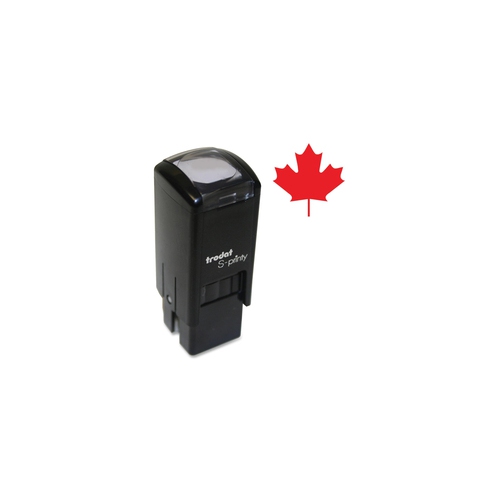

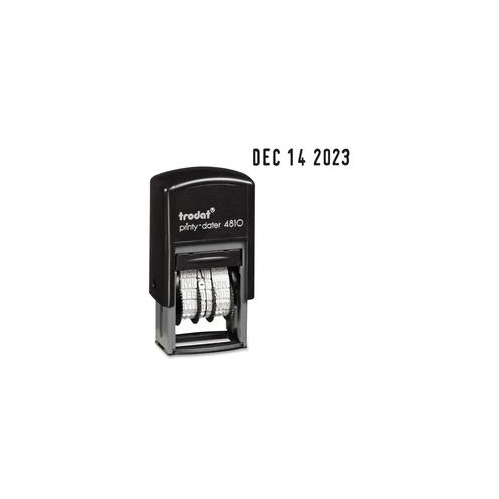
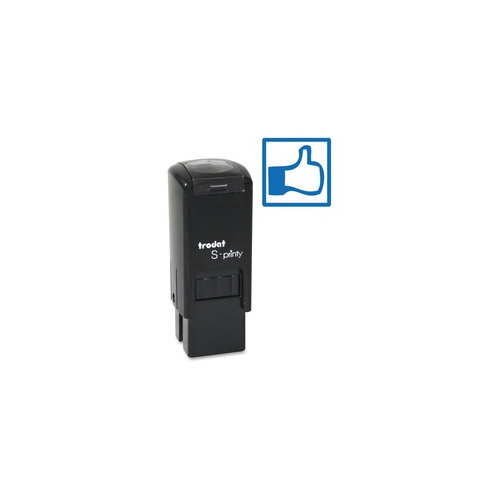
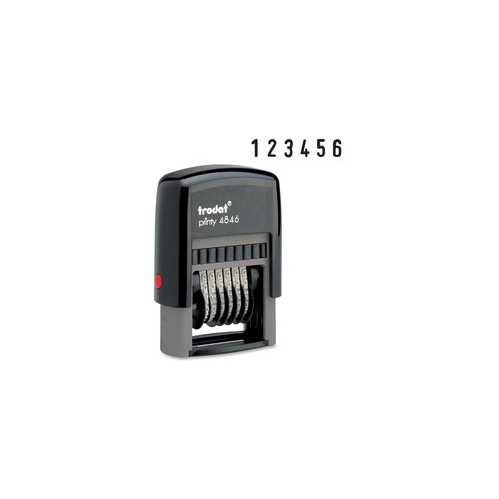
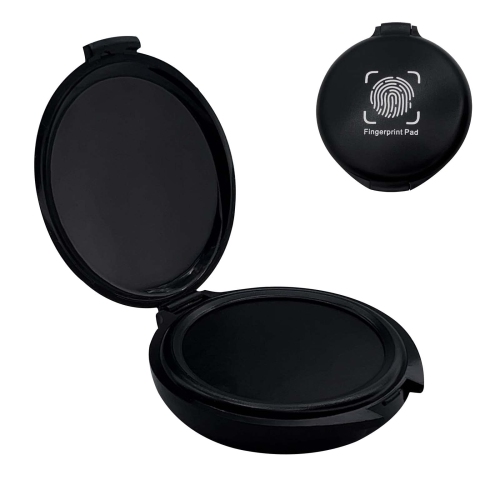
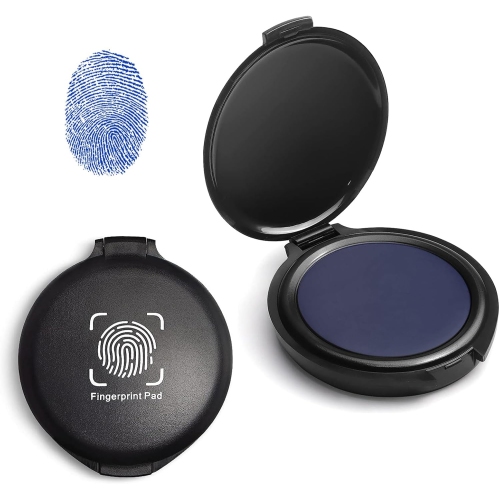
Ink types and sizing shape every stamped impression
Stamp pads are a simple, versatile addition to an office, craft room, classroom, or home stationery drawer. They provide the ink needed to create crisp impressions with rubber stamps, clear stamps, date stamps, address stamps, embossing tools, and other designs. Standard stamp pads are commonly sized to cover everyday stamp surfaces while remaining easy to store, carry, and handle, and many cost approximately $7 to $9 depending on the ink formula, colour, size, and intended use. Black, blue, and red remain practical choices for forms, paperwork, filing, and correspondence, while brighter shades can bring more personality to cards, gift tags, scrapbooks, journals, handmade decorations, and creative projects. A stamp pad can also be a thoughtful addition to a stationery set or craft gift, especially for someone who enjoys mail art, paper crafts, classroom activities, memory keeping, or making personalised details by hand. Pairing a pad with a compatible stamp gives the recipient a useful starting point, while a selection of colours can make a small craft collection feel much more expressive. For shoppers comparing stamp pads, the most important details are the surface being stamped, the material of the stamp, the drying time, the permanence of the impression, and the size of the pad relative to the design. A pad should be large enough to cover the stamp without forcing the edges into the ink case, yet compact enough to close securely and fit neatly in a drawer or portable craft box. A good fit helps reduce uneven coverage, stray marks, and the familiar frustration of discovering that only part of a carefully chosen design has transferred to the page.
Water-based or dye ink stamp pads are a dependable choice for ordinary paper, notebooks, printer paper, envelopes, and many uncoated cardstocks. These inks tend to absorb into the fibres of the paper and dry relatively quickly, making them useful for office forms, school projects, planners, labels, and routine correspondence where a clean, readable impression matters. They are often the easiest option for everyday stamping, particularly when several impressions need to be made in succession. Pigment ink is thicker and typically sits more visibly on the surface of the material, which can produce rich, opaque colour for crafts, decorative paper, darker cardstock, and detailed designs. Because pigment ink may take longer to dry, it is worth allowing the stamped surface to rest before stacking cards, closing a journal, or sliding paper into an envelope. Solvent-based ink is intended for more demanding surfaces and can create permanent, water-resistant impressions on materials such as plastic, metal, glass, and other slick or non-porous finishes. It requires careful handling and should be selected only when its characteristics match the project and the stamp itself. Fabric projects call for an ink specifically labelled for textiles, since ordinary paper ink may fade, bleed, or wash out. Likewise, glossy cardstock and coated paper can hold ink differently from absorbent paper, so testing a small corner or spare piece first is a sensible way to check colour, sharpness, and drying time. The size and detail of the stamp matter as well: a fine-lined image benefits from an ink that transfers cleanly without flooding the design, while a broad solid shape needs even coverage across its entire surface. For shoppers who are also looking for the stamping tool itself, Rubber Stamps can help complete a practical setup.
Careful use keeps a stamp pad ready for future projects. Press the stamp straight down into the pad with light, even pressure rather than rocking it from side to side, which can push ink beyond the design and leave marks around the edges. For a larger stamp, gently tap the pad across the surface or move the stamp onto the pad in sections so that raised details receive consistent coverage. After stamping, lift the tool vertically to help preserve a sharp outline. Closing the lid firmly after use is one of the simplest ways to protect the ink from drying out, particularly during the cooler months when indoor air can become dry. Store pads flat, away from direct heat and strong sunlight, and keep different colours separated when possible to prevent accidental transfer between lids and ink surfaces. If a pad begins to look pale or produces patchy impressions, a compatible refill may restore it, provided the refill ink is made for that specific formula; mixing dye, pigment, solvent, or specialty inks can affect drying and colour results. It is also helpful to keep a scrap sheet nearby for a test impression, especially before stamping a finished invitation, signed document, handmade card, or gift package. Stamp pads are useful for practical identification, inventory marks, return addresses, classroom rewards, event materials, and business paperwork, but they also invite small creative rituals: a row of colourful impressions on a child’s art project, a neat emblem inside a journal cover, or a handmade tag tucked beneath ribbon. Selecting the right ink type and colour makes these everyday tasks cleaner and more dependable, while choosing a size that matches the stamp helps each impression look deliberate and complete.
Water-based or dye ink stamp pads are a dependable choice for ordinary paper, notebooks, printer paper, envelopes, and many uncoated cardstocks. These inks tend to absorb into the fibres of the paper and dry relatively quickly, making them useful for office forms, school projects, planners, labels, and routine correspondence where a clean, readable impression matters. They are often the easiest option for everyday stamping, particularly when several impressions need to be made in succession. Pigment ink is thicker and typically sits more visibly on the surface of the material, which can produce rich, opaque colour for crafts, decorative paper, darker cardstock, and detailed designs. Because pigment ink may take longer to dry, it is worth allowing the stamped surface to rest before stacking cards, closing a journal, or sliding paper into an envelope. Solvent-based ink is intended for more demanding surfaces and can create permanent, water-resistant impressions on materials such as plastic, metal, glass, and other slick or non-porous finishes. It requires careful handling and should be selected only when its characteristics match the project and the stamp itself. Fabric projects call for an ink specifically labelled for textiles, since ordinary paper ink may fade, bleed, or wash out. Likewise, glossy cardstock and coated paper can hold ink differently from absorbent paper, so testing a small corner or spare piece first is a sensible way to check colour, sharpness, and drying time. The size and detail of the stamp matter as well: a fine-lined image benefits from an ink that transfers cleanly without flooding the design, while a broad solid shape needs even coverage across its entire surface. For shoppers who are also looking for the stamping tool itself, Rubber Stamps can help complete a practical setup.
Careful use keeps a stamp pad ready for future projects. Press the stamp straight down into the pad with light, even pressure rather than rocking it from side to side, which can push ink beyond the design and leave marks around the edges. For a larger stamp, gently tap the pad across the surface or move the stamp onto the pad in sections so that raised details receive consistent coverage. After stamping, lift the tool vertically to help preserve a sharp outline. Closing the lid firmly after use is one of the simplest ways to protect the ink from drying out, particularly during the cooler months when indoor air can become dry. Store pads flat, away from direct heat and strong sunlight, and keep different colours separated when possible to prevent accidental transfer between lids and ink surfaces. If a pad begins to look pale or produces patchy impressions, a compatible refill may restore it, provided the refill ink is made for that specific formula; mixing dye, pigment, solvent, or specialty inks can affect drying and colour results. It is also helpful to keep a scrap sheet nearby for a test impression, especially before stamping a finished invitation, signed document, handmade card, or gift package. Stamp pads are useful for practical identification, inventory marks, return addresses, classroom rewards, event materials, and business paperwork, but they also invite small creative rituals: a row of colourful impressions on a child’s art project, a neat emblem inside a journal cover, or a handmade tag tucked beneath ribbon. Selecting the right ink type and colour makes these everyday tasks cleaner and more dependable, while choosing a size that matches the stamp helps each impression look deliberate and complete.
Top selling and popular products
-
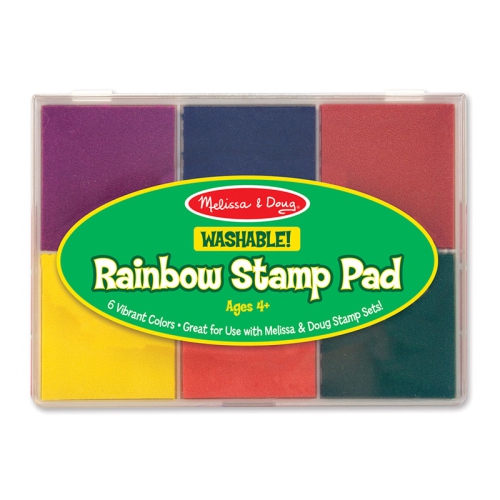 Your price for this item is $26.79
 -
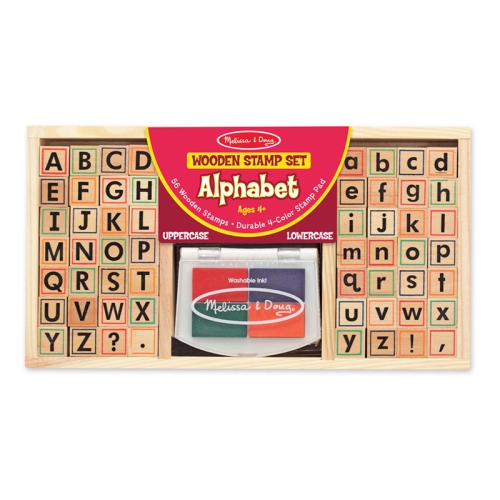 Your price for this item is $38.99
 -
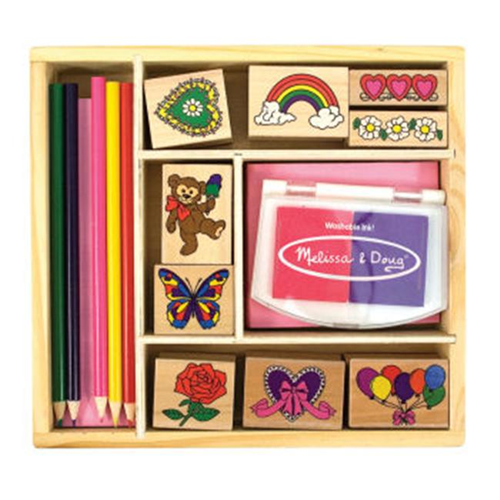 Your price for this item is $28
 -
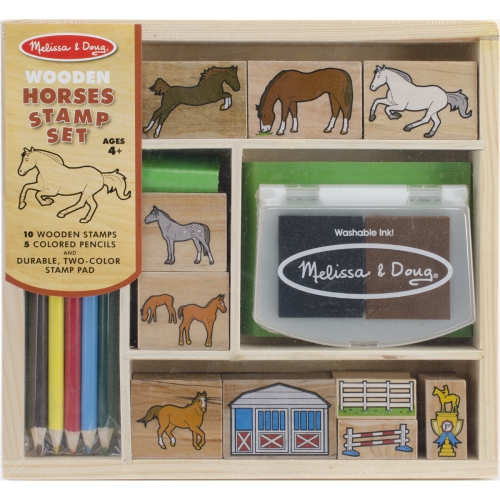 Your price for this item is $41.19
 -
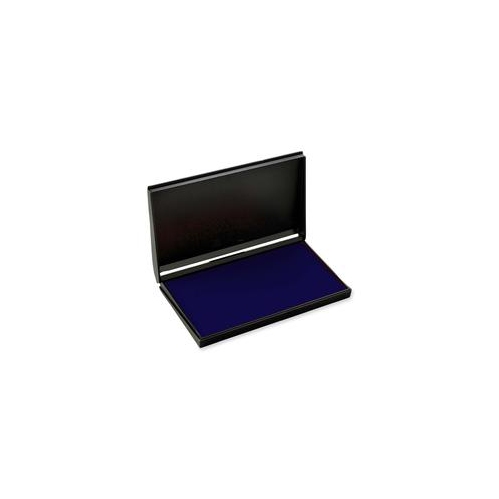 Your price for this item is $6.9
 -
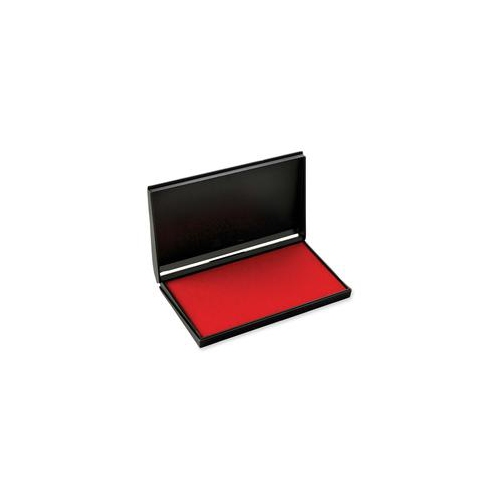 Your price for this item is $6.99
 -
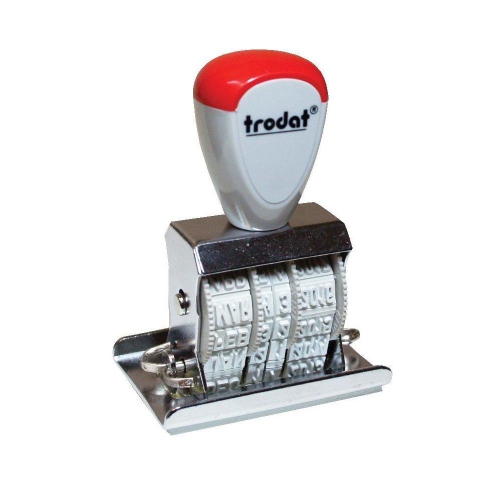 Your price for this item is $7.99
 -
 Your price for this item is $8.99
Discover more categories related to Stamp Pads
Top Collections:
Pokemon Centers, Kindle Devices, Best Budget Office Chairs, Apple iPhones 16, Best Laptops for Writers, iPhone 15 Apple, Canon G7X Cameras, Refurbished Apple Laptops, Alarm Clock, Motorola Razr Phones
Some products may be subject to Environmental Handling Fees
(EHF) depending on your province.
Learn more about EHFs.