Stimulating Toys
Unlock a world of imagination and growth with our selection of stimulating toys designed to engage curious minds and inspire endless creativity. Whether you're looking for toys that boost cognitive development, encourage physical activity, or spark artistic expression, you'll find something perfect for every age and interest. Our curated collection offers a variety of options that are both fun and educational, ensuring that playtime is as enriching as it is entertaining. Dive into a realm where learning meets play and watch young explorers thrive with joy and discovery.
Sort

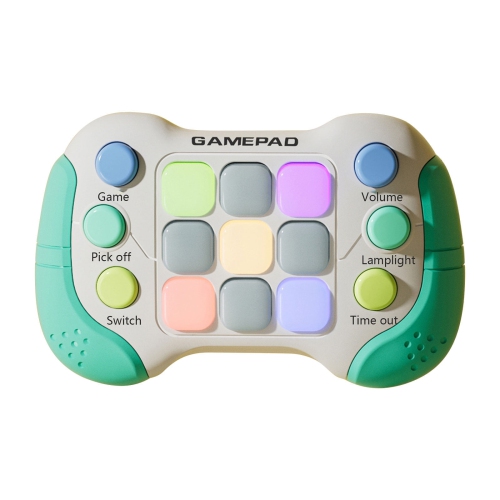
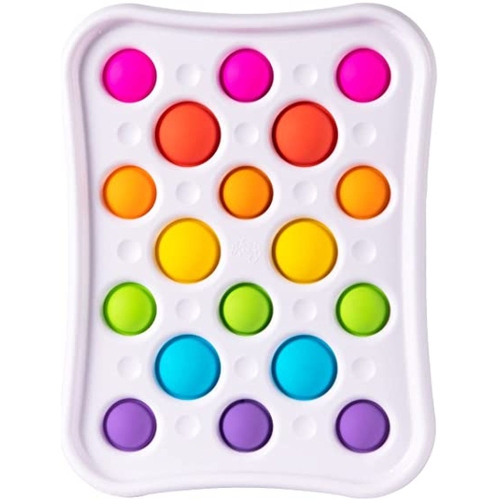
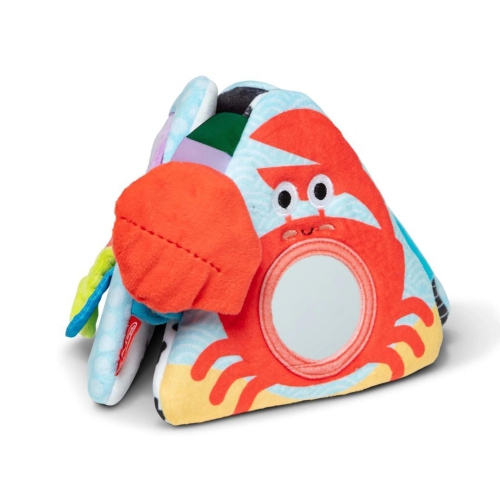
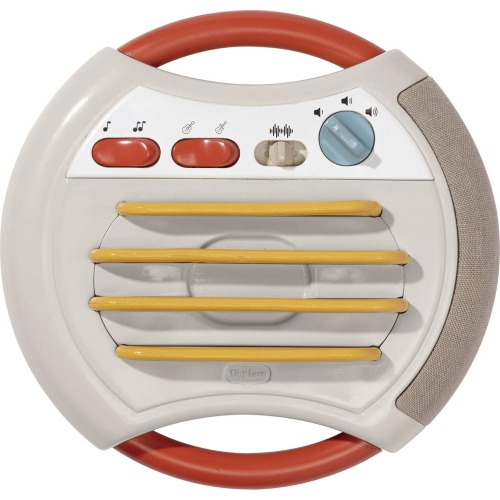
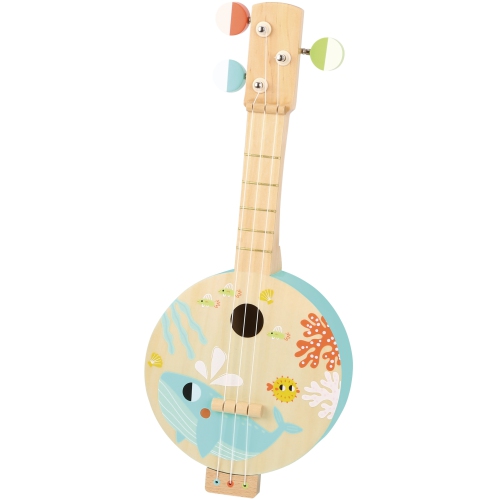
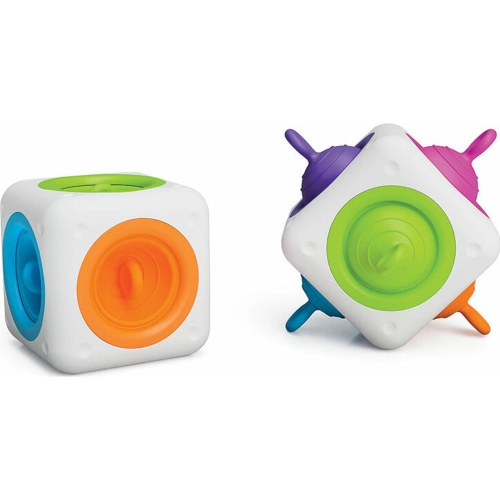

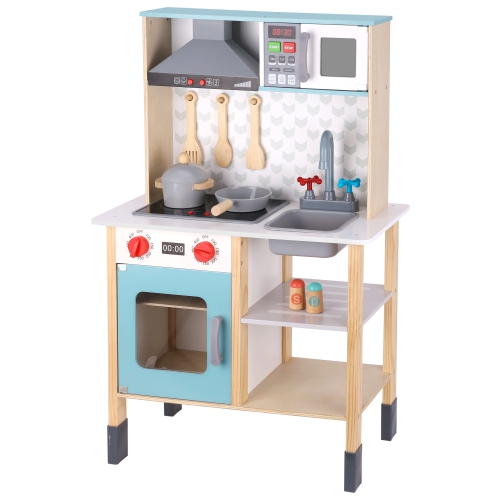
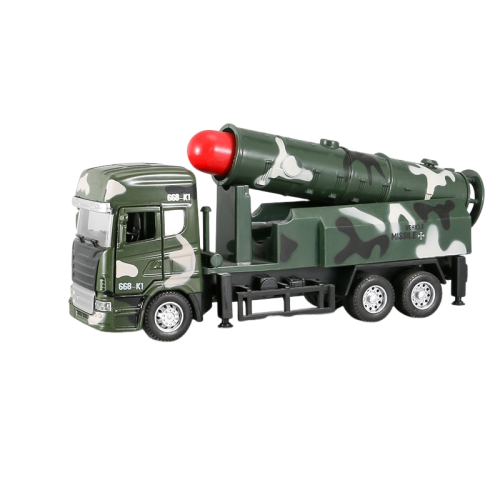
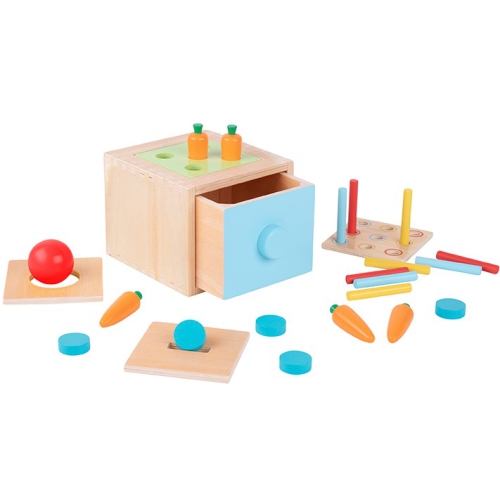
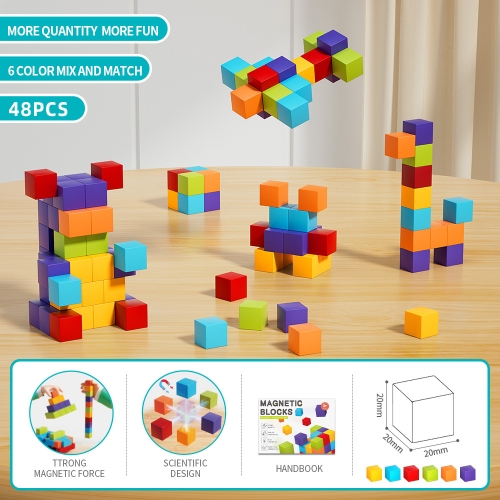
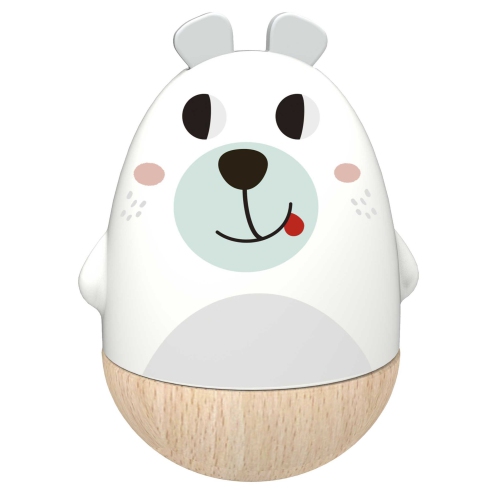


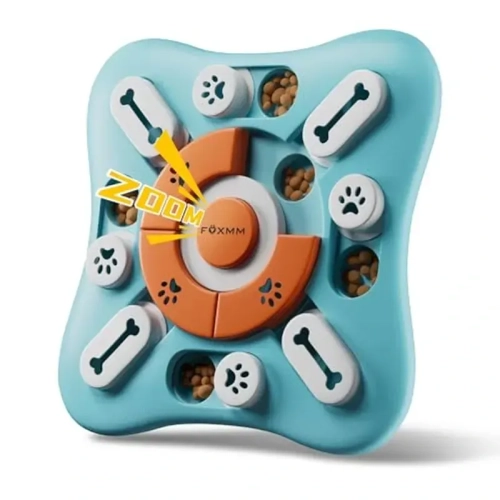
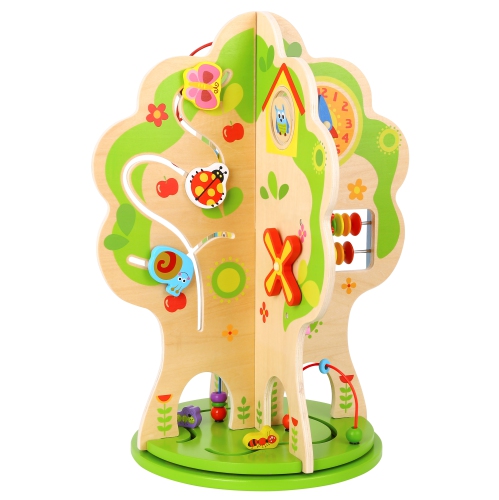
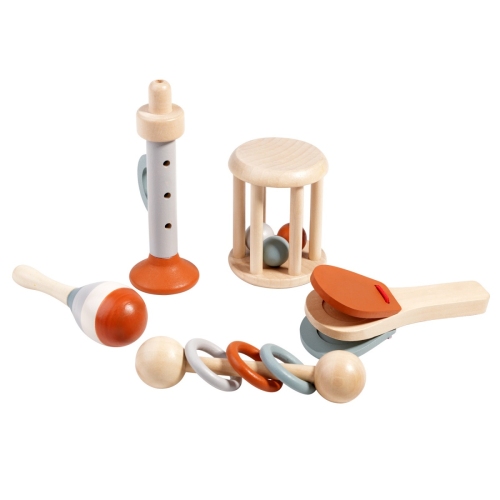
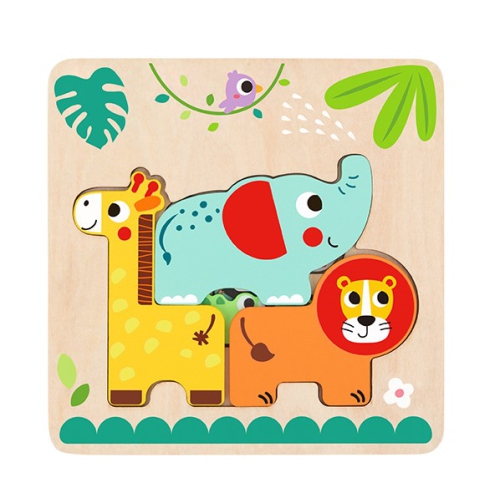
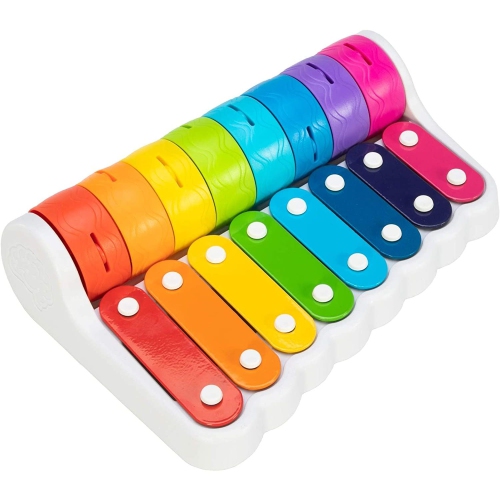
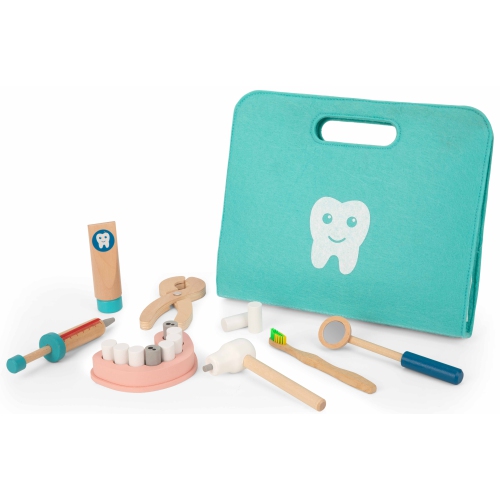
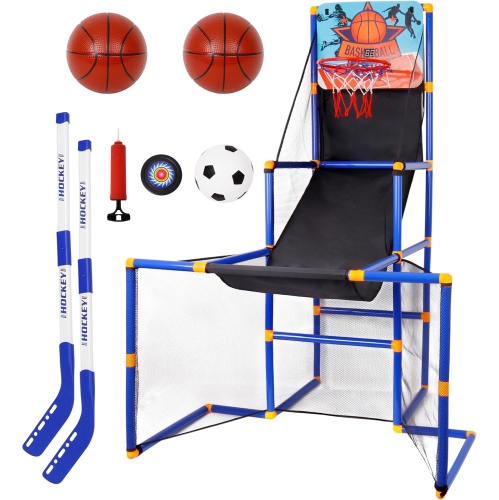
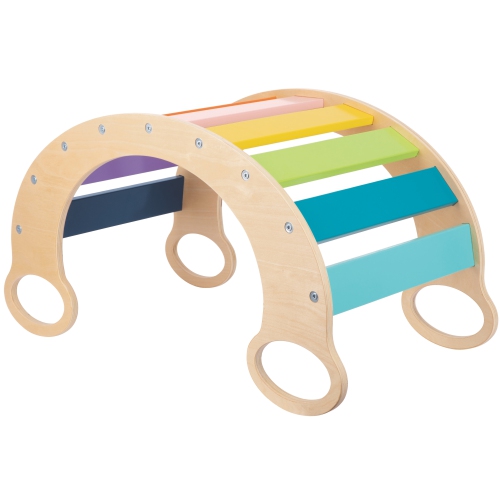
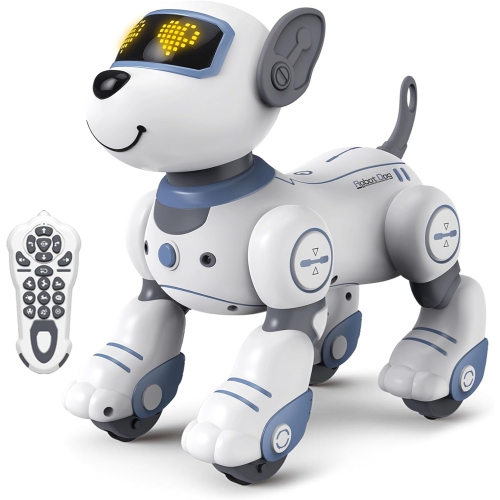
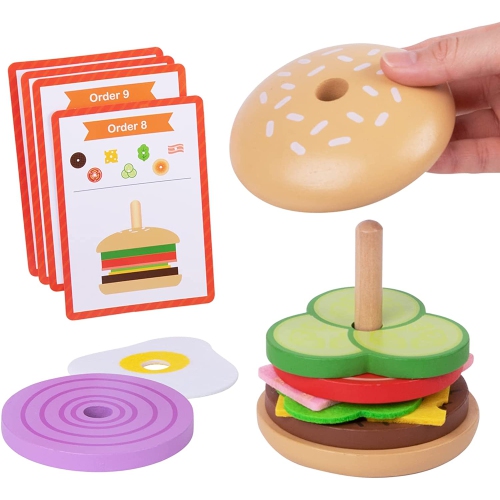
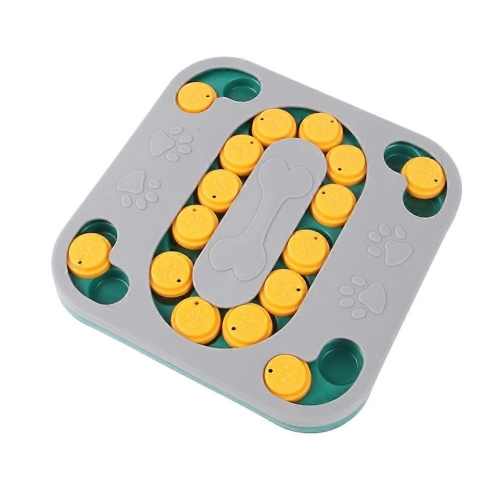
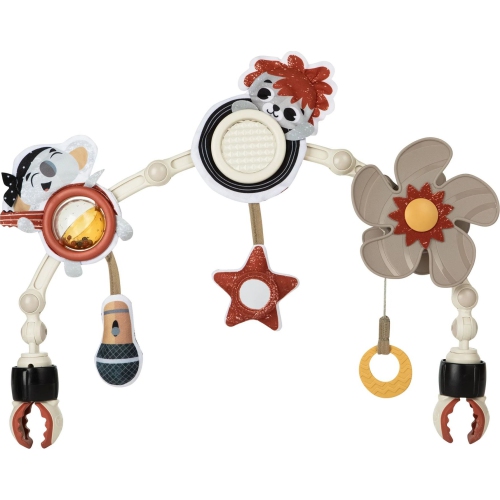
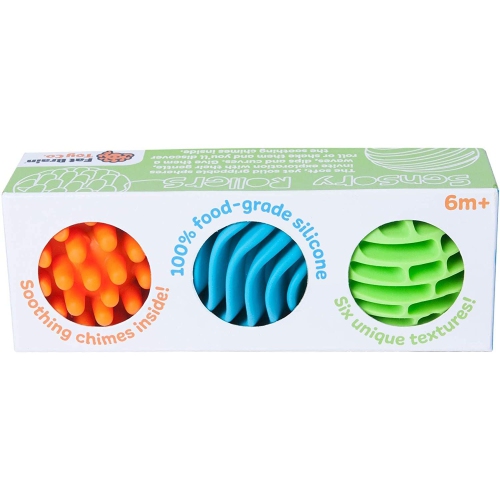

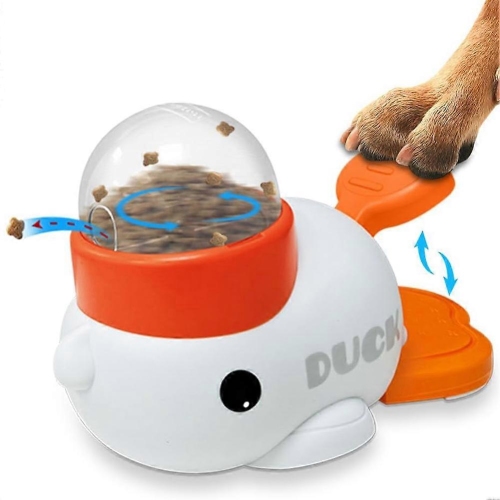
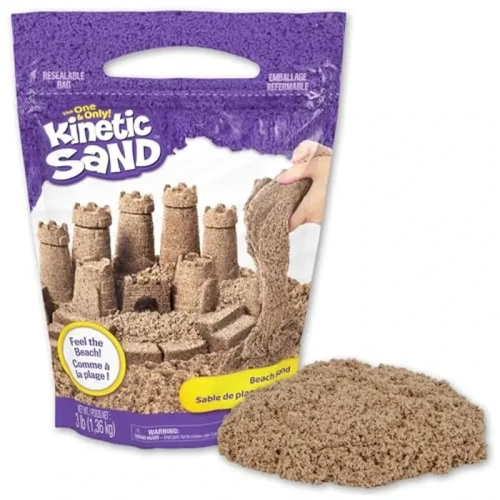
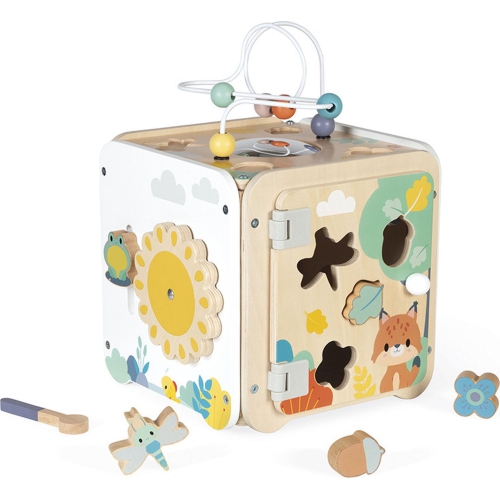

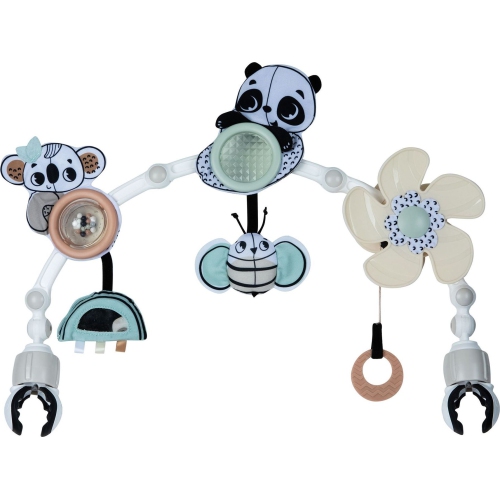
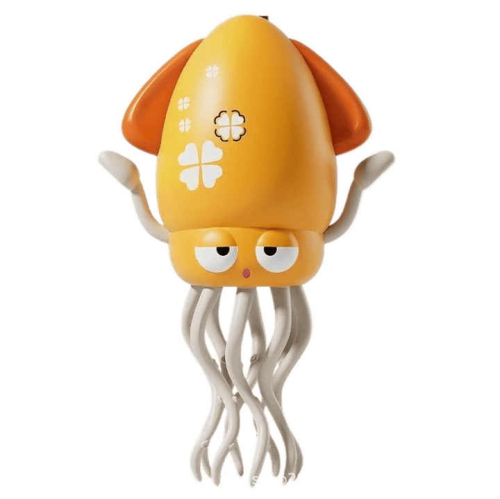
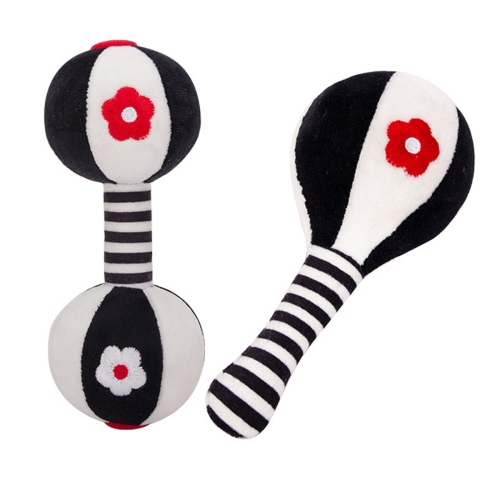
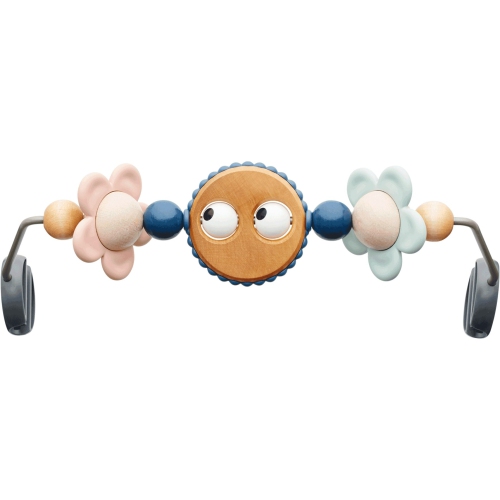
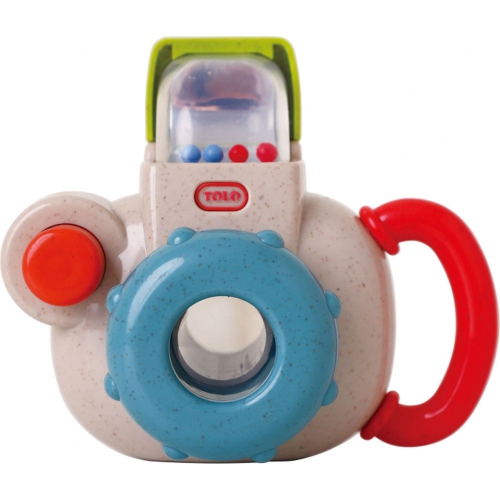
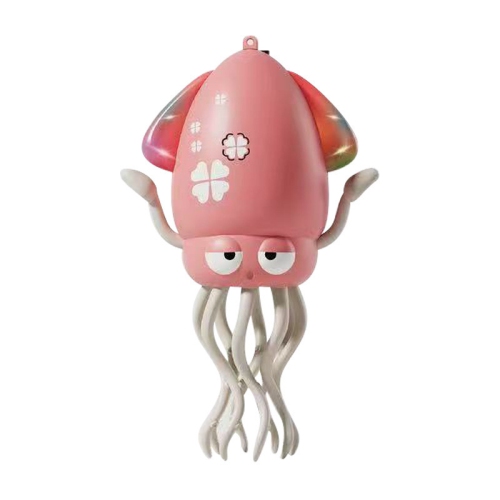
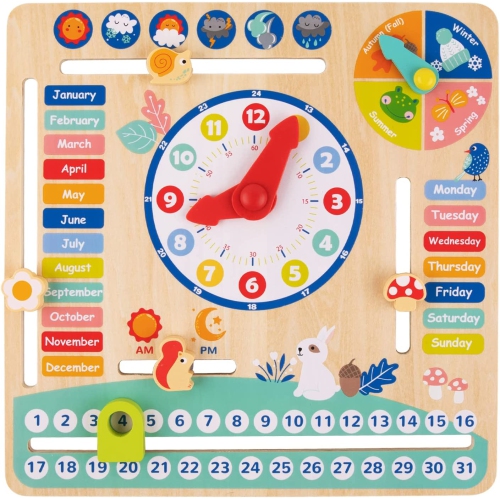
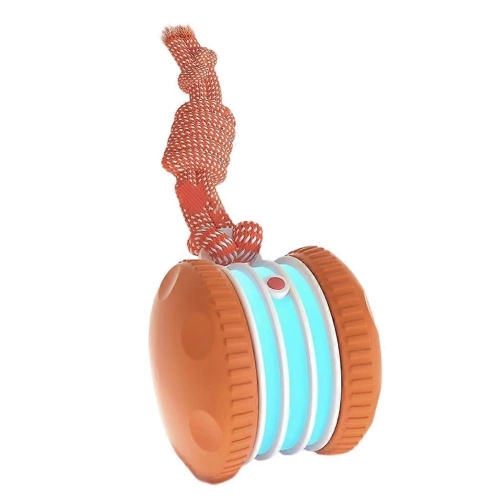
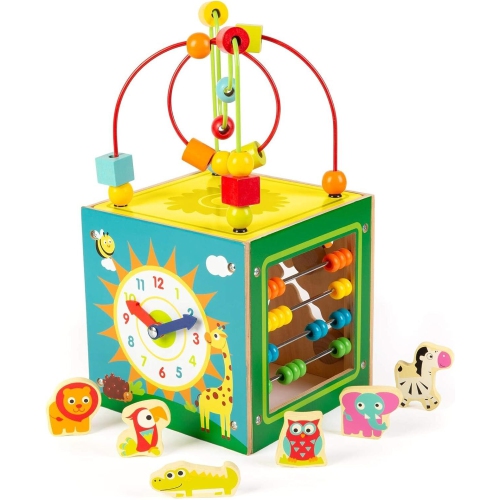

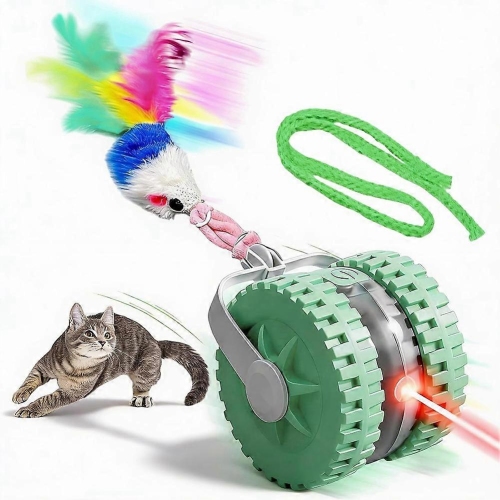

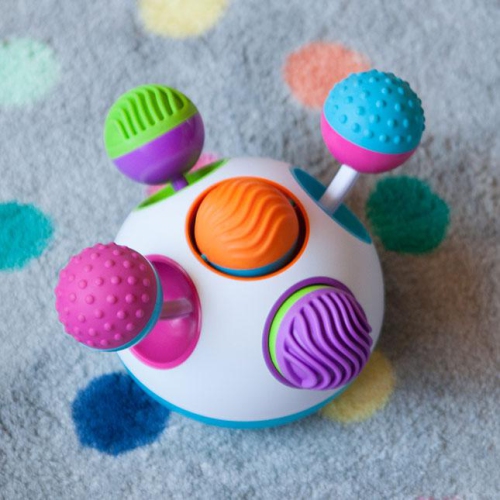
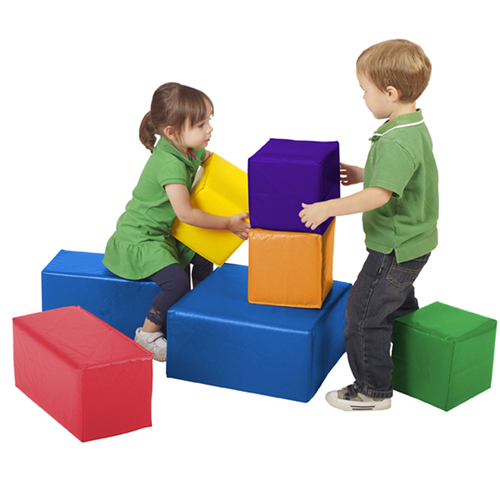
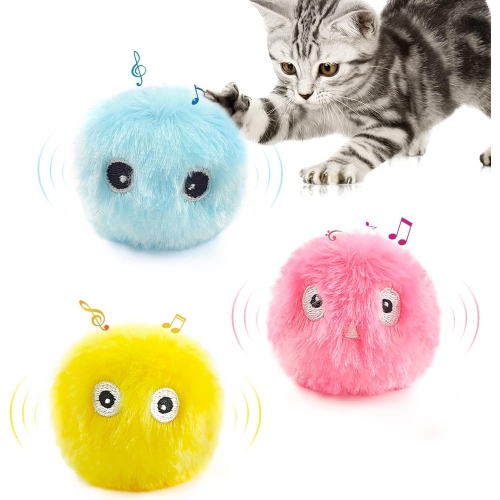
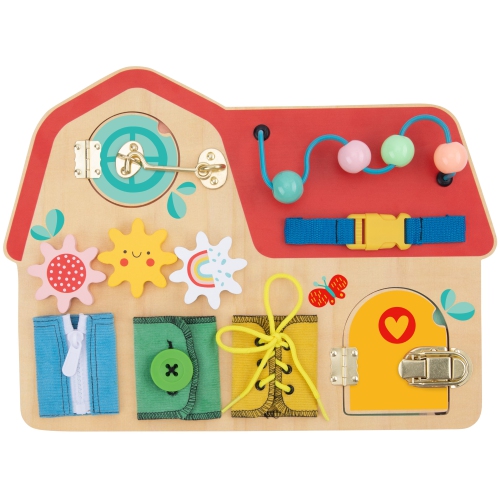
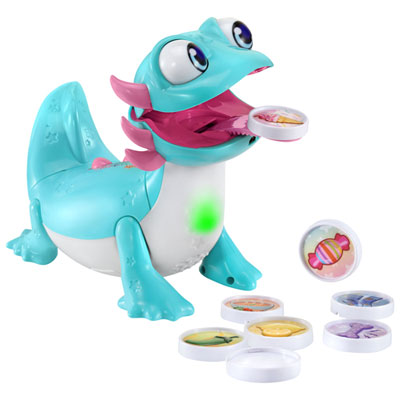

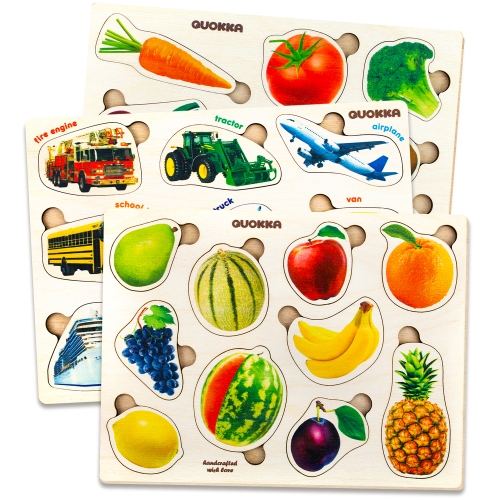
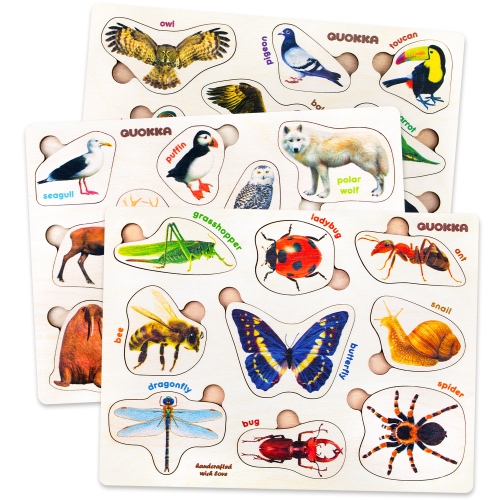
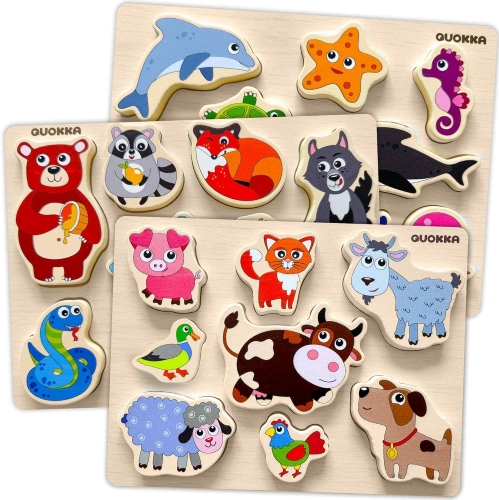

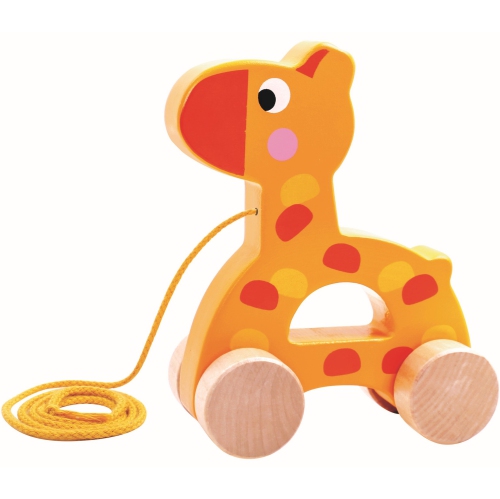
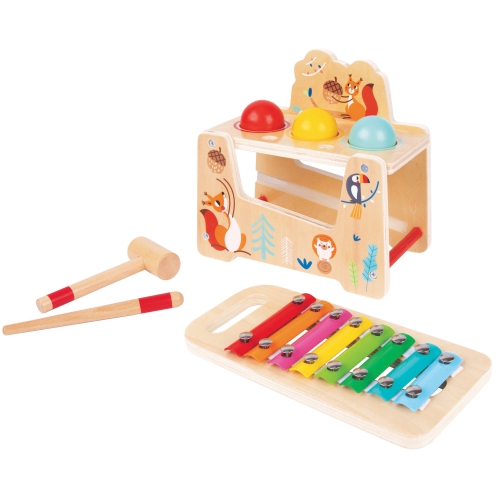
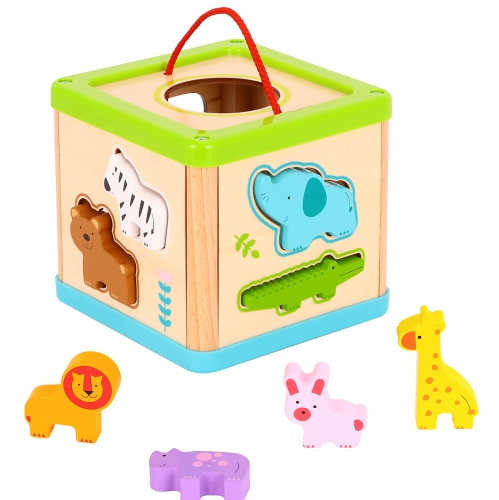

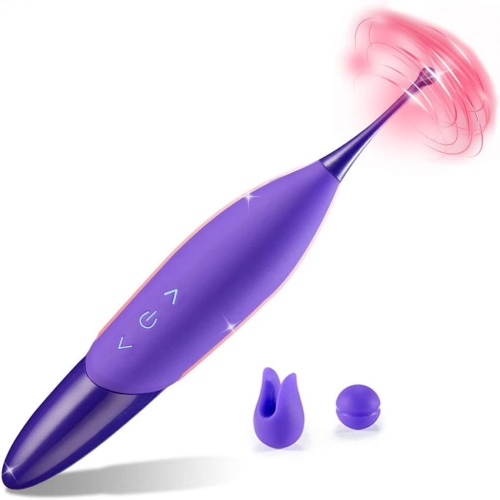
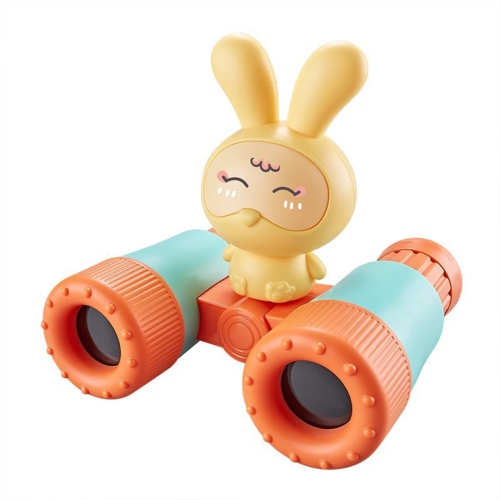
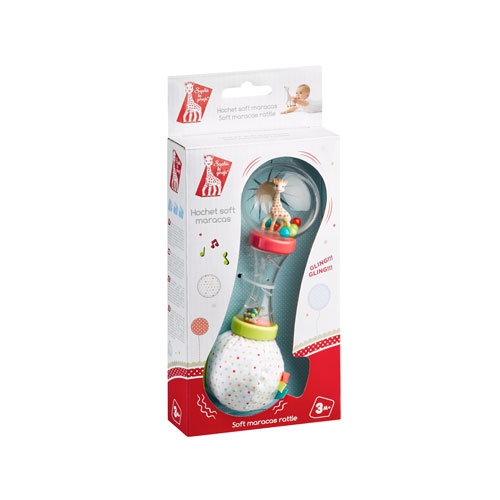

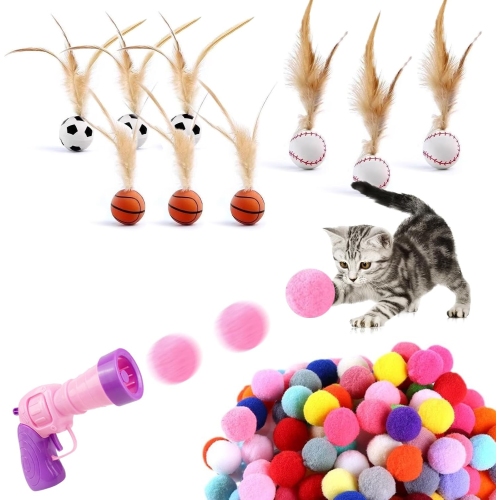
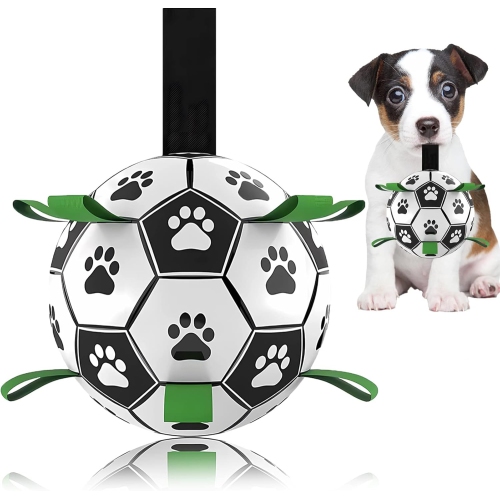
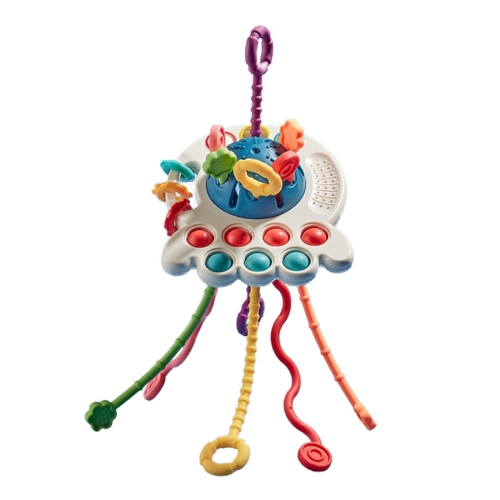
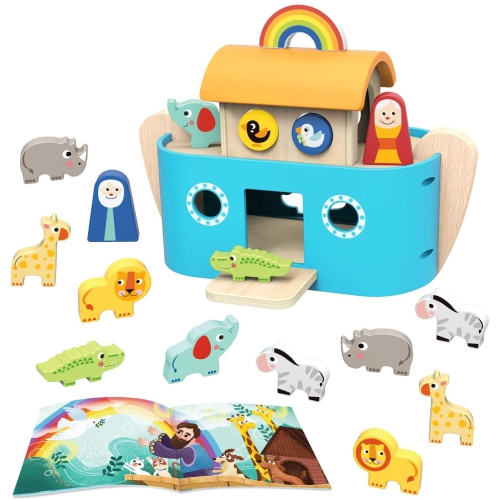
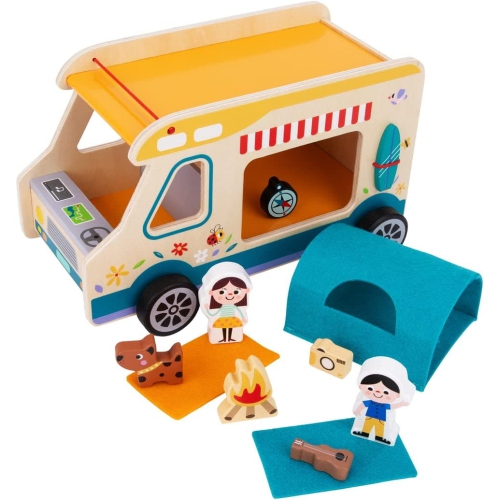
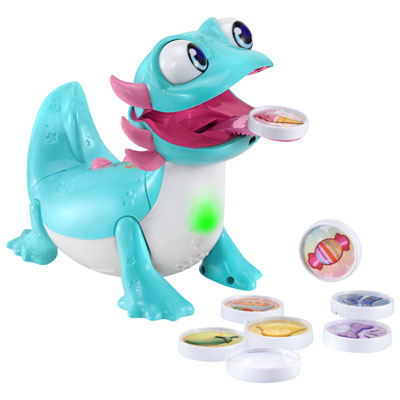


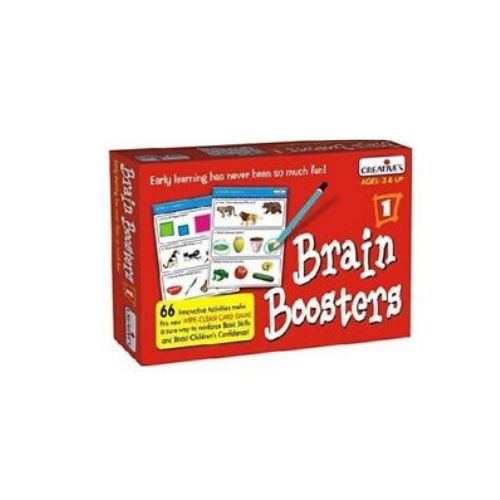
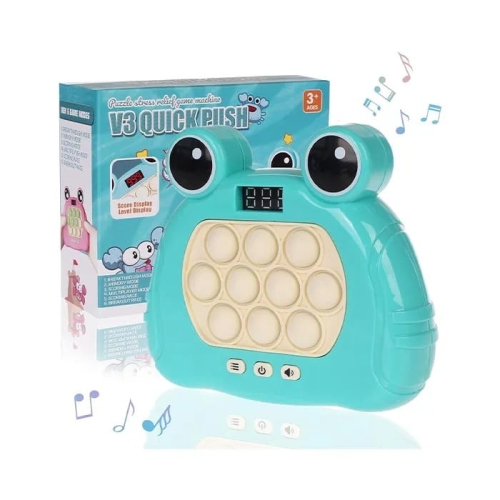
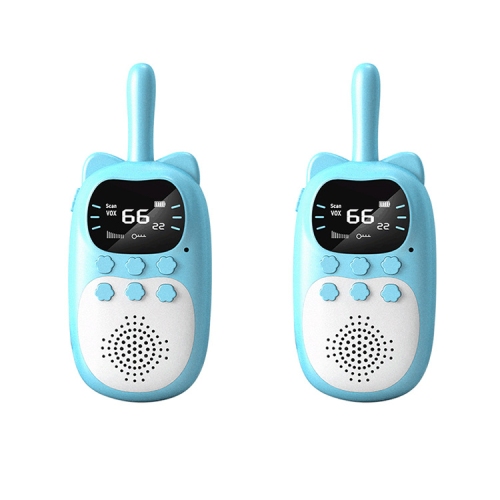
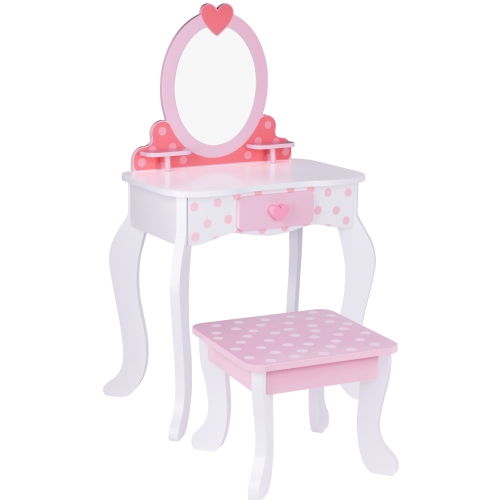
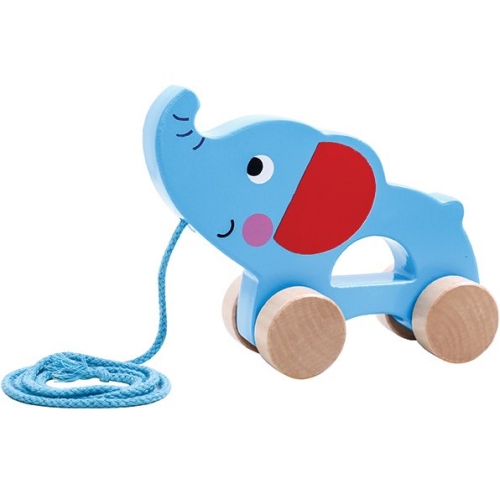
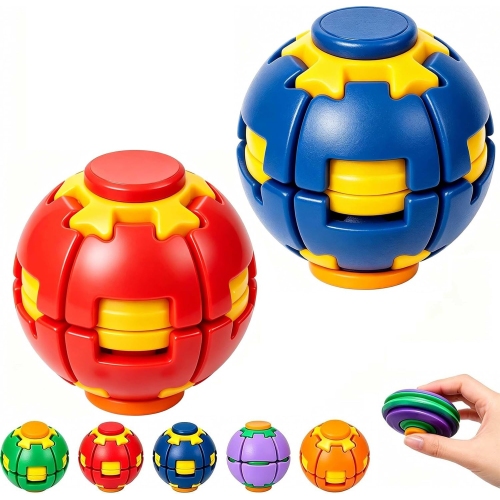


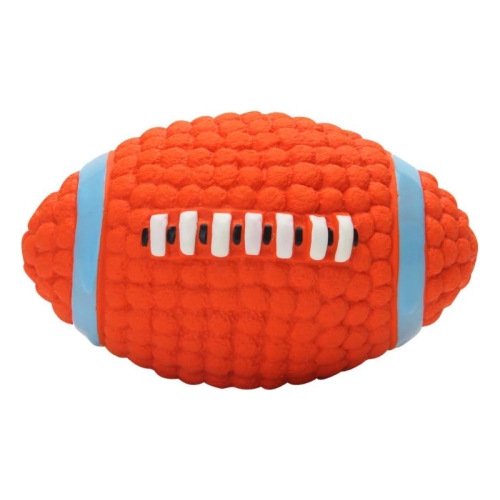
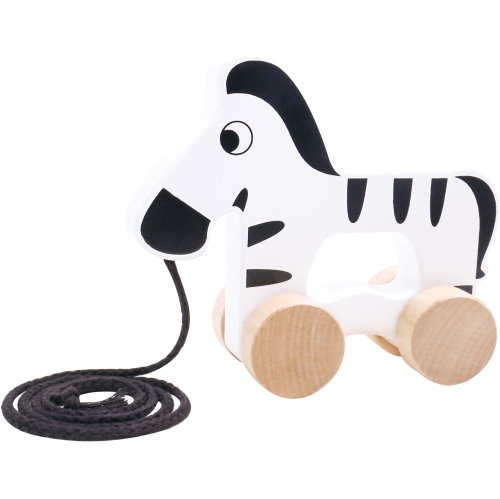

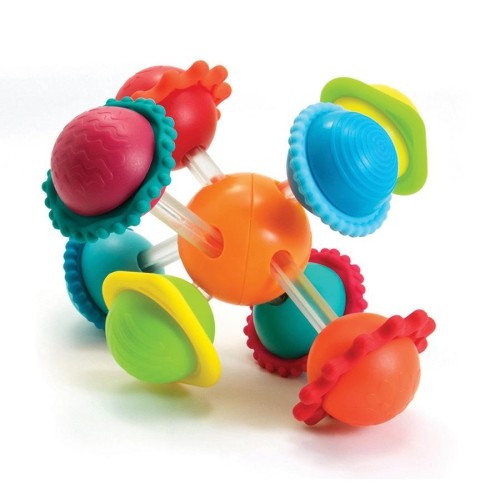

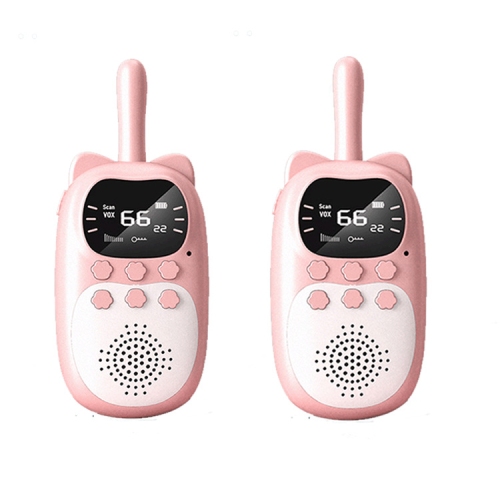
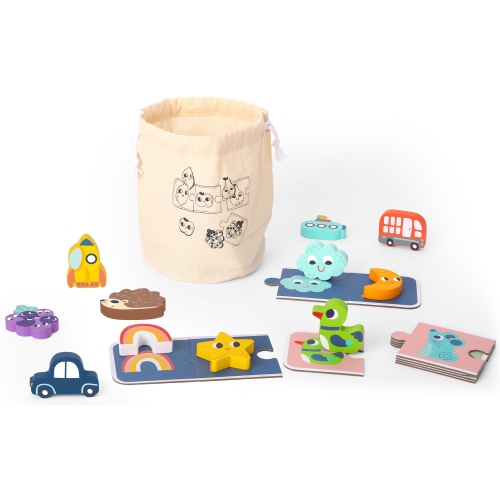
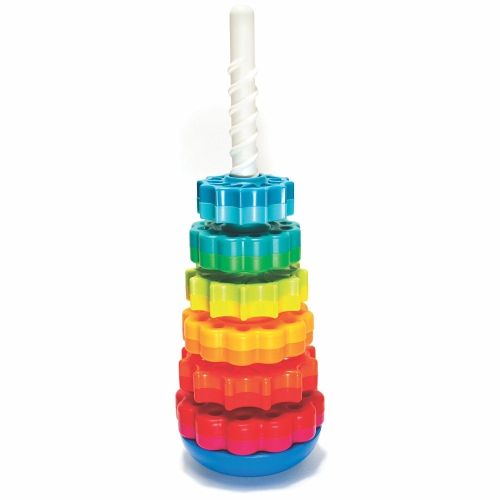
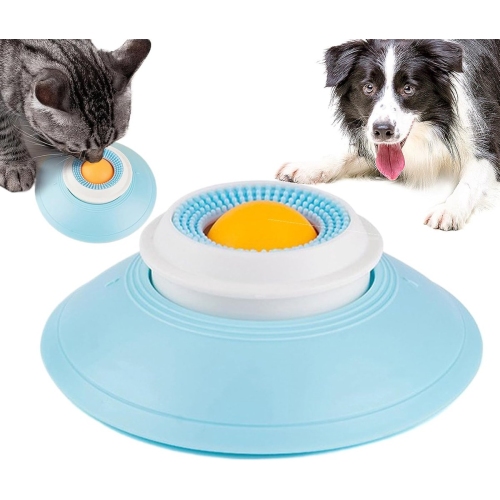

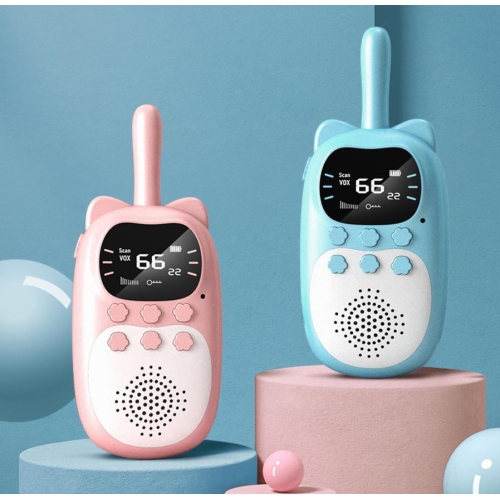
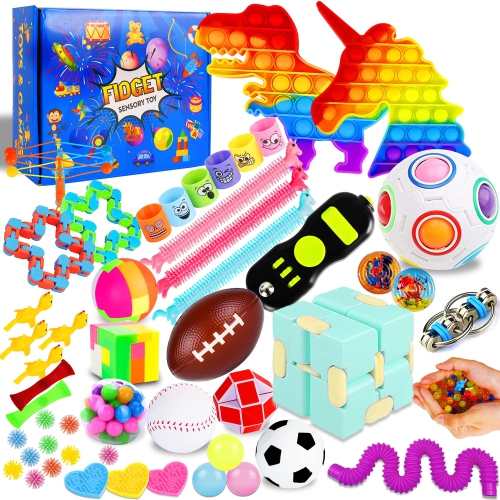

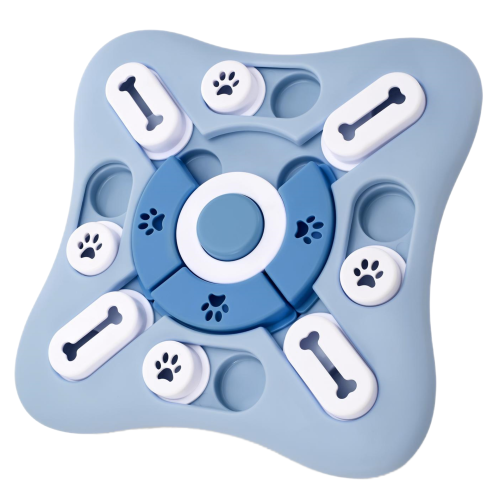
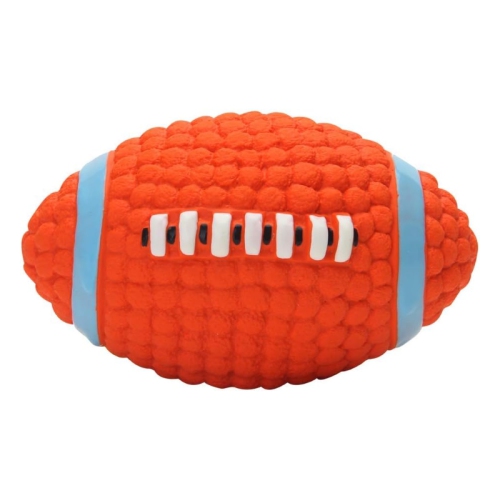
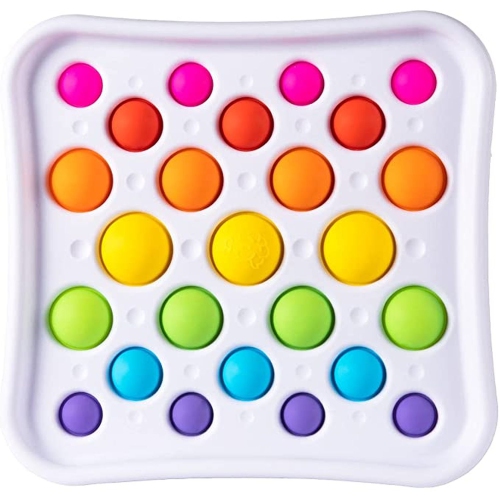
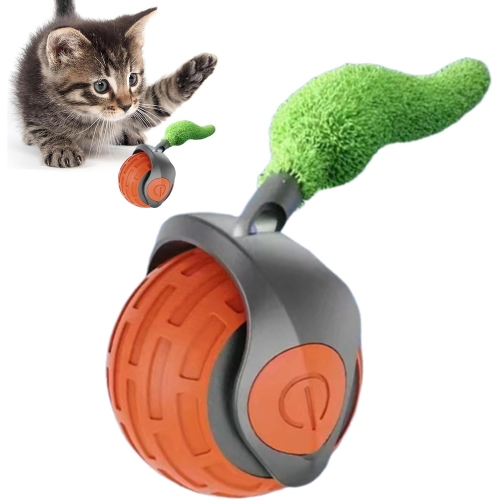
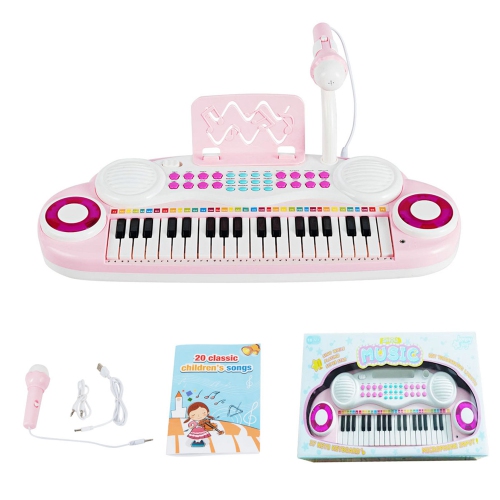
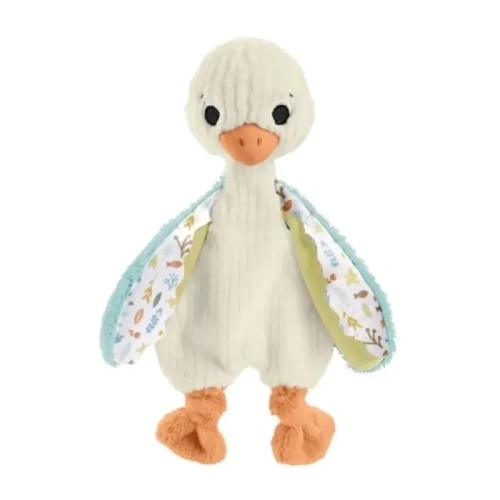
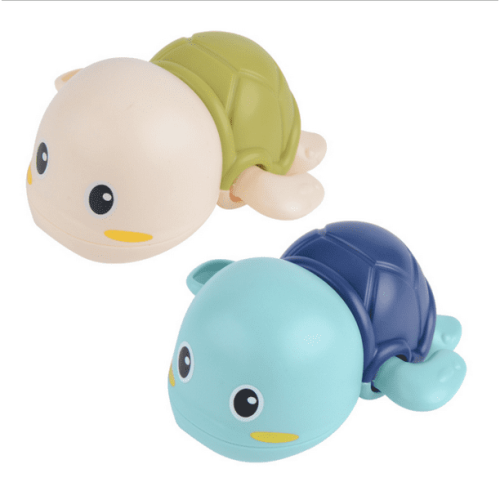
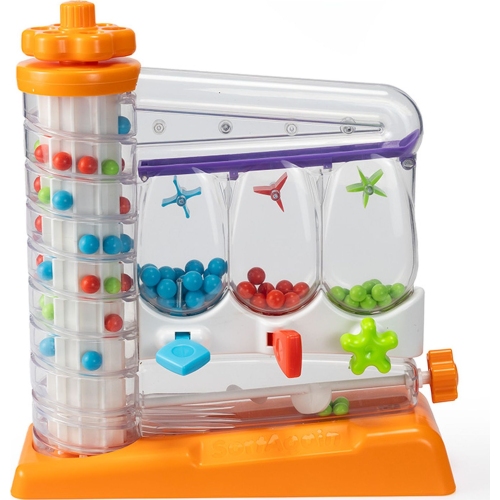
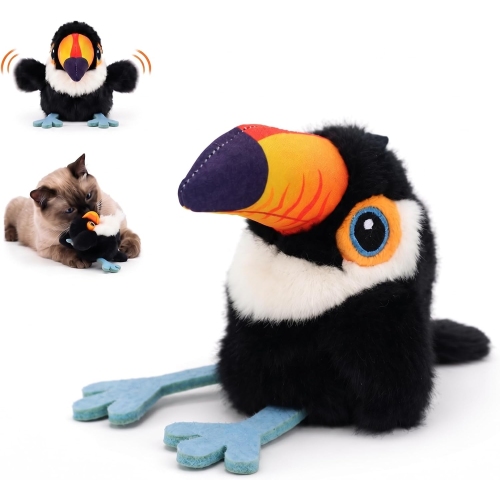
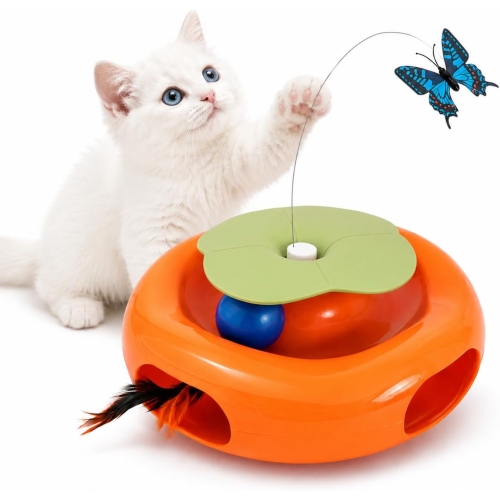
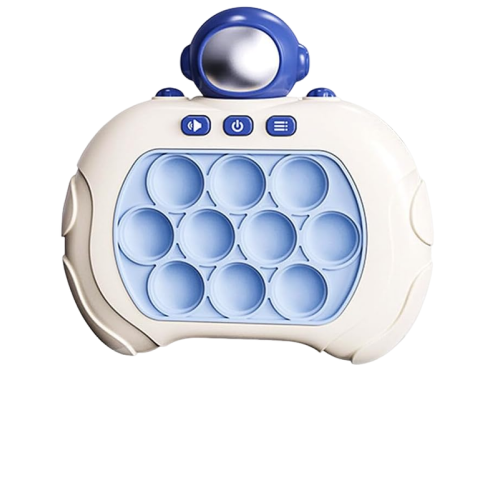
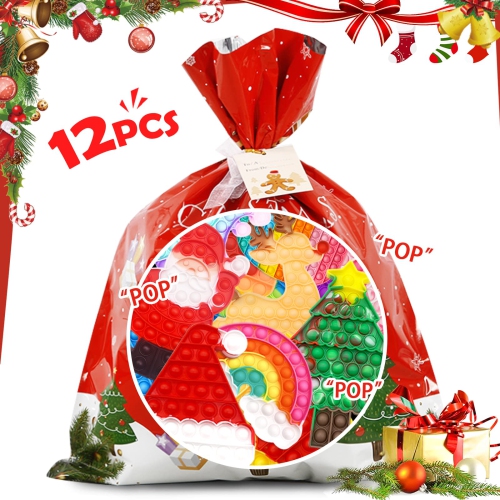

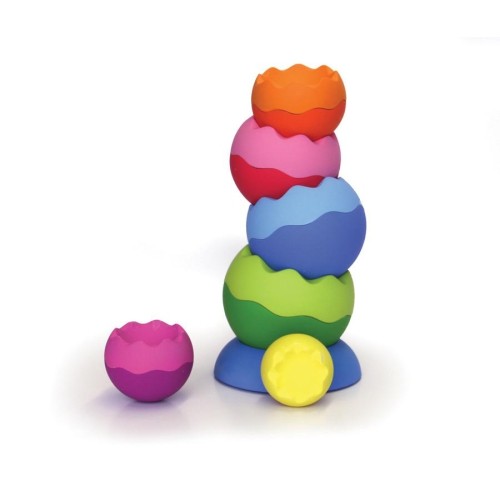
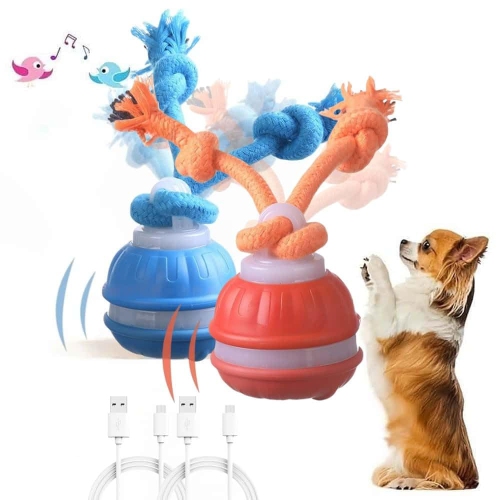

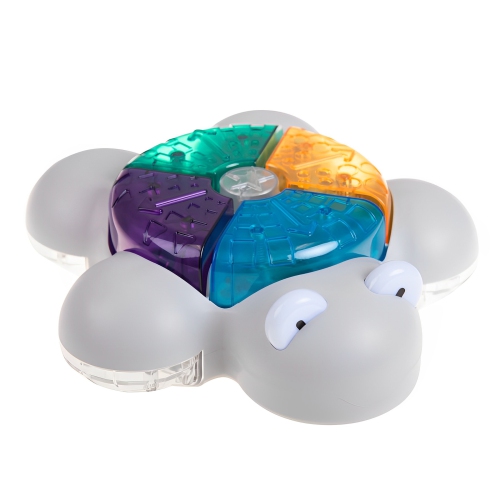


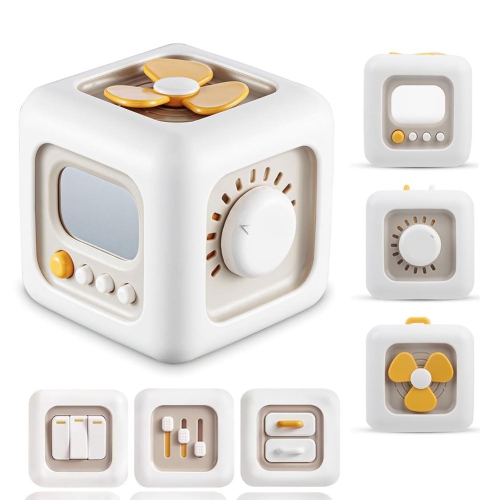

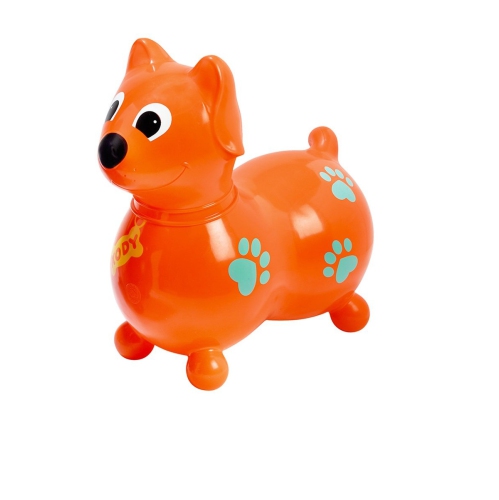
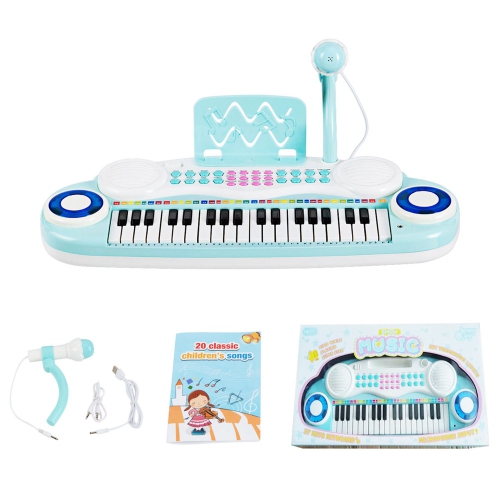
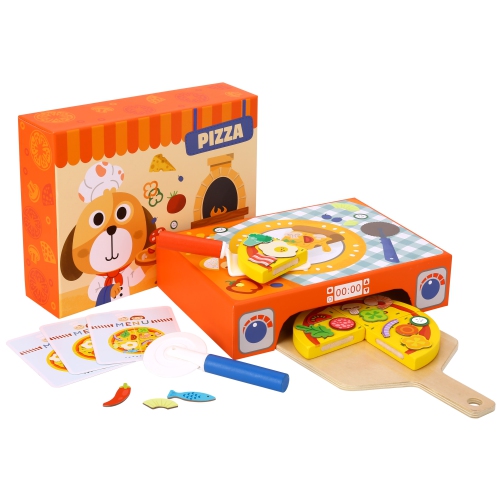


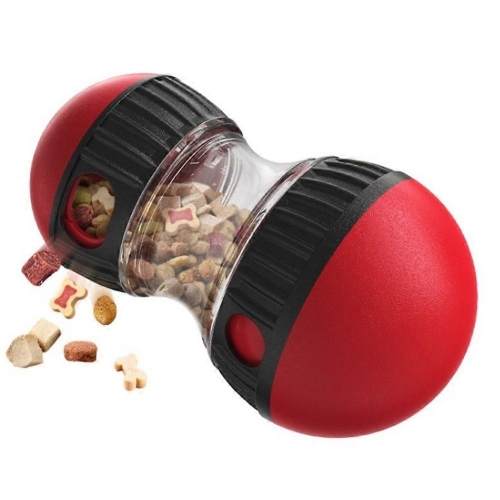
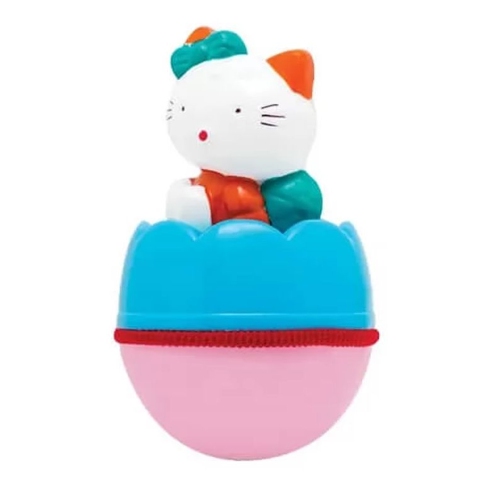
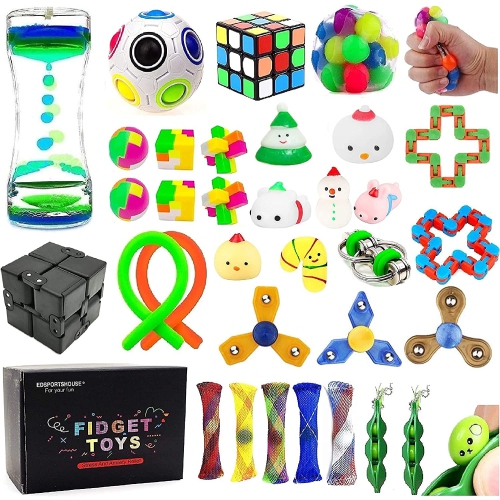
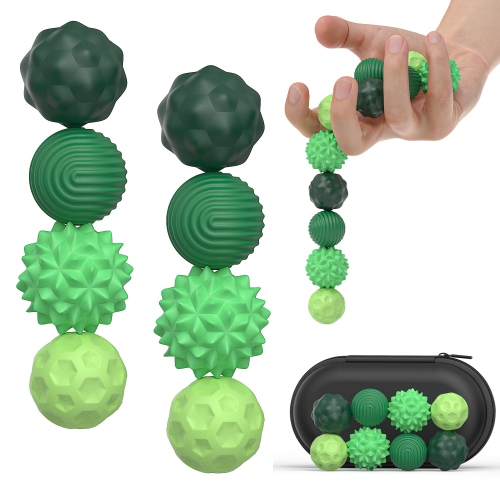
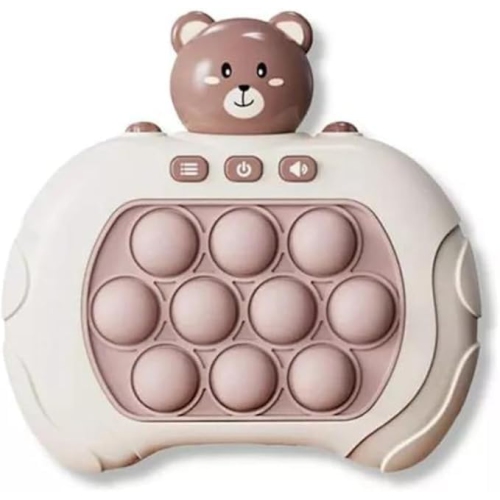

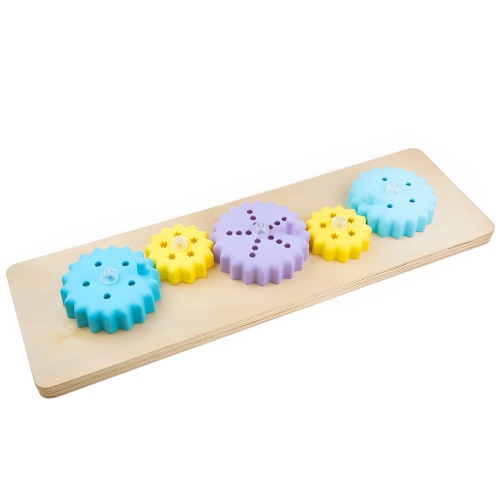
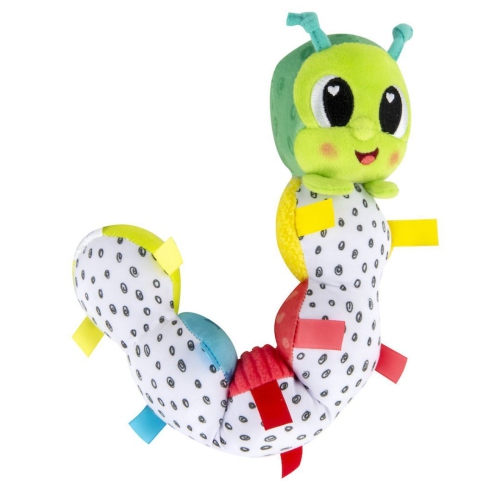

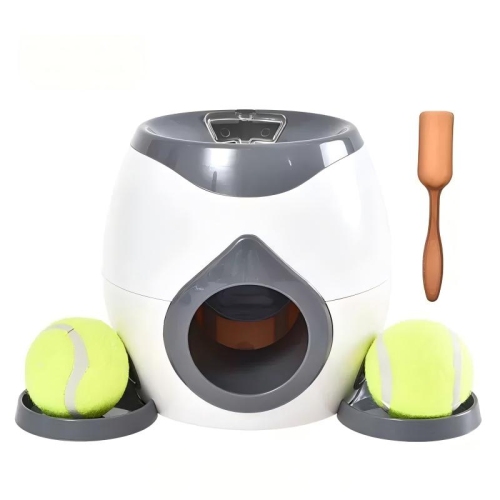


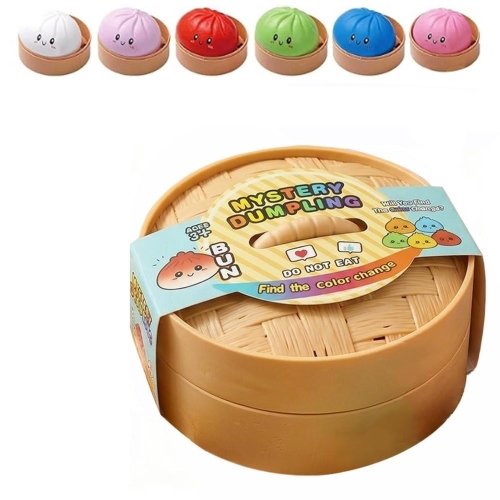
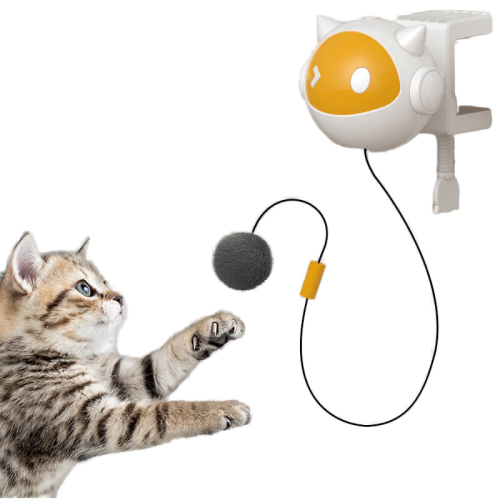

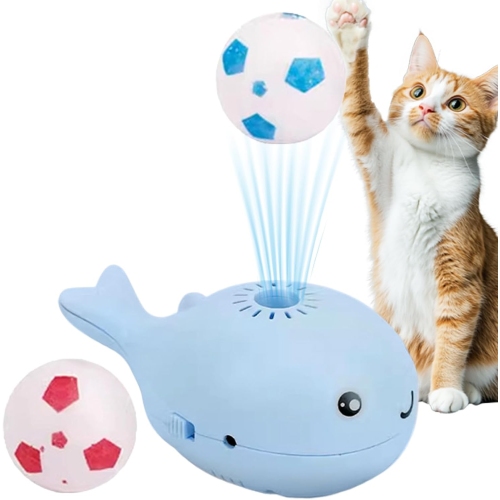

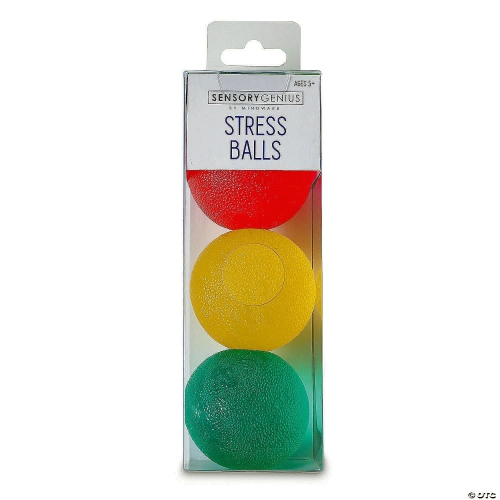
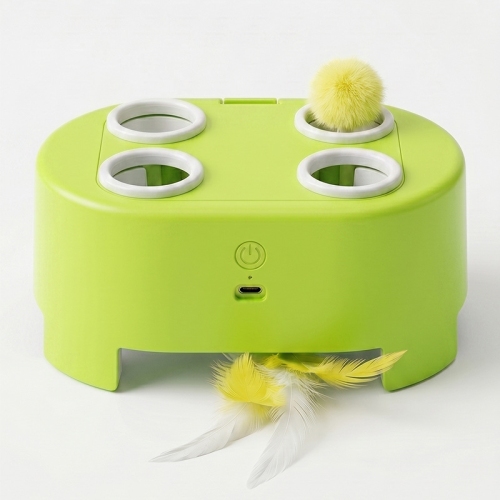
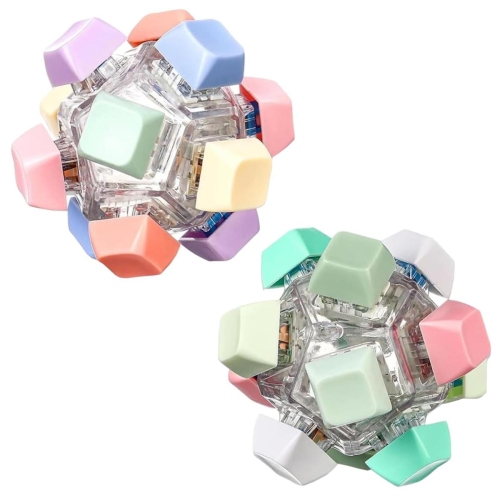



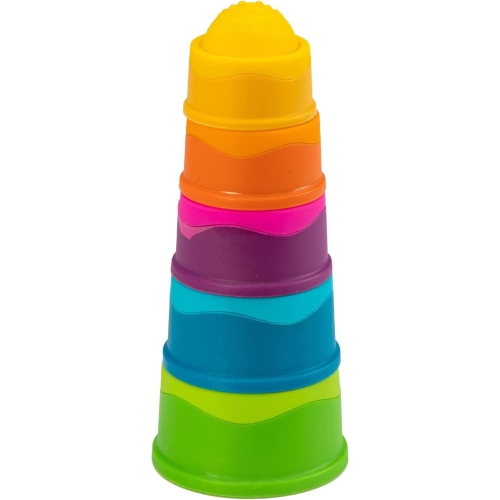

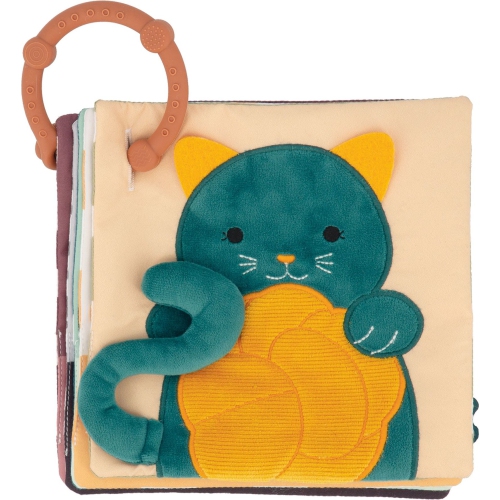


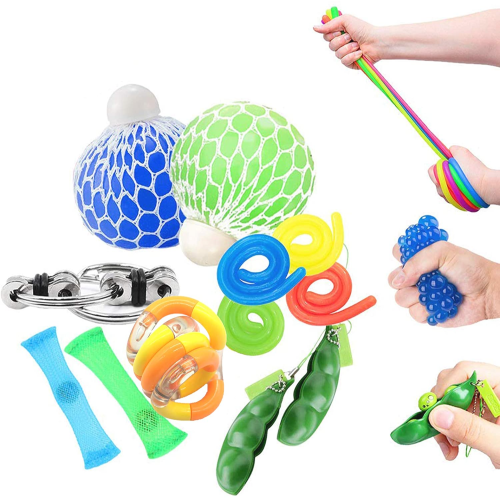
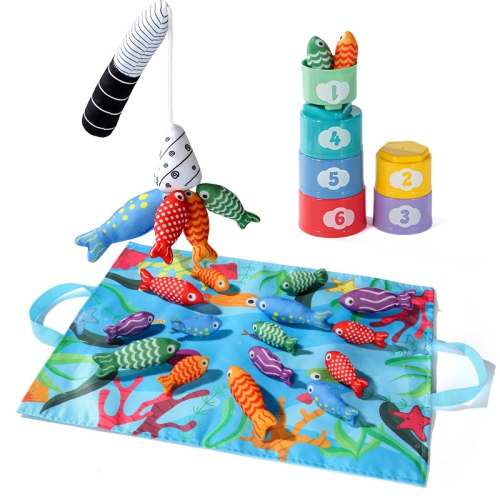


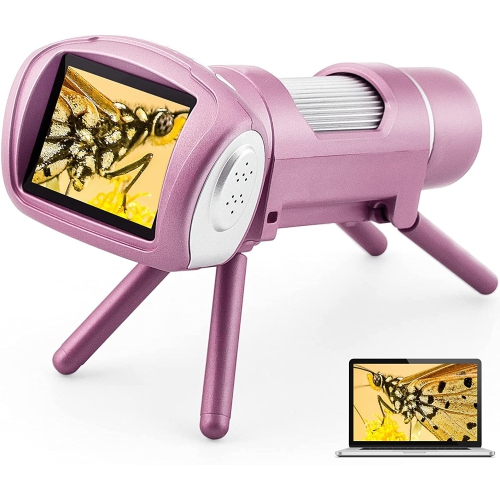
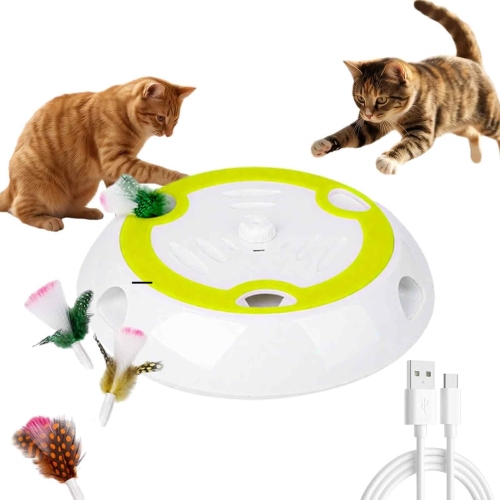
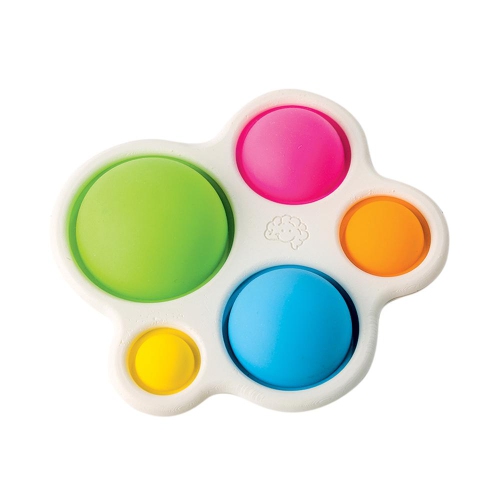
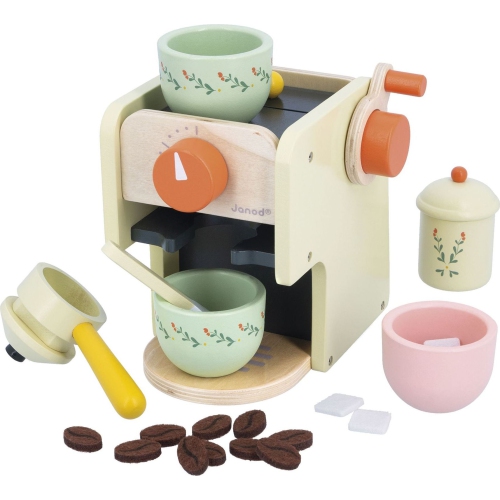
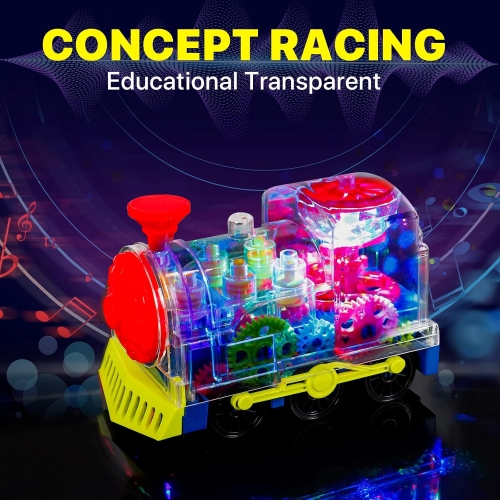
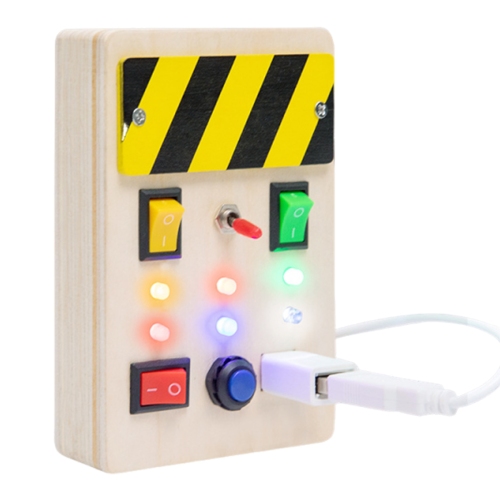

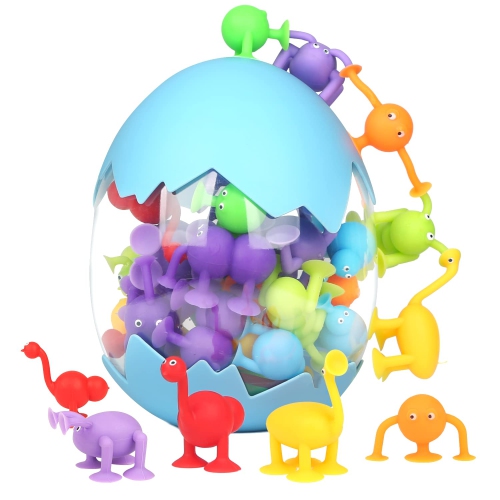
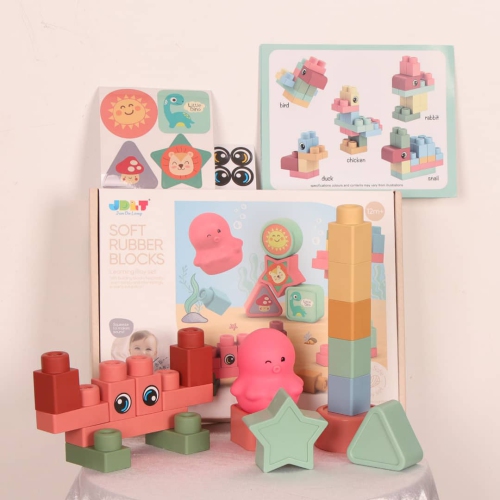
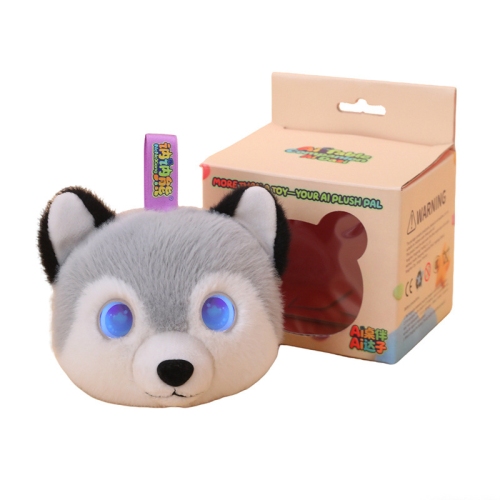

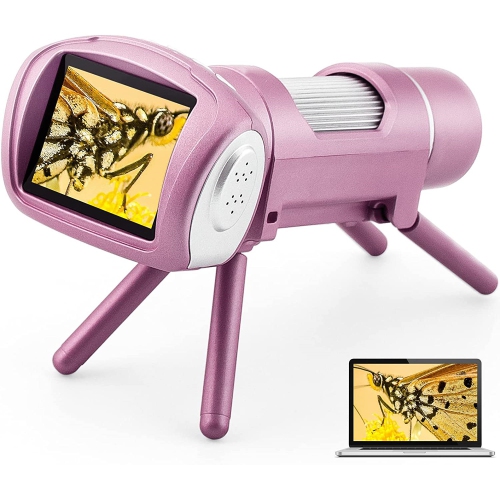
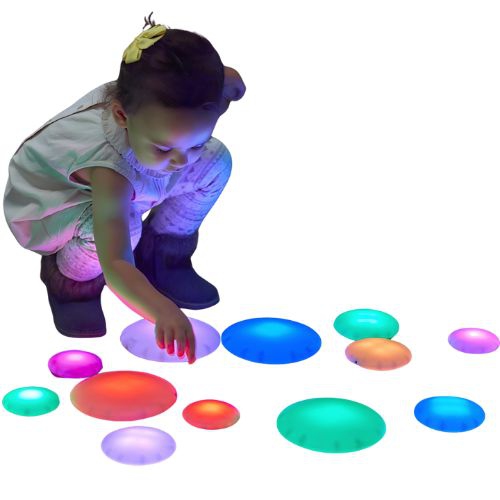
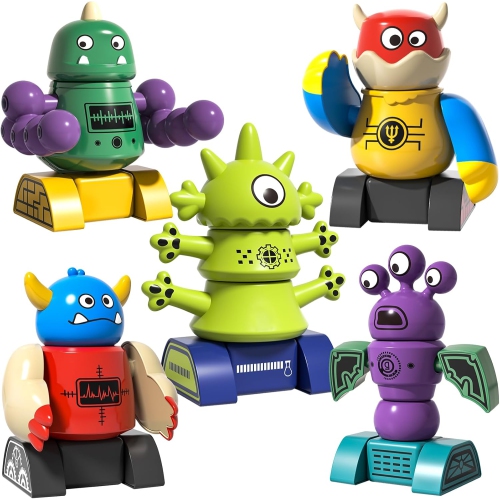
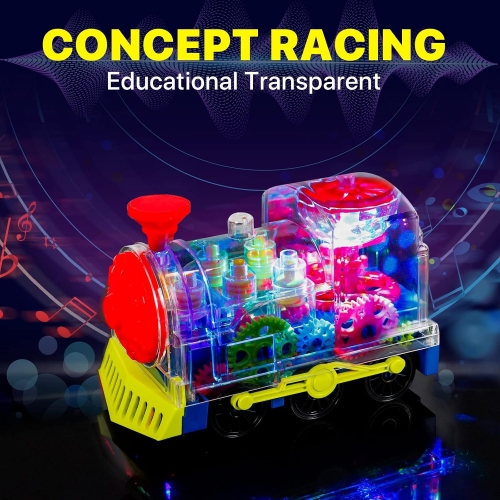

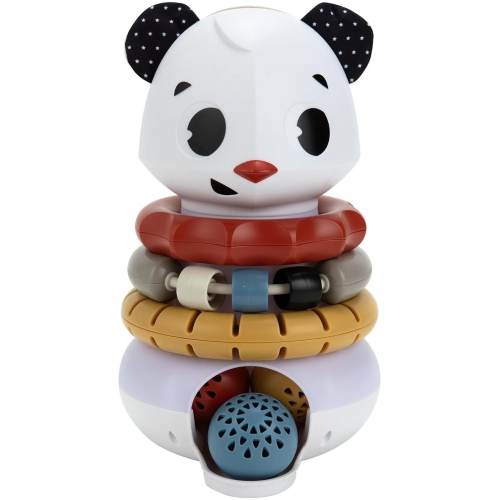
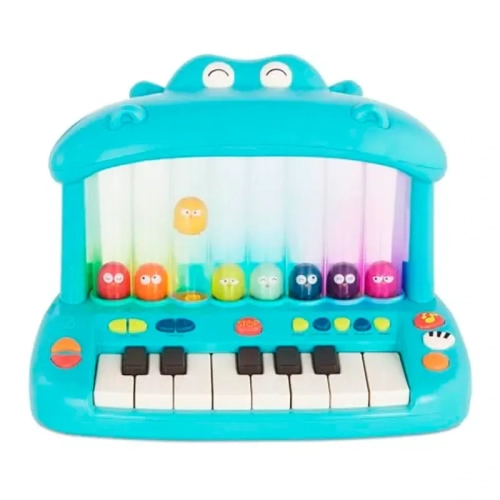
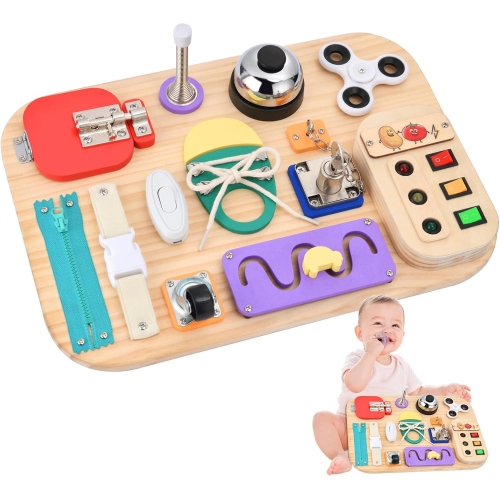
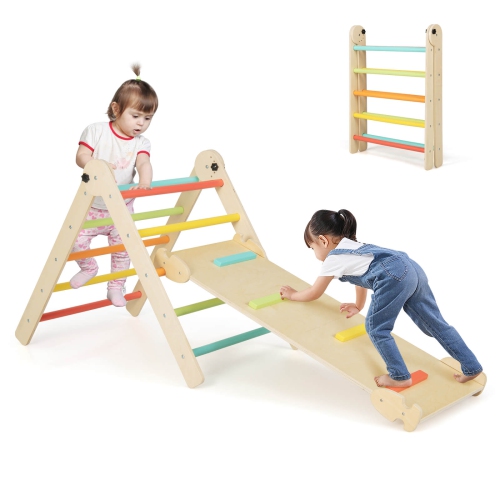
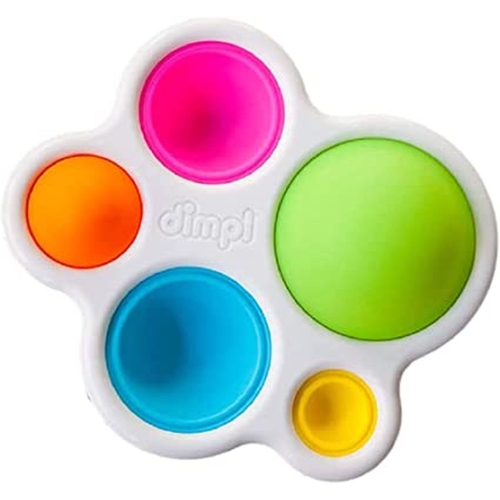
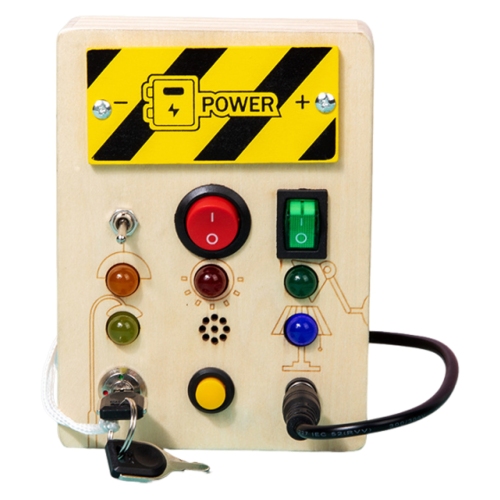
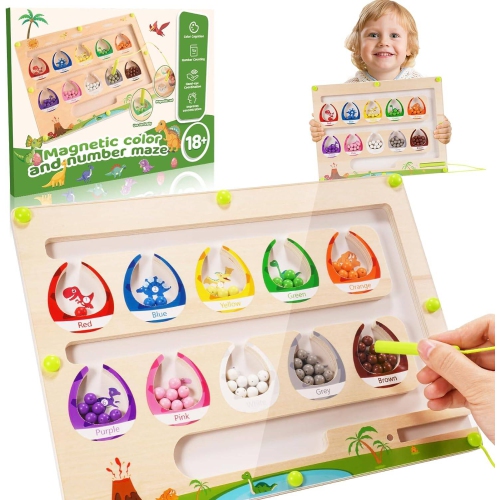
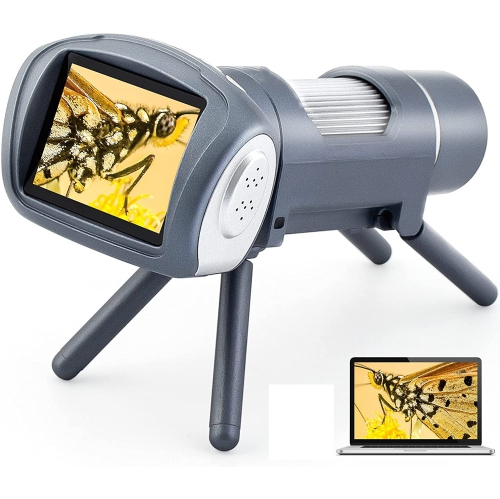
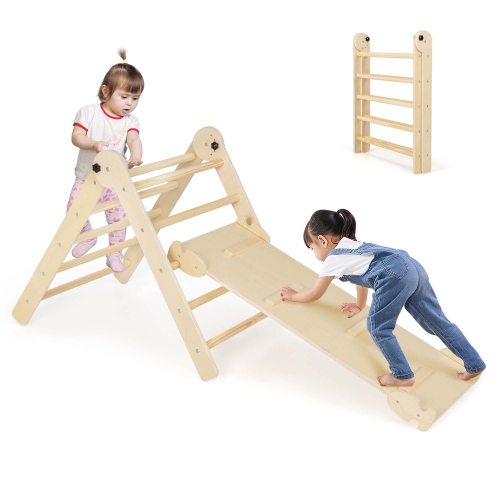
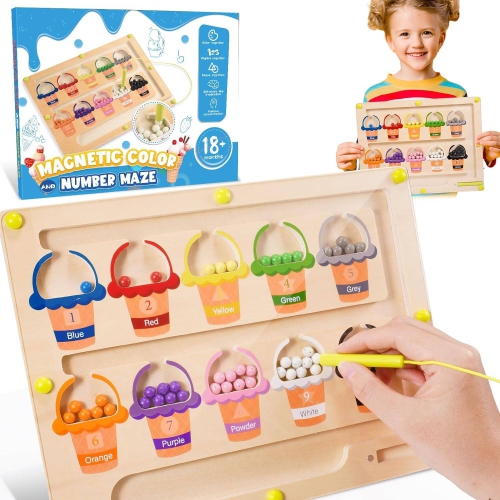

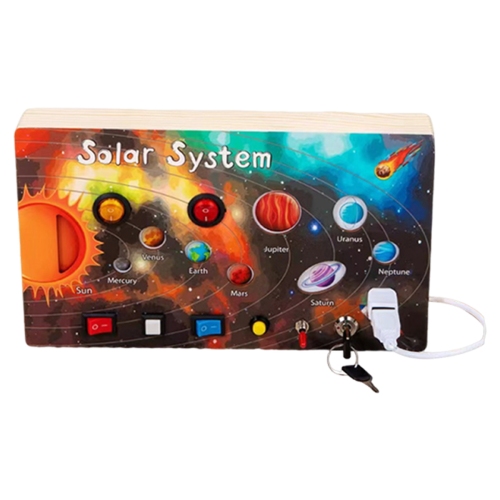
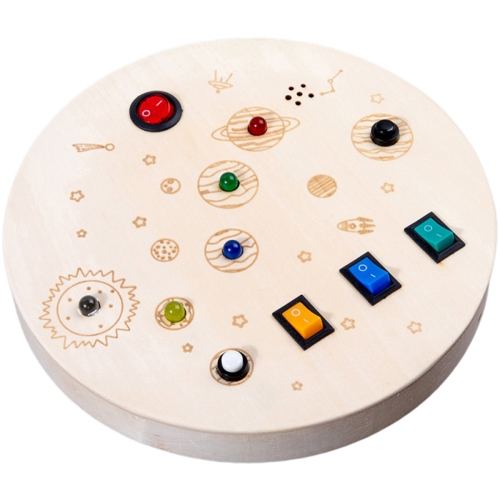
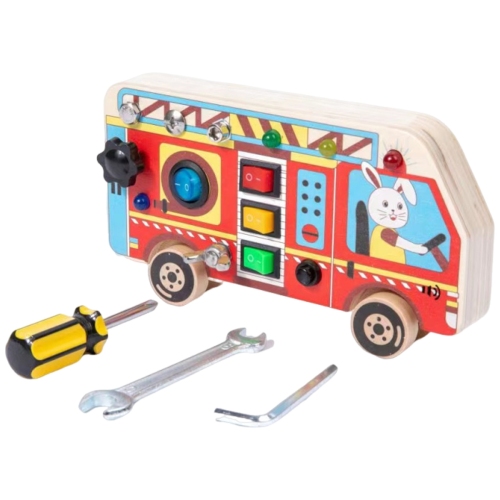
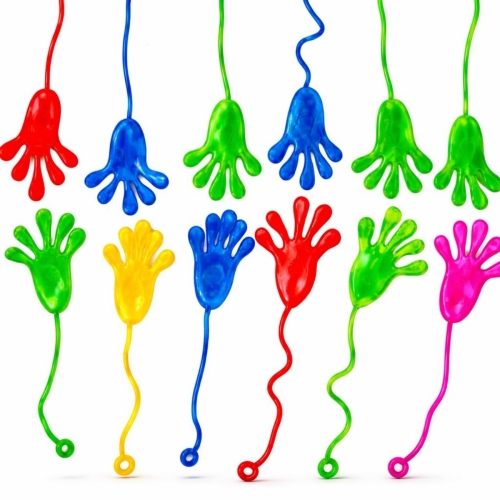
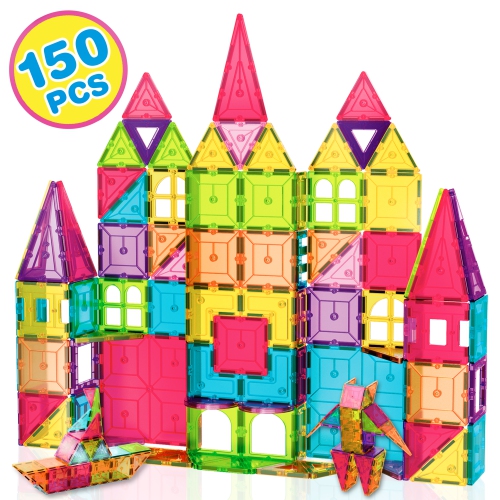
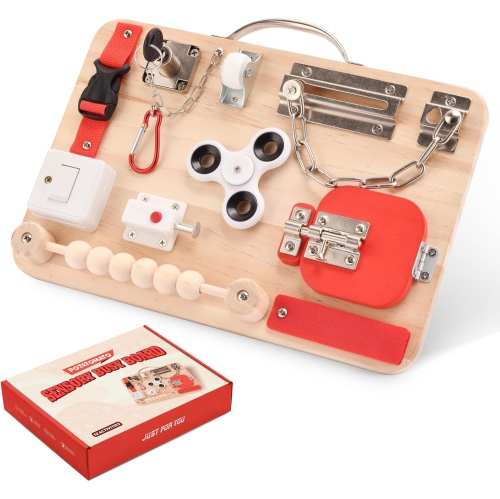
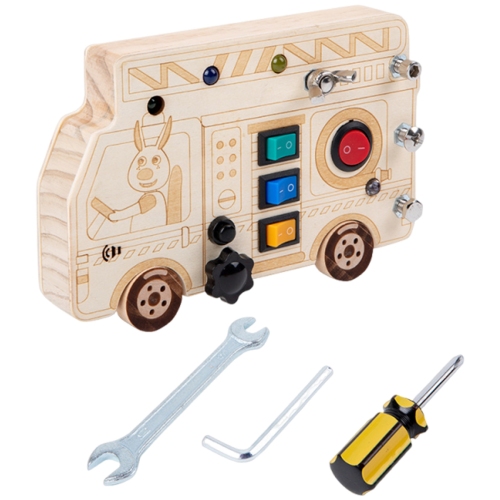

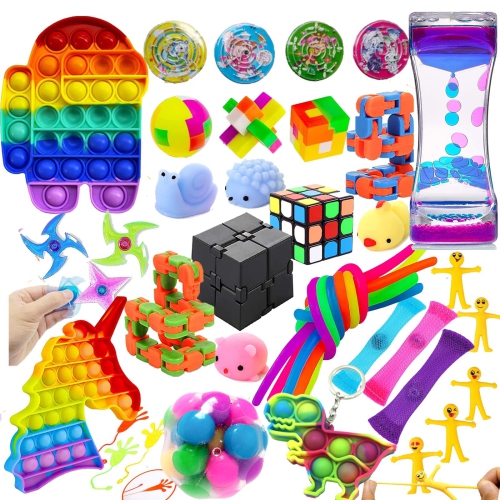
How simple actions turn play into satisfying discoveries
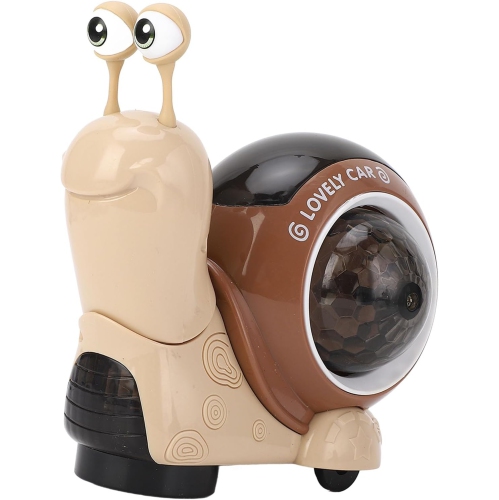
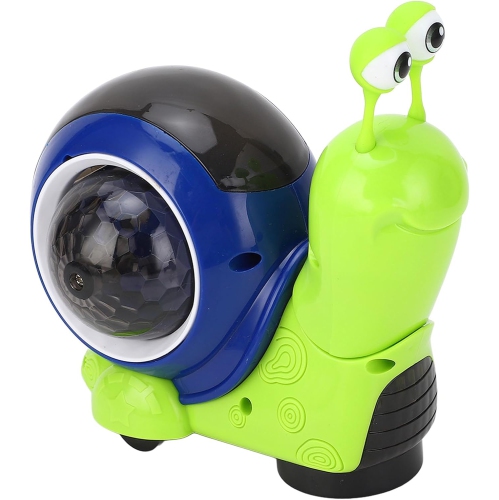
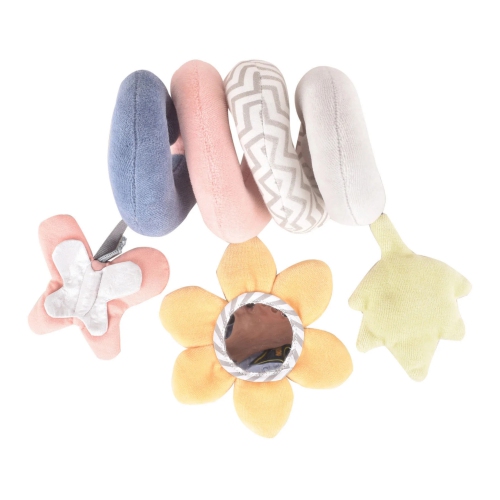
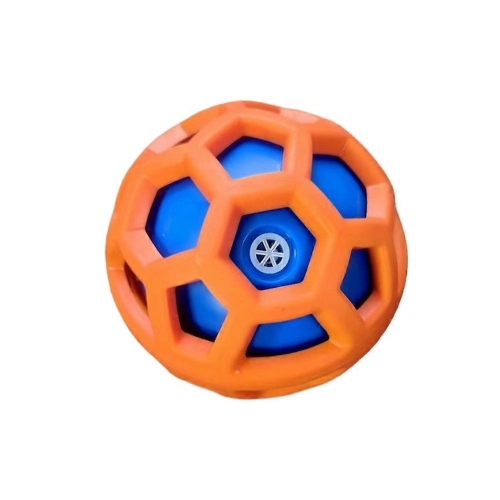
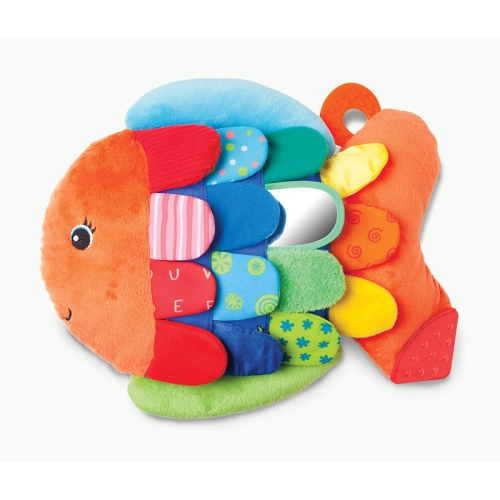
Stimulating toys invite active play through touch, sound, movement, visual exploration, and problem-solving. For children, that can mean discovering that a button produces a sound, fitting a shape into an opening, or arranging pieces until a structure stays upright. For pets, stimulation often comes from sniffing, searching, nudging, and working out how to reach a hidden reward. The common thread is participation: the child or animal does something, notices a result, and has a reason to try again. Sensory toys emphasize experiences such as texture, light, sound, and body movement, while puzzles and construction toys place more emphasis on matching, planning, and spatial relationships. These categories often overlap. A textured stacking toy, for example, can offer both tactile interest and a simple challenge involving size and balance. The Sensory Toys collection offers a related area to explore when touch, movement, and other sensory features are central to play. Suitable stimulation does not have to be loud, bright, or complicated. A quiet activity with a clear purpose may hold attention more comfortably than several sounds and flashing lights competing at once. Different children respond to different levels of input, and preferences can vary from one play session to another. A child who enjoys squeezing a soft texture may be less interested in a scratchy surface or an unexpected noise. Familiar actions can be as appealing as new challenges, particularly when a toy allows repetition without requiring an adult to reset it each time. Open-ended designs leave room for sorting, building, pretending, and inventing rules, while activities with a defined finish can offer the satisfaction of completing a task. Both have a place in everyday play, whether a child is exploring independently with suitable supervision, sharing a floor activity with a sibling, or taking turns with a parent.
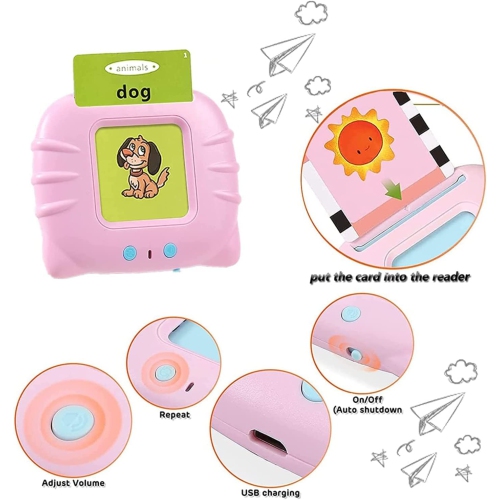
For children’s stimulating toys, age suitability, dimensions, and the way a toy is handled matter as much as its play features. Broad age labels provide a starting point, but the manufacturer’s warnings and a child’s individual abilities remain important. Large, easy-to-grasp pieces may suit early handling skills, while smaller components and multi-step challenges require greater dexterity and awareness. Toys with small parts are unsuitable for children under three and may also be inappropriate for older children who still mouth objects. Secure battery compartments are essential, and products containing button batteries or small, powerful magnets need particular care and strict attention to age restrictions. Materials shape the experience: moulded plastic can provide a smooth, wipeable surface, finished wood can offer a firm feel for stacking and fitting, and fabric can introduce soft textures and flexible shapes. No material alone guarantees safety or durability; sound construction, intact seams, smooth edges, and securely attached components are what count in repeated use. Moving parts should operate without trapping fingers, and balance or movement toys need the floor space, surface, supervision, and weight limits specified by their manufacturer. In a shared play area, adjustable volume and a sound-off option can make an interactive toy easier to enjoy without interrupting other activities. For travel or a waiting room, a compact, quiet activity with contained pieces may be more practical than something that needs a wide surface. At home, a slightly more involved puzzle can become a shared project, with an adult offering a small hint rather than completing the task. The right level of challenge leaves room for effort without turning every attempt into frustration. Care requirements also deserve attention, especially for toys used by siblings or brought to childcare. Some fabric covers can be removed for washing, while electronic components generally require surface cleaning according to their instructions. Thorough drying, regular checks for damage, and storage that keeps matching parts together help preserve the play experience. For birthdays and other gift occasions, the recipient’s interests, household space, and caregiver preferences are more useful cues than an impressive number of features.
Stimulating toys for pets serve a different purpose from children’s playthings and should be selected specifically for the animal using them. Sniffing activities, food puzzles, and toys that respond to a nudge can give dogs and cats opportunities to use familiar searching and investigating behaviours. A snuffle-style design conceals small food portions among fabric folds, while a treat-dispensing toy releases food as it is moved. Sliding compartments and covered openings introduce another kind of challenge, asking the animal to explore how a part moves before reaching the reward. These activities can add variety to a pet’s routine, but they do not replace exercise, social interaction, rest, or appropriate care. Fit includes the animal’s species, size, mouth shape, chewing habits, and experience with puzzles. A toy that is easy for a large dog to pick up could be awkward for a smaller animal, while a lightweight design may not stand up to forceful chewing. Durable does not mean indestructible, and a food puzzle is not necessarily intended to function as a chew toy. Supervised introductions help reveal whether a pet is engaging with the intended task or trying to tear the toy apart. An easy first attempt, with a reward that can be reached quickly, can make the activity more approachable than a tightly closed puzzle with several steps. Food used during play should be suitable for the pet and counted within its daily intake. Washable surfaces, accessible compartments, and parts that dry thoroughly are especially useful where food or saliva collects. Fabric designs need checks for loose threads, and damaged components should be taken out of use before they can be swallowed. In homes with both children and animals, separate storage helps keep pet toys away from little hands and children’s toys away from curious mouths. Whether the recipient is a child or a pet, a well-matched stimulating toy offers an understandable activity, comfortable handling, and enough variety to invite another round of play.
Top selling and popular products
-
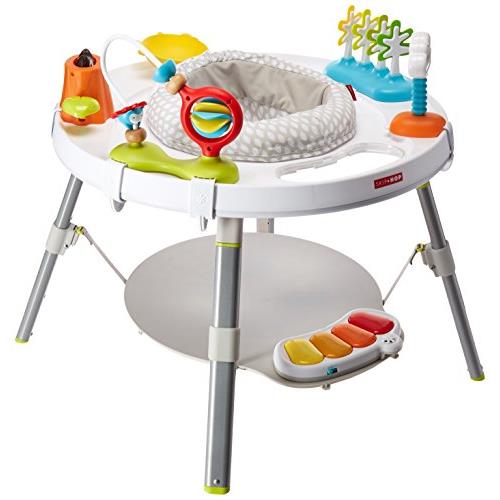 Your price for this item is $299.13
-
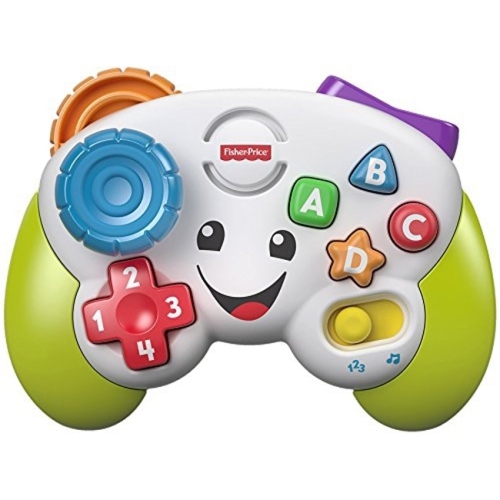 Your price for this item is $24.28
-
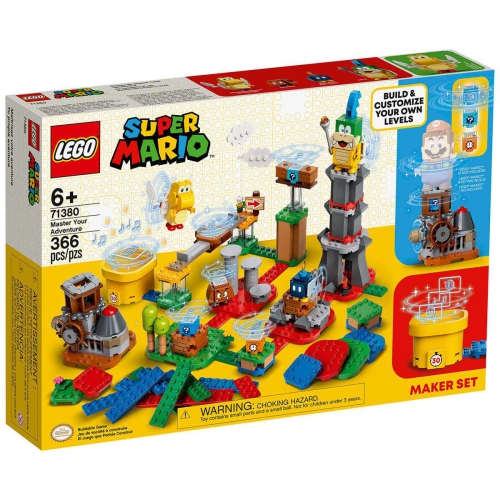 Your price for this item is $103.27
-
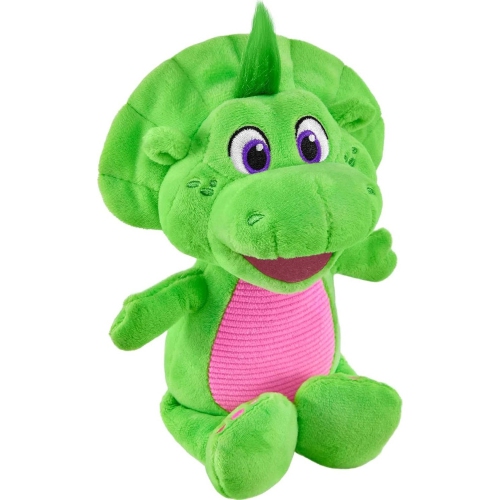 Your price for this item is $17.24
-
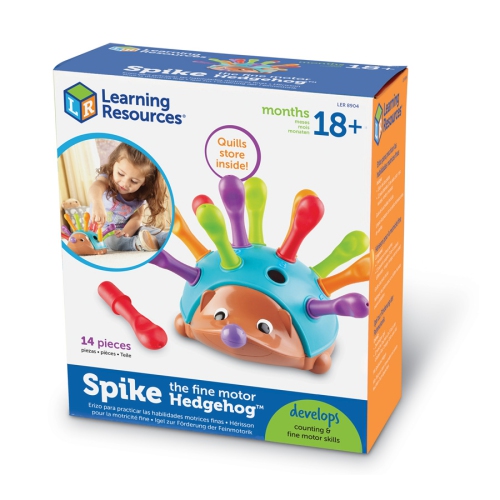 Your price for this item is $56.13
-
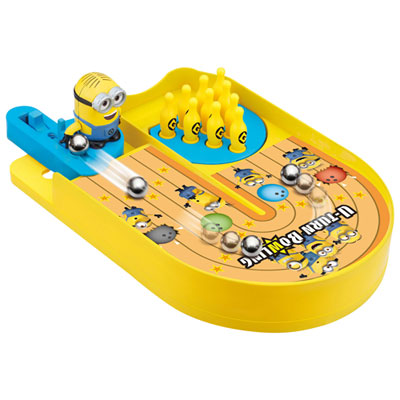 Your price for this item is $19.99
-
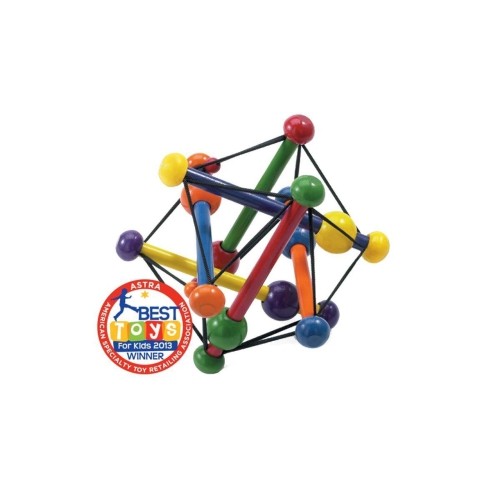 Your price for this item is $29.99
-
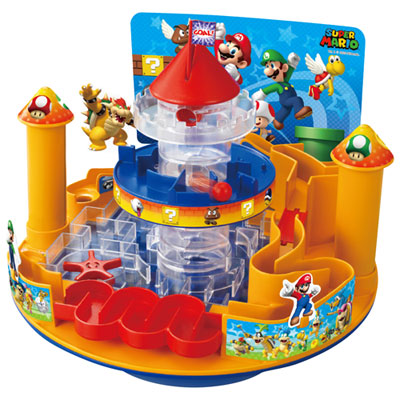 Your price for this item is $39.99
Discover more categories related to Stimulating Toys
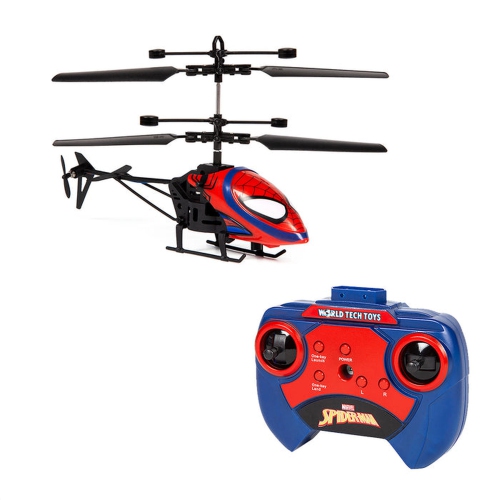
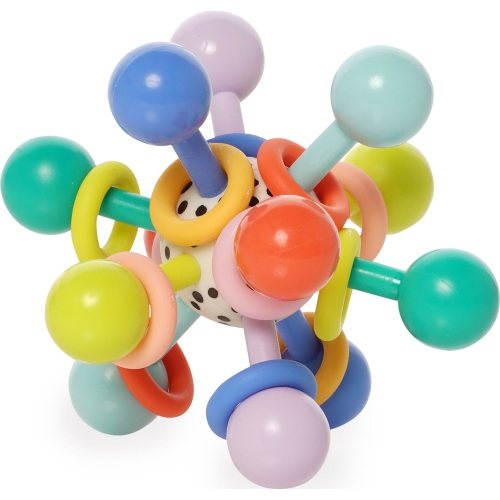
Top Collections:
Pokemon Centers, Best Cameras for Sports Photography, Kindle Devices, Samsung Galaxy Phones, Canon G7X Cameras, Pokémon 30th Celebration Cards, Refurbished Apple Laptops, iPhone 15 Apple, Laptops for Students, Budget Smartphones
Some products may be subject to Environmental Handling Fees
(EHF) depending on your province.
Learn more about EHFs.