Superhero Villain Action Figures
Superhero Villain Action Figures bring the excitement of epic showdowns and legendary rivalries straight to your collection. Perfect for fans and collectors alike, these figures capture the essence of iconic antagonists from your favorite comic books, movies, and TV shows. Whether you're looking to recreate classic battles or showcase your passion for unforgettable characters, Superhero Villain Action Figures offer a dynamic addition to any display or playtime adventure. Explore a wide variety of designs and styles to find the perfect villains to complete your lineup.
Sort


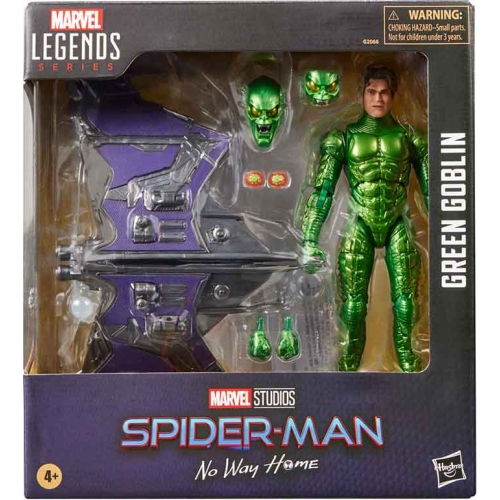


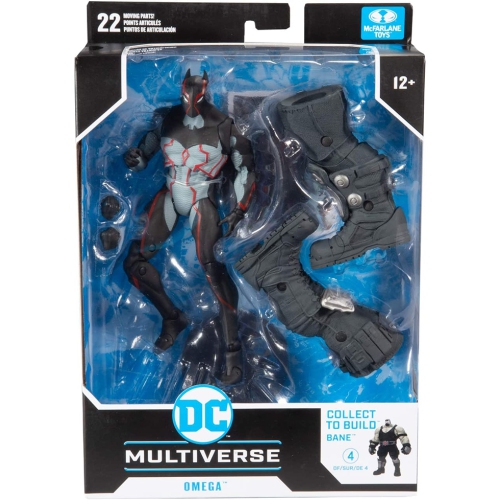


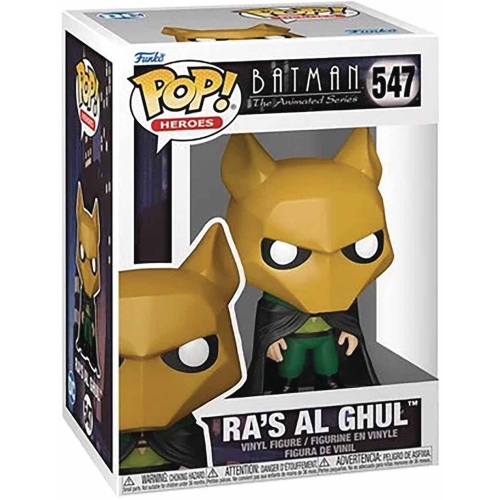


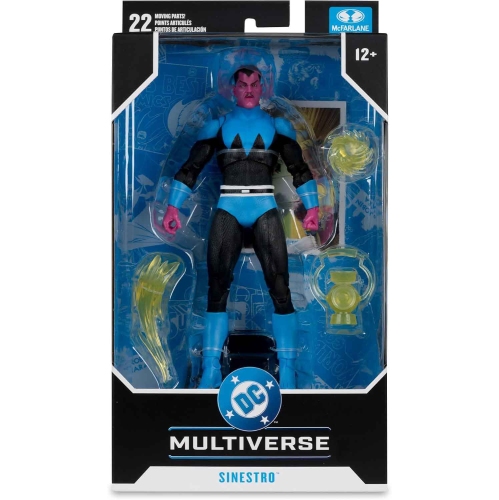


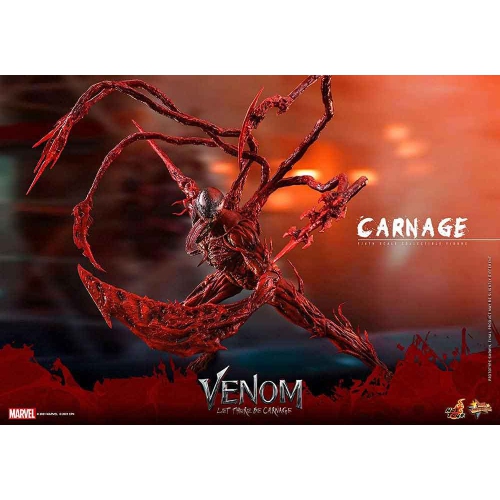
The details that give villains their shelf presence
Superhero villain action figures bring the antagonists of comic books, animated stories, films, and games into a format made for hands-on play or collection displays. Their appeal often lies in the details that make a character instantly recognizable: a sharply sculpted mask, oversized armour, a sweeping cape, or a facial expression that captures a familiar rivalry. Unlike fixed-pose statues, action figures typically have movable joints, although the amount of movement varies considerably between designs. Some emphasize straightforward posing and sturdy construction, while others offer interchangeable hands, alternate heads, and accessories for recreating particular appearances. Comic-inspired figures may feature bold colours and exaggerated proportions, whereas screen-inspired versions often put more emphasis on textured costumes and lifelike facial sculpting. These differences give a collection its character, whether the figures stand together as a team of adversaries or face off against heroes across a shelf. Size and scale are especially useful considerations when adding to an existing group. A 6-inch figure and a 7-inch figure can each look impressive on their own, but they may not appear proportionate when placed side by side. Height describes the figure’s physical measurement; scale describes its proportions relative to the character being represented. A towering armoured villain may therefore be taller than other figures in the same scale by design. Published dimensions also matter when a figure has broad shoulders, extended wings, or an accessory that reaches beyond its base. A narrow bookcase shelf needs a different footprint from an open tabletop display. Collectors who prefer to focus on one fictional universe can also explore Marvel Villain Action Figures as a more specific theme. Across superhero villain figures, the strongest visual match usually comes from considering the source artwork, costume era, proportions, and finish together rather than relying on height alone. A cohesive display can follow a shared visual style, while a mixed collection can highlight how differently artists have interpreted memorable villains.
Materials and construction influence how a superhero villain action figure feels in the hand, holds a pose, and stands up to repeated handling. Many figures combine rigid plastic sections with more flexible components, allowing a solid torso or limbs to sit alongside softer costume details. Fabric capes and other textile pieces create a different silhouette from moulded accessories and may drape more naturally around a posed figure. Moulded capes, by contrast, can preserve a dramatic swept-back shape, though they may restrict movement or affect balance. Paint applications add depth to armour, clothing, and facial features, with matte and glossy finishes creating contrasting surfaces. For a figure that will be handled frequently, secure joints, firmly attached details, and manageable accessories are often more useful than a large number of delicate parts. Articulation describes the joints that allow the head, torso, arms, and legs to move. More points of articulation can create additional posing options, but the design and placement of those joints matter just as much as the count. An elbow that bends deeply can bring a hand closer to the face, while ankle movement can help both feet rest flat in a wide stance. Bulky armour or a rigid coat may limit movement even when joints are present underneath. For imaginative play, these differences affect whether a villain can sit in a vehicle, reach forward, or take part in a staged confrontation. For display, they influence whether a pose looks relaxed, imposing, or convincingly in motion. Accessory fit deserves similar attention: alternate hands should match their intended connectors, and display stands need compatible attachment points or appropriately sized supports. Age recommendations and safety information remain essential, particularly when figures include small removable pieces. Detailed collectibles intended for older users are not automatically suitable as children’s toys. Younger children need figures appropriate to their age and abilities, with small parts kept away from anyone who might put them in their mouth. The intended use should shape the choice as much as the character’s appearance.
A collection of superhero villain action figures can be a compact shelf arrangement, a carefully posed scene, or a set of characters brought out for storytelling. A few figures with distinct silhouettes can make an engaging display without needing an elaborate backdrop: one standing upright, another leaning into a supported action pose, and a larger character placed behind them to give the group depth. Space between figures helps capes, helmets, and accessories remain visible rather than overlapping into a crowded row. Stable shelving and suitable stands are particularly helpful for top-heavy designs, and displays should sit where a bumped desk or opening cupboard door is unlikely to knock them over. Care is usually straightforward, but the finish and materials deserve gentle handling. A soft, dry brush can lift dust from sculpted folds and recessed armour details, while a clean microfibre cloth suits accessible smooth surfaces. Manufacturer care directions should take precedence, especially for fabric elements, electronic features, and unusual finishes. Harsh cleaning agents, soaking, and abrasive rubbing can damage paint or materials. Direct sunlight may fade colours over time, and prolonged exposure to heat can affect some plastics. When changing a pose, support the figure close to the joint and move it gently instead of pulling on a hand, foot, or costume piece. Resistance is a reason to stop and check the intended range of movement, not to force the part farther. Keeping spare hands, alternate faces, and other small accessories in labelled compartments makes it easier to find the correct pieces later and prevents them from rubbing together loose in a drawer. For gifts, a recipient’s favourite villain, preferred character design, and existing figure scale offer more meaningful direction than choosing solely by size. Someone who enjoys photography may appreciate expressive posing options, while a shelf collector may value costume accuracy and a distinctive sculpt. A child who enjoys inventing stories may get more use from an age-appropriate figure that is comfortable to handle and easy to pose. Matching those everyday habits helps a villain figure become a familiar part of play or a lasting feature of a personal collection.
Top selling and popular products
-
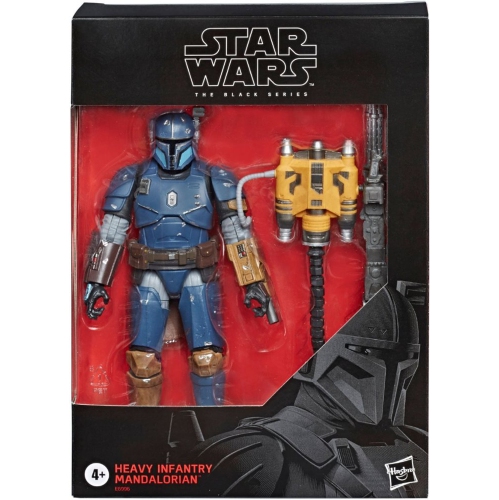 Your price for this item is $35.64
-
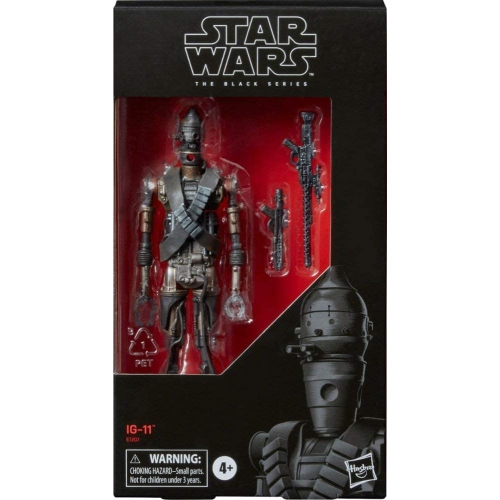 Your price for this item is $42
-
 Your price for this item is $92
-
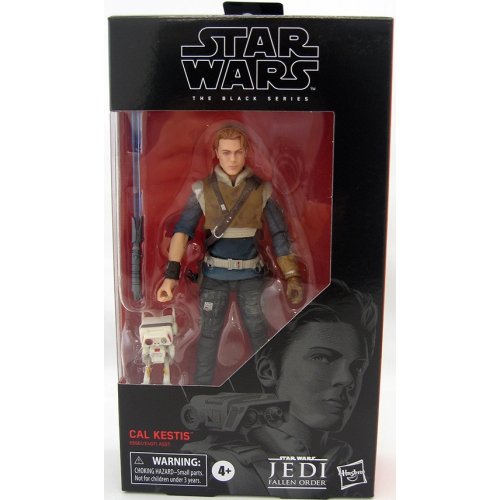 Your price for this item is $41.39
-
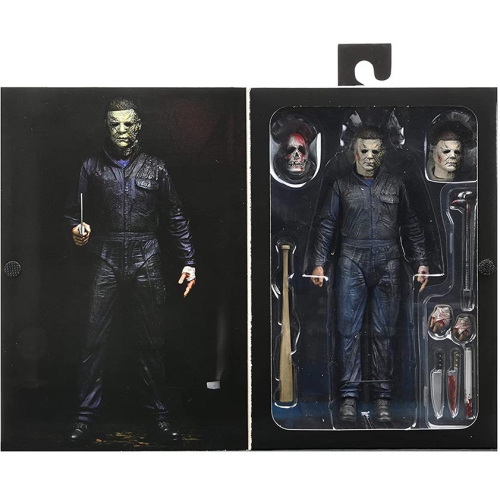 Your price for this item is $81
-
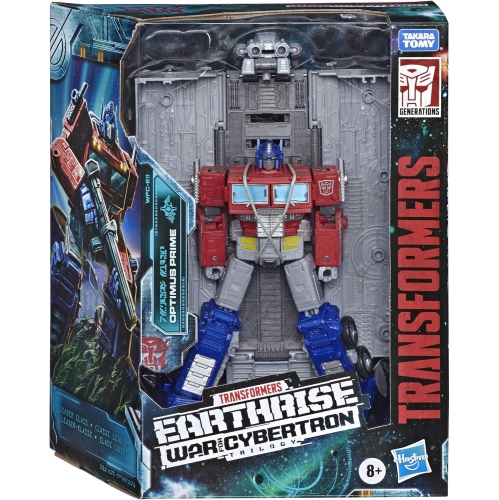 Your price for this item is $79.97
-
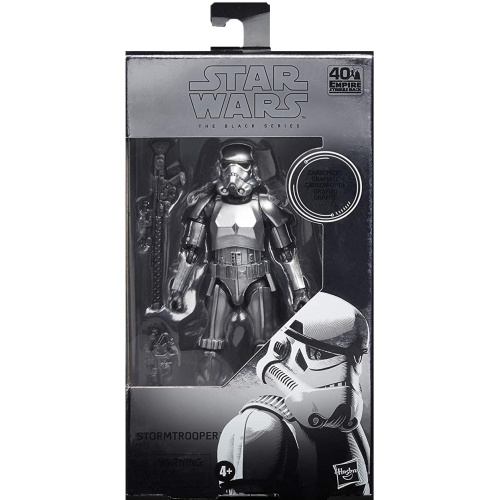 Your price for this item is $46
-
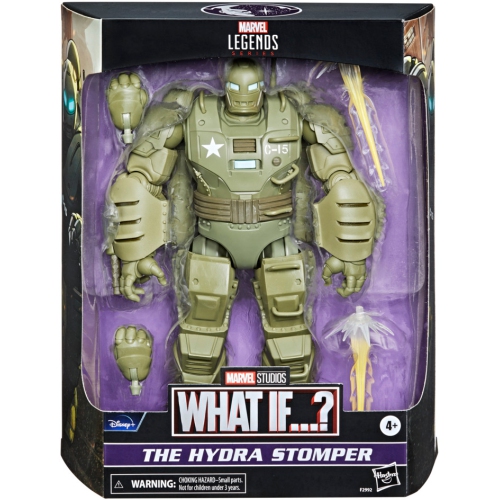 Your price for this item is $73.59
Discover more categories related to Superhero Villain Action Figures


Top Collections:
Pokemon Centers, Best Cameras for Sports Photography, Kindle Devices, Samsung Galaxy Phones, Canon G7X Cameras, Pokémon 30th Celebration Cards, Refurbished Apple Laptops, iPhone 15 Apple, Laptops for Students, Budget Smartphones
Some products may be subject to Environmental Handling Fees
(EHF) depending on your province.
Learn more about EHFs.