Talking Toys
Dive into the world of talking toys, where imagination meets interaction! These engaging companions bring stories to life and spark creativity in children of all ages. From cuddly plush friends that sing songs to interactive figures that chat back, talking toys offer endless fun and educational opportunities. Whether enhancing language skills or simply providing hours of entertainment, these toys are designed to captivate young minds and encourage playful learning. Discover a variety of options that will inspire laughter, curiosity, and endless adventures for your little ones.
Sort
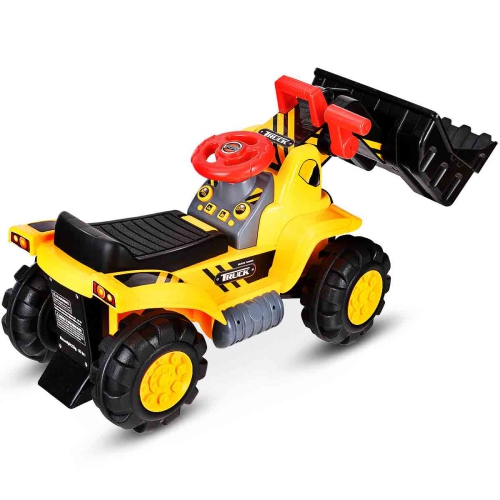

Sound, movement, and character-led play for everyday routines
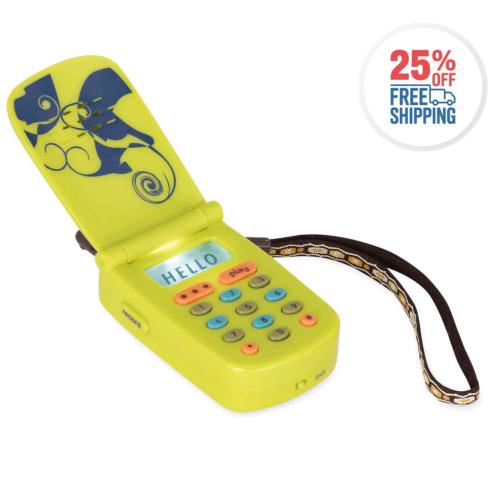
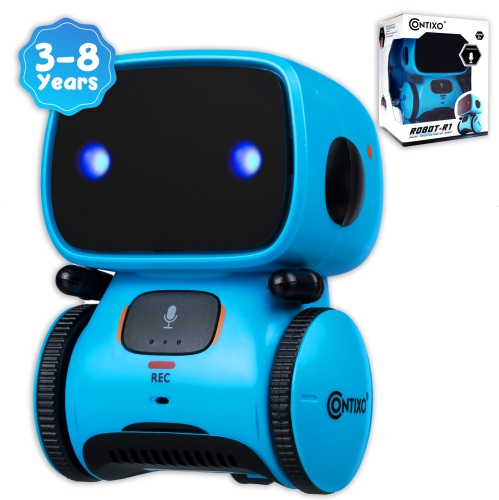
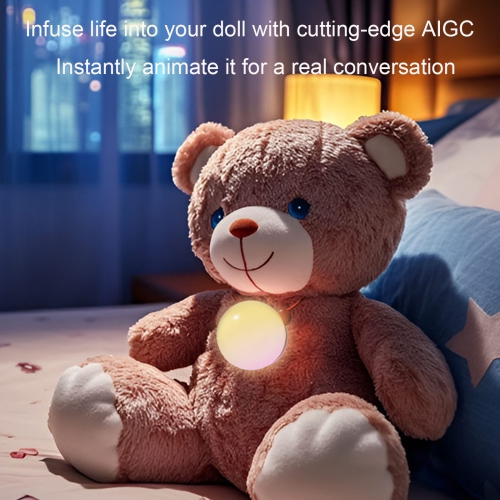
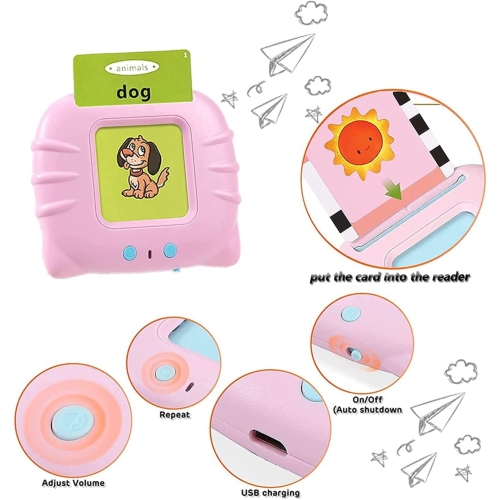
Talking toys bring sound, movement, and character-led play into everyday routines, turning a familiar playroom into a place for singing, storytelling, imitation, and imaginative conversation. This broad category includes interactive dolls that respond to touch, character figures that play phrases when moved, plush animals that repeat sounds in amusing voices, and animated companions that combine spoken words with eye, mouth, or body movements. Some toys offer a selection of built-in songs, greetings, jokes, or stories, while others react when a child presses a hand, squeezes a paw, pulls a string, or places an accessory in a designated spot. The most suitable choice depends on the child’s age, interests, and preferred style of play. Toddlers may enjoy simple controls, familiar sounds, and short phrases that are easy to copy, while preschoolers may be drawn to toys with several responses, pretend-care features, or character-based adventures. Older children can appreciate interactive figures that support role-play, storytelling, and collections of toys that speak to one another. When comparing options, consider the volume controls, the clarity of the voice, the number and length of phrases, and whether the toy has an on/off switch that is easy for an adult to access. Battery type and replacement requirements are also useful details to check, particularly when a toy is likely to be played with every day. A talking toy that is simple to activate can become a welcome companion during quiet play, while one with more varied responses may hold attention during longer imaginative sessions. Soft textures, rounded edges, and a size that is comfortable for small hands can make a difference too, especially when the toy is carried from the playroom to the bedroom, packed for a visit with family, or tucked into a bag for a weekend away.
Talking toys can add a gentle rhythm to early communication practice without making play feel like a lesson. A child may repeat a sound from a voice-mimicking animal, sing along with a familiar melody, answer a character’s greeting, or create a back-and-forth conversation between several figures. Hearing a word, then trying to say it aloud, gives children an opportunity to experiment with sounds, timing, and social cues at their own pace. These toys are not a replacement for conversation with parents, caregivers, educators, or other children, but they can provide an engaging prompt for shared play. Sitting together on the carpet, an adult might pause after a toy says a phrase and invite the child to add what happens next, name the colours in the scene, or give the character a new voice. A plush companion can become part of a bedtime routine, offering a familiar song or story before lights out, while a touch-activated toy may make morning dressing or independent play feel more inviting. Some children enjoy repetition and may activate the same response many times, finding comfort in the predictable sound and movement. Others prefer variety and may use several toys to build a pretend classroom, animal shelter, family home, or adventure setting. Look for features that match the way the child already plays rather than choosing the most complicated option by default. Touch sensors are helpful for children who like direct cause-and-effect play; pull strings and buttons can suit those who enjoy physical interaction; and recording or voice-repeat features can create plenty of laughter when children hear their own words played back in a playful tone. For families sharing a home, adjustable volume and a quieter mode can help the toy fit comfortably into different parts of the day.
Because they combine companionship with active play, talking toys are popular choices for birthdays, family visits, welcome-home surprises, and seasonal gift giving during the cooler months. They can suit a child who loves animals, music, make-believe, or familiar story characters, and they are easy to pair with books, costumes, playsets, or other open-ended toys already in the home. Before choosing a gift, check the recommended age range and think about the child’s sensory preferences. A lively toy with flashing lights, sudden sounds, or animated movements may delight one child and overwhelm another, while a softly spoken plush toy with a small set of repeated phrases may be a better fit for calm, comforting play. It is also worth considering where the toy will be used: a compact figure may work well in a car or at a grandparent’s home, whereas a larger interactive companion may be best suited to a dedicated play space. Read the instructions for battery installation, cleaning, and safe use, and check whether sound-producing parts are securely enclosed. If the toy is intended for a younger child, avoid options with small removable accessories and follow all age and supervision guidance. Children can also use talking toys as prompts for their own stories, giving each character a name, a personality, and a different voice. For more play centred on narrated adventures, make-believe scenes, and listening along with unfolding tales, explore Storytelling Toys. With the right combination of sound, texture, and responsive features, a talking toy can become more than a source of amusing phrases: it can be a familiar playmate, a conversation starter, and a lively addition to imaginative routines at home.
Talking toys can add a gentle rhythm to early communication practice without making play feel like a lesson. A child may repeat a sound from a voice-mimicking animal, sing along with a familiar melody, answer a character’s greeting, or create a back-and-forth conversation between several figures. Hearing a word, then trying to say it aloud, gives children an opportunity to experiment with sounds, timing, and social cues at their own pace. These toys are not a replacement for conversation with parents, caregivers, educators, or other children, but they can provide an engaging prompt for shared play. Sitting together on the carpet, an adult might pause after a toy says a phrase and invite the child to add what happens next, name the colours in the scene, or give the character a new voice. A plush companion can become part of a bedtime routine, offering a familiar song or story before lights out, while a touch-activated toy may make morning dressing or independent play feel more inviting. Some children enjoy repetition and may activate the same response many times, finding comfort in the predictable sound and movement. Others prefer variety and may use several toys to build a pretend classroom, animal shelter, family home, or adventure setting. Look for features that match the way the child already plays rather than choosing the most complicated option by default. Touch sensors are helpful for children who like direct cause-and-effect play; pull strings and buttons can suit those who enjoy physical interaction; and recording or voice-repeat features can create plenty of laughter when children hear their own words played back in a playful tone. For families sharing a home, adjustable volume and a quieter mode can help the toy fit comfortably into different parts of the day.
Because they combine companionship with active play, talking toys are popular choices for birthdays, family visits, welcome-home surprises, and seasonal gift giving during the cooler months. They can suit a child who loves animals, music, make-believe, or familiar story characters, and they are easy to pair with books, costumes, playsets, or other open-ended toys already in the home. Before choosing a gift, check the recommended age range and think about the child’s sensory preferences. A lively toy with flashing lights, sudden sounds, or animated movements may delight one child and overwhelm another, while a softly spoken plush toy with a small set of repeated phrases may be a better fit for calm, comforting play. It is also worth considering where the toy will be used: a compact figure may work well in a car or at a grandparent’s home, whereas a larger interactive companion may be best suited to a dedicated play space. Read the instructions for battery installation, cleaning, and safe use, and check whether sound-producing parts are securely enclosed. If the toy is intended for a younger child, avoid options with small removable accessories and follow all age and supervision guidance. Children can also use talking toys as prompts for their own stories, giving each character a name, a personality, and a different voice. For more play centred on narrated adventures, make-believe scenes, and listening along with unfolding tales, explore Storytelling Toys. With the right combination of sound, texture, and responsive features, a talking toy can become more than a source of amusing phrases: it can be a familiar playmate, a conversation starter, and a lively addition to imaginative routines at home.
Top selling and popular products
-
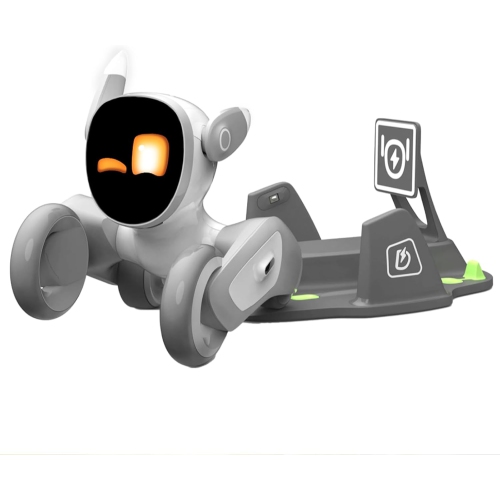 Your price for this item is $699.99
 -
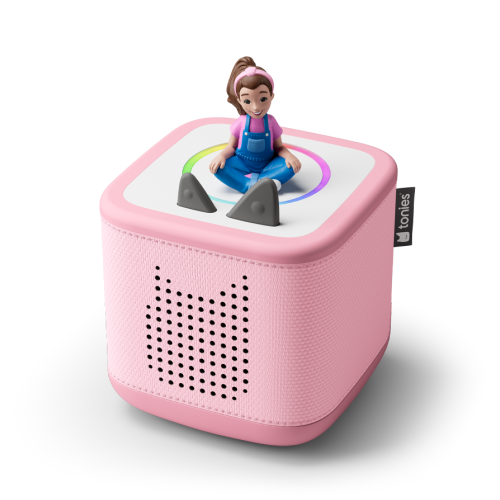 Your price for this item is $199.99
 -
 Your price for this item is $75.99
 -
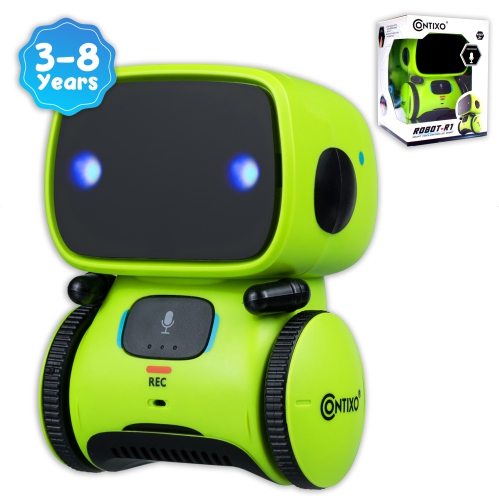 Your price for this item is $39.99
 -
 Your price for this item is $55.95
 -
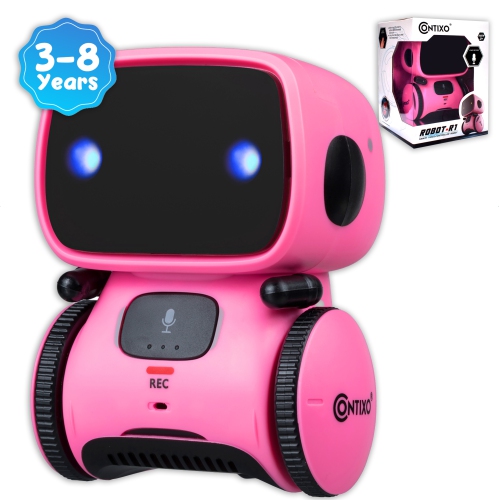 Your price for this item is $39.99
 -
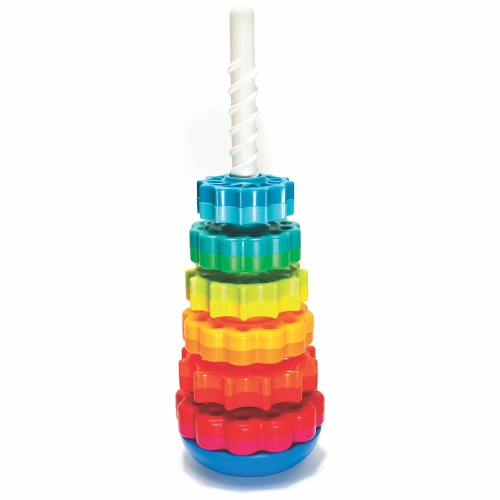 Your price for this item is $52.17
 -
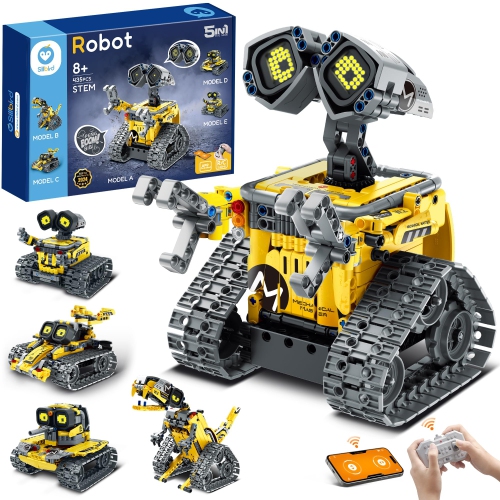 Your price for this item is $116.96
Discover more categories related to Talking Toys
Top Collections:
Pokemon Centers, Kindle Devices, Best Cell Phones Under $500, Alarm Clock, Canon G7X Cameras, iPhone 15 Apple, Apple iPhones 16, Laptops for Students, iPhone 14 256GB, Budget Smartphones
Some products may be subject to Environmental Handling Fees
(EHF) depending on your province.
Learn more about EHFs.