Artificial Intelligence Toys
Dive into the exciting world of artificial intelligence toys, where playtime meets cutting-edge technology to create an engaging and educational experience for children of all ages. Through interactive features that adapt and respond to your child's actions, these innovative toys stimulate creativity, enhance problem-solving skills, and provide endless entertainment. From programmable robots to smart companions, AI toys offer a unique blend of fun and learning, making them an ideal choice for parents looking to inspire curiosity and foster a love for technology in their little ones. Explore the possibilities and watch as your child's imagination comes to life with these intelligent playtime companions.















How a toy responds shapes the play experience
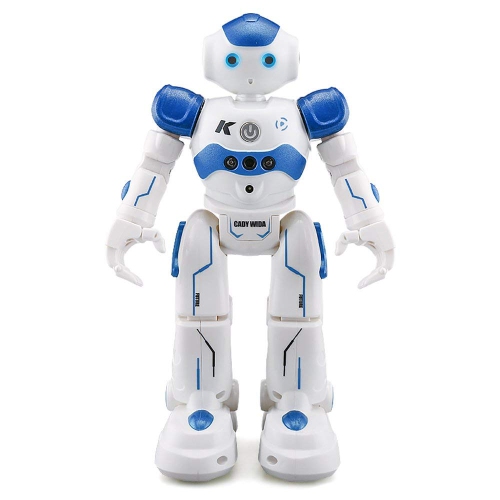
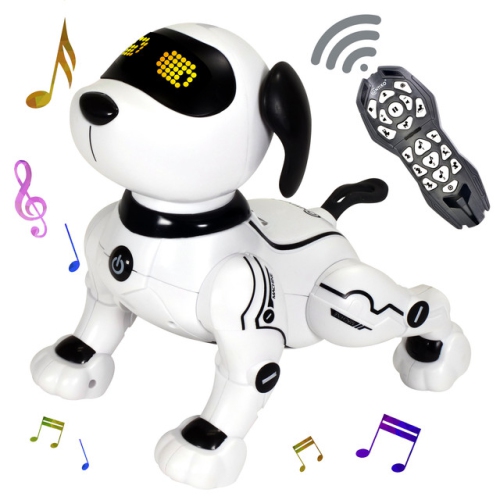
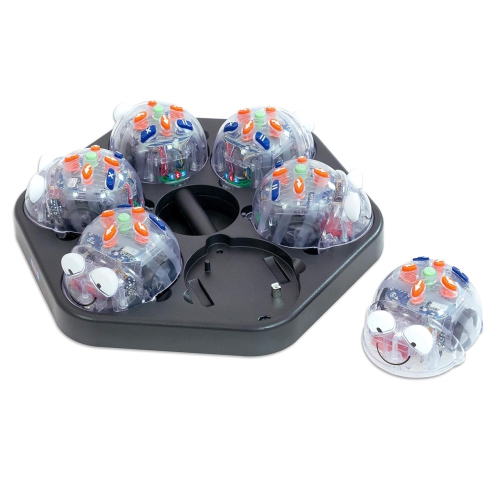
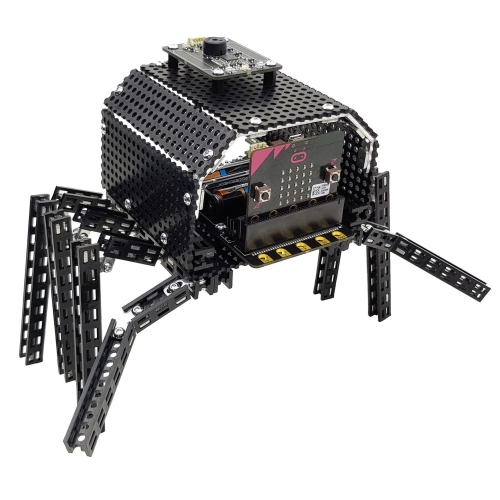
Everyday usability makes a substantial difference to how comfortably artificial intelligence toys fit into family play. Manufacturer age recommendations, small-parts warnings, and the complexity of assembly should come before advanced features, especially in homes where younger siblings share the same play space. A toy intended for independent use needs controls that its intended user can reach and understand, along with manageable weight and a comfortable grip. For plush designs, the texture of the outer fabric, strength of the stitching, and placement of hard electronic components affect how the toy feels when held. For wheeled or articulated designs, sturdy housings, secure battery compartments, and well-protected moving parts are practical considerations. Smooth floors may suit some mobile toys better than thick rugs, and a clear area away from stairs gives moving playthings room to operate as intended. A robot navigating around cardboard blocks can be engaging without needing an elaborate setup, provided its sensors and movement suit that surface. Care requirements deserve equal attention: electronic plush toys are not automatically machine washable, and removable covers or electronic modules should only be handled as directed. Hard surfaces may allow gentle wiping, but charging ports, microphones, and speaker openings need protection from moisture. Battery type, charging time, expected play time, and whether an adult must replace batteries can influence daily routines. Volume adjustment is useful in shared rooms, while clear visual feedback can help explain whether a toy is listening, charging, or waiting for a command. Speech-based features also need a closer look at supported languages and how reliably they handle different accents, quieter voices, or background noise. As gifts for birthdays or other personal milestones, these toys are most thoughtfully matched to both the recipient and the household. A caregiver’s comfort with setup, connected features, and ongoing supervision matters just as much as a child’s enthusiasm for robots, storytelling, or coding.
Connected features bring additional considerations, particularly when an AI toy includes a microphone, camera, companion app, or account. Some functions run on the toy itself, while others send information to online services for processing; internet access may be essential for certain activities but unnecessary for others. Wi-Fi requirements, compatible phones or tablets, account permissions, and the availability of offline play all affect how the toy can be used. A screen-free toy may still require a screen for setup or parental controls, so that description does not necessarily mean the entire experience is app-free. Privacy information should explain what data is collected, whether recordings are stored, how long information is retained, and whether caregivers can review or delete it. A physical microphone switch, visible listening indicator, and accessible parental settings can make operation easier to understand, but no single feature establishes that a connected toy is private or secure. Software updates and the manufacturer’s support policies also matter because online functions can change or stop working if a service ends. Generative AI adds a separate limitation: its replies can be inaccurate, unsuitable for a child’s age, or inconsistent, even when content filters are present. Adult supervision remains important, and open-ended conversation is better treated as a shared activity than a source of dependable answers. During a storytelling session, for example, a caregiver can help separate an invented detail from a real-world fact and redirect an unexpected response. Children also benefit from a straightforward explanation that a responsive toy is software, not a person or a trusted authority. Names, addresses, school details, passwords, and private family information do not need to become part of play. Clear boundaries, manageable session lengths, and opportunities to build, draw, move, or play with other people help keep the technology in perspective. With age-appropriate activities and understandable controls, AI-enabled play can offer another way to explore ideas while leaving adults in charge of privacy, safety, and the overall experience.
Top selling and popular products
-
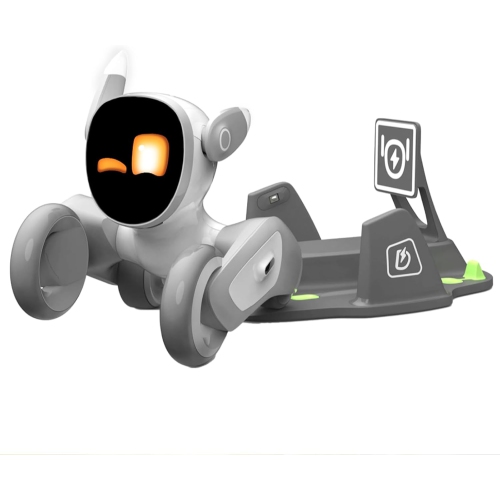 Your price for this item is $699.99
 -
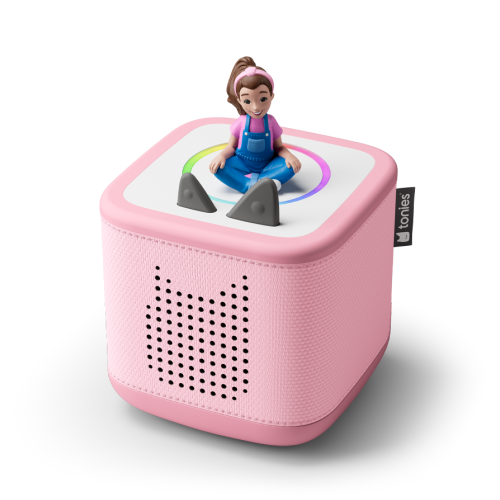 Your price for this item is $199.99
 -
 Your price for this item is $75.99
 -
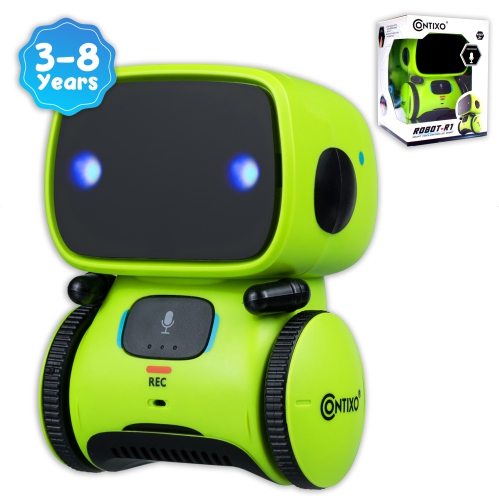 Your price for this item is $39.99
 -
 Your price for this item is $55.95
 -
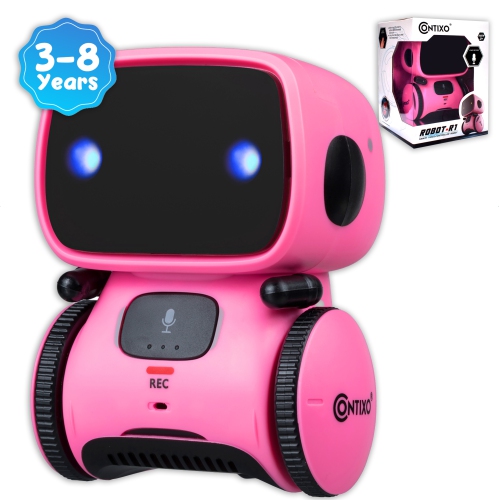 Your price for this item is $39.99
 -
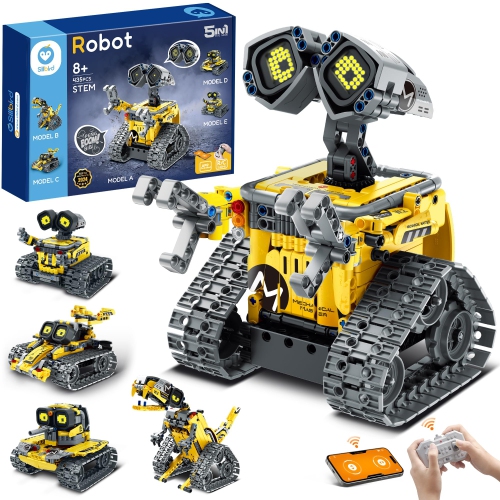 Your price for this item is $116.96
 -
 Your price for this item is $52.17