Toy Buildings
Ignite the imagination and creativity of young builders with our diverse selection of toy buildings. Perfect for children who love to construct and design, these engaging playsets offer endless opportunities for learning and fun. From simple structures to intricate skyscrapers, each set encourages problem-solving skills and spatial awareness while providing hours of entertainment. Whether it's a solo project or a collaborative effort, these toys inspire budding architects to explore their creative potential in a playful and educational way. Discover the joy of building and watch as little ones transform their ideas into reality, one block at a time.
Sort
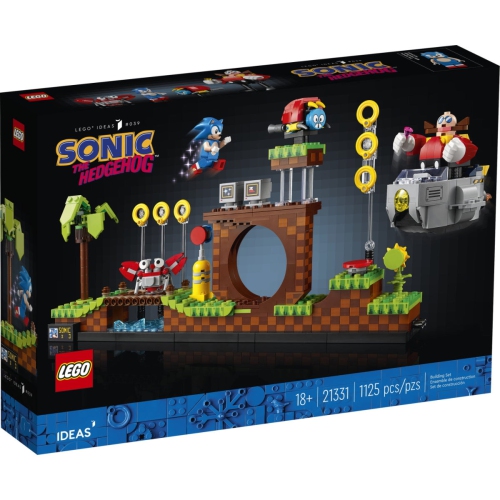
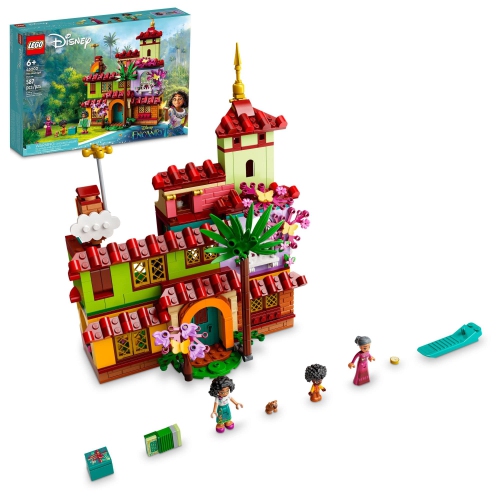
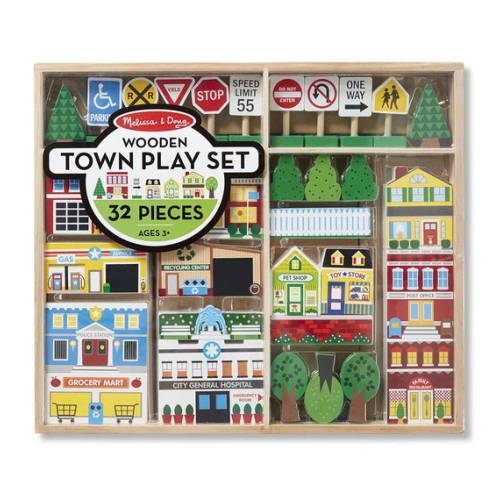
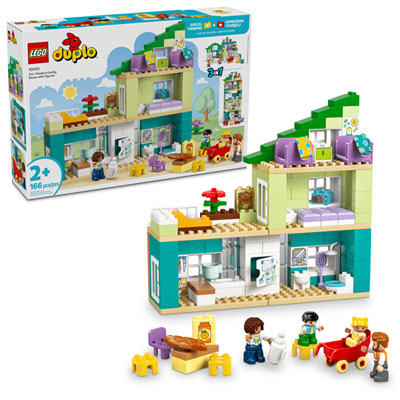
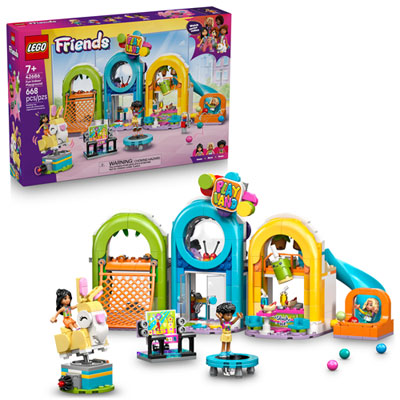
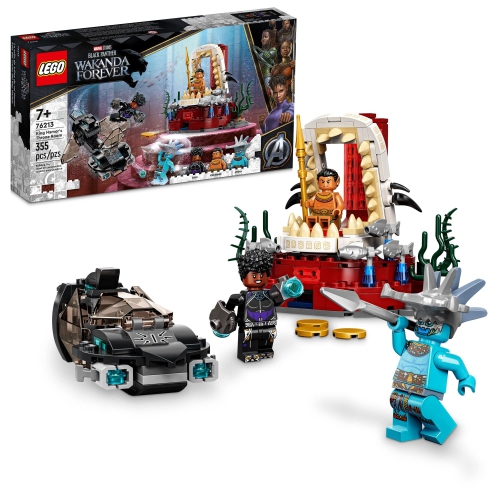

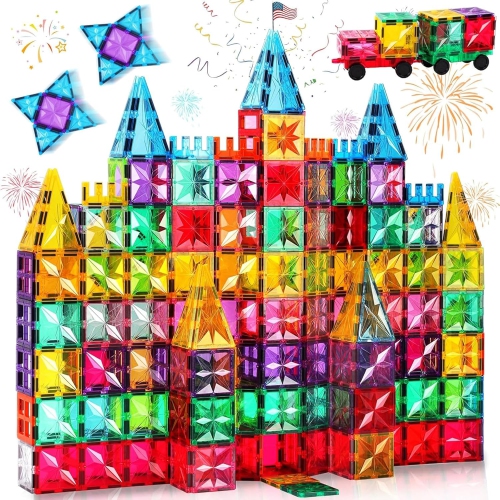
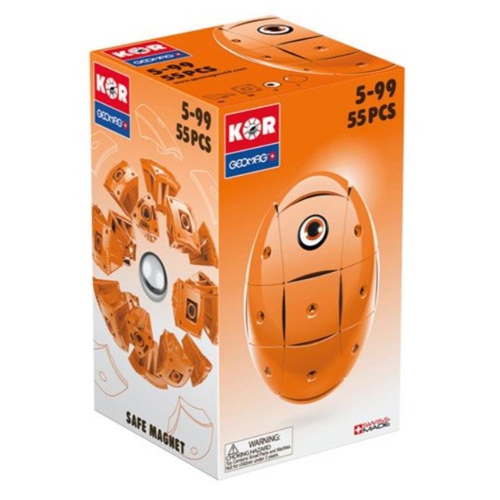
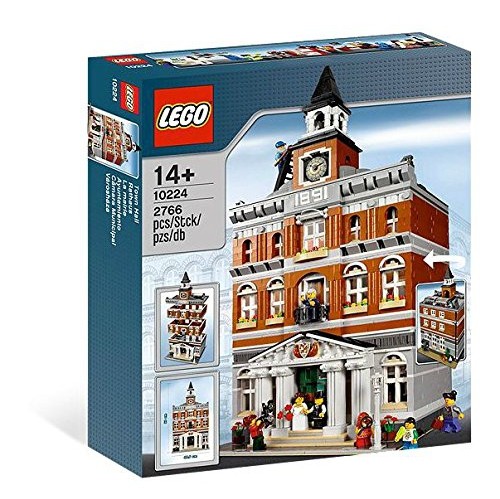
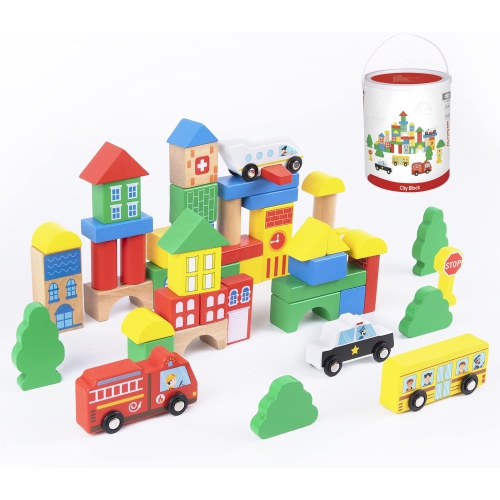
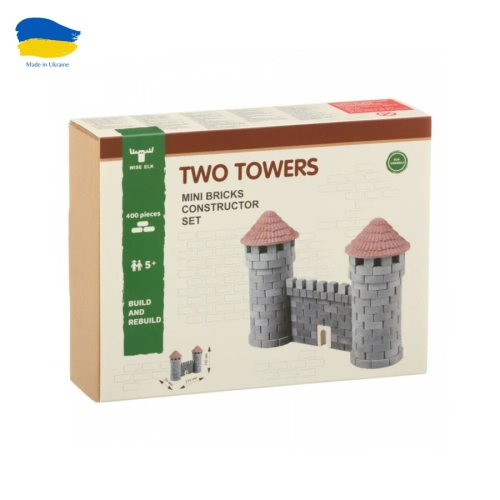
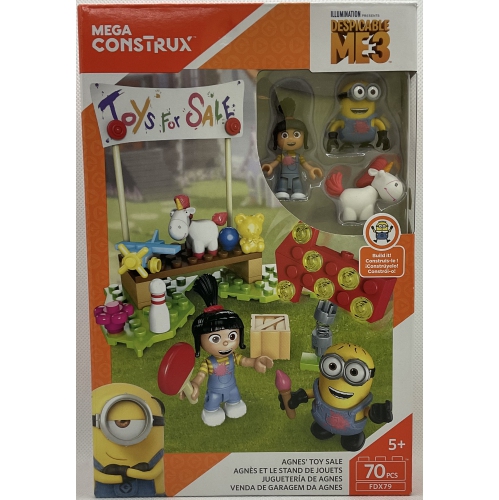
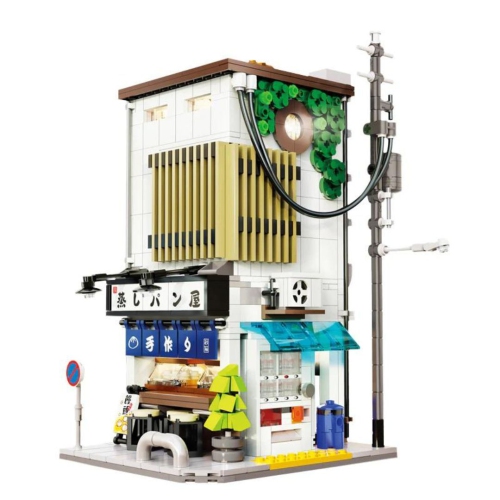
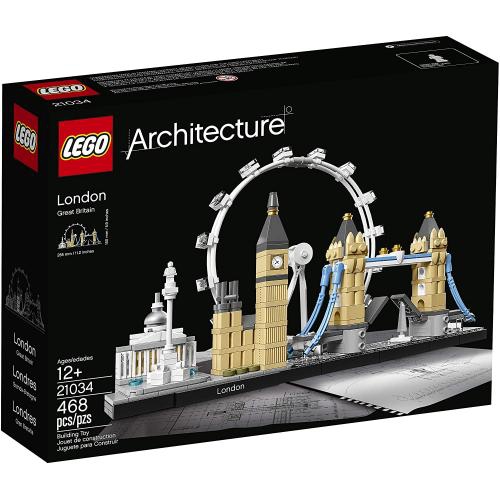
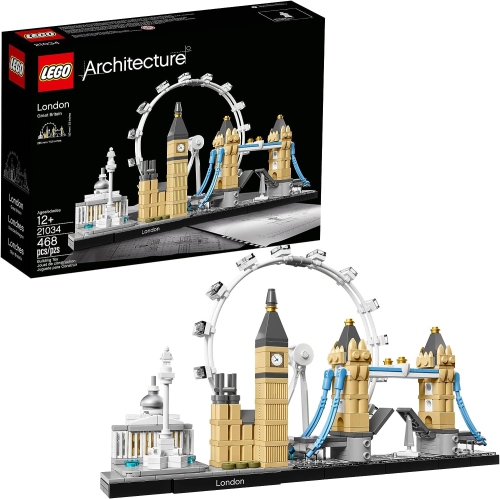
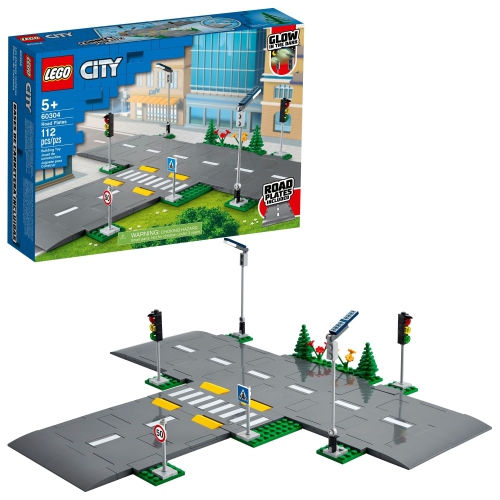
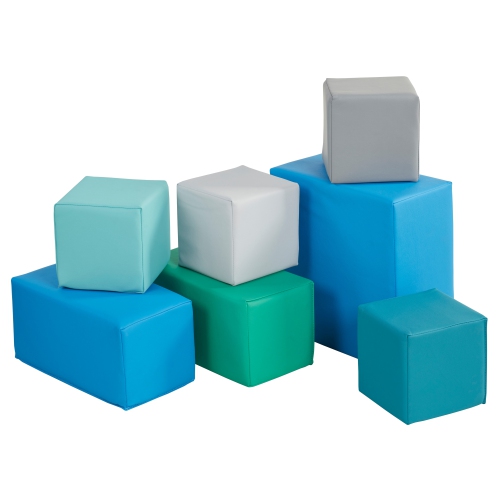
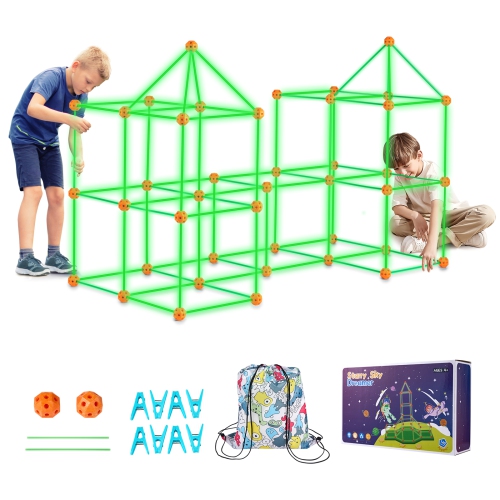
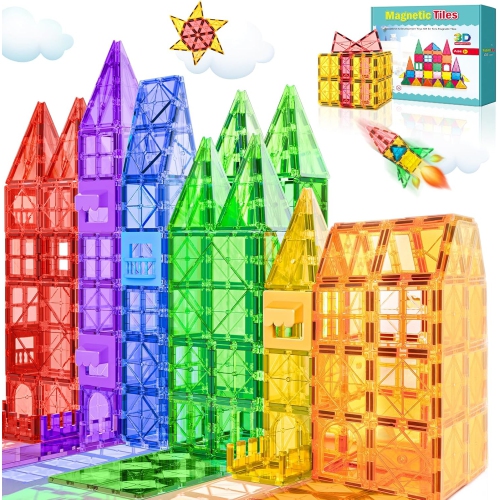
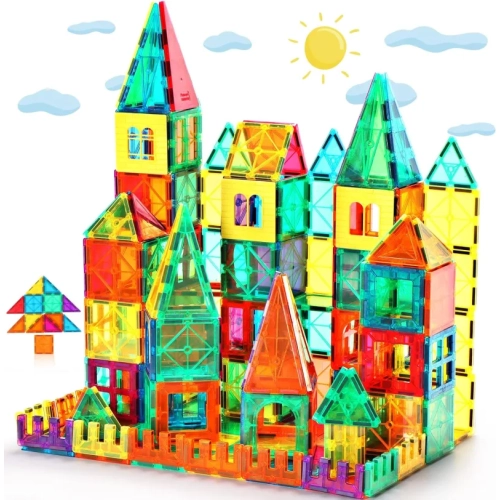

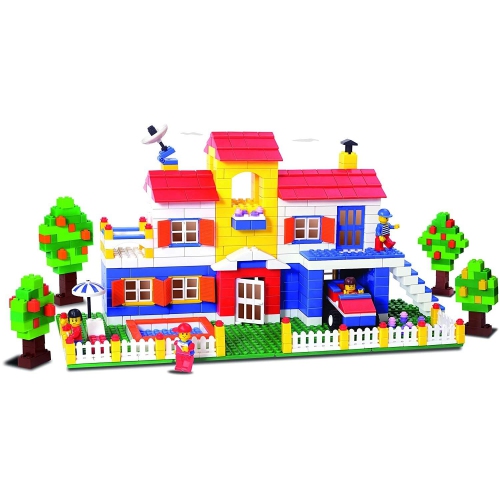
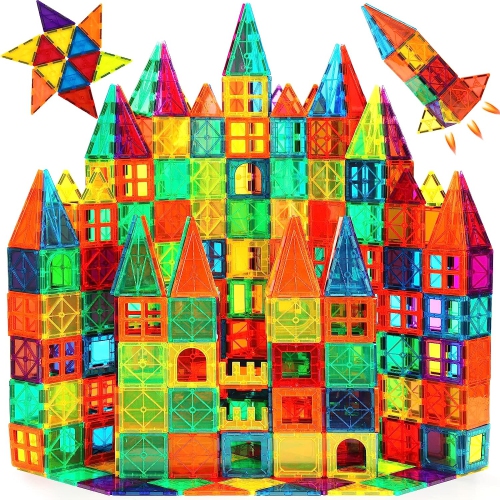
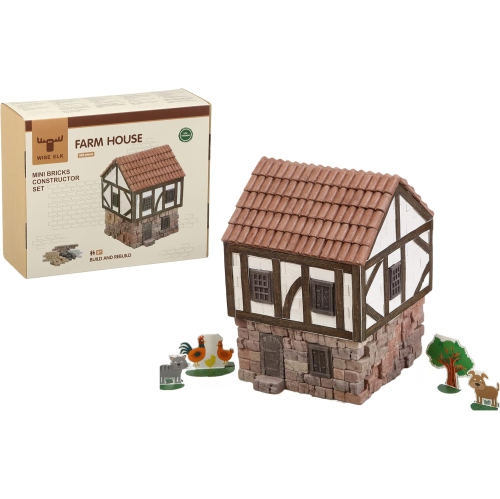
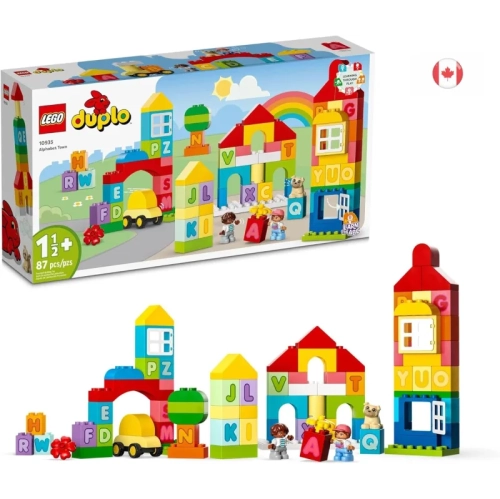
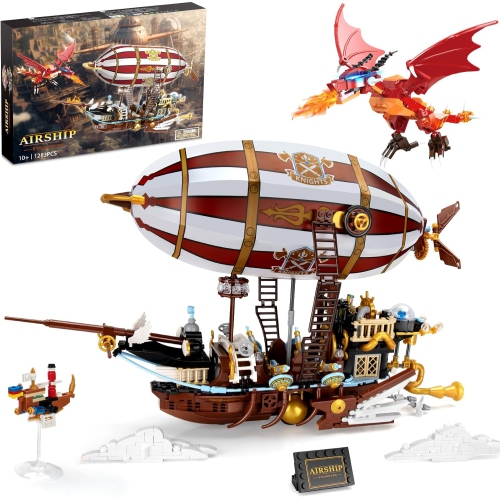
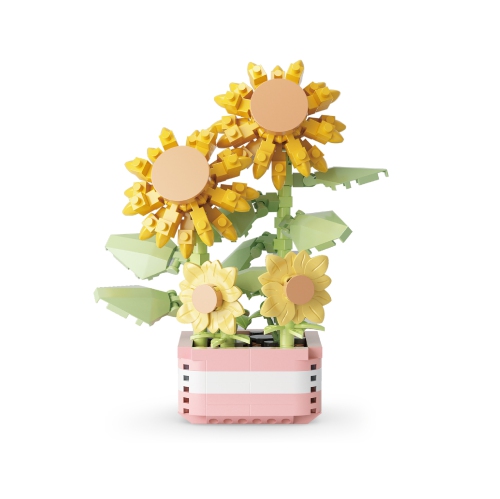
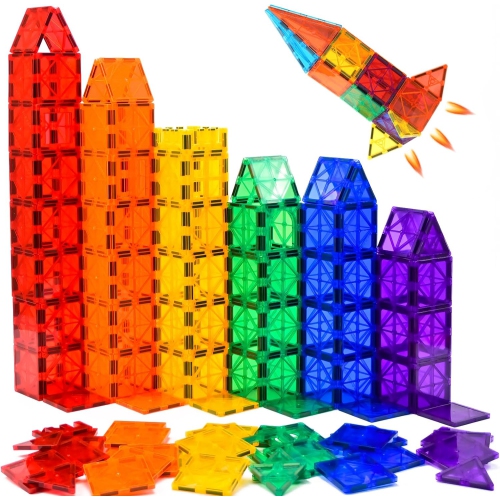

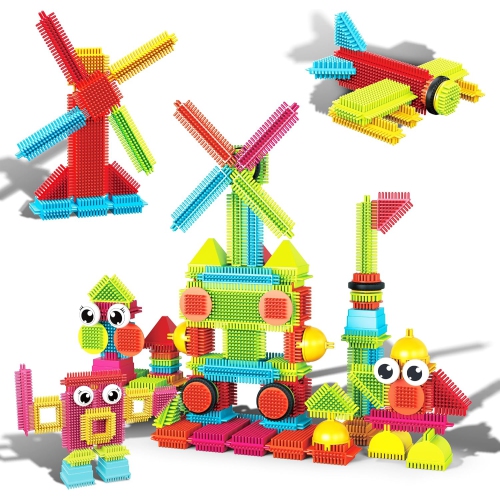
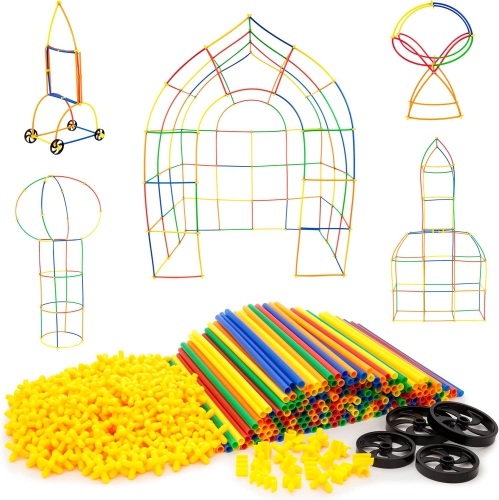
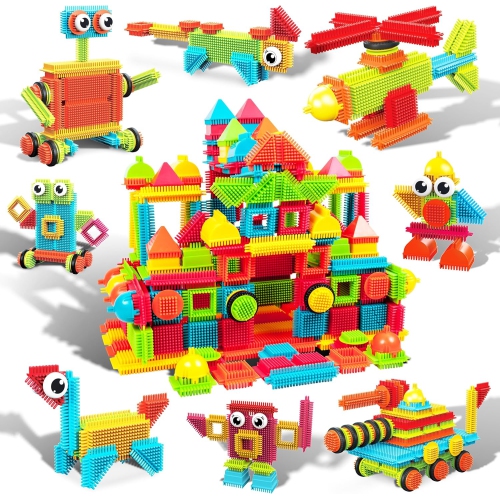
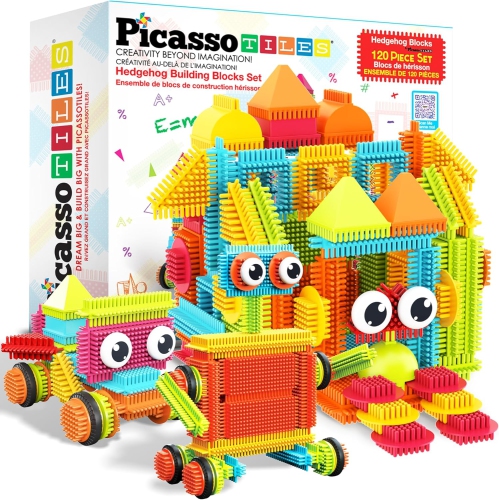
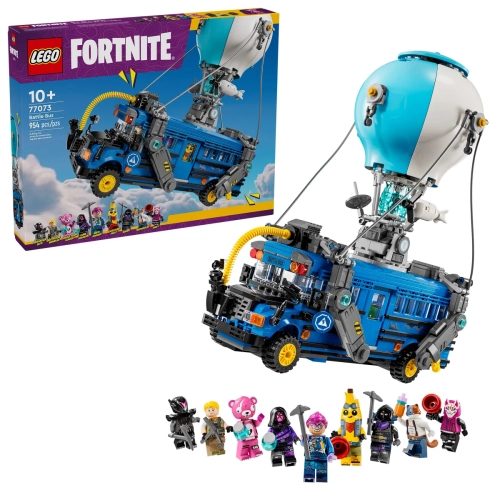

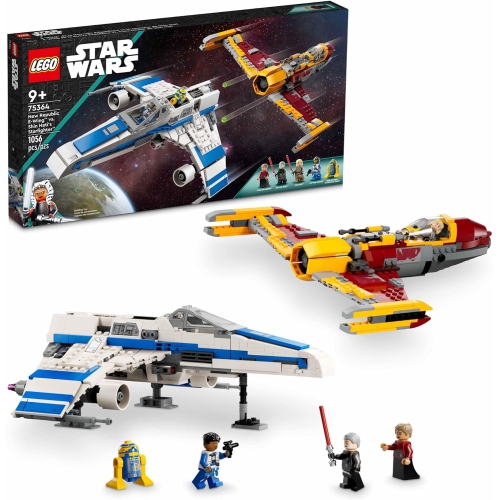
From first stacked towers to detailed display models
Toy buildings are construction toys used to create houses, towers, shops, castles, and other structures, either by following a planned design or assembling pieces freely. They range from simple stacking blocks to detailed building systems with walls, windows, doors, and working connections. Some are made for repeated building and rebuilding, while others are better suited to careful assembly and display. Interlocking plastic bricks hold together through fitted connections, wooden blocks rely on balance and placement, and notched wooden pieces join at the corners to form cabin-style walls. Rod-and-connector systems create open frameworks, while metal construction systems use beams, plates, nuts, and bolts for a more involved assembly experience. Each style offers a different way to explore shape, space, and structure. A child stacking a wide base beneath a tall tower is experimenting with stability; another arranging rooms around a courtyard is thinking about layout and access. Building can also lead naturally into imaginative play, with a finished structure serving as a home for small figures, a busy neighbourhood shop, or a station beside a toy roadway. Details such as opening doors, removable roofs, and accessible interiors matter when a building will be used for storytelling rather than simply viewed from the outside. For builders who enjoy small-scale architecture and intricate layouts, Miniature Building Sets offer a related direction to explore. The distinction between a play building and a display model is useful: one needs room for hands and figures to move through it, while the other may place greater emphasis on surface detail and proportions. Toy buildings can appeal to preschoolers beginning to stack and sort, school-aged children developing longer projects, and teens or adults who enjoy patient, hands-on assembly. The right level of complexity depends on the builder’s age, dexterity, interests, and comfort with following instructions, not just the size of the finished structure.
Materials and construction affect how toy buildings feel, fit together, and stand up to everyday use. Plastic pieces can support precise connections and varied architectural shapes, while wooden components have a solid feel that suits stacking, balancing, and open-ended layouts. Metal parts bring a different assembly process, often requiring small tools and careful alignment before a connection is tightened. Cardboard or foam components may create larger scenes with relatively little weight, although tabs, edges, and folded sections can need gentler handling. Across these materials, useful details include smooth edges, secure connections, and pieces that can be joined and separated without excessive force. A model that is too difficult to take apart may frustrate a child who likes changing plans halfway through a build, while loosely balanced walls may not suit energetic play with figures and vehicles. Manufacturer age ratings and safety warnings are essential, especially where small parts, magnets, or tools are involved. Small pieces should stay out of reach of children who may put objects in their mouths, and any damaged component with an exposed or loose magnet should be removed from use. Compatibility also deserves attention. Similar-looking bricks, rods, or panels do not necessarily connect, so stated system compatibility is more reliable than appearance alone. Figure size, doorway clearance, and room depth matter when combining buildings with other toys; a figure may fit through the entrance but still have too little space to stand inside. Consider the footprint of the completed build as well as the working space needed to sort pieces. A compact house might fit comfortably on a shelf, yet assembling it could require much of a tabletop. A broad, level surface helps keep walls aligned and prevents a partly finished structure from tipping when someone reaches across it. For shared family spaces, a shallow tray can keep loose pieces together and make a smaller project easier to move between sessions.
The lasting appeal of toy buildings often comes from what happens after the first structure is finished. A straightforward design can be taken apart and turned into something entirely different, while a detailed building may anchor an expanding street scene over many afternoons. Open-ended systems suit builders who enjoy testing their own ideas; instruction-led sets can suit those who like a clear sequence and the satisfaction of completing a defined project. Neither approach needs to stay fixed. Following a model once can introduce ways to brace corners or support an upper floor, which can then be used in an original design. These activities give children opportunities to practise spatial reasoning, hand-eye coordination, planning, and persistence without making play feel like a lesson. When a roof sags or a tower leans, adjusting the structure makes the relationship between shape and support visible. Shared projects can also encourage communication: one child might assemble walls while another sorts window pieces, with both deciding where the entrance should go. For quieter independent play during the cooler months, a building project can offer a satisfying activity that unfolds over several sessions. As a gift, toy buildings are most meaningful when the building style matches the recipient’s interests and patience, whether that means imaginative neighbourhood play, dramatic fortresses, or intricate architectural detail. Storage and care help preserve that enjoyment. Sorting pieces by size, shape, or function can make rebuilding easier, while keeping instructions together prevents unnecessary interruptions. Follow the manufacturer’s cleaning directions, since assembled models, printed surfaces, wood, metal, and electronic components may require different treatment. Avoid soaking wooden pieces, dry metal components promptly if they become damp, and keep moisture away from any electrical parts. Display builds benefit from gentle dusting and a secure position away from shelf edges. Before returning loose pieces to storage, check for cracks, splinters, bent connectors, or worn connections. Keeping unfinished builds separate from loose components also makes it easier to return to a project without searching for a missing wall or rebuilding a carefully arranged room.
Materials and construction affect how toy buildings feel, fit together, and stand up to everyday use. Plastic pieces can support precise connections and varied architectural shapes, while wooden components have a solid feel that suits stacking, balancing, and open-ended layouts. Metal parts bring a different assembly process, often requiring small tools and careful alignment before a connection is tightened. Cardboard or foam components may create larger scenes with relatively little weight, although tabs, edges, and folded sections can need gentler handling. Across these materials, useful details include smooth edges, secure connections, and pieces that can be joined and separated without excessive force. A model that is too difficult to take apart may frustrate a child who likes changing plans halfway through a build, while loosely balanced walls may not suit energetic play with figures and vehicles. Manufacturer age ratings and safety warnings are essential, especially where small parts, magnets, or tools are involved. Small pieces should stay out of reach of children who may put objects in their mouths, and any damaged component with an exposed or loose magnet should be removed from use. Compatibility also deserves attention. Similar-looking bricks, rods, or panels do not necessarily connect, so stated system compatibility is more reliable than appearance alone. Figure size, doorway clearance, and room depth matter when combining buildings with other toys; a figure may fit through the entrance but still have too little space to stand inside. Consider the footprint of the completed build as well as the working space needed to sort pieces. A compact house might fit comfortably on a shelf, yet assembling it could require much of a tabletop. A broad, level surface helps keep walls aligned and prevents a partly finished structure from tipping when someone reaches across it. For shared family spaces, a shallow tray can keep loose pieces together and make a smaller project easier to move between sessions.
The lasting appeal of toy buildings often comes from what happens after the first structure is finished. A straightforward design can be taken apart and turned into something entirely different, while a detailed building may anchor an expanding street scene over many afternoons. Open-ended systems suit builders who enjoy testing their own ideas; instruction-led sets can suit those who like a clear sequence and the satisfaction of completing a defined project. Neither approach needs to stay fixed. Following a model once can introduce ways to brace corners or support an upper floor, which can then be used in an original design. These activities give children opportunities to practise spatial reasoning, hand-eye coordination, planning, and persistence without making play feel like a lesson. When a roof sags or a tower leans, adjusting the structure makes the relationship between shape and support visible. Shared projects can also encourage communication: one child might assemble walls while another sorts window pieces, with both deciding where the entrance should go. For quieter independent play during the cooler months, a building project can offer a satisfying activity that unfolds over several sessions. As a gift, toy buildings are most meaningful when the building style matches the recipient’s interests and patience, whether that means imaginative neighbourhood play, dramatic fortresses, or intricate architectural detail. Storage and care help preserve that enjoyment. Sorting pieces by size, shape, or function can make rebuilding easier, while keeping instructions together prevents unnecessary interruptions. Follow the manufacturer’s cleaning directions, since assembled models, printed surfaces, wood, metal, and electronic components may require different treatment. Avoid soaking wooden pieces, dry metal components promptly if they become damp, and keep moisture away from any electrical parts. Display builds benefit from gentle dusting and a secure position away from shelf edges. Before returning loose pieces to storage, check for cracks, splinters, bent connectors, or worn connections. Keeping unfinished builds separate from loose components also makes it easier to return to a project without searching for a missing wall or rebuilding a carefully arranged room.
Top selling and popular products
-
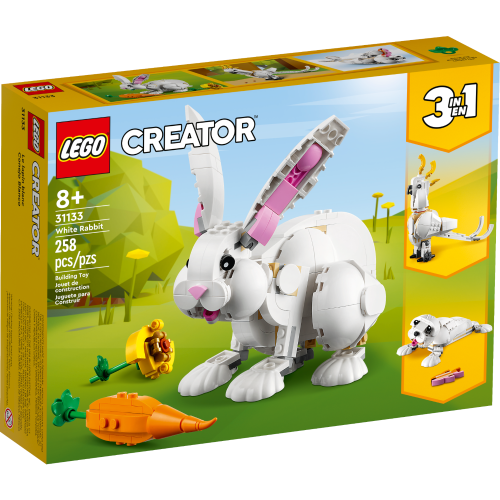 Your price for this item is $38.53
 -
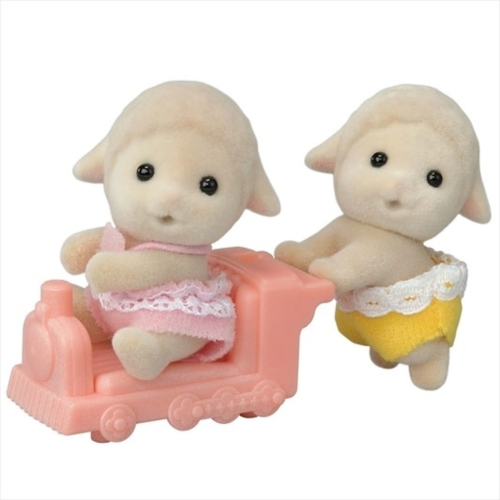 Your price for this item is $93.99
 -
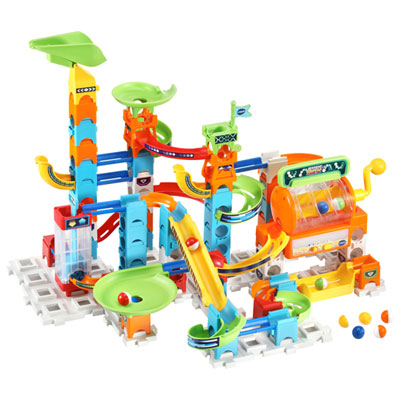 Your price for this item is $59.99
 -
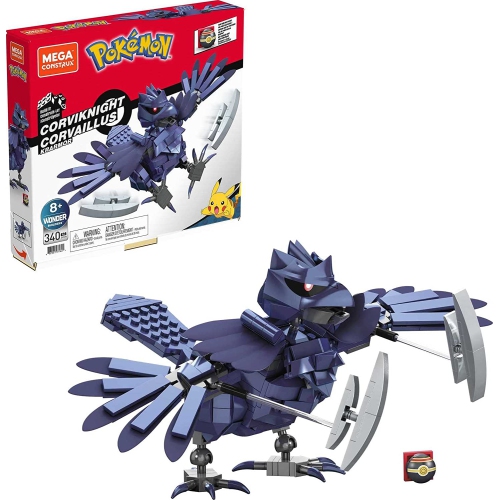 Your price for this item is $51
 -
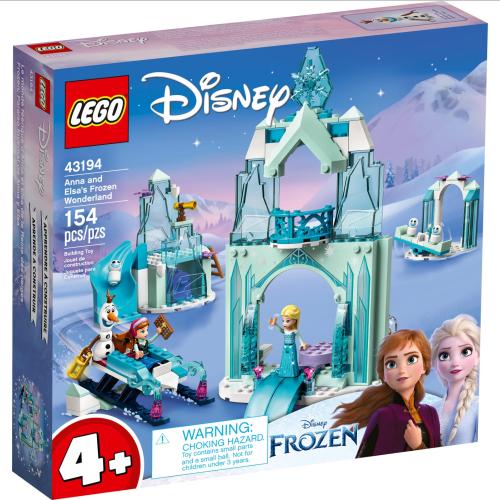 Your price for this item is $108.48
 -
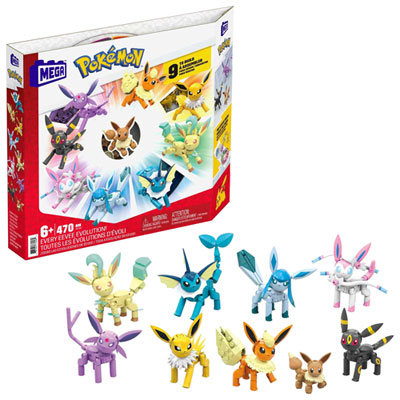 Your price for this item is $82.99
 -
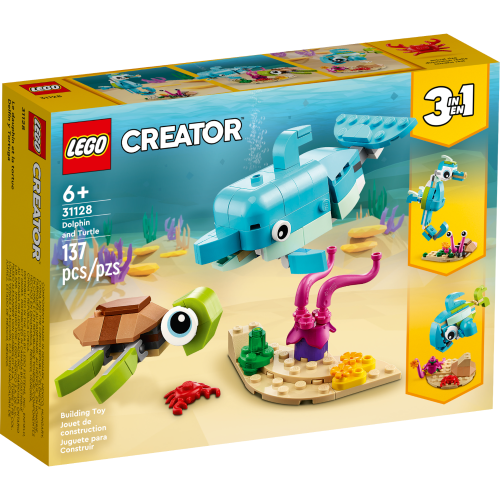 Your price for this item is $55.78
 -
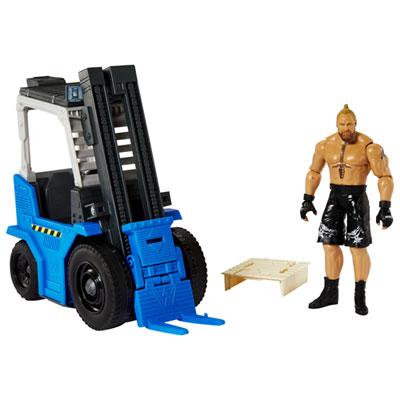 Your price for this item is $44.99
Discover more categories related to Toy Buildings
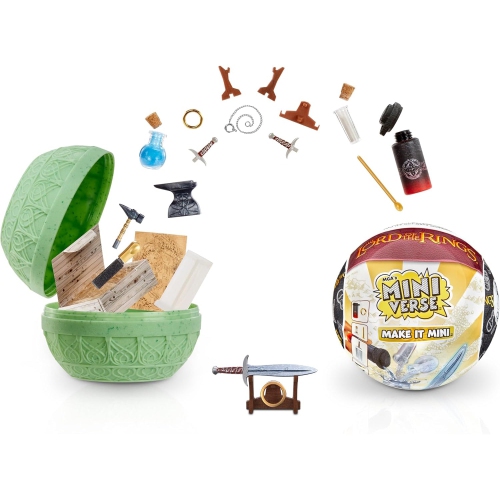
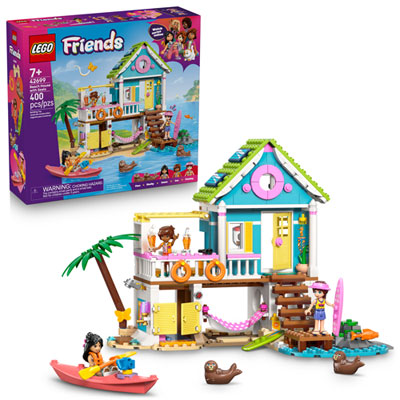
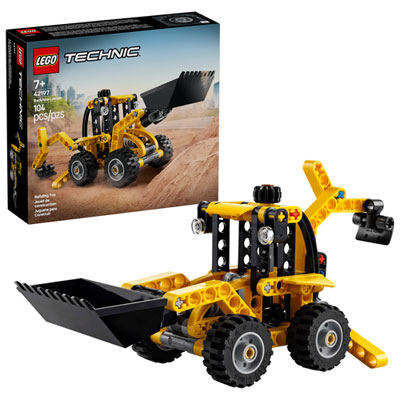
Top Collections:
Pokemon Centers, Kindle Devices, Best Budget Office Chairs, Apple iPhones 16, Best Laptops for Writers, iPhone 15 Apple, Canon G7X Cameras, Refurbished Apple Laptops, Alarm Clock, Motorola Razr Phones
Some products may be subject to Environmental Handling Fees
(EHF) depending on your province.
Learn more about EHFs.