Toy Kitchen Appliances
Explore a world of imaginative play with our collection of toy kitchen appliances. Perfect for little chefs-in-training, these mini replicas of real kitchen gadgets are designed to spark creativity and provide hours of entertainment. From tiny toasters to pint-sized coffee makers, these realistic toys will have your child whipping up make-believe meals in no time. Let their culinary adventures begin with our range of toy kitchen appliances that are sure to delight and inspire young minds.
Sort
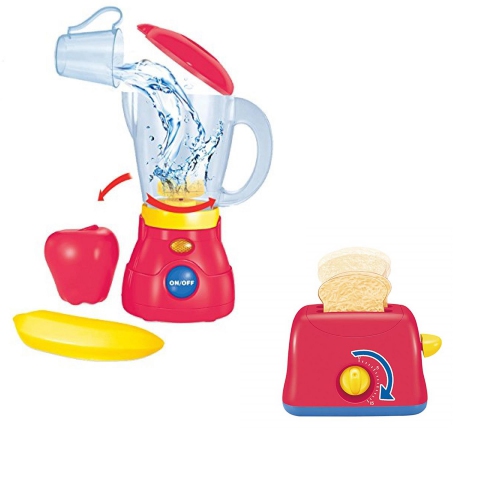
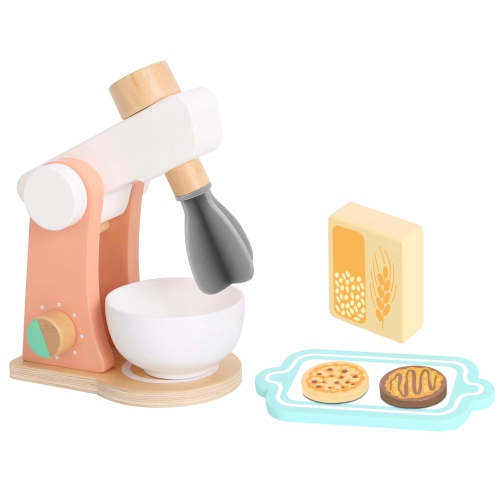
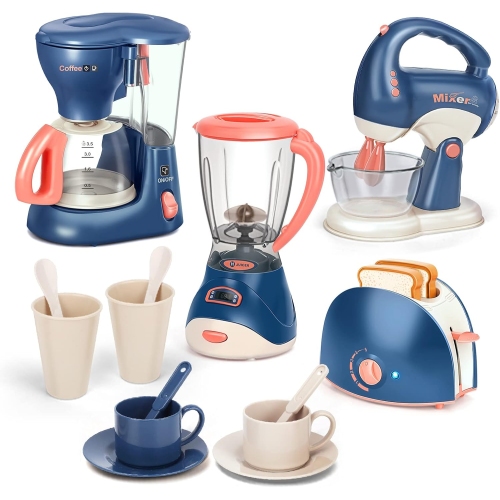
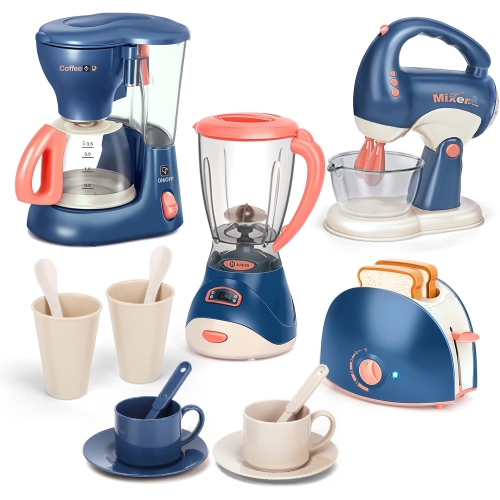
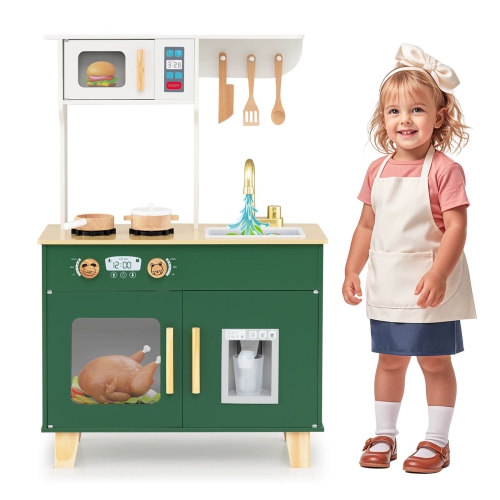
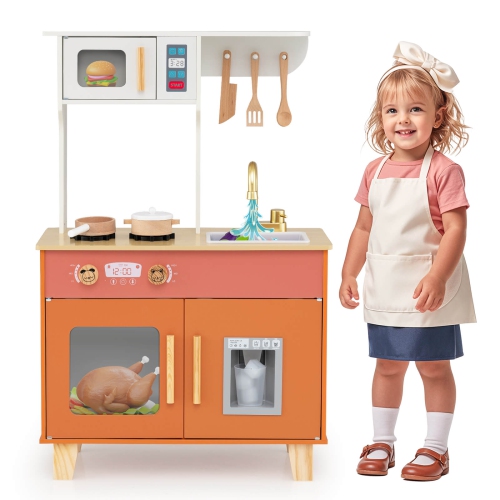
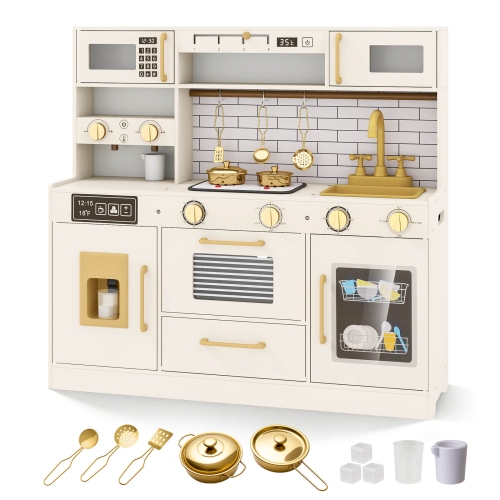
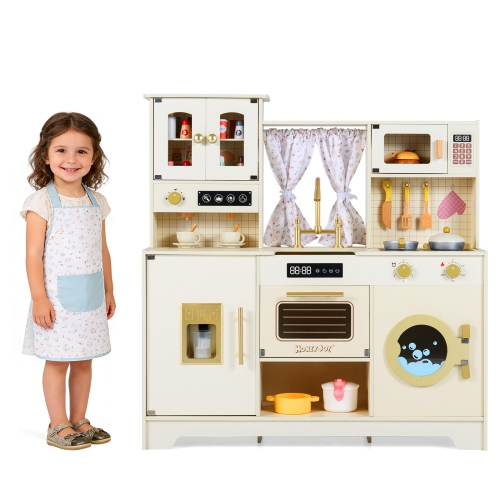


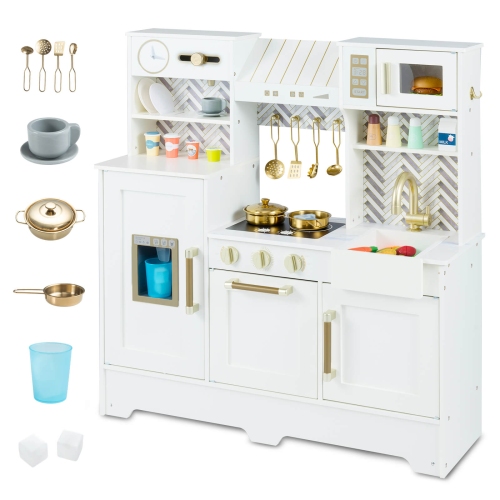
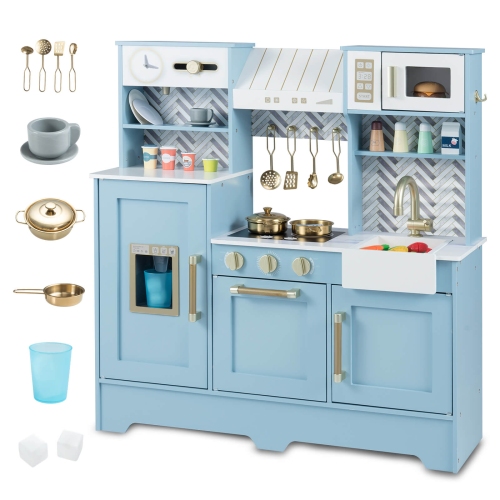


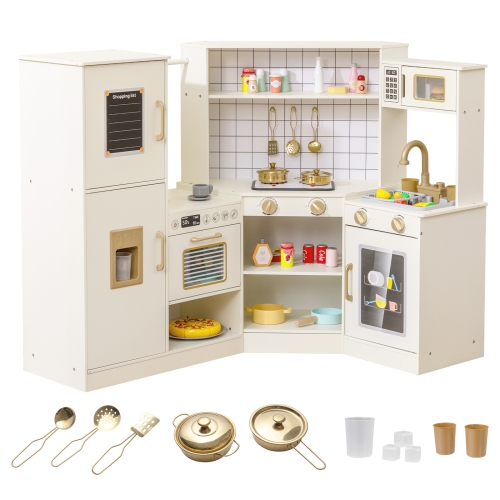
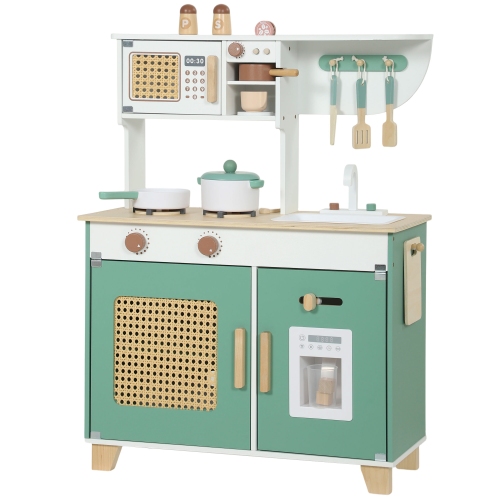
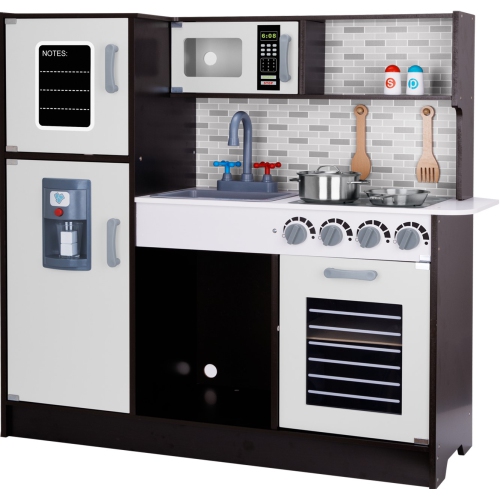

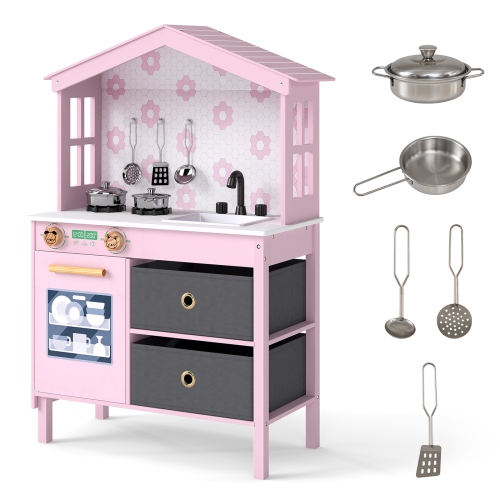


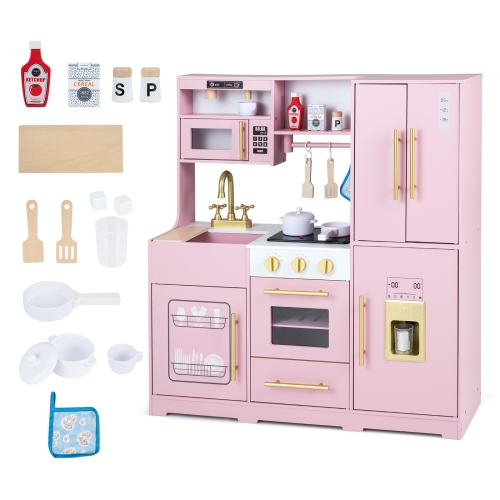

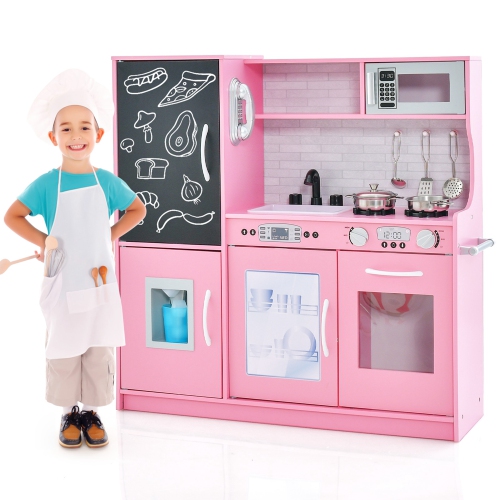

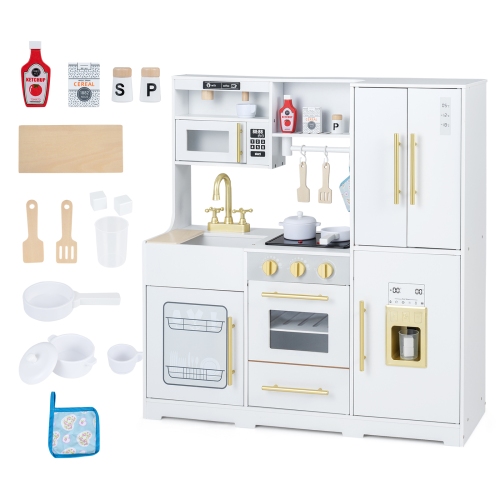
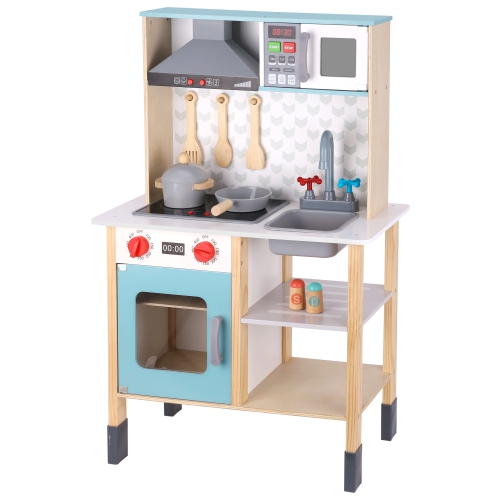
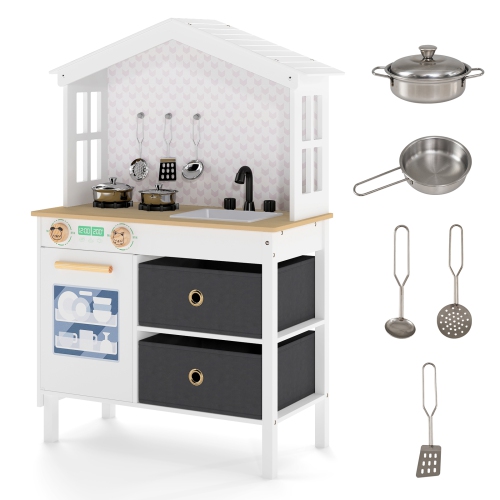
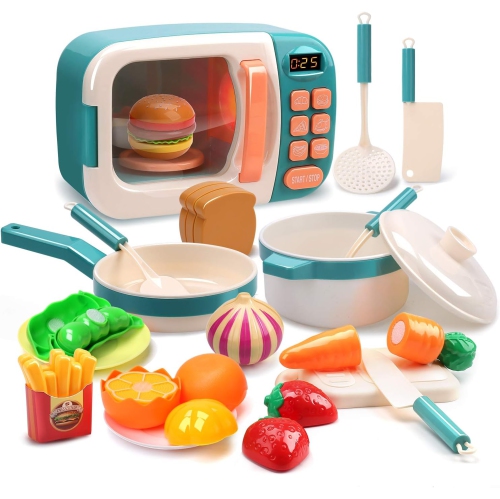

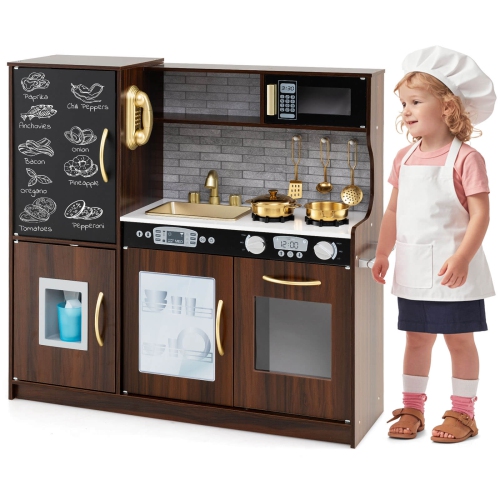
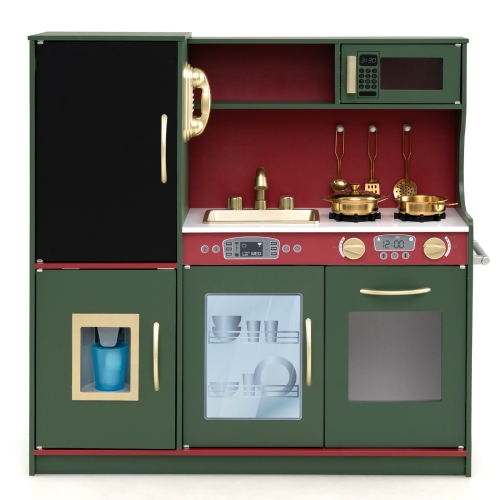
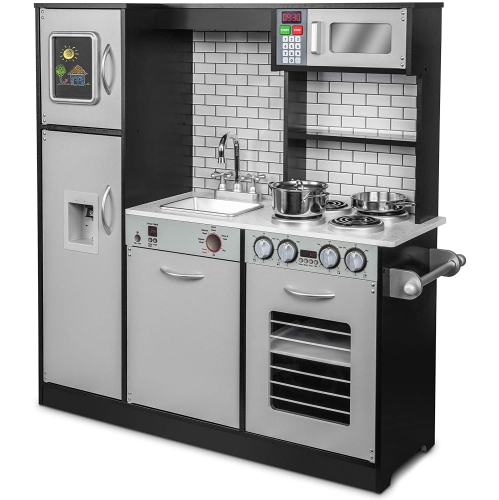

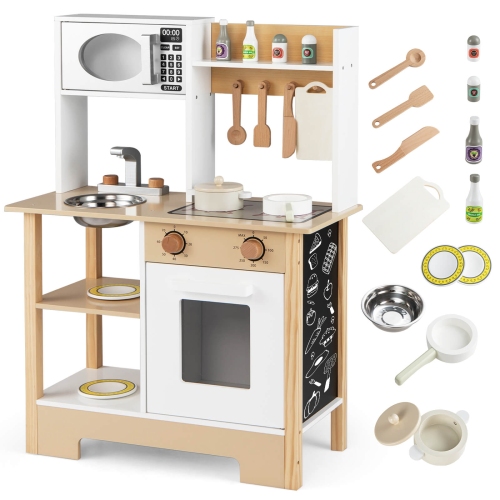
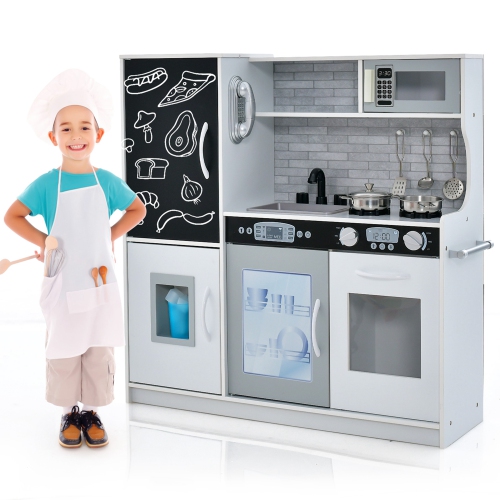
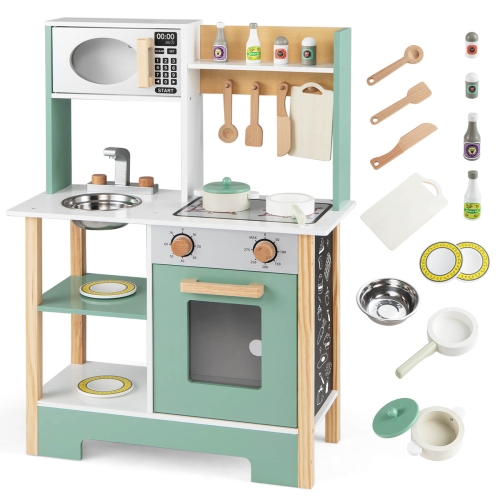
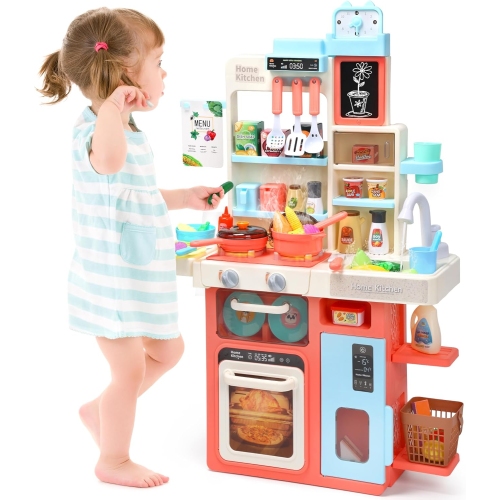
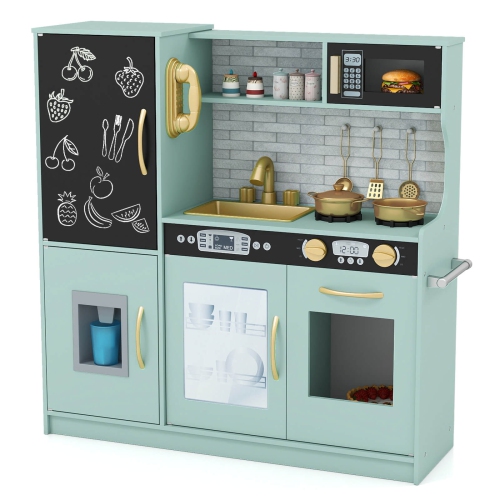
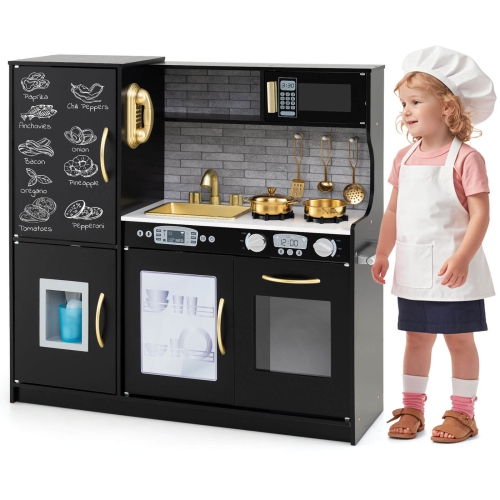

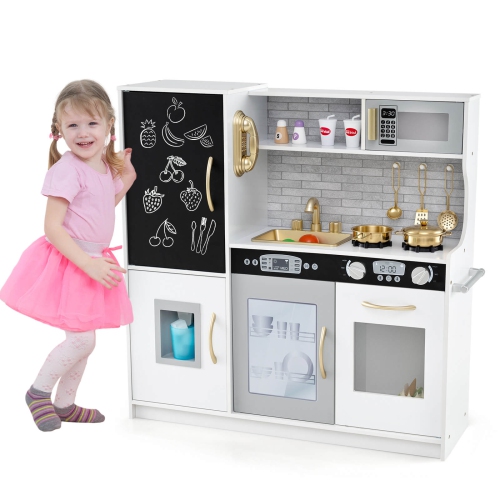
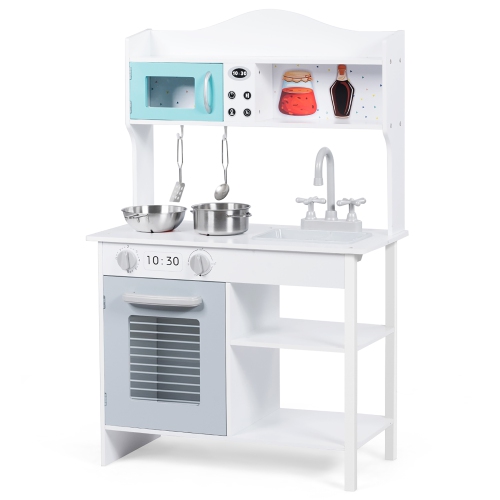

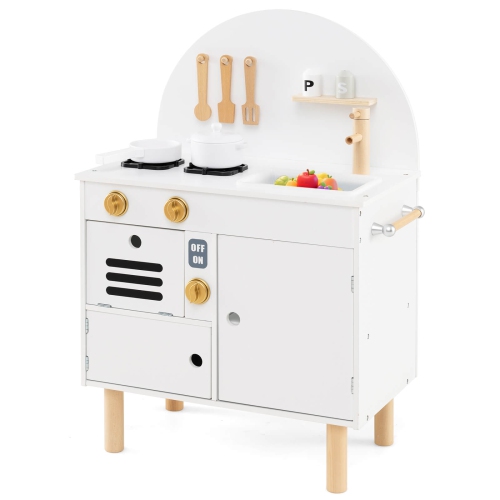
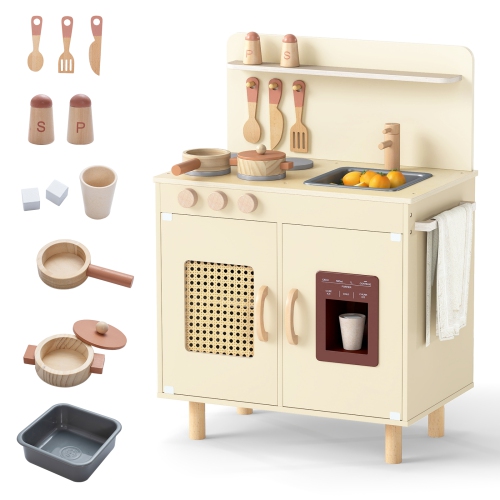
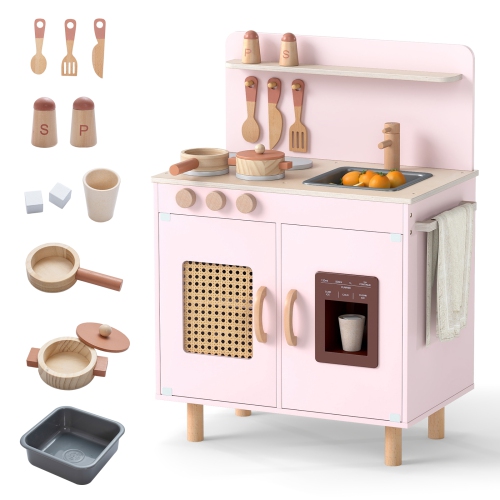

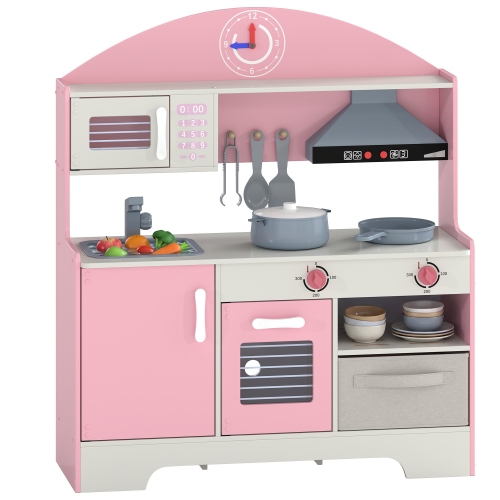

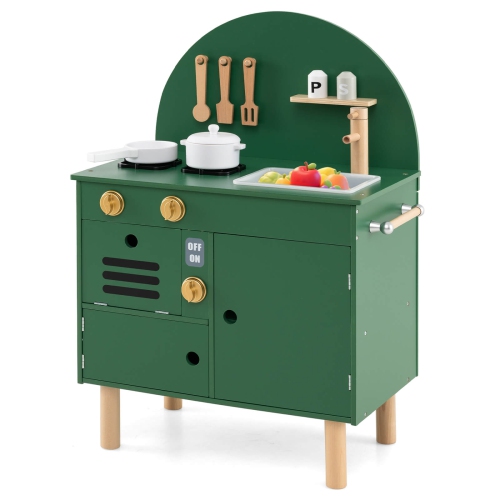
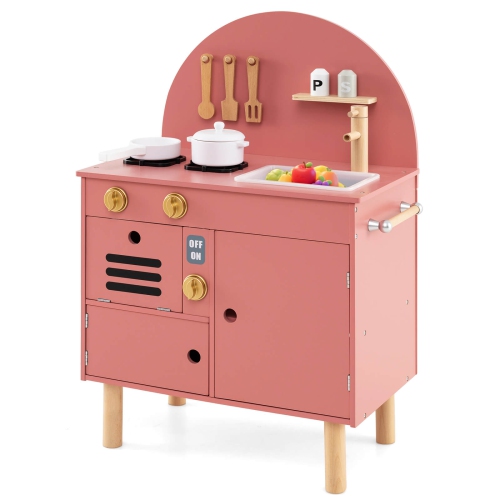
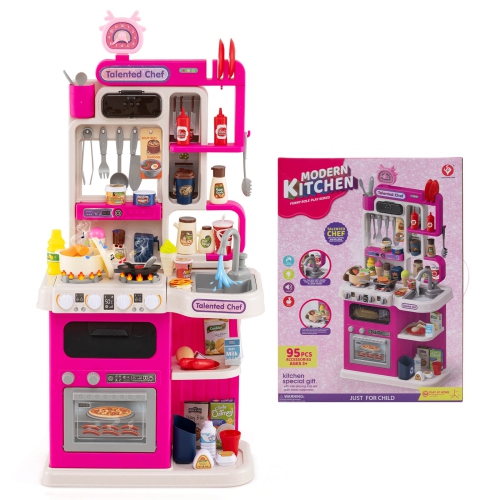
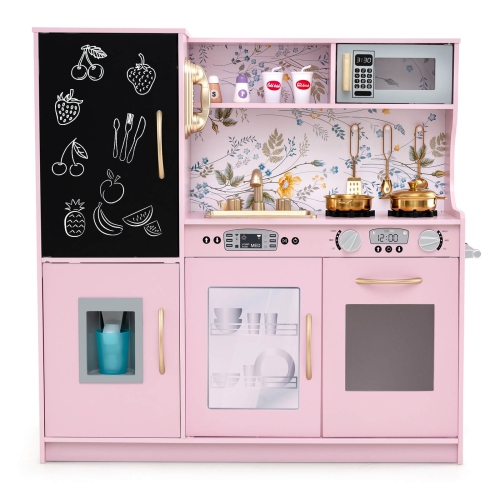
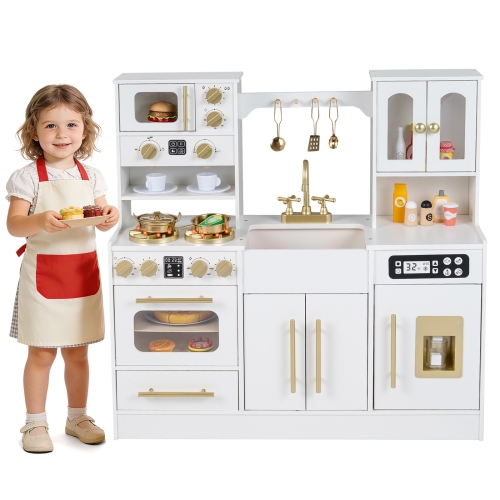
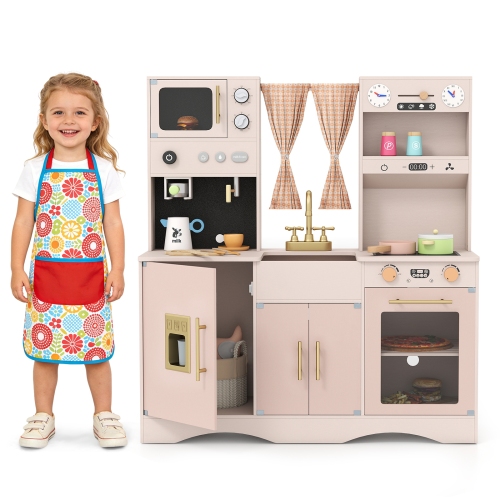
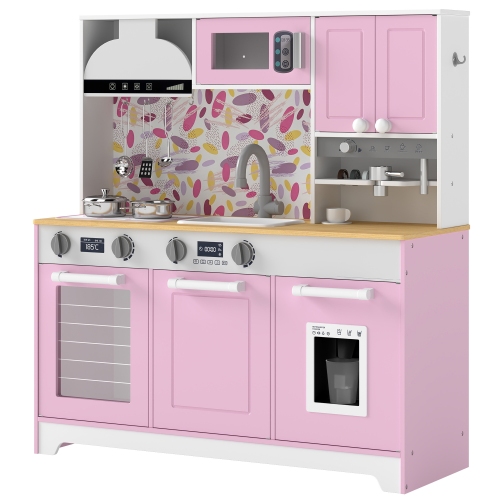
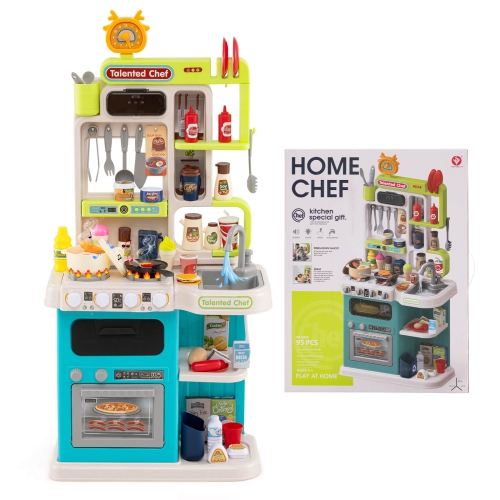
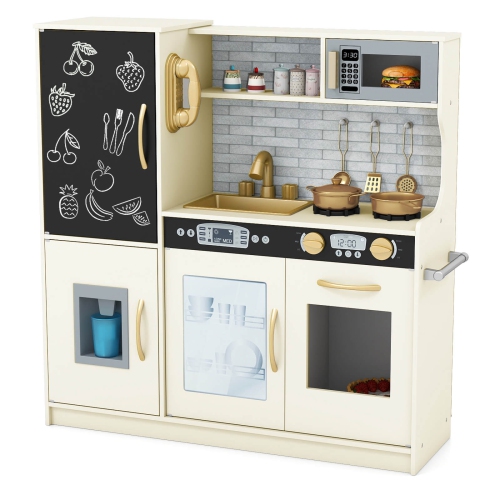
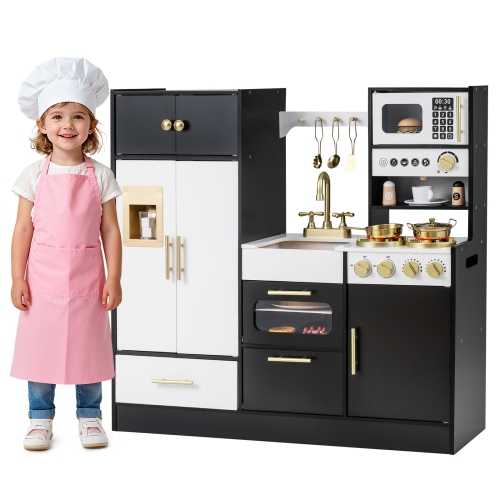
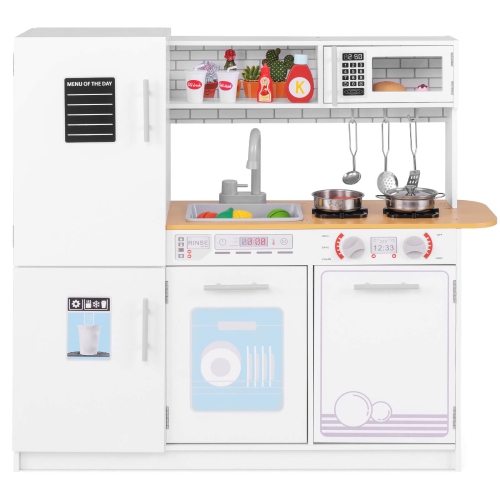
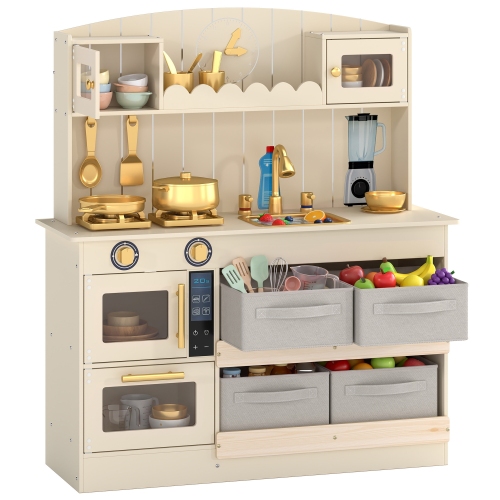
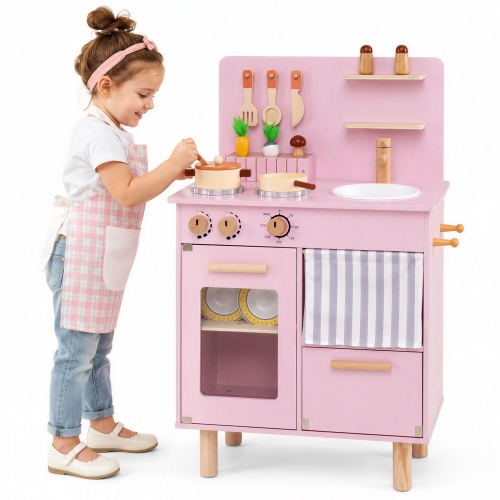
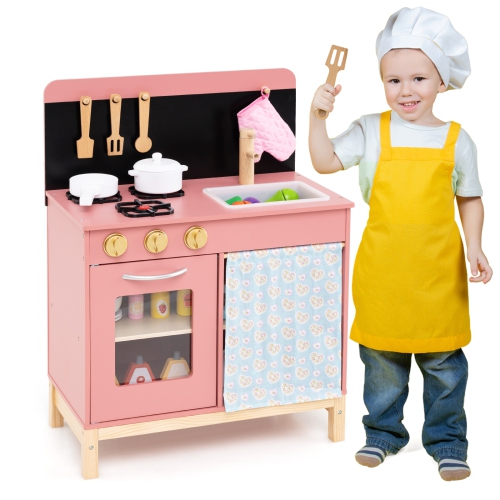
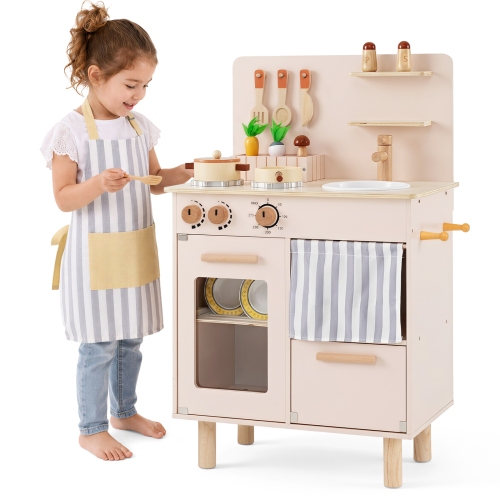

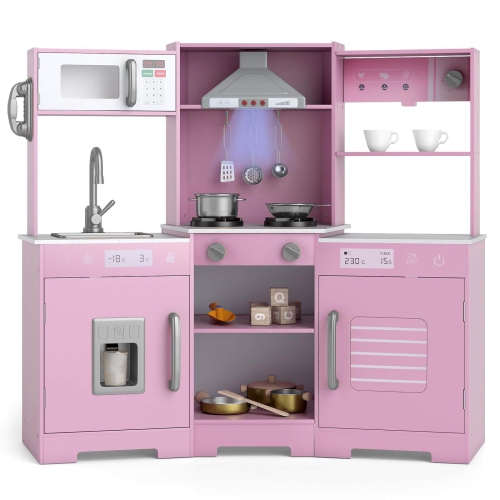

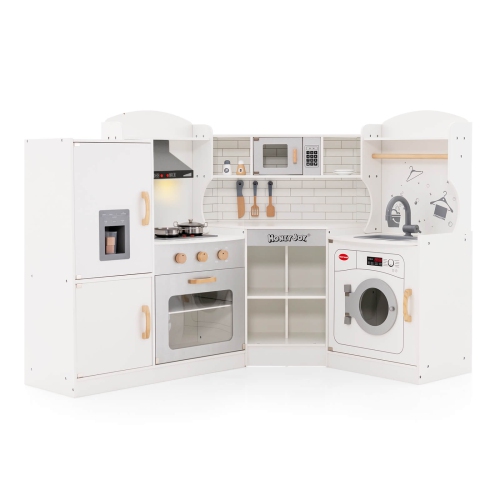
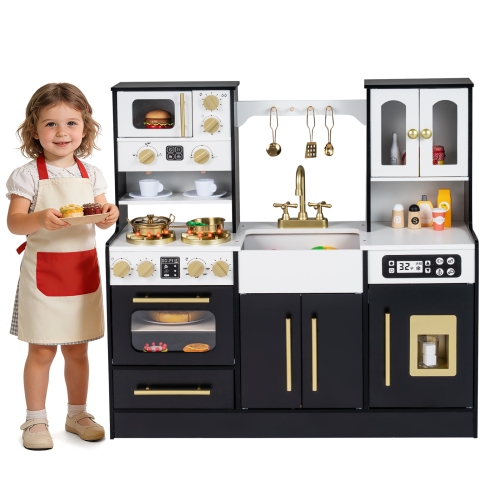
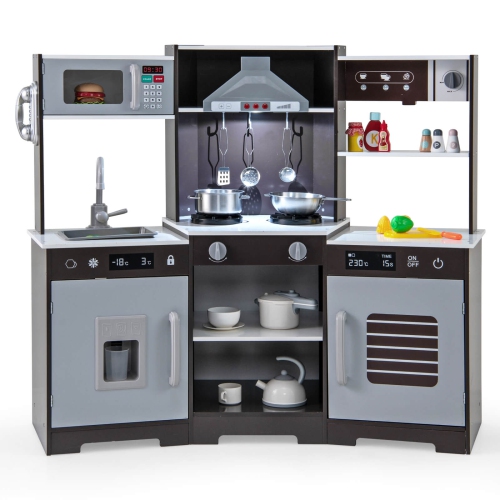
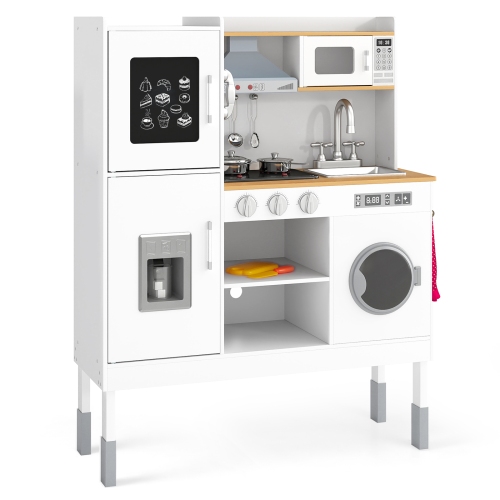
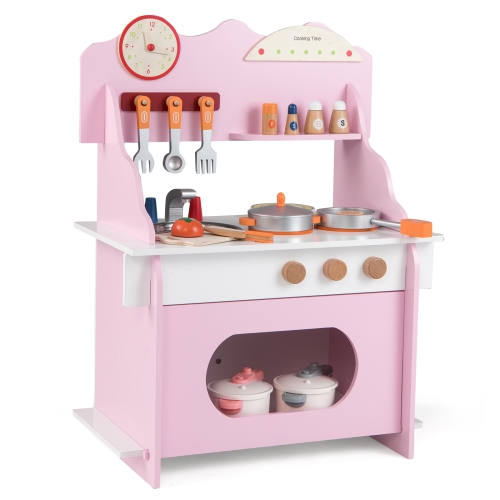
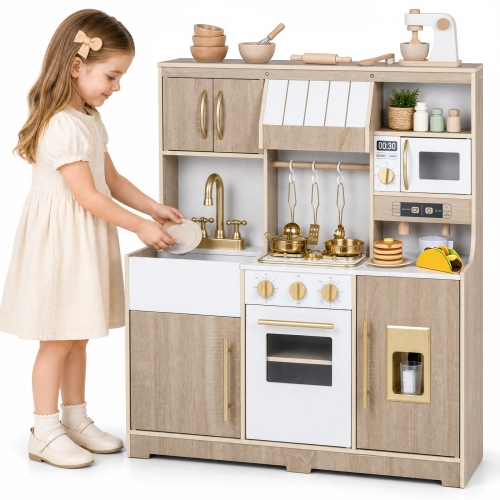
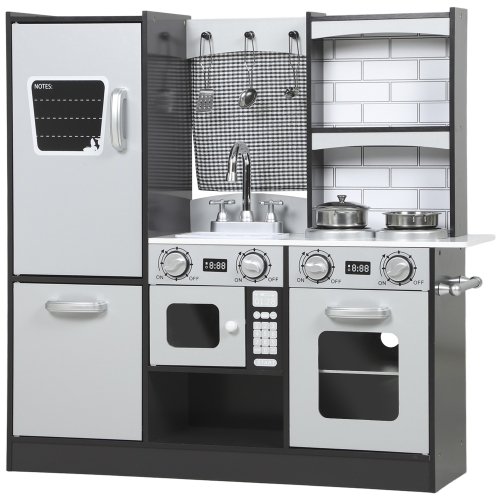


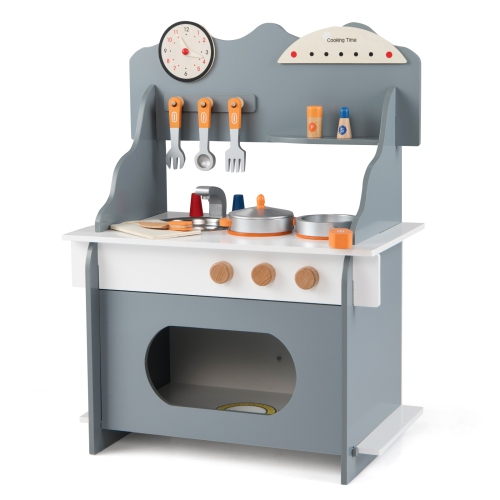
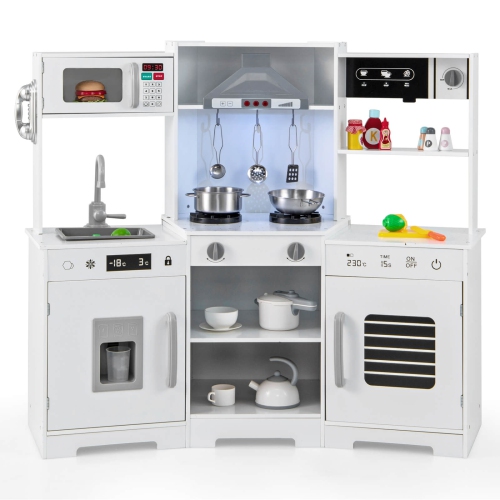
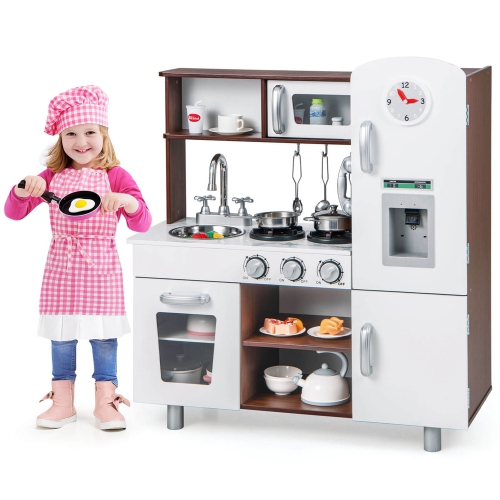
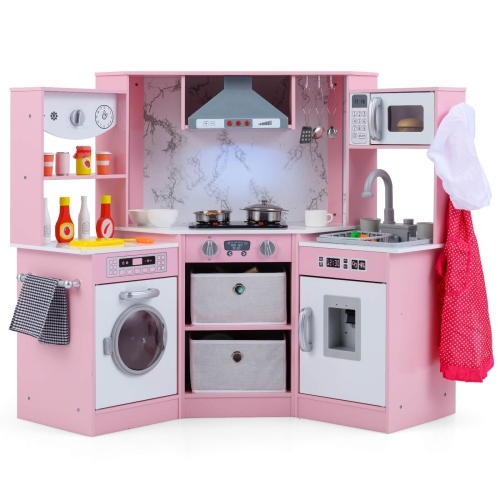
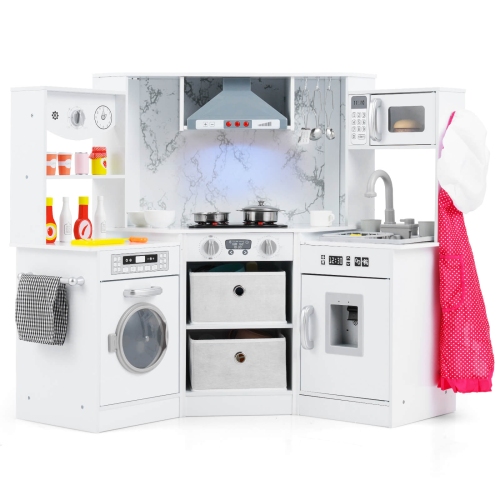
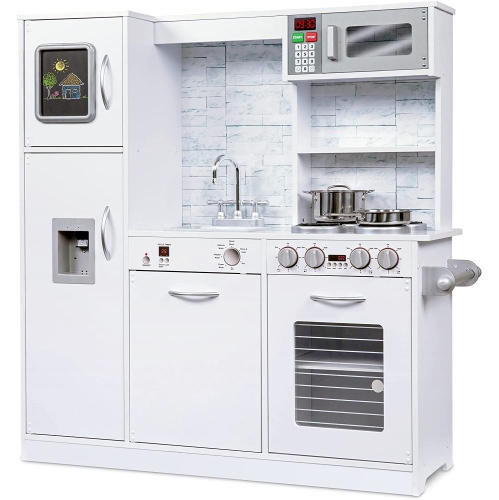
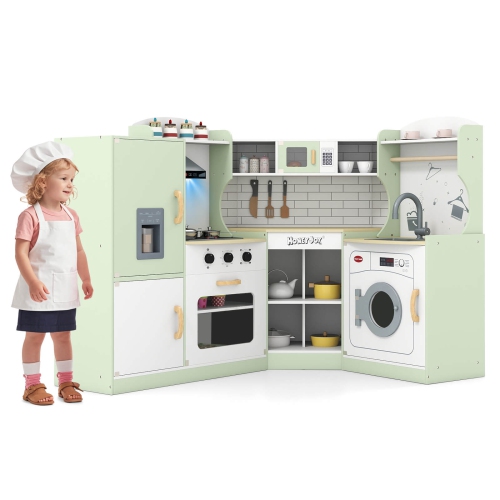
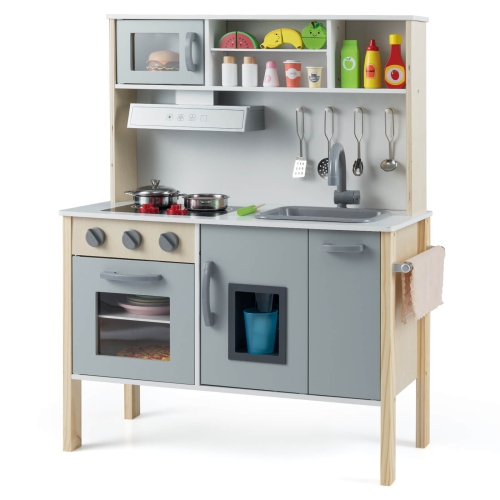
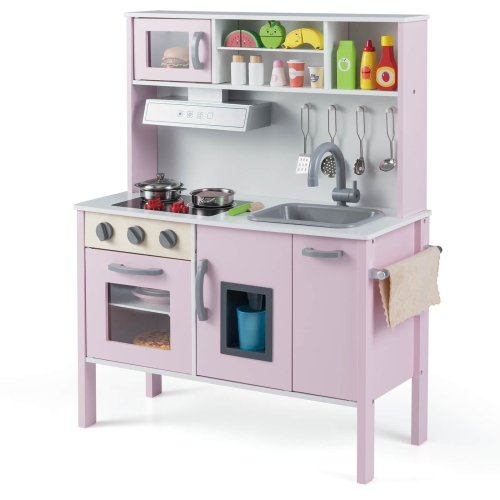
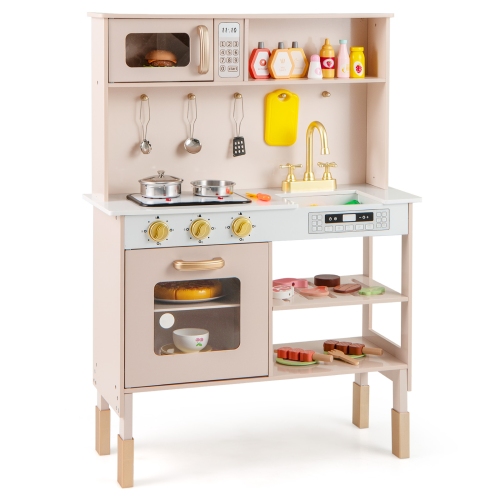
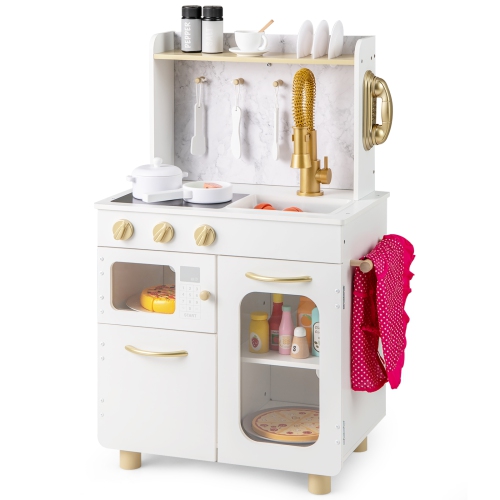

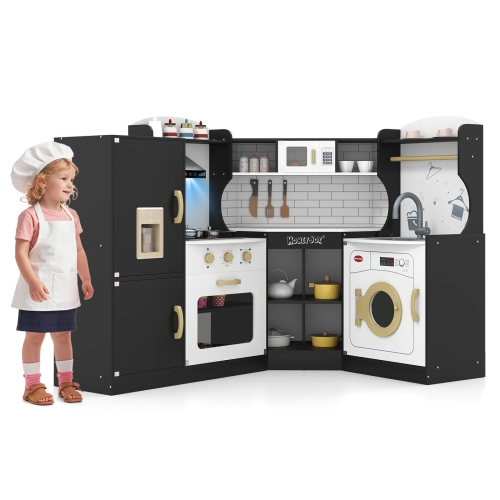


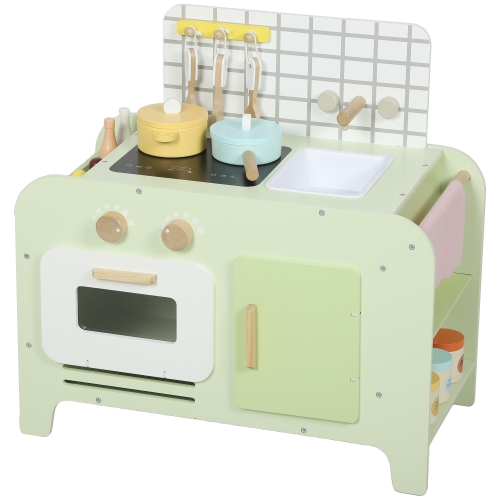
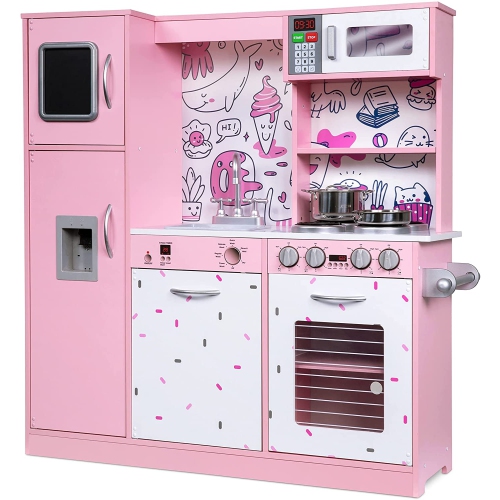

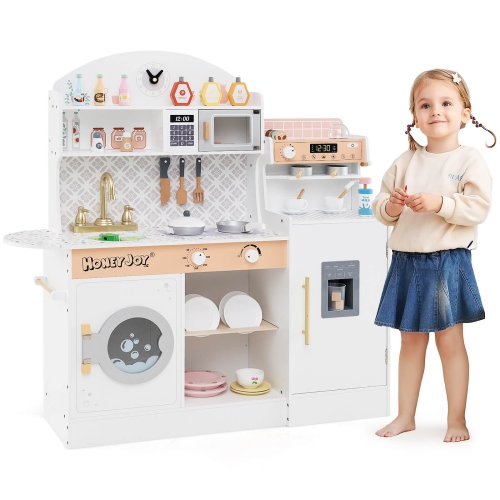
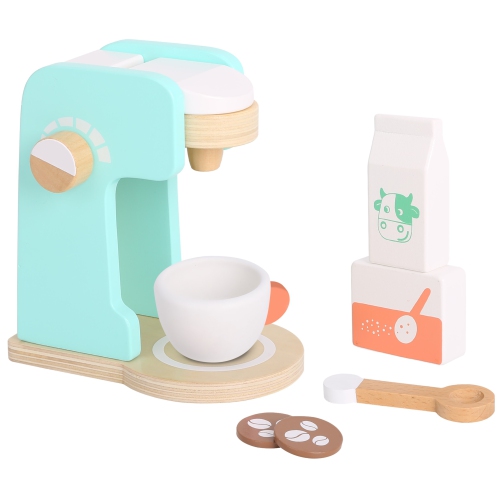
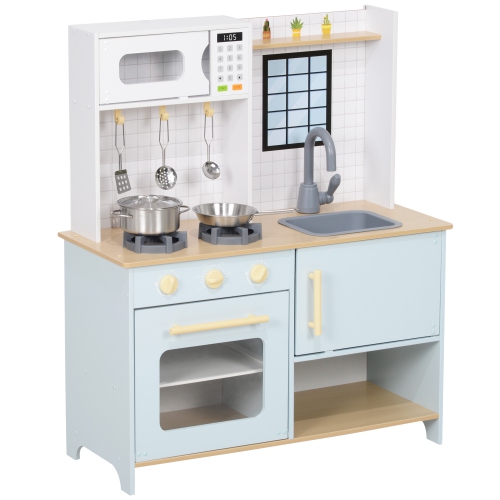
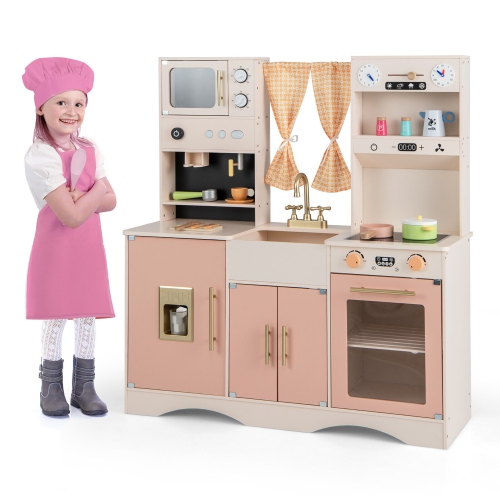
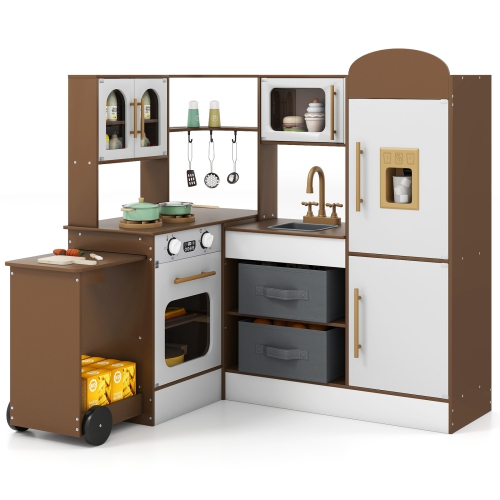
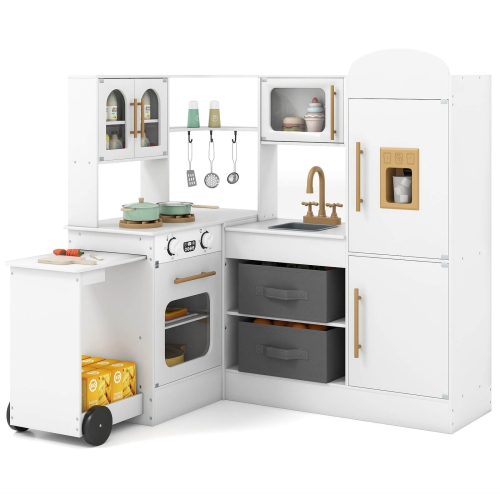
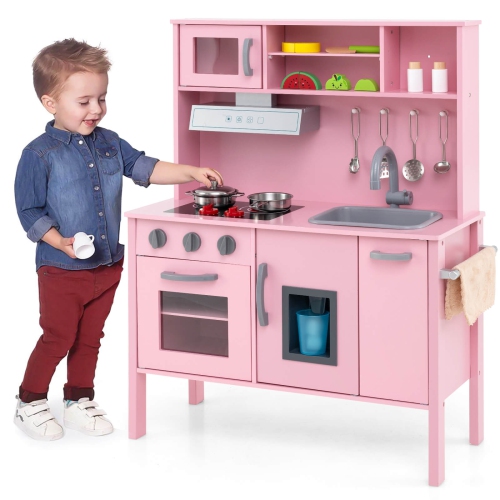
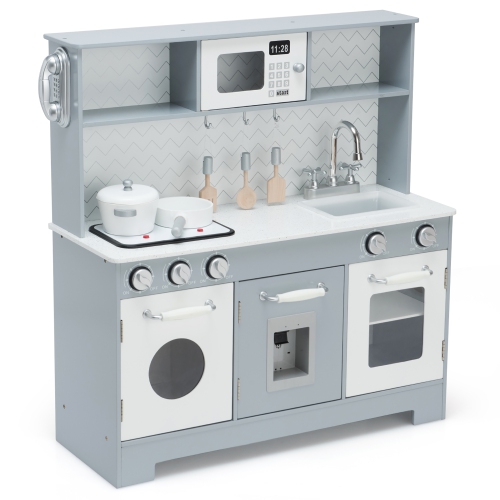
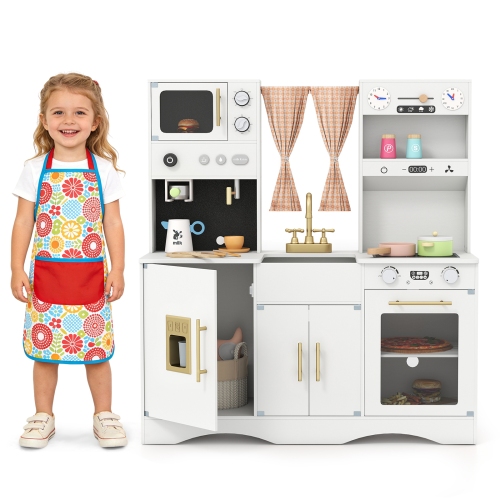
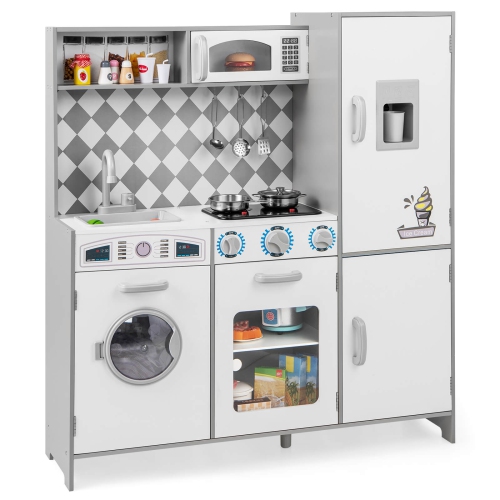
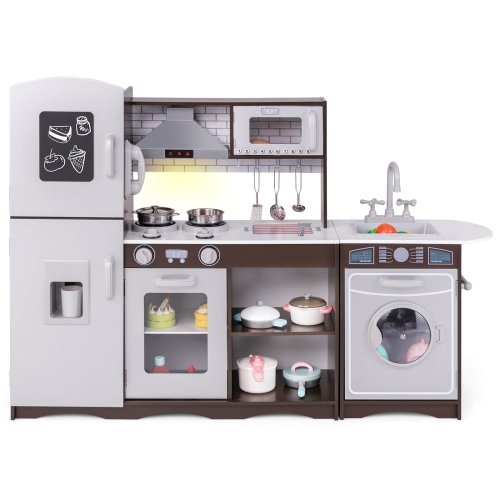

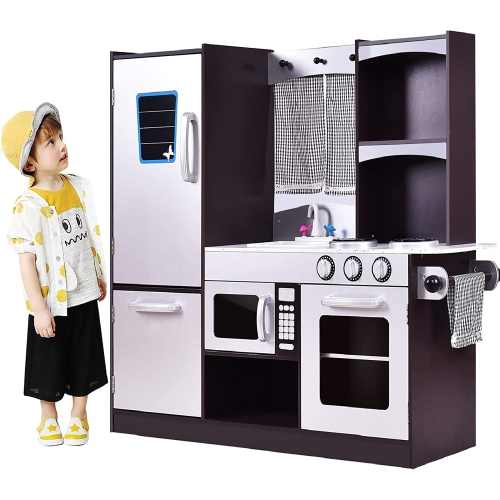

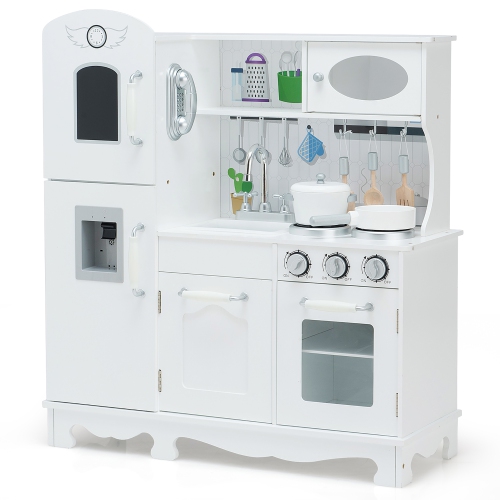
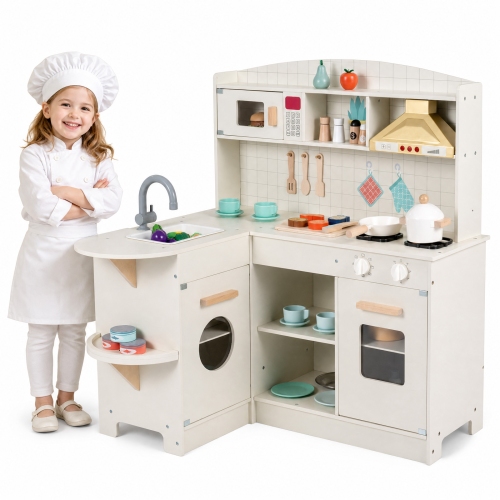
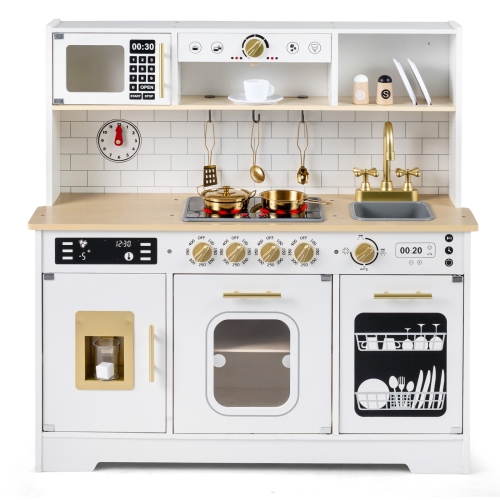
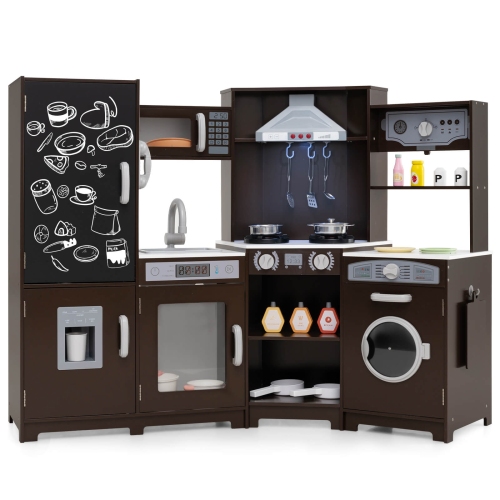
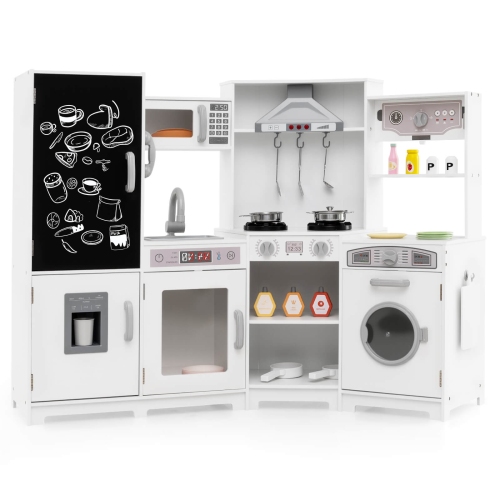
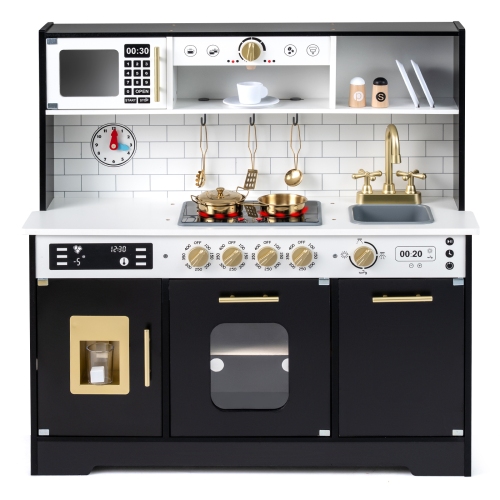
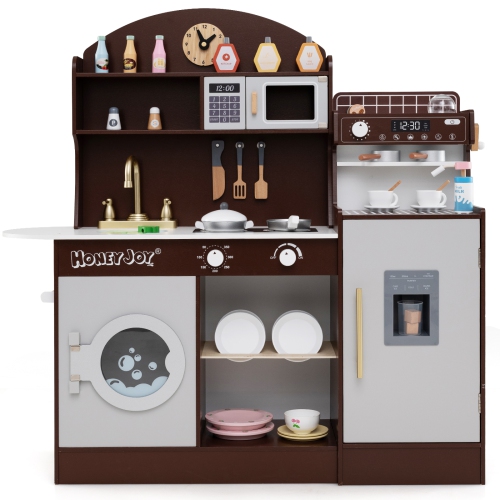
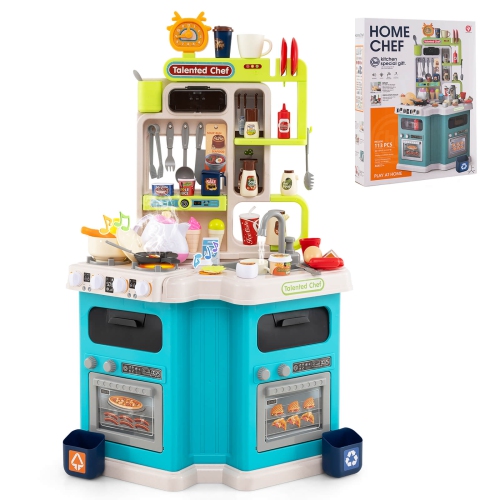

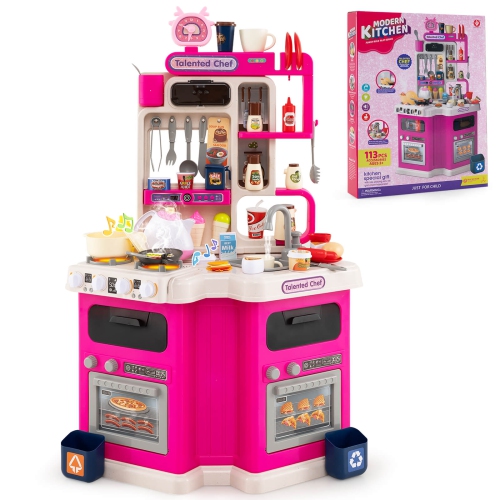
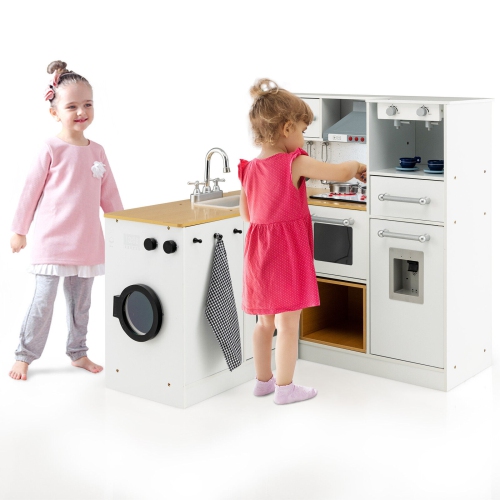
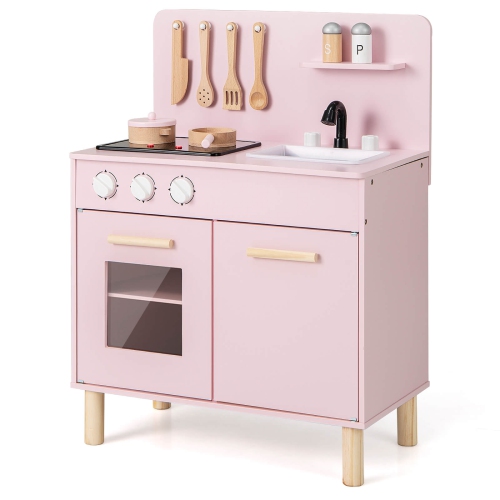
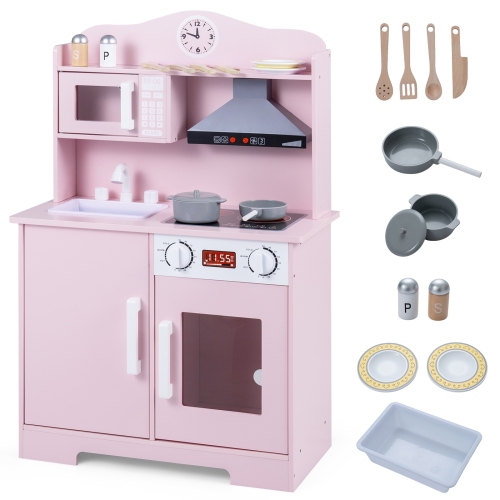
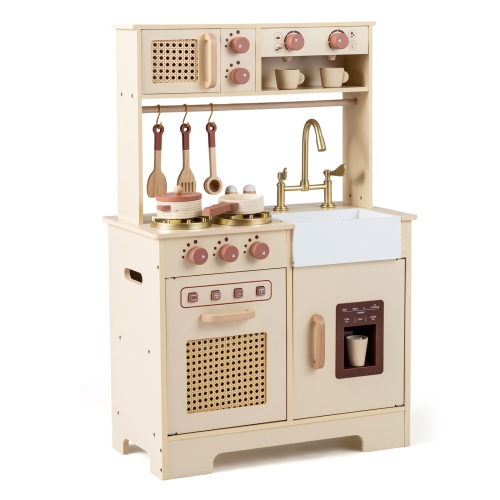
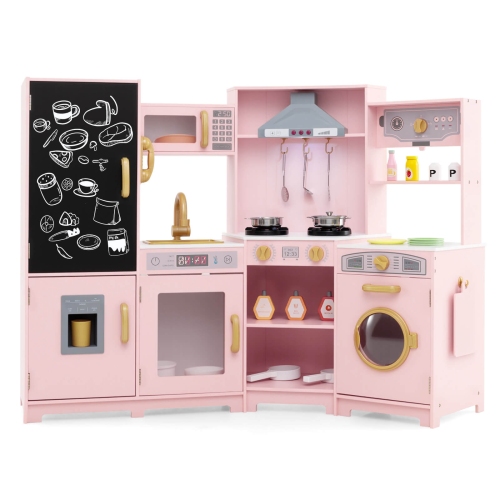
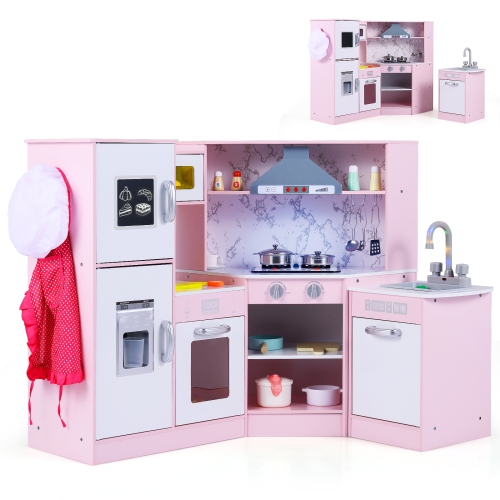
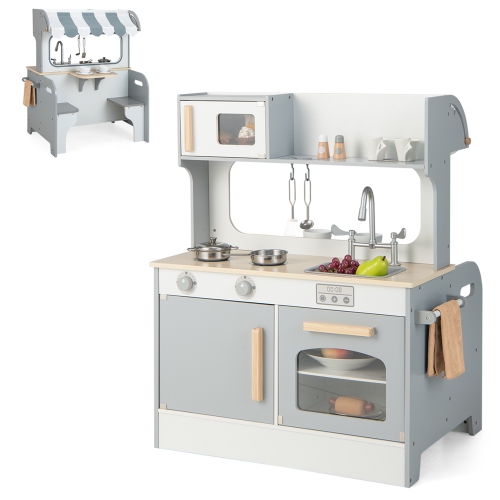
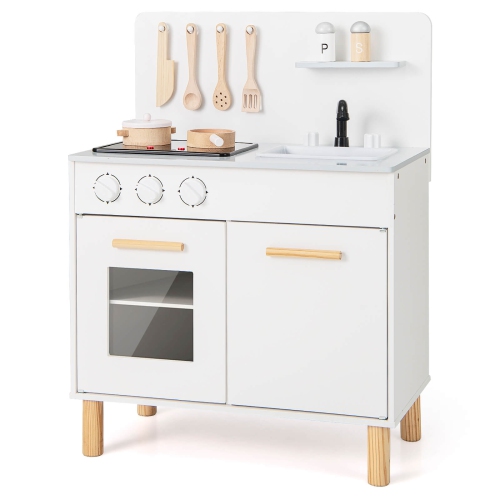
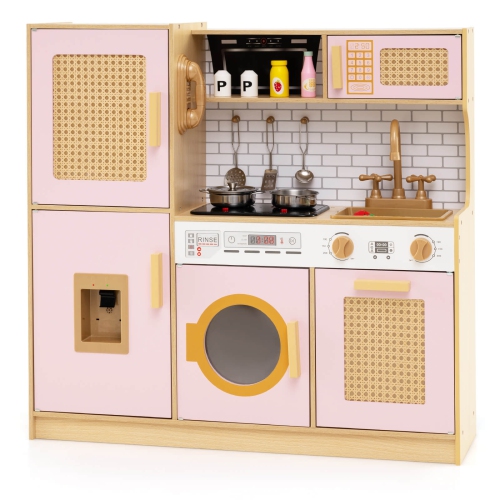
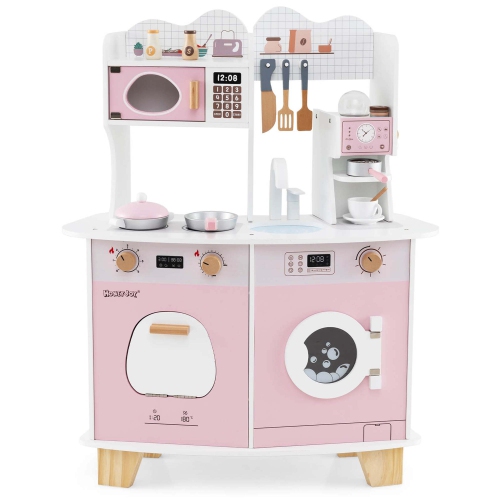
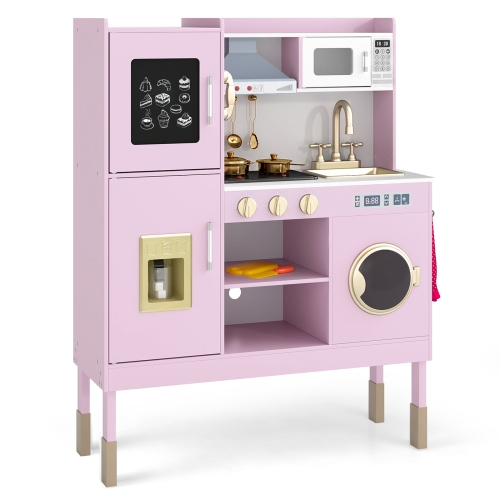

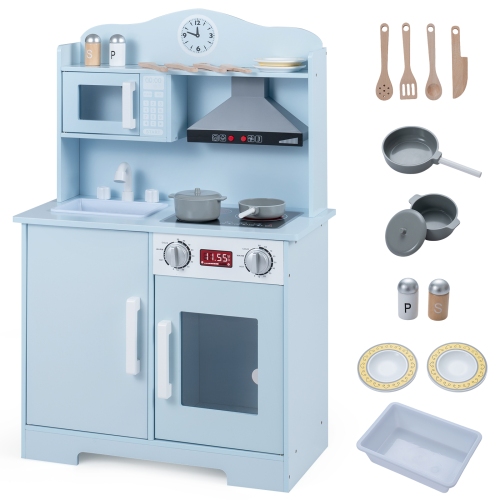


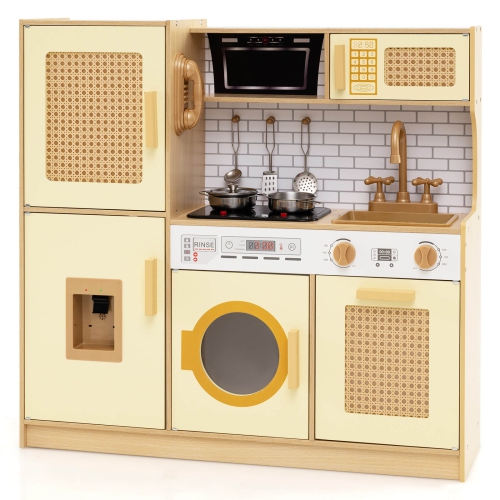
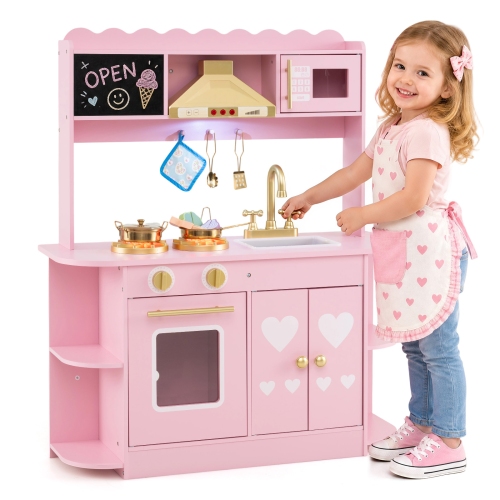
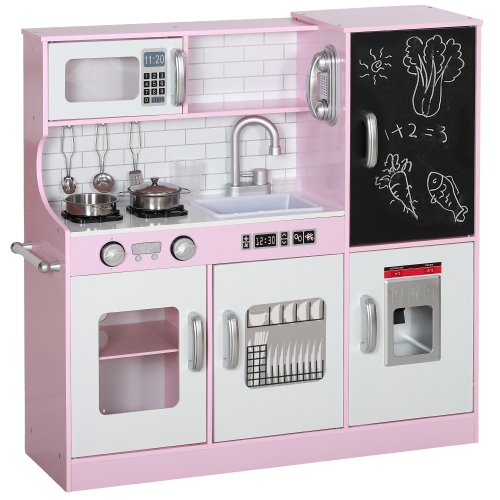
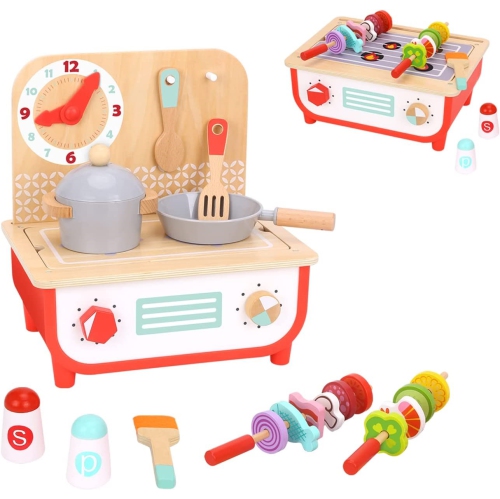

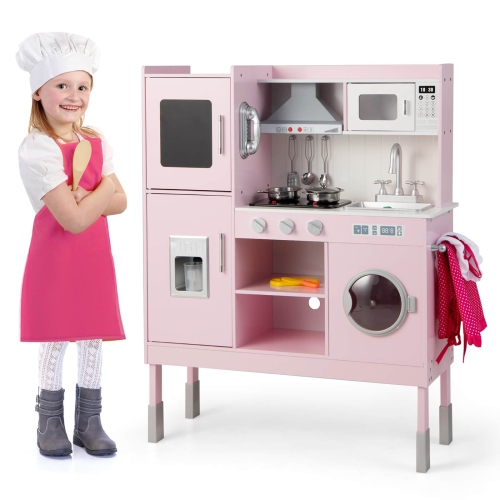
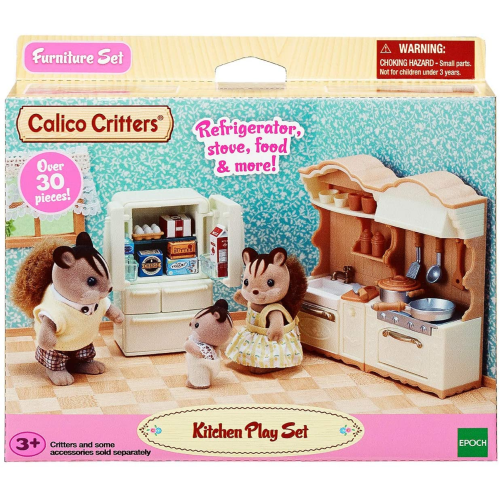
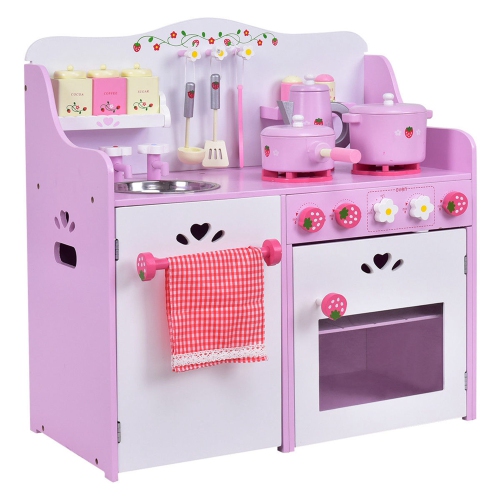
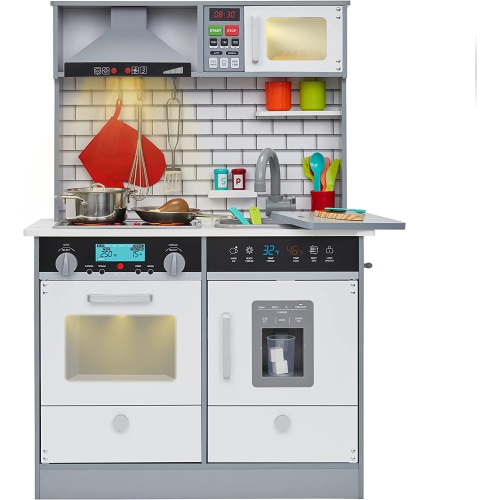
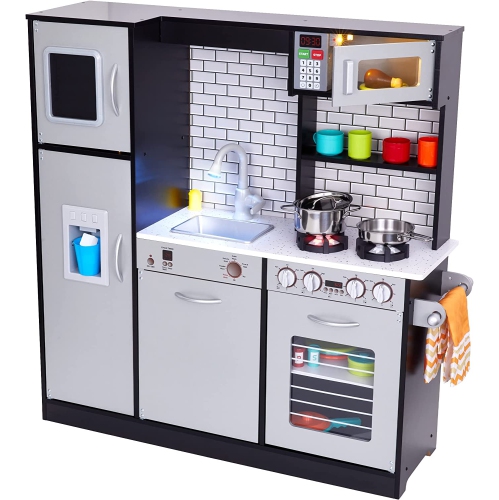
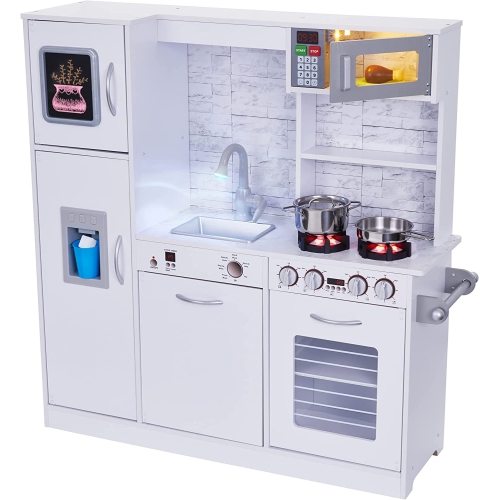

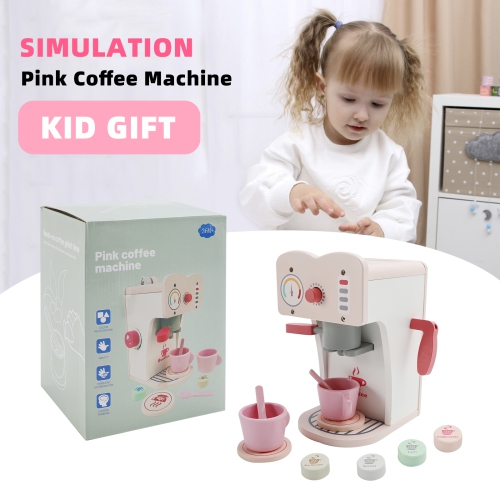


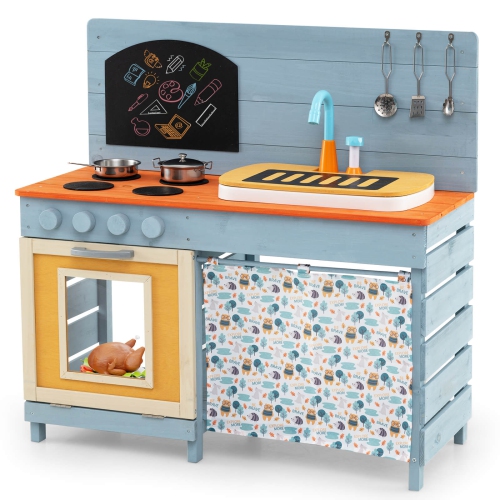
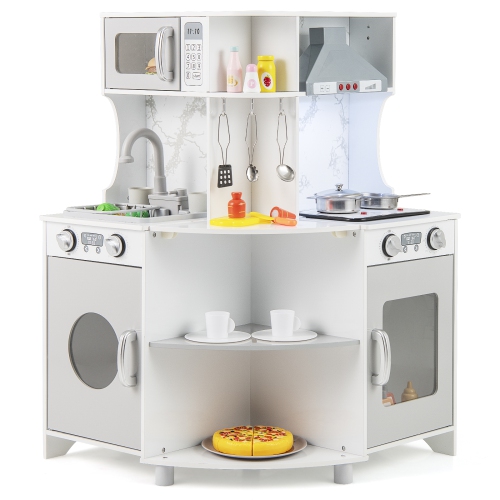

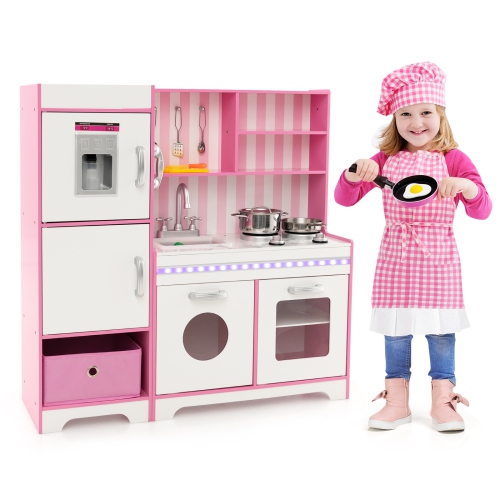
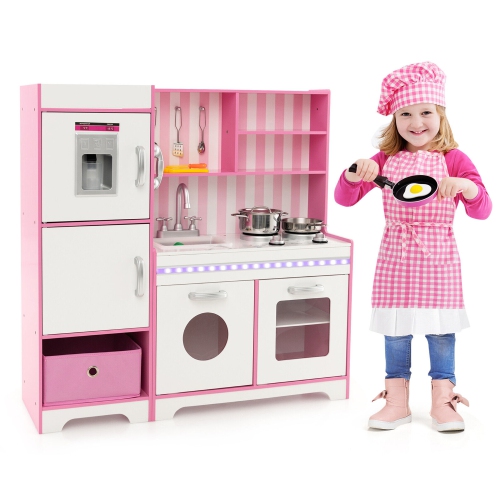
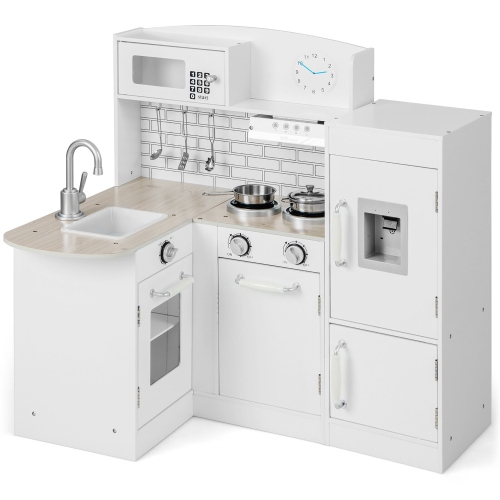
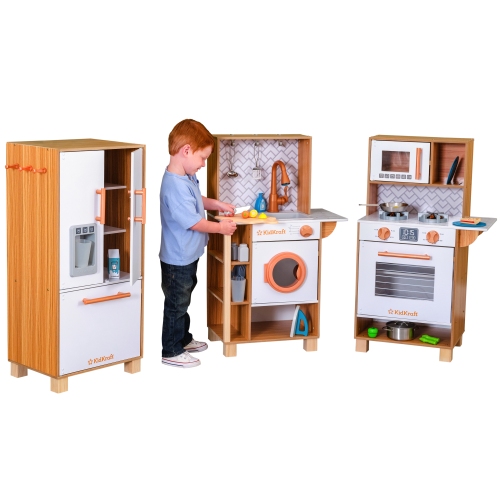
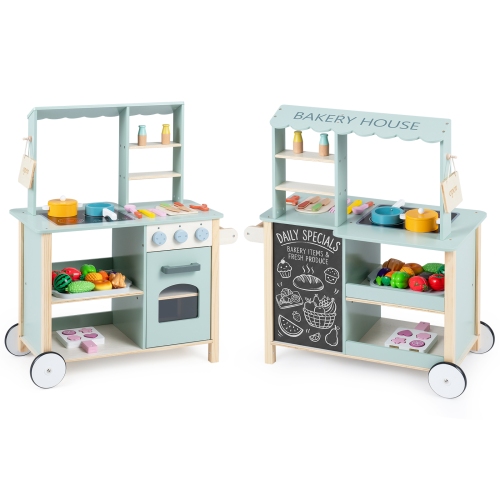
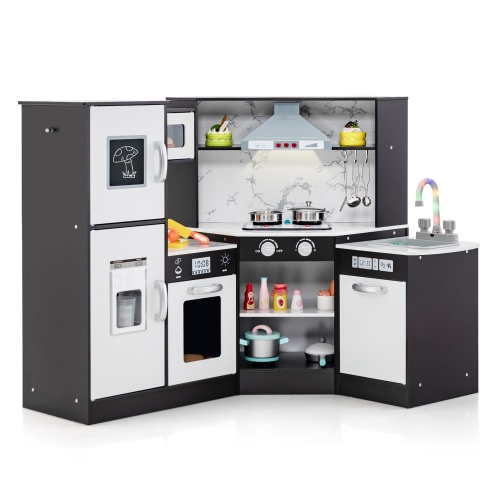
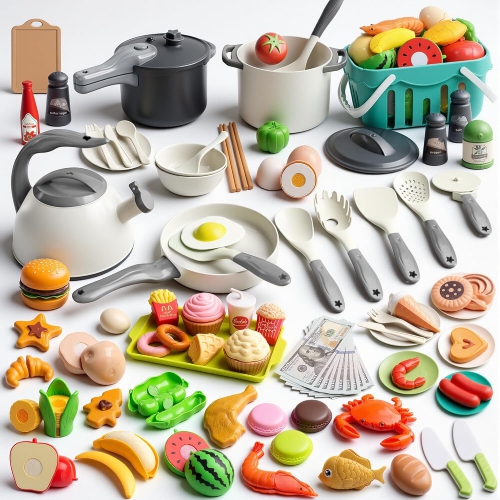
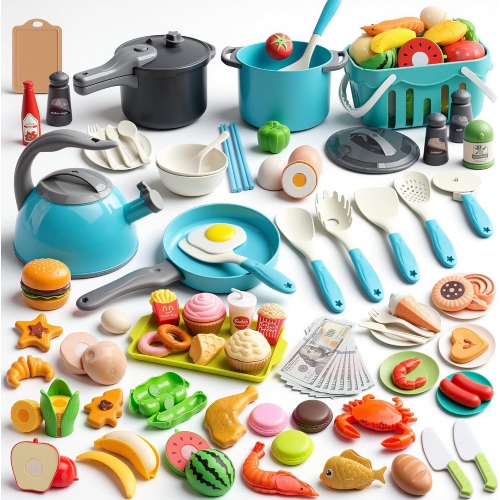
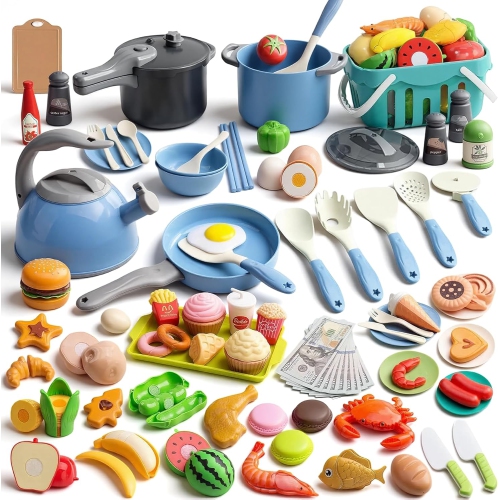
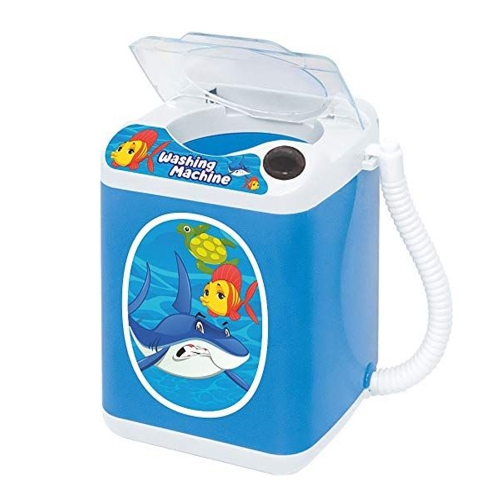
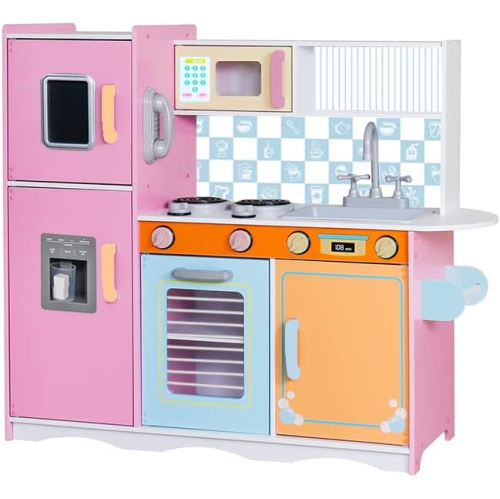
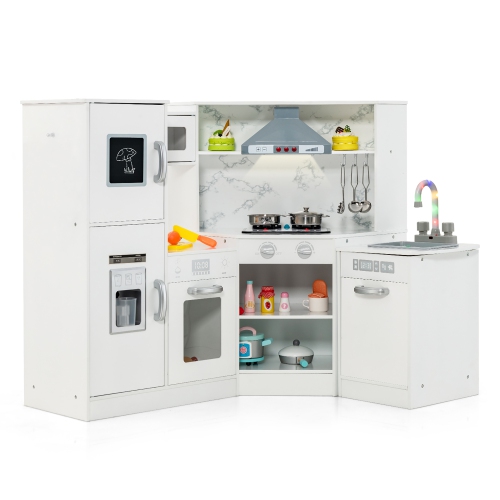
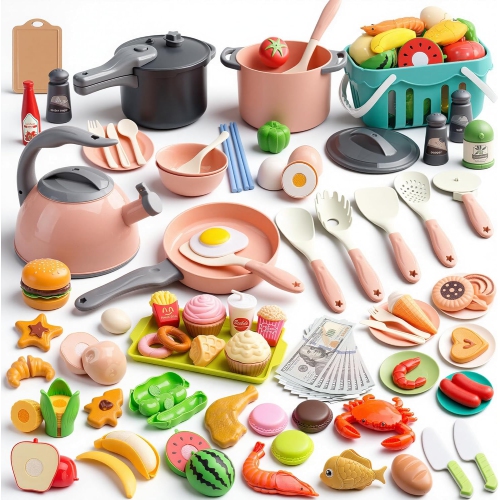
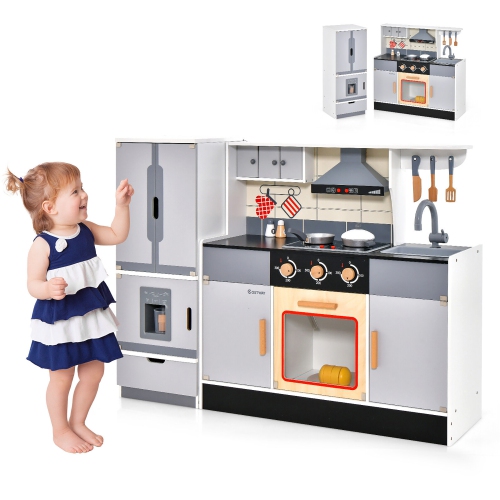
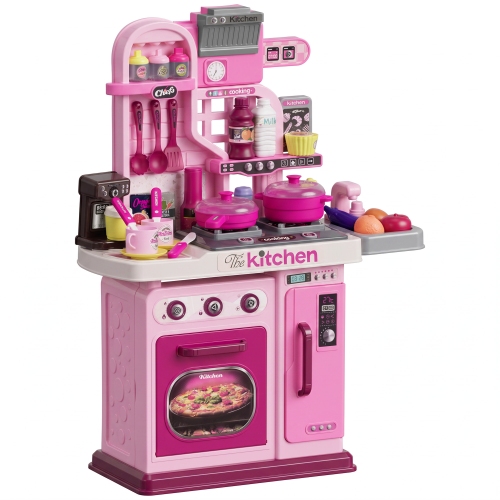
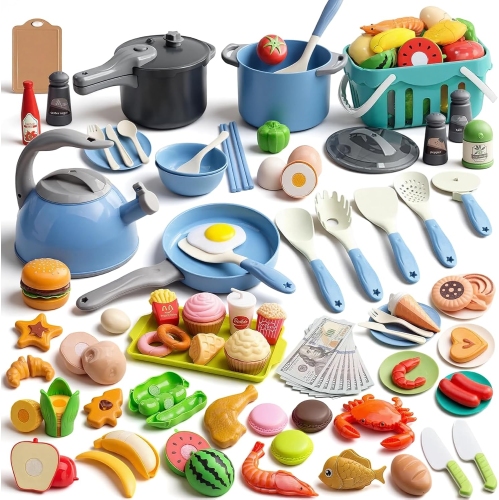
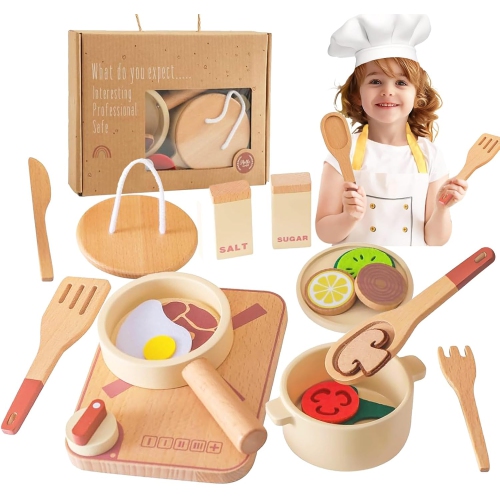
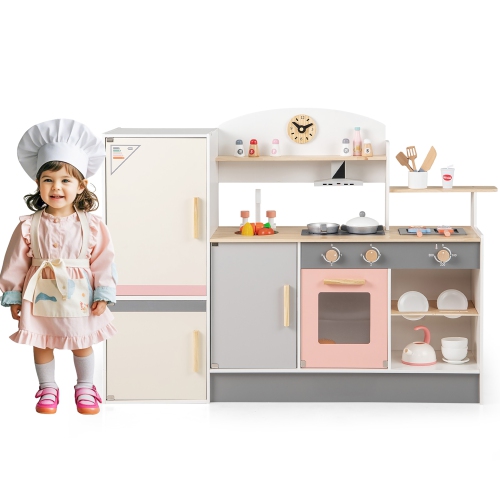
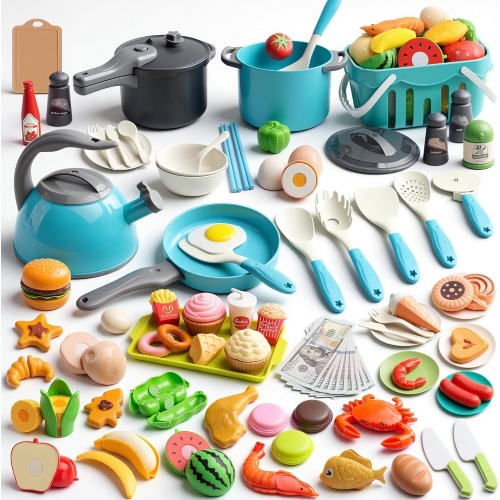
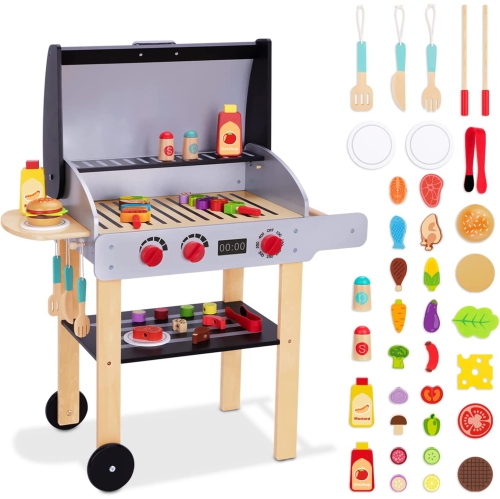
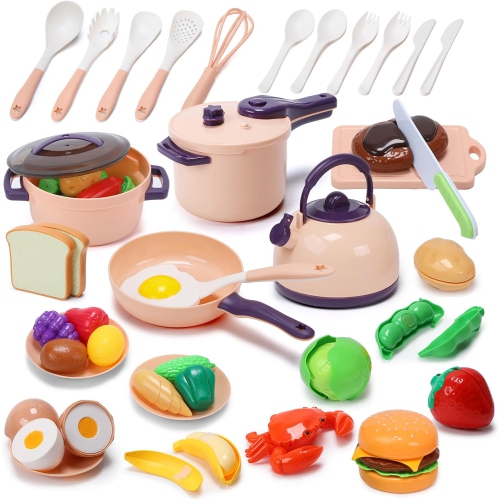
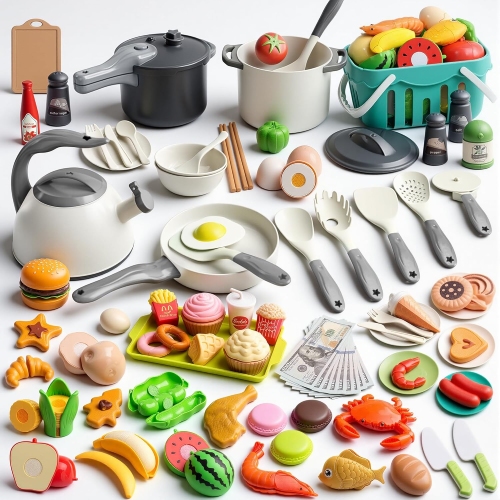
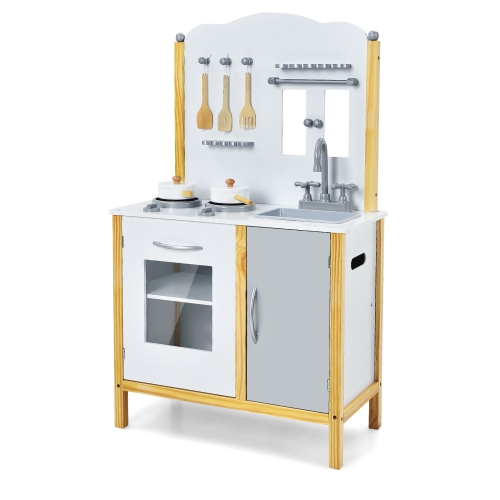
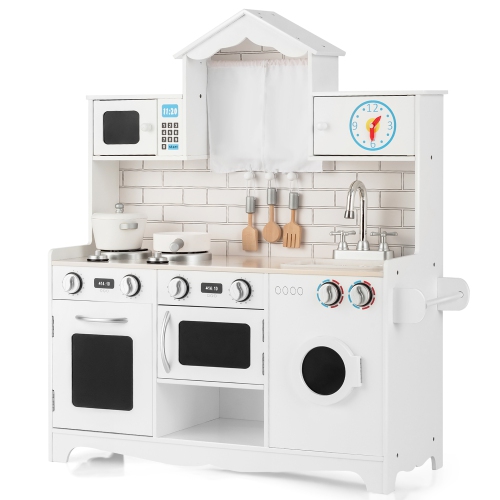
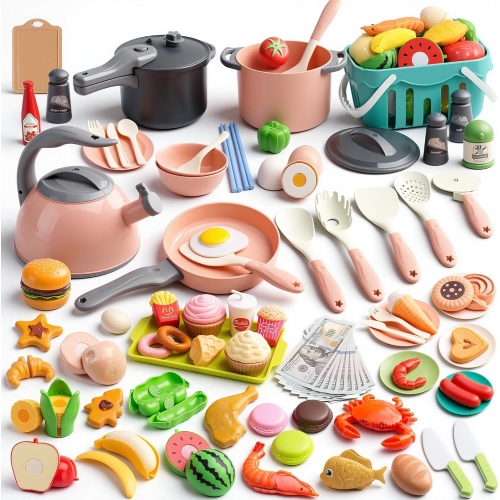

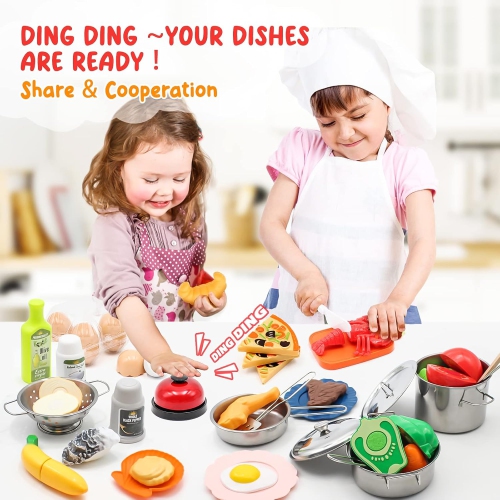
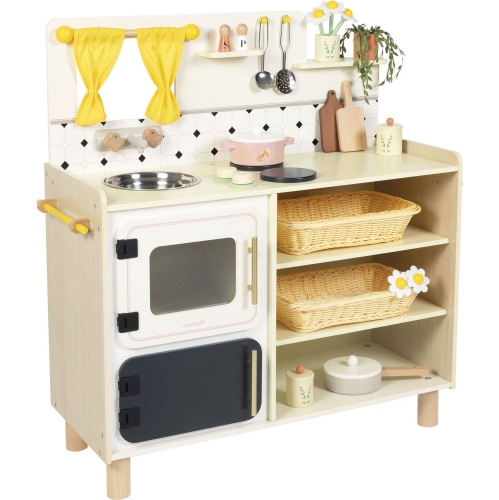
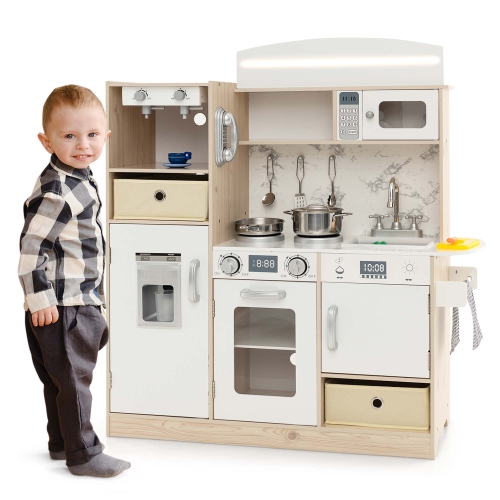
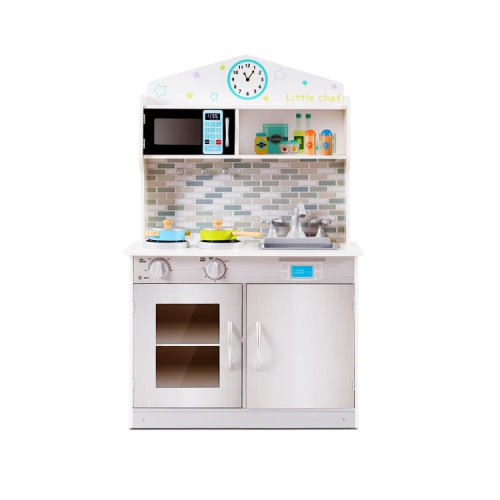
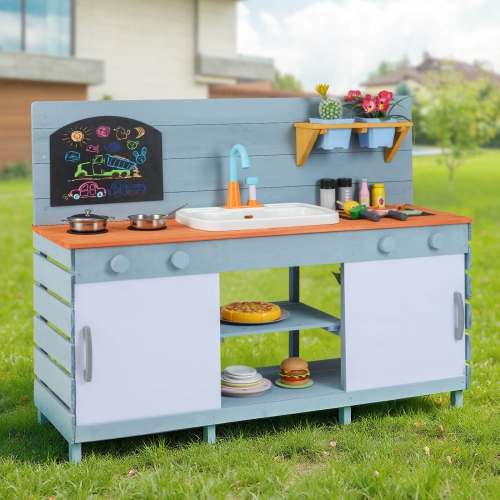
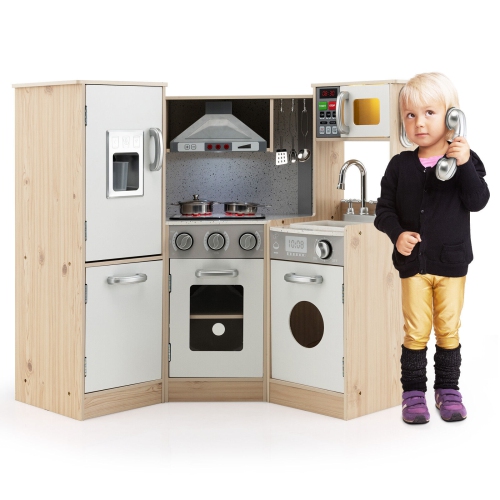
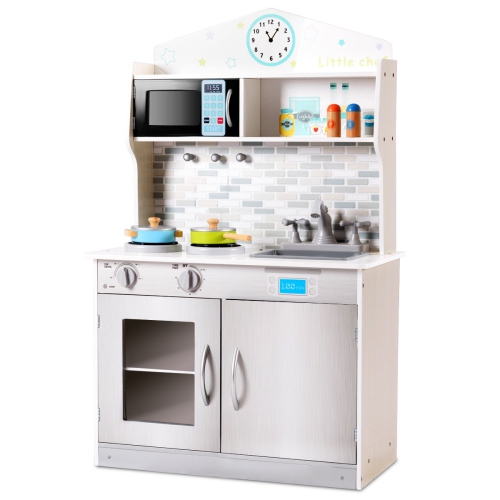
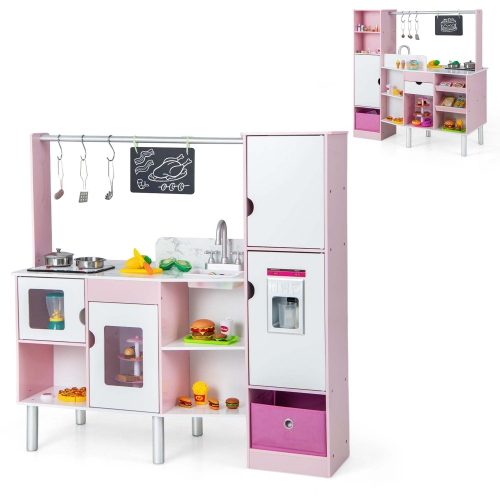
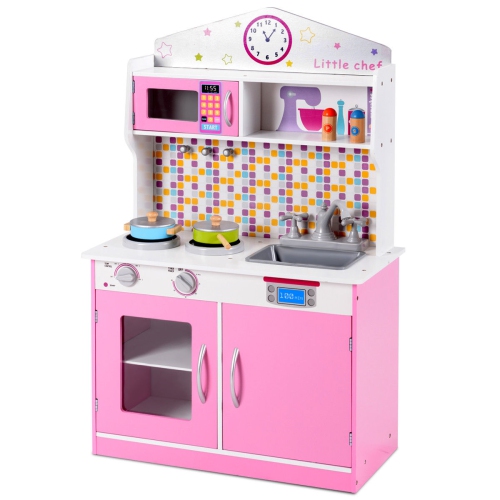
From imaginary cakes to breakfast for a stuffed animal
Toy kitchen appliances bring familiar household routines into pretend play, giving children a way to mix an imaginary cake, prepare breakfast for a stuffed animal, or serve a make-believe café order. The category includes miniature countertop appliances such as toy mixers, blenders, toasters, kettles, and coffee makers, along with larger pretend refrigerators, ovens, microwaves, and dishwashers. Some are simple, hands-on toys with turning knobs and opening doors; others add battery-operated lights, sounds, or moving parts. These features are designed to suggest the activity of a household appliance rather than perform real cooking tasks. A pretend toaster might lift toy bread with a lever, while a play mixer may have a rotating attachment above a removable bowl. The appeal often lies in those small, repeatable actions: pressing a button, setting a dial, placing something inside, and announcing that it is ready. Standalone toy appliances can create a compact play area without a full kitchen structure, while coordinated sets can help furnish an existing play kitchen. A child who enjoys acting out breakfast may spend plenty of time with a toaster and a few pretend dishes, whereas one who likes hosting guests might prefer several appliances arranged as a café counter. Alongside Childrens Kitchen Toys, these miniature appliances can become part of a larger space for preparing pretend meals, serving guests, and putting everything away afterwards. Their intended use is imaginative play, not food preparation, and toy bowls, compartments, or containers should not be assumed suitable for real food or liquids. Whether used alone or shared with siblings and friends, toy kitchen appliances give children familiar objects to build stories around, from a quick snack after a busy make-believe outing to a carefully arranged dinner for an entire collection of plush guests. Even a small setup can support a detailed routine when the controls and accessories suit the way a child likes to play.
Materials, size, and ease of handling make a noticeable difference in everyday play. Wooden toy kitchen appliances often have a solid feel, with painted surfaces, simple controls, and mechanical details that do not necessarily require batteries. Plastic designs can be lighter to carry and may include moulded details, transparent sections, or electronic features. Neither material alone determines durability: secure joints, firmly attached controls, smooth edges, and doors that move easily all matter. For a toy that will be opened and closed repeatedly, the construction of the hinges and handles deserves attention, as does the stability of the base when a child pulls a lever or turns a knob. Manufacturer age recommendations are especially important because detachable accessories, imitation food, and small components vary considerably between designs. Toys intended for older children may contain pieces that are unsuitable for children under three, so a shared play space needs to account for the youngest child who can reach it. Fit involves more than the appliance's overall dimensions. A pretend microwave needs clearance for its door to open, a mixer needs room for its bowl, and a refrigerator requires space in front for children to reach its shelves. Handles should be manageable for the intended age group, and the play surface should allow comfortable access without stretching or climbing. Compatibility with existing accessories is also worth checking, since pretend cups, plates, and food are not made to one universal scale. A large toy plate may not fit inside a small oven, even when the two look well matched in photographs. Where lights or sounds are part of the design, details such as battery requirements, a secured battery compartment, and an accessible off switch can influence how easily the toy fits into a household's routines. Sound preferences matter too: a child may enjoy the whir of a pretend blender, while another may prefer quiet controls and make all the sound effects themselves. Simple mechanical designs can be just as absorbing when their moving parts are satisfying to use.
The best fit for a child's play habits often comes from noticing which everyday tasks capture their attention. A child who watches baking may enjoy lowering a mixer head, adding imaginary ingredients, and tipping a bowl towards a pretend pan. Another may be more interested in loading dishes, arranging refrigerator shelves, or taking drink orders from family members. These routines create opportunities to practise hand movements, describe actions, count place settings, and negotiate shared roles, without requiring every play session to become a lesson. In group play, one child might prepare an order while another serves it, with roles changing as the story develops. For gifting, a toy kitchen appliance can suit a birthday or another celebration, particularly when it connects with an established interest or adds a missing activity to a play kitchen. The size of the recipient's play area, the ages of children sharing it, and the space needed for accessories are useful considerations. A compact appliance with a small group of manageable pieces can be easier to keep together than a large setup with many loose parts. Care should follow the manufacturer's directions, with particular attention to differences between wooden surfaces, removable plastic components, and battery-operated sections. A soft, lightly dampened cloth may be suitable for routine wiping where permitted, but wooden parts and electronic housings should not be soaked. Removable pieces should only be washed using methods specified for that toy and allowed to dry fully before storage. Regular checks for loose fasteners, cracked plastic, splintered wood, damaged battery covers, or worn attachments help identify when a toy needs attention or should be taken out of use. A low shelf or labelled basket gives bowls, pretend food, and smaller accessories a consistent home, making it easier to start the next round of play without searching for missing pieces. With accessible storage and enough clear space to operate doors and controls, toy kitchen appliances can remain an inviting part of everyday imaginative play.
Top selling and popular products
-
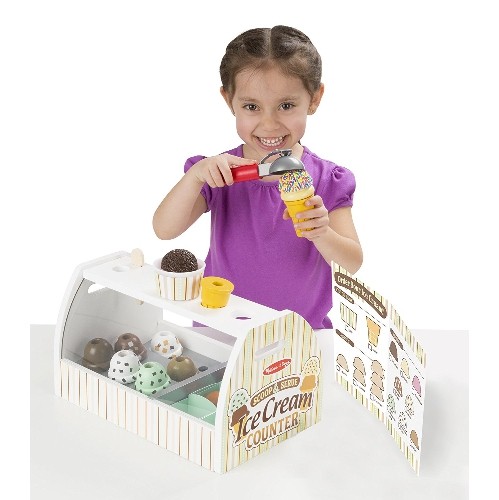 Your price for this item is $103.99
-
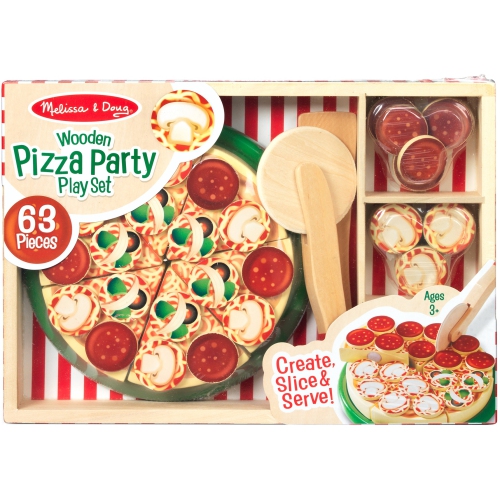 Your price for this item is $25
-
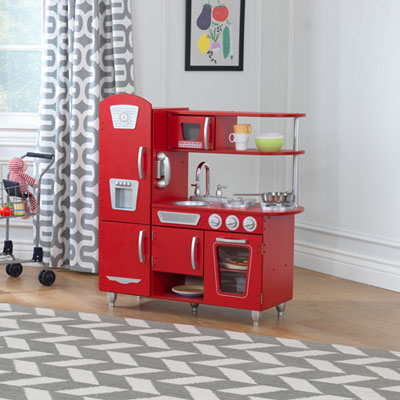 Your price for this item is $149.98
-
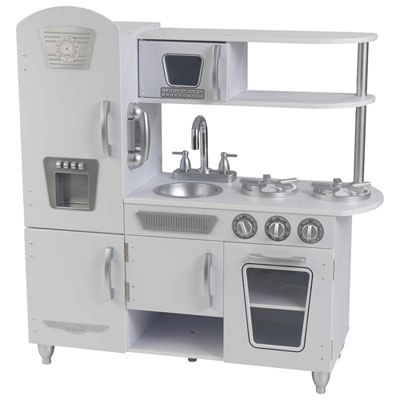 Your price for this item is $155.98
-
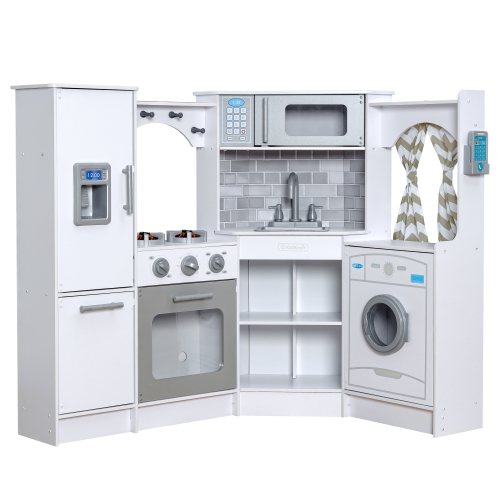 Your price for this item is $319.99
-
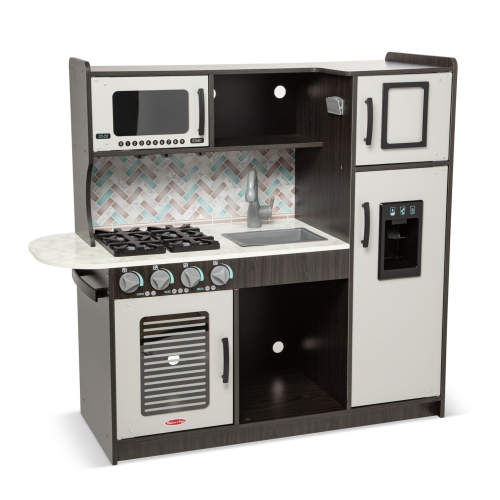 Your price for this item is $239.97
-
 Your price for this item is $319.99
-
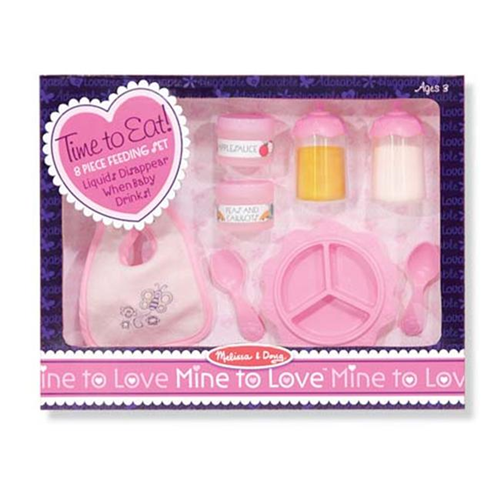 Your price for this item is $43.99
Discover more categories related to Toy Kitchen Appliances
Top Collections:
Pokemon Centers, Kindle Devices, Best Budget Office Chairs, Canon G7X Cameras, Apple iPhones 16, Samsung Galaxy Phones, Refurbished Apple Laptops, Laptops for Students, iPhone 15 Apple, Budget Smartphones
Some products may be subject to Environmental Handling Fees
(EHF) depending on your province.
Learn more about EHFs.