Toy Tractors
If you're looking to rev up your child's imagination and playtime, you've come to the right place. Our collection of toy tractors offers a fun and engaging way for little ones to explore the world of farming and construction. From realistic designs to vibrant colors, these miniature vehicles are sure to delight any young aspiring farmer or construction worker. Let your child's creativity run wild as they embark on exciting adventures with these interactive and durable toy tractors.
Sort


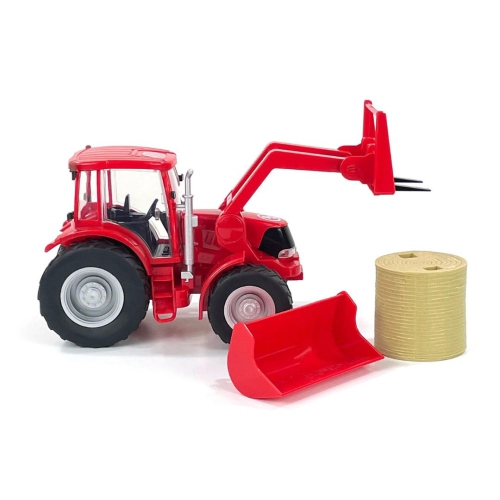


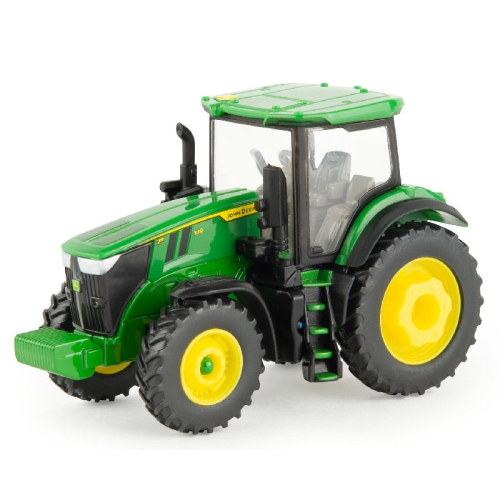


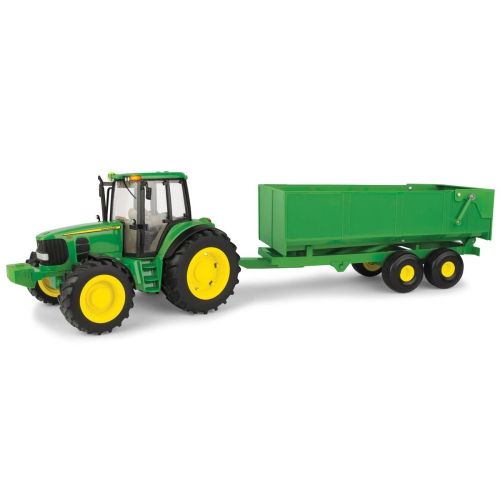


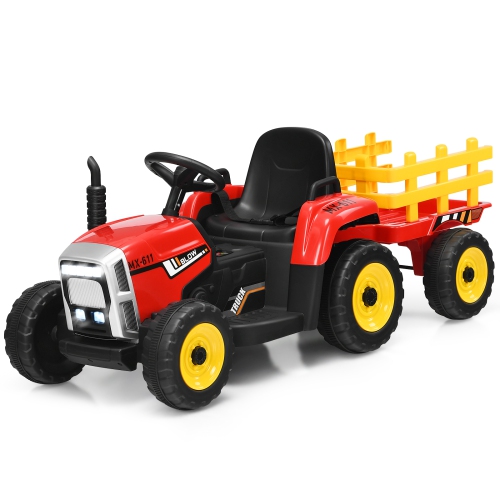

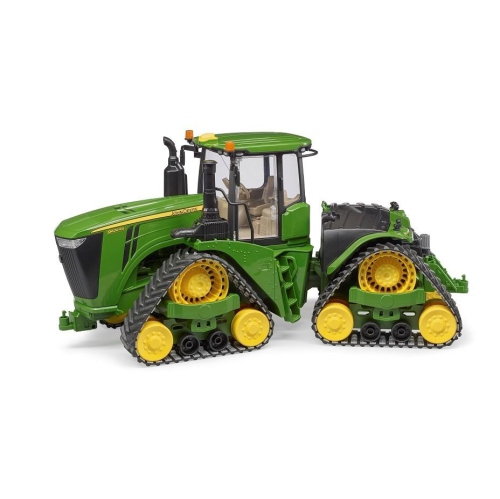


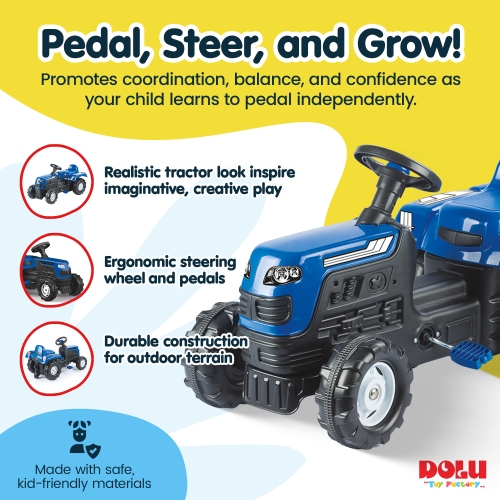


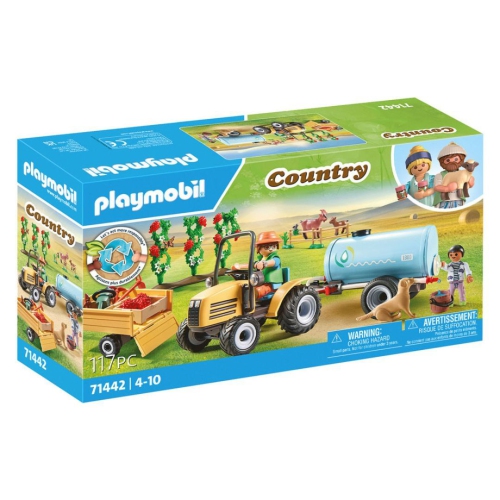


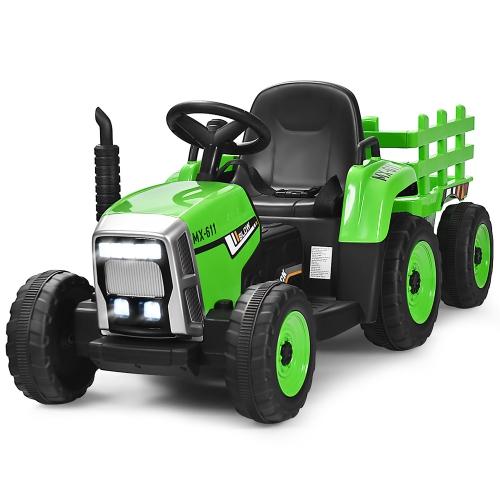


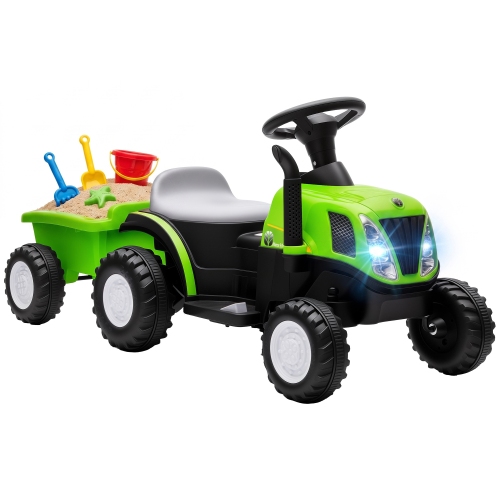
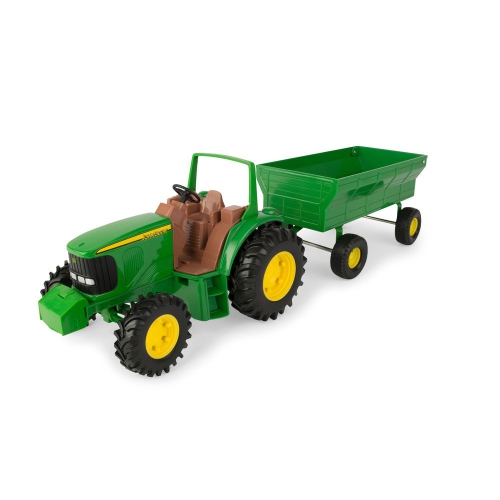

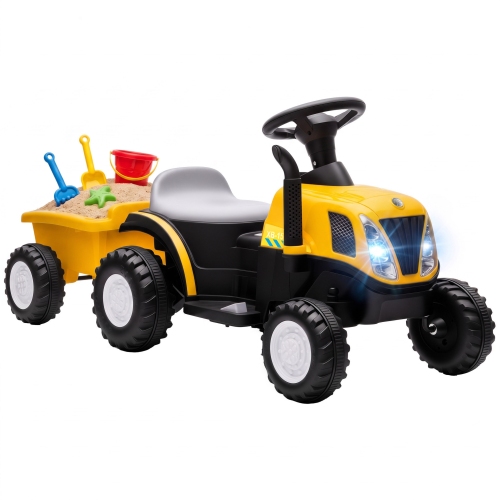

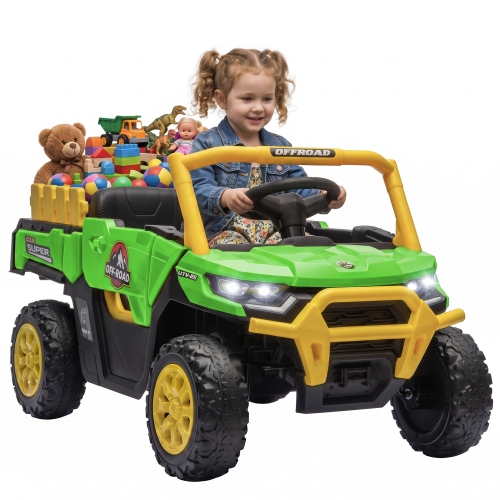
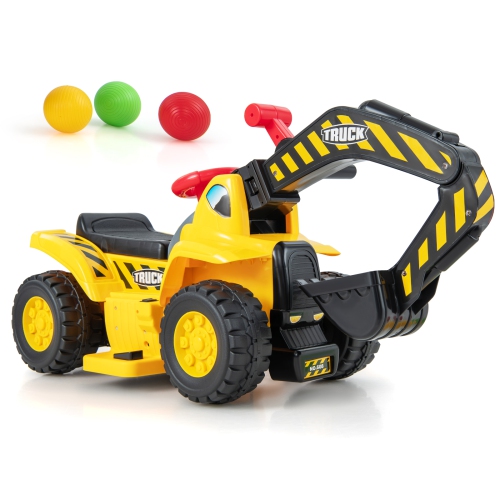


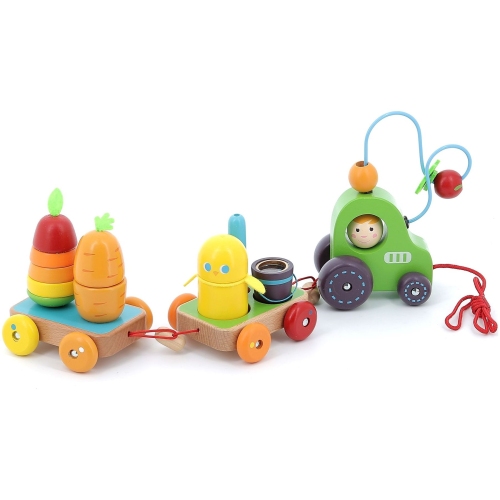

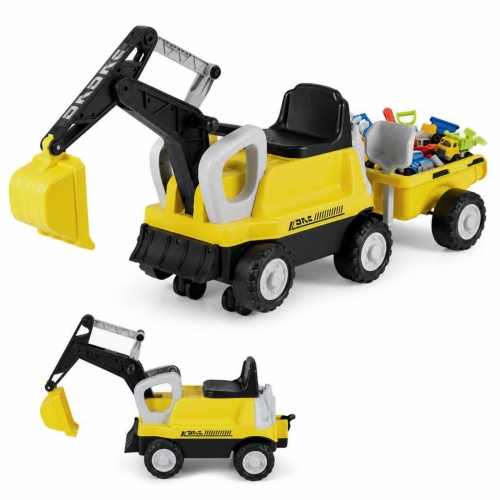

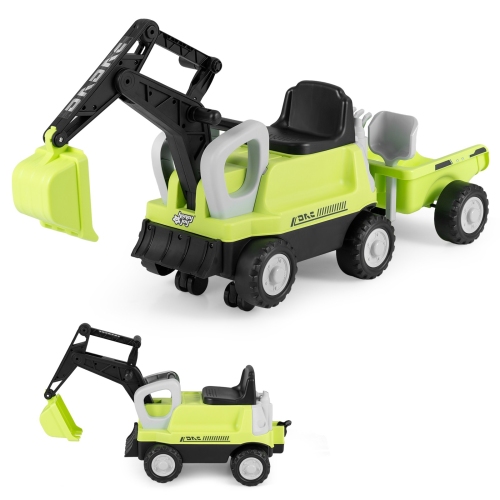
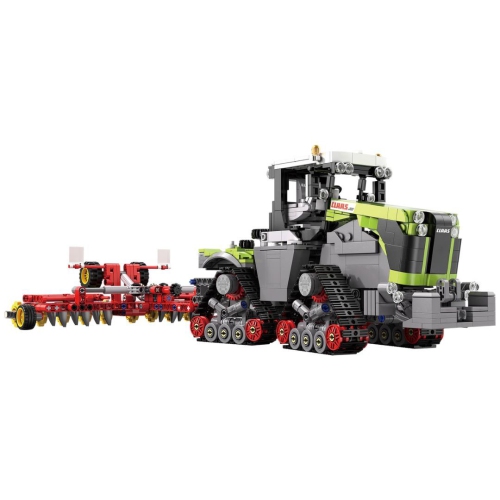
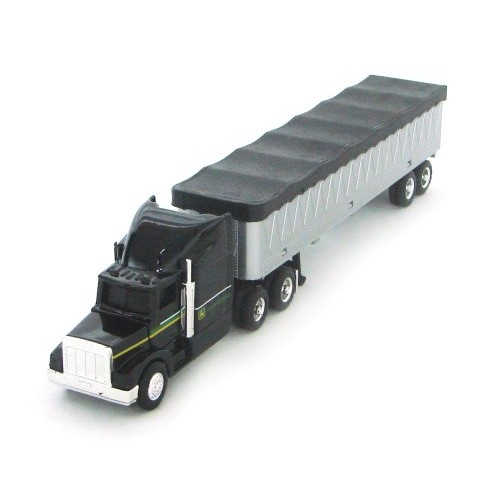
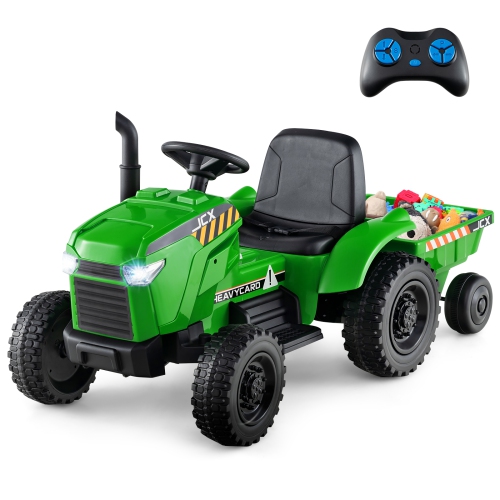


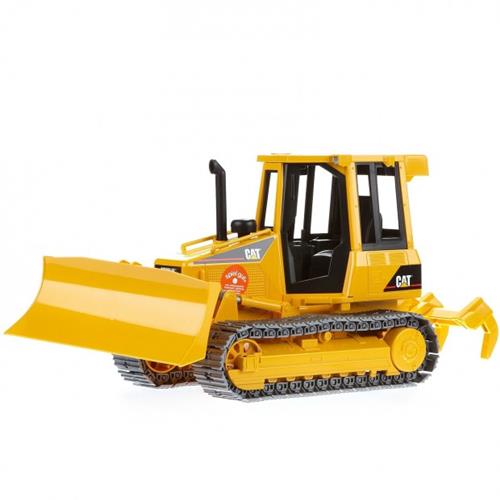


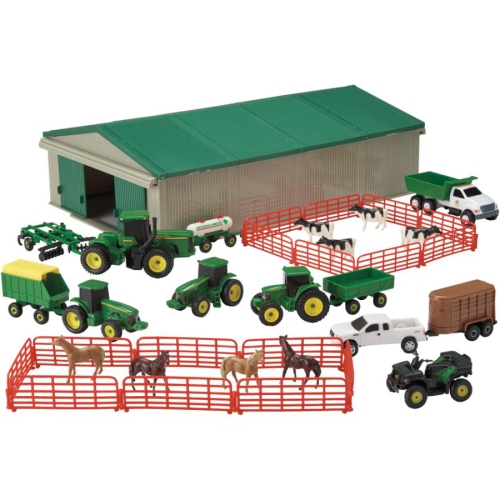


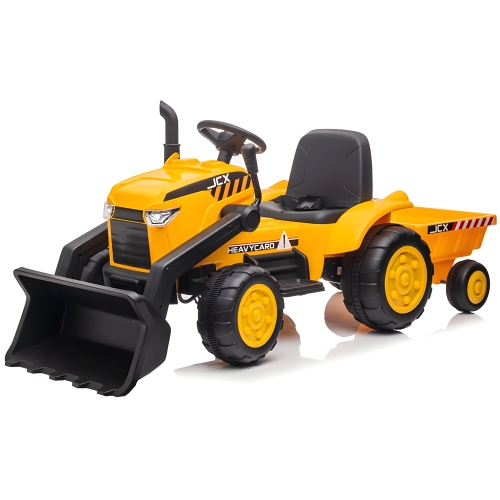


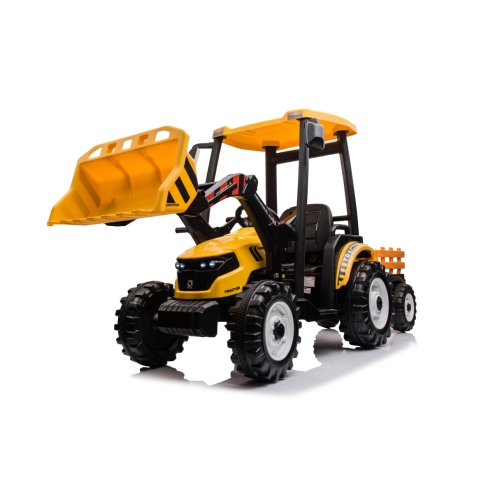


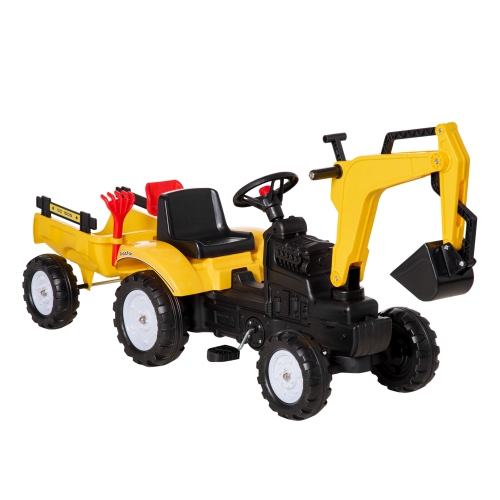


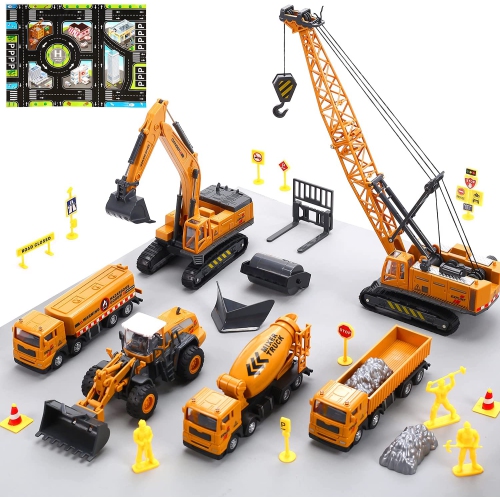
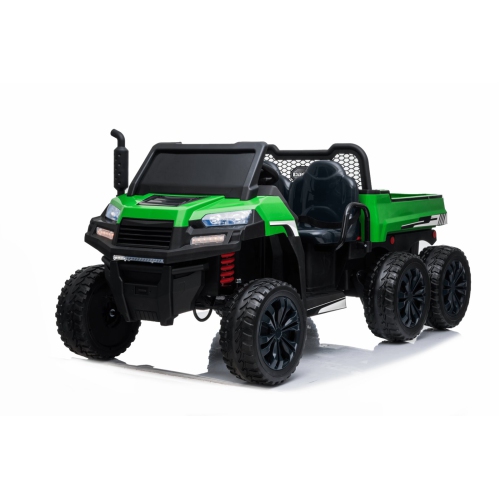


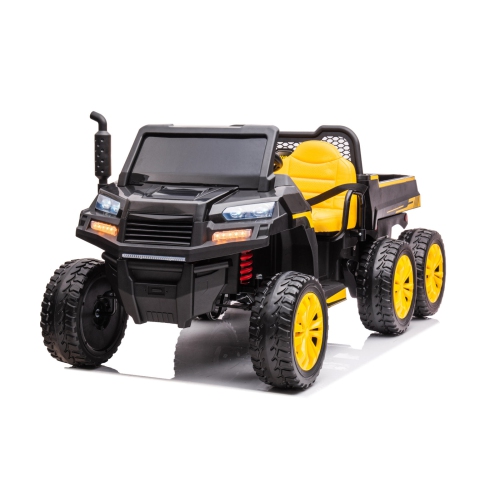
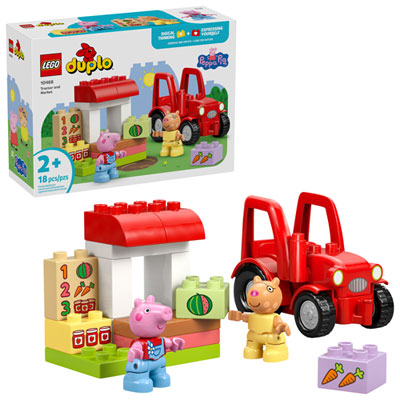


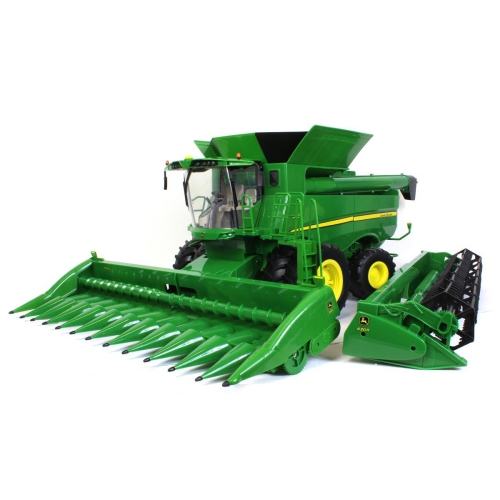


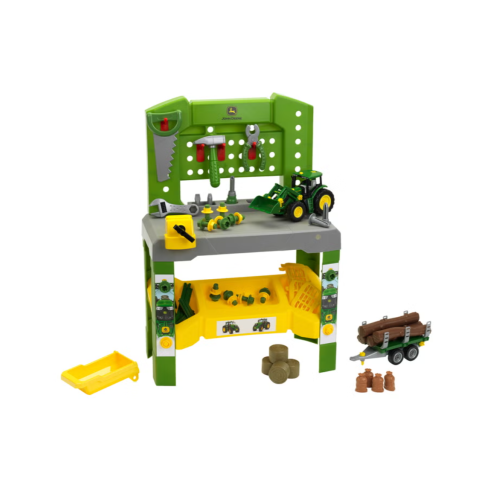

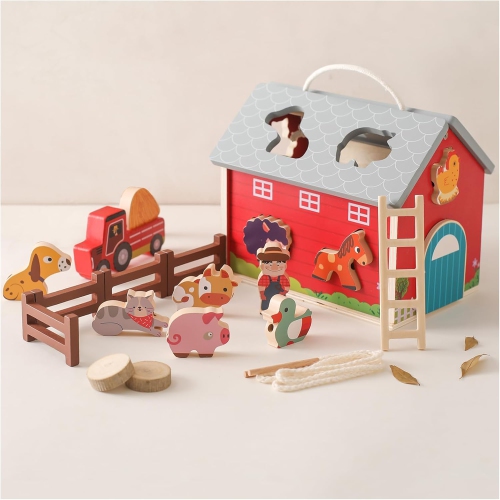
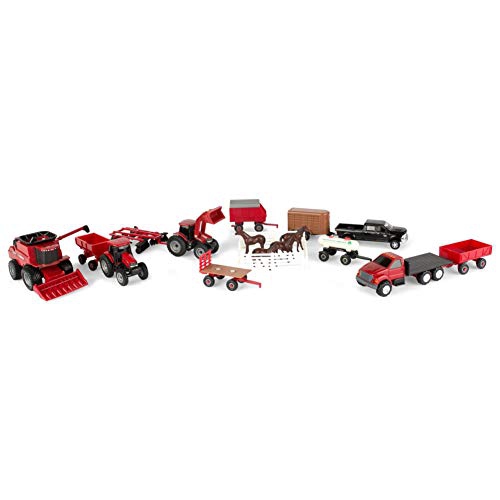
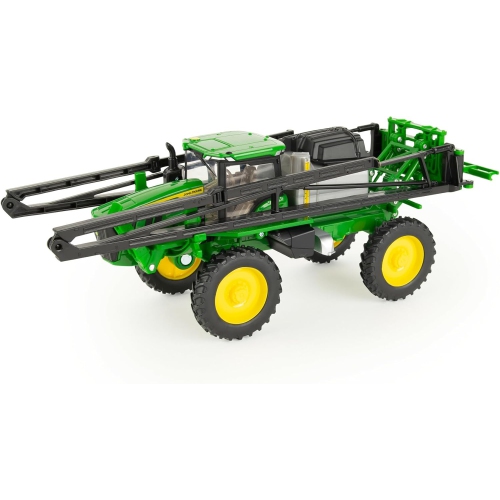
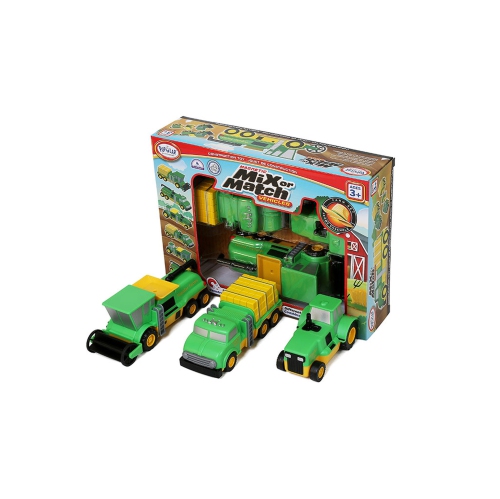


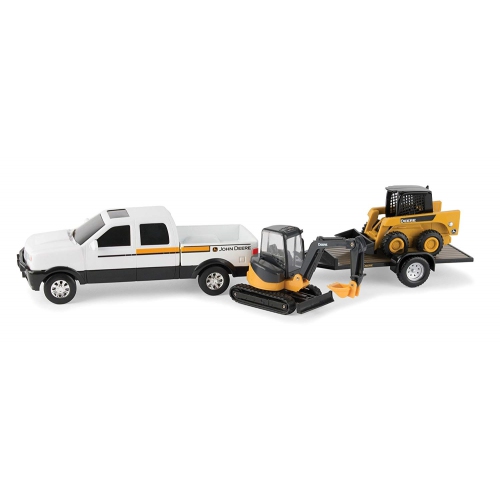


Working loaders and trailers turn play into farm jobs
Toy tractors bring the familiar shapes and working parts of farm machinery into hands-on play, from chunky push-along toys for toddlers to detailed scale models for older children and adult collectors. The main differences are size, construction, moving features, and intended use. A simple tractor with large wheels and an easy-to-grip body suits rolling across a play mat, while a model with working steering, a front loader, or a detachable trailer adds more ways to carry out pretend farm jobs. Children might haul wooden blocks to a make-believe barn, move fabric scraps as pretend hay, or park a tractor beside a row of toy animals at the end of a busy afternoon. These small routines give farm play a clear purpose without needing an elaborate setup. Younger children generally benefit from sturdy shapes and straightforward movement; older children may enjoy lining up a trailer hitch, raising a bucket, or arranging a miniature farmyard. The manufacturer’s age rating matters more than a tractor’s appearance, since a realistic-looking model can contain small accessories or delicate components that are unsuitable for younger children. Lights and engine sounds can add another layer to play, though quiet, manually operated designs leave plenty of room for children to supply their own sound effects and stories. For families exploring child-focused tractor play, Kids Tractors provides a related category to consider alongside the broader range of toy tractor styles. Farm vehicles can appeal to children who see machinery on country drives, visit farms, or simply enjoy anything with wheels. They can also make thoughtful gifts for birthdays and family celebrations, especially when the toy’s complexity matches the recipient’s interests and abilities. A child who enjoys loading and unloading may get more use from a simple trailer than from intricate cab detailing, while a collector may value accurate proportions and careful finishing above interactive features.
Materials and construction help determine how a toy tractor feels in the hand and how well it suits its intended setting. Moulded plastic is common in play-focused designs because it allows for broad shapes, rounded edges, and a manageable weight, although sturdiness varies with the thickness of the body and the design of its joints. Die-cast metal adds weight and can support crisp detailing, often making it appealing for scale models, but metal construction alone does not mean a tractor can withstand rough play. Mirrors, exhaust pipes, hitches, and other projecting parts may still need careful handling. Wooden tractors offer a different feel, often with simplified forms and fewer articulated components; smooth finishes and secure wheel attachments are useful details to check. Wheel material, tread, and clearance also affect how a tractor moves. Deep-looking tread may suggest farm machinery without necessarily improving grip, and a small model that rolls freely on a hard floor may struggle on thick carpet. Size deserves attention beyond whether a tractor fits in a child’s hand. It also affects storage, the space needed to turn, and whether the vehicle works alongside an existing barn, animal figures, or road mat. Scale describes a model’s size relative to the full-size machine: a 1:16 tractor is larger than a 1:64 version of the same machine. Matching scales can make a farm layout look more consistent, but scale alone does not guarantee that trailers and attachments connect. Hitch shape, coupling height, and the maker’s stated compatibility are more useful for checking that fit. Moving features should suit the way the toy will be handled. A front bucket that stays raised can be satisfying for pretend loading, while freely turning wheels and a secure trailer connection matter during repeated trips across the floor. For ride-on tractors, where relevant, the stated age range, weight limit, seat position, and pedal reach are essential considerations. These larger toys need suitable riding space and adult supervision, rather than being treated as oversized versions of tabletop models.
Everyday care starts with separating indoor toys, outdoor play equipment, and display models according to their intended use. A tractor designed for a playroom is not automatically suited to wet soil, sand, or snow, even if its full-size counterpart works outdoors. Grit can collect around axles and moving joints, and moisture may affect metal parts, finishes, or electronic components. After ordinary indoor play, wiping accessible surfaces with a soft cloth and cleaning them as directed by the manufacturer can help keep wheels and handles pleasant to use. Toys with sound or lighting features generally need particular care around water; battery compartments should remain securely closed, and an adult should handle battery changes. A quick check for loose wheels, cracked plastic, sharp edges, or damaged attachments is worthwhile after a drop or a busy play session. Storage also makes a practical difference. A shallow bin can keep sturdy play tractors within easy reach, while separate compartments help prevent smaller trailers and accessories from getting tangled or lost. Detailed models are better kept where projecting parts will not be pressed beneath heavier toys. During the cooler months, a washable play mat, a few sturdy cardboard barns, and enough clear floor space can turn a corner of the room into a farmyard without requiring a permanent layout. With age-appropriate accessories, shared tractor play can involve taking turns at the loading area, deciding where pretend crops should go, or working together to park vehicles inside a barn. Manoeuvring a trailer into a narrow gap gives children a concrete reason to slow down, adjust their grip, and try another angle. For collectors, enjoyment may come instead from comparing machinery shapes, arranging models by scale, or keeping a carefully spaced display. The most suitable toy tractors are those whose materials, size, and features match these everyday uses, whether that means repeated journeys between a pretend field and barn or a miniature machine handled gently and admired up close.
Top selling and popular products
-
 Your price for this item is $150.99
-
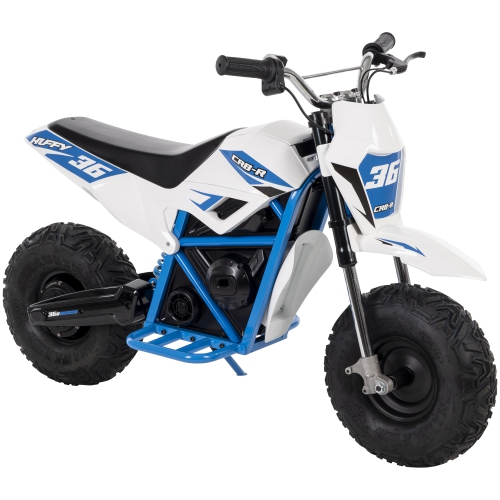 Your price for this item is $799.99
-
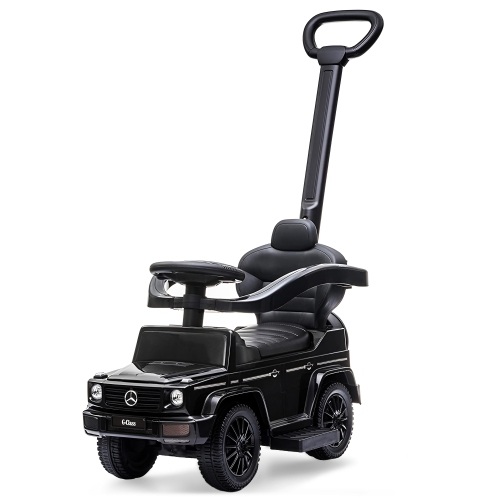 Your price for this item is $142.99
-
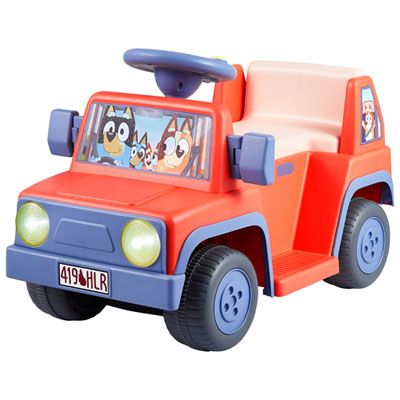 Your price for this item is $199.99
-
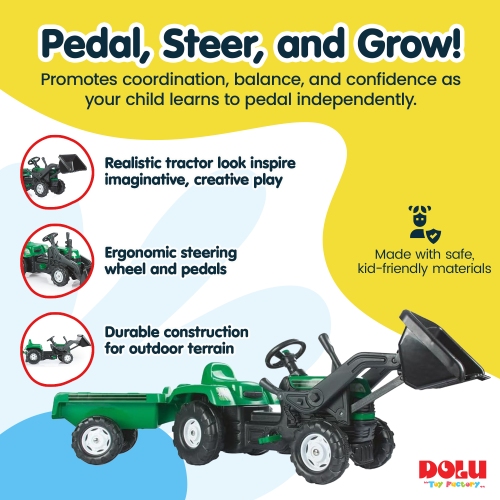 Your price for this item is $204.99
-
 Your price for this item is $199.99
-
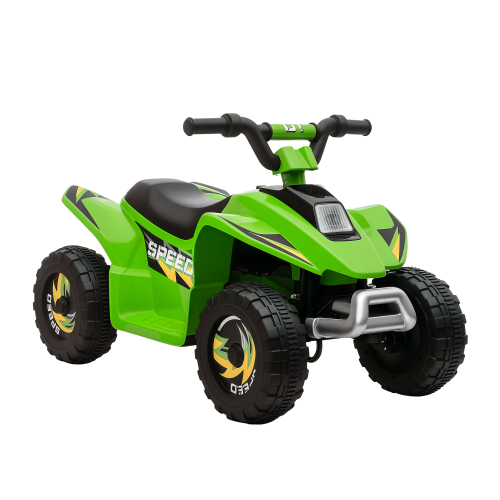 Your price for this item is $82.95
-
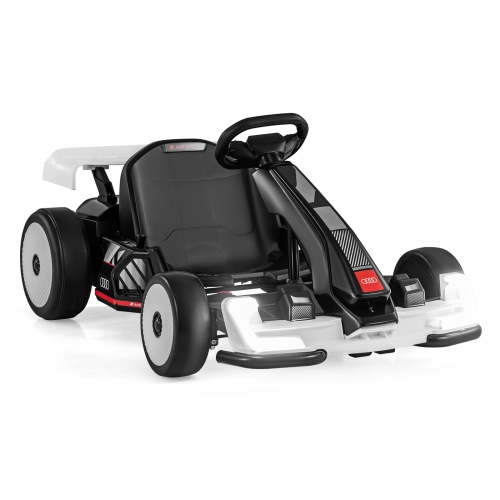 Your price for this item is $449.99
Discover more categories related to Toy Tractors
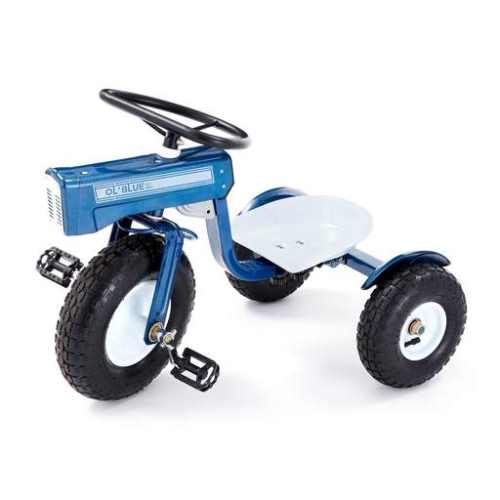
Top Collections:
Pokemon Centers, Best Cameras for Sports Photography, Kindle Devices, Samsung Galaxy Phones, Canon G7X Cameras, Pokémon 30th Celebration Cards, Refurbished Apple Laptops, iPhone 15 Apple, Laptops for Students, Budget Smartphones
Some products may be subject to Environmental Handling Fees
(EHF) depending on your province.
Learn more about EHFs.