Toys And Games
Discover a world of fun and entertainment with our wide selection of toys and games. From classic board games to the latest interactive toys, we have everything you need to keep the whole family entertained for hours on end. Whether you're looking for educational toys to stimulate young minds or exciting games for friendly competitions, our collection has something for every age and interest. Let your imagination run wild as you explore our diverse range of toys and games that are sure to bring joy and laughter into your home.
Sort
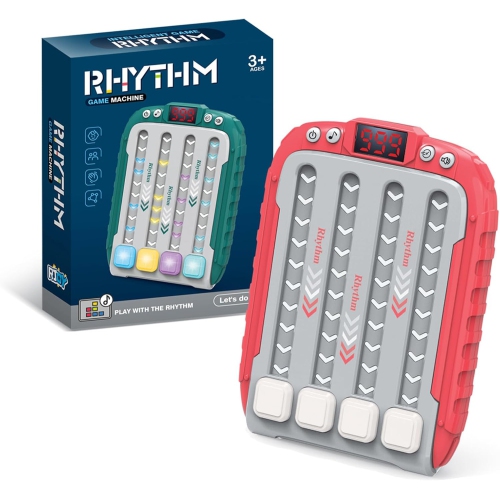
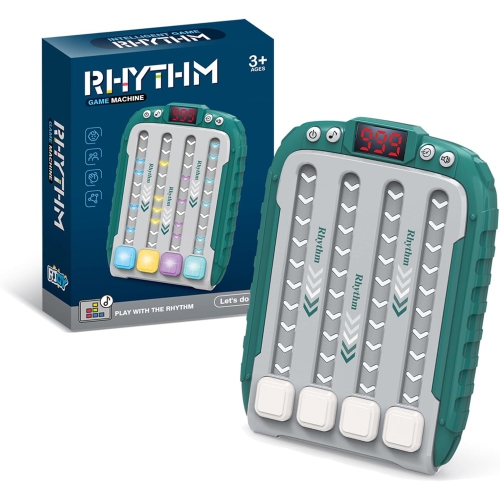
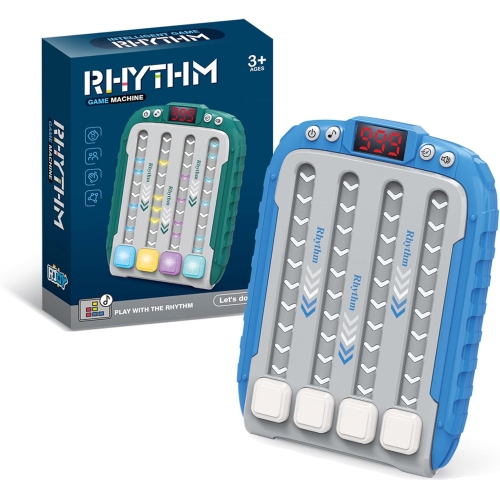
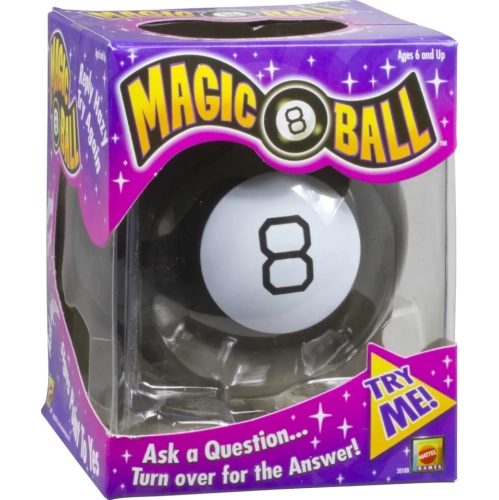
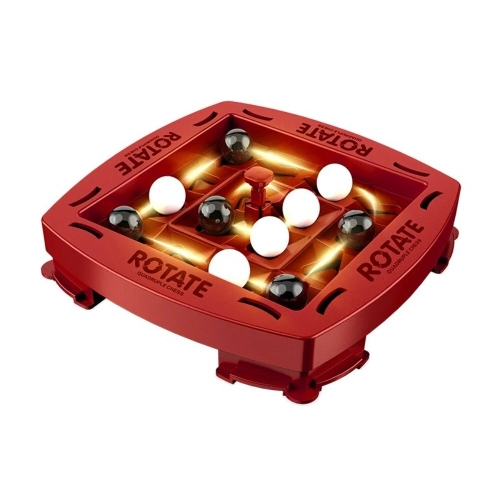
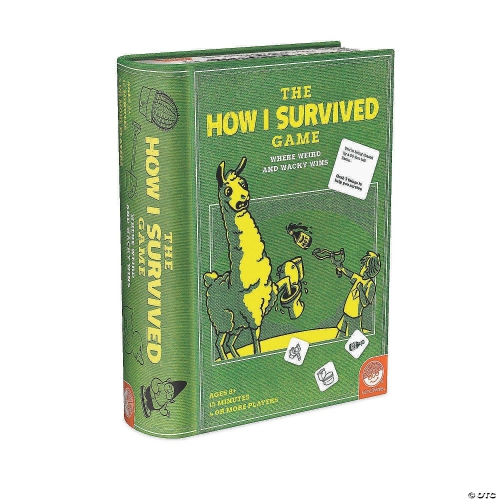
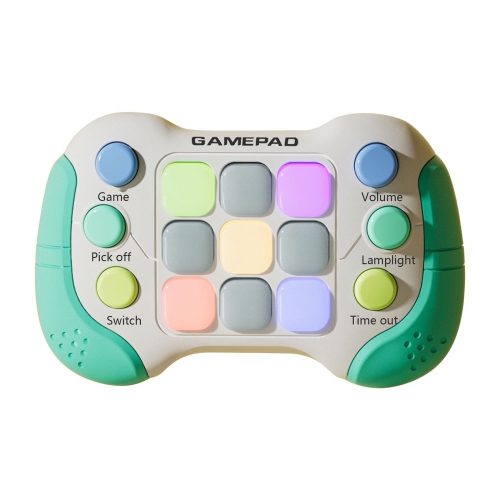
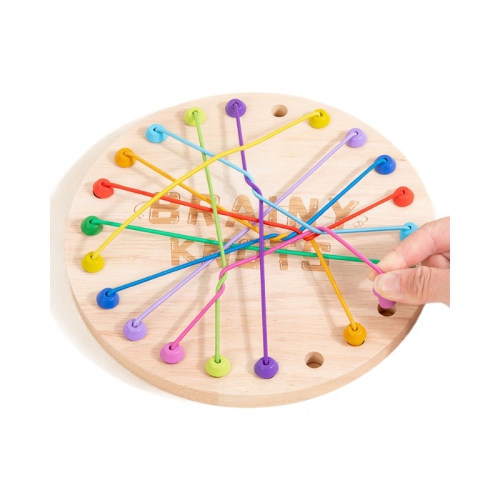

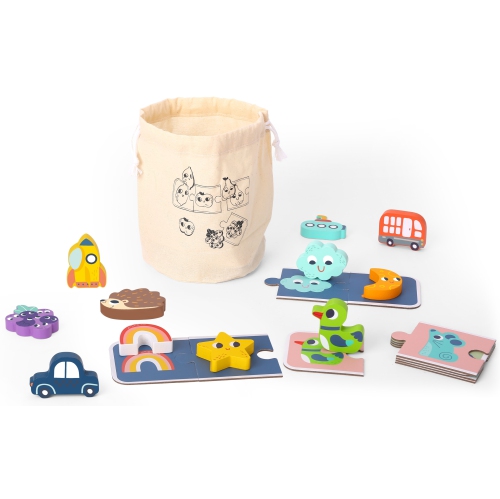
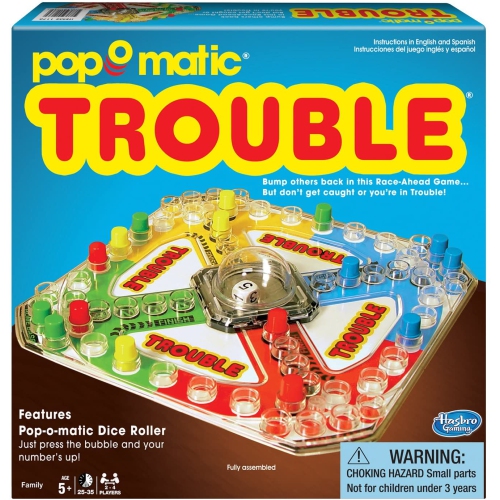
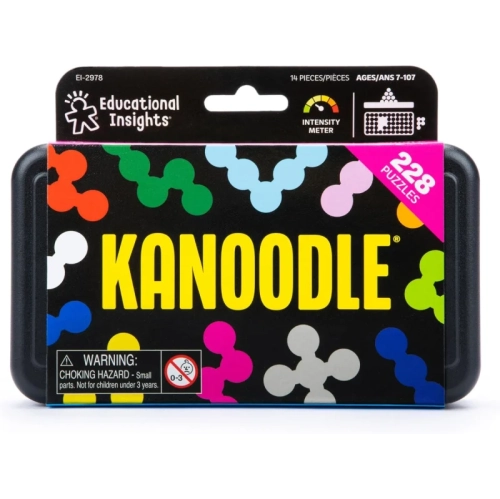
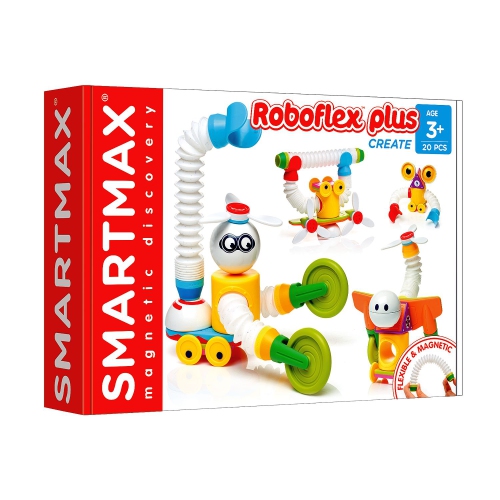
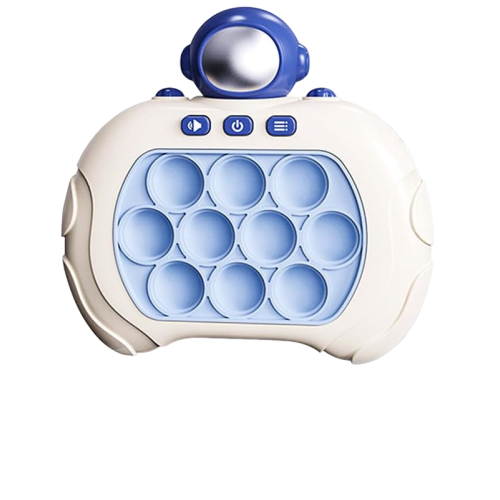
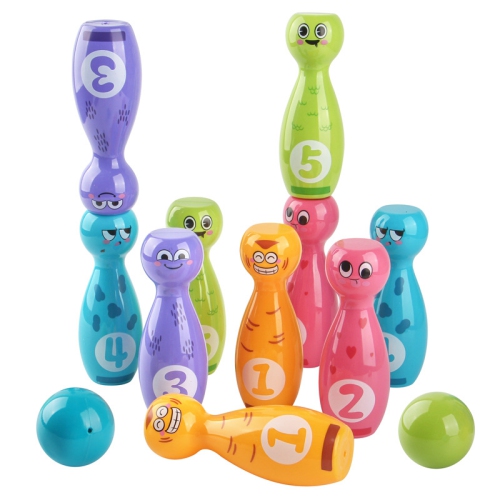
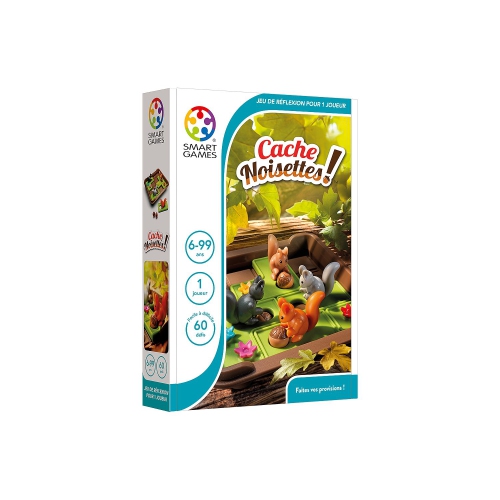
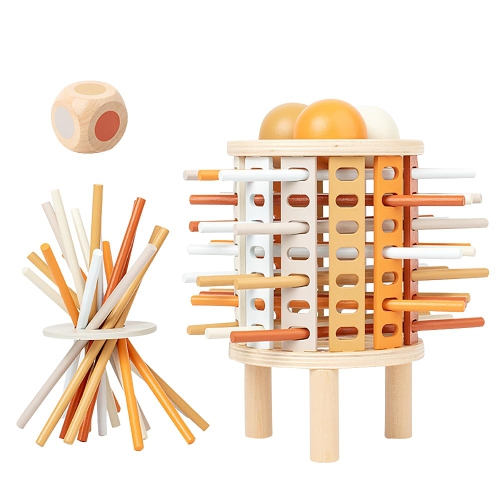
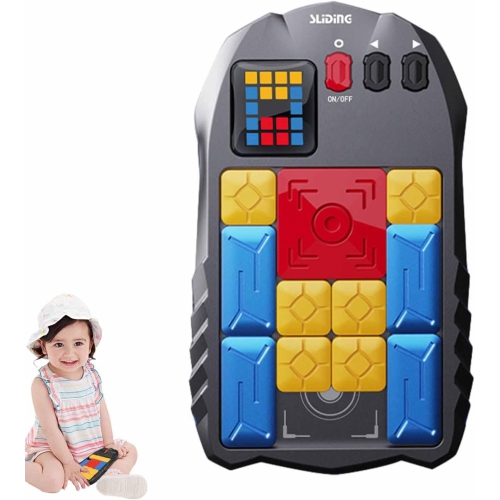
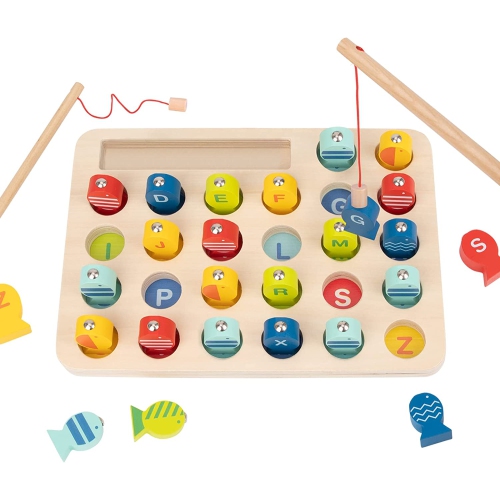
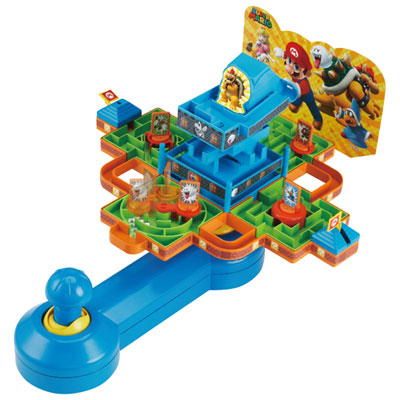
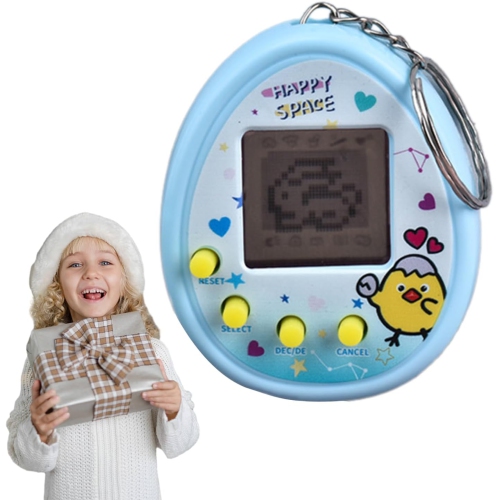
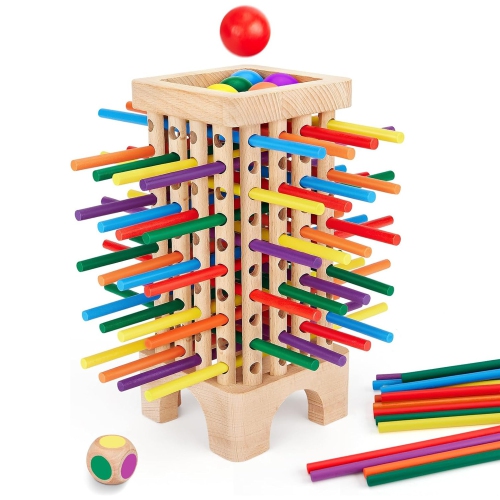

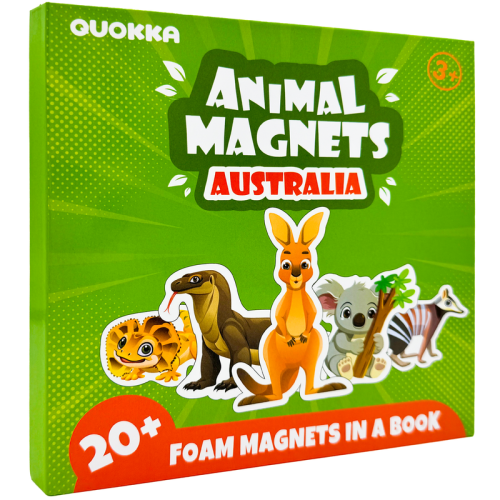
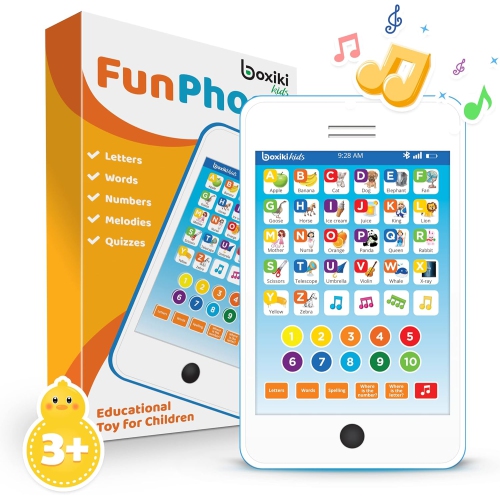
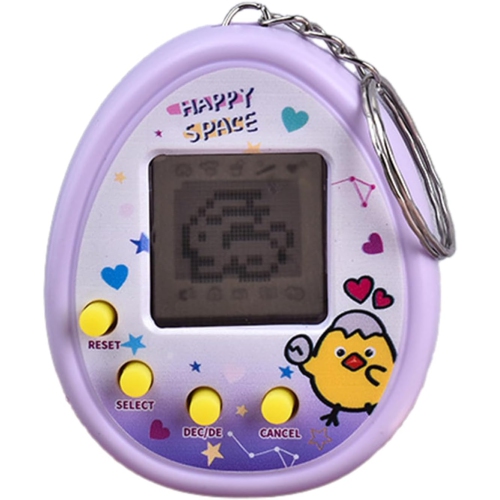

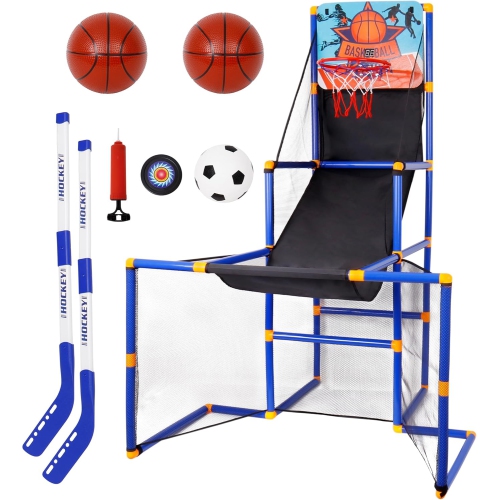

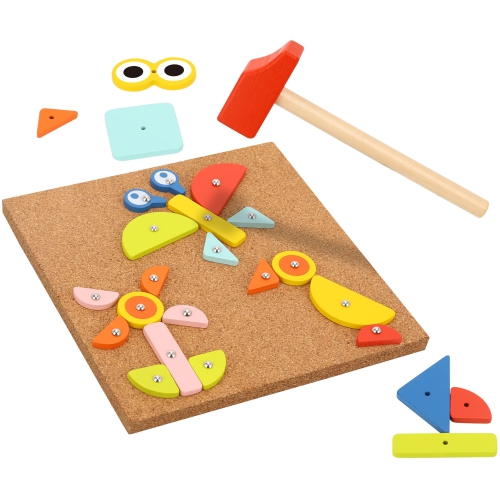
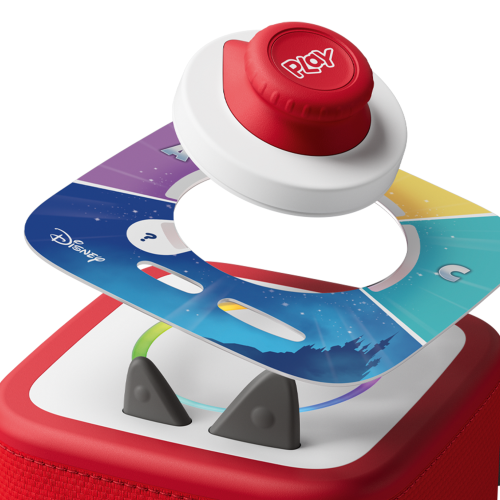
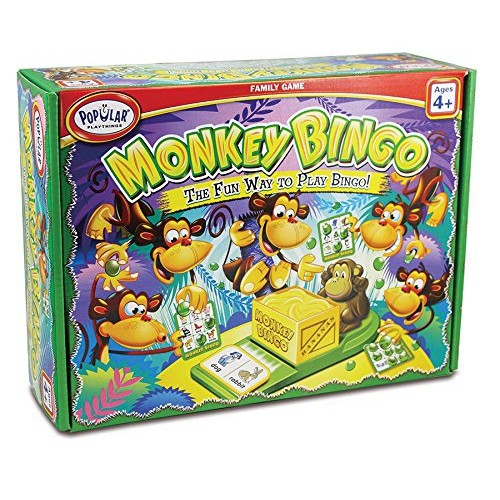
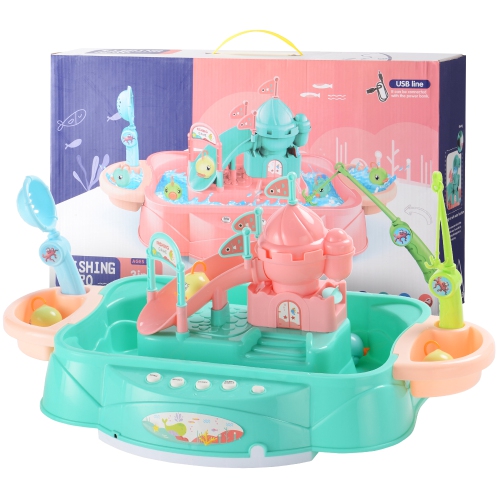
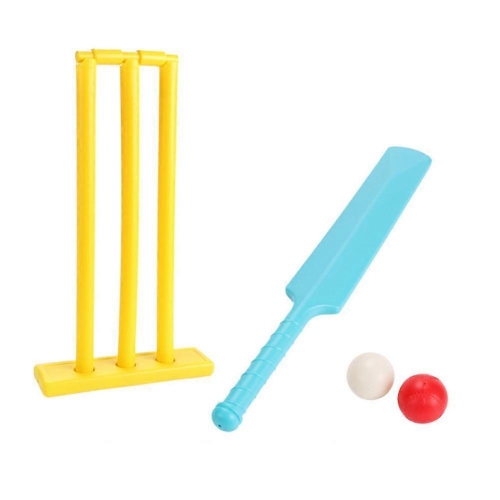
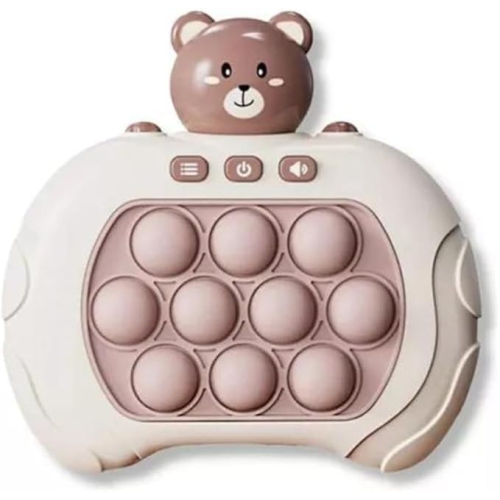
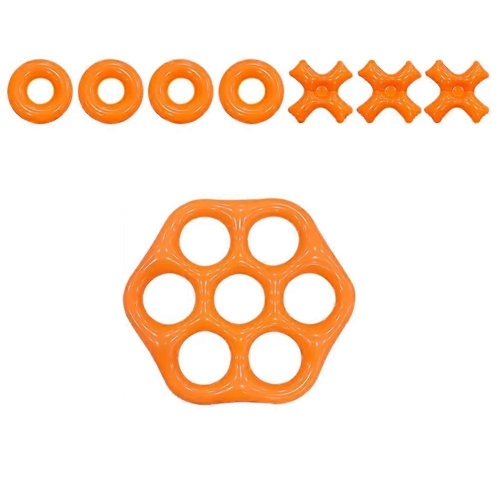
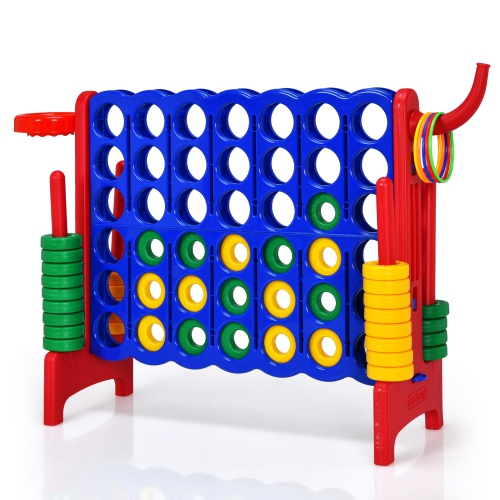
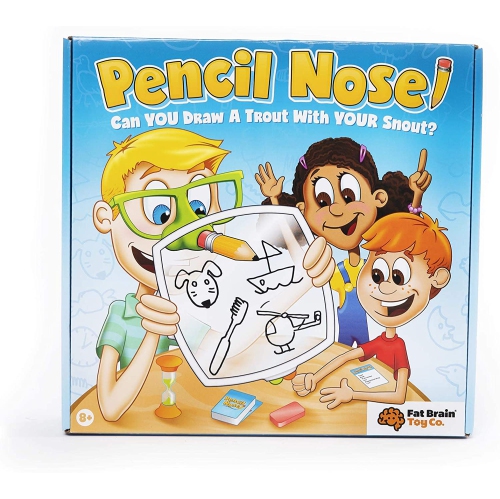
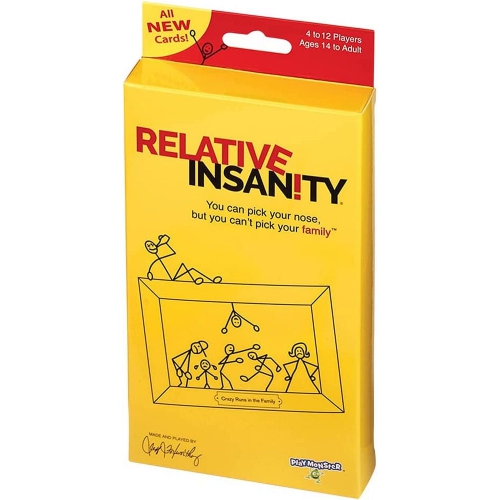
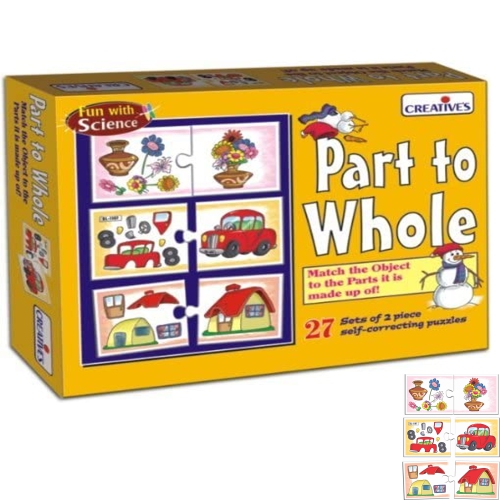
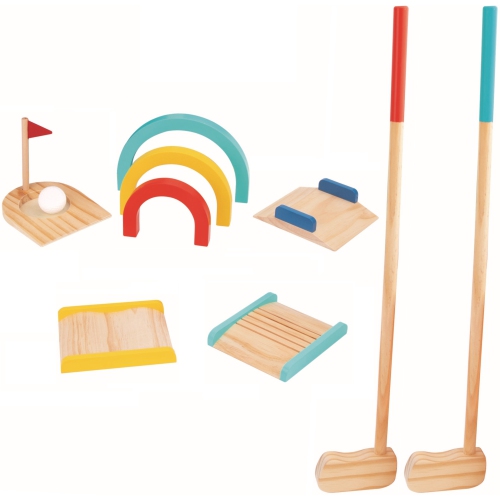
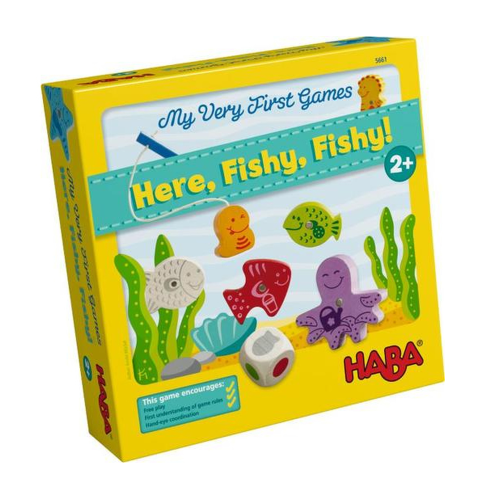

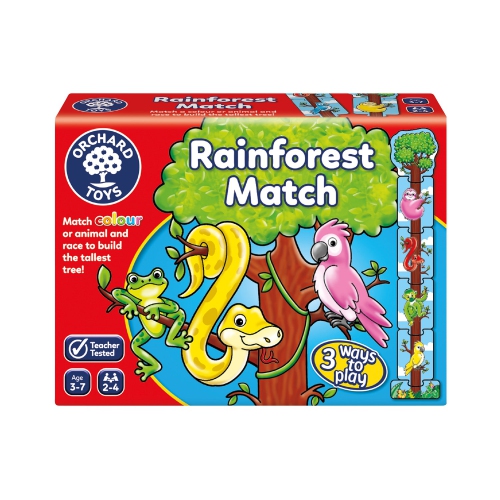
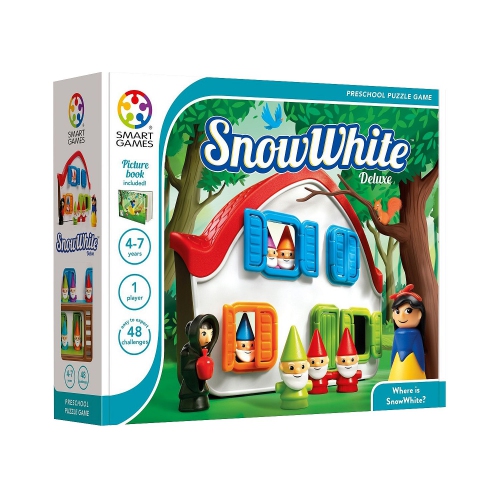
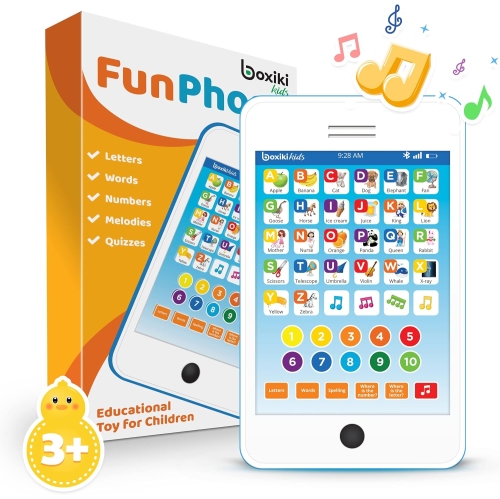
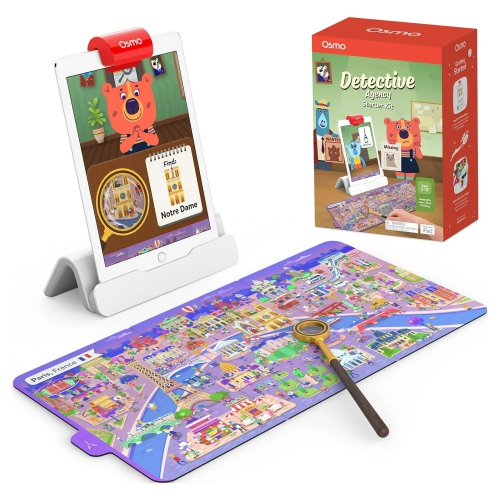
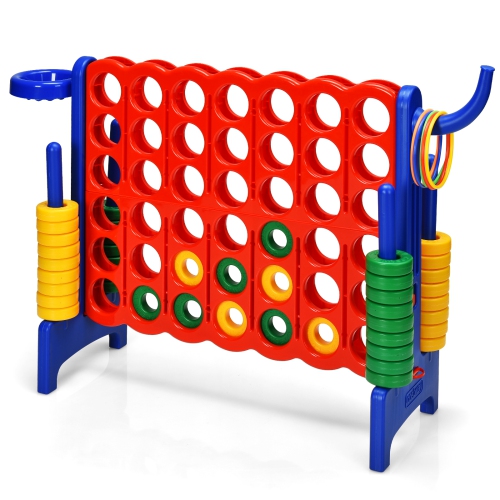
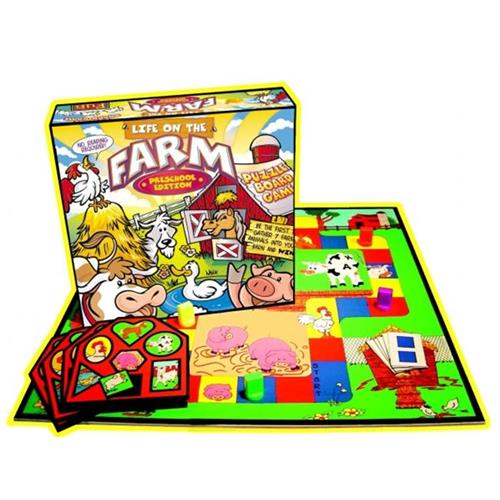

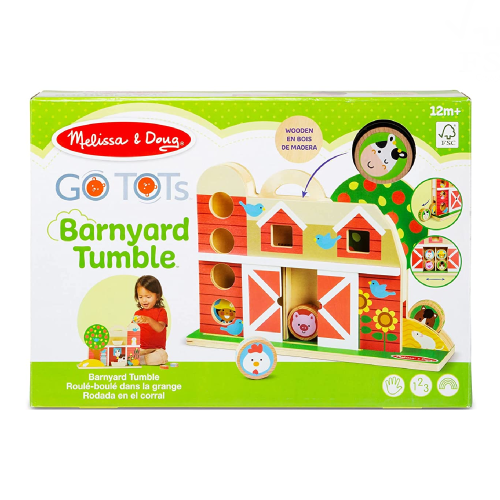
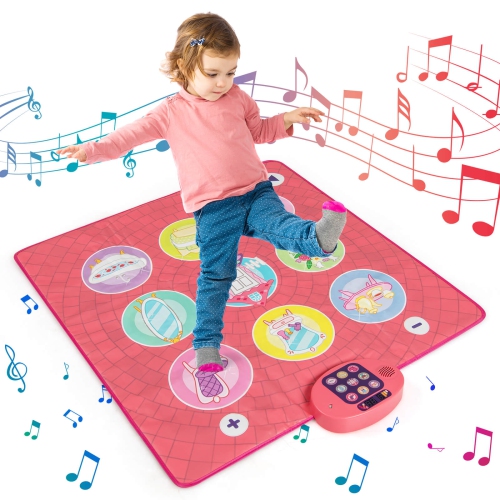
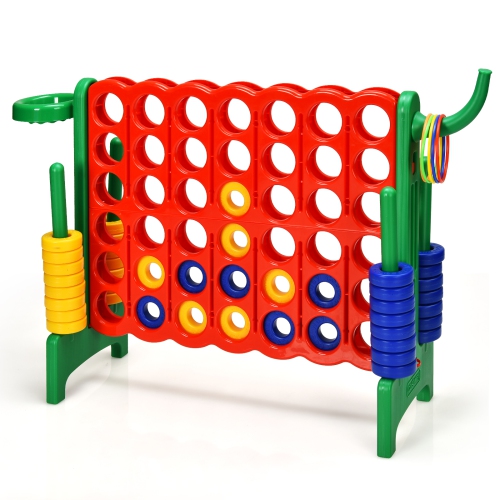
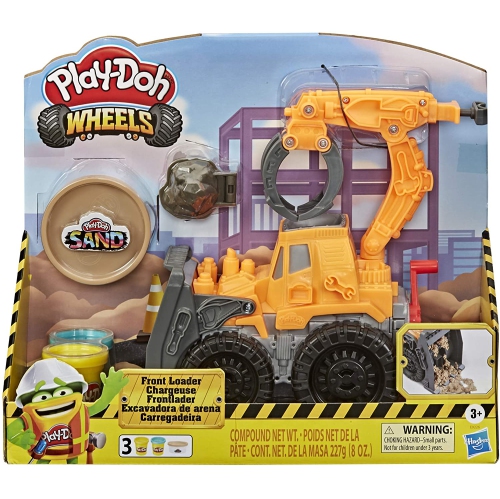
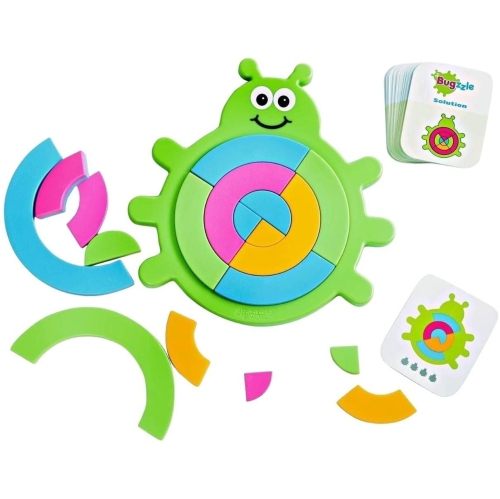

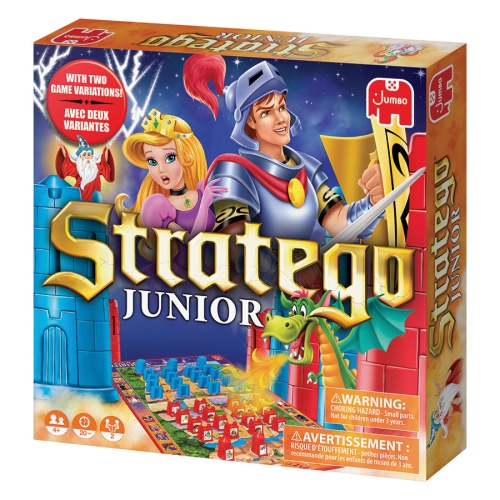
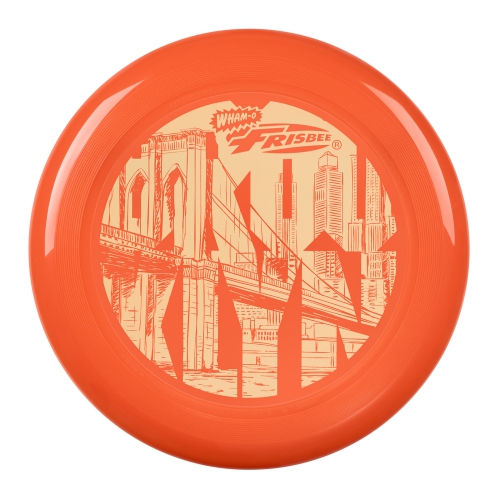

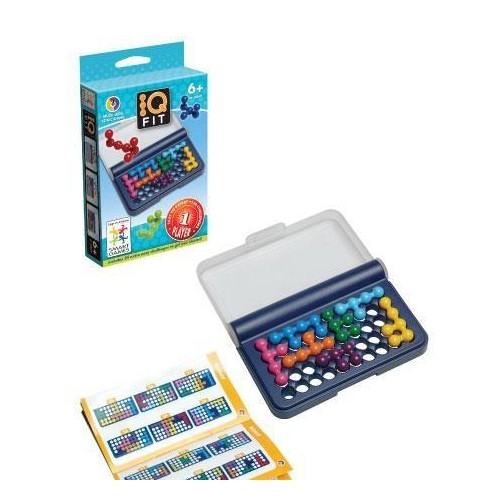

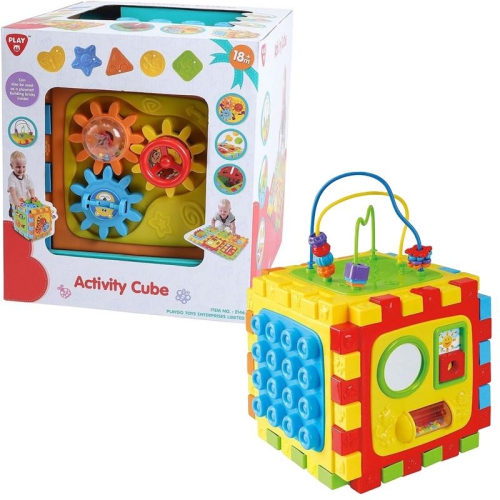
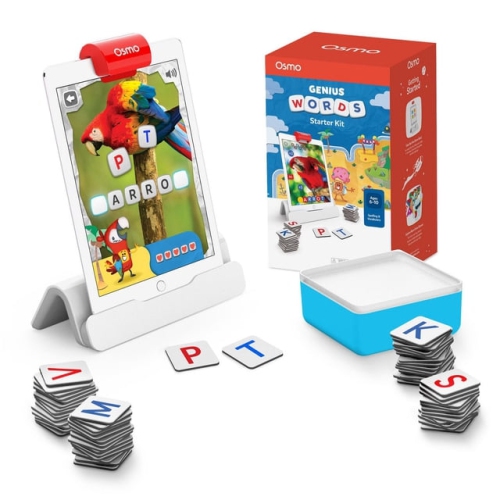
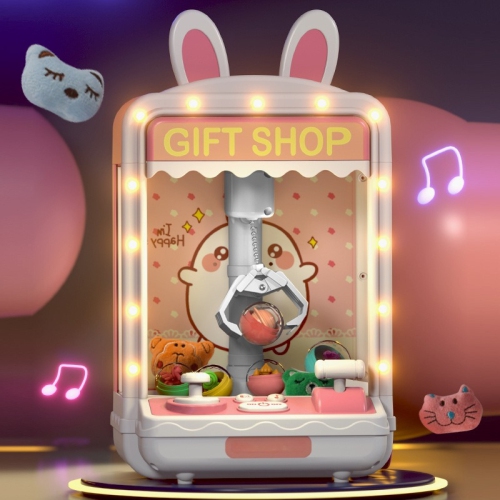
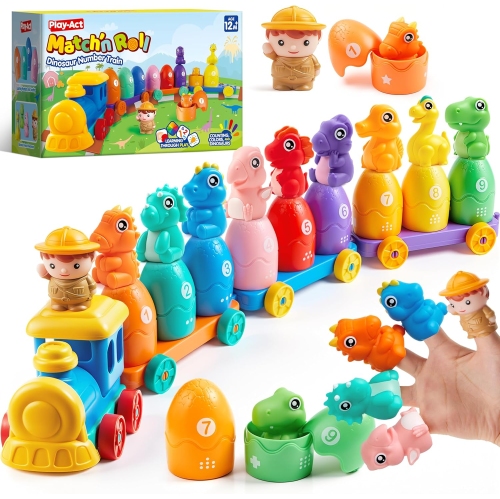
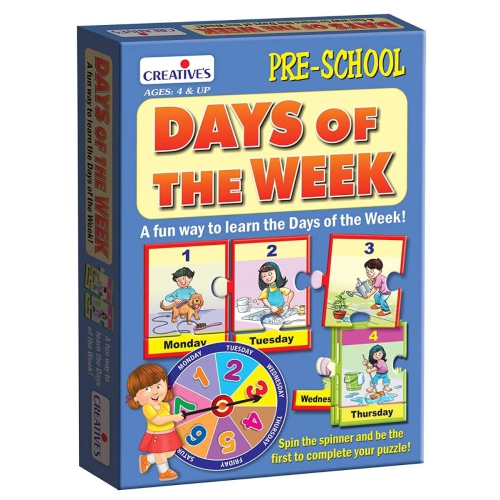
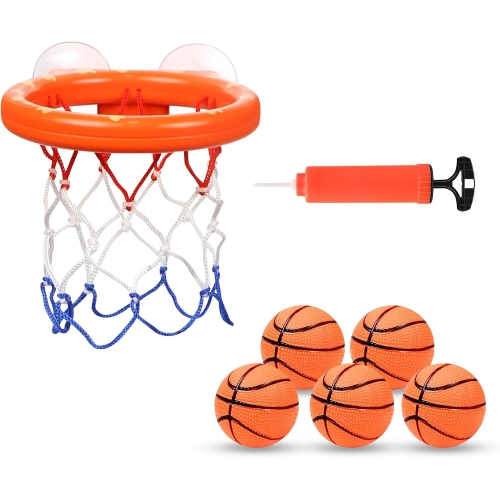
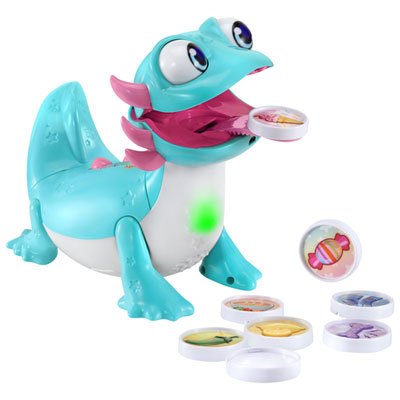
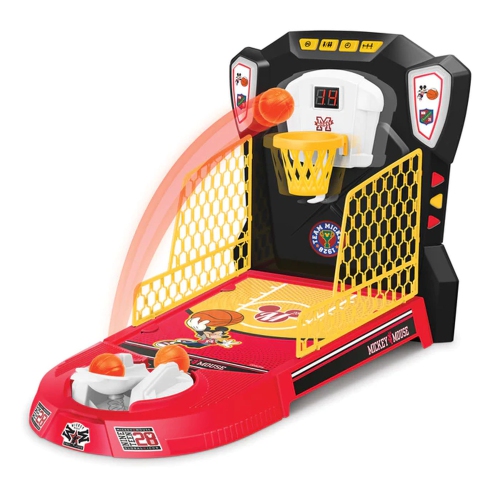
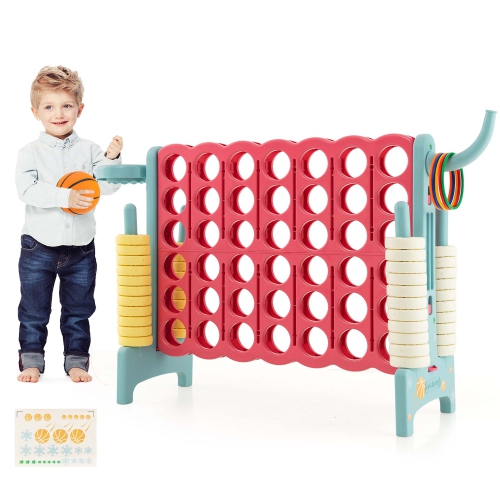
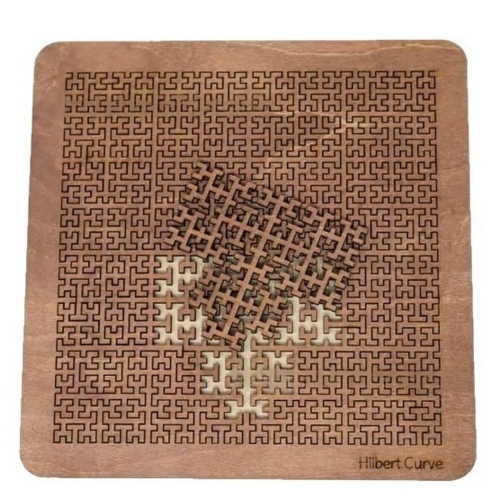
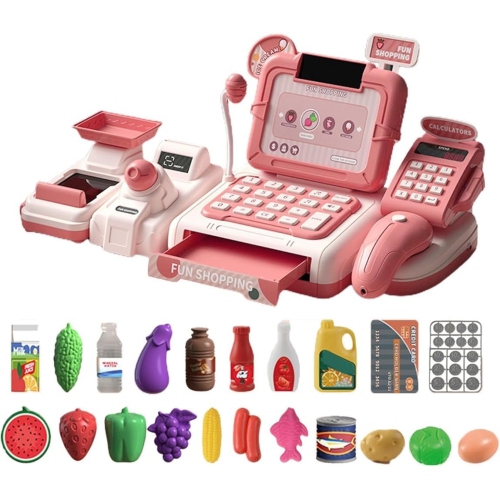

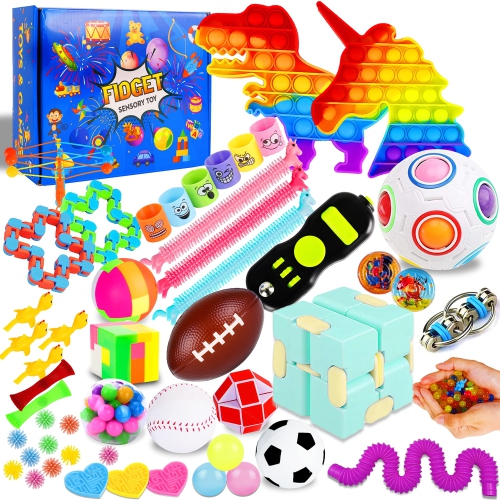
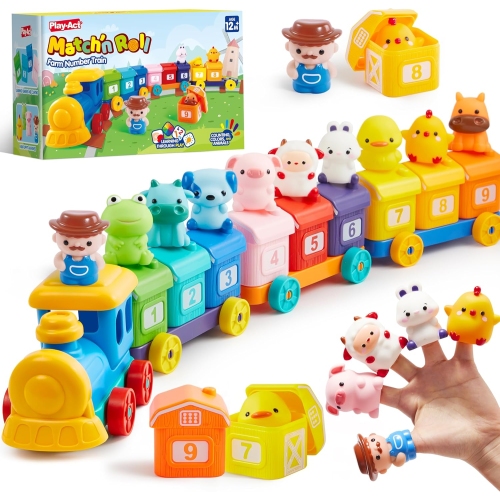
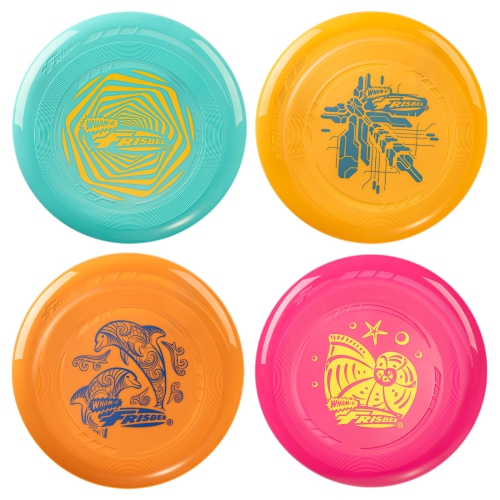
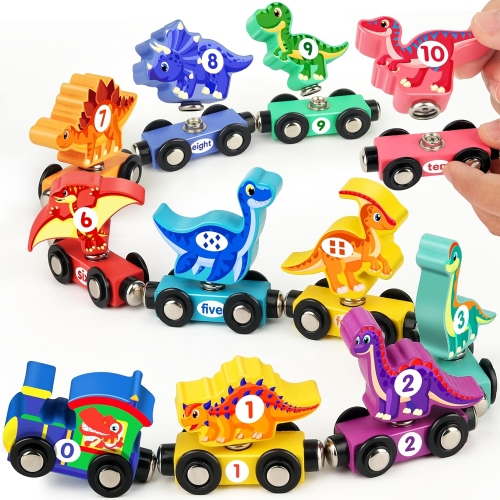
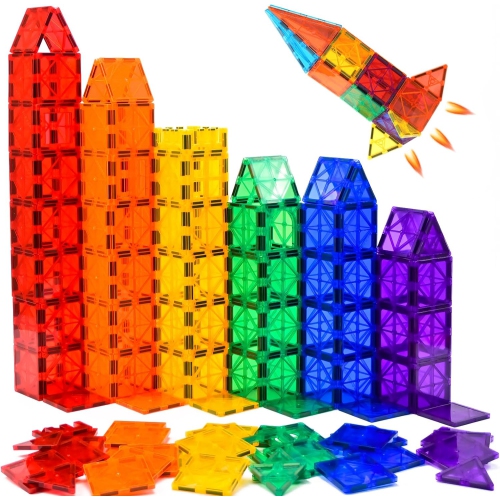
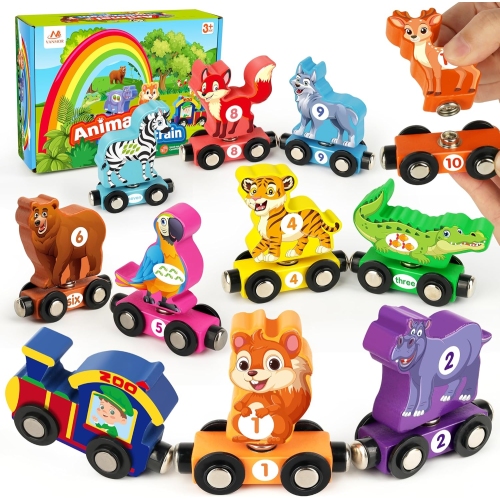
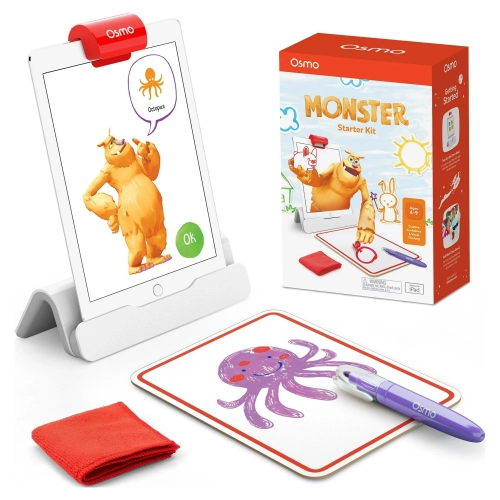
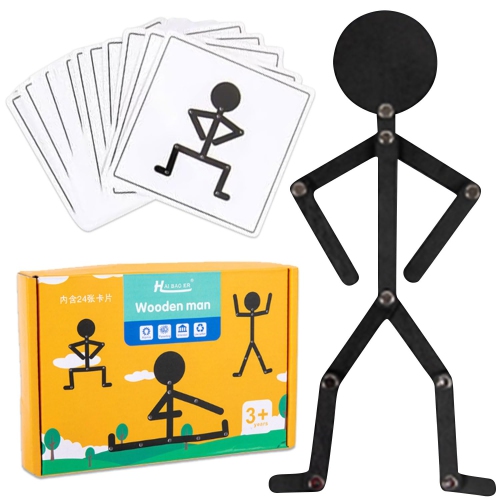




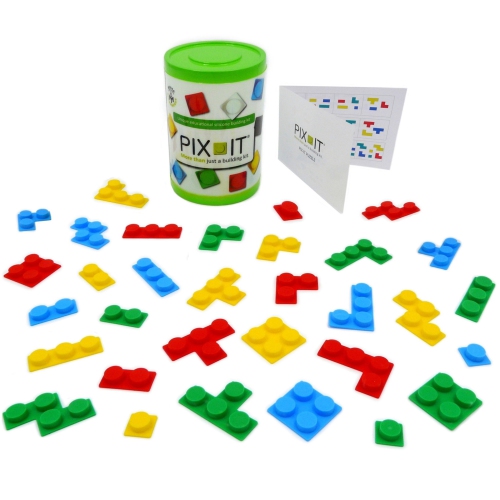
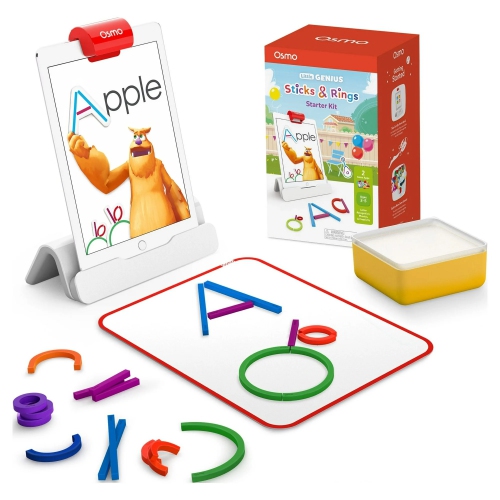
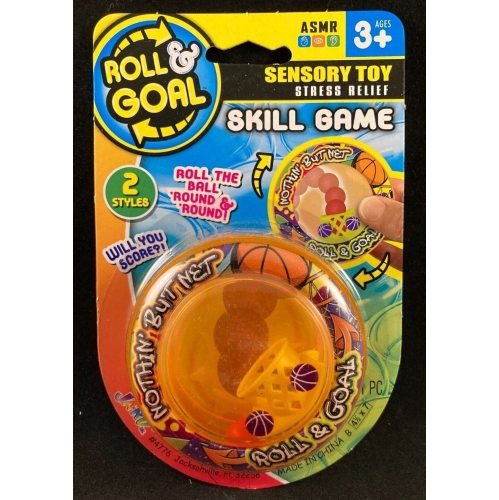
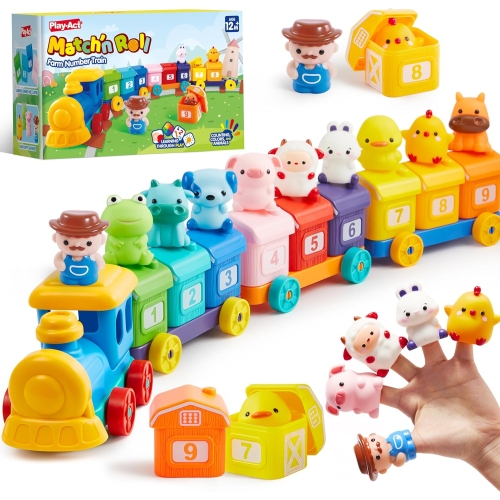
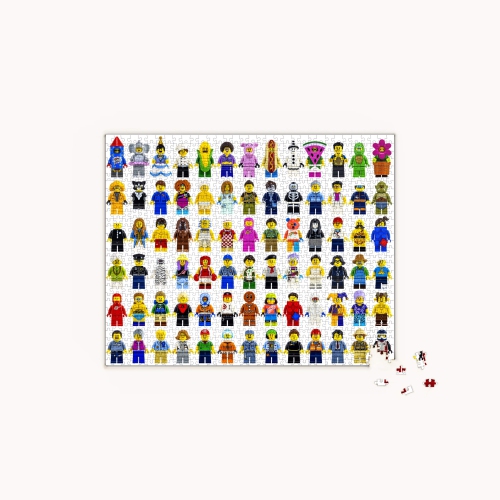
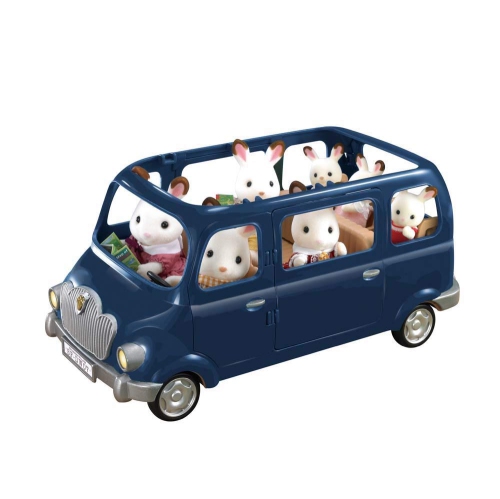
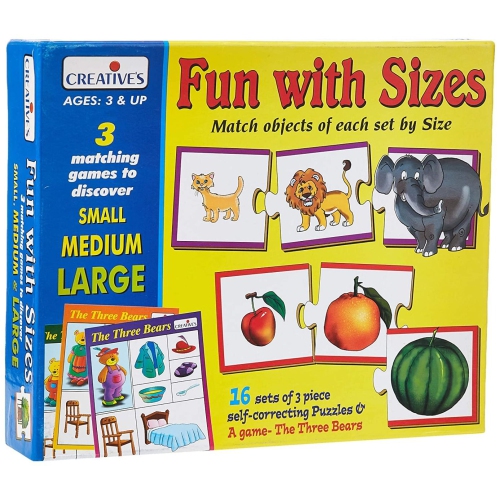
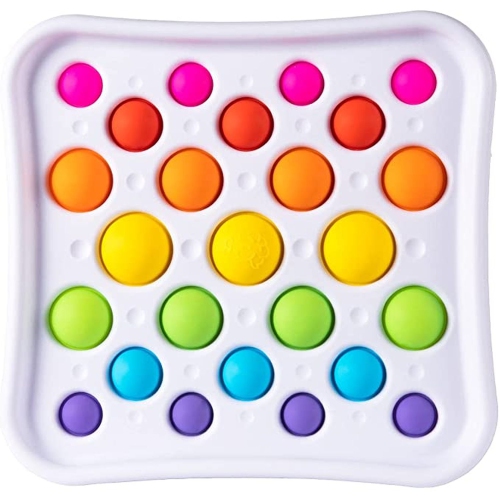
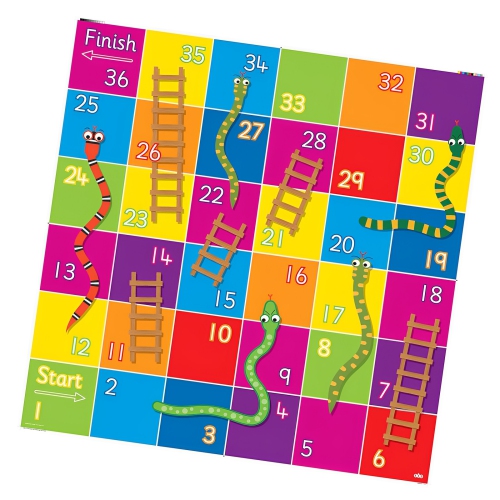
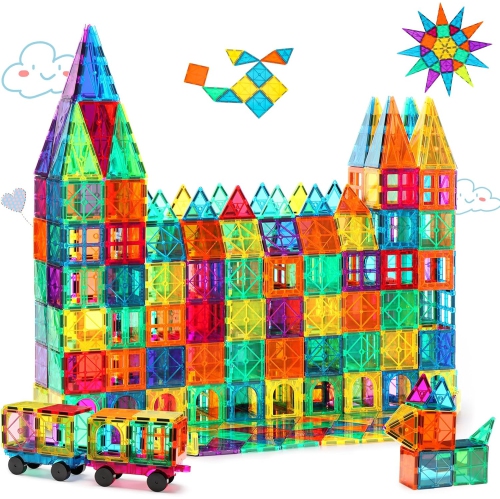
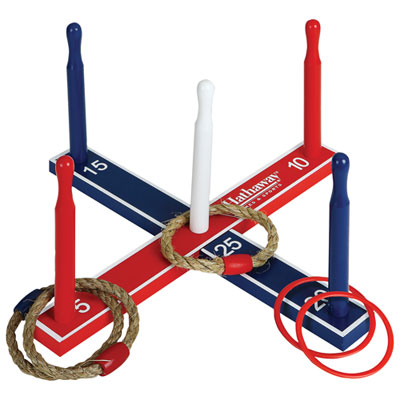

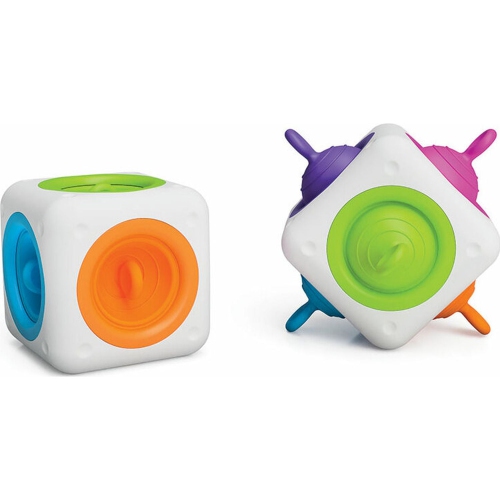
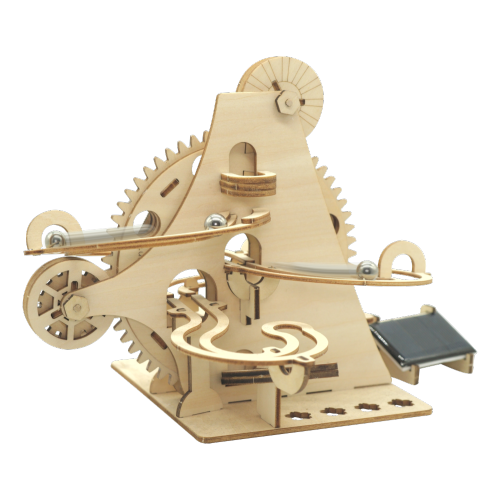
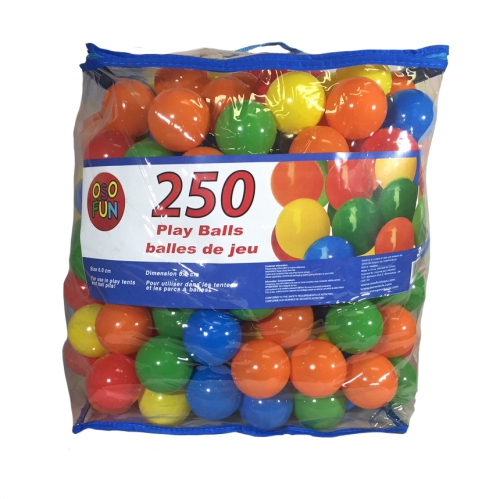
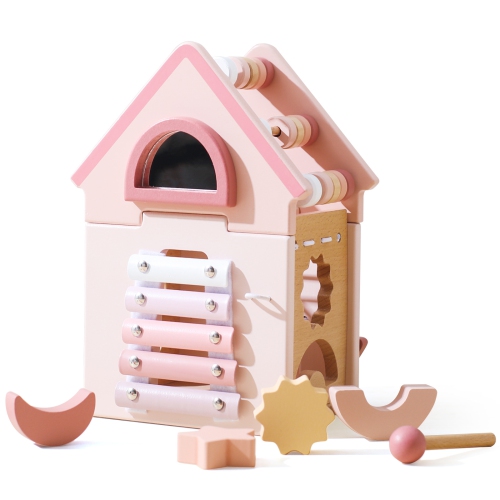
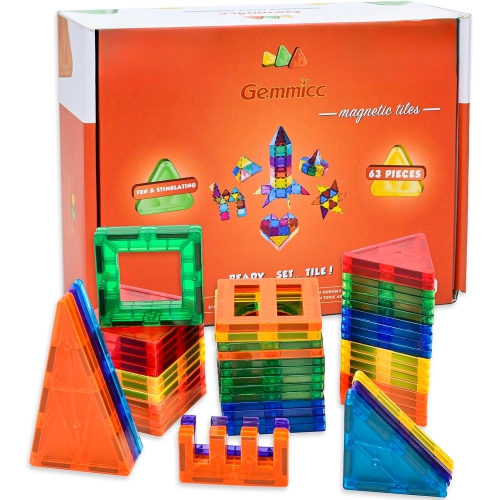
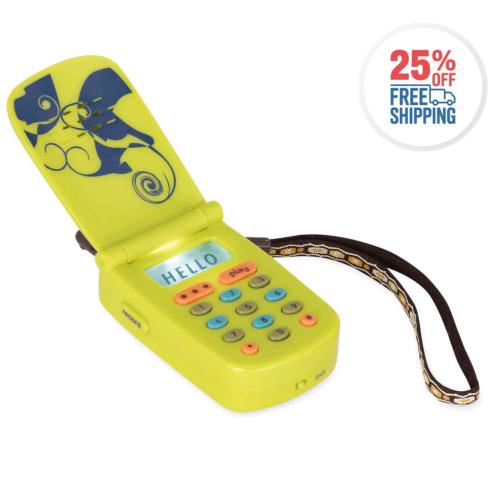
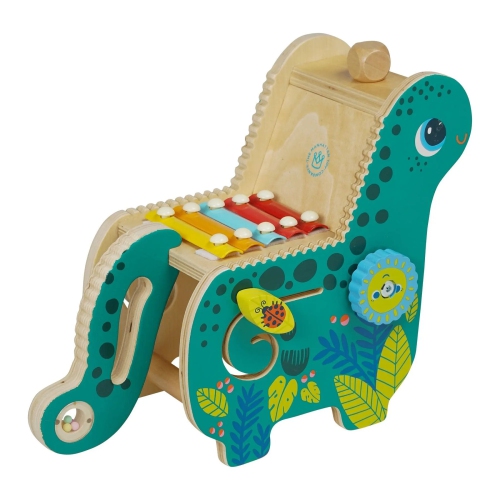
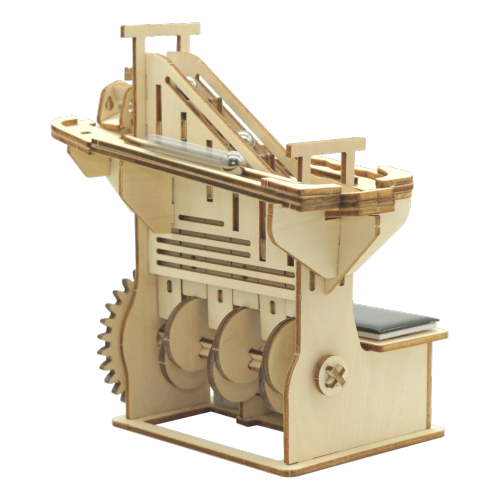
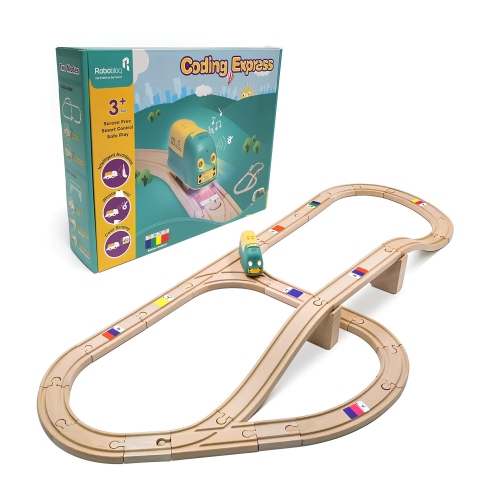
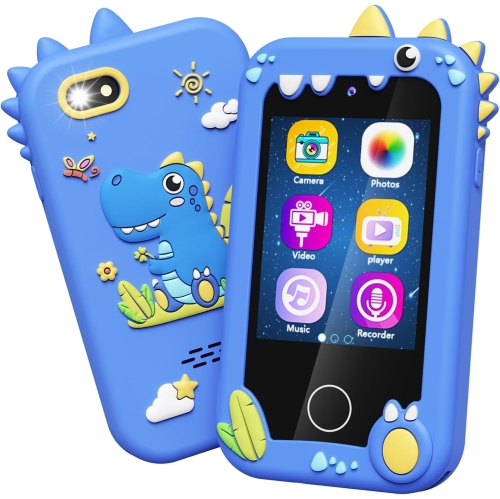
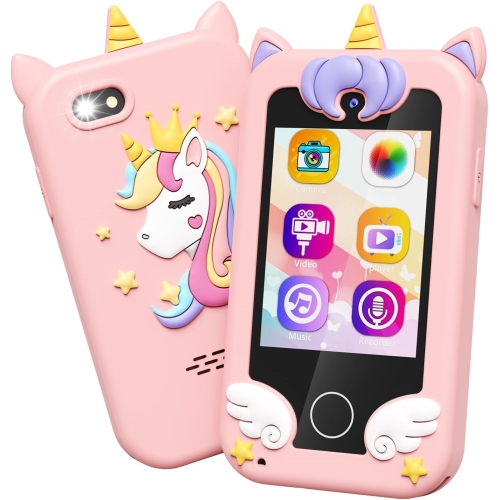
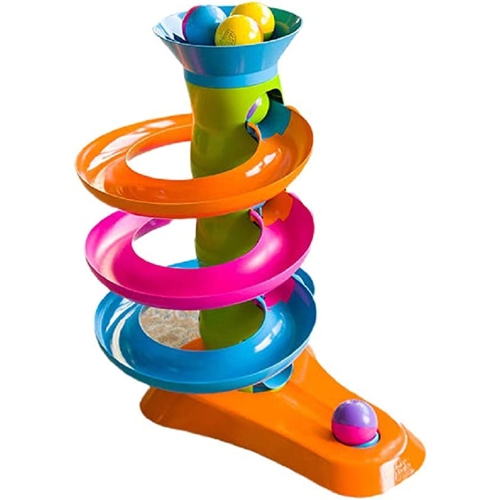
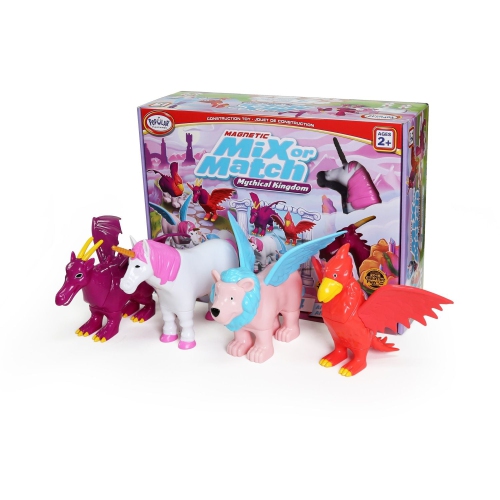
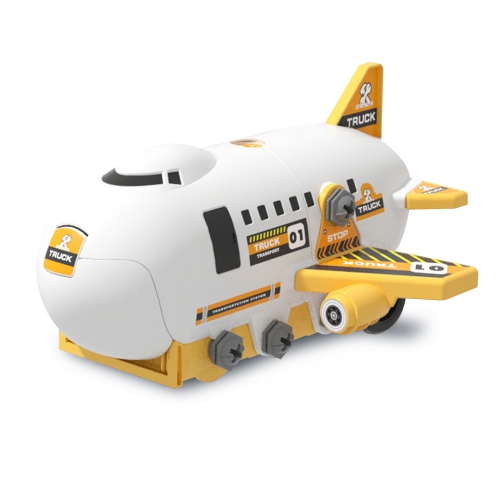
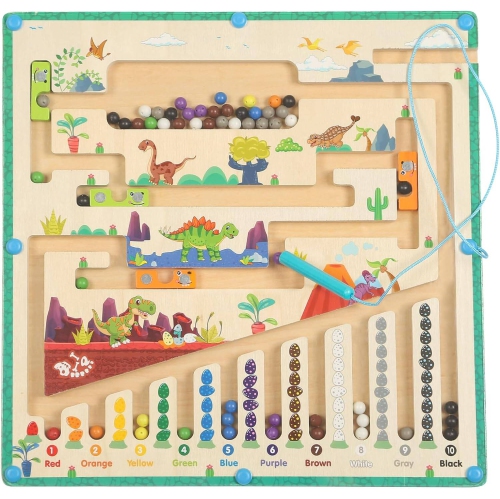
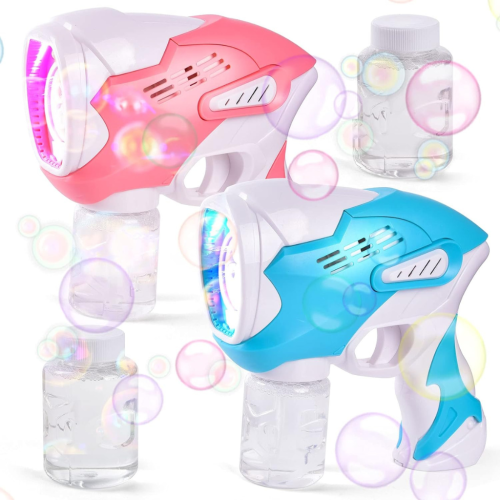
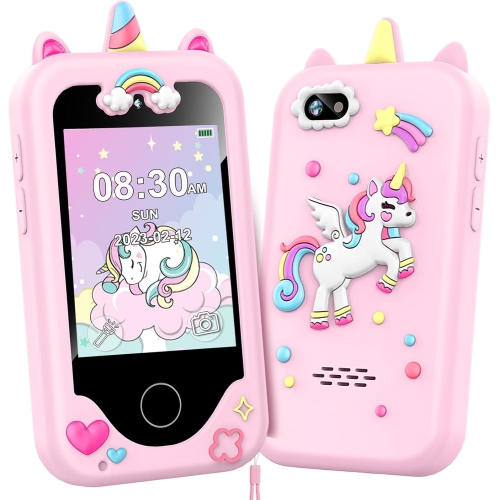
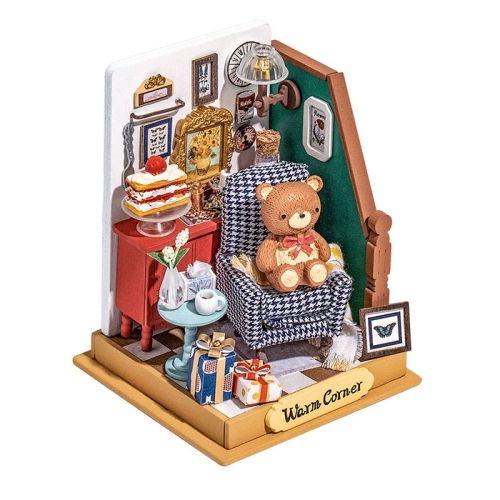
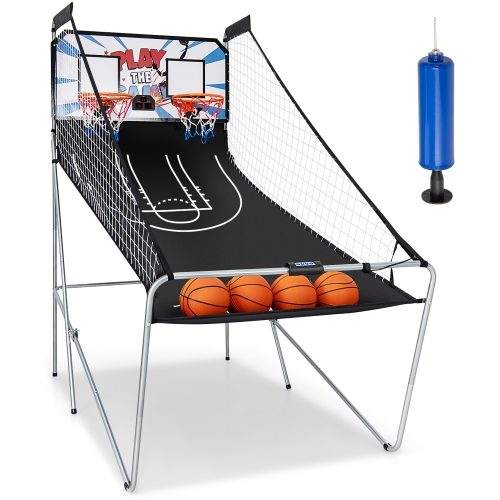

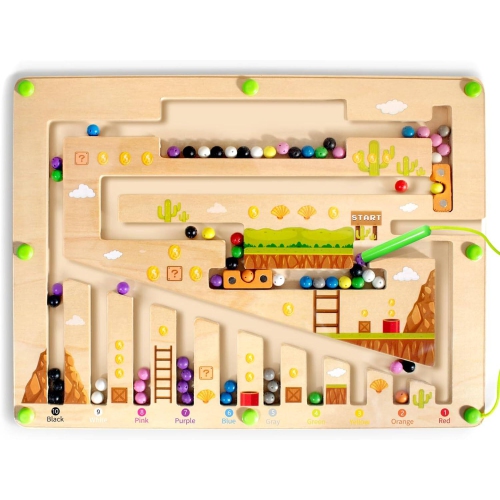
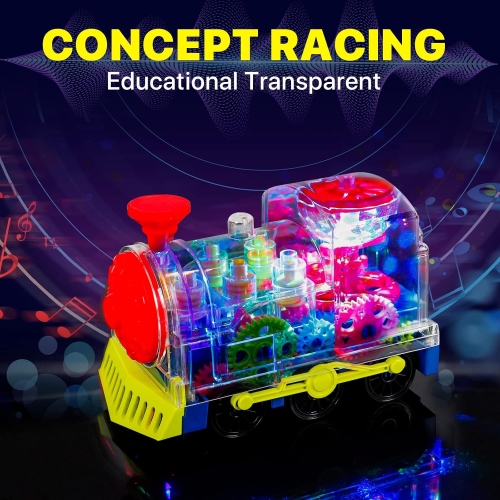
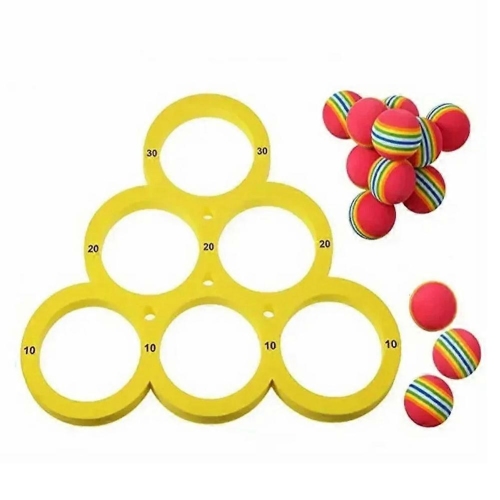

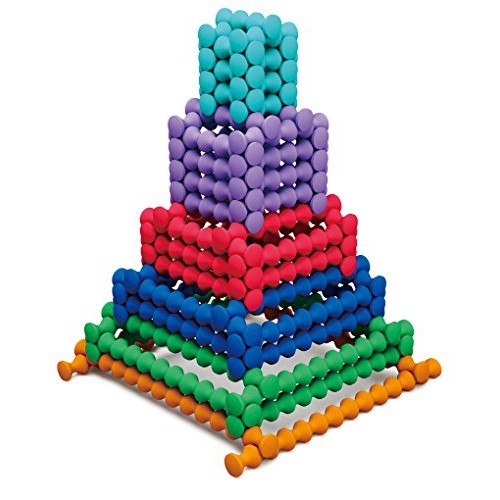
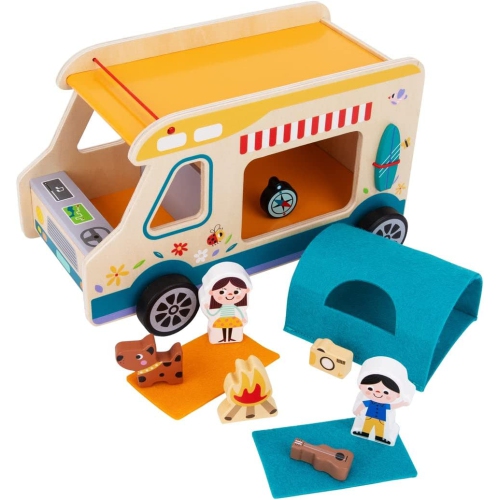
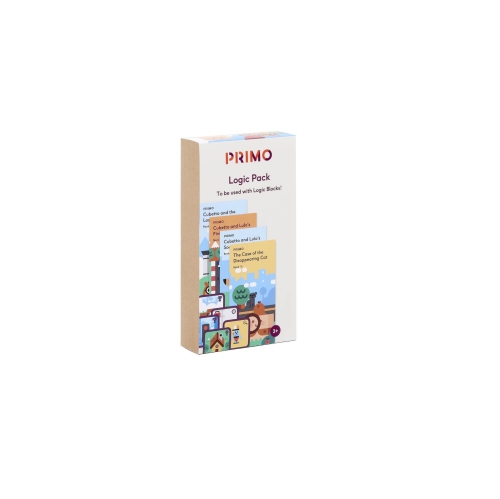

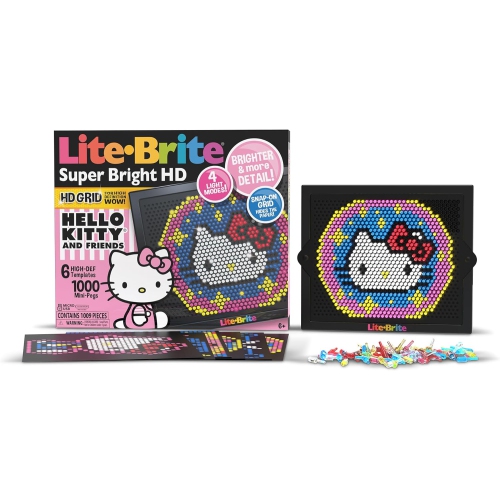
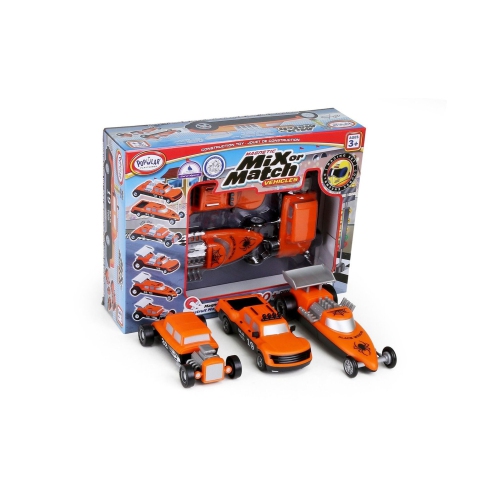
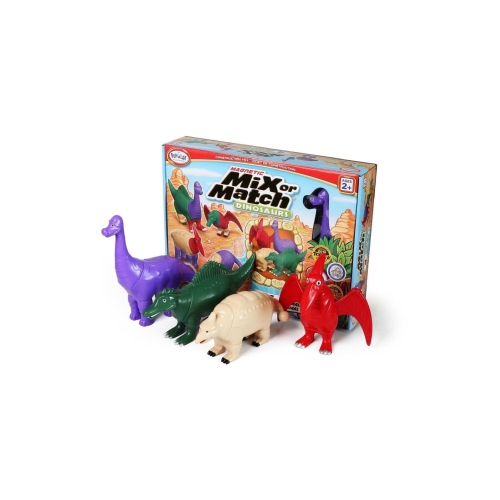
Playful ways to learn, connect, and enjoy time together
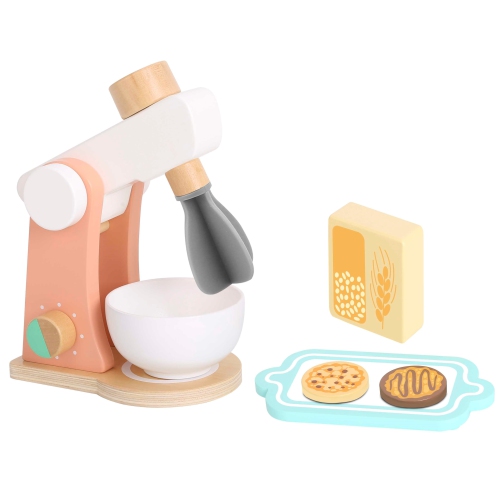
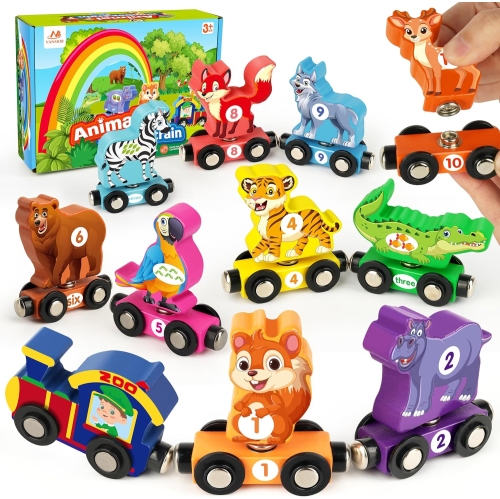
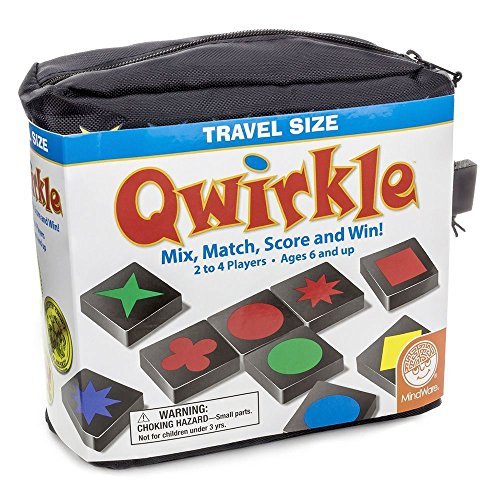
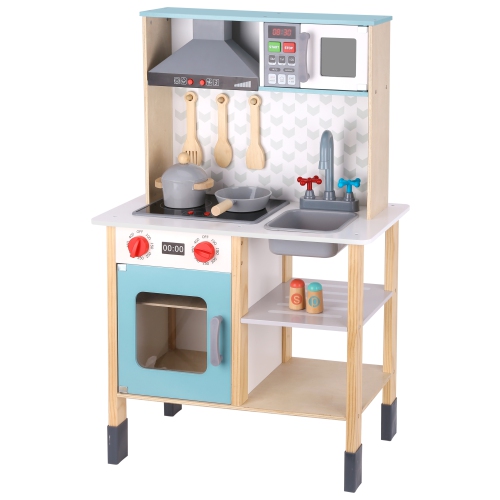
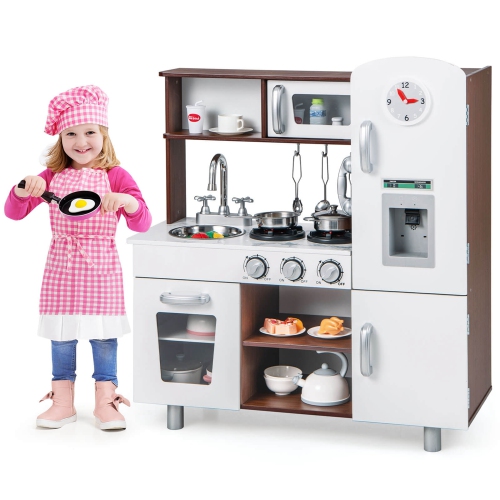
Toys and games bring play, discovery, and shared time into everyday routines for children, families, and adults. The category includes creative activities, construction sets, dolls and figures, pretend-play accessories, puzzles, board games, card games, outdoor play items, learning-focused toys, and interactive entertainment for a wide range of ages and interests. Some options invite children to build a colourful world from separate pieces, while others encourage storytelling, movement, matching, counting, or careful strategy. A play kitchen can turn an ordinary afternoon into a restaurant adventure; a puzzle can create a quiet moment of concentration at the kitchen table; and a fast-paced game can fill a family room with laughter when friends or relatives visit. Many toys and games also make thoughtful gifts for birthdays, family celebrations, school milestones, and the holiday season because they offer an experience to enjoy rather than something that simply sits on a shelf. When browsing, start with the intended age range and consider the child’s personality, interests, and current abilities. A curious child who loves asking how things work may enjoy activities involving building, sorting, science, or problem-solving, while an imaginative storyteller may gravitate toward role-play, characters, costumes, or open-ended creative play. For older children and adults, look for games that match the group size, preferred pace, and level of challenge, whether the goal is relaxed entertainment or a more strategic contest. Exploring Fun Toys can help you find playful options for different interests, ages, and occasions.
Toys and games can support development while keeping play enjoyable and relaxed. Building, arranging, drawing, and manipulating small components can strengthen fine motor skills, hand-eye coordination, spatial awareness, and patience. Puzzles and matching activities encourage children to notice patterns, remember details, and work through a problem one step at a time. Games with numbers, letters, reading, or simple rules can reinforce early learning in a way that feels like play rather than a lesson, while STEM-oriented activities can introduce ideas related to science, technology, engineering, and mathematics through hands-on exploration. Imaginative play offers a different kind of learning: children practise language, make decisions, express emotions, and experiment with social roles as they create their own stories. Taking turns, following instructions, negotiating rules, and celebrating another player’s success can help develop communication, cooperation, and emotional awareness. For adults, games provide an inviting way to unwind, connect with friends, or spend meaningful time with family members across generations. The best choice does not have to be the most complicated one. A simple activity that suits the player’s attention span and interests may be used repeatedly, while a more advanced game can offer fresh challenges as skills grow. Consider whether the toy or game will be used independently, with a sibling, or in a larger group, and check the number of players, estimated play time, storage requirements, and any included pieces before ordering. If the recipient has limited space, compact games and foldable or easy-to-store activities may be more practical. If play will often happen in a shared room, selecting items with manageable noise levels and clearly contained components can make cleanup and everyday use easier.
As the weather becomes cooler and families spend more time indoors, toys and games can create dependable opportunities for creativity, movement, and connection without requiring a complicated plan. A building activity can occupy a child on a quiet afternoon, a cooperative game can bring siblings together after school, and a strategy-based challenge can give older children or adults something engaging to return to over several evenings. Outdoor-friendly options can still be useful during milder days, helping children explore balance, coordination, and active play in a yard, park, or driveway, while indoor activities provide flexible entertainment when conditions are less inviting. For gift giving, think beyond a single age label and choose something that fits the recipient’s stage of development, available space, and preferred way to play. Younger children often benefit from sturdy, easy-to-grip pieces and clear, uncomplicated activities. School-age children may enjoy more detailed construction, creative projects, collecting, storytelling, or games with evolving rules. Teens and adults may appreciate social games, challenging puzzles, creative hobbies, or interactive experiences that can be enjoyed alone or with others. Safety is also an important part of choosing well: follow the recommended age range, review supervision guidance, and consider whether small pieces, cords, batteries, magnets, or other components are appropriate for the intended user. It is helpful to select toys and games that can grow with the player, offering different ways to play as confidence and imagination develop. Whether the aim is to encourage creativity, practise problem-solving, promote active movement, or make space for laughter around the table, the right choice can turn an ordinary day into a memorable one.
Toys and games can support development while keeping play enjoyable and relaxed. Building, arranging, drawing, and manipulating small components can strengthen fine motor skills, hand-eye coordination, spatial awareness, and patience. Puzzles and matching activities encourage children to notice patterns, remember details, and work through a problem one step at a time. Games with numbers, letters, reading, or simple rules can reinforce early learning in a way that feels like play rather than a lesson, while STEM-oriented activities can introduce ideas related to science, technology, engineering, and mathematics through hands-on exploration. Imaginative play offers a different kind of learning: children practise language, make decisions, express emotions, and experiment with social roles as they create their own stories. Taking turns, following instructions, negotiating rules, and celebrating another player’s success can help develop communication, cooperation, and emotional awareness. For adults, games provide an inviting way to unwind, connect with friends, or spend meaningful time with family members across generations. The best choice does not have to be the most complicated one. A simple activity that suits the player’s attention span and interests may be used repeatedly, while a more advanced game can offer fresh challenges as skills grow. Consider whether the toy or game will be used independently, with a sibling, or in a larger group, and check the number of players, estimated play time, storage requirements, and any included pieces before ordering. If the recipient has limited space, compact games and foldable or easy-to-store activities may be more practical. If play will often happen in a shared room, selecting items with manageable noise levels and clearly contained components can make cleanup and everyday use easier.
As the weather becomes cooler and families spend more time indoors, toys and games can create dependable opportunities for creativity, movement, and connection without requiring a complicated plan. A building activity can occupy a child on a quiet afternoon, a cooperative game can bring siblings together after school, and a strategy-based challenge can give older children or adults something engaging to return to over several evenings. Outdoor-friendly options can still be useful during milder days, helping children explore balance, coordination, and active play in a yard, park, or driveway, while indoor activities provide flexible entertainment when conditions are less inviting. For gift giving, think beyond a single age label and choose something that fits the recipient’s stage of development, available space, and preferred way to play. Younger children often benefit from sturdy, easy-to-grip pieces and clear, uncomplicated activities. School-age children may enjoy more detailed construction, creative projects, collecting, storytelling, or games with evolving rules. Teens and adults may appreciate social games, challenging puzzles, creative hobbies, or interactive experiences that can be enjoyed alone or with others. Safety is also an important part of choosing well: follow the recommended age range, review supervision guidance, and consider whether small pieces, cords, batteries, magnets, or other components are appropriate for the intended user. It is helpful to select toys and games that can grow with the player, offering different ways to play as confidence and imagination develop. Whether the aim is to encourage creativity, practise problem-solving, promote active movement, or make space for laughter around the table, the right choice can turn an ordinary day into a memorable one.
Top selling and popular products
-
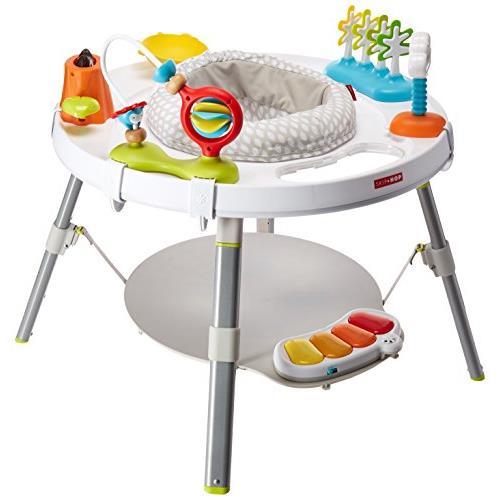 Your price for this item is $299.13
 -
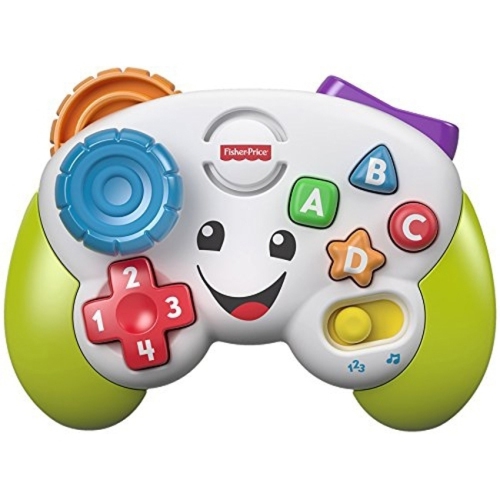 Your price for this item is $24.28
 -
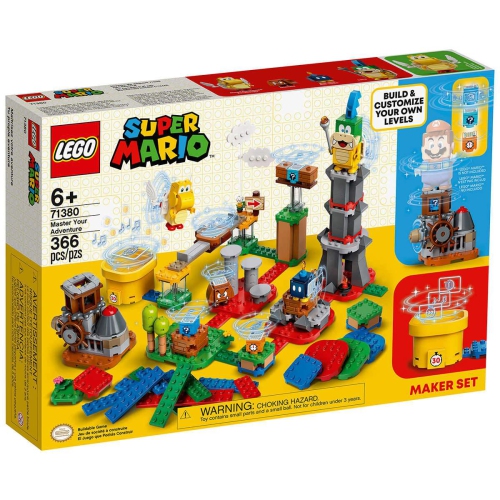 Your price for this item is $103.27
 -
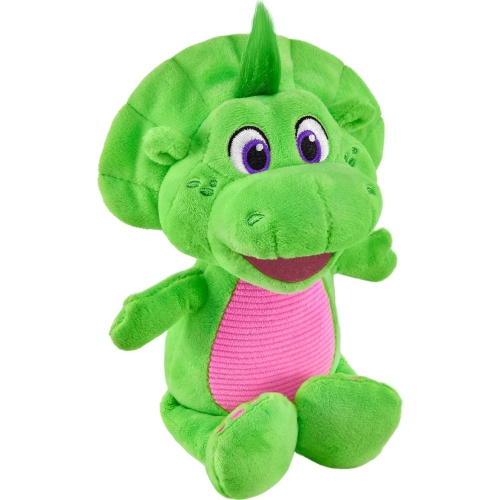 Your price for this item is $17.24
 -
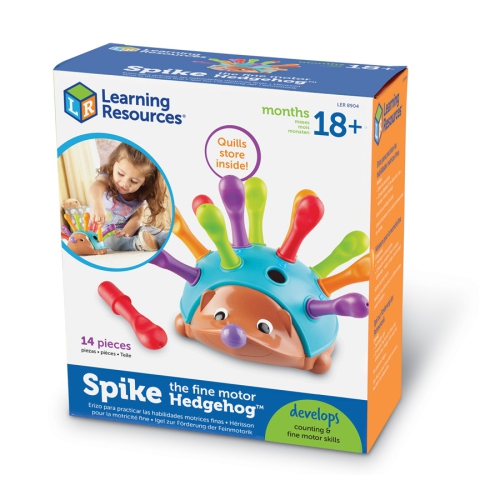 Your price for this item is $56.13
 -
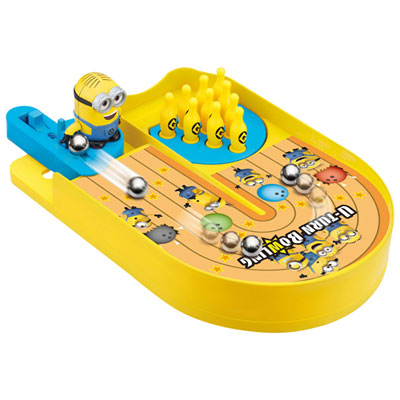 Your price for this item is $19.99
 -
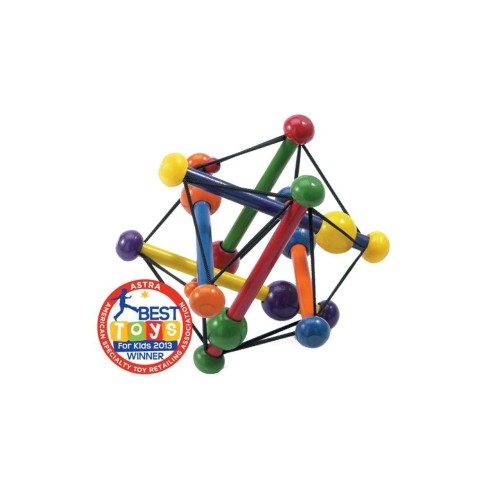 Your price for this item is $29.99
 -
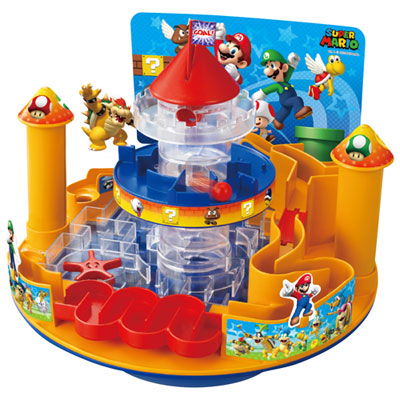 Your price for this item is $39.99
Discover more categories related to Toys And Games
Top Collections:
Pokemon Centers, Best Cameras for Sports Photography, Kindle Devices, Samsung Galaxy Phones, Canon G7X Cameras, Pokémon 30th Celebration Cards, Refurbished Apple Laptops, iPhone 15 Apple, Laptops for Students, Budget Smartphones
Some products may be subject to Environmental Handling Fees
(EHF) depending on your province.
Learn more about EHFs.