Toys for 3 Year Old Boys
Explore a world of imagination and fun with our diverse selection of toys for 3 year old boys. At this exciting age, children are eager to learn, explore, and play, making it the perfect time to introduce them to toys that inspire creativity and development. From interactive playsets to colorful building blocks, you'll find a variety of options designed to engage young minds and keep little hands busy. Whether you're searching for educational toys or simply something to spark joy during playtime, our carefully curated collection offers endless opportunities for adventure and discovery. Dive into our assortment and find the perfect toy that will captivate and delight your three-year-old boy.
Sort
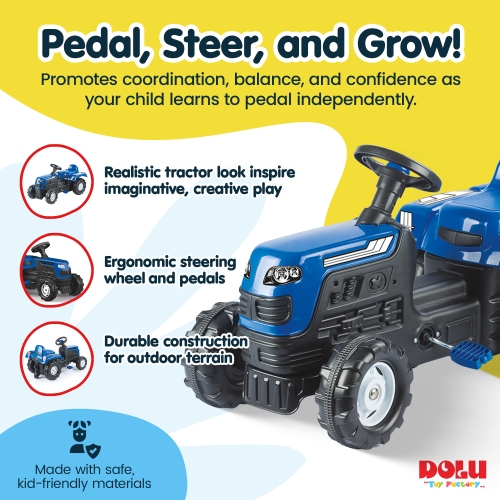
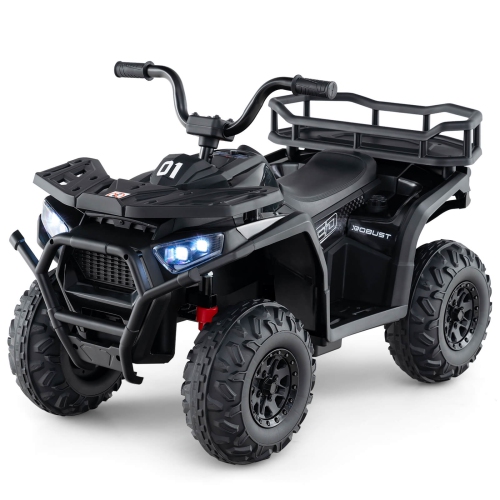
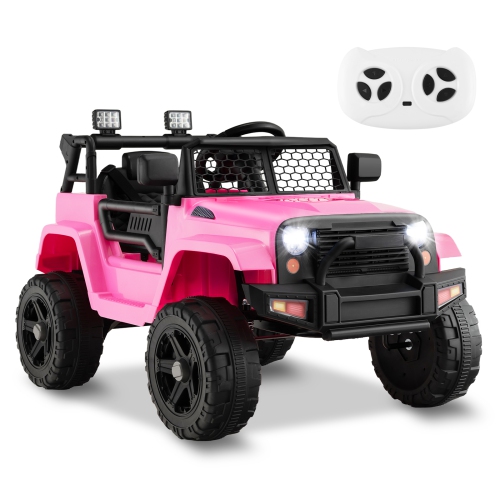
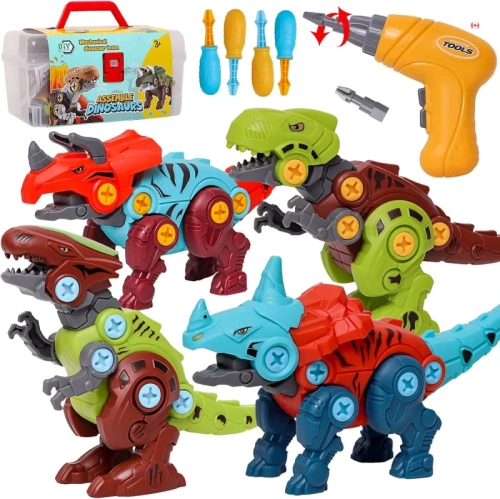
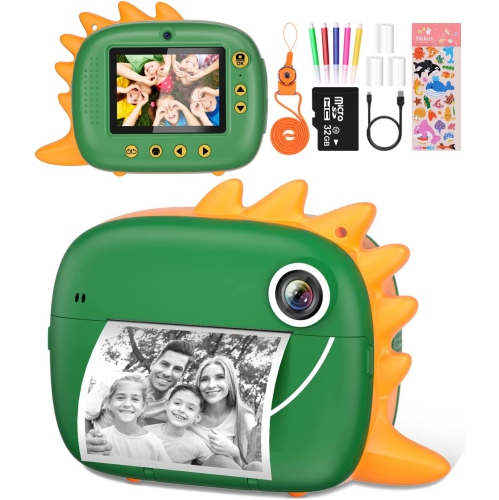
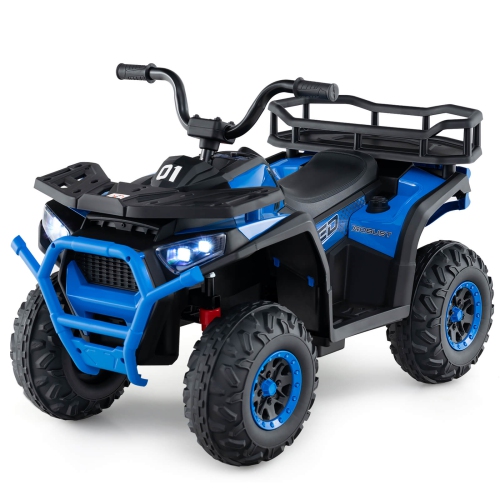
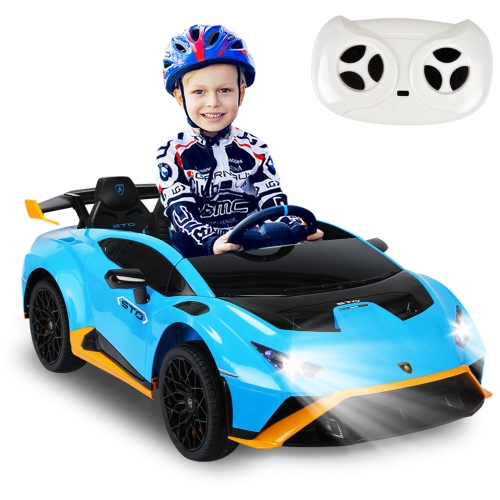
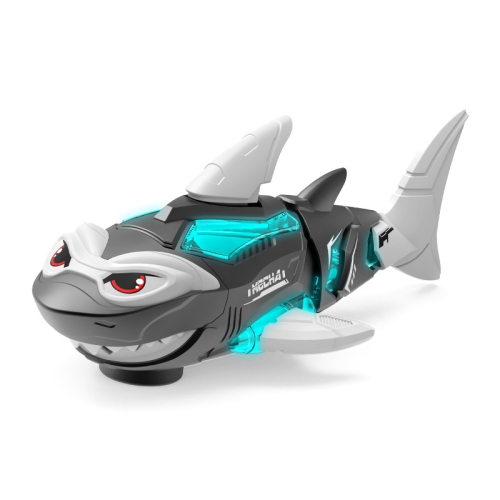
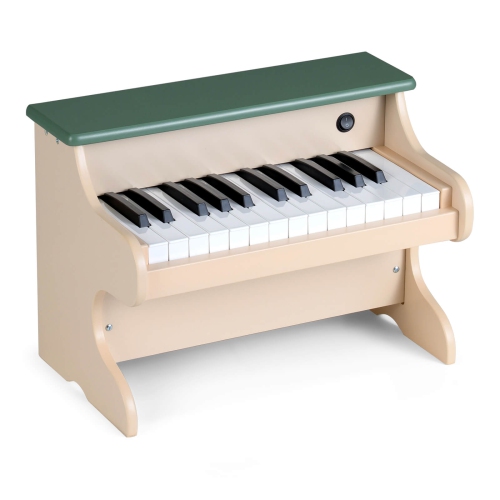
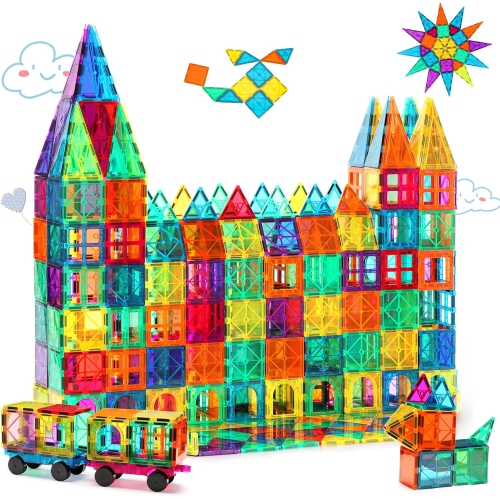
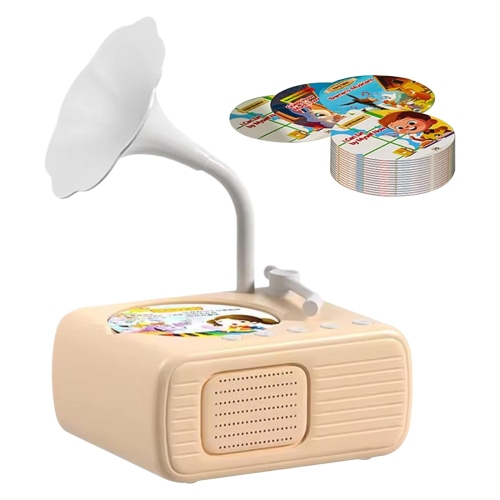
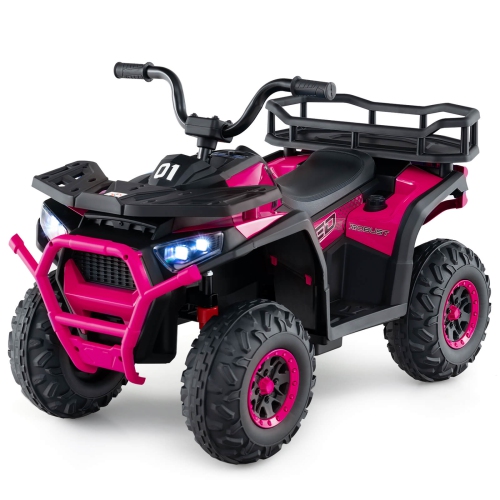
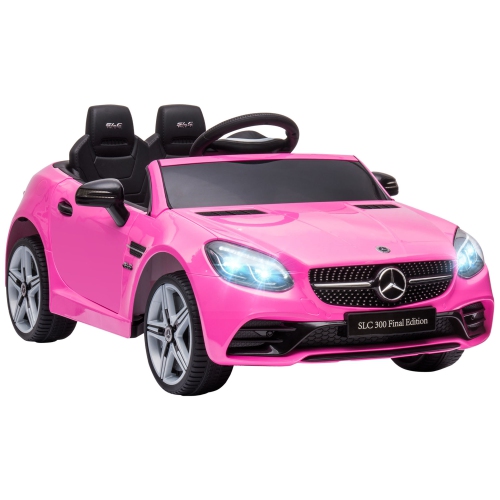
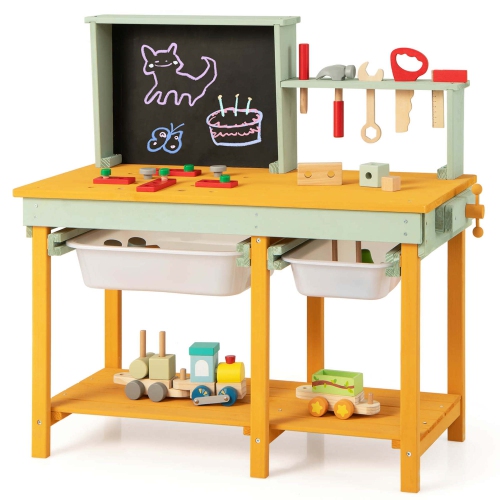
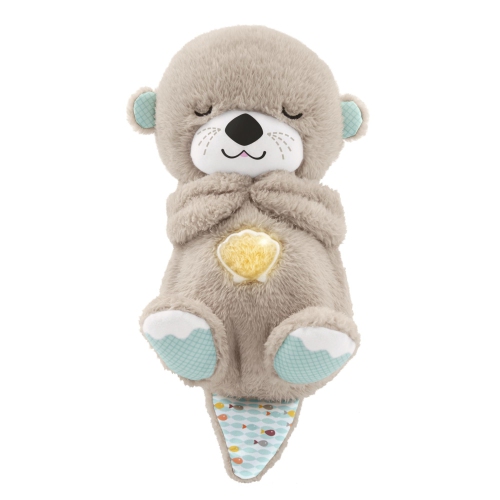
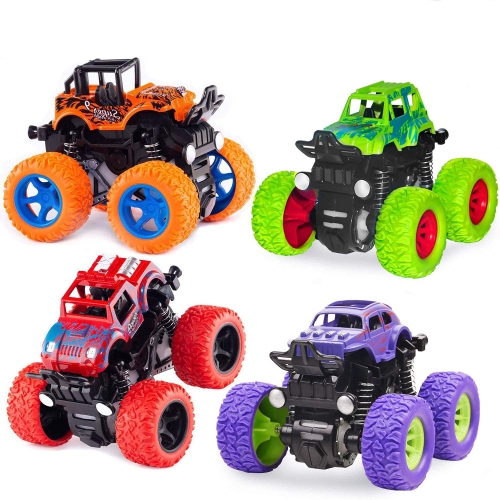

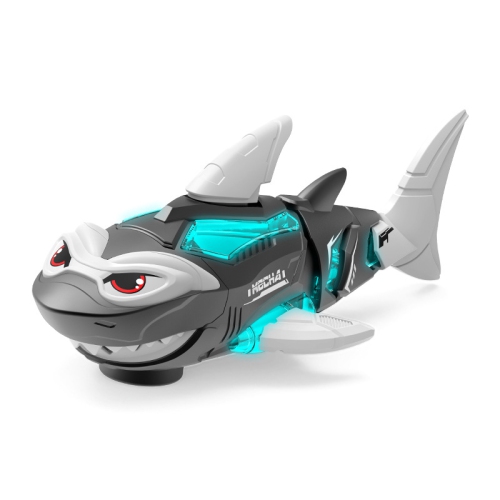
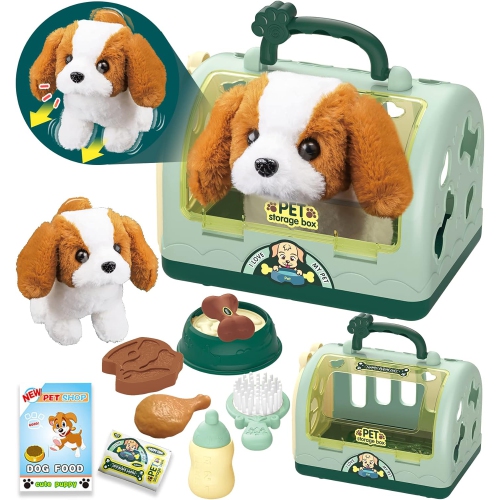
From stacking towers to stories of their own
Toys for 3-year-old boys can support imaginative play, active movement, and hands-on practice with everyday skills. At this age, many children enjoy making things happen: pushing a vehicle along a winding route, fitting a puzzle piece into place, or building a tower tall enough to knock down with a delighted crash. Toys with simple actions and room for experimentation suit these interests without requiring a child to follow a complicated sequence. Large building pieces, pretend-play sets, art materials, and age-appropriate games offer different ways to explore shapes, colours, movement, and storytelling. A pretend kitchen can become a busy restaurant where every guest orders the same meal, while a collection of toy vehicles can inspire a delivery route stretching from the sofa to the hallway. These familiar scenarios give children opportunities to use new words, invent roles, and act out experiences they recognize. Puzzles and construction toys invite more focused play, with grasping, turning, stacking, and matching providing practice for developing hand control. Active toys add another dimension through balancing, pushing, throwing, or moving towards a target. A mix of play styles accommodates both an energetic afternoon and a quieter stretch of independent exploration nearby. Three-year-olds vary considerably in attention span, coordination, and confidence, so the age label is a starting point rather than a promise that every activity will feel equally comfortable. Some children happily repeat a simple task, while others prefer an open-ended setup that changes with each attempt. Clear cause and effect, manageable pieces, and satisfying actions can make a toy inviting without a lengthy explanation. Favourite subjects also matter: animals, music, cooking, construction, and make-believe adventures can all provide a familiar way into something new. Toys do not need to deliver a formal lesson to be worthwhile; sorting pretend food, arranging a small world, or taking turns rolling a ball can make everyday play absorbing and meaningful.
Materials, construction, and size influence how well toys stand up to the enthusiastic handling common at three. Smooth wooden pieces can provide a substantial feel for stacking and arranging, while lightweight plastic may be easier for small hands to carry between play spaces. Fabric toys offer a softer texture for cuddling and pretend play, though their care requirements differ from those of hard surfaces. Well-finished edges, secure seams, and sturdy connections are useful details wherever a toy will be pulled, pushed, dropped, or repeatedly assembled. Moving parts should function as intended without requiring more strength or precision than the child can comfortably manage. Scale matters just as much as material: chunky handles can be easier to grasp, a stable base can help a play station stay upright, and a puzzle with manageable pieces can feel more approachable than a crowded design. For ride-on toys, the manufacturer's height and weight limits, intended riding surface, and protective-equipment guidance help establish whether the fit and use are appropriate. Age recommendations and safety warnings remain important across every toy category, especially when play spaces are shared with younger siblings. Small detachable pieces, accessible batteries, and loose magnets require particular attention, and adult supervision should reflect both the toy's instructions and the child's abilities. Craft materials should also be labelled for the intended age and used with the supervision specified on the packaging. Care requirements become especially noticeable with frequently handled toys. Some hard surfaces allow wiping with a damp cloth, whereas electronic components, unfinished wood, and certain fabrics may need different treatment. Manufacturer instructions take priority over a general cleaning routine, including whether parts can be immersed or machine washed. Thorough drying before storage helps keep washable pieces ready for their next use. Durability also includes everyday practicality: pieces that are easy to gather, containers that fit the play area, and assemblies that remain stable during normal use can make tidying and repeated play less frustrating.
For birthdays and other gift-giving occasions, a child's interests and the household's routines often provide more useful direction than the size of the package. A child who narrates every journey may enjoy pretend-play possibilities, while one who spends time lining up shapes may be drawn to sorting, matching, or construction. Gifts that leave room for more than one outcome can stay interesting as play changes. The same building pieces might become a garage one day and an animal shelter the next, with a caregiver helping to start the story before the child takes over. Shared games with short turns can introduce simple rules and the experience of waiting, although many three-year-olds still need patient support when a turn ends or a structure falls. Solo activities have their place too, particularly when the materials are easy to handle and the task has a clear beginning and end. For grandparents, relatives, and family friends, practical considerations include the space needed for play, the amount of assembly involved, and whether an adult needs to remain actively involved throughout. Sound levels, storage needs, and the effort required to reset an activity can affect how comfortably a gift fits into daily life. A compact activity can be useful for visits, while a larger play setup needs enough clear floor space for its intended use. Families choosing gifts for children of different ages can also explore Toys for 2 Year Old Boys for a younger sibling, keeping each child's age recommendations and safety needs separate. Within a shared play area, clearly organized pieces make it easier to bring out suitable activities and put smaller components away afterwards. Ultimately, a well-matched toy gives a child something enjoyable to do at their own pace, whether that means repeating a favourite action, inviting someone into a pretend adventure, or proudly showing off a creation made by hand.
Top selling and popular products
-
 Your price for this item is $197.99
-
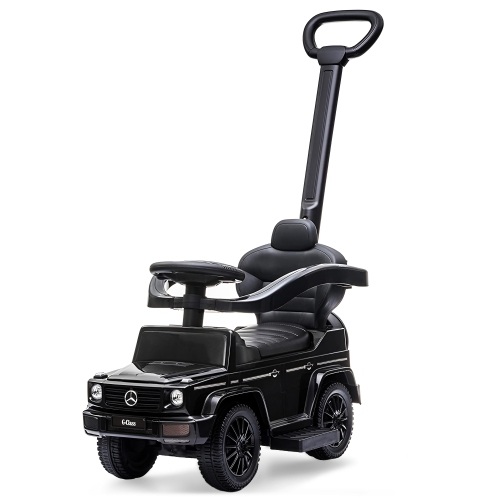 Your price for this item is $176.99
-
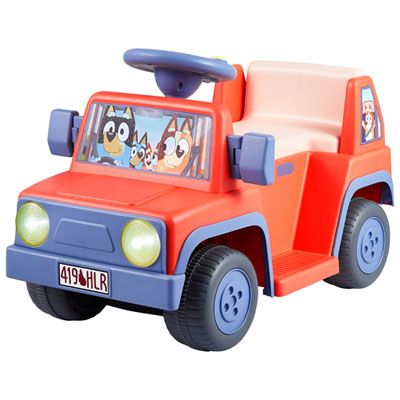 Your price for this item is $199.99
-
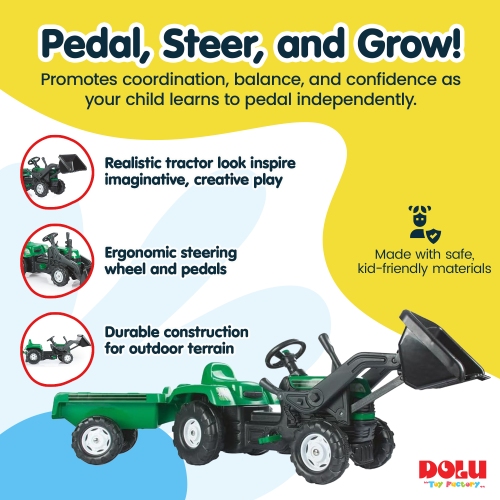 Your price for this item is $279.99
-
 Your price for this item is $199.99
-
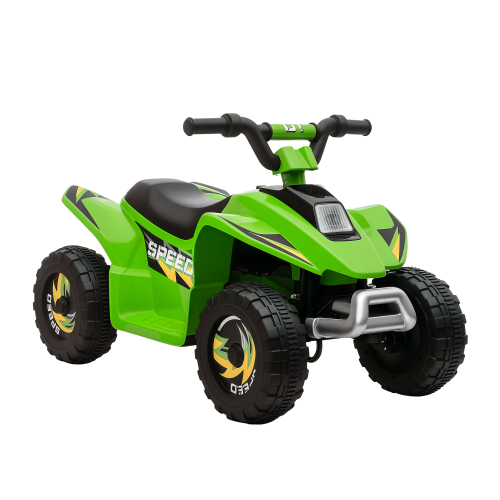 Your price for this item is $89.99
-
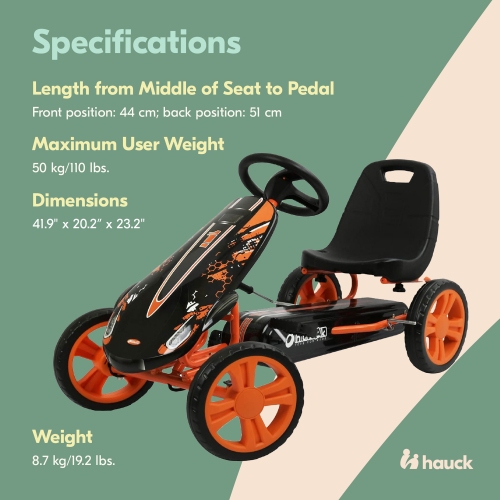 Your price for this item is $332.99
-
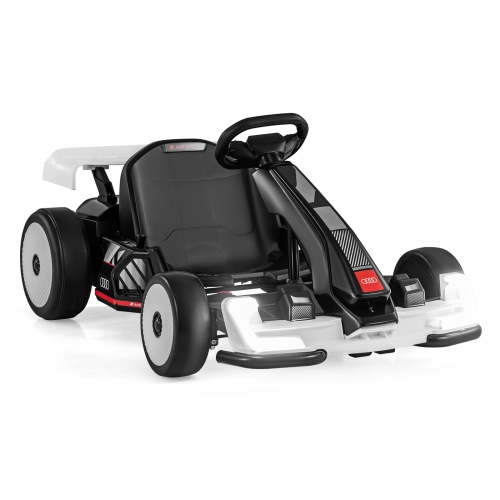 Your price for this item is $449.99
Discover more categories related to Toys for 3 Year Old Boys
Top Collections:
Best Black Friday Deals This Year, Best Black Friday Deals On Electronics, Kindle Devices, Pokemon Centers, Best Black Friday Deals On Apple Products, Best Cameras for Sports Photography, Dyson Airwrap, Pokémon 30th Celebration Cards, Apple iPhone 17 Pro, Canon G7X Cameras
Some products may be subject to Environmental Handling Fees
(EHF) depending on your province.
Learn more about EHFs.