Toys for Travel
Whether you’re embarking on a family road trip, catching a flight for a vacation, or simply looking to keep your little ones entertained on-the-go, our toys for travel collection has got you covered. Say goodbye to boredom and hello to hours of fun with our carefully curated selection of travel-friendly toys that are sure to delight kids of all ages. From compact games and puzzles to plush toys and activity kits, these portable entertainment options are designed to make every journey a joyous adventure. Gear up for your next excursion with these must-have travel toys that will keep the whole family happily occupied no matter where the road takes you.
Sort
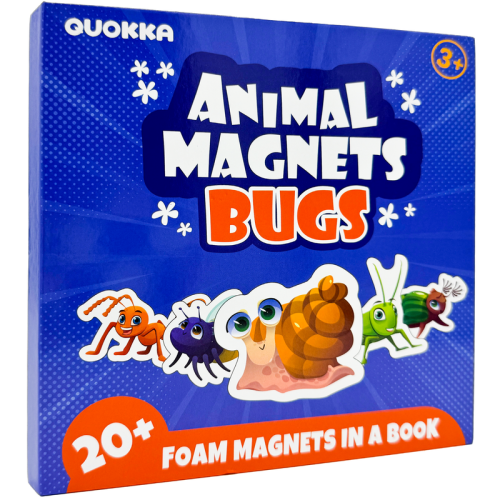
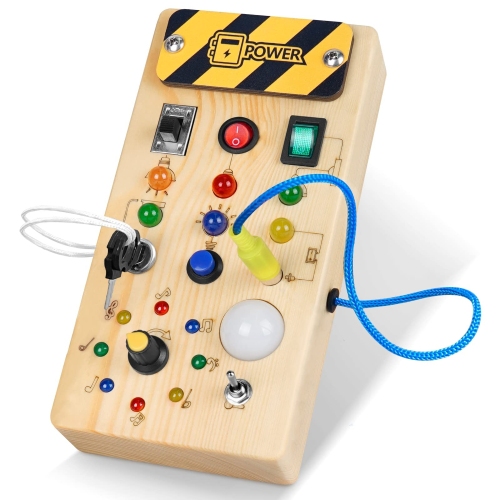
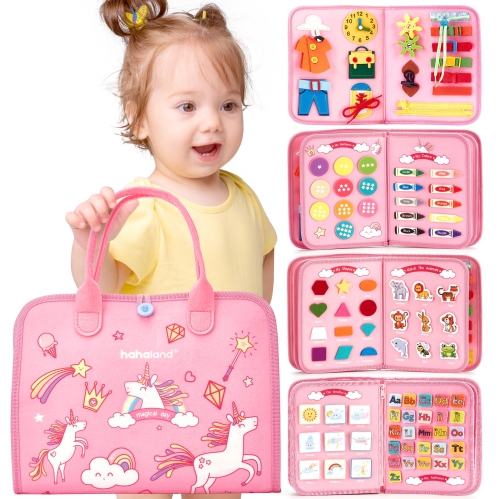
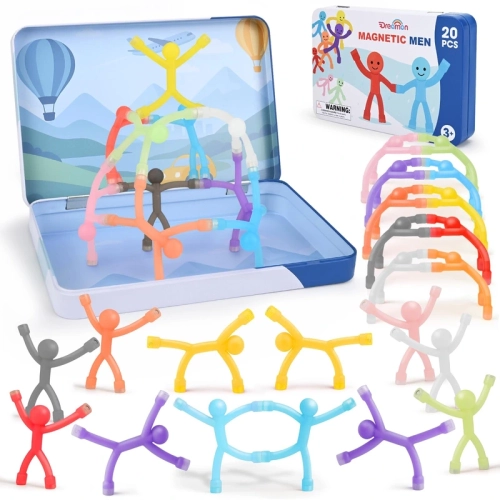
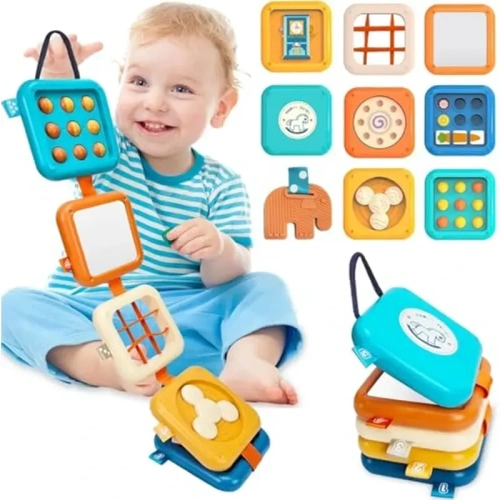
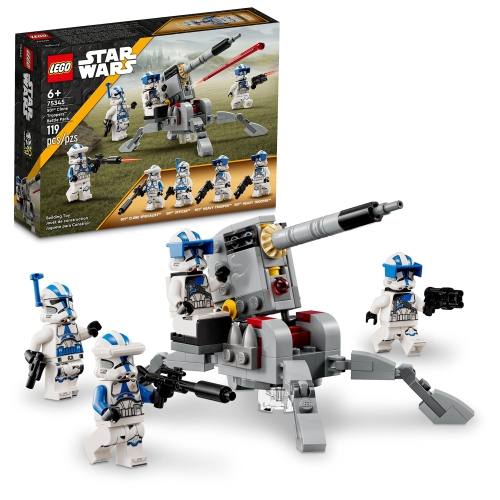
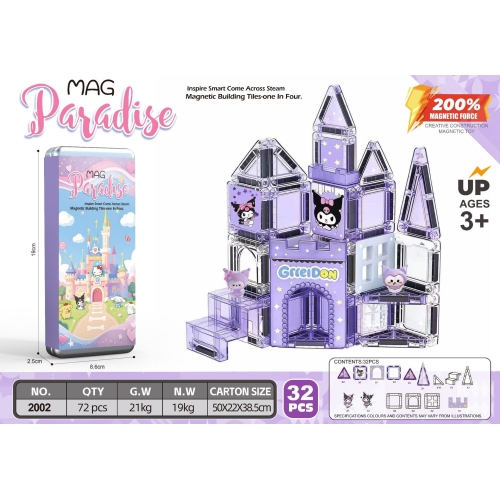
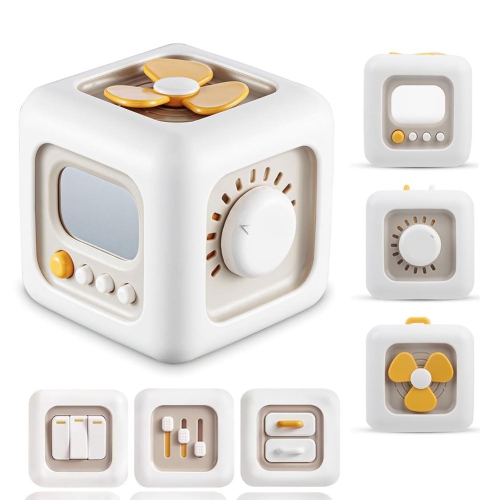
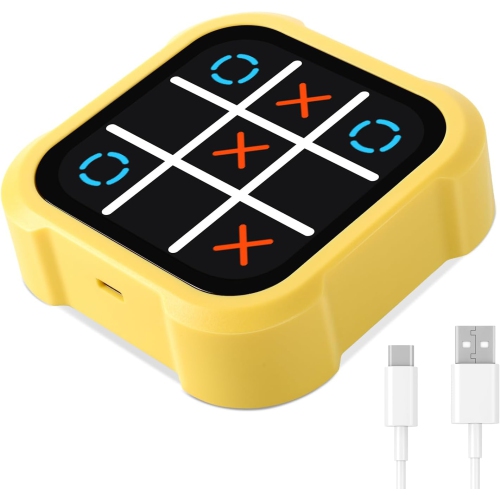
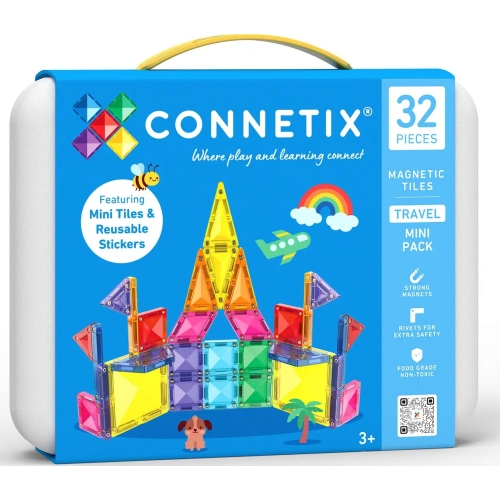
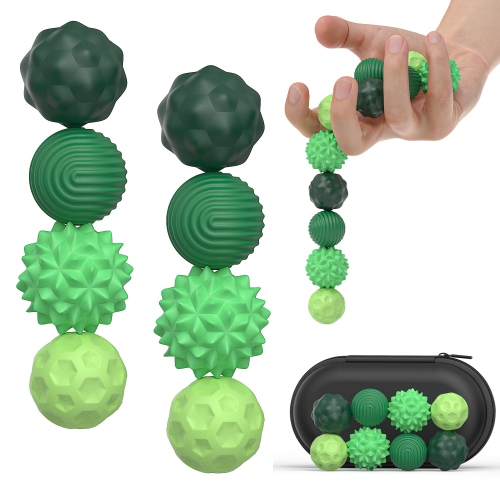
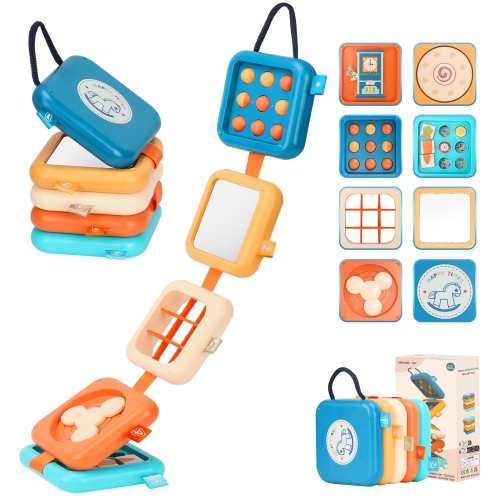
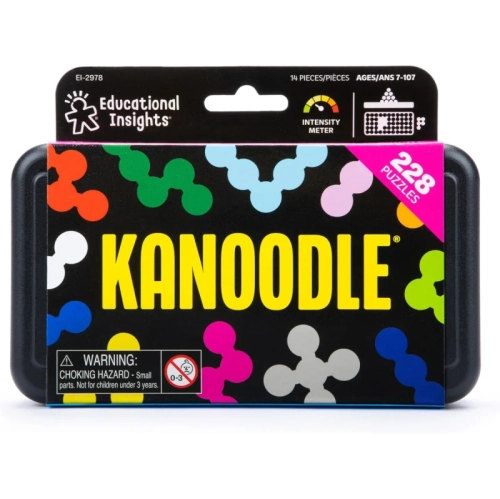
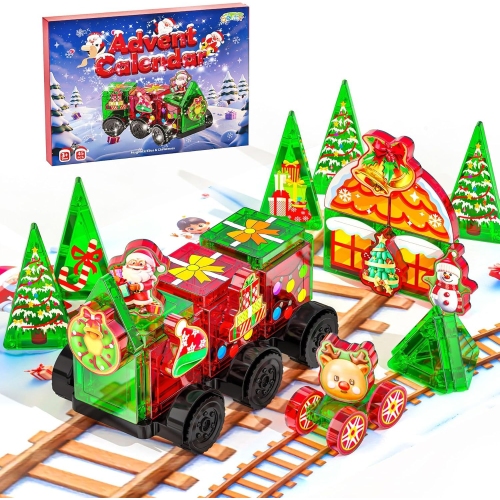
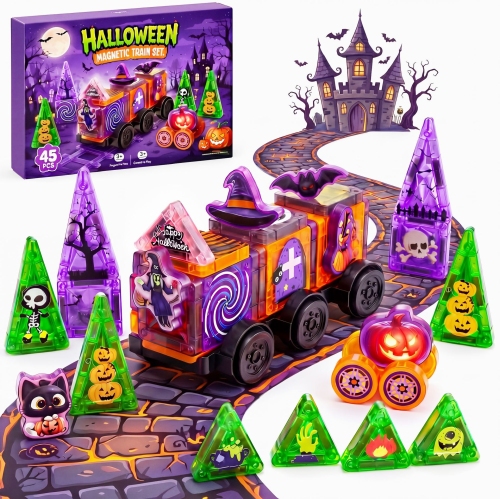
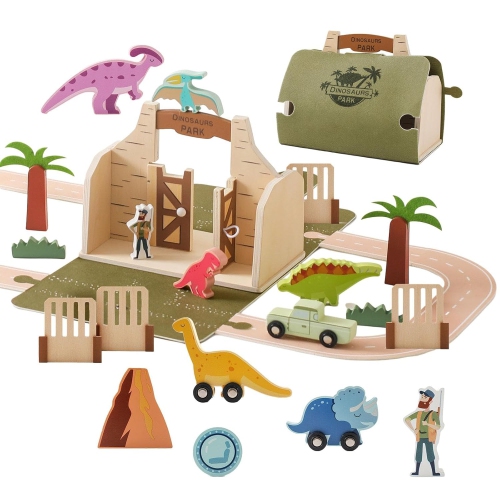
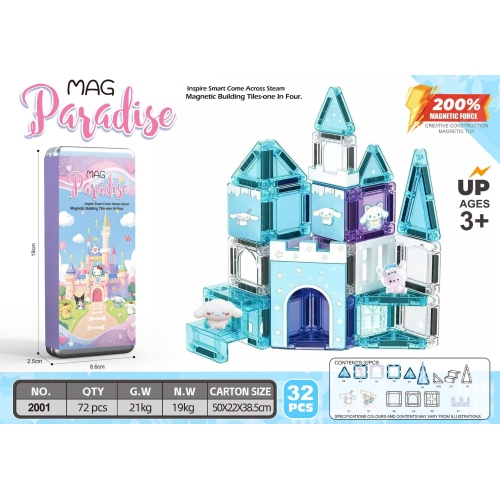
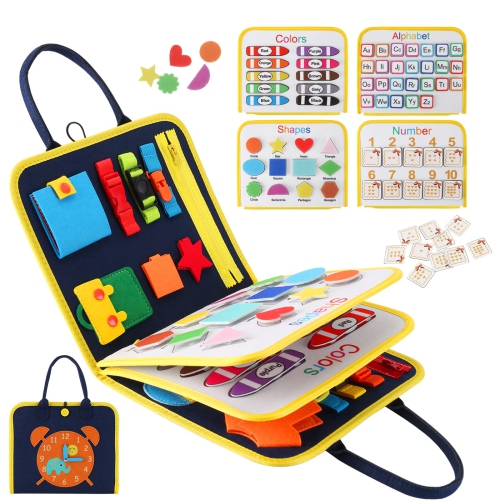
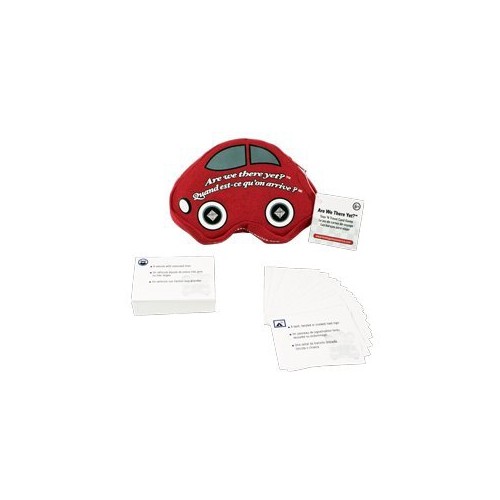
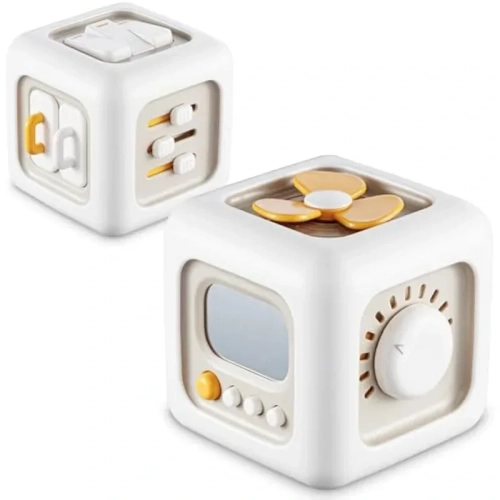
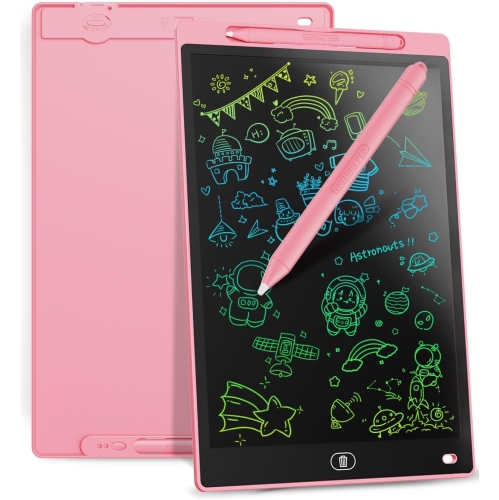
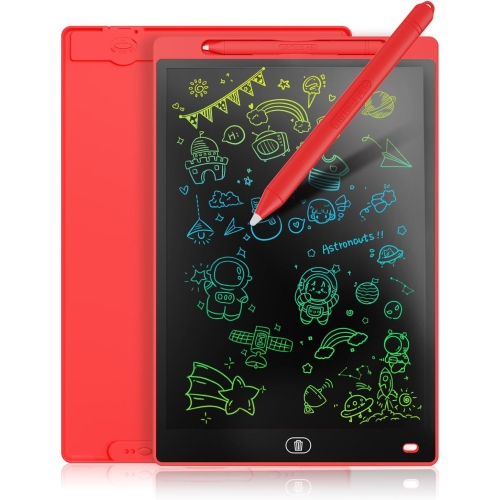
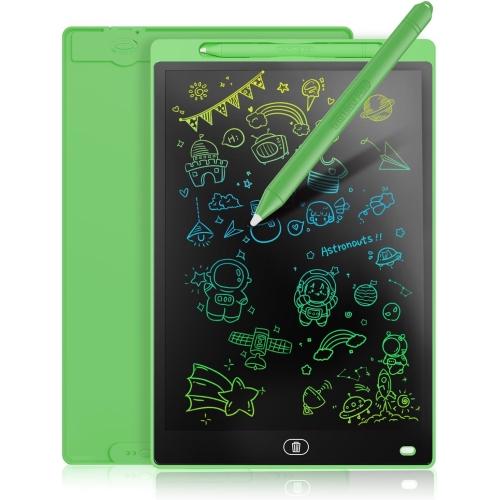
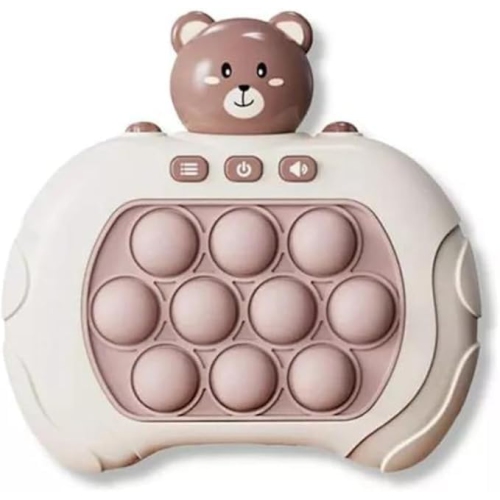
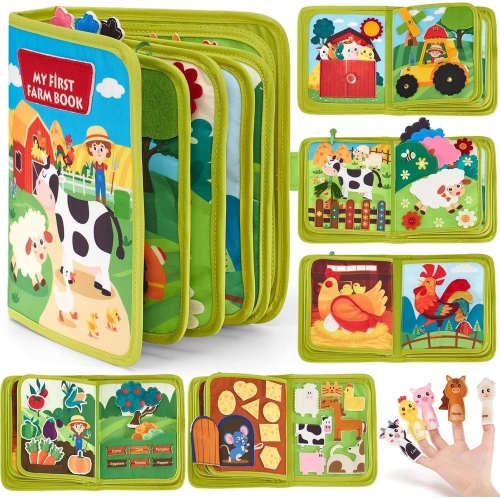
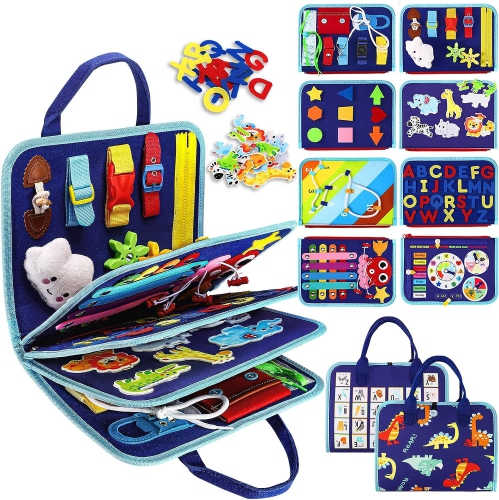

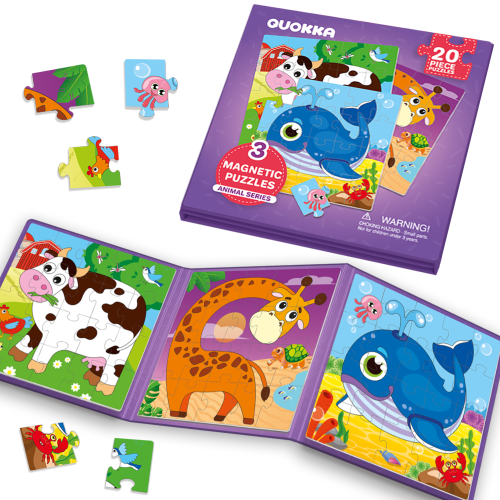
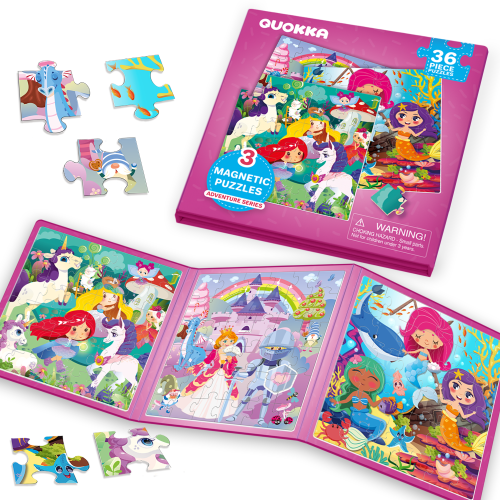
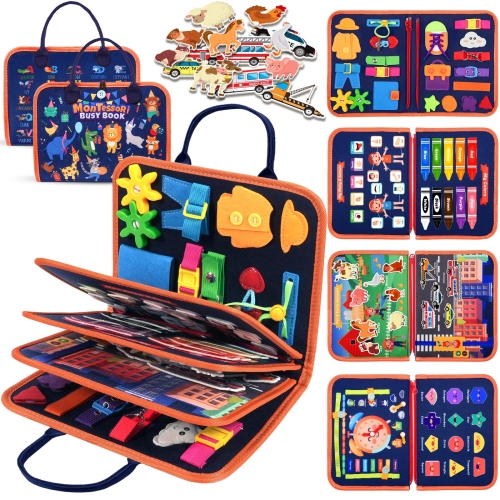
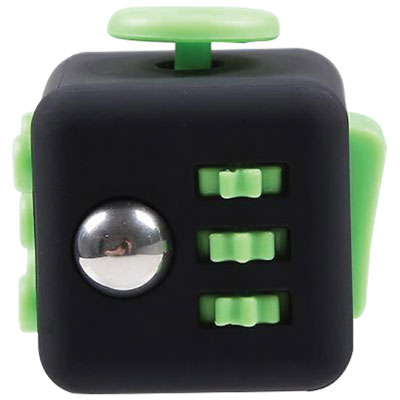
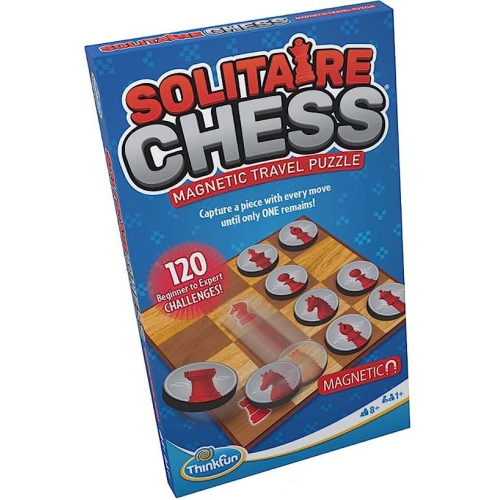
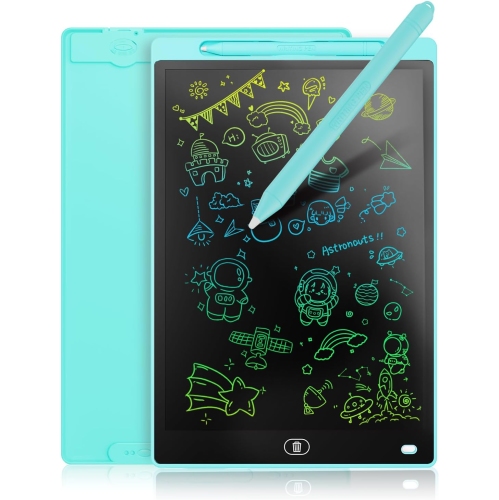
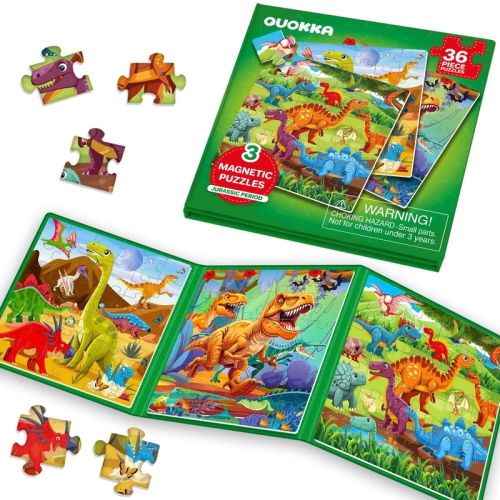
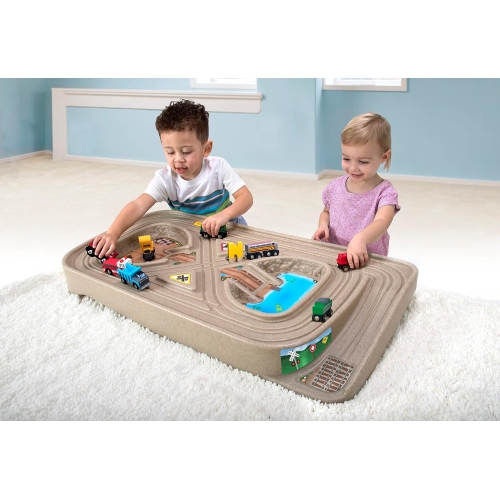
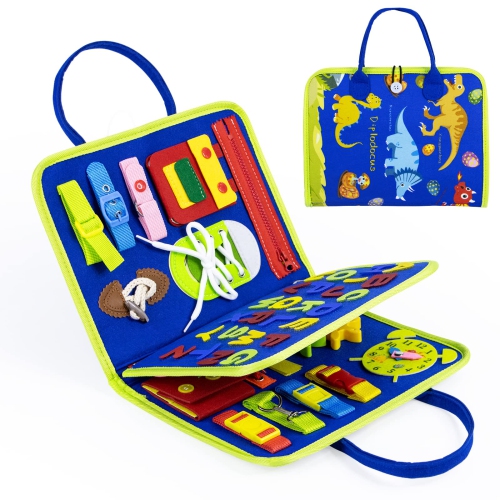
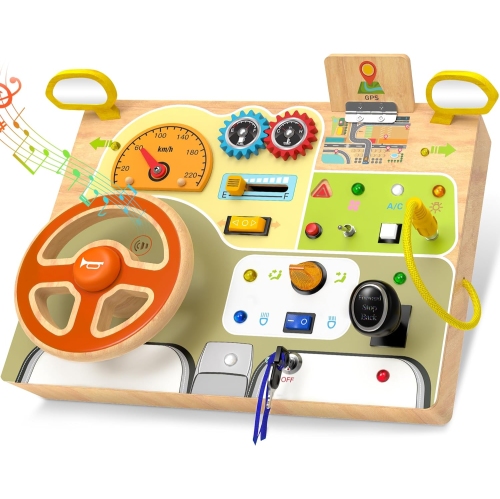
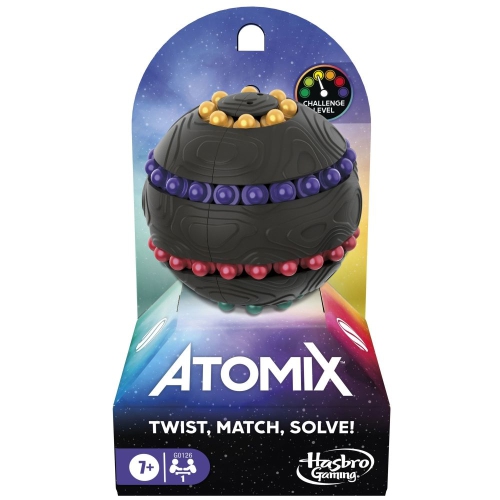
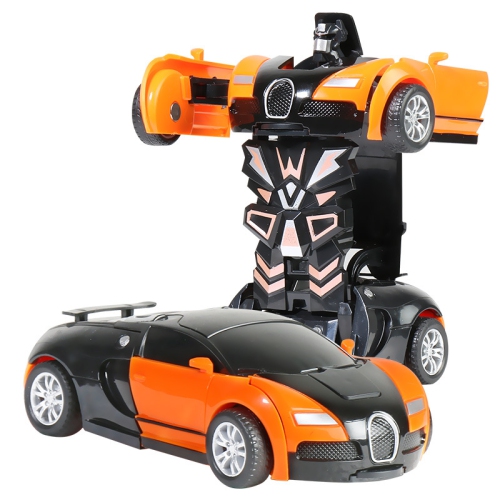
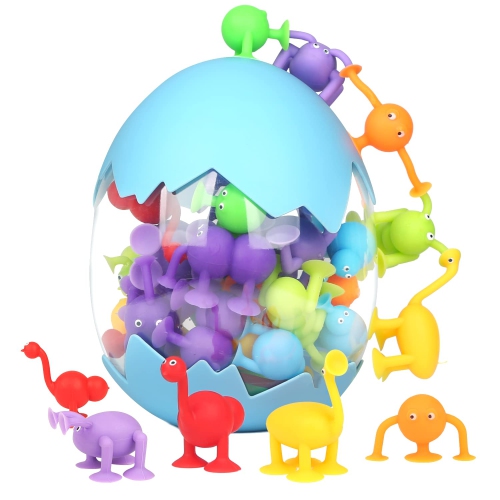
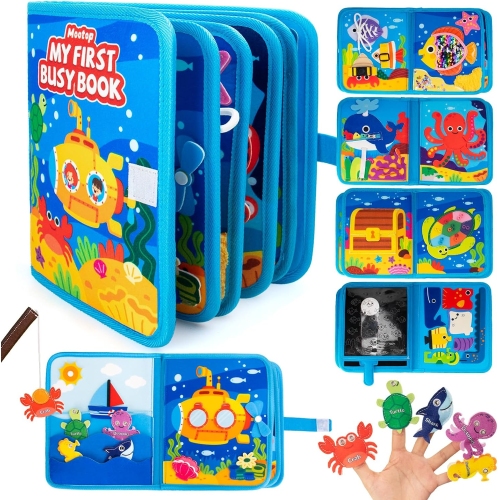
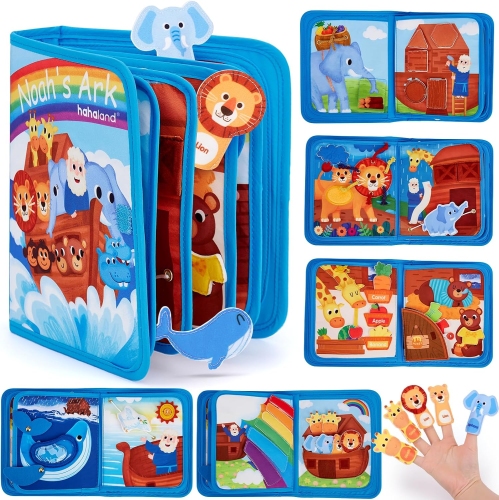
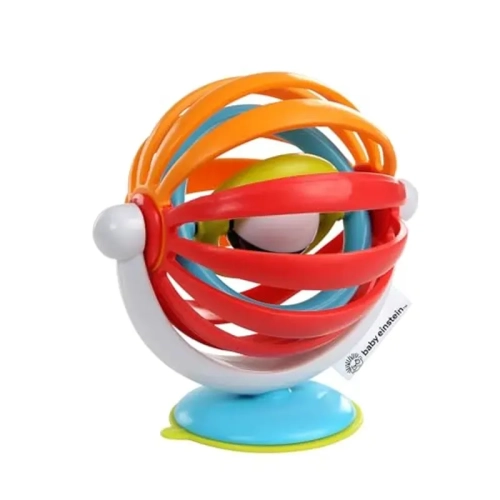
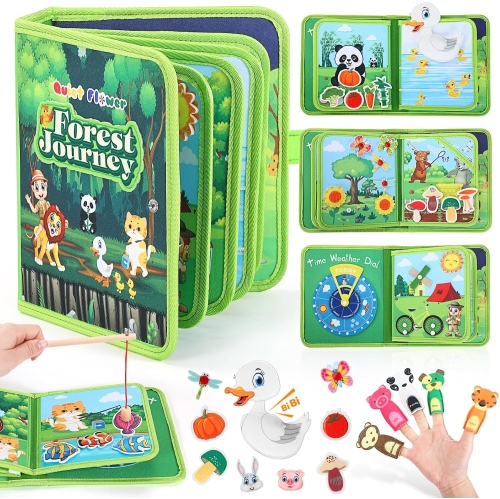
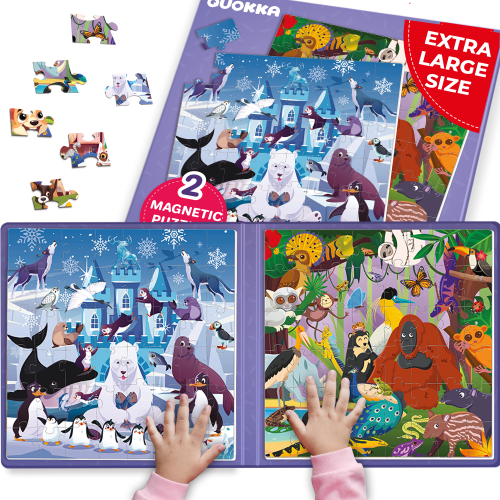
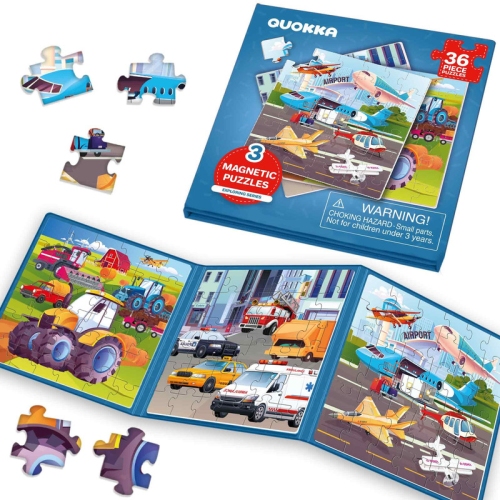
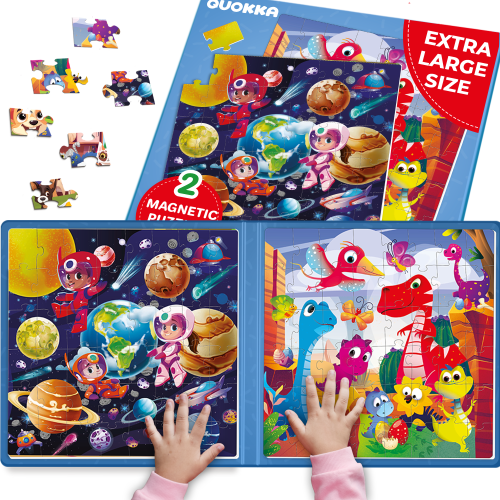
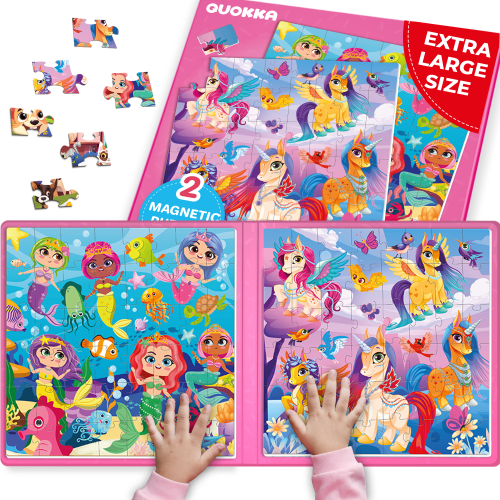
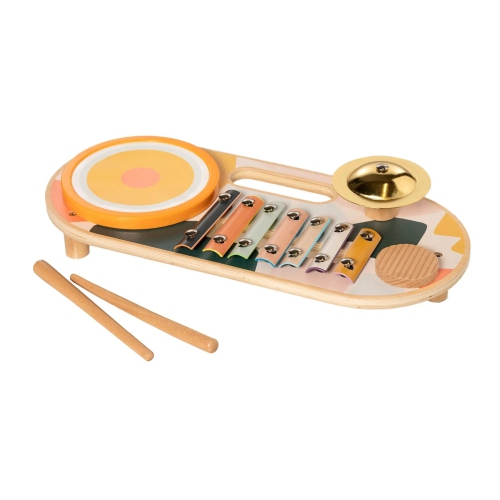
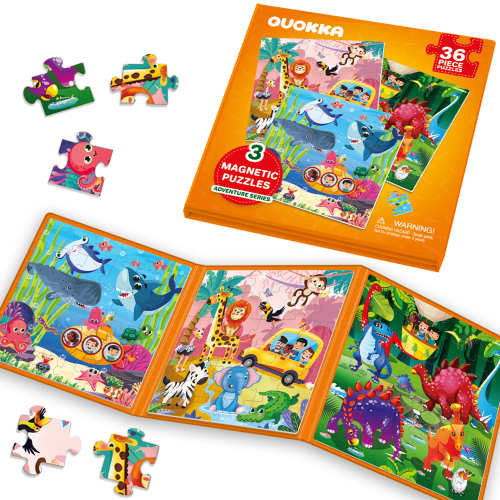
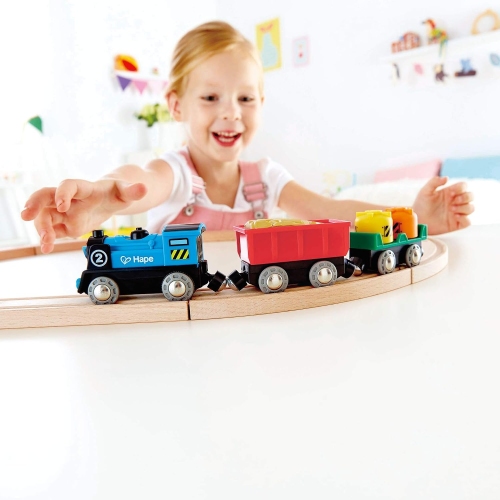
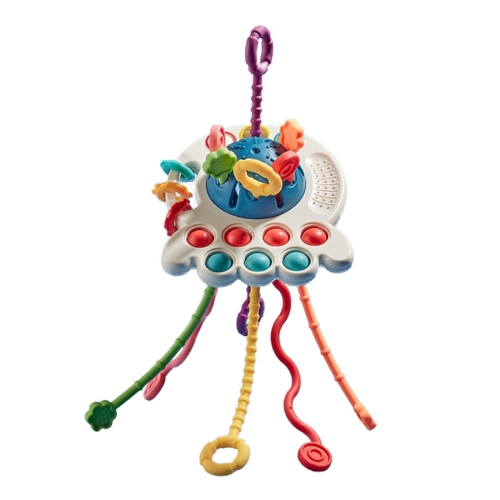
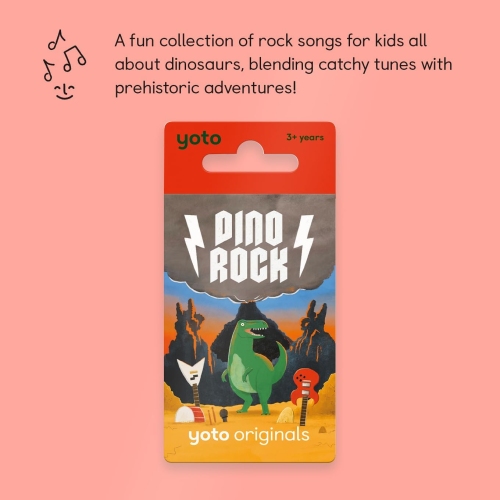
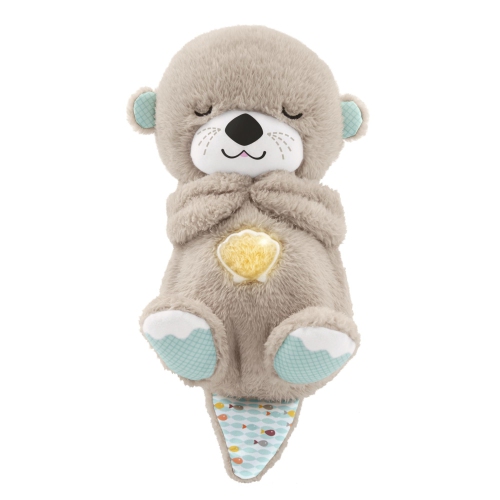
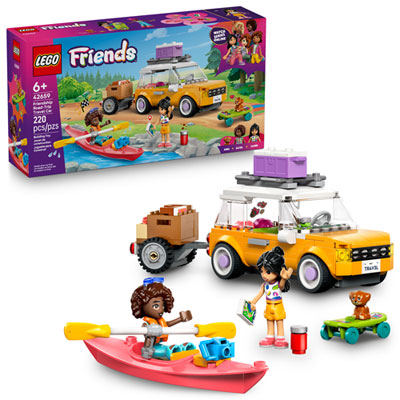
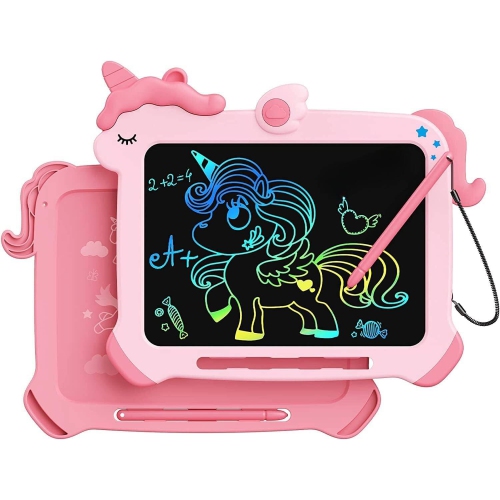

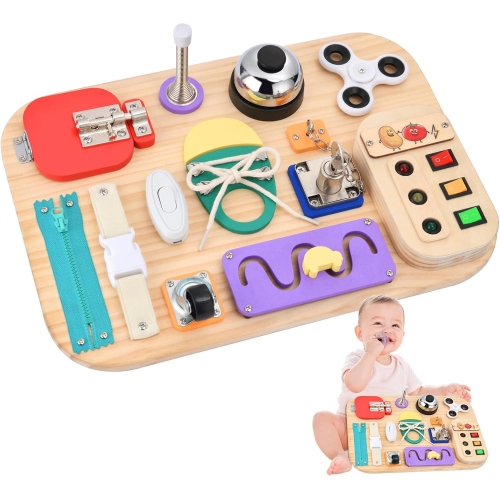
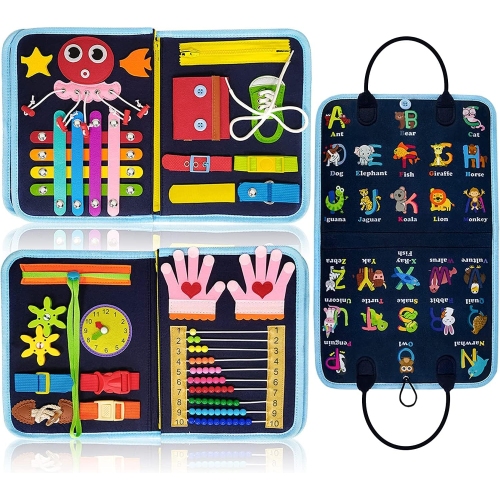
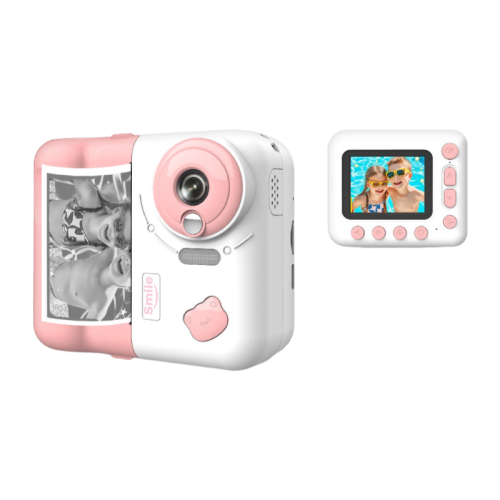

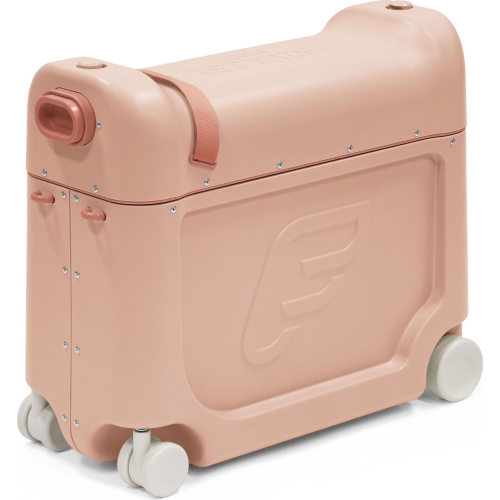
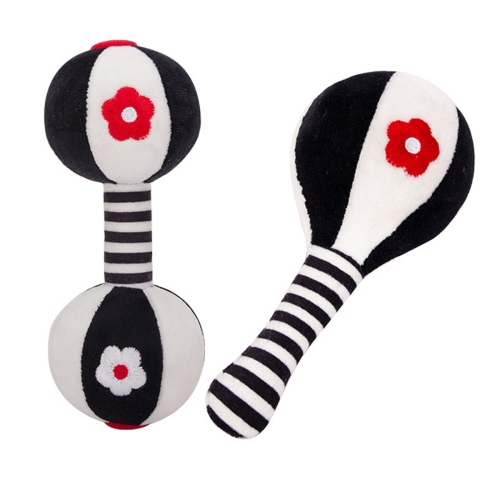
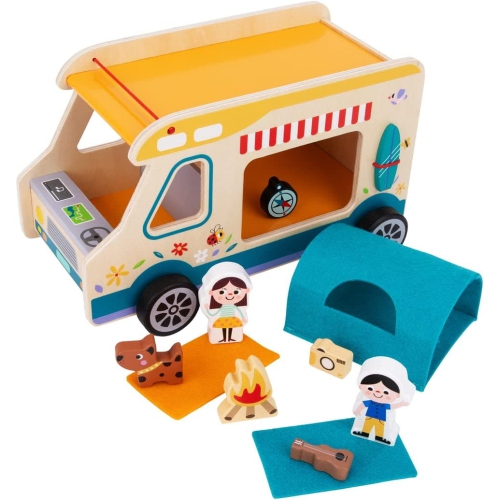
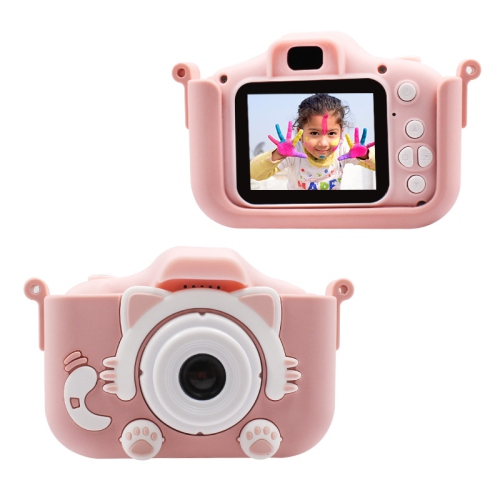
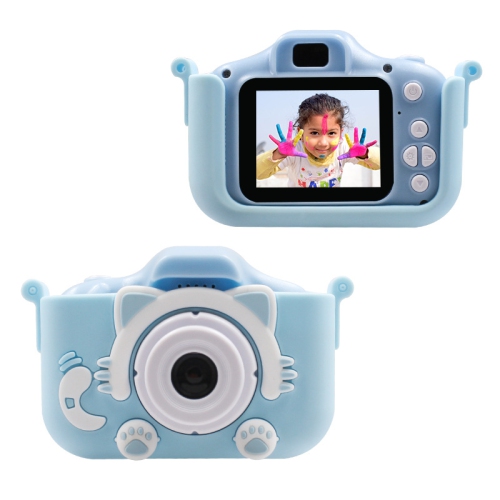
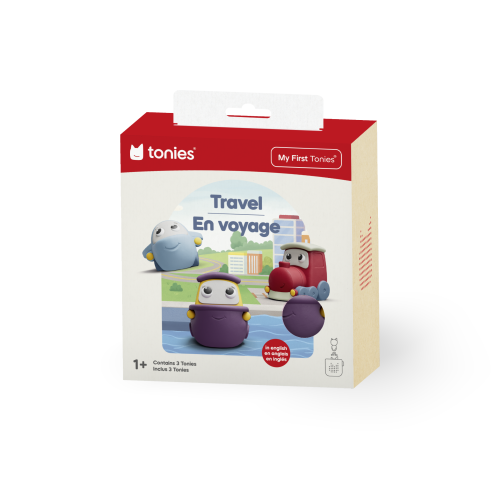
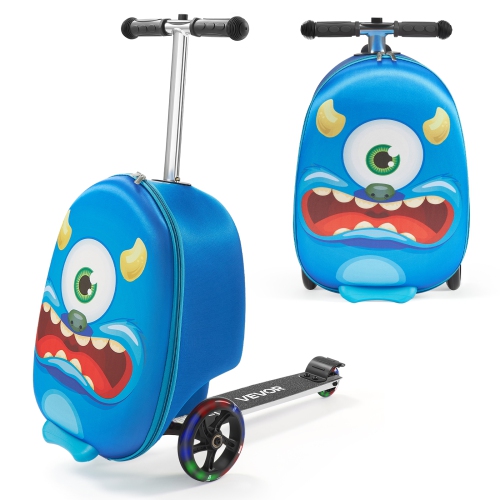
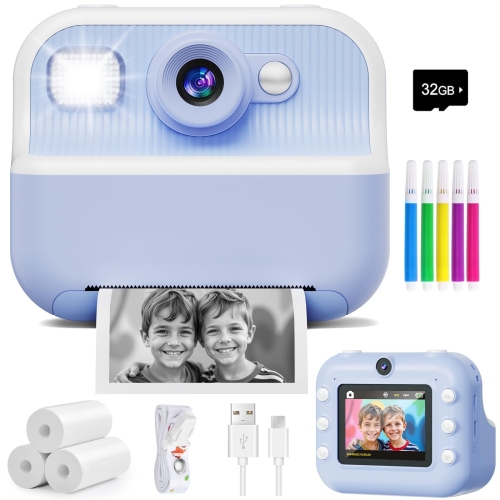
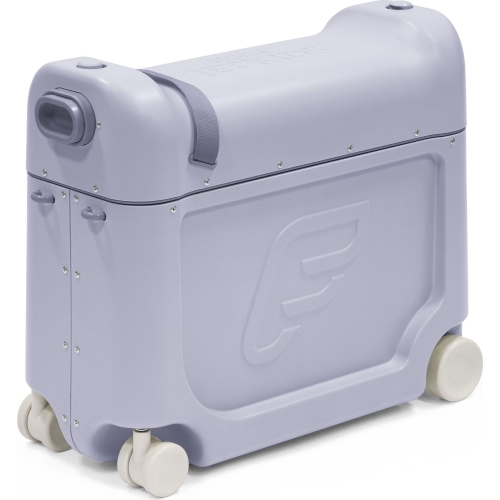
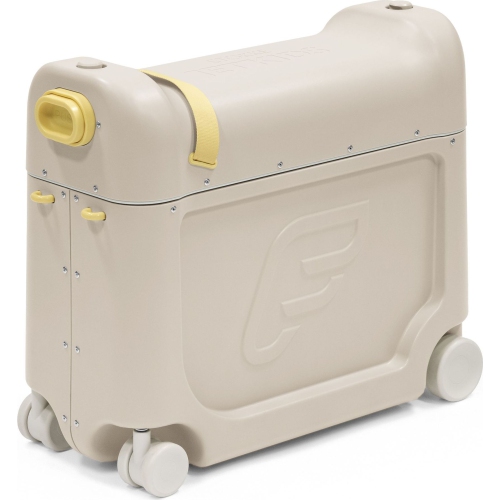

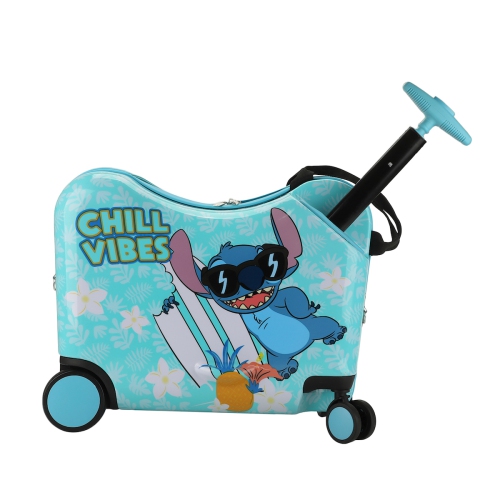
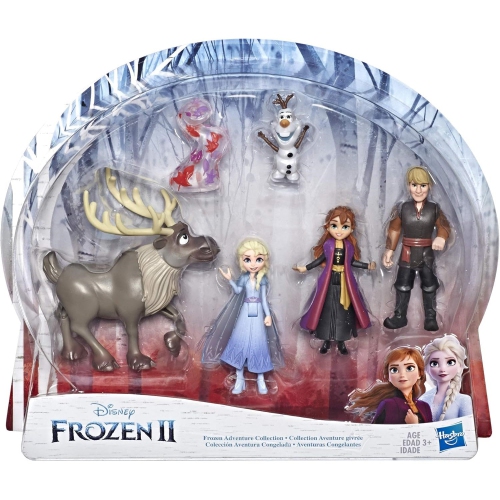
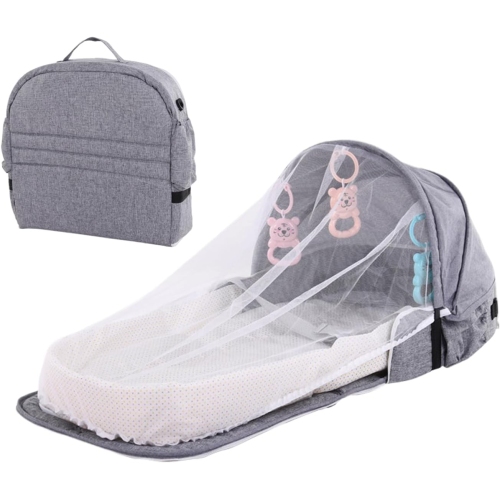
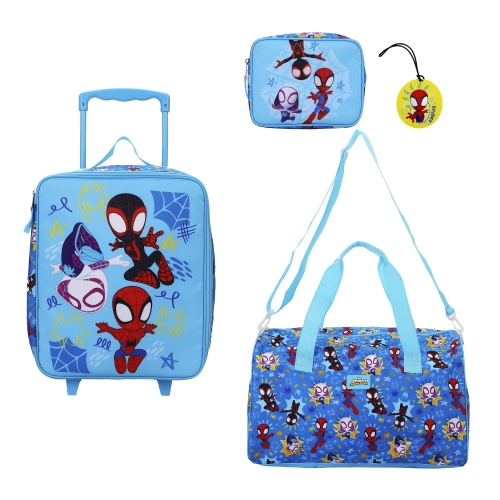
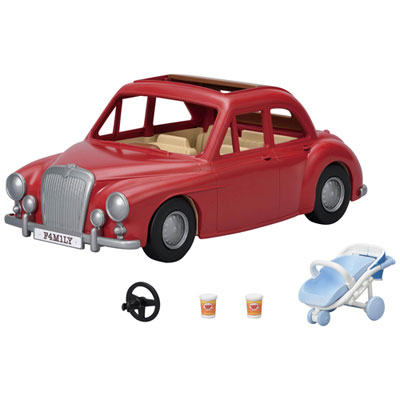
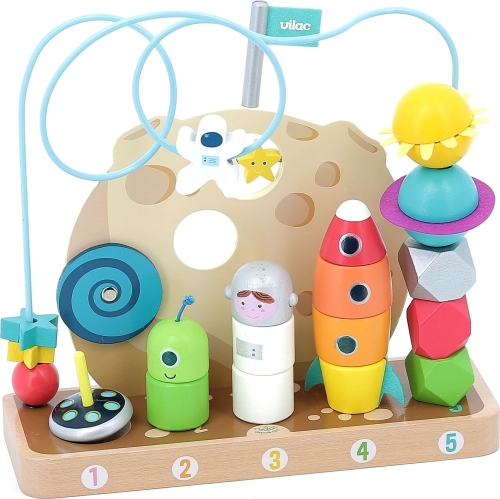
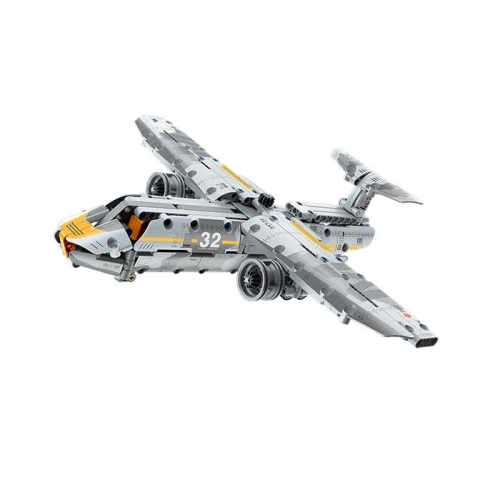
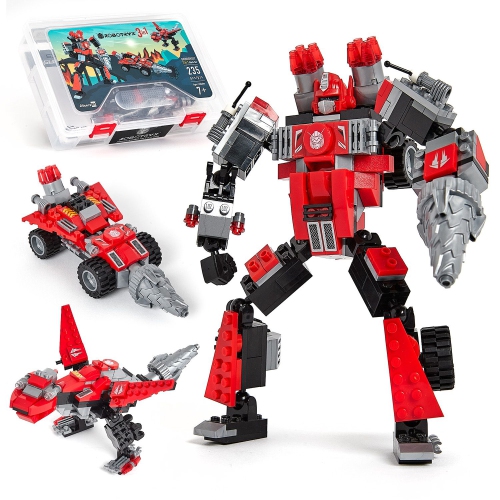
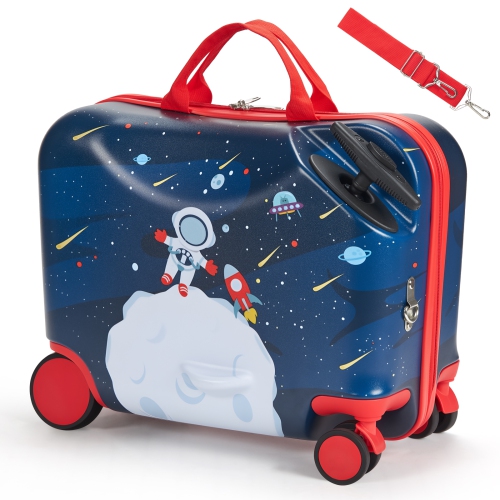
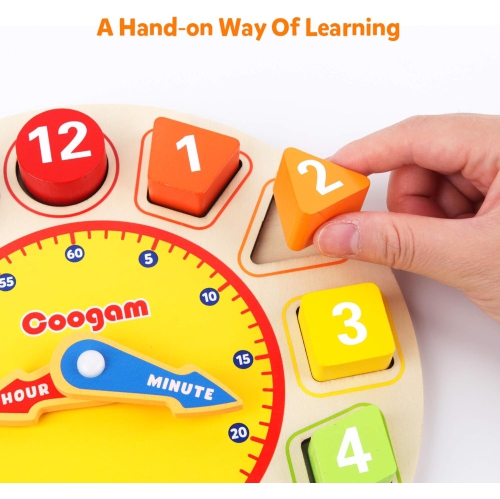


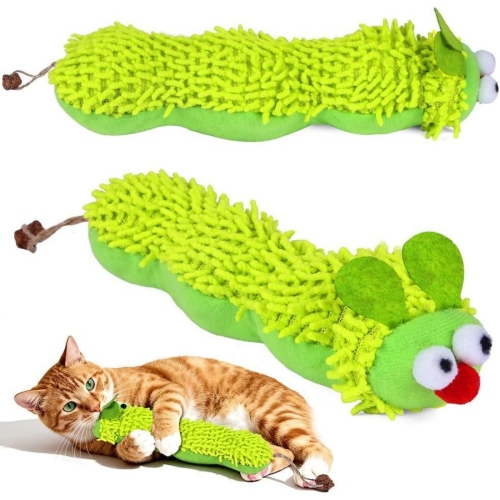
Quiet play for small spaces and long journeys
Toys for travel are compact, portable playthings that help children stay engaged during car rides, flights, restaurant visits and time spent waiting away from home. The most practical options fit into a carry-on or day bag, work within a small play space and can be packed away without a lengthy cleanup. Screen-free activities give children something to touch, arrange, imagine or solve, whether they are sitting at an airport gate or settling into a train journey. Quiet play is particularly useful in shared spaces, where a child can enjoy exploring colours, shapes and stories without sound effects carrying across the room. Low-mess designs also make a difference when there is no sink nearby or when a tray table has to be cleared quickly. Activities with contained pieces, reusable surfaces or an integrated storage case can help keep play manageable between stops. Different parts of a journey often call for different kinds of engagement: a familiar activity can offer comfort at departure, while a small puzzle or imaginative challenge can bring welcome variety after a snack break. Travel toys do not need to fill every minute of a trip. They can sit alongside conversation, looking out of the window and rest, giving children another way to enjoy the journey at their own pace. For a child who likes storytelling, open-ended play can turn a seat-side space into an imaginary town or an animal adventure. A child who enjoys patterns may prefer matching, sorting or completing a sequence. The setting matters as much as the activity itself. A toy that needs a broad, flat surface may suit a hotel room better than a narrow seat, while something held comfortably in two hands may be easier to use in a waiting area. Easy transitions between play and packing are especially valuable when a family needs to board, change seats or leave the table with little notice.
Size, materials and construction influence how well travel toys hold up to repeated packing and everyday handling. A compact footprint is helpful, but the usable play area should still suit the child’s hands and abilities. Small pieces can be difficult to manage on a moving train or retrieve from under a restaurant booth, even when they are appropriate for the child’s age. Rounded edges, secure closures and sturdy connections are useful features to consider for toys that will be handled frequently and tucked into crowded bags. Smooth plastic or silicone surfaces may be straightforward to wipe clean when the care instructions allow it, while fabric components can provide a softer feel and quieter handling. Printed paperboard needs protection from spilled drinks and bent corners, and wooden components should be cared for according to their finish and the manufacturer’s directions. Washability varies, so a toy that looks easy to rinse should not automatically be submerged, especially if it contains electronic parts or sealed compartments. Keeping play materials separate from open food and returning them to a dedicated pouch can make cleanup and packing more manageable. Age recommendations remain important, particularly for babies and toddlers who explore objects with their mouths. Small parts, loose batteries and accessible magnets require careful attention, and toys intended for older children should stay out of younger siblings’ reach. A travel setting does not change those precautions. For car journeys, toys should not interfere with the fit or operation of a child’s restraint, and heavier play materials are better saved for a stop rather than left loose in the vehicle. On flights and other shared transport, play materials need to be stowed whenever required. Durability is not just about resisting a drop; it also includes whether a closure still works after repeated use, whether pieces remain easy to handle and whether the activity can be put away without bending or forcing its parts.
A useful mix of toys for travel reflects both a child’s interests and the people sharing the trip. Toddlers often enjoy simple actions they can repeat, such as turning, stacking or matching, while preschoolers may spend longer inventing characters and acting out familiar routines. School-age children may appreciate more involved challenges, word play or activities with rules they can learn and explain to someone else. These are broad preferences rather than fixed stages: a favourite familiar activity can still earn its place in the bag beside something more challenging. For siblings or children travelling with a friend, Children's Travel Games offer another way to share the time through turn-taking, observation and friendly competition. Clear rules, a manageable number of pieces and rounds that can end at a natural stopping point are useful when an announcement or meal interrupts play. Independent activities have a different role, giving a child something satisfying to explore while an adult checks directions or handles travel details nearby. A balance of familiar and less familiar choices can help without turning the whole bag into a toy chest. Too many loose components can make it harder to find the one activity a child actually wants, whereas a few distinct ways to play can offer variety without constant searching. For gifts, travel toys can be a thoughtful choice for children who regularly visit relatives, spend time between households or enjoy family outings. The best fit depends on the recipient’s age, interests and usual travel routine, rather than simply how small the packaging looks. Ease of opening, comfortable handling and a clear place for each component matter to caregivers as well as children. When the activity suits the child and the space, a small collection of portable toys can make ordinary pauses more enjoyable, from waiting for lunch to settling in for the next stretch of a journey.
Top selling and popular products
-
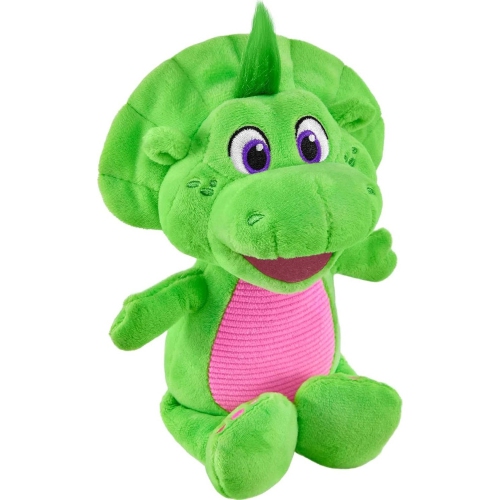 Your price for this item is $33.99
-
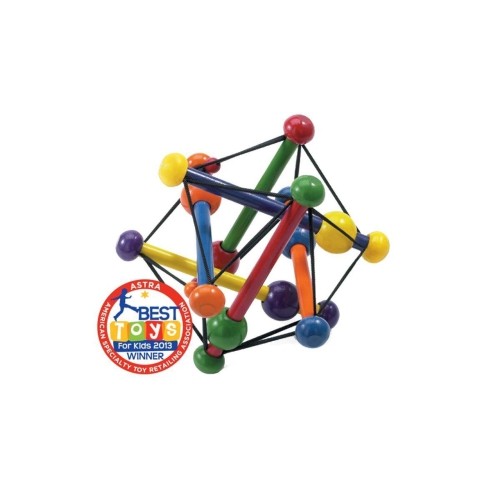 Your price for this item is $29.99
-
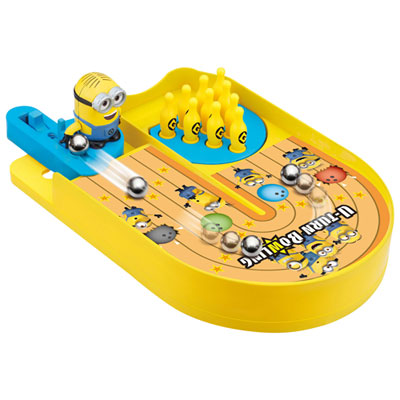 Your price for this item is $19.99
-
 Your price for this item is $25.99
-
 Your price for this item is $172.49
-
 Your price for this item is $59.19
-
 Your price for this item is $44.99
-
 Your price for this item is $50.79
Discover more categories related to Toys for Travel
Top Collections:
Best Black Friday Deals This Year, Best Black Friday Deals On Electronics, Kindle Devices, Dyson Airwrap, Best Cameras for Sports Photography, Best Budget Office Chairs, Canon G7X Cameras, PS5 Pro Consoles, Best Black Friday Deals On Apple Products, XBOX One S Consoles
Some products may be subject to Environmental Handling Fees
(EHF) depending on your province.
Learn more about EHFs.