Transformer Car Toys
Get ready for an exciting adventure with our collection of Transformer car toys! These innovative toys are perfect for kids and collectors alike, offering the thrill of a classic car combined with the excitement of a robot transformer. Whether you're looking to gift a young fan or add to your own collection, these transformer car toys are sure to provide hours of entertainment and imaginative play. Explore our selection today and bring home your very own piece of transforming fun!
Sort
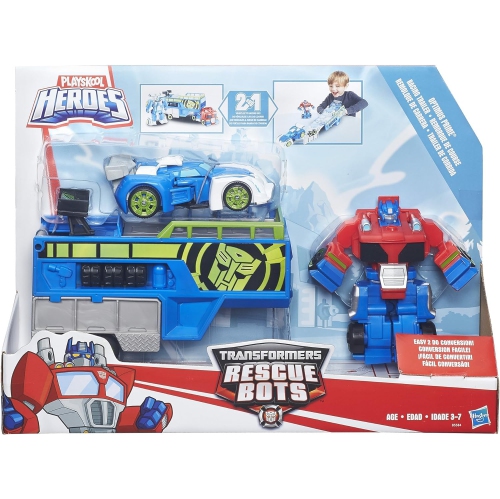
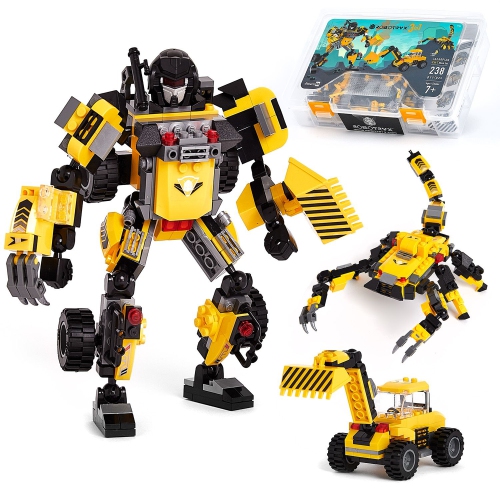
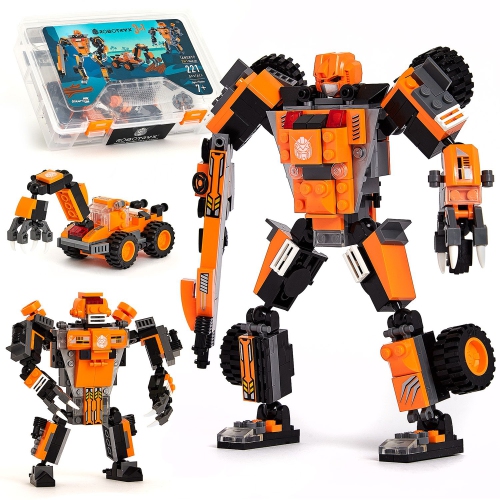
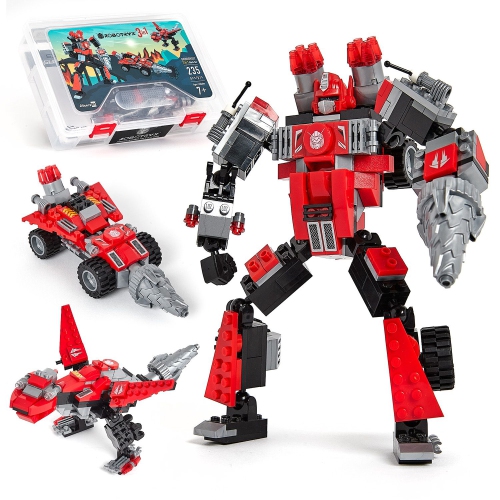






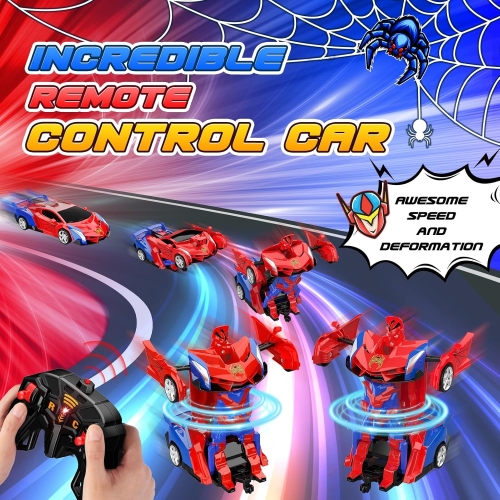
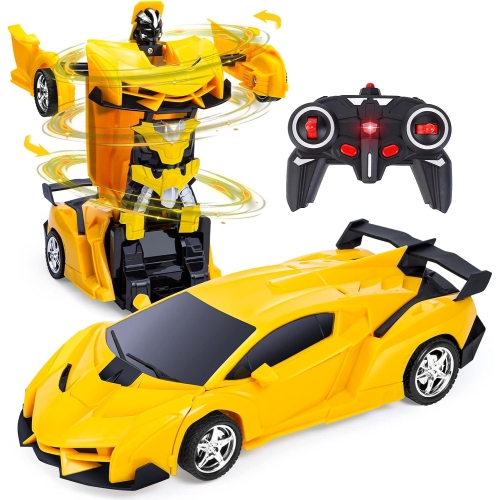
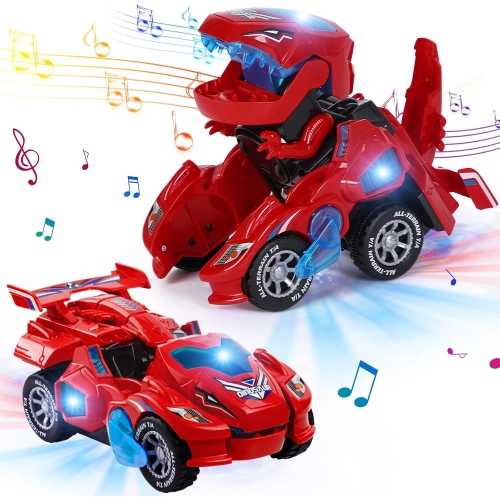
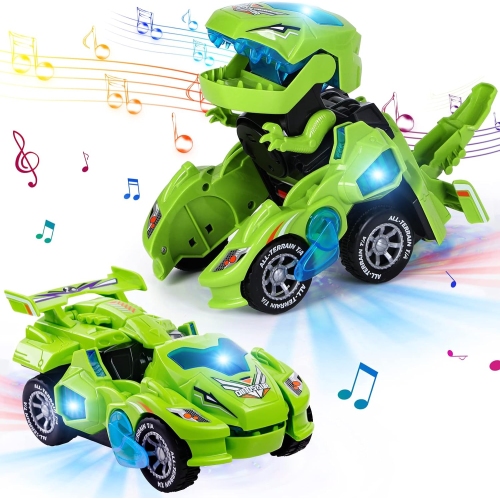


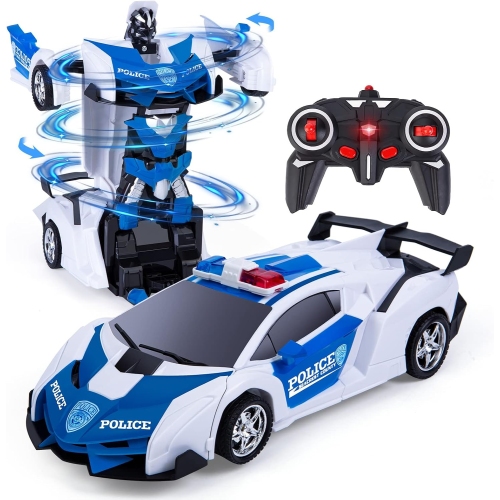


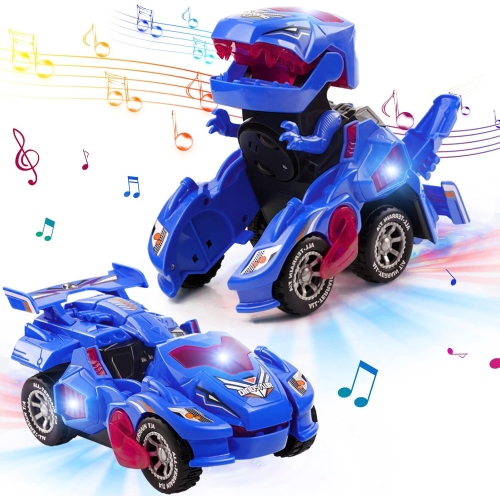

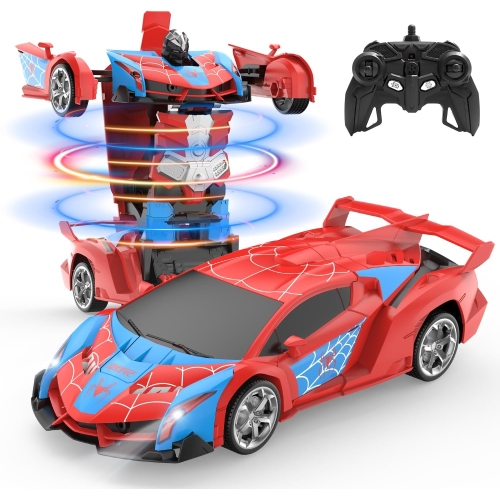


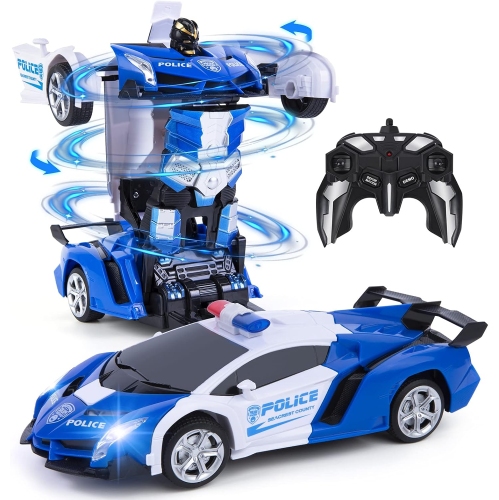
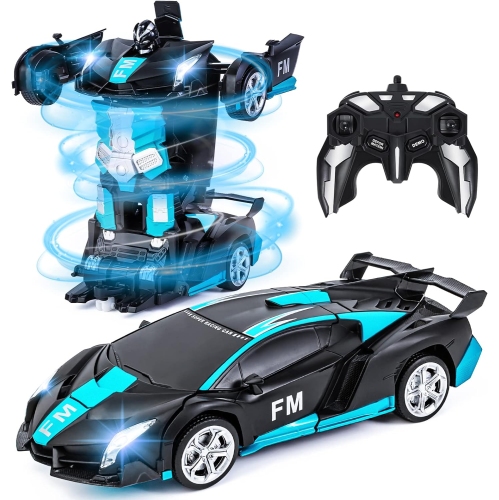

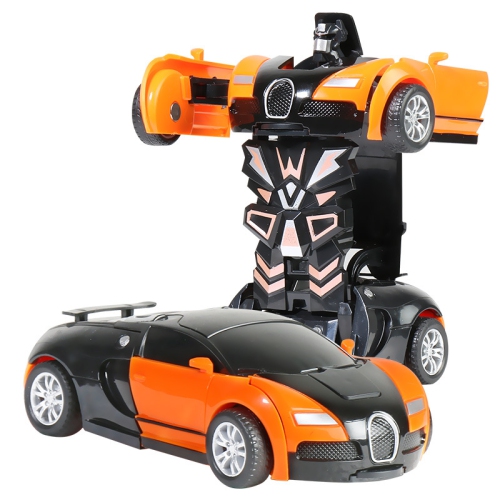
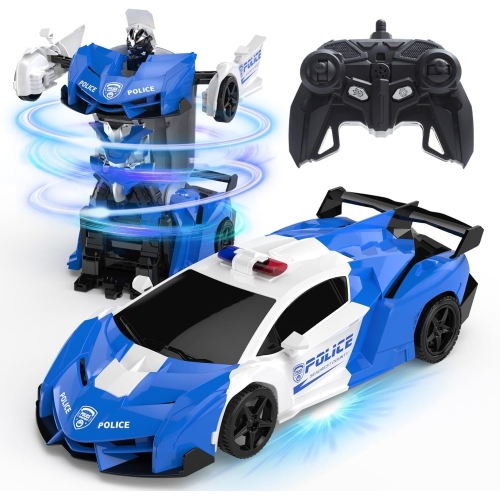


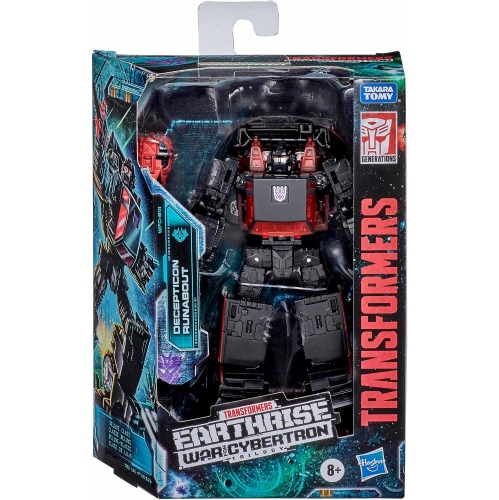


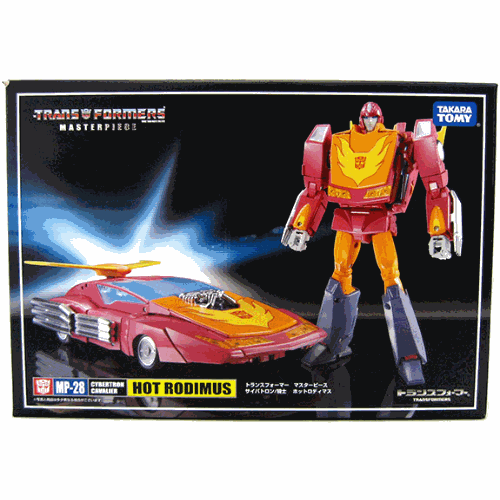


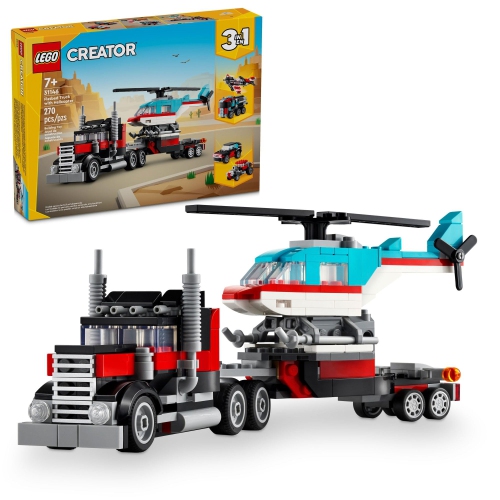
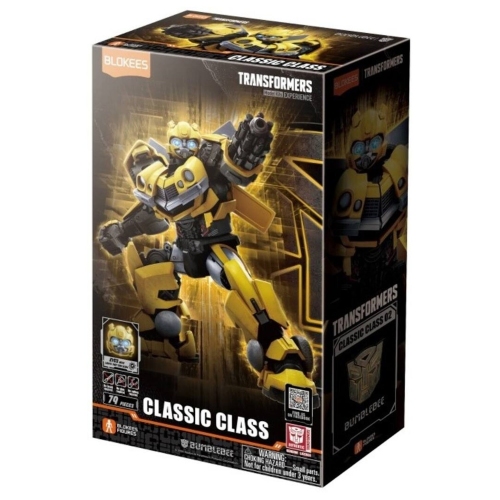


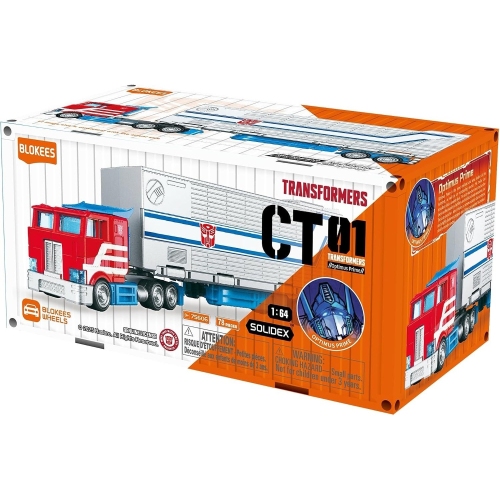
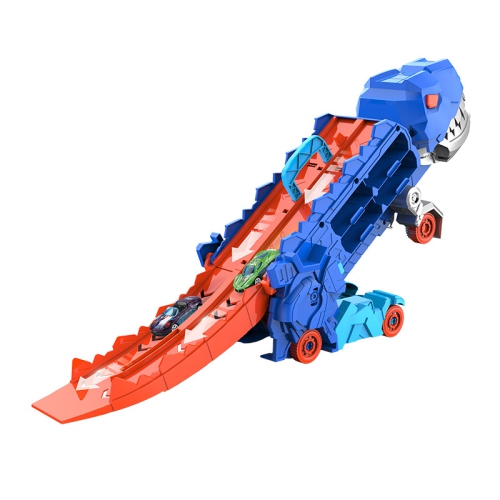


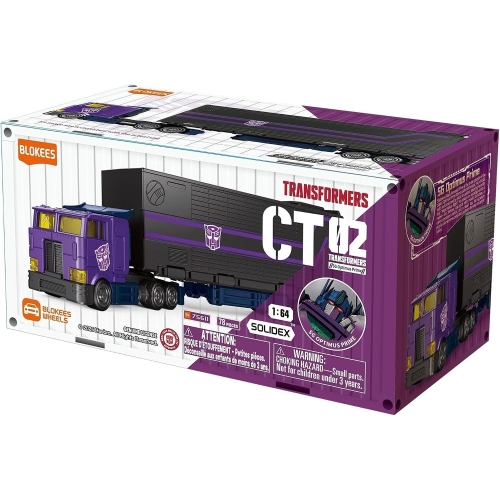



From rolling wheels to robot poses in one toy
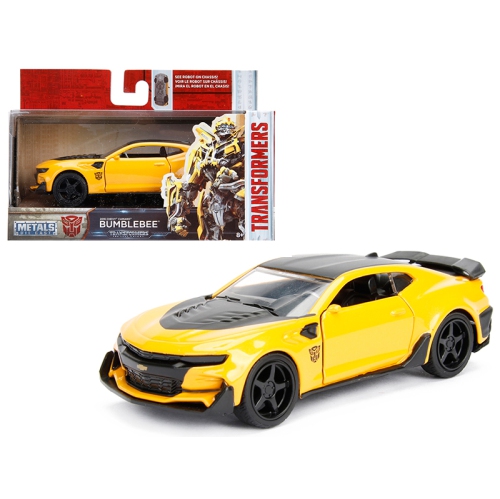
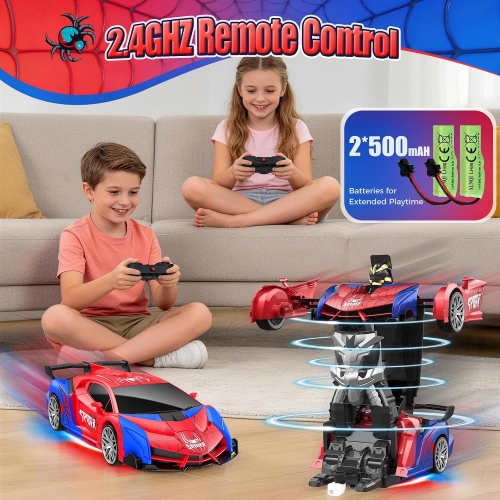
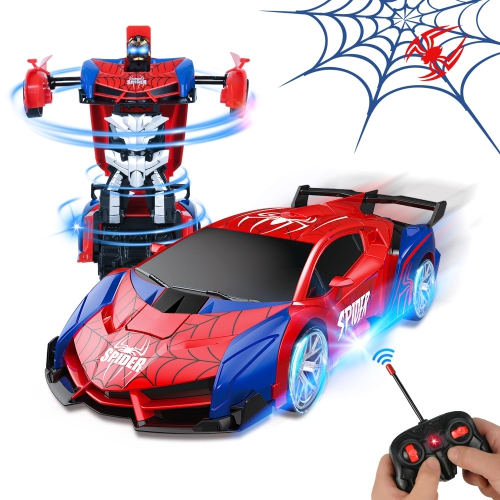
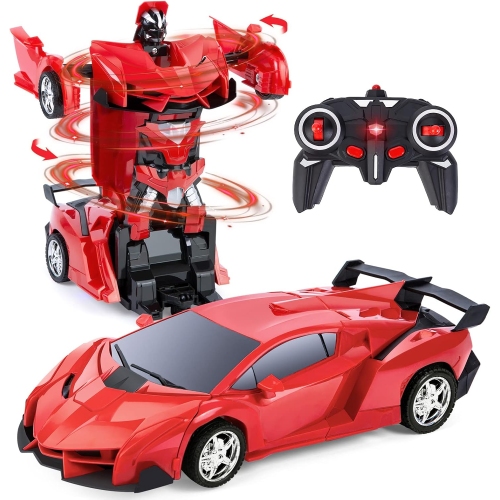
Transformer car toys bring vehicle play and robot action together in a single toy, with parts that fold, turn, slide, or pivot to create two distinct forms. In car mode, the appeal might be a low-slung body, rolling wheels, and a place in an imaginary race or rescue mission. In robot mode, articulated arms and legs can give the same toy a different role in the story. The main types include manually converting figures, motorized remote-control cars, and collector-oriented models, although not every vehicle with robot-themed detailing actually transforms. A display car with a robot design on its underside is different from a figure that physically changes shape, making the stated functions more useful than appearance alone. Manual versions put the conversion in the player’s hands: a bonnet may fold into a chest panel, doors may swing behind the shoulders, and the rear of the car may separate into legs. Simpler designs use a short sequence or a single activating movement, while more involved figures require several panels and joints to line up in a particular order. Remote-control transforming cars add powered driving and, on some designs, button-operated conversion. Features such as lights, sound effects, spinning movements, and steering vary, so they should be treated as individual features rather than standard parts of the category. For children who enjoy inventing adventures, changing between forms can turn a road chase into a robot encounter without interrupting the story. For older hobbyists, the interest may lie in how convincingly the same collection of parts forms both a vehicle and a standing figure. The wider category of Transforming Toys also offers context for this style of hands-on play, where discovering how parts move is as much a part of the experience as the finished shape.
The right fit depends on the user’s age, hand size, patience, and preferred way to play, not simply the size of the car. Manufacturer age ratings and small-parts warnings are the starting point, particularly in homes where younger siblings share a play area. A child who likes to switch quickly between driving and robot adventures may enjoy a straightforward mechanism more than an intricate conversion. Someone who enjoys construction toys or mechanical puzzles may appreciate a longer sequence, provided the joints are manageable and the instructions are clear. Step counts offer a useful indication of complexity, but they do not tell the whole story: lining up a small tab with a narrow slot can take more precision than moving a larger hinged section. Broad gripping surfaces, accessible release points, and panels that close without excessive force can make a noticeable difference during repeated play. Materials also influence the feel and intended use of transformer car toys. Moulded plastic allows for shaped body panels and relatively light moving parts, while metal components can add weight and a more substantial feel. Die-cast construction does not automatically mean that a toy converts, nor does added weight alone establish durability. The quality of hinges, wheel axles, connecting tabs, and load-bearing joints matters because those areas are handled repeatedly. For robot poses, stable feet and well-supported joints help a figure stand without leaning against another object. For vehicle play, wheels need clearance to roll, and folded parts should sit securely rather than drag underneath. Dimensions in both forms are useful when judging whether a toy will fit on a shelf, in a storage bin, or beside existing vehicles. Scale labels can suggest proportions, but actual measurements are more helpful when comparing different designs. A compact car may open into a surprisingly tall robot, while a broad robot stance can require considerably more shelf space than the vehicle shape suggests. Loose accessories, where included, also need a dedicated place so that small pieces remain together between play sessions.
Daily use and care differ between manual figures, powered cars, and display-focused models. A manually converting toy is best handled at its intended joints, with each section moved in the order shown in its instructions. If a panel resists, checking the alignment is preferable to twisting harder; an arm or wheel assembly that has not fully folded away may be blocking the next movement. Remote-control versions generally need an open, level area with enough clearance to drive, turn, and complete their conversion. Smooth indoor flooring is often a better match than deep carpet, which can impede small wheels, but the manufacturer’s surface guidance takes priority. Space around the car matters during powered conversion because body panels may extend beyond the vehicle’s original footprint. Water, loose sand, and debris can interfere with mechanisms, and outdoor use should only be assumed when the toy is expressly designed for it. Power requirements deserve attention as well: the vehicle and controller may use different batteries, and rechargeable designs have their own charging instructions and run-time limits. Adult help with charging and battery changes should follow the stated safety guidance. For cleaning, a soft, dry cloth is a practical starting point for dust and fingerprints, while any damp cleaning should follow the care instructions, especially around motors, lights, and battery compartments. Toys should be dry before storage, with accessories contained and delicate panels protected from heavier objects. For a birthday gift or another celebration, matching the toy to the recipient’s habits can be more meaningful than choosing the most elaborate mechanism. A frequent floor-play companion benefits from easy handling and secure parts; a figure for a hobby shelf may place more emphasis on sculpted detail, balanced proportions, and poseability. Shared play can involve taking turns driving, comparing conversion sequences, or building a road scene around both forms. Whether the attraction is a satisfying hands-on change, a moving car controlled from across the room, or a carefully posed robot, the strongest match is one whose features suit how it will actually be used.
Top selling and popular products
-
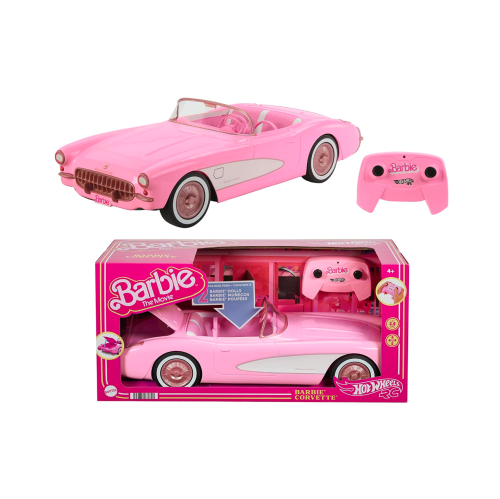 Your price for this item is $239.79
-
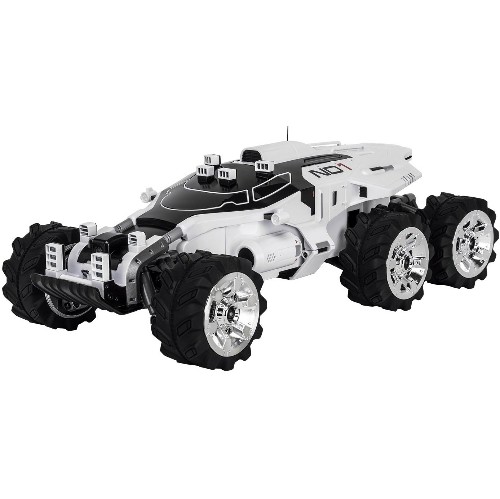 Your price for this item is $330.68
-
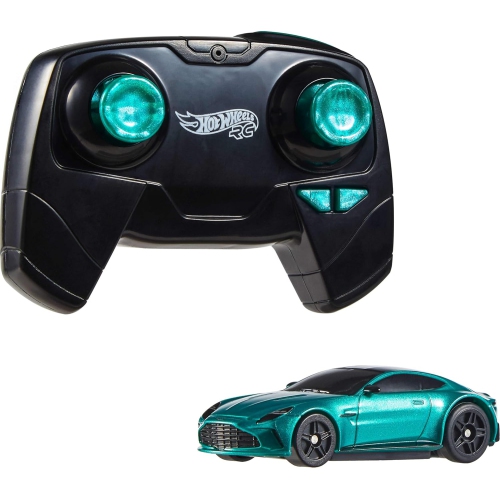 Your price for this item is $51.74
-
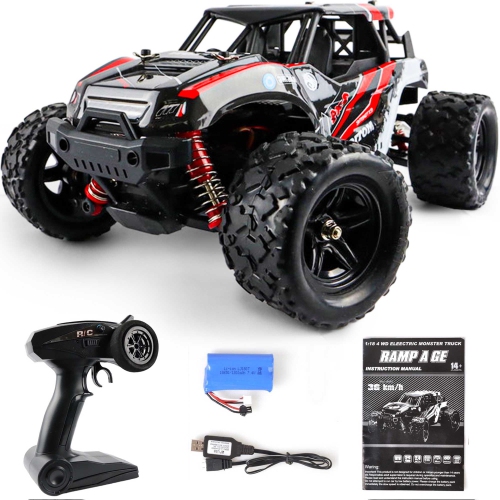 Your price for this item is $149.99
-
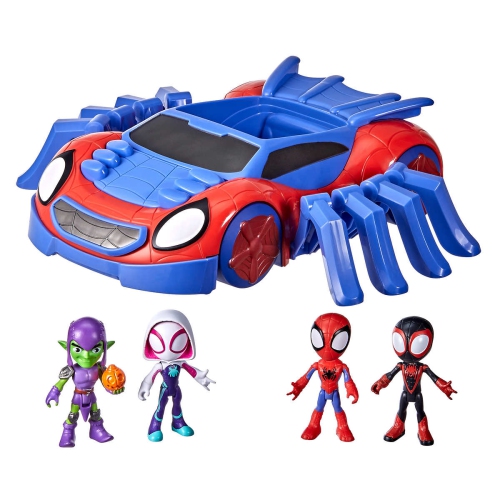 Your price for this item is $58
-
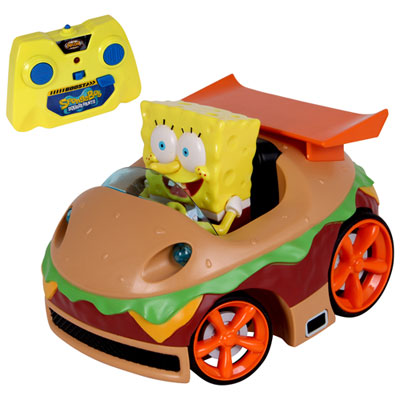 Your price for this item is $39.99
-
 Your price for this item is $69.99
-
 Your price for this item is $24.99
Discover more categories related to Transformer Car Toys


Top Collections:
Pokemon Centers, Best Cameras for Sports Photography, Kindle Devices, Samsung Galaxy Phones, Canon G7X Cameras, Pokémon 30th Celebration Cards, Refurbished Apple Laptops, iPhone 15 Apple, Laptops for Students, Budget Smartphones
Some products may be subject to Environmental Handling Fees
(EHF) depending on your province.
Learn more about EHFs.