Unique LEGO Sets
Unique LEGO Sets offer an exciting way to spark imagination and creativity for builders of all ages. Discover a wide variety of options that stand out with their distinct designs, perfect for collectors, hobbyists, or anyone looking to add something special to their collection. Whether you're searching for an eye-catching display piece or a fun challenge, these Unique LEGO Sets provide endless opportunities for building enjoyment and inspiration.
Sort
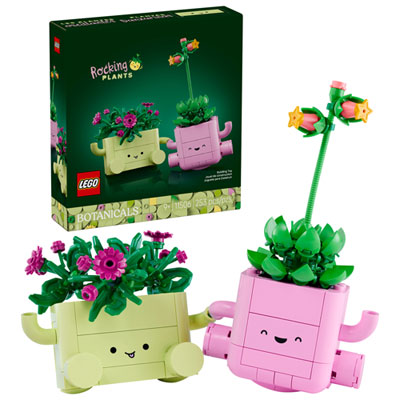
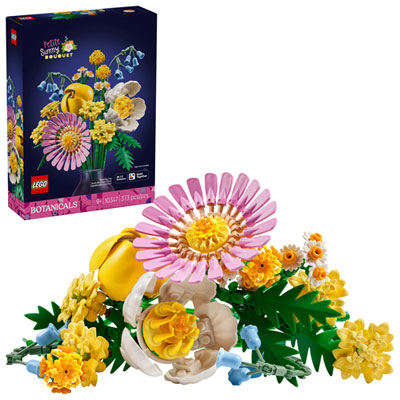

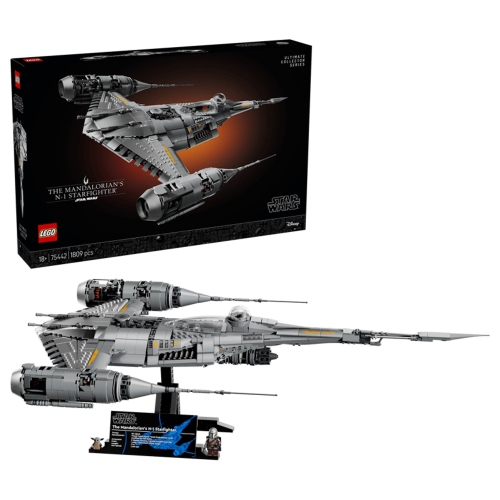
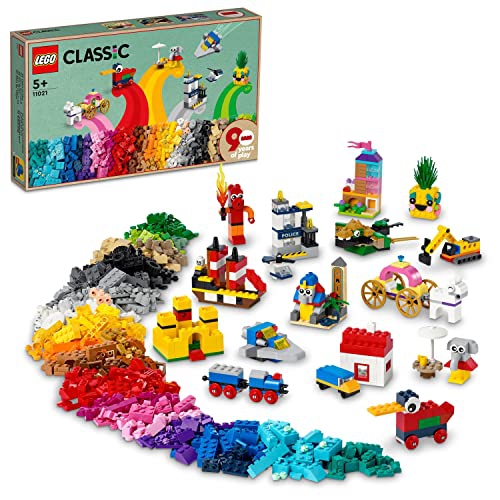
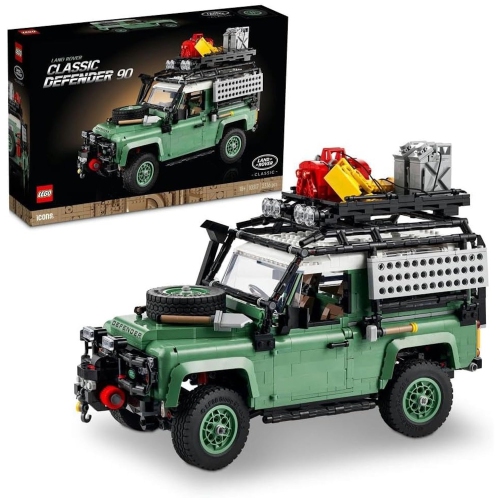
How ordinary bricks become unexpected works of art
Unique brick-building sets stand out through an unusual subject, an inventive construction technique, or a finished form that feels different from a conventional toy. They can turn individual pieces into textured artwork, sculptural plants, intricate buildings, expressive creatures, or models with working mechanical details. Their appeal often comes from the transformation: a handful of curved elements becomes a petal, a layered arrangement suggests rippling water, or a carefully angled section captures the silhouette of a familiar structure. For someone who enjoys making things, those small discoveries can be as satisfying as the completed model. Distinctive designs also offer different ways to enjoy a collection. A shallow composition may suit a narrow shelf, while a freestanding sculpture can become a focal point on a side table. Architectural builds invite a closer look at windows, rooflines, and interior details; artistic builds draw attention to colour, texture, and the way light falls across raised surfaces. Some designs favour a realistic finish, while others deliberately exaggerate shapes or use unexpected colours. Uniqueness does not necessarily mean rarity, a large piece count, or an oversized model. A compact build can feel original because of its subject or the clever way its parts fit together. Equally, a larger model may distinguish itself through depth, symmetry, or moving features rather than sheer scale. The most meaningful choice often connects with an existing interest, whether that is design, engineering, art, animals, or imaginative storytelling. A person who notices the details of old buildings may enjoy recreating small architectural features, while someone drawn to illustration may appreciate arranging bricks into a layered image. These differences make distinctive building sets appealing to a broad range of builders, from curious children working within an appropriate age range to adults looking for a hands-on creative project. The finished result can be a plaything, a display piece, or a combination of both, depending on its construction and intended use.
The building experience depends on more than the number of pieces in the box. Small elements, repeated patterns, angled connections, and intricate internal structures can make a modestly sized model demanding, while a larger design with clear, repeating sections may feel more straightforward. Age recommendations and the stated level of complexity provide useful context, especially when choosing for a child or someone new to brick building. Small parts are not suitable for children under three, and a model intended mainly for display may include delicate sections that are less suited to frequent handling. For a builder who likes to pause and return later, separate assemblies and clearly organized building stages can make a project easier to manage across several sessions. A tray or shallow container helps keep loose pieces together, while a clear work surface leaves room to compare similar shapes and colours. Most interlocking building elements are moulded plastic, although a set may also include flexible components, fabric details, stickers, or other materials that need different handling. Connections should hold securely when assembled correctly, but thin stems, projecting details, and lightly attached decorative sections can still come loose if bumped. A broad base and a low centre of gravity generally make a display easier to position securely. Finished dimensions matter as much as complexity: a model may fit comfortably on a desktop yet extend beyond the edge once branches, wings, or other projecting sections are attached. Leave enough room to view it without repeatedly moving it. Open shelving makes details easy to see, while an enclosed display can reduce dust and accidental contact. Routine care is usually simple, with gentle dusting suited to many assembled models. Any washing or cleaning should follow the supplied care instructions, particularly where printed surfaces, stickers, electrical components, or mixed materials are involved. Excessive heat, strong cleaning products, and prolonged direct sunlight can affect appearance or fit. Keeping instructions and spare pieces together also makes later repairs, rebuilding, or careful packing much easier.
As gifts, distinctive building sets work best when the subject and the activity both suit the recipient. A detailed display model can be a thoughtful birthday or graduation gift for someone who enjoys patient, focused projects, but a younger builder may get more lasting enjoyment from sturdy construction and features that support play after assembly. For an art enthusiast, the attraction may be the finished composition; for a mechanically minded recipient, it may be discovering how a linkage or rotating section works. Someone furnishing a home office might prefer a model with a small footprint and a clear visual identity, while a collector may enjoy a more involved build that rewards close inspection. Browsing Cool LEGO Sets can offer another perspective on expressive subjects and imaginative construction styles. Personal taste remains important: a bold, multicoloured model creates a different effect from one built around restrained tones and clean lines. Display space, patience for repetitive sections, and comfort with small pieces are often more useful considerations than choosing the biggest project. Building together can add another dimension, particularly when a design has separate sections that two people can assemble before joining them. A shared project might become a relaxed evening activity for friends, a parent-and-child collaboration, or a gift that includes time spent together. When younger children participate, an adult can help interpret more complicated steps and keep small components away from children who should not handle them. For independent builders, the pleasure may lie in settling into a sequence of small, precise tasks and watching a recognizable form gradually emerge. After assembly, some models remain intact as a reminder of that process, while others inspire rebuilding or new arrangements where the design allows. The enduring appeal is the combination of an engaging subject, satisfying construction, and a finished creation that feels at home with the builder’s interests.
Top selling and popular products
-
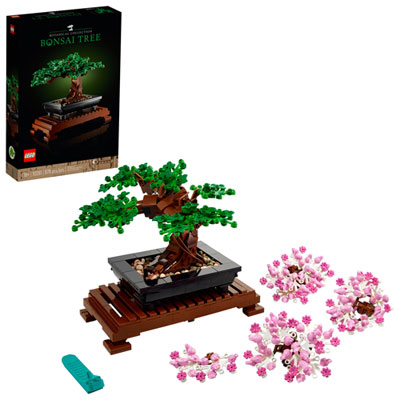 Your price for this item is $69.99
-
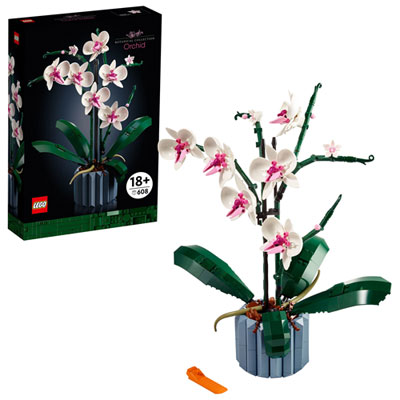 Your price for this item is $69.99
-
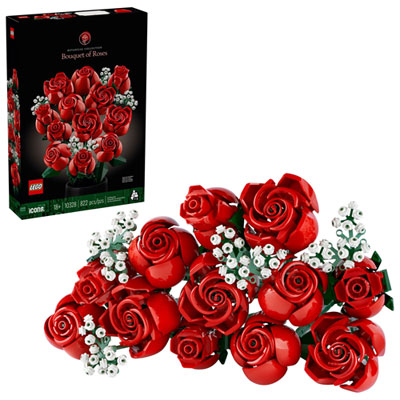 Your price for this item is $79.99
-
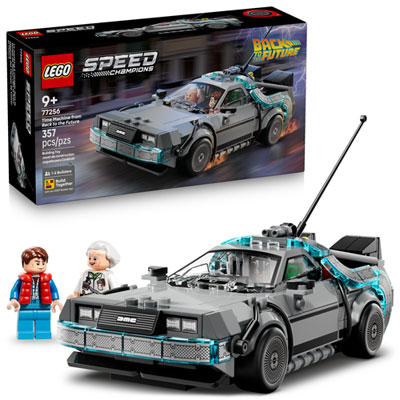 Your price for this item is $34.99
-
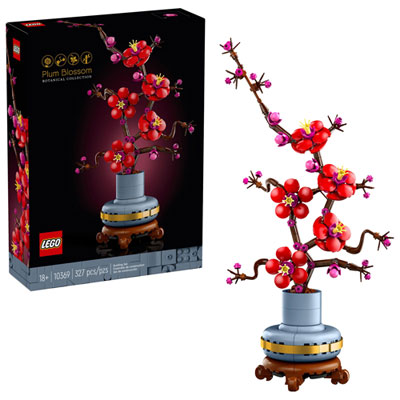 Your price for this item is $34.99
-
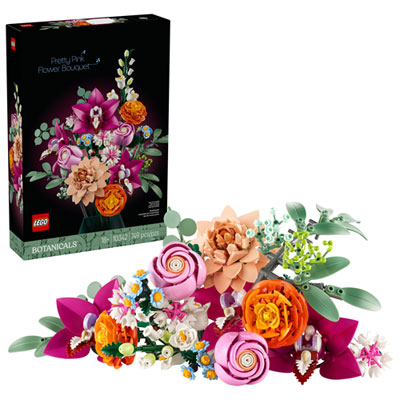 Your price for this item is $64.99
-
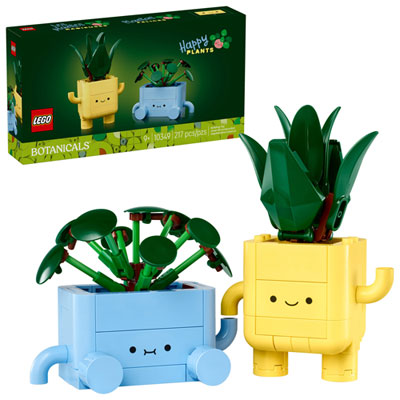 Your price for this item is $24.99
-
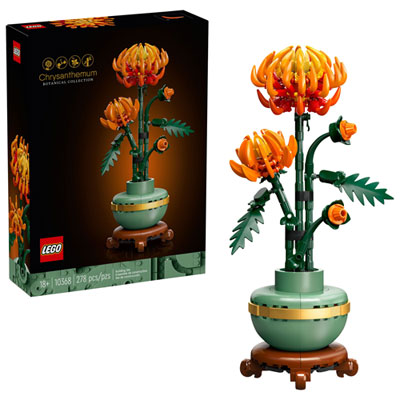 Your price for this item is $31.99
Discover more categories related to Unique LEGO Sets
Top Collections:
Best Black Friday Deals This Year, Best Black Friday Deals On Electronics, Kindle Devices, Pokemon Centers, Best Black Friday Deals On Apple Products, Best Cameras for Sports Photography, Dyson Airwrap, Pokémon 30th Celebration Cards, Apple iPhone 17 Pro, Canon G7X Cameras
Some products may be subject to Environmental Handling Fees
(EHF) depending on your province.
Learn more about EHFs.