Watercolor Brushes
Enhance your watercolor creations with a diverse selection of high-quality watercolor brushes designed to bring your artistic vision to life. Whether you're a seasoned artist or just starting out on your creative journey, the right brush can make all the difference in achieving the perfect blend of colors and textures on paper. From fine detail work to broad strokes, our range of watercolor brushes offers versatility and precision to help you express your unique style in every brushstroke. Explore our collection and elevate your painting experience with brushes that are as vibrant and dynamic as your imagination.
Sort
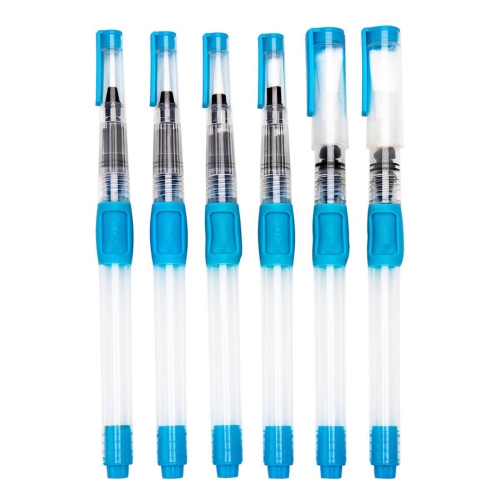
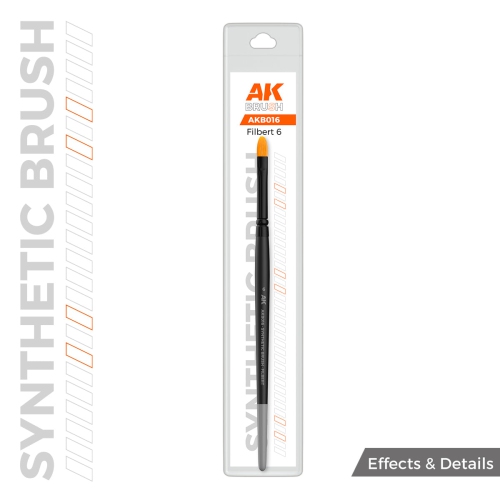

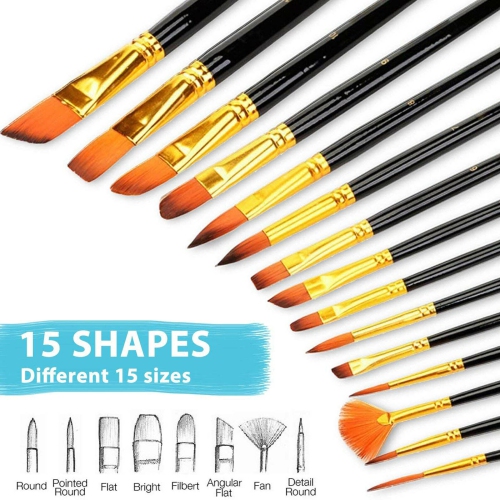
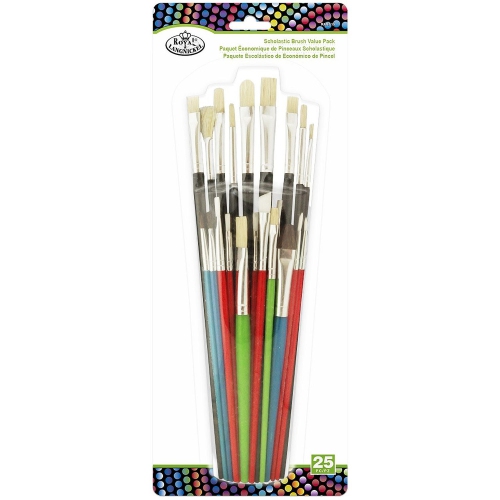
How brush shape influences every wash and fine line
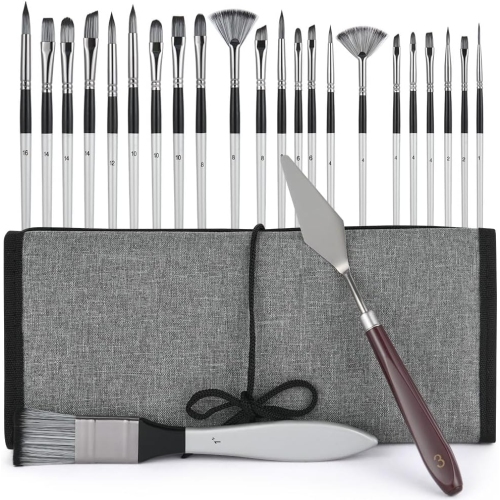
Watercolour brushes are designed to hold a mixture of water and pigment, release it smoothly, and give painters control over everything from broad washes to fine lines. Their shape, size, and fibre type affect how a stroke begins, how much colour it carries, and how neatly it finishes. Round brushes are particularly versatile because their fuller body holds paint while a tapered tip can create narrow marks. For beginners, a size 8 or 12 round is a practical starting point for general painting, with a smaller size 2 round suited to compact details and linework. A 1-inch flat or a broad hake brush can complement these shapes when covering larger areas. Brush sizes are not standardized across manufacturers, so the visible dimensions of the head matter as much as the number printed on the handle. A large round with a well-formed point may paint both a broad leaf and its slender stem, reducing the need to switch brushes mid-stroke. Flat brushes have a straight edge that suits architectural shapes, crisp borders, and bands of colour; turned on their side, they can also produce narrow lines. Mop brushes have full, soft heads that carry generous amounts of diluted paint, making them useful for flowing backgrounds and large, connected passages. Quill brushes often serve a similar purpose, although the term describes their traditional style of construction rather than a single head shape. Fine liners and riggers have longer, narrow heads for extended lines, such as lettering flourishes or delicate branches. Detail rounds and spotters offer a shorter, more controlled working tip for small accents. A useful assortment reflects the scale and character of the painting rather than simply including the greatest number of brushes. Someone painting loose flowers may reach repeatedly for a pointed round and a mop, while an artist working on miniature illustrations may place greater value on precise tips and predictable paint release.
The fibres in a watercolour brush influence its softness, spring, and capacity to carry a wash. Spring describes how readily the head returns to its original shape after pressure is released. A springier brush can feel responsive when drawing a clean edge or changing direction, while a softer head follows the surface with less resistance and spreads fluid colour gently. Synthetic brushes use manufactured filaments, sometimes blended in different thicknesses or textures to balance these qualities. Some feel firm and lively; others are designed to imitate the softer handling and greater water capacity associated with natural hair. Natural-hair brushes also vary: squirrel hair is generally very soft and suited to generous washes, while sable is valued for combining water retention with a responsive point. Blended heads bring together different fibres, so the material name alone does not fully describe how a brush will perform. The way the fibres are shaped and assembled also affects control. A round brush that gathers into a clean point when wet can be more useful for fine marks than a much smaller brush with a blunt or spreading tip. Together with watercolour paints, brush choice shapes the experience of laying down transparent colour, softening an edge, or adding a concentrated accent. On textured paper, a lightly loaded brush may skim over the raised surface and leave broken marks; a fuller load can carry colour into more of the paper’s texture. Handle fit matters during longer sessions, too. Short handles suit close work at a desk or sketchbook, while a longer handle allows a more distant grip for broader gestures. A comfortable diameter and balanced weight can reduce the tendency to grip too tightly. The ferrule, which joins the head to the handle, should feel secure, with no distracting movement. Smooth handle finishes and neatly assembled heads are useful construction details for painters who expect to use their tools regularly.
Watercolour brushes suit a wide range of creative routines, from a first sketchbook of colour studies to detailed botanical paintings, handmade cards, illustrated journals, and finished artwork. Beginners often benefit from a focused selection of dependable shapes because familiar tools make it easier to notice how water loading and pressure change a mark. More experienced painters may choose brushes for particular jobs: a soft mop for an uninterrupted background, a pointed round for petals, or a flat for the straight sides of a building. Travel brushes with protective caps can suit sketchbook work away from a dedicated workspace, while water brushes, which hold water inside the handle, offer another portable format. Their squeeze-controlled flow feels different from a conventional brush dipped in water, making them useful for some drawing and painting habits rather than a direct replacement for every brush shape. As gifts, brushes can suit art students, hobby painters, illustrators, and anyone returning to a creative practice; the recipient’s preferred subjects and painting scale provide helpful context. Durability depends partly on construction and partly on everyday handling. Gentle rinsing during use and a thorough rinse after painting help prevent pigment from collecting near the base of the head, where residue can interfere with the point. When additional cleaning is needed, a mild brush soap used according to its directions is generally preferable to harsh cleaners. Brushes should not be left standing on their tips in a water container, since prolonged pressure can bend the fibres and soaking can affect the handle or its joints. After rinsing, gently reshaping the head and laying the brush flat to dry helps maintain its working form. Protective caps belong on dry brushes rather than damp heads, and a case should leave enough space to avoid crushing the tips. Keeping abrasive scrubbing and masking fluid work separate from valued painting brushes also helps preserve the softness and precision that make watercolour brushwork distinctive.
The fibres in a watercolour brush influence its softness, spring, and capacity to carry a wash. Spring describes how readily the head returns to its original shape after pressure is released. A springier brush can feel responsive when drawing a clean edge or changing direction, while a softer head follows the surface with less resistance and spreads fluid colour gently. Synthetic brushes use manufactured filaments, sometimes blended in different thicknesses or textures to balance these qualities. Some feel firm and lively; others are designed to imitate the softer handling and greater water capacity associated with natural hair. Natural-hair brushes also vary: squirrel hair is generally very soft and suited to generous washes, while sable is valued for combining water retention with a responsive point. Blended heads bring together different fibres, so the material name alone does not fully describe how a brush will perform. The way the fibres are shaped and assembled also affects control. A round brush that gathers into a clean point when wet can be more useful for fine marks than a much smaller brush with a blunt or spreading tip. Together with watercolour paints, brush choice shapes the experience of laying down transparent colour, softening an edge, or adding a concentrated accent. On textured paper, a lightly loaded brush may skim over the raised surface and leave broken marks; a fuller load can carry colour into more of the paper’s texture. Handle fit matters during longer sessions, too. Short handles suit close work at a desk or sketchbook, while a longer handle allows a more distant grip for broader gestures. A comfortable diameter and balanced weight can reduce the tendency to grip too tightly. The ferrule, which joins the head to the handle, should feel secure, with no distracting movement. Smooth handle finishes and neatly assembled heads are useful construction details for painters who expect to use their tools regularly.
Watercolour brushes suit a wide range of creative routines, from a first sketchbook of colour studies to detailed botanical paintings, handmade cards, illustrated journals, and finished artwork. Beginners often benefit from a focused selection of dependable shapes because familiar tools make it easier to notice how water loading and pressure change a mark. More experienced painters may choose brushes for particular jobs: a soft mop for an uninterrupted background, a pointed round for petals, or a flat for the straight sides of a building. Travel brushes with protective caps can suit sketchbook work away from a dedicated workspace, while water brushes, which hold water inside the handle, offer another portable format. Their squeeze-controlled flow feels different from a conventional brush dipped in water, making them useful for some drawing and painting habits rather than a direct replacement for every brush shape. As gifts, brushes can suit art students, hobby painters, illustrators, and anyone returning to a creative practice; the recipient’s preferred subjects and painting scale provide helpful context. Durability depends partly on construction and partly on everyday handling. Gentle rinsing during use and a thorough rinse after painting help prevent pigment from collecting near the base of the head, where residue can interfere with the point. When additional cleaning is needed, a mild brush soap used according to its directions is generally preferable to harsh cleaners. Brushes should not be left standing on their tips in a water container, since prolonged pressure can bend the fibres and soaking can affect the handle or its joints. After rinsing, gently reshaping the head and laying the brush flat to dry helps maintain its working form. Protective caps belong on dry brushes rather than damp heads, and a case should leave enough space to avoid crushing the tips. Keeping abrasive scrubbing and masking fluid work separate from valued painting brushes also helps preserve the softness and precision that make watercolour brushwork distinctive.
Top selling and popular products
-
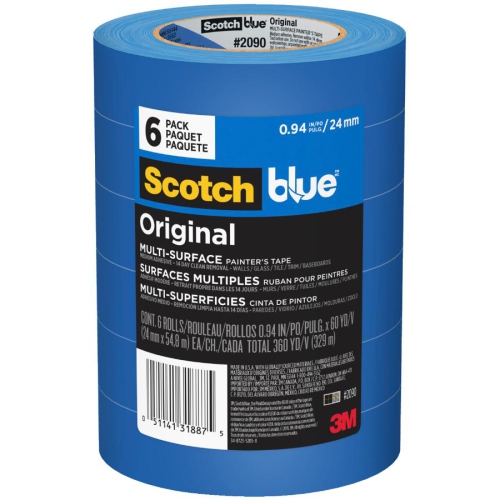 Your price for this item is $32.99
 -
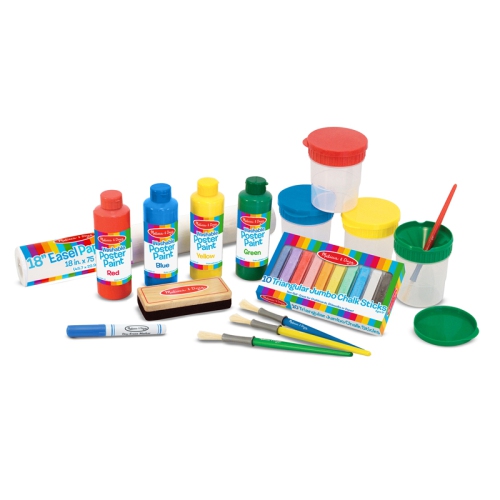 Your price for this item is $90.99
 -
 Your price for this item is $116.16
 -
 Your price for this item is $361.99
 -
 Your price for this item is $63
 -
 Your price for this item is $79.9
 -
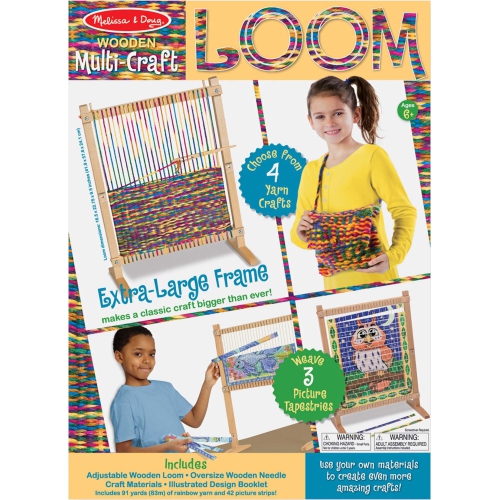 Your price for this item is $72.99
 -
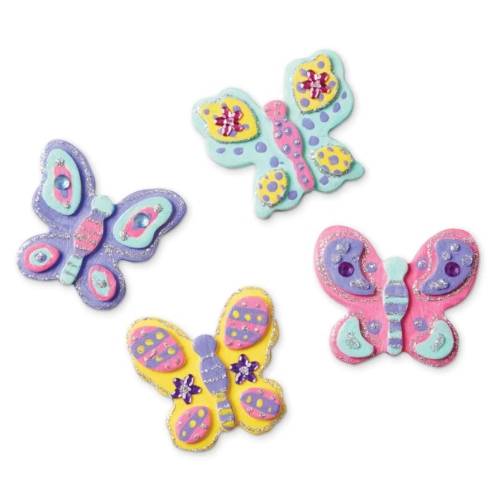 Your price for this item is $25.99
Discover more categories related to Watercolor Brushes
Top Collections:
Pokemon Centers, Kindle Devices, Best Budget Office Chairs, Apple iPhones 16, Best Laptops for Writers, iPhone 15 Apple, Canon G7X Cameras, Refurbished Apple Laptops, Alarm Clock, Motorola Razr Phones
Some products may be subject to Environmental Handling Fees
(EHF) depending on your province.
Learn more about EHFs.