Wooden Musical Instruments
Discover the harmonious world of wooden musical instruments at Best Buy Canada. From classic acoustic guitars to melodic xylophones, our extensive collection offers a wide range of options for music enthusiasts of all ages and skill levels. Crafted with precision and attention to detail, these wooden instruments not only produce beautiful melodies but also add a touch of elegance to any performance or practice session. Whether you're a seasoned musician or just starting your musical journey, explore our selection of wooden instruments and let the music resonate through your soul.
Sort
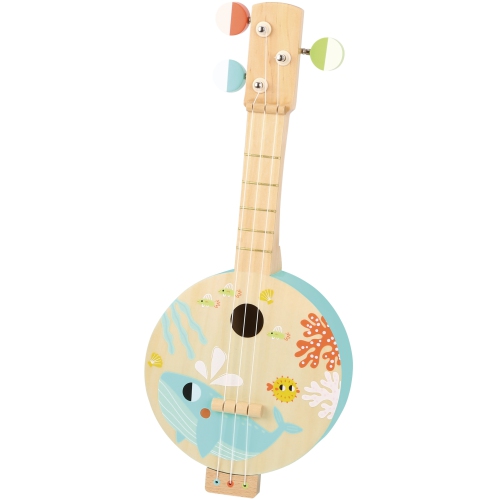
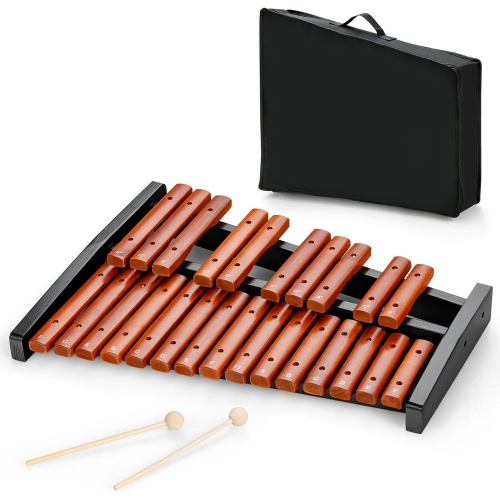
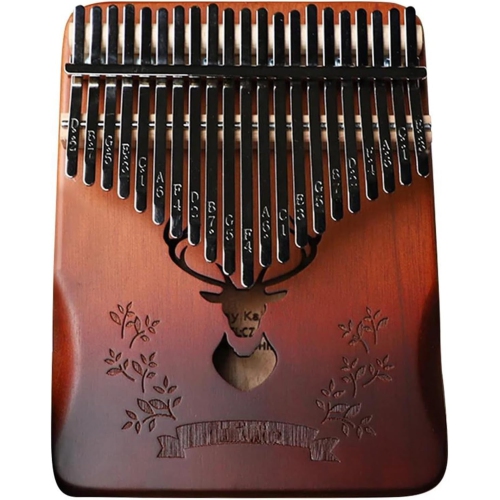
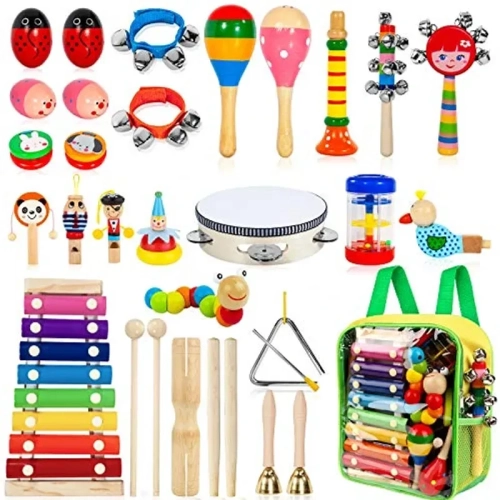

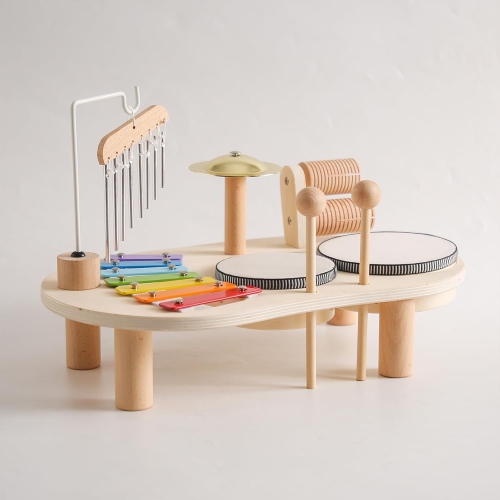
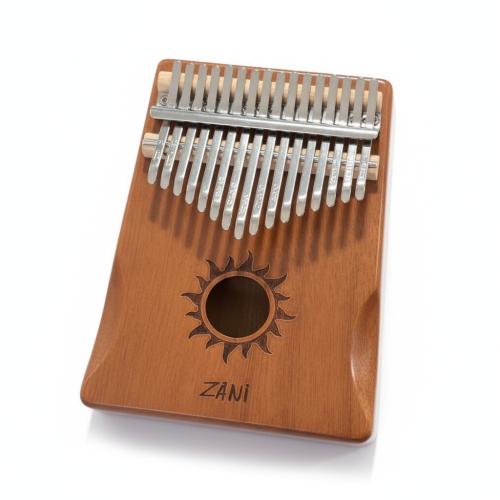
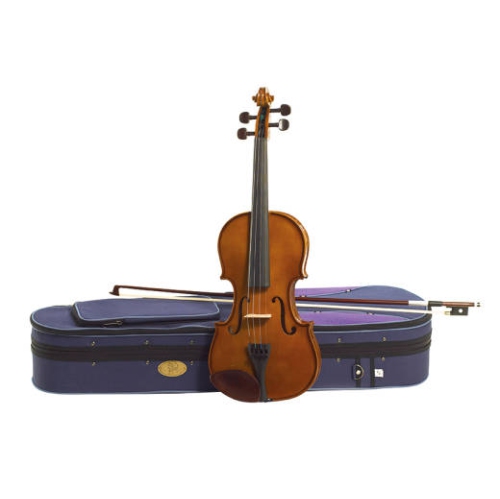
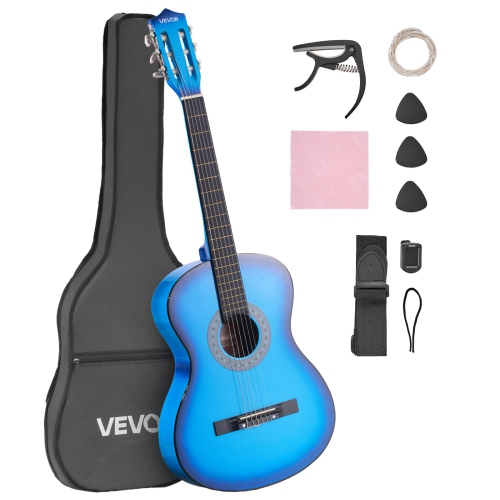

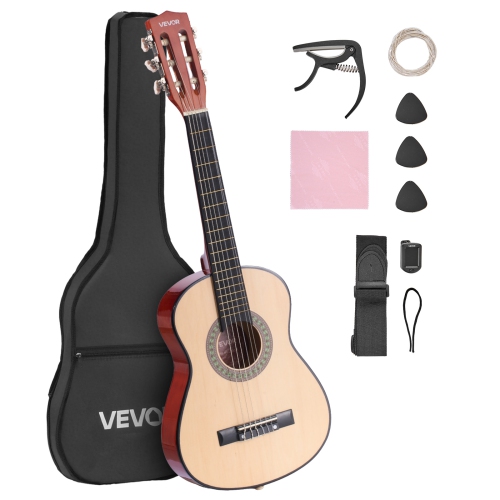
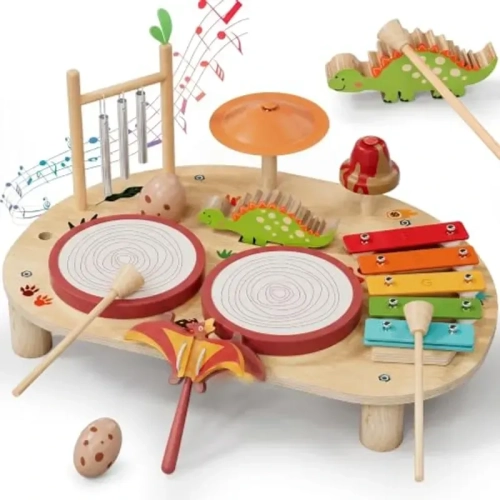
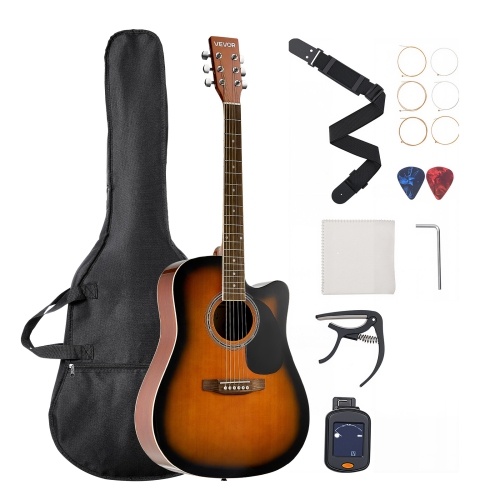
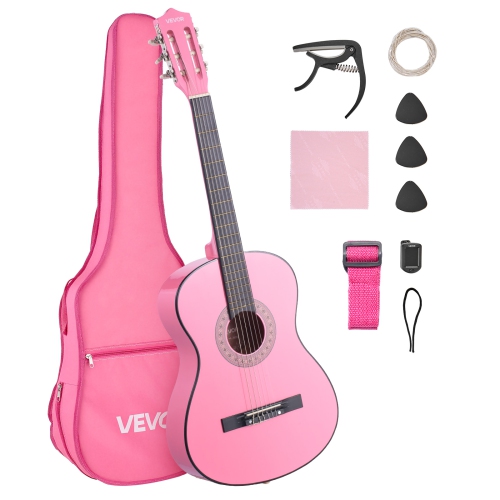
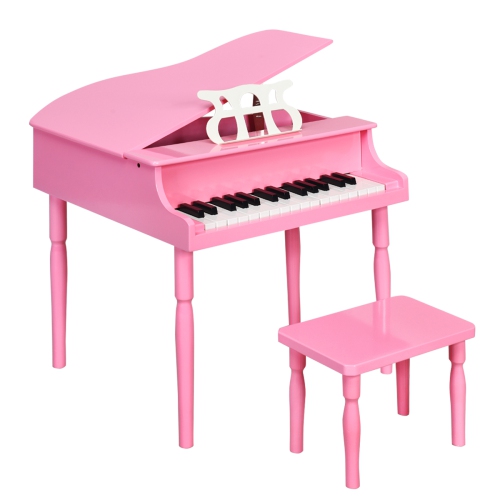
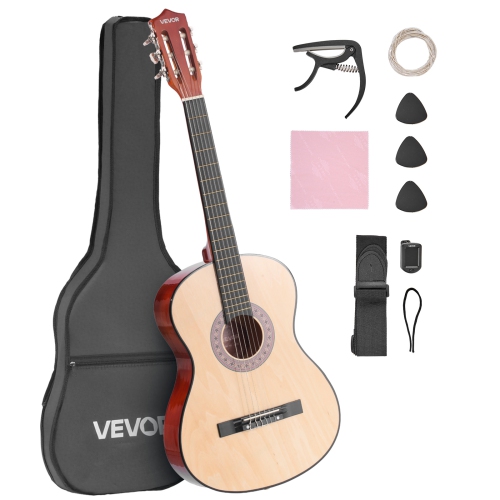
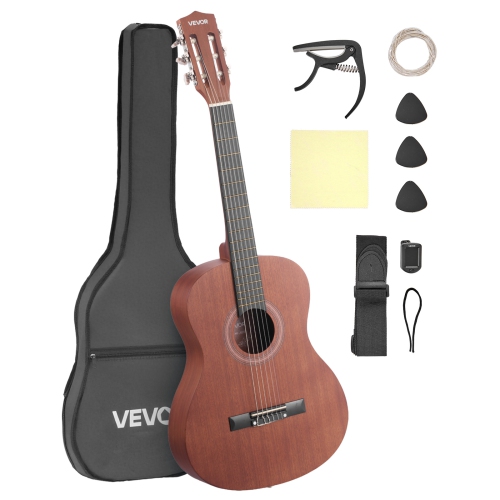
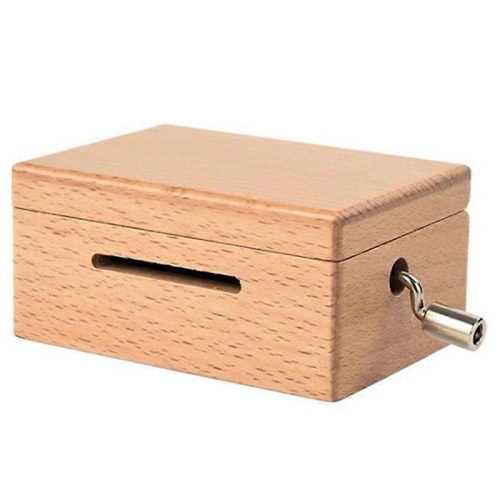

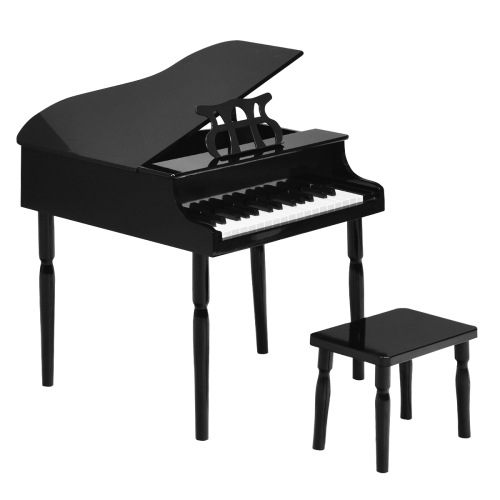
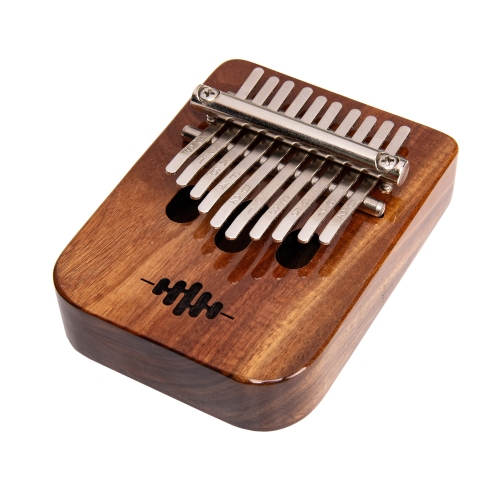
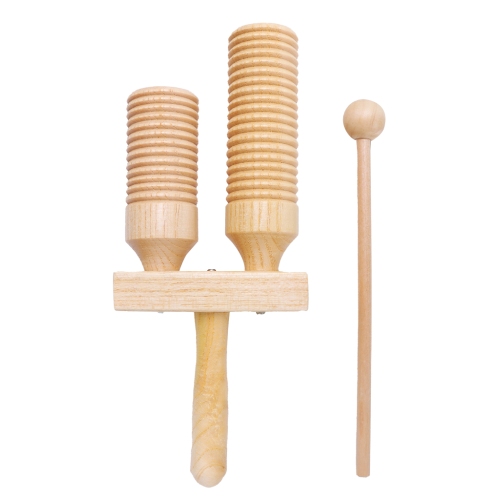
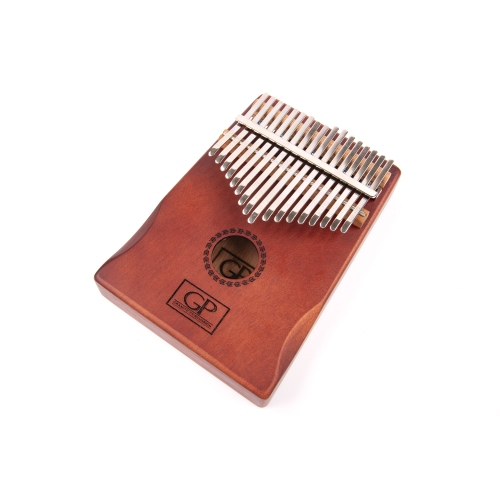









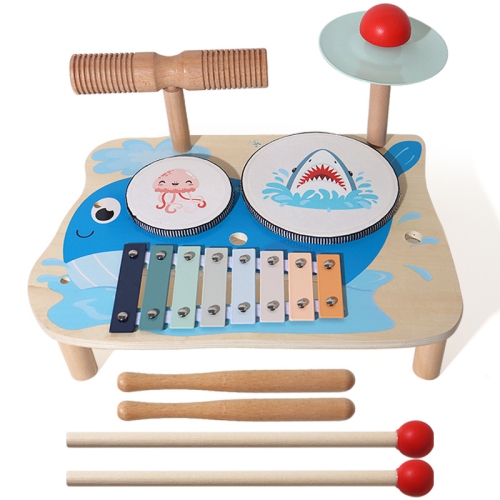

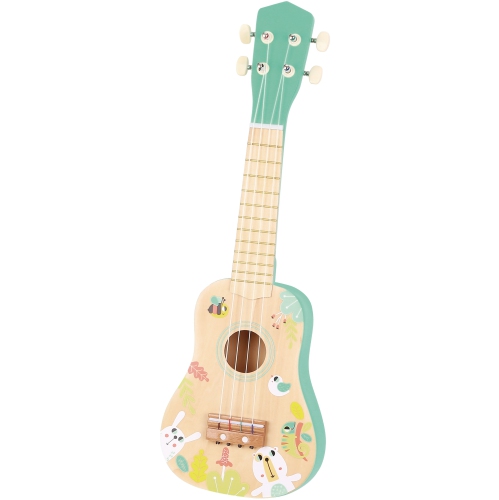
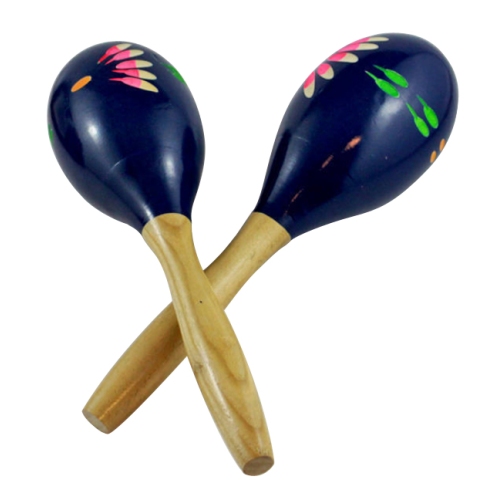
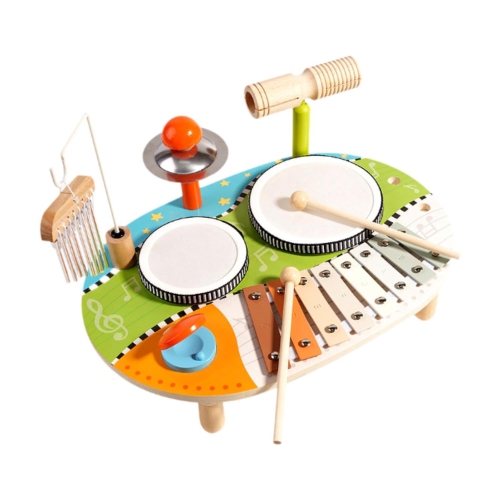
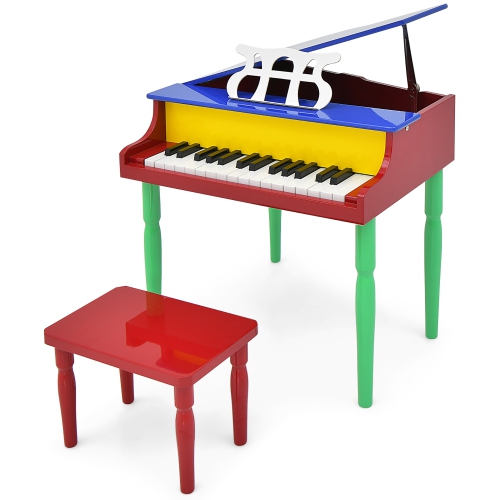
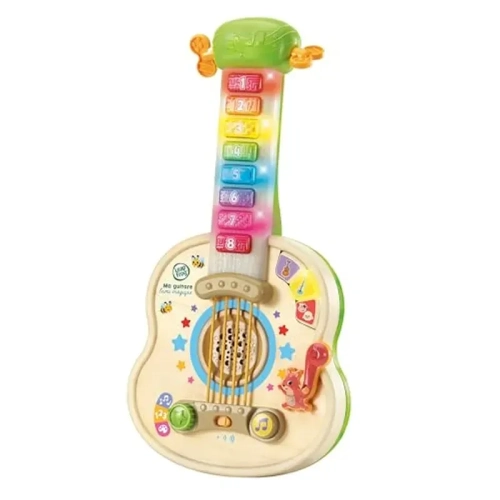
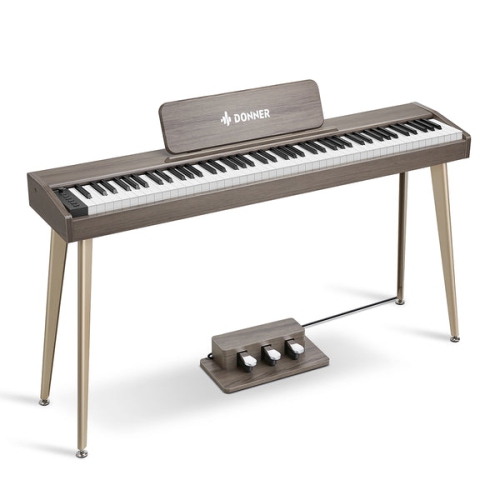
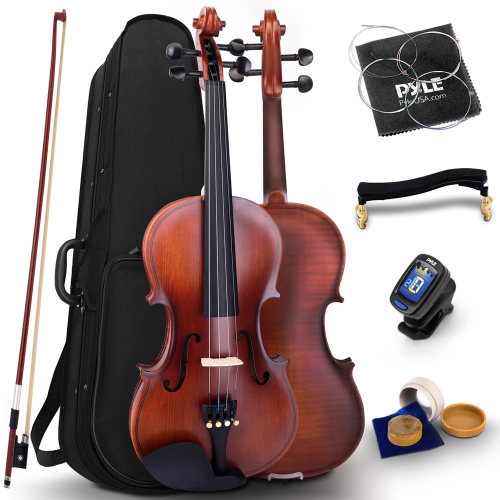
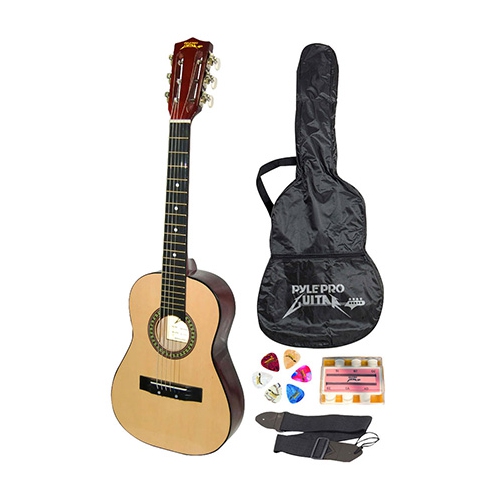

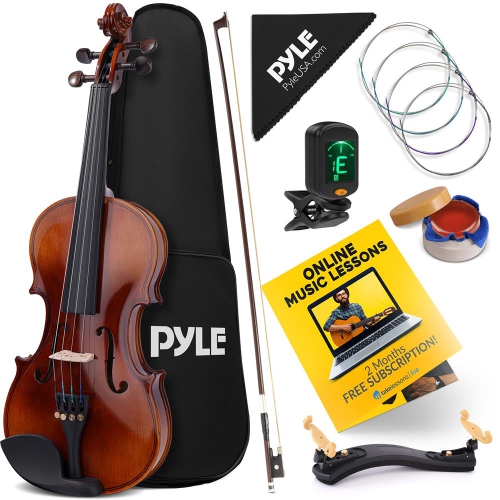
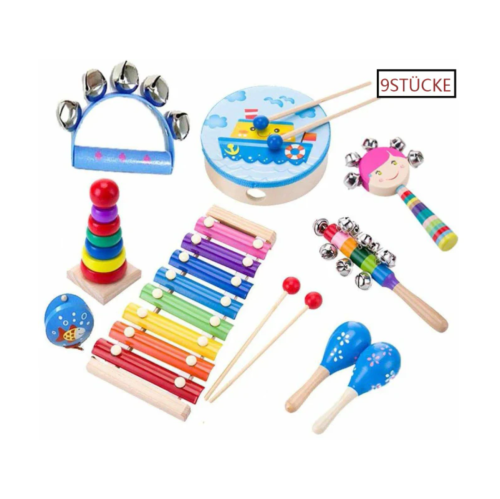
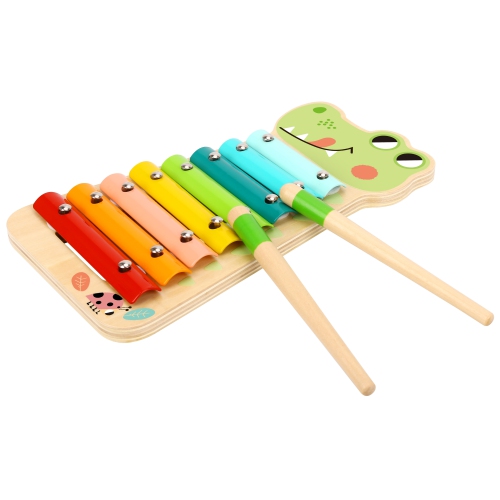

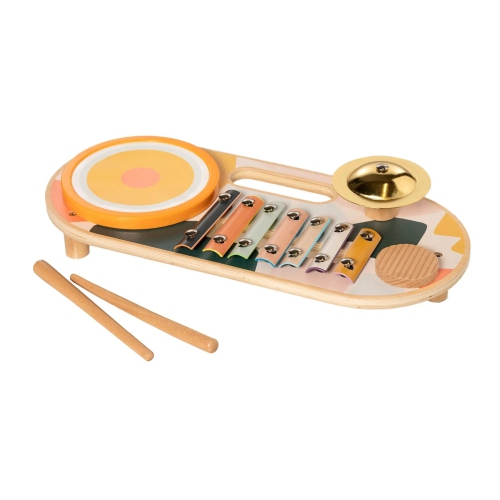

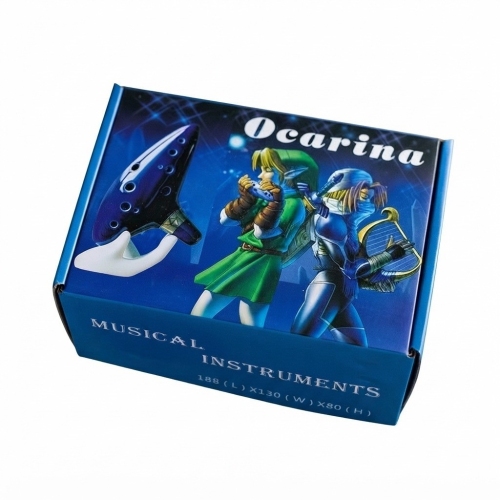
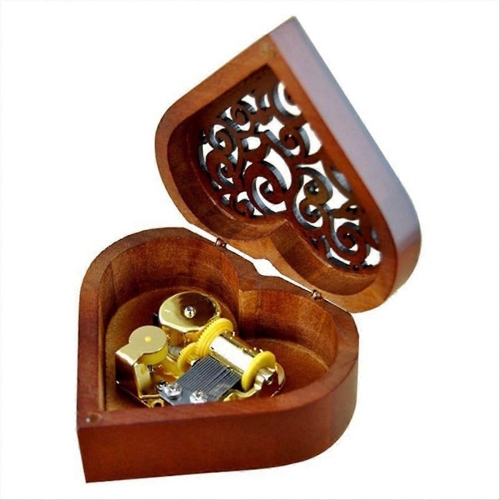
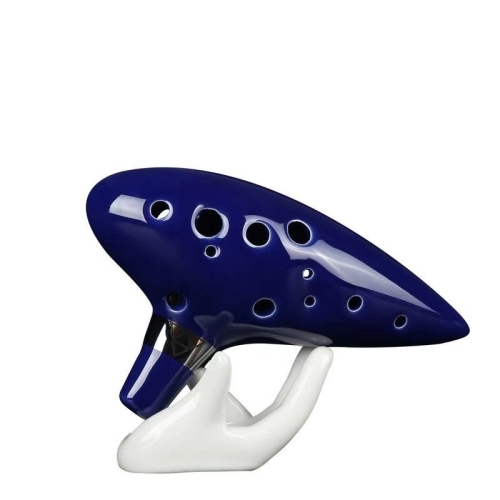




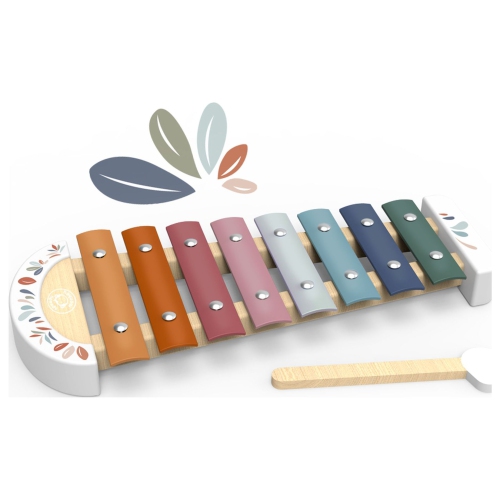
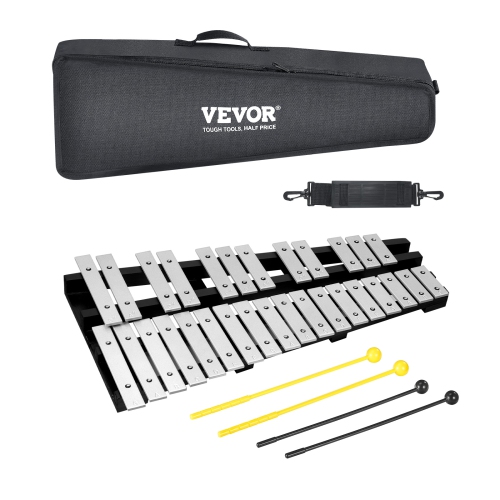


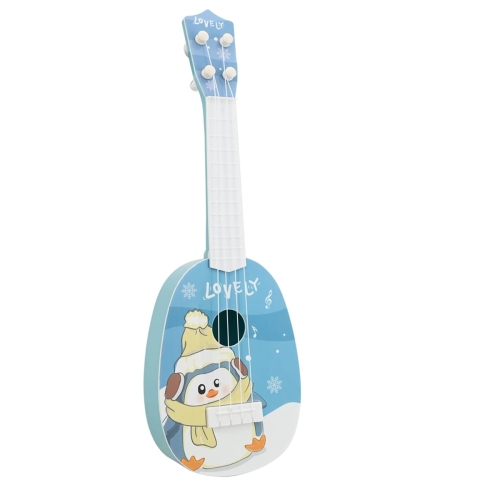

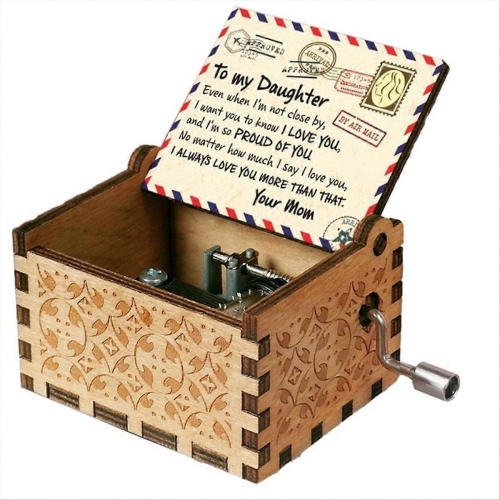





How wood shapes sound across different instruments
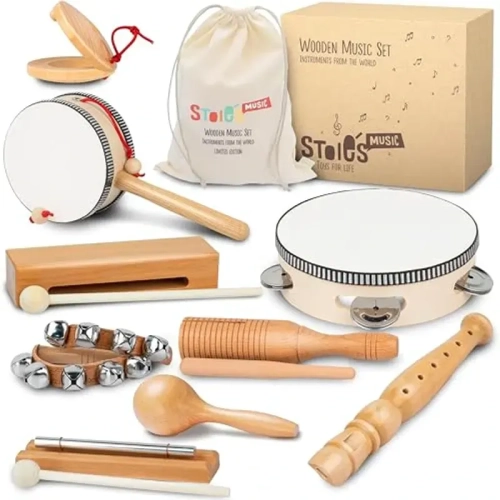
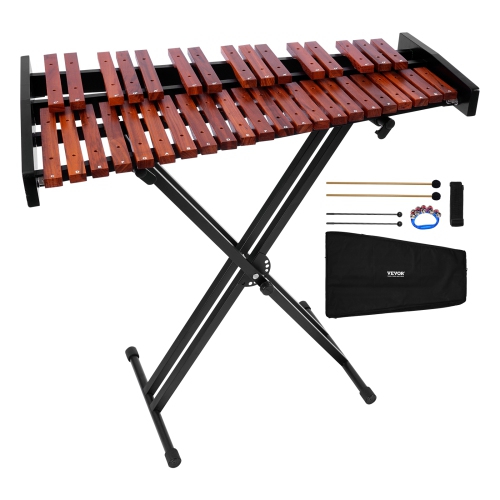
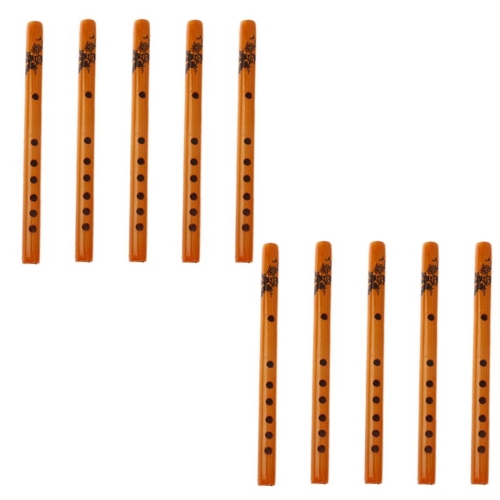
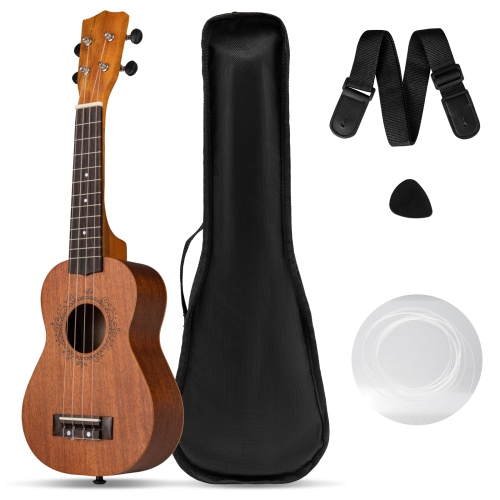
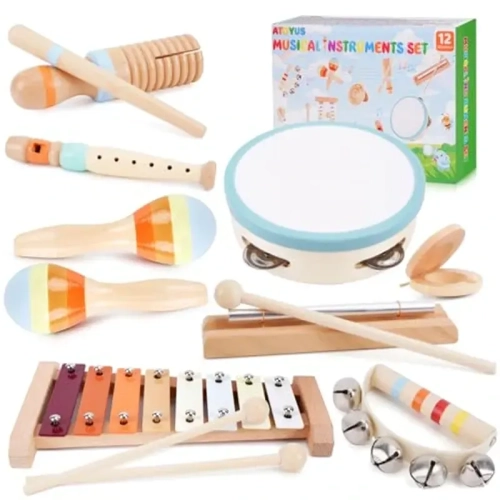
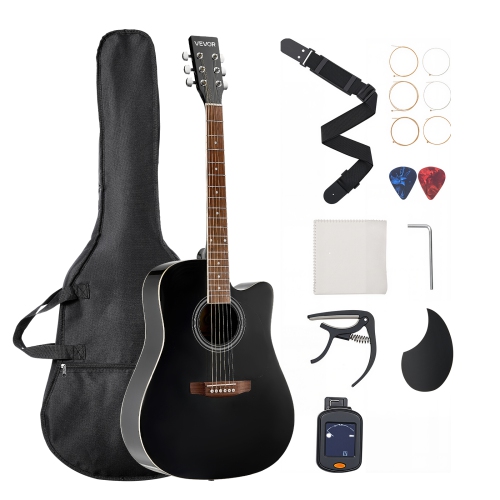
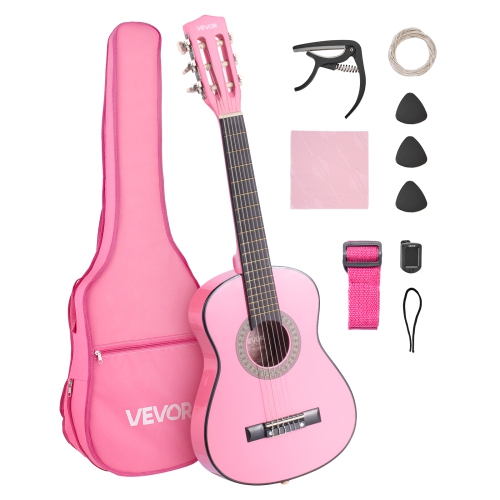
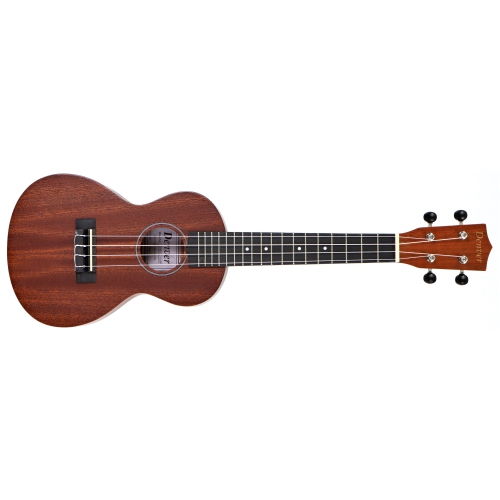
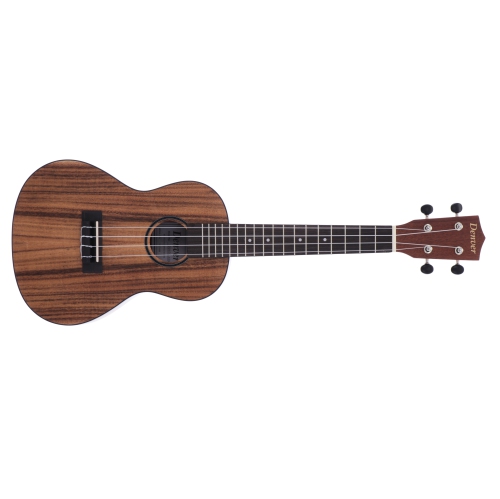
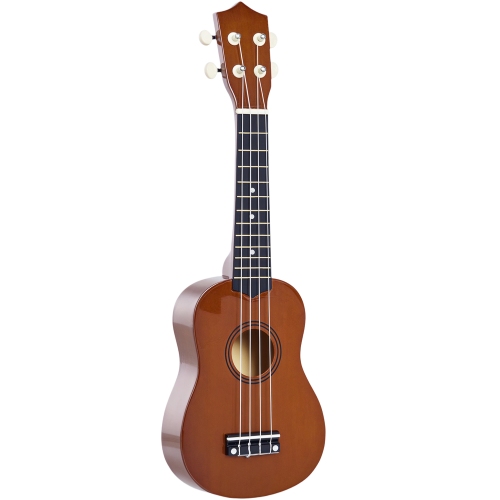
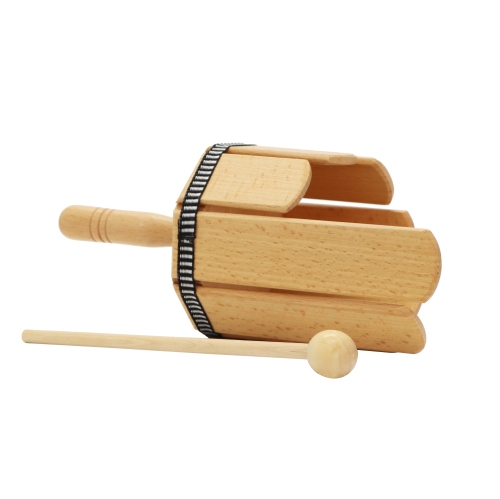
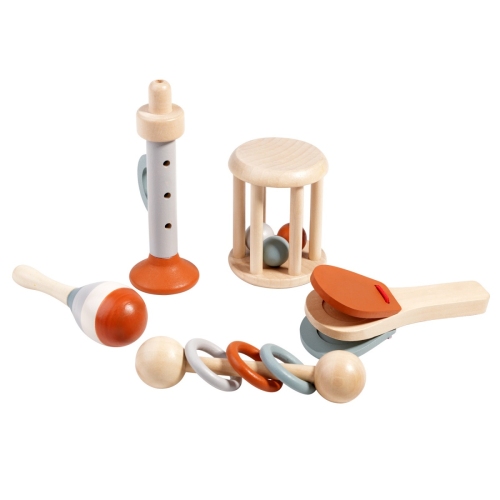
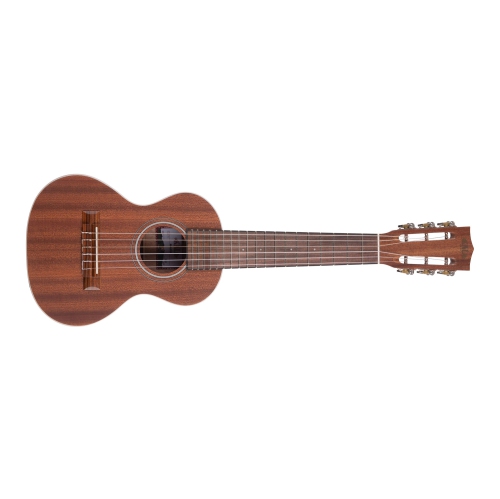
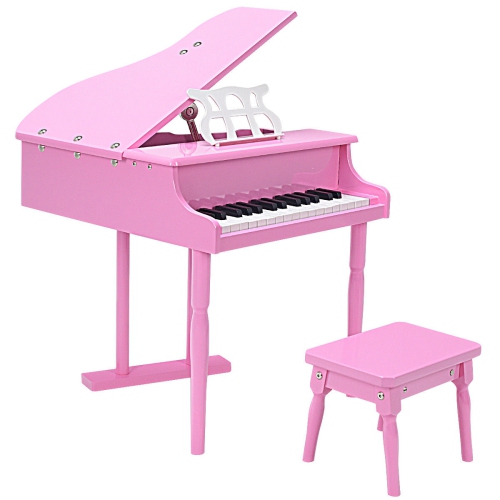
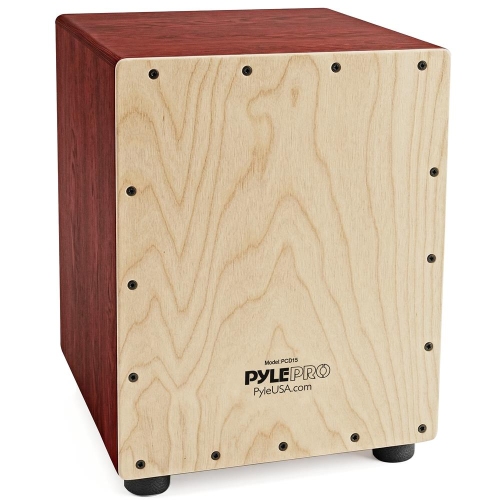
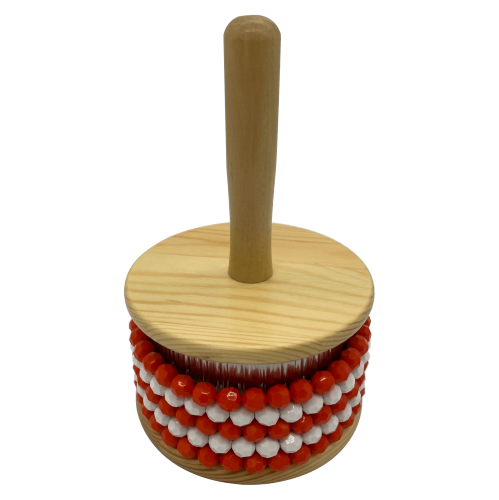
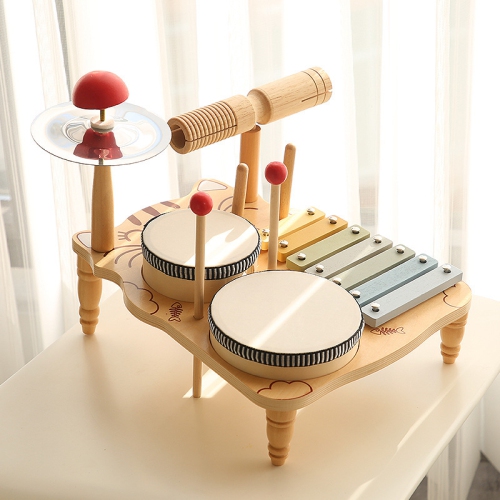
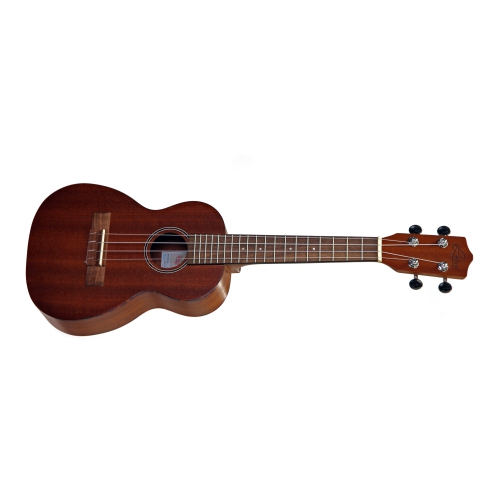
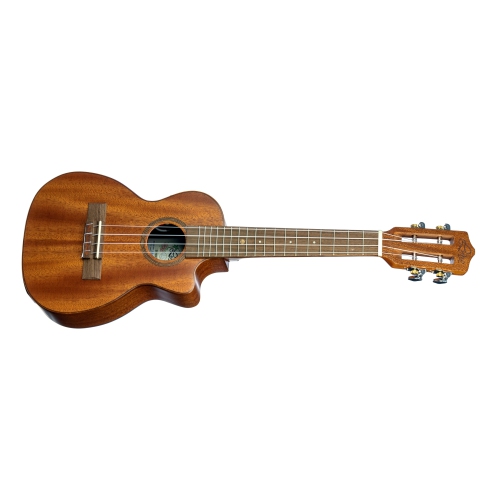
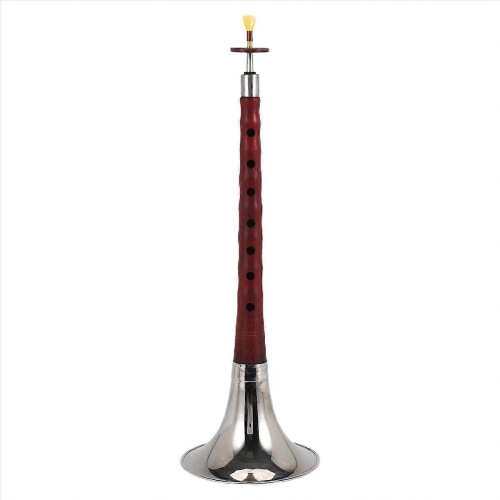
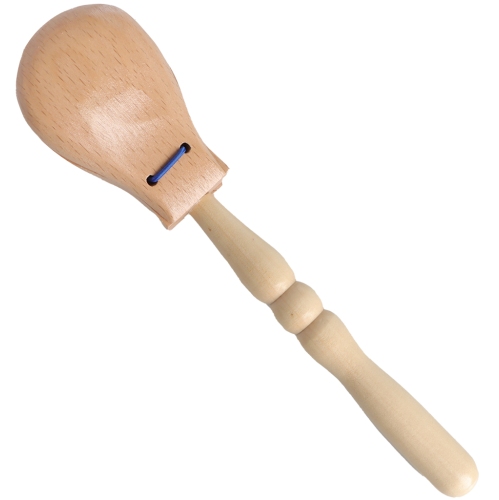
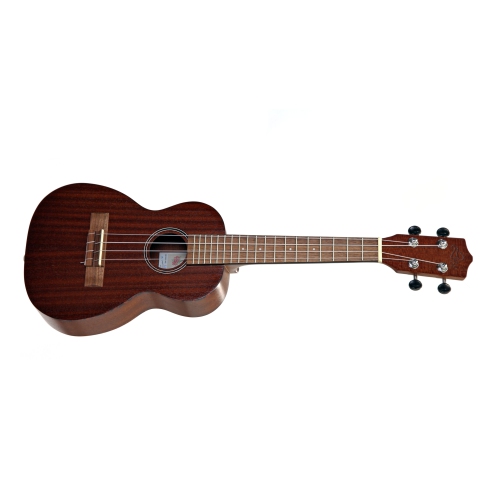
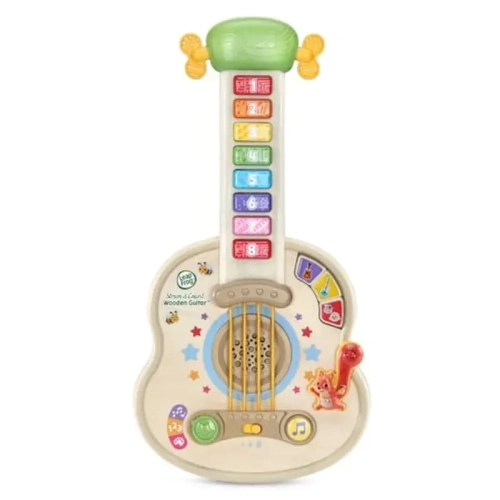
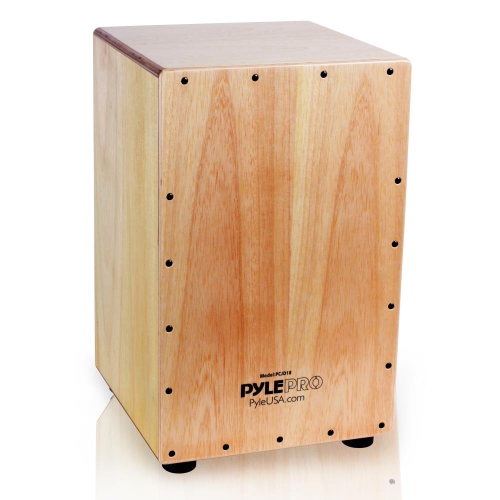
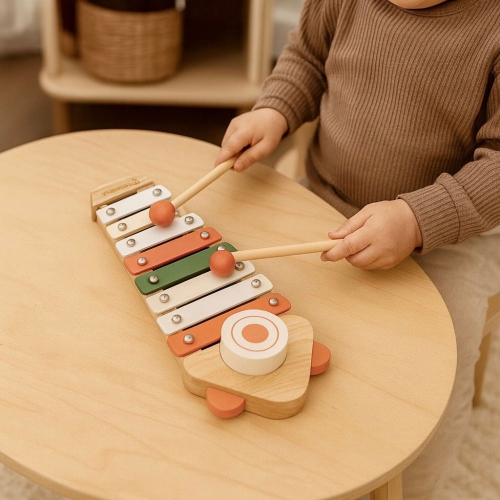
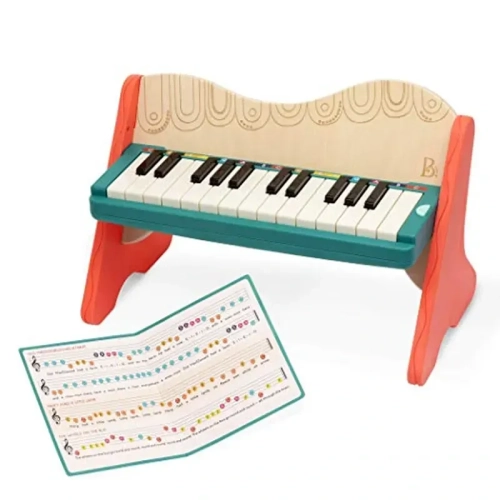
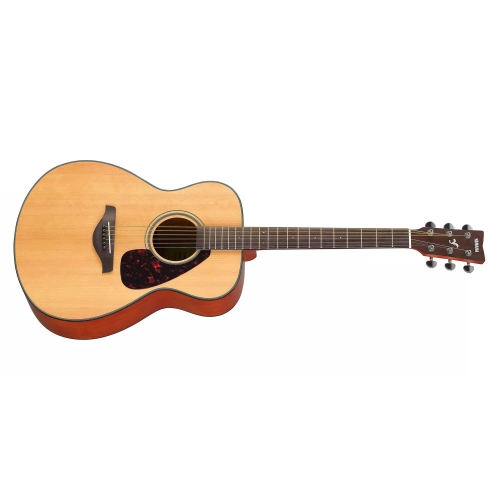
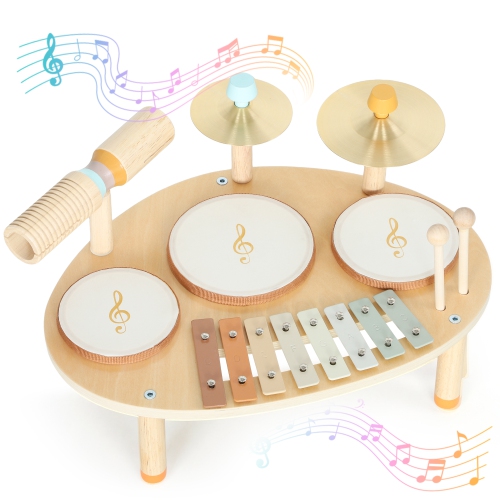
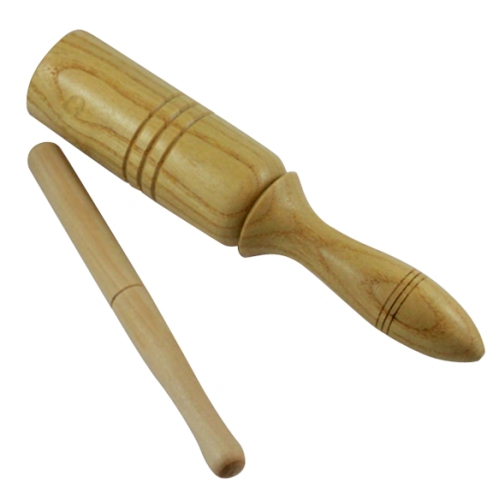
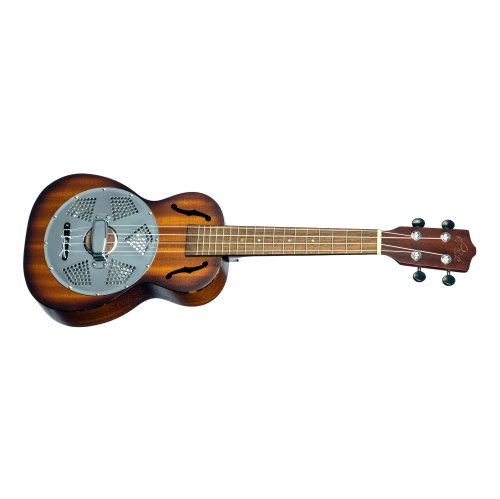
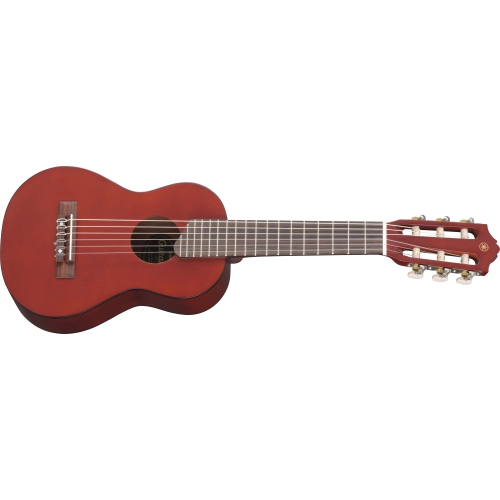
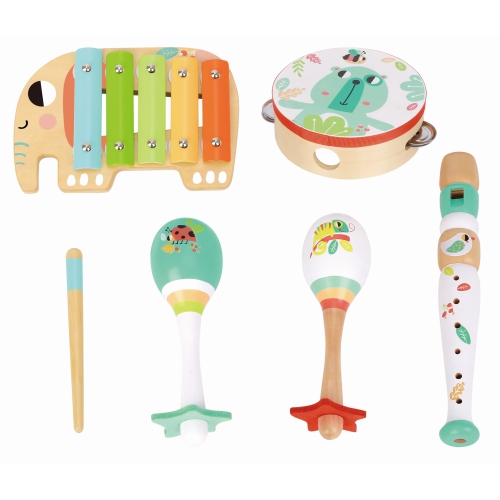
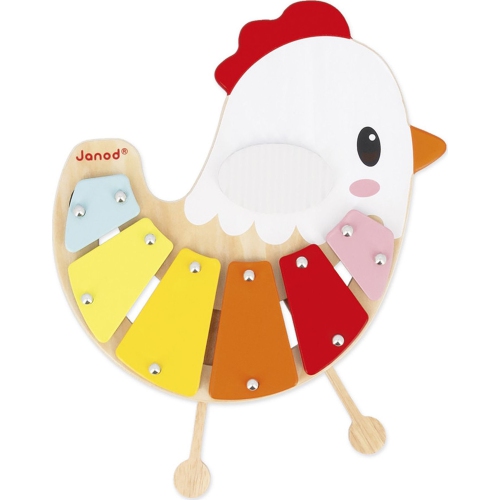
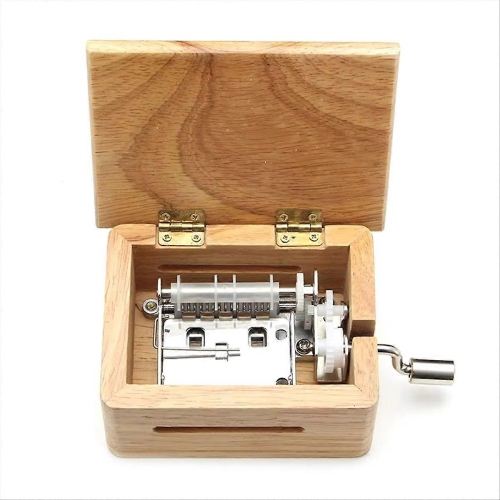
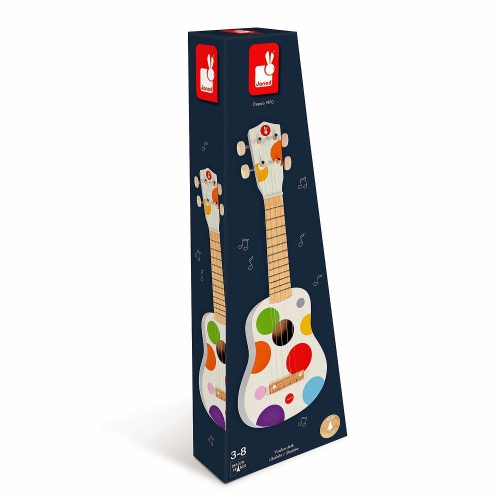
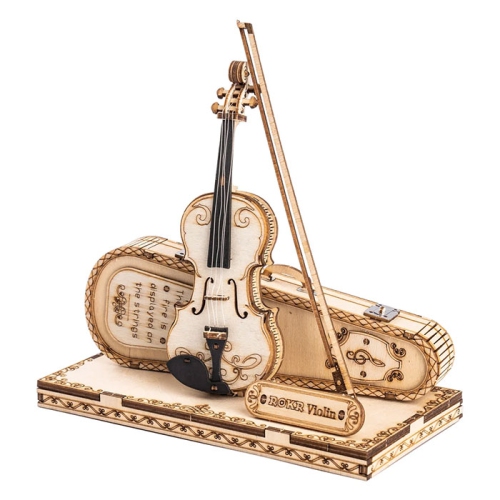
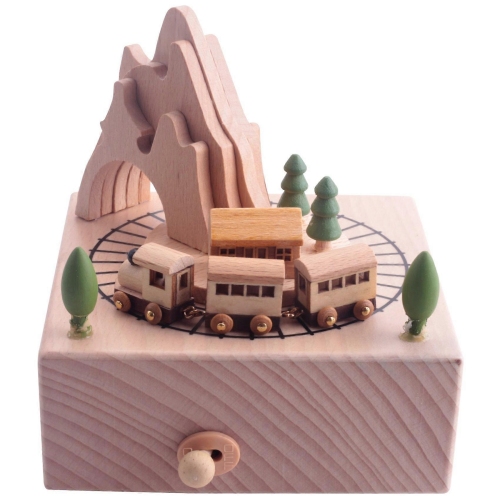
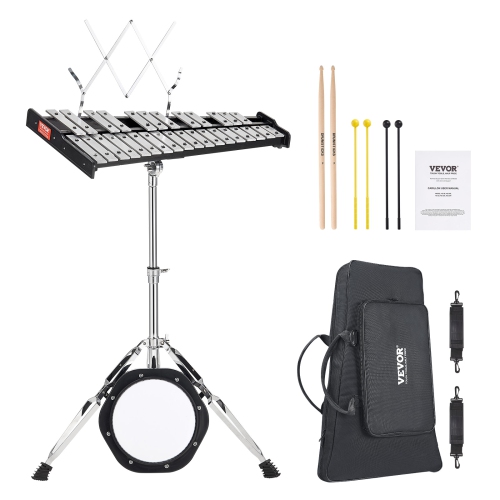
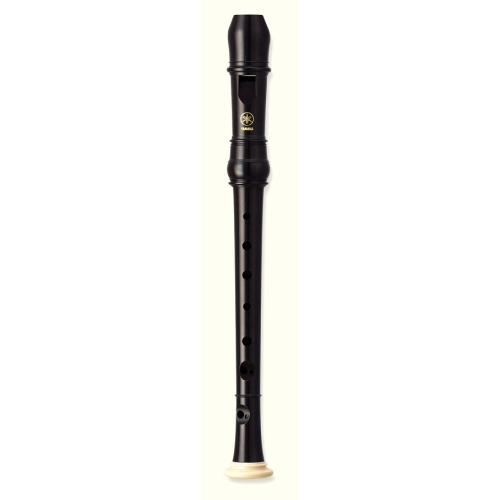
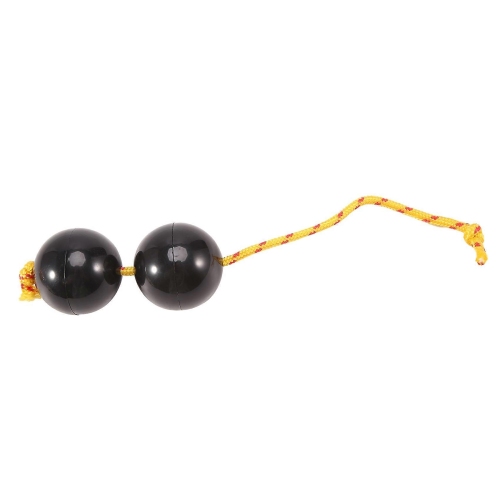
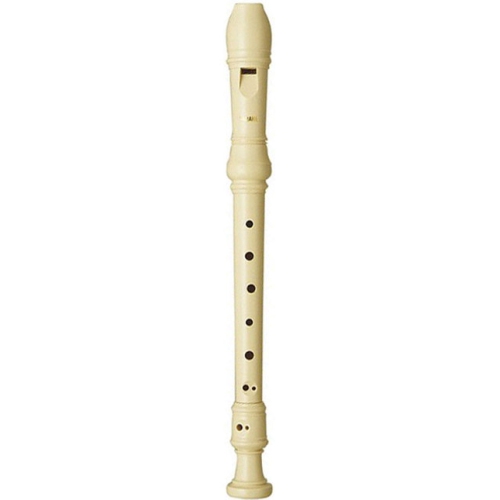
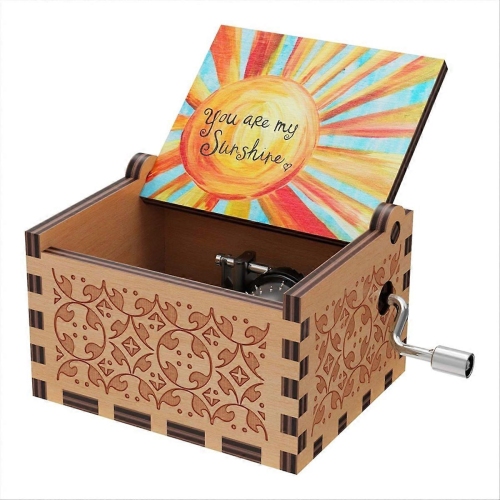
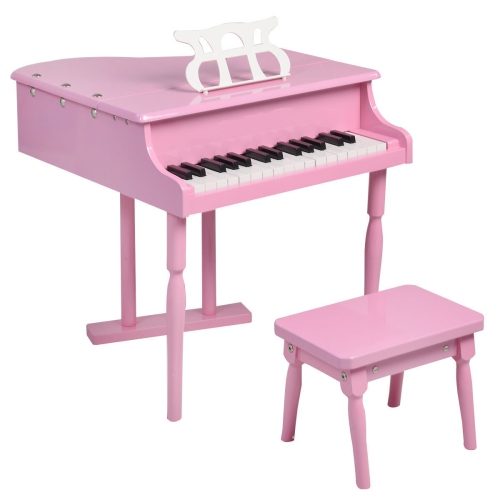
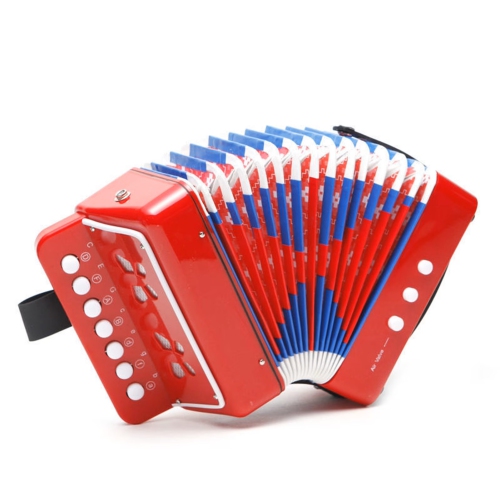
Wooden musical instruments are instruments that use wood in their bodies, soundboards, bars, tubes, or other working parts to help produce and shape sound. They span percussion, string, and wind families, from the short, hollow knock of a woodblock to the ringing notes of a wooden-bar xylophone or the sustained melody of an acoustic guitar. Wood plays a different role in each design: a struck bar vibrates directly, a guitar’s soundboard helps transfer string vibrations into the air, and a wind instrument’s hollow bore contains the vibrating air column that produces its notes. Not every component needs to be wooden. Strings, tuning machines, drum wires, fasteners, and mouthpieces may use other materials, while wood remains central to the instrument’s construction. Wooden percussion instruments are especially approachable for shared music-making because many produce a clear response with a simple tap, shake, or scrape. Claves and castanets add distinct rhythmic accents, maracas provide a textured pulse, and cajons offer contrasting bass and slap sounds from a box-shaped body played by hand. Wooden-bar xylophones bring melody into percussion, with bars arranged by pitch for simple tunes, repeating patterns, or ensemble parts. Guitars and ukuleles support strumming, picking, and singing, while wooden recorders, flutes, and panpipes offer melodic playing through controlled breath. Their tones vary widely; a wooden instrument is not automatically soft, mellow, or quiet. Shape, dimensions, construction, and playing technique matter alongside the material itself. These differences make wooden musical instruments relevant to many settings, including a child’s first rhythm activity, a classroom music circle, an adult’s practice space, or an acoustic group. For someone drawn to unfamiliar sounds and distinctive playing techniques, Unique Musical Instruments offers another direction for exploring musical expression. Whether the goal is keeping time, accompanying a voice, or learning a melody, the instrument’s musical role is more useful than its appearance alone in understanding how it will fit into everyday playing.
Materials and construction influence both the sound of a wooden instrument and how it feels in the hands. Spruce, cedar, mahogany, maple, and other woods appear in different instrument families, but the wood species alone does not determine quality. The thickness of a soundboard, the placement of internal supports, the accuracy of a wind instrument’s bore, and the shaping of percussion bars can all affect response. Solid wood and laminated wood are also distinct construction choices rather than interchangeable descriptions. Solid-wood soundboards are valued for their responsiveness in many string instruments, while laminated construction can offer strength and dimensional stability for frequent handling. A natural grain pattern, painted surface, or clear finish changes the visual character, but comfortable edges, secure joints, and well-fitted components have more practical importance during use. Fit becomes particularly noticeable over a full practice session. A guitar body that feels manageable while standing may be awkward for a smaller player to hold while seated, and a wide neck can make reaching chords difficult for small hands. Ukuleles have different scale lengths and body sizes, so their compact appearance does not mean every size feels the same. On wind instruments, finger-hole spacing and the reach needed to cover each hole affect comfort and control. For hand percussion, grip size and weight influence whether a player can repeat a pattern without tiring. A cajon needs an appropriate seating height as well as a sound that suits its intended role. Instruments for young children call for additional attention to the stated age range, secure attachments, smooth surfaces, and any small parts or detachable beaters. A colourful wooden music toy may support open-ended sound exploration without offering the pitch accuracy needed for lessons or group performance. Clear tuning information matters when an instrument will be played alongside others. In a classroom, a few sturdy rhythm instruments can let several learners join the same activity; for individual lessons, reliable tuning and suitable sizing usually matter more than the number of pieces in a set.
Wooden musical instruments can become familiar companions through repeated use, whether that means a few minutes of strumming after dinner or a weekly rehearsal with friends. Their suitability depends partly on how they will be played, carried, and stored. An instrument that stays in one practice space has different handling demands from one travelling between home and lessons. A properly fitted case or padded bag helps protect vulnerable edges, tuning parts, and projecting components during transport, while a stable stand keeps a frequently played string instrument within reach without leaving it leaning against furniture. Basic care starts with clean hands and a soft, dry cloth to remove fingerprints and dust. Wood generally should not be soaked, and household cleaning sprays or furniture polish may damage finishes or leave unwanted residue. Wind instruments need particular attention to moisture left inside after playing; drying methods, cleaning tools, and any oiling requirements should follow the maker’s directions. Shared mouth-blown instruments also require appropriate hygiene procedures rather than a quick wipe of the outside. Strings, reeds where used, and other wear parts may need replacement, while rattling hardware or loosening joints deserve attention before they affect playability. Small habits help preserve both sound and durability: using suitable mallets on wooden bars, returning loose percussion pieces to a storage pouch, and lifting an instrument by its intended grip rather than a fragile attachment. As gifts, wooden instruments suit a range of interests, from a child who likes copying rhythms to an adult returning to music or a singer looking for an accompaniment instrument. Matching the gift to the recipient’s experience and intended use makes it more personal than choosing by decorative finish alone. A beginner benefits from comfortable handling and predictable response, while an experienced player may appreciate a particular tonal character or a new rhythmic voice. The lasting appeal lies in that direct connection between movement and sound: a fingertip on a string, breath through a tube, or a palm striking a wooden face turns a carefully shaped material into music.
Top selling and popular products
-
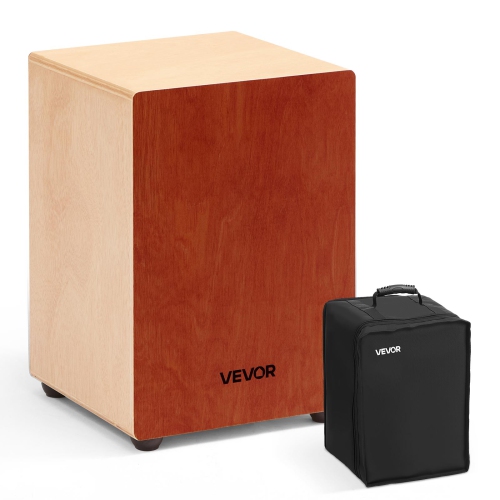 Your price for this item is $98.9
-
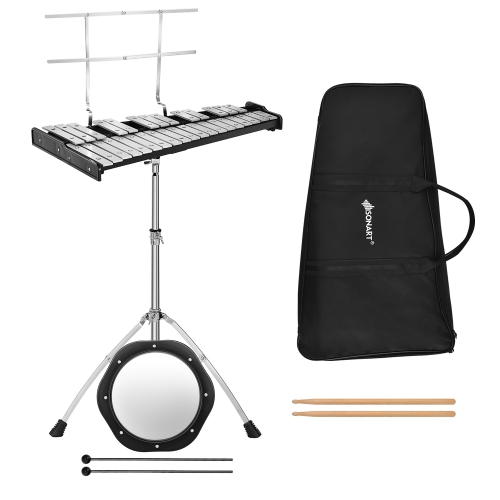 Your price for this item is $155.99
-
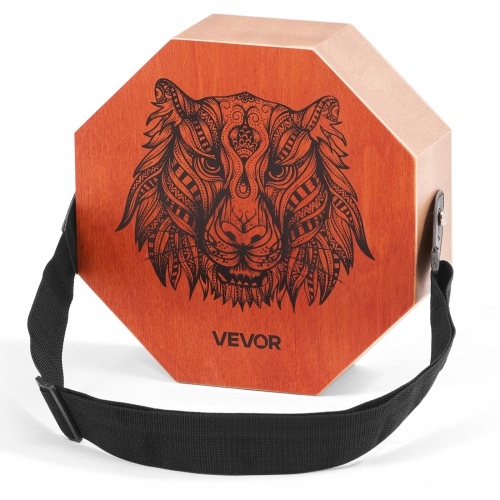 Your price for this item is $48.9
-
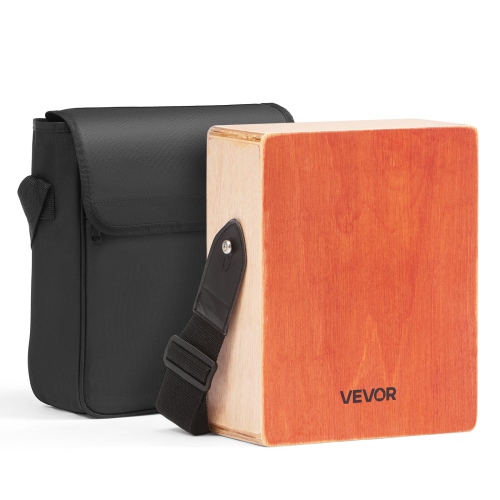 Your price for this item is $42.29
-
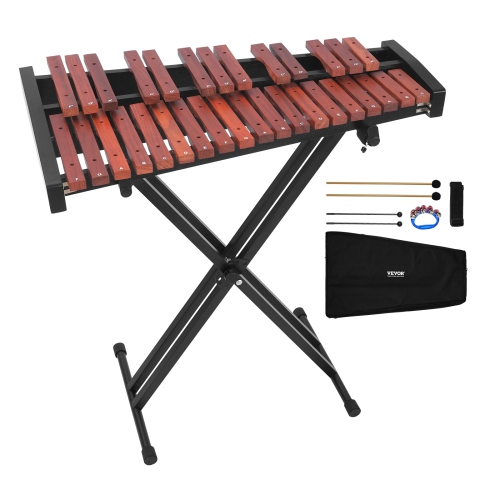 Your price for this item is $210.51
-
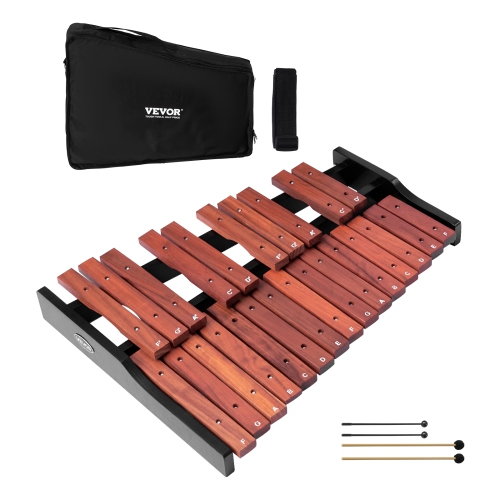 Your price for this item is $88.9
-
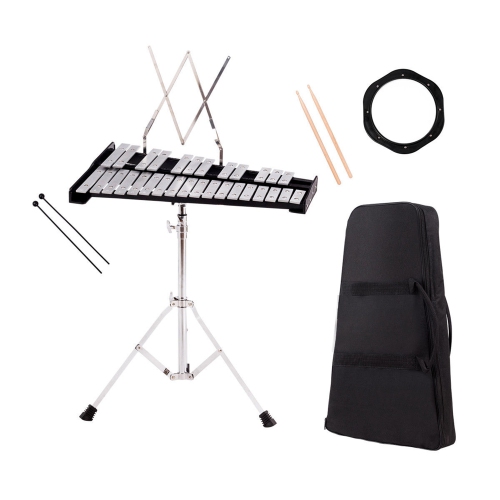 Your price for this item is $136.99
-
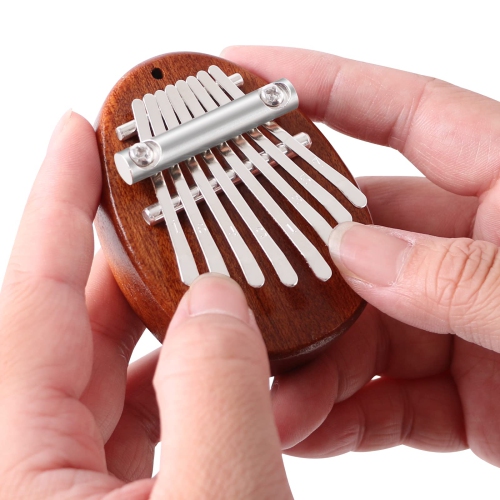 Your price for this item is $37.99
Discover more categories related to Wooden Musical Instruments
Top Collections:
Pokemon Centers, Best Cameras for Sports Photography, Kindle Devices, Samsung Galaxy Phones, Canon G7X Cameras, Pokémon 30th Celebration Cards, Refurbished Apple Laptops, iPhone 15 Apple, Laptops for Students, Budget Smartphones
Some products may be subject to Environmental Handling Fees
(EHF) depending on your province.
Learn more about EHFs.