Wooden Sandboxes
Create a backyard oasis for your little ones with our selection of wooden sandboxes. Crafted from durable and sustainable materials, these sandboxes provide hours of imaginative play while blending seamlessly into your outdoor space. Encourage creativity and sensory exploration as your children dig, build, and play in their very own mini beach setting. Explore our range of wooden sandboxes to find the perfect addition to your outdoor play area.
Sort
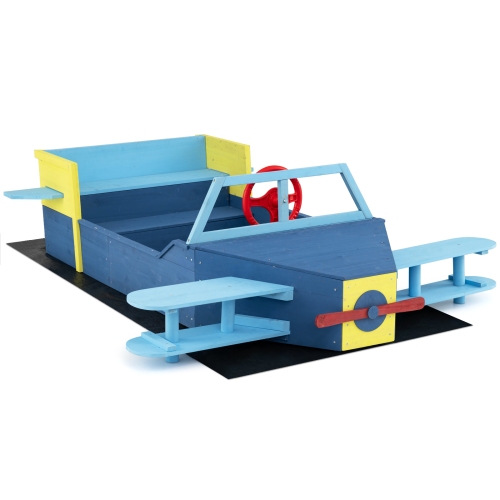
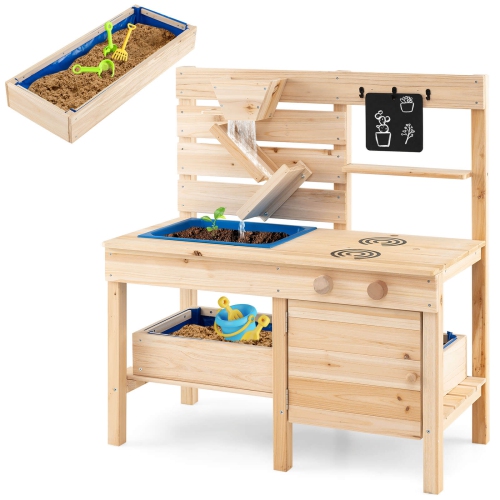
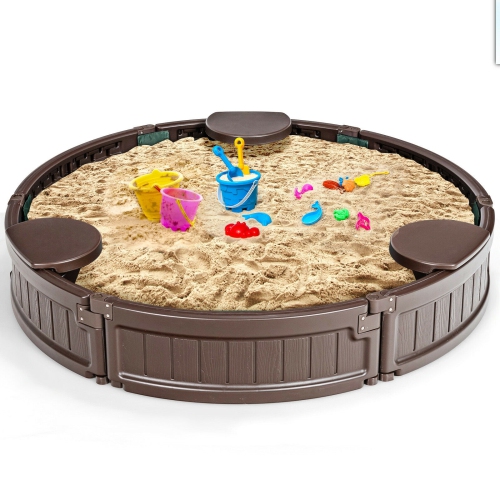
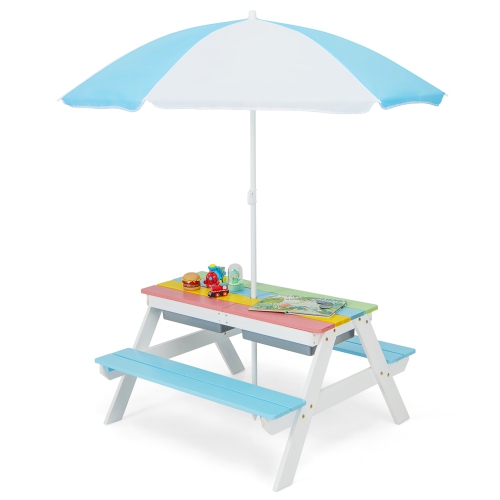
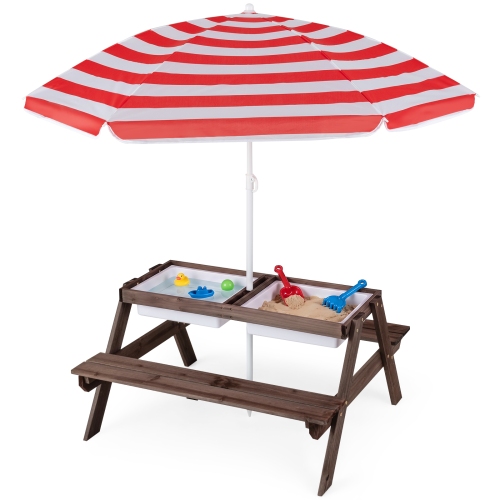
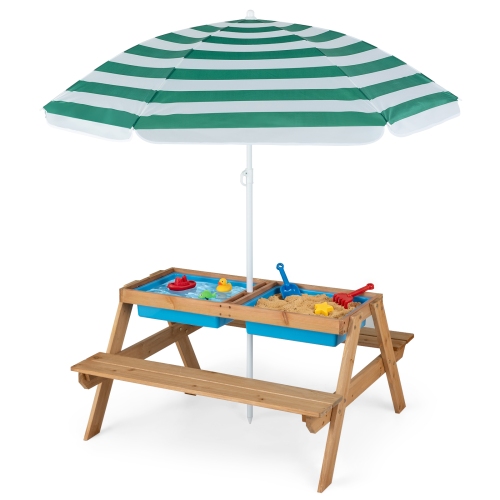
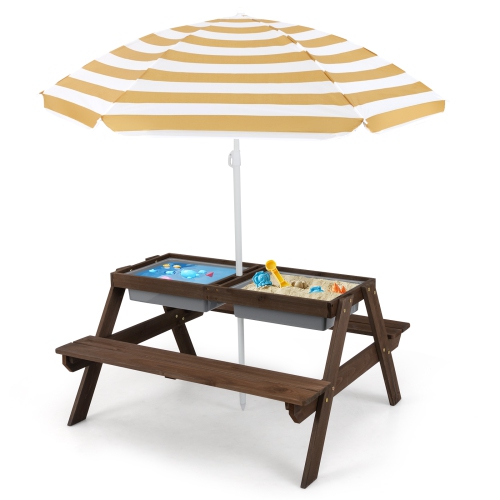
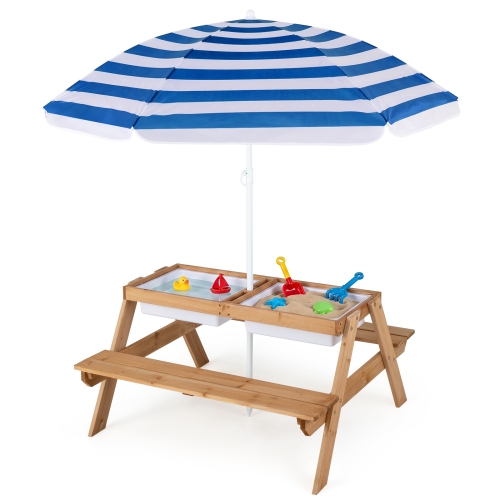
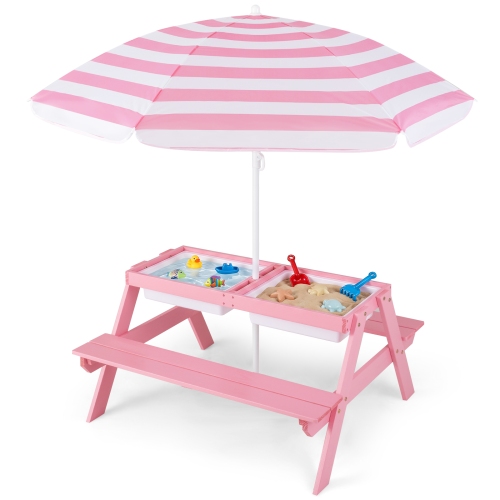
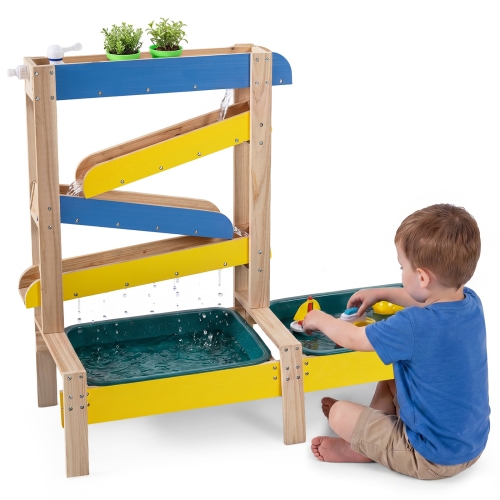
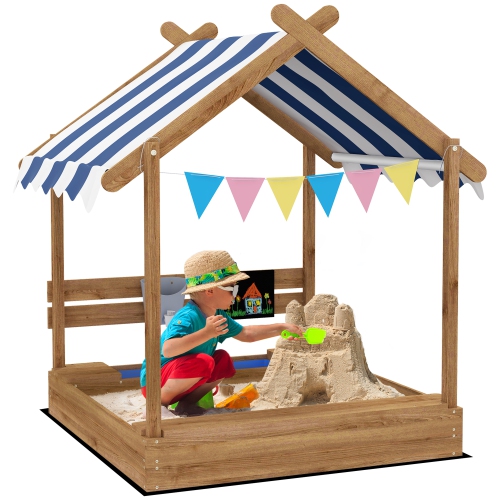
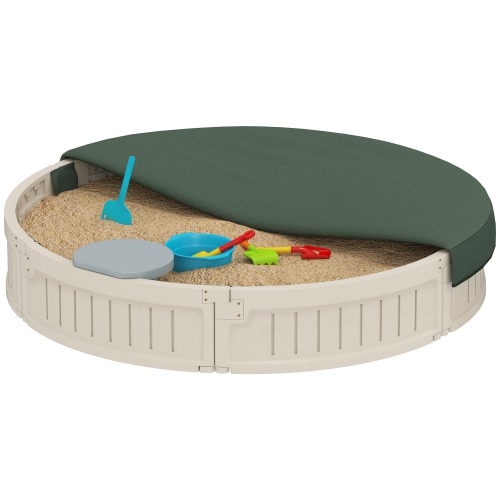
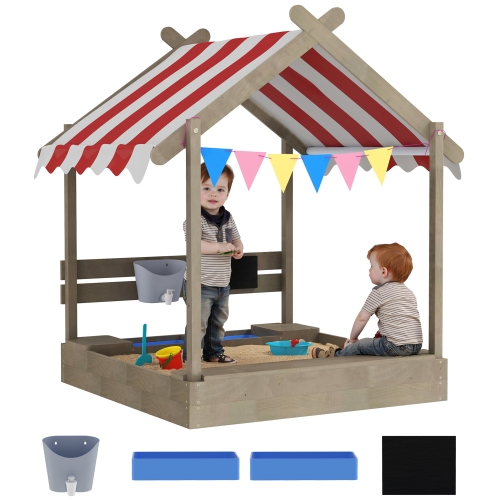
How sandbox size and seating shape backyard play
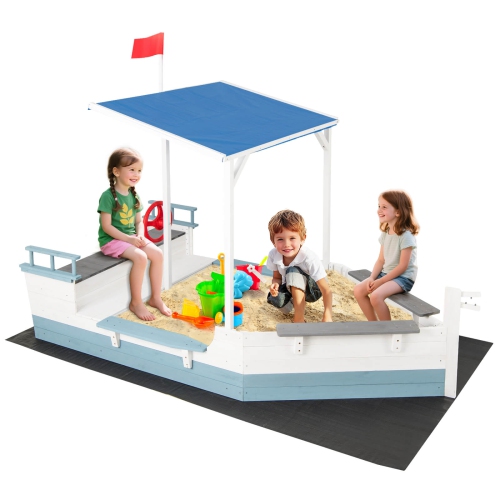
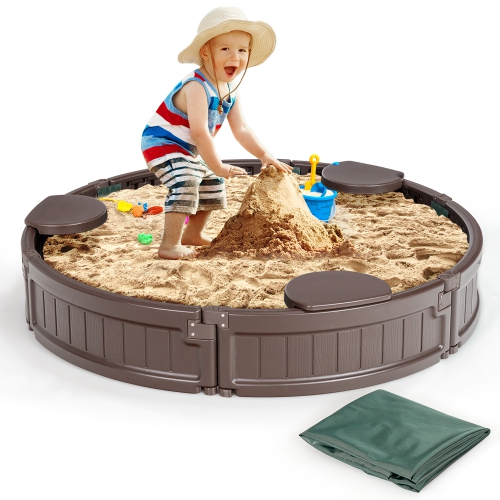
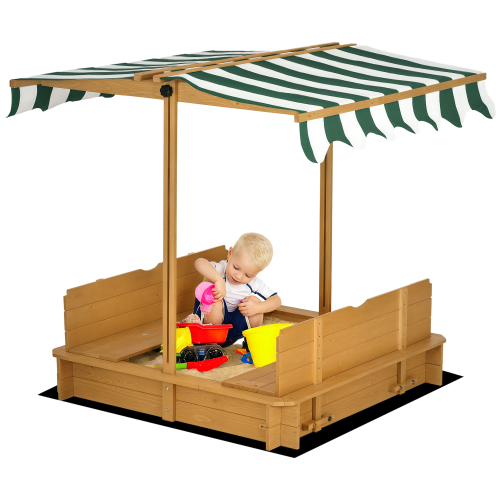
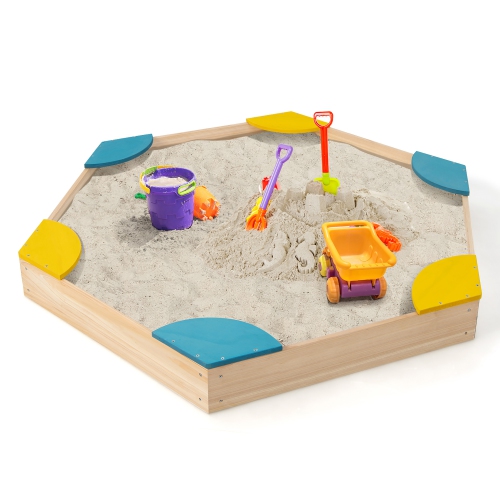
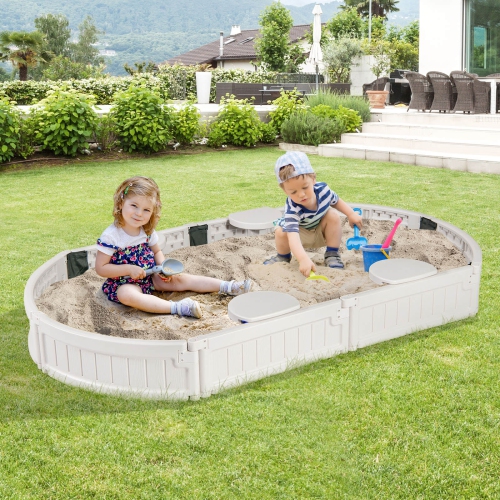
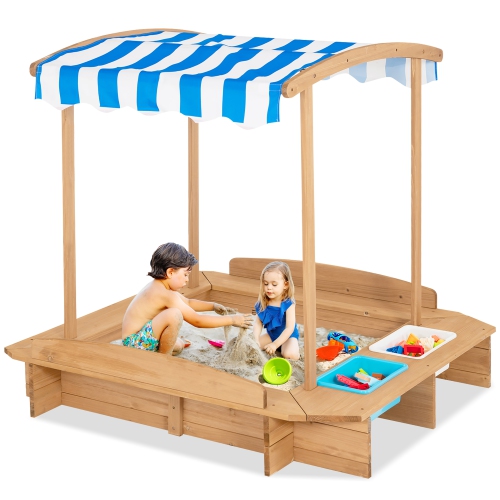
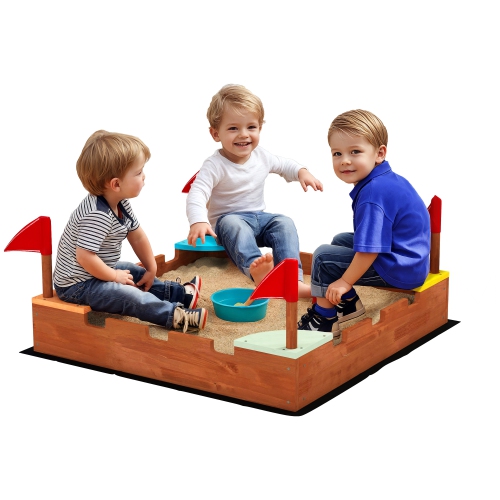
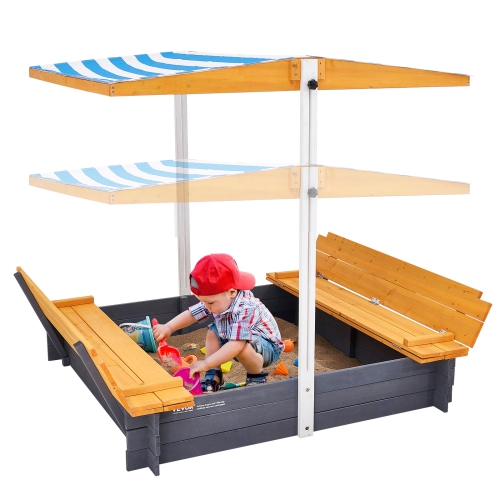
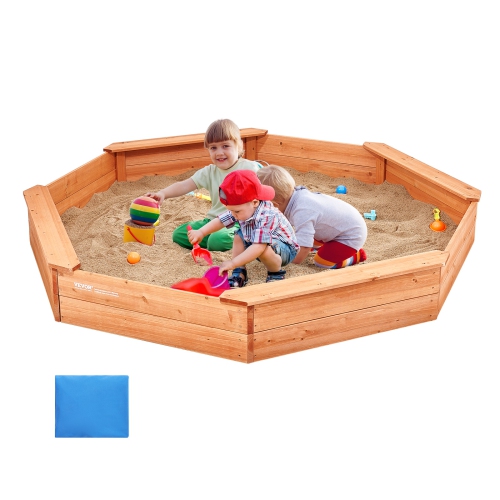
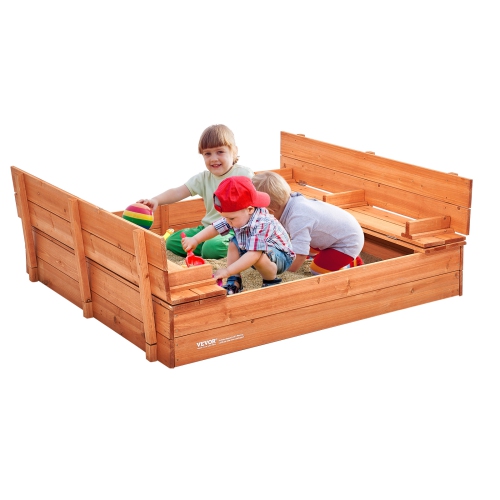
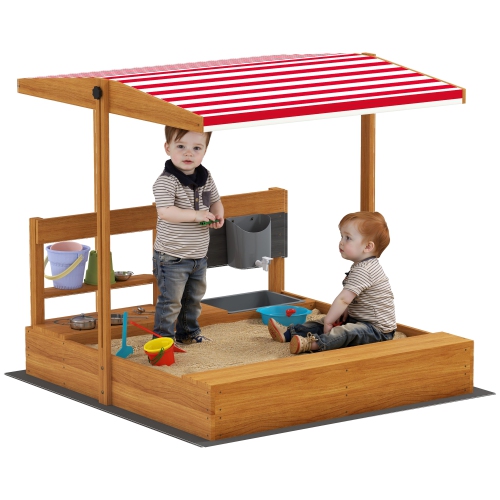
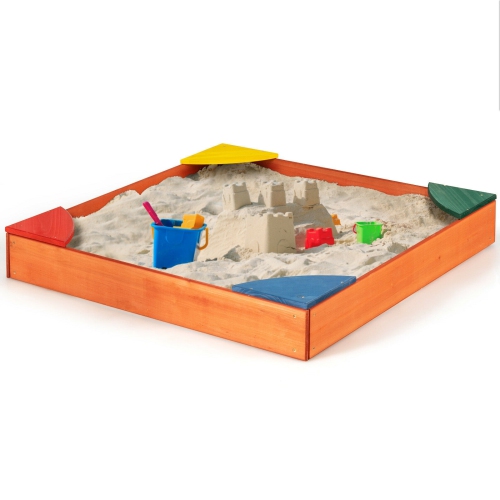
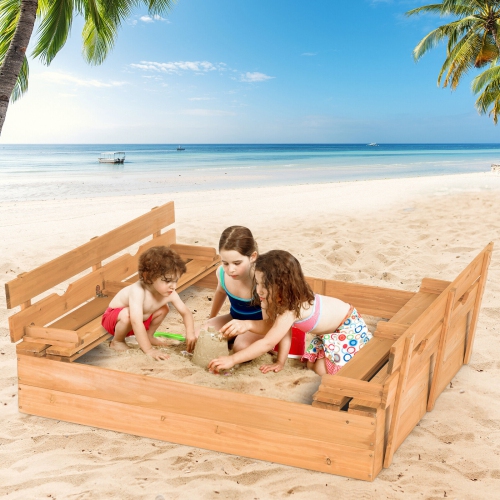
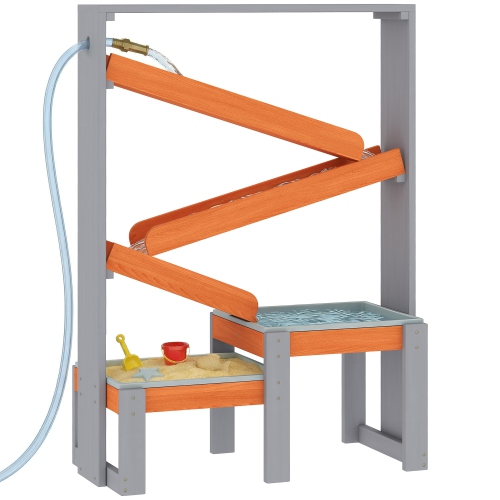
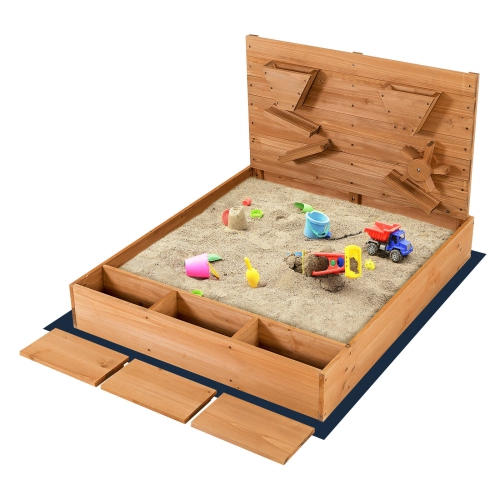
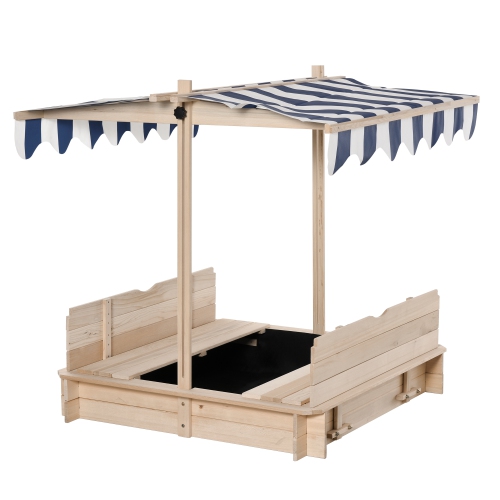
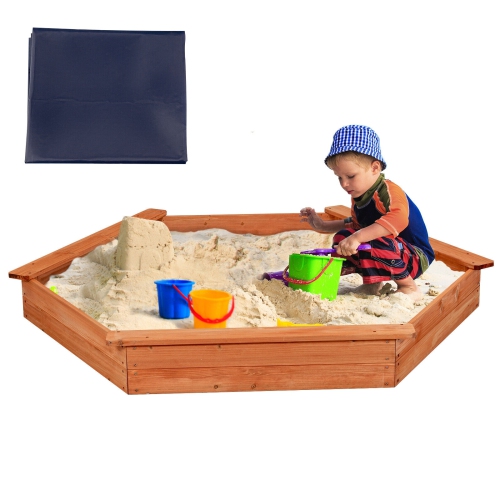
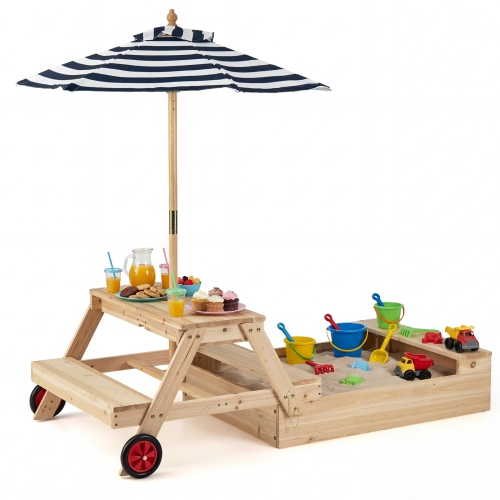
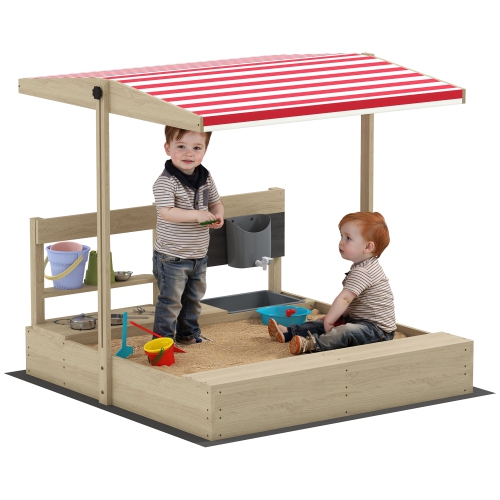
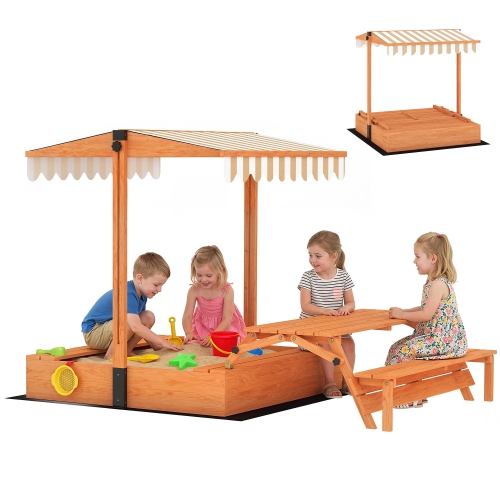
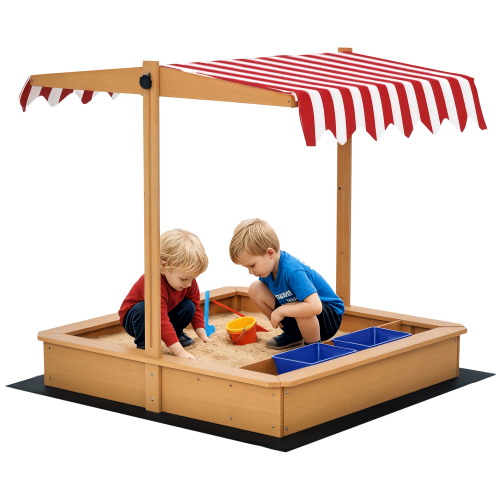
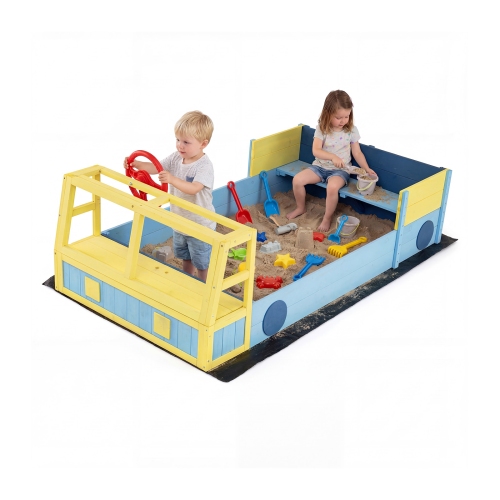
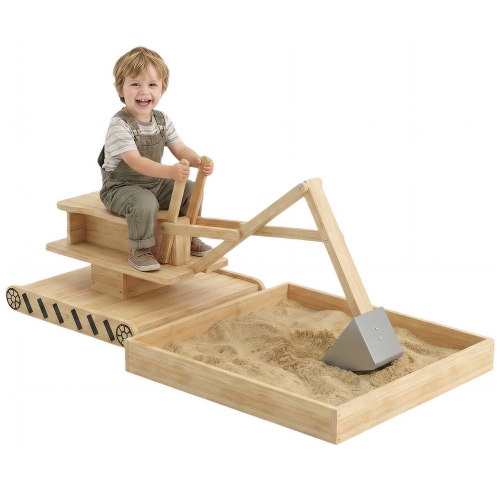
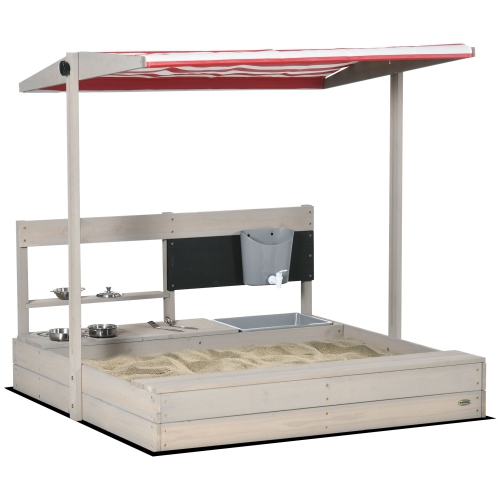
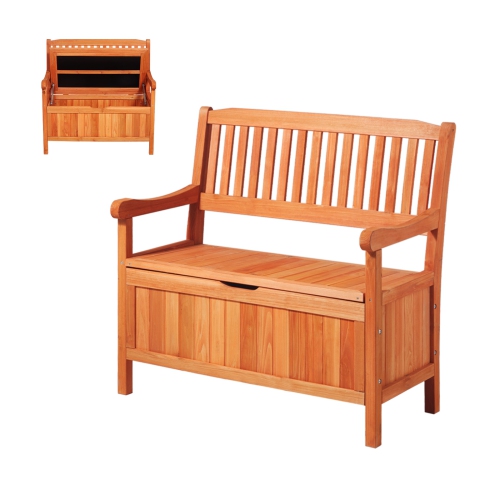
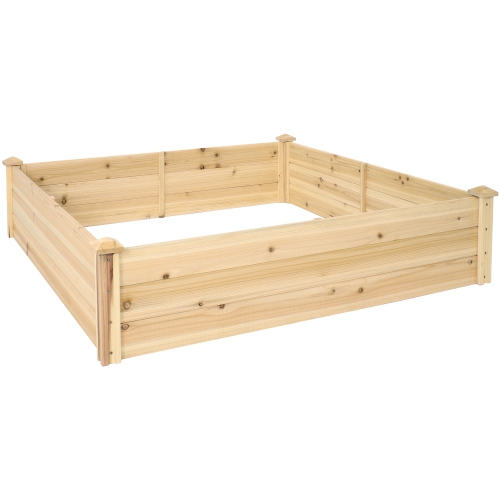
Wooden sandboxes give children a defined place to dig, scoop, build, and invent, while bringing the familiar texture of timber to a backyard play area. A simple wooden frame can become a construction site for toy trucks, a bakery turning out carefully packed sand cakes, or a landscape of roads and tunnels. Within the broader category of Sand Boxes for Kids, wooden designs appeal to families who want a sturdy play space with clearly defined edges and room for hands-on activities. The most useful size depends on both the space around the sandbox and the children playing inside it. External dimensions describe the footprint, but the usable interior is what determines whether two children can dig side by side without their buckets and elbows competing for space. Square and rectangular frames can sit neatly alongside other backyard features, while octagonal designs offer several edges where children can gather. Built-in corner seats provide a perch without taking up as much interior room as full benches. Convertible benches can offer broader seating and fold down to form a lid, although the exact mechanism and coverage vary by design. Space for opening those benches matters just as much as the closed footprint. Leave enough clearance for an adult to reach the interior, help with play, and operate the cover without squeezing between nearby structures. Frame height also affects how easily a child can step in, sit at the edge, or reach the sand from outside. Match the stated age range to the intended users, and check whether seats have separate weight limits. Added features such as toy storage, an adjustable canopy, or a play counter can make the layout more useful, but they should leave enough room for the main activity: working with sand. A well-proportioned sandbox does not need to be elaborate; a comfortable place to sit, an accessible digging area, and space to keep a few tools close at hand often matter most.
The timber, construction, and base all influence how a wooden sandbox holds up to repeated use. Cedar is valued for its natural resistance to decay, though it still needs appropriate care and is not immune to deterioration. Fir is also used for wooden frames and can provide a straightforward, attractive structure, with durability depending on the quality of the boards, protective treatment, and maintenance. The wood species alone does not tell the whole story. Smoothly sanded surfaces, rounded or eased edges, securely joined corners, and recessed fasteners help make the frame comfortable to use. Check the manufacturer’s information about finishes and treatments, particularly on surfaces children will handle or sit on, and use only recommended products when refinishing becomes necessary. A level, stable base is important because an uneven frame can put strain on joints and prevent a folding lid from lining up properly. Measure the full installation area before assembly, including any clearance required for benches, handles, or canopy supports. Bottomless wooden sandboxes need a suitable surface beneath them; the frame itself does not provide a floor. A water-permeable liner can help separate sand from the underlying soil while allowing drainage, but it is different from a sealed waterproof base. Follow the specified installation method rather than assuming that any sheet material will do. Sand capacity deserves similar attention. Frame dimensions and the recommended filling depth determine how much sand is needed, and a taller wall does not necessarily mean the box should be filled to the top. Keeping the sand below seating surfaces and moving hinges makes the space easier to use and maintain. Choose sand labelled for children’s play and follow its handling instructions rather than substituting construction sand. Assembly details matter, too: correctly fitted braces, aligned hinges, and tightened hardware support the frame through daily digging and scooping. It is worth checking those connections again after the sandbox has been assembled and filled, using the manufacturer’s directions as the reference.
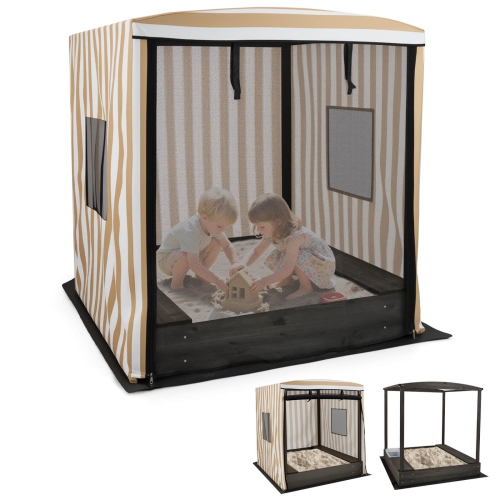
Day-to-day care helps keep a wooden sandbox inviting and ready for imaginative play. A fitted cover is particularly useful for limiting fallen debris and discouraging animals from accessing the sand, but its effectiveness depends on how securely it closes and whether gaps remain around the edges. Folding wooden lids, fabric covers, and separate rigid covers work differently, so check how each is secured, cleaned, and stored during play. A cover should not be treated as a standing platform unless the manufacturer specifically permits that use. Adults should operate heavy lids and folding benches, with children’s fingers kept away from hinges and closing edges. Before each play session, take a quick look through the sand for debris or anything that does not belong there, and check that the frame has no loose screws, rough patches, or damaged boards. Periodic care can include removing loose material, cleaning surfaces as directed, and replacing sand when its condition calls for it. A liner and cover help with upkeep, but neither replaces regular inspection. Moisture management is also part of caring for timber and sand: drainage openings should remain clear, and persistent dampness should be addressed according to the product’s care instructions. Keep buckets, scoops, moulds, and toy vehicles in a separate storage space when they are not being used, rather than leaving them buried where a child may unexpectedly dig into them. For younger children, supervised play can be as simple as filling a bucket and tipping it over; older children may enjoy planning roads, comparing the depth of holes, or building structures together. These activities offer opportunities to practise hand coordination, take turns, and describe ideas without requiring a complicated setup. Children should wash their hands after playing, and food is best kept outside the sand area. With an appropriately sized frame, sound construction, and a manageable care routine, a wooden sandbox can provide a familiar place for independent exploration and shared play, where an ordinary scoop of sand becomes the starting point for something different each time.
Top selling and popular products
-
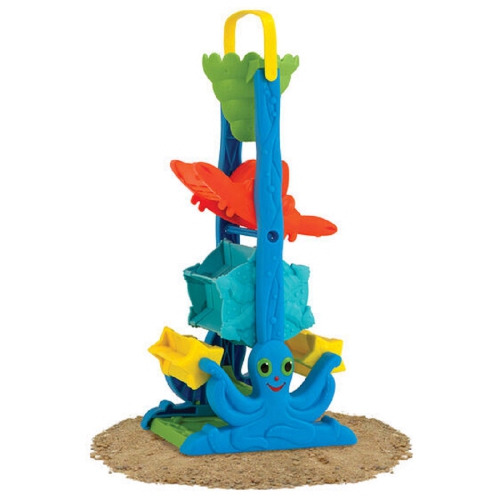 Your price for this item is $39.99
-
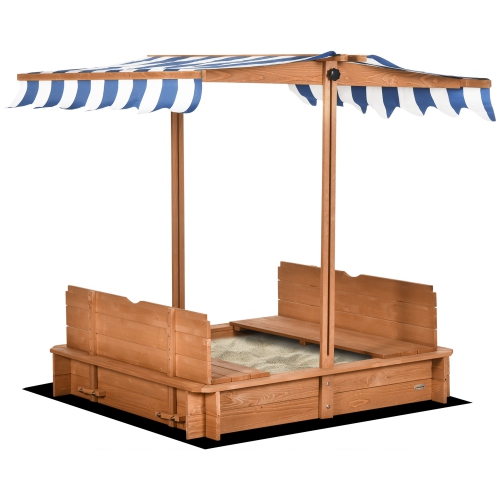 Your price for this item is $124.99
-
 Your price for this item is $80.99
-
 Your price for this item is $109.99
-
 Your price for this item is $111.99
-
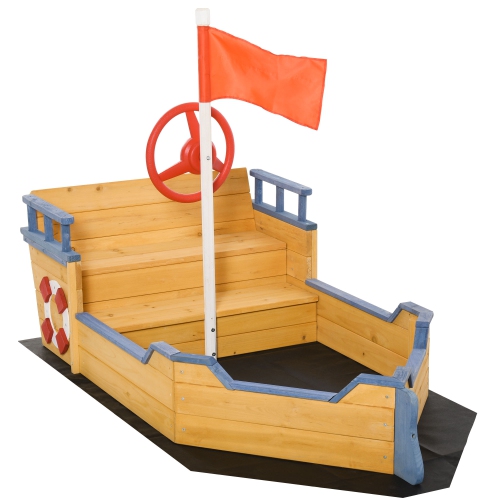 Your price for this item is $119.99
-
 Your price for this item is $114.99
-
 Your price for this item is $134.99
Discover more categories related to Wooden Sandboxes
Top Collections:
Pokemon Centers, Kindle Devices, Best Budget Office Chairs, Canon G7X Cameras, Apple iPhones 16, Samsung Galaxy Phones, Refurbished Apple Laptops, Laptops for Students, iPhone 15 Apple, Budget Smartphones
Some products may be subject to Environmental Handling Fees
(EHF) depending on your province.
Learn more about EHFs.