Youth Go Karts
Looking for an exhilarating way to keep your kids entertained and active outdoors? Look no further than our collection of youth go karts. These mini vehicles are designed with safety in mind, allowing young riders to experience the thrill of racing while providing parents with peace of mind. Whether your little ones are aspiring racers or simply looking for a fun way to zip around the neighborhood, our youth go karts offer the perfect blend of excitement and safety. With various models to choose from, you can find the perfect fit for your child's age and skill level. Get ready for endless hours of fun and adventure with our selection of youth go karts.
Sort


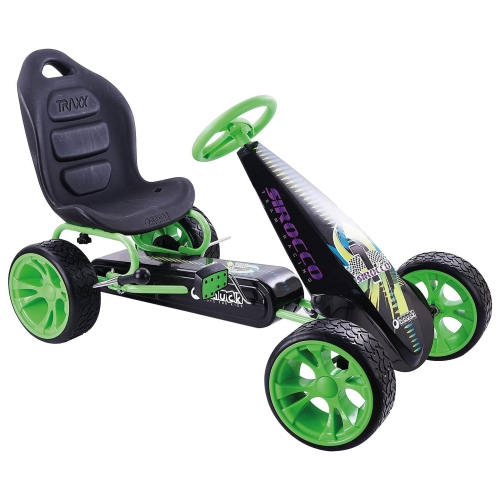

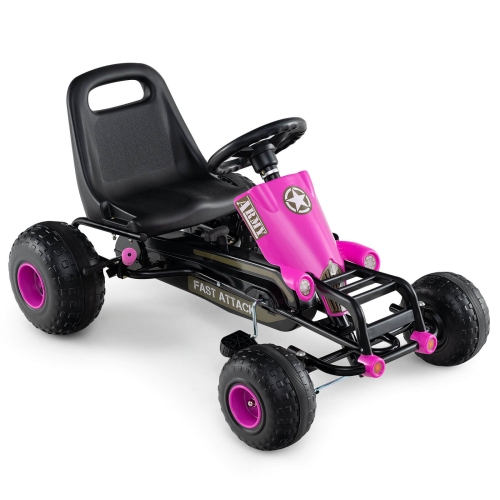
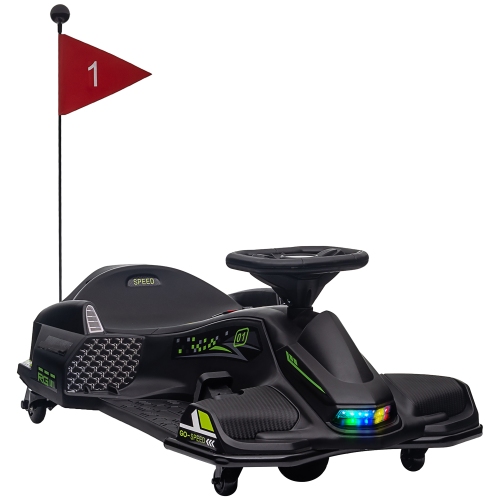

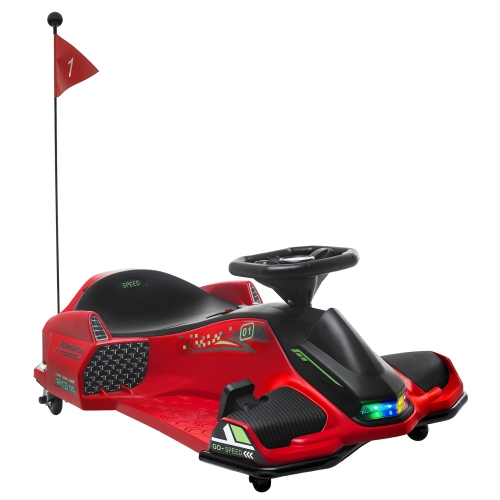
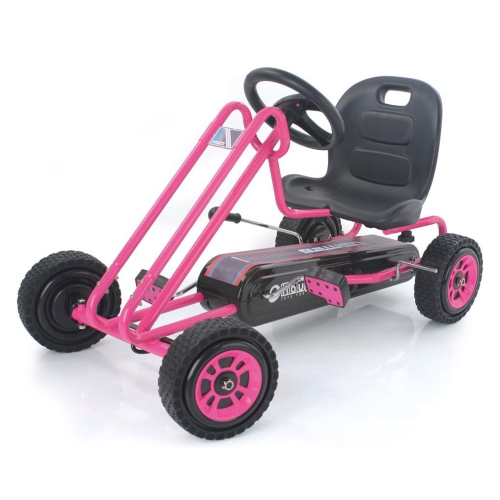


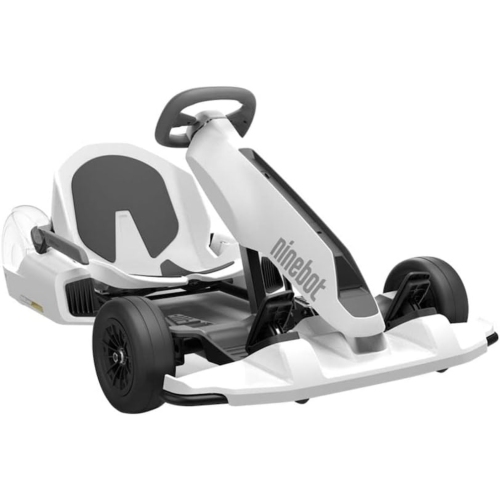

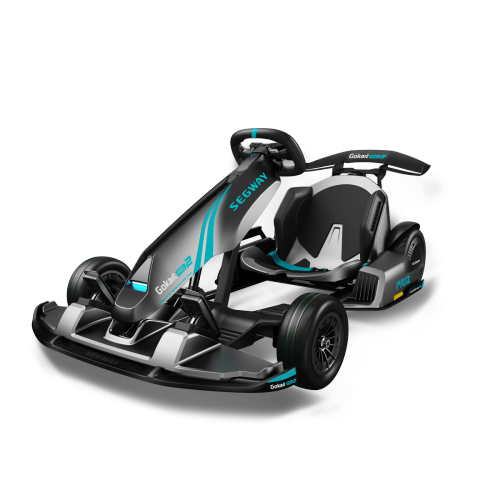
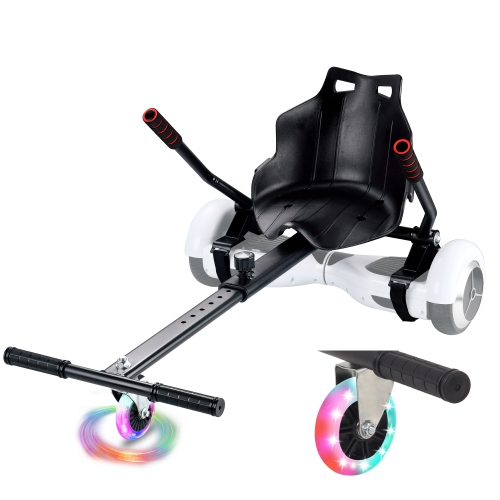
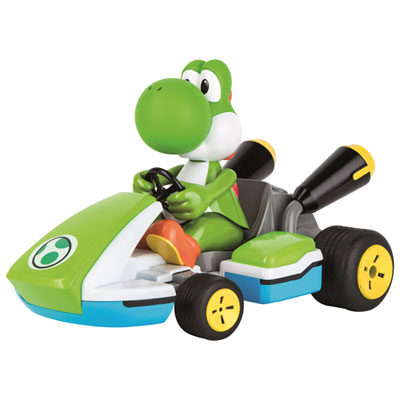
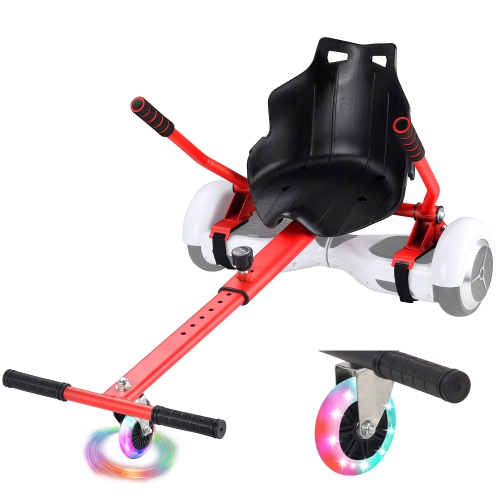
The right kart fit goes beyond age
Youth go karts are four-wheeled recreational vehicles sized for younger riders, with a seated driving position, a steering wheel, and controls that vary by design. For home recreation, the main types are pedal-powered karts, battery-powered electric karts, and gas-powered karts built for designated off-road use. These differ from junior racing karts operated at commercial tracks, where admission rules, supervision, and driving conditions are managed by the venue. A home-use kart should suit the rider’s size, coordination, and experience as well as the space where it will be driven. Pedal go karts let children control movement through their own pedalling effort and do not need charging or fuel, although their braking systems and suitability for slopes vary. Electric youth go karts use a rechargeable battery and motor, with acceleration controlled by a pedal or another mechanism specified by the manufacturer. Some have selectable speed settings or parental controls, but these features are not universal. Gas-powered designs introduce engine maintenance, fuel handling, and potentially greater speed and weight, making careful attention to the stated rider requirements especially important. Age ranges alone do not establish a suitable match: a child must also meet the height and weight requirements, reach every control, and understand how to stop before riding. Battery voltage and engine displacement describe parts of the power system; neither provides a reliable measure of speed or suitability on its own. The manufacturer’s stated maximum speed, rider limits, intended terrain, and operating instructions offer more useful context. For a younger beginner, straightforward controls and a manageable pace matter more than sporty bodywork. An experienced older rider may need more legroom or a different chassis size, rather than simply more power. Families browsing Cool Go Karts can consider styling alongside those practical differences, from an open-frame appearance to moulded body panels. The appeal is the hands-on driving experience: steering through a wide turn, bringing the kart to a controlled stop, and learning to judge space within a clearly defined riding area.
Fit affects both comfort and control in a youth go kart. With the rider sitting back in the seat, the steering wheel should be within comfortable reach and the braking and acceleration controls should be usable without stretching, sliding forward, or twisting sideways. Knees need clearance through the full movement of the pedals and steering, while feet should remain supported in the intended foot area. An adjustable seat can accommodate changes in leg length or help siblings with different measurements use the same kart, provided each rider meets all of its requirements. Adjustment points should lock securely, and the fit should be checked again whenever the seat position changes. Maximum rider weight is a firm limit, not a target to exceed as a child grows; extra clothing, protective equipment, and anything carried also need to be considered according to the stated load instructions. Single-seat karts are for one rider only, and a wider-looking seat does not make room for a passenger. Construction influences how a kart feels in use and how it holds up over time. Steel frames are common for their strength, while moulded plastic panels can cover components and give the body its shape. Frame joints, steering connections, pedal assemblies, and exposed fasteners deserve attention because repeated use places stress on moving and load-bearing parts. Pneumatic tyres can help cushion small surface irregularities but need pressure checks and can puncture; solid tyres avoid punctures but may transmit more vibration. Neither tyre type makes a kart suitable for every surface. Ground clearance, wheel size, traction, and the manufacturer’s terrain rating all matter, particularly when comparing a smooth-surface ride-on with a purpose-built off-road kart. A low-slung kart intended for level paving should not be treated as a trail vehicle. Braking arrangements also differ, so the rider needs to understand the actual stopping mechanism rather than assume lifting off the accelerator will stop the kart promptly. Seat belts, harnesses, side guards, and protective frames should be used and maintained exactly as instructed, without treating any feature as a substitute for controlled riding and adult supervision.
Everyday ownership includes choosing an appropriate riding space, establishing clear rules, and keeping the kart ready for its next outing. A suitable area is permitted for that use, separated from road traffic and pedestrians, and free of hazards such as steps, drop-offs, pools, and fixed obstacles. Public roads, pavements, and shared paths should not be assumed to allow youth go karts; local rules and property permissions still apply. A child’s first sessions are best focused on starting, steering, and stopping at the lowest suitable setting, with an attentive adult supervising and enough clear space to practise without pressure from other riders. A properly fitted helmet appropriate to the activity, closed-toe footwear, and any additional protective equipment specified by the manufacturer are essential considerations. Loose clothing, dangling straps, and long hair must be kept clear of wheels, chains, axles, and other moving parts. Before each ride, an adult should check the brakes, steering, tyres, seat attachment, guards, and visible fasteners, following the inspection schedule in the manual. Cleaning generally involves removing grit and dirt using the method approved for the kart, rather than directing water into bearings, electrical connections, or the motor. Electric models need the specified compatible charger, adult-managed charging, and storage that follows the battery instructions. Actual running time depends on factors including rider weight, surface, speed, and battery condition, so a stated run time should not be treated as a promise for every ride. Gas-powered karts require outdoor operation away from enclosed spaces, along with adult fuel handling and the prescribed engine servicing. Pedal designs avoid those power-system tasks but still need attention to chains, bearings, brakes, and adjustment mechanisms where fitted. Storage space matters too: the kart needs a secure place that protects it from damage without blocking household access. For a birthday or another gift-giving occasion, a youth go kart can suit a child who enjoys active, hands-on play, but the household’s space, supervision, and maintenance capacity are part of the gift. Confirming rider measurements and an appropriate place to ride helps make the kart a practical choice as well as an exciting one.
Top selling and popular products
-
 Your price for this item is $150.99
-
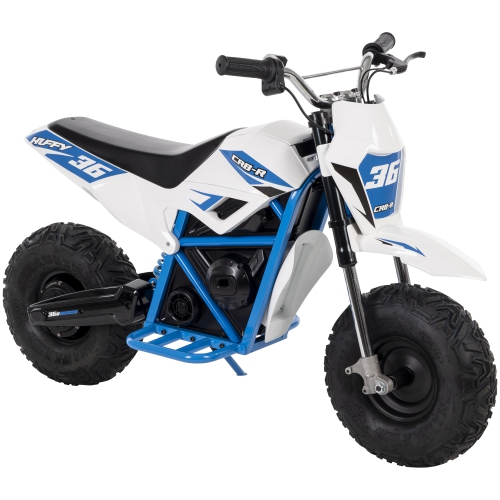 Your price for this item is $799.99
-
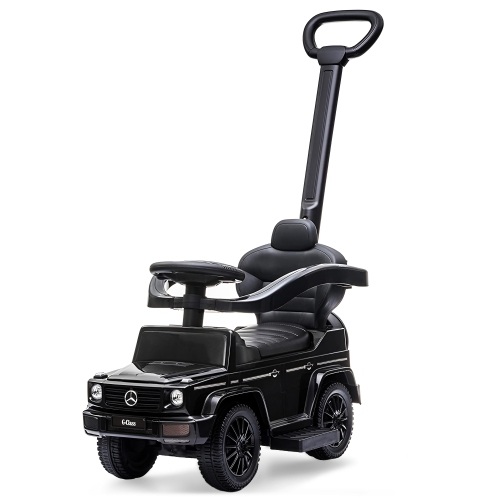 Your price for this item is $142.99
-
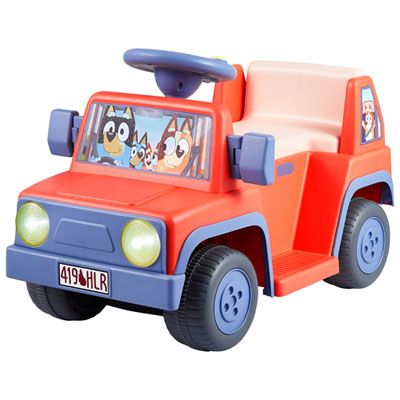 Your price for this item is $199.99
-
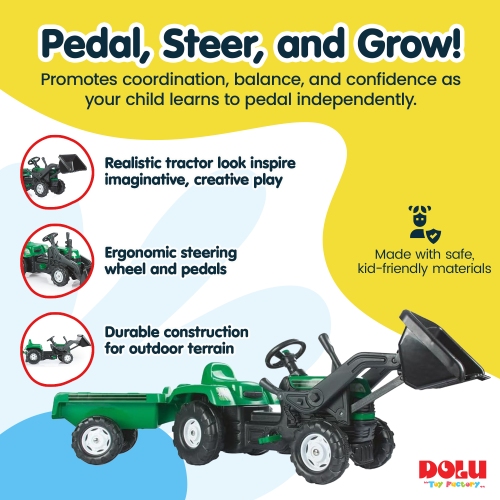 Your price for this item is $204.99
-
 Your price for this item is $199.99
-
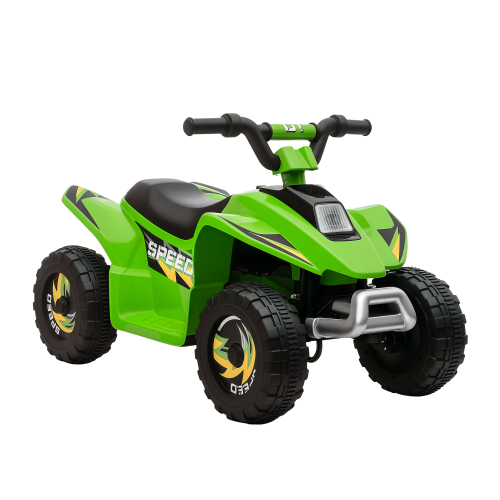 Your price for this item is $82.95
-
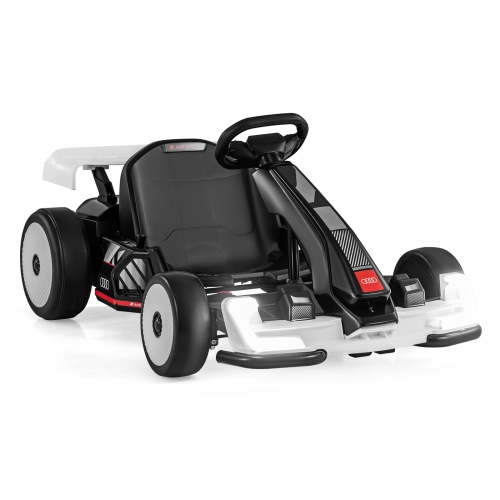 Your price for this item is $449.99
Discover more categories related to Youth Go Karts
Top Collections:
Pokemon Centers, Best Cameras for Sports Photography, Kindle Devices, Samsung Galaxy Phones, Canon G7X Cameras, Pokémon 30th Celebration Cards, Refurbished Apple Laptops, iPhone 15 Apple, Laptops for Students, Budget Smartphones
Some products may be subject to Environmental Handling Fees
(EHF) depending on your province.
Learn more about EHFs.