Bikes for 3 Year Olds
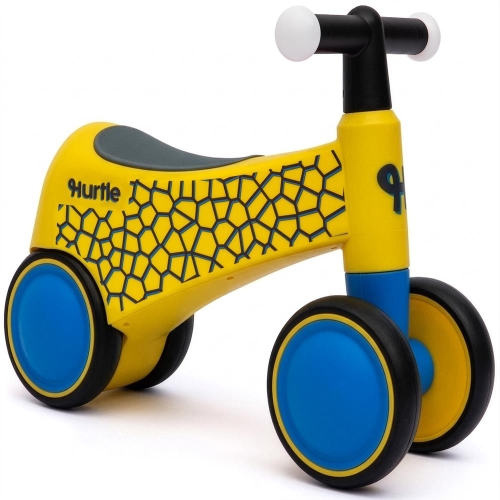
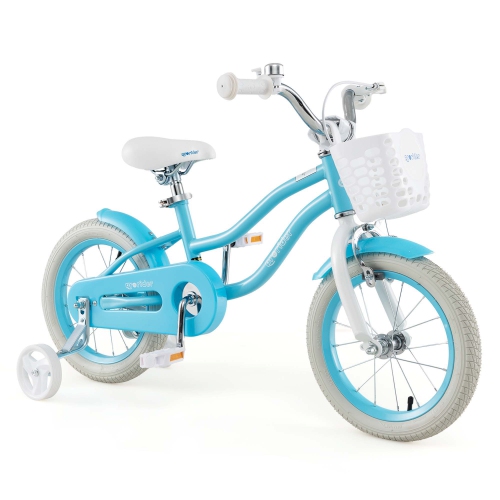
If you're shopping for a 3-year-old, you might be wondering what kind of bike is best. The answer depends on your child's size, strength, and riding style. If your toddler is still learning to balance, walk, and pedal, we recommend a balance bike. It has a low center of gravity and wide tires that provide stability and traction as your child learns to pedal. If your child is already walking and biking, we recommend a pedal bike or a balance bike with training wheels.
Sort
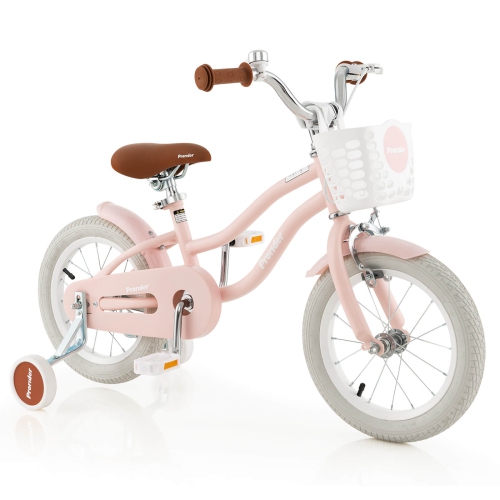
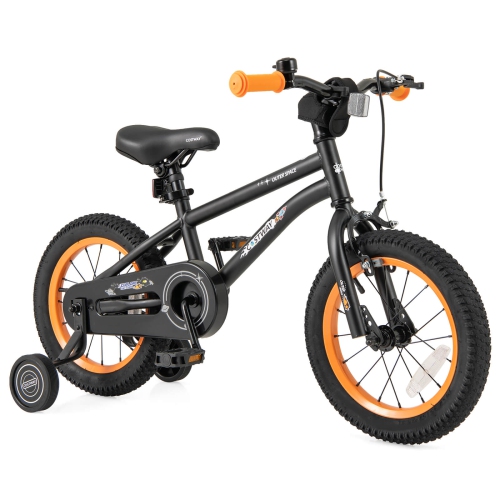
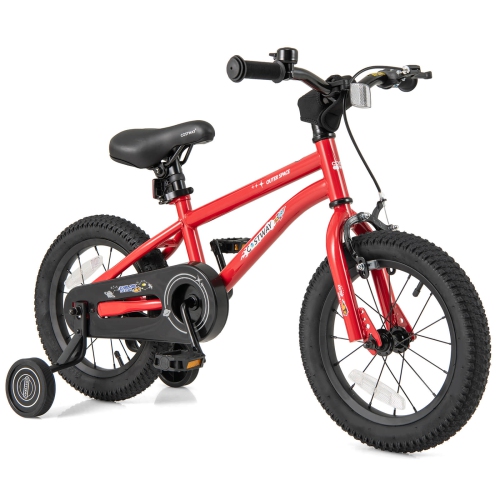
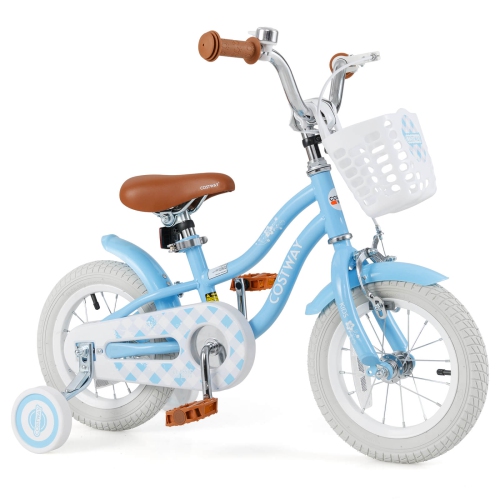



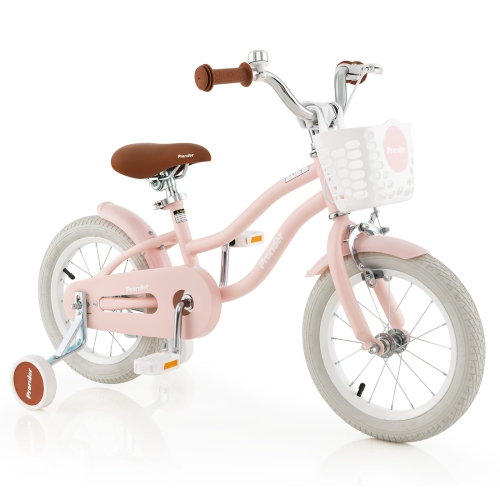
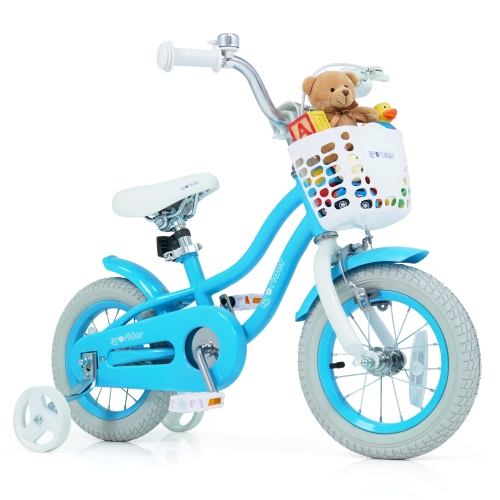
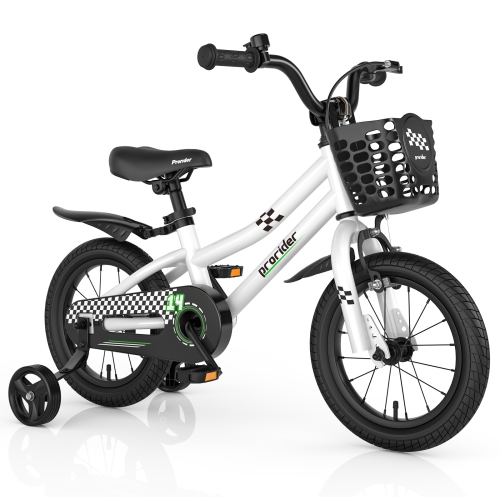
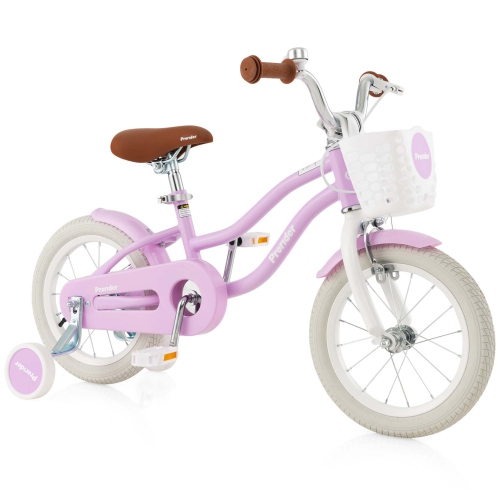



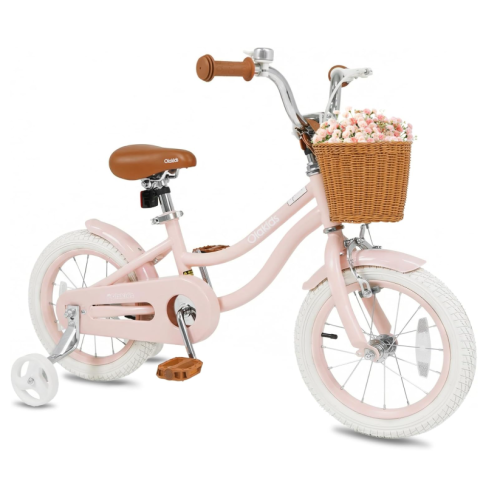


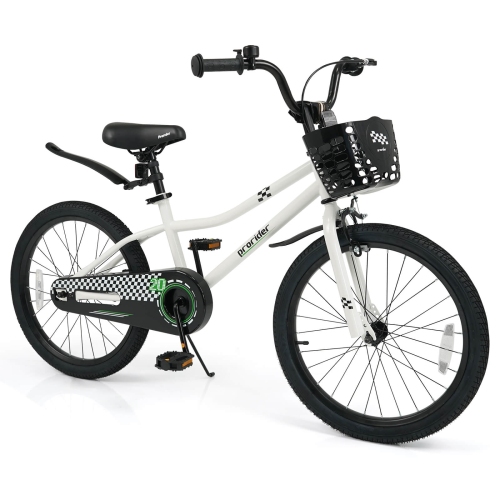
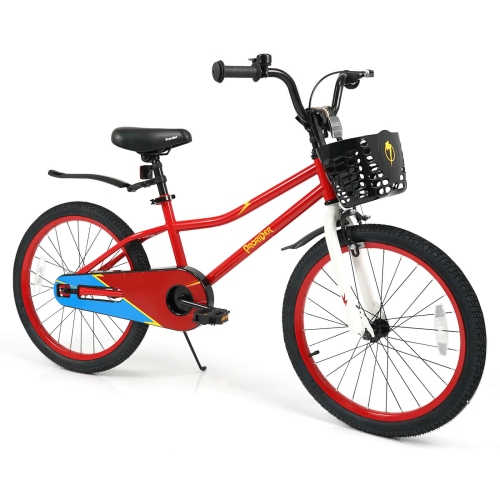
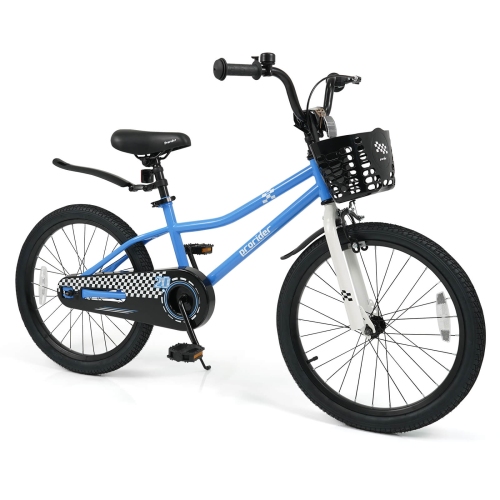





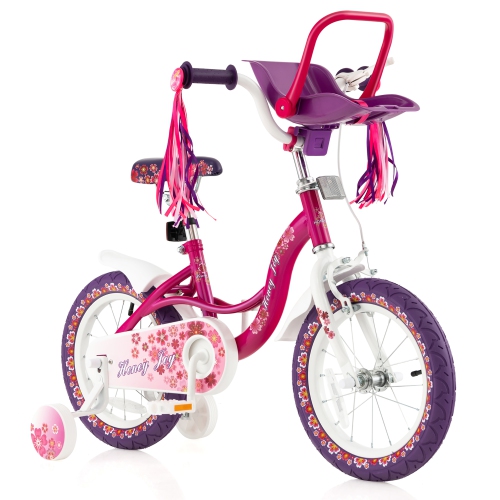
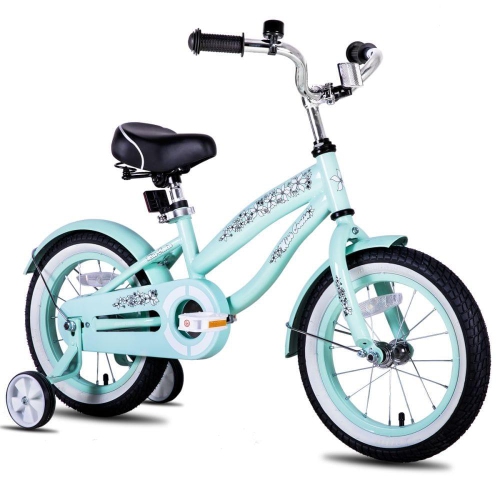
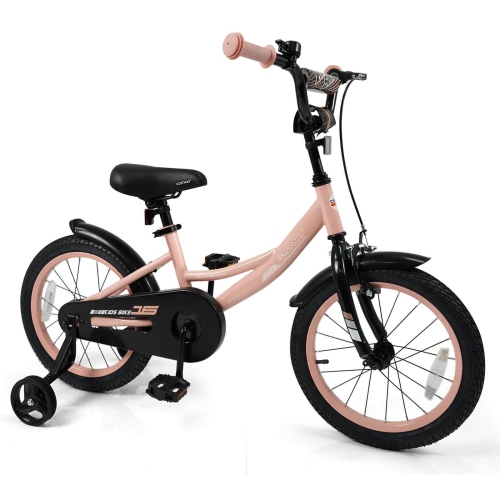

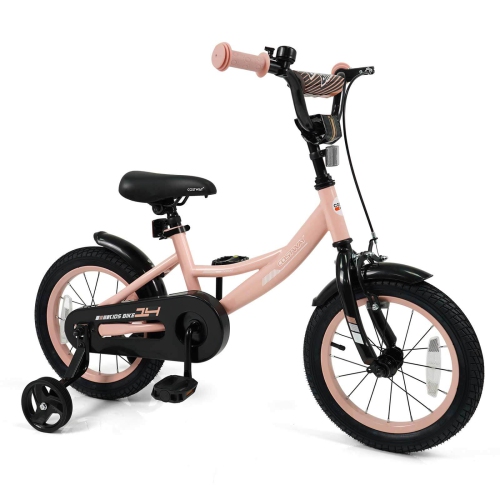











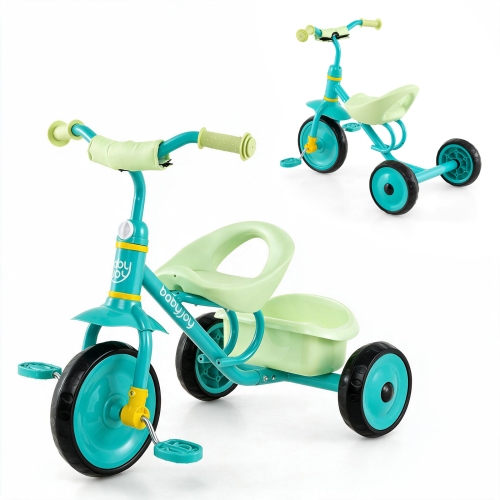

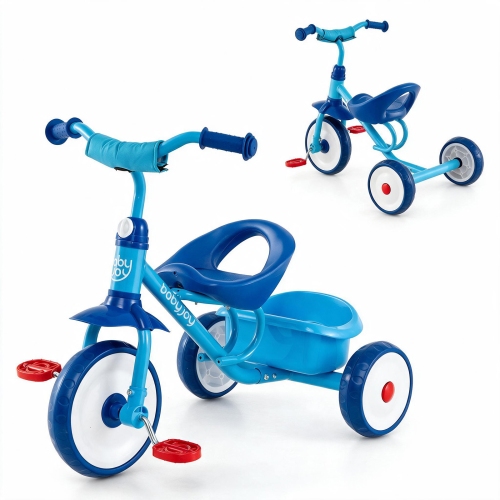

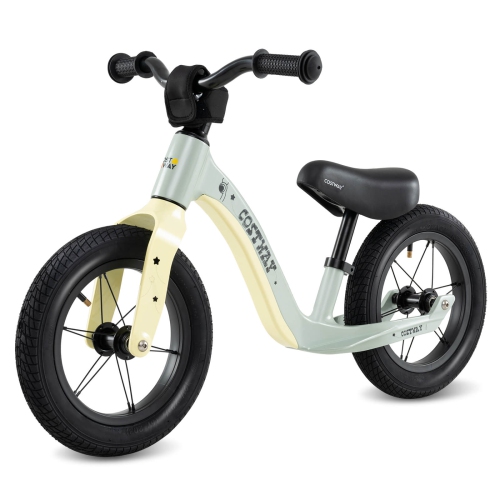
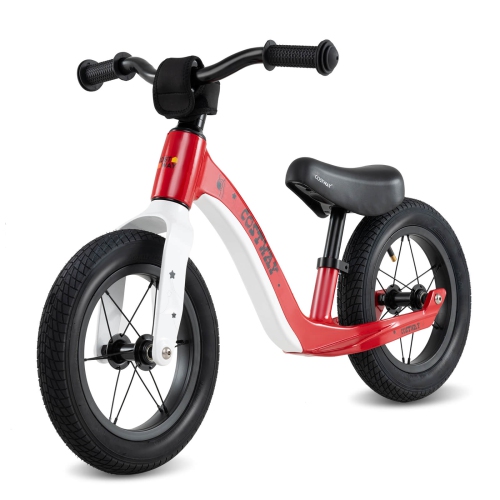
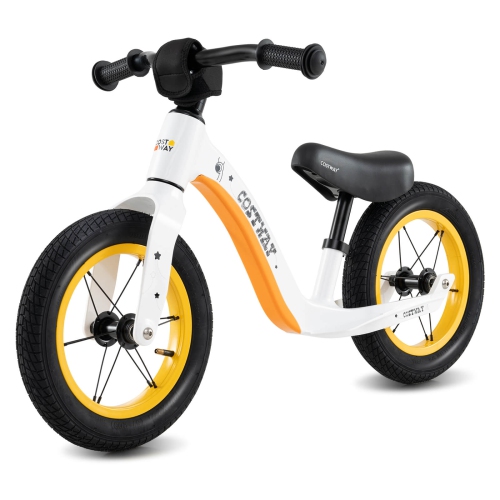
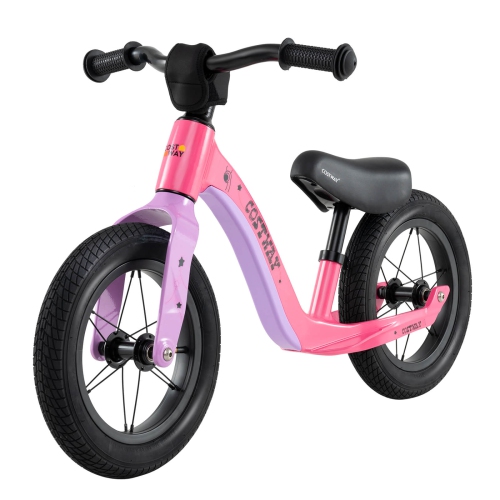

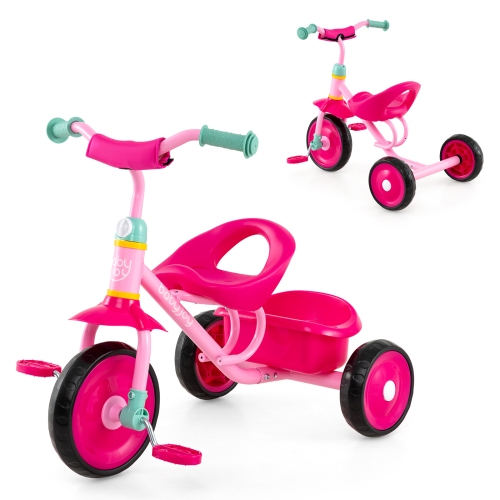


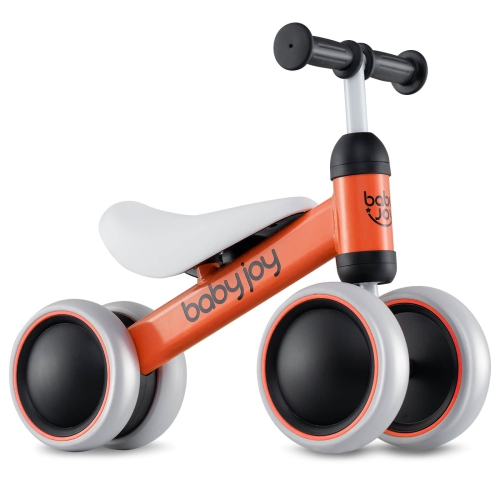


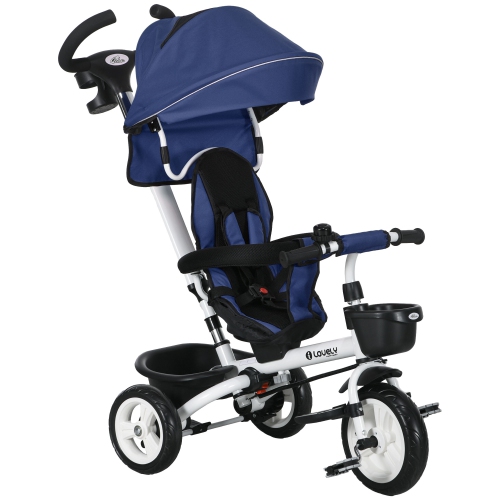
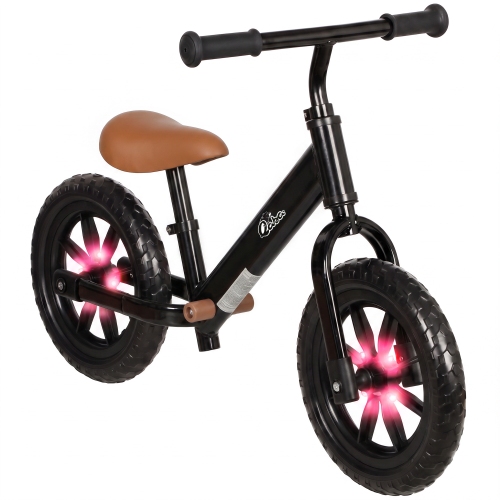
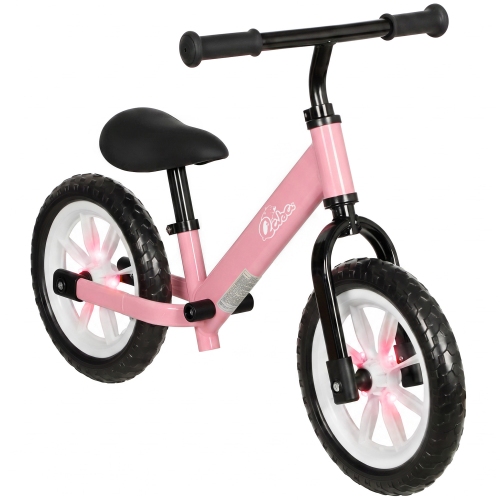
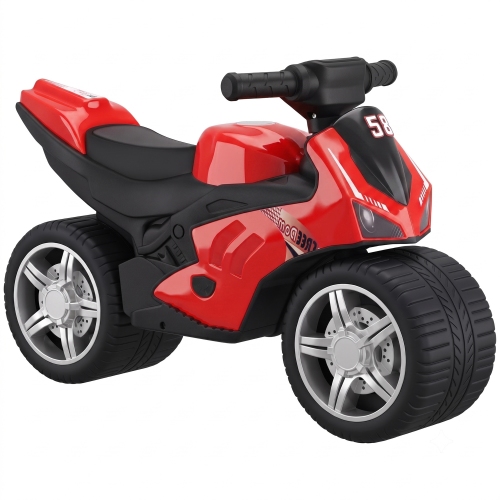
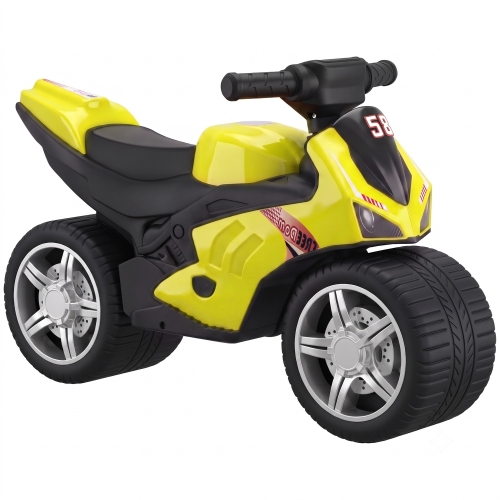
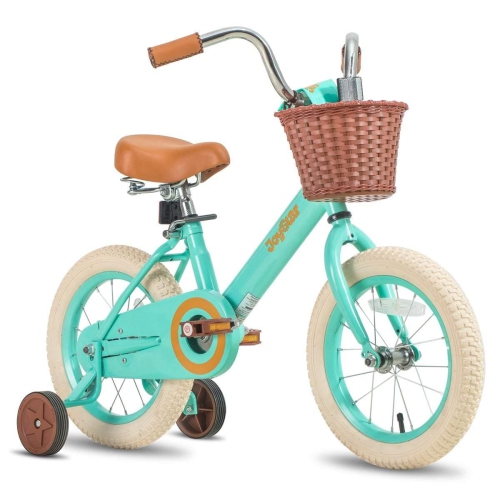


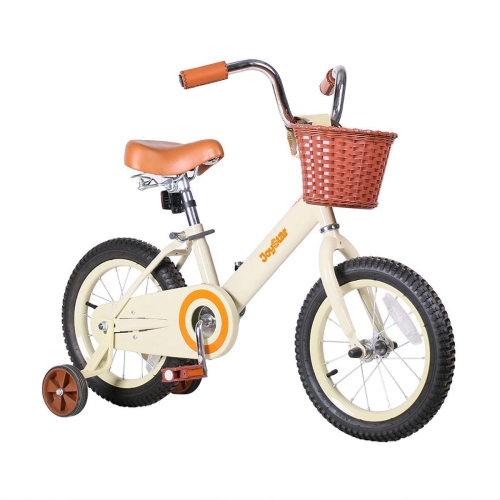


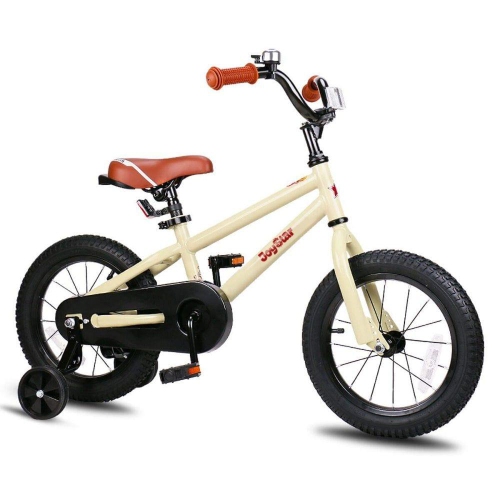








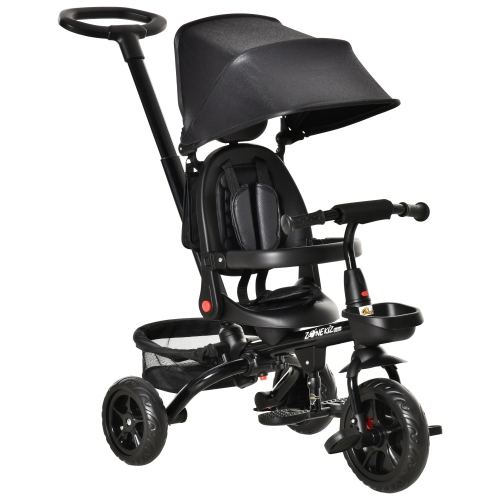
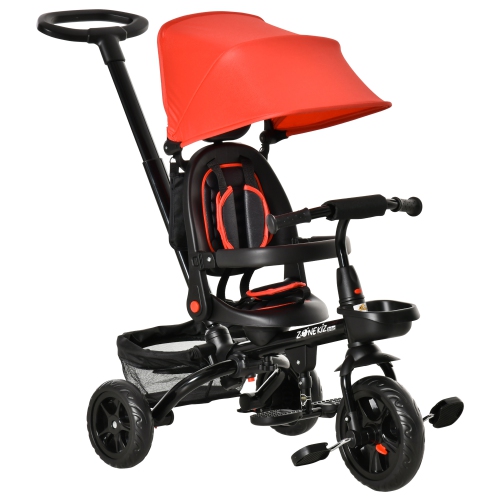
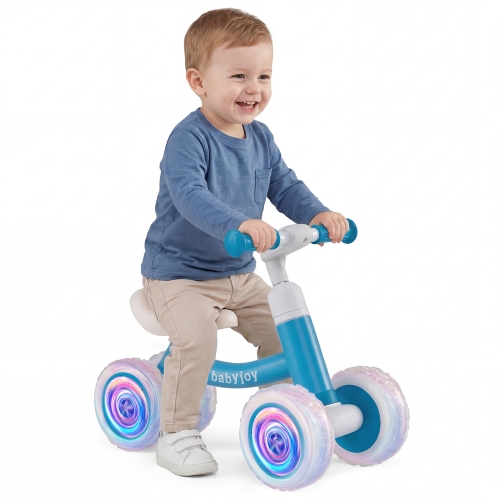


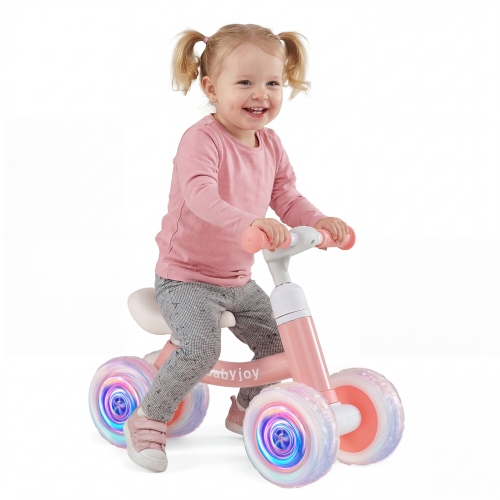

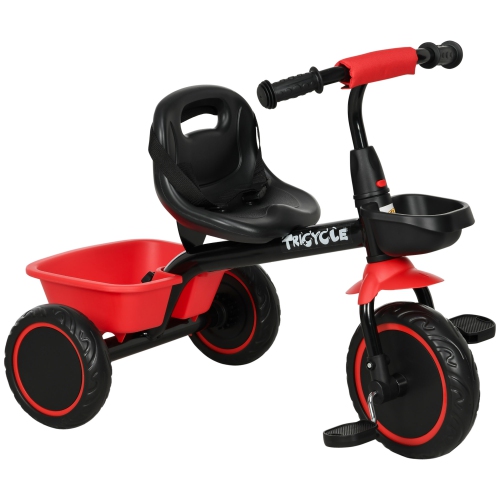
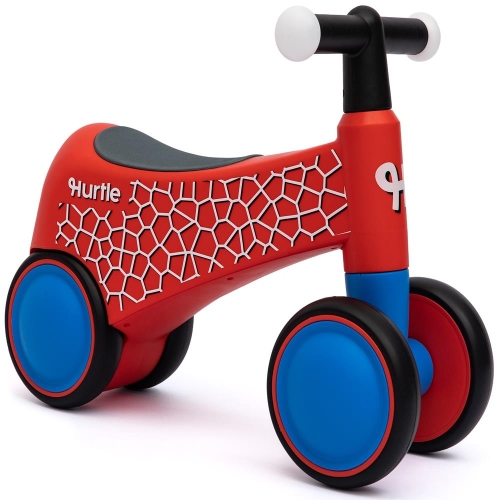


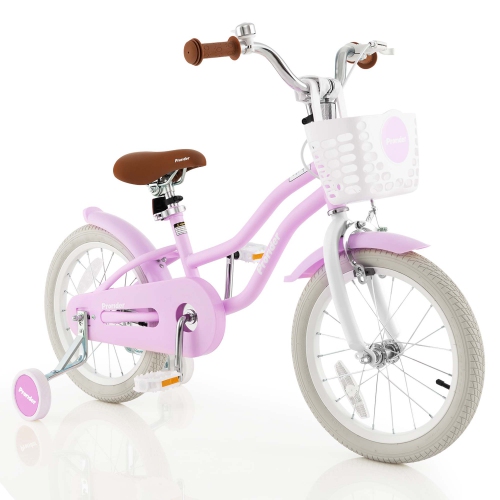
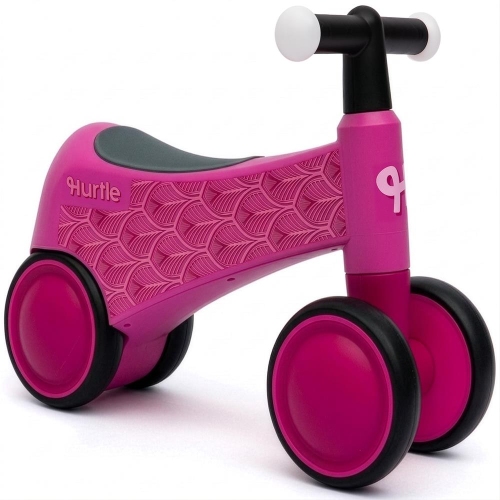
Understanding fit, balance and confidence for early riders
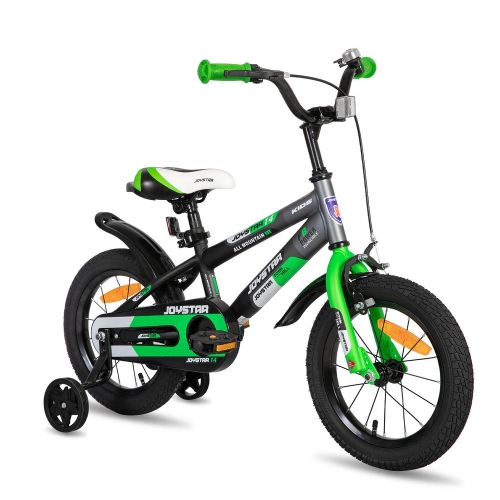
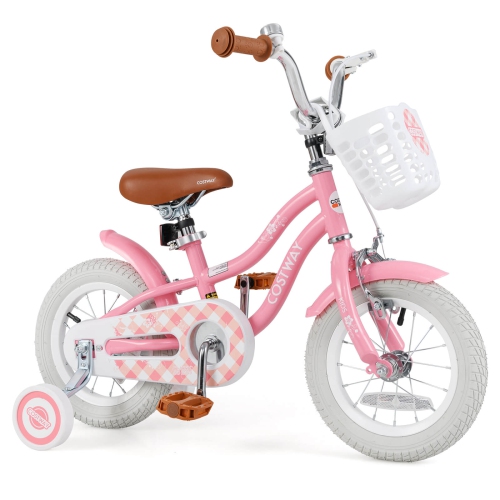
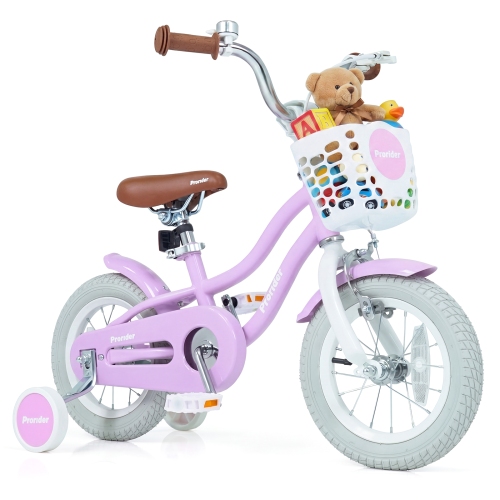
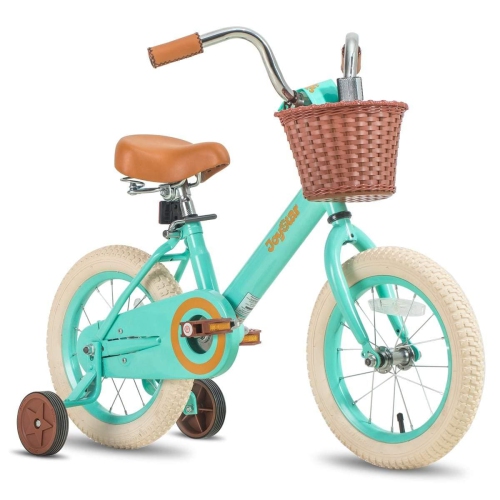
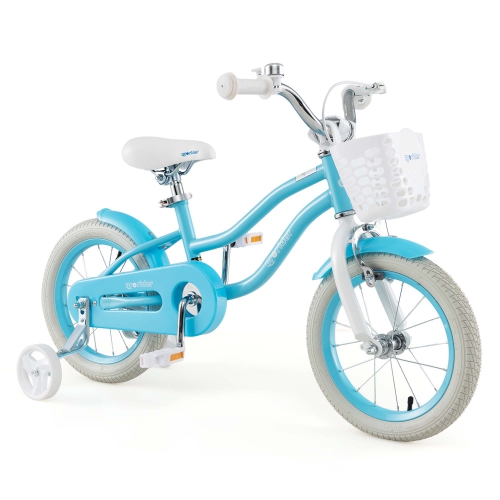
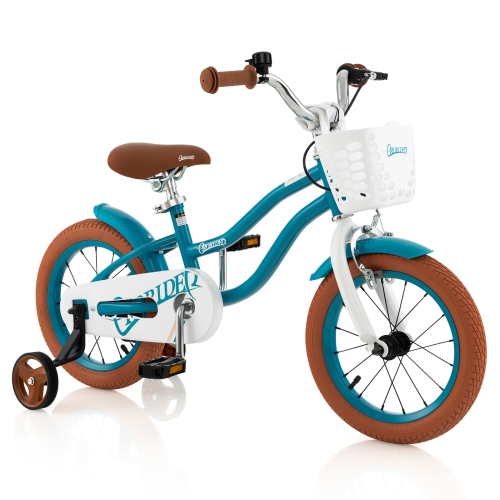
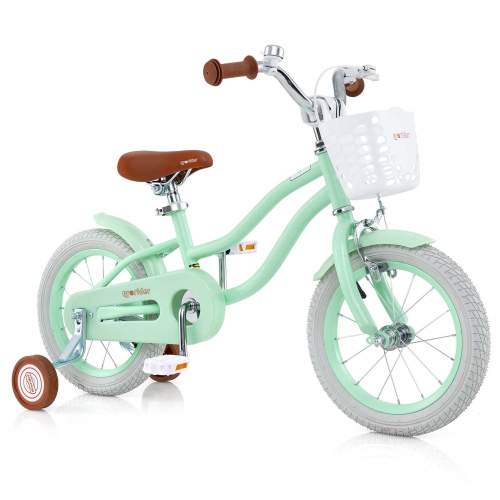
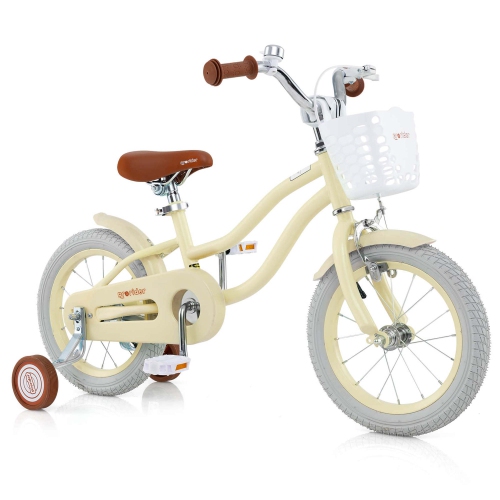
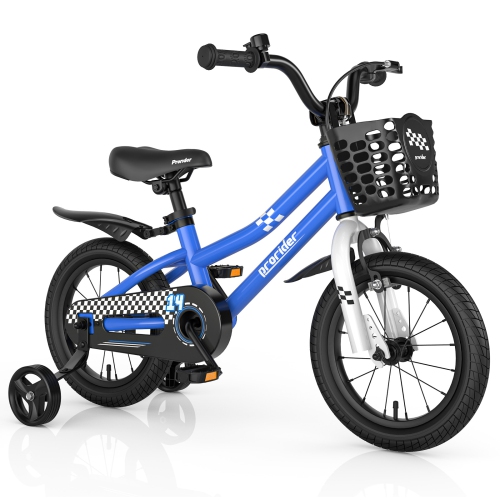
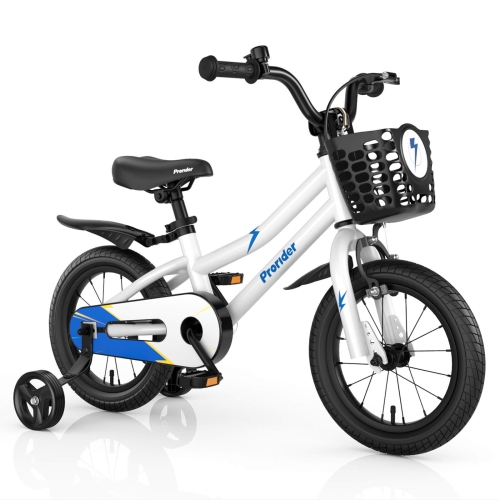
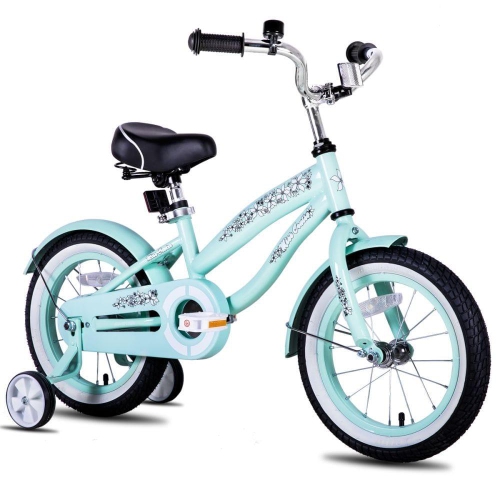
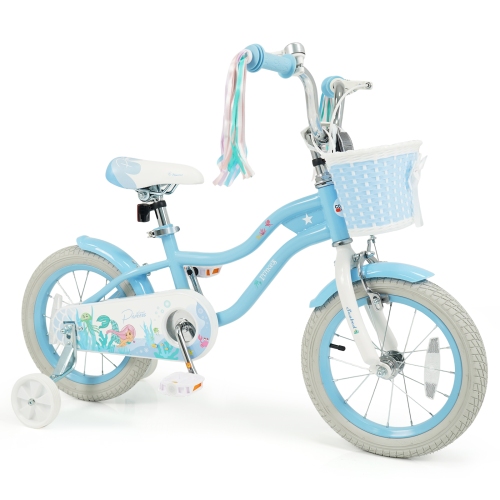
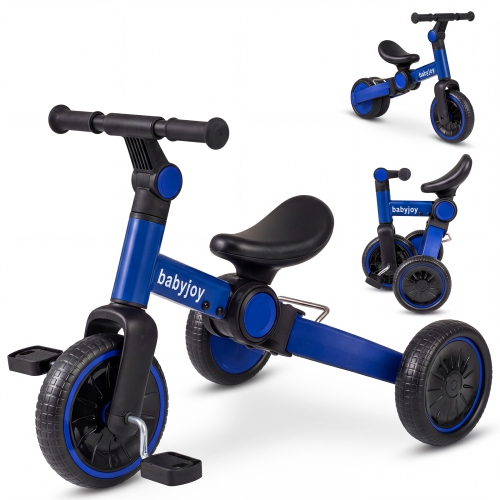
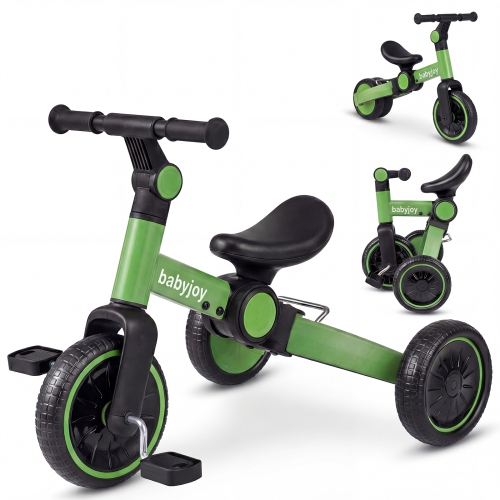
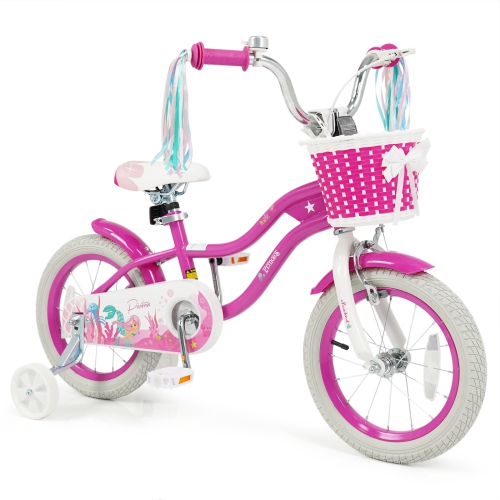
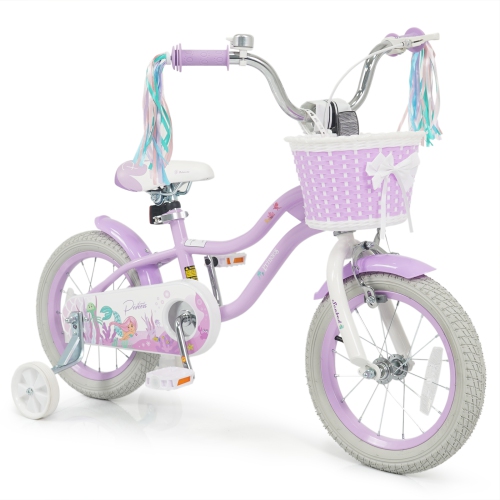
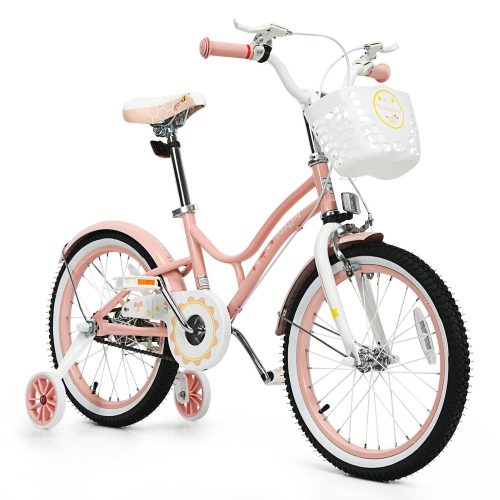
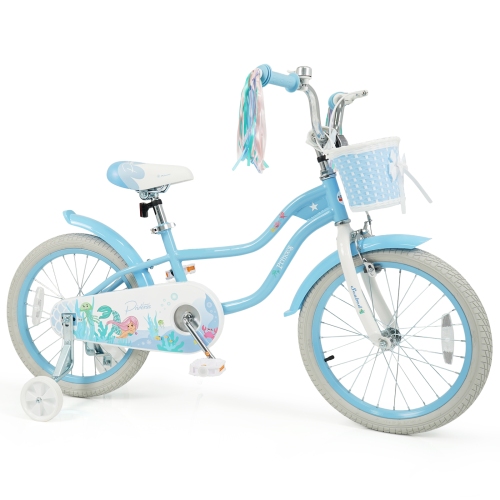
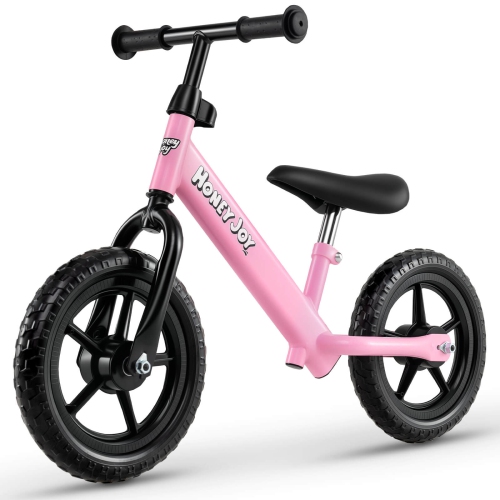
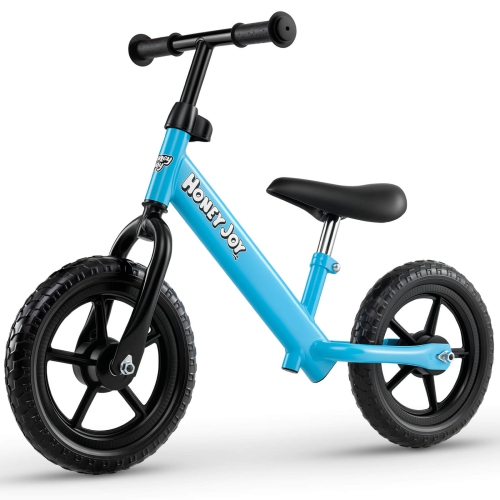
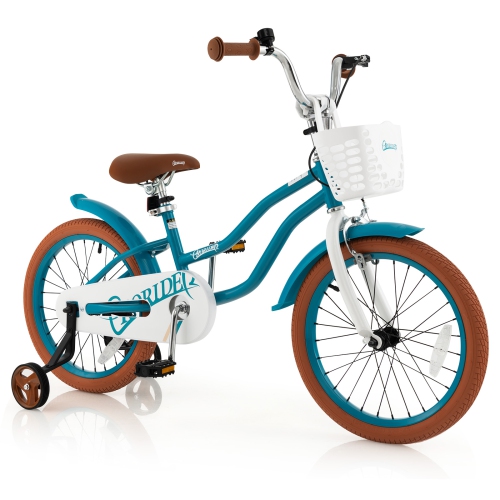
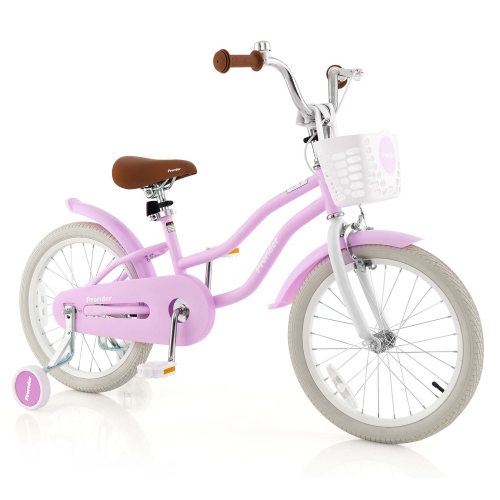
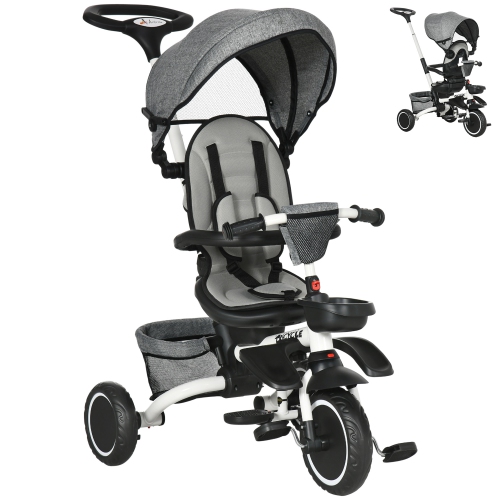
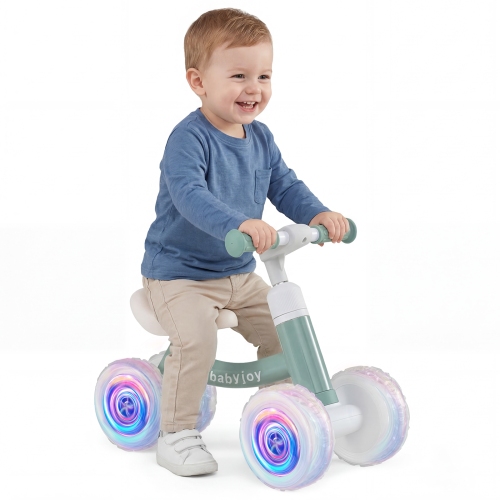
Bikes for 3 year olds can make everyday play feel like a small adventure, whether a child is learning to balance, practising their first turns or getting ready to pedal independently. At this age, children develop at different rates, so the right bike depends on more than age alone. Height, inseam length, confidence and previous riding experience all have a role in choosing a comfortable fit. A balance bike, which has no pedals, can be a helpful starting point for a child who is still learning how to steer and stay upright. By pushing along with their feet, they can gradually build balance, coordination and an understanding of how the handlebars respond to their movements. A pedal bike may be a better match for a child who already enjoys riding or has had experience with a balance bike. Many bikes for this age group have 12-inch or 14-inch wheels, although the best size should always be confirmed against the child’s measurements and the manufacturer’s recommendations. Measuring the inseam at home can provide a useful starting point: have the child stand straight with their feet slightly apart, then measure from the floor to the top of the inner leg. For a new rider, a low seat that allows both feet to rest flat on the ground can help them feel secure when starting, stopping or regaining balance. A child who is more experienced may be ready for a slightly higher seat, but they should still be able to reach the controls comfortably and maintain good control of the bike.
Comfort and control matter just as much as wheel size. Look for a frame that is light enough for a young child to handle, especially when the bike needs to be lifted over a threshold, turned around on a path or brought home after a tiring ride. An easy-to-reach hand brake can introduce children to braking, while a simple coaster brake may feel more familiar to some younger riders; either way, controls should be sized for small hands and easy to operate without straining. Check that the handlebars can be turned without hitting the child’s knees and that the saddle can be adjusted as they grow. Pedals should provide a stable surface for small feet, and a chain guard can help keep clothing and fingers away from moving parts. Training wheels can offer extra stability for some children, but they do not replace the balance practice provided by a balance bike, and they should be adjusted so the bike does not rock excessively from side to side. For a first ride, choose a flat, open area away from traffic, steep slopes and crowded paths. A quiet driveway, paved playground area or smooth park path can give a child room to practise starting, gliding, steering and stopping at their own pace. Keep rides short enough to remain enjoyable, offer encouragement rather than pressure and expect a few wobbly starts. A three-year-old may be delighted by travelling only a few metres one day and ready to explore farther another day. A properly fitted helmet is essential for every ride, and it should sit level on the head with the front edge just above the eyebrows, with the straps forming a snug V around the ears and the buckle secure under the chin. Closed-toe shoes with a firm sole can also help with pedalling and pushing, while loose clothing, scarves and dangling accessories should be kept away from wheels and the chain.
A bike can be a memorable gift for a third birthday, a family milestone or a child who is showing interest in outdoor play. It can become part of a simple weekend routine: a few laps around the park, a ride to visit a nearby playground or a slow trip along a paved trail with an adult walking beside them. Children often enjoy the independence of choosing where to go, carrying a small toy in a handlebar basket or ringing a bell to announce their arrival, while parents and caregivers appreciate an activity that encourages movement, coordination and time together. During the cooler months, riding may be most comfortable on dry days with layers that allow free movement, and bikes should be brought indoors or stored in a dry, sheltered place when they are not being used. As the weather warms, check the tire pressure, tighten the wheels and handlebars, and inspect the brakes before heading out. Regularly review the saddle height as a child grows, since a bike that fit well at purchase can feel cramped after several weeks or months. Families comparing options for a different stage of early riding may also wish to browse Bikes for 5 Year Olds to find age-appropriate choices for an older child. Whether the final choice is a balance bike, a compact pedal bike or a model with temporary training wheels, the most useful option is one that fits the child securely, matches their current ability and makes riding feel approachable.
Top selling and popular products
-
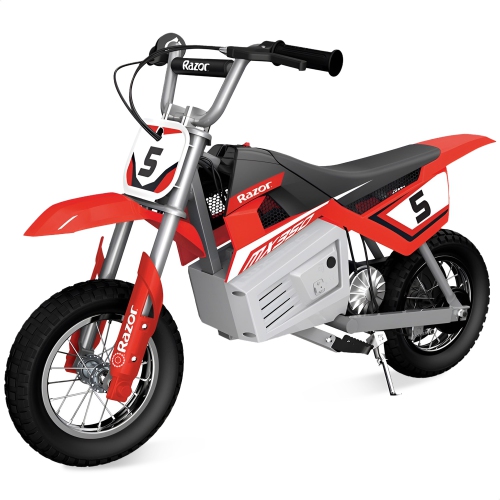 Your price for this item is $605.99
-
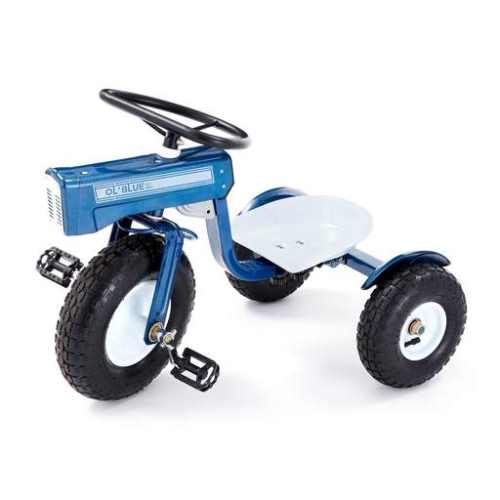 Your price for this item is $280.99
-
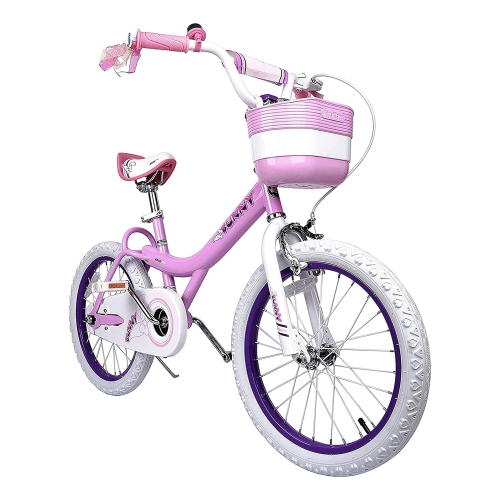 Your price for this item is $319.99
-
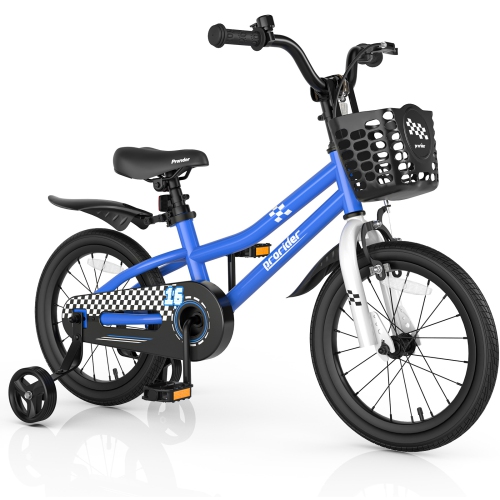 Your price for this item is $128.99
-
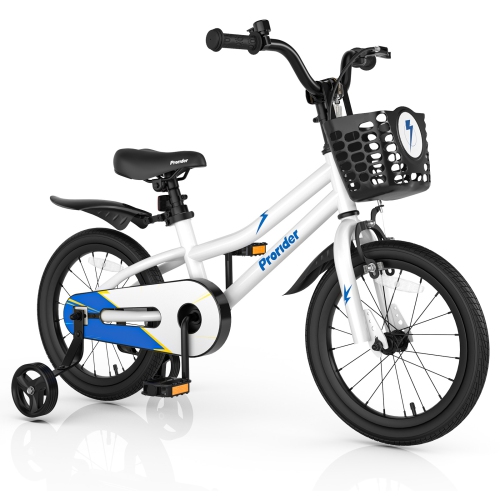 Your price for this item is $118.99
-
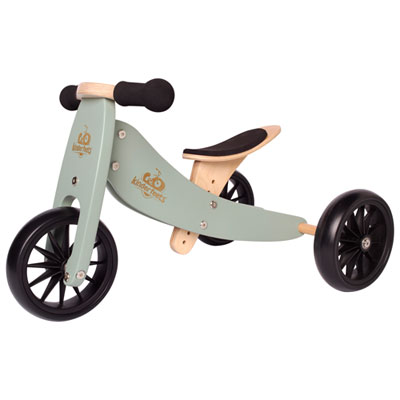 Your price for this item is $134.99
-
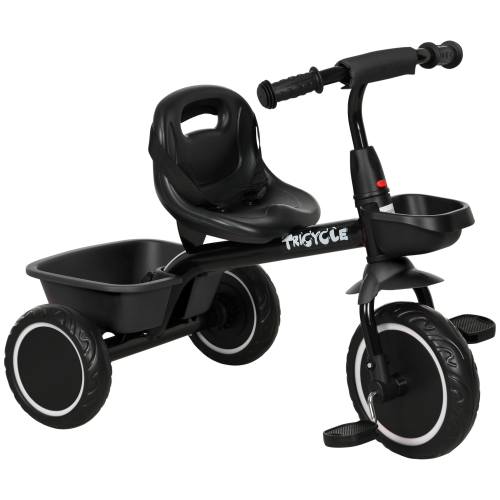 Your price for this item is $84.99
-
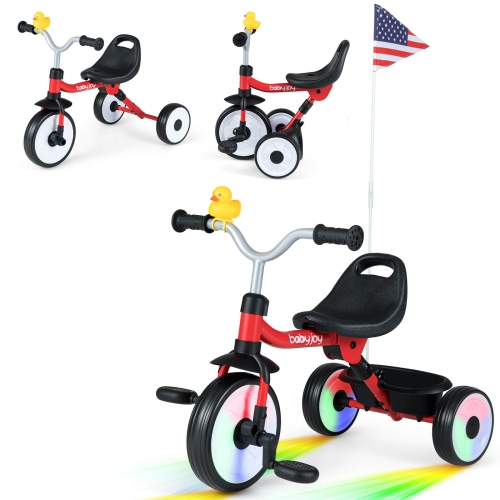 Your price for this item is $75.99
Discover more categories related to Bikes for 3 Year Olds


Top Collections:
Pokemon Centers, Kindle Devices, Best Budget Office Chairs, Canon G7X Cameras, Apple iPhones 16, Samsung Galaxy Phones, Refurbished Apple Laptops, Laptops for Students, iPhone 15 Apple, Budget Smartphones
Some products may be subject to Environmental Handling Fees
(EHF) depending on your province.
Learn more about EHFs.