Best Bikes for 4 Year Olds

Help your little rider build confidence with the best bikes for 4 year olds, ranked based on customer review ratings. Whether your child is learning to balance or getting ready to pedal, explore options with easy-to-reach handlebars, manageable frames, and adjustable seats. Compare sizes and features to find a bike that suits your child’s height, comfort, and riding skills.

Read More

What to look for in bikes for 4-year-olds

1. Size and Fit

Many 4-year-olds fit bikes with 12-inch to 16-inch wheels, but height and inseam matter more than age alone. Check the manufacturer’s sizing guide and make sure your child can reach the handlebars and place their feet securely on the ground while learning.

2. Balance or Pedal Design

A balance bike lets beginners practise steering and balancing without pedals, while a pedal bike may suit children who are ready for the next step. Removable training wheels offer another option for support, though children will still need to learn to balance independently.

3. Weight and Adjustability

Choose a bike your child can comfortably steer, move and lift if it tips over. An adjustable seat and handlebars can help maintain a good fit as they grow, without buying an oversized bike.

4. Brakes and Safety Features

Look for brakes your child can operate confidently, whether that means easy-to-reach hand levers or a back-pedal brake. A chain guard on a pedal bike and secure handlebar grips add protection, while a properly fitted bicycle helmet and adult supervision are essential for every ride.
  1. 1

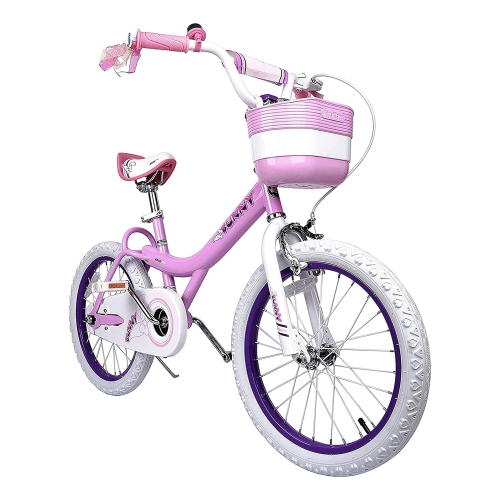
    ROYALBABY Bunny 18" Kids Bike With Kickstand, Dual Brakes, Basket & Bell In Pink

    About this product

    A charming 18" kids bike with a robust steel frame, dual brakes, basket, and bell in pink.

    (7)
    $319.99 Your price for this item is $319.99
  2. 2

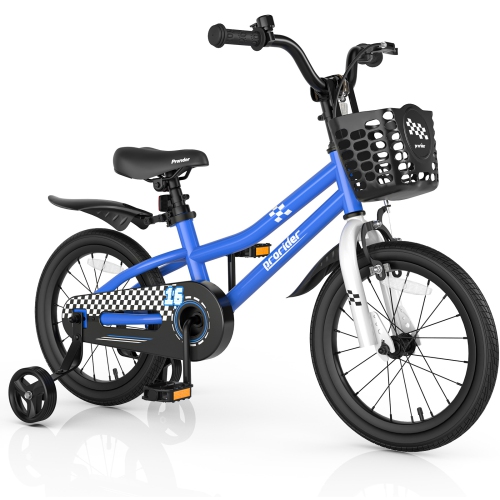
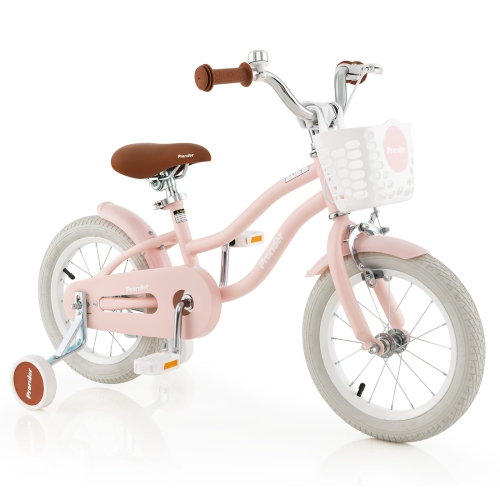
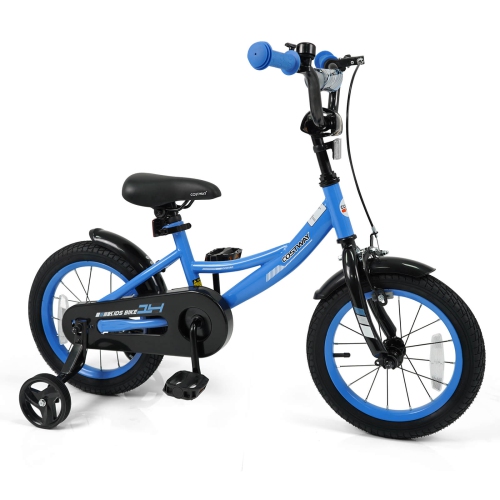
    COSTWAY 16" Kid's Bike With Removable Training Wheels & Basket for 4-7 Years Old

    About this product

    A children's bike with removable training wheels, adjustable handlebar and saddle, dual brakes, and a basket.

    (3)
    $128.99
    SAVE $91
    Your price for this item is $128.99
  3. 3

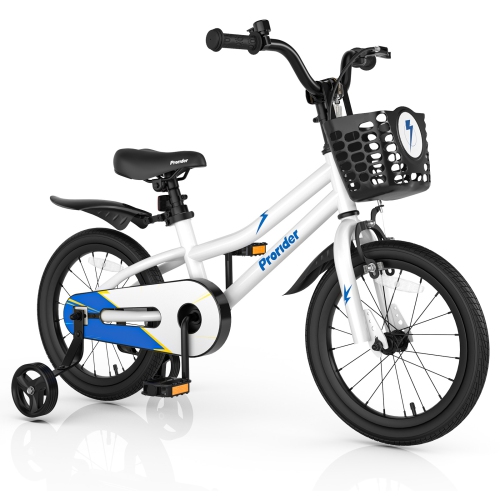
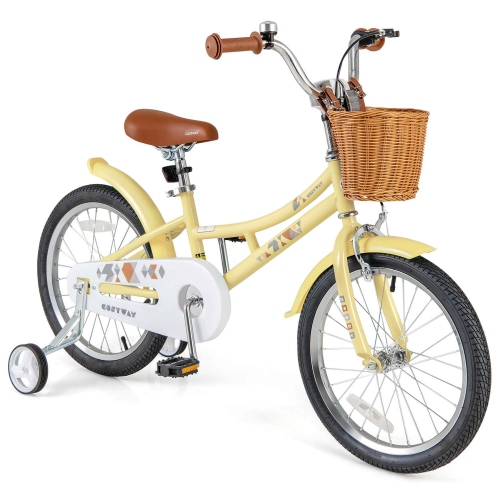
    COSTWAY 16" Kid's Bike With Removable Training Wheels & Basket for 4-7 Years Old

    About this product

    A children's bike with removable training wheels, adjustable handlebar and saddle, dual brakes, and a basket.

    (2)
    $118.99
    SAVE $81
    Your price for this item is $118.99
  4. 4

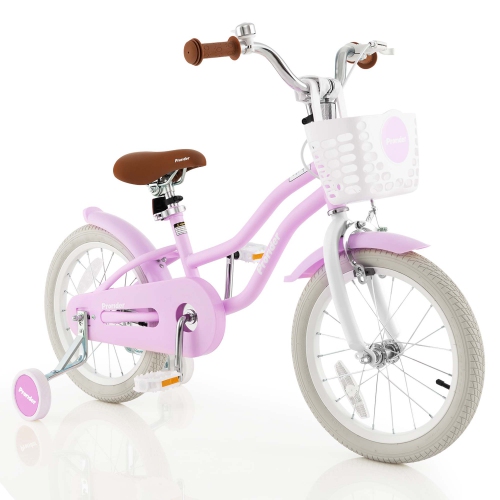
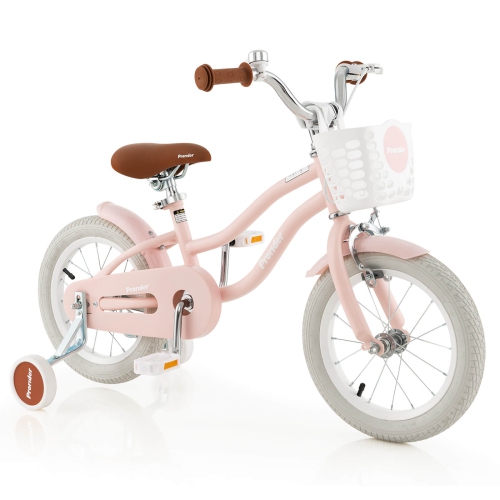
    COSTWAY 16" Kids Bike Toddler Adjustable Bicycle Withtraining Wheel for 4-7 Years Old Girl

    About this product

    An adjustable pink bike with training wheels, anti-slip tires, and shock absorption for young girls aged 4-7.

    (1)
    $124.99
    SAVE $95
    Your price for this item is $124.99
  5. 5

    COSTWAY 16" Kids Bike Toddler Adjustable Bicycle Withtraining Wheel for 4-7 Years Old Girl

    About this product

    An adjustable pink bike with training wheels, anti-slip tires, and shock absorption for young girls aged 4-7.

    (1)
    $133.99
    SAVE $126
    Your price for this item is $133.99
  6. 6

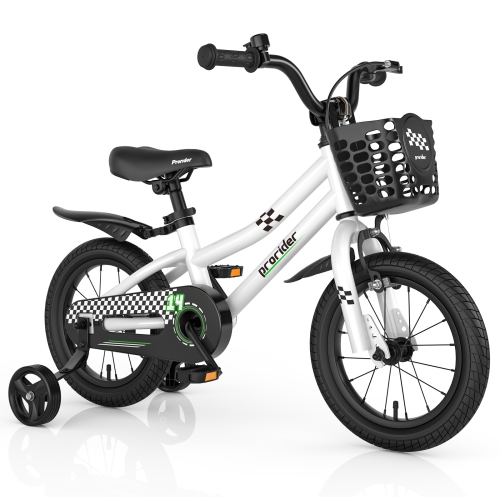
    COSTWAY 14" Kid's Bike With Removable Training Wheels & Basket for 3-5 Years Old

    About this product

    A sturdy children's bike with removable training wheels, adjustable handlebar, and a convenient front basket.

    (1)
    $114.99
    SAVE $85
    Your price for this item is $114.99
  7. 7

    COSTWAY 14" Kid's Bike With Removable Training Wheels & Basket for 3-5 Years Old

    About this product

    A children's bike with removable training wheels, dual brakes, adjustable handlebar, and a front basket.

    (1)
    $115.99
    SAVE $74
    Your price for this item is $115.99
  8. 8

    COSTWAY 18" Kids Bike With Height Adjustable Handlebar Seat Basket Bell Training Wheels

    About this product

    A durable carbon steel kids’ bike with adjustable handlebar and seat, basket, bell, and training wheels.

    (1)
    $222.99
    SAVE $177
    Your price for this item is $222.99
  9. 9

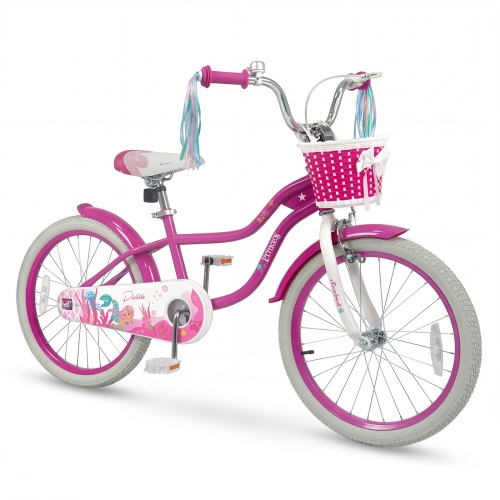
    COSTWAY Kids Bike With Training Wheels Hand Coaster Brakes Adjustable Seat Handlebar

    About this product

    A colourful kids’ bike with streamers, front basket, adjustable seat, training wheels, and dual brakes for safety.

    (1)
    $165.99
    SAVE $83
    Your price for this item is $165.99
  10. 10

    COSTWAY 14" Kids Bike With Removable Training Wheels Adjustable Seat & Handlebar Handbrake

    About this product

    A sturdy kids’ bike with removable training wheels, adjustable seat and handlebar, handbrake, and rubber tires.

    (1)
    $135.99
    SAVE $68
    Your price for this item is $135.99

Why bike fit matters more than age alone

The best bikes for 4-year-olds combine a manageable weight, a comfortable fit, easy-to-reach controls, and a design that suits the child’s riding experience. At this age, some children are still learning to glide with their feet on the ground, while others are ready to pedal, steer around gentle bends, and stop independently. Balance bikes and small pedal bikes can both be appropriate; readiness matters more than a birthday alone. Many four-year-olds fit bikes with 14-inch or 16-inch wheels, but wheel diameter is only a starting point. Minimum saddle height, frame shape, handlebar reach, and the child’s inseam provide a clearer picture of fit. Two bikes with the same wheel size can feel quite different because their frames and seating positions differ. On a balance bike, a seated child should be able to place both feet flat on the ground with a slight bend in the knees, allowing comfortable walking, pushing, and stopping. For a child just starting to pedal, being able to put their feet down confidently can make starts and stops less intimidating. As skills develop, saddle height can be adjusted within the manufacturer’s limits to support comfortable pedalling. A low frame that is easy to step over also helps a child get on and off without wrestling with the bike. Buying a much larger size for future growth can leave the rider stretching for the handlebars or struggling to steady the frame at a stop. Adjustable saddles and handlebars offer room to grow without sacrificing control today. A relaxed riding position should leave elbows slightly bent, hands comfortably around the grips, and knees clear of the handlebars through each pedal stroke. For a birthday gift or a first pedal bike, measurements from a parent or caregiver are more useful than an age label alone. The right fit helps turn a tentative push away from the kerb into a ride that feels manageable from the beginning.

Construction and component design have a noticeable effect on how a small bike handles. A lightweight frame makes it easier for a child to steer, push uphill with adult supervision, and lift the bike after a gentle tumble. Total bike weight matters more than frame material by itself: wheels, tyres, forks, and accessories all contribute to what the rider has to move. Aluminium frames are often relatively light and resist rust, while steel frames can provide sturdy everyday use, though they are often heavier and need attention where their finish becomes scratched. Simple, rigid forks are generally well suited to pavement and smooth park paths; suspension adds weight and complexity that a beginning rider may not need. Air-filled tyres offer cushioning and grip, but require pressure checks, while solid tyres avoid punctures and may feel firmer over uneven surfaces. Tyre tread should match the intended riding surface rather than simply look rugged. For most early neighbourhood rides, predictable steering and easy rolling are more useful than features intended for demanding trails. Brakes deserve equally close attention. Child-sized handbrake levers should sit within comfortable reach and require an amount of pressure the rider can manage. A coaster brake works by pedalling backwards, which some children find straightforward, although it can complicate repositioning the pedals before starting. Neither arrangement replaces learning how the bike stops and practising with adult support. Fully enclosed handlebar ends, secure grips, and a chain guard that helps keep clothing away from moving parts are practical details for everyday riding. Single-speed gearing keeps operation simple, and appropriately sized cranks and pedals help smaller legs turn smoothly. Colour and styling can make a bike feel special, but a basket, bell, or decorative accessory should not obstruct steering, braking, or visibility. A bike that a child can comfortably manoeuvre around a broad chalk curve is a better match than one with impressive-looking features that make basic handling harder.

Different bike styles support different stages of learning, and a four-year-old does not need to move to pedals before feeling comfortable balancing. A balance bike lets a new rider practise walking, pushing, coasting, and steering without having to coordinate pedal strokes at the same time. A convertible design can serve more than one stage when the manufacturer specifically supports changing between balance and pedal use. A pedal bike with removable training wheels offers another starting point, particularly for a child who wants to practise turning the pedals first, though balancing without those supports remains a separate skill. Training wheels need correct installation and should not be treated as protection against tipping, especially on uneven ground or during turns. Short sessions on a level, traffic-free paved area give children space to practise starting, following a wide turn, and stopping at a clear marker without the demands of a longer outing. A properly fitted bicycle helmet should be worn for every ride, with closed-toe shoes and clothing that will not catch in the chain or wheels. Adult supervision remains important even when a rider looks confident. For families choosing bikes for children at different stages, Bikes for 2-Year-Olds offers a separate starting point for a younger sibling, whose fit and developmental needs may differ considerably. Everyday care helps a child’s bike remain dependable as those skills grow. Tyre pressure should follow the markings or manufacturer’s instructions, brakes should operate smoothly, and wheels, handlebars, and the saddle should remain securely attached. Cleaning away grit with a soft cloth and using suitable chain lubricant where specified can reduce wear on moving parts. Storage in a dry place helps protect metal components, and periodic checks for loose fasteners, damaged grips, or worn tyres are especially useful after a fall. Any bike requiring assembly should be set up according to its instructions and checked before the first ride. With sound maintenance and a fit that is reassessed as the child grows, a well-chosen bike can support repeated practice, small achievements, and happy trips along familiar paths.
Read More

FAQ

Some products may be subject to Environmental Handling Fees (EHF) depending on your province. Learn more about EHFs.