24 Inch Suitcases
If you're looking for the perfect travel companion that strikes the ideal balance between space and portability, look no further than these 24-inch suitcases. Designed to meet the needs of modern-day globetrotters, these suitcases offer ample room to pack your essentials while still being compact enough to navigate through crowded airports and city streets with ease. Whether you're embarking on a weekend getaway or a longer adventure, this range of 24-inch suitcases will ensure you travel in style and convenience.
Sort
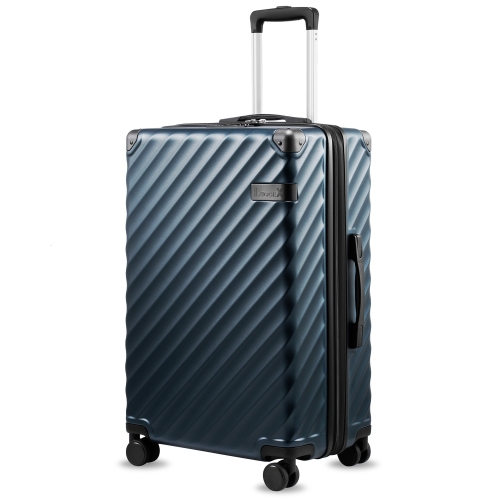
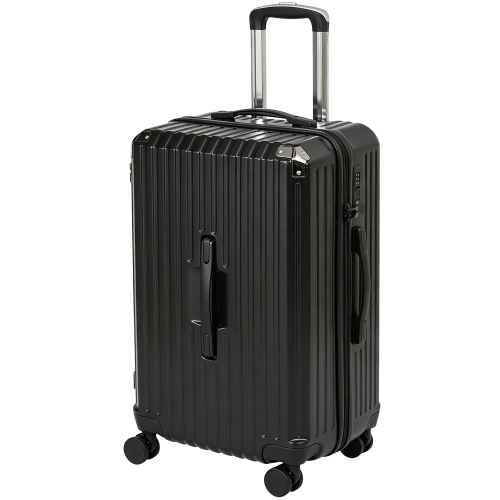
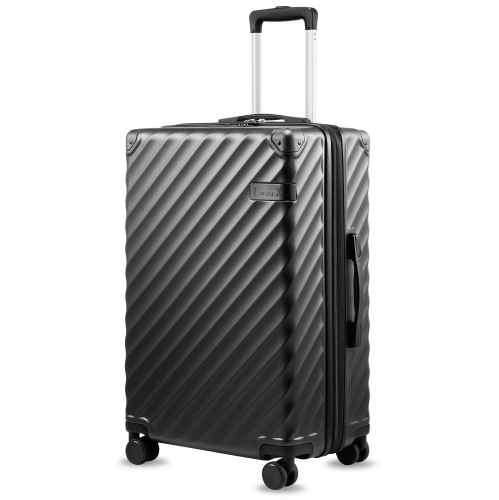
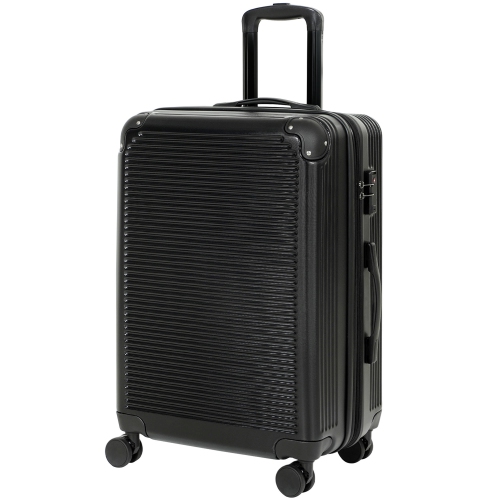
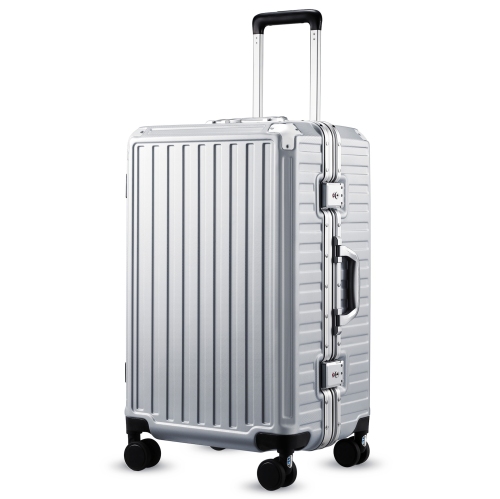
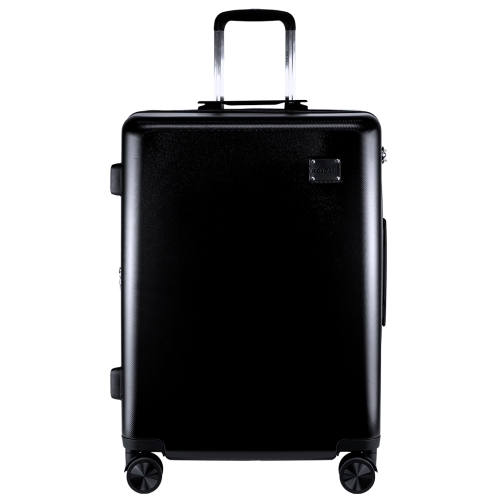
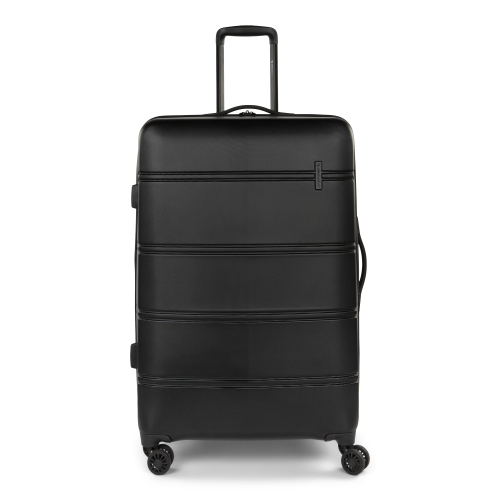

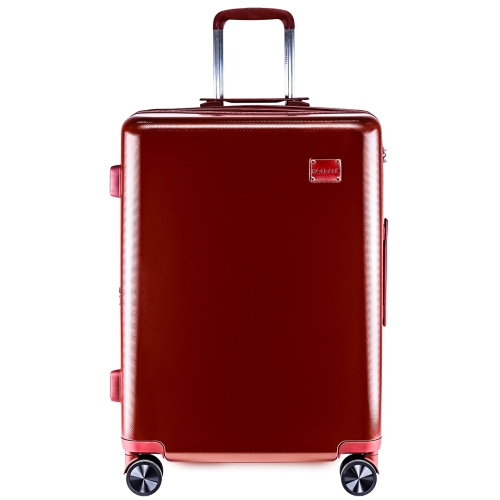
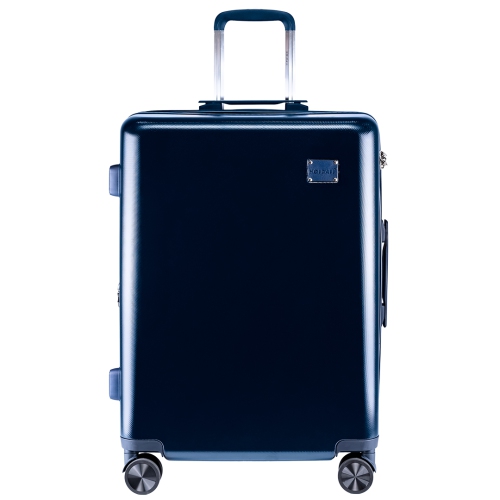
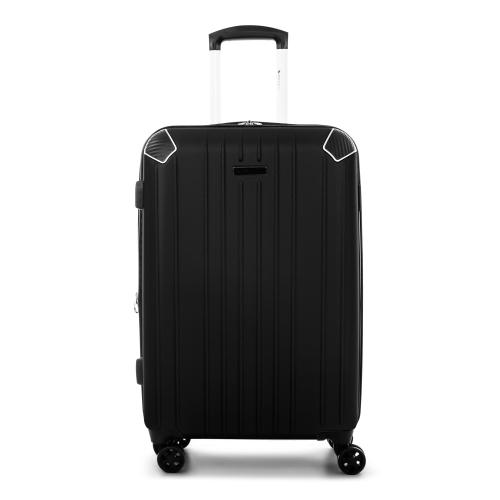
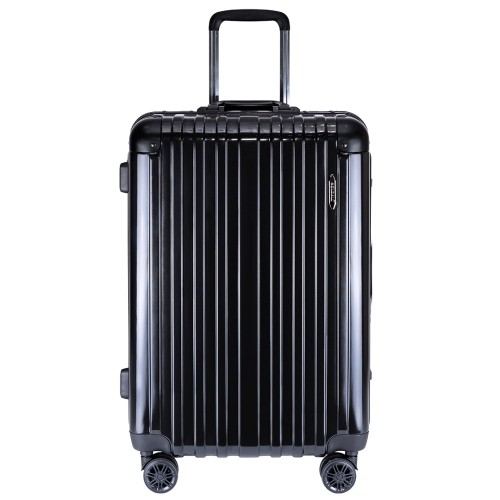
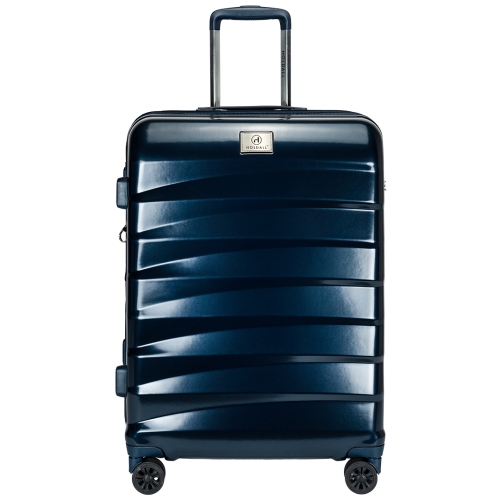
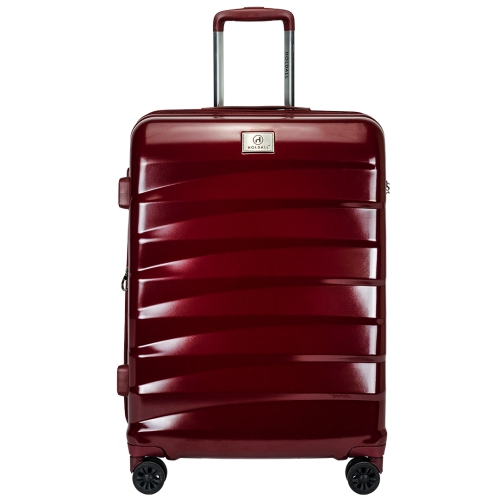
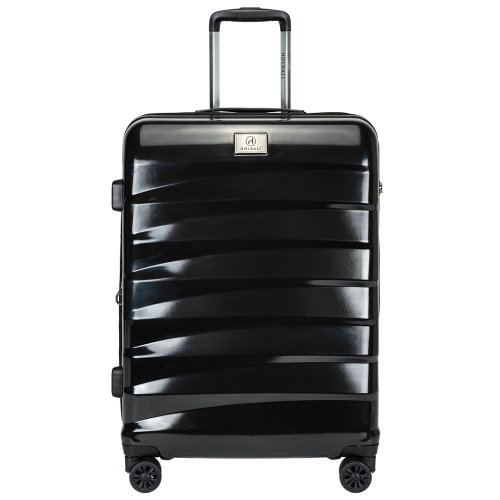
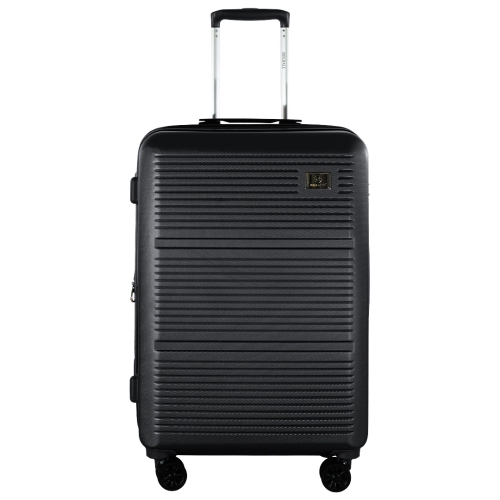
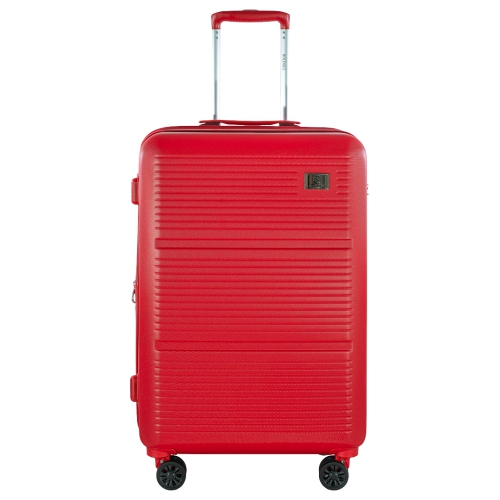

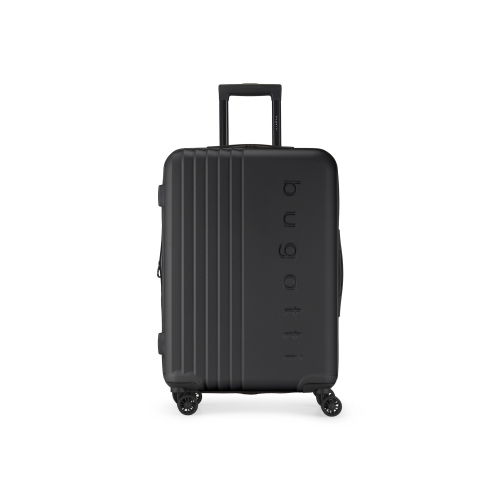
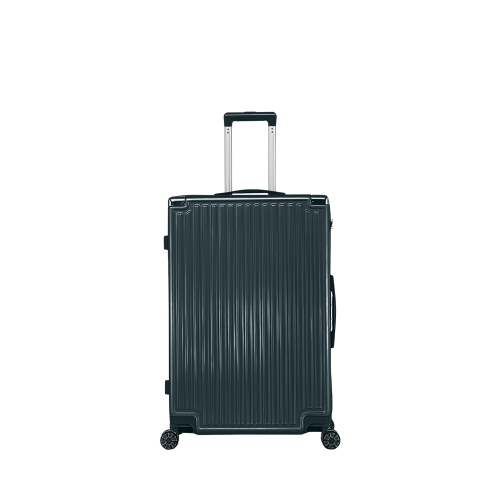
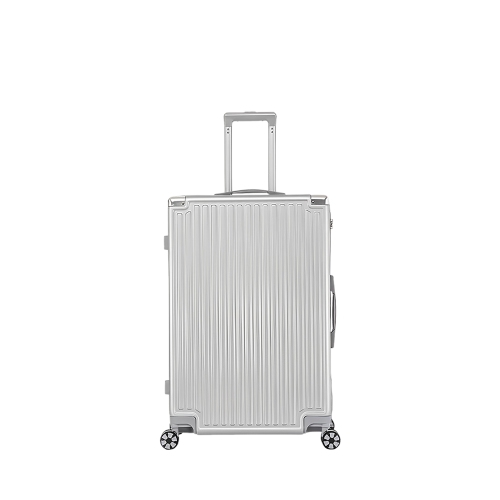


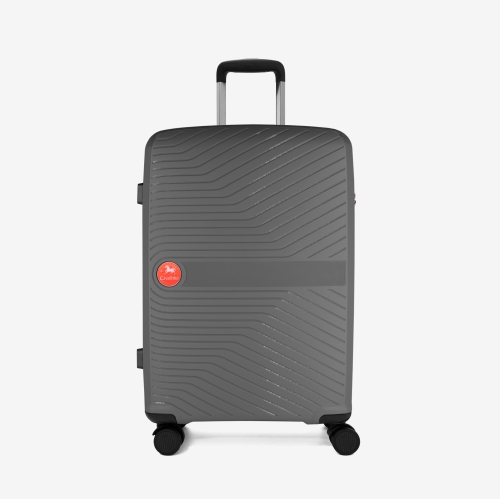

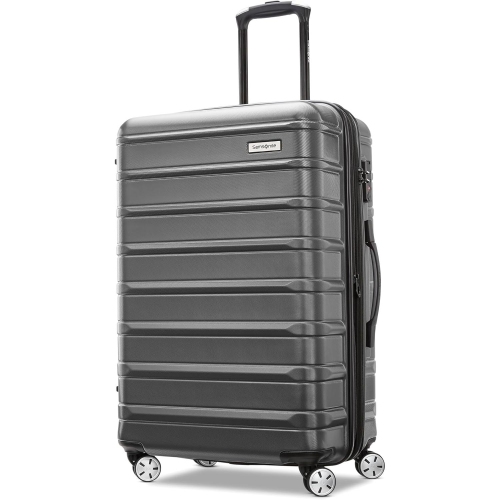
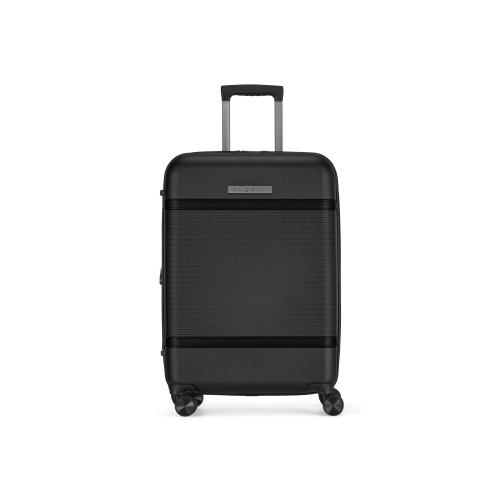
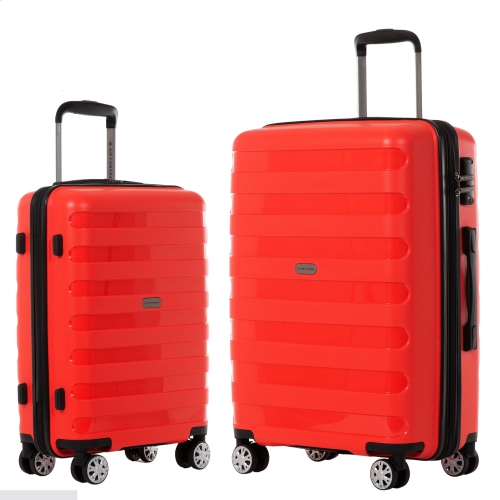
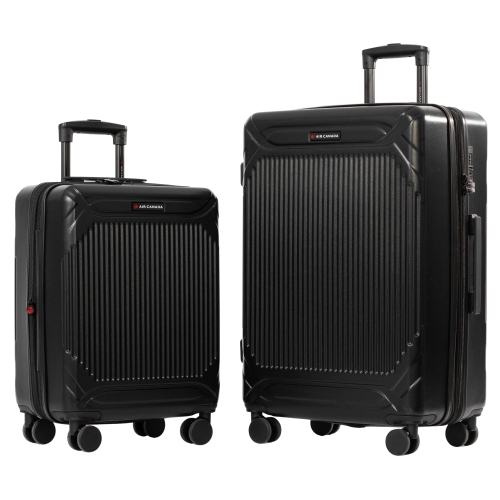
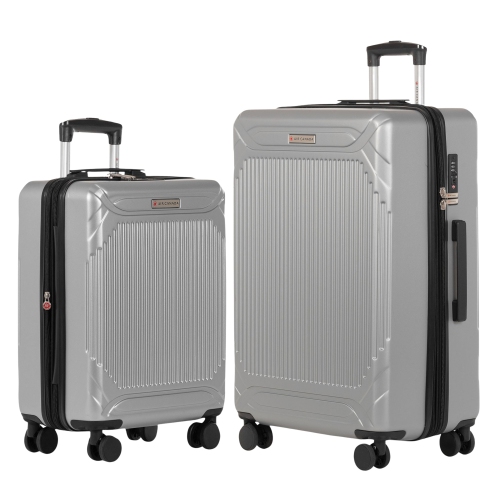
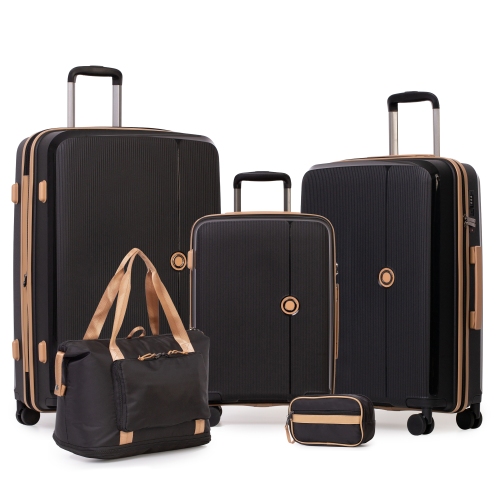
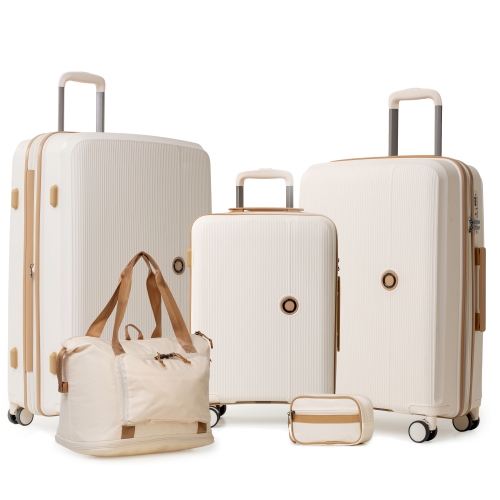
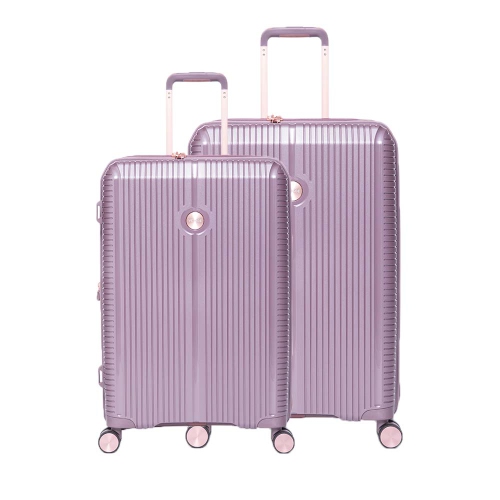
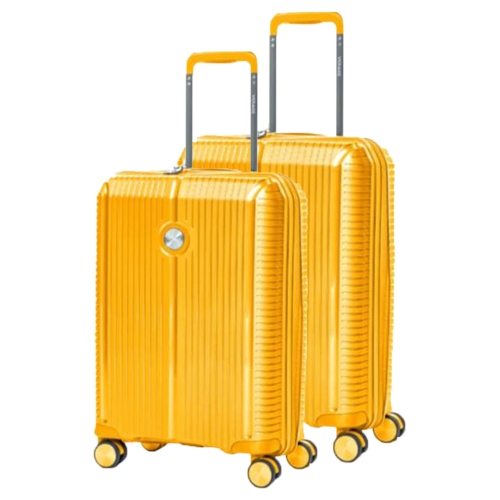
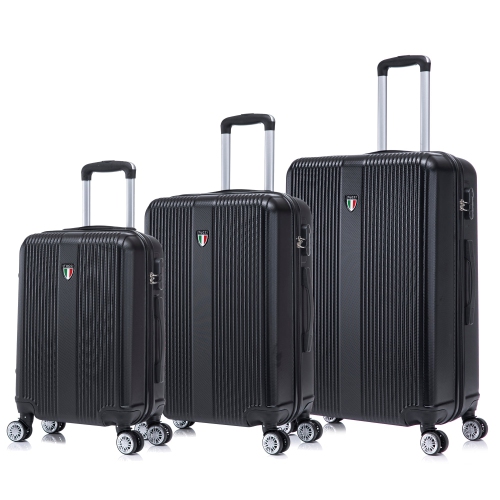
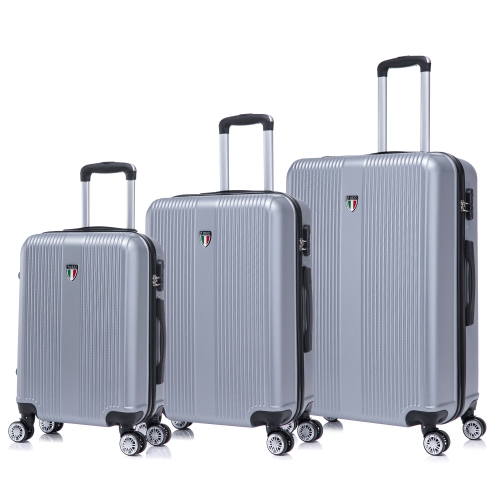
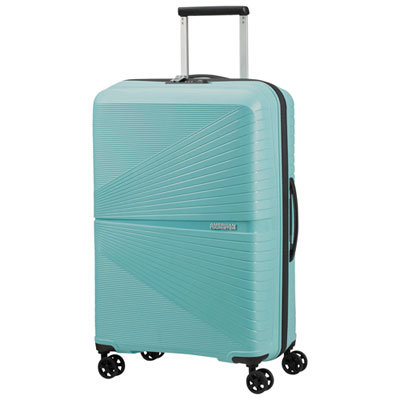
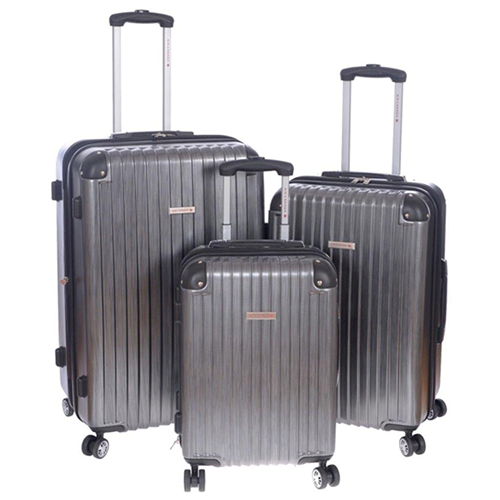
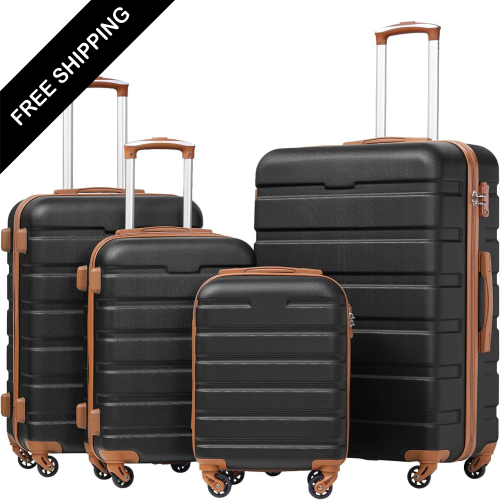
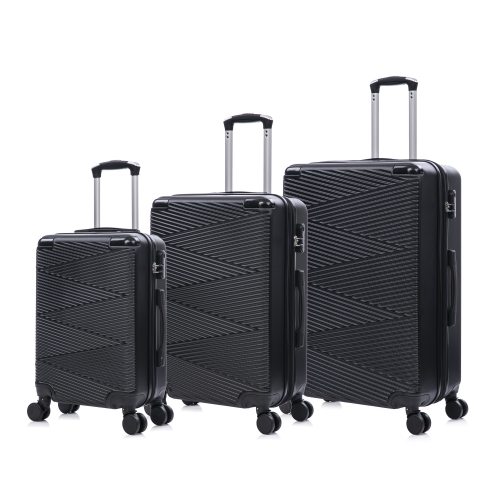
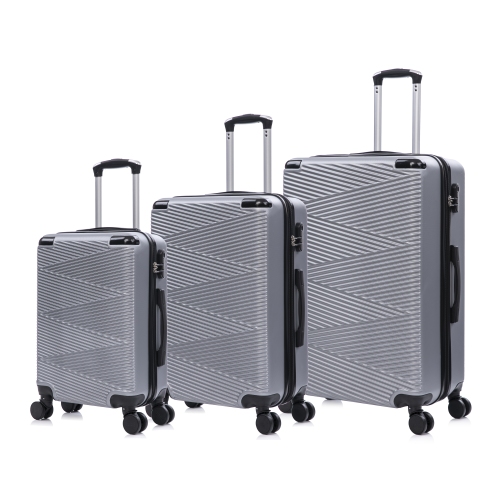

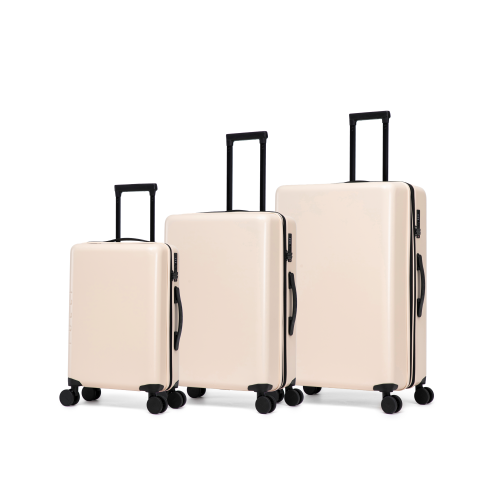

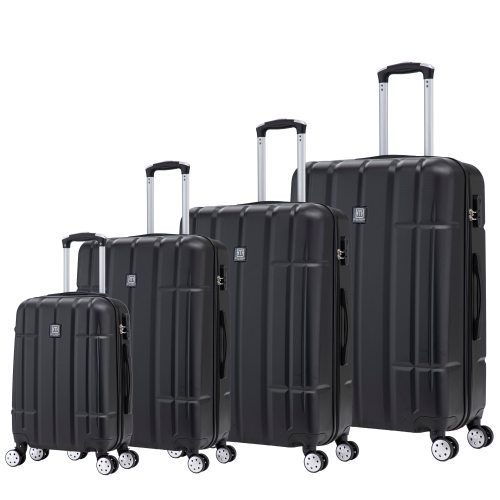
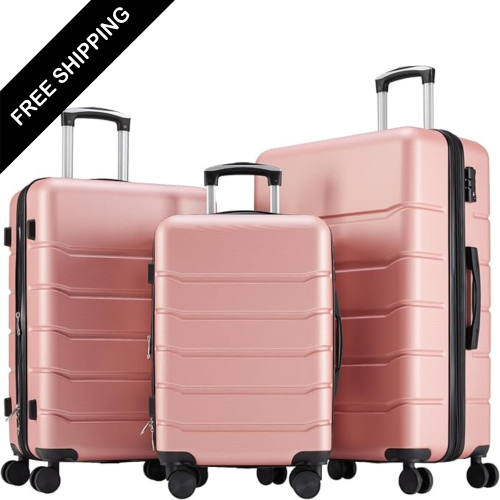
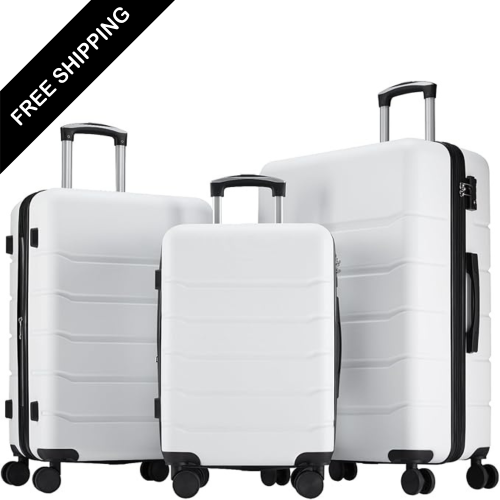
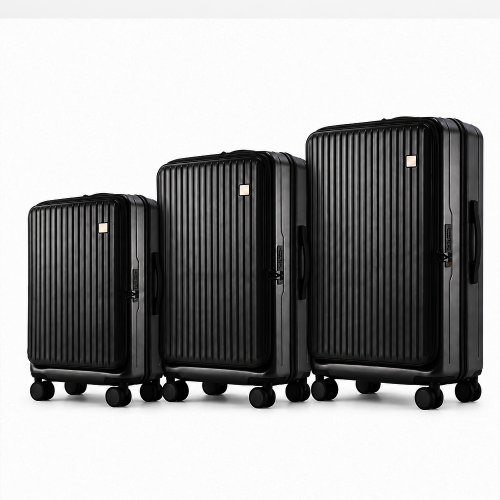
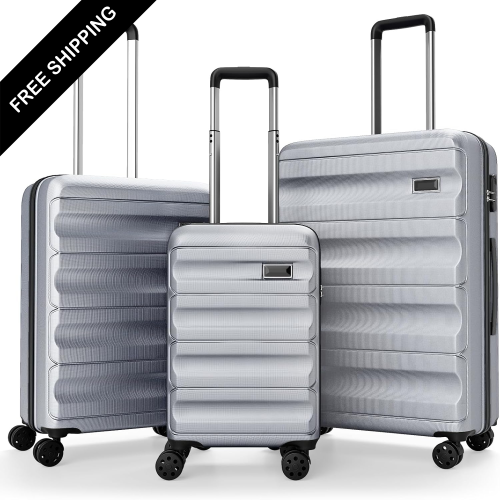
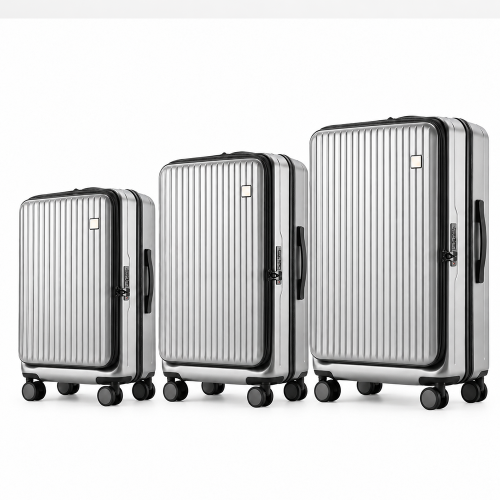
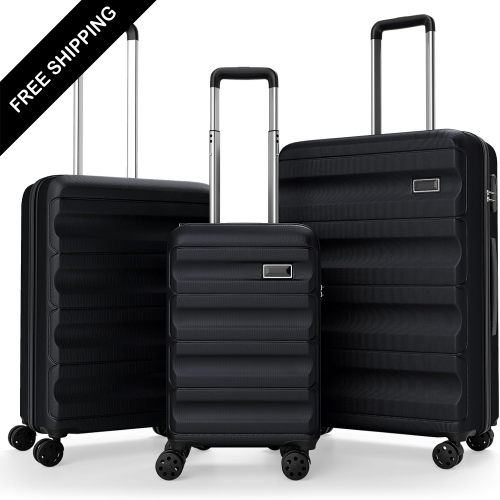
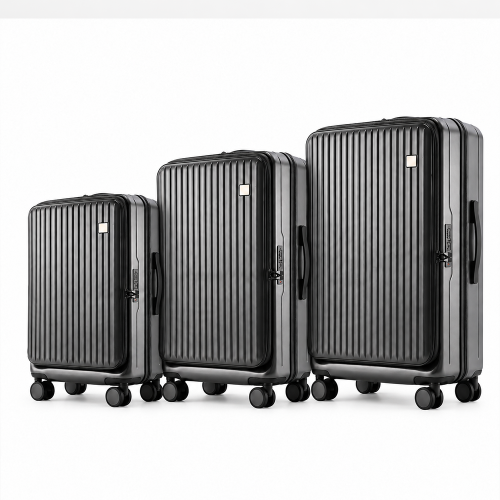
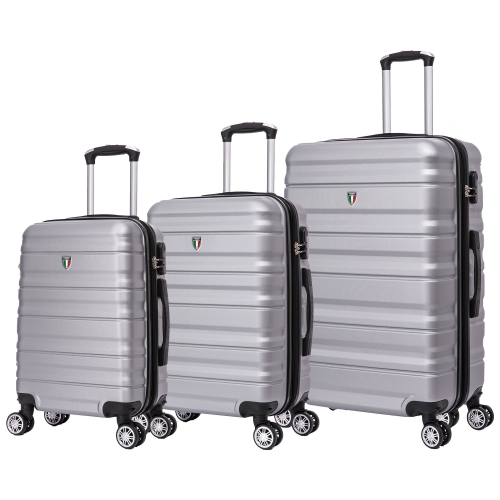
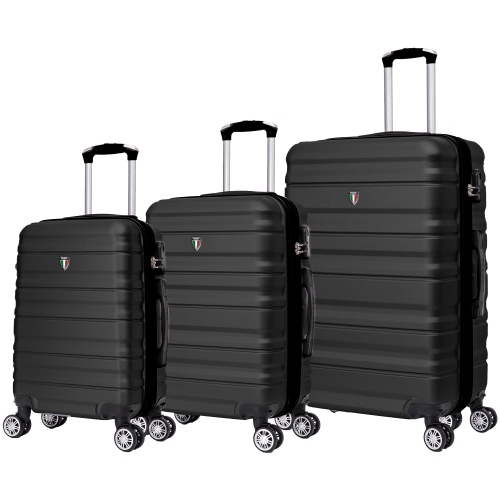
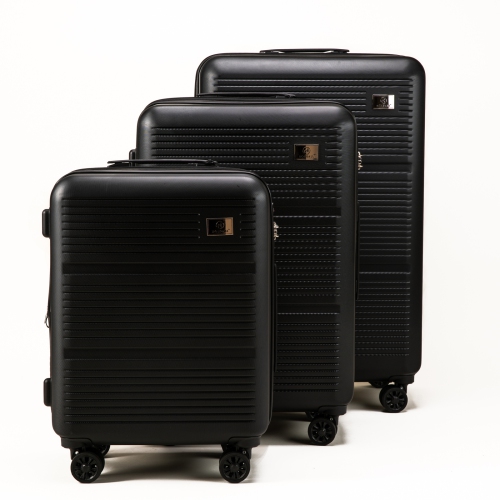
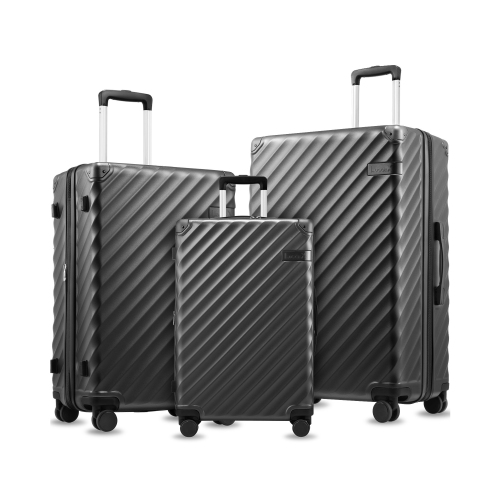
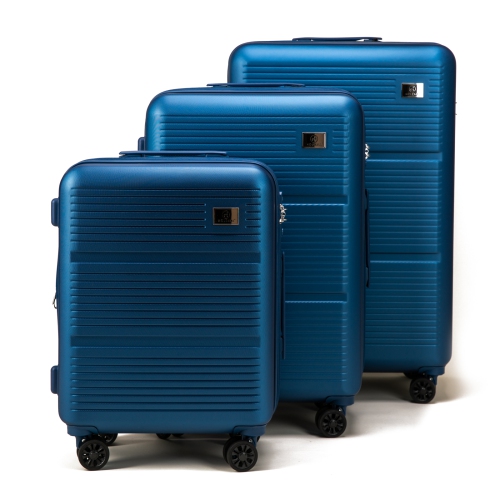
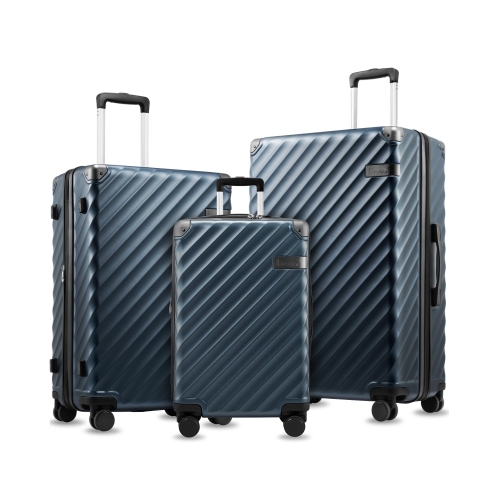

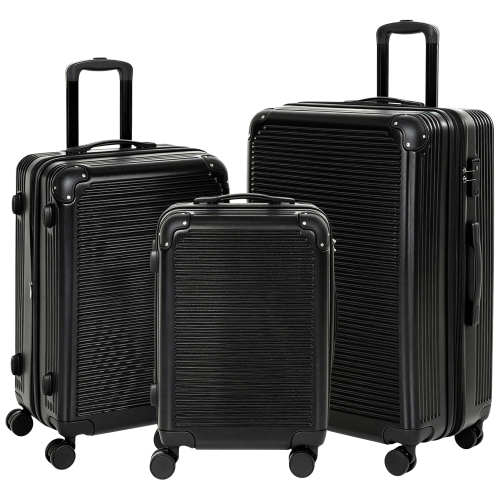
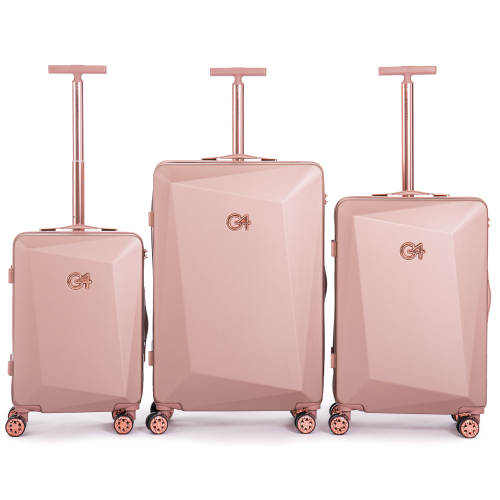
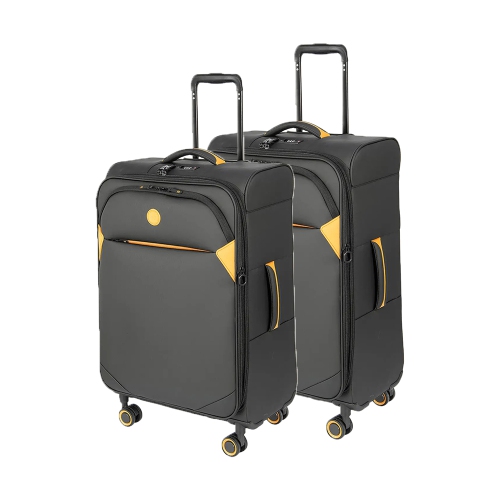

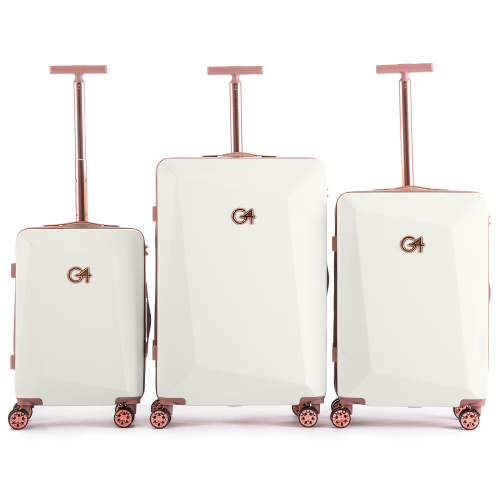


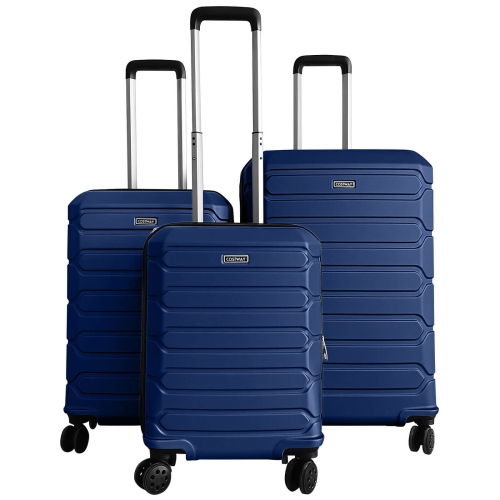
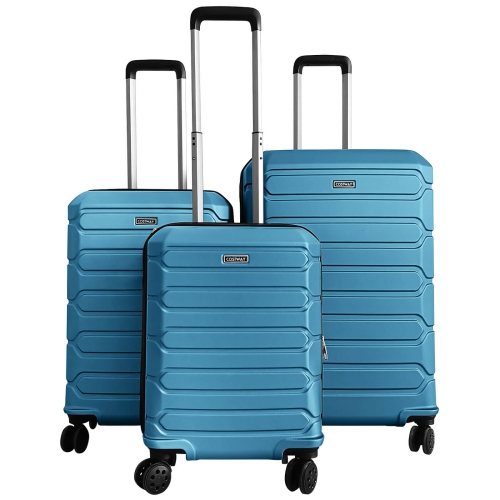
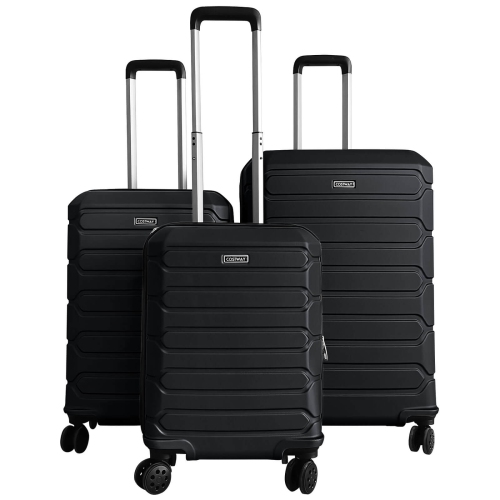
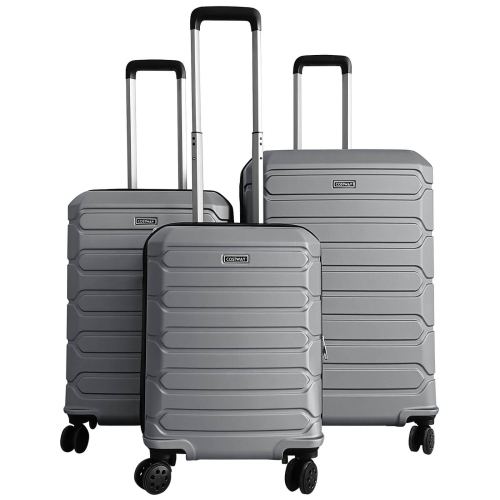
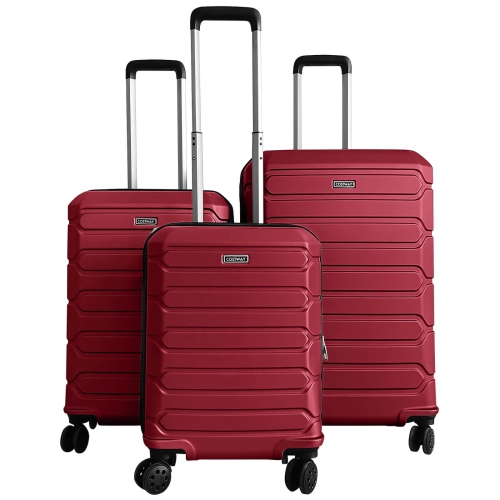
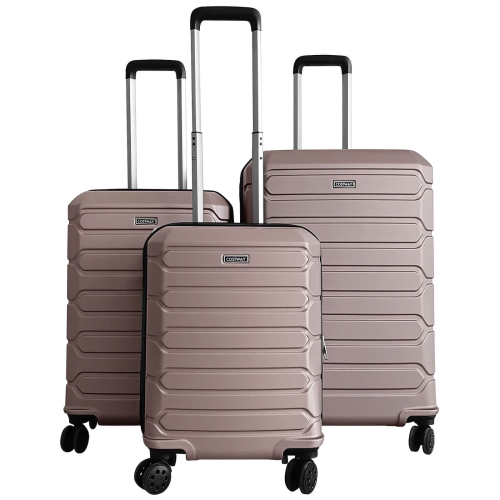
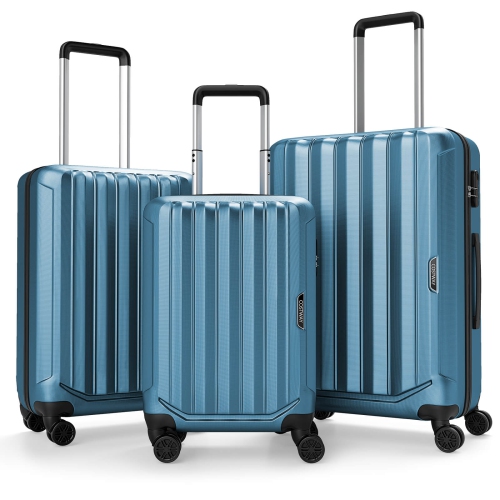
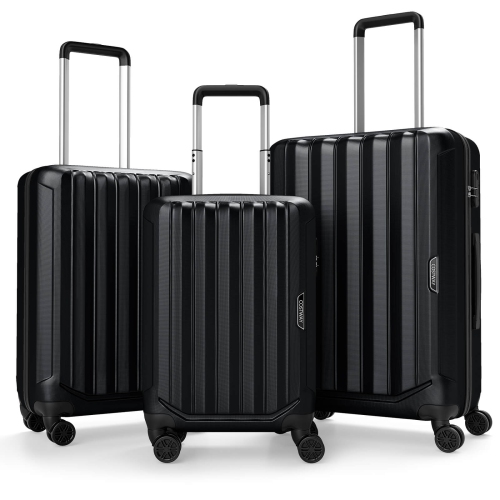
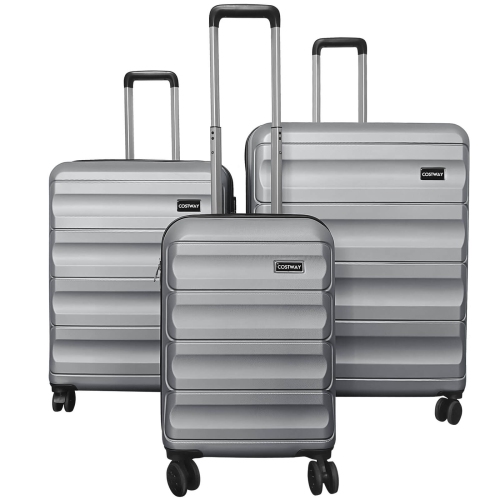
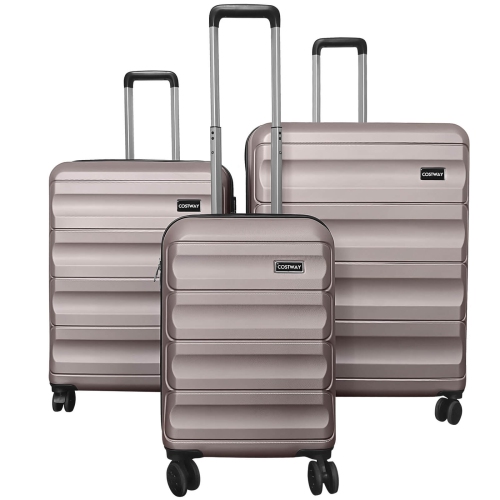
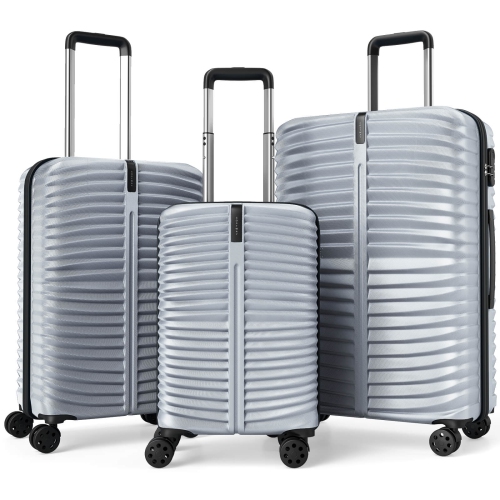
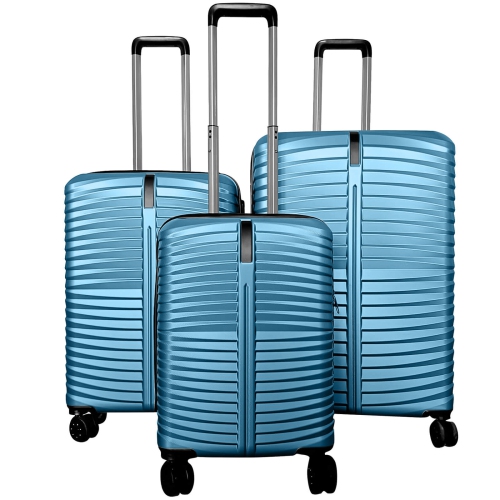
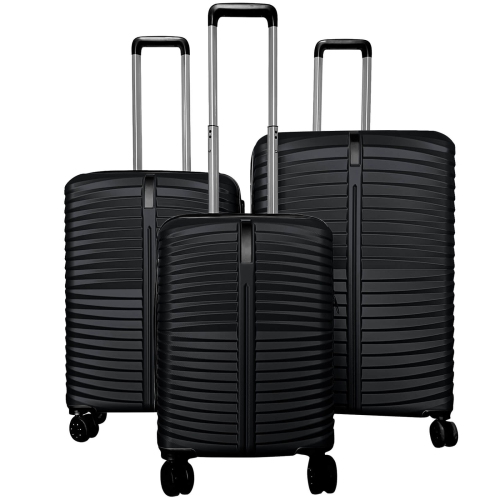
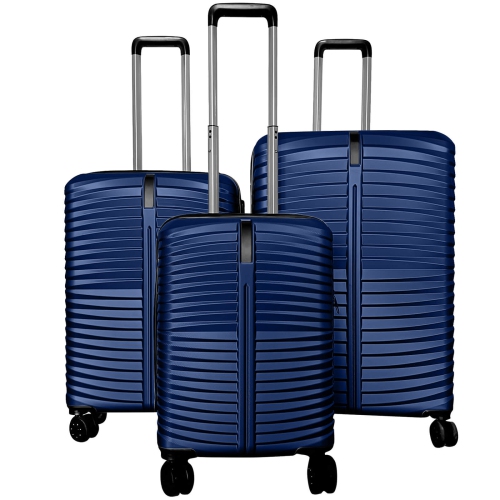
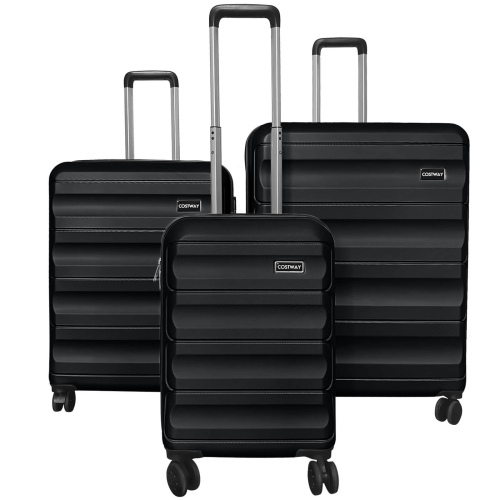
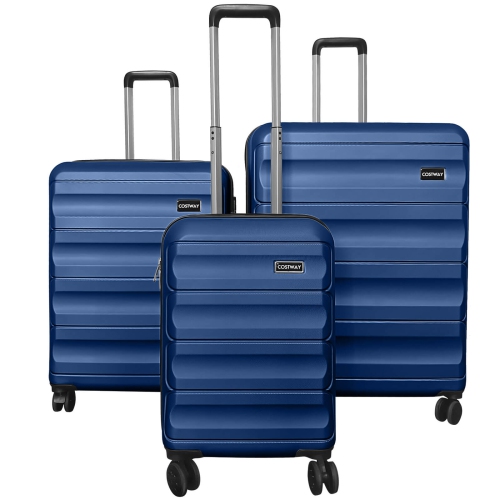

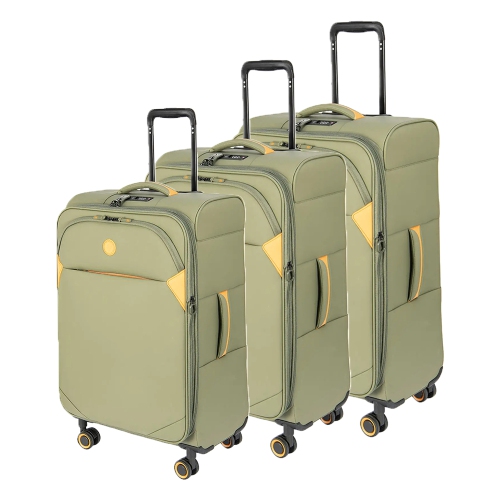
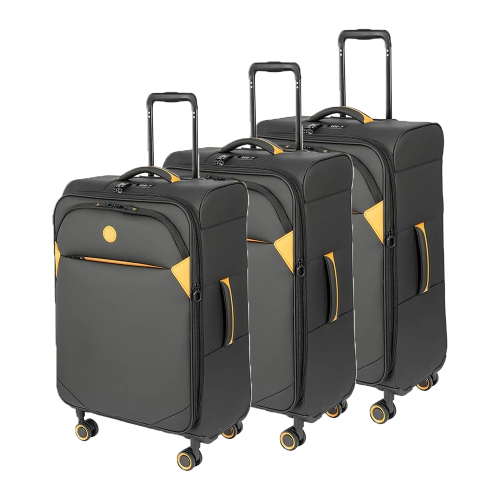
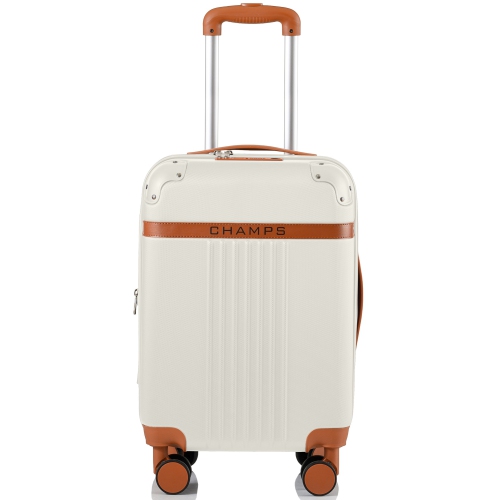


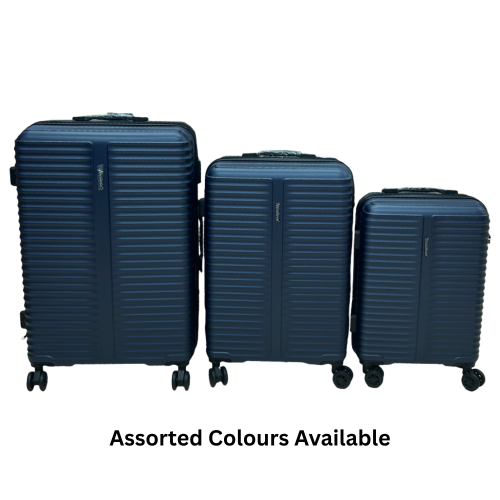


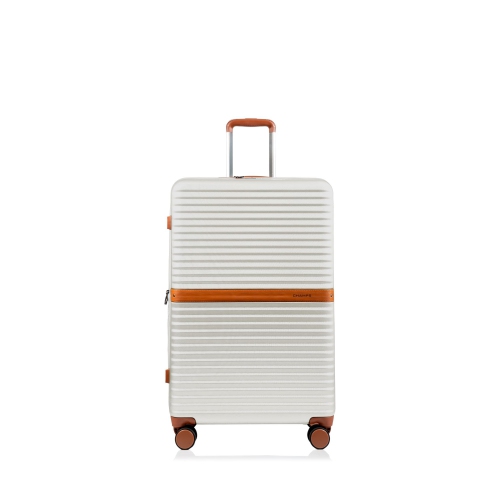
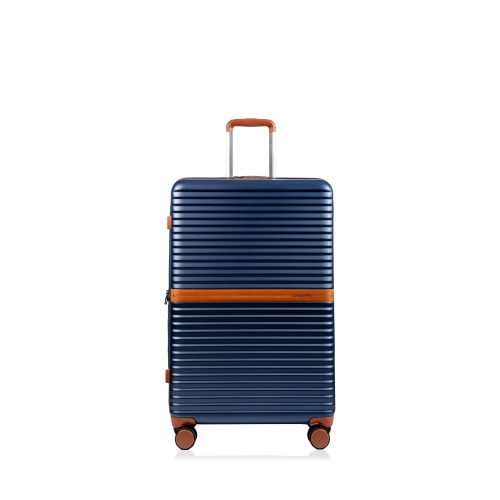
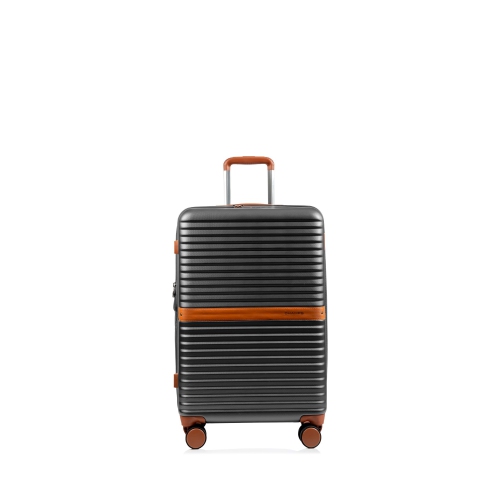
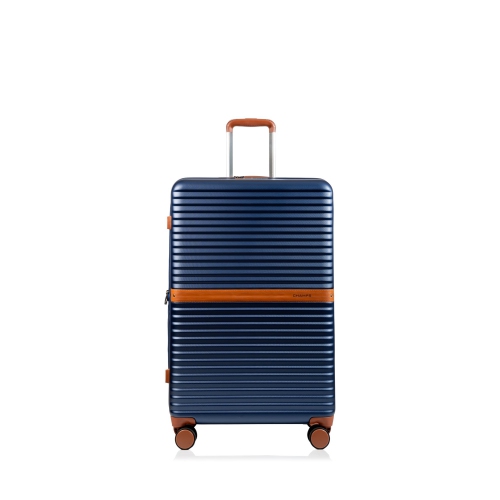
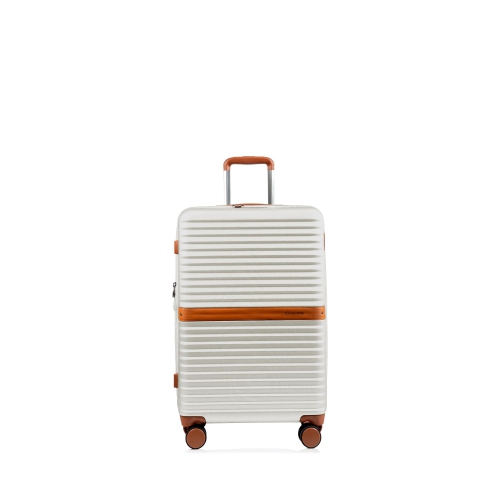
Room for a week without an oversized case
24-inch suitcases are medium-sized bags generally used as checked luggage, with enough room for roughly four to seven days of travel, depending on clothing, footwear, and packing habits. This size suits travellers who need more space than a typical carry-on but prefer something easier to lift and store than a large checked case. A few outfits, a pair of shoes, toiletries, and smaller accessories can fit comfortably without requiring the roomiest luggage size. For a business trip, that might mean folded shirts separated from casual clothes; for a family visit, it could mean everyday outfits alongside a dressier option and a few gifts. Capacity varies between designs, even when both carry the same size label. A deep main compartment, a divided interior, and an expandable zipper each affect how the space can be used. The 24-inch measurement also does not always describe the full height of the bag. Some manufacturers measure the case body, while others provide dimensions that include wheels and handles, so the listed exterior measurements are more useful than the size name alone when checking airline requirements. Checked-baggage limits may use the combined length, width, and height, and weight allowances apply separately. An expanded case can exceed a size limit even if it met that limit before packing. Empty weight matters, too: a lighter suitcase leaves more of the permitted baggage weight for belongings, while a heavier design may include features or construction details that suit frequent handling. For travellers connecting between flights, taking a train after landing, or carrying luggage up stairs, manageable proportions can be just as important as interior volume. The most useful fit is a case that holds the planned load without being awkward to lift, steer, or place in a vehicle. Measuring the storage space at home can also help distinguish between a suitcase that packs well for travel and one that fits easily between trips.
Materials influence how a 24-inch suitcase feels, packs, and stands up to regular use. Hardside luggage commonly uses polycarbonate, polypropylene, ABS, or blends of these materials. Polycarbonate can flex under pressure, polypropylene is often chosen for its low weight and flexibility, and ABS provides a rigid shell; overall durability still depends on the construction, shell thickness, corners, and hardware. A textured finish may make light scuffs less noticeable, although no shell is immune to scratches or rough baggage handling. Softside suitcases often use woven polyester or nylon, with flexible panels and exterior pockets that can be useful for keeping small belongings separate. Fabric weight, weave, stitching, and reinforcement all contribute to wear resistance. Neither a hard shell nor a coated fabric should automatically be treated as waterproof, particularly around zippers and seams, so toiletries are best contained in a separate pouch. Interior layout makes a noticeable difference during packing and unpacking. A clamshell case opens into two sections, often with a zippered divider on one side and compression straps on the other. This arrangement can separate shoes from clothing or divide belongings between two travellers, though it needs room to open flat. A suitcase with one deeper packing well can suit bulkier belongings and may be easier to access on a narrow luggage rack. Lining pockets help keep smaller accessories from settling at the bottom, while packing cubes can group outfits without changing the suitcase itself. Expansion adds flexibility for the return journey, but extra space is not extra weight allowance. Closures deserve attention as well: smooth-running zippers, secure attachment points, and neatly finished seams are details that affect everyday use. An integrated lock can keep zipper pulls together, but it does not make checked luggage suitable for valuables. Passports, essential medication, spare lithium batteries, and other belongings that need to remain accessible or are restricted in checked baggage belong in an appropriate cabin bag, subject to airline rules.
Wheel design and handle comfort become especially noticeable when a suitcase is fully packed. Four-wheel spinner luggage can move upright beside the traveller on smooth terminal floors, making it easier to navigate a queue without pulling the full load behind the body. Paired spinner wheels may improve stability, but wheel quality, placement, and attachment are more meaningful than wheel count alone. Two-wheel designs generally roll at an angle and can be easier to pull over uneven paving, though the traveller supports more of the load through the handle. A telescoping handle should extend to a comfortable height without forcing an awkward wrist position, and top and side carry handles provide useful grip points when lifting a case onto a scale or into a car boot. The telescoping handle is intended for steering, not lifting the packed suitcase. For travellers who regularly need room for additional shoes or shared belongings, 26 inch suitcases offer another size to compare, with the understanding that added capacity also changes handling and storage needs. A 24-inch case can be a practical gift for a graduate, a couple planning a trip, or someone replacing worn luggage, particularly when the recipient's travel habits and preferred packing style are known. Distinctive colours or a securely attached luggage tag can help with identification at baggage claim. Between trips, simple care helps keep the case ready for use: remove grit and hair from the wheels, wipe suitable exterior surfaces with a soft damp cloth, and follow the manufacturer's cleaning directions for the shell and lining. Harsh solvents and abrasive pads can damage finishes. Allow the interior to dry completely before closing it for storage, and avoid forcing zippers around an overfilled compartment. Periodic checks of wheels, handles, seams, and zipper pulls can reveal wear before the next departure, while accessible replacement parts can make a damaged component easier to address.
Top selling and popular products
-
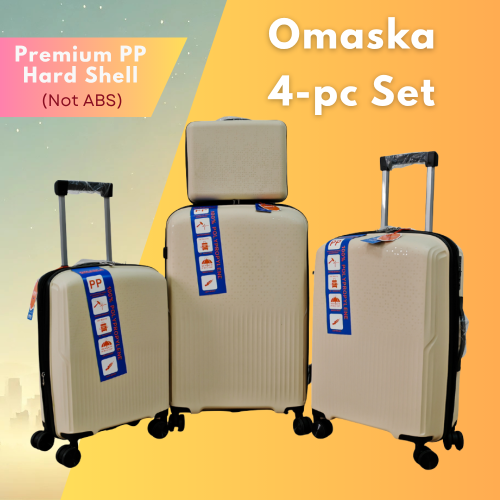 Your price for this item is $279.95
-
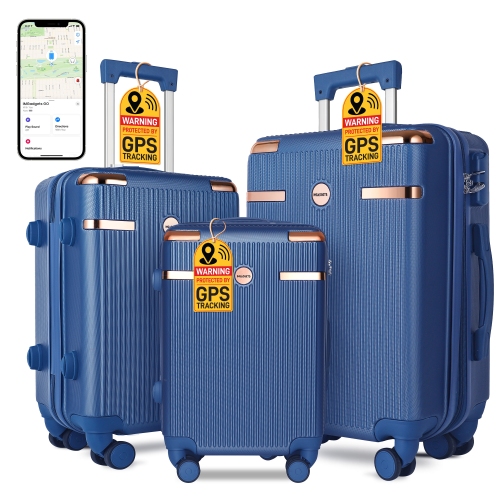 Your price for this item is $159.97
-
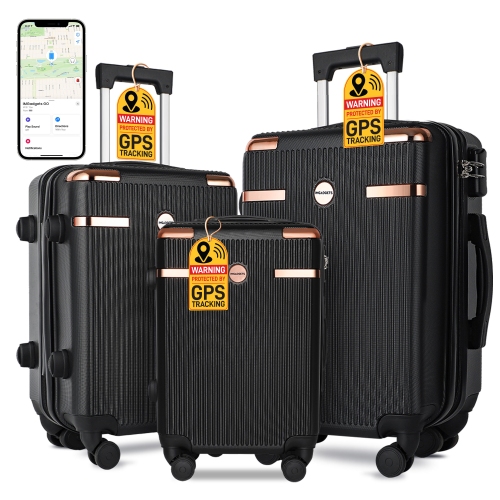 Your price for this item is $189.97
-
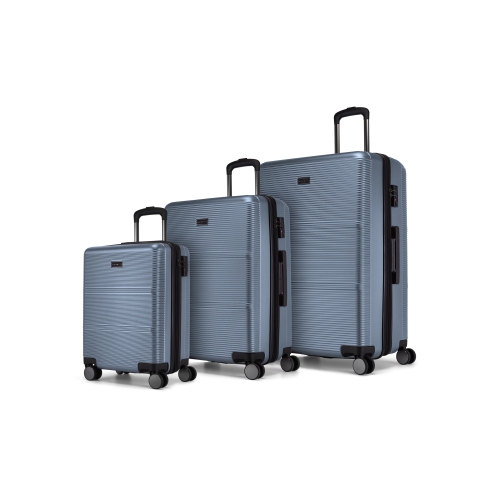 Your price for this item is $239.99
-
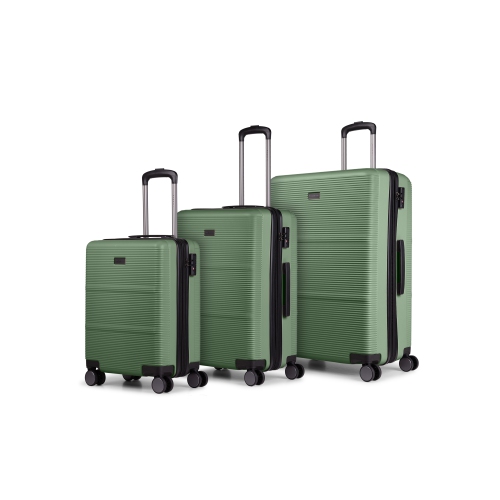 Your price for this item is $239.99
-
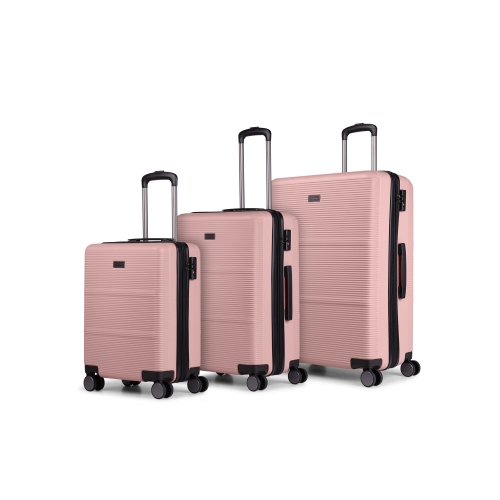 Your price for this item is $239.99
-
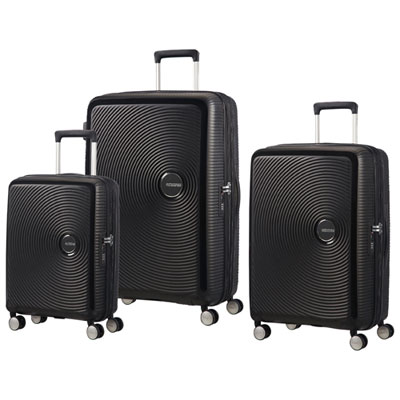 Your price for this item is $569.99
-
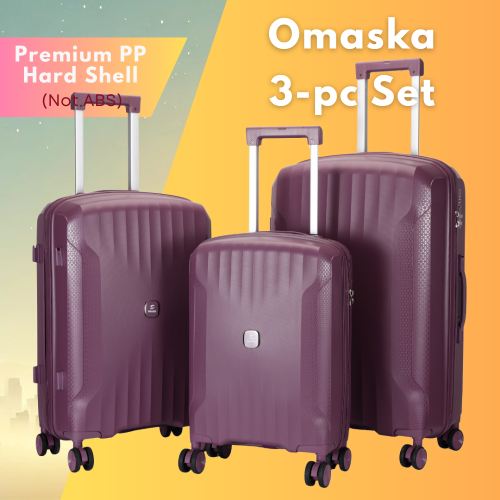 Your price for this item is $269.95
Discover more categories related to 24 Inch Suitcases
Top Collections:
Best Black Friday Deals This Year, Best Black Friday Deals On Electronics, Kindle Devices, Best Black Friday Deals On Apple Products, Best Budget Office Chairs, Best Cameras for Sports Photography, Dyson Airwrap, Canon G7X Cameras, Best Laptops for Writers, Samsung Galaxy Phones
Some products may be subject to Environmental Handling Fees
(EHF) depending on your province.
Learn more about EHFs.