Back To School International Travel Adapters
Back-to-school international travel adapters help you connect your devices to local outlets when studying abroad. Browse travel plug adapters with your destination’s socket type and your devices’ charging needs in mind. Check compatibility before you pack: a plug adapter changes the plug connection, but does not necessarily convert voltage.


FAQ
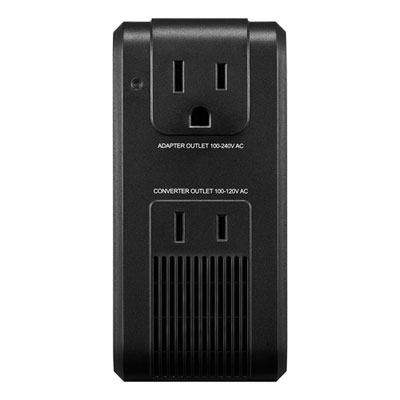
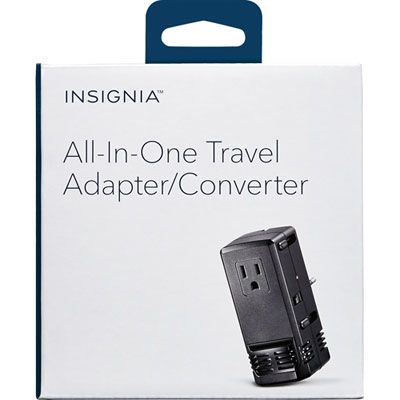
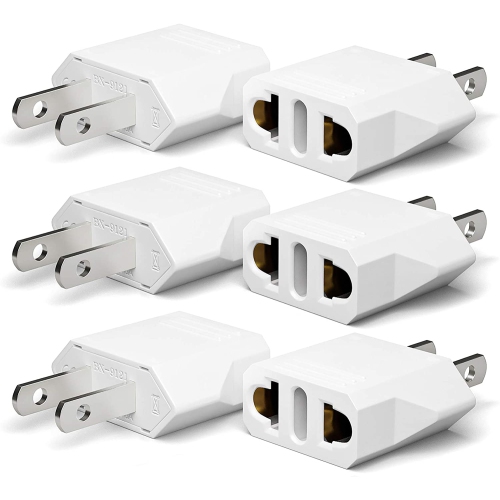
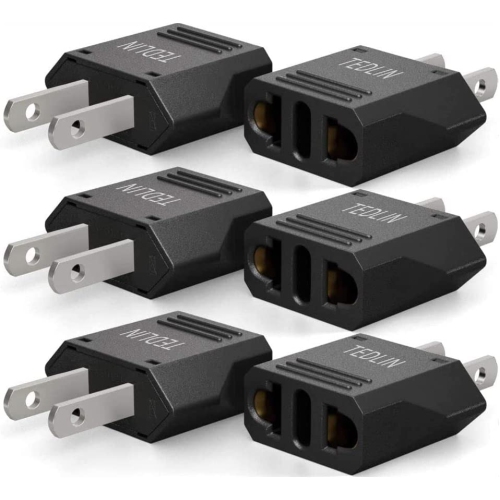
An international travel adapter connects a device’s plug to a different outlet format. It is a common accessory for students taking Canadian electronics abroad for a semester, an exchange program or an international campus placement. A plug adapter does not convert voltage.
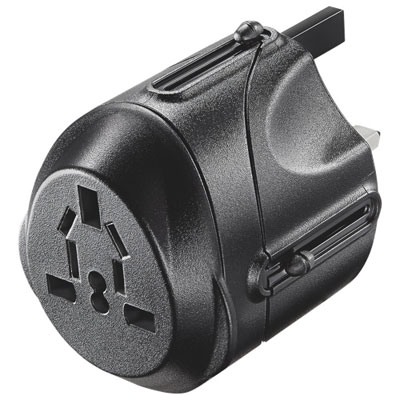
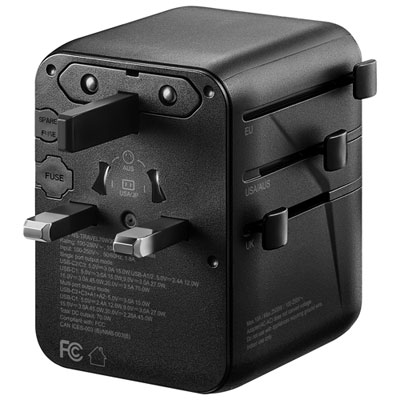
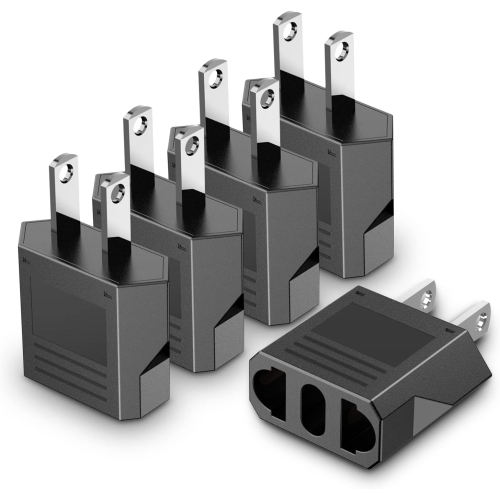
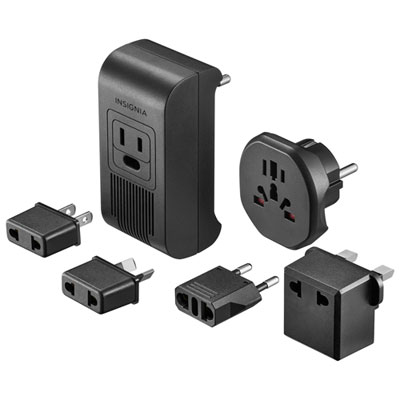
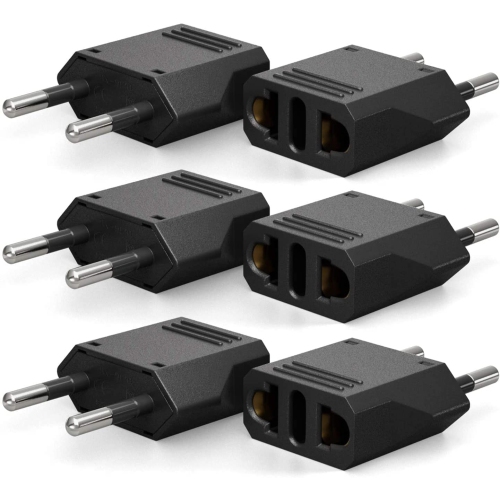
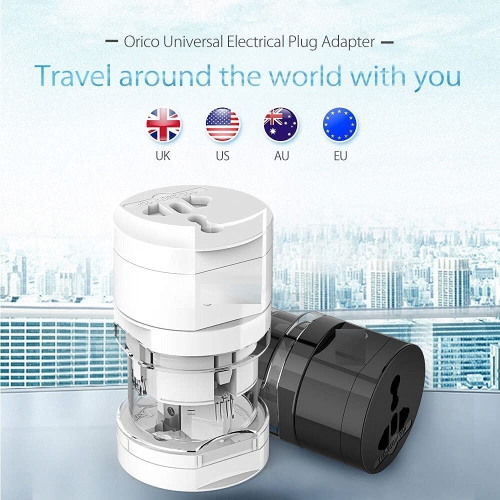
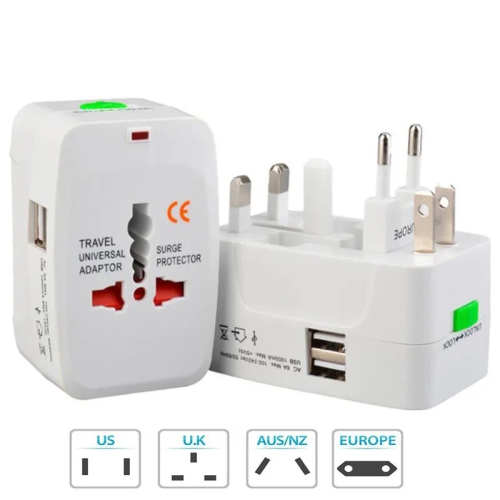
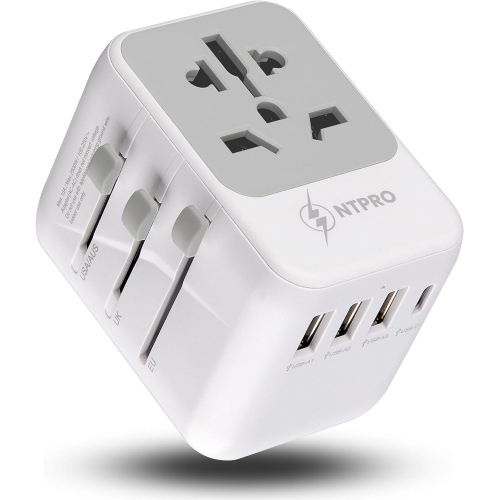
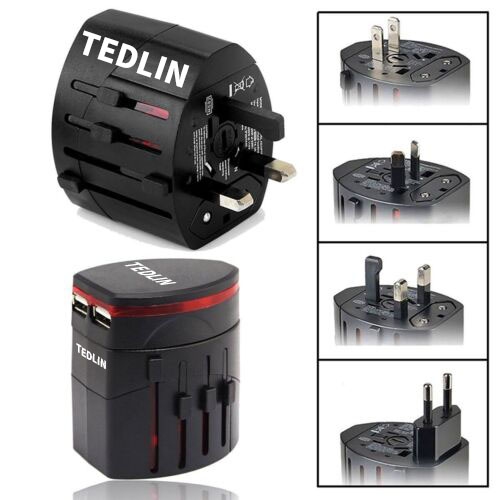
Universal travel adapters offer several selectable plug formats, while country-specific adapters generally provide one format for a particular destination or group of destinations. Students visiting multiple countries may want several plug options, while those staying in one country may prefer a dedicated adapter.
Check a destination-specific outlet guide and compare its plug type letters with those listed for the adapter. Canada primarily uses Type A and Type B plugs, while other destinations may use formats such as Type C, Type G or Type I. Include any stopovers and planned study breaks when reviewing your itinerary.
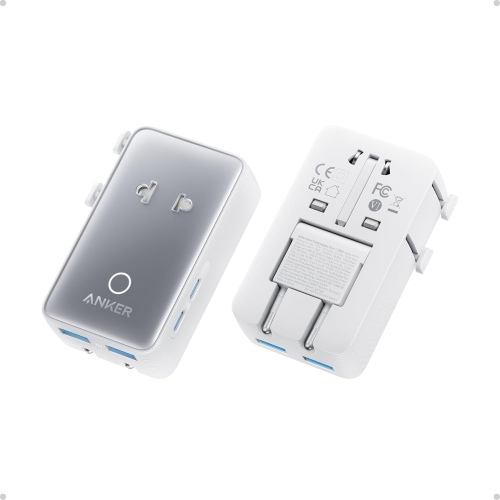
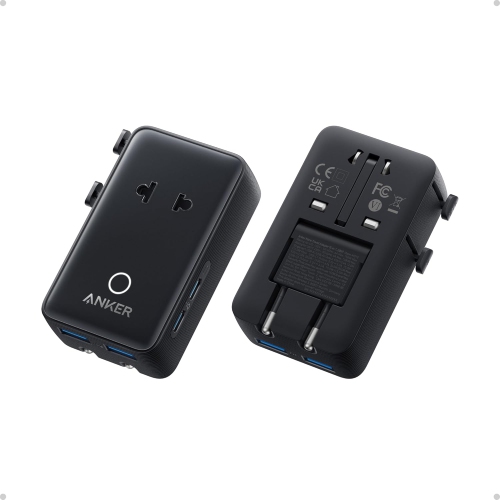
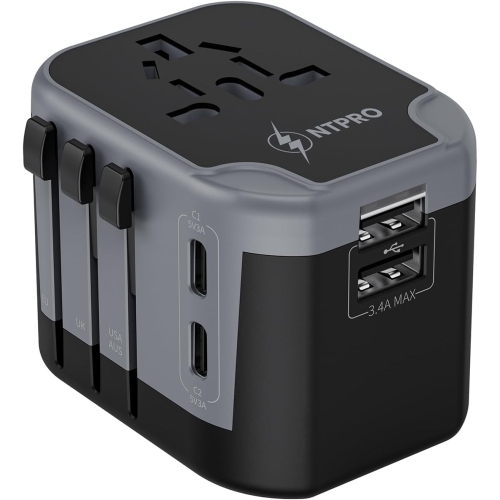
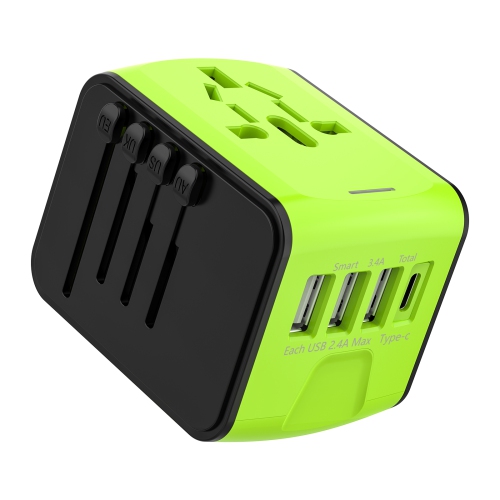
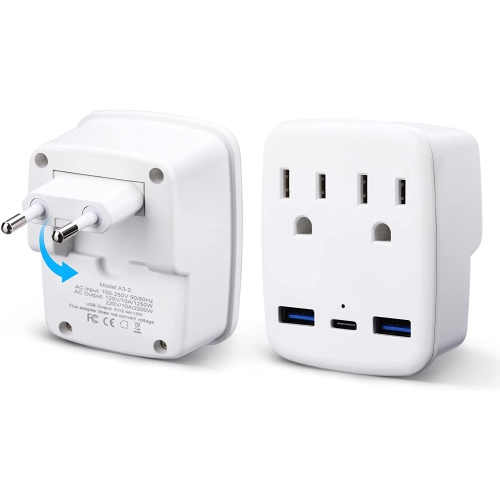
Some international travel adapters include USB-A ports, USB-C ports or a combination of both, alongside an AC outlet connection. These ports provide connection options for USB cables used with phones, tablets and other study accessories. Port types and supported charging standards vary by adapter.
A travel adapter connects to a wall outlet and adapts the plug format; it generally does not store electricity. A power bank stores energy in a rechargeable battery for use away from an outlet. They serve different roles in a student’s travel kit, and some travel accessories combine both functions.
Top selling and popular products
Discover more categories related to Back To School International Travel Adapters
Some products may be subject to Environmental Handling Fees (EHF) depending on your province. Learn more about EHFs.