Backpacking Gear for Beginners
Embarking on your first backpacking adventure is an exciting journey filled with new experiences and challenges. The right gear can make all the difference in ensuring a smooth and enjoyable trip. From lightweight tents to durable backpacks, reliable water filters to compact stoves, this collection of essential gear for beginners is designed to help you hit the trails with confidence. Whether you're planning a weekend getaway or a longer expedition, equipping yourself with the right tools will enhance your outdoor experience and set you up for success on the trail.
Sort

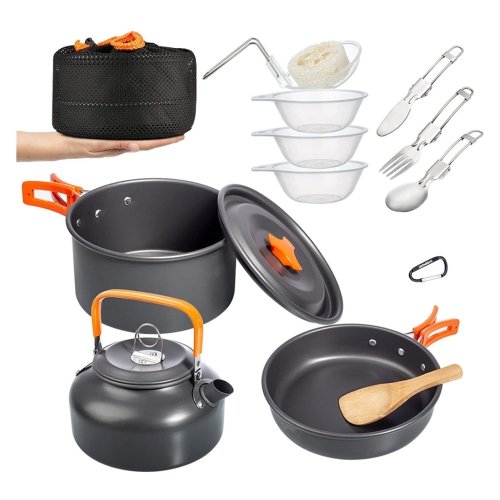
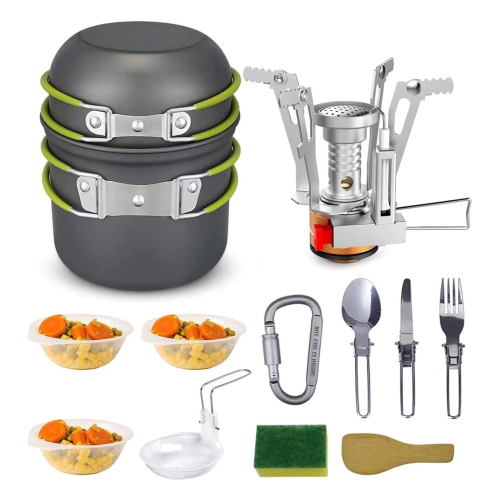
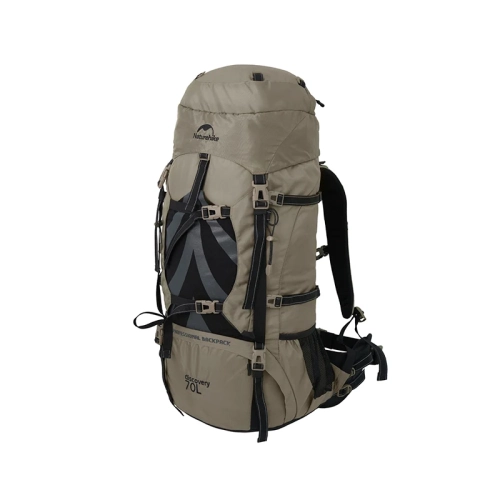
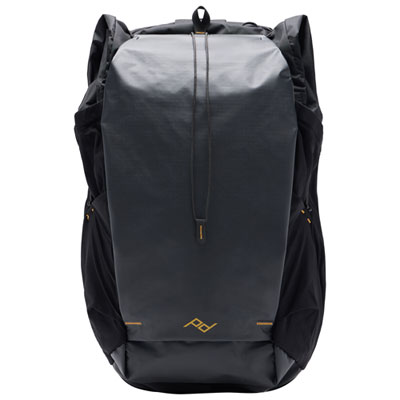
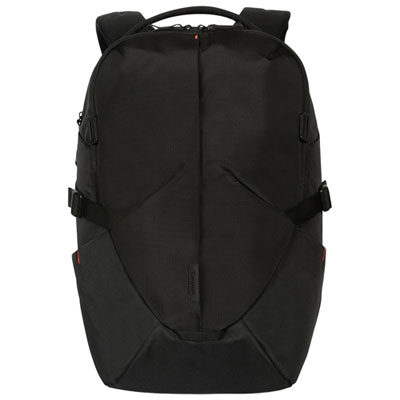
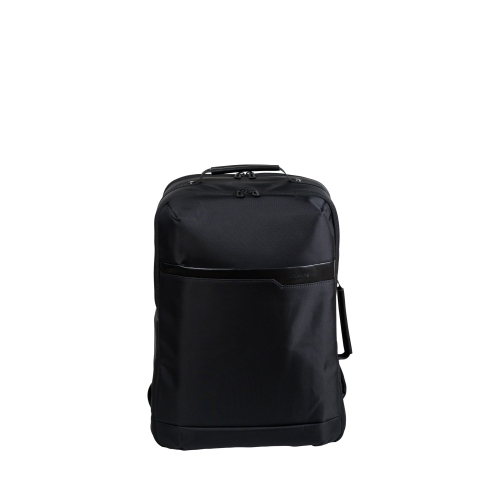
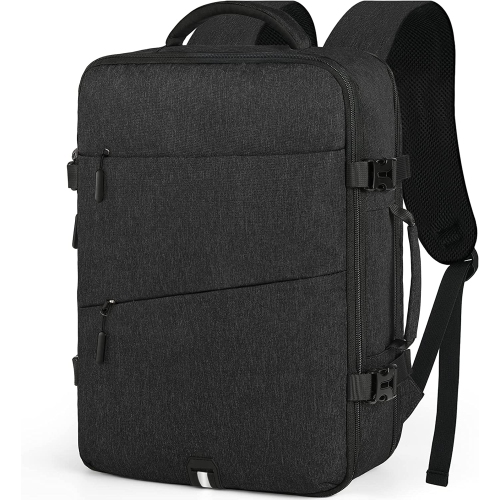
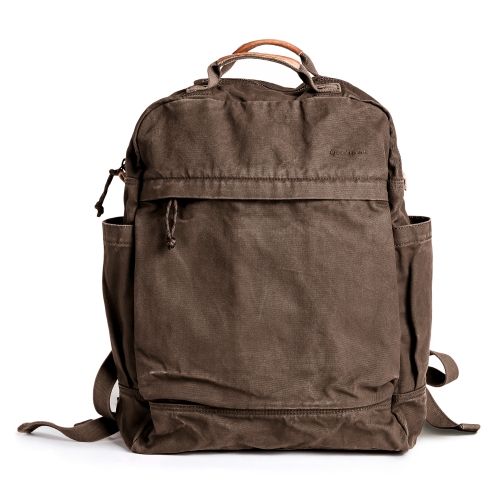
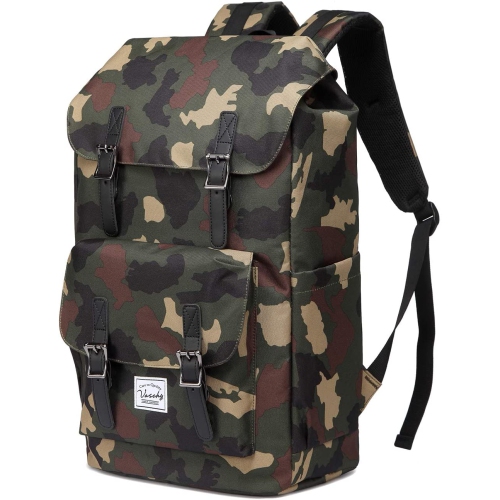
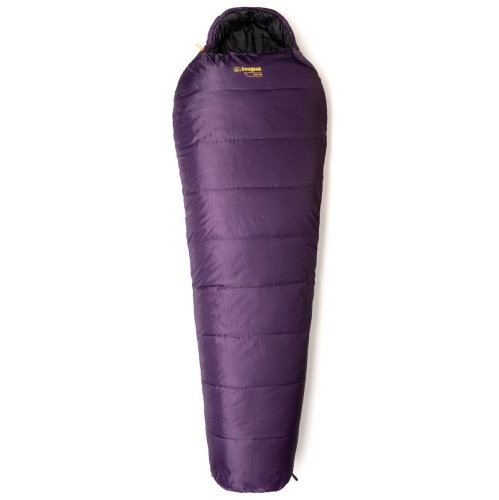
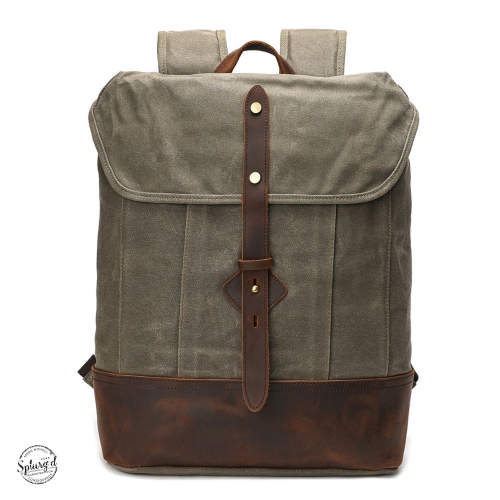
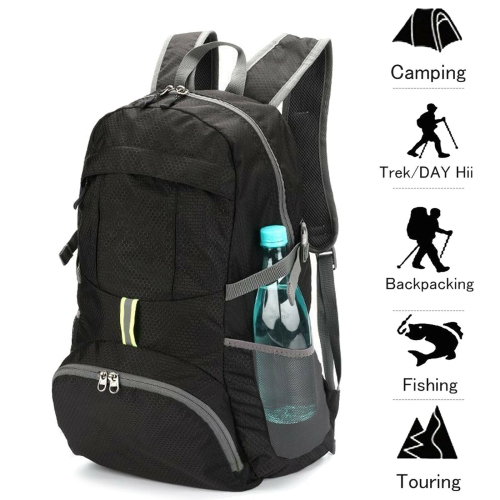


The Big Three anchor comfort on a first overnight trip
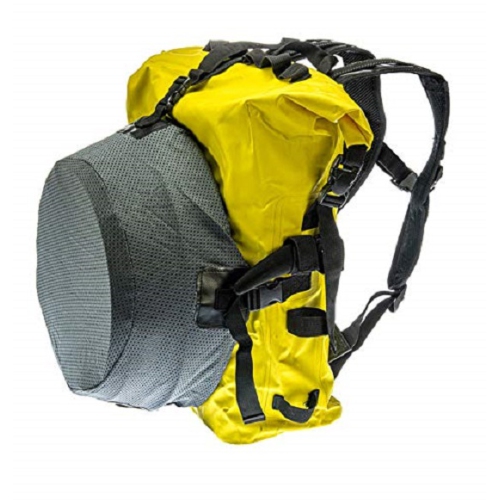
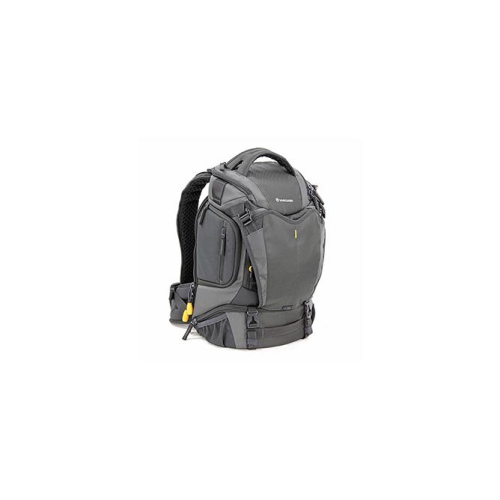
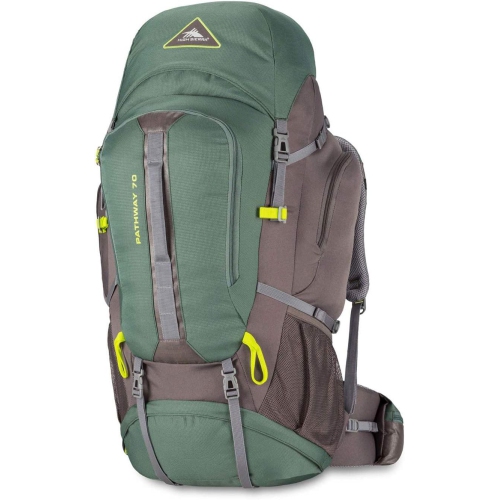
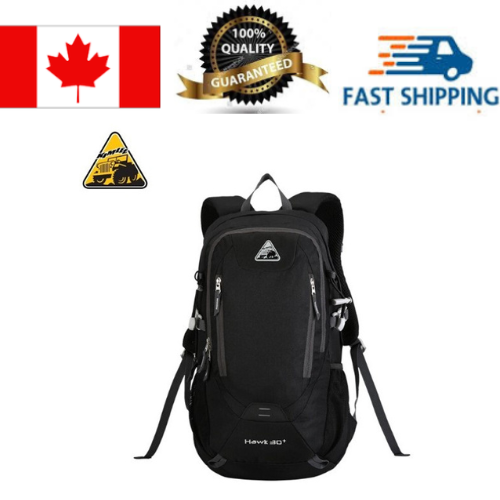
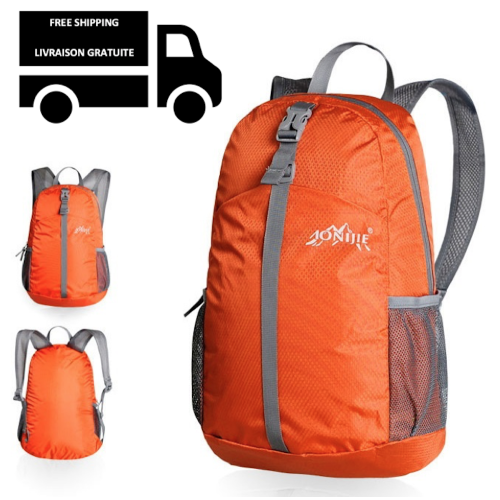
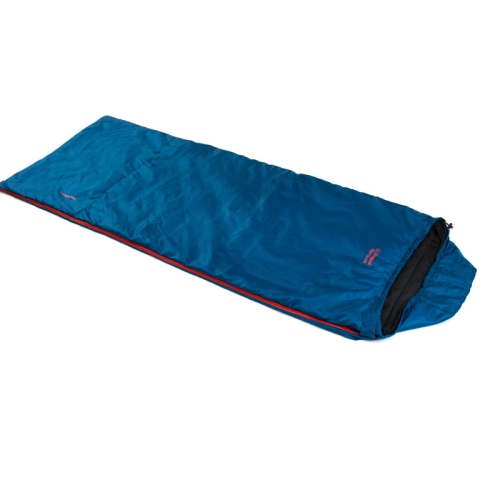
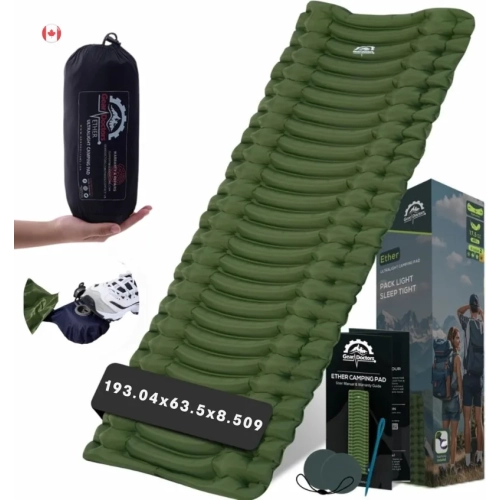
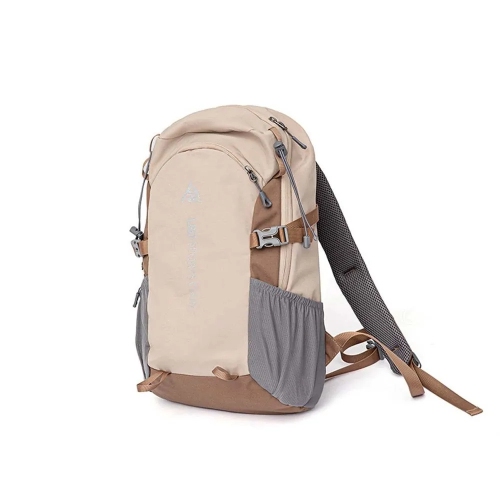
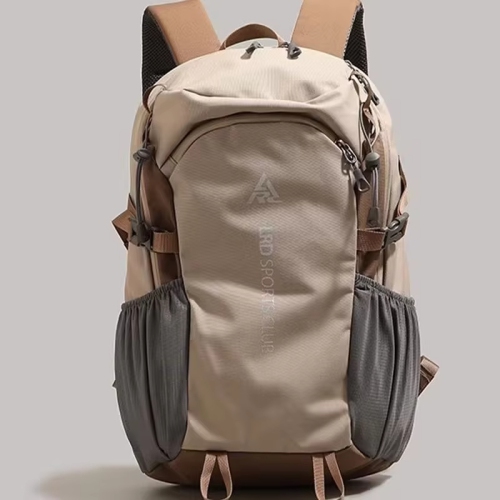
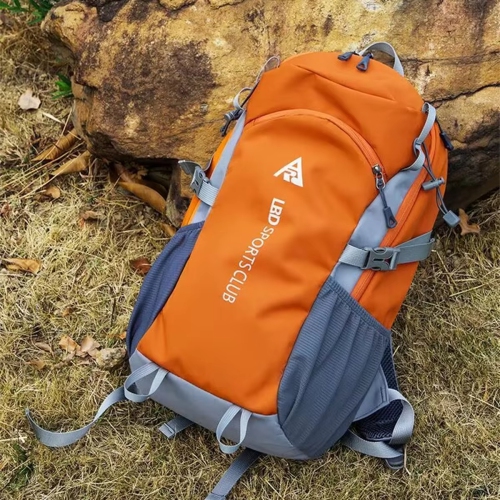
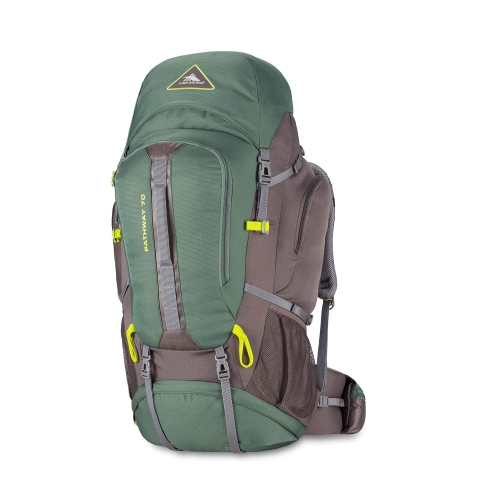
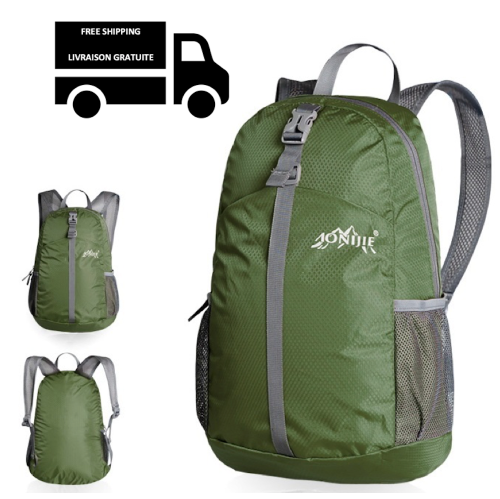
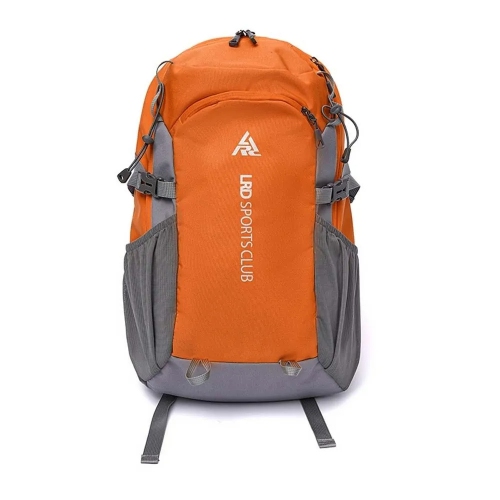
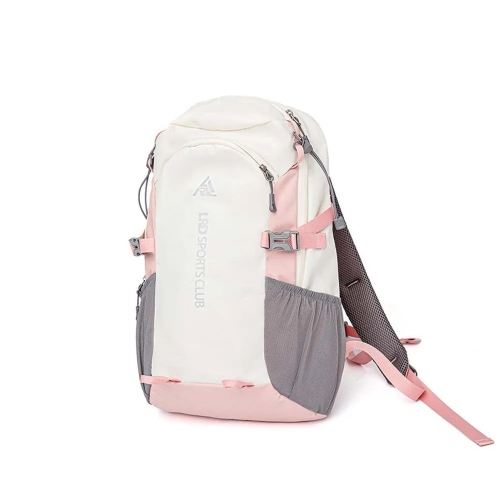
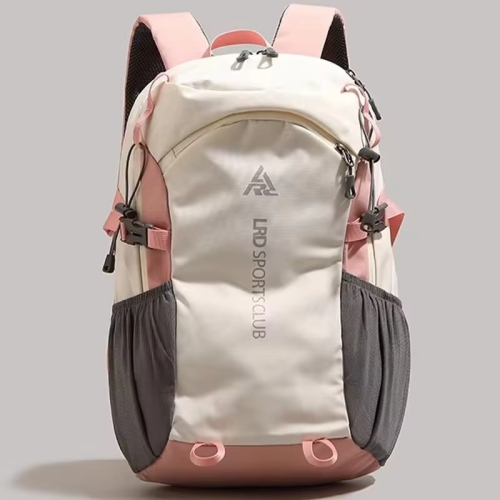
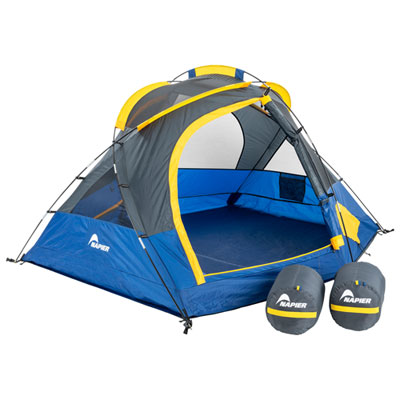
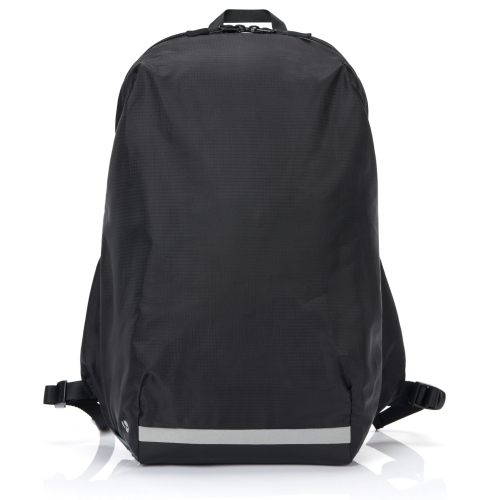
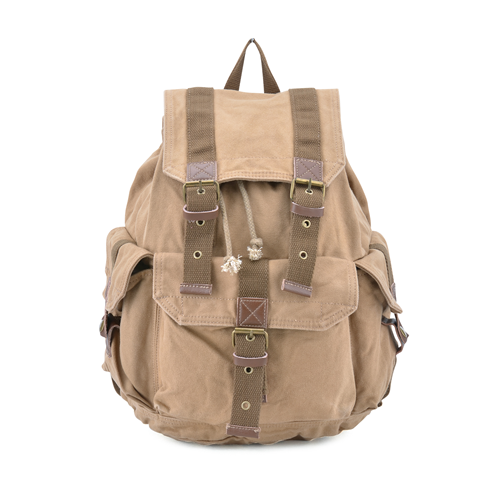
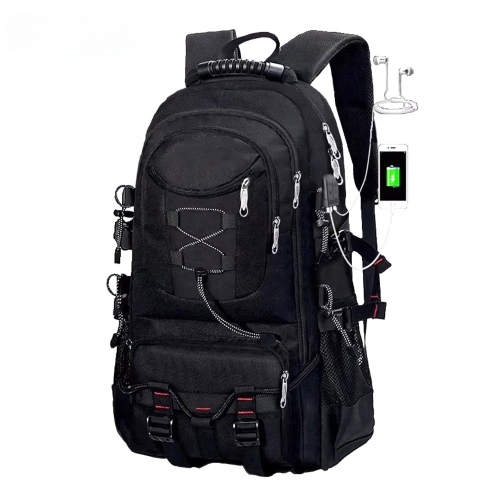
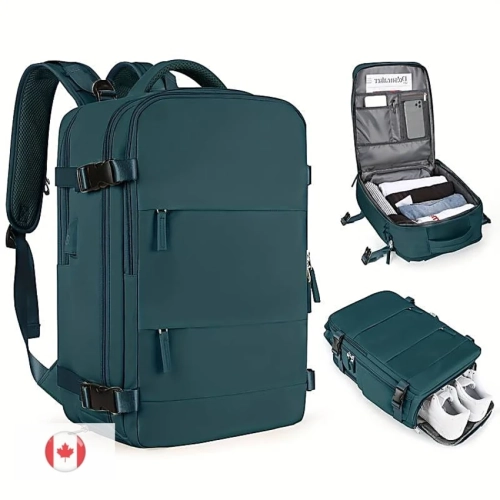
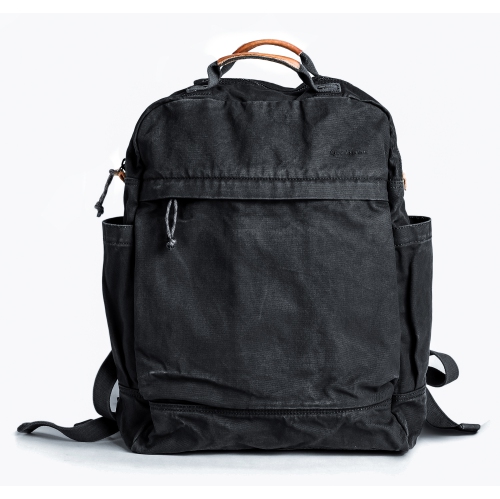
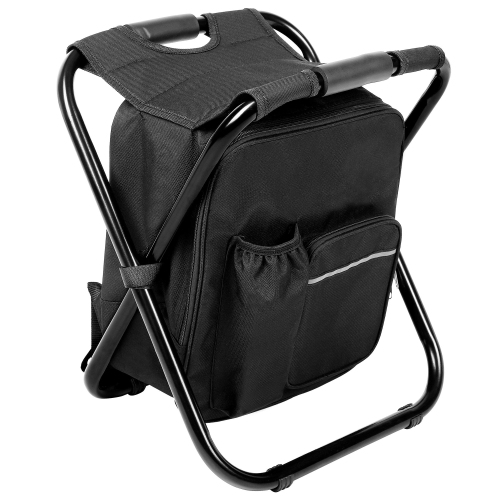
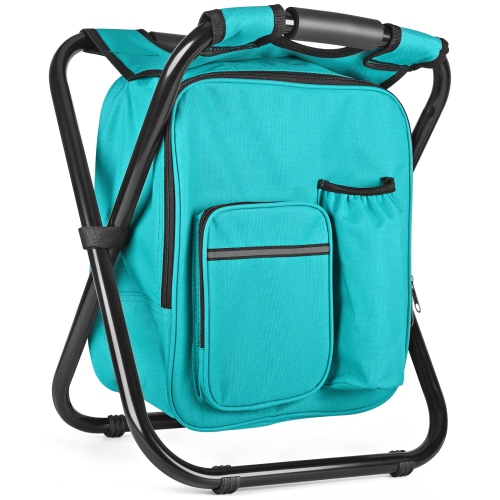
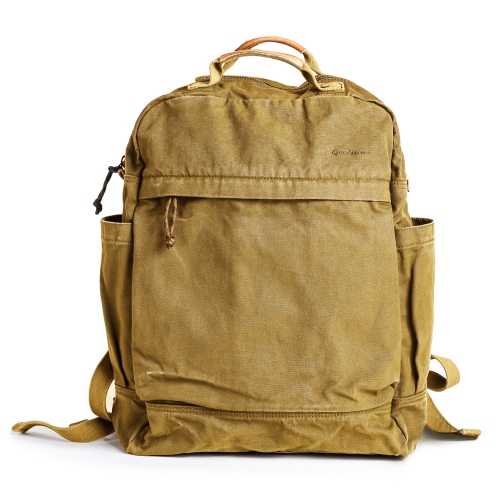
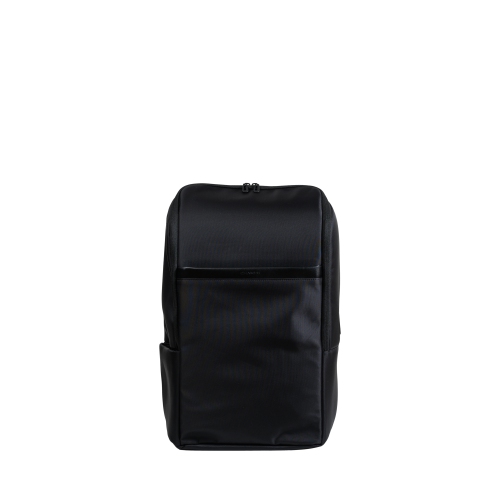
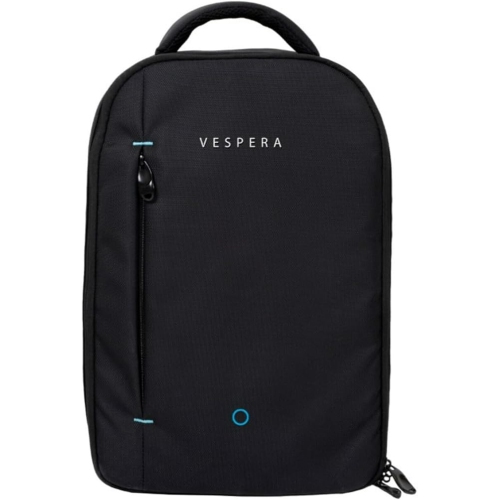
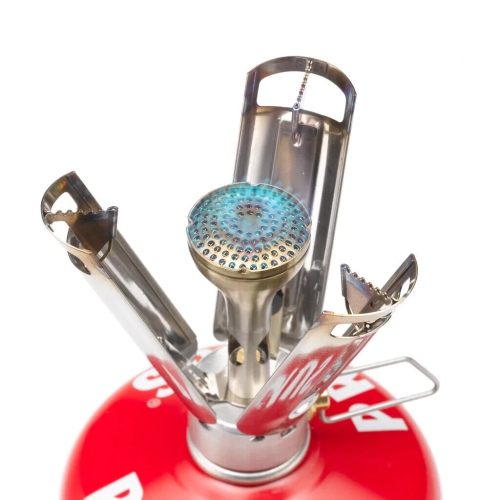
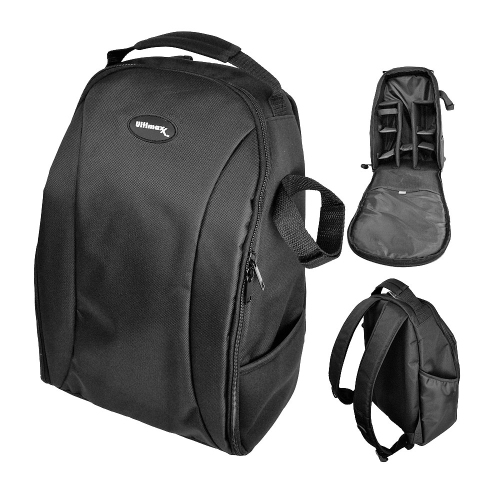
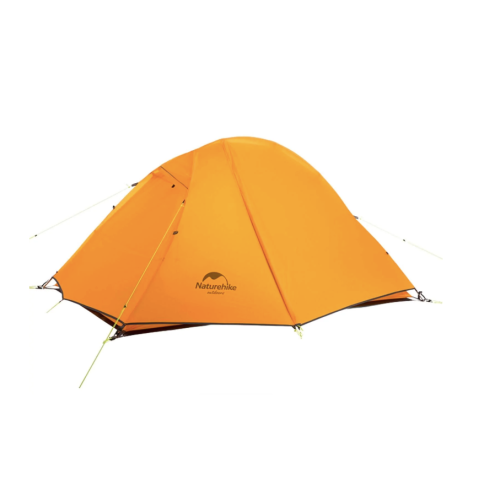
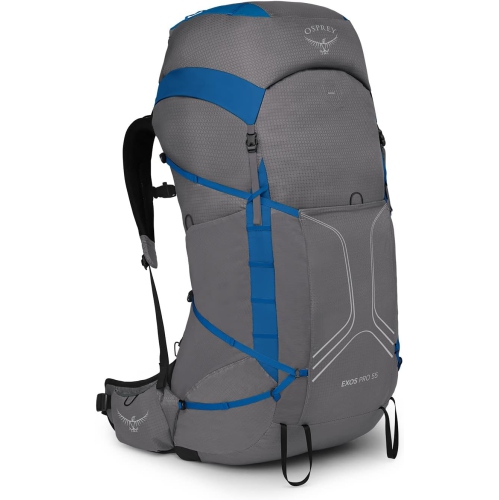
Backpacking gear for beginners is easiest to choose when it is organized around the essentials for carrying, sleeping, eating, drinking and staying safe outdoors. The core “Big Three” are a backpack, shelter and sleep system, and these items usually have the greatest effect on comfort throughout an overnight trip. A pack in the 50 L to 65 L range is a practical starting point for many beginners because it can accommodate a sleeping bag or quilt, tent, clothing, food and safety supplies without encouraging excessive packing. Look for an adjustable internal frame, supportive shoulder straps, a padded hip belt and several pockets that keep frequently used items within reach. A well-fitted hip belt should carry much of the load around the hips rather than leaving the shoulders strained, and the pack should sit securely without restricting movement. A two-person, three-season tent is another versatile choice for solo hikers who appreciate extra room or for two people sharing equipment. Freestanding designs are straightforward to pitch, while a full rainfly, sealed seams and a durable floor help protect against damp ground, wind and changing conditions during the cooler months. For the sleep system, match the sleeping bag or quilt rating to the lowest temperature you are likely to encounter, not just the daytime forecast. A bag or quilt rated around 0°C to 10°C can suit many milder overnight outings, but insulation needs vary with the camper, campsite and clothing worn. A sleeping pad is just as important as insulation above you because cold ground can draw warmth away quickly; an insulated pad with an R-value above 3 is a useful starting point for many three-season trips. When comparing options, consider packed size and weight alongside warmth, since every item will be carried over uneven trails, roots, rocks and sustained climbs. Beginners may also want to browse broader Hiking Gear selections when building a day-hike setup before committing to an overnight load.
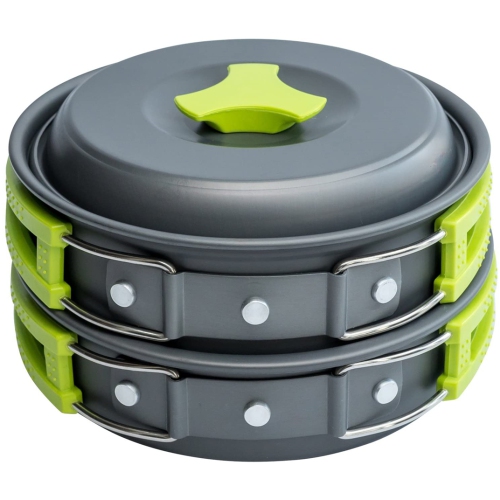
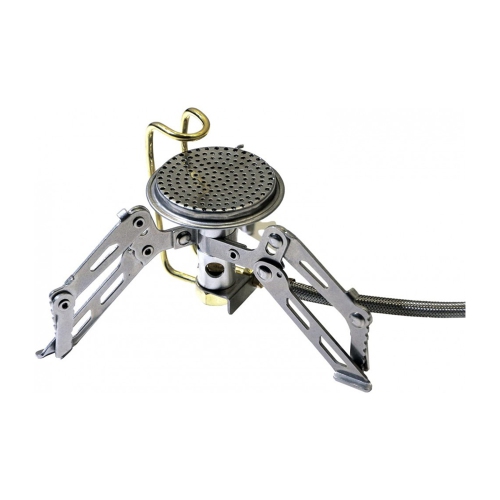
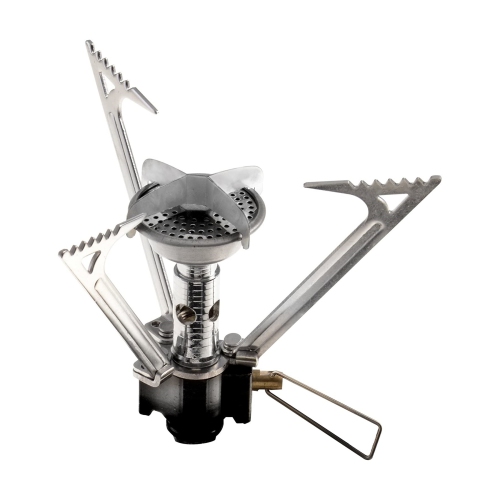
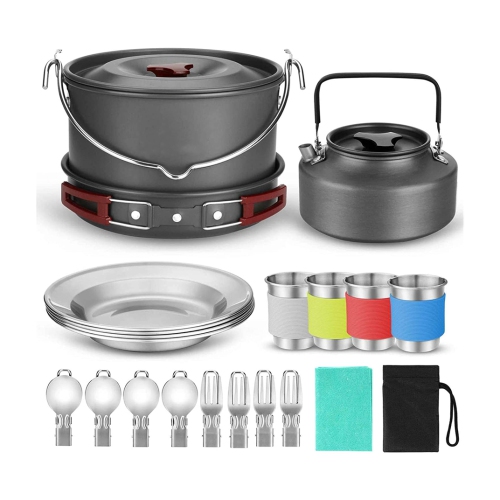
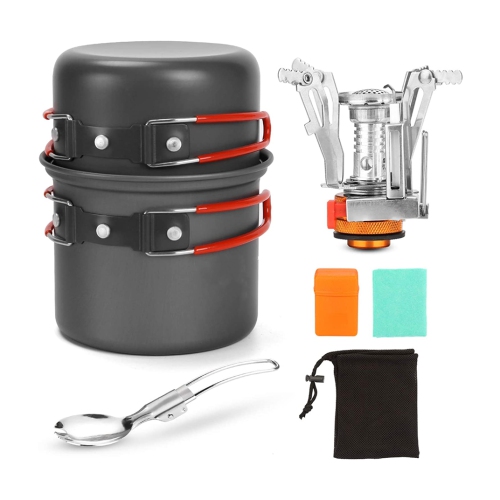
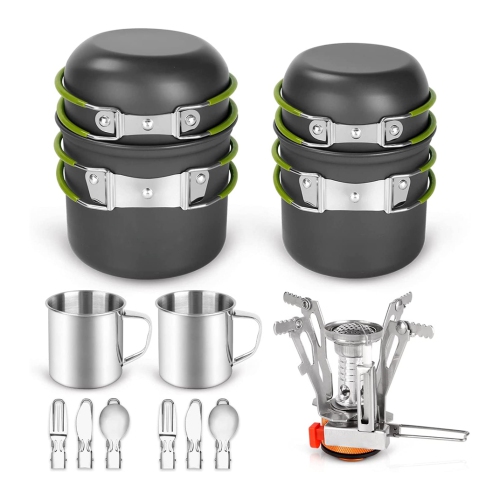
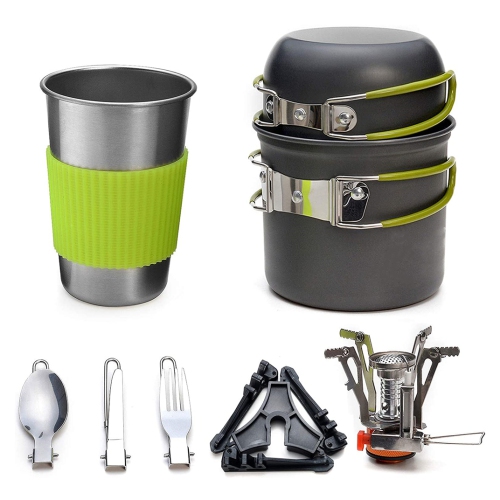
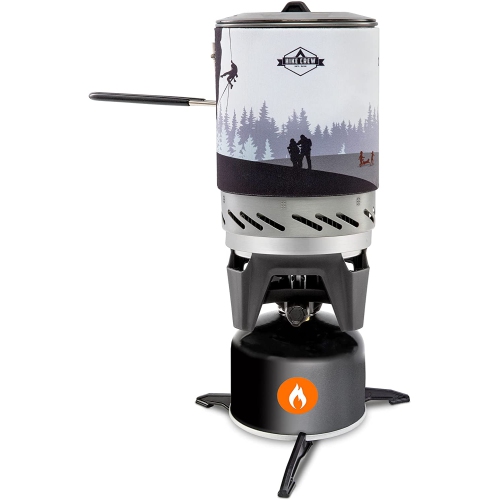
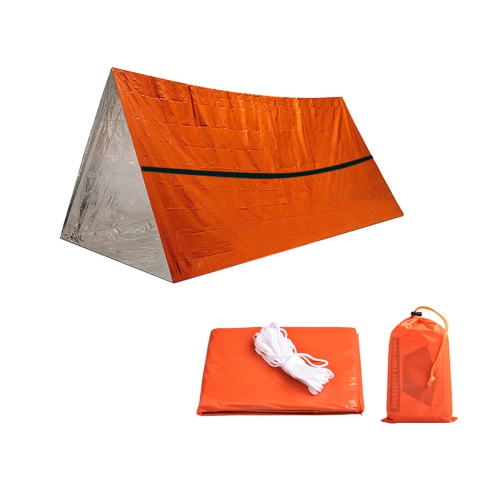
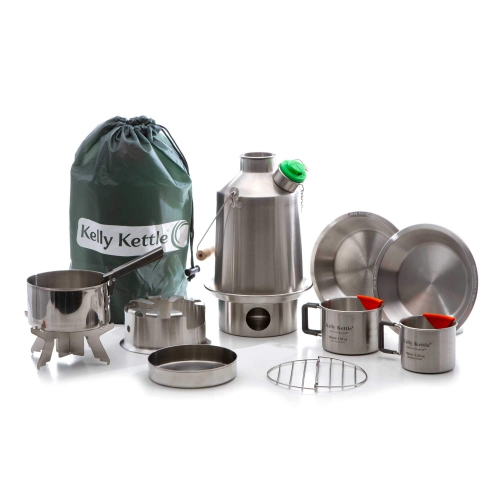
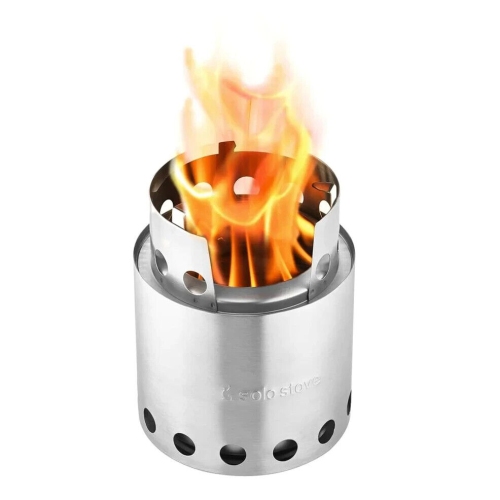
Water and food equipment deserve careful attention because reliable hydration and simple meals make a noticeable difference after several hours on the trail. Carrying two or more durable water bottles or reservoirs gives you flexibility when a source is farther away than expected, while a compact water filter can remove many common contaminants from clear streams and lakes. A purifier or treatment tablets can provide an additional option for emergencies or when filtration alone is not appropriate, and water should always be treated according to the instructions for the specific system. A lightweight canister stove, compatible fuel, small pot and utensil are enough for many beginner meals, from hot drinks and oatmeal to dehydrated dishes and soup. Choose cookware that nests together neatly and remember that fuel availability, temperature and altitude can affect stove performance. A long-handled spoon can be particularly convenient for reaching the bottom of a food pouch without covering your hand in dinner. Plan food around calories, packability and preparation time, and carry a little extra in case travel takes longer than expected. Navigation and illumination are equally important even on familiar-looking routes. A paper map and compass provide a dependable backup when a phone battery runs low or reception disappears, while an offline navigation app can make route details easier to follow. A headlamp keeps both hands free for setting up camp, searching through a pack or walking carefully after sunset; spare batteries or a charged backup light should be stored in a waterproof pouch. Basic first aid supplies, blister treatment, repair tape, cord, a lighter or waterproof matches and a compact multi-tool can address small problems before they become trip-ending concerns. Pack an emergency shelter such as a bivy or reflective blanket, along with extra layers, rain protection and gloves suited to the forecast. During the transition from warmer days to cooler nights, clothing that can be added or removed in layers is more useful than relying on one heavy garment.
The remaining items may look small in a shop, yet they often make camp life cleaner, easier and more comfortable. A lightweight trowel, toilet paper in a sealed bag and separate waste bags support responsible bathroom practices where facilities are not available. Pack a small amount of soap suitable for outdoor use, hand sanitiser, a quick-drying towel and personal medications, keeping anything important protected from rain. Food should be stored in a way that follows local wildlife regulations, and scented toiletries should not be left loose inside a tent. Weather can shift quickly during early fall and through the colder months, so check the expected low temperature, precipitation, wind and daylight before setting out, then adjust insulation, shelter and food accordingly. A beginner’s first trip is often more enjoyable when the route is modest, the campsite is reachable before dark and every item has a clear purpose. It is worth practising at home by pitching the tent, adjusting the pack, inflating the sleeping pad, lighting the stove and packing the complete load before heading to the trail. This reveals awkward straps, missing fuel, dead batteries and poor-fitting layers while there is still time to make changes. Backpacking gear can also make a thoughtful gift for a new hiker, university student, camper or family member preparing for a first overnight adventure. Useful gifts include a headlamp, insulated sleeping pad, water treatment system, compact cookware, navigation tools, first aid supplies or a pack-fitting session, since these items work across a range of routes and personal styles. The best setup is not necessarily the lightest or most advanced; it is a dependable collection that fits the user, suits the expected conditions and can be packed confidently. With the right balance of shelter, warmth, water, food, navigation and emergency essentials, beginners can spend less time worrying about their equipment and more time noticing the quiet trail, the changing light through the trees and the satisfaction of carrying everything needed for a night outdoors.
Water and food equipment deserve careful attention because reliable hydration and simple meals make a noticeable difference after several hours on the trail. Carrying two or more durable water bottles or reservoirs gives you flexibility when a source is farther away than expected, while a compact water filter can remove many common contaminants from clear streams and lakes. A purifier or treatment tablets can provide an additional option for emergencies or when filtration alone is not appropriate, and water should always be treated according to the instructions for the specific system. A lightweight canister stove, compatible fuel, small pot and utensil are enough for many beginner meals, from hot drinks and oatmeal to dehydrated dishes and soup. Choose cookware that nests together neatly and remember that fuel availability, temperature and altitude can affect stove performance. A long-handled spoon can be particularly convenient for reaching the bottom of a food pouch without covering your hand in dinner. Plan food around calories, packability and preparation time, and carry a little extra in case travel takes longer than expected. Navigation and illumination are equally important even on familiar-looking routes. A paper map and compass provide a dependable backup when a phone battery runs low or reception disappears, while an offline navigation app can make route details easier to follow. A headlamp keeps both hands free for setting up camp, searching through a pack or walking carefully after sunset; spare batteries or a charged backup light should be stored in a waterproof pouch. Basic first aid supplies, blister treatment, repair tape, cord, a lighter or waterproof matches and a compact multi-tool can address small problems before they become trip-ending concerns. Pack an emergency shelter such as a bivy or reflective blanket, along with extra layers, rain protection and gloves suited to the forecast. During the transition from warmer days to cooler nights, clothing that can be added or removed in layers is more useful than relying on one heavy garment.
The remaining items may look small in a shop, yet they often make camp life cleaner, easier and more comfortable. A lightweight trowel, toilet paper in a sealed bag and separate waste bags support responsible bathroom practices where facilities are not available. Pack a small amount of soap suitable for outdoor use, hand sanitiser, a quick-drying towel and personal medications, keeping anything important protected from rain. Food should be stored in a way that follows local wildlife regulations, and scented toiletries should not be left loose inside a tent. Weather can shift quickly during early fall and through the colder months, so check the expected low temperature, precipitation, wind and daylight before setting out, then adjust insulation, shelter and food accordingly. A beginner’s first trip is often more enjoyable when the route is modest, the campsite is reachable before dark and every item has a clear purpose. It is worth practising at home by pitching the tent, adjusting the pack, inflating the sleeping pad, lighting the stove and packing the complete load before heading to the trail. This reveals awkward straps, missing fuel, dead batteries and poor-fitting layers while there is still time to make changes. Backpacking gear can also make a thoughtful gift for a new hiker, university student, camper or family member preparing for a first overnight adventure. Useful gifts include a headlamp, insulated sleeping pad, water treatment system, compact cookware, navigation tools, first aid supplies or a pack-fitting session, since these items work across a range of routes and personal styles. The best setup is not necessarily the lightest or most advanced; it is a dependable collection that fits the user, suits the expected conditions and can be packed confidently. With the right balance of shelter, warmth, water, food, navigation and emergency essentials, beginners can spend less time worrying about their equipment and more time noticing the quiet trail, the changing light through the trees and the satisfaction of carrying everything needed for a night outdoors.
Top selling and popular products
-
 Your price for this item is $419.99
 -
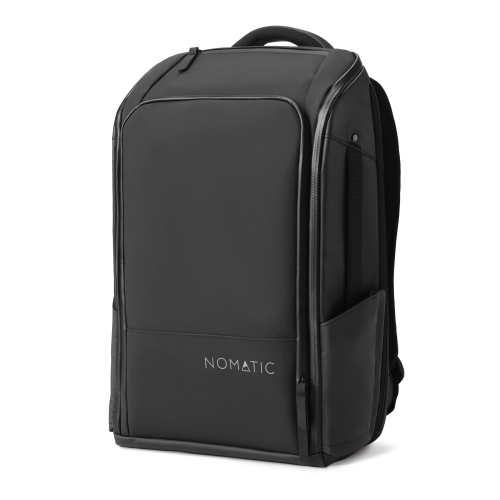 Your price for this item is $399.99
 -
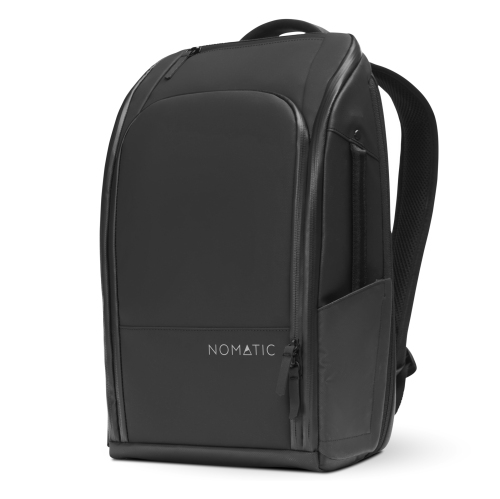 Your price for this item is $369.99
 -
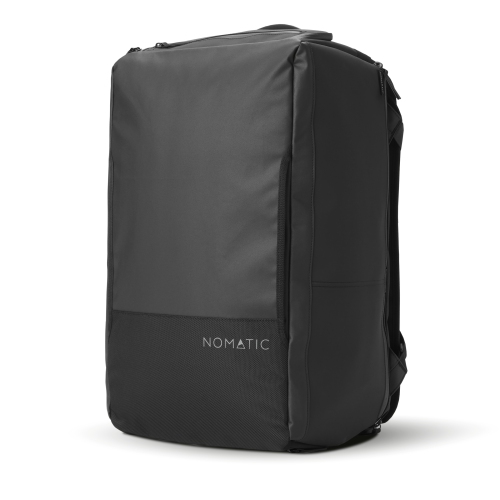 Your price for this item is $399.99
 -
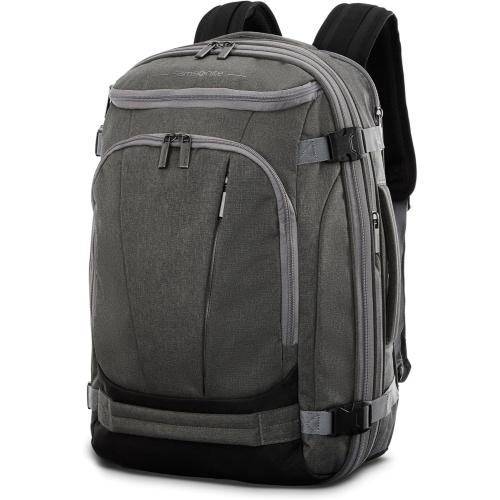 Your price for this item is $218.48
 -
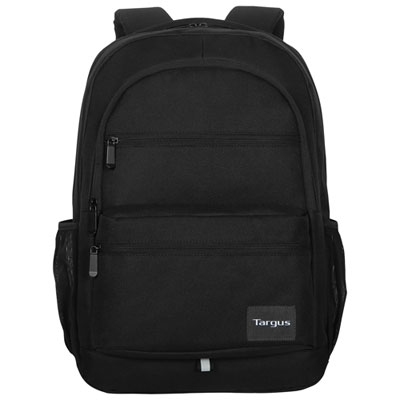 Your price for this item is $59.97
 -
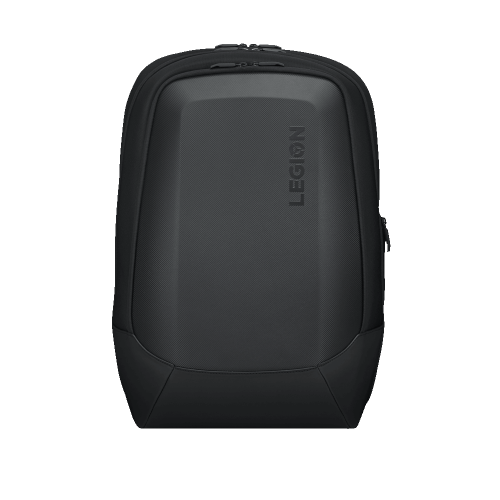 Your price for this item is $99.99
 -
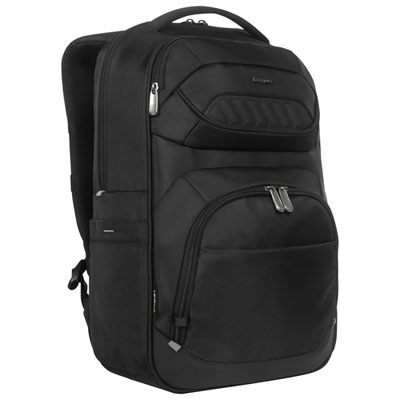 Your price for this item is $79.99
Discover more categories related to Backpacking Gear for Beginners
Top Collections:
Best Laptops for Video Editing, Pokemon Centers, Samsung Z Fold, Kindle Devices, Best Cell Phones Under $300, Best Laptops for Writers, Best Budget Office Chairs, Best Cell Phones Under $500, Best Laptop Computers for Students, iPhone 15 Apple
Some products may be subject to Environmental Handling Fees
(EHF) depending on your province.
Learn more about EHFs.