Backpacks for College Students
If you're a college student, your backpack is your best friend. It's where you keep most of your stuff, from your laptop and textbooks to pens, pencils, and highlighters. If you're looking for a new backpack, we've got you covered. Here are some of the best options available.
Sort
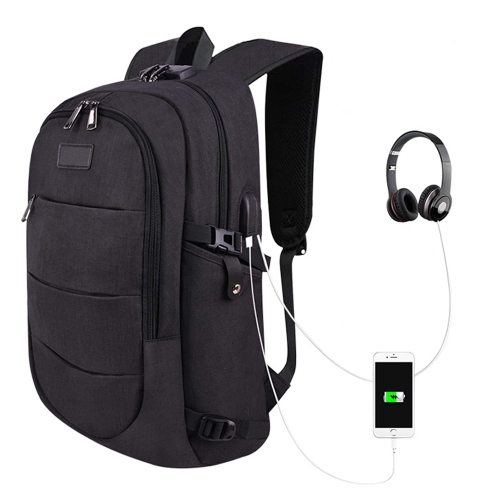
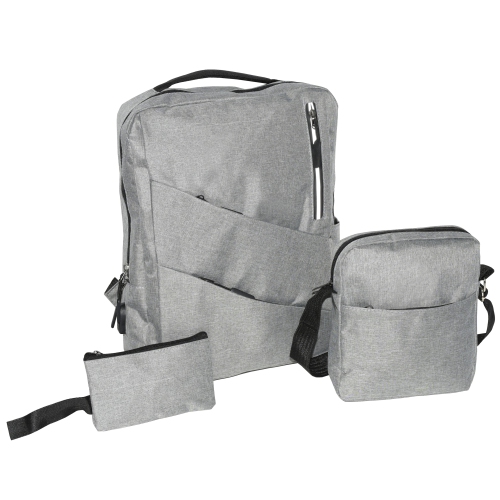
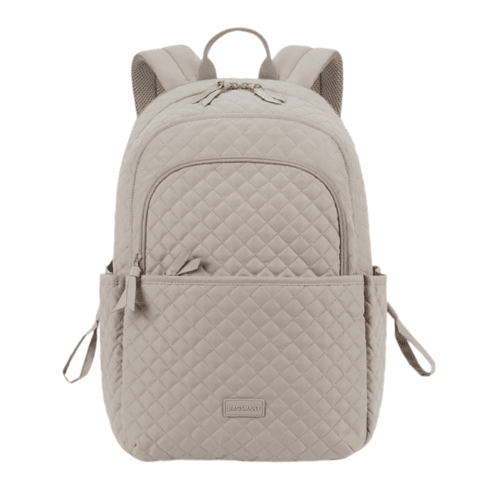
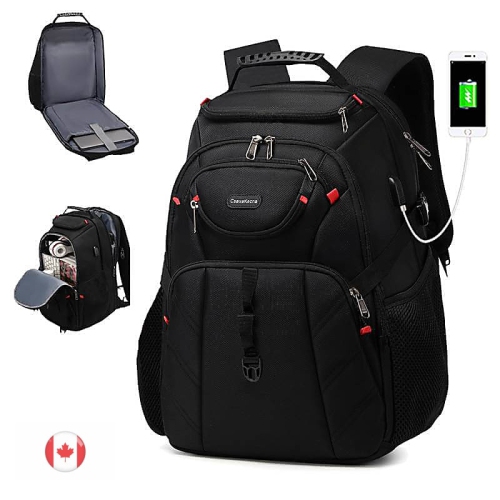
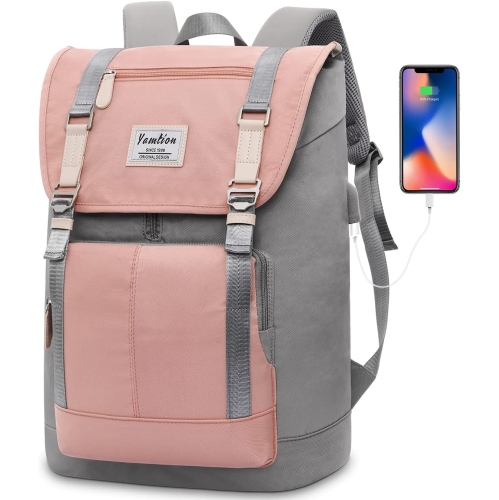
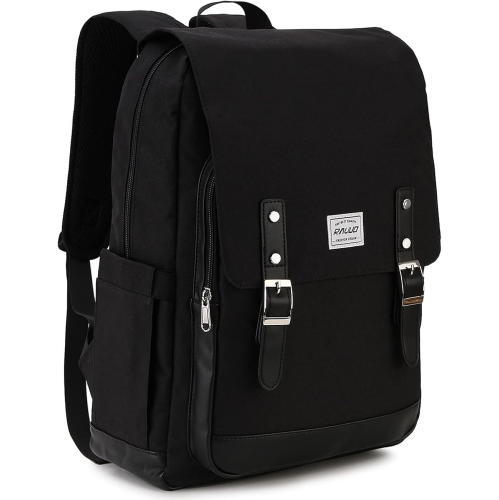
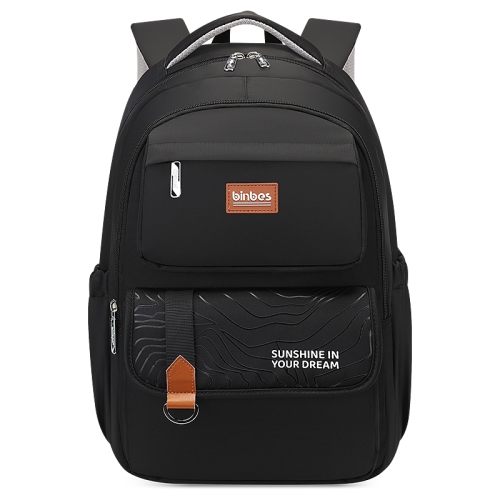
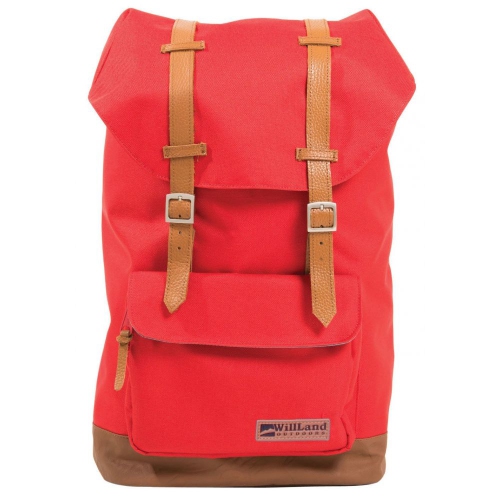
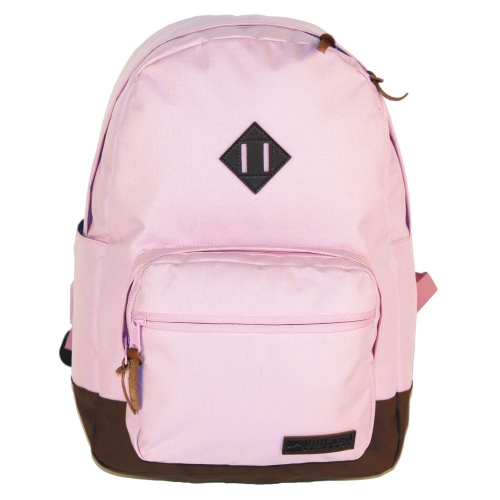
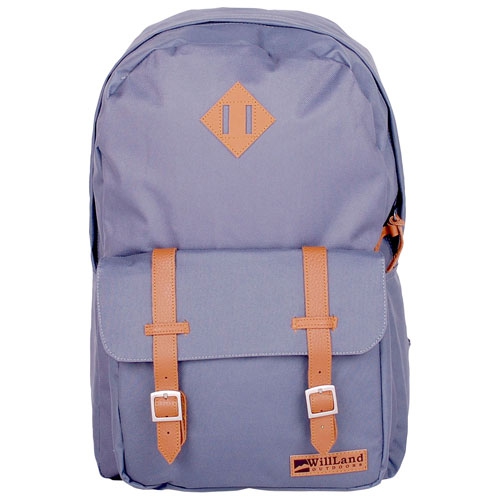
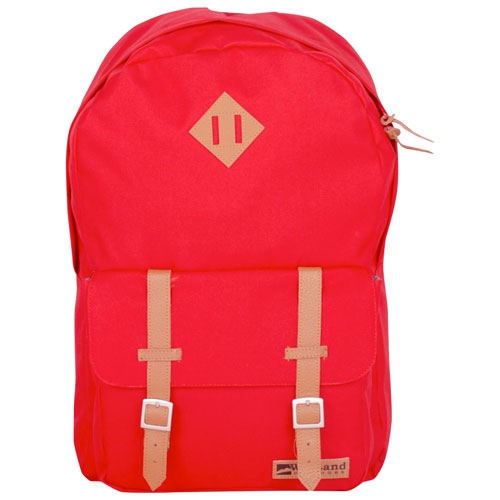
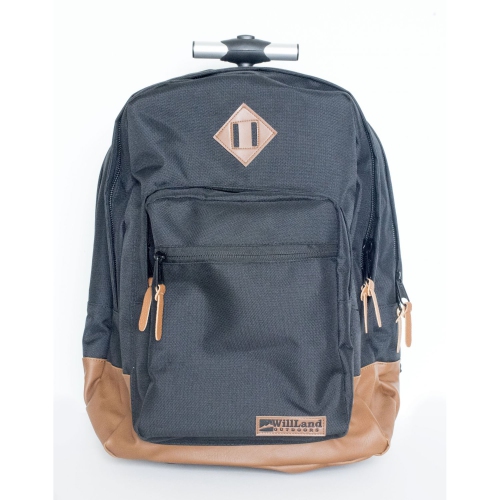
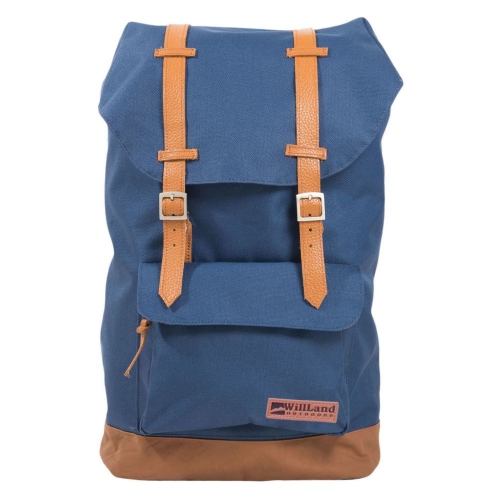
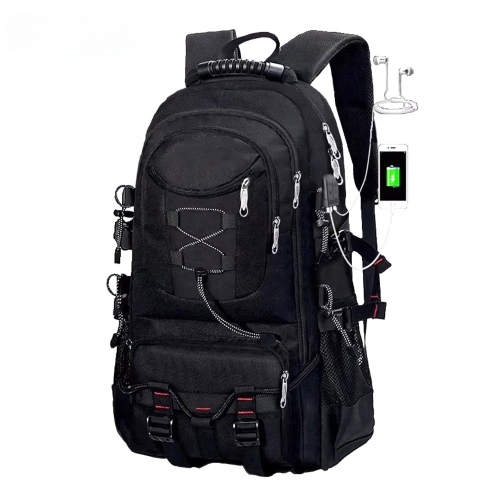
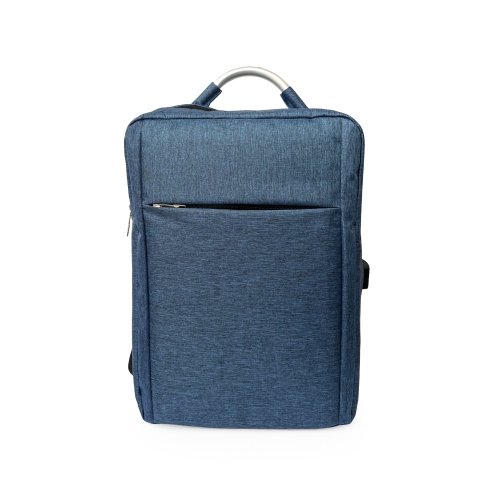
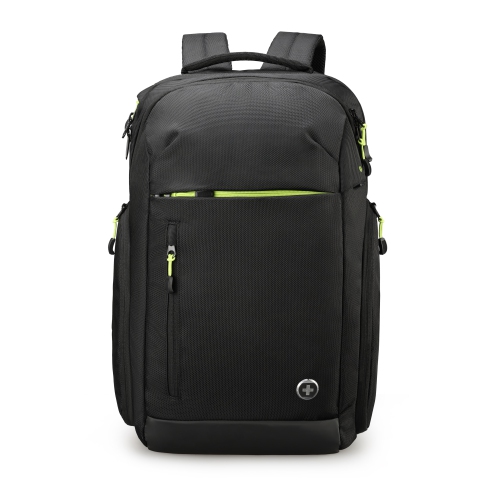
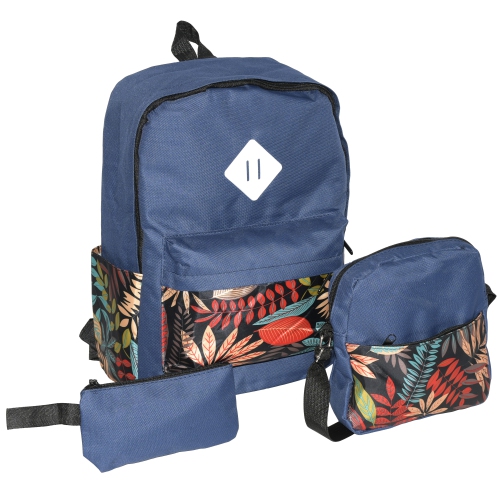
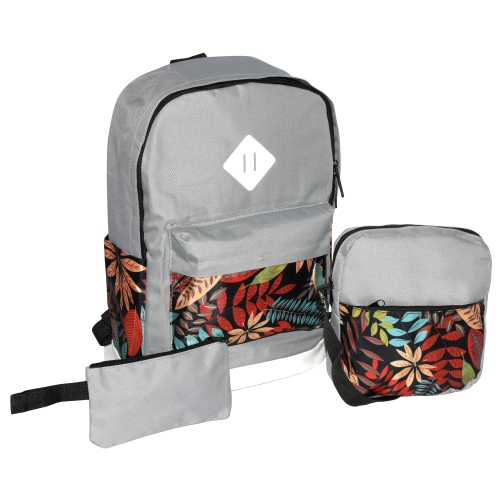
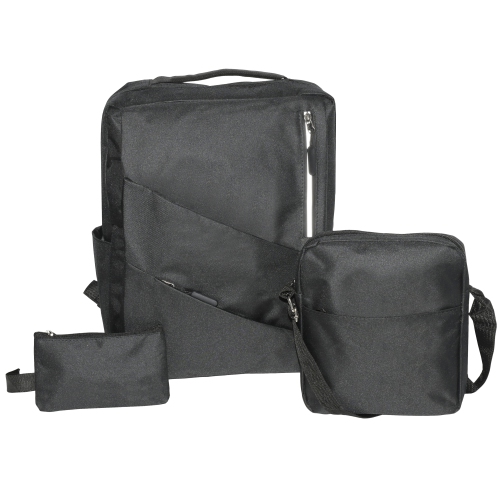
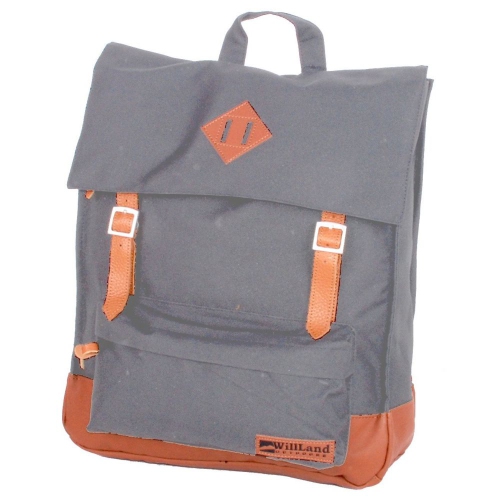
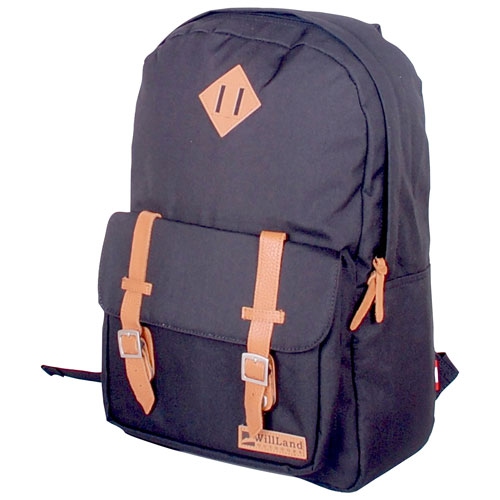
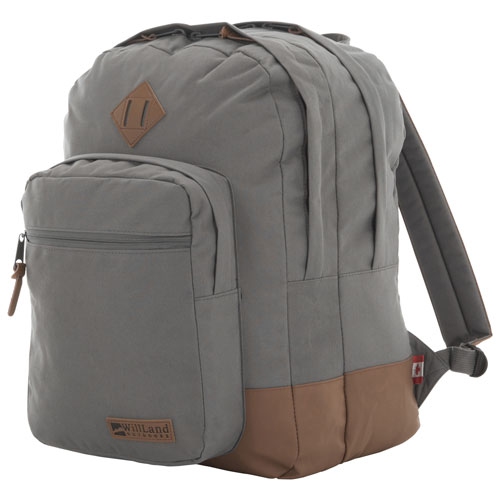
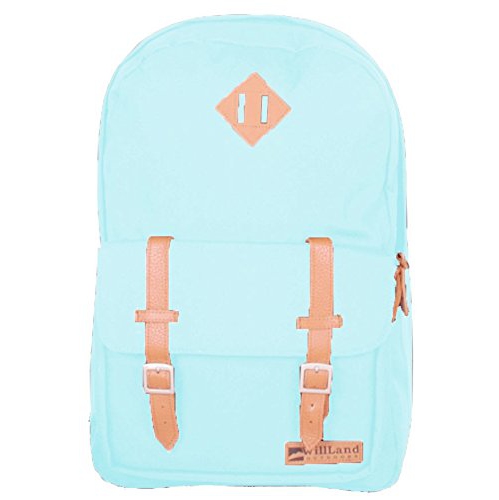
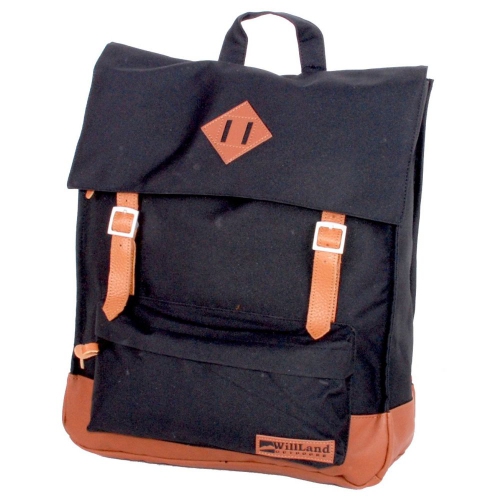
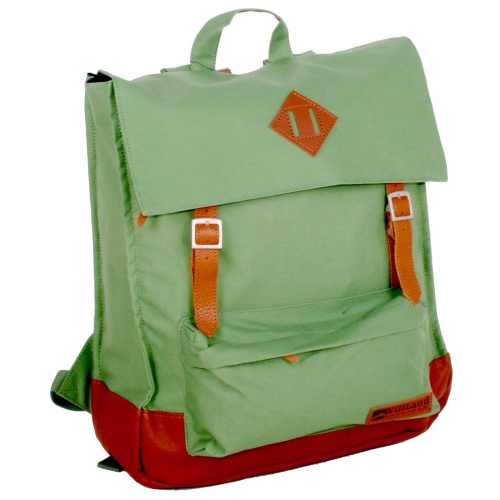
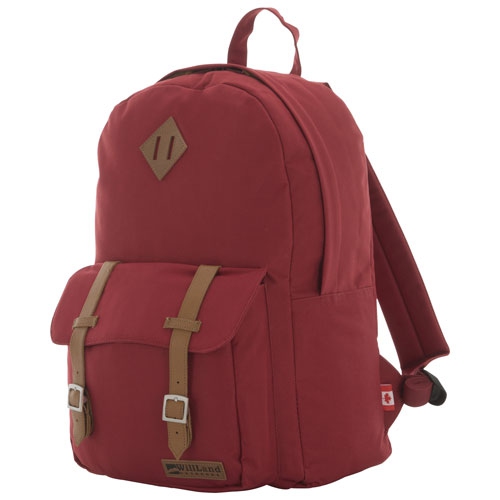
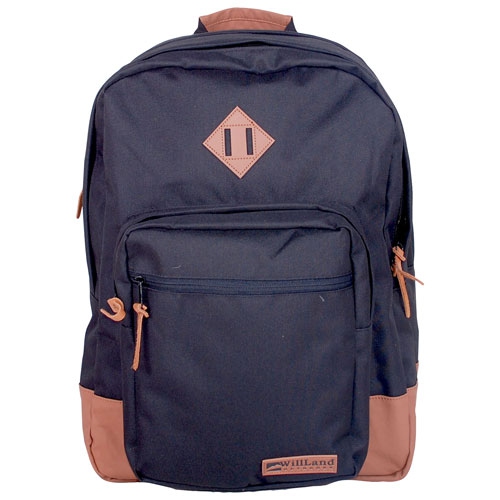
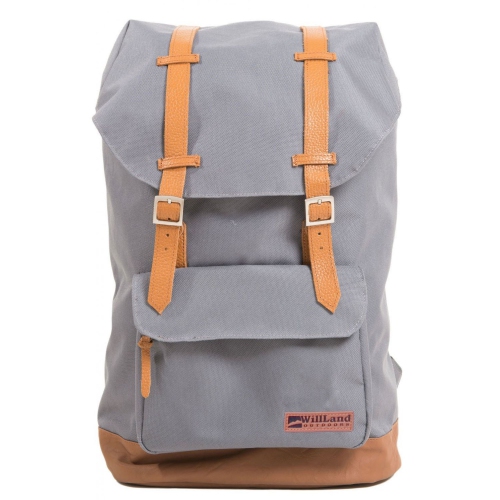
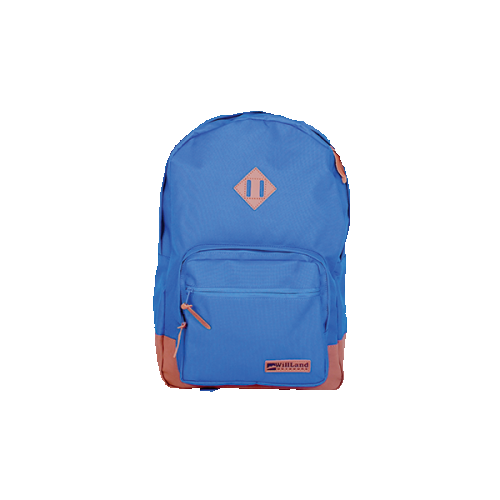
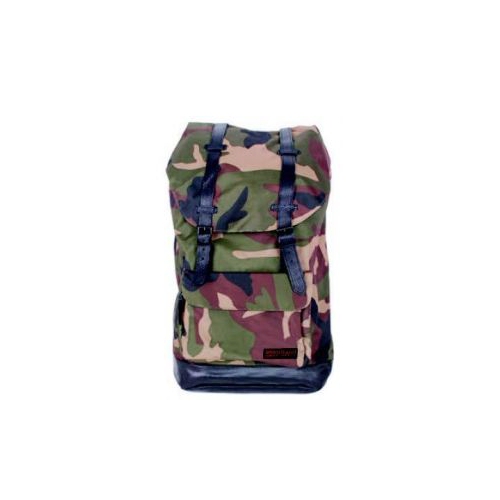
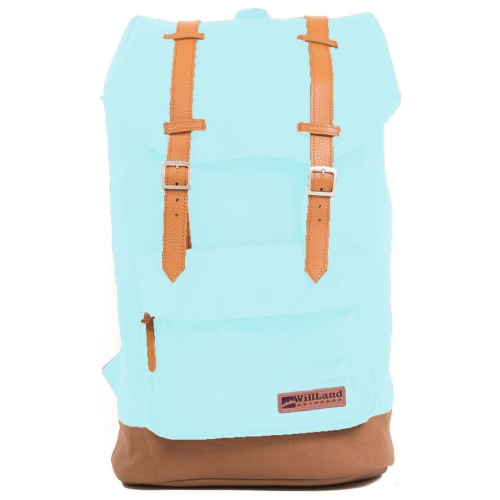
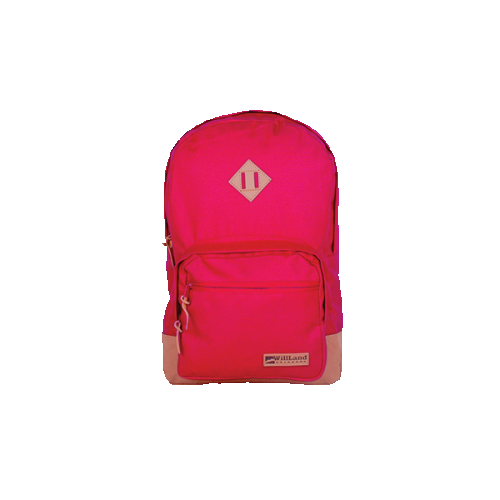


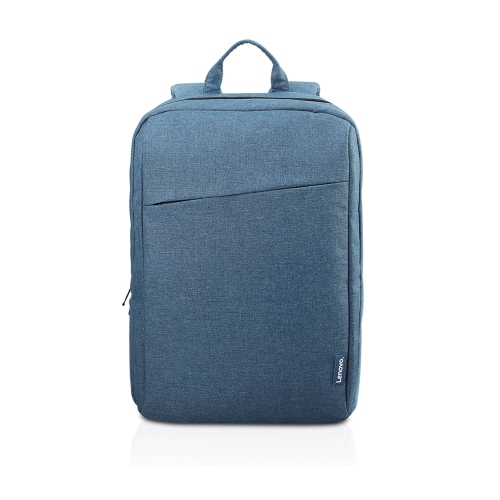
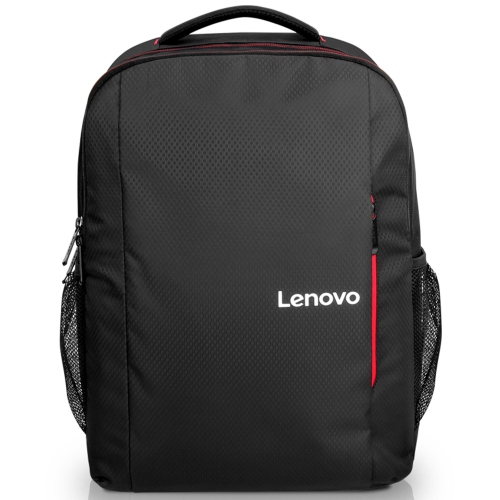
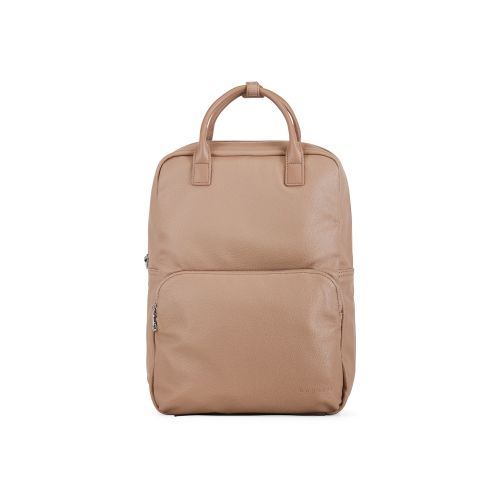

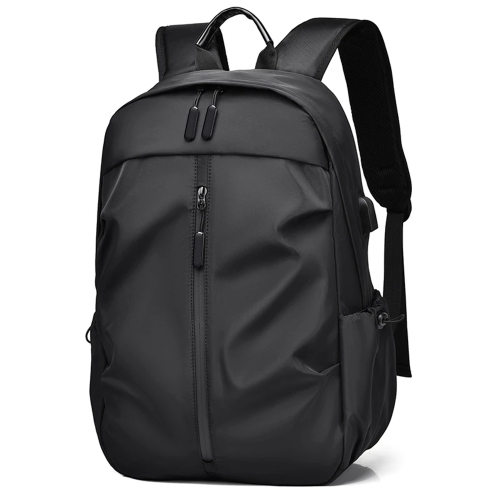
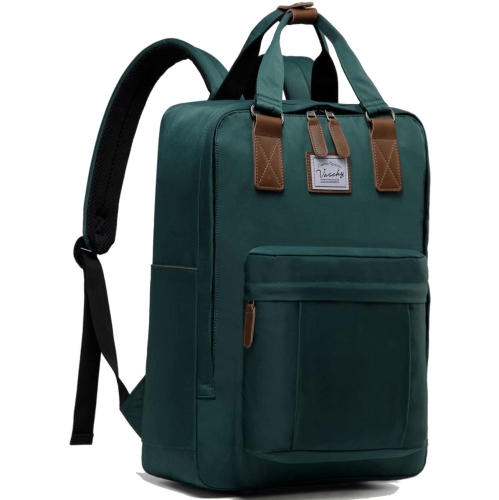
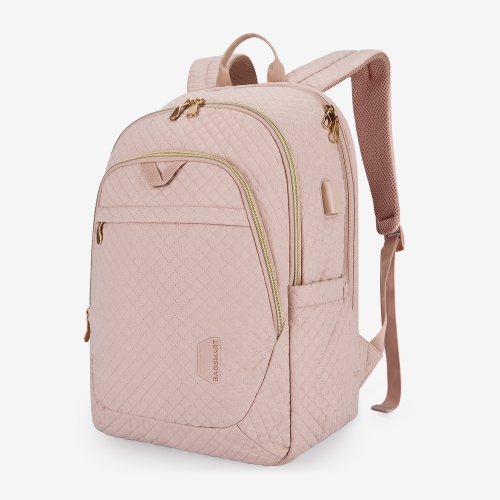
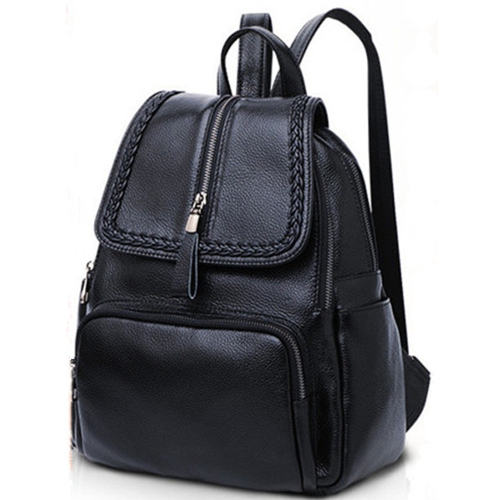
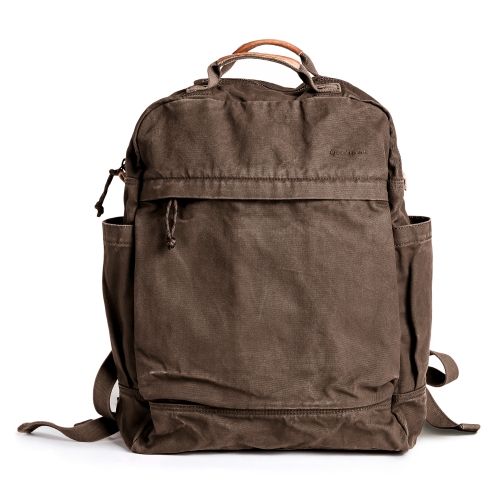
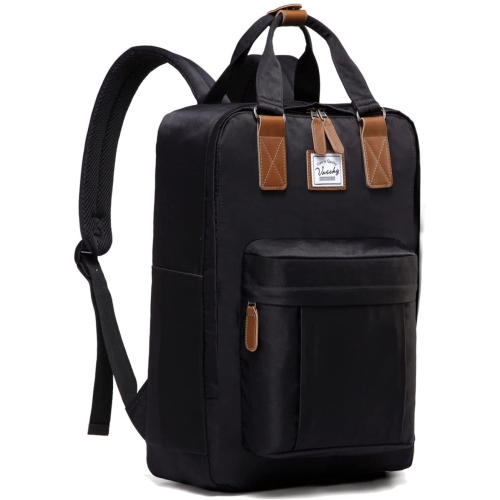
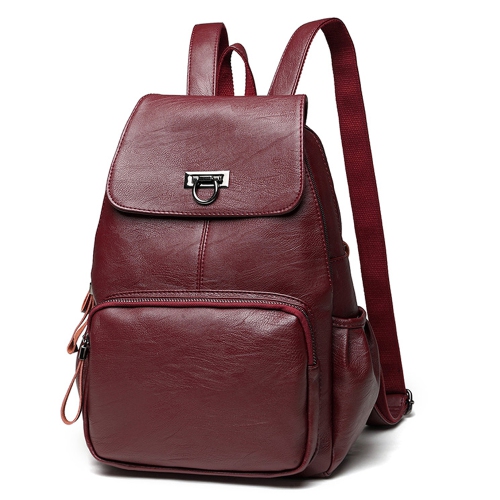
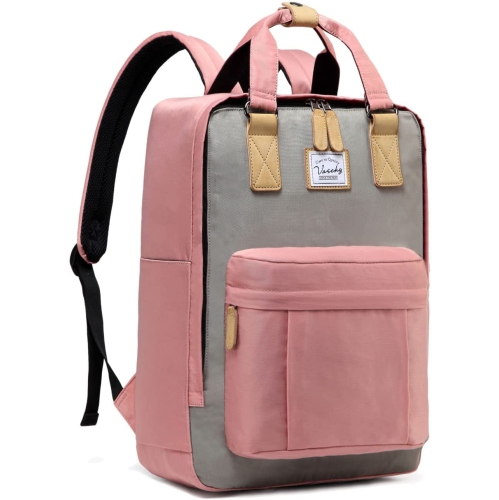
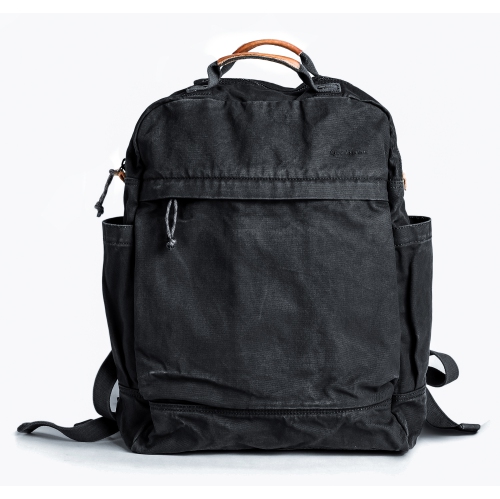
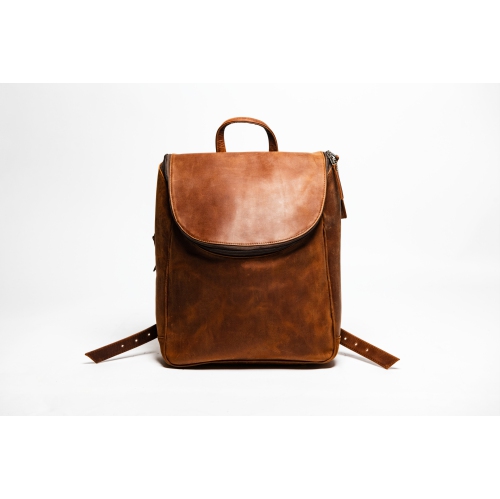
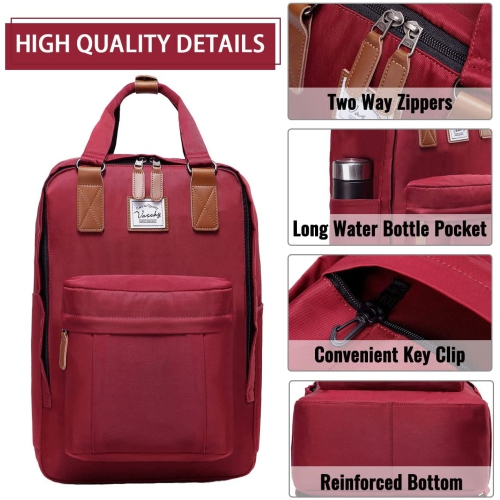
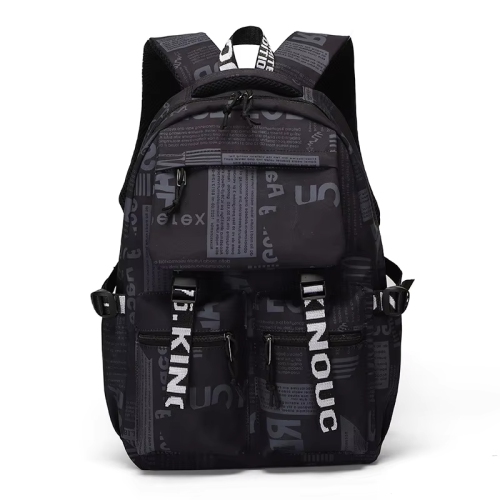
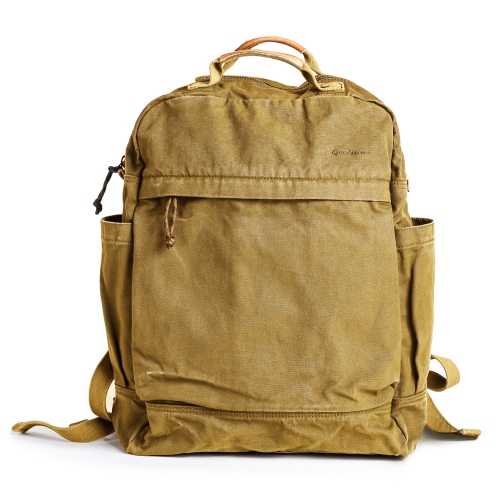
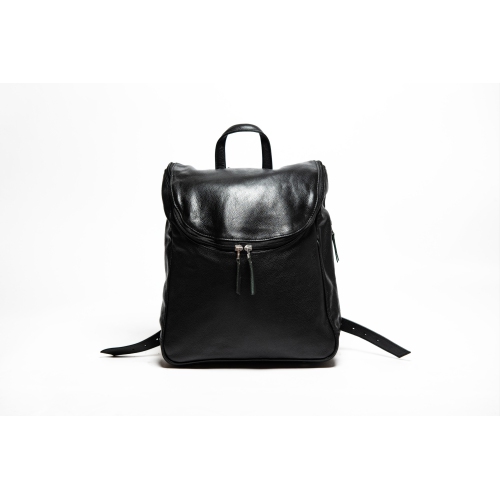
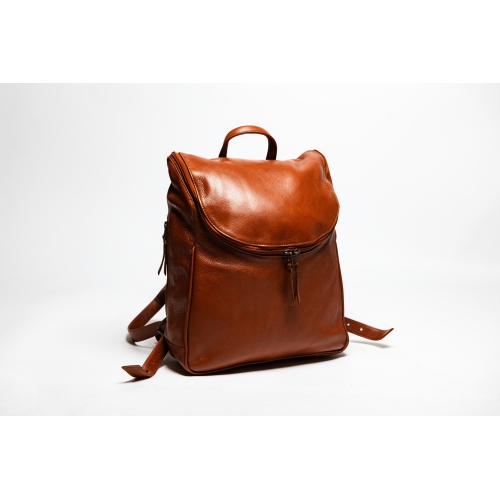
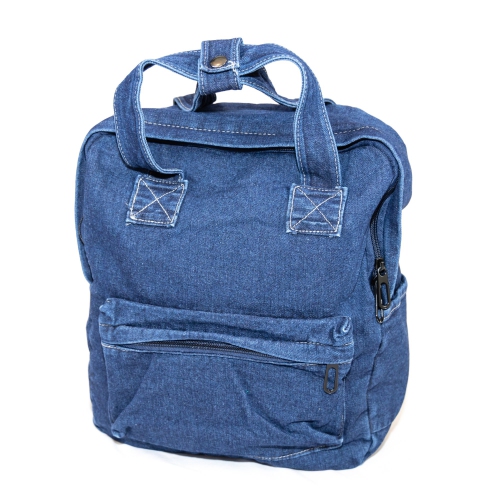
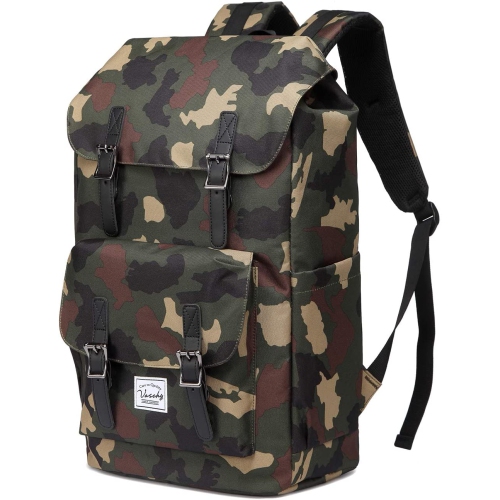
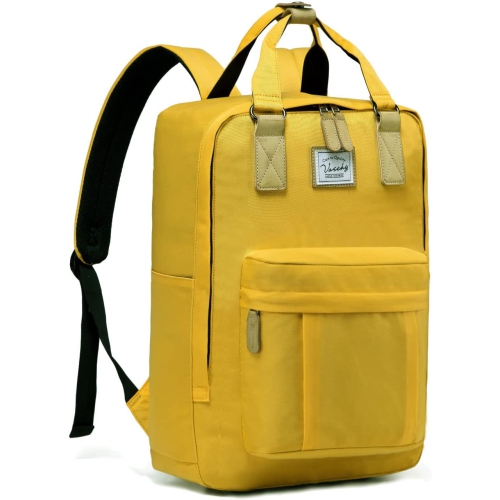
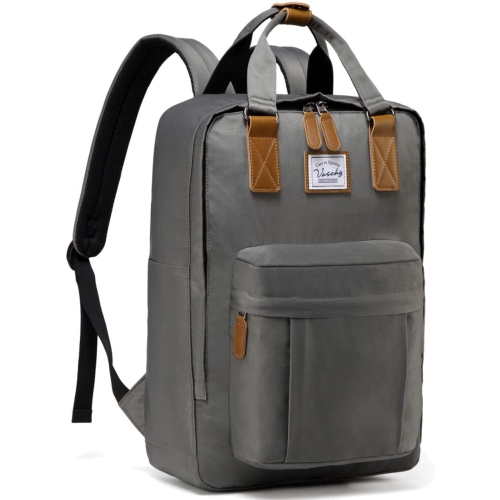
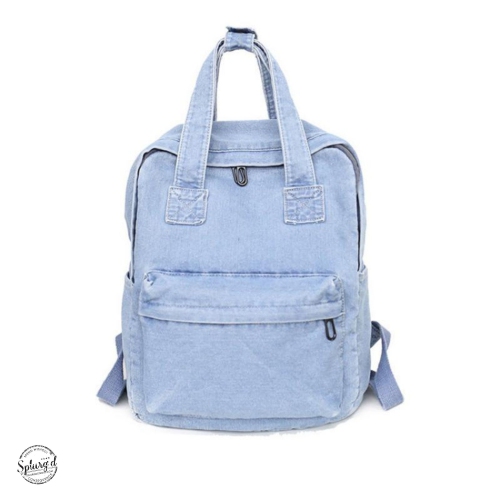
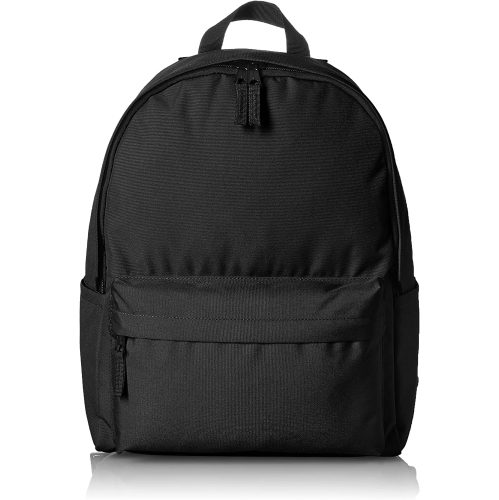
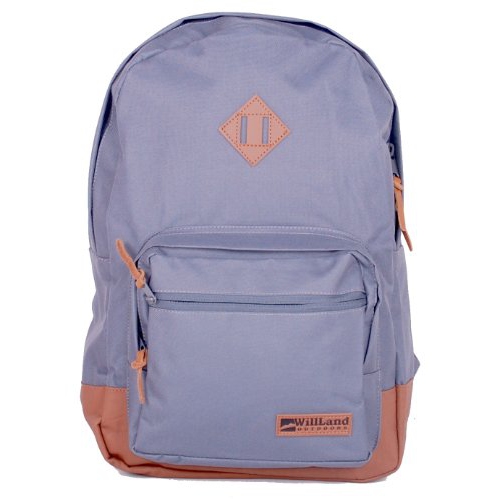
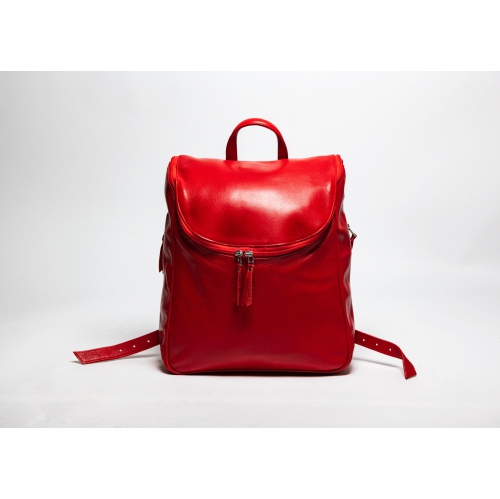
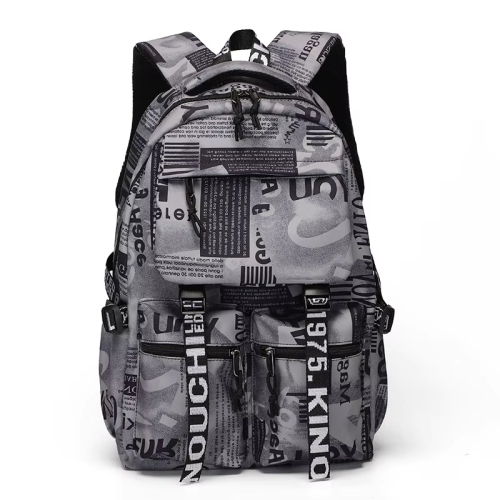
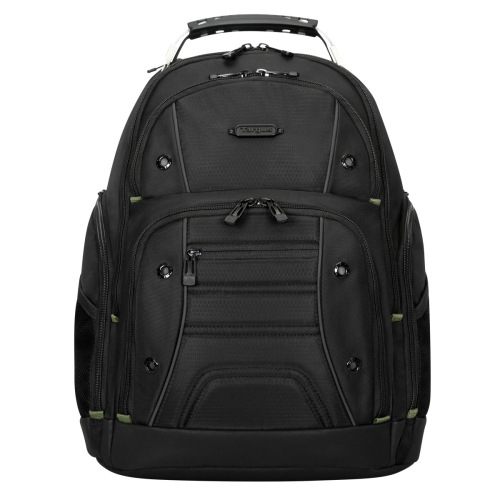
Room for course essentials without the extra bulk
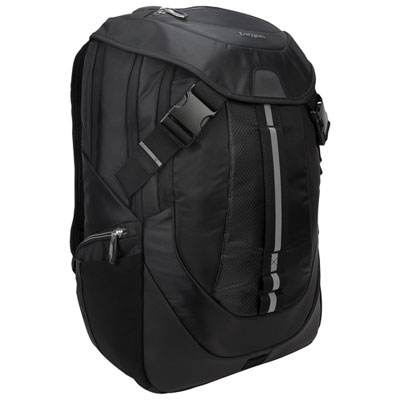
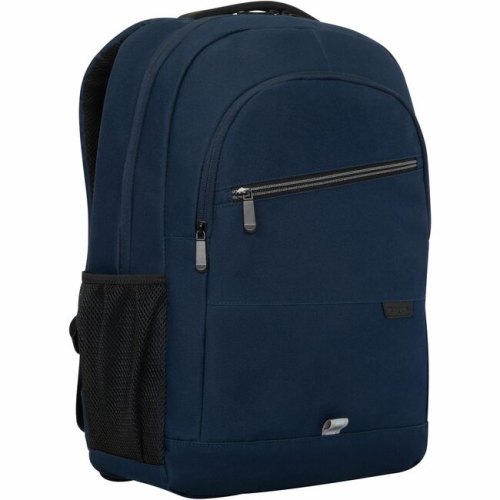
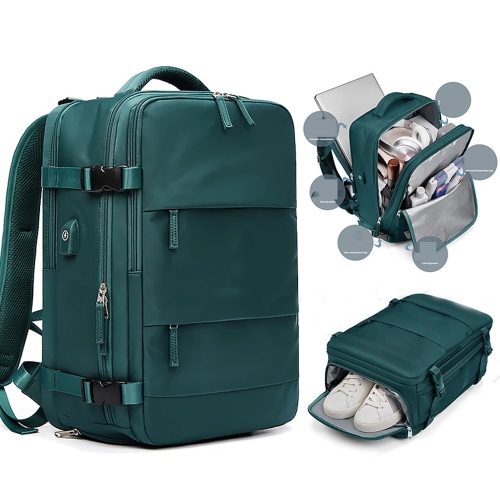
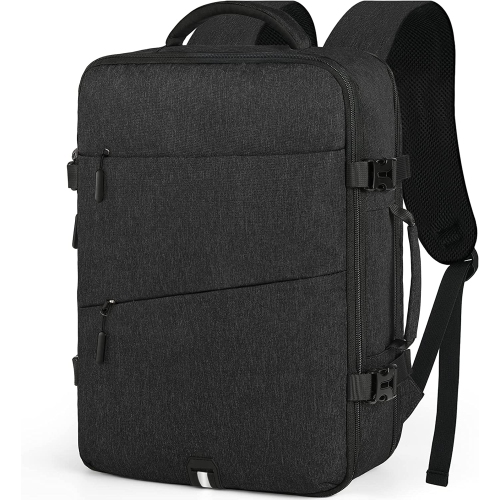
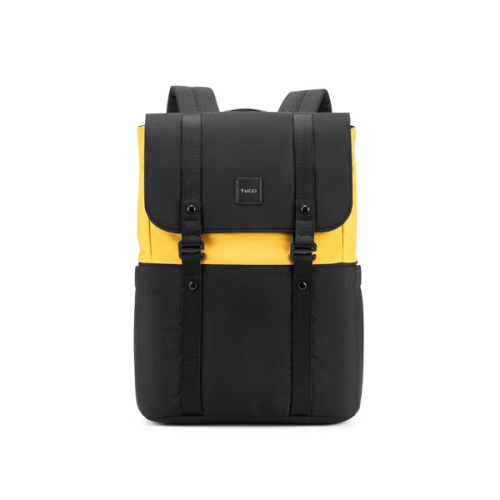
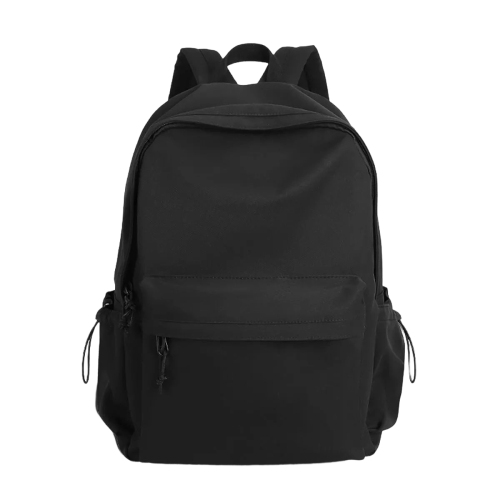
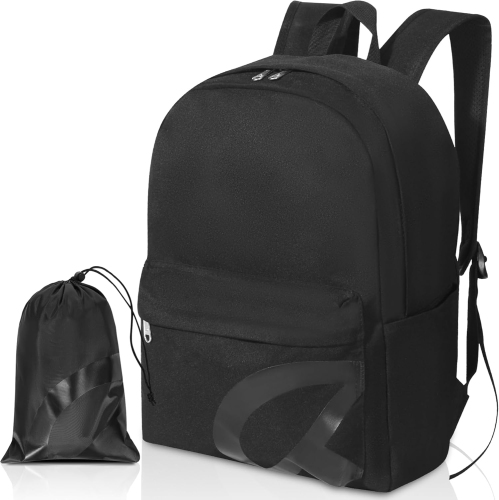
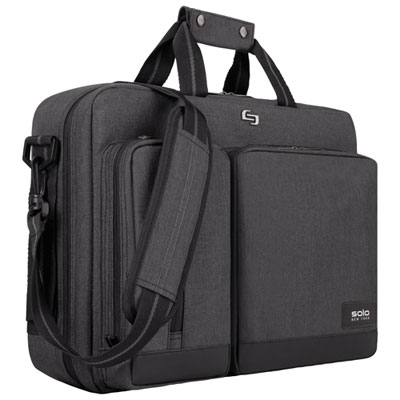
Backpacks for college students keep the essentials for lectures, labs, study sessions, and the commute together in one practical bag. A well-chosen backpack has room for the things that actually travel with you, without leaving you carrying an oversized bag through crowded hallways. For many students, a capacity of approximately 23 to 28 litres offers a useful balance of space and portability for a laptop, notebooks, a few course materials, and everyday extras. A larger backpack in the 28- to 35-litre range may suit students carrying several textbooks, gym clothing, or supplies for a full day away from home. Capacity alone does not tell the whole story, though: a wide main compartment can accommodate bulky books more easily than a narrow bag with the same stated volume. Students working mainly from digital notes may prefer a slimmer profile, while those moving between practical classes and lecture halls may appreciate additional depth and separate storage areas. Laptop protection is another important purchase consideration. A dedicated padded sleeve helps separate a computer from loose belongings, and a compartment with a raised base can provide extra cushioning when the bag is set down. Check the sleeve’s internal dimensions against the laptop’s actual width, depth, and thickness rather than relying only on the advertised screen size. Many student backpacks accommodate 15- or 16-inch laptops, but fit varies, particularly with thicker devices or protective cases. A secure closure helps keep the laptop from shifting, while a separate tablet sleeve can be useful for students who take handwritten digital notes alongside computer-based coursework. Think about the familiar unpacking routine at a library desk: laptop first, then a notebook, charger, and headphones. A backpack that gives each of those essentials an accessible place makes it easier to settle in without emptying the whole bag. The most useful layout is not necessarily the one with the most pockets; it is the one that matches how you pack and move through your day.
Comfort matters just as much as storage, especially when the route to class includes a walk to a transit stop, a standing-room-only bus ride, and several flights of stairs. Padded, adjustable shoulder straps help distribute the load across both shoulders, while a contoured back panel can make a full bag feel less awkward against the body. Breathable mesh and airflow channels may reduce that close, clammy feeling during longer walks, although comfort also depends on clothing, weather, and how heavily the backpack is packed. A sternum strap can help keep shoulder straps in position, and a supportive hip belt may be worth considering for heavier loads or longer journeys on foot. These features work best when the backpack fits the wearer: the bag should sit close to the back rather than hang low, and the straps should adjust comfortably over both a light shirt and a winter coat. Keeping heavier items near the back panel can also improve balance. For students carrying substantial books, the empty weight of the backpack deserves attention, since sturdy construction should not add unnecessary bulk before anything goes inside. Cooler months bring wet pavement, damp jackets, and the occasional need to tuck gloves into an outside pocket. Water-resistant fabric can help protect belongings from light rain or snow, but it is not the same as waterproof construction. Zipper design, seams, and openings all affect how well a bag keeps moisture out; a compatible rain cover can offer additional protection during an exposed commute. A reinforced base is useful when a backpack regularly rests beneath classroom chairs or beside a café table. Look closely at stitching around strap attachments, the feel of zipper pulls, and the strength of the top carry handle, which often takes the strain when lifting a loaded bag onto a desk or out of a locker. Fabric care matters, too. An easy-to-clean lining and exterior can make everyday spills and marks less troublesome, but always follow the care directions rather than assuming a backpack can go into the washing machine.
Organisation gives college backpacks much of their everyday usefulness. An external bottle pocket keeps a drink upright and easy to reach, while a separate compartment for lunch or spare clothing can help keep those items away from books and electronics. Check that bottle pockets are deep enough for the container you use and that they hold it securely when you bend down or slide the bag under a seat. Small interior pockets are handy for pens, keys, charging cables, and a student card, but their placement should make sense for your routine. A quick-access pocket can save a scramble at the transit gate; a pocket against the back panel offers a less exposed place for small valuables, though it does not make a bag theft-proof. Students who travel home regularly may appreciate a luggage pass-through, while those heading straight from class to a part-time job may favour a simple shape that feels at home in both settings. Understated colours can be easy to coordinate with different outfits, and brighter colours or distinctive details can make a bag easier to identify among a row of similar backpacks. For a gift, practical fit is more important than guessing at style alone. Knowing the recipient’s laptop dimensions, typical course load, and commuting habits helps narrow the choice, whether they are starting a programme, returning to school, or replacing a bag with worn straps. Families shopping for students at different stages can also browse Backpacks for High School Students for another school-focused selection. When comparing value, weigh the features that will see daily use rather than paying for compartments or travel extras that will sit empty. A thoughtfully chosen college backpack supports the ordinary rhythm of student life: arriving with dry notes, finding a charger before a study session, and carrying everything home comfortably after a long day on campus.
Comfort matters just as much as storage, especially when the route to class includes a walk to a transit stop, a standing-room-only bus ride, and several flights of stairs. Padded, adjustable shoulder straps help distribute the load across both shoulders, while a contoured back panel can make a full bag feel less awkward against the body. Breathable mesh and airflow channels may reduce that close, clammy feeling during longer walks, although comfort also depends on clothing, weather, and how heavily the backpack is packed. A sternum strap can help keep shoulder straps in position, and a supportive hip belt may be worth considering for heavier loads or longer journeys on foot. These features work best when the backpack fits the wearer: the bag should sit close to the back rather than hang low, and the straps should adjust comfortably over both a light shirt and a winter coat. Keeping heavier items near the back panel can also improve balance. For students carrying substantial books, the empty weight of the backpack deserves attention, since sturdy construction should not add unnecessary bulk before anything goes inside. Cooler months bring wet pavement, damp jackets, and the occasional need to tuck gloves into an outside pocket. Water-resistant fabric can help protect belongings from light rain or snow, but it is not the same as waterproof construction. Zipper design, seams, and openings all affect how well a bag keeps moisture out; a compatible rain cover can offer additional protection during an exposed commute. A reinforced base is useful when a backpack regularly rests beneath classroom chairs or beside a café table. Look closely at stitching around strap attachments, the feel of zipper pulls, and the strength of the top carry handle, which often takes the strain when lifting a loaded bag onto a desk or out of a locker. Fabric care matters, too. An easy-to-clean lining and exterior can make everyday spills and marks less troublesome, but always follow the care directions rather than assuming a backpack can go into the washing machine.
Organisation gives college backpacks much of their everyday usefulness. An external bottle pocket keeps a drink upright and easy to reach, while a separate compartment for lunch or spare clothing can help keep those items away from books and electronics. Check that bottle pockets are deep enough for the container you use and that they hold it securely when you bend down or slide the bag under a seat. Small interior pockets are handy for pens, keys, charging cables, and a student card, but their placement should make sense for your routine. A quick-access pocket can save a scramble at the transit gate; a pocket against the back panel offers a less exposed place for small valuables, though it does not make a bag theft-proof. Students who travel home regularly may appreciate a luggage pass-through, while those heading straight from class to a part-time job may favour a simple shape that feels at home in both settings. Understated colours can be easy to coordinate with different outfits, and brighter colours or distinctive details can make a bag easier to identify among a row of similar backpacks. For a gift, practical fit is more important than guessing at style alone. Knowing the recipient’s laptop dimensions, typical course load, and commuting habits helps narrow the choice, whether they are starting a programme, returning to school, or replacing a bag with worn straps. Families shopping for students at different stages can also browse Backpacks for High School Students for another school-focused selection. When comparing value, weigh the features that will see daily use rather than paying for compartments or travel extras that will sit empty. A thoughtfully chosen college backpack supports the ordinary rhythm of student life: arriving with dry notes, finding a charger before a study session, and carrying everything home comfortably after a long day on campus.
Top selling and popular products
-
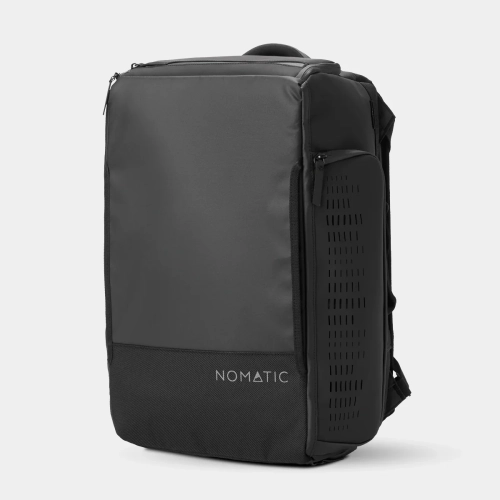 Your price for this item is $419.99
 -
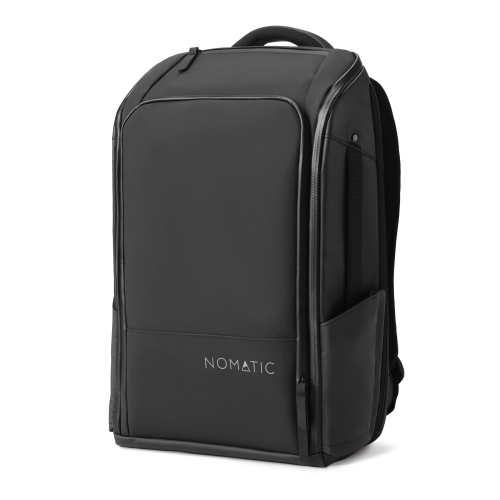 Your price for this item is $399.99
 -
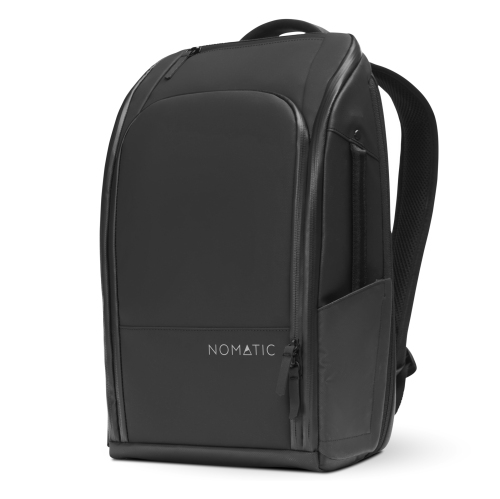 Your price for this item is $369.99
 -
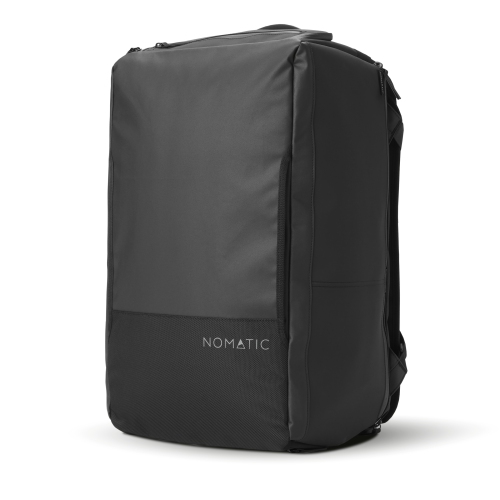 Your price for this item is $399.99
 -
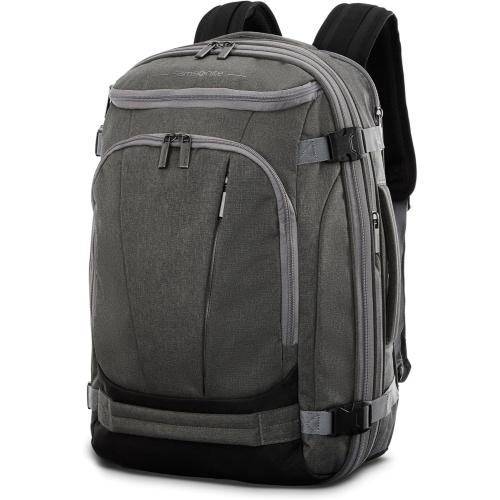 Your price for this item is $218.48
 -
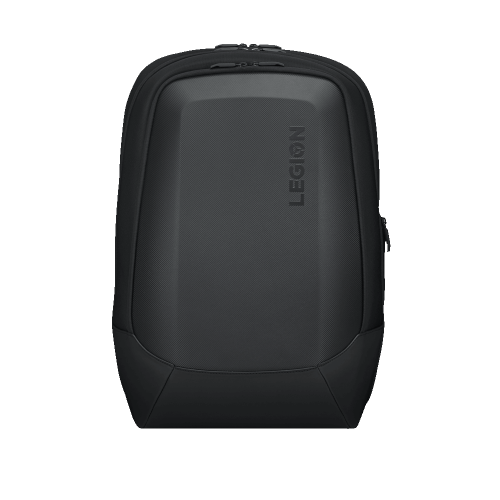 Your price for this item is $124.99
 -
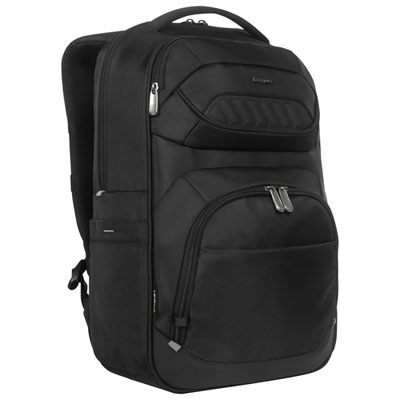 Your price for this item is $99.99
 -
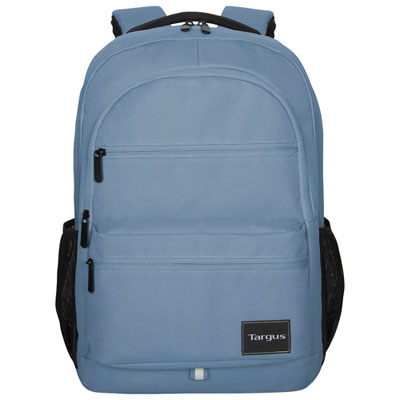 Your price for this item is $59.97
Discover more categories related to Backpacks for College Students
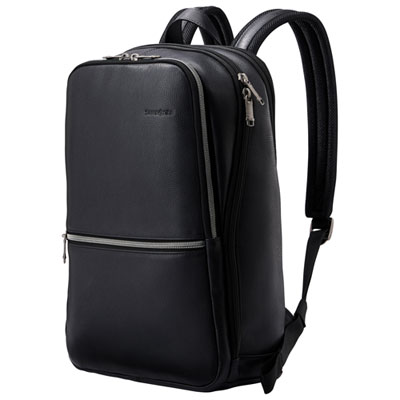
Top Collections:
Pokemon Centers, Kindle Devices, Best Budget Office Chairs, Apple iPhones 16, Canon G7X Cameras, iPhone 15 Apple, Alarm Clock, Refurbished Apple Laptops, Flip Phones, Best Laptops for Writers
Some products may be subject to Environmental Handling Fees
(EHF) depending on your province.
Learn more about EHFs.