Boys School Bags
Find the perfect backpack for your little scholar with our selection of boys' school bags. Whether they need a spacious and durable backpack for carrying books and supplies to school or a stylish and versatile bag for weekend adventures, we have options to suit every preference and style. From vibrant colors and fun patterns to sleek designs and practical features, these school bags are both functional and fashionable, making them ideal companions for any young student's daily routine.
Sort
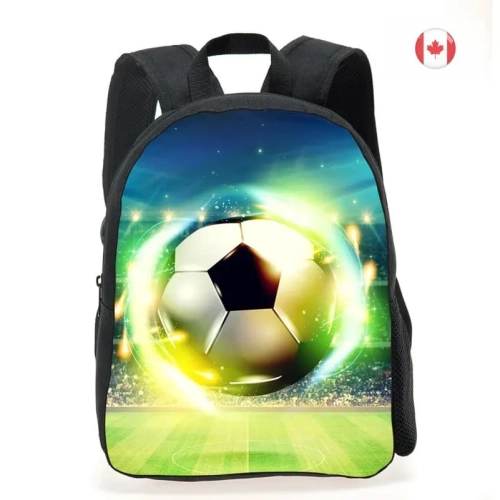
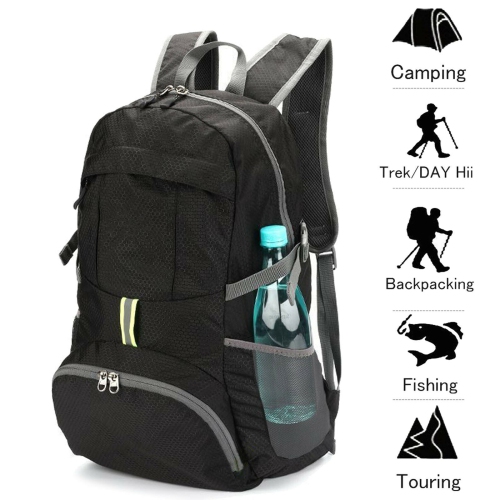
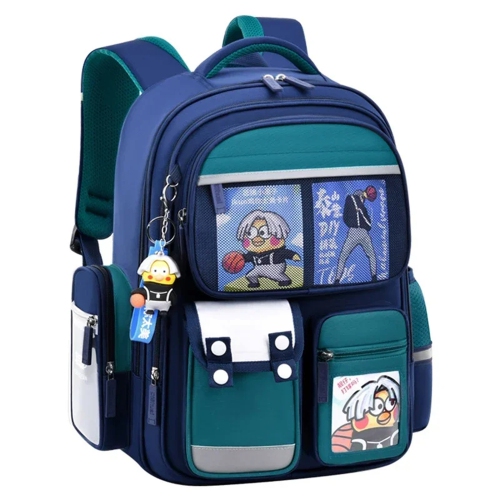
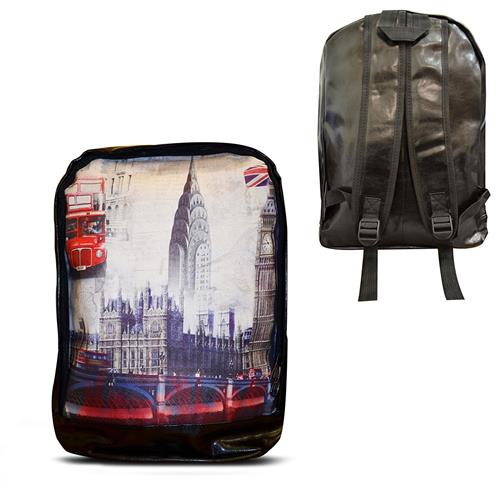
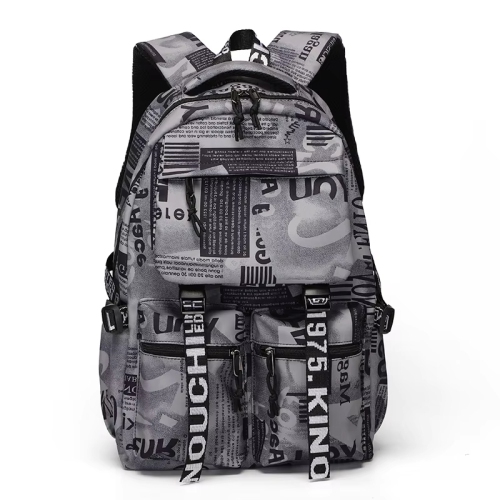
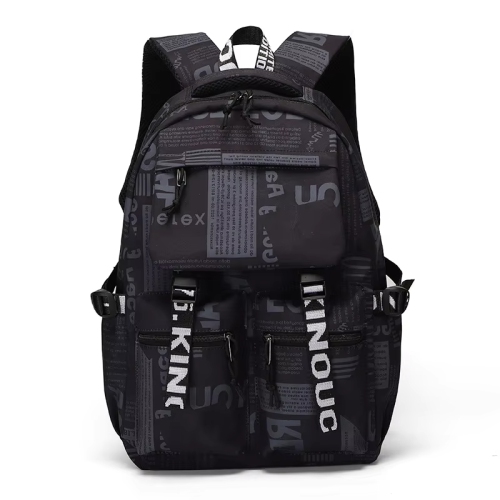

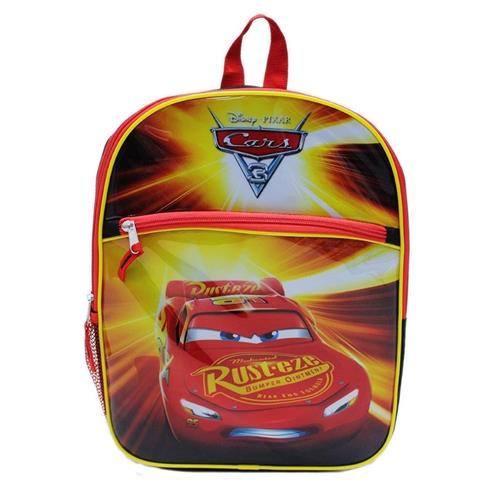
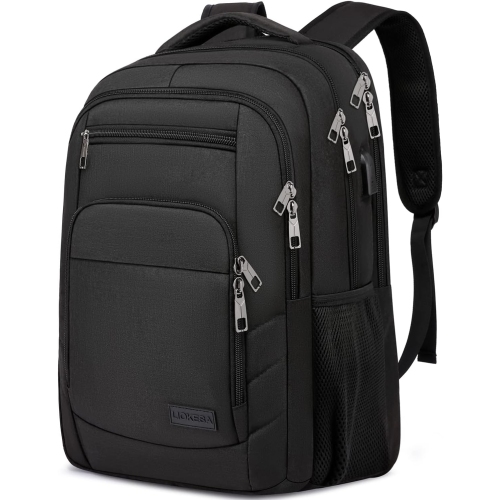
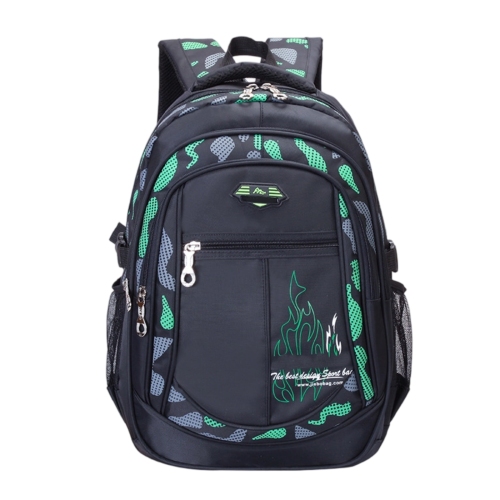
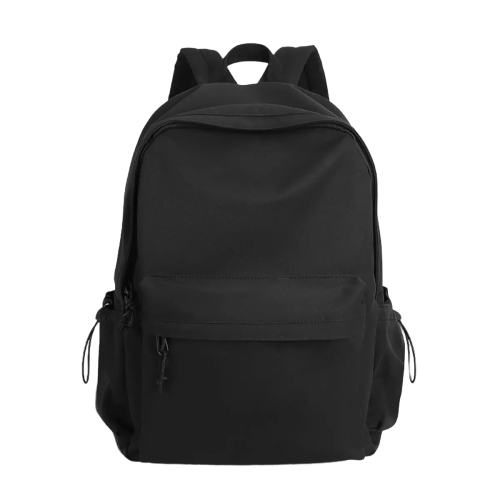
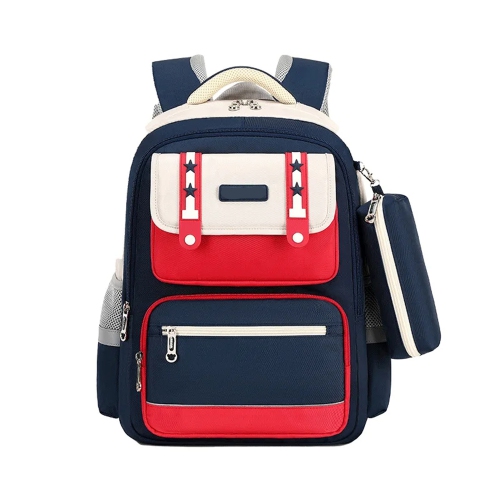

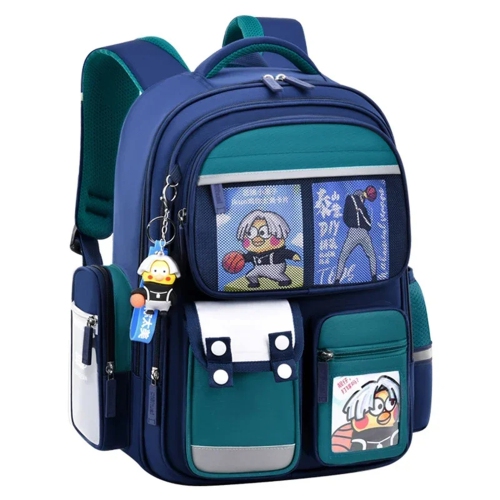

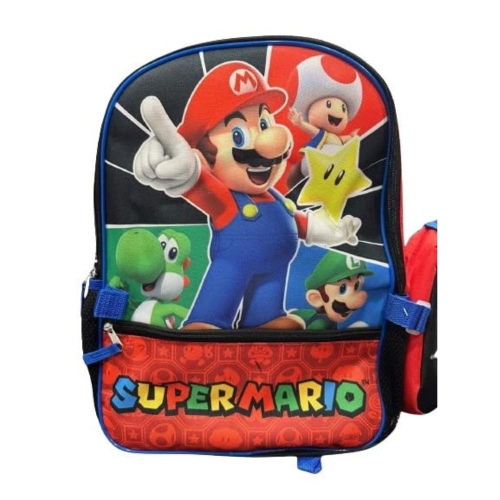
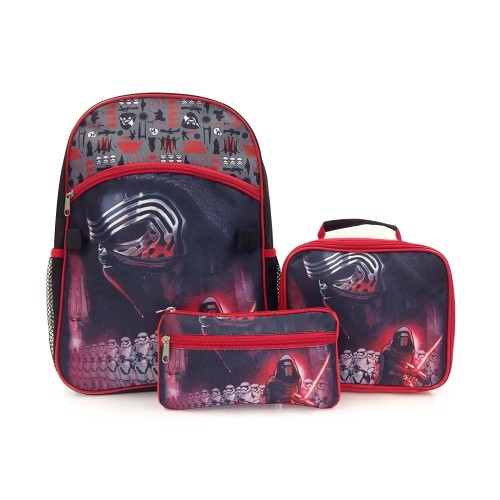
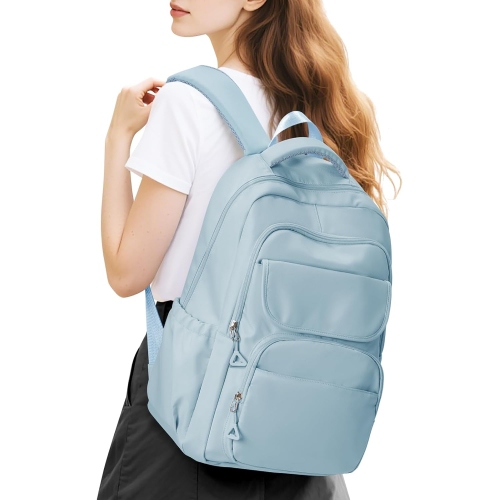
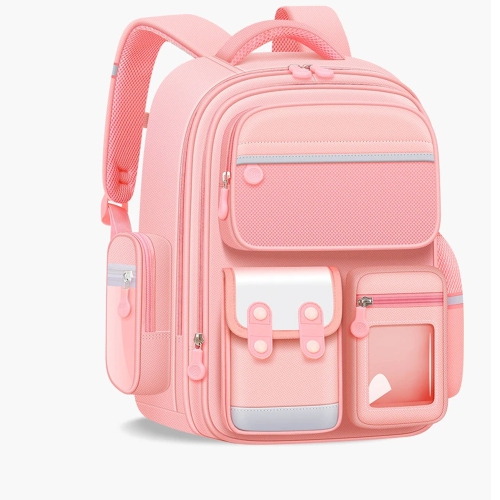
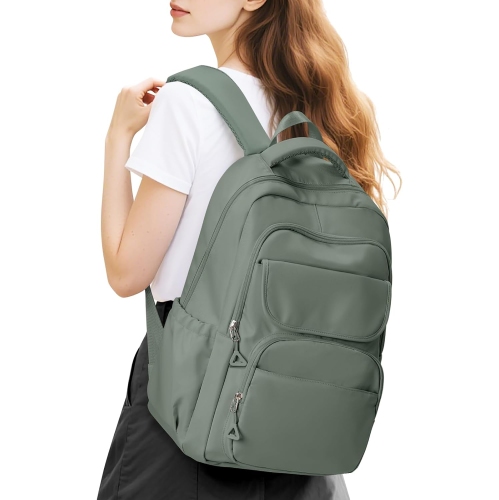
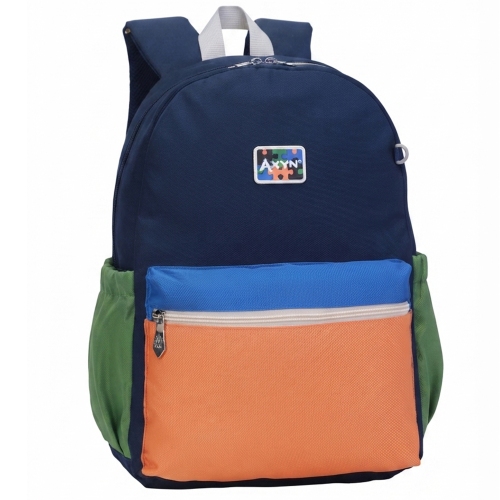
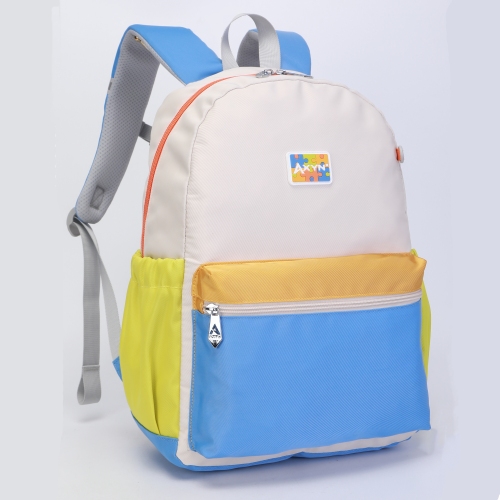

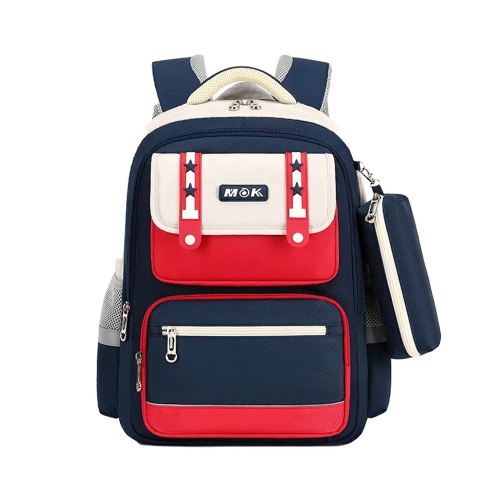
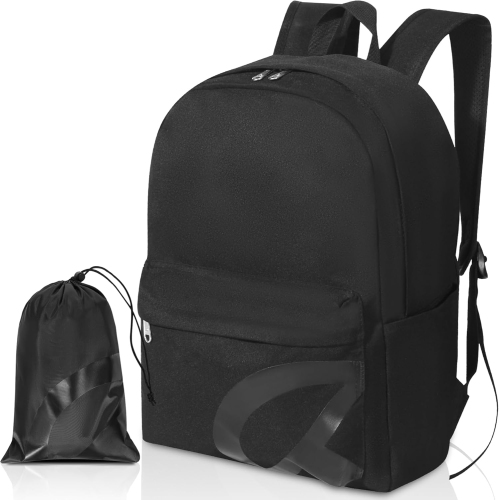
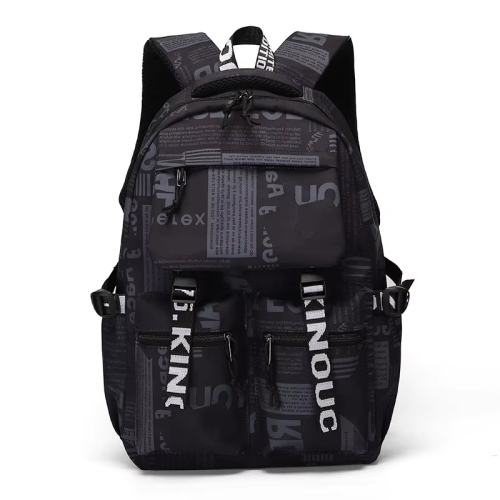
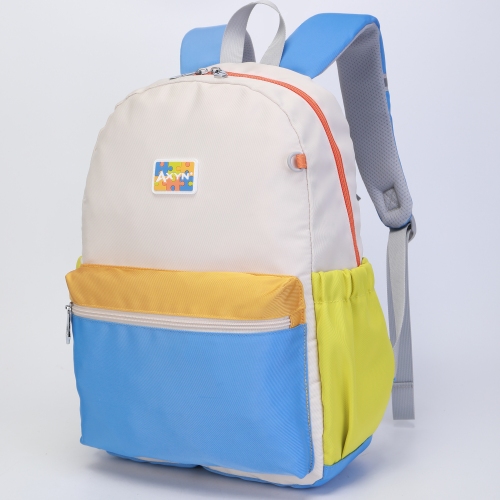
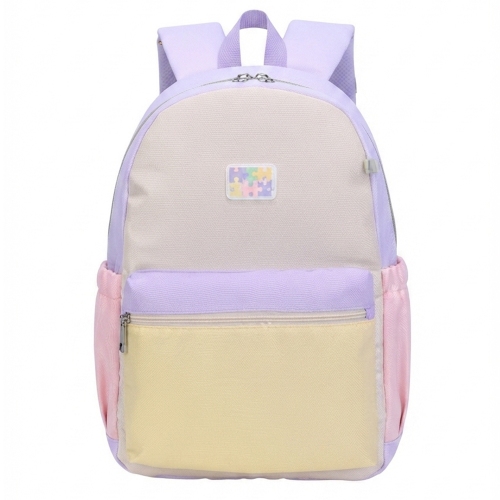
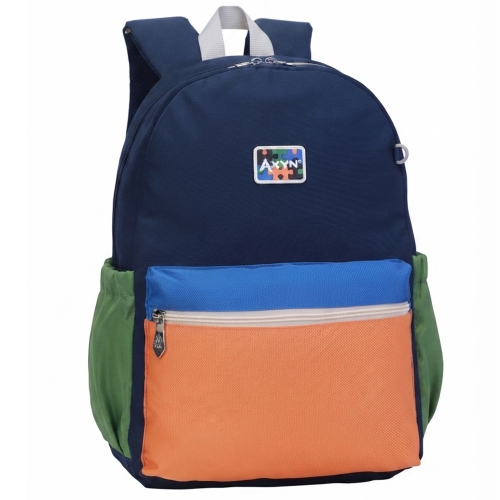
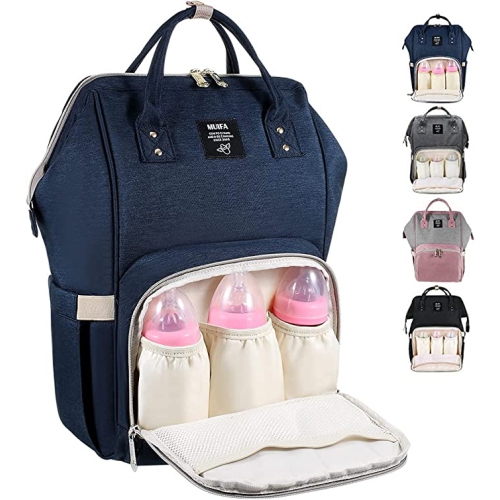

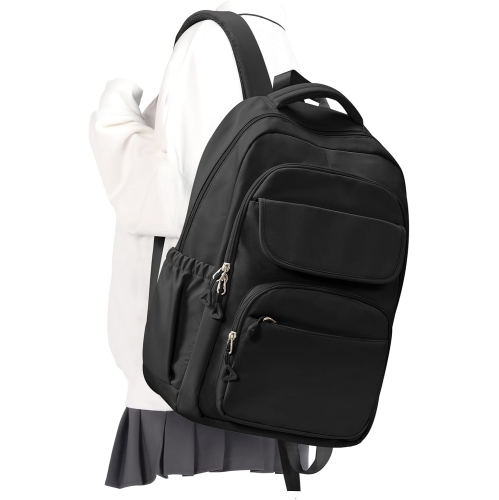
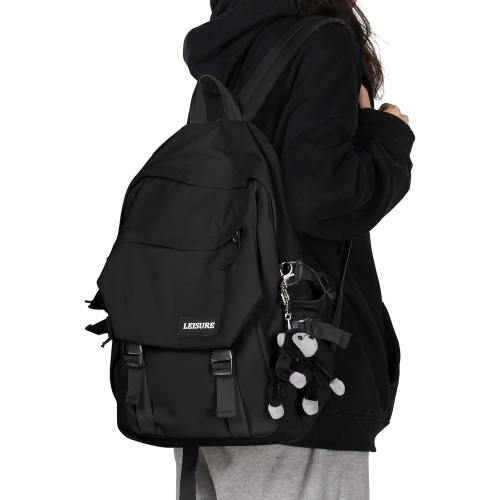
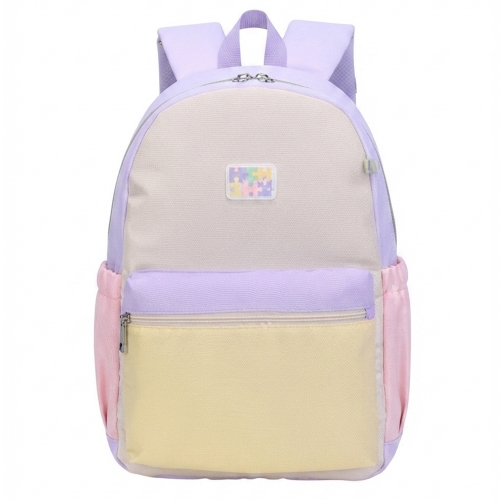
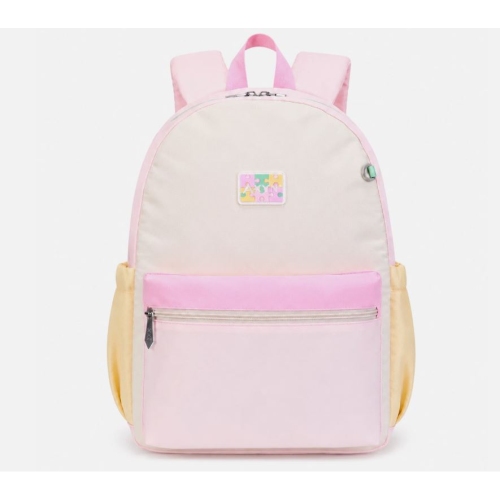
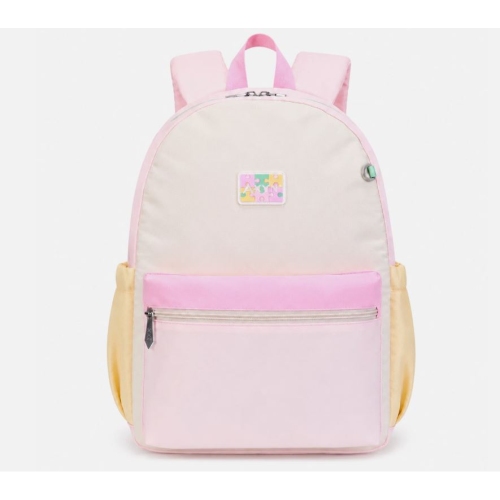
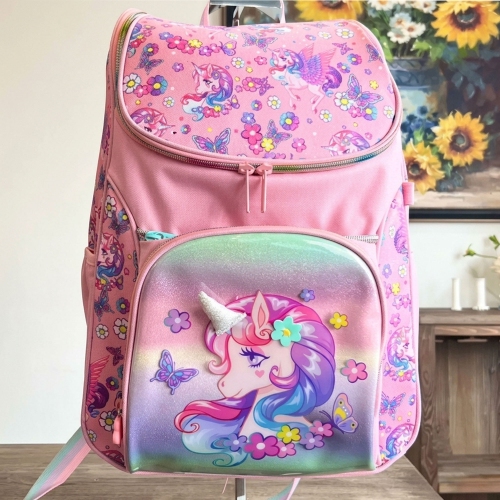
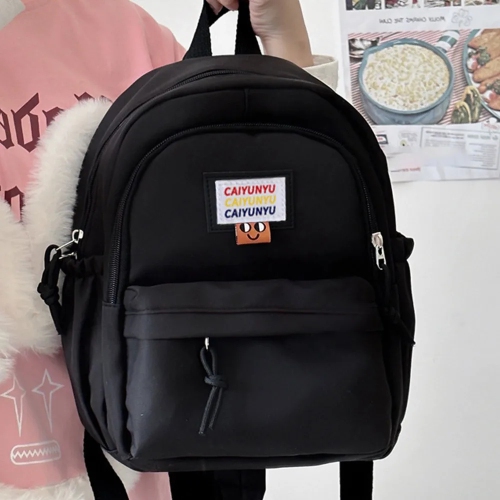

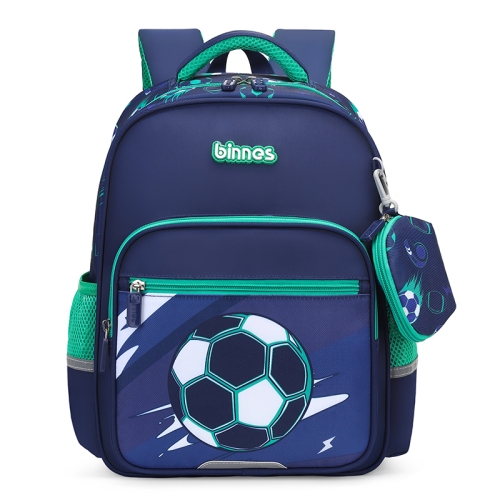
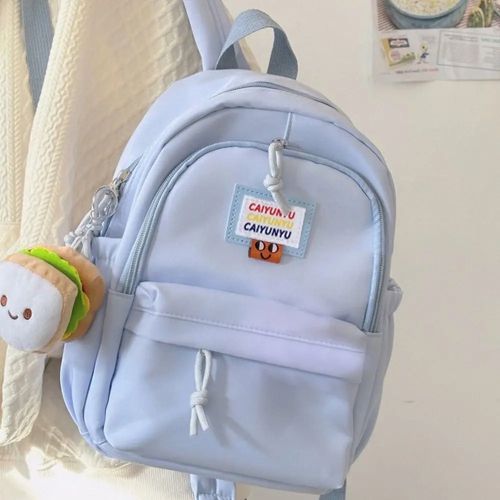

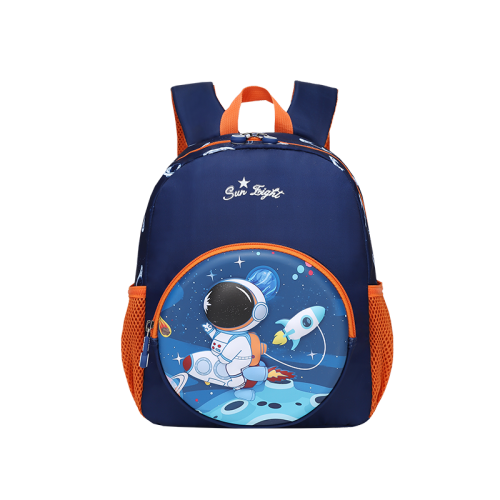
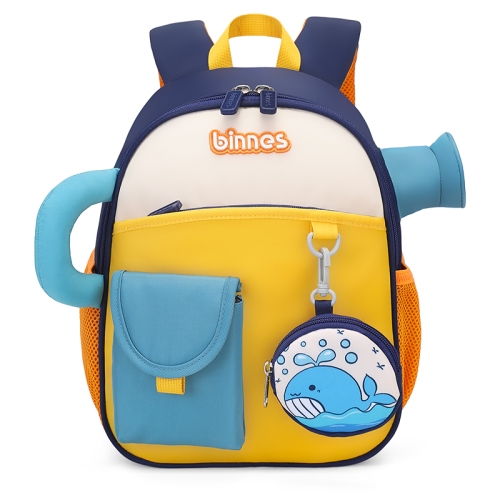
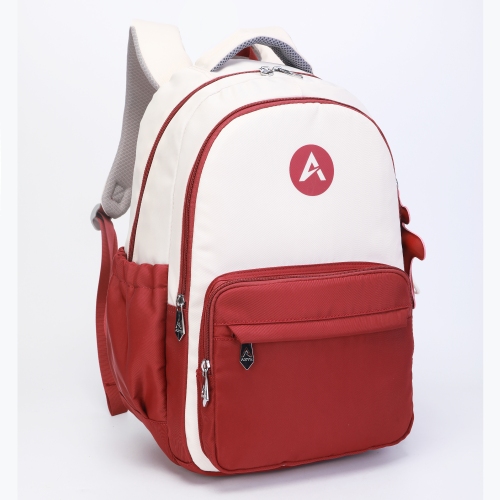
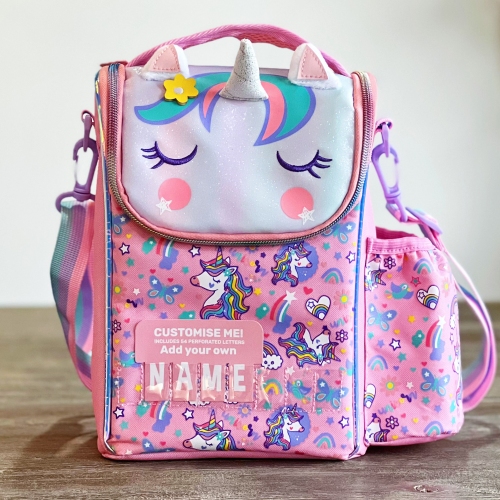
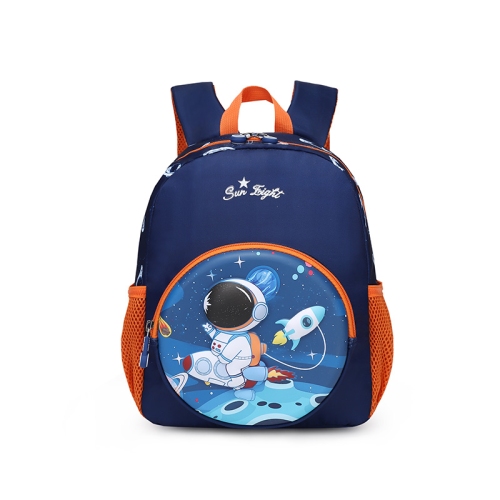
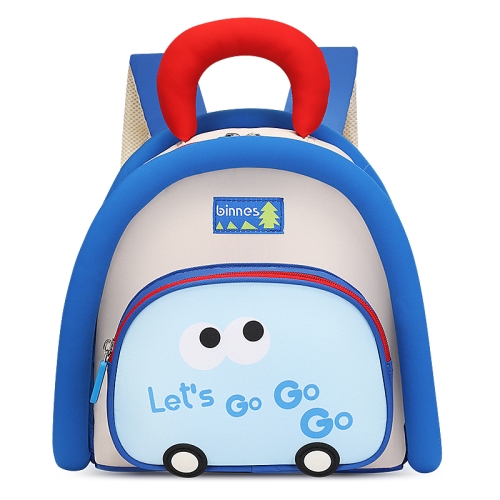
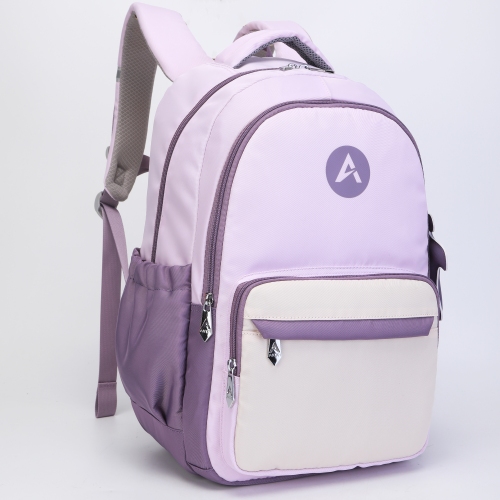
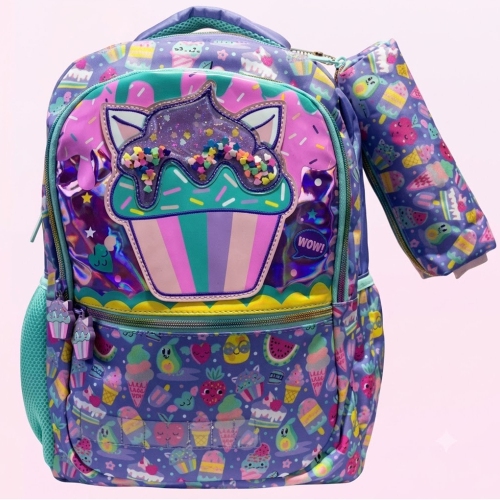
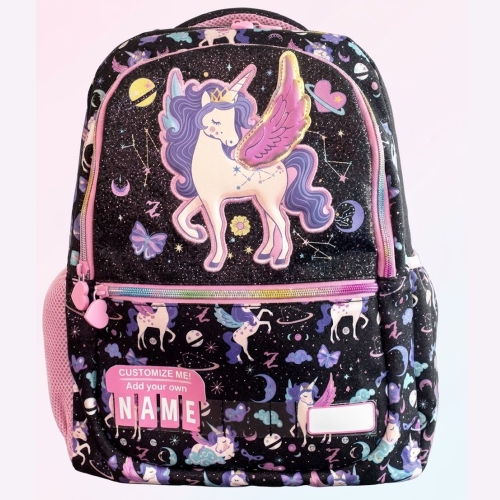
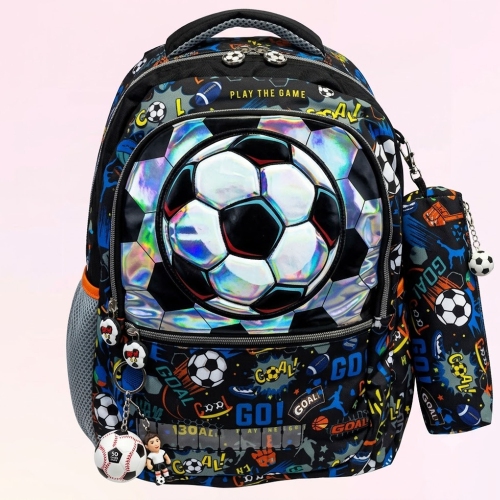
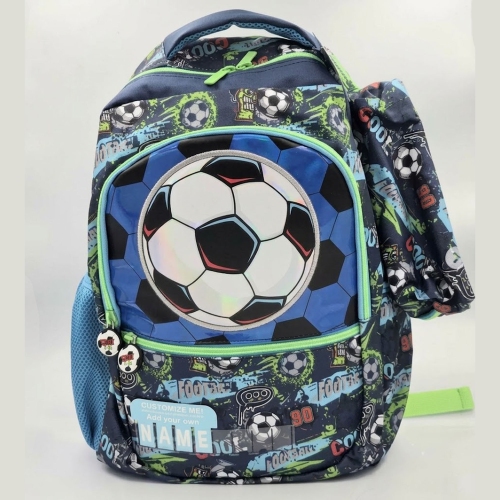
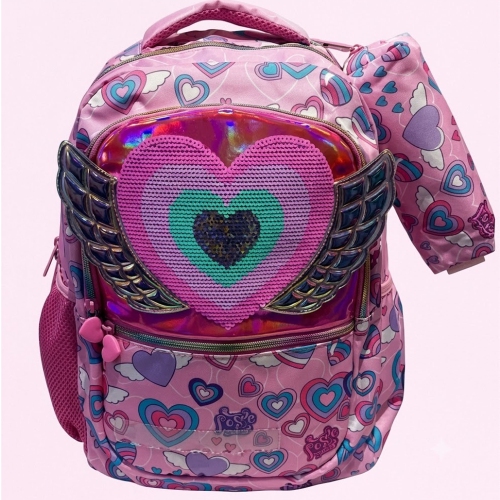
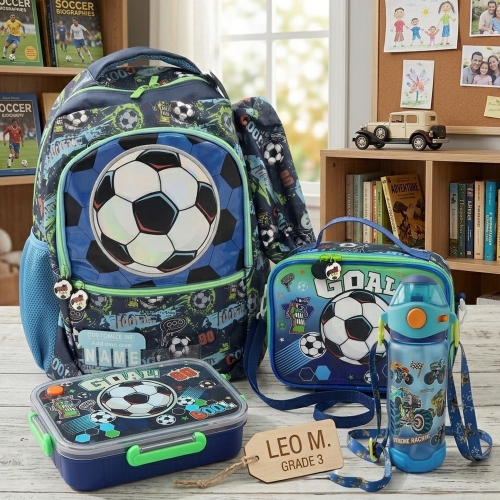
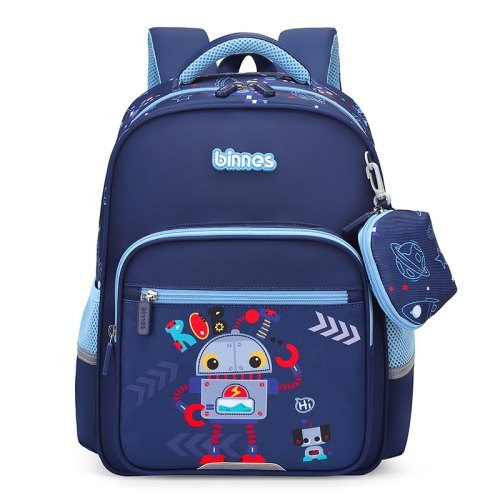
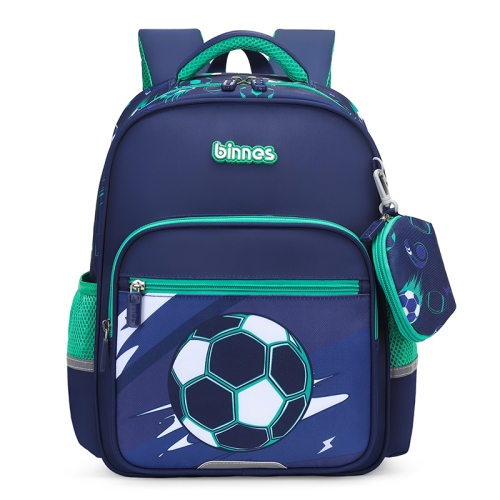
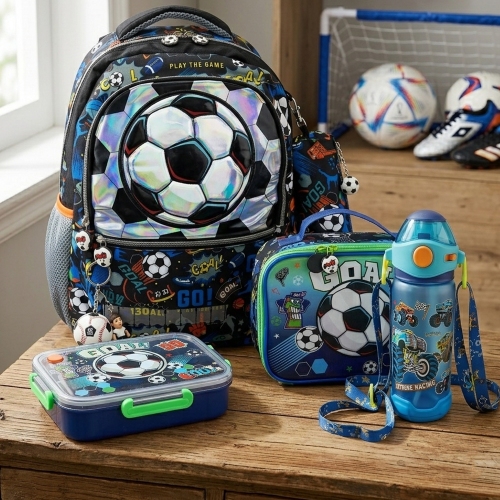
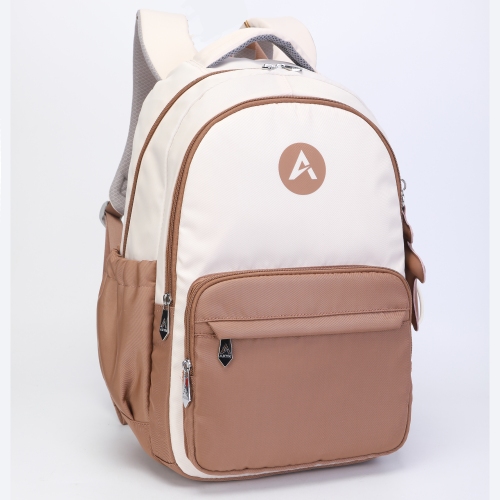
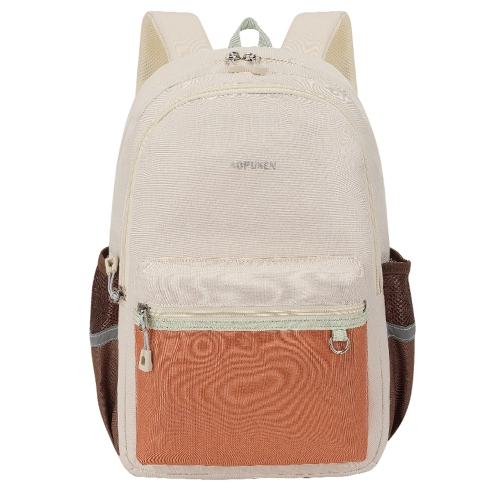
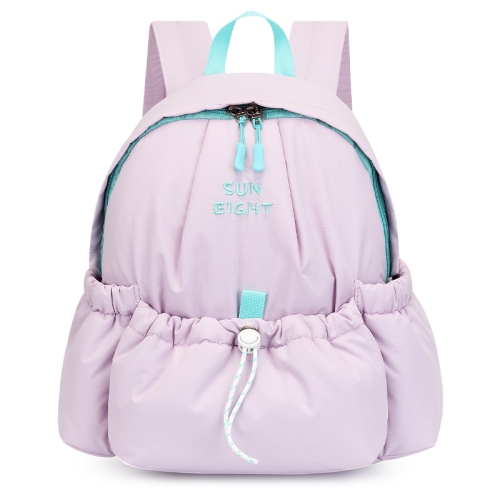
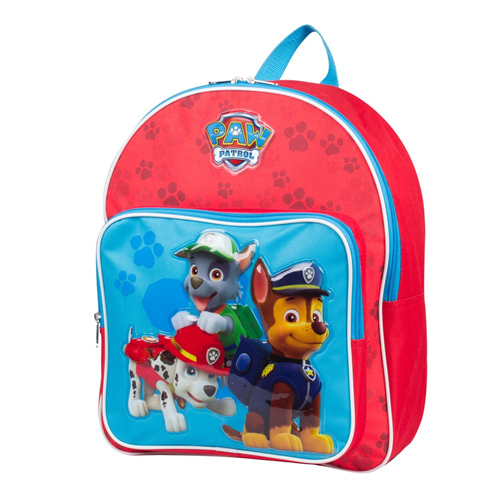
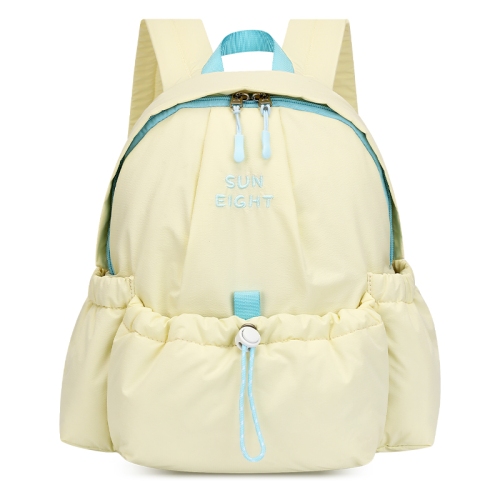
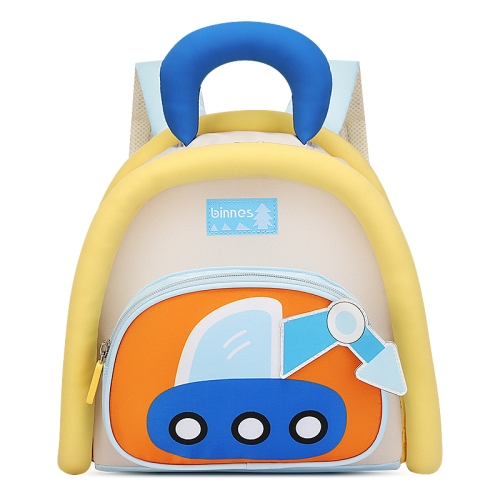
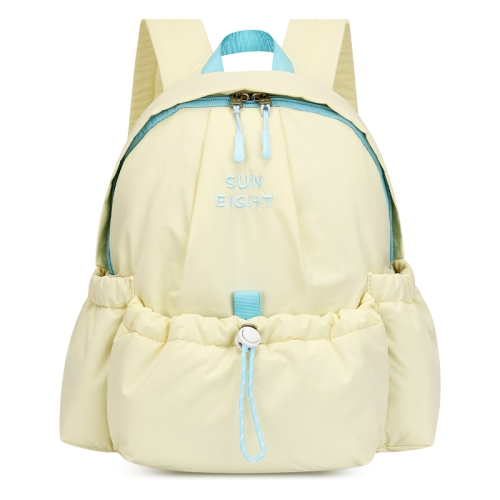
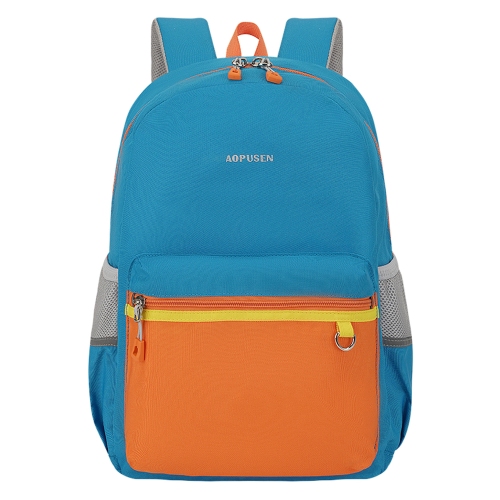
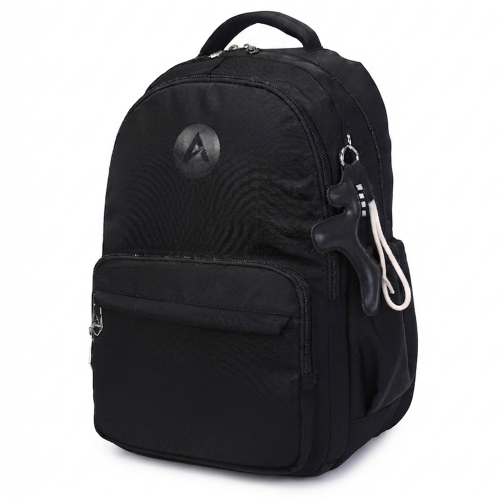
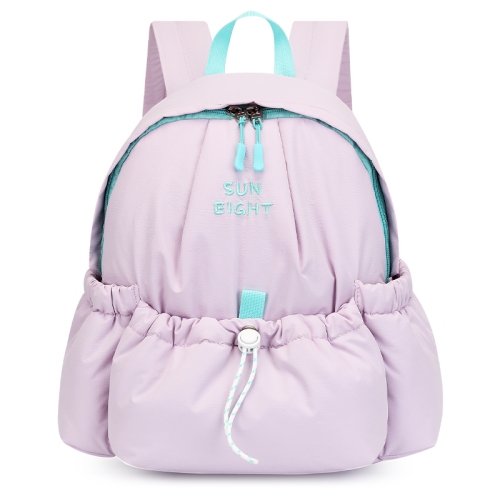
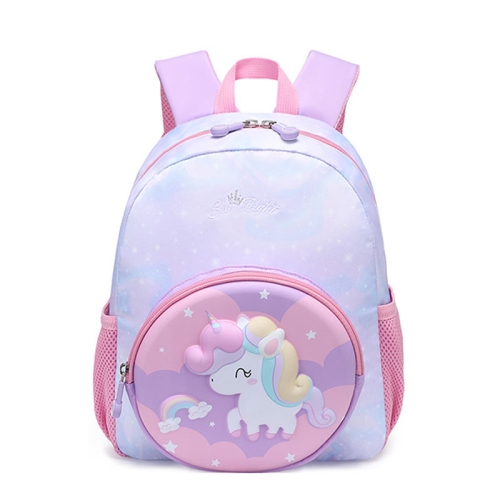
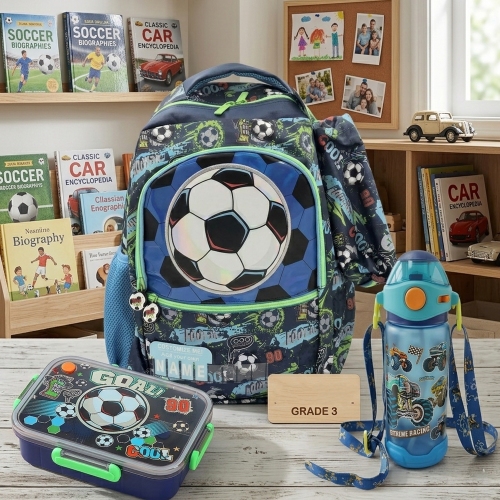
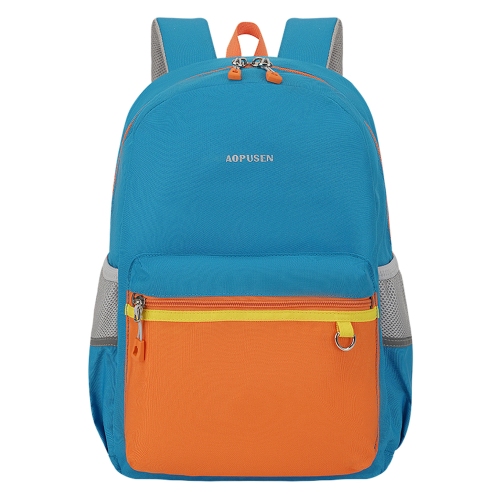
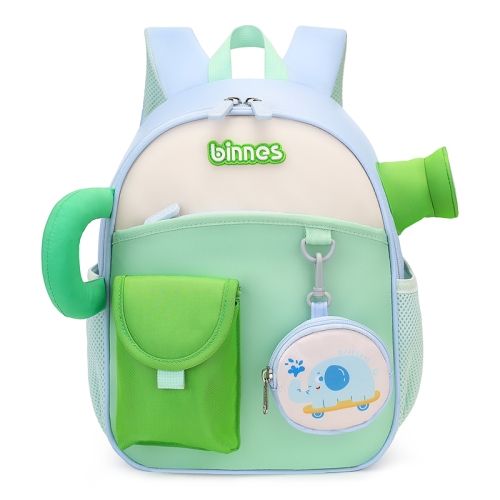
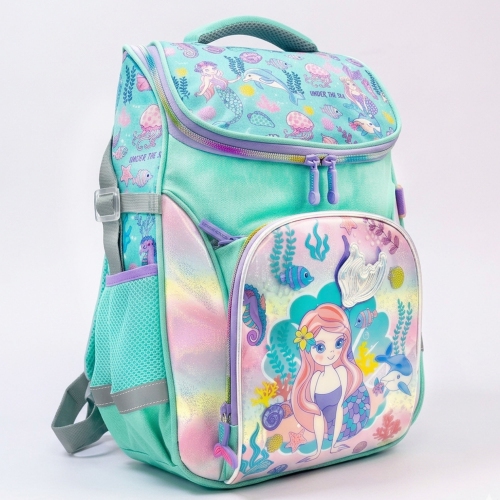
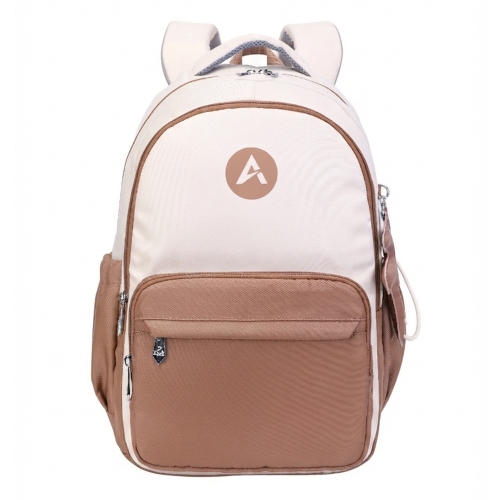
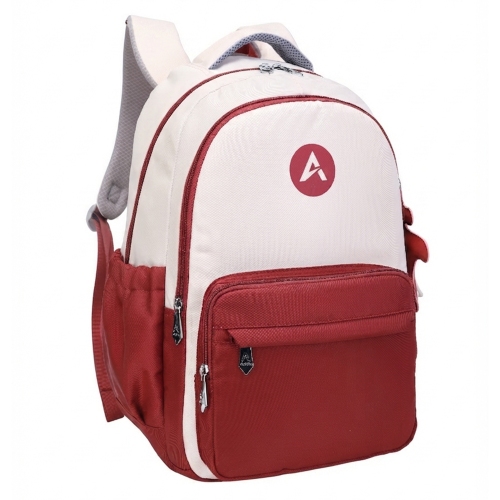
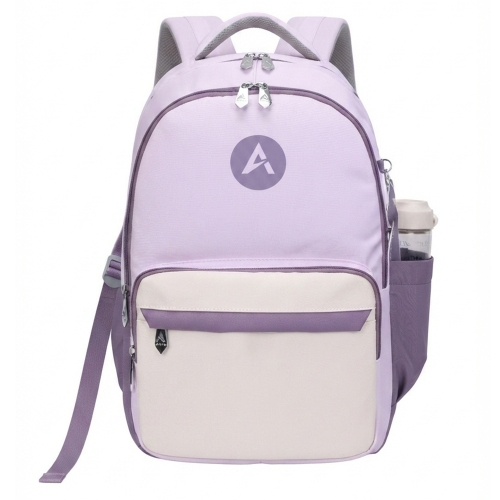
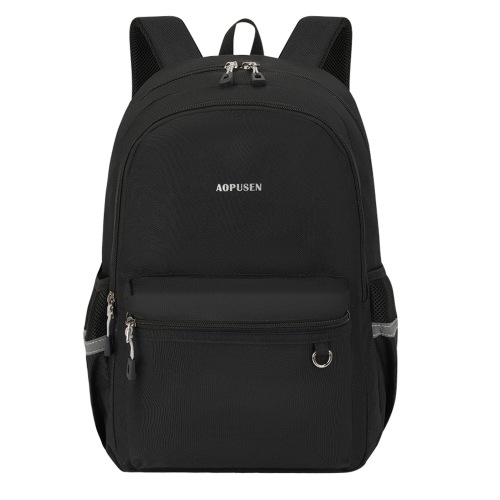
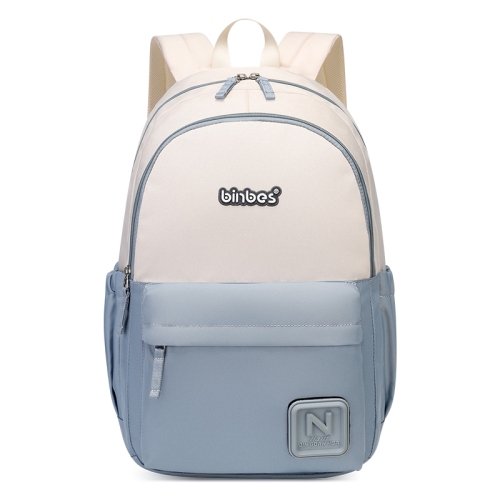
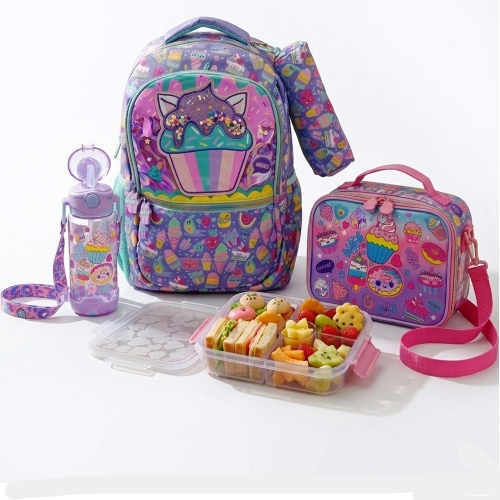

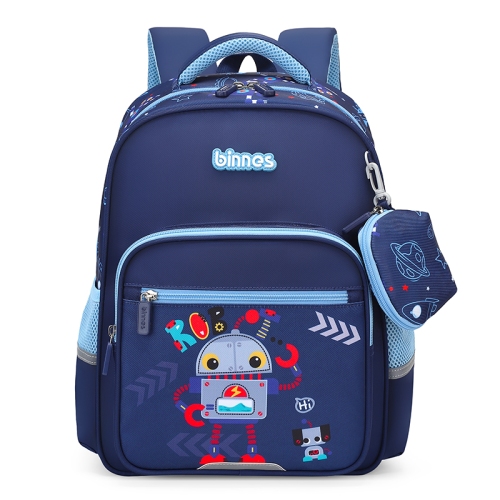
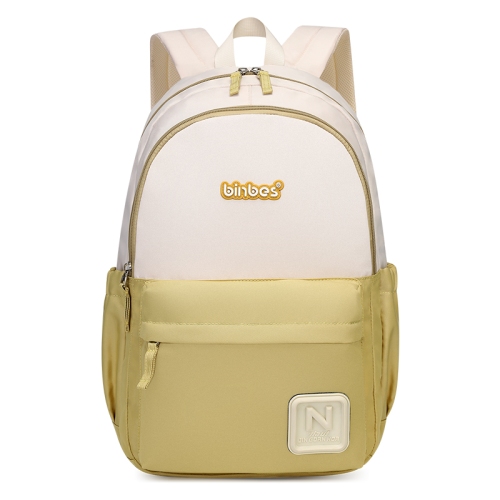
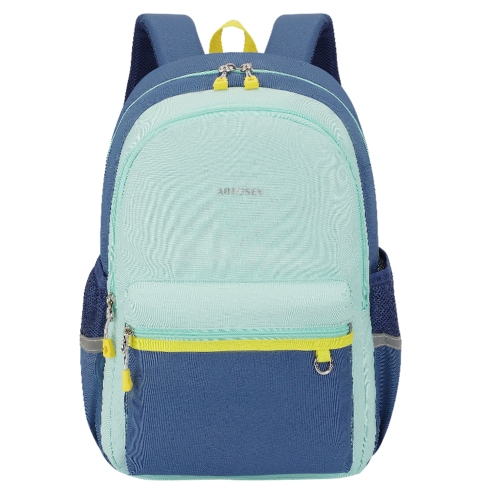
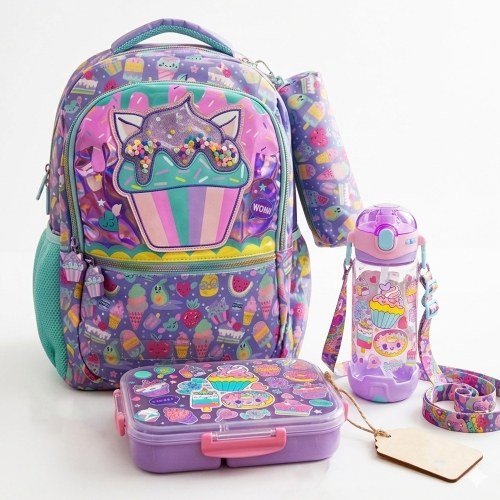


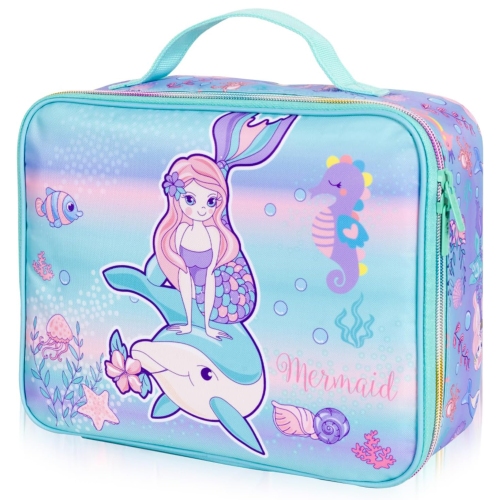
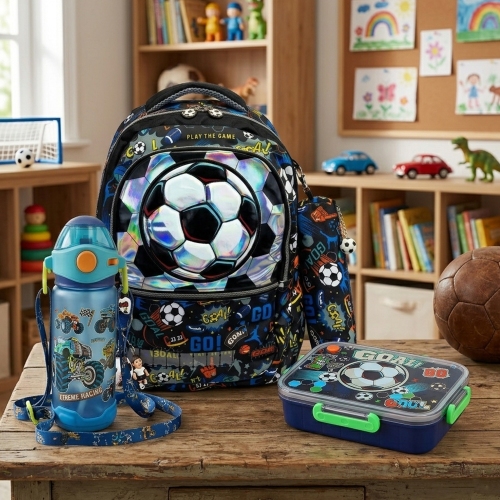
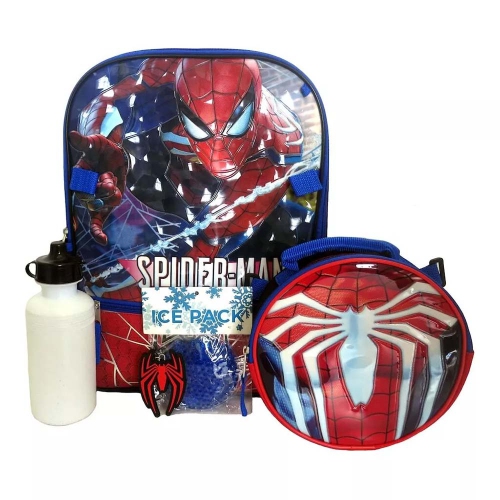
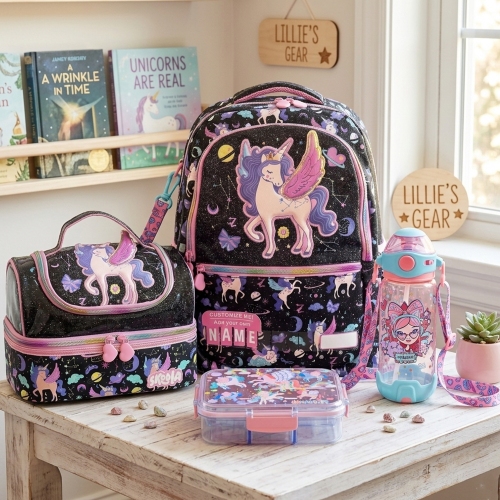
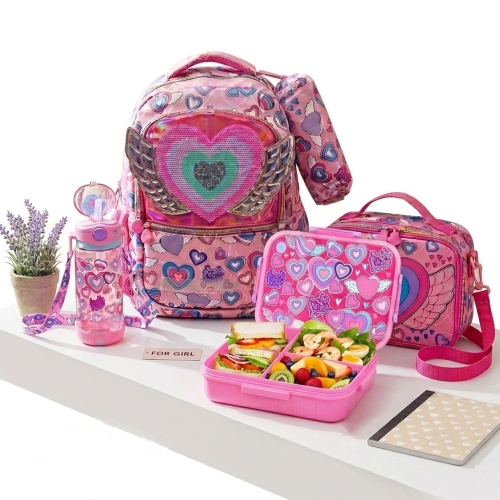
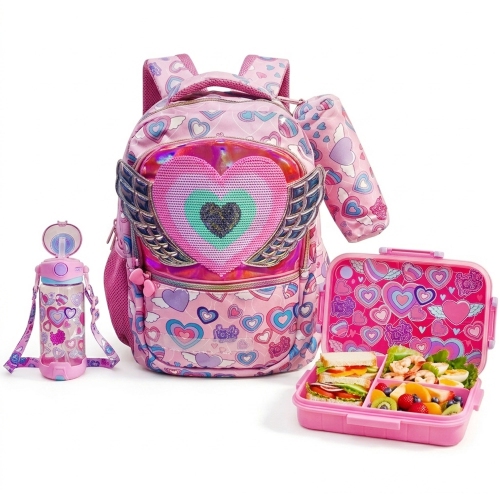
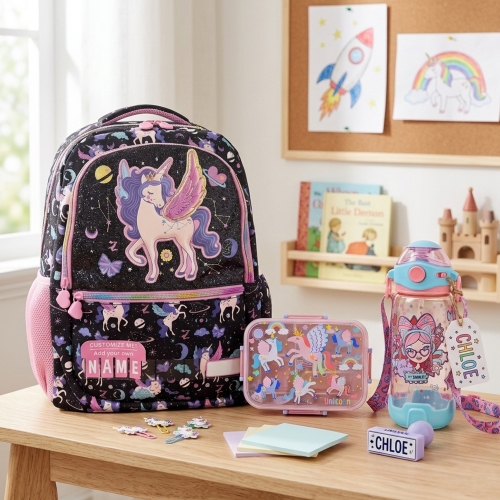
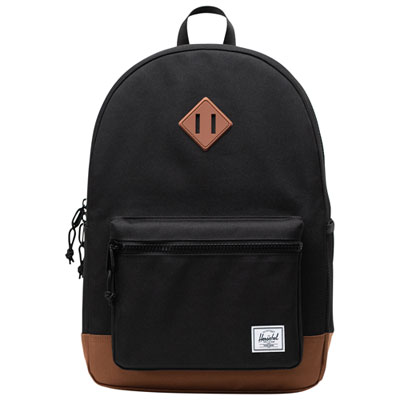
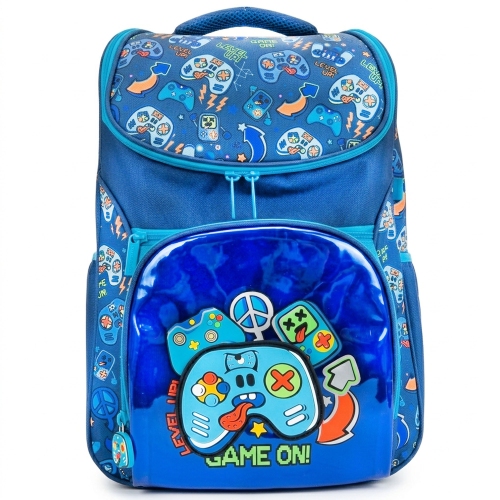
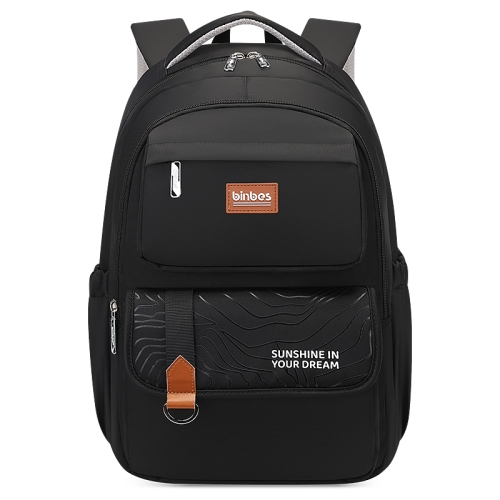

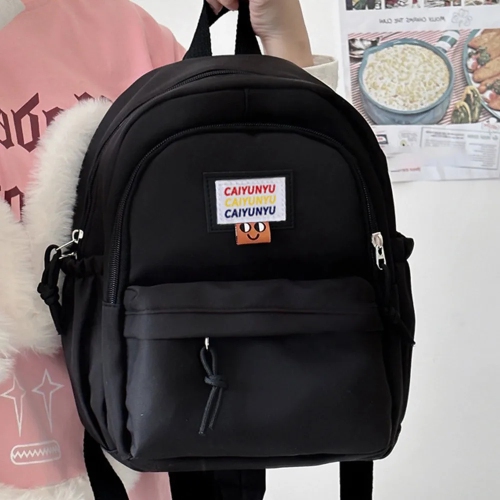

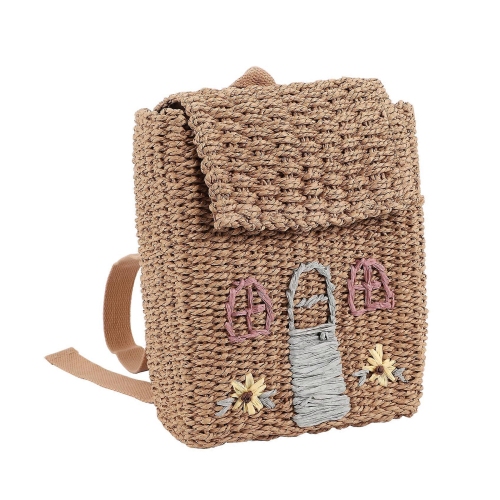

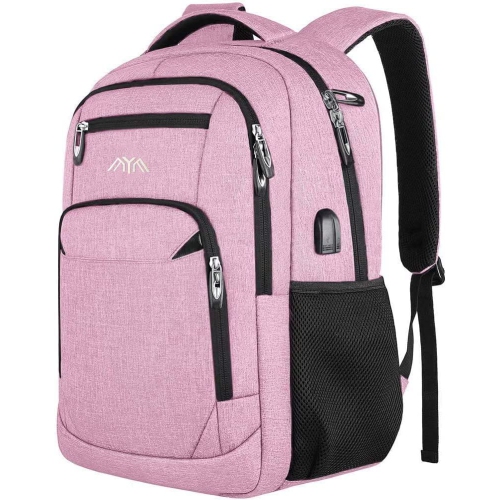

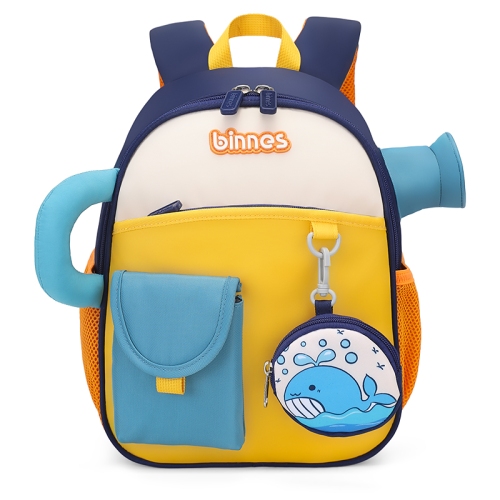


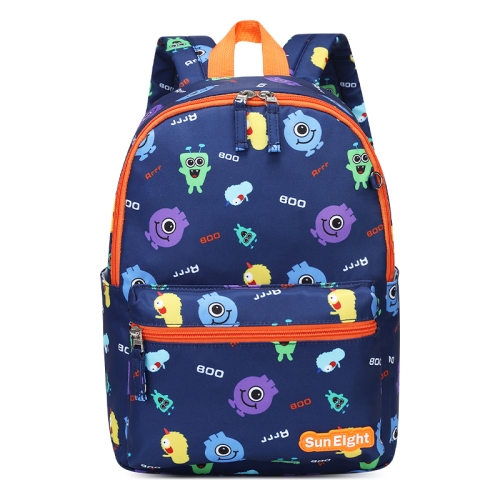
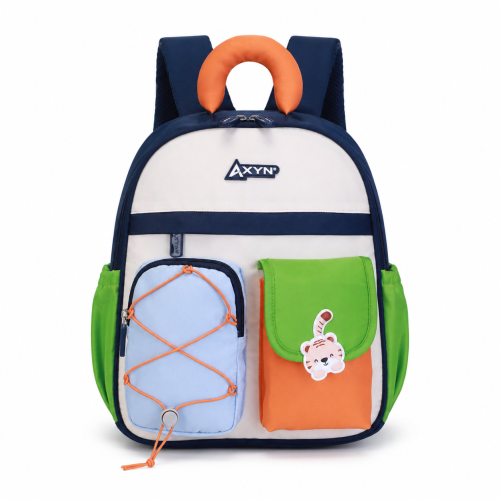

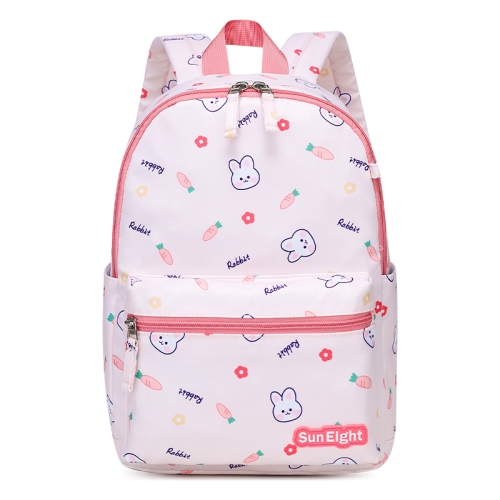
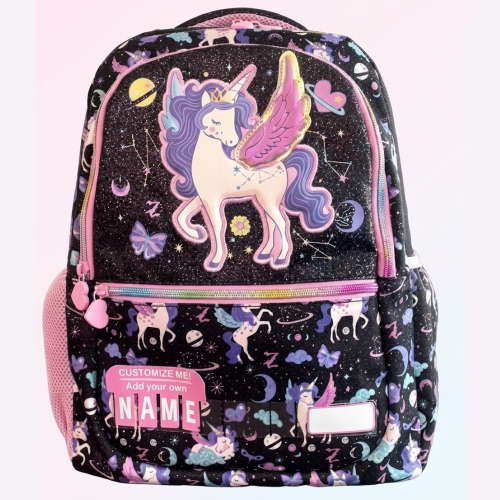
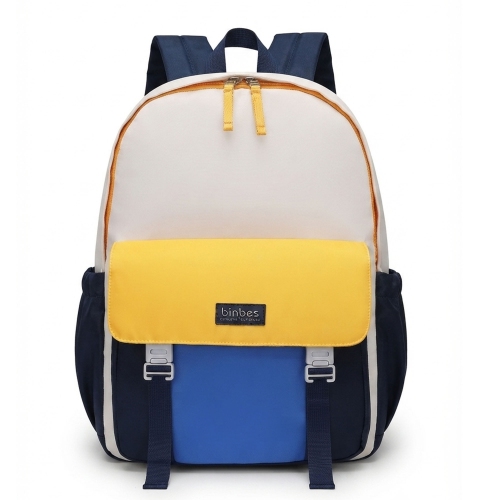
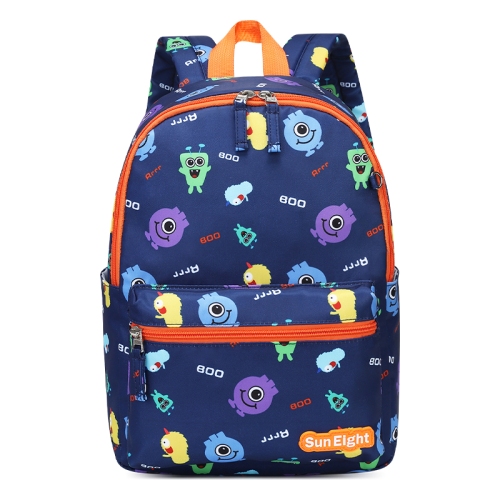
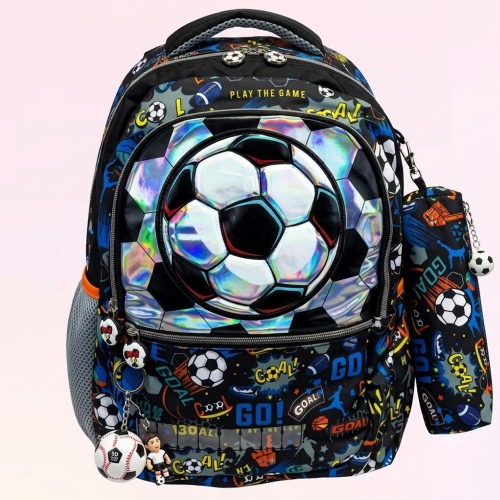
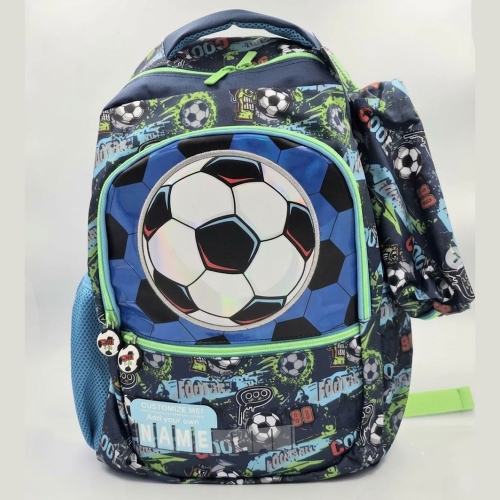

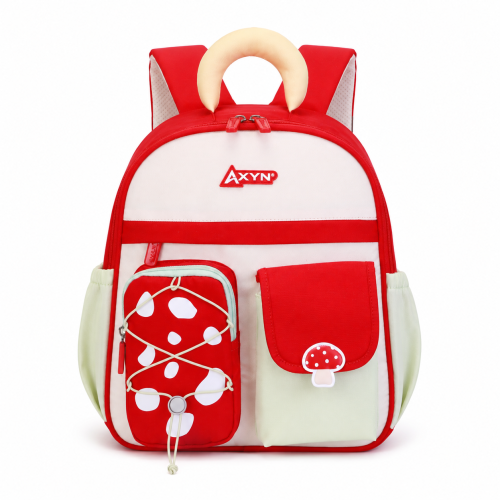
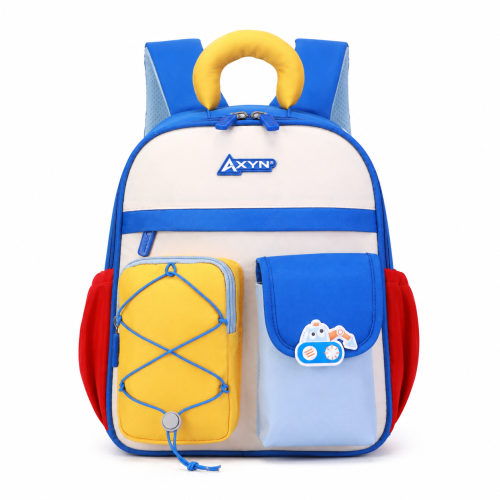

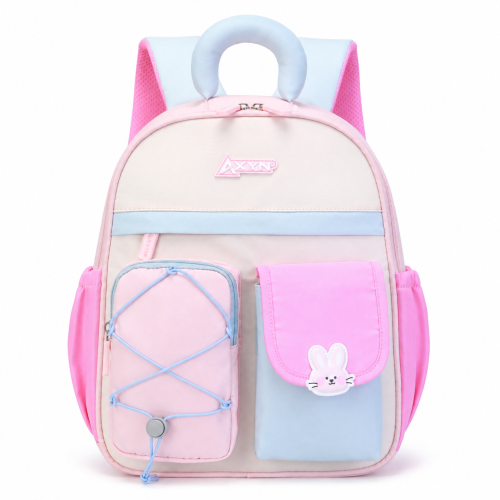
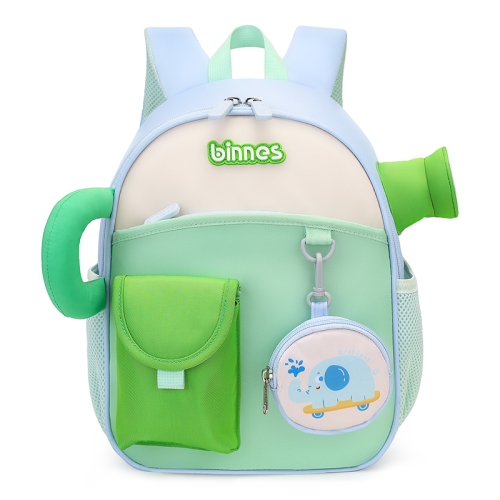
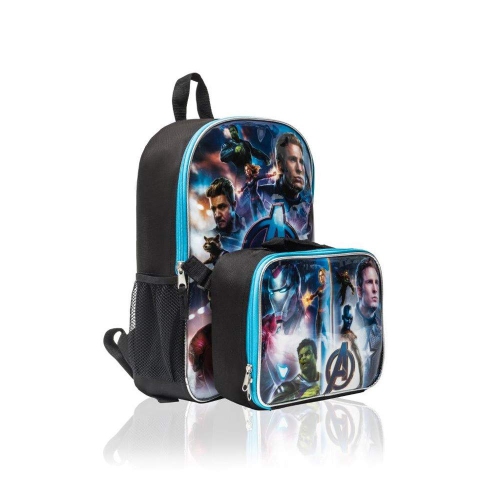


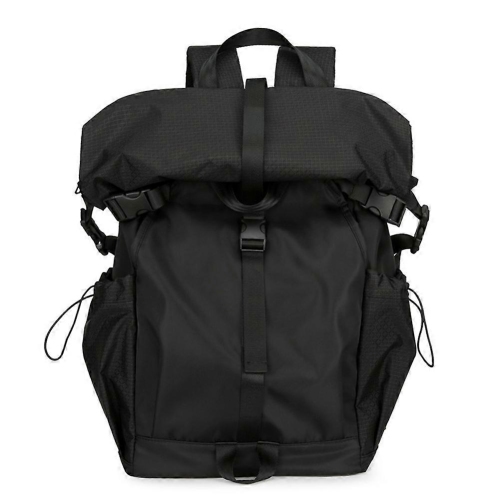
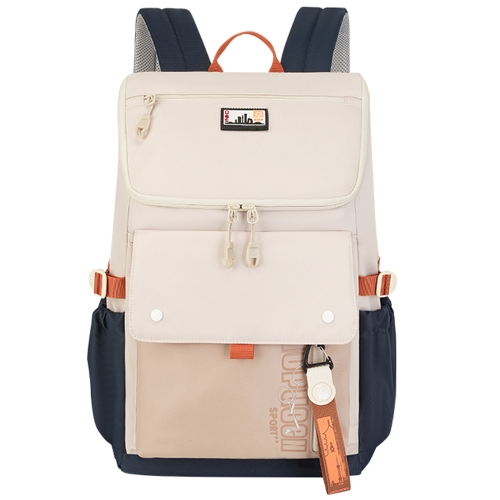
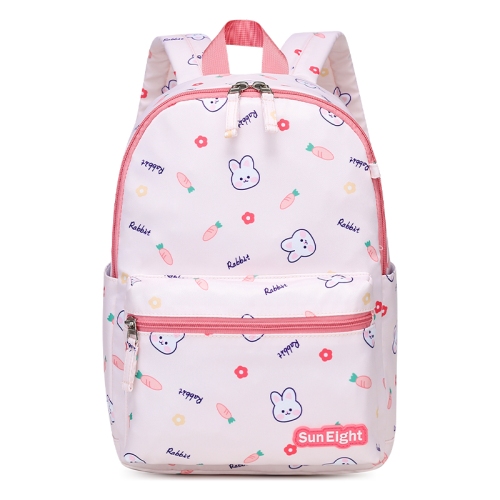
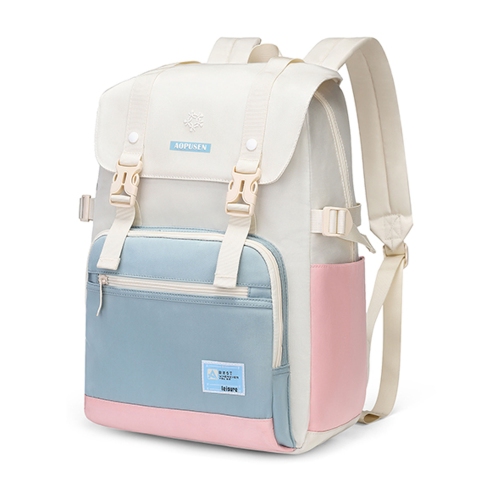

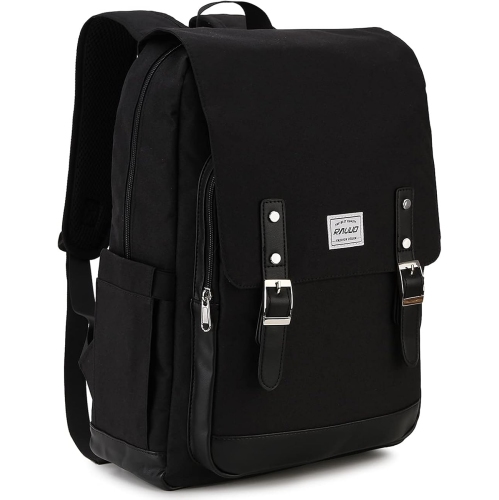
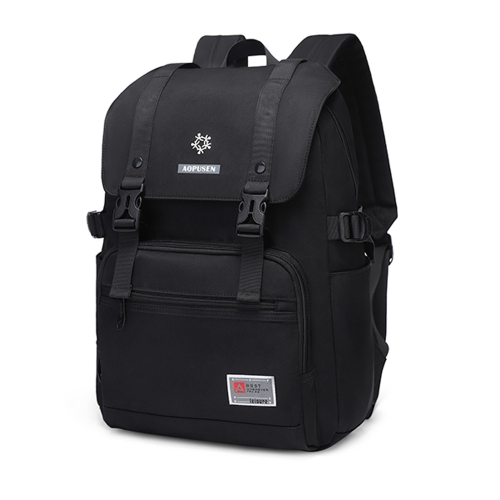
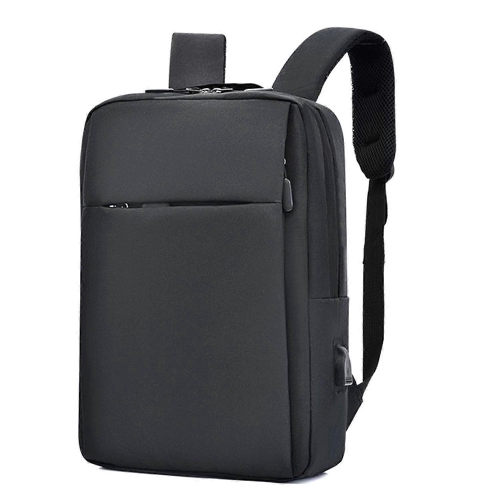
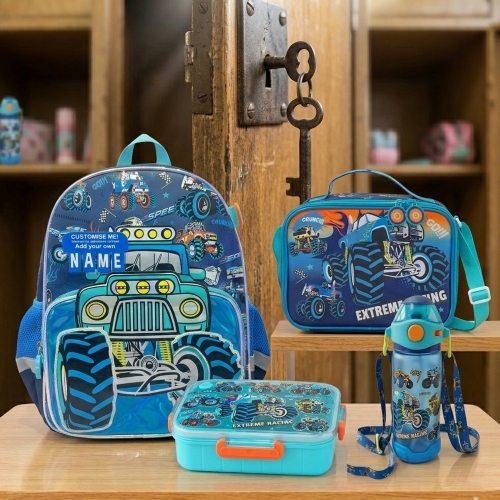
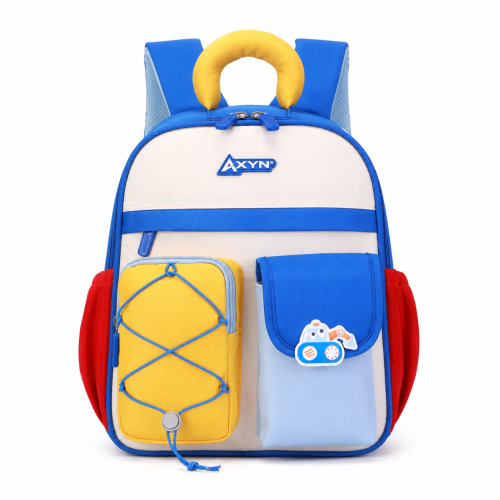
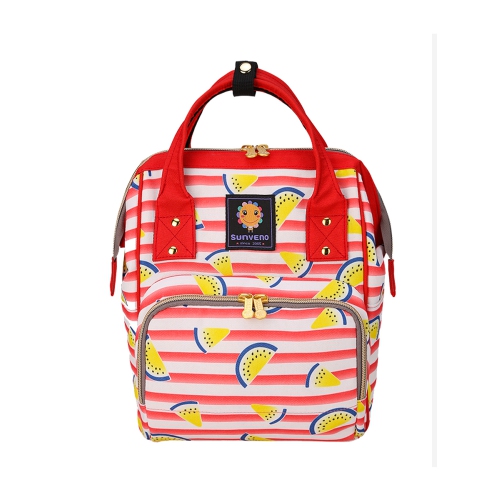
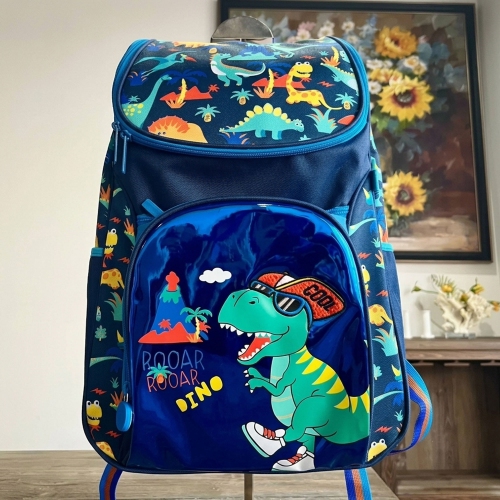
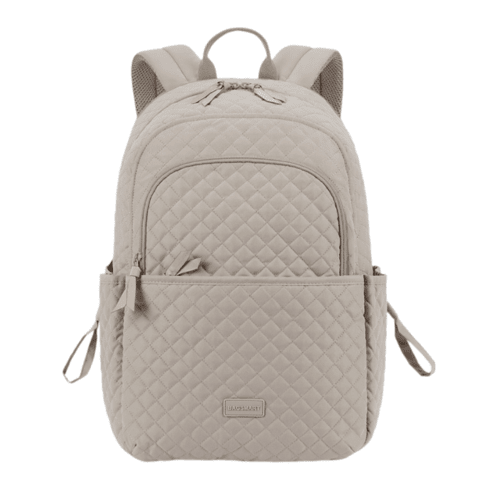
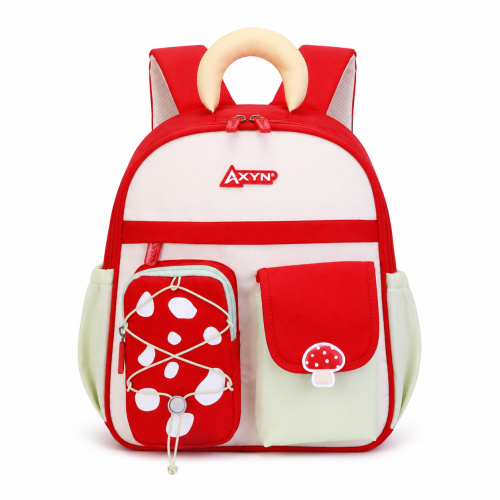
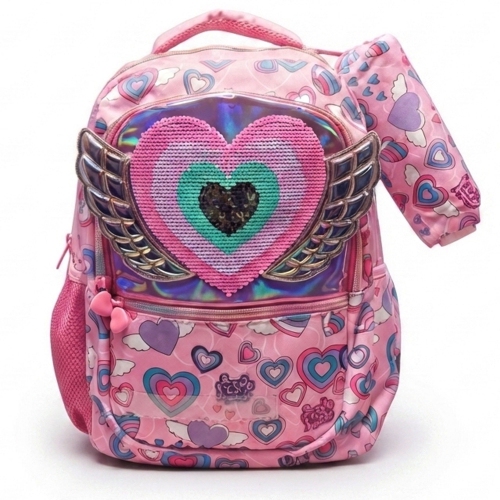
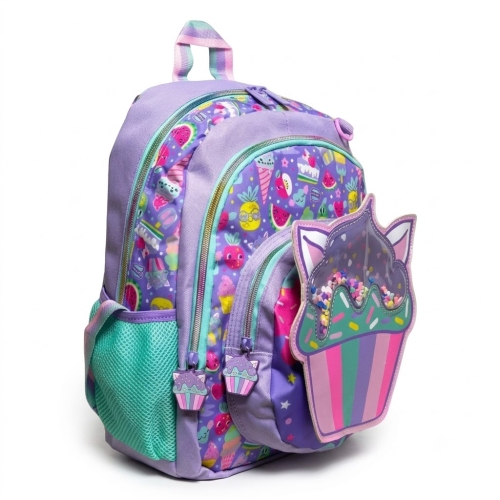
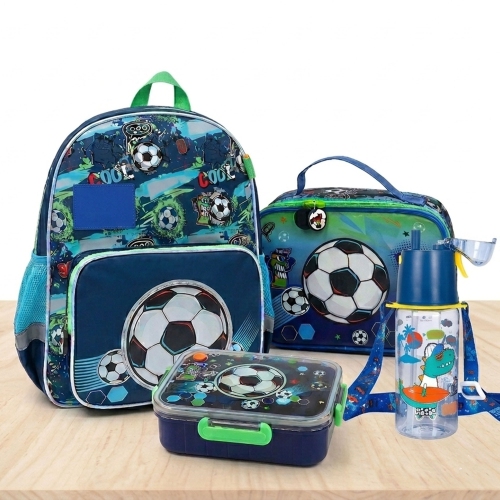
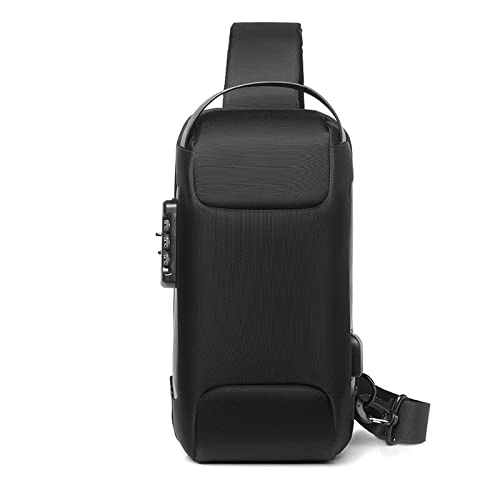
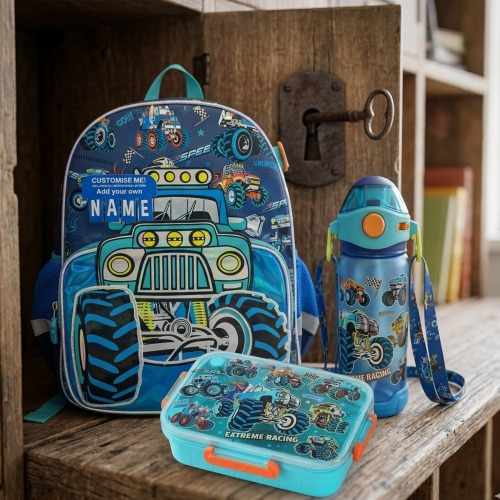
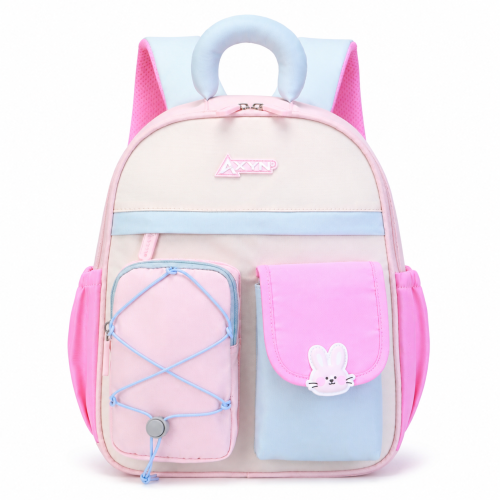
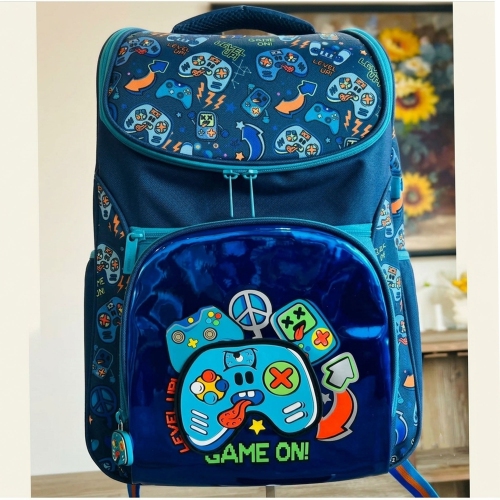

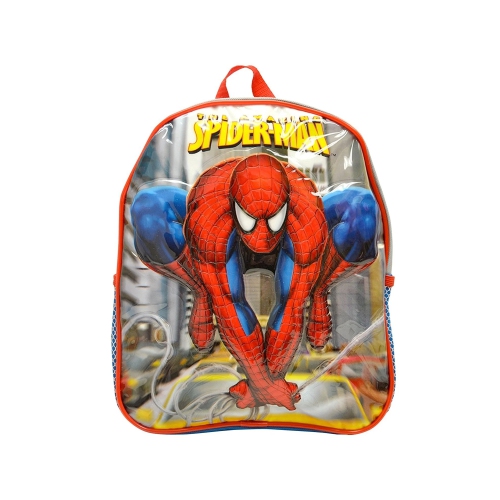
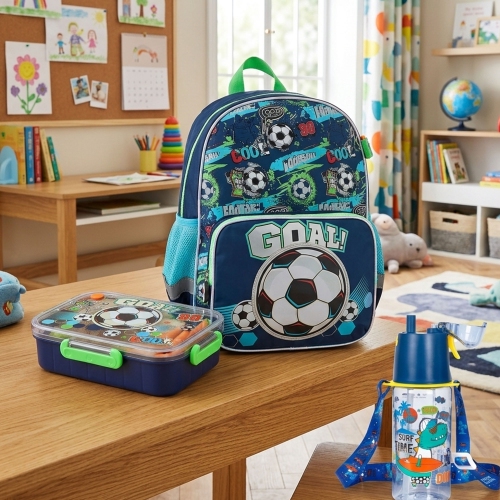
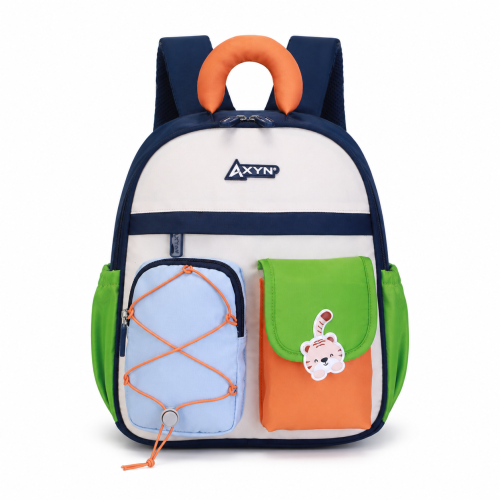
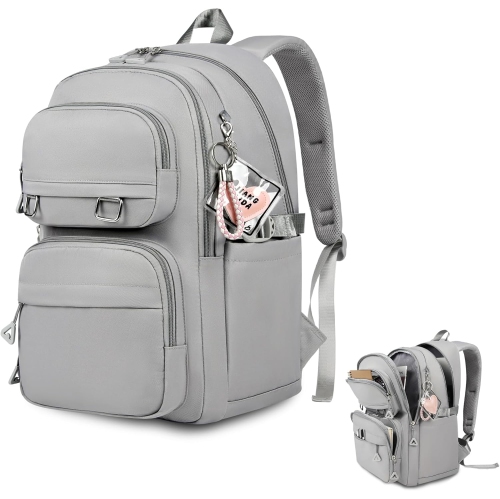
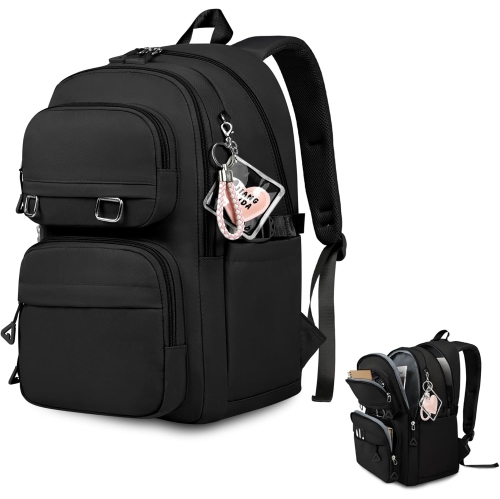
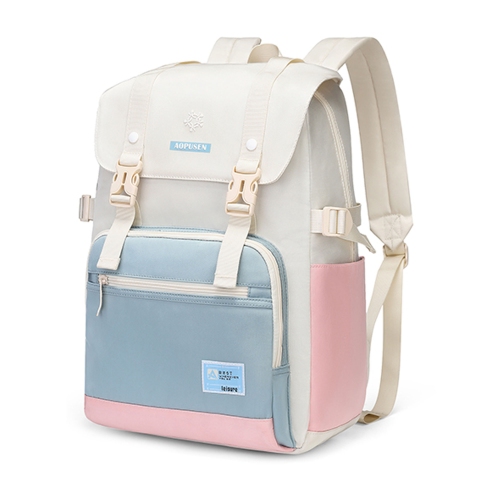
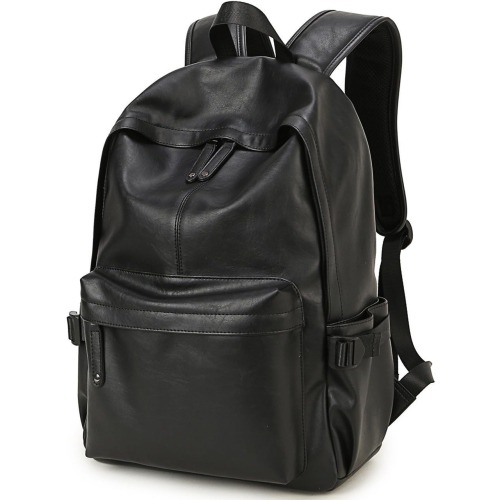
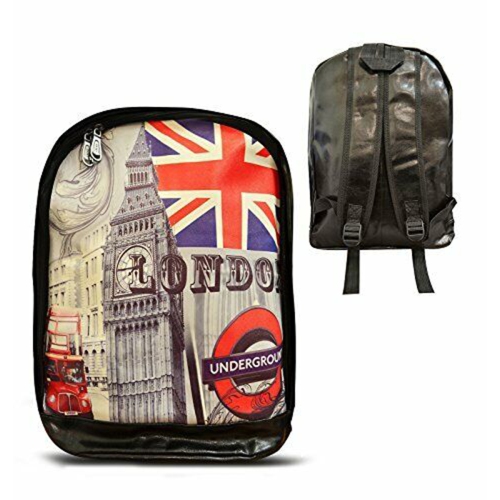
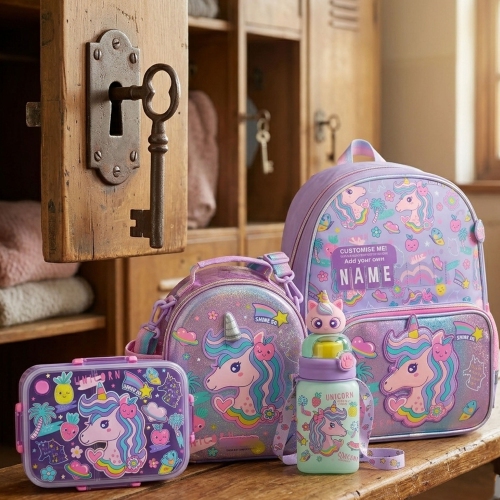

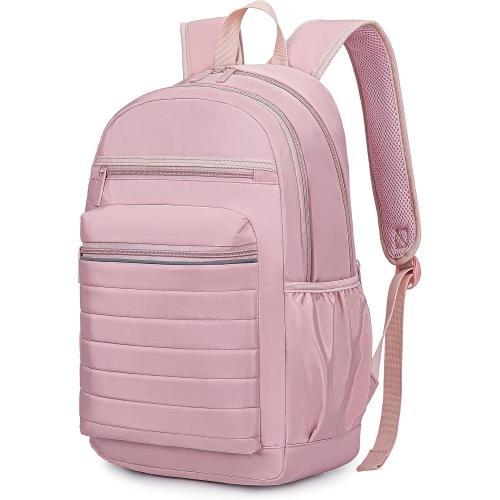
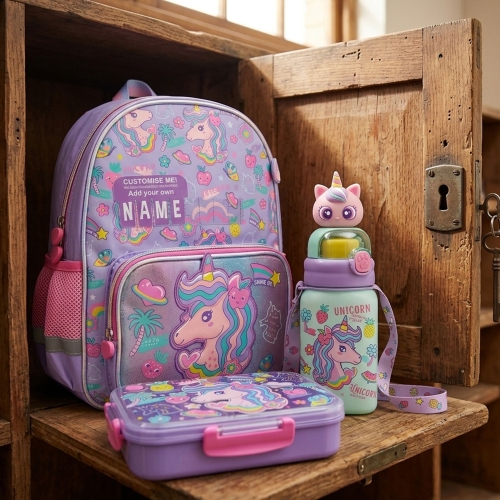
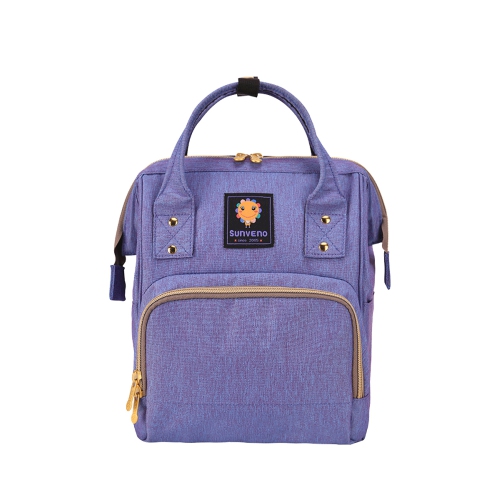
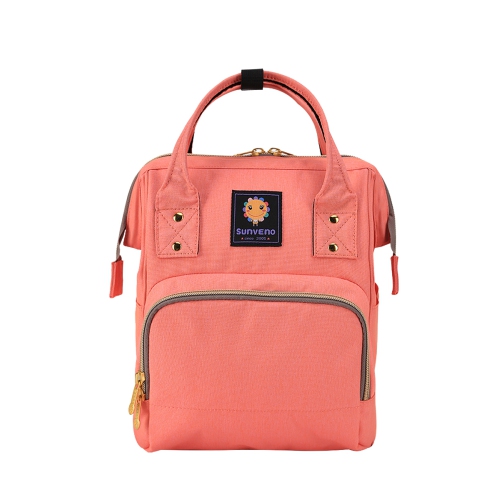

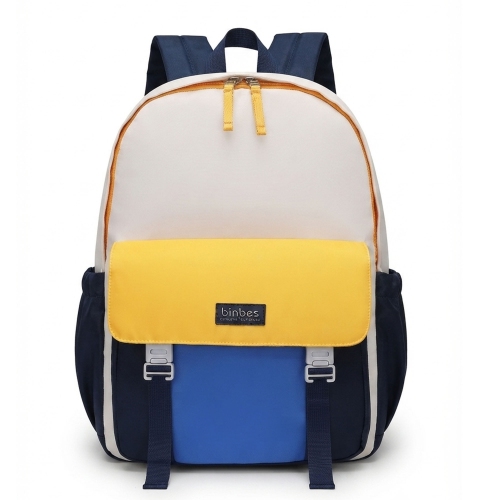
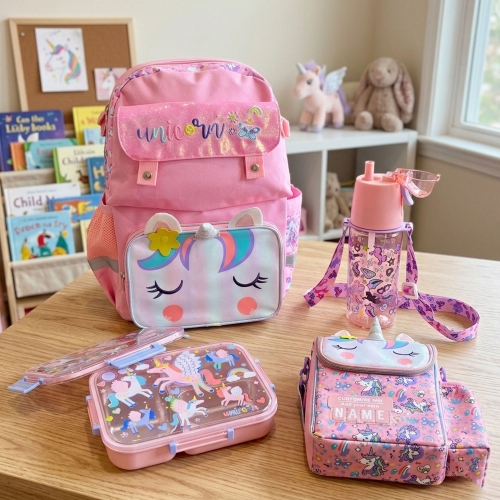
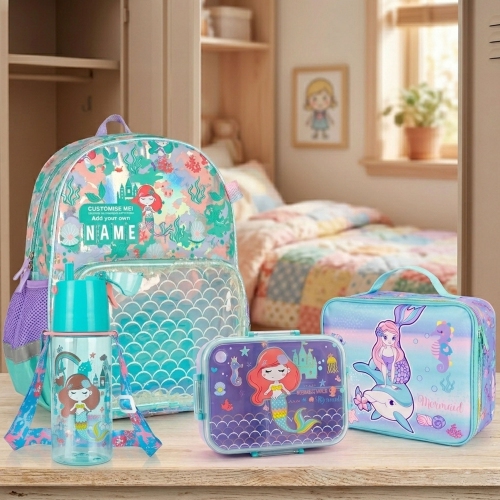
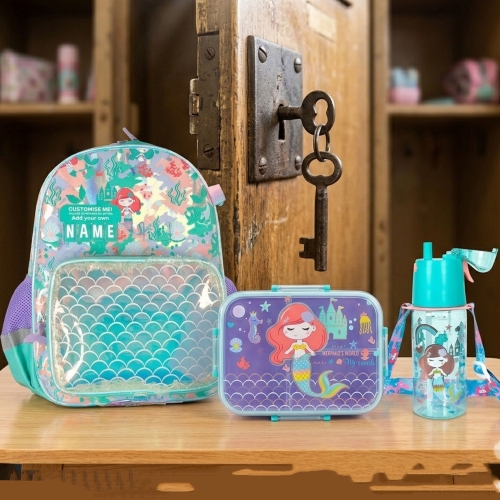

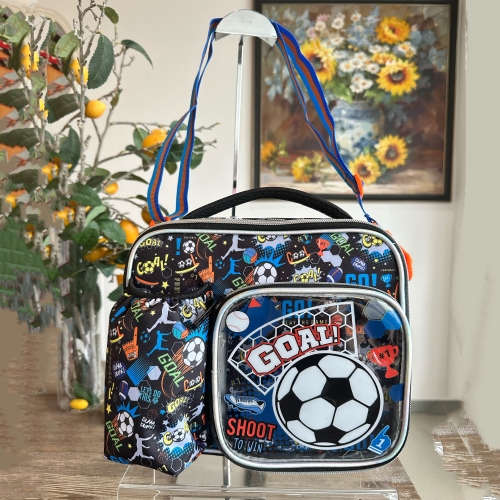


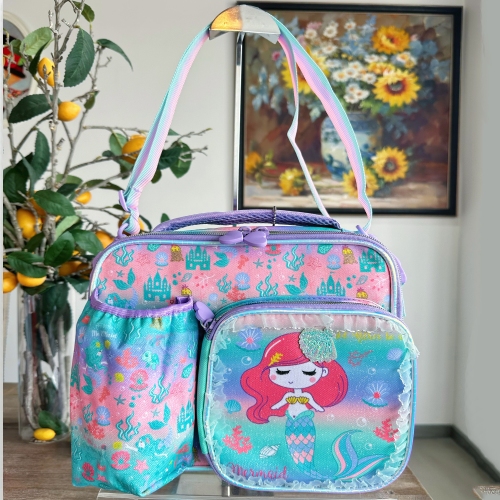
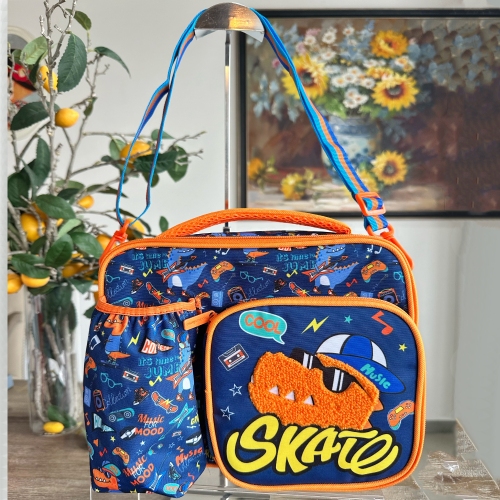
A comfortable fit for everything the school day brings
Boys’ school bags bring together everyday carrying space, comfortable support, and designs that feel personal to the student using them. A typical school day can mean carrying a reading book, homework folder, lunch container, water bottle, and a change of shoes, with older students adding binders or a laptop. The most useful size depends on those essentials as well as the child’s build, rather than age alone. A smaller backpack can suit a younger student with a light load, but it still needs an opening wide enough for school folders without folding their corners. Older students may need a deeper main compartment and separate sections that keep heavier books from pressing against lunch containers. Capacity measured in litres describes internal volume, while the bag’s height, width, and compartment layout determine whether particular belongings actually fit. A tall bottle, a rigid lunch box, and a large binder can take up space quite differently from soft clothing. Fit matters just as much as capacity: a school backpack should sit close to the back, with its base around the waist rather than hanging well below it. Adjustable shoulder straps help position the bag correctly, while broad padding spreads contact across the shoulders. Using both straps helps keep the load balanced, and an adjustable chest strap can help prevent shoulder straps from slipping during the walk between home, the bus stop, and the classroom. Comfortable padding does not make an oversized or heavily loaded bag suitable for a smaller child. The bag’s own weight also contributes to the daily load, making lightweight construction worth considering alongside storage space. For younger children, an uncomplicated shape with easy-to-reach compartments can make packing and unpacking less frustrating. For students moving between several classrooms, a more structured layout can keep supplies accessible without emptying the whole bag onto a desk. A useful fit assessment includes the usual school contents, since an empty backpack can sit quite differently from one holding books and a full drink bottle.
Materials and construction influence how school bags handle repeated trips, crowded cubbies, and being set down beside a desk. Polyester and nylon are common backpack fabrics because they can combine relatively light weight with resistance to everyday wear, although fabric thickness, weave, and finishing vary. Canvas has a different texture and can provide a substantial feel, but its weight and cleaning requirements deserve attention. No fabric name alone guarantees durability. Reinforced stitching around shoulder straps and carry handles is particularly relevant because these attachment points take repeated pulling when a loaded bag is lifted. A strengthened base helps protect the area that meets floors most often, while tidy internal seams reduce exposed edges that can catch on supplies. Zippers also affect daily usability: smooth movement, accessible pulls, and an opening that stays clear of loose lining can make a noticeable difference for small hands. A wide opening makes a forgotten lunch container easier to spot, and a light-coloured lining can help a dark pencil case stand out at the bottom. Padding around a device compartment offers separation from other contents, but sleeve dimensions still need to match the device, including any protective case. A padded sleeve does not make a bag impact-proof, and charging cables are easier to manage in their own pocket than tangled around books. Similarly, a water-resistant fabric finish may help with small splashes or spills without making the entire backpack waterproof. Drink bottles with secure lids belong upright in suitably sized pockets, away from paper and electronics where possible. Care requirements depend on the fabric, lining, coatings, and internal supports. Manufacturer care labels establish whether a bag can be washed or needs spot cleaning; removable crumbs and small marks are often easier to address before they build up. Emptying every compartment and allowing the bag to dry fully after cleaning helps keep the interior ready for its next use. Rigid inserts, decorative details, and padded sections may require different handling from the outer fabric.
Organization is most helpful when it matches a student’s habits rather than simply adding more pockets. A roomy main section can hold books and folders, a separate front pocket can keep pencils and erasers together, and a small zipped compartment can give a bus pass or house key a consistent home. Younger students may find two or three clearly defined spaces easier to manage than many narrow compartments. Older students carrying several subjects may appreciate internal dividers that separate notebooks without adding loose organizers. Exterior bottle pockets need enough depth and stretch to hold a bottle securely, while an insulated lunch compartment, where included, still needs appropriate food-safe packing and regular cleaning. Keeping food separate from homework also limits the mess if a container leaks. Beyond the classroom, school backpacks can carry library books, supplies for an after-school club, or clothing for an overnight visit, provided the shape and capacity suit the contents. For children who travel between households, a clearly organized bag can help keep essential school materials together without requiring a complete repack each morning. Appearance matters too, whether a boy prefers bold colours, playful graphics, sports-inspired details, or a simple solid finish. A design that reflects his interests can make the bag feel like his own, while a discreet internal name label helps identify it without displaying personal information prominently. School bags can also be practical gifts for a child starting at a new school or moving into a grade with different carrying needs; the recipient’s measurements, preferences, and required supplies are more useful starting points than appearance alone. Exploring back to school bags can provide a broader view of carrying styles for different school routines. The most suitable boys’ school bags balance manageable size, dependable construction, accessible storage, and a design the student enjoys carrying, with enough room for the day’s essentials rather than unnecessary extra weight.
Top selling and popular products
-
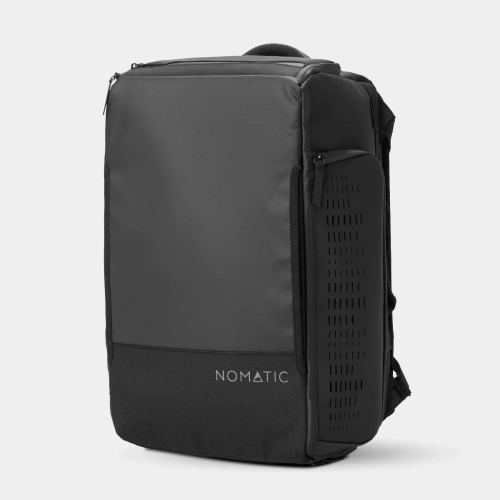 Your price for this item is $419.99
-
 Your price for this item is $399.99
-
 Your price for this item is $369.99
-
 Your price for this item is $399.99
-
 Your price for this item is $218.48
-
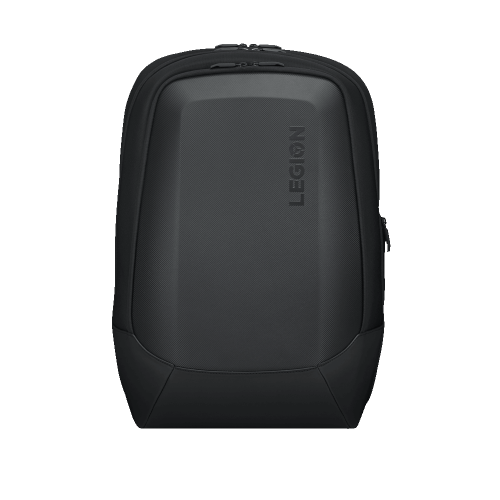 Your price for this item is $98.99
-
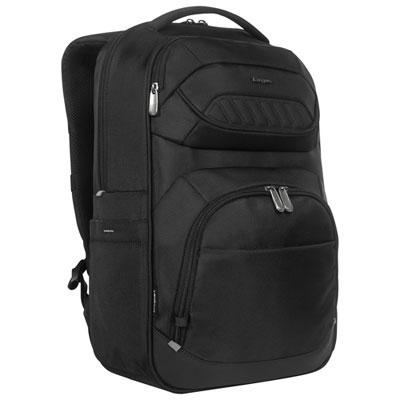 Your price for this item is $99.99
-
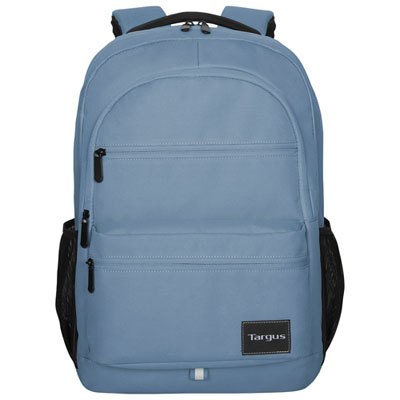 Your price for this item is $59.97
Discover more categories related to Boys School Bags

Top Collections:
Pokemon Centers, Best Cameras for Sports Photography, Kindle Devices, Samsung Galaxy Phones, Canon G7X Cameras, Pokémon 30th Celebration Cards, Refurbished Apple Laptops, iPhone 15 Apple, Laptops for Students, Budget Smartphones
Some products may be subject to Environmental Handling Fees
(EHF) depending on your province.
Learn more about EHFs.