Cable Organizers for Students
Cable Organizers For Students help keep study spaces tidy and clutter-free, making it easier to focus on assignments and projects. Whether managing charging cables, headphones, or computer cords, these solutions are designed to simplify daily routines in dorm rooms, classrooms, or home offices. Explore options that make organizing technology essentials convenient and efficient with Cable Organizers For Students.
Sort
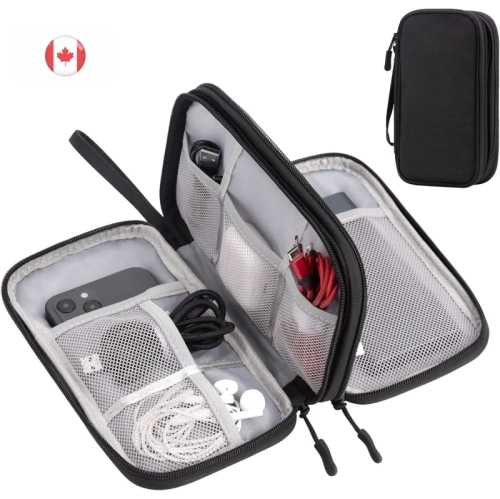
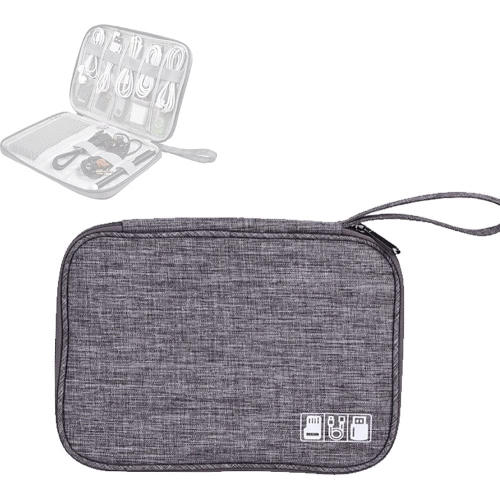
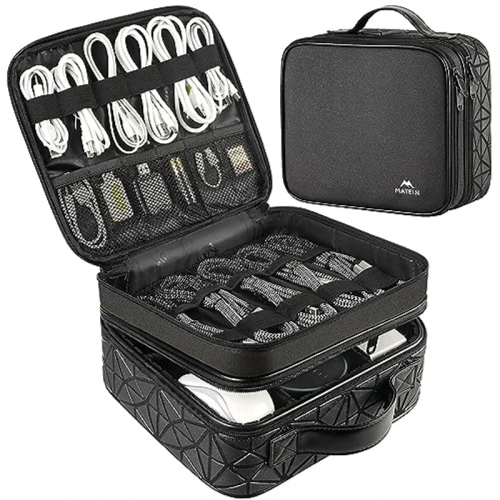
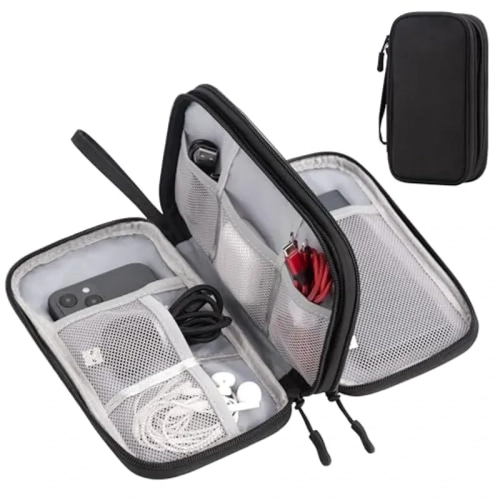
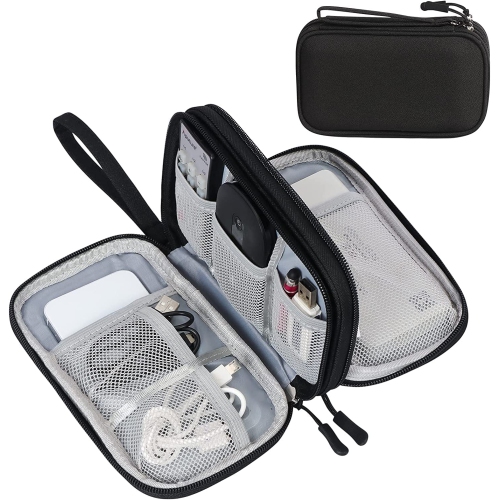
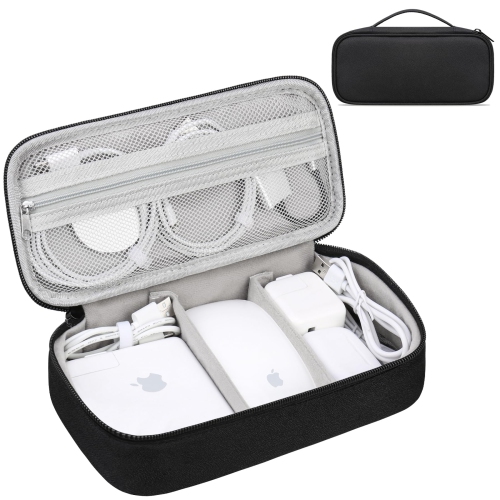
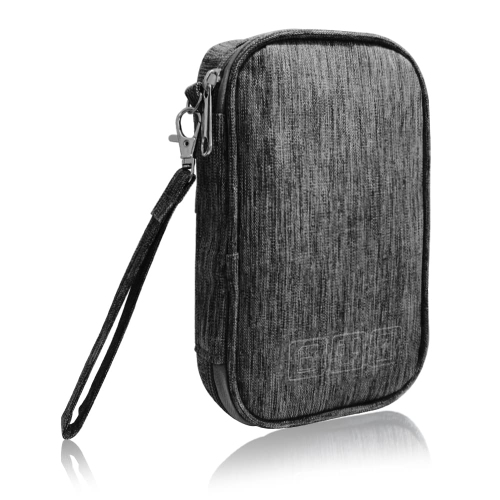
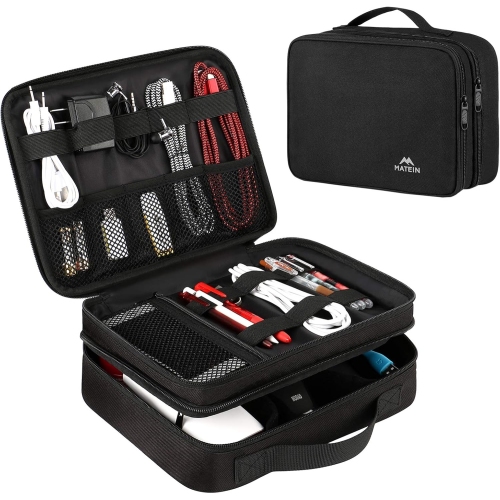

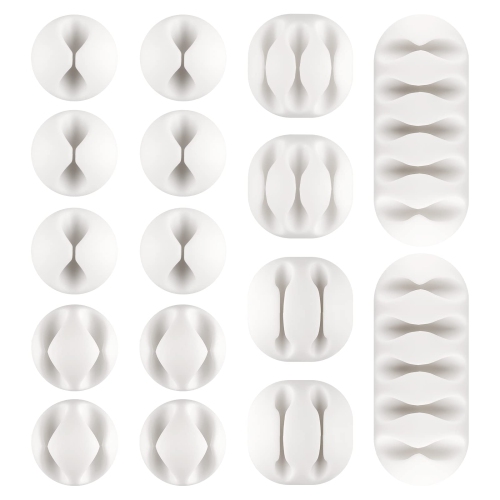
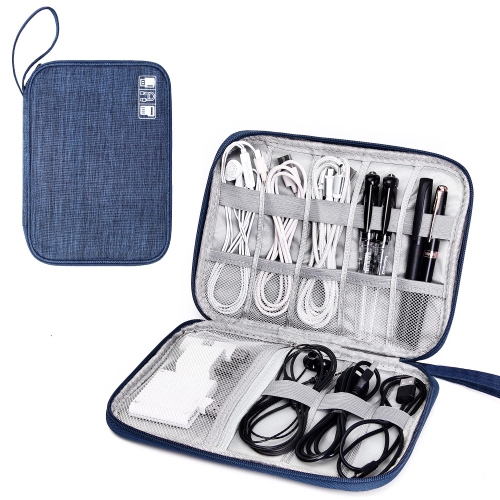
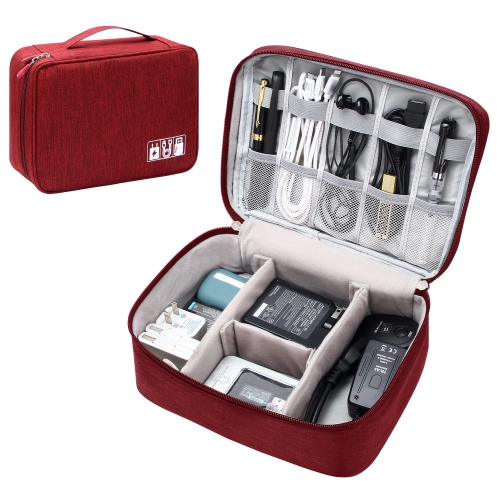
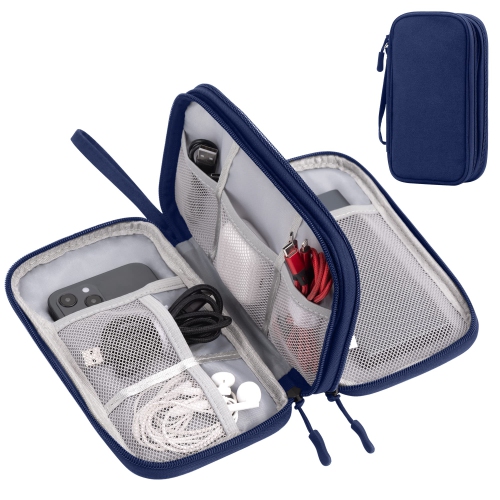
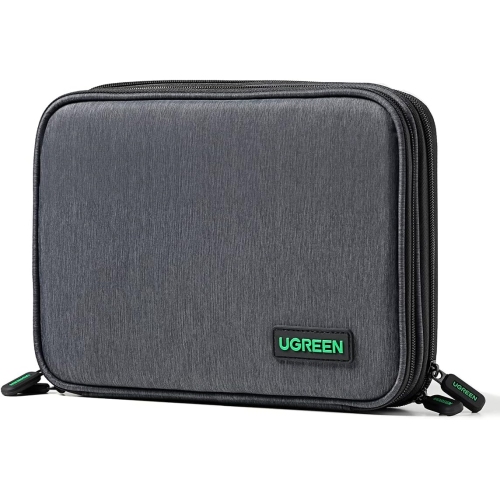
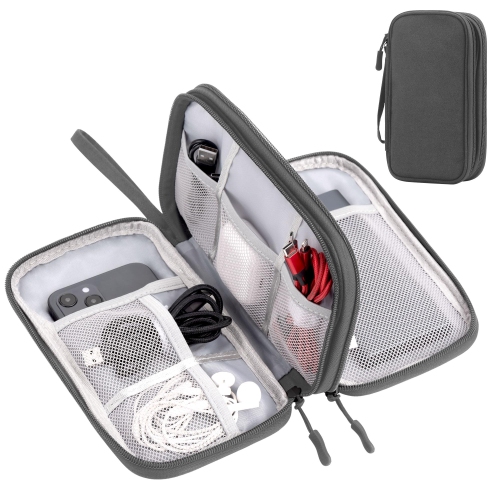
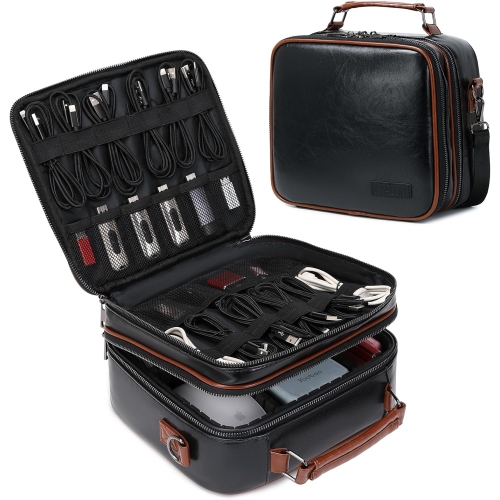
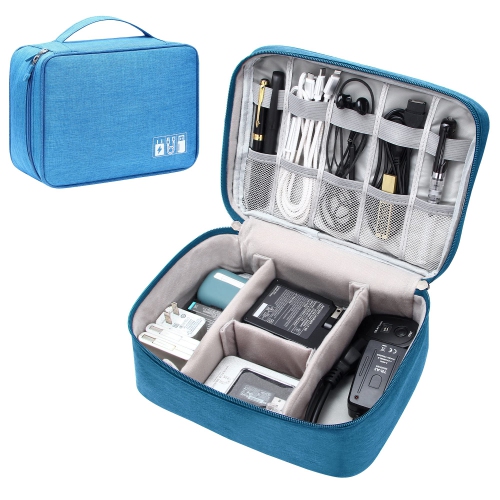
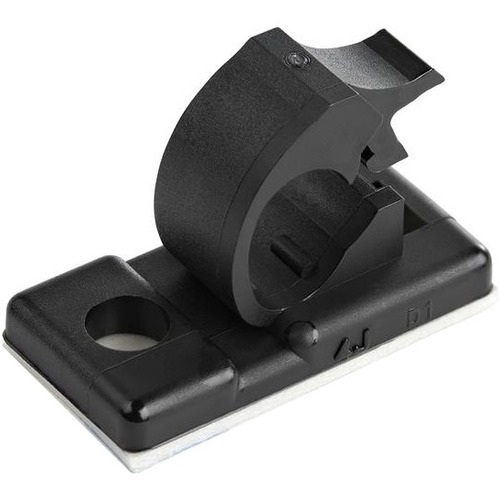
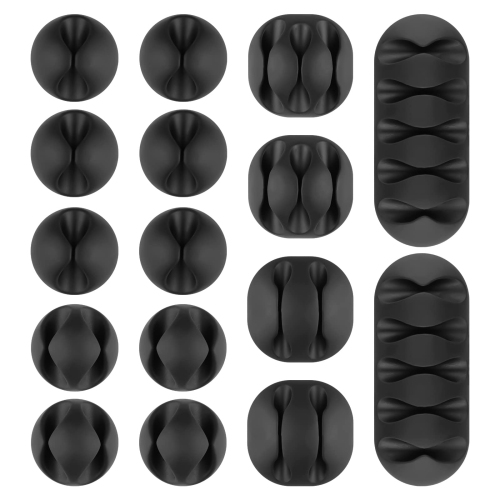
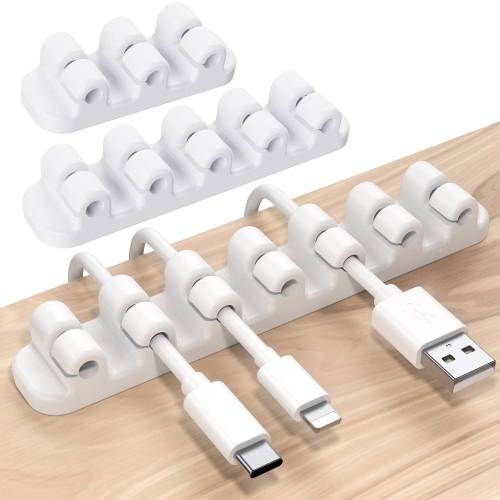
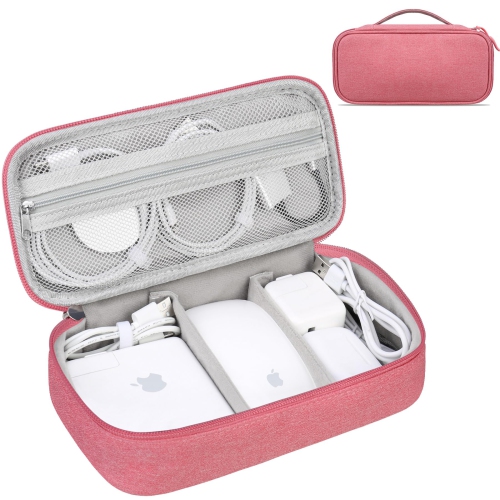
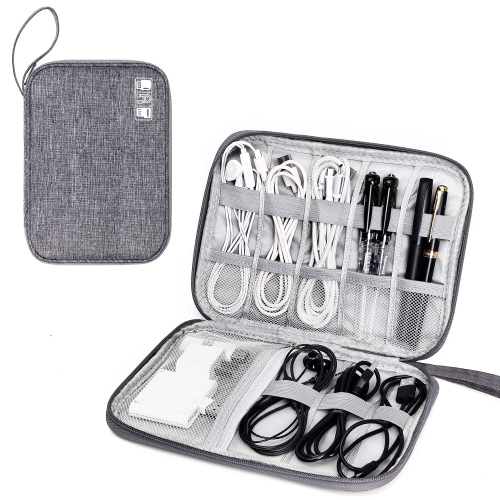

Less cable clutter from study desks to backpacks
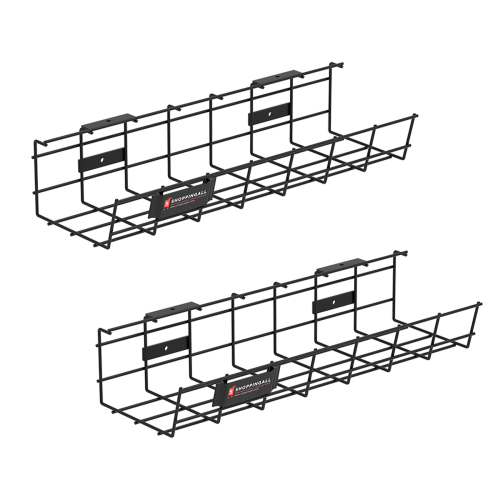
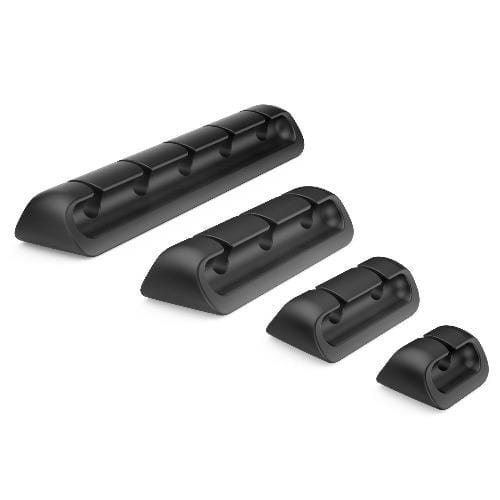
Cable organizers for students help keep charging cords, headphones, and computer connections manageable, whether the main study space is a residence desk, a bedroom work surface, or a shared kitchen table. The most useful format depends on the desk layout, the thickness and number of cables, and how often those cables need to travel. Small cable clips can hold frequently used charging leads near the edge of a desktop, so a disconnected connector does not slip behind furniture. Flexible ties suit cords that move between a backpack and a study space, while sleeves gather several cables following the same route. Under-desk trays and baskets serve a different purpose: they lift supported cables and compatible power accessories away from foot space, leaving a clearer area beneath the desk. These formats can complement one another without turning every cord into a permanent installation. A laptop charger that leaves for class each day benefits from easy access, whereas a monitor cable that stays connected can follow a more fixed path. Fit matters as much as capacity. A narrow clip may grip a slim charging lead but struggle with a thicker power cord, and a sleeve needs enough room to close without compressing its contents. Desk attachment also affects suitability. Adhesive mounts need a clean, compatible surface and may leave residue or affect delicate finishes; clamp-on designs need a suitable edge and enough clearance beneath it. For students using rented furniture or residence desks, attachment methods that do not require drilling can be particularly practical, subject to the furniture’s finish and residence rules. Placement should leave connectors accessible, allow chair movement, and keep cables from catching on drawers. A little slack at each connection helps accommodate moving a laptop aside for a textbook or adjusting a monitor. The result is not simply a tidier-looking desk, but a study space where everyday connections are easier to reach and less likely to become tangled with a chair leg or notebook.
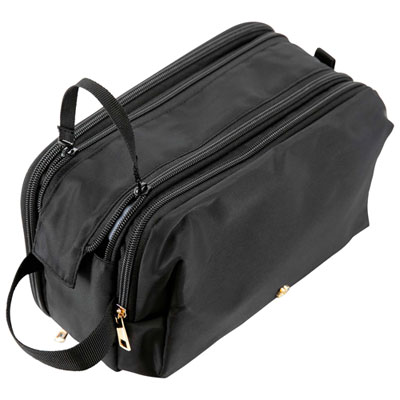
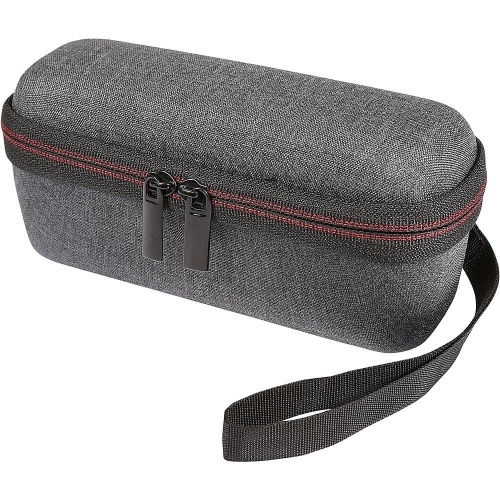
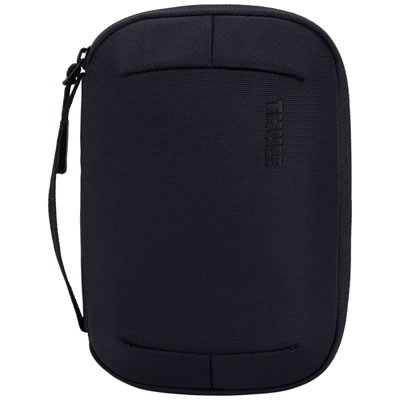
Portable cable organization serves students whose school day stretches across lecture halls, libraries, labs, and home. A pouch creates a dedicated place for charging leads and small accessories instead of leaving them loose among pens, papers, and lunch containers. Its layout makes a noticeable difference in daily use. Elastic loops can separate individual cords, mesh pockets make smaller contents easier to see, and zippered compartments help contain adapters that might otherwise settle at the bottom of a backpack. Compartment dimensions matter more than the pouch’s outside size alone: a bulky laptop charger needs a deeper section than a short phone cable, and rigid internal dividers may limit how differently shaped accessories fit. Soft-sided designs can adapt to changing contents, while a more structured case may offer better separation from surrounding books and supplies. Neither format should be packed so tightly that connectors are bent or zippers strain. For a student who uses the same charger at home and on campus, a simple arrangement with a few accessible sections may be more convenient than numerous small compartments. Someone carrying several connection types may benefit from more separation and clear identification. Reusable ties keep coiled cords together inside a pouch, and labels can distinguish similar-looking cables or identify a cord’s owner in shared study spaces. Gentle loops are preferable to tight bends, particularly near reinforced connector ends where repeated folding can put strain on the cable. A small amount of extra room also makes repacking easier after a hurried library session. Organizers intended for transport should be considered storage accessories rather than places to operate charging equipment unless specifically designed for that use. Chargers and connected devices need the ventilation specified by their manufacturers, and a closed pouch can trap heat. Keeping portable cables separate from the ones that stay at the desk can also reduce the need to dismantle a working setup before every class. That separation is especially useful when the same desk supports coursework, video calls, and personal activities throughout the day.
Materials, construction, and care influence how well cable organizers stand up to repeated use. Flexible silicone or similar soft materials can provide a forgiving grip for individual cables, while fabric ties offer adjustable fastening around bundles of different sizes. Woven pouches and sleeves vary in texture, thickness, and ease of cleaning; rigid plastic channels and metal trays provide a more defined route or support structure. Material alone does not establish durability, so details such as smooth edges, secure stitching, reinforced attachment points, and closures that operate without snagging deserve attention. Any surface touching a cable should be free of sharp edges that could rub against its outer covering. Hook-and-loop ties should fasten securely without being pulled tight enough to pinch the cord, and removable sections should remain easy to open when equipment changes. Care is usually straightforward but depends on the organizer’s instructions. Dust can be removed from accessible surfaces, and suitable materials may be wiped with a lightly dampened cloth once cables and electrical accessories have been disconnected and removed. Fabric components should only be washed as directed and allowed to dry completely before reuse. Damaged charging cables still need replacement; an organizer should never be used to conceal fraying, exposed wiring, or a loose connector. Cable routes should also stay clear of doorways, moving furniture, and places where cords could be crushed. With those practical details addressed, organization can reflect how a student actually works: a clearly separated charging lead for quick access, a pouch that fits a backpack pocket, or a discreet cable route that leaves room for handwritten notes. For students setting up a study space, Back To School Cable Organizers offers a related way to explore the category. Cable organizers can also make a useful gift for a student moving into residence, sharing an apartment, or managing equipment for a demanding program. The best fit is an arrangement that stays easy to use when deadlines, group projects, and everyday routines compete for attention.
Top selling and popular products
-
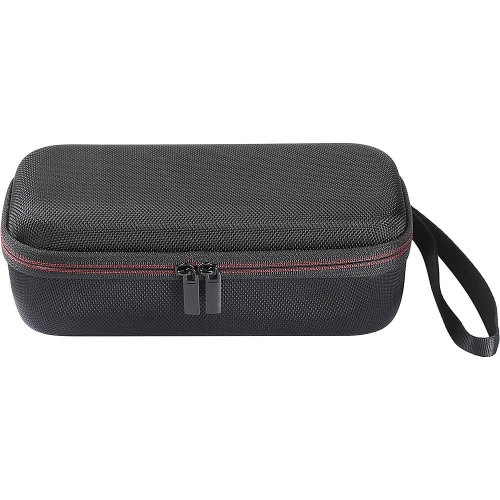 Your price for this item is $59
-
 Your price for this item is $34.95
-
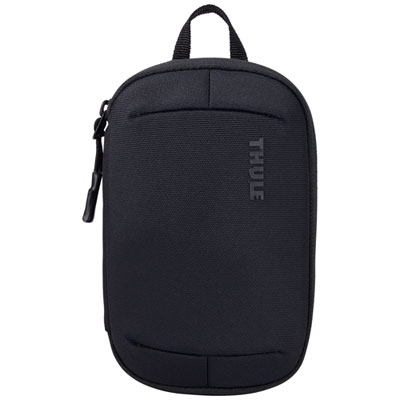 Your price for this item is $29.99
-
 Your price for this item is $79.99
-
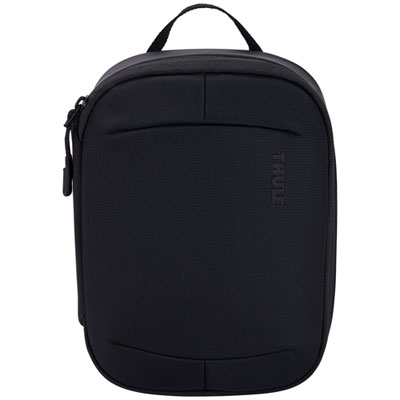 Your price for this item is $39.99
-
 Your price for this item is $49.99
-
 Your price for this item is $59.99
-
 Your price for this item is $34.99
Discover more categories related to Cable Organizers for Students
Top Collections:
Best Black Friday Deals This Year, Best Black Friday Deals On Electronics, Kindle Devices, Pokemon Centers, Best Black Friday Deals On Apple Products, Best Cameras for Sports Photography, Dyson Airwrap, Pokémon 30th Celebration Cards, Apple iPhone 17 Pro, Canon G7X Cameras
Some products may be subject to Environmental Handling Fees
(EHF) depending on your province.
Learn more about EHFs.