Cord Pouch
Keep your cables and accessories neatly organized with a Cord Pouch, the perfect solution for managing cords at home, work, or on the go. Whether you need to store charging cables, earphones, or small tech essentials, a Cord Pouch helps reduce clutter and keeps everything easily accessible. Explore a variety of sizes and styles to find the ideal Cord Pouch that fits your needs and streamlines your daily routine.
Sort
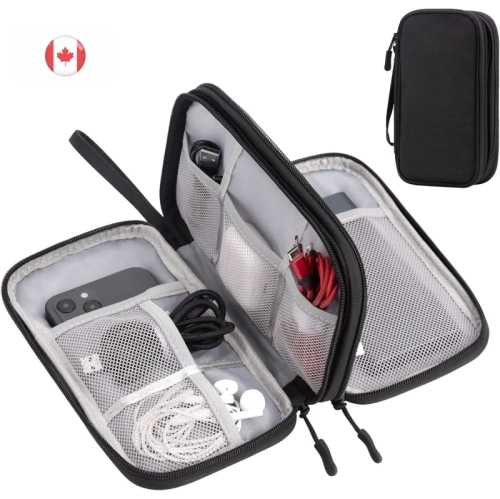
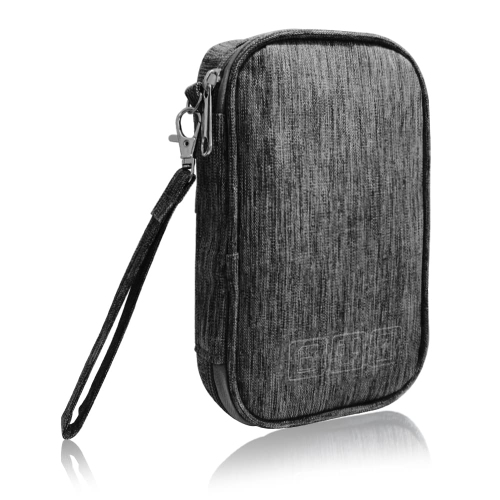
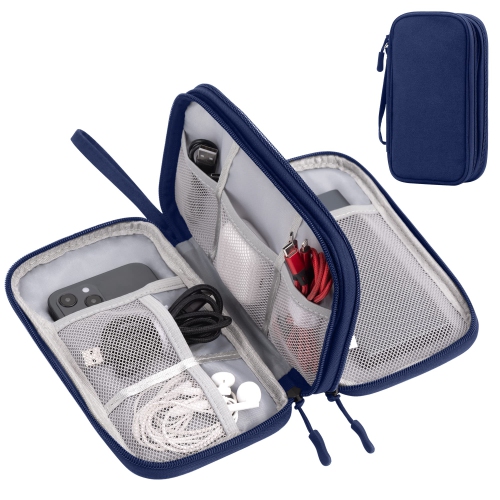
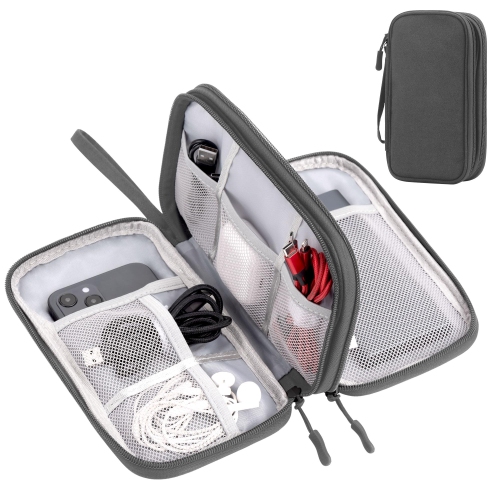
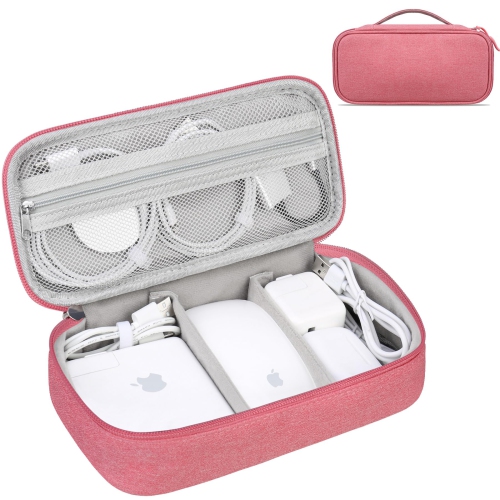

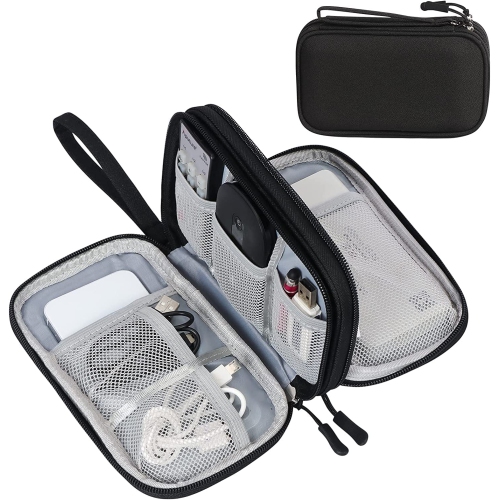
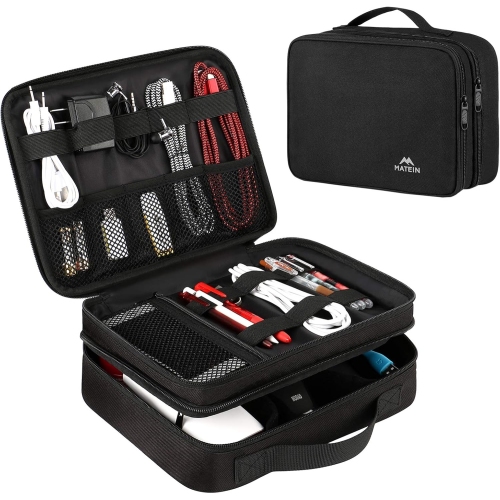
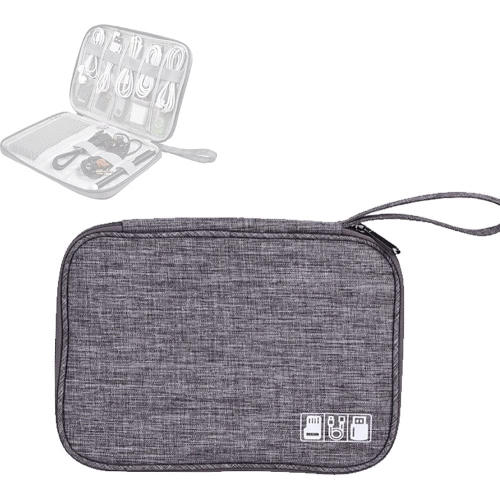
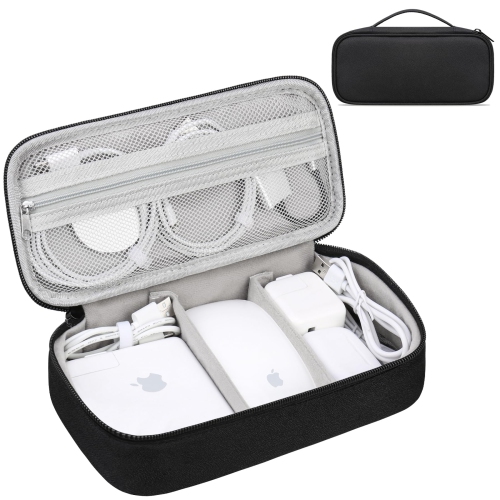
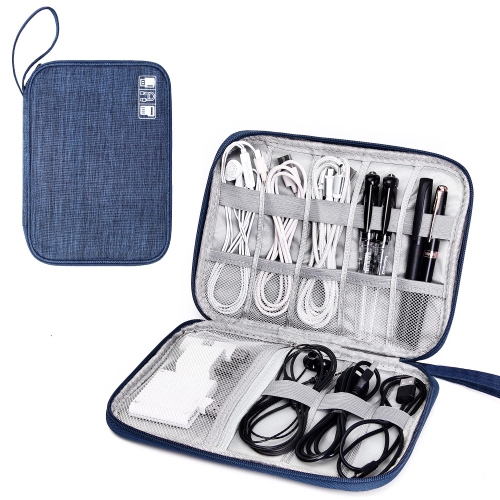
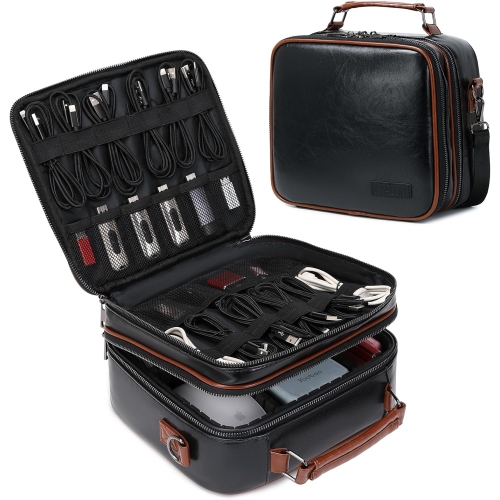
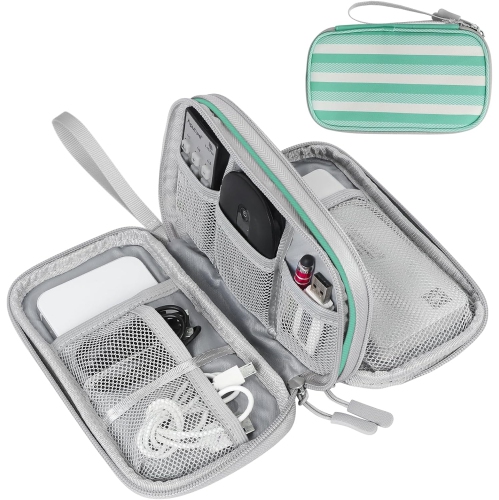
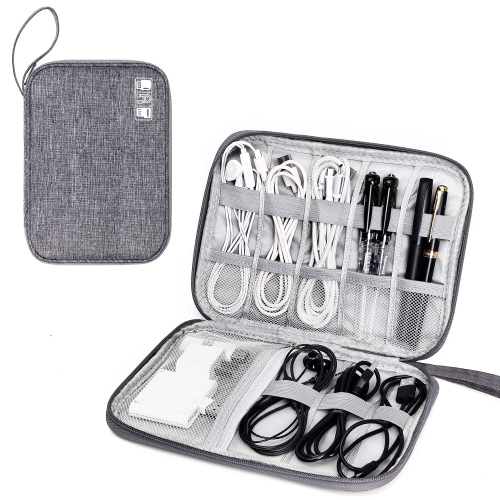
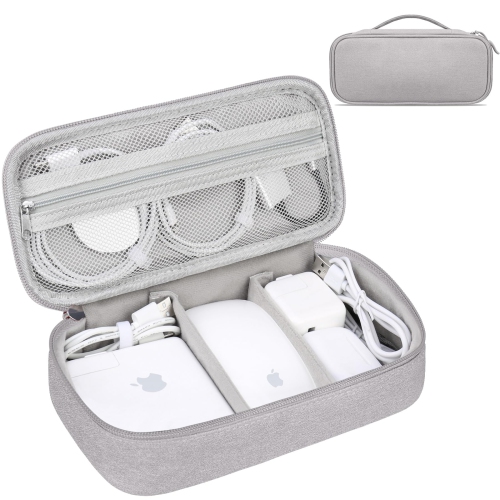
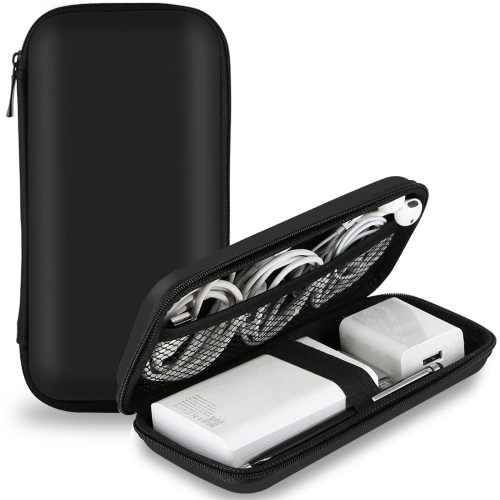
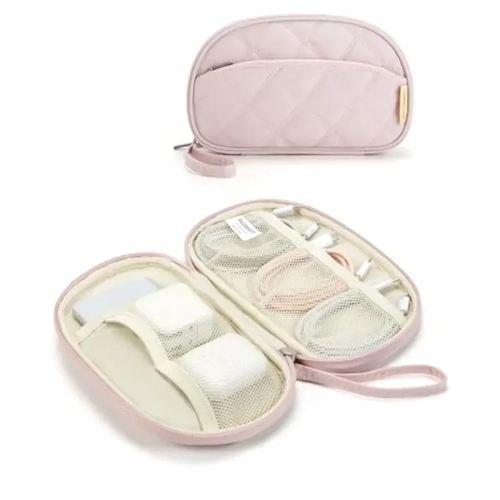
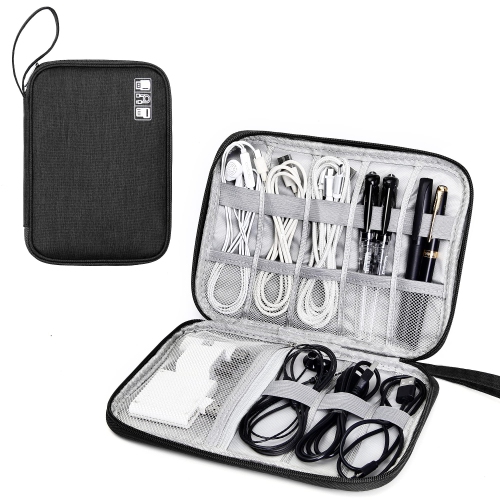
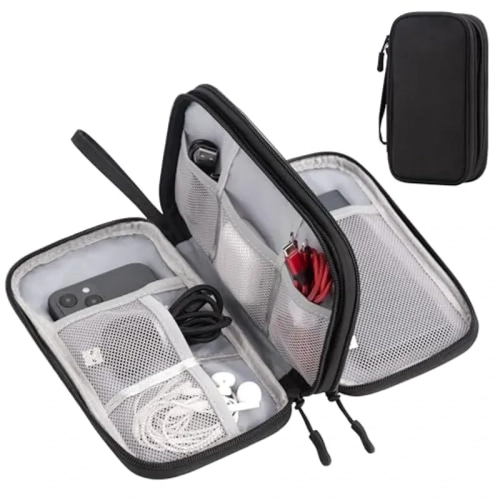
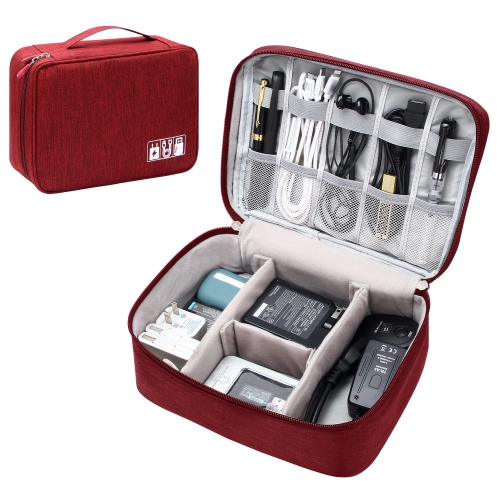
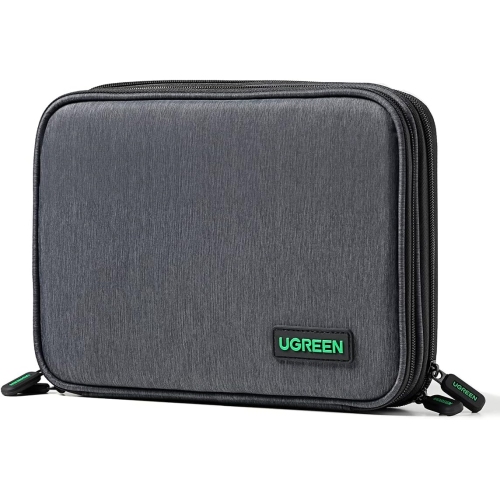
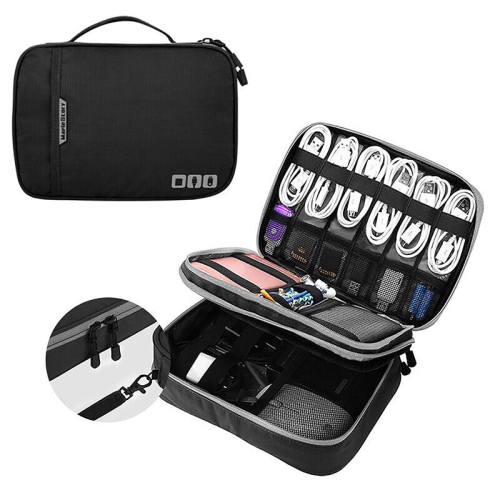
A dedicated place for cables without the extra bulk
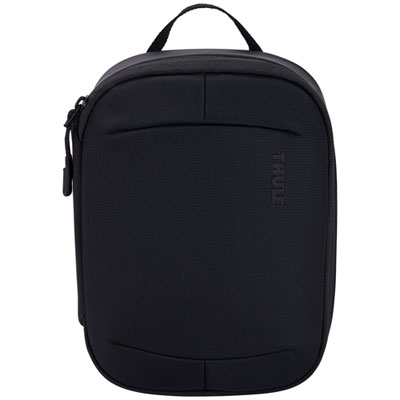
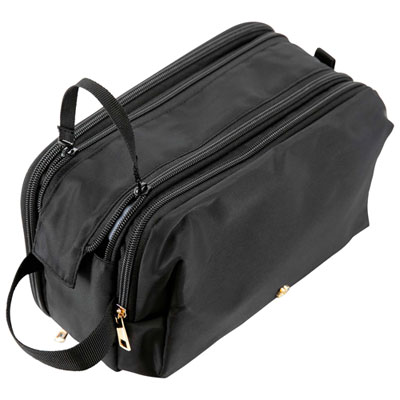
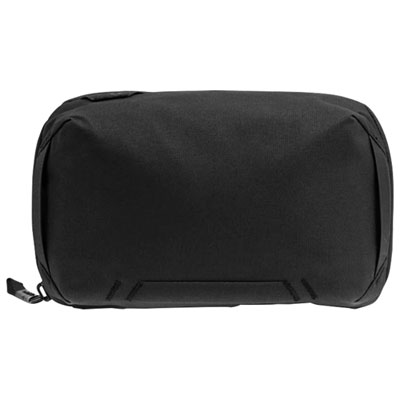
A cord pouch is a compact storage bag designed to keep charging cables, earbuds, adapters, and other small tech accessories together. Often called a cable organizer or tech pouch, it gives loose cords a dedicated place inside a backpack, laptop bag, suitcase, or desk drawer. Instead of settling into a knot at the bottom of a bag, cables can sit in separate pockets or loops, with their connectors easier to see and reach. The right layout depends on what needs to fit: a slim pouch may suit a phone cable and a small adapter, while a deeper design can accommodate a laptop charger, a portable power bank, and several leads. Exterior dimensions only tell part of the story, since padding, dividers, and pocket placement all affect usable space. A bulky charging brick needs room around its plug and cable connection, and thicker cords need enough space to coil without sharp bends. Interior mesh pockets make smaller accessories easier to spot, elastic loops help hold individual cables in place, and zippered compartments can keep tiny connectors from slipping into the main compartment. An open central section offers more flexibility for awkwardly shaped accessories, although it provides less separation than a divided layout. For everyday carry, a pouch that fits comfortably alongside a laptop or notebook is often more useful than one filled to its limit. A little spare room makes packing easier and leaves space for an extra cable without forcing the zipper closed. Colour can also serve a practical purpose: a bright lining helps small, dark accessories stand out, while different pouch colours can distinguish work cables from personal ones. A well-proportioned cord pouch keeps the accessories needed for a particular routine together without turning a simple charging kit into another bulky bag to carry.
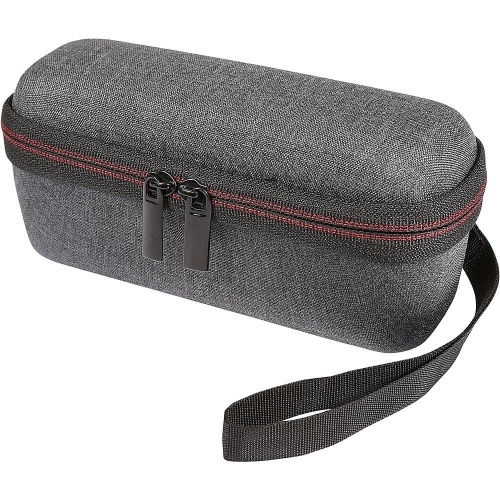
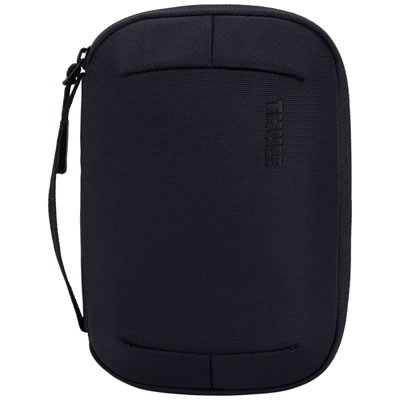
Materials and construction influence how a cord pouch feels, packs, and holds up to repeated handling. Nylon and polyester are common choices for lightweight fabric organizers, while canvas offers a more substantial texture. Ripstop fabric uses a reinforcing grid intended to help limit the spread of small tears, though its performance still depends on the fabric weight and overall construction. Some pouches have a water-resistant finish that can help with minor splashes; that does not make the seams, zipper, or contents waterproof. A fabric pouch should not be treated as protection against immersion or a leaking drink bottle. Structured cases made with moulded EVA offer a firmer shape and can provide more separation between accessories and neighbouring objects in a bag. Soft-sided designs are usually more flexible when packed into narrow spaces, but they may offer less resistance to pressure. Padding can cushion contents during ordinary handling, although no pouch should be assumed to protect delicate electronics from a serious drop or crushing force. Construction details matter just as much as the outer fabric. Neatly finished seams, reinforced attachment points, a securely fitted lining, and a zipper that moves smoothly around corners all contribute to a pouch that is pleasant to use. Elastic should hold a cable without requiring a hard pull, and pocket edges should allow connectors to slide in without snagging. Care requirements vary by material, lining, and finish, so the manufacturer's instructions remain the best reference. For a pouch that permits spot cleaning, a soft cloth and a small amount of mild soap may be suitable, followed by complete drying before electronics go back inside. Machine washing, soaking, and strong cleaners can damage some coatings, padding, or trim. Removing crumbs and grit from pockets also helps keep debris away from connectors. Giving cords enough room, rather than overfilling the pouch, reduces strain on both the closure and the accessories stored inside.
Cord pouches fit into many routines, from carrying a daily charging kit to keeping a shared household drawer organized. A commuter may want quick access to earbuds and a phone cable without unpacking a laptop compartment. A student moving between classrooms can keep charging accessories together, while someone working between home and an office can use a dedicated pouch to reduce the chance of leaving an essential adapter behind. For travel, grouping accessories in one place makes it easier to move them between a carry-on bag, a hotel desk, and a bedside table. A pouch that opens wide can make the contents visible without emptying everything onto a small surface; a shallower design may be easier to reach inside a crowded personal bag. At home, separate pouches can distinguish everyday charging cables from less frequently used leads for cameras, gaming accessories, or other devices. Labels can help identify similar-looking cords, especially because matching connectors do not necessarily mean cables support the same charging speeds or data functions. Storage keeps accessories organized, but it does not change their compatibility or electrical ratings. Heat-producing chargers and power banks should be removed from a closed pouch during use, and damaged cables should not be kept in a regular charging kit. For anyone who prefers to see contents through the outer material, Clear Pouches offer another way to group small accessories, with protection depending on the individual design. A cord pouch can also be a practical gift for a student, frequent traveller, commuter, or anyone who regularly carries several devices. The most useful choice reflects the recipient's actual kit rather than the largest possible capacity: enough space for the cables and adapters they rely on, a layout that makes sense at a glance, and a shape that fits the bag they already use. Those everyday details are what make a pouch useful long after it has been packed for the first time.
Top selling and popular products
-
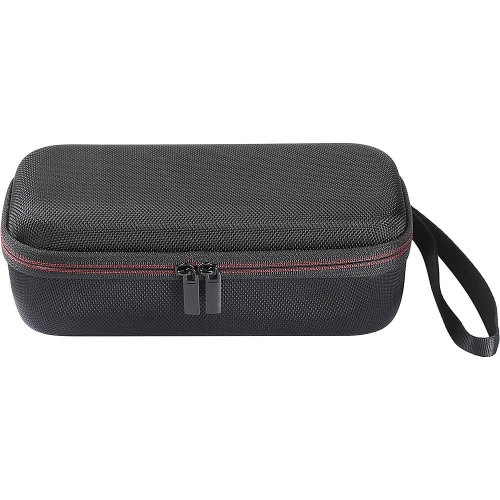 Your price for this item is $59
-
 Your price for this item is $34.95
-
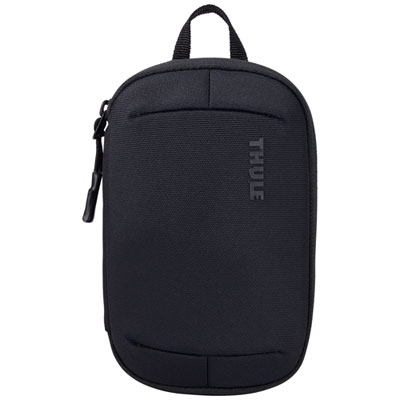 Your price for this item is $29.99
-
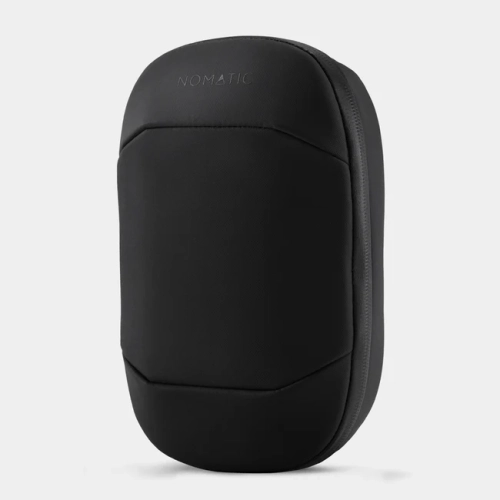 Your price for this item is $79.99
-
 Your price for this item is $39.99
-
 Your price for this item is $49.99
-
 Your price for this item is $59.99
-
 Your price for this item is $34.99
Discover more categories related to Cord Pouch
Top Collections:
Best Black Friday Deals This Year, Best Black Friday Deals On Electronics, Kindle Devices, Pokemon Centers, Best Black Friday Deals On Apple Products, Best Cameras for Sports Photography, Dyson Airwrap, Pokémon 30th Celebration Cards, Apple iPhone 17 Pro, Canon G7X Cameras
Some products may be subject to Environmental Handling Fees
(EHF) depending on your province.
Learn more about EHFs.