Electrical Plug Adapters
Navigating the world of international travel or setting up your home with the latest gadgets often requires the right electrical plug adapters to ensure seamless connectivity. These essential accessories bridge the gap between different plug types and voltage standards, making it easy to power your devices no matter where you are. Whether you're a frequent traveler hopping across continents or simply looking to accommodate diverse electronic setups in your home, having a reliable selection of electrical plug adapters is crucial. Explore our range of options designed to keep your devices powered up and ready for action, no matter the destination or setup.
Sort
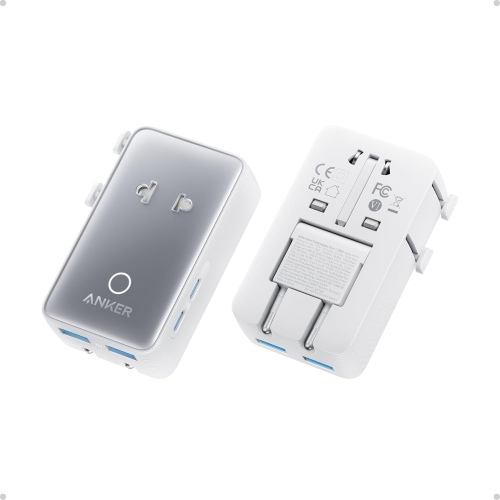
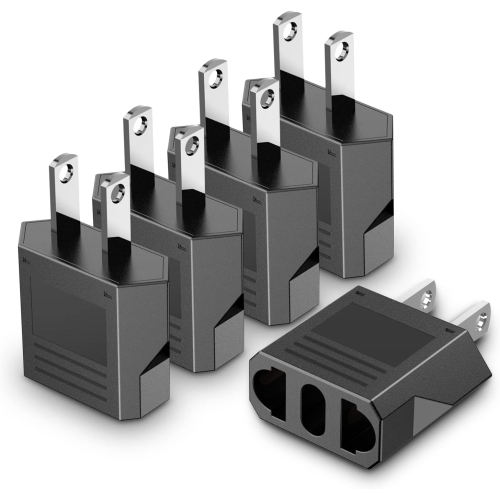
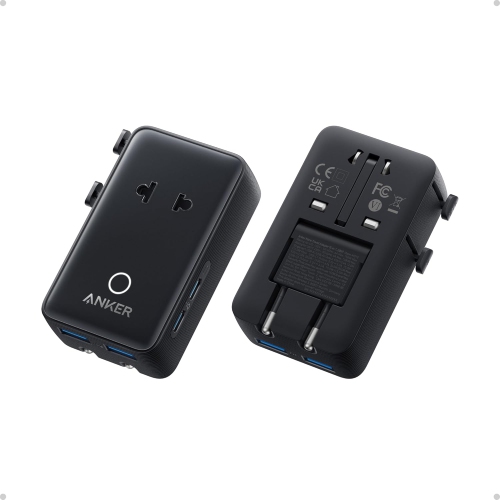
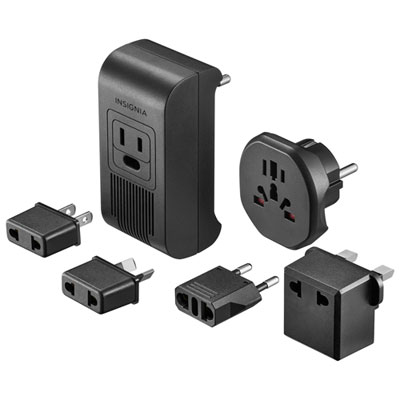
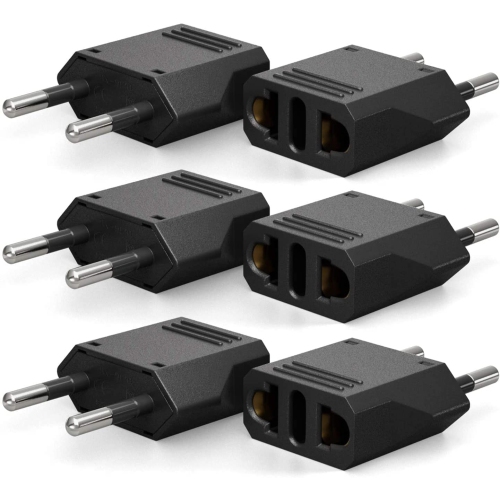
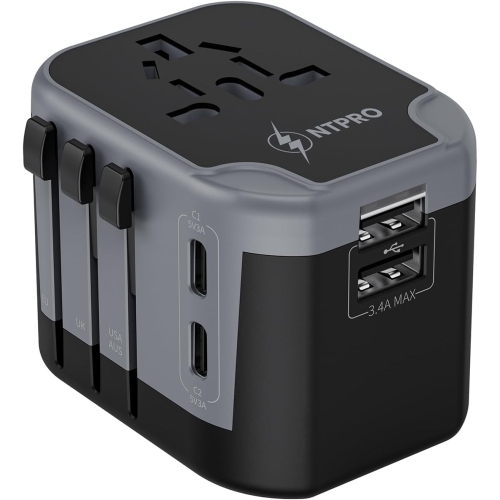
Adapters connect plugs, but they do not convert voltage
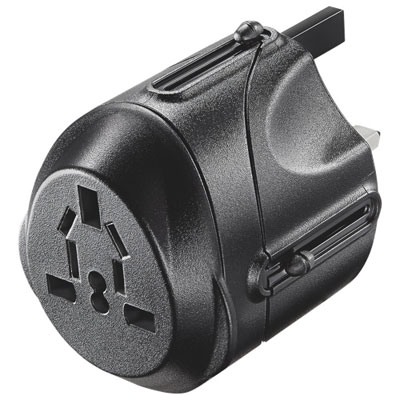
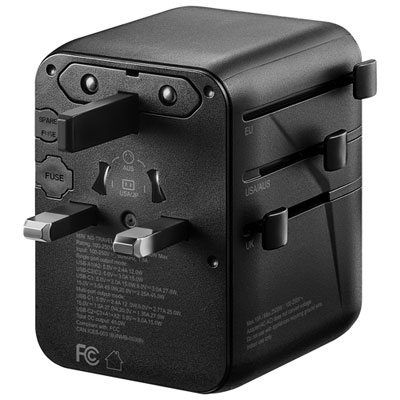
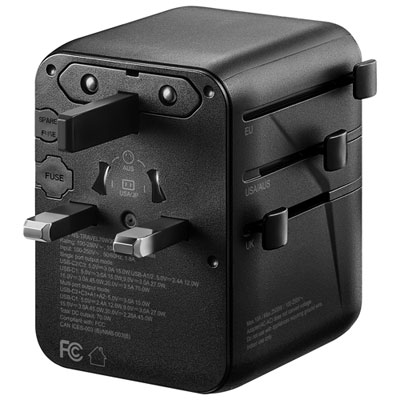
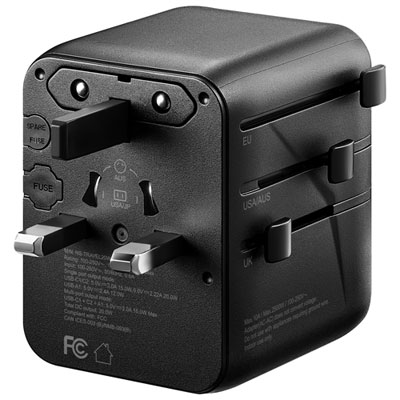
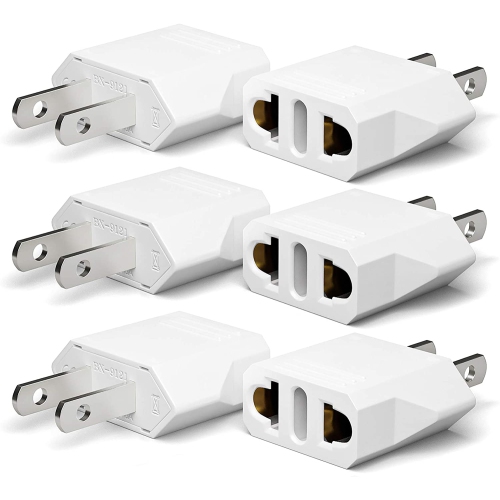
Electrical plug adapters make it possible to connect a device with one style of plug to a wall outlet with another. They change the physical shape or arrangement of the plug so it can fit the receptacle; they do not change the electrical voltage or frequency supplied by the outlet. This distinction is important when preparing for travel, setting up electronics at home, or making a temporary workspace more convenient. A traveller leaving Canada may need an adapter to use a phone charger, tablet, camera battery charger, laptop, electric toothbrush, or other compatible device in a destination with different outlet designs. Someone moving into an older home, studying abroad, welcoming guests from overseas, or bringing electronics purchased in another country may also find an adapter useful. Before choosing one, identify the plug type used by the device and the socket style at the destination. North American Type A and Type B plugs are common in Canada and the United States, while many European destinations use round-pin plugs, and other regions have their own configurations. Travellers heading from the United States or Canada to Europe can explore US To European Plug Adapters to find options intended for that connection. Compact travel adapters are easy to keep in a carry-on pouch beside charging cables, and they can be especially helpful when several people are sharing a hotel room with limited access to suitable outlets. An adapter can also be a thoughtful, practical gift for a student preparing for an exchange term, a friend planning an international trip, or a family member who regularly visits relatives overseas. Look for a sturdy design that sits securely in the wall socket without excessive movement, with clearly identified input and output plug styles. A small, lightweight model is convenient for travel, while a more robust adapter may be preferable for frequent use at home or in a work area.
Electrical plug adapters can also refer to multi-outlet adapters or outlet splitters that expand one wall receptacle into several connection points. These are useful beside a desk where a computer, monitor, lamp, and phone charger need to share one outlet, or in a guest room where visitors may have several devices to charge overnight. In a living room, a multi-outlet design can help organize low-power electronics near a media console; in a kitchen, it may provide an occasional connection for small appliances when used according to the adapter’s rating and the manufacturer’s instructions. Some designs are compact enough for a travel bag, while others are intended to remain in place at home. When comparing options, count the number of receptacles, check whether the outlet arrangement accommodates larger plugs, and consider the direction in which the adapter extends from the wall. A low-profile shape can be helpful behind furniture, whereas a spaced layout may make it easier to use chargers with oversized housings. Pay close attention to the maximum amperage and wattage ratings, particularly when multiple devices will be connected at once. Adding the power requirements of the connected equipment helps prevent an overload. High-draw appliances such as heaters, kettles, hair dryers, irons, toasters, and cooking appliances should not be connected casually through a small multi-outlet adapter unless the adapter is specifically rated for that use. Keep ventilation openings clear, avoid daisy-chaining adapters or power bars, and discontinue use if the adapter becomes hot, discoloured, loose, cracked, or damaged. Adapters with grounded connections should be paired with properly grounded plugs and receptacles, and a three-prong device should not be forced into an arrangement that removes its grounding path. For a neat, reliable setup, place the adapter where it will not be stepped on, pinched behind furniture, exposed to moisture, or covered by rugs and fabrics.
The most important purchase consideration is understanding whether an adapter alone meets the device’s requirements. An adapter changes plug shape, but it does not convert 230 volts to 120 volts or 120 volts to 230 volts. Many modern phone, tablet, camera, and laptop chargers accept a broad input range, often printed on the charger itself as a voltage range; these devices may need only the appropriate plug adapter. A single-voltage appliance, however, may require a voltage converter or transformer when its required voltage does not match the local supply. Read the input information on every device before connecting it, and check the frequency requirements for equipment that uses motors, timers, heating elements, or other components affected by electrical frequency. If a charger or appliance is marked for a voltage that matches the destination, an adapter can provide the necessary physical connection. If the voltage does not match, using an adapter by itself can damage the device, trip a circuit, or create a safety hazard. The same careful approach applies to outlet splitters: confirm the total load, inspect the plug and receptacle condition, and use the adapter only in a dry, suitable location. Electrical plug adapters are useful additions to a travel kit, home office, dorm room, guest room, workshop, or temporary event setup because they solve a specific connection problem without taking up much space. During the warmer months, they can accompany chargers and small electronics on road trips, flights, and extended stays; during the cooler months, they can help keep seasonal visitors connected in a guest room or provide extra access for everyday low-power electronics. Choosing the correct plug configuration, electrical rating, grounding arrangement, and intended use makes the adapter a dependable part of a well-organized setup.
Electrical plug adapters can also refer to multi-outlet adapters or outlet splitters that expand one wall receptacle into several connection points. These are useful beside a desk where a computer, monitor, lamp, and phone charger need to share one outlet, or in a guest room where visitors may have several devices to charge overnight. In a living room, a multi-outlet design can help organize low-power electronics near a media console; in a kitchen, it may provide an occasional connection for small appliances when used according to the adapter’s rating and the manufacturer’s instructions. Some designs are compact enough for a travel bag, while others are intended to remain in place at home. When comparing options, count the number of receptacles, check whether the outlet arrangement accommodates larger plugs, and consider the direction in which the adapter extends from the wall. A low-profile shape can be helpful behind furniture, whereas a spaced layout may make it easier to use chargers with oversized housings. Pay close attention to the maximum amperage and wattage ratings, particularly when multiple devices will be connected at once. Adding the power requirements of the connected equipment helps prevent an overload. High-draw appliances such as heaters, kettles, hair dryers, irons, toasters, and cooking appliances should not be connected casually through a small multi-outlet adapter unless the adapter is specifically rated for that use. Keep ventilation openings clear, avoid daisy-chaining adapters or power bars, and discontinue use if the adapter becomes hot, discoloured, loose, cracked, or damaged. Adapters with grounded connections should be paired with properly grounded plugs and receptacles, and a three-prong device should not be forced into an arrangement that removes its grounding path. For a neat, reliable setup, place the adapter where it will not be stepped on, pinched behind furniture, exposed to moisture, or covered by rugs and fabrics.
The most important purchase consideration is understanding whether an adapter alone meets the device’s requirements. An adapter changes plug shape, but it does not convert 230 volts to 120 volts or 120 volts to 230 volts. Many modern phone, tablet, camera, and laptop chargers accept a broad input range, often printed on the charger itself as a voltage range; these devices may need only the appropriate plug adapter. A single-voltage appliance, however, may require a voltage converter or transformer when its required voltage does not match the local supply. Read the input information on every device before connecting it, and check the frequency requirements for equipment that uses motors, timers, heating elements, or other components affected by electrical frequency. If a charger or appliance is marked for a voltage that matches the destination, an adapter can provide the necessary physical connection. If the voltage does not match, using an adapter by itself can damage the device, trip a circuit, or create a safety hazard. The same careful approach applies to outlet splitters: confirm the total load, inspect the plug and receptacle condition, and use the adapter only in a dry, suitable location. Electrical plug adapters are useful additions to a travel kit, home office, dorm room, guest room, workshop, or temporary event setup because they solve a specific connection problem without taking up much space. During the warmer months, they can accompany chargers and small electronics on road trips, flights, and extended stays; during the cooler months, they can help keep seasonal visitors connected in a guest room or provide extra access for everyday low-power electronics. Choosing the correct plug configuration, electrical rating, grounding arrangement, and intended use makes the adapter a dependable part of a well-organized setup.
Top selling and popular products
-
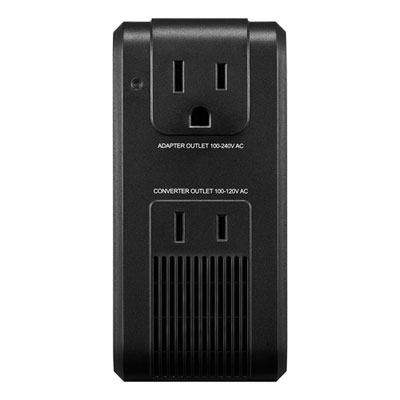 Your price for this item is $39.95
 -
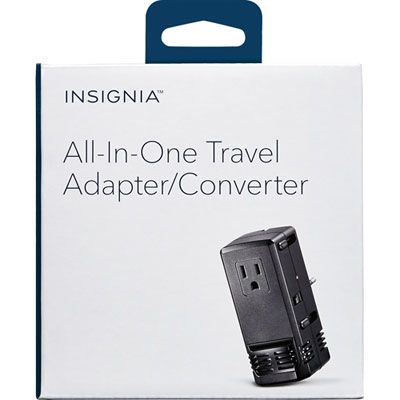 Your price for this item is $49.99
 -
 Your price for this item is $24.99
 -
 Your price for this item is $19.97
 -
 Your price for this item is $49.99
 -
 Your price for this item is $64.99
 -
 Your price for this item is $29.99
 -
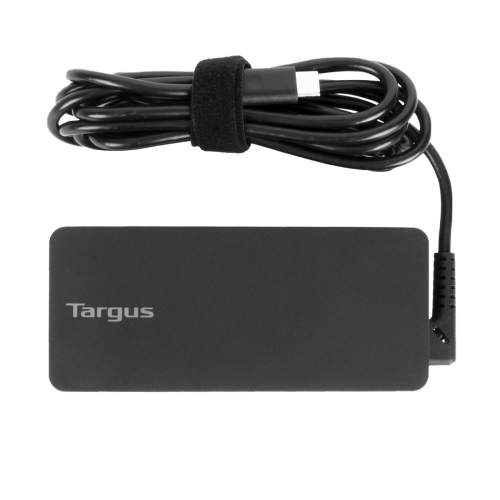 Your price for this item is $65.99
Discover more categories related to Electrical Plug Adapters
Top Collections:
Pokemon Centers, Budget 4K TVs, Best Budget Office Chairs, Kindle Devices, Canon G7X Cameras, Apple iPhones 16, iPhone 15 Apple, Laptops for Business Work, Xiaomi Phones, Flip Phones
Some products may be subject to Environmental Handling Fees
(EHF) depending on your province.
Learn more about EHFs.