Fireproof Containers
Protect your valuables and important documents with our selection of fireproof containers. In the event of a fire, these durable and reliable containers offer peace of mind by keeping your belongings safe from flames, heat, and smoke damage. Whether you need to safeguard important paperwork, digital media, or sentimental items, our fireproof containers are designed to withstand high temperatures and provide an extra layer of protection for your most cherished possessions. Explore our range of fireproof containers today and ensure that your valuables remain secure in any unforeseen circumstances.
Sort





























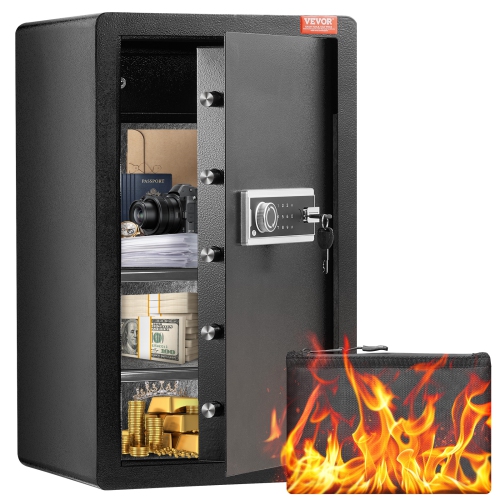
What fire ratings really mean for important documents
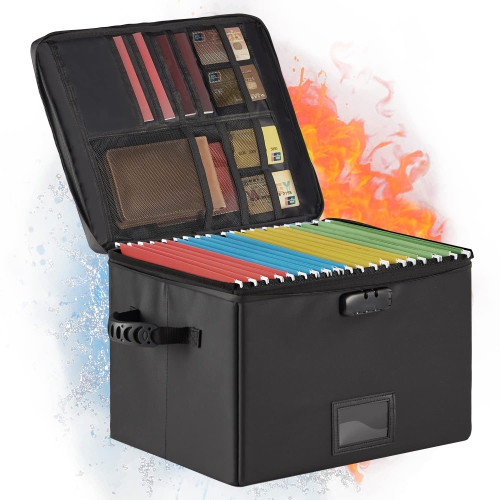
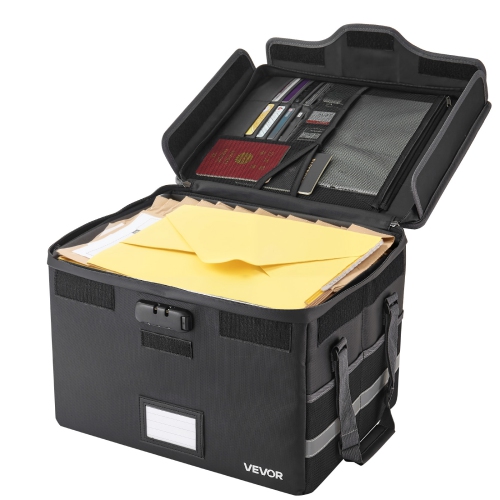
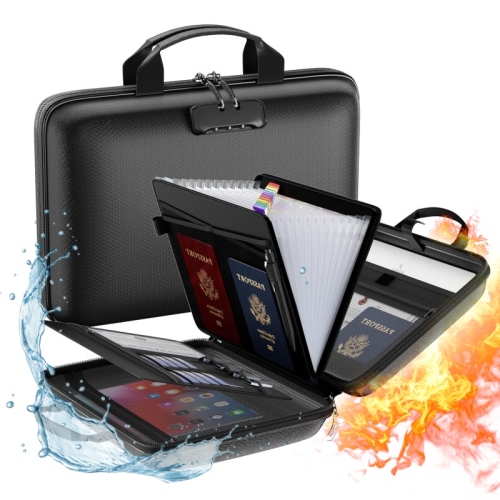
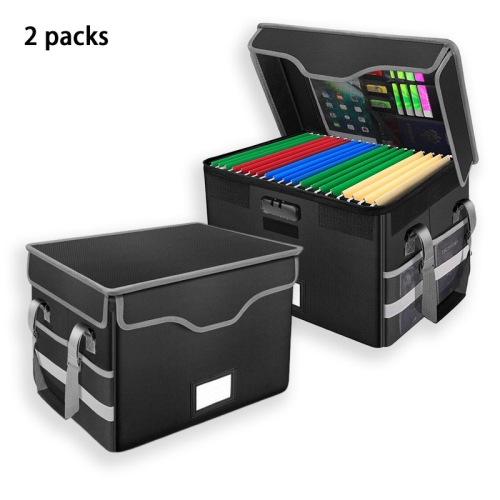
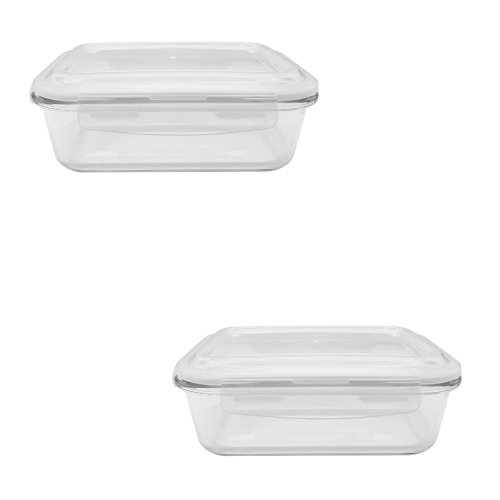
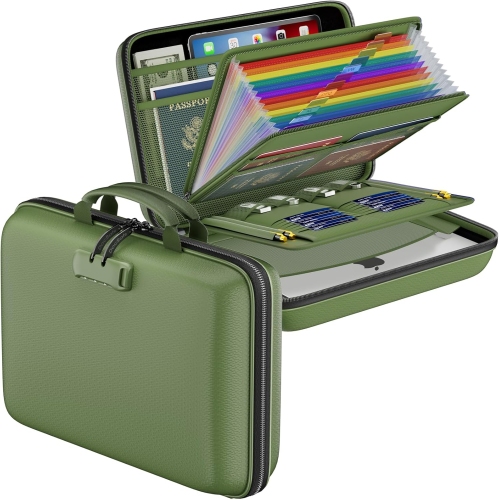
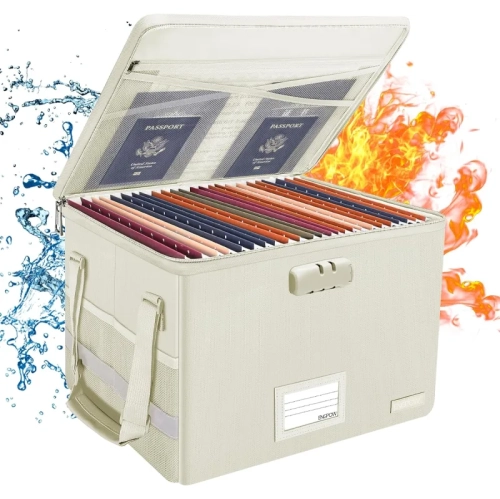
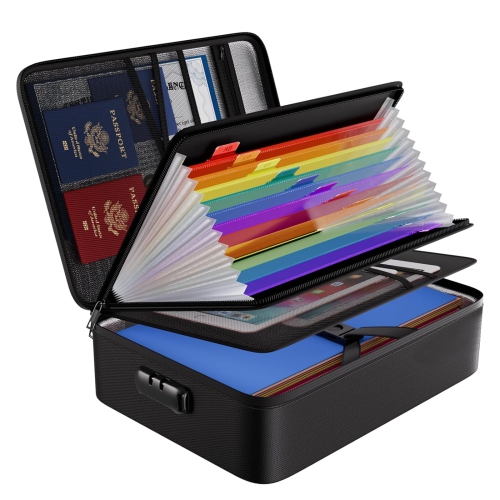
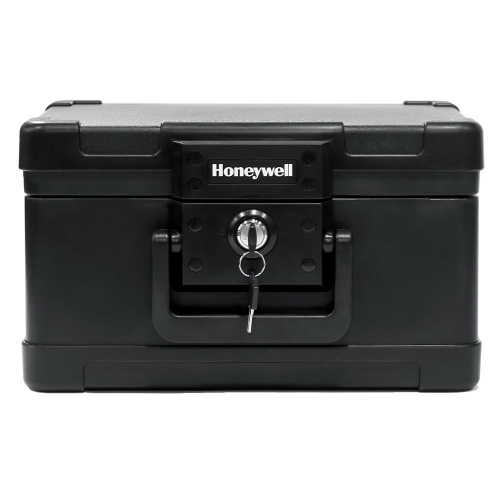
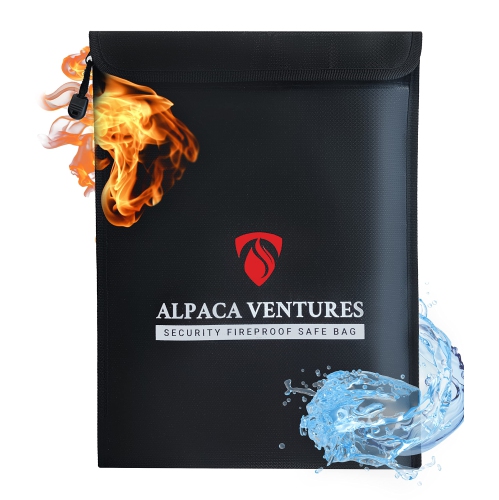
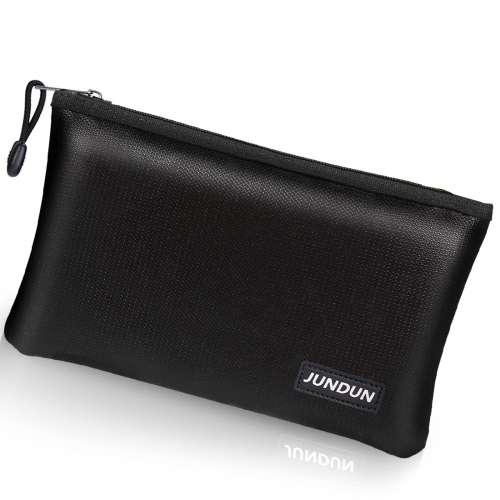
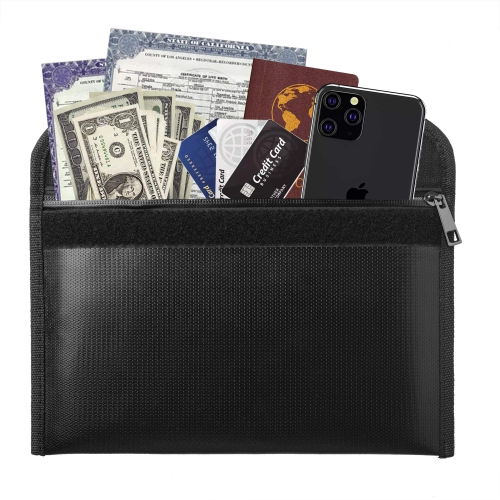
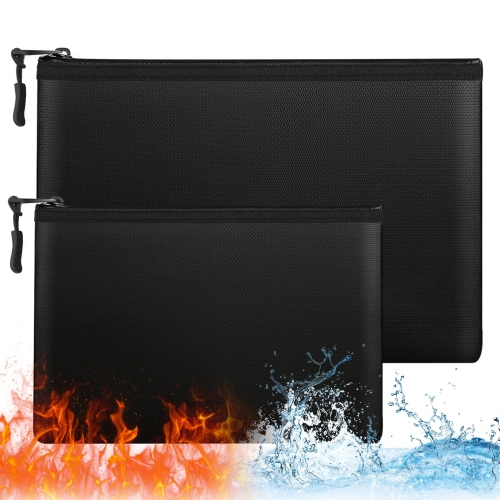
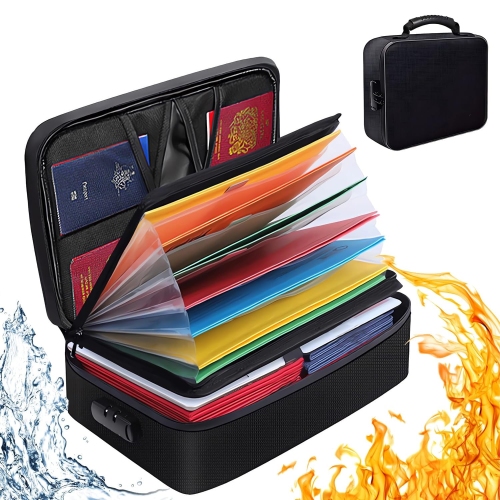
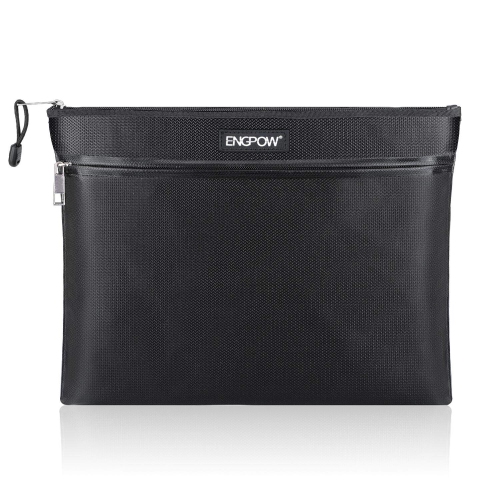
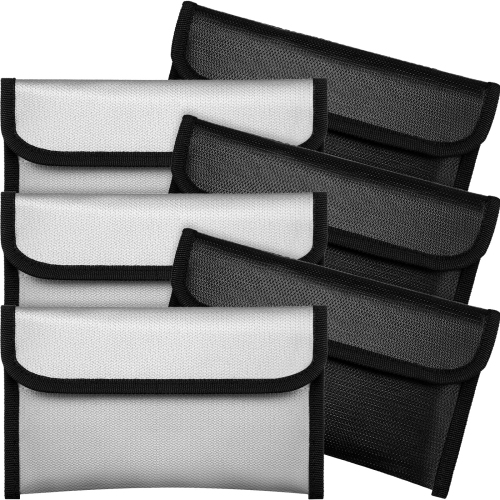
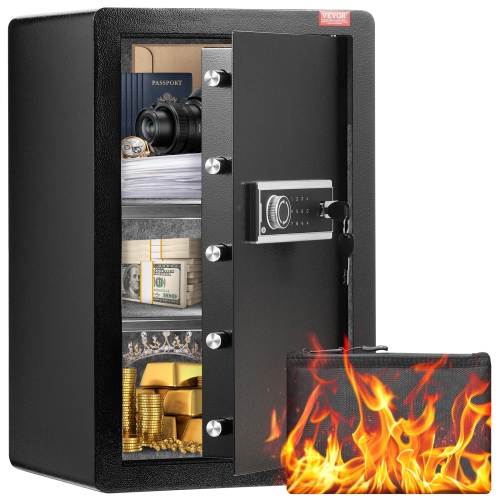
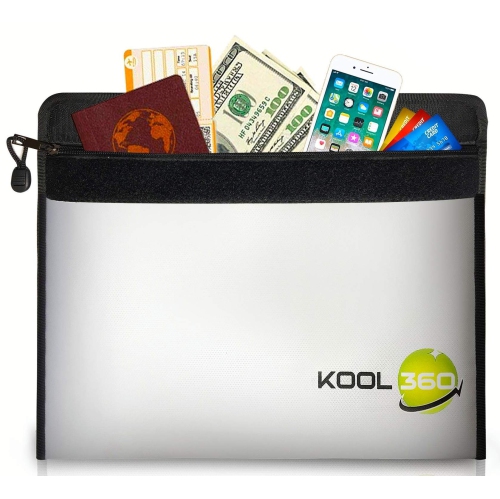
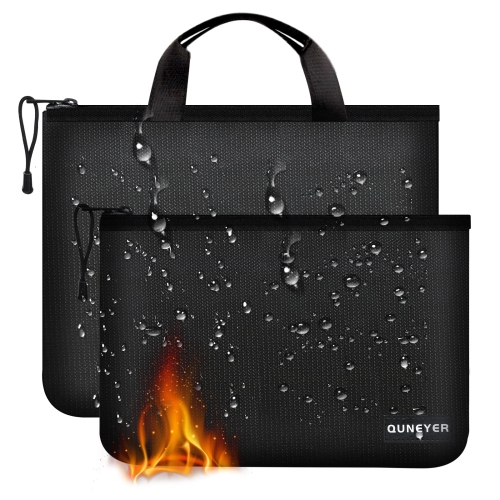
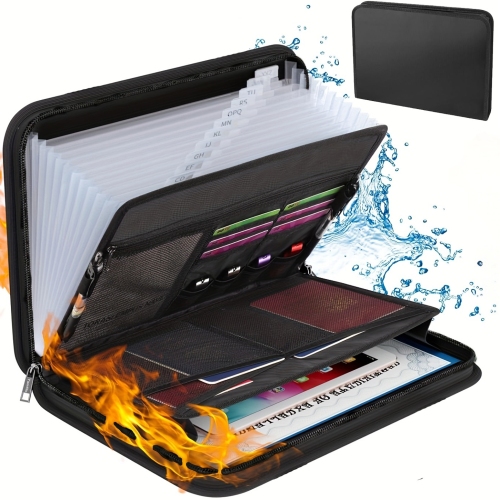
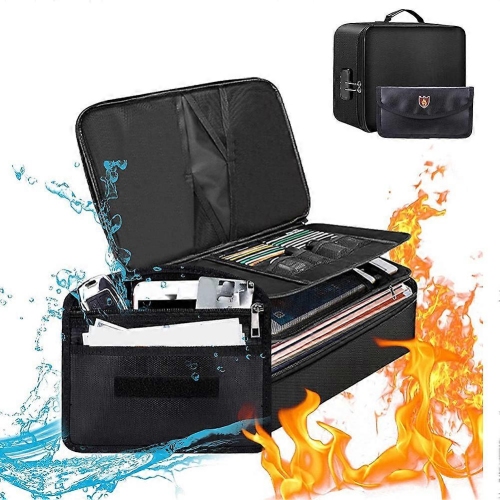
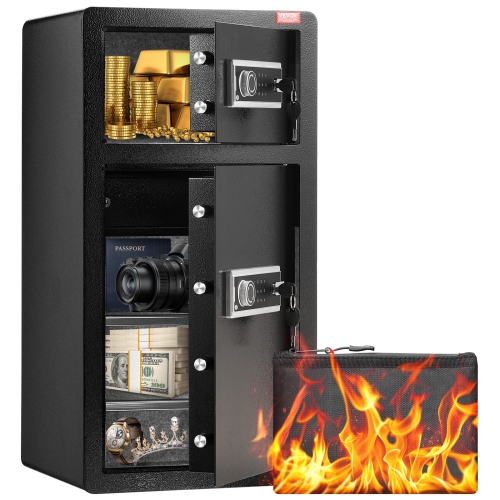
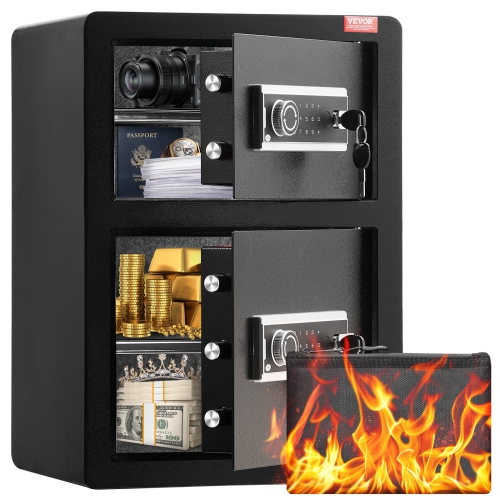
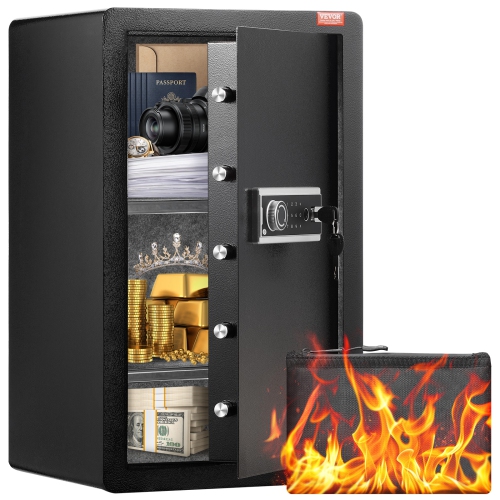
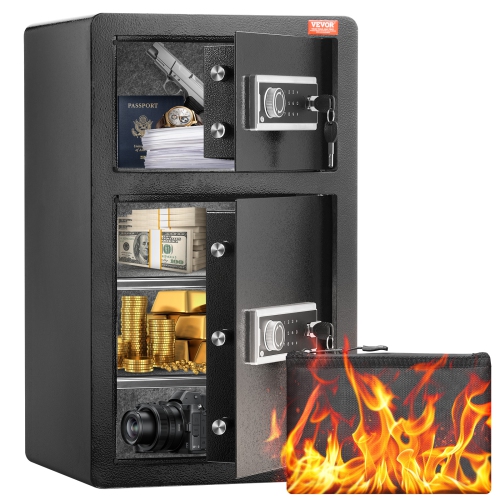
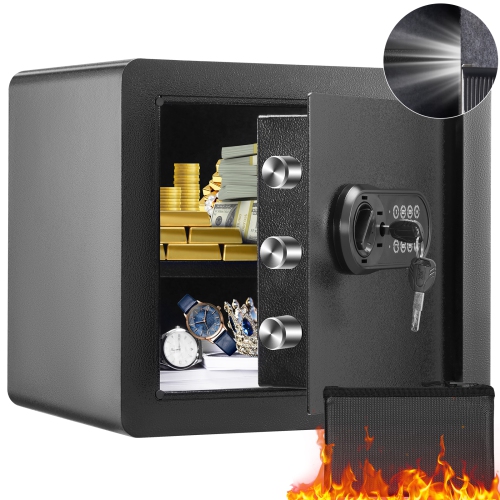
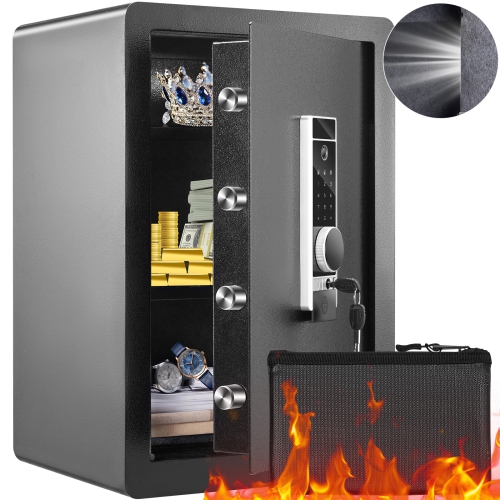
Fireproof containers are designed to help protect important belongings from heat and flames, with formats ranging from compact document chests and flexible bags to larger insulated safes. For household storage, their main purpose is to give passports, birth certificates, property records, insurance paperwork, and other difficult-to-replace documents an added layer of protection. Although “fireproof” is a familiar shopping term, fire resistance is the more precise description: protection depends on the container’s construction, its tested rating, and the conditions of a fire. A stated protection period, such as 30 minutes or one hour, refers to performance under defined test conditions rather than guaranteed protection in every incident. Independently verified ratings provide a clearer basis for comparison than an unqualified claim about heat resistance. The rating should also identify what the container is designed to protect. Paper records and electronic storage media have different tolerances for heat, so a document-rated chest should not automatically be treated as suitable storage for USB drives, memory cards, or external hard drives. Construction varies by format. Rigid containers may combine a steel or moulded outer shell with an insulating layer, while flexible bags may use coated fibreglass and other heat-resistant layers. The lid, seams, hinges, zipper, and closure are just as important as the main body because protection depends on the complete container remaining properly closed. A sturdy-looking exterior alone does not establish a fire rating. Fire resistance, water resistance, and theft resistance are also separate features. A container designed to limit heat transfer may not keep out water from sprinklers or firefighting, and a simple key lock may offer privacy without providing substantial protection against forced entry. Looking at these characteristics individually helps distinguish a document organizer with added protection from a heavier security safe intended for a different role in the home.
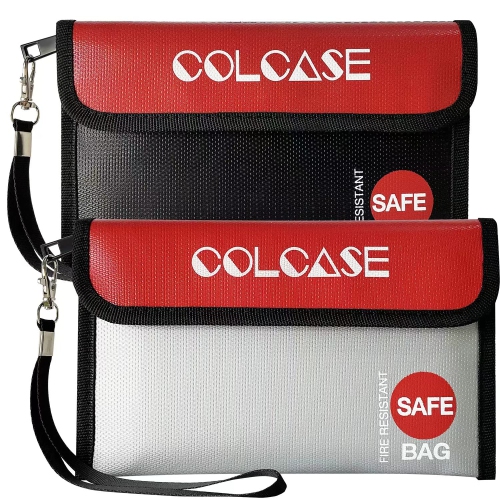
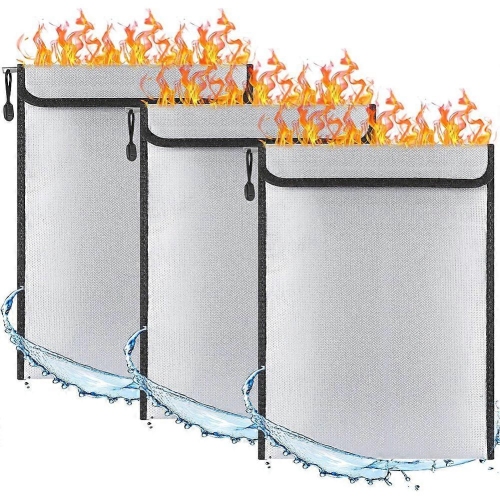
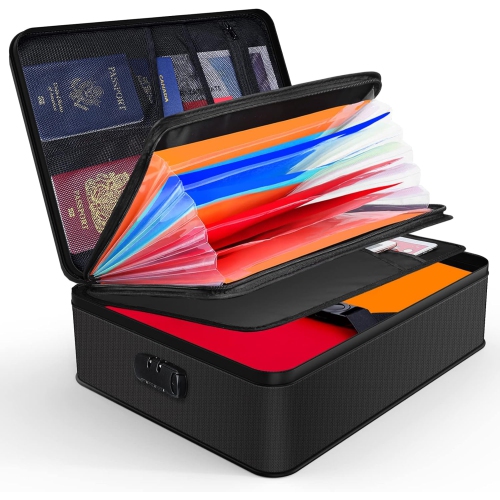
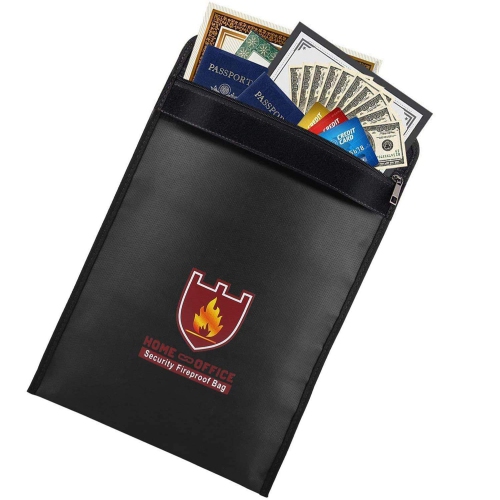
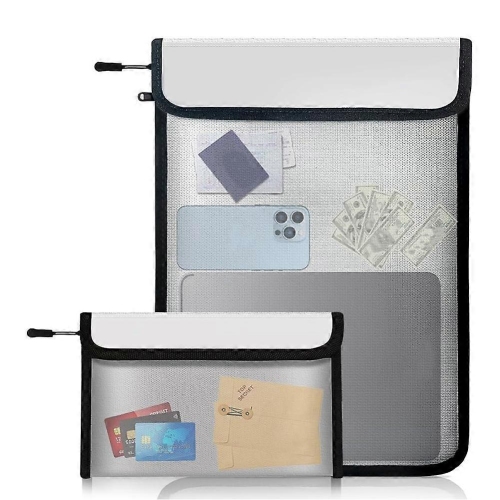
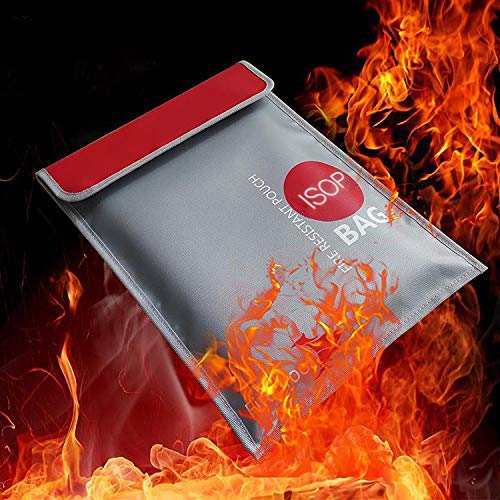
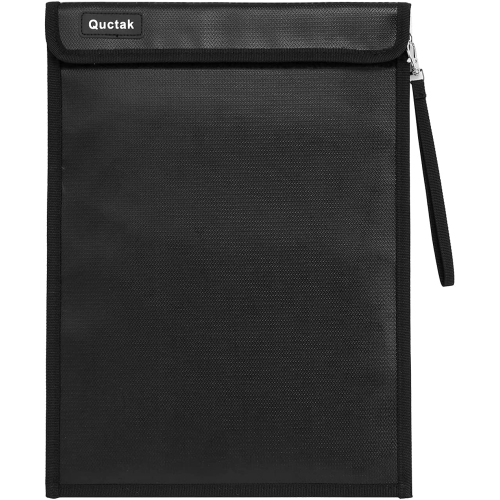
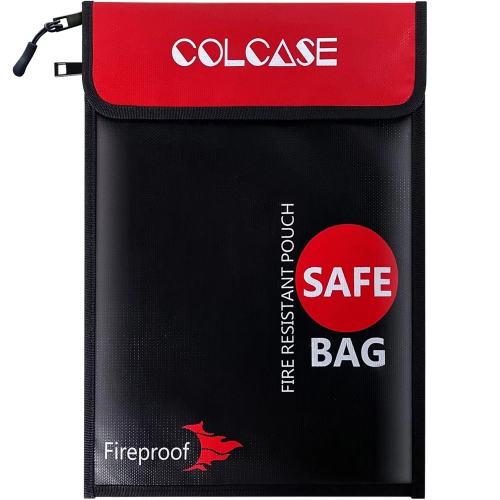
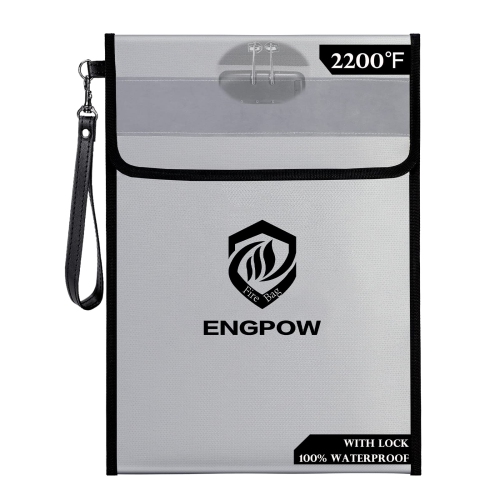
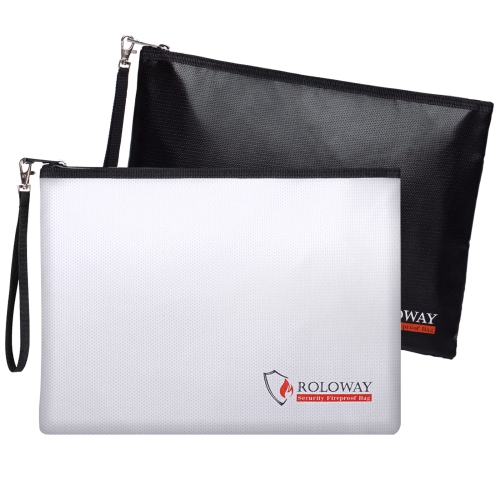
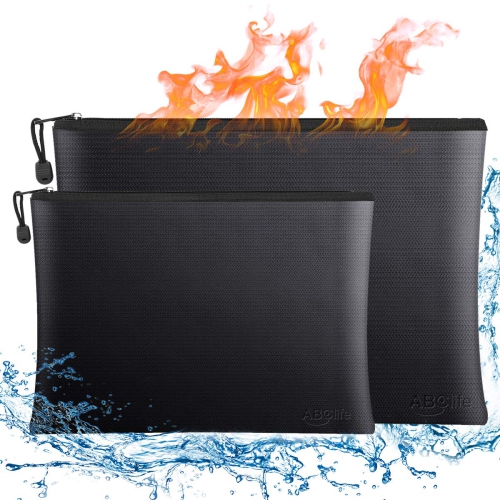
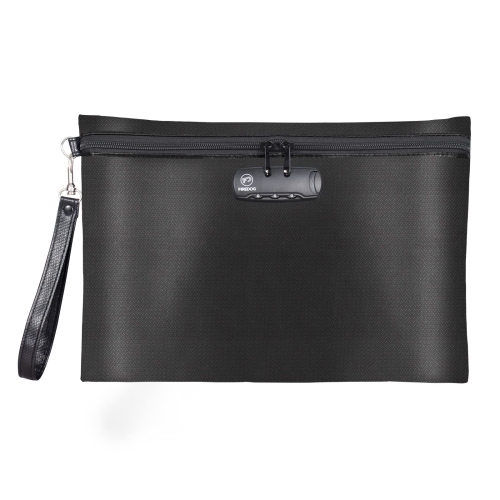
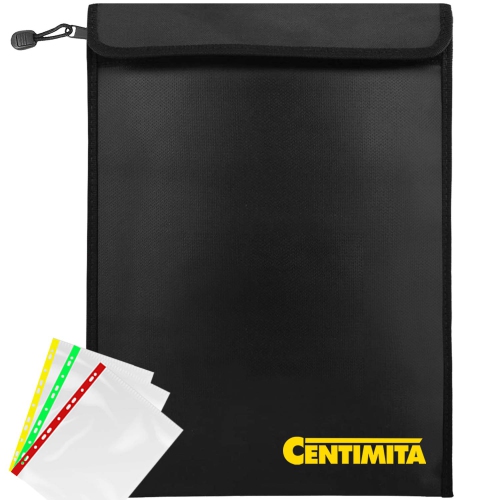
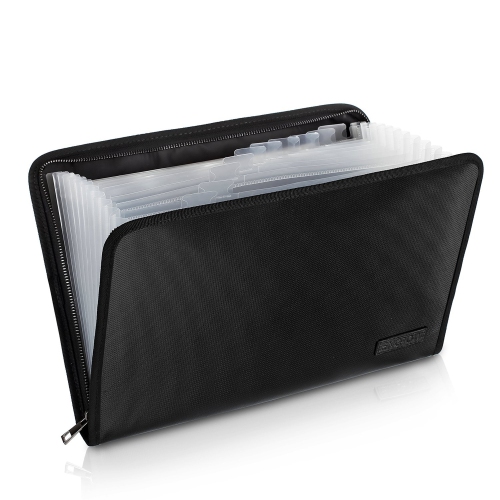
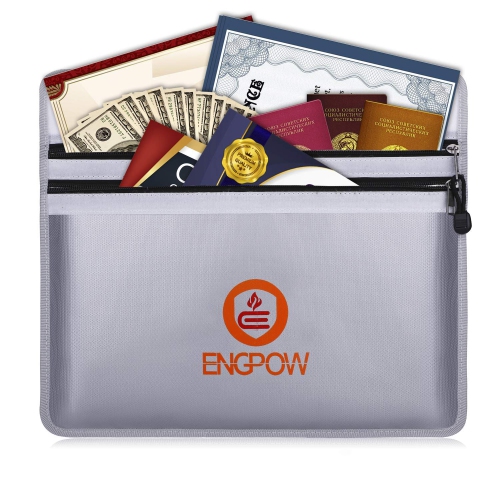
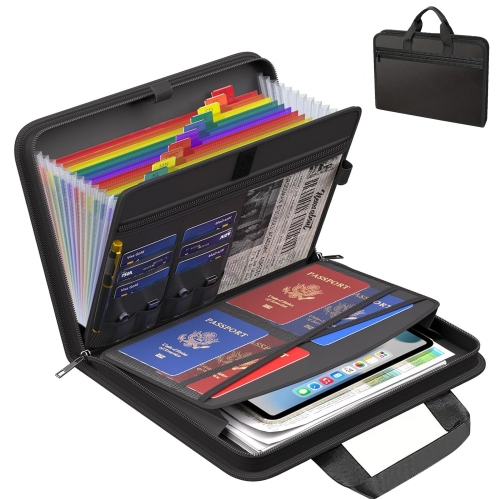
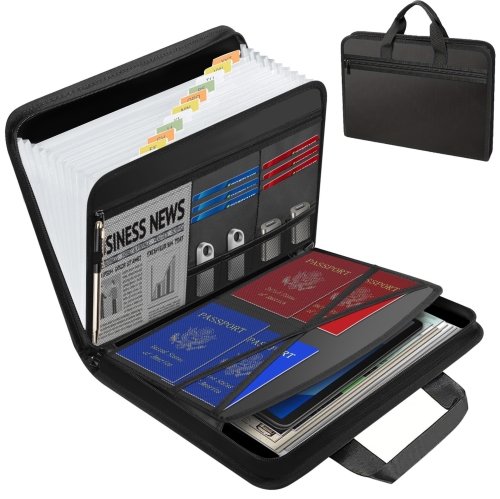
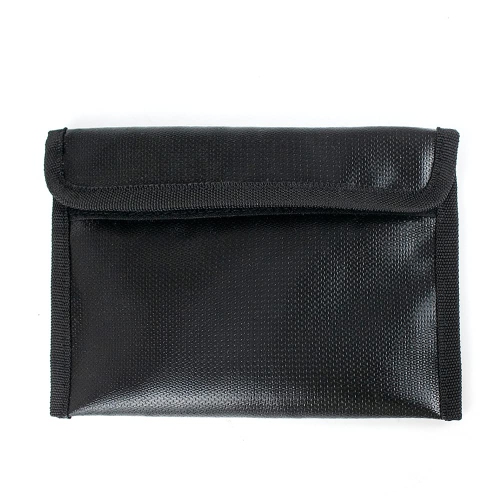
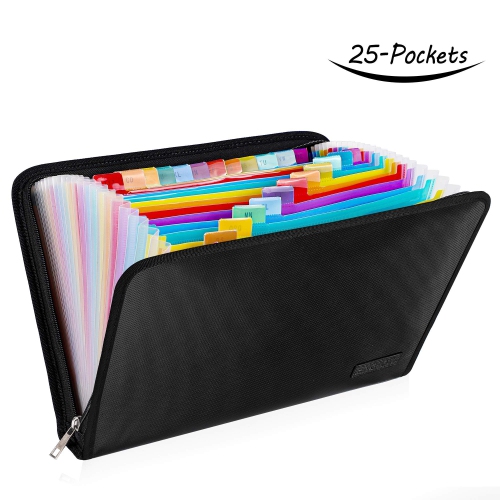
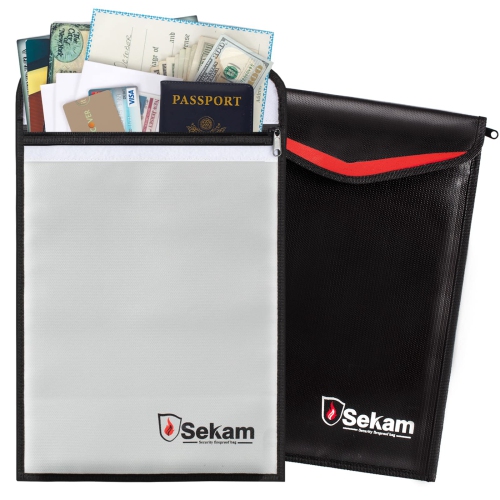
The right size starts with the contents rather than the outside dimensions. A chest that looks roomy on a shelf may have a considerably smaller storage compartment because insulation takes up space around the interior. Usable internal measurements matter when storing letter-size papers, legal-size documents, folders, envelopes, or a binder that needs to lie flat. There should be enough clearance for the lid to close fully without bending papers into the seal or pressing against the locking mechanism. For a household with a few essential records, a compact chest can keep everything together without taking over a cupboard. Larger families, people managing estate paperwork, and small-business owners may need room for several clearly labelled document groups. Jewellery and small keepsakes can benefit from separate soft pouches to prevent scratches, although their suitability for a particular container still depends on its rating and intended use. Flexible formats such as Fireproof Document Bags can group papers within a larger storage arrangement, but a bag should be assessed on its own tested claims rather than assumed to perform like an insulated chest. Portability deserves equal attention. A carry handle does not necessarily make a fully loaded container easy to lift, particularly when insulation contributes substantial weight. A portable format can be useful for someone who needs to move records between residences, while a heavier safe may suit long-term storage in one location. Neither approach replaces an evacuation plan, and retrieving belongings should never delay leaving a building during a fire. Locking systems affect everyday convenience as well. Keys are straightforward but need a secure spare location; combination and electronic locks avoid carrying a key but require dependable access to the code and any specified backup method. For a new homeowner or someone setting up an organized household filing system, a document container can also be a practical gift when its size and access method suit the recipient.
Placement and care influence how well a fire-resistant container serves its purpose over time. A discreet, stable location with enough space to open the lid fully makes it easier to use without leaving documents scattered nearby. Heavy containers need a surface capable of supporting their loaded weight, and any anchoring should follow the manufacturer’s directions; drilling an unapproved hole can compromise the construction or a protective seal. Water protection needs the same careful reading as fire protection. Resistance to splashes is not equivalent to a tested submersion rating, and any stated water-protection period or depth applies only under the specified conditions. Seals should remain clean and free of trapped paper, cords, or debris, while zippers and latches should close without force. Cleaning is generally a matter of following the material-specific instructions, avoiding abrasive tools or chemicals that could damage coatings, seals, or finishes. Moisture inside a closed container is another consideration, particularly for paper, photographs, and metal keepsakes. Documents should be dry before storage, and any airing routine or moisture-control accessory should follow the manufacturer’s recommendations. A quick periodic check can reveal a damaged hinge, fraying seam, worn closure, or change in how the lid fits. After a fire or significant heat exposure, the container should not be assumed to retain its original protective performance; replacement and recovery instructions take priority over outward appearance. The most useful setup also makes important records easy to identify. Keeping identity documents in one labelled folder and property or insurance records in another reduces unnecessary handling when a particular paper is needed. Digital copies stored separately can complement protected originals, while a simple contents list helps household members know what is inside. A well-matched container brings together the appropriate protection rating, usable space, manageable weight, and reliable closure, making essential records easier to organize and better protected without treating any single storage solution as an absolute safeguard.
Top selling and popular products
-
 Your price for this item is $63.96
-
 Your price for this item is $46.46
-
 Your price for this item is $89.96
-
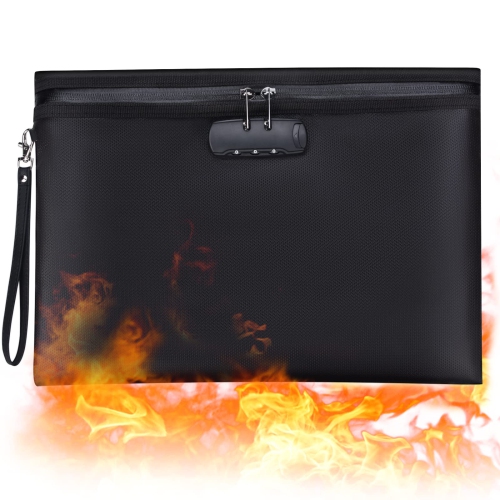 Your price for this item is $56.96
-
 Your price for this item is $48.75
-
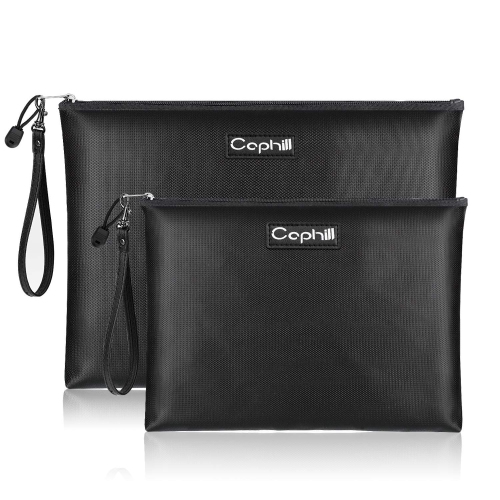 Your price for this item is $53.96
-
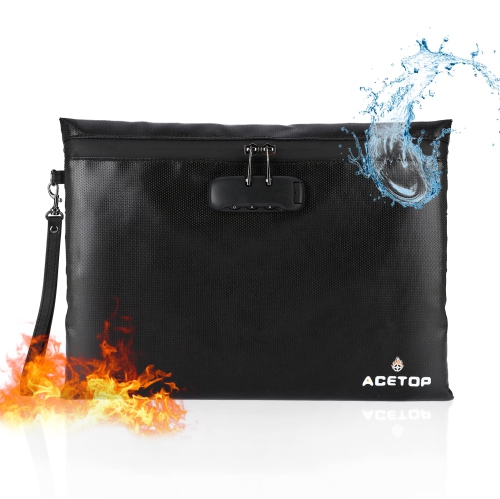 Your price for this item is $47.96
-
 Your price for this item is $36.97
Discover more categories related to Fireproof Containers
Top Collections:
Pokemon Centers, Best Cameras for Sports Photography, Kindle Devices, Samsung Galaxy Phones, Canon G7X Cameras, Pokémon 30th Celebration Cards, Refurbished Apple Laptops, iPhone 15 Apple, Laptops for Students, Budget Smartphones
Some products may be subject to Environmental Handling Fees
(EHF) depending on your province.
Learn more about EHFs.