Gift Wallets
Looking for the perfect gift for someone who loves style and practicality? Look no further than our collection of gift wallets. These sleek and versatile accessories are not only fashionable but also serve as a functional way to keep your essentials organized. Whether you're searching for a minimalist design or a wallet with multiple compartments, our selection has something to suit every taste and preference. From classic leather options to modern designs, our gift wallets make for a thoughtful and stylish present for almost any occasion. Explore our range today and find the perfect wallet to add a touch of sophistication to someone's everyday life.
Sort






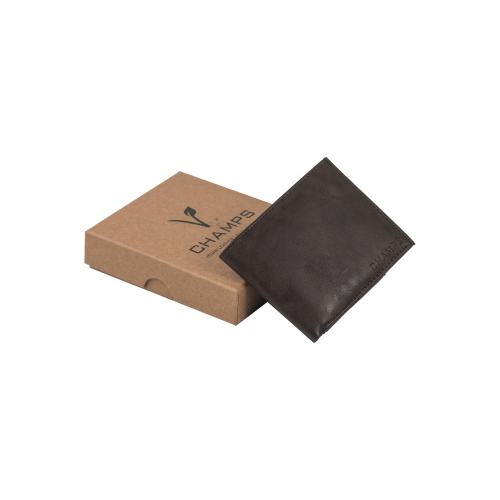

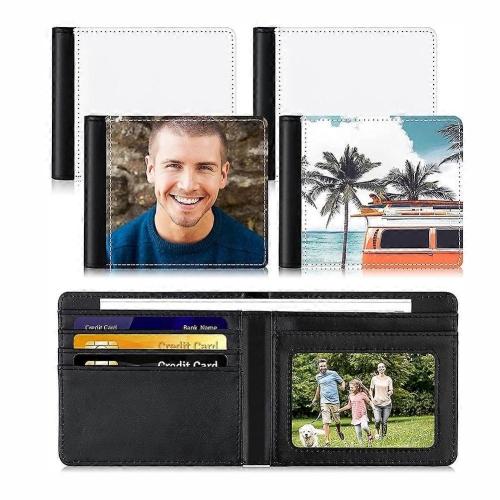


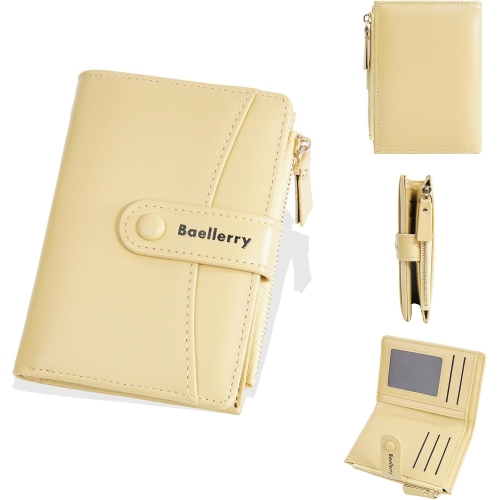
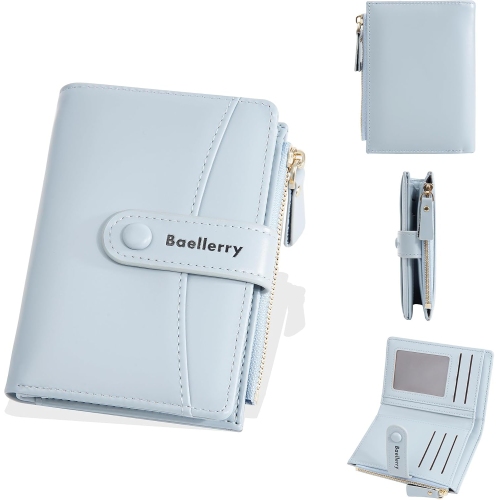
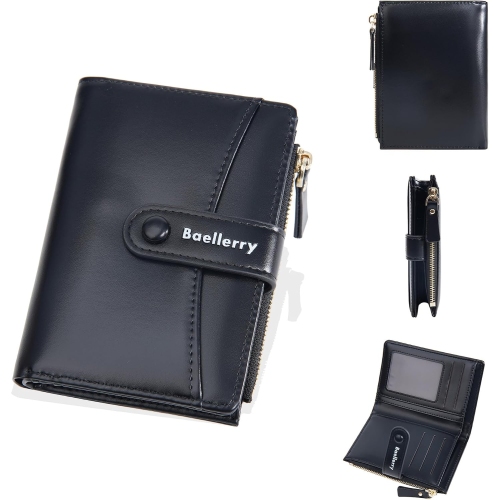
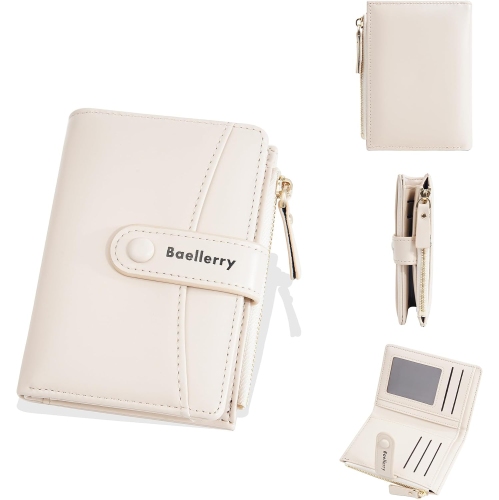
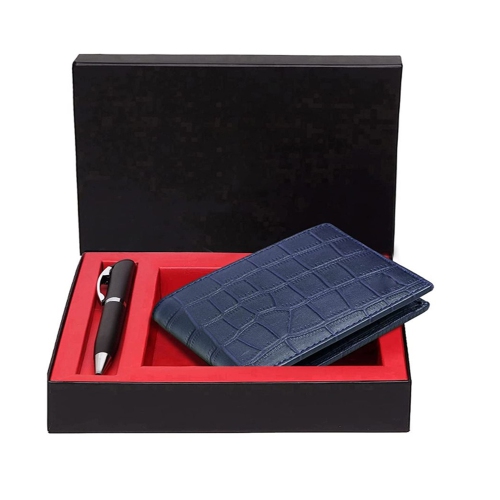


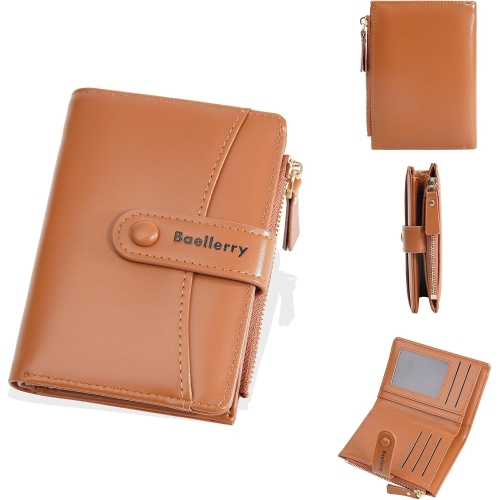









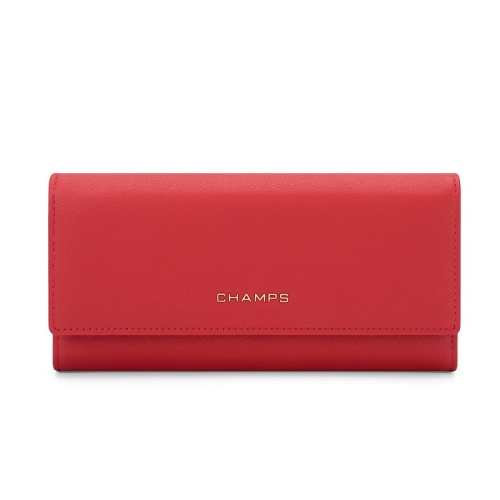


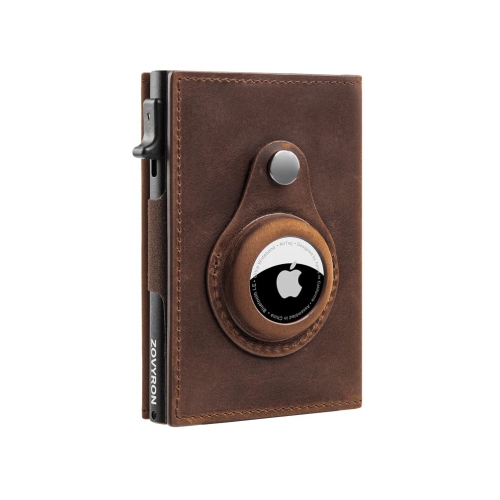
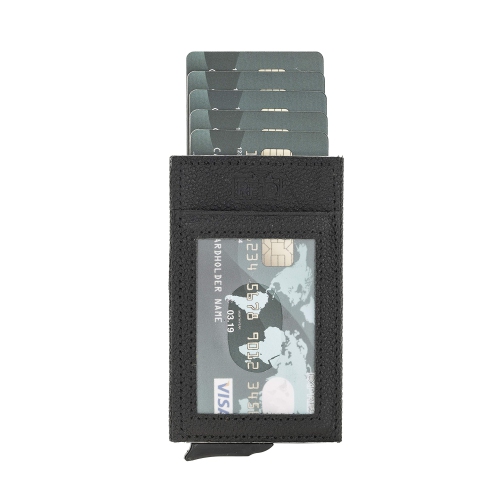
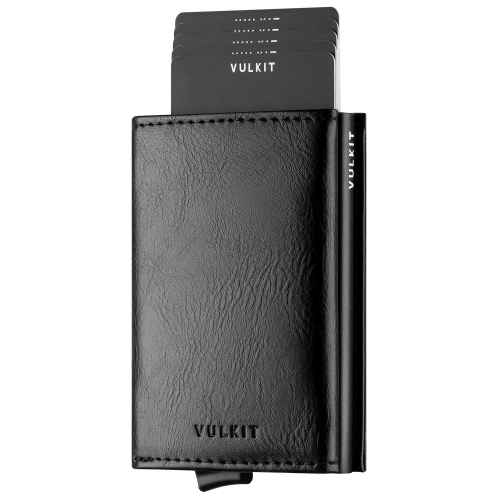












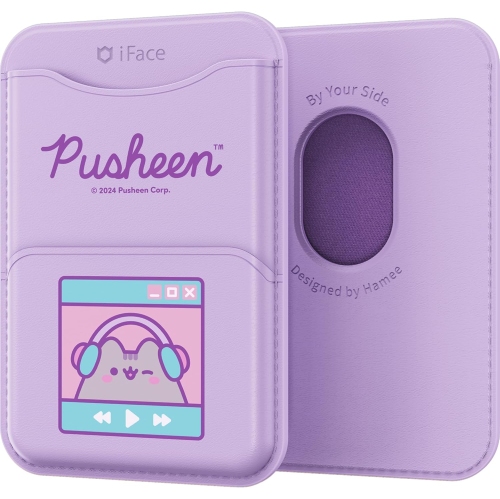
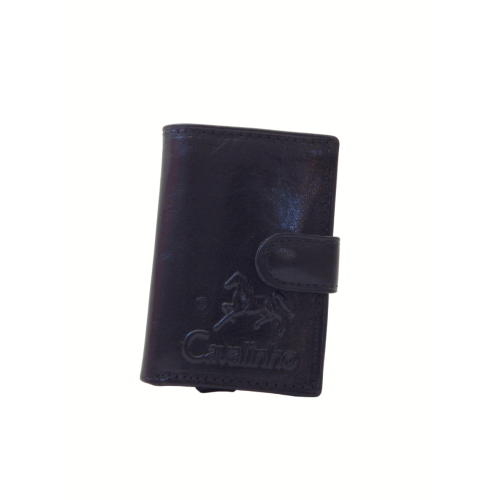

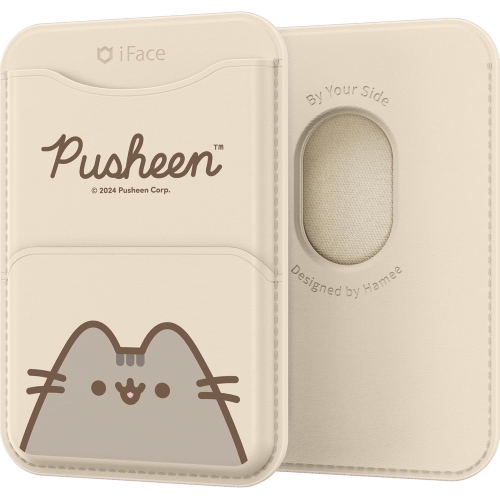


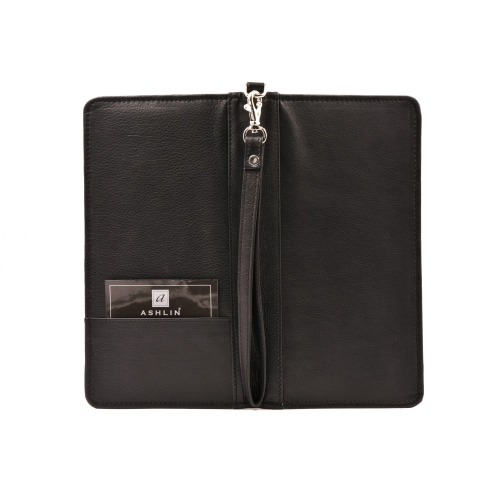





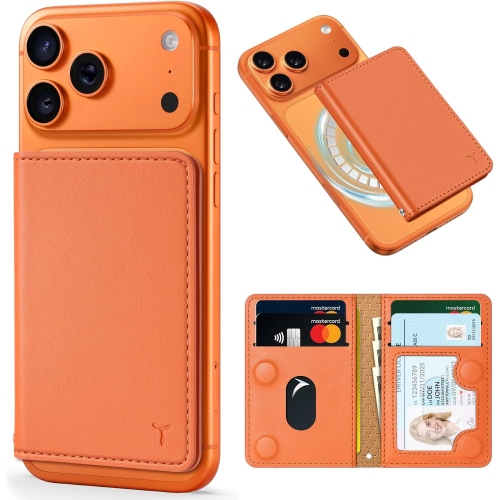
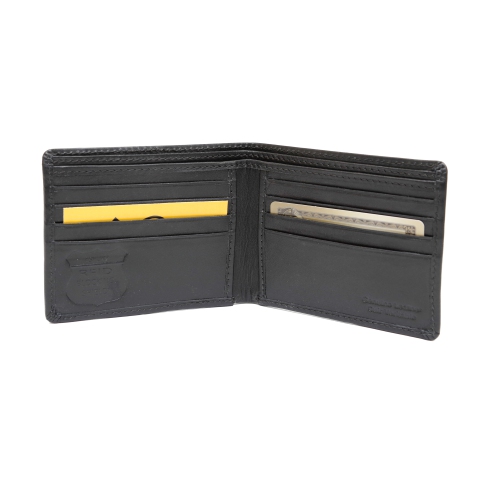
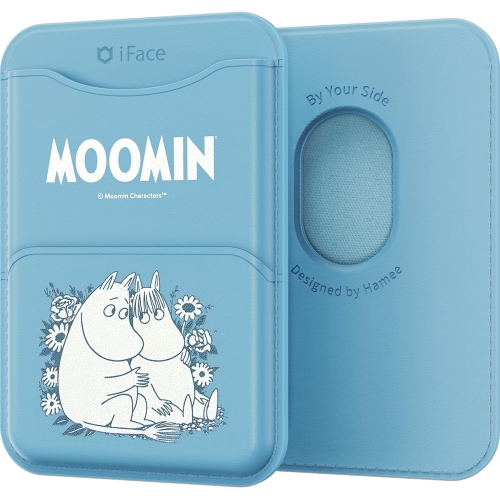


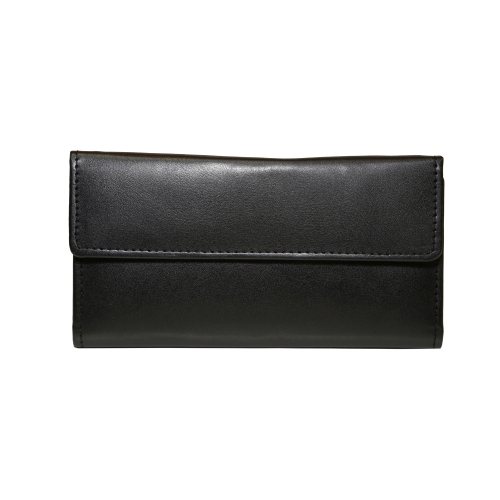







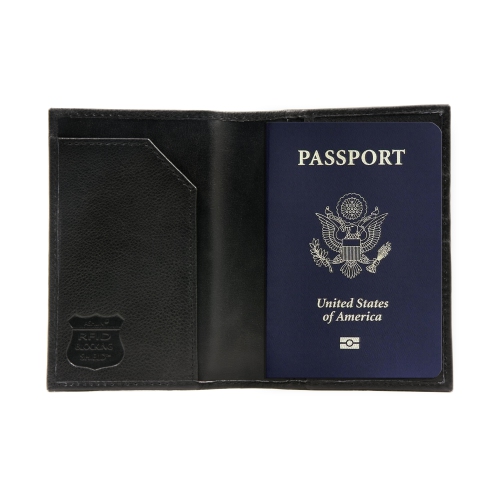


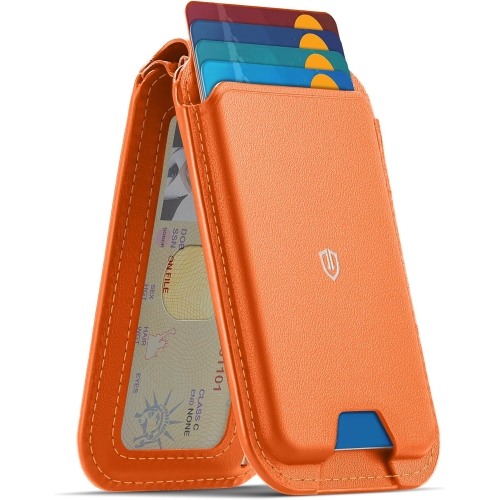


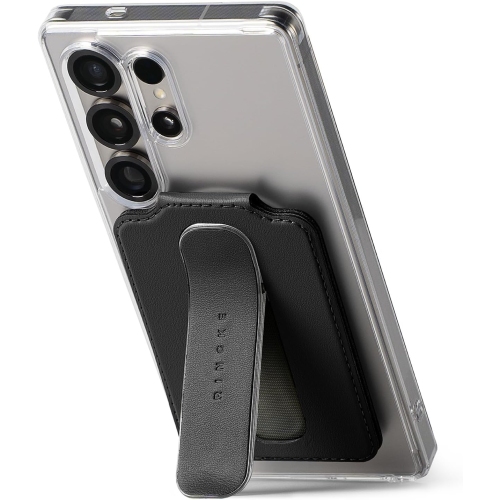


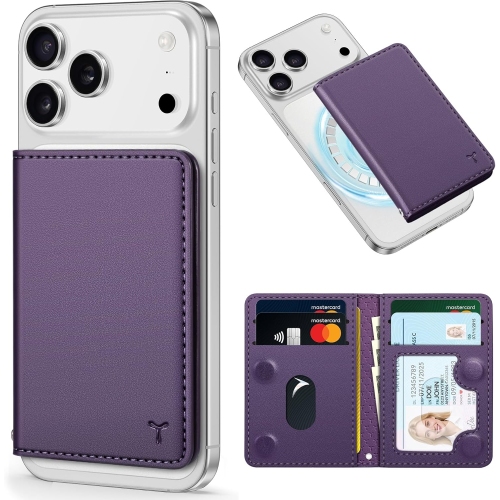

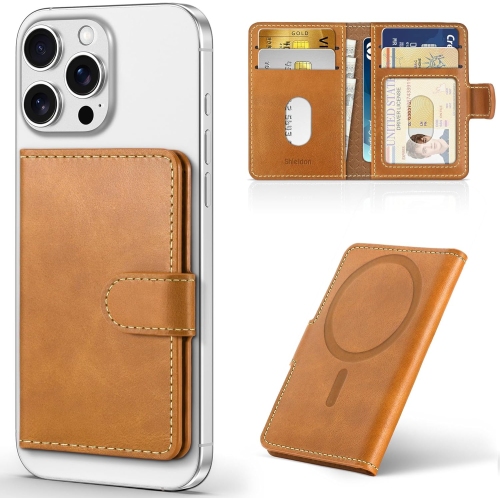

A thoughtful wallet starts with their everyday habits
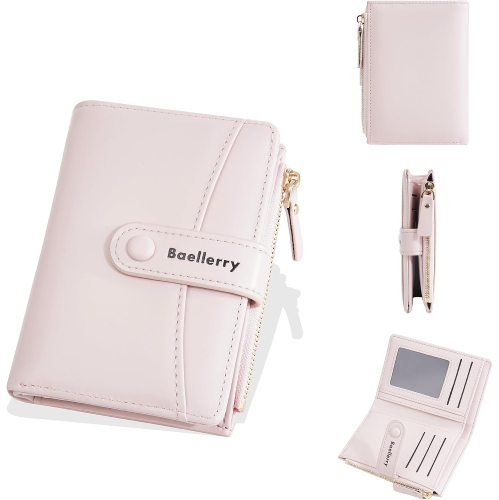
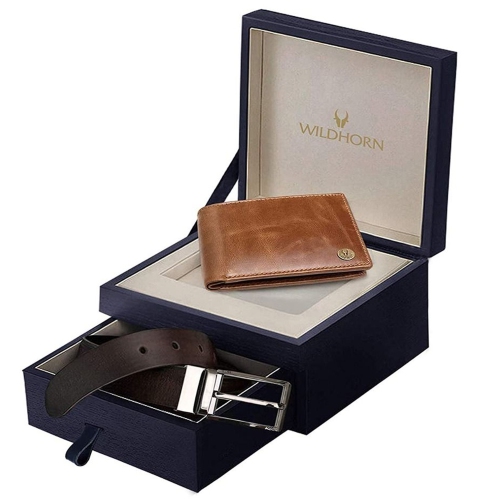
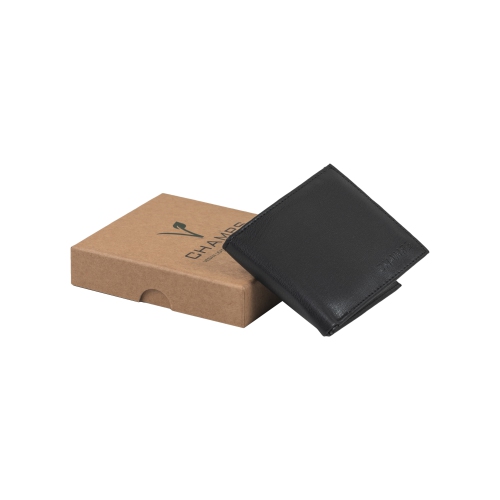
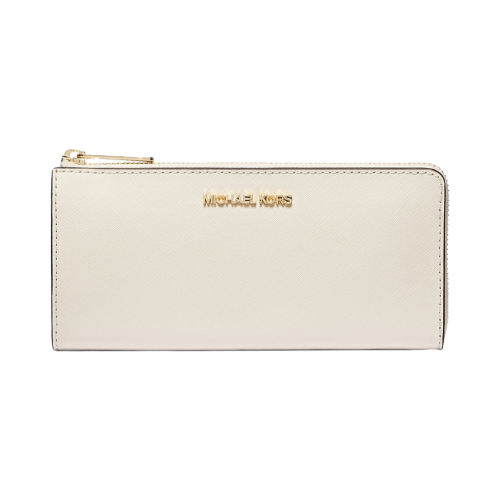
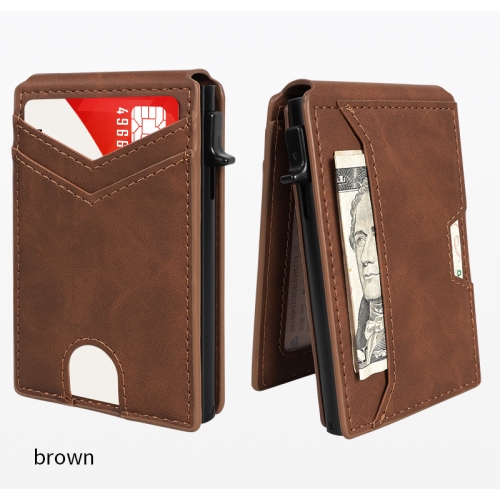
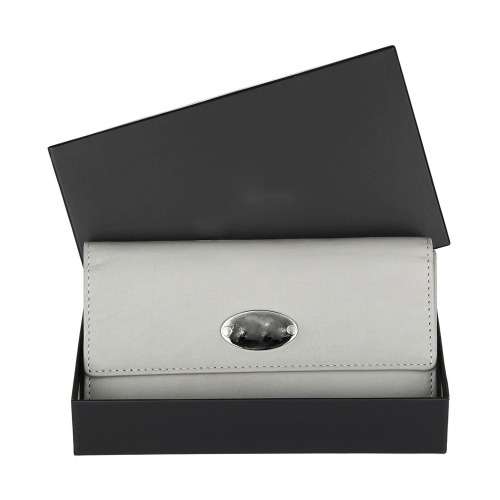
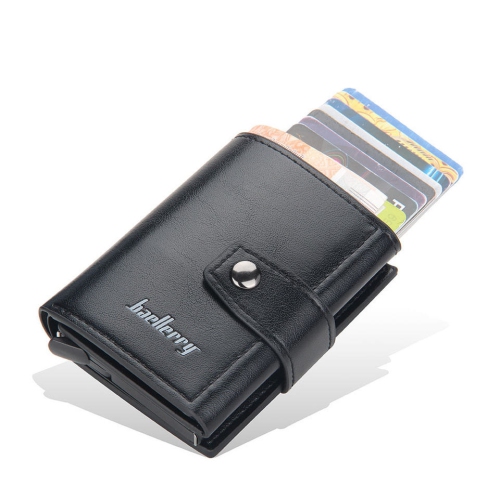
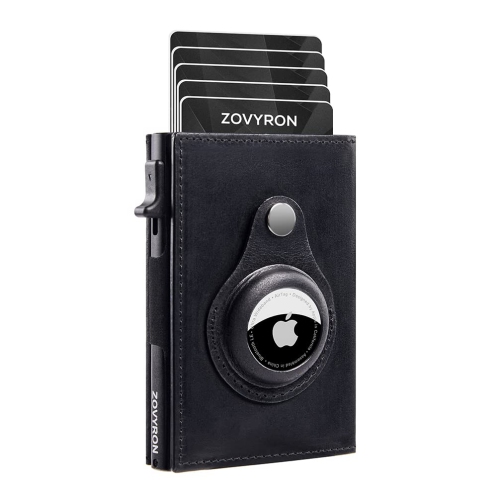
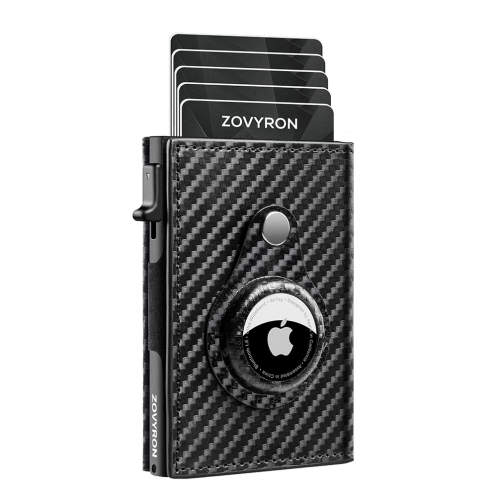
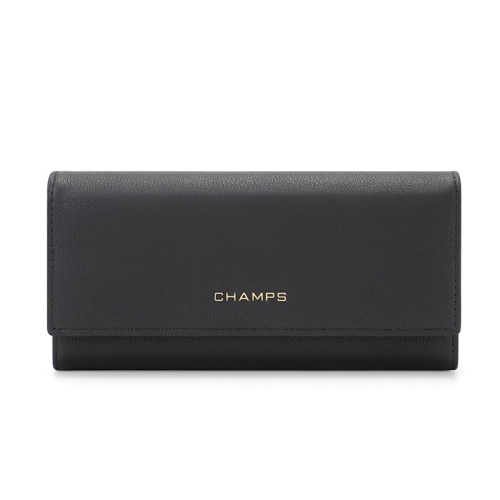
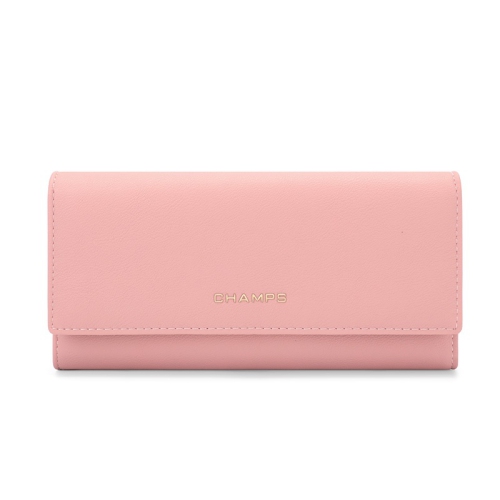
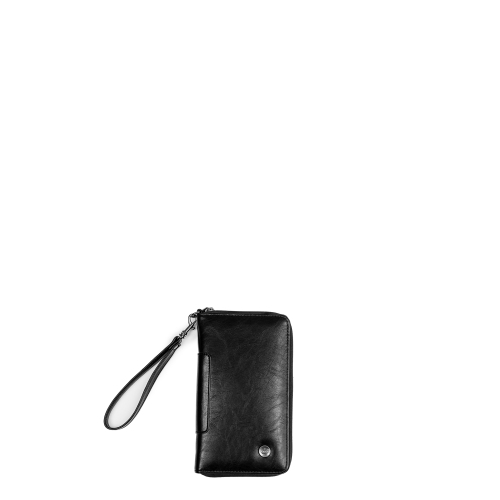
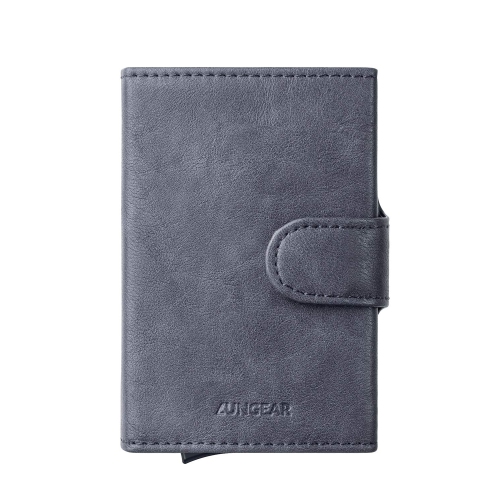
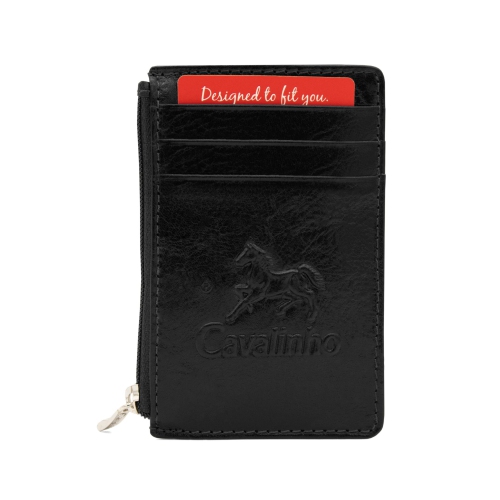
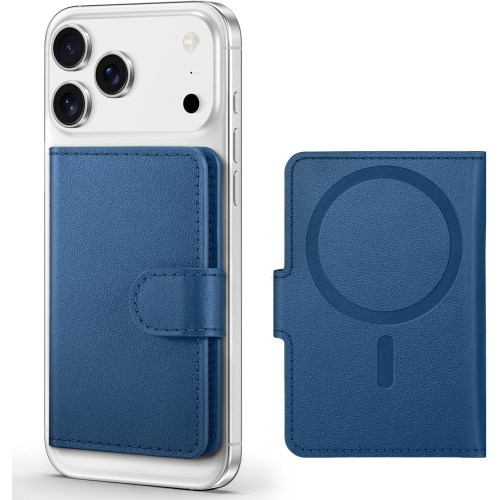
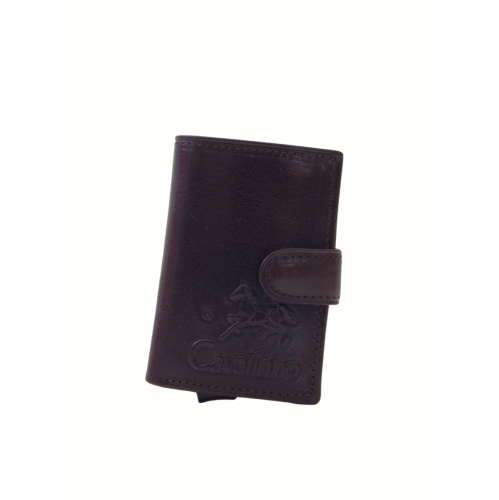
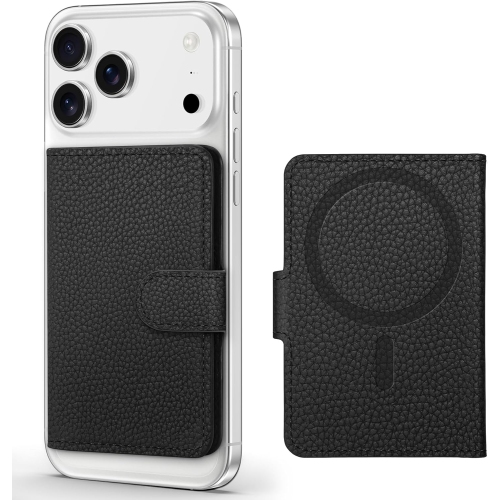
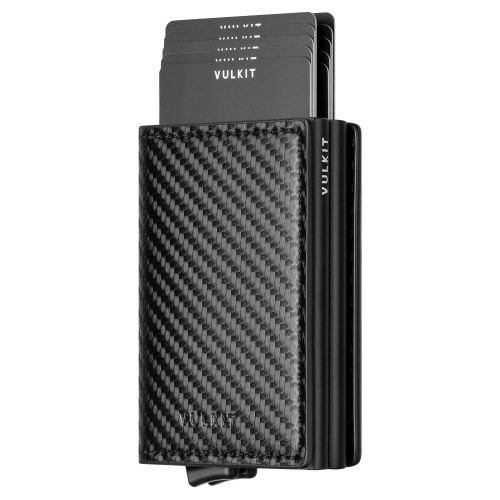
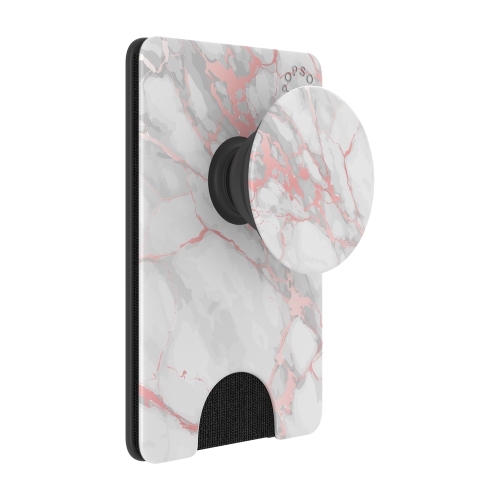
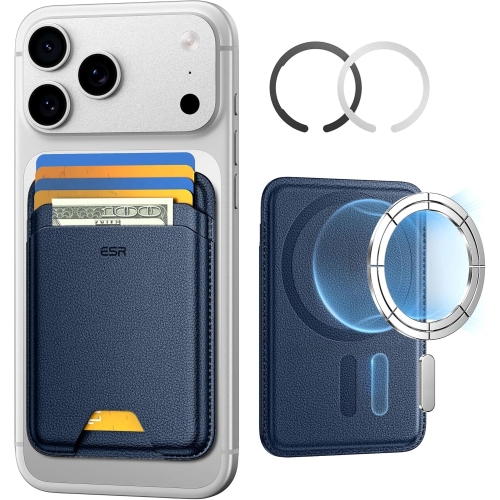
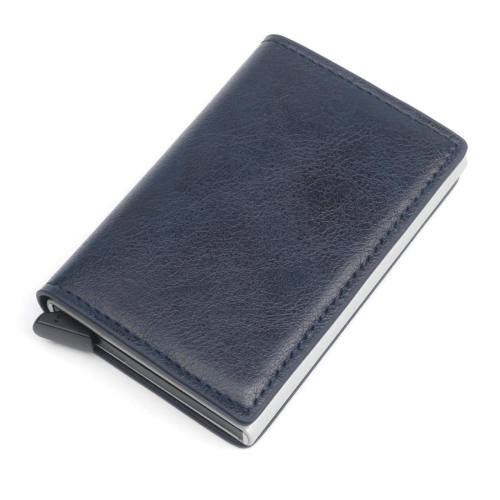
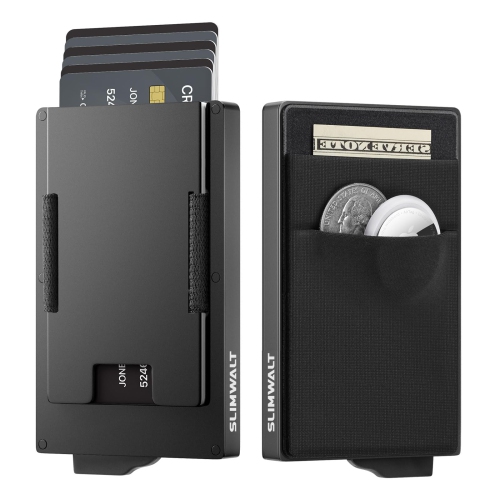
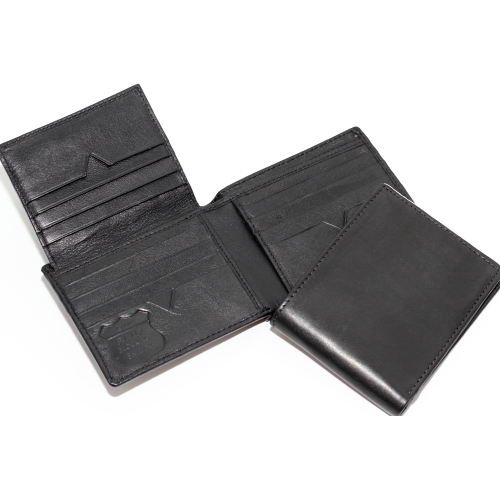
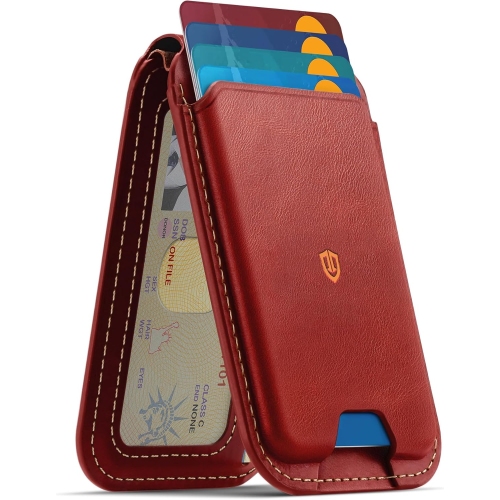
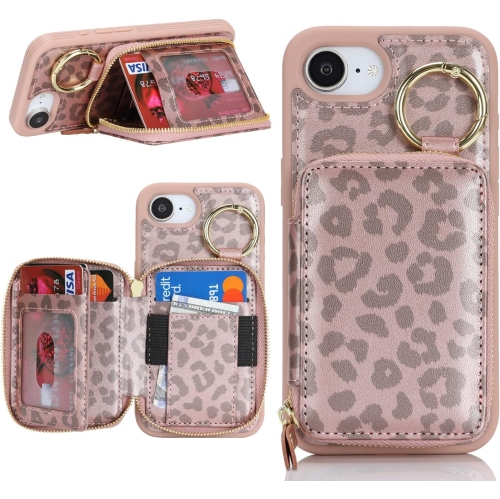
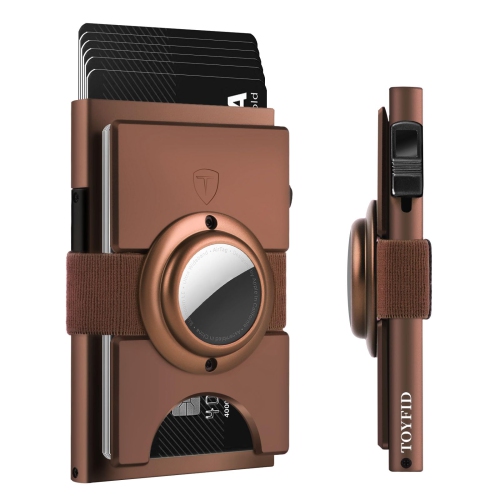
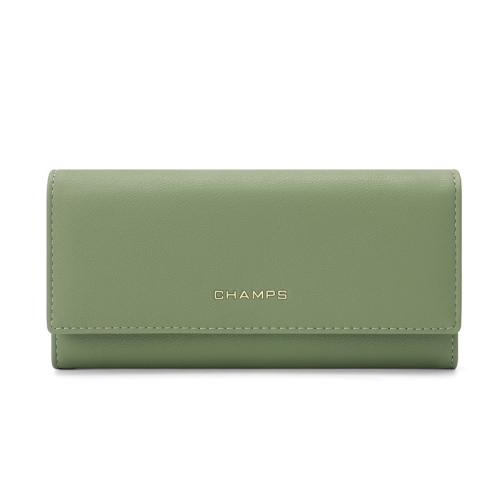
Gift wallets bring a personal touch to an accessory that often gets used several times a day. A wallet holds the small essentials that move with someone from a morning commute to a grocery run: payment cards, identification, transit passes, folded notes, and a few coins. As a gift, its appeal comes from matching those everyday habits rather than simply choosing a colour or finish. A slim cardholder suits someone who carries only a handful of cards and prefers an uncluttered pocket, while a classic bifold offers space for cards and paper money in a familiar folding shape. A trifold adds storage within a smaller folded footprint, although it can feel thicker once filled. Longer zip-around wallets tend to suit people who carry their essentials in a handbag or work bag and like separate sections for notes, receipts, and coins. For a partner, parent, friend, or graduate, those details can make the difference between an attractive present and something that becomes part of a daily routine. A graduate starting a first job might appreciate a neat card wallet that slips easily into a trouser pocket; someone who regularly pays with cash may get more use from a full-length note compartment and a secure coin pocket. There is no single ideal capacity for gift wallets, because card thickness, folded cash, and the layout of individual slots all affect how much they comfortably hold. A stated card capacity is a useful starting point, but room to remove a card without tugging matters just as much. Related styles within Personal Wallets reflect the same balance between storage, size, and individual taste. Familiar details, such as whether the recipient carries a wallet in a front pocket or keeps it tucked inside a bag, provide useful clues to the shape they will enjoy using. A gift feels especially thoughtful when it improves on a worn-out favourite without asking its recipient to change the way they carry their essentials.
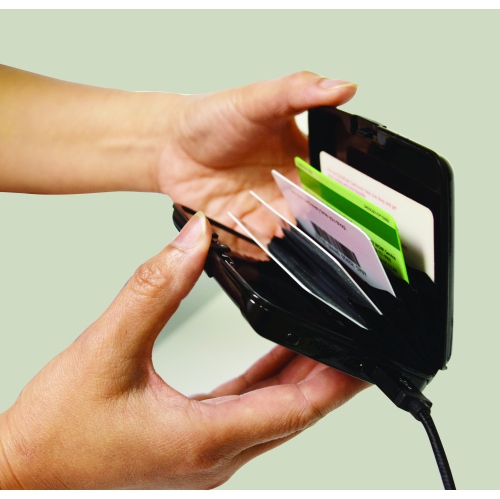
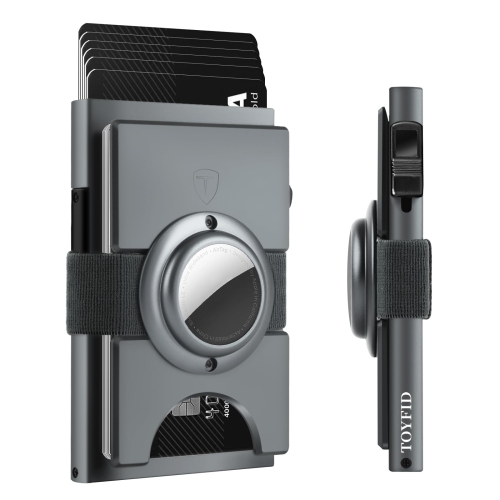
Materials influence both the feel of a gift wallet and how its appearance develops with use. Leather has a traditional character, with texture and flexibility that vary according to the hide, finish, and construction. Full-grain leather retains the natural surface of the hide and may develop a patina, while more heavily finished leather can offer a more uniform appearance. The term genuine leather alone does not establish a particular quality level, so stitching, lining, edge finishing, and the overall build remain important. Smooth finishes tend to show surface marks more readily than some textured finishes, and lighter colours may reveal handling marks or dye transfer from clothing. Synthetic leather offers a different range of textures and colours; its resistance to peeling, cracking, and abrasion depends on the backing and surface coating. Fabric wallets are often flexible and lightweight, while metal cardholders provide a firm structure that helps keep cards flat. A metal design may have an elastic band, sliding mechanism, or money clip, each of which changes how cards and cash are held. None of these materials is automatically best for every recipient. A soft wallet can feel comfortable in a pocket, whereas a rigid holder may appeal to someone who wants a compact, defined shape. Durability also depends on the points that receive repeated stress: slot openings, folds, zipper tracks, and the corners that rub against pocket seams. Even stitching, securely attached closures, and neatly finished edges are useful signs of careful construction. Care should match the material and the maker’s directions. Leather generally benefits from gentle cleaning and, where recommended, a suitable conditioner; soaking or strong cleaners can damage its finish. Synthetic surfaces, fabric, and metal require their own cleaning methods, and moisture should not be left trapped inside compartments. Overfilling puts strain on seams and can stretch card slots, so a wallet with a little breathing room often retains its shape better than one packed to its limit.
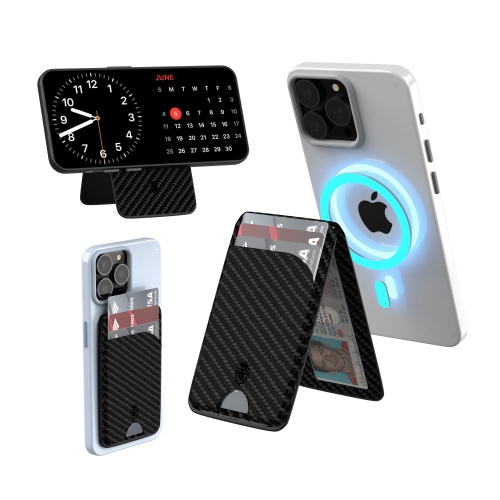
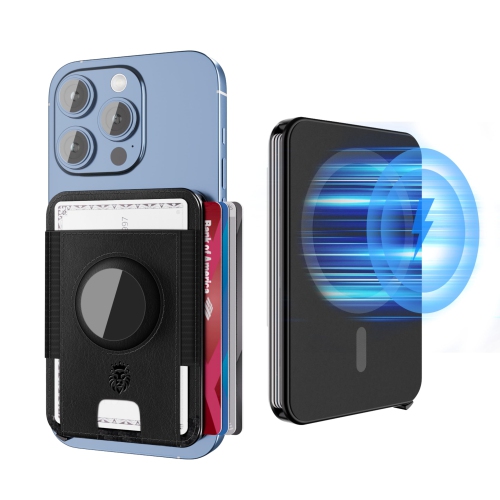
Fit is as much about the way a wallet opens and handles as its measurements. A slim exterior can still feel bulky if cards are stacked in one place, while a slightly wider wallet may distribute them more evenly. Rounded corners and a smooth outer surface can make a pocket wallet easier to slide in and out, and a secure closure helps keep loose contents together inside a larger bag. Someone who frequently uses a transit card may value a dedicated, accessible slot, although contactless readers can have difficulty when several compatible cards are presented together. A thumb notch, pull tab, or clearly separated compartments can make everyday access easier, especially for a recipient who finds narrow, tightly fitted slots awkward. RFID-blocking wallets are designed to reduce certain forms of wireless scanning when compatible cards are enclosed, but performance depends on the design and the frequencies covered. This feature does not prevent every type of payment fraud or protect a card once it has been removed. For travel, an enclosed section for receipts or unfamiliar notes can be useful, but a standard wallet should not be assumed to fit a passport. Dimensions and compartment layouts matter more than a travel-inspired description. Presentation has its place too: restrained colours and simple finishes can suit someone with a classic style, while a distinctive texture or brighter colour may be easier to spot inside a deep bag. Personalization, such as initials or a name, can add meaning when the wallet is designed to accommodate it, though the placement and finish should complement the material. For a birthday, graduation, anniversary, or thank-you gift, the most lasting choice is often one that feels familiar enough to use immediately but has details the recipient will appreciate over time. A smoothly moving zipper, a note section that does not require extra folding, and card slots arranged in a sensible order are small comforts that become noticeable with daily use. Those practical touches give gift wallets their lasting value as personal accessories, combining a considered gesture with a clear purpose.
Top selling and popular products
-
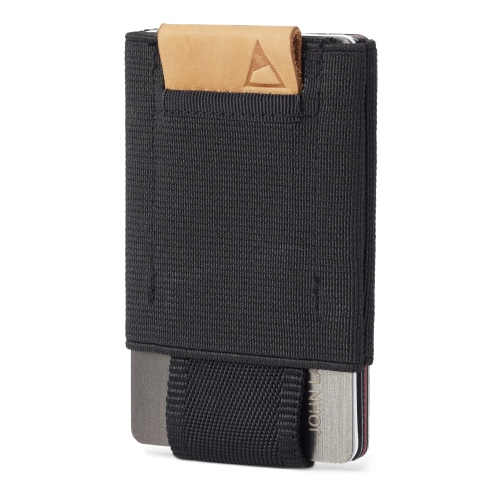 Your price for this item is $39.99
-
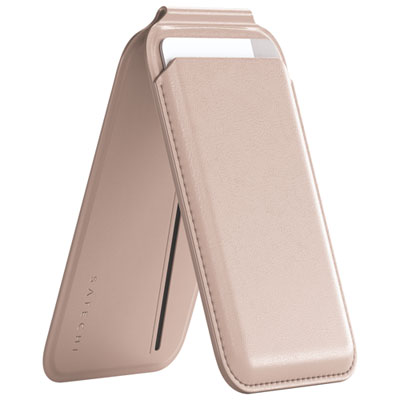 Your price for this item is $59.99
-
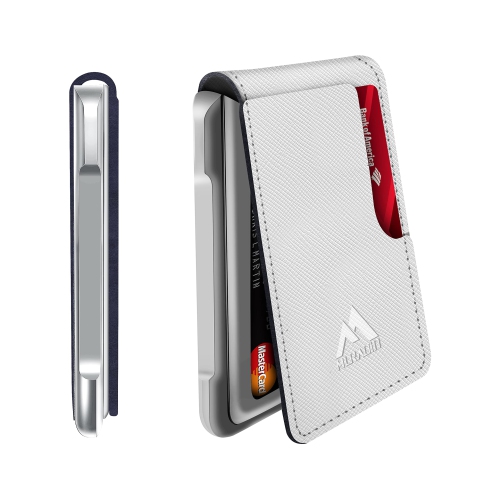 Your price for this item is $49.99
-
 Your price for this item is $46.96
-
 Your price for this item is $47.99
-
 Your price for this item is $49.99
-
 Your price for this item is $49.99
-
 Your price for this item is $49.99
Discover more categories related to Gift Wallets
Top Collections:
Pokemon Centers, Best Cameras for Sports Photography, Kindle Devices, Samsung Galaxy Phones, Canon G7X Cameras, Pokémon 30th Celebration Cards, Refurbished Apple Laptops, iPhone 15 Apple, Laptops for Students, Budget Smartphones
Some products may be subject to Environmental Handling Fees
(EHF) depending on your province.
Learn more about EHFs.