Hard Case Trolleys
When it comes to travel, having reliable and sturdy luggage is a must. That's why we're here to introduce you to our collection of hard-case trolleys. These sleek and durable suitcases are designed to protect your belongings during transit, making them the perfect travel companion for any adventure. Whether you're jetting off on a business trip or embarking on a well-deserved vacation, our selection of hard-case trolleys offers both style and functionality. With various sizes and features available, finding the perfect suitcase to suit your needs has never been easier. So pack your bags and get ready to explore the world with confidence and ease!
Sort
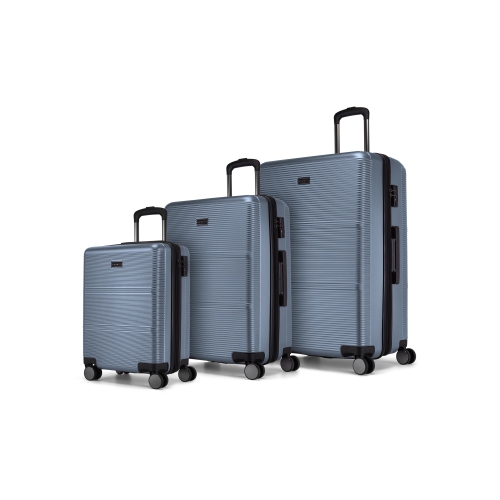
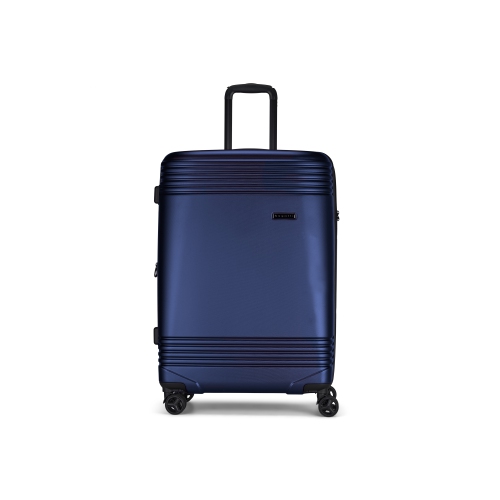
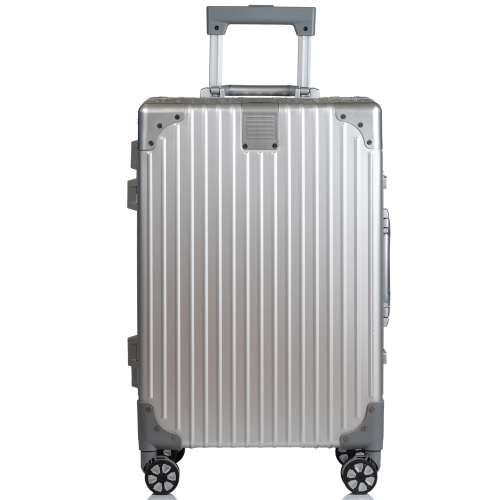

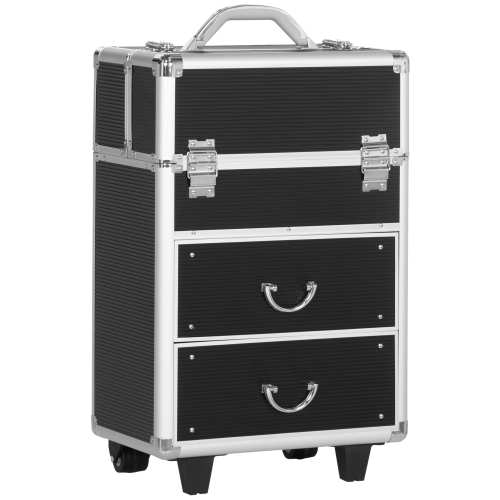
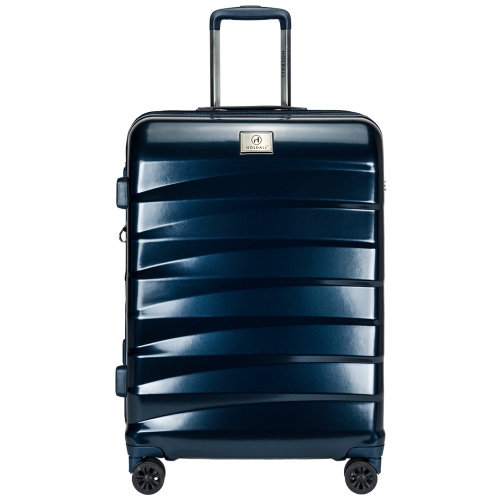
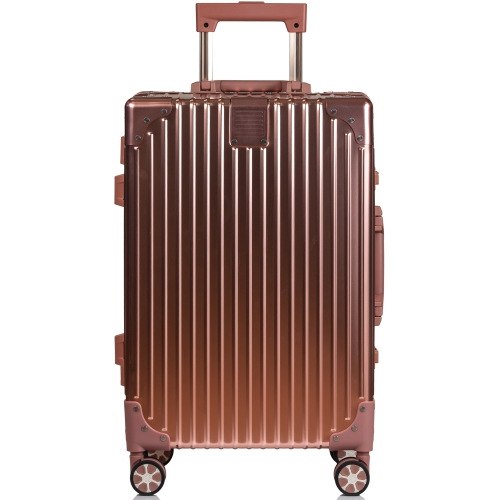
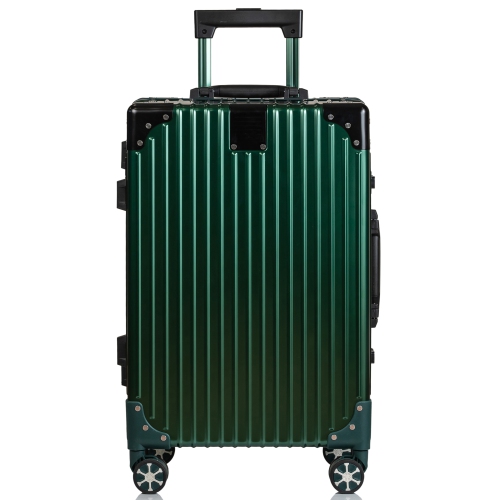
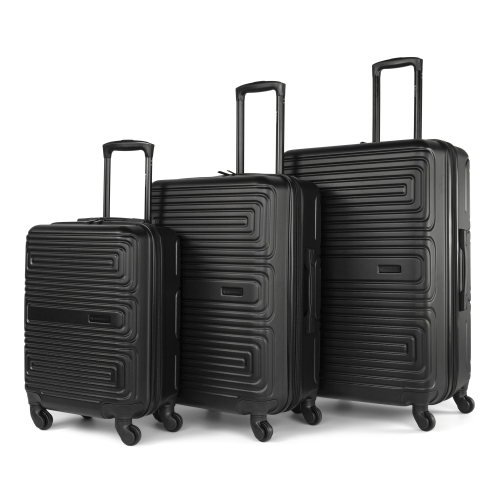




What matters beyond a suitcase’s rigid shell
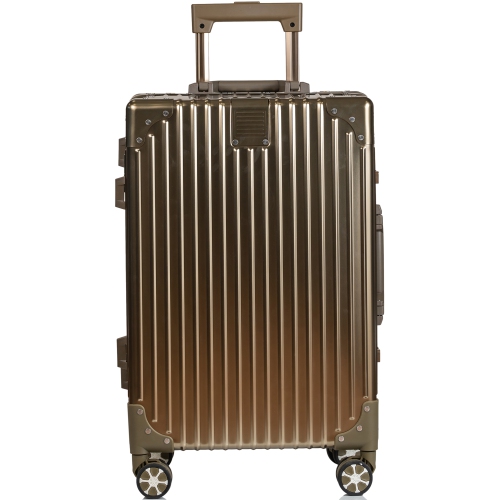
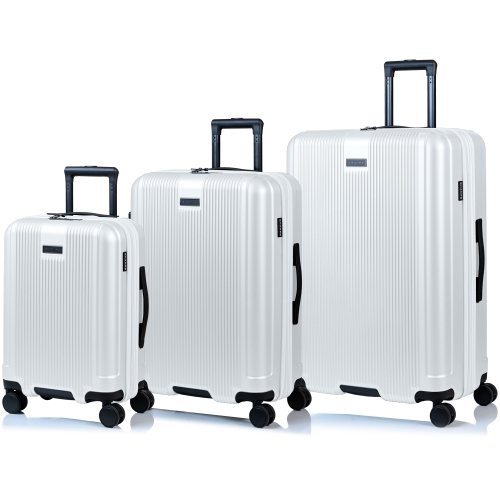
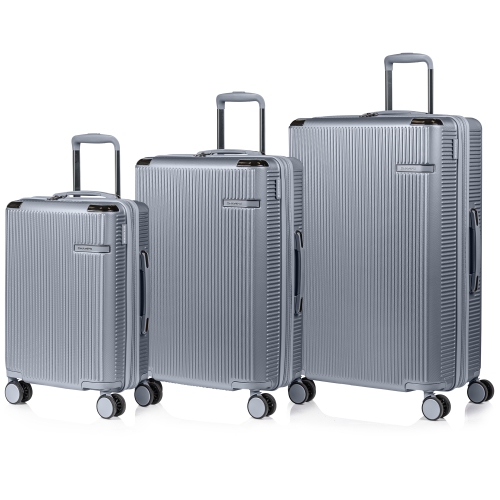
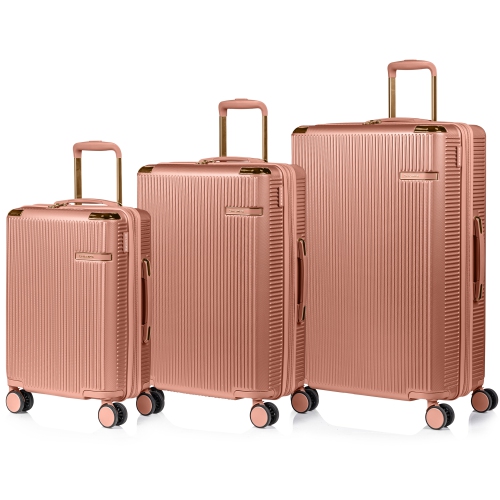
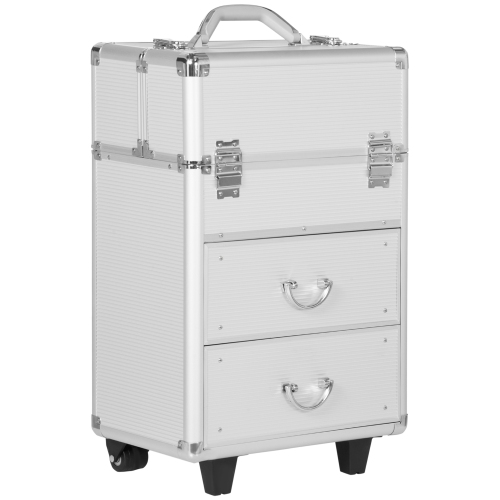
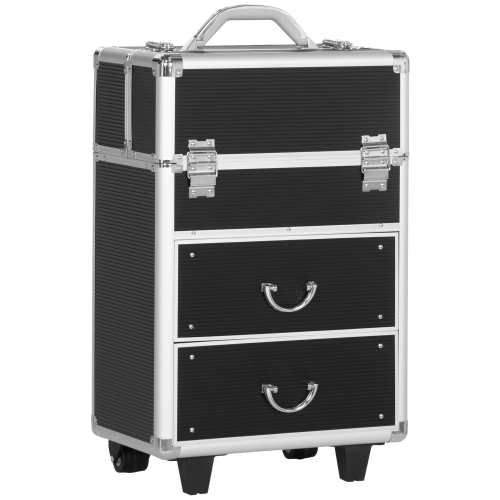
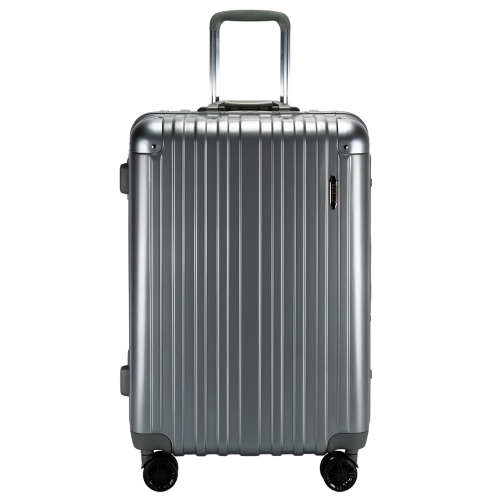
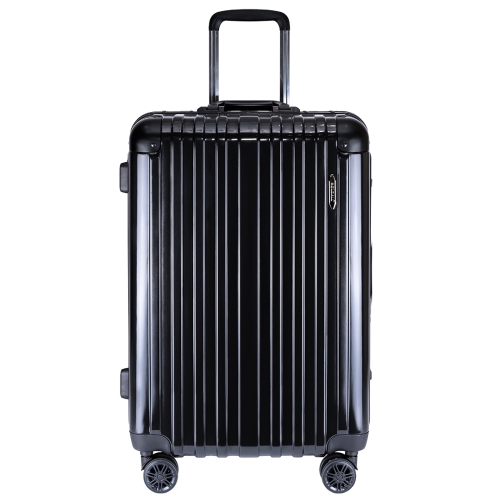
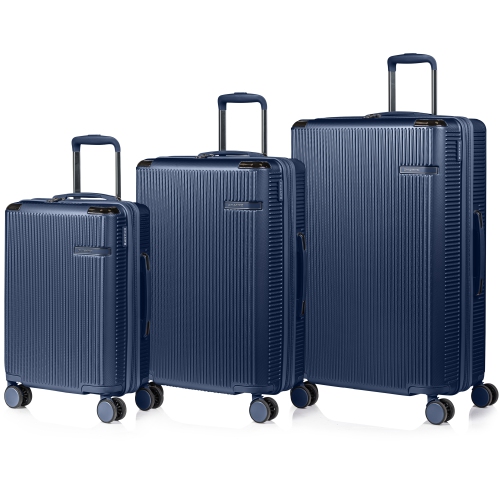
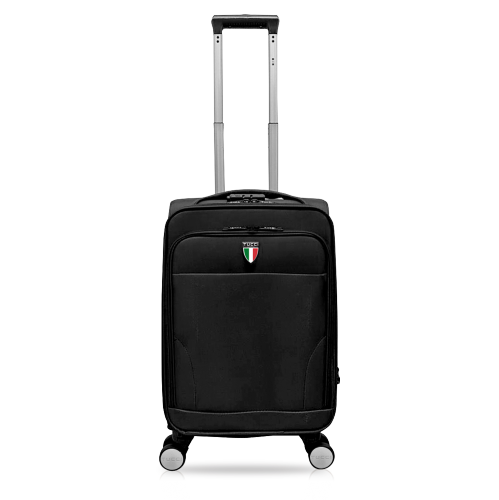
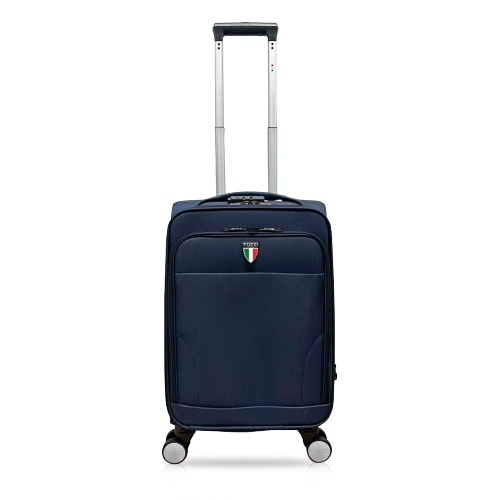
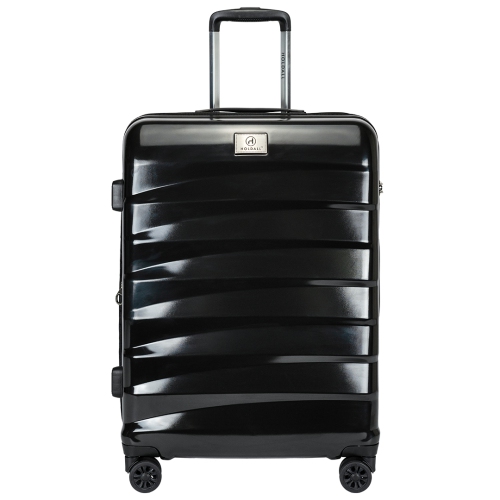
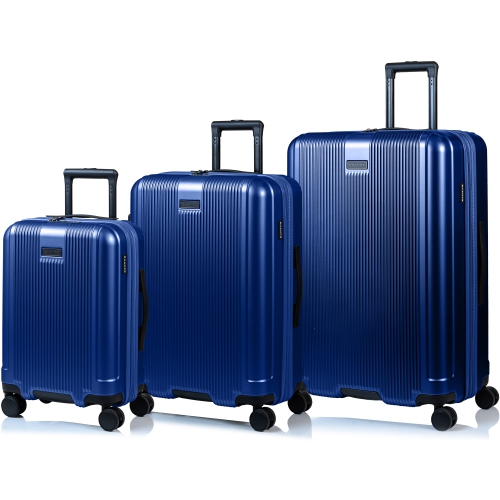
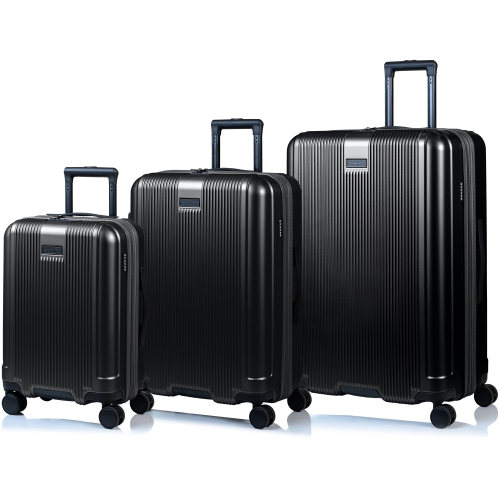
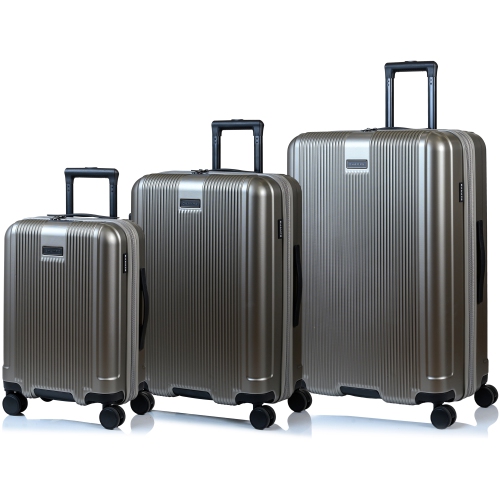
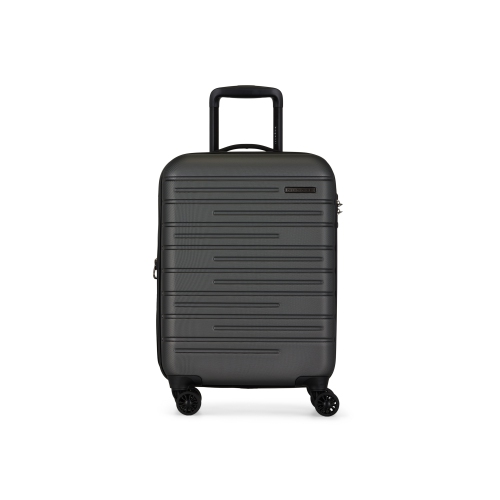
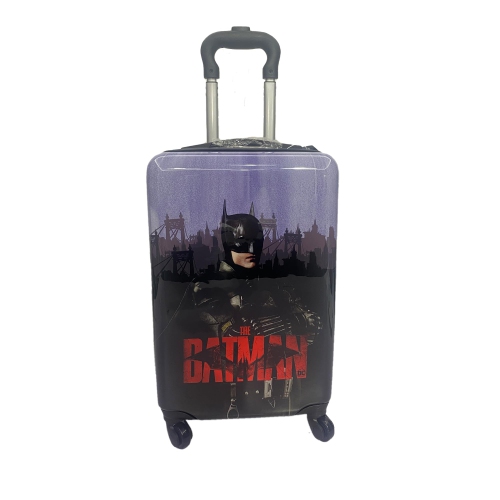
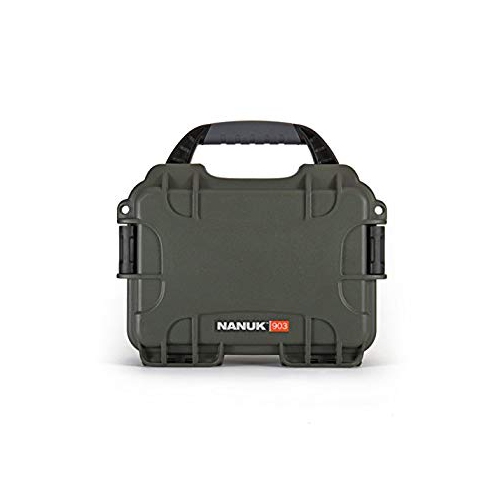
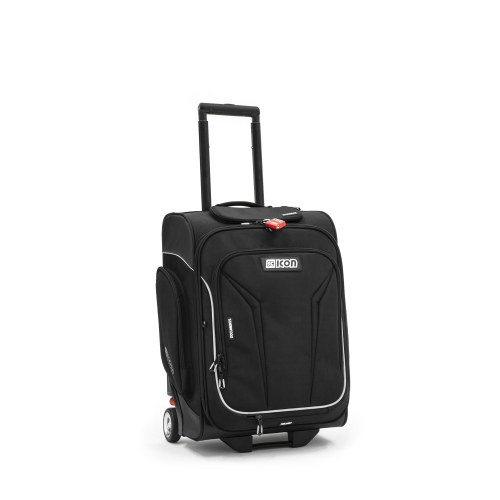
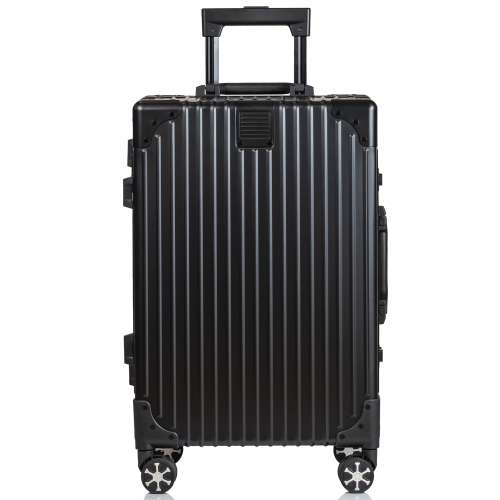
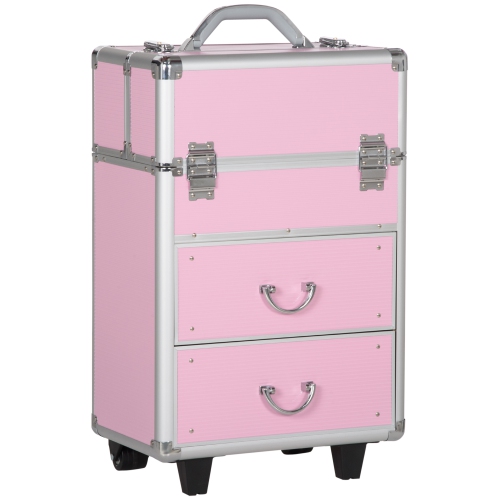
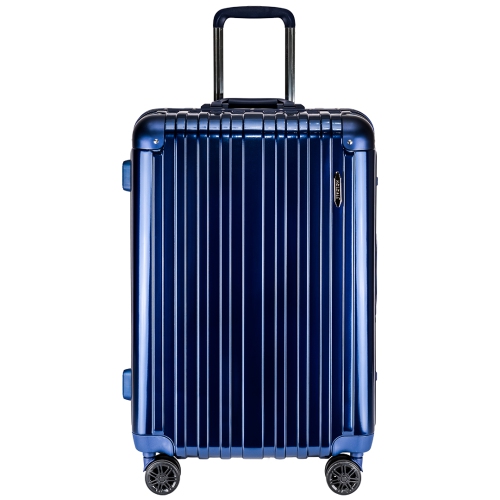
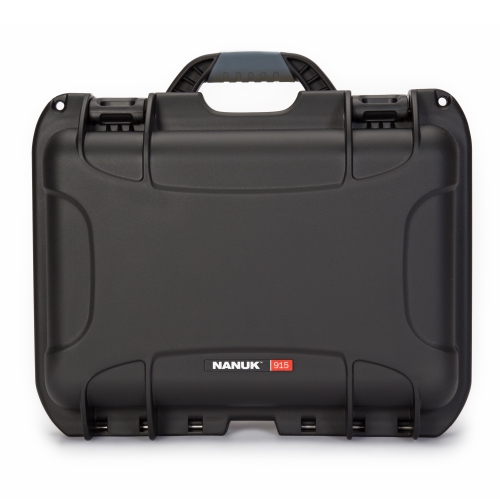
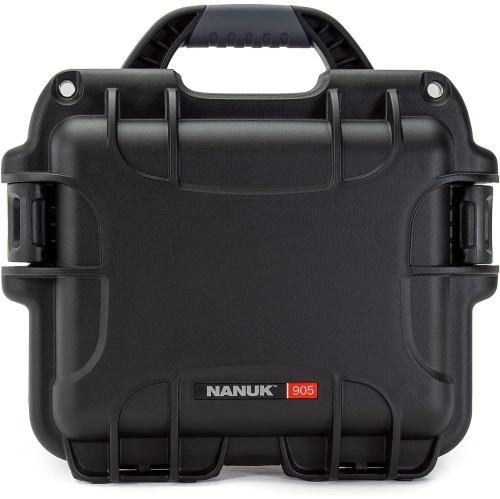
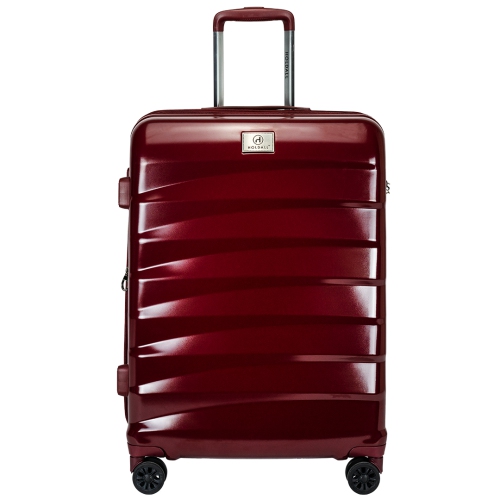
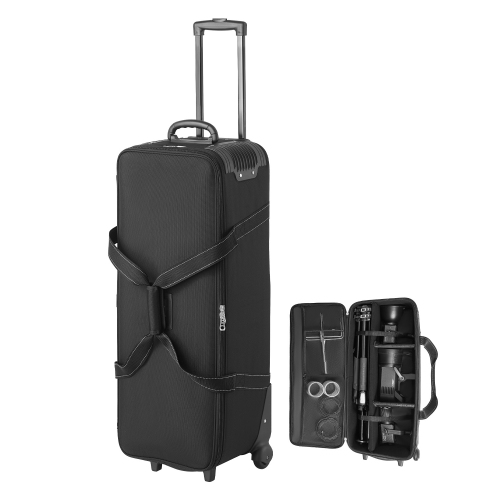
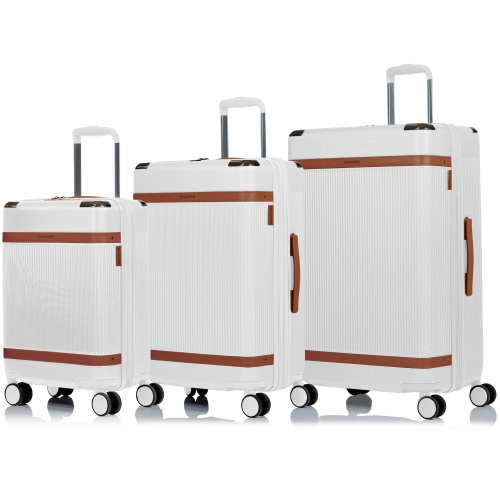
Hard case trolleys are wheeled suitcases with rigid outer shells, retractable handles, and compartments designed to keep travel essentials organized. Their structured exteriors help shield packed belongings from bumps and pressure during handling, while wheels make it easier to move through terminals, hotel lobbies, and train stations without carrying the full load. They suit a wide range of trips, from an overnight business visit with a compact carry-on to a longer family holiday with checked luggage. The shell material influences weight, flexibility, and how the case handles repeated use. Polycarbonate is valued for its ability to flex under pressure, while polypropylene combines a relatively light feel with impact resistance. ABS is another common material that provides a firm shell, although its resistance to heavy impacts can differ from that of polycarbonate or polypropylene. Aluminium cases have a distinctive rigid construction but generally weigh more and can develop dents with use. No shell makes luggage damage-proof, and the quality of the corners, seams, handles, and wheel mounts matters alongside the material itself. A textured finish may make small scuffs less noticeable, while a smooth surface is often straightforward to wipe clean. Colour has a practical role, too: a distinctive shade can be easier to spot on a baggage carousel, especially when paired with a securely attached luggage tag. For travellers who like a tidy packing layout, a hard case offers a defined space for folded clothing, footwear, and toiletries rather than an outer body that changes shape with every load. That structure can help keep belongings contained, but delicate objects still need padding. A glass souvenir tucked loosely between garments remains vulnerable to movement inside the suitcase. Hard case trolleys work best when their shell, internal organization, and size all match what is being carried and how the traveller expects to get around.
Size is about more than how many outfits fit inside. Carry-on dimensions should be checked against the rules of the airline and fare being used, including any connecting flights, because accepted measurements and weight limits vary. Overall dimensions usually need to include the wheels, fixed handles, and other protruding parts, not just the main shell. An expandable section can create extra packing room, but opening it may put a case beyond an airline’s permitted depth. Checked luggage offers more room for longer stays or shared packing, though a large interior can make it easy to exceed a weight allowance before the case looks full. The empty weight deserves attention, particularly for someone who needs to lift luggage onto a train rack or into a vehicle. Four-wheel spinner designs can roll upright alongside the traveller, which is useful in queues and narrow aisles where dragging a case behind would take up more space. Two-wheel designs are pulled at an angle and may be easier to manage over some uneven surfaces, depending on wheel size and construction. Smooth movement, securely mounted wheels, and a telescopic handle that locks firmly at a comfortable height are worth considering together. A handle that is too short can make a taller traveller stoop or catch the case against their heels. Top and side grab handles help with lifting, while a smaller trolley may be more manageable for someone with limited strength. Inside, divided compartments, zipped panels, and adjustable packing straps help separate clothing and limit shifting. A clamshell opening gives access to both halves but needs enough floor or bed space to open fully. An accessible outer compartment, where fitted, can be useful for documents or essentials that would otherwise require opening the entire case. Frequent travellers may also value replaceable wheels or handles, since those moving parts often receive more wear than the shell.
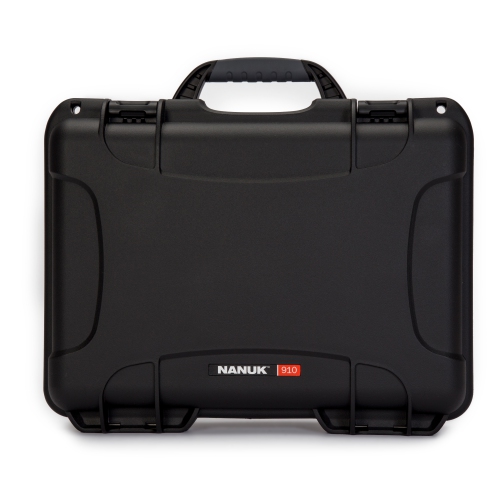
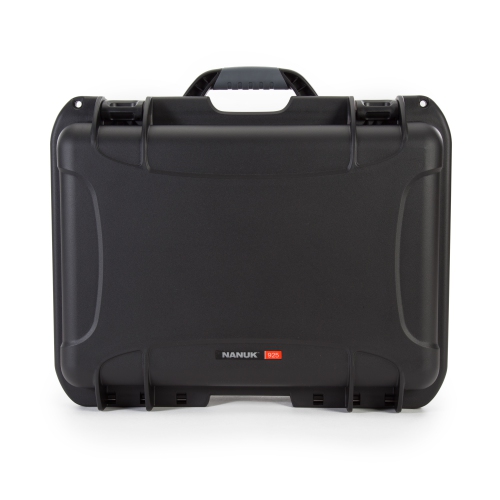
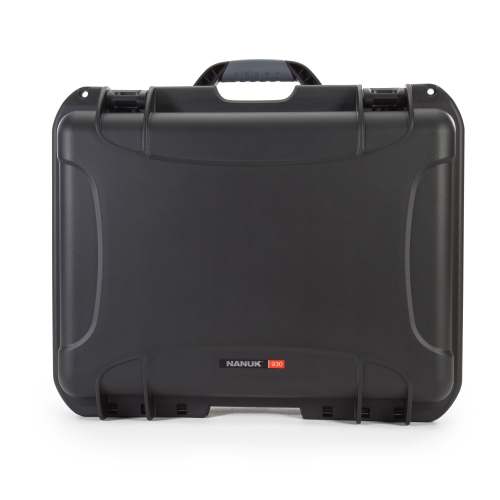
The details of construction become especially noticeable over repeated journeys. Zips should travel smoothly around corners without needing the two halves forced together, and frame closures should line up cleanly when the case is packed. Overfilling places strain on closures and can make even a sturdy trolley awkward to manoeuvre. Built-in locks or compatible luggage locks offer a basic barrier to casual access, but they are not a guarantee against theft. TSA-accepted locks are designed to allow authorized screening personnel with compatible tools to open them; screening procedures still depend on the destination and authority involved. Important documents, medication, and valuables are generally better kept accessible in a personal bag, subject to airline requirements, rather than buried in checked luggage. For cameras, audio equipment, or other fragile gear that needs fitted foam and equipment-specific protection, Flight Cases serve a different purpose from an ordinary travel trolley. Everyday luggage remains useful for clothing and personal belongings, with packing cubes or pouches providing separation for smaller essentials. After a trip, basic care helps keep the case ready for its next outing. Remove grit and hair from the wheels, wipe the shell with a soft cloth and a mild cleaner permitted by the manufacturer, and let the interior dry fully before closing it for storage. Harsh solvents and abrasive pads can damage finishes, while lubricant should only be used on moving parts when the care instructions allow it. Check wheel mounts, handles, and closures occasionally for looseness or damage, particularly after checked-baggage handling. Store the case without heavy objects piled on top, and avoid forcing nested suitcases together if they press against the lining or fittings. As a gift, a hard case trolley can be a practical choice for a student travelling between home and campus, a frequent business traveller, or someone planning a milestone trip. The most useful fit depends on the recipient’s typical journey, lifting comfort, storage space, and preference for packing light or bringing a larger wardrobe. A manageable case with thoughtful internal organization can make the small routines of travel, from finding a clean shirt to leaving a hotel room, feel considerably less cumbersome.
Size is about more than how many outfits fit inside. Carry-on dimensions should be checked against the rules of the airline and fare being used, including any connecting flights, because accepted measurements and weight limits vary. Overall dimensions usually need to include the wheels, fixed handles, and other protruding parts, not just the main shell. An expandable section can create extra packing room, but opening it may put a case beyond an airline’s permitted depth. Checked luggage offers more room for longer stays or shared packing, though a large interior can make it easy to exceed a weight allowance before the case looks full. The empty weight deserves attention, particularly for someone who needs to lift luggage onto a train rack or into a vehicle. Four-wheel spinner designs can roll upright alongside the traveller, which is useful in queues and narrow aisles where dragging a case behind would take up more space. Two-wheel designs are pulled at an angle and may be easier to manage over some uneven surfaces, depending on wheel size and construction. Smooth movement, securely mounted wheels, and a telescopic handle that locks firmly at a comfortable height are worth considering together. A handle that is too short can make a taller traveller stoop or catch the case against their heels. Top and side grab handles help with lifting, while a smaller trolley may be more manageable for someone with limited strength. Inside, divided compartments, zipped panels, and adjustable packing straps help separate clothing and limit shifting. A clamshell opening gives access to both halves but needs enough floor or bed space to open fully. An accessible outer compartment, where fitted, can be useful for documents or essentials that would otherwise require opening the entire case. Frequent travellers may also value replaceable wheels or handles, since those moving parts often receive more wear than the shell.
The details of construction become especially noticeable over repeated journeys. Zips should travel smoothly around corners without needing the two halves forced together, and frame closures should line up cleanly when the case is packed. Overfilling places strain on closures and can make even a sturdy trolley awkward to manoeuvre. Built-in locks or compatible luggage locks offer a basic barrier to casual access, but they are not a guarantee against theft. TSA-accepted locks are designed to allow authorized screening personnel with compatible tools to open them; screening procedures still depend on the destination and authority involved. Important documents, medication, and valuables are generally better kept accessible in a personal bag, subject to airline requirements, rather than buried in checked luggage. For cameras, audio equipment, or other fragile gear that needs fitted foam and equipment-specific protection, Flight Cases serve a different purpose from an ordinary travel trolley. Everyday luggage remains useful for clothing and personal belongings, with packing cubes or pouches providing separation for smaller essentials. After a trip, basic care helps keep the case ready for its next outing. Remove grit and hair from the wheels, wipe the shell with a soft cloth and a mild cleaner permitted by the manufacturer, and let the interior dry fully before closing it for storage. Harsh solvents and abrasive pads can damage finishes, while lubricant should only be used on moving parts when the care instructions allow it. Check wheel mounts, handles, and closures occasionally for looseness or damage, particularly after checked-baggage handling. Store the case without heavy objects piled on top, and avoid forcing nested suitcases together if they press against the lining or fittings. As a gift, a hard case trolley can be a practical choice for a student travelling between home and campus, a frequent business traveller, or someone planning a milestone trip. The most useful fit depends on the recipient’s typical journey, lifting comfort, storage space, and preference for packing light or bringing a larger wardrobe. A manageable case with thoughtful internal organization can make the small routines of travel, from finding a clean shirt to leaving a hotel room, feel considerably less cumbersome.
Top selling and popular products
-
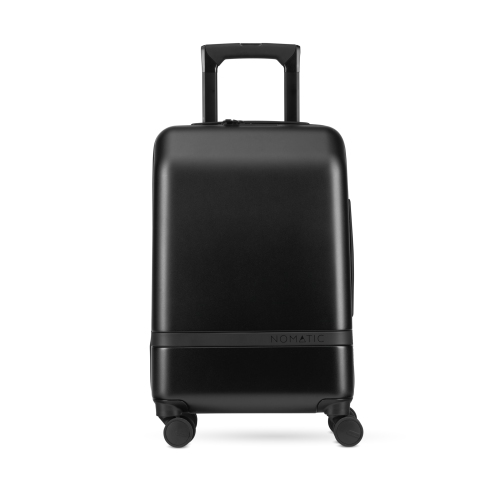 Your price for this item is $559.99
 -
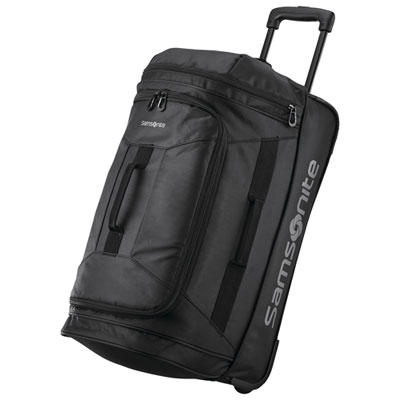 Your price for this item is $109.99
 -
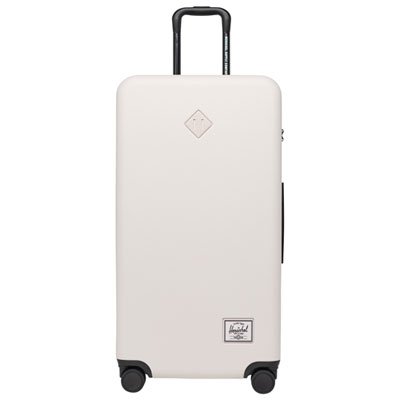 Your price for this item is $424.99
 -
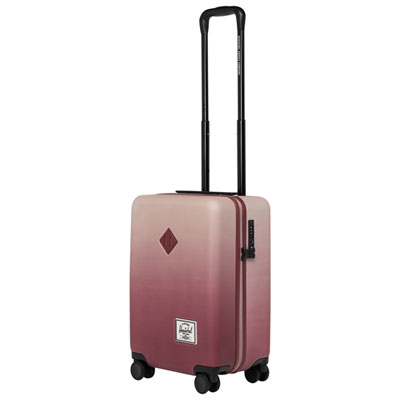 Your price for this item is $199.99
 -
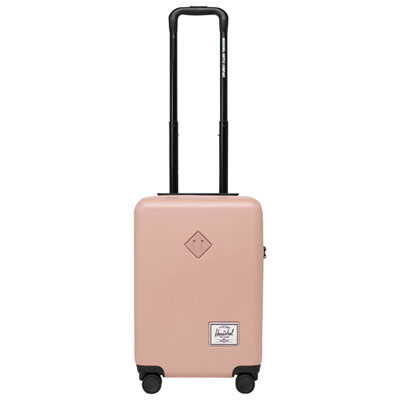 Your price for this item is $274.99
 -
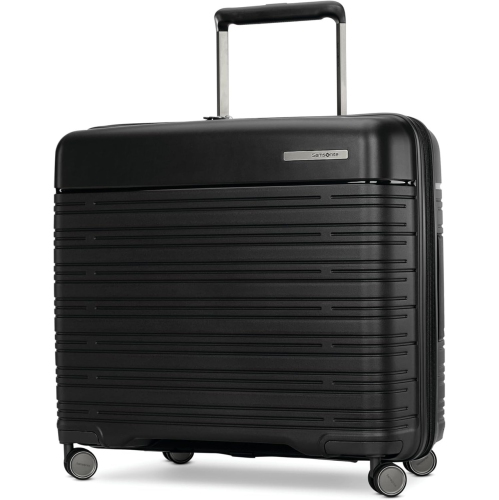 Your price for this item is $399.99
 -
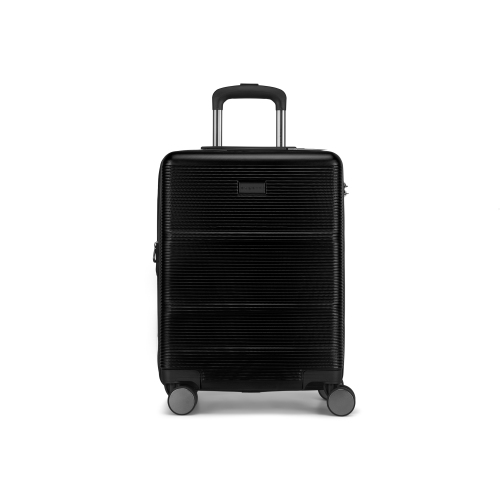 Your price for this item is $89.99
 -
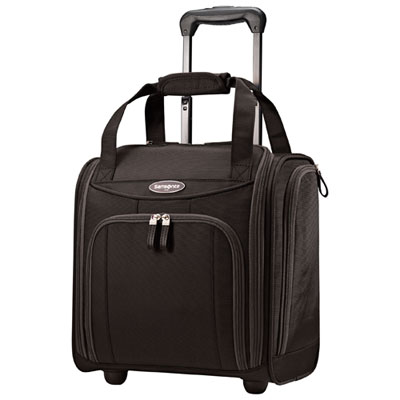 Your price for this item is $154.99
Discover more categories related to Hard Case Trolleys

Top Collections:
Pokemon Centers, Kindle Devices, Apple iPhones 16, Samsung Galaxy Phones, Canon G7X Cameras, iPhone 15 Apple, Flip Phones, Apple Wired Earphones, Best Budget Office Chairs, Refurbished Apple Laptops
Some products may be subject to Environmental Handling Fees
(EHF) depending on your province.
Learn more about EHFs.