Hardcase Suitcases
When it comes to traveling, having a reliable and durable suitcase is essential for protecting your belongings. Hardcase suitcases are a popular choice for many travelers due to their sturdy construction and ability to withstand rough handling during flights or road trips. Whether you're a frequent flyer or an occasional traveler, investing in a quality hardcase suitcase can provide peace of mind knowing that your items are well protected.
Sort
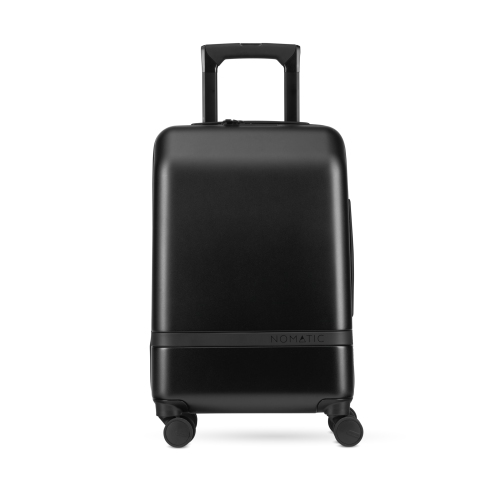
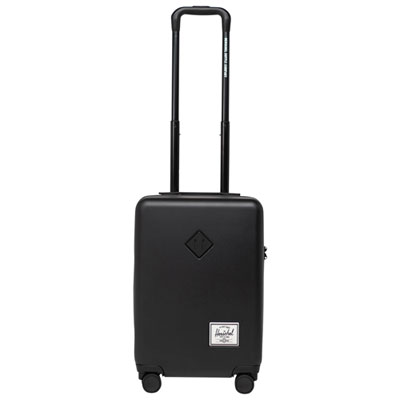
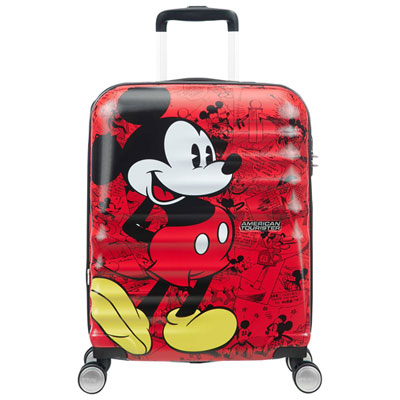
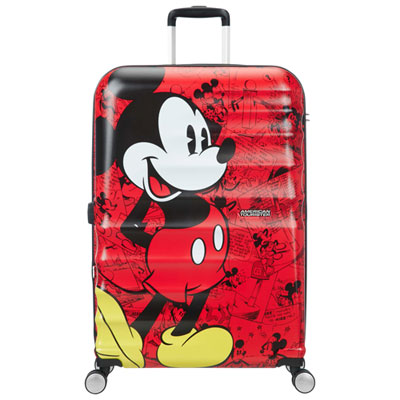
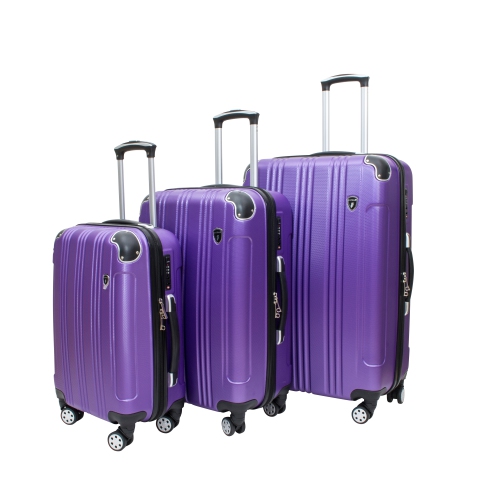
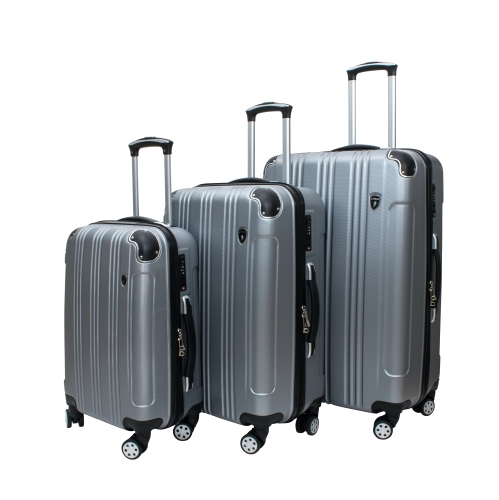

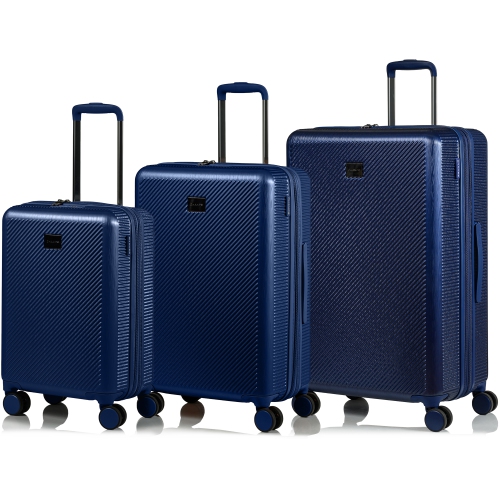
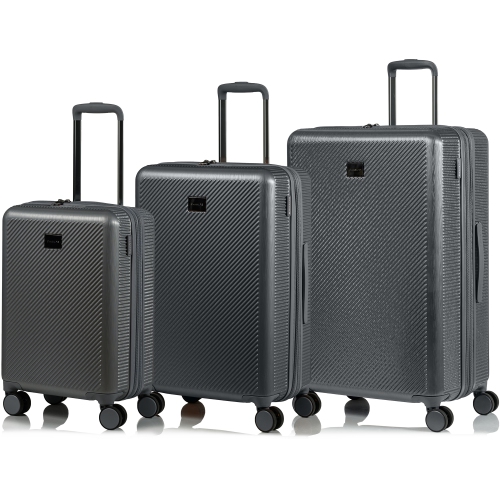
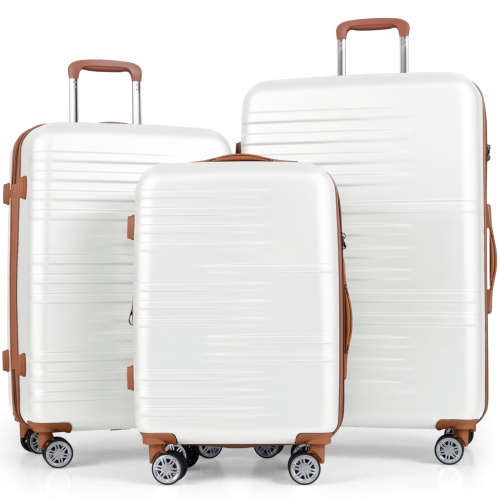
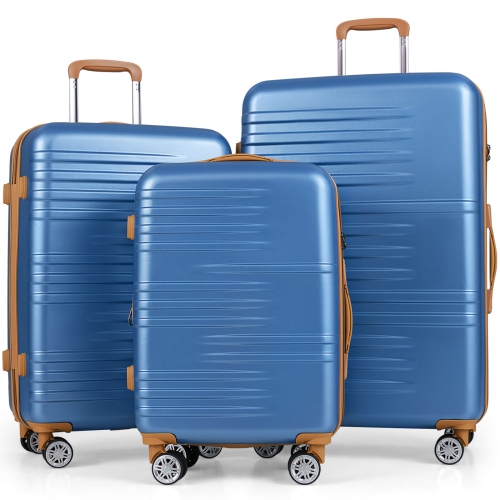
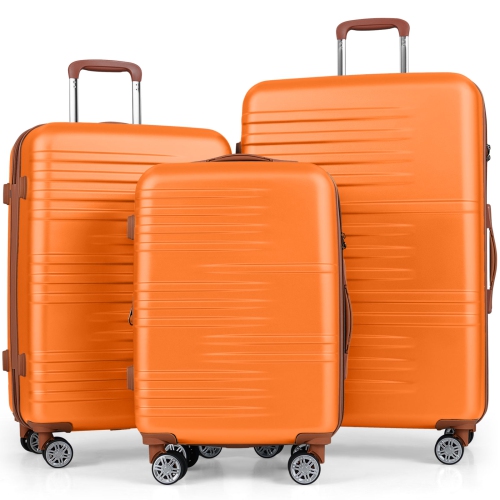
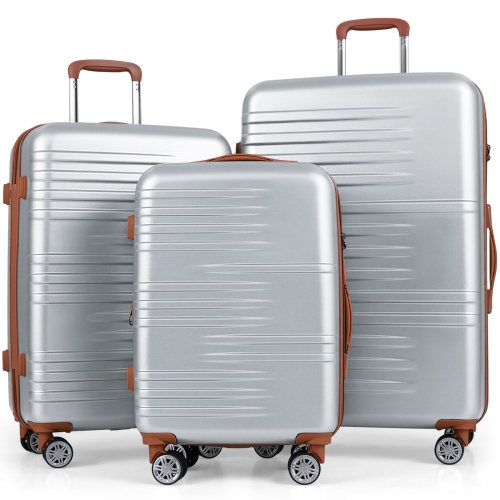
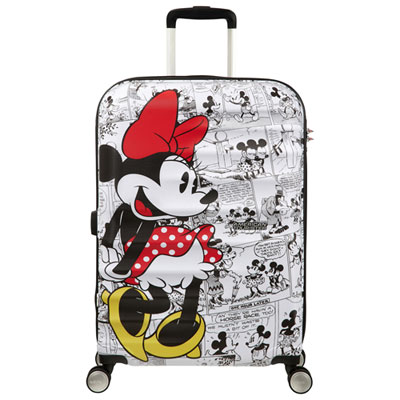
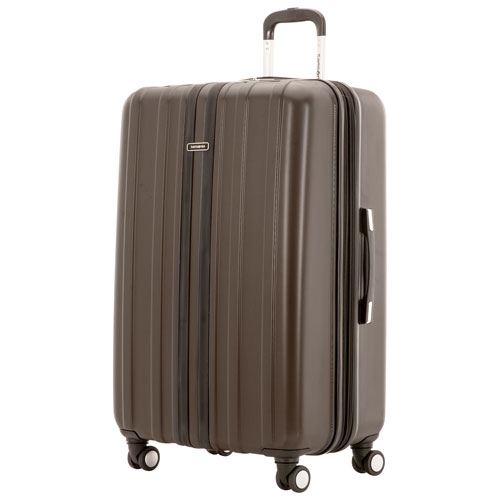
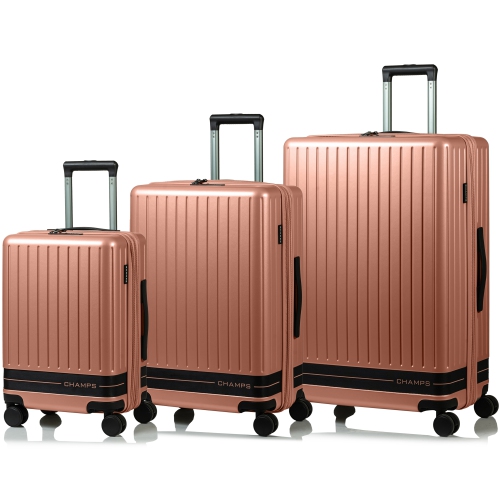
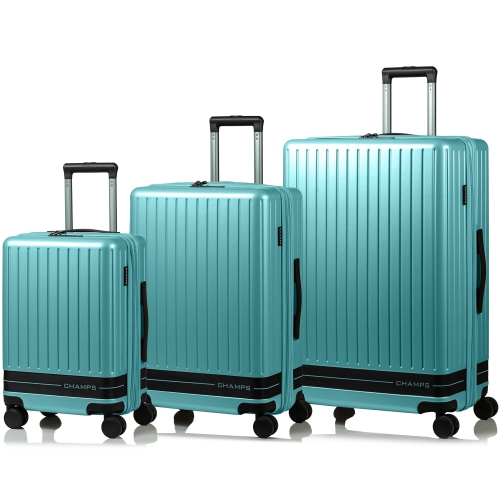
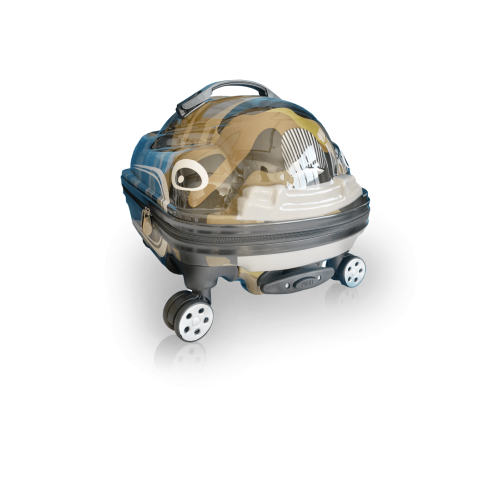
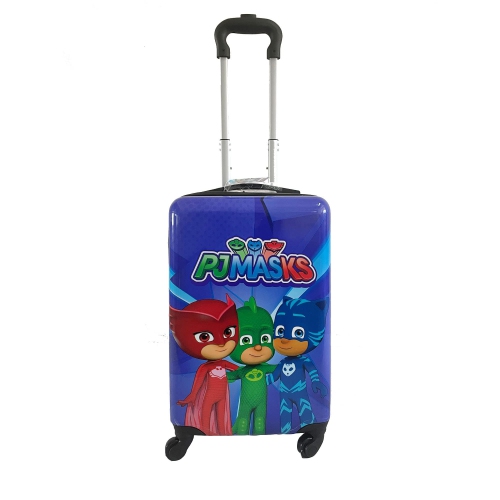
There’s more to protection than a rigid shell
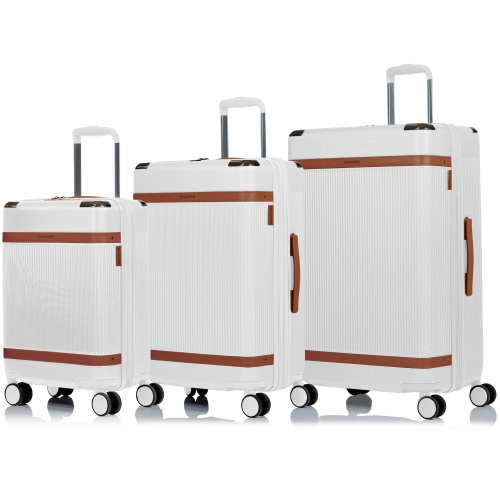
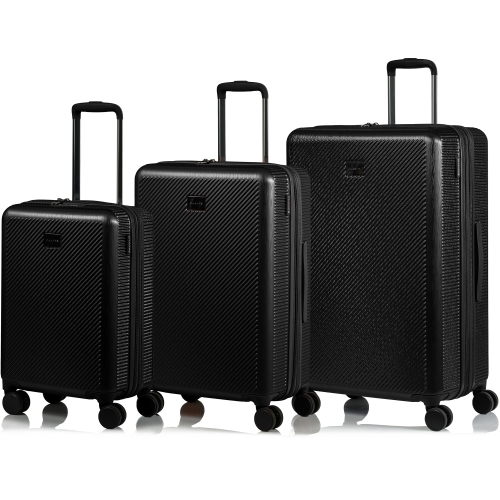
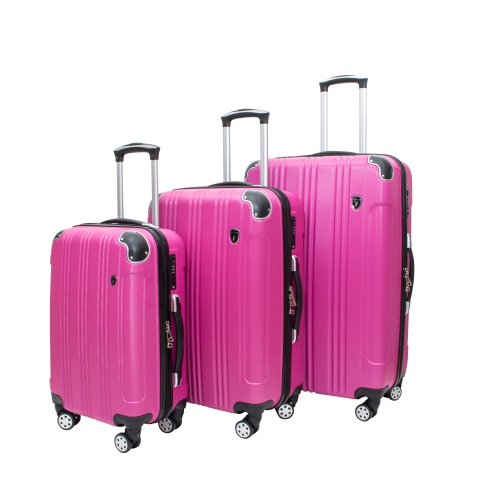
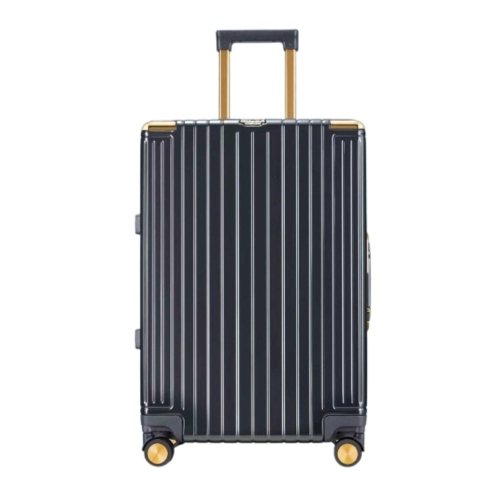
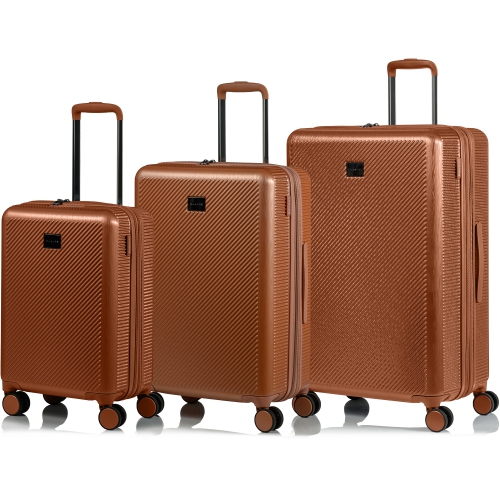
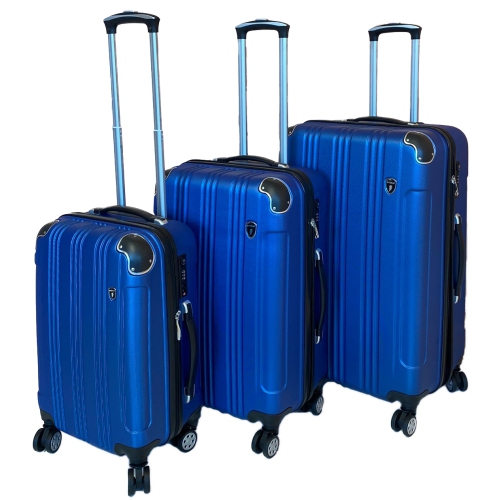
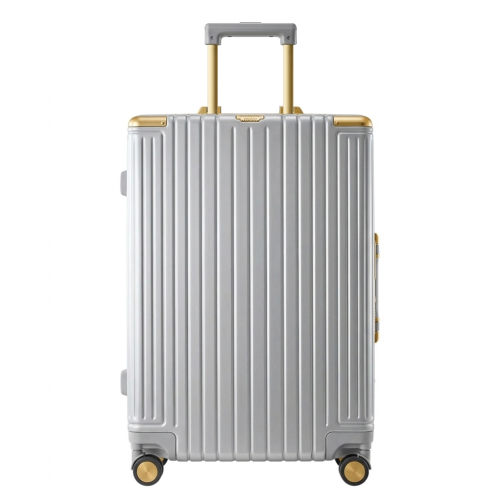
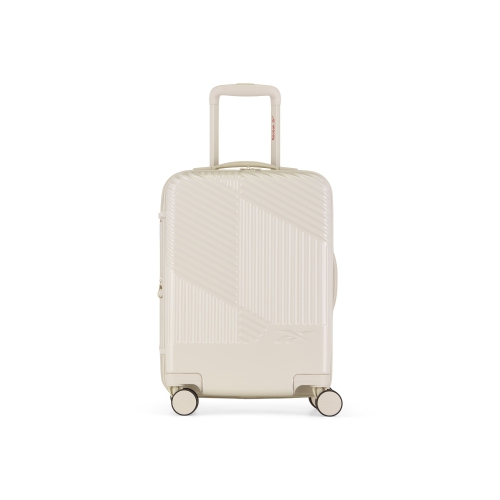
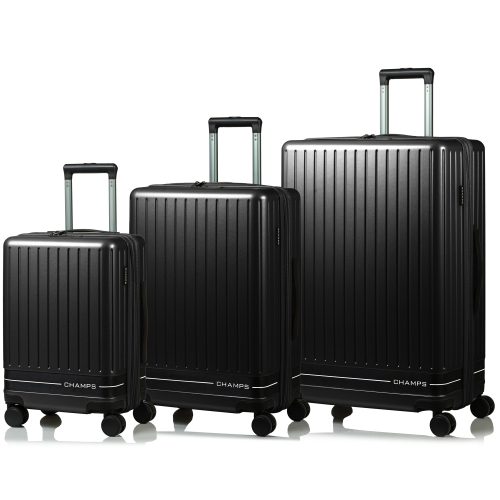
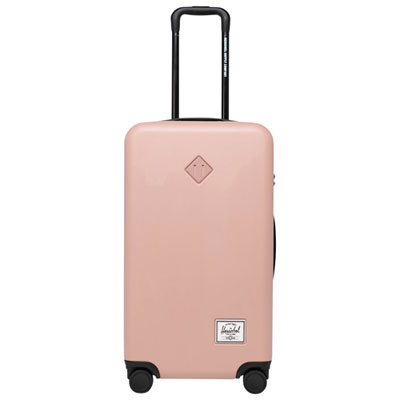
Hardcase suitcases are travel cases with rigid outer shells, commonly made from polycarbonate, ABS plastic, polypropylene or aluminium. Their structured shape helps shield packed belongings from knocks and compression during handling, while keeping clothing and travel essentials contained within a defined space. That makes hardcase luggage a practical choice for airport journeys, rail trips, cruises and visits where a suitcase may pass through several pairs of hands. The shell material influences how a case feels and performs. Polycarbonate can flex under pressure and return to its shape, offering a useful balance of weight and impact resistance. ABS is generally rigid and lightweight, though its resistance to hard impacts can be lower than that of polycarbonate. Polypropylene combines low weight with flexibility, while aluminium offers a firm structure with a distinctive metallic finish that may develop visible dents and marks over time. Some cases use blended materials, so the material name alone does not tell the whole story. Shell thickness, corner construction, wheel attachments and handle fittings also contribute to durability. A textured surface can make minor scuffs less noticeable, whereas a smooth or glossy finish may show handling marks more readily. Neither finish makes a suitcase scratch-proof, and a few marks are a normal part of regular travel. Compared with a soft-sided bag, a hardcase suitcase usually offers less flexibility when fitting into a tight storage space, but its defined shape can make packing more predictable. Most designs open into two halves, with zippered dividers or straps helping separate and secure the contents. The rigid exterior provides useful protection, but fragile objects still need cushioning and thoughtful placement. A ceramic souvenir, for example, belongs wrapped and positioned away from the edges rather than pressed directly against the shell. Hardcase suitcases work best when their construction, size and interior layout suit the way they will be used, whether that means a compact case for short business trips or a larger checked bag for longer stays.
Size affects more than how much clothing fits inside. A carry-on hardcase suitcase needs to meet the requirements of the airline and fare being used, and those limits can differ between carriers and routes. External measurements should include wheels, handles and other projecting parts; the advertised case size may describe the body rather than its full dimensions. Weight matters as well, since the empty suitcase takes up part of any baggage allowance. A larger checked case gives more room for shoes, toiletries and bulkier clothing, but filling every corner can make it awkward to lift into a vehicle or move up stairs. Expandable sections add packing space on designs that include them, although expansion also increases the outer dimensions and may affect whether a case qualifies as carry-on luggage. Interior organization makes a noticeable difference during a trip. Compression straps help limit movement, zippered panels keep smaller belongings from spilling out when the case opens, and separate compartments can keep footwear apart from clean clothing. Packing cubes can add structure without changing the suitcase itself. For someone moving between several hotels, that separation makes it easier to find a fresh shirt without unpacking everything. Families may appreciate distinct compartments for each traveller’s essentials, while business travellers may prefer a layout that leaves room for folded clothing and a separate toiletries pouch. The opening style deserves attention, too: a traditional split case needs space for both halves, which can be less convenient on a narrow luggage rack. Mobility is another part of the fit. Four spinner wheels allow a case to roll upright beside the traveller on smooth floors, while two-wheel designs are generally pulled at an angle. Wheel diameter, mounting quality and the surface underfoot all affect how easily luggage moves. A telescopic handle should extend to a comfortable height without forcing an awkward arm position, and sturdy top and side handles help when lifting a packed case onto a rack or baggage scale. An empty case that feels easy to manoeuvre may handle quite differently once packed.
Everyday details often determine how satisfying a hardcase suitcase is over repeated journeys. Zippers should move smoothly around corners, and interior stitching should hold dividers and straps securely in place. Frame-style closures offer a different opening mechanism from zippered designs, but neither construction should be treated as an absolute guarantee of protection. Built-in combination locks can help keep closures secured, while locks designed for airport security inspection may allow authorized personnel to open them with compatible tools. Inspection procedures vary, and a locked suitcase is not theft-proof. Passports, medication, valuables and essential electronics are better kept accessible in a personal bag rather than placed in checked luggage. For frequent travel, practical repair features can matter as much as the shell: replaceable wheels or handles, where supported by the design, may make it possible to address wear without replacing the entire case. Travellers comparing sturdier constructions can also explore Heavy Duty Suitcases, paying attention to the complete build rather than assuming that a heavier shell automatically means a stronger bag. Routine care is straightforward for many hardcase materials. Loose grit can be brushed away before the exterior is wiped with a soft cloth, mild soap and water, following the manufacturer’s care directions. Abrasive cleaners and harsh solvents can damage finishes, and the lining should be fully dry before the suitcase is closed for storage. Hair and debris around wheel axles can interfere with rolling, so occasional checks are worthwhile after a journey. Store the case without heavy objects pressing against it, and avoid forcing the zipper closed over an overfilled interior. Colour and appearance have practical value as well: a distinctive shade or luggage tag can make a case easier to recognize at baggage claim, though identification details should not be unnecessarily exposed. As a gift for a graduate, a frequent visitor or someone planning a significant trip, hardcase luggage is most useful when its size, weight and handling suit the recipient’s travel habits. A manageable case with a well-arranged interior can be a better match than the largest option, especially for someone travelling independently.
Size affects more than how much clothing fits inside. A carry-on hardcase suitcase needs to meet the requirements of the airline and fare being used, and those limits can differ between carriers and routes. External measurements should include wheels, handles and other projecting parts; the advertised case size may describe the body rather than its full dimensions. Weight matters as well, since the empty suitcase takes up part of any baggage allowance. A larger checked case gives more room for shoes, toiletries and bulkier clothing, but filling every corner can make it awkward to lift into a vehicle or move up stairs. Expandable sections add packing space on designs that include them, although expansion also increases the outer dimensions and may affect whether a case qualifies as carry-on luggage. Interior organization makes a noticeable difference during a trip. Compression straps help limit movement, zippered panels keep smaller belongings from spilling out when the case opens, and separate compartments can keep footwear apart from clean clothing. Packing cubes can add structure without changing the suitcase itself. For someone moving between several hotels, that separation makes it easier to find a fresh shirt without unpacking everything. Families may appreciate distinct compartments for each traveller’s essentials, while business travellers may prefer a layout that leaves room for folded clothing and a separate toiletries pouch. The opening style deserves attention, too: a traditional split case needs space for both halves, which can be less convenient on a narrow luggage rack. Mobility is another part of the fit. Four spinner wheels allow a case to roll upright beside the traveller on smooth floors, while two-wheel designs are generally pulled at an angle. Wheel diameter, mounting quality and the surface underfoot all affect how easily luggage moves. A telescopic handle should extend to a comfortable height without forcing an awkward arm position, and sturdy top and side handles help when lifting a packed case onto a rack or baggage scale. An empty case that feels easy to manoeuvre may handle quite differently once packed.
Everyday details often determine how satisfying a hardcase suitcase is over repeated journeys. Zippers should move smoothly around corners, and interior stitching should hold dividers and straps securely in place. Frame-style closures offer a different opening mechanism from zippered designs, but neither construction should be treated as an absolute guarantee of protection. Built-in combination locks can help keep closures secured, while locks designed for airport security inspection may allow authorized personnel to open them with compatible tools. Inspection procedures vary, and a locked suitcase is not theft-proof. Passports, medication, valuables and essential electronics are better kept accessible in a personal bag rather than placed in checked luggage. For frequent travel, practical repair features can matter as much as the shell: replaceable wheels or handles, where supported by the design, may make it possible to address wear without replacing the entire case. Travellers comparing sturdier constructions can also explore Heavy Duty Suitcases, paying attention to the complete build rather than assuming that a heavier shell automatically means a stronger bag. Routine care is straightforward for many hardcase materials. Loose grit can be brushed away before the exterior is wiped with a soft cloth, mild soap and water, following the manufacturer’s care directions. Abrasive cleaners and harsh solvents can damage finishes, and the lining should be fully dry before the suitcase is closed for storage. Hair and debris around wheel axles can interfere with rolling, so occasional checks are worthwhile after a journey. Store the case without heavy objects pressing against it, and avoid forcing the zipper closed over an overfilled interior. Colour and appearance have practical value as well: a distinctive shade or luggage tag can make a case easier to recognize at baggage claim, though identification details should not be unnecessarily exposed. As a gift for a graduate, a frequent visitor or someone planning a significant trip, hardcase luggage is most useful when its size, weight and handling suit the recipient’s travel habits. A manageable case with a well-arranged interior can be a better match than the largest option, especially for someone travelling independently.
Top selling and popular products
-
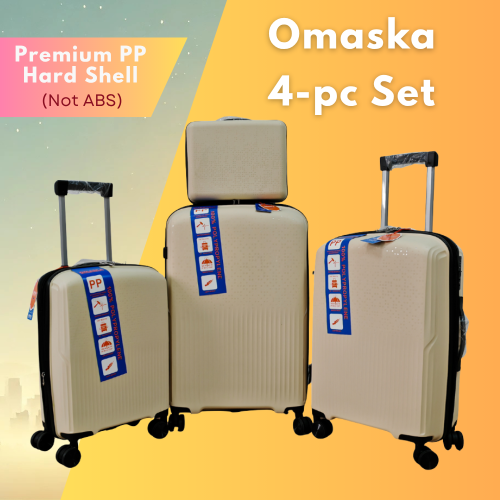 Your price for this item is $279.95
 -
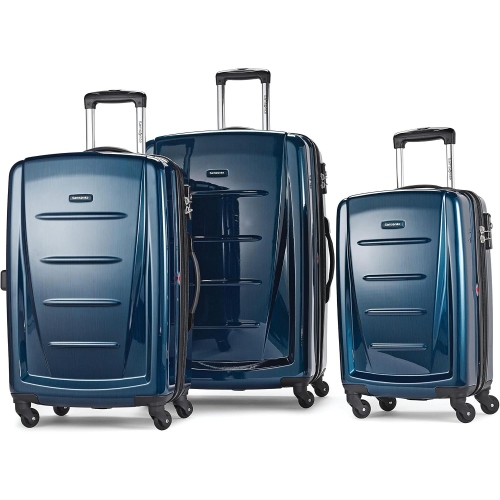 Your price for this item is $474.05
 -
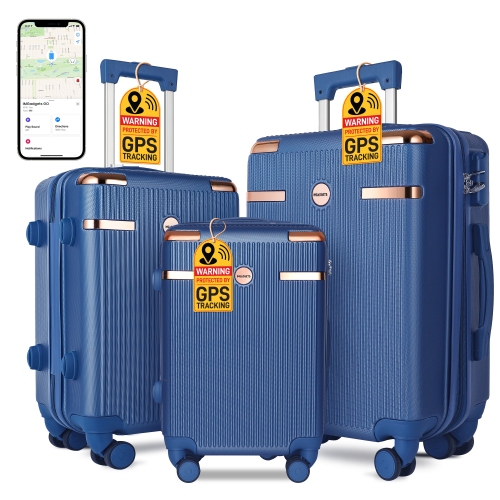 Your price for this item is $159.97
 -
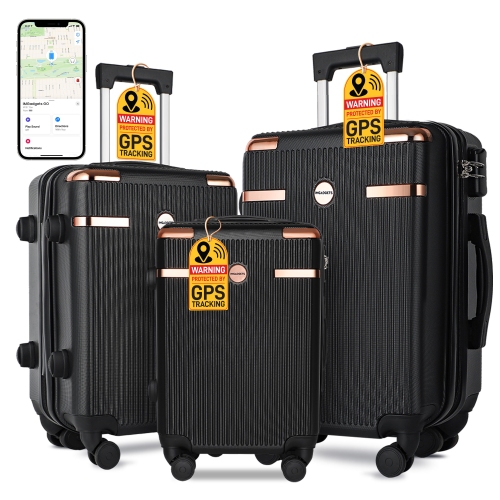 Your price for this item is $189.97
 -
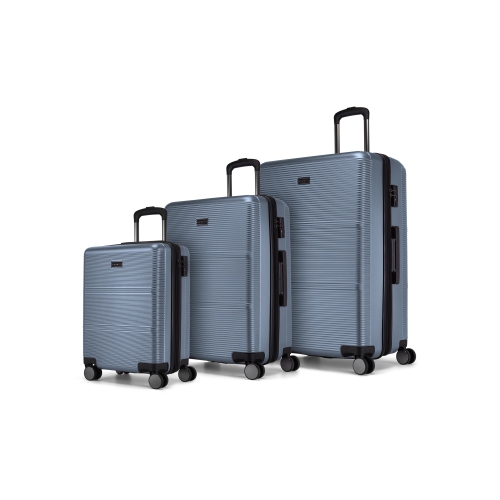 Your price for this item is $239.99
 -
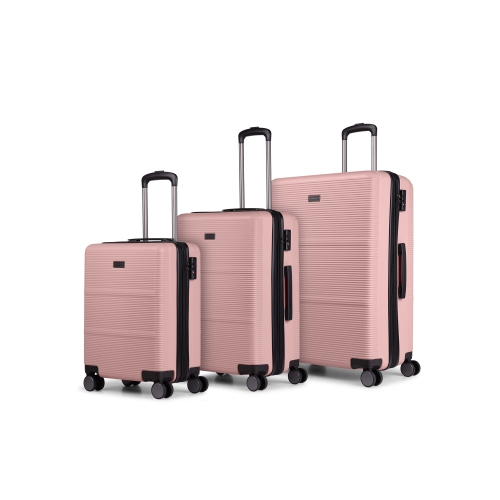 Your price for this item is $239.99
 -
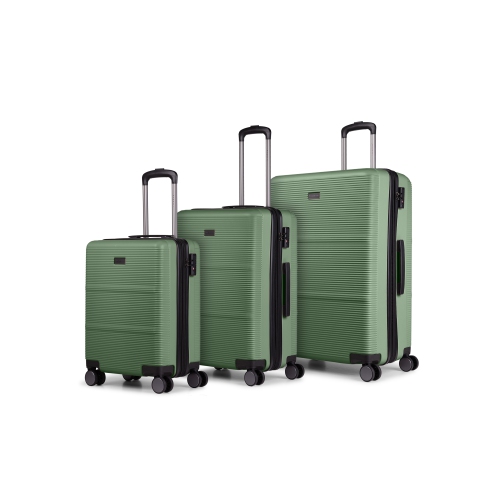 Your price for this item is $239.99
 -
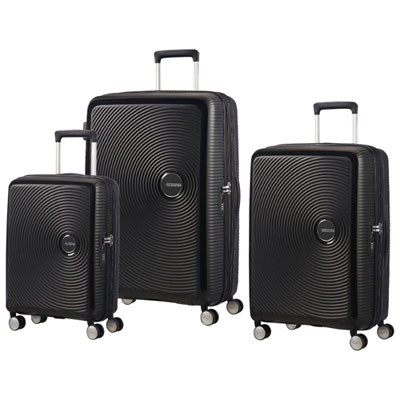 Your price for this item is $569.99
Discover more categories related to Hardcase Suitcases
Top Collections:
Pokemon Centers, Kindle Devices, Apple iPhones 16, Samsung Galaxy Phones, Canon G7X Cameras, iPhone 15 Apple, Flip Phones, Apple Wired Earphones, Best Budget Office Chairs, Refurbished Apple Laptops
Some products may be subject to Environmental Handling Fees
(EHF) depending on your province.
Learn more about EHFs.