Hiking Accessories
Whether you're a seasoned hiker or just starting to explore the great outdoors, having the right hiking accessories can make all the difference in your adventure. From sturdy backpacks to durable hiking boots, Best Buy Canada offers a wide range of gear to enhance your hiking experience. Discover everything you need to stay comfortable, prepared, and connected on the trails with our selection of high-quality hiking accessories. With items designed for all skill levels and budgets, we've got you covered for your next outdoor escapade.
Sort

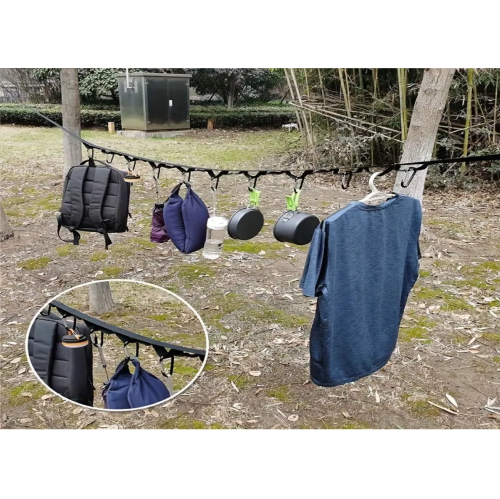
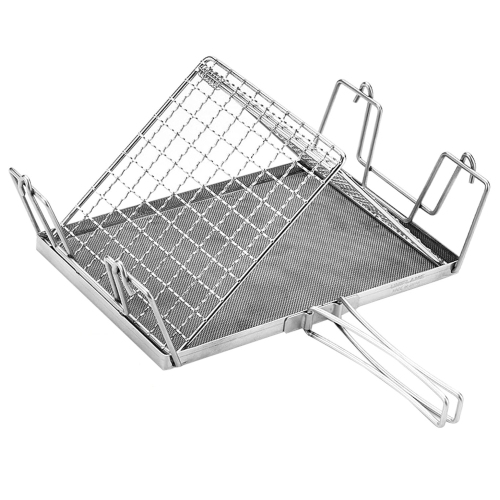
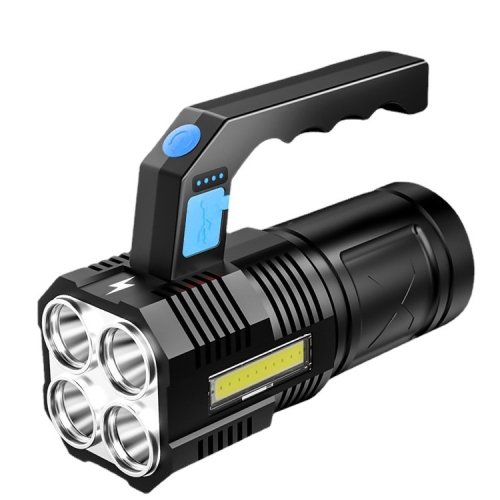
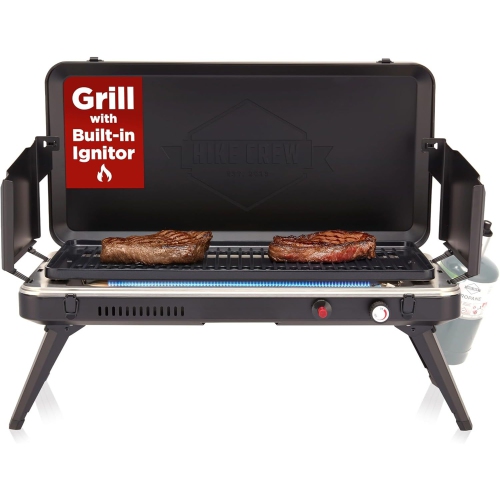







Practical essentials for changing conditions and longer trail days
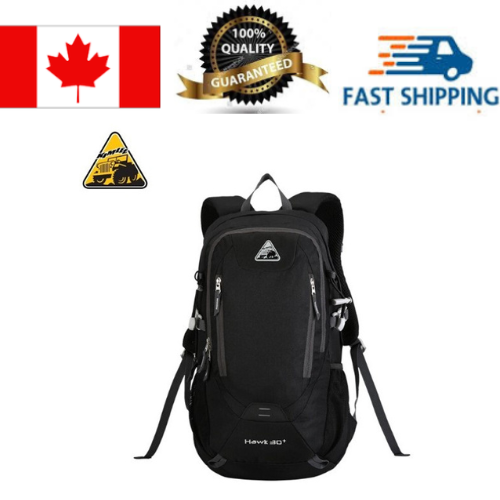
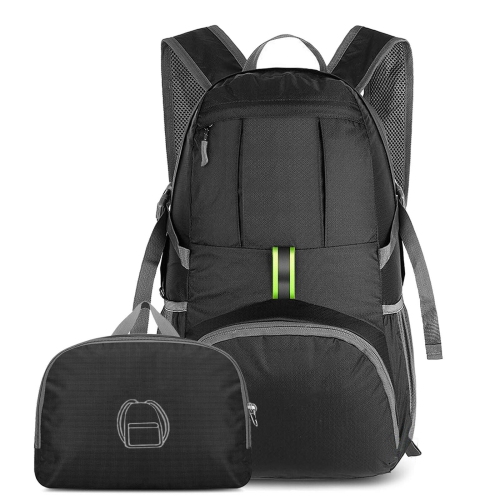
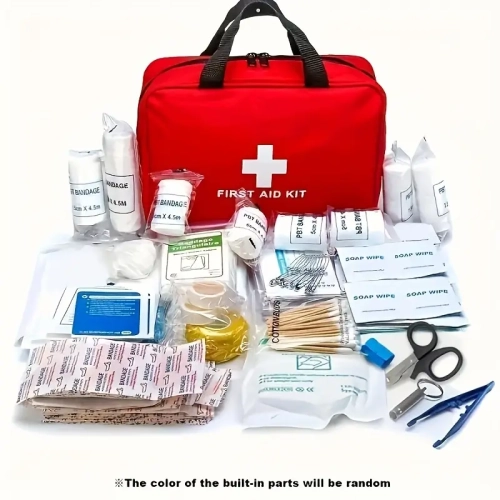
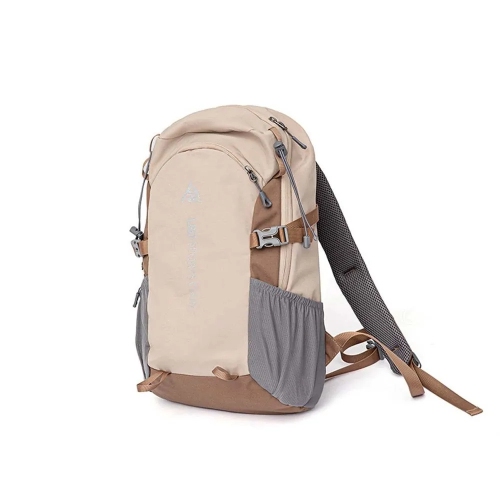
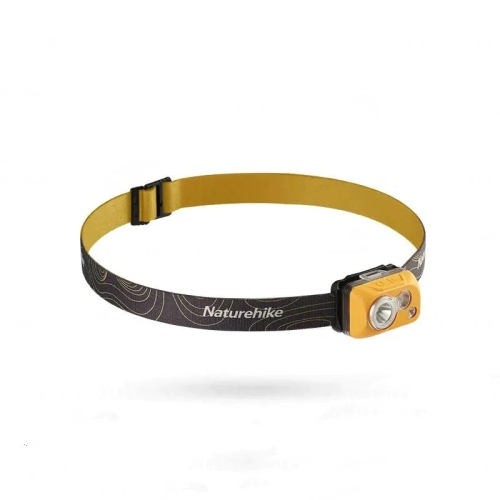
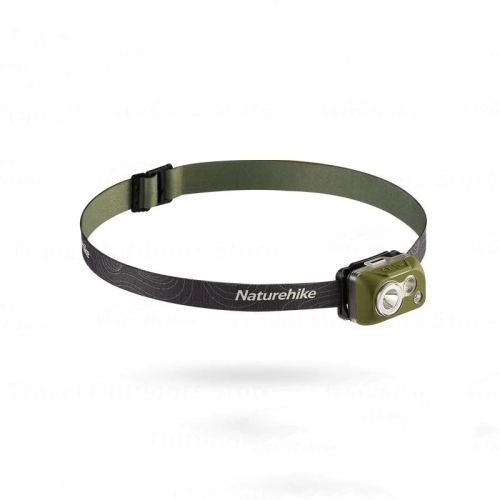
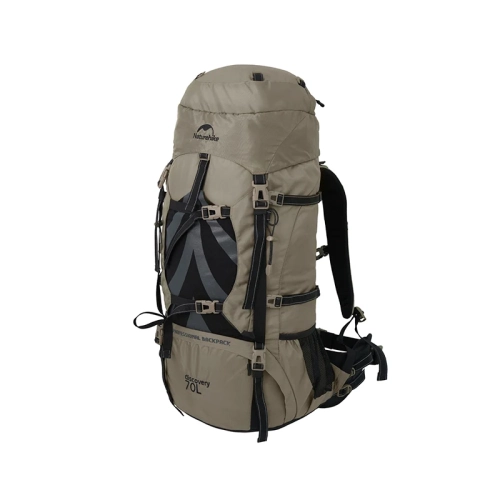
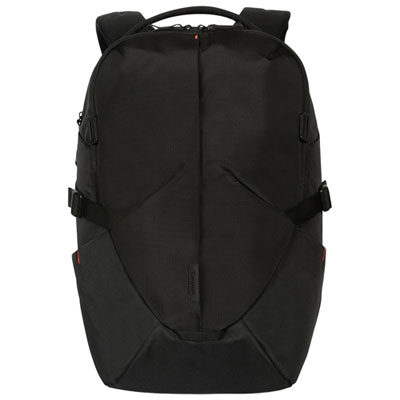
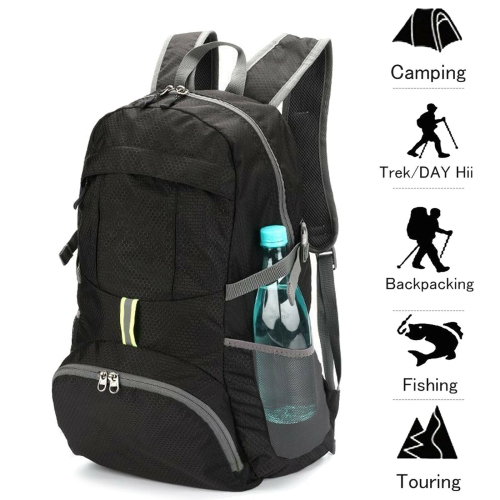
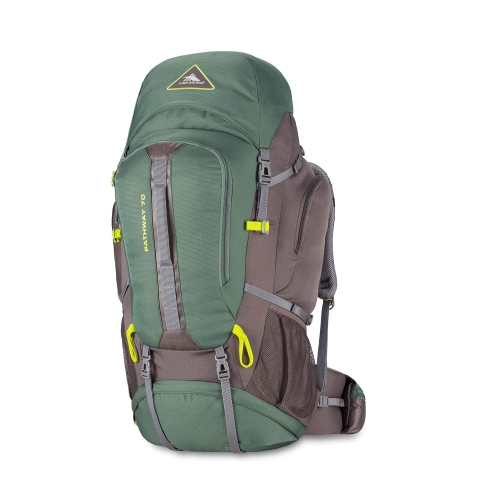
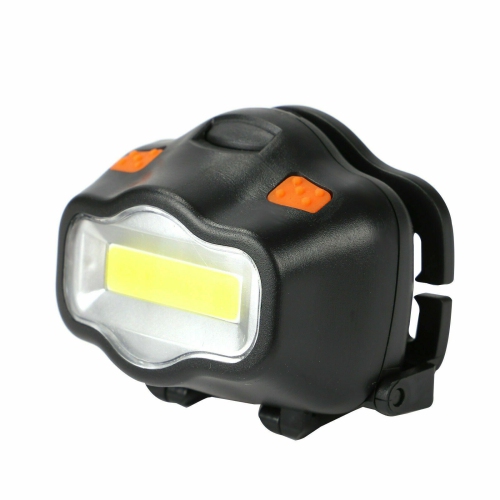
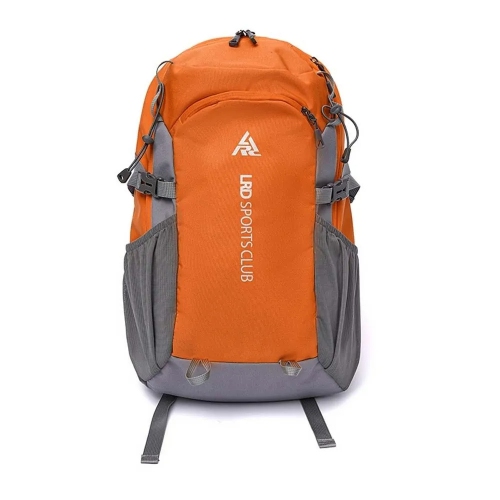
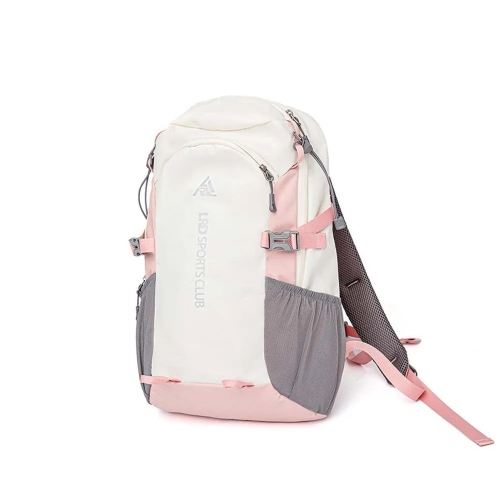
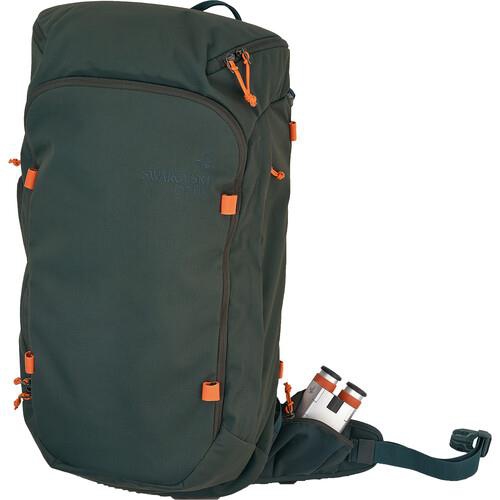
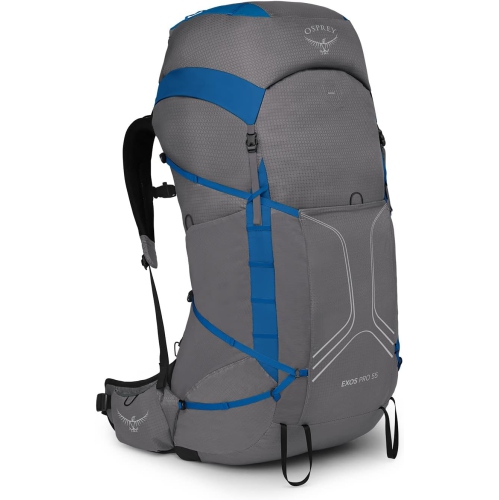
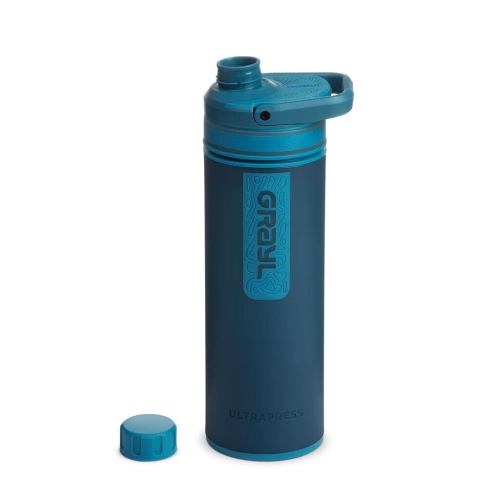
Hiking accessories can make a day on the trail more comfortable, organized and prepared for changing conditions. The right choices depend on the length of the outing, the terrain, the weather and how much weight you are comfortable carrying. A short walk on a familiar, well-marked trail may call for little more than water, snacks and a way to carry an extra layer, while a longer route through uneven or remote terrain may require navigation tools, emergency communication and more substantial hydration options. A supportive daypack is a practical starting point because it keeps essentials close without feeling cumbersome. Look for comfortable shoulder straps, a secure waist belt, breathable back support and enough compartments to separate frequently used items from emergency supplies. Capacity matters as well: a compact pack can suit a few hours outdoors, while a larger design may be more appropriate when carrying extra clothing, food and safety equipment. Hydration deserves careful attention on every route. Reusable water bottles are straightforward for shorter outings, while hydration reservoirs can make it easier to drink regularly without stopping to remove a pack. For trails where treated water may be available, a portable filter or purification system can provide another option, but it is important to check the filter’s treatment capabilities and follow the instructions closely. A small first-aid kit should include supplies for blisters, scrapes, minor cuts and common aches, along with any personal medication needed during the outing. Blister treatment is particularly useful because a small hot spot can become painful after several kilometres of walking. Pack a headlamp even when you expect to return in daylight; an unplanned delay, a slower group member or an unfamiliar trail junction can quickly extend a hike beyond sunset. Choose one with simple controls, dependable battery life and a comfortable fit, and carry spare batteries or keep it fully charged before leaving.
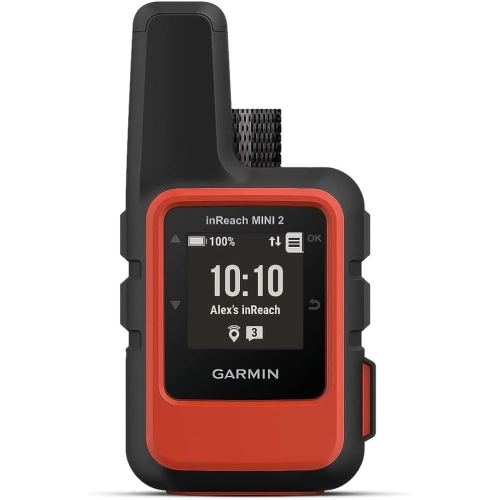
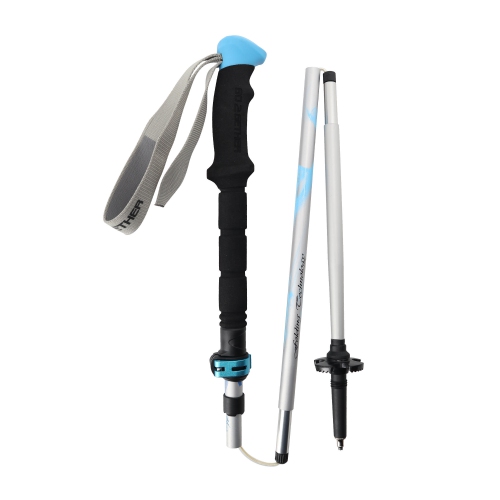
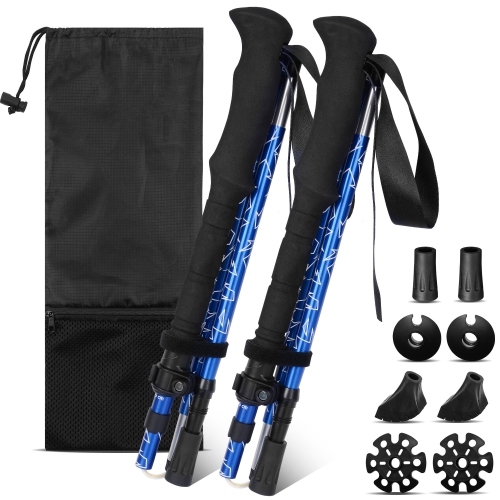
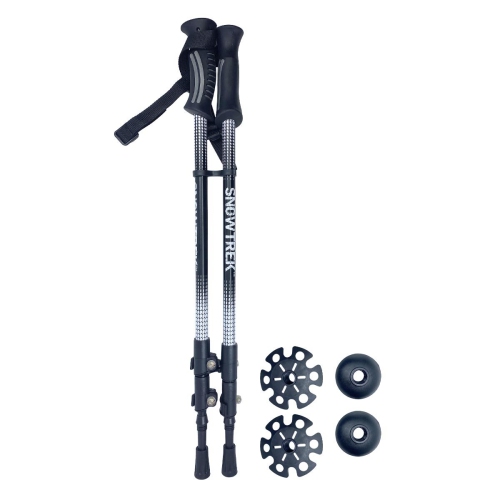
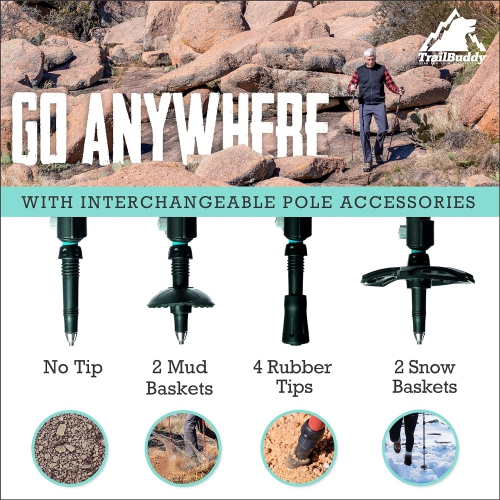
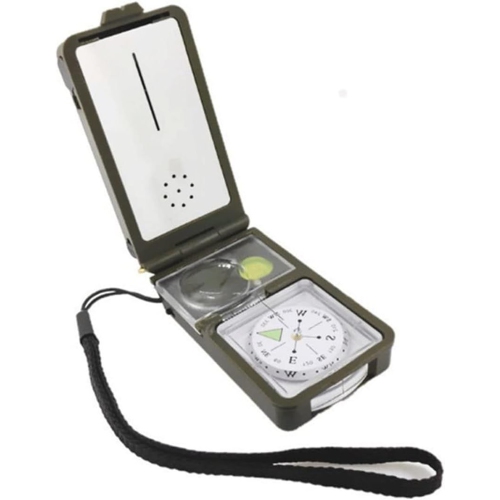
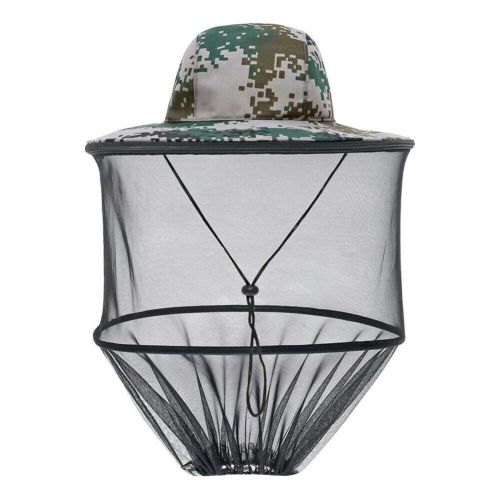
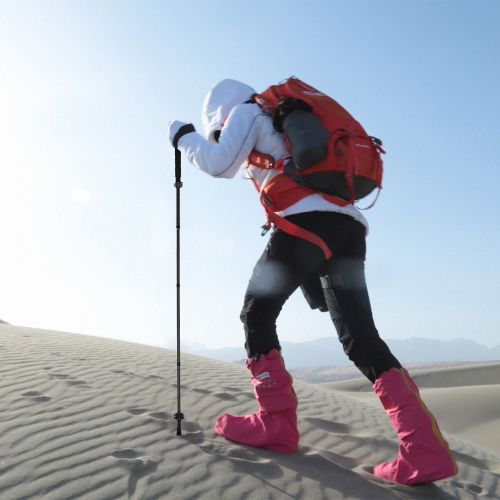
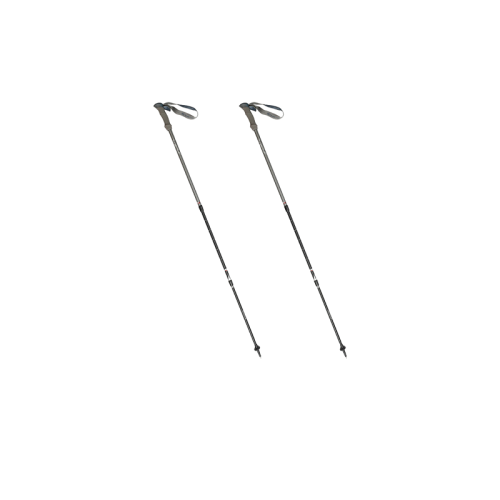
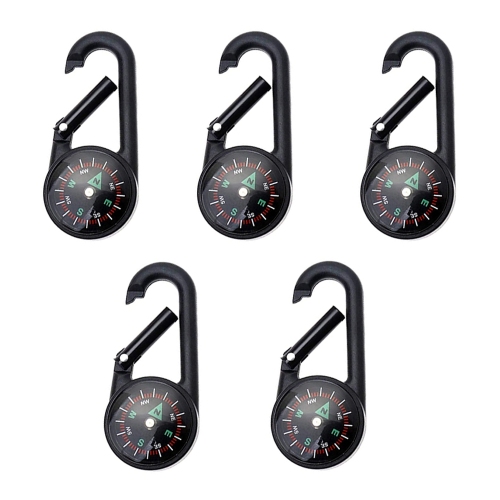
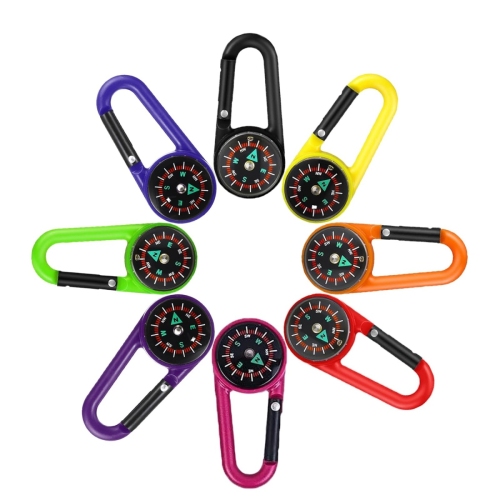
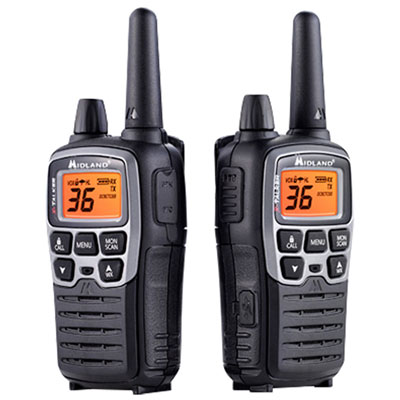
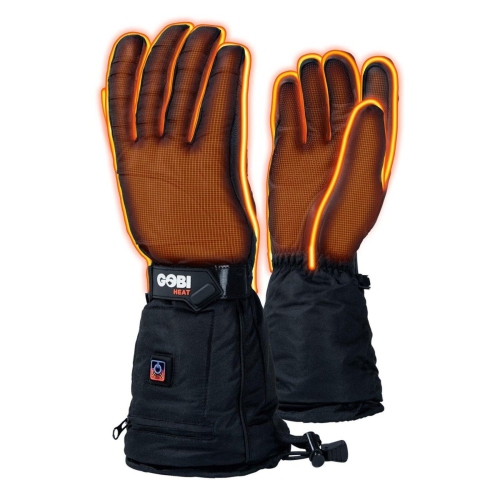
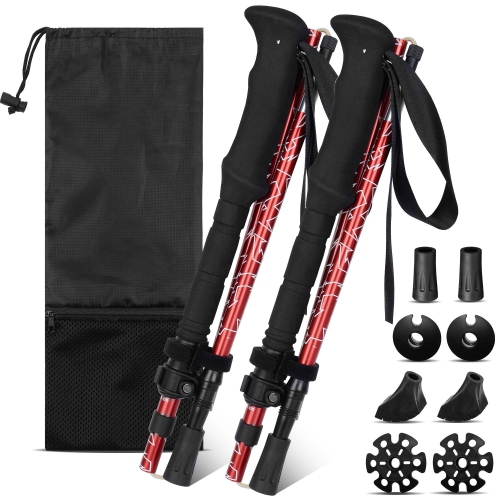
Navigation and communication accessories are especially valuable when trails become less familiar or mobile coverage is inconsistent. Offline maps can help hikers follow a planned route without relying on a continuous cellular connection, but a downloaded map is most useful when paired with a charged phone, a protective case and a basic understanding of the route. A physical map and compass can provide a helpful backup, particularly in wooded areas, valleys or locations where signals may be unreliable. Satellite communication devices can add another layer of reassurance for remote routes by supporting check-ins and emergency messaging where ordinary phone service is unavailable. Before setting out, review the device’s coverage, activation requirements, battery expectations and messaging features. Trekking poles are another versatile accessory, helping with balance on rocky ground, steep climbs, loose descents and slippery paths. They can also reduce the load placed on knees and ankles, especially when carrying a daypack or travelling over uneven terrain. Adjustable poles are convenient for sharing among family members or storing on a pack, while comfortable grips and secure locking mechanisms can make a noticeable difference over a full day. Clothing accessories are worth considering alongside equipment. Moisture-managing socks can help keep feet more comfortable, and an extra pair is useful if conditions are wet or stream crossings are part of the route. A lightweight insulating layer can add warmth during a cool start or a breezy rest stop, while a packable rain shell helps protect against sudden showers. A brimmed hat, gloves and neck covering may also be useful as the weather shifts from warmer afternoons to cooler mornings and evenings. Small details often matter most: a waterproof pouch can protect keys and electronics, a seat pad creates a dry place to rest, and repair tape or a compact multi-tool can help address minor gear problems before they interrupt the day.
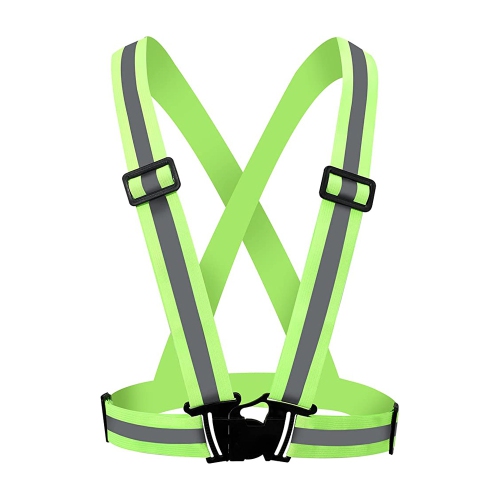
These hiking accessories can suit a wide range of people, from someone building a first collection of outdoor essentials to an experienced walker refining a carefully planned kit. Families may appreciate easy-to-carry hydration, visibility accessories and simple navigation tools for day trips, while regular hikers may prioritize lighter designs, durable materials and efficient storage. They can also make thoughtful gifts because many accessories are useful across different trails and experience levels. A new hiker might benefit from a practical daypack, water container, headlamp or first-aid kit, while someone who already owns the basics may appreciate trekking poles, a compact filter, a navigation accessory or comfortable trail clothing. Browse Hiking Gear Gifts for ideas that can complement an existing outdoor setup. When choosing a gift, consider how the recipient usually hikes: short local walks call for convenient, lightweight items, whereas overnight trips and remote routes may require greater capacity, longer battery life or more advanced safety features. It is also helpful to think about fit and compatibility. A hydration reservoir should suit the pack, replacement batteries should match the device, and clothing layers should leave enough room for comfortable movement. Weight, packability and ease of cleaning are practical considerations for nearly every accessory, particularly when space is limited. Before heading out during the warmer season or the cooler months, check the forecast, trail conditions and daylight hours, then adjust the contents of the pack accordingly. Keep water, snacks, a first-aid kit, navigation tools and an extra layer accessible rather than buried beneath less frequently used items. A few minutes spent organizing gear can make a noticeable difference when the trail turns rocky, the temperature drops or the route takes longer than expected. With carefully selected hiking accessories, everyday walks can feel more comfortable and longer adventures can be approached with greater confidence, flexibility and preparedness.
Navigation and communication accessories are especially valuable when trails become less familiar or mobile coverage is inconsistent. Offline maps can help hikers follow a planned route without relying on a continuous cellular connection, but a downloaded map is most useful when paired with a charged phone, a protective case and a basic understanding of the route. A physical map and compass can provide a helpful backup, particularly in wooded areas, valleys or locations where signals may be unreliable. Satellite communication devices can add another layer of reassurance for remote routes by supporting check-ins and emergency messaging where ordinary phone service is unavailable. Before setting out, review the device’s coverage, activation requirements, battery expectations and messaging features. Trekking poles are another versatile accessory, helping with balance on rocky ground, steep climbs, loose descents and slippery paths. They can also reduce the load placed on knees and ankles, especially when carrying a daypack or travelling over uneven terrain. Adjustable poles are convenient for sharing among family members or storing on a pack, while comfortable grips and secure locking mechanisms can make a noticeable difference over a full day. Clothing accessories are worth considering alongside equipment. Moisture-managing socks can help keep feet more comfortable, and an extra pair is useful if conditions are wet or stream crossings are part of the route. A lightweight insulating layer can add warmth during a cool start or a breezy rest stop, while a packable rain shell helps protect against sudden showers. A brimmed hat, gloves and neck covering may also be useful as the weather shifts from warmer afternoons to cooler mornings and evenings. Small details often matter most: a waterproof pouch can protect keys and electronics, a seat pad creates a dry place to rest, and repair tape or a compact multi-tool can help address minor gear problems before they interrupt the day.
These hiking accessories can suit a wide range of people, from someone building a first collection of outdoor essentials to an experienced walker refining a carefully planned kit. Families may appreciate easy-to-carry hydration, visibility accessories and simple navigation tools for day trips, while regular hikers may prioritize lighter designs, durable materials and efficient storage. They can also make thoughtful gifts because many accessories are useful across different trails and experience levels. A new hiker might benefit from a practical daypack, water container, headlamp or first-aid kit, while someone who already owns the basics may appreciate trekking poles, a compact filter, a navigation accessory or comfortable trail clothing. Browse Hiking Gear Gifts for ideas that can complement an existing outdoor setup. When choosing a gift, consider how the recipient usually hikes: short local walks call for convenient, lightweight items, whereas overnight trips and remote routes may require greater capacity, longer battery life or more advanced safety features. It is also helpful to think about fit and compatibility. A hydration reservoir should suit the pack, replacement batteries should match the device, and clothing layers should leave enough room for comfortable movement. Weight, packability and ease of cleaning are practical considerations for nearly every accessory, particularly when space is limited. Before heading out during the warmer season or the cooler months, check the forecast, trail conditions and daylight hours, then adjust the contents of the pack accordingly. Keep water, snacks, a first-aid kit, navigation tools and an extra layer accessible rather than buried beneath less frequently used items. A few minutes spent organizing gear can make a noticeable difference when the trail turns rocky, the temperature drops or the route takes longer than expected. With carefully selected hiking accessories, everyday walks can feel more comfortable and longer adventures can be approached with greater confidence, flexibility and preparedness.
Top selling and popular products
-
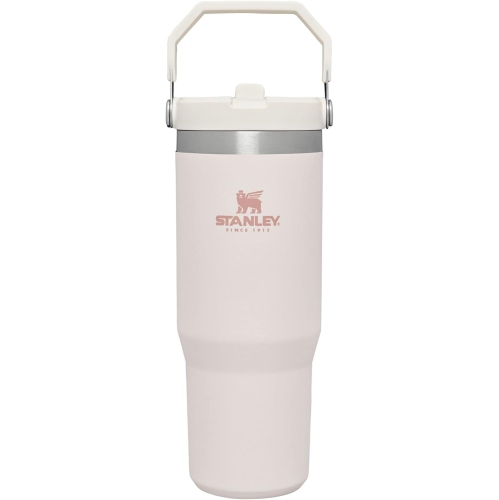 Your price for this item is $49.89
 -
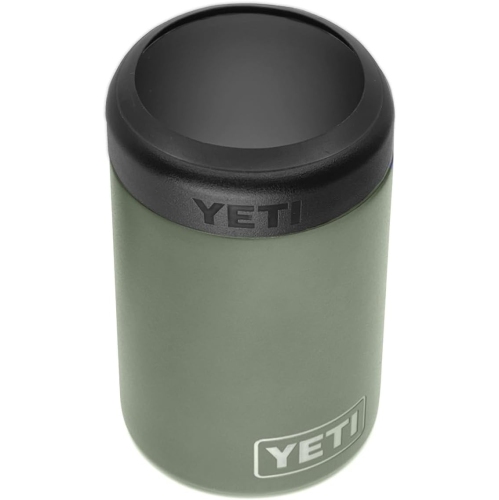 Your price for this item is $64.99
 -
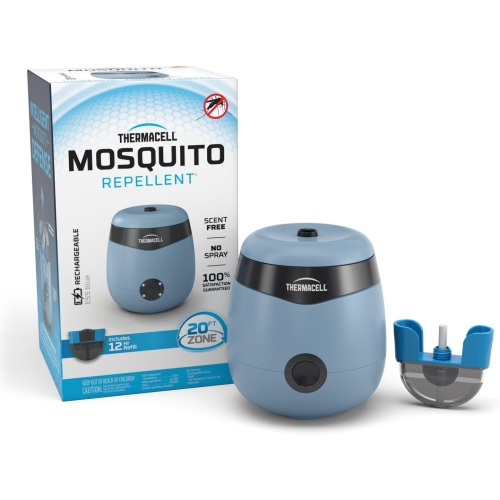 Your price for this item is $109.99
 -
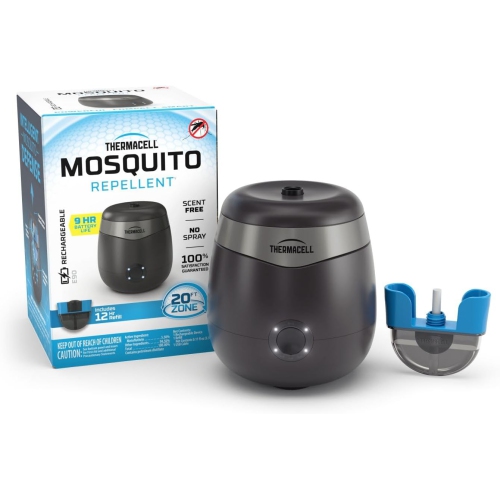 Your price for this item is $87.99
 -
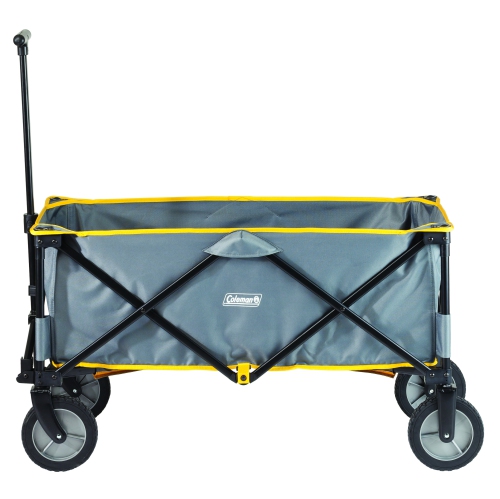 Your price for this item is $179.99
 -
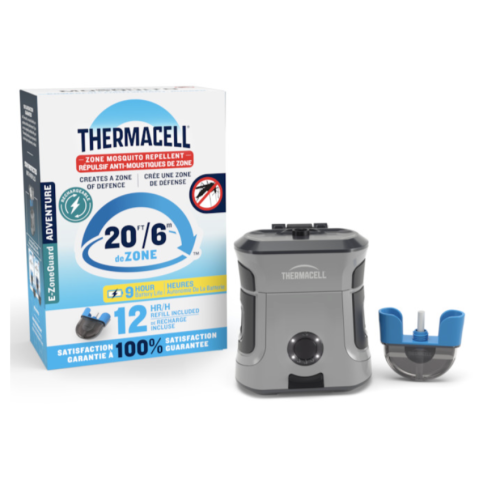 Your price for this item is $64.99
 -
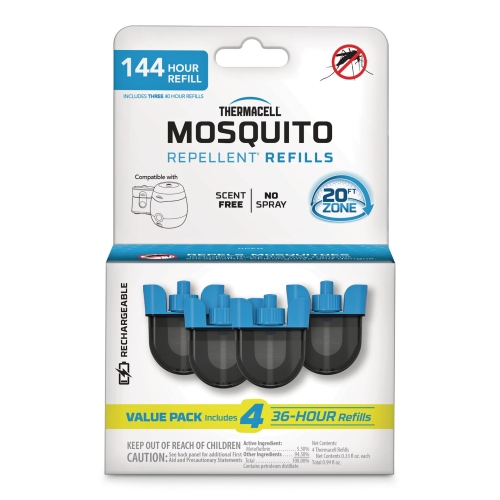 Your price for this item is $69
 -
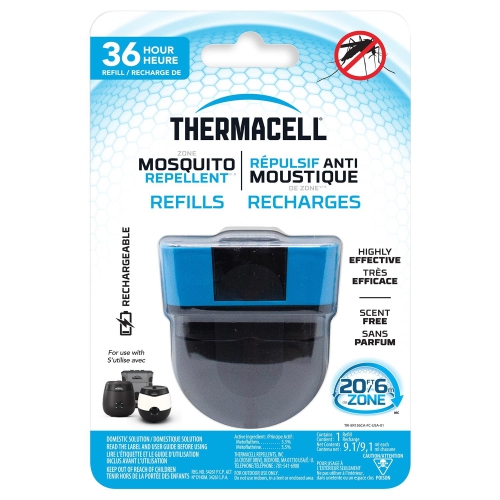 Your price for this item is $34.99
Discover more categories related to Hiking Accessories

Top Collections:
Best Laptops for Video Editing, Pokemon Centers, Samsung Z Fold, Kindle Devices, Best Cell Phones Under $300, Best Laptops for Writers, Best Budget Office Chairs, Best Cell Phones Under $500, Best Laptop Computers for Students, iPhone 15 Apple
Some products may be subject to Environmental Handling Fees
(EHF) depending on your province.
Learn more about EHFs.