Hunting Gear
Gear up for your next hunting adventure with our wide selection of high-quality hunting gear. Whether you're an experienced hunter or just starting out, we have everything you need to enhance your outdoor experience. From camouflage clothing and durable boots to reliable firearms and essential accessories, our collection of hunting gear is designed to help you stay comfortable, safe, and successful in the field. Explore our range of top-notch equipment and gear up for your next thrilling hunt.
Sort
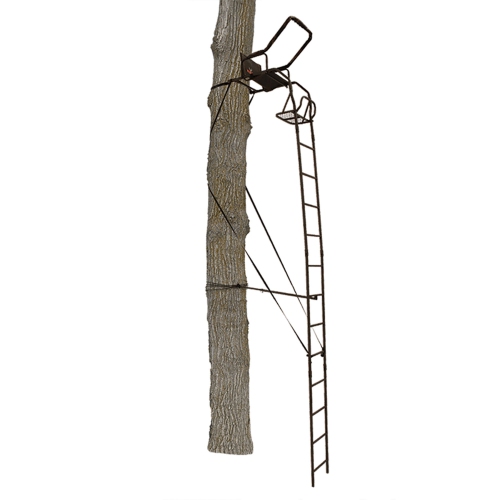
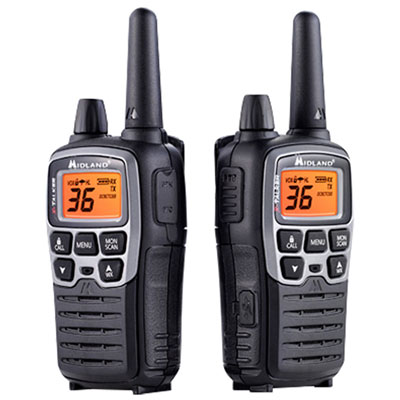
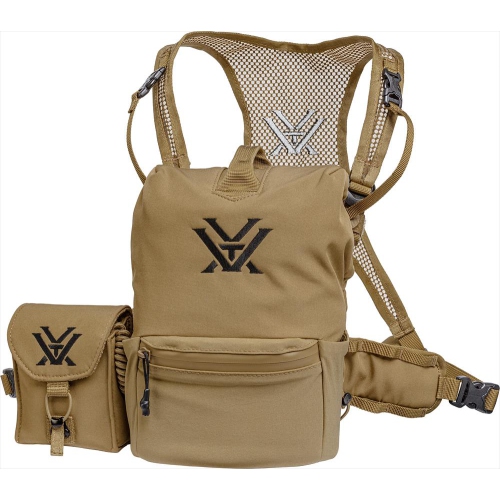
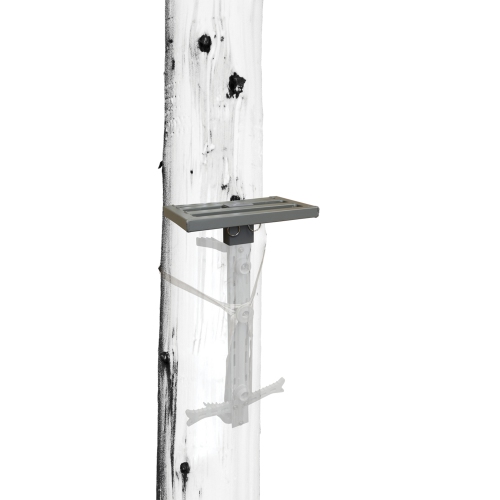


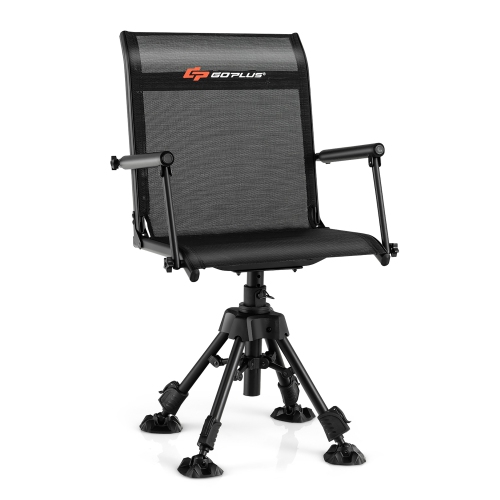
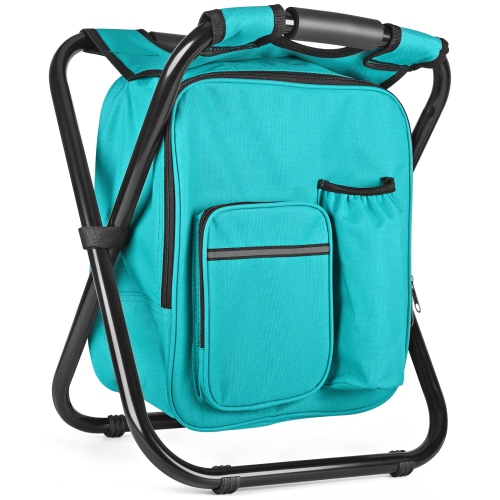
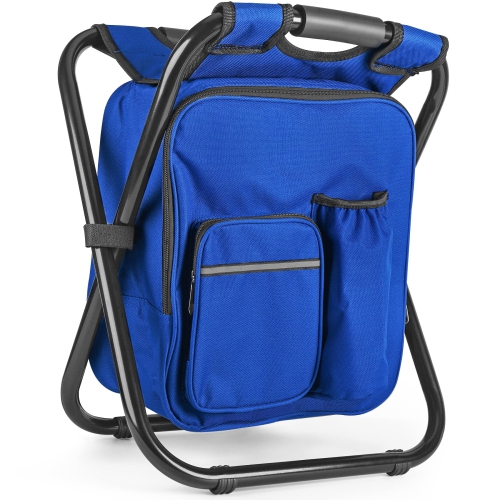
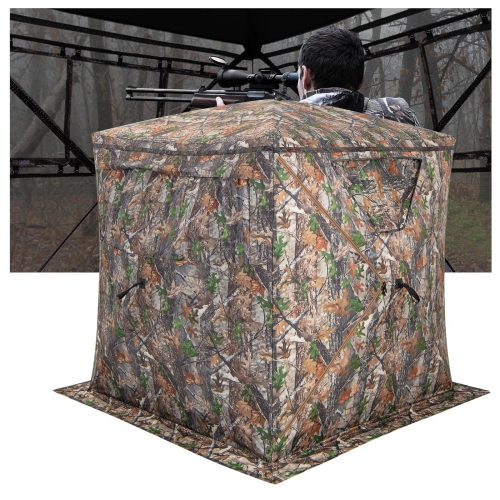
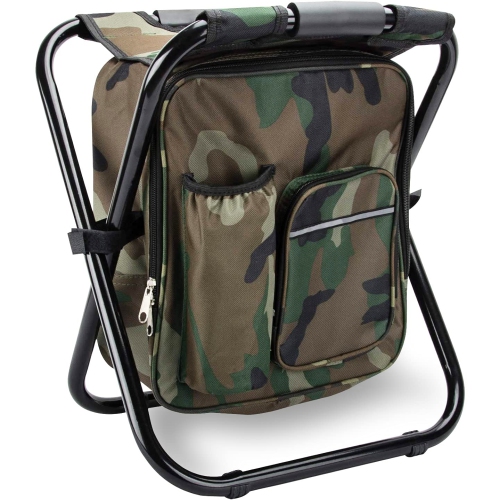
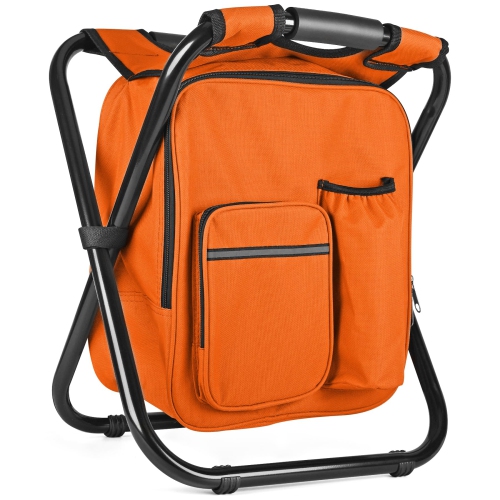
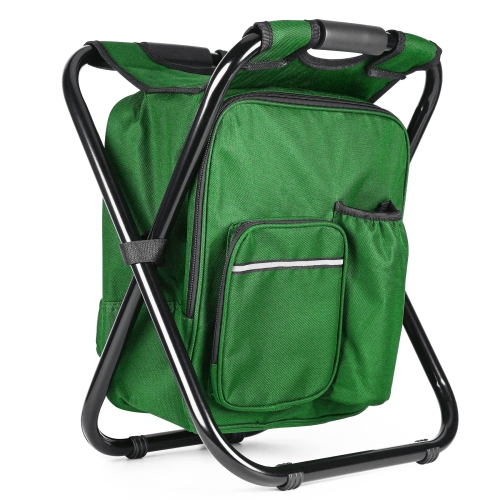
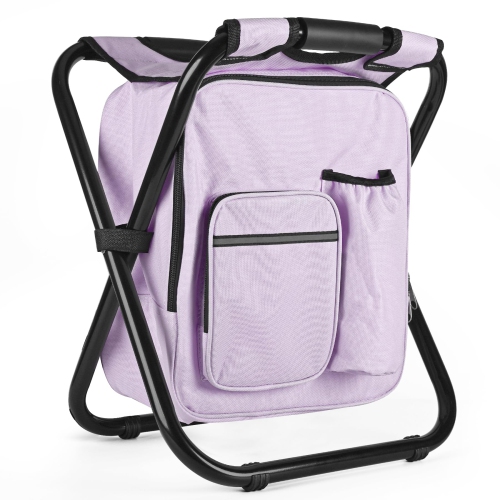
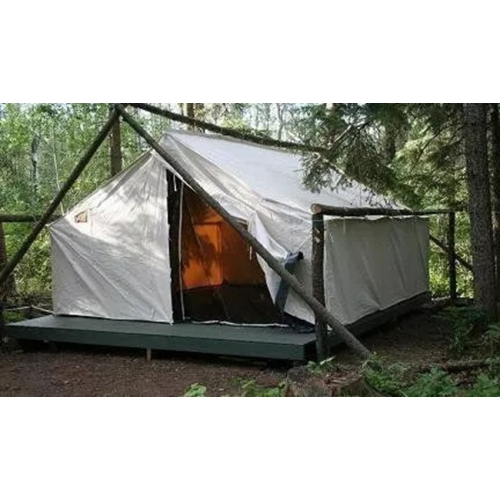
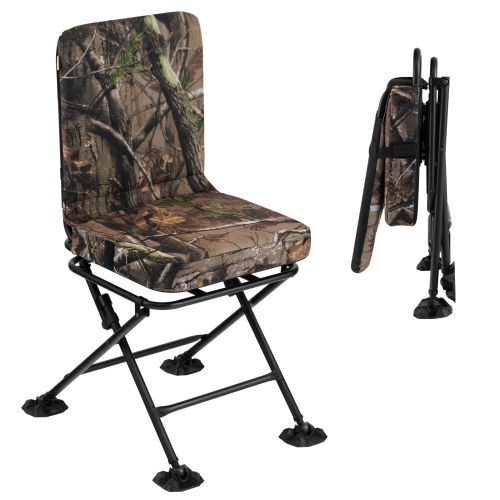
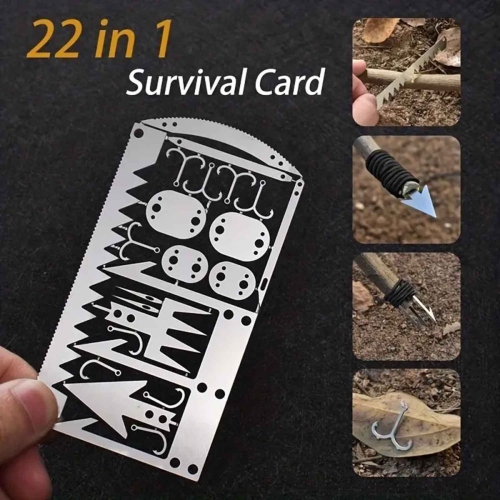
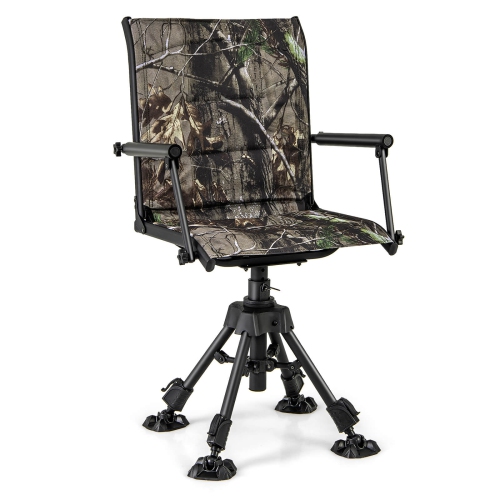
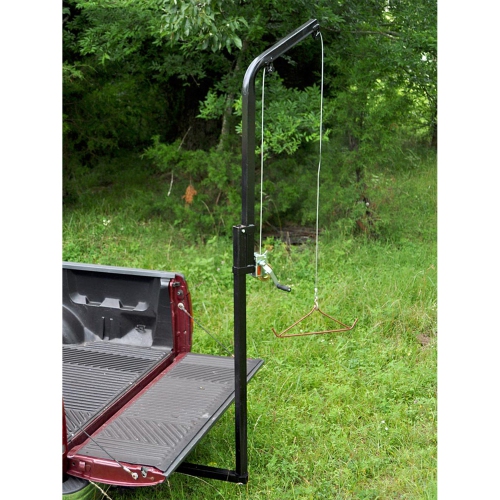
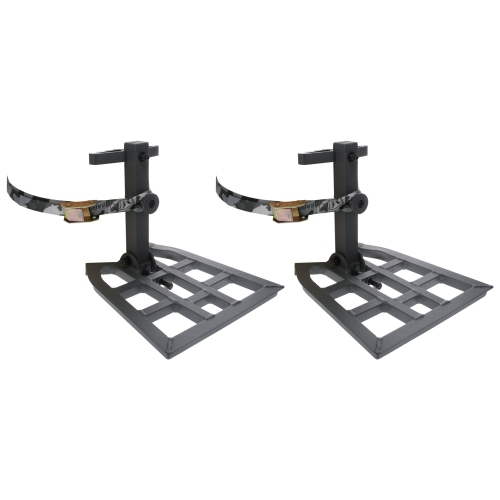
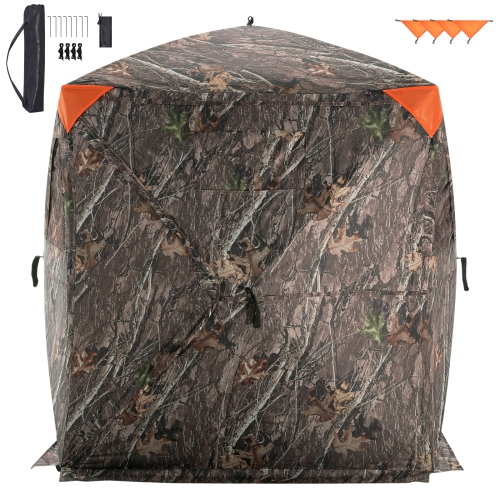

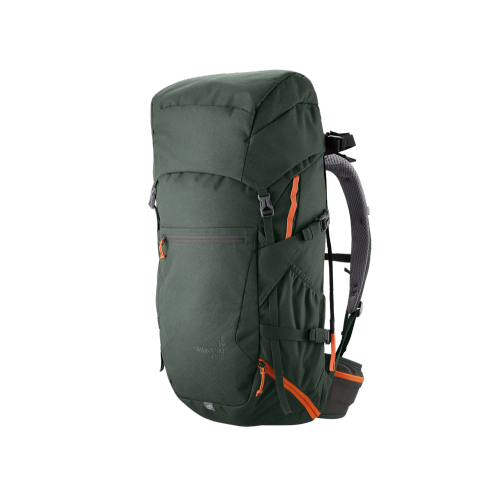

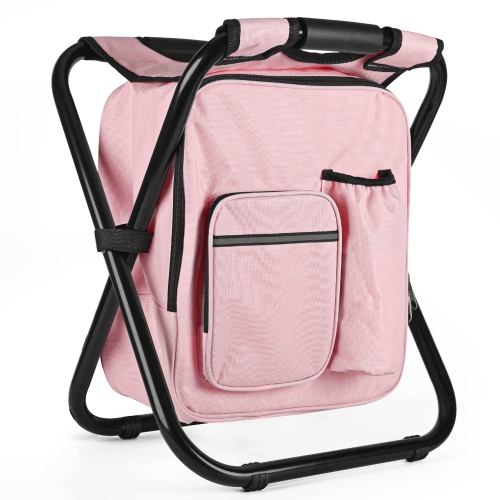
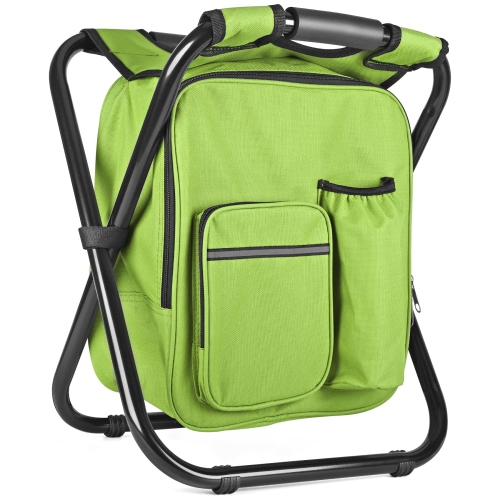
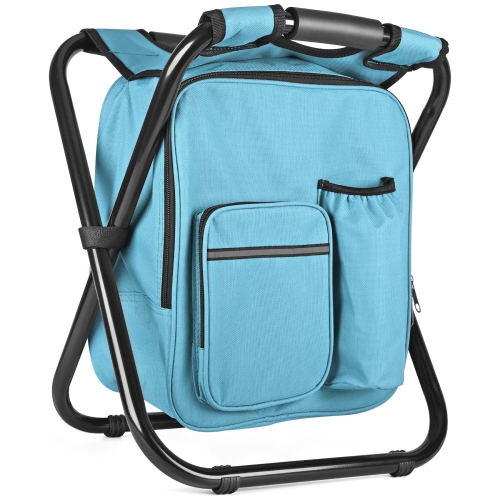
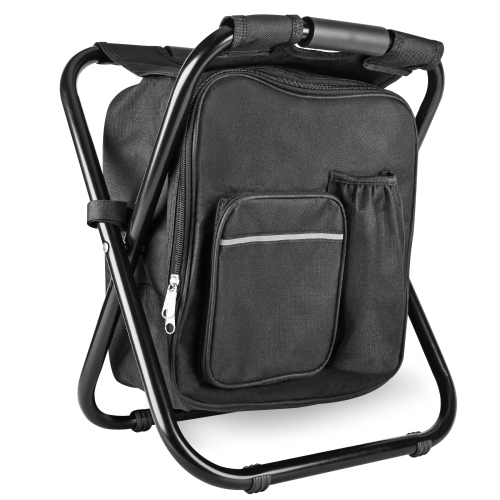
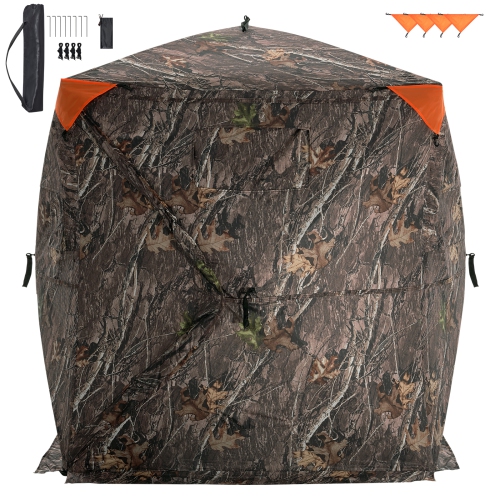
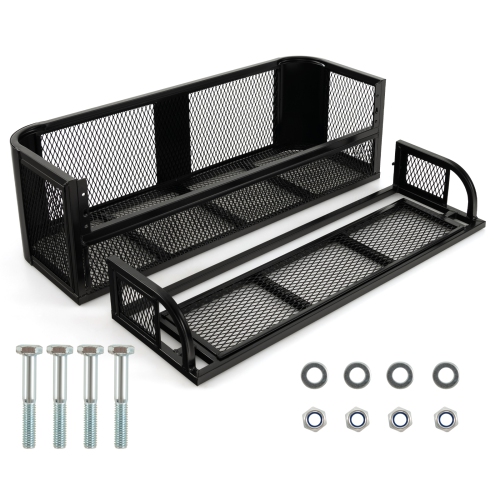
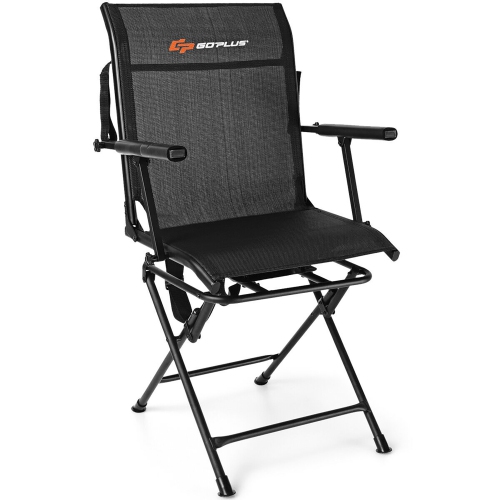
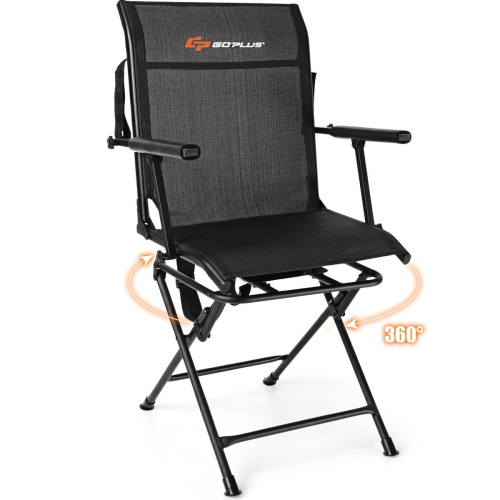
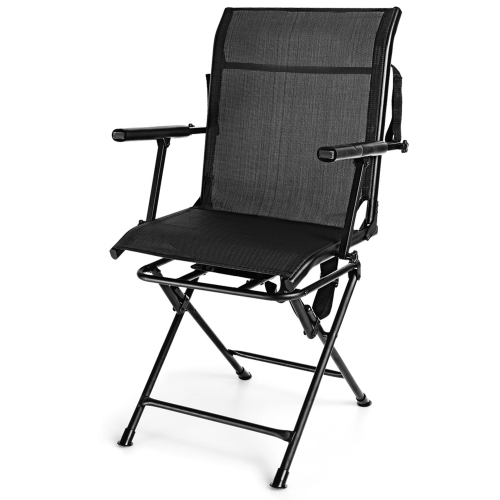
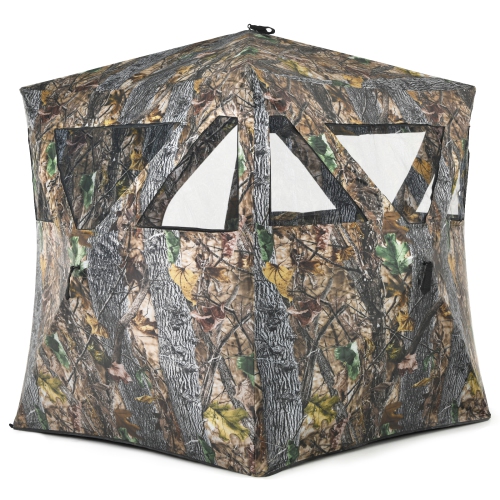
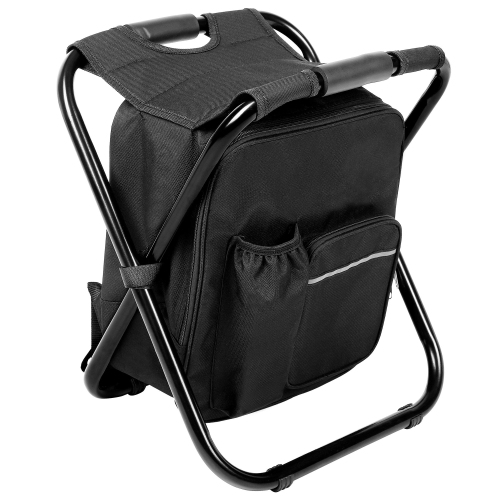
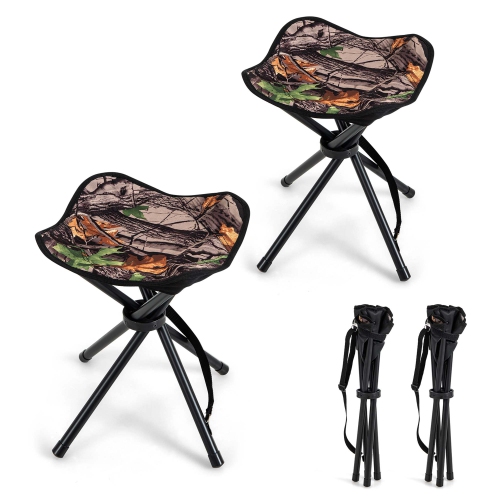

A practical field system for changing conditions and long days
Hunting gear is best chosen as a complete field system rather than as a collection of unrelated accessories. The right setup depends on the species you pursue, the terrain you cover, the distance you expect to travel and the weather you may encounter during the cooler months. Start with clothing that helps regulate body temperature through changing activity levels. A moisture-wicking base layer can move perspiration away from the skin during a long climb, while an insulating mid-layer adds warmth during quiet periods spent glassing from a ridge or waiting in a blind. Your outer layer should be quiet when moving through brush, offer protection from wind and light moisture, and provide enough room for comfortable movement. Earth-toned or patterned clothing can help break up your outline, while high-visibility safety pieces may be required in certain areas or seasons. Always check provincial and territorial regulations before heading out, including rules for hunter orange, permitted equipment, seasons, licensing and access. Footwear deserves equal attention: supportive boots with dependable traction can make a noticeable difference on wet leaves, uneven ground and long approaches, and a spare pair of dry socks can be one of the most appreciated items in a pack. For those who spend hours watching distant slopes, fields or shorelines, binoculars offer a wider view and help reduce unnecessary movement. A rangefinder can assist with distance estimation when used responsibly and in accordance with local laws, while a headlamp with spare batteries helps with early starts, late returns and careful packing after dark. Keep optics protected in a padded case or easily reached pouch, and choose controls that remain manageable when wearing gloves. A practical day pack should sit comfortably across the shoulders and hips, allow quick access to essentials, and include enough capacity for water, food, an extra layer, navigation tools and personal safety supplies. Useful details may include breathable shoulder straps, exterior attachment points, separate compartments and a built-in rain cover. A pack in the roughly 29- to 41-litre range can suit many day trips, although the best size depends on how much equipment you carry and whether you need room for additional layers or field-dressing supplies. For backcountry travel, weight distribution matters more than a large capacity alone. Place dense items close to your back, keep frequently used equipment within reach, and leave a little room so the load is not compressed into an awkward shape. If your outings also include long walks to a trailhead, scouting trips or general outdoor travel, browse Hiking Gear for additional carry and comfort options that may fit into your broader kit.
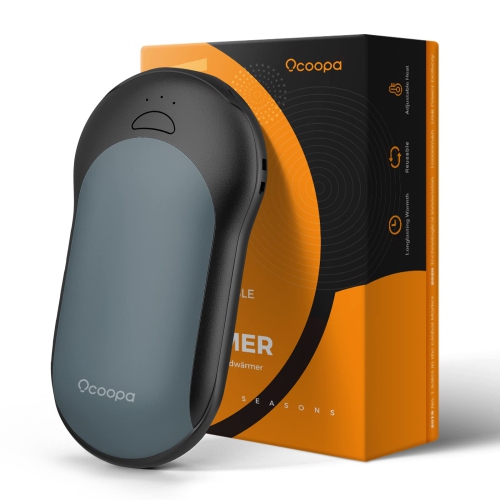
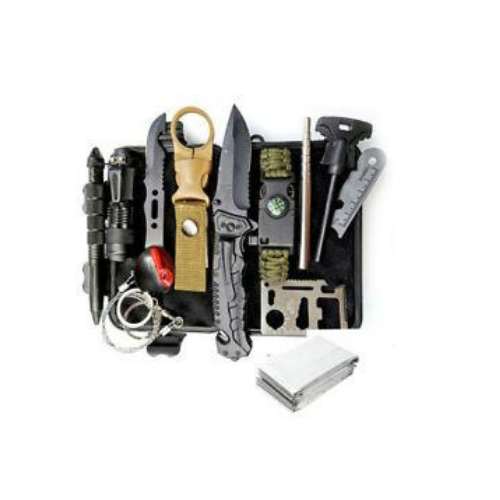
Small accessories can have an outsized effect on comfort, preparedness and peace of mind in the field. A rugged power bank can keep a phone, GPS unit or mapping device operating when a route takes longer than expected, but it should be stored in a protected pouch and paired with the correct charging cable. Download maps before leaving an area with limited service, carry a physical map and compass as a backup, and let someone at home know your destination, route and expected return. Hand warmers, light gloves, a toque and neck gaiter are easy to overlook when preparing indoors, yet they can make a cold morning far more manageable. A waterproof notebook and pencil are useful for recording observations, directions or equipment notes, while compact cordage, repair tape and a small multi-tool can help address minor problems without adding much weight. For field dressing, select purpose-built supplies that are easy to clean, secure and pack, such as durable game bags, a dependable fixed-blade knife and cordage suited to the task. Handle cutting tools carefully, keep them sheathed when not in use, and follow local requirements for transporting harvested game. Water and food planning should reflect the distance, pace and length of the outing; an insulated bottle, compact snacks and a simple water-treatment method can be valuable when a short trip stretches into a full day. Hunters who use archery equipment may prioritize quiet storage, arm protection and a stable way to carry arrows, while those using firearms should focus on safe transport, secure storage, eye and ear protection, and equipment suited to their training and local regulations. Waterfowl outings can call for waterproof storage and warmer layers, while spot-and-stalk trips often favour a lighter pack, quiet clothing and optics that are quick to access. A thoughtful hunting gear selection can also be a practical gift for a relative, friend or first-time hunter, especially when it focuses on universal essentials such as a headlamp, insulated clothing, a quality pack, binoculars or a charging solution rather than highly specialized equipment. Before giving technical gear, consider the recipient’s preferred species, activity level, usual terrain and existing equipment. The most useful additions are the ones that fit naturally into a familiar routine: a pack that carries comfortably on a steep walk, layers that remain quiet during a careful approach, or lighting and navigation tools that provide confidence when daylight fades. Pack every outing with restraint and preparation, respect private property and public-land rules, avoid taking unnecessary risks, and confirm that your equipment is clean, charged, adjusted and ready before setting out.
Small accessories can have an outsized effect on comfort, preparedness and peace of mind in the field. A rugged power bank can keep a phone, GPS unit or mapping device operating when a route takes longer than expected, but it should be stored in a protected pouch and paired with the correct charging cable. Download maps before leaving an area with limited service, carry a physical map and compass as a backup, and let someone at home know your destination, route and expected return. Hand warmers, light gloves, a toque and neck gaiter are easy to overlook when preparing indoors, yet they can make a cold morning far more manageable. A waterproof notebook and pencil are useful for recording observations, directions or equipment notes, while compact cordage, repair tape and a small multi-tool can help address minor problems without adding much weight. For field dressing, select purpose-built supplies that are easy to clean, secure and pack, such as durable game bags, a dependable fixed-blade knife and cordage suited to the task. Handle cutting tools carefully, keep them sheathed when not in use, and follow local requirements for transporting harvested game. Water and food planning should reflect the distance, pace and length of the outing; an insulated bottle, compact snacks and a simple water-treatment method can be valuable when a short trip stretches into a full day. Hunters who use archery equipment may prioritize quiet storage, arm protection and a stable way to carry arrows, while those using firearms should focus on safe transport, secure storage, eye and ear protection, and equipment suited to their training and local regulations. Waterfowl outings can call for waterproof storage and warmer layers, while spot-and-stalk trips often favour a lighter pack, quiet clothing and optics that are quick to access. A thoughtful hunting gear selection can also be a practical gift for a relative, friend or first-time hunter, especially when it focuses on universal essentials such as a headlamp, insulated clothing, a quality pack, binoculars or a charging solution rather than highly specialized equipment. Before giving technical gear, consider the recipient’s preferred species, activity level, usual terrain and existing equipment. The most useful additions are the ones that fit naturally into a familiar routine: a pack that carries comfortably on a steep walk, layers that remain quiet during a careful approach, or lighting and navigation tools that provide confidence when daylight fades. Pack every outing with restraint and preparation, respect private property and public-land rules, avoid taking unnecessary risks, and confirm that your equipment is clean, charged, adjusted and ready before setting out.
Top selling and popular products
-
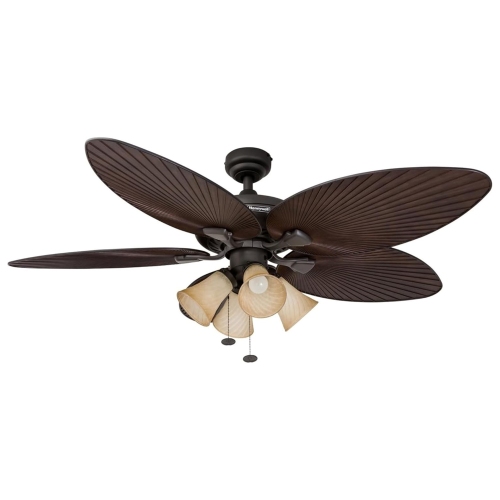 Your price for this item is $257.99
 -
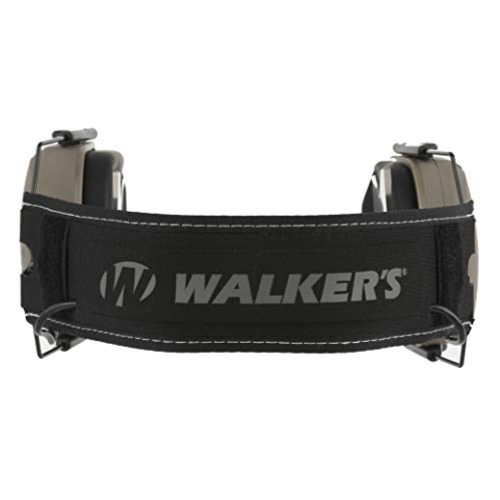 Your price for this item is $119.99
 -
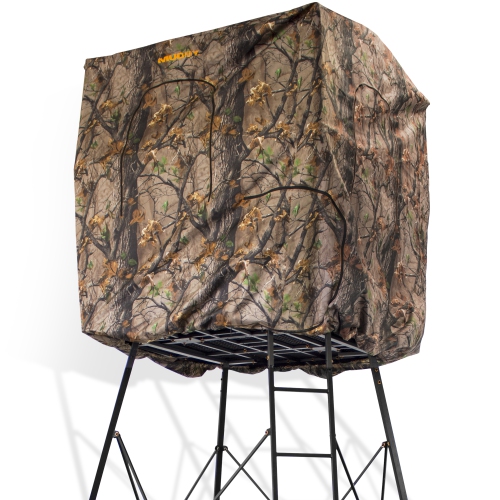 Your price for this item is $516.99
 -
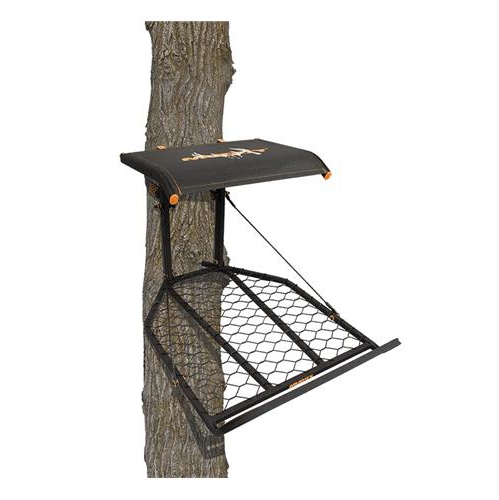 Your price for this item is $205.99
 -
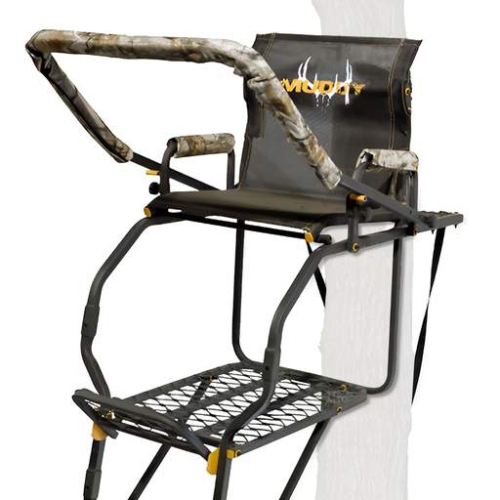 Your price for this item is $420.99
 -
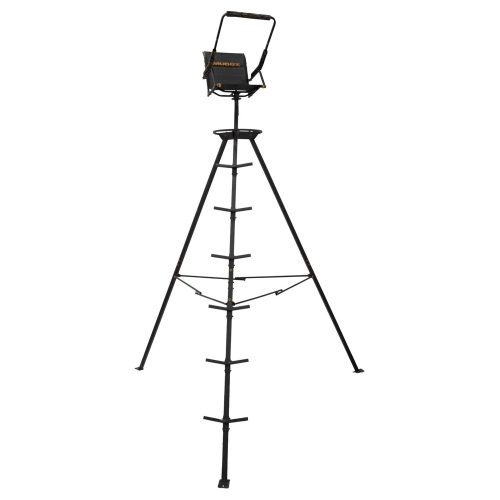 Your price for this item is $516.99
 -
 Your price for this item is $277.99
 -
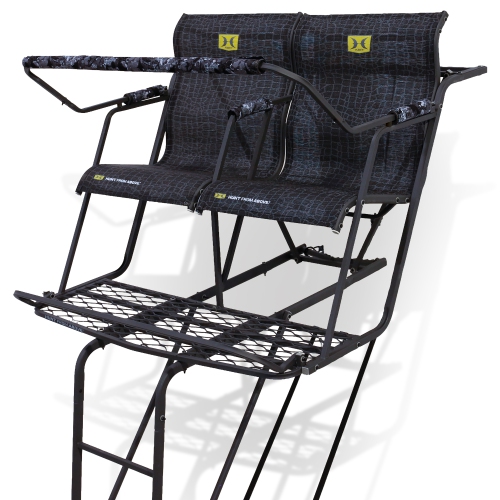 Your price for this item is $705.99
Discover more categories related to Hunting Gear
Top Collections:
Pokemon Centers, Kindle Devices, Best Budget Office Chairs, Apple iPhones 16, Best Laptops for Writers, iPhone 15 Apple, Canon G7X Cameras, Refurbished Apple Laptops, Alarm Clock, Motorola Razr Phones
Some products may be subject to Environmental Handling Fees
(EHF) depending on your province.
Learn more about EHFs.